
Summary
May 7, 2026 | 8:30 AM – 5:00 PM ET
The 2026 Annual Symposium for the Leon Levy Scholarships in Neuroscience is the flagship event for this highly competitive program. Presented by The New York Academy of Sciences in partnership with the Leon Levy Foundation, this Symposium is open to esteemed members of the local neuroscience community by invitation only. Current Leon Levy scholars from the 2025 cohort will be introducing their research proposals, while scholars from the 2023 and 2024 cohorts will be presenting updates on their research. Attendees will have ample opportunity to network with scholars, mentors, PI’s, program alumni and other prominent New York City based neuroscientists.
The Leon Levy Scholarships in Neuroscience aim to promote groundbreaking neuroscience research in the five boroughs of New York City. The scholarships support the most innovative young researchers at a critical stage of their careers—their postdoctoral research—as they develop new ideas and directions to help establish them as independent neuroscientists. To learn more about the program or request an invitation, click here or contact us at leonlevy@nyas.org.
Sponsor
Keynote Speaker
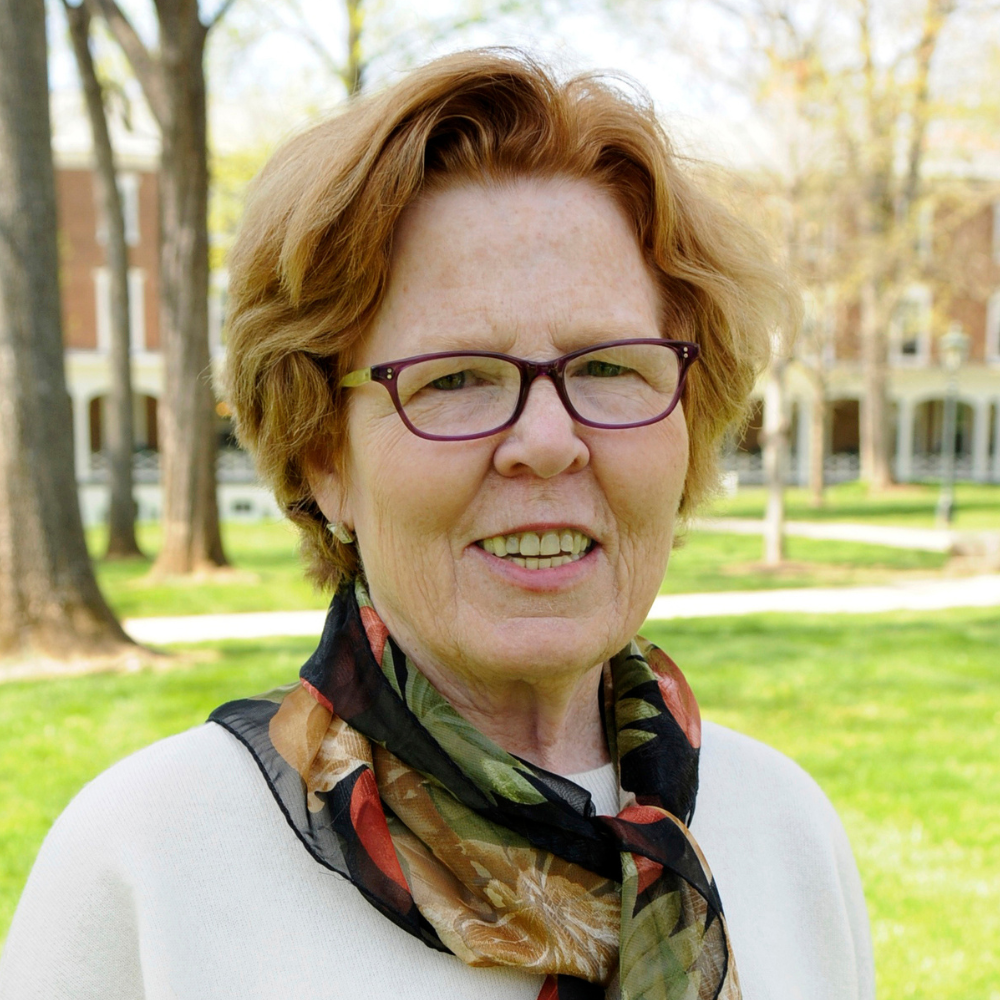
Mary E. Hatten, PhD
Mary E. Hatten, Ph.D. is the Frederick P. Rose Professor and Head of the Laboratory of Developmental Neurobiology at the Rockefeller University and Co-Director of the Shelby White and Leon Levy Center for Mind, Brain and Behavior at Rockefeller. She has made landmark discoveries on the mechanisms underlying glial-guided migration, a critical process in brain histogenesis. Her lab discovered the Astrotactin gene family, which function as neuron-glial ligands in migration and are implicated in a broad range of neurodevelopmental disorders including autism and ADHD. In recent work she developed robust protocols to differentiate the two principal human cerebellar neurons, Purkinje cells and granule cells from human pluripotent stem cells or patient-derived human induced pluripotent stem cells. To model cerebellar circuits, she has engineered a microfluidic system in which to culture purified human PCs or GCs in laminae that mimic the layered architecture of the cerebellar cortex.
Dr. Hatten received a B.A. from Hollins College, a Ph.D. from Princeton University and postdoctoral research at Harvard Medical School. Among other awards, she is the recipient of the Ralph W. Gerard Prize for Lifetime Achievement from the Society for Neuroscience and is a member of the National Academy of Sciences USA, the National Academy of Medicine USA and the American Academy of Arts and Sciences.
Abstract
In early phases of mammalian brain development glial-guided neuronal migration establishes the laminar organization of cortical brain regions. The Astrotactin gene family provides a neuron-glial ligand for glial migration with ASTN1 serving as an adhesion protein and ASTN2 regulating the turnover of ASTN1 and trafficking of synaptic proteins. Recent studies on human patients ASTN variants show severe neuro-developmental disorders (NDDs) in both cerebellum, cortex and hippocampus with migration deficits. A loss of Astn2 in the mouse results in a range of behavioral deficits that mimic those seen in patients with ASDs, including a marked decrease in separation-induced pup ultrasonic vocalization calls, hyperactivity, repetitive behaviors, altered behavior in the three-chamber test, and impaired cerebellar-dependent eyeblink conditioning. Current work in the lab focuses on the use of our described method to generate human pluripotent stem cell and iPSC-derived PCs and GCs. To generate a laminar system that mimics the laminar structure of the cerebellar cortex, we have bioengineered a novel microfluidic system suitable for both molecular and ephys studies. We are using this system to discover gene expression changes as well as deficits in cerebeller circuits involved human cerebellar disorders.
Registration
This event is invite only.