Summary
March 2, 2026 | 4:30 PM – 7:00 PM ET
115 Broadway, 8th Floor, New York, NY 10006
or join virtually by Zoom
Doors open: 4:15 pm
Presentation and Q&A: 4:30 – 6:00 pm
Reception with light refreshments: 6:00 – 7:00 pm
Join us for our Distinguished Lecture Series featuring Pamela Geller.
Small plastic things forgotten, to riff on historical archaeologist James Deetz, are born from scientific innovation and entrepreneurial spirit. As a case study, I consider the ubiquitous though taken for granted polyethylene T-shirt bag. Low-cost, convenience, and durability are some reasons it is accorded utilitarian value. But at what price, in what kind of conditions, and for how long? In answer, I track the lifecycle of this plastic artifact, “excavating” backwards from landfill (or incinerator) to recycling facility to storage space to factory floor. This contextualization reveals typological attributes and degradation processes that refute commonsensical narratives, most of which have been industry generated, about the plastic bag’s harmlessness and inevitability.
Beyond description, analysis of small plastic things forgotten also invites us to draw inferences about the human condition as it has unfolded from the early 20 th century onward. An archaeology of plastics—not just of polyethylene bags but also of Bakelite buttons, nylon stockings, PET bottles, red Solo cups, dental floss picks, etc.—certainly evidences the Plastic Age, as prior writers have remarked. Here I argue for plastics as the catalyst of a more sweeping Synthetic Revolution. Relationally speaking, what attributes does this revolution share with prior ones (i.e., Neolithic, Urban, Industrial), and how is it distinctive? There is also a sense of evolution in the revolution. Does the Synthetic Revolution’s radical transformation of societies, ontologies, ecosystems, and species herald progress or retrogress? Or does the linearity of cultural evolutionary logic prove inadequate for understanding life on a damaged planet?
Speakers
Speaker
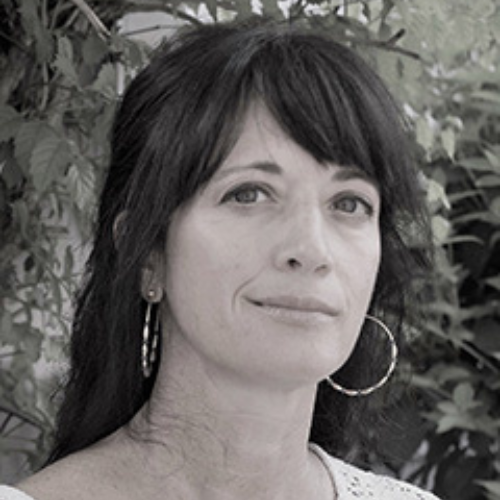
Pamela Geller
Professor of Anthropology,
University of Miami
Discussant
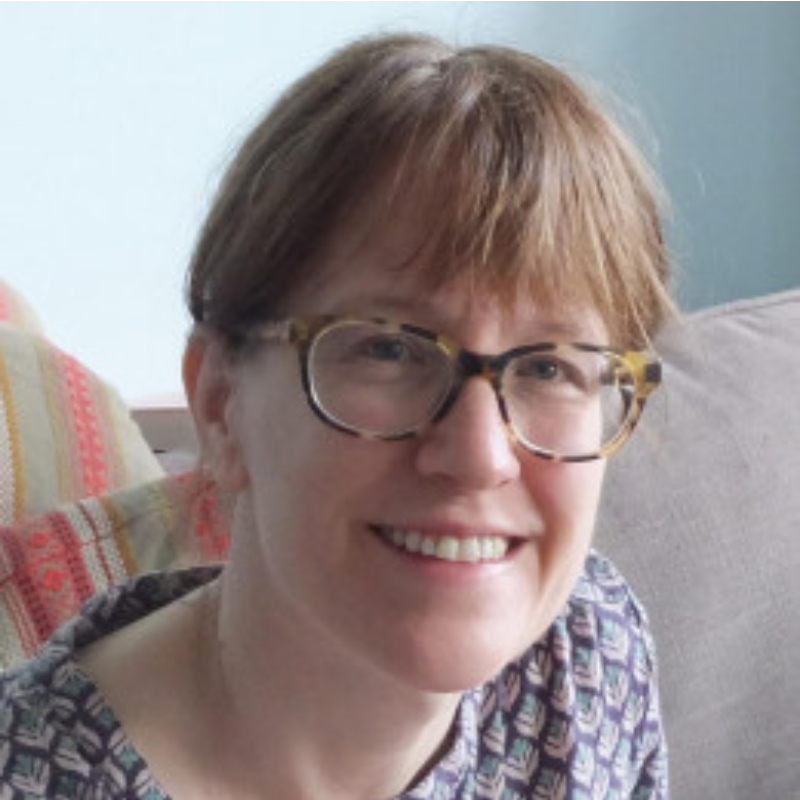
Zoe Crossland
Professor of Anthropology,
University of Miami
Pricing
All: Free
About the Series
Since 1877, the Anthropology Section of The New York Academy of Sciences has served as a meeting place for scholars in the Greater New York area. The section strives to be a progressive voice within the anthropological community and to contribute innovative perspectives on the human condition nationally and internationally. Learn more and view other events in the Anthropology Section series.
Registration
This event is open for registration.