Confronting Imposter Syndrome in STEM
Imposter Syndrome affects STEM professionals, yet it isn’t always acknowledged. Addressing it openly can build confidence, strengthen communities, and unlock scientific potential.
Published April 1, 2026
By Zamara Choudhary
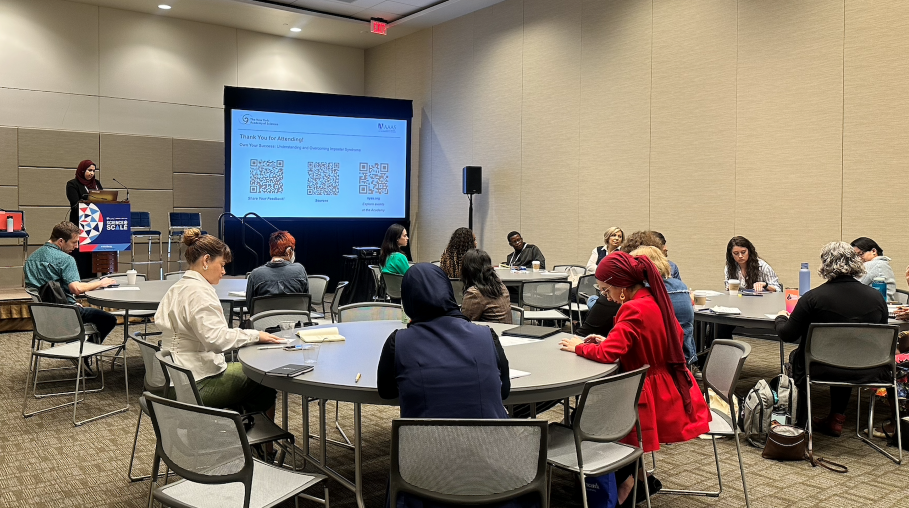
Even the most accomplished people can feel like frauds.
In competitive environments, success is often parceled with pressure. Even the people we admire most can quietly question whether they truly belong, despite clear evidence of their abilities.
This pattern is popularly called Imposter Syndrome. And it is far more common than we may realize.
Understanding Imposter Syndrome and Why It Persists
Psychologists Pauline Clance and Suzanne Imes coined the term “imposter phenomenon” in 1978 to describe feelings of inadequacy brought on by self-doubt, even when presented with clear evidence of the talents behind success. Despite not being medically classified as a “disorder” or “syndrome,” this behavior is now commonly known as Imposter Syndrome. Today, up to 82% of individuals experience feelings of Imposter Syndrome, exerting reverberating effects on their lives.
At its core, Imposter Syndrome is a disconnect between achievement and self-perception. It is rooted in what Clance and Imes called the “imposter cycle,” where an individual is given a task and then either overprepares or procrastinates in response to anxiety and self-doubt. They eventually complete the task, but attribute their feat to luck, timing, or external help rather than their own competence. Any positive feedback they receive is dismissed. Essentially, there is a failure to internalize success because it is thought of as a product of either working harder than everyone else because of a deficiency or last-minute lucky decisions. Over time, this mindset erodes confidence and distorts how success is interpreted.
Why STEM Environments Amplify Self-Doubt
Highly competitive environments like STEM fields can intensify Imposter Syndrome. They include consistent evaluation and reward excellence but often lack clear benchmarks for success. This uncertainty fuels comparison, causing individuals to measure themselves against equally high-achieving peers, leading to feelings of inadequacy.
In STEM environments, access to opportunities may depend on institutional prestige, networks, or resources. This culture of gatekeeping exacerbates feelings of Imposter Syndrome, where someone may doubt their credentials by comparing them to what a field may deem as the most desirable.
The result is that many individuals privately doubt themselves but assume others feel confident. This phenomenon, known as pluralistic ignorance, creates a false perception of isolation. However, in reality, many people share the same internal struggles.
Who Experiences Imposter Syndrome?
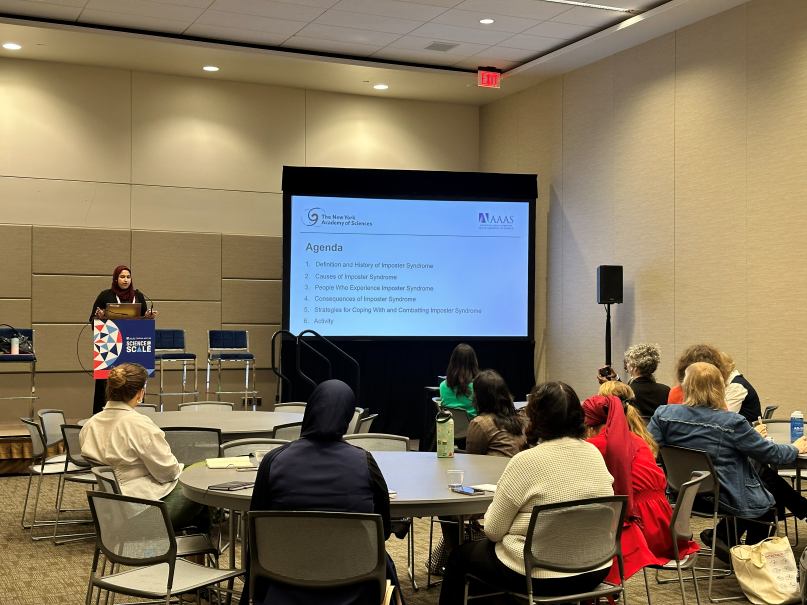
Since Imposter Syndrome is a product of highly competitive environments, the phenomenon is especially prevalent amongst high-achieving individuals who often strongly identify with their professional roles. When our expertise grows and we become more cognizant of what we do not know, this awareness can fuel self-doubt. Imposter syndrome is actually less common in people who are genuinely unskilled, because they lack the insight to doubt themselves.
Individuals from backgrounds underrepresented in STEM are also more likely to experience feelings of Imposter Syndrome. Clance and Imes first coined the term and observed the “imposter phenomenon” amongst women in STEM, who are still underrepresented within these fields in the United States. When someone does not see people who look like them or share their formative experiences, it reinforces the perception they do not belong.
In sum, competence and confidence do not always align.
The Consequences of Imposter Syndrome
Unchecked, Imposter Syndrome can have serious consequences. It affects both individuals and the broader STEM ecosystem.
What often begins as stress and anxiety can snowball into feelings that have a tremendous impact on mental health and well-being. Self-doubt can limit career growth – individuals may avoid applying for grants, promotions, or leadership roles because they feel they are not worthy of or ready for these opportunities. Relationships can also suffer because perfectionism and overwork reduces time and energy for connection.
The result is cognitive overload – and ultimately, burnout. When someone obsessively self-monitors, they are draining valuable mental resources that could otherwise be spent on more beneficial pursuits. And with burnout, when talented individuals disengage or leave STEM altogether, the field loses valuable perspectives. Since Imposter Syndrome is especially common amongst individuals from underrepresented groups, we risk losing out on perspectives that have a particular propensity to fuel innovation.
Addressing Imposter Syndrome: Transforming Self-Doubt into Self-Trust
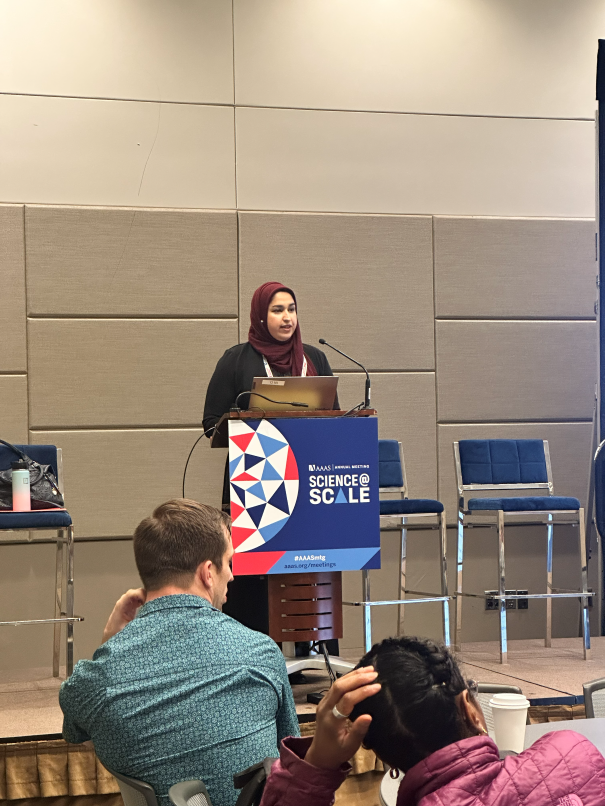
Addressing Imposter Syndrome begins with awareness. Naming the experience helps normalize it and combats feelings of isolation. Structured reflection tools, such as the Clance Imposter Phenomenon Scale, can help individuals recognize and assess their experiences. In addition, open conversations amongst trusted community members and colleagues can reduce stigma and foster connection. Similarly, trusted advisors or mentors can help individuals interpret challenges more accurately and healthily. These actions support reframing thoughts of self-doubt into phrases that acknowledge and then negate the feeling of fraudulence.
Shifting from perfectionism to a growth mindset is equally important. This can be especially challenging for scientists, who are rewarded for rigor and polish. However, mistakes are part of learning, not evidence of failure. They allow us to improve and recognize progress. This concept is actually foundational to the scientific method, where structured trial and error allow researchers to strategically explore the most complex questions.
Setting realistic goals based on a growth mindset supports sustainable progress. And celebrating milestones, even modest ones, builds confidence over time.
Owning Success as a Practice and Building a Stronger STEM Community
Imposter Syndrome may not disappear entirely. However, it can be managed.
Confidence is not a fixed trait. It is a practice built through reflection, community, and action. By recognizing achievements and challenging self-doubt, individuals can reshape how they see themselves.
Addressing Imposter Syndrome is not just about self-help – it is a catalyst for building a more compassionate, inclusive, and stronger STEM community. When scientists own their success, they expand what is possible for themselves and others. And in doing so, they help build a more resilient, innovative, and inclusive STEM community, scaling knowledge and building confidence in our ability to harness STEM for the public good.
Interested in learning more? Join us at The New York Academy of Sciences for the workshop, Own Your Success: Understanding and Overcoming Imposter Syndrome. Learn more and register here.