Connecting Scientists Across Disciplines at the 2026 Blavatnik Science Symposium
The 2026 Blavatnik Science Symposium brought together honorees working across the physical sciences, life sciences, engineering, and mathematics, creating opportunities to exchange ideas well beyond their own disciplines.
Published August 6, 2026
By Stephen Albright, Alexandra Dillon, Nick Fetty, Hilliary O. Frank, Emily Kim, Nina R. Montoya, Mamta Tahiliani, and Alec Wills
The Blavatnik Awards alumni honorees gathered at The New York Academy of Sciences on July 13 and 14 share their latest research, participate in panel discussions, and networking opportunities. Nicholas B. Dirks, President and CEO of the Academy, welcomed attendees and opened this annual symposium.
“This symposium exists for a simple reason: extraordinary scientific advances occur not only through individual discovery but also through the exchange of ideas across disciplines, institutions, and geographic regions,” said Dirks. “While we are together, we have the opportunity to learn from one another, forge new connections, and perhaps spark collaborations that will help shape the future.”
Dirks pointed out that the Blavatnik Awards for Young Scientists is celebrating its 20th anniversary this year. Over the past two decades, the Blavatnik community has grown to include more than 500 scientists around the United States, the United Kingdom, and Israel. These scholars have secured more than 800 patents and founded over 50 companies, five of which are listed on the NASDAQ and the New York Stock Exchange, with a market capitalization of US$40 billion.
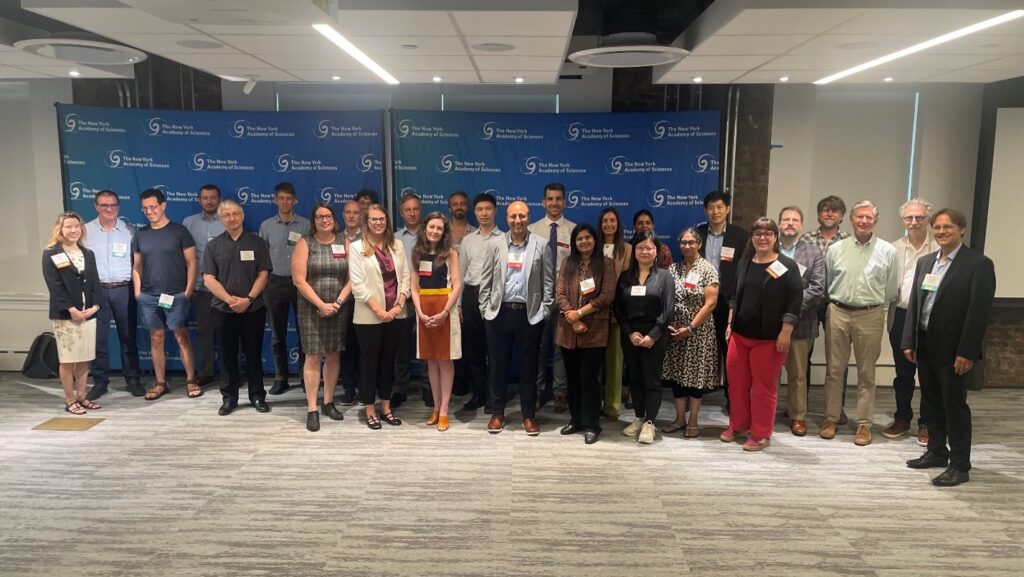
Each summer the Symposium provides opportunities to connect across disciplines and geographies, exchange ideas, and foster new collaborations. Bringing together honorees from the earliest cohorts of the Awards alongside those recognized more recently, the symposium also offers insight into how their research, careers, and accomplishments have evolved since receiving the Award. Connections formed through the Blavatnik Awards community have led to impactful interdisciplinary research in areas like nanophotonics, virology, antibiotic resistance, and electromagnetic science.
The Blavatnik Awards have provided early-career scientists with critical support to pursue bold ideas and accelerate discovery. That investment is especially meaningful at a time when scientific research and education face growing challenges, particularly in the United States.
Session I: From Molecular Synthesis to Sustainable Solutions
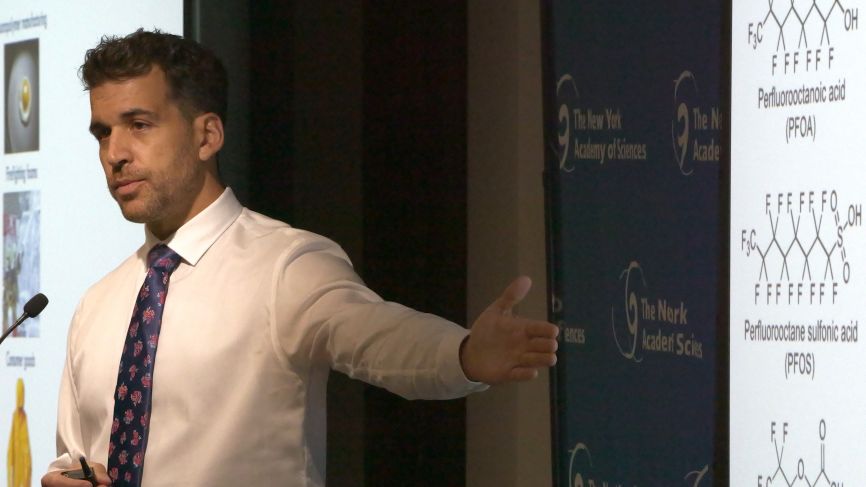
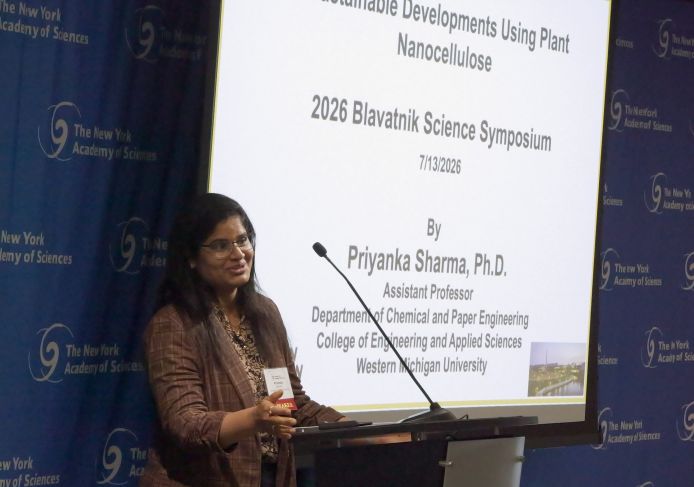
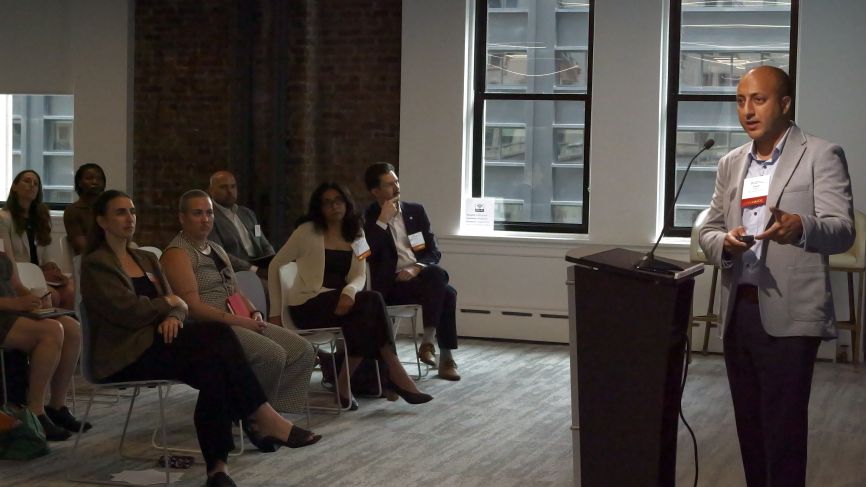
The symposium opened with three talks showcasing how chemistry is enabling innovative solutions to environmental and technological challenges.
Frank Leibfarth (University of North Carolina at Chapel Hill) presented on the development of advanced materials to remove persistent PFAS contaminants from drinking water while highlighting North Carolina’s NC PURE initiative. This initiative brings together researchers, utilities, industry, and policymakers to accelerate real-world PFAS solutions.
Priyanka Sharma (Western Michigan University) showcased sustainable methods for producing plant-based nanocellulose. She demonstrated how these renewable materials can remove toxic metals and nutrient pollutants from water while being recyclable and reusable for environmental remediation.
David Nagib (The Ohio State University) highlighted new radical- and carbene-based strategies for transforming traditionally unreactive chemical bonds. This enables chemists to selectively modify complex molecules and expand the toolbox for chemical synthesis.
Session II: Hacking Reality: Discovery, Molecules, and Learning
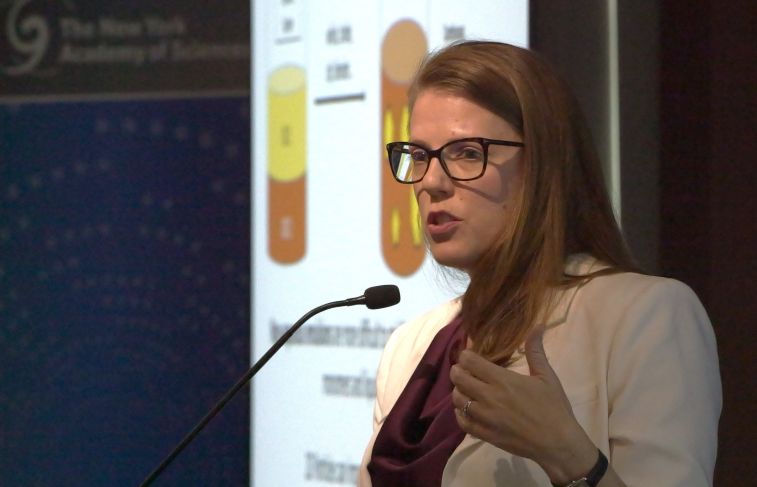
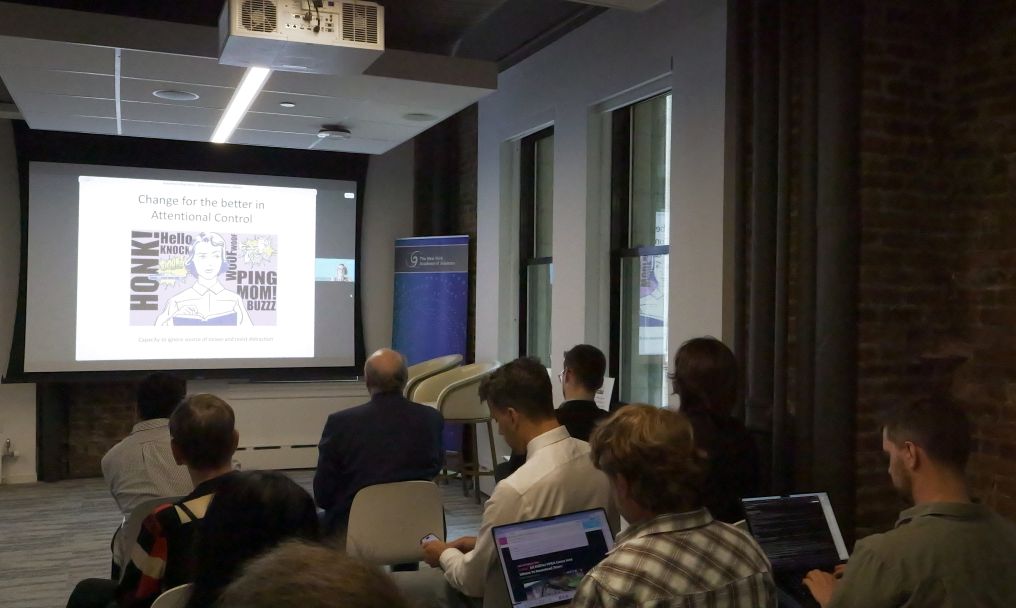
Bookended by keynote presentations from Marin Soljačić and Daphné Bavelier, the second session explored how technology is reshaping scientific discovery, materials, and learning.
Marin Soljačić (Keynote, Massachusetts Institute of Technology) explored how artificial intelligence is transforming scientific discovery by generating hypotheses, designing experiments, and enabling self-driving laboratories, while highlighting photonics as both a powerful platform for AI hardware and a model system for applying AI across scientific disciplines.
Emily Pentzer (Texas A&M University) showcased innovative polymer composite materials created through emulsion-based chemistry and advanced processing. This work demonstrates applications in carbon capture, additive manufacturing, and thermal energy storage while highlighting their potential to address large-scale sustainability challenges.
Daphné Bavelier (Keynote, University of Geneva) virtually presented research demonstrating how action video games enhance attention as a foundation for improved cognition. This research explores how these insights can be applied to develop more effective educational tools for skills ranging from reading to lifelong learning.
Session III: Biological Identity in Cells, Tissues, and Populations
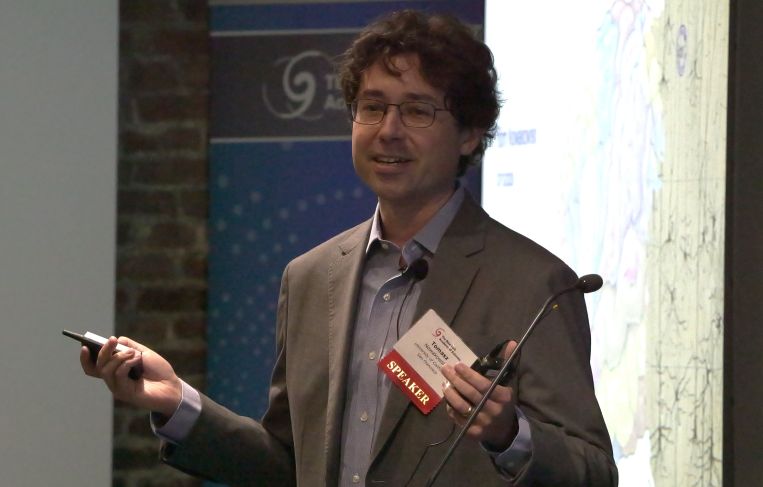
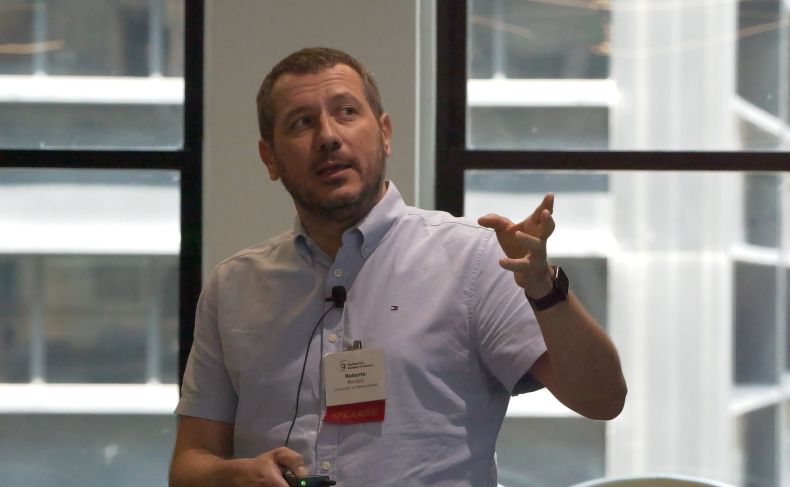
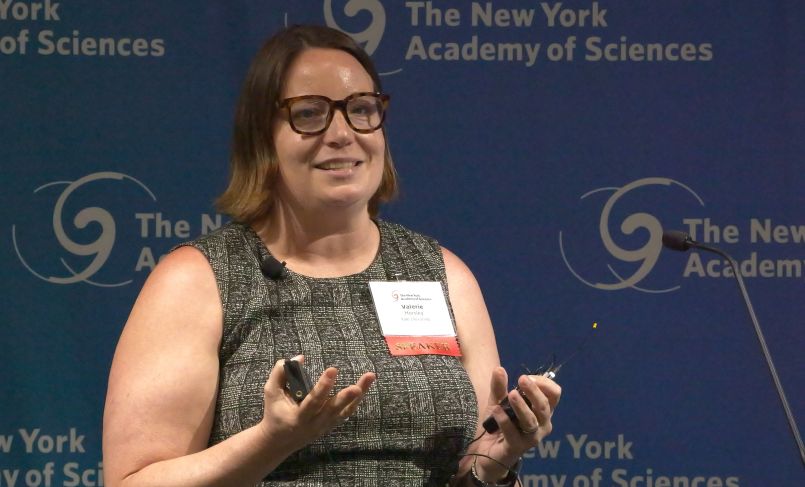
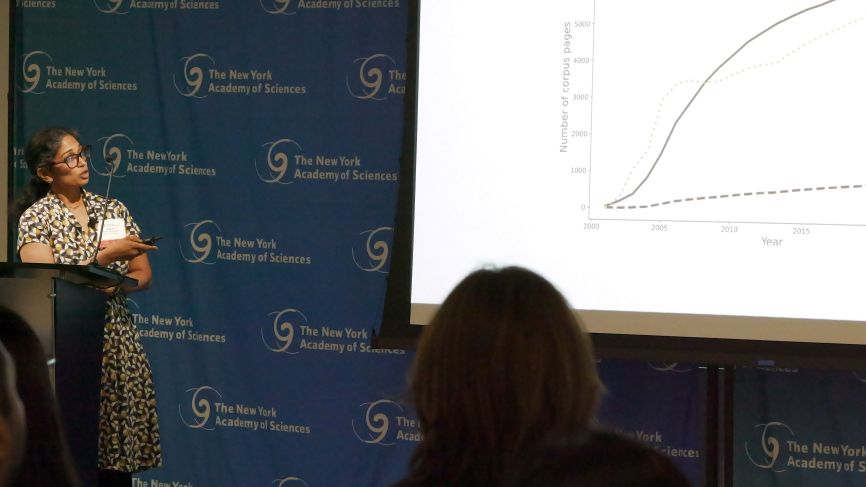
The afternoon’s first session explored how biological identity is established, interpreted, and communicated across cells, tissues, and populations.
Tomasz Nowakowski (University of California, San Francisco) explored the brains of individuals with autism spectrum disorder (ASD) at the cellular level. He examines post-mortem brain tissue samples to identify specific genes and cell types that are molecularly different in the ASD brain, especially in the area of the brain that controls speech.
Roberto Bonasio (University of Pennsylvania) showcased work leveraging the regenerative properties of planarians, or flatworms, to elucidate how chemical signals from neurons can be translated into molecular signals that allow for memories to be transferred from one generation to the next.
Valerie Horsely (Yale University) discussed the coordinated cellular responses that occur in large tissues during disease processes. Her work focuses on the loss of lipids from fat cells (also known as adipose cells) during skin fibrosis and revealing a mechanism that may be targeted therapeutically for patients with fibrotic diseases.
Sohini Ramachandran (Brown University) explored what happens when large genetic datasets become part of public discourse to promote genetic essentialism which seeks to define ethnicity and racial identifiers as fixed biological classifications. This research reveals a need for scientists to improve communication of human genetics for diverse audiences.
Session IV: The Mathematics of Computation: Geometry, Approximation, and Learning at Scale
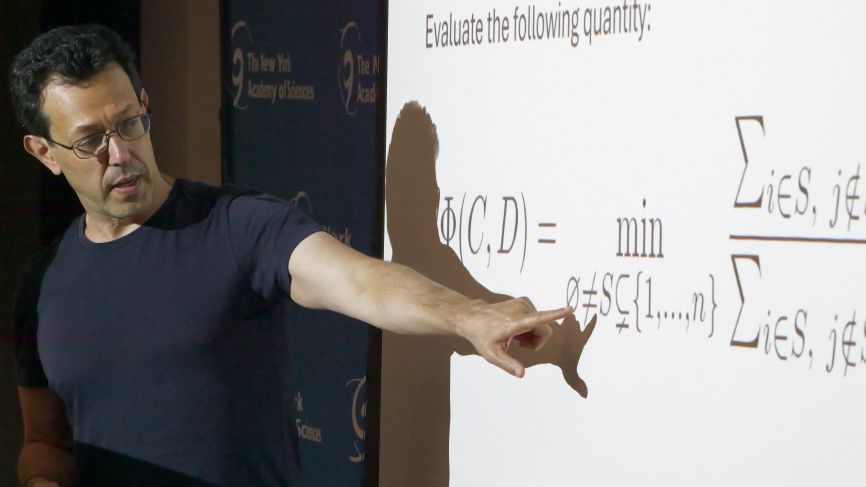
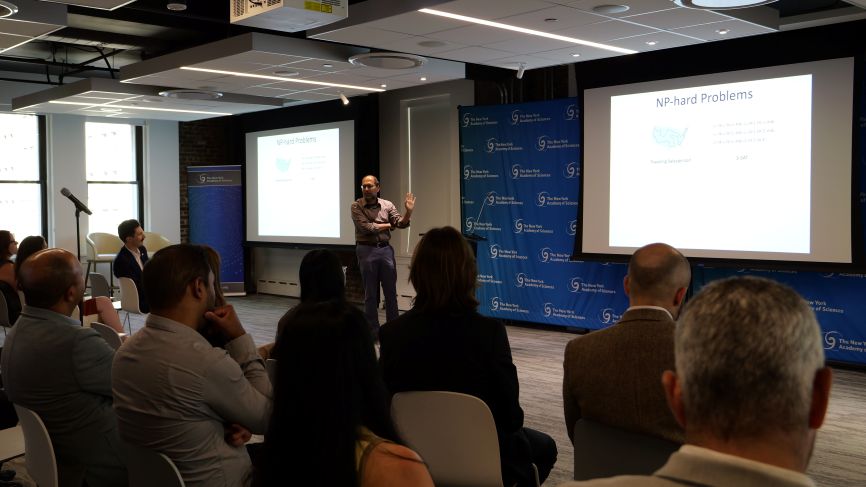
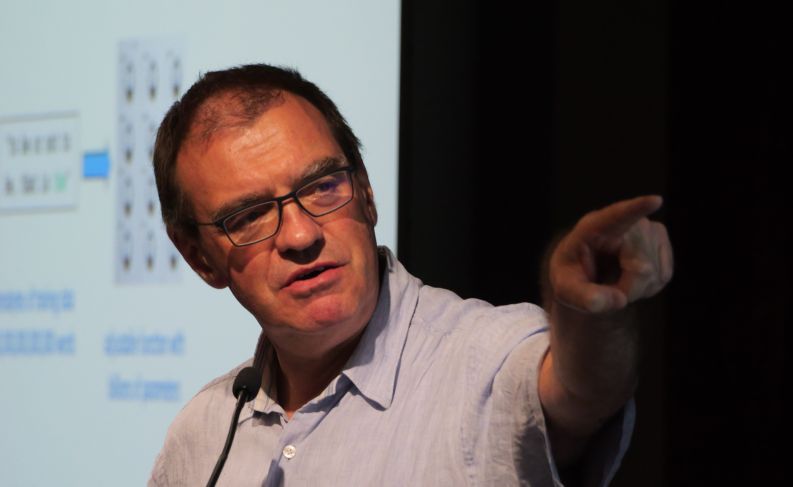
The final scientific session of day one explored the mathematics underlying computation and artificial intelligence, featuring keynote presentations from Assaf Naor and Léon Bottou.
Assaf Naor (Keynote, Princeton University) traced how a decades-old algorithm for partitioning complex networks was finally understood by drawing on connections across mathematics, from geometry to group theory.
Subhash Khot (IBM Research and New York University) traced out how some problems, like graph coloring, are computationally intractable and resist even approximate solutions.
Léon Bottou (Keynote, Flatiron Institute) proposed an idealized “fiction machine” as a lens on modern generative AI platforms. His work asks what such systems could compute and whether they would still yield real insight about our world.
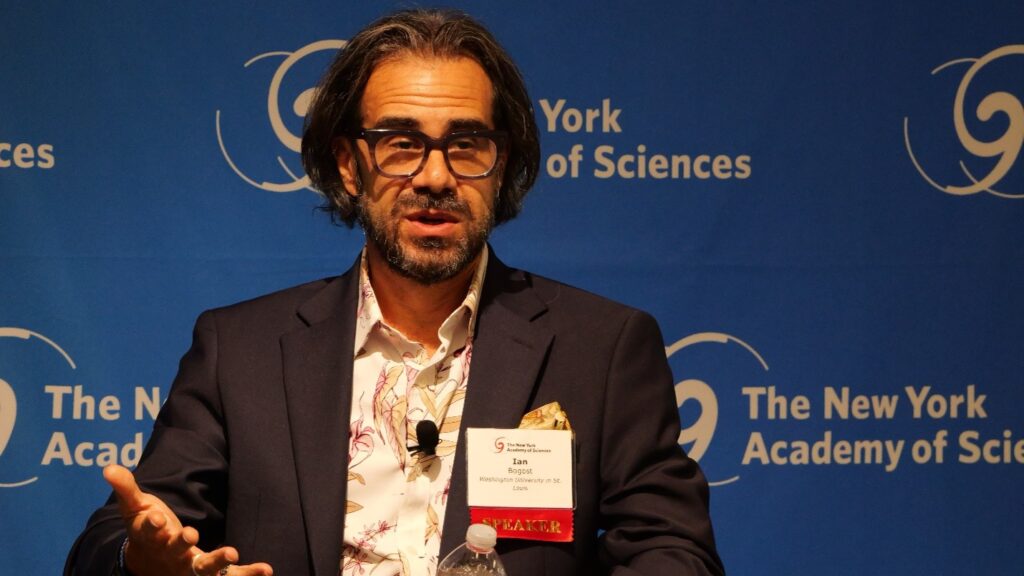
Day one concluded with a fireside chat between Dirks and Ian Bogost, a professor at Washington University in St. Louis and a contributing writer for The Atlantic.
Day two opened with remarks from Sonya Dougal, Senior Vice President of Awards & Scientific Programs at The New York Academy of Sciences, who reflected on the strength of the growing Blavatnik community.
“As a Blavatnik Awards honoree, you are part of a special community that extends far beyond the Award itself,” she said. “As we have seen throughout this symposium, some of the most exciting discoveries happen when ideas travel across disciplines, and people connect in unexpected ways.”
Session V: Reading the Restless Universe Across Space and Time
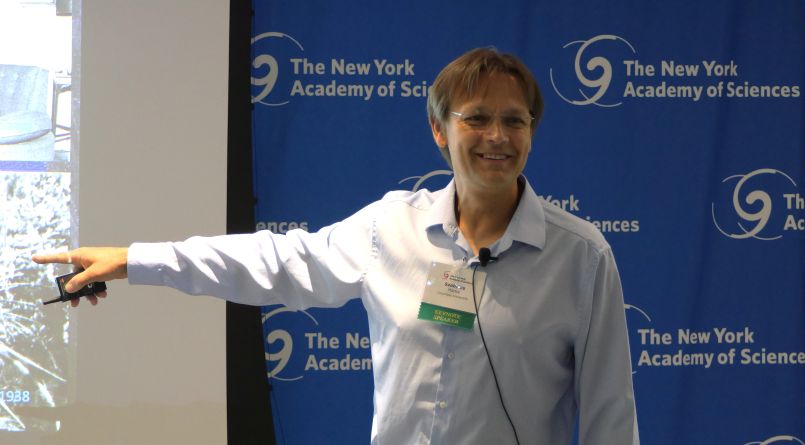
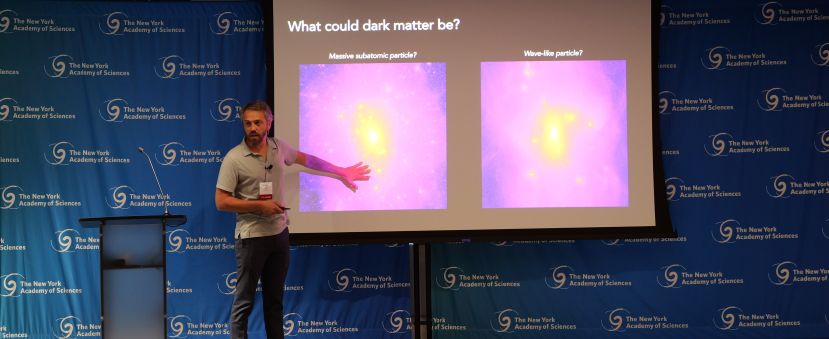
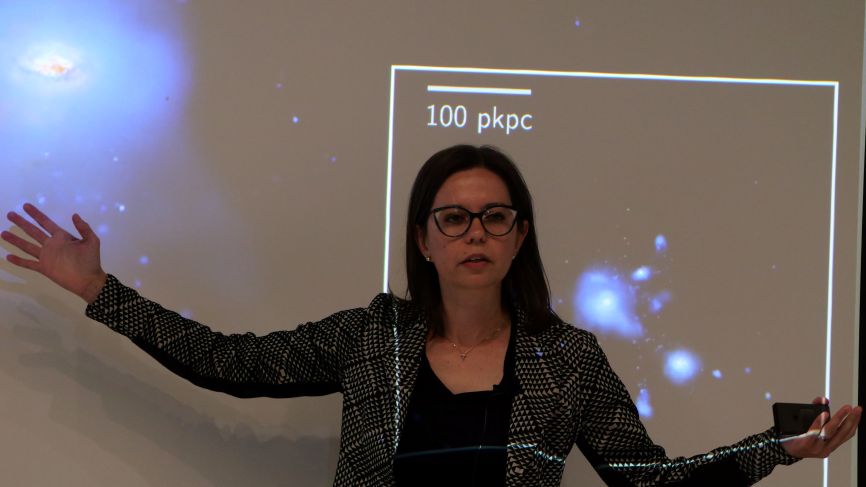
With the lights dimmed, and many colorful images of the cosmos filling the screen, day two continued with a keynote presentation by Szabolcs Márka, setting the stage for a journey across the universe, from gravitational waves to dark matter and black holes.
Szabolcs Márka (Keynote, Columbia University) reflected on his research trajectory, from co-discovering gravitational waves to inhibiting mosquito flight to reduce the spread of malaria. He also emphasized the importance of creativity and humanity to the scientific endeavor.
Charlie Conroy (Harvard University) described the ongoing search to understand dark matter, explaining how stellar streams at the fringes of our galaxy can be used to probe the nature of this mysterious, invisible substance.
Raffaella Margutti (University of California, Berkeley) showed how time-domain astronomy is providing new insights into the explosive phenomena scattered across the cosmos. She also highlighted how new techniques combining data from satellites around the world have provided a new window into the behavior of black holes.
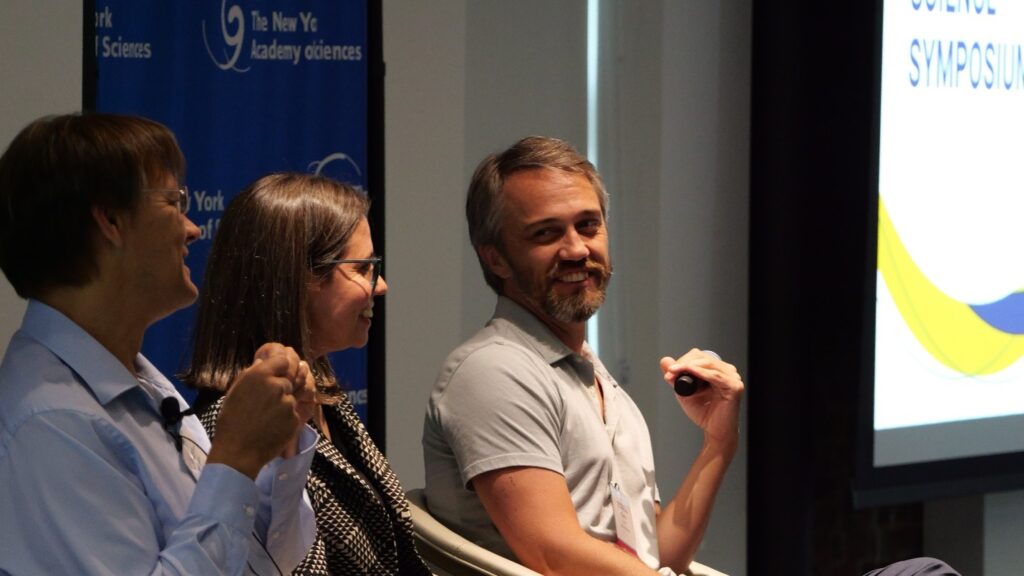
Session VI: Designing Dynamic Matter
The next session highlighted how researchers are engineering materials with remarkable new properties and functions.
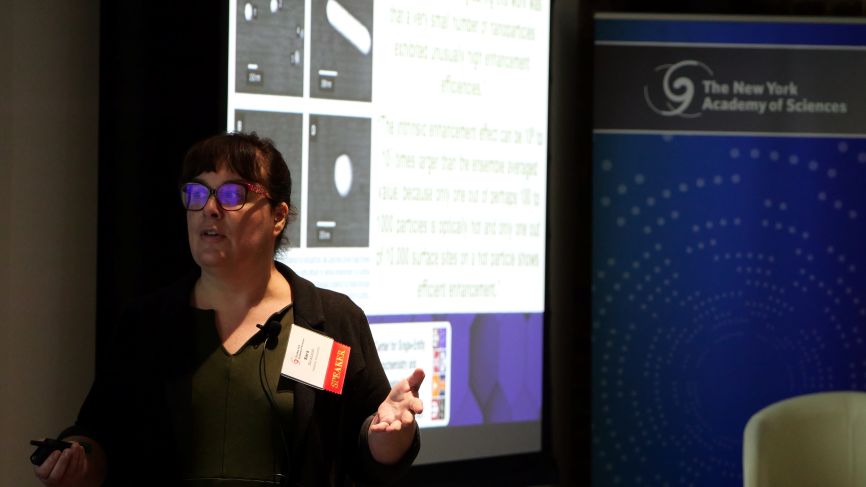
Sara Skrabalak (Indiana University) presented a new high-throughput optical method for studying individual metal nanoparticles. Her research offers new insight into the relationship between structure and properties.
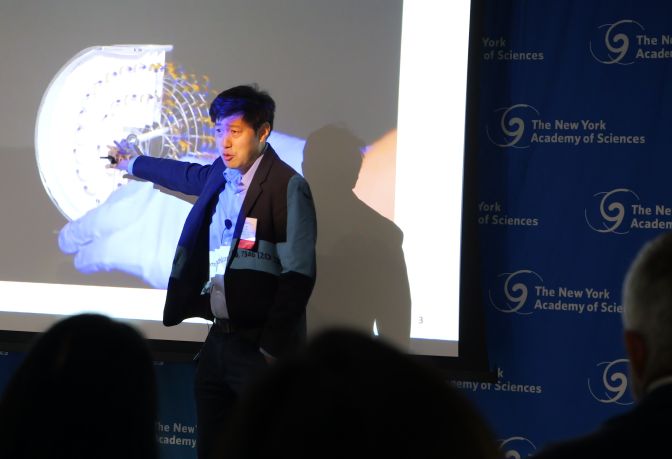
Xi Chen (CUNY Advanced Science Research Center) discussed biologically inspired, water-responsive materials that convert changes in humidity and evaporation into mechanical motion and electricity, with potential applications in energy harvesting and adaptive robotics.
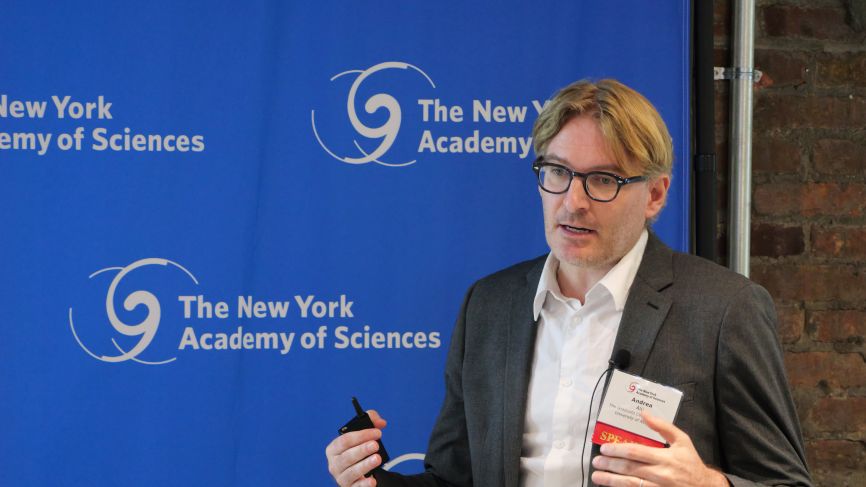
Andrea Alù (CUNY) highlighted how engineering metasurfaces can manipulate light to perform mathematical operations and process information. These insights offer a path toward ultra-fast, energy-efficient optical computing and programmable photonic systems.
Session VII: Neural Sensing, Signaling, and Response
The symposium concluded with a session exploring how the nervous system senses, processes, and responds to the world around us.
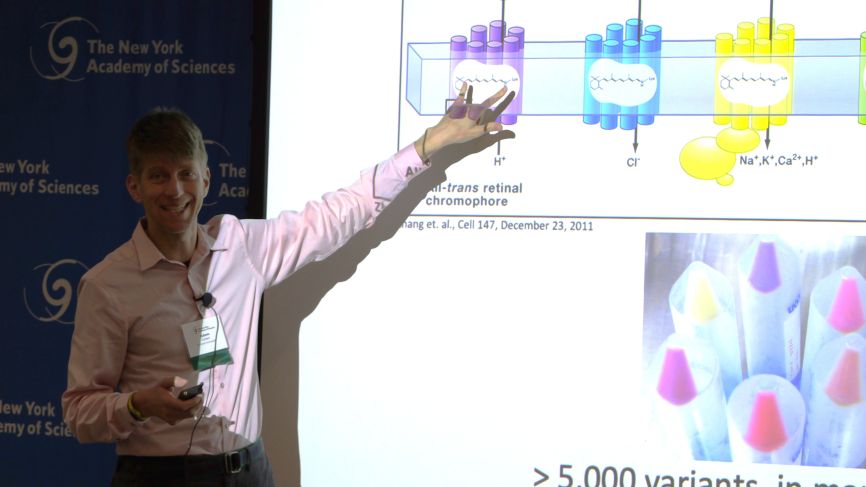
Adam Cohen (Keynote, Harvard University) demonstrated new optical imaging technologies that allow scientists to watch electrical activity unfold across the brain in real time with unprecedented resolution, from broad patterns spanning entire brain regions to individual connections between neurons.
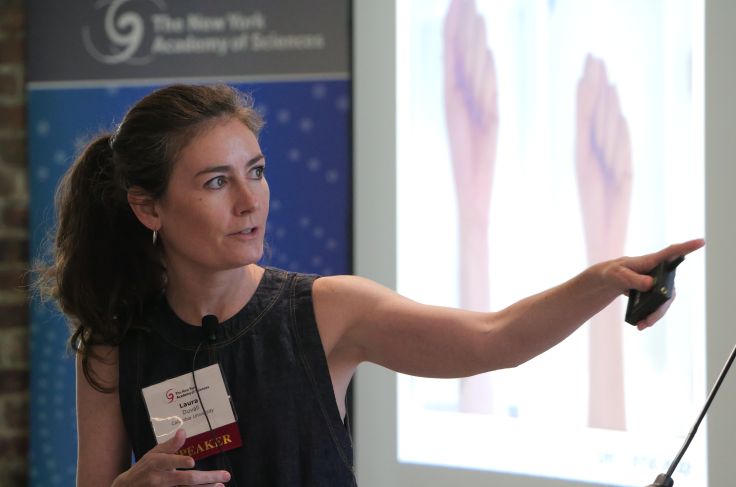
Laura Duvall (Columbia University) followed with discoveries identifying the molecular mechanisms by which the mosquito gut senses nutrients and satiety after a blood meal, triggering a switch in feeding behavior that could be harnessed to reduce disease transmission.
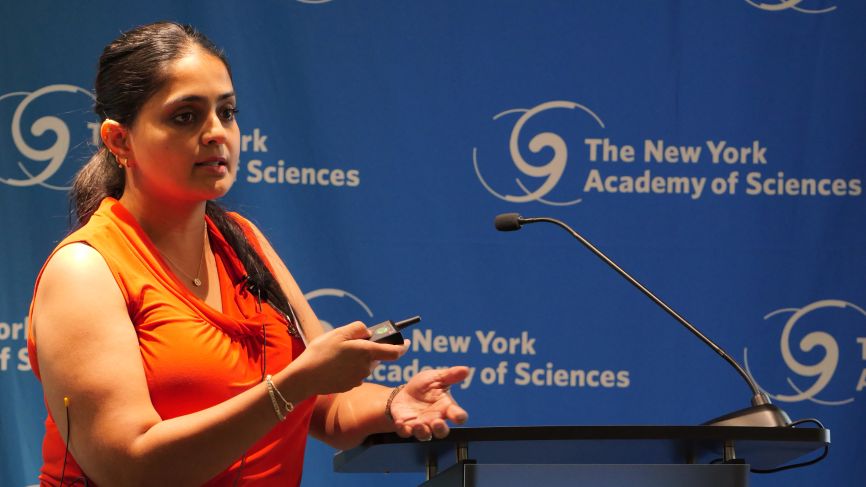
Veena Padmanaban (Johns Hopkins University School of Medicine) explored how sensory nerves drive cancer metastasis, uncovering the molecular mechanism by which the peripheral nervous system promotes tumor progression and revealing promising new opportunities for targeted therapies.
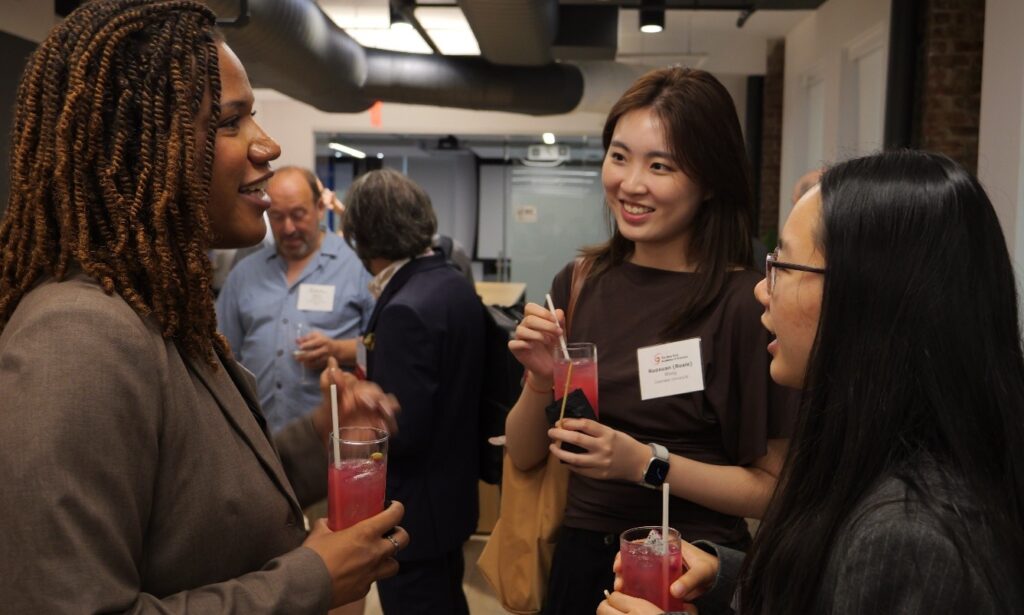
Throughout the two-day symposium, each session concluded with a lively panel discussion, giving attendees the opportunity to engage directly with speakers. Between sessions and at the evening cocktail reception, attendees continued those conversations, forging new connections and discovering unexpected intersections across disciplines.
Learn more about the Blavatnik Awards for Young Scientists and the Blavatnik Family Foundation.