The Academy and SUNY Receive $2.95 Million Grant
Funding from the National Science Foundation enables statewide expansion of the Academy’s Afterschool STEM Mentoring Program.
Published August 30, 2012
By Diana Friedman
The State University of New York (SUNY) and the New York Academy of Sciences (the Academy) were recently awarded a $2.95 million grant from the National Science Foundation (NSF) to scale up a successful afterschool program in which SUNY graduate students and postdoctoral fellows mentor middle school students in science, technology, engineering, and mathematics (STEM) subjects. The program targets students in high-need school districts.
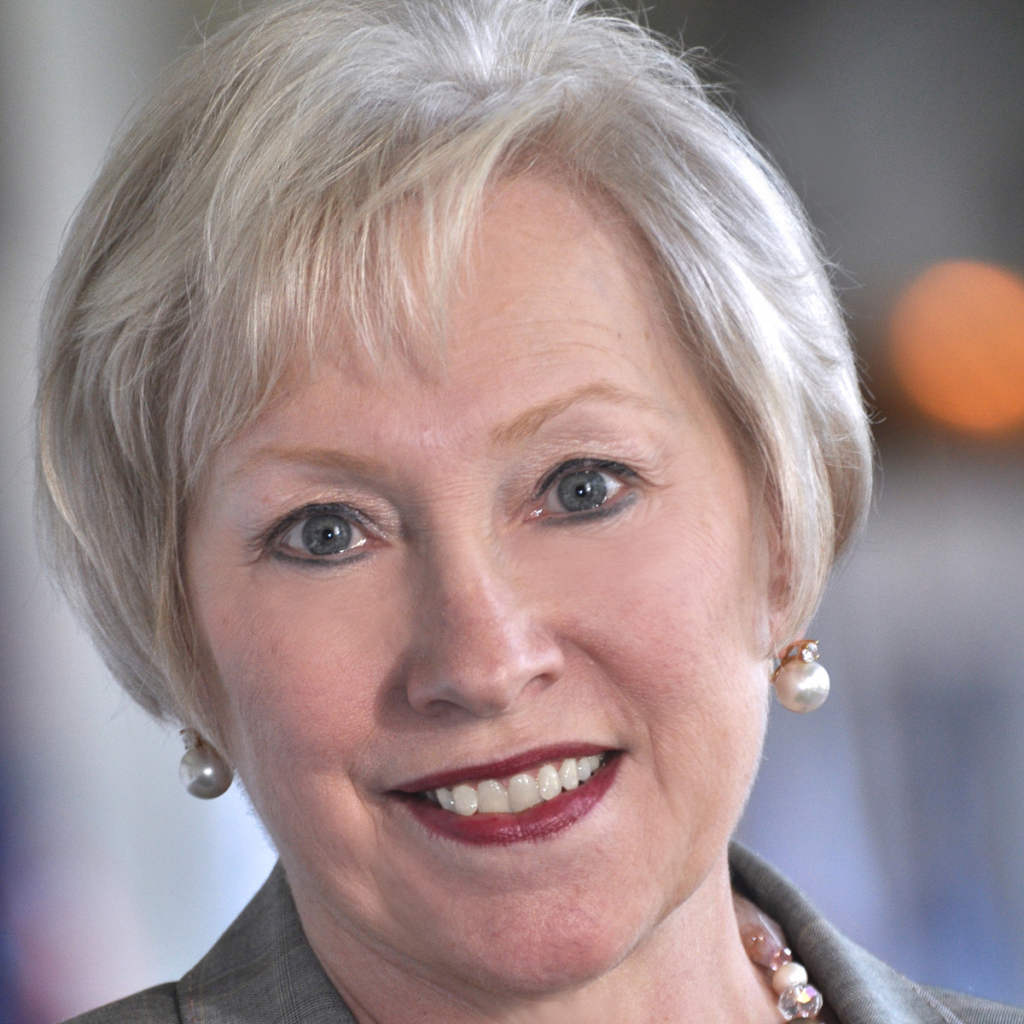
“The Academy’s Afterschool STEM Mentoring Program has had a profound impact on New York City’s youth, and the expertise offered by SUNY graduate students has the potential to greatly improve science and math literacy among middle school children throughout New York State,” said SUNY Chancellor Nancy L. Zimpher, who also chairs the Academy Board of Governors. “We are grateful for the support of the National Science Foundation and thrilled to have the opportunity to bring this program to children statewide, particularly in New York State’s urban and rural communities.”
The grant will enable SUNY and the Academy to introduce the program in urban and rural communities throughout New York State over the next three years. Initially, it will be implemented by SUNY Downstate Medical Center in Brooklyn, the University at Albany College of Nanoscale Science and Engineering in the Capital District, and SUNYIT in Utica. The campuses were selected for their geographical diversity, STEM-focused degree programs, and existing partnerships with community-based organizations.
Three Stages
The project will create a foundation and model from which additional pilot sites can be fostered nationally. It will be carried out in three stages:
- Together, SUNY and the Academy will implement a comprehensive, systemic science education initiative to recruit scientists-in-training (graduate students and postdoctoral fellows) studying in the STEM disciplines at pre-identified colleges and universities to serve as mentors in high-need middle school programs.
- The scientists-in-training will participate in a new credit-bearing online course, designed with STEM content-specific subject matter and worth three graduate-level academic credits. Faculty from SUNY Empire State College will partner with the Academy and each participating campus to prepare the mentors using the new course.
- SUNY campuses will partner with community-based organizations to place mentors in afterschool programs, serving middle school students in high-need, low-resource urban and rural communities.
Maximum Local Innovation and Adaption
The SUNY/Academy model is unique in that it involves the creation of a scaling mechanism to allow for maximum local innovation and adaptation, while retaining the core elements of the program. It also utilizes an online platform to deliver the content-based mentor training and to provide support to the young scientists/mentors statewide.
“The Afterschool STEM Mentoring Program bridges the highly-resourced world of science within SUNY campuses and the Academy to the high-need world of the state’s K-12 afterschool programs, and we are so pleased to have this opportunity to bring it to scale throughout New York,” said Senior Vice Chancellor for Community Colleges and the Education Pipeline Johanna Duncan-Poitier.
By the end of the third year, a best practices guide will be produced by the SUNY/Academy team to help interested universities determine capacity for implementing similar programs at their campuses. Additional campuses will be selected in subsequent years using a Request for Proposals (RFP) selection process.
Both the Academy and SUNY are committed to helping students successfully transition through the education pipeline, from early childhood, through K-12 and college, and ultimately into the workforce.
Also read: Opportunities for Inter-Generational STEM Engagement