Pandemic Promises Meet the Second-Largest Ebola Outbreak on Record
The next outbreak will test the promises made at the 81st session of the United Nations General Assembly. The Academy’s Public Health Editor-at-Large shares dispatches from the annual meeting in NYC.
Published September 30, 2026
By Syra Madad, D.H.Sc., M.Sc., MCP, CHEP
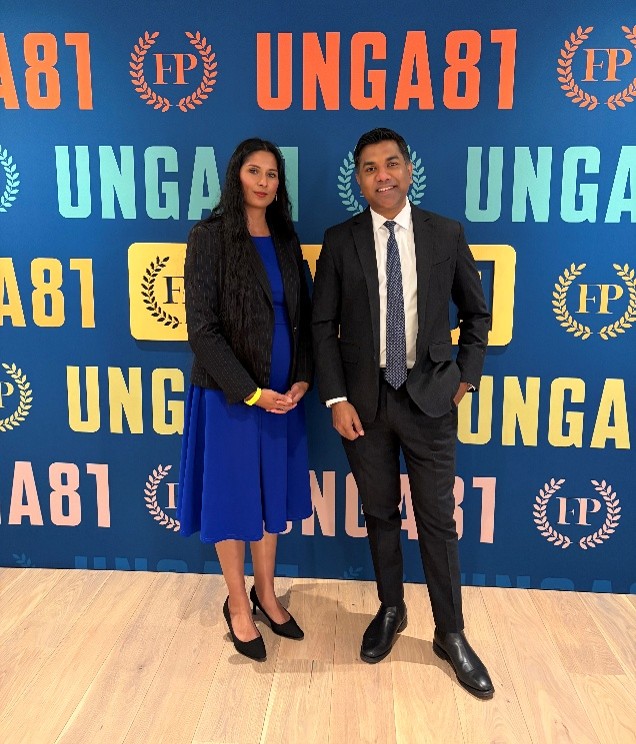
At events and in conversations around this year’s United Nations General Assembly, I heard a familiar promise: the world will be better prepared for the next pandemic. I also heard how easily that promise can unravel when an outbreak demands money, trust and cooperation now.
The test is already here. As of September 23, the World Health Organization reported 7,890 confirmed cases and 3,799 deaths in the Democratic Republic of the Congo’s expanding Ebola outbreak, caused by Bundibugyo virus. It is the second-largest Ebola outbreak on record. Conflict and displacement are hindering contact tracing and access to care. There is still no approved vaccine or specific treatment for this virus, but research is moving: a clinical trial began enrolling patients in July to test two potential treatments, while WHO is assessing whether an existing Ebola vaccine offers protection against Bundibugyo. The scale of this outbreak makes the need for faster detection, dependable care and effective countermeasures impossible to ignore.
I heard Ghana’s President John Dramani Mahama describe the gap left in his country’s health budget after USAID was dismantled. The United States’ proposed bilateral replacement offered $109 million over five years in U.S. health funding, alongside Ghanaian investment. But according to the head of Ghana’s Data Protection Commission, the proposal would also have given multiple U.S. entities access to sensitive health data and related systems without Ghana’s prior approval for each use. Ghana rejected it and sought different terms. Outbreak cooperation depends on countries sharing information, it also depends on agreements they can enter as genuine partners.
At Stepping Up the Fight to Beat Malaria, I heard about vaccines, improved bed nets, spatial emanators, more effective insecticides and community engagement. This fight is personal for me. My mother contracted malaria in Pakistan, shortly after arriving in the United States in the early 1980s and was treated at Elmhurst Hospital in New York City. I also met Calvin Anderson, the NFL offensive lineman who survived a life-threatening case of malaria and now advocates for malaria prevention.
Our experiences are two among millions. WHO estimates 282 million malaria cases and 610,000 deaths worldwide in 2024, more than one death every minute. Prevention, diagnosis and treatment need sustained support long before a disease makes international headlines.
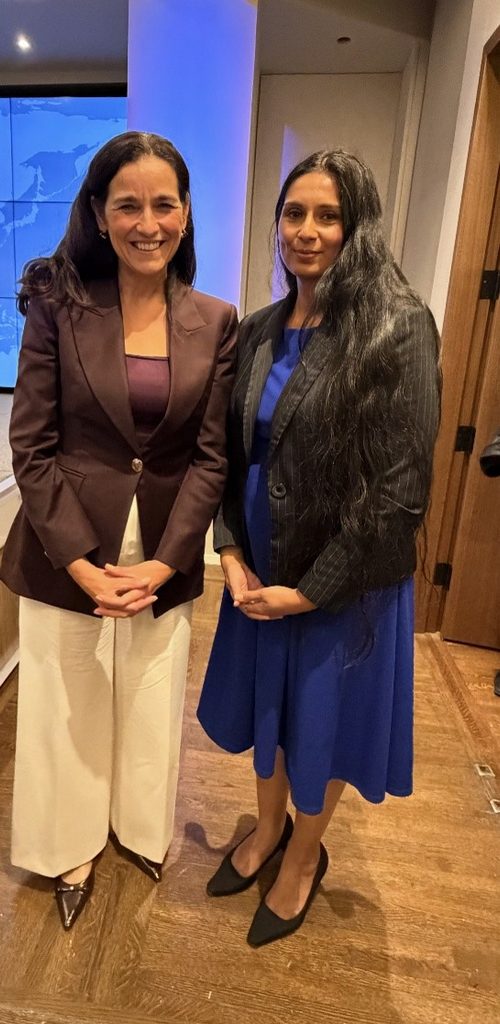
I had a lively conversation with Anita Orbán, Hungary’s deputy prime minister and minister of foreign affairs. Seeing a woman in that role matters when decisions about health and security need the full range of leadership at the table. Hungary also illustrates a domestic side of preparedness: its health system is restructuring primary care, where prevention, early detection and continuity of care take place. Strengthening those everyday services is part of preparing for extraordinary threats.
I heard WHO Director-General Tedros Adhanom Ghebreyesus asked how trust can be rebuilt after COVID-19. A Rockefeller Foundation survey of 35,399 adults in 34 countries offers an encouraging measure: trust in WHO reached 69%, up from 61% in the previous year’s survey. That confidence must be earned again in every response, through clear information and results people can see.
The Andes hantavirus outbreak aboard the MV Hondius emerged in May 2026, just three months after the United States withdrew from WHO. The CDC reported that 18 U.S. passengers were repatriated. WHO continued to publish outbreak findings and coordinate international contact tracing, providing information relevant to the U.S. response despite its withdrawal. Countries worked together to assess risks and bring passengers home under public health monitoring. It is a powerful example of why the United States should remain engaged with WHO: diseases know no borders (or ships!)
At Friday’s UN high-level meeting on pandemic preparedness, the United States declined to support the proposed political declaration. Dr. Erica Schwartz, the U.S. representative and CDC director, said that although the text had undergone meaningful revisions, it still contained “divisive ideologies that lack definitional consensus.” The declaration is not legally binding, but the disagreement matters. Financing health systems, sharing information responsibly and ensuring access to lifesaving tools require countries to work through difficult questions together.
Ebola, malaria and the next unfamiliar threat will expose the distance between what leaders say in New York and what health workers can do on the ground. Closing that distance is the measure of pandemic preparedness.