Are Non-Invasive Biomarkers the Future of Disease Monitoring?

Non-invasive biomarkers offer a way to study disease with less burden on patients and greater insight into how biology changes over time. By enabling more continuous and accessible monitoring, they may reshape both clinical research and care.

Published February 3, 2026

By Manali Shah

Manali Shah

Why Disease Monitoring Needs to Change

Disease monitoring often relies on procedures that require patients to come into a clinic, undergo invasive sampling, and repeat this process over time. While these methods provide valuable information, they can be demanding and uncomfortable.

For many patients, disease is a daily experience, not something that appears only during scheduled appointments. Symptoms fluctuate, treatments take effect gradually, and biology responds to stress, environment, and lifestyle in real time. Yet much of what we measure captures only brief moments along that timeline.

This disconnect limits our ability to fully understand disease behavior.

What Are Non-Invasive Biomarkers?

Non-invasive biomarkers are biological signals collected without penetrating the body or causing significant discomfort. These signals can come from skin surface samples, saliva, urine, breath, or minimally invasive blood spot collection.

Recent advances in molecular detection have expanded what can be measured from these samples. Signals that once required repeated blood draws or tissue biopsies can now be captured using far gentler approaches.

This shift changes not only how data is collected, but who can participate in research.

Expanding Access and Participation

Participation in clinical research often depends on how manageable a study feels. Frequent clinic visits and invasive procedures can discourage enrollment and increase dropout rates.

Non-invasive sampling lowers these barriers. When procedures are simpler and safer, participation becomes more feasible for people managing chronic disease, work obligations, or mobility limitations.

Broader participation leads to datasets that better reflect real patient populations, strengthening the relevance of research findings.

Capturing Biology Beyond the Clinic

Many diseases do not behave consistently from one clinic visit to the next. Immune activity rises and falls. Symptoms flare and resolve. Treatment effects unfold gradually.

Traditional monitoring often relies on isolated measurements taken during clinic visits. While informative, these snapshots can miss meaningful changes that occur between appointments.

Non-invasive sampling allows biology to be followed more continuously. Patients can collect samples at home, over time, and during periods when symptoms actually change. This approach captures disease as it unfolds, rather than as it appears during a scheduled visit.

Challenges in Signal Interpretation

Despite their promise, non-invasive biomarkers present interpretive challenges. Signals may be subtle and influenced by environmental exposure, hydration, or collection technique.

A measurable change does not always reflect disease activity. Some signals represent broader physiological responses rather than condition-specific biology.

Careful validation and contextual interpretation are essential to ensure these markers are used appropriately.

Context Matters for Biomarker Utility

The usefulness of a biomarker depends on how it is applied. Some non-invasive markers may be well suited for monitoring disease trends but not for diagnosis. Others may be informative only in specific patient groups or disease stages.

Understanding what a biomarker represents biologically helps prevent overinterpretation and misuse. Context allows researchers to match the right tool to the right question.

Integration With Traditional Measures

Non-invasive biomarkers are unlikely to replace established clinical measures. Imaging, blood-based assays, and clinical assessments remain critical.

Their greatest value comes from integration. When combined with traditional approaches, non-invasive tools add continuity and real-world context to existing data.

Together, these methods provide a more complete picture of disease.

Implications for Clinical Trials and Care

In clinical trials, simpler sampling can improve retention and data quality. Participants are more likely to remain engaged when study procedures fit into daily life.

In healthcare settings, non-invasive monitoring may support earlier intervention, remote follow-up, and more responsive treatment adjustment.

These changes shift disease monitoring from episodic to more continuous.

A More Patient-Centered Future

The future of disease monitoring depends on aligning scientific goals with patient experience. Non-invasive biomarkers emphasize accessibility, comfort, and continuity.

When carefully validated and thoughtfully interpreted, they bring research closer to how disease is actually lived.

By measuring biology where it happens, rather than only where it is convenient, non-invasive biomarkers offer a more human path forward.

Also read: Research Leads to New Treatments for Immune Diseases
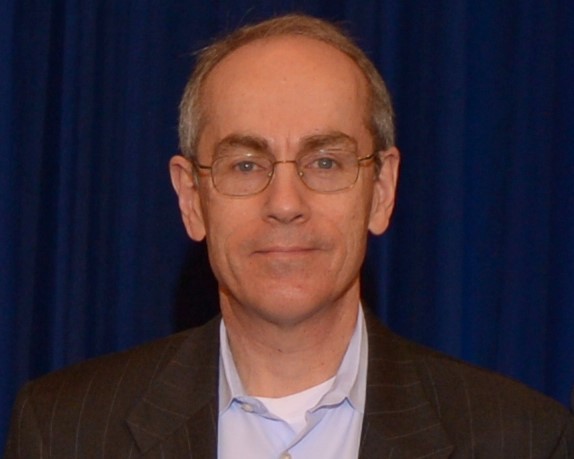
Reflecting on 50 Years of Academy Membership

A man in suit and glasses poses for the camera.

Tom Golway first joined The New York Academy of Sciences as an undergraduate student. He remains active half a century later.

Published January 27, 2026

By Nick Fetty

Tom Golway

Tom Golway grew up in Staten Island “at a time when much of the area was still semi-rural.” He remembers exploring the untouched forests, observing the plants, trees, and other natural patterns around him. He and his family took cross-country, summer camping trips, including to national parks, which further piqued his interest in the outdoors.

Unbeknownst to him at the time, these early nature excursions would serve as the basis for what would become a successful career and a lifelong interest in science, technology, engineering, and mathematics (STEM). The local library became his “anchor” as he read books and other materials to better understand what he was observing during his nature excursions. Then came his school trip to New York’s renowned American Museum of Natural History (which served as the Academy’s home between 1904 and 1949).

“After that visit I used the money I earned delivering newspapers to become a member of the museum and I’ve remained one ever since,” says Golway. “That early exposure to discovery, exploration, and scientific wonder has shaped my path ever since.”

Golway first learned about the Academy through “a series of remarkable mentors” he had in high school. These mentors instilled in him a genuine curiosity across all areas of STEM. They encouraged him to develop depth in a specific field while staying open to the broader scientific landscape.

A Foundation for Success

After high school, Golway attended St. John’s University in Queens, where he majored in mathematics and computer science. Several of his professors were Academy members and they encouraged him to attend events outside of his own discipline. He heeded this advice and discovered that “the Academy offered a rare space where ideas flowed freely across fields.” Golway found that at the Academy, developing a broad scientific perspective wasn’t just encouraged, it was expected.

“The support and intellectual generosity I encountered from Academy members early in my career had a profound impact on me,” says Golway, who formally joined the Academy in 1976. “It shaped how I thought about interdisciplinary work and helped me recognize the responsibility, and opportunity, to contribute to the next generation of STEM professionals.”

Part of what attracted Golway to the field of mathematics is that it allowed him to understand how systems operate at a foundational level: how things work, how they break, and how they can be improved. He says this foundation has allowed him to fluidly move between fields, to see patterns others might miss, and to approach complex problems with both rigor and creativity.

Early in his career he joined the MIT Lincoln Laboratory where he worked on data‑flow computing at a time when the ideas behind parallelism and distributed systems were still emerging. He helped to maintain the lab’s node for ARPANET, a U.S. Department of Defense project that led to the creation of what we call the commercial Internet today. Later, he had the opportunity to contribute to some of the earliest cloud‑computing architectures and to help shape the first intelligent‑city frameworks. These projects blended technology, infrastructure, and human‑centered design long before those ideas became mainstream.

“But when I think about what I’m most proud of, it isn’t a specific technology or project. It’s the people. I’ve had the privilege of mentoring many talented individuals over the years and seeing them grow, professionally and personally, has been incredibly rewarding,” Golway says.

From Mentee to Mentor

Influenced by and appreciative of the great mentors he had, Golway takes his role as a mentor seriously. He encourages aspiring STEM professionals to cultivate breadth as intentionally as they cultivate depth. Important insights can be gleaned from fields outside of STEM. Golway feels that having a framework in areas like philosophy, ethics, and sociology, for example, enables scientists to expand their imagination and strengthen their judgement.

“I also encourage students to explore ideas like Areté, the pursuit of excellence in both character and craft. And Ikigai, the alignment of what you’re good at, what you love, what the world needs, and what sustains you. These concepts help anchor a career in purpose rather than just achievement,” Golway says.

As a vociferous reader himself, he encourages aspiring professionals to read “not only for professional development but for pleasure.” Having an understanding of fiction, history, poetry, and other elements of culture enables one to stretch their minds in ways that technical work alone cannot.

Lastly, he advises mentees to approach STEM as a “community endeavor.” He feels that as one grows throughout their career, they should find ways to give back. This might include mentoring, contributing to open‑science initiatives, or supporting others in their own learning journeys.

“I’ve found that the most meaningful mentoring happens when the person I’m working with takes an active role in the process. When both sides engage fully, the experience becomes collaborative, empowering, and often transformative.”

A Combination of Community, Rigor, and Intellectual Openness

Part of why Golway has remained active with the Academy for more than 50 years now is because it has “provided a genuine intellectual community.” He appreciates that interdisciplinary exchange happens naturally at the Academy. A place where “an informal conversation can shift the direction of your work.”

While Golway has attended dozens of Academy events, a few moments stand out. He recalled the first Academy event he attended when he was about 19 years old. He remembers asking what were “probably very naïve questions,” but was taken aback by the more veteran members who appreciated his curiosity and answered his questions with respect.

“That experience made it clear that the Academy was a place where curiosity was welcomed, regardless of age or background,” he says.

He also remembers a 1977 event focused on the then-novel concept of chaos theory. He had the chance to be in the room with pioneering scholars like Edward Lorenz, David Ruelle, Robert May, and James Yorke. His takeaways from the event would influence his work in generative dynamics.

In addition to the Academy, Golway is also a member of the International Science Reserve. Established in 2022 in partnership with the Academy, the ISR is a global network “working together to accelerate research to address complex global crises.” For Golway, the ISR represents the next step in what the Academy has always stood for: “bringing diverse scientific communities together to solve problems that no single field or organization can address alone.”

“What has kept me engaged is that the Academy consistently creates spaces—both in person and through its publications—where curiosity is rewarded, boundaries between fields dissolve, and new ways of thinking emerge,” says Golway. “That combination of community, rigor, and intellectual openness is rare. It’s why I’ve stayed connected for so long.”

A Man of Many Interests

Golway retains the same appreciation he had in nature as a boy. He says that being outside grounds him and reconnects him to “the intellectual curiosity” that first pulled him to science. He’s an avid reader of everything from fantasy and science fiction to biographies and classic novels. Similarly, his musical tastes range from classical to heavy metal, “depending on the day and the task.” Golway is equally as open-minded with his approach to trying different cuisines and finds that “food is one of the most immediate ways to experience another place or perspective.” His work has enabled him to travel to five continents, exploring everything from urban centers to rural backroads, which he said has given him a more optimistic view of the world.

He’s also a lifelong sports fan. Though he no longer plays (he was a member of the tennis and golf teams as an undergraduate at St. John’s and played extracurricular soccer and ice hockey) he enjoys being a spectator. He’s a lifelong Yankees fan as well as a supporter of the national soccer teams for Ireland and England. He says following sports gives him “a different kind of rhythm and focus” while allowing him to exercise the more cerebral parts of his brain.

A longtime researcher, Golway continues to write. While he admits he only occasionally publishes his work on his blog and on Good Reads, the writing process itself gives him the chance to “think, reflect, and explore new ideas.” As he reflects on his life and career, he often thinks about a personal mantra that he has for his approach to science and the world more broadly.

“Science looks to define observable truths building on current measurable knowledge. As knowledge is expanded, we find that not all ‘truths’ are immutable. The willingness to revise them is the essence of science.”

Not a member of this inclusive and impactful community? Join the Academy today.

Serving the Country as an Army Engineer

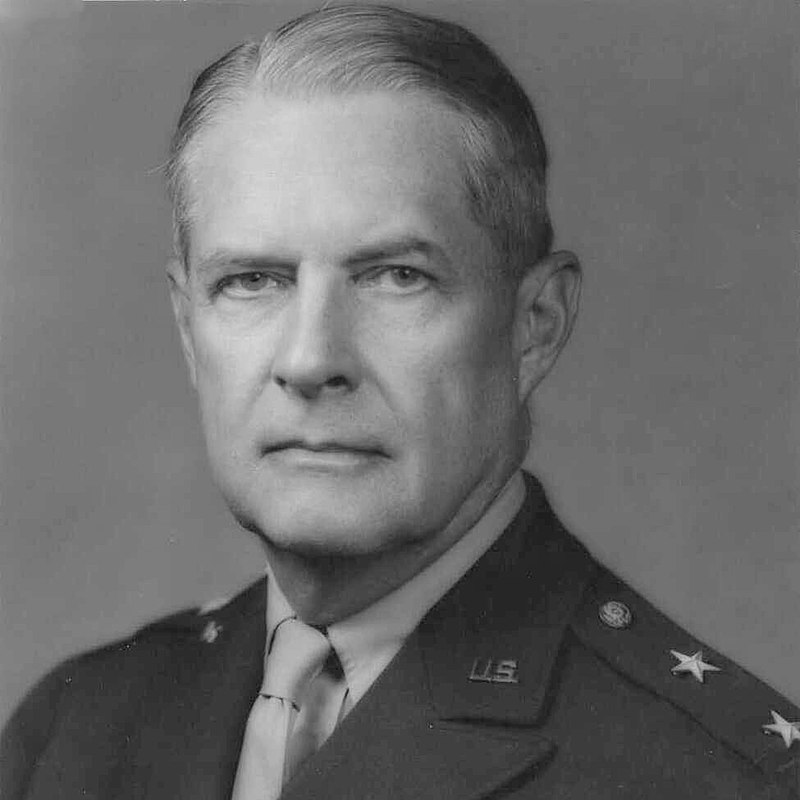
A man poses in his military uniform.

Ulysses S. Grant is best known for leading the Union Army to victory during the American Civil War and serving as the nation’s 18th president, but his less-well-known grandson, who was an associate member of The New York Academy of Sciences, had his own impact on the country in the fields of civil engineering and architecture.

Published November 11, 2025

By Nick Fetty

A portrait photograph of MG Ulysses S. Grant III, taken in April 1945. Photograph taken from Grant’s Official Military Personnel File (OMPF). Image courtesy of Wikimedia Commons. Public Domain.

Ulysses S. Grant, III, was born in Chicago in 1881. He eventually moved to New York City and studied at Columbia University. Grant briefly served during the Spanish-American War, prior to being admitted to West Point Academy, his grandfather’s alma mater. At West Point he was classmates with Douglas McArthur. MacArthur, who became America’s top general during World War II, graduated first in the class of 1903, while Grant was sixth.

Army Corps of Engineers and World War I

Upon graduating from West Point, Grant briefly served with the Army Corps of Engineers in the Philippines, Cuba, and Mexico. There he received formal training and education in engineering. He also served as an aide to President Theodore Roosevelt. It was at the White House that he met his future wife, Edith Ruth Root, daughter of Eilhu Root who served as Secretary of War and Secretary of State in the McKinley and Roosevelt administrations.

During World War I, Grant served as secretary of the American section of the Supreme War Council in Paris. Along with U.S. General Tasker H. Bliss, he played a role in negotiating and writing the Treaty of Versailles, which ended the war.  Grant was promoted to the rank of Colonel and received the Army Distinguished Service Medal in 1919.

A statement from the War Department lauded Grant for his specific contributions: “As Secretary of the American section, Supreme War Council, Colonel Grant was entrusted with the most important duty of coordinating the work of the Joint Secretariat of the Supreme War Council and of the Joint Secretariat of the Military Representatives of the Supreme War Council, and as a member of the War Prisoners’ commission, Berne, Switzerland, he has rendered conspicuous service to the Government.”

Civilian Service and World War II

Between WWI and WWII, Grant returned stateside spending time in Washington, D.C. and San Francisco. During this time, he was promoted to the rank of Major. He worked as the executive officer of the Arlington Memorial Bridge Commission, a member of the National Capital Parks and Planning Commission, and eventually as the leader of the Office of Public Building and Public Parks in Washington, D.C.  He continued to climb the military ranks, rising to Lt. Colonel and then Brigadier General.

When the U.S. entered World War II following the bombing of Pearl Harbor, Grant was named Chief of the Protection Branch of the Office of Civil Defense, overseeing the civil defenses of the entire United States.

An already decorated veteran, Grant added to his accolades after the war, which included the Croix de Guerre (French for “war cross”), an honor bestowed upon French allies during both world wars; the Legion of Honour, the highest distinction that can be conferred in France on a French citizen as well as on a foreigner; and the Legion of Merit, bestowed by the U.S. Armed Forces to an individual who “has distinguished himself or herself by exceptionally meritorious conduct in the performance of outstanding services and achievement.”

Grant formally retired from the Army in 1945 with the rank of Major General.

Later Years

Despite hanging up his military uniform, Grant wasn’t ready to stop working. He served as vice president of George Washington University in Washington D.C. from 1946 to 1951. Though relatively little is documented from his foray into higher education administration, the university hosted an exhibit in 2023 recognizing the Grant family’s contributions to the museum. The exhibit, titled Rethinking Legacy and Memory: Behind the Image of Ulysses S. Grant, focused on the elder Grant and his legacy outside of his militaristic and political leadership.

The younger Grant was also an associate member of The New York Academy of Sciences (the Academy), meaning that despite moving away from New York he chose to remain affiliated with the Academy.

In his final years, Grant took an interest in history preservation. He served on the Civil War Centennial Commission and authored a biography of his grandfather. Ulysses S. Grant, III, passed away in 1968 at the age of 87. The elder Grant, who passed away in 1885, did not live long enough to see his grandson pursue a career of service to his country much like he had done roughly half a century earlier.

Also read: From Surveying Railroads to Designing Durable Clothes

Reflections from Academy Member Prof. Mirza S. Baig

A man poses for the camera.

“Success is the sum of small efforts, repeated day in and day out. It comes from genuine hard work, patience, and above all, integrity.”

Published July 2, 2025

By Mirza S. Baig, PhD

Mirza S. Baig

Nearly a decade ago, I had the honour of being featured in the #IAmNYAS series by The New York Academy of Sciences (the Academy). Looking back, my journey as an immunologist and Academy member has been shaped by perseverance, sincere effort, and a deep commitment to advancing human health. I am currently serving as a professor at one of India’s premier institutions, the Indian Institute of Technology Indore, and I feel truly grateful that my teamwork has received global recognition.

I draw my earliest inspiration from my father; a civil engineer whose dedication and values continue to guide me in my journey as a scientist and mentor. Whatever I have been able to achieve has come from following some basic mantras—and I share them in the hope that they might help others on their own paths.

I’ve always drawn inspiration from many people. Whenever I see work that truly impacts human health—even if it brings us just one step closer—I feel motivated to do more.

After earning my Ph.D. from the Central Drug Research Institute, Lucknow in 2008, I pursued postdoctoral fellowships at the University of Illinois at Chicago and the Mayo Clinic in Rochester, Minnesota. These formative experiences solidified my interest in translational immunology and cancer biology, which now form the core of my research efforts. The pathbreaking research published from my lab, landed up in high-impact journals such as the Journal of Experimental Medicine and Frontiers in Immunology. Our work in translational immunology, chronic inflammatory diseases, and cancer biology has been honoured with multiple prestigious national and international awards.

Success is the sum of small efforts, repeated day in and day out. It comes from genuine hard work, patience, and above all, integrity. There are no shortcuts in research—only the steady climb.

I admire the collaborative spirit in science, celebrating teamwork, shared success, and mentorship. Over the years, I have been invited to speak and collaborate with leading institutions around the world, including the University of Cambridge, the University of Oxford, and Harvard University.

Research is not a one-man show. It’s a team effort—from collaboration within the lab to partnerships across national and international laboratories. That’s when science becomes truly meaningful.

My lab has advanced the mechanistic understanding of chronic inflammation and cancer, identifying promising therapeutic targets for future interventions. We are actively engaged in anti-inflammatory drug discovery, with some drug candidates currently in advanced stages of development. These discoveries are deeply interconnected with our previous work, creating a strong foundation upon which our current research is built. Each new finding not only reflects continuity but also shapes the future direction of my scientific exploration.

Research is like untangling a knotted thread: success lies in finding the right starting point and steadily navigating through complexity with focus and patience.

Even outside the lab, science occupies my mind (and my heart).

It might sound excessive, but an exciting publication or a new idea can completely absorb me. On a lighter note, I enjoy traveling with my family.

I believe that when science is pursued with passion and purpose, it can positively impact lives—not only through research and discovery, but also through mentorship and service. As we look ahead, I sincerely hope that my journey may, in some small way, encourage and inspire the next generation of scientists, mentors, and changemakers within the global scientific community—not just through the past decade, but for many decades to come.

Learn how you can get involved with The New York Academy of Sciences’ impactful and inclusive science community!

Academy Member was Female Trailblazer in Astronomy

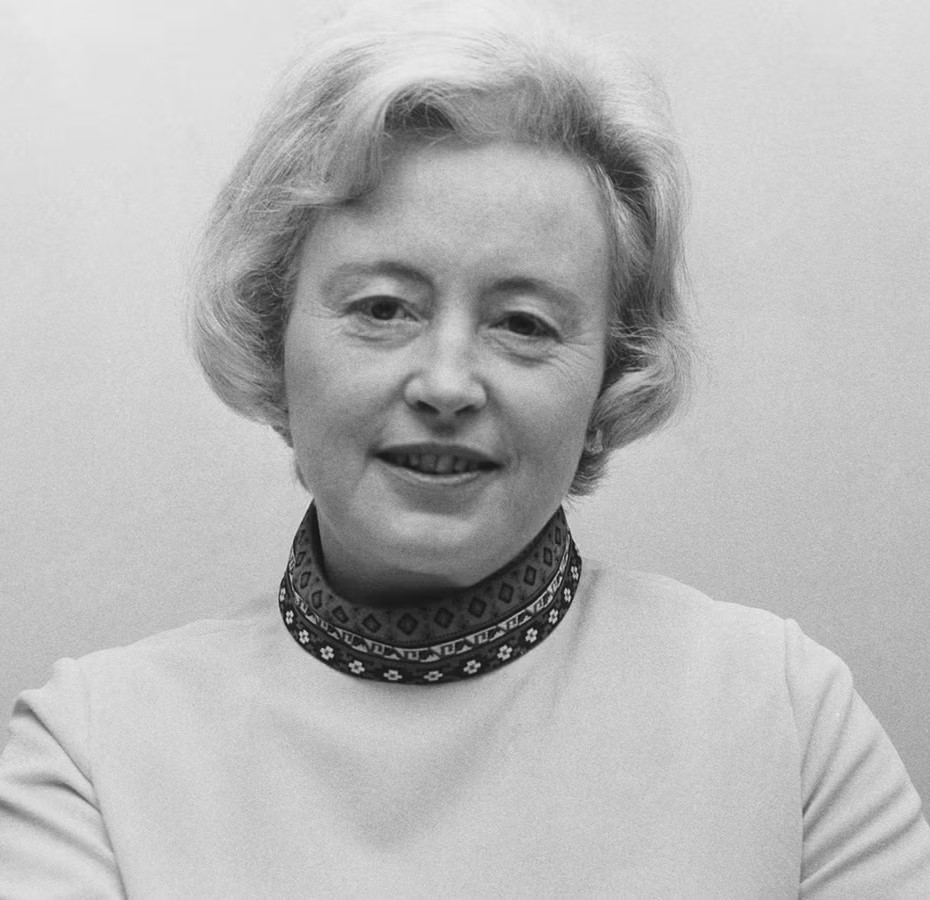
A black and white photo of a woman smiling for the camera.

One of the early members of The New York Academy of Sciences (the Academy), Margaret Burbidge, PhD was an influential astrophysicist and proponent of women’s equality in science.

Published March 31, 2025

By Brooke Elliott

Astrophysicist Margaret Burbidge at the Science Research Council in Holborn, London, after the announcement of her appointment as Director of the Royal Greenwich Observatory, November 1971. Image courtesy of Michael Webb via Wikimedia Commons. Licensed via Creative Commons Attribution 4.0 International license. No changes made.

Margaret Burbidge, PhD was the first woman to serve as director of the Royal Observatory, a recipient of the National Medal of Science, and a designer of instruments carried aboard the Hubble Space Telescope. She was also the first director of the University of California’s Center for Astrophysics and Space Sciences, paving the way for generations of women in the male-dominated scientific community.

Early Life 

Eleanor Margaret Peachey was born on August 12, 1919, in Davenport, northwest England to chemistry lecturer Stanley Peachey and wife Majorie Scott, who had been his student. Her early life was defined by her parents’ scientific and intellectual curiosity.

It was at just four years old, while crossing the English Channel on holiday with her parents, that Margaret’s passion for astronomy began. As she looked up into the clear night sky, she saw stars in a way she never could have imagined in urban London. She became “smitten” with astronomy, and though she excelled in all her classes, it was science she took a special interest in as she grew older. 

In 1936, Burbidge enrolled at University College London, where she studied astronomy, physics, and mathematics. She graduated in 1939 with first-class honors and stayed on to receive her PhD from the University of London in 1943. While she was a student, she met fellow student Geoffrey Burbidge, and the pair married in 1948.

Breaking Down Gender Barriers

In the late 1940s, there weren’t many women in the scientific community. When Dr. Burbidge applied for the Carnegie Institution for Science fellowship, which would have given her access to the Mount Wilson Observatory in Pasadena, California, she was denied based on her gender. Women were not allowed to use the prestigious telescopes because “men making the rules somehow developed the idea that the wives of the astronomers would not like the thought of their men working with women ‘during the night’!”

Dr. Burbidge wasn’t going to let this stop her, though, and in a bold move to continue her work, she posed as her husband’s assistant to gain access to the observatory. Even then, the pair was made to live in a rustic, unheated cottage miles from the other, male, scientists, who were accommodated with a private chef.

Contributions to Astrophysics

During her decades-long career, Dr. Burbidge made many contributions not only to astrophysics but to humanity. Some of her most influential work was done in collaboration with her husband, including the landmark article “Synthesis of the Elements in Stars.” 

The paper, published in 1957 and often referred to as the BBFH paper, is one of the most influential scientific articles to date and revolutionized the public’s understanding of stellar nucleosynthesis–the process by which stars create nearly all of the elements in the periodic table. They demonstrated how the essential elements–carbon, oxygen, and nitrogen–were created in the cores of stars.

She also worked with quasars, short for “quasi-stellar radio sources,” which are the brightest and most distant objects in the universe. She extensively researched the origins of these fascinating phenomena and helped to demystify them.

A Big Bang in Research

Dr. Burbidge was always a free thinker and unafraid to challenge the prevailing theories of the time. Most notable was her skepticism of the “Big Bang Theory”–the majority view in the scientific community, which states that the universe was created by a single explosion and has been expanding ever since. The Burbidges were proponents of the steady state concept, which held that the universe has no beginning and end, only the continual creation of matter. 

She also helped to design the instruments aboard the Hubble Space Telescope. Launched in 1990, it has revolutionized our understanding of the universe as it orbits Earth every 95 minutes and looks back billions of years into the past. 

Academia and Accomplishments

Dr. Burbidge did more than introduce new ideas to the established scientific community; she expanded the field through her teaching. During the course of her career, she worked at the California Institute of Technology, the Harvard College Observatory, the Yerkes Observatory, the University of Chicago, and the McDonald Observatory. Her commitment to education, something that had been in her family since her father’s days as a chemistry professor, increased her status as a trailblazer for aspiring scientists.

In 1985, President Ronald Reagan awarded Dr. Burbidge the National Medal of Sciences, which only 10 women have received in its history. Further, she served as director of the Royal Observatory from 1972 to 1973 without being named Astronomer Royal, another act of discrimination against her gender. It was the first time in 300 years that the positions were not held simultaneously.

Equality for Women

Dr. Burbidge’s commitment against discrimination was an important aspect of her life and work, and in 1972, she refused the Annie Jump Cannon Award in Astronomy because it was only awarded to women. In an interview with Science Magazine in 1991, she said, “If my strong feeling is against any kind of discrimination, I have to stretch that to include discrimination for women too.”

She was the first woman to serve as president of the American Astronomical Society. Other accolades include the Helen B. Warner Prize from the American Astronomical Society and the Catherine Wolfe Bruce Gold Medal from the Astronomical Society of the Pacific. She was also selected as an Honorary Life Member of The New York Academy of Sciences.

Dr. Burbidge passed away in 2020 at age 100. As part of the lasting testament to her legacy in astronomy, she has an asteroid named for her, Minor Planet 5490 Burbidge.

Also read: A Pioneer in Pap Smears and Cancer Research

A Pioneer in Pap Smears and Cancer Research

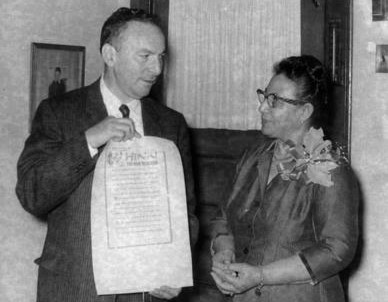
A man presents an award to a female researcher.

During her more than half century career, May Chinn, MD, MPH, advanced access to medical care for low-income residents in Harlem, with many of her contributions directly impacting healthcare for women and other disenfranchised populations.

Published March 19, 2025

By Brooke Elliott

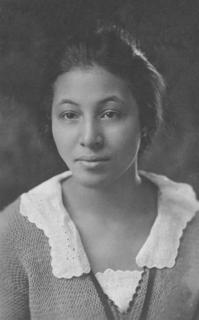
May Edward Chinn during her years at Teacher’s College, ca. 1917. Image courtesy of George B. Davis Ph.D./E.F. Foley via NIH.

May Edward Chinn was the first woman to graduate from the Bellevue Hospital Medical College, the first African American woman to intern at the Harlem Hospital, and the first woman of any race to ride with an ambulance crew. A trailblazer in cancer research and a member of The New York Academy of Sciences (the Academy), she also helped to develop the pap smear test to detect cervical cancer in women. Much of her success can be attributed to her upbringing and her tenacity at a time when women in general and particularly of color weren’t always afforded the opportunity for a career in STEM

From Daughter of a Slave to Suffragette

Born in 1896 in Great Barrington, Massachusetts, she moved to New York City at three years old. Her father, William Lafayette Chin, was a former slave who escaped from the Chinn plantation in Virginia in 1864 at eleven years old. May’s mother, Lulu Ann, was half African American and half Native American, and was raised on a Chickahominy reservation. When she was sixteen, she met the forty-year-old Chinn, and soon after the pair was married, they had their only child, May. 

Lulu’s hard work and resilience afforded May many educational opportunities. After contracting osteomyelitis in her lower right jaw, May left boarding school and lived on the estate of Charles Tiffany on the upper east side, where her mother was a live-in cook. The Tiffany family, the namesake for the prominent jewelry company, took her to Broadway shows on Sundays and inspired her with a lifelong appreciation for music.

When Charles died in 1902, the family left the estate and moved around the city for the next decade. Despite the lack of stability, Lulu always sought to make educational opportunities available to her daughter. Though May never received her high school diploma, a friend convinced her to take the entrance examination for the Teacher’s College at Columbia. Her outstanding score granted her admission as a full-time student. When William refused to pay her tuition, it was revealed that Lulu had started a savings fund. The family moved to Harlem so she could walk to her classes. 

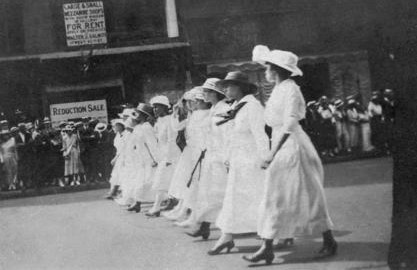
May Edward Chinn (second from right) marching in a suffrage parade on 5th Avenue, 1919. Image courtesy of George B. Davis, Ph.D., via NIH.

It was at this time that May joined the growing suffragette movement, marching in parades and advocating for the Nineteenth Amendment. Once certified in 1920, this granted women the right to vote. 

The Harlem Renaissance

As a student at Columbia, May encountered many of the faces of the Harlem Renaissance. From Langston Hughes to Zora Neale Hurston, she was surrounded by prominent creatives, who often advocated for civil rights for African Americans. A musician herself, she often played the piano accompaniment to Paul Robeson, the esteemed musician and All-American football player from Rutgers.

Music was her first love, but her dreams of being a concert pianist were shattered when a professor at Columbia told her a Black woman could not be a serious musician. May changed her major to science, inspired by her childhood illness and the doctors who saved her life. At the time of her decision, only 65 Black women in the country were doctors.

May was the first African American woman to graduate from the Bellevue Hospital Medical College with a medical degree, earning her the title of “Doctor.” Despite these accomplishments, the primarily white, male doctors made her race and her gender an obstacle at every turn. 

Rockefeller Institute retracted a job offer after learning her race, but she soon found an internship at Harlem Hospital, where she was again the first Black woman to hold the position. There, she became “the first woman ever to ride the ambulance that raced out on emergency calls.”

Operating on Kitchen Tables

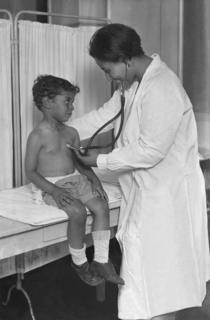
May Edward Chinn examining a young patient, 1930. Image courtesy of George B. Davis, Ph.D., via NIH.

In 1928, Dr. Chinn opened her own practice at the Edgecombe Sanatorium. The male doctors of Harlem were soon taking advantage of her commitment to the Hippocratic Oath, sending their own families to receive her medical care while actively taking away paying clients. With time, though, word of her excellence spread.

She found private patients among the white people she had previously attended at Harlem Hospital. Harlem was also home to a colony of Mohawk American Indians. The women of the tribe went to May to mix their tribal remedies with her modern medicine.

She attended everyone from nuns to prostitutes, never turning away a patient and putting her own life at risk to help those who needed it most. Dr. Chinn always kept a firearm on her while attending to patients. “Because black doctors were barred from private hospitals, Dr. Chinn often had to perform major operations in her patients’ homes, with a bed or an ironing board as an operating table,” according to a 1979 feature in The New York Times.

A Pioneer in Pap Smears

While attending Columbia for a second time to get her master’s in public health, Dr. Chinn set her sights on cancer research. Her parents passed away in the late 1930s, leading her to devote all her energies to the disease, at times sneaking into Memorial Hospital to conduct her research. In 1944 she was offered a staff position at Strang Clinic, one of the top facilities in the country for detecting cancer at its earliest stages. Dr. Chinn worked at the clinic for 26 years until her retirement in 1974. 

May Edward Chinn receiving the Our Lady of the Year award from Harriet Beecher Stowe Junior High School, New York City, 1960. Image courtesy of George B. Davis, Ph.D., via NIH.

At the Strang Clinic, Chinn worked with George Papanicolaou, the creator of the cervical cancer screening known as the Pap Smear. Dr. Chinn also conducted research into how family history can be connected with cancer probability predictions. She became a member of the Academy in 1954.

She was referenced by the New York City Cancer Committee of the American Cancer Society in 1957. May was also awarded an honorary doctorate of science from NYU, as well as an honorary doctorate from Columbia University, in 1980. She also helped to found the Susan Smith McKinney Steward Medical Fund. 

Though she never married, May was engaged several times throughout her life, and was godmother to 19 children. One of her many godchildren was Franklin H. William, former United States Ambassador to Ghana and President of the Phelps-Stokes Fund. In 1979, he appointed the 82-year-old as medical consultant to a hundred refugees from southern Africa who were in the United States for college. She passed away on December 1st, 1980, at the age of 84. Perhaps a testament to her career of selflessness, she passed away while attending a reception for a friend at Columbia University.

Also read: Leading the Fight Against Tuberculosis and Syphilis

This is part of a series of articles featuring past Academy members across all eras.

Leading the Fight Against Tuberculosis and Syphilis

A vintage diagram of the human brain.

One of the Academy’s earliest Honorary Members helped to advance medicine in the early 20th century and improve overall public health.

Published March 11, 2025

By Nick Fetty

Florence Rena Sabin, an Honorary Member of The New York Academy of Sciences (the Academy), made several significant research contributions to the field of medicine, but her impact extended further, influencing politics and public health.

Sabin was born in the Colorado Territory in 1871. Her mother, a teacher, and her father, an engineer, likely influenced her to have an appreciation for education and STEM. She attended Smith College where she studied zoology, and upon graduation taught high school to earn enough money for medical school.

One of 14 Women in Medical School

Sabin was one of just 14 women when she enrolled in Johns Hopkins Medical School. While medical studies were still in their relative infancy at this time, Sabin’s mentor, Franklin P. Mall, took a unique approach to his teaching and mentoring. He focused less on lecturing, and instead provided “more opportunities for students to learn for themselves through dissections, research, and advice from instructors.”

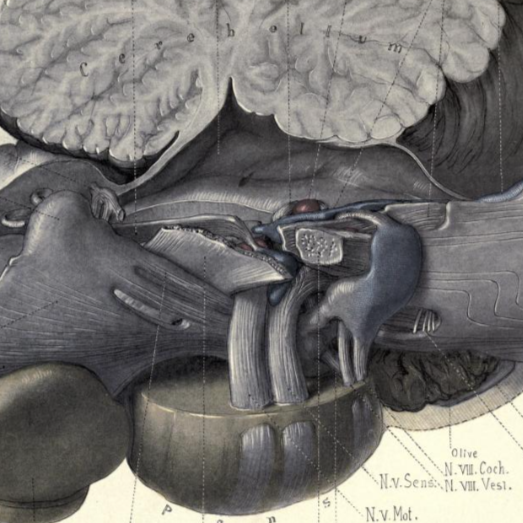
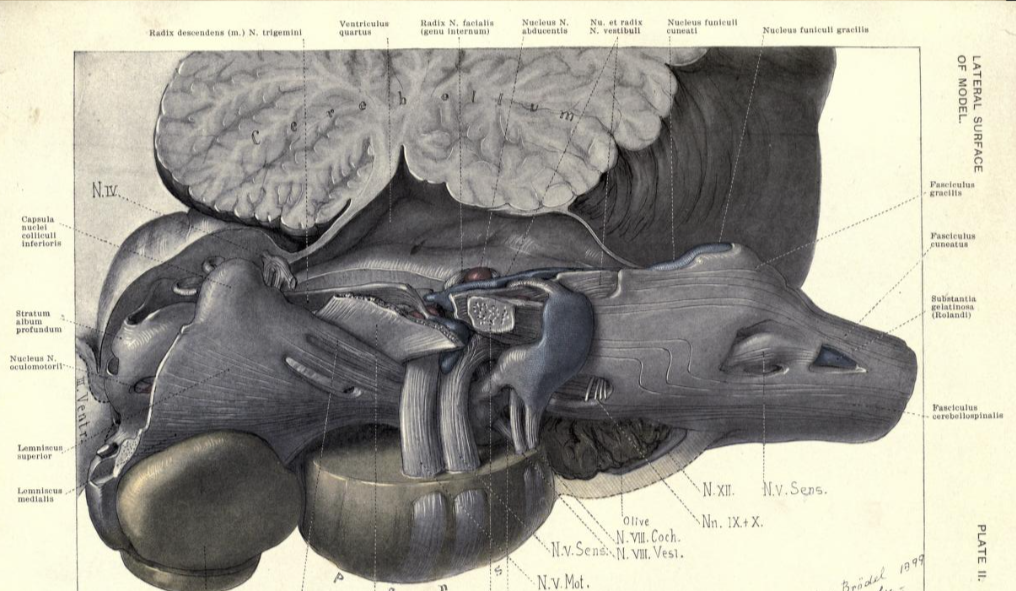
While in medical school, Sabin created a three-dimensional model of a newborn baby’s brainstem which was the basis for the widely used lab manual, An Atlas of the Medulla and Midbrain. Another significant accomplishment from her medical school days were the findings she uncovered when studying the embryological development of the lymphatic system.

A Woman of Firsts

After completing medical school, a Fellowship was set up in the Department of Anatomy so Sabin could remain at Johns Hopkins. She gravitated toward research and teaching, and eventually landed herself a spot on the faculty, the first woman to do so. She ascended the faculty ranks, and by 1917 she held the title of Professor of Histology, “the first woman to obtain a full professorship in the Johns Hopkins Medical School.”

Sabin continued to advance medicine while on the faculty. Much of her early research examined the lymphatic system. Later, her research focus shifted to blood, blood vessels and blood cells. In 1924 she was elected president of the American Association of Anatomists, and the following year was elected to the National Academy of Sciences, the first woman to do so in both instances.

Advancing Public Health

A diagram of the brain featured in An Atlas of the Medulla and Midbrain.

Sabin left Johns Hopkins in 1925 to join the Rockefeller Institute (now The Rockefeller University) in New York City. Her research there focused on tuberculosis, specifically “the role of monocytes in forming tubercles.”

Toward the end of her career, Sabin moved back to her home state of Colorado. She served on various committees and boards focused on improving public health. Through this work, she saw tangible results for her efforts with tuberculosis cases going from 54.7 to 27 per 100,000, while incidence of syphilis decreased from 700 to 60 per 100,000.

She passed away in 1953. In 1959, a bronze statue of Sabin was given to the National Statuary Hall for display in the United States capitol in Washington D.C. Hers is one of two statutes representing the state of Colorado.

Also read: Elsie Clews Parsons – A Social Scientist and Social Critic

This is part of a series of articles featuring past Academy members across all eras.

Paul Sagoe

PhD candidate
Syracuse University 

As a student member of The New York Academy of Sciences, my membership has been immensely beneficial both professionally and personally. Professionally, the Academy has provided me with invaluable networking opportunities, allowing me to connect with accomplished professionals and fellow students in my field. Getting access to Academy events, online courses, webinars, and digital content, along with the opportunity to participate in other virtual educational symposiums, has also enabled me to stay updated on the latest advancements in my area of study, fostering a personal learning experience and deeper understanding of current research and scientific trends in my field.

Appy Bhattacharya

PhD Scientist
NYU Tandon School of Engineering  

Some of the highlights of my membership in NYAS are being selected for Science Alliance Leadership fellowship, participating in Scientist-in-Residence to mentor middle schoolers and getting them excited about a career in science, and also gaining valuable mentorship through their mentor-mentee pairing program. It’s been an incredible experience!

Zahid Hossain

Fellow
Digital Euro Association

NYAS membership has been instrumental in my professional growth, providing unparalleled networking opportunities, access to cutting-edge research, and collaborative platforms. Personally, the diverse events and resources have enriched my knowledge and broadened my perspective. It’s a dynamic community that continually fuels my passion for science and fosters meaningful connections.