Out of this World: Staying Safe and Eating Well

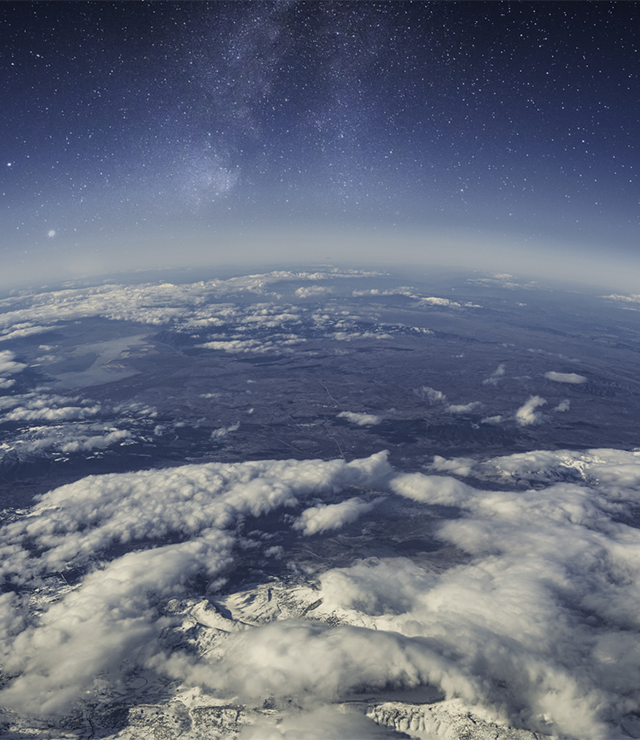
A shot of stars and outer space taken from earth.

NASA and research teams around the world are strategizing to meet the needs of astronauts who will embark on deep space explorations beyond the moon.

Published October 1, 2019

By Hallie Kapner

A packet of periwinkle seeds is being prepped for a ride into orbit, tucked into a pouch on a SpaceX rocket bound for the International Space Station (ISS).

The seeds won’t be grown on board — at least not yet. Rather, they’re one part of a broad research effort to probe the ancient botanical pathways that yield some of today’s most widely used medications — including analgesics, antimalarials and powerful chemotherapeutic agents — and to learn what secrets common plants have yet to reveal.

Joseph Chappell

Joseph Chappell, keeper of the periwinkles and chair of the department of pharmaceutical sciences at the University of Kentucky, hatched what he and his collaborators at Space Tango, a Lexington-based startup, admit was a far-fetched plan when they hypothesized that the microgravity environment of space could unlock previously unknown therapeutic pathways in plants.

Much the way that a yearlong stint aboard the ISS altered astronaut Scott Kelly’s patterns of gene expression, Chappell wondered whether the unique stress of microgravity might trigger epigenetic changes in plants that produce medicinal molecules. Uncovering new compounds could be a boon to commercial drug development, but the payoff could be at least a decade and a billion dollars away. Chappell and his collaborators have more immediate goals in mind.

A Source for Food and Medicine

“If we want to support astronauts on Mars missions or other deep space explorations, we have to provide food, fiber and medicine,” Chappell explained, referencing a trifecta of essential needs that NASA and research teams around the world are strategizing to meet as they plan for manned missions beyond the moon.

A round trip to the red planet is chief among their goals, a voyage that would propel one courageous crew farther than humans have ever traveled. A trip to Mars is expected to last at least three years, amid conditions and stresses unimaginable on Earth.

Beyond developing new drugs for terrestrial use, Chappell and his team are studying the potential for stints in space to evoke beneficial epigenetic changes in plants that he claims “offer the whole suite — sources of nutrition, sources of fiber for clothing and other materials, and sources of drugs” — plants that astronaut crews could both grow and utilize on long-term space missions. One plant that piques his interest is hemp, the utilitarian varietal of Cannabis sativa, which has a 10,000-year history as a fiber for rope and fabrics, and a more recent reputation as a source of protein-rich seeds and oil rife with non-intoxicating cannabinoids used to treat maladies ranging from inflammation and insomnia to epileptic seizures.

No Small Feat

The demands placed on the first Mars crew will surpass those of any astronauts in history. Far beyond the traditional roles of pilot, commander, flight engineer or payload specialist, the crew will need to be gardeners, diagnosticians, health care providers and perhaps even settlers, as some projections for a Mars voyage involve the temporary establishment of the first human accommodations on another planet.

Crews will struggle with isolation and confinement, as well as the psychological toll of being separated from family, friends and gravity for years at a stretch. In circumstances where maintaining health, strength and well-being are critical, crews will be reliant on freeze-dried or thermostabilized meals as their primary nutrition source. With no possibility of resupply missions from NASA, a case of menu fatigue will be riskier than ever. Medical care will be millions of miles away, and even a consultation with a flight surgeon will become increasingly impractical as the crew ventures farther into space: a single round trip radio transmission from Mars to Earth takes 40 minutes.

How to keep deep space astronauts healthy, sane, comfortable and collaborative are concerns that require at least as much attention as the technological and engineering developments required to mount a mission to Mars. Balancing the research needs of the mission and the human needs of the crew is no small feat. Accounting for these needs for several years in a profoundly resource-constrained environment requires galactic-scale ingenuity from a team of fiercely optimistic scientists, engineers and entrepreneurs from around the world.

“This is What I Want to Eat”

Periwinkle, the plant from which we get the vinca alkaloids, compounds used to treat a variety of cancers.
Grace Douglas

Chappell’s vision of growing multi-purpose plants in space is far from sci-fi, although zero-gravity farming is still in its infancy. ISS astronauts have already grown several varieties of lettuce and other leafy greens, thanks to an onboard plant growth chamber aptly named Veggie. While some space-grown greens have been eaten in orbit, crews rely heavily on pouched meals meticulously designed by the Space Food Systems group at NASA’s Johnson Space Center.

What space cuisine lacks in presentation it makes up for in ease of preparation and nutrition — in less than 30 minutes, astronauts can reconstitute a meal with (recycled) water, heat it and dine directly from the package. Astronaut fare is created to deliver essential nutrients and calories through meals that may look unusual, but often taste good and, equally important, are familiar and appealing to crews.

Advancing Food Technology

“For a Mars mission, the menu needs to be something that people are content to eat for a long time, and that’s a big challenge,” said Grace Douglas, advanced food technology lead scientist at NASA and leader of a group working to devise a food system for deep space exploration. “If the food isn’t highly acceptable — if crews don’t look at the options and say, ‘this is what I want to eat’ — then they’ll eat enough to get by, but not enough to maintain weight, which can compromise bone and muscle mass and even immune health,” she explained.

In space, as on Earth, food is more than simply fuel, and our associations with what we eat are both emotional and physical. Far from home, we often miss the familiarity of both food and family, craving the meal itself as much as the companionship. Such evocations make Douglas’ job both more difficult and more important. Among all the comforts long-haul astronauts will forego, Douglas believes some comfort from food should remain.

The Perfect Package

Oxygen, temperature, time, moisture: meet the enemies of nutrient-rich food that tastes great for up to five years.

“None of the food we send up now has that kind of shelf-life in terms of stable nutrition and quality,” Douglas said, noting that the stated shelf life for current astronaut food is 18–24 months.

For Mars, five years is the magic number. Weight and space are precious, expensive commodities on a spacecraft, and some food provisions will likely travel in advance of the crew. Those rations need to be safe, appealing, and nutritious from the moment of liftoff until crews consume them on Mars as well as the flight home. This necessitates an ambitious evolution of the space food system and the development of new technologies to sterilize and store meals without compromising appeal, essential nutrients, or adding excess waste or preparation time.

NASA currently packages meals in the same pouches used for military rations, foil-lined sacks that Douglas claims are “the best thing out there” for meeting the strict weight and barrier requirements of space packaging. Yet even the best option can’t touch the five-year mark, as the methods used to sterilize and stabilize meals can jumpstart the processes by which nutrition and quality degrade over time.

New technologies, such as microwave-assisted thermal sterilization, may help extend the life of Mars-bound meals, but will also require the development of a next-generation pouch compatible with such methods. Douglas explained that NASA is also exploring how different environmental conditions — including deep freezing — may be used to preserve nutrients and quality for longer than the current limits.

Ohmic Heating

Meghan Bourassa

Here on Earth, food scientists like Sudhir Sastry, professor of food, agricultural, and biological engineering at Ohio State University, are pioneering techniques for killing pathogenic microbes without compromising nutrition or quality. One such method, ohmic heating, may have some utility for long-haul space travel.

Rather than relying on steam and pressure, ohmic heating uses electrical fields to sterilize or reheat packaged food evenly in seconds, rendering it safe for consumption while retaining many essential nutrients. According to Sastry, about 90 percent of even the most heat labile nutrients, such as vitamin C, remain after sterilization. Dr. Megan Bourassa, a biochemist and an expert in nutrition science at the New York Academy of Sciences, believes finding a way to retain nutrients is crucial. 

“Stability and shelf-life of nutrients are definitely huge issues on Earth, especially in fortified foods,” said Bourassa. “For a five-year journey, food would probably have to be over-fortified to account for degradation over time and loss after cooking.”

Greening the Red Planet

Moviegoers will remember Matt Damon’s character in the film The Martian cleverly repurposing human waste as fertilizer to grow potatoes in a makeshift greenhouse on Mars. Douglas confirms that while Damon’s character didn’t have the resources to build such a robust growing operation, Mars travelers will likely have the ability to grow and consume leafy green vegetables during their voyage.

“As we move further from Earth, we are going to need to have systems of growing food,” Douglas said, although the notion of a Martian-style greenhouse remains quite futuristic.

Research teams have simulated the environmental conditions on Mars to determine how crops might someday be grown there — likely hydroponically — safe from the planet’s freezing temperatures, carbon dioxide-rich atmosphere and high levels of galactic cosmic radiation. University of Kentucky’s Joseph Chappell noted that plants grown in deep space as well as in the Martian atmosphere may undergo gene expression changes or mutations that either boost or degrade the nutritional profile of edible plants — another area of research that must be explored before crews could safely rely on Mars-grown food as a source of calories and nutrients.

“To be reliant on a system like that you’d need a surplus to ensure that if you had a loss of crop, it didn’t mean a loss of crew,” Douglas added.

The Issue of Water

Then there is the issue of water. Despite the recent discovery of what appears to be a 12-mile-wide body of water buried under a mile-thick layer of polar ice, there is no known source of fresh water on Mars. Any liquid water found on the planet is likely to contain toxic levels of perchlorates and other chemicals.

If terraforming Mars is to become a reality, settlers will need a source of fresh water for drinking, preparing food and for agricultural purposes. The carbon dioxide that comprises 95 percent of the Martian atmosphere has been eyed as a feedstock for reactions that could produce a steady supply of water for use on the planet, although technologies capable of performing those reactions at scale have yet to be realized.

The Body Weightless

Two hours a day at the gym would qualify anyone as an exercise nut on Earth, but in space, it’s the norm. Without gravity providing resistance for muscles and bones, both can weaken over time.

Today’s ISS astronauts toggle between several different pieces of exercise equipment, all designed to counter the effects of microgravity and minimize bone loss. Mars-bound crews will have a smaller spacecraft, and a new generation of compact exercise devices is already being developed for deep space flights. Despite their workout regimen, today’s ISS crews universally experience muscle weakness upon returning to Earth.

In his book, Endurance, Scott Kelly described the physical sensation of “all my joints and all my muscles protesting the crushing pressure of gravity” after a full year of weightlessness. Mars astronauts will clock at least three times more time in zero or reduced-gravity than Kelly did, making the return to Earth more difficult and highlighting the importance of maintaining muscle strength and cardiovascular stamina on long missions.

Despite the experiences of more than 250 ISS astronauts and more than 350 shuttle astronauts, there is still much to learn about the specific effects of microgravity on the body and its tissues over long periods of time. To accelerate the process, the U.S. Center for the Advancement of Science in Space has partnered with researchers around the world to send human tissue samples into orbit, growing three-dimensional cultures that allow scientists to study the direct effects of microgravity on various organs.

Changes in Gene Expression

Spaceflight is known to induce changes in gene expression, and may also alter the progression of diseases including cancer and cardiovascular disease. Insights derived from organoids in microgravity today may lead to protective mechanisms for tomorrow’s astronauts, and could yield new therapeutics for use on Earth.

Similar research using cell cultures tests the impact of yet another deep space concern on the human body: galactic cosmic radiation. Earth is constantly bombarded by solar radiation and cosmic radiation from within the Milky Way, yet everything on the planet is doubly shielded — first by a geomagnetic field that deflects dangerous rays and particles, then by Earth’s thick atmosphere.

Those who venture beyond the bubble lose these protections. Mitigating the risks of radiation damage is a major challenge for Mars mission planners.

Researchers at the NASA Space Radiation Laboratory at Brookhaven National Laboratory are simulating cosmic radiation by blasting biological samples with ions that mimic the rays Mars travelers will encounter in space. Plans both practical and seemingly outlandish abound for combating space radiation, from a protective vest currently used to protect soldiers and first responders from radiation threats, to an artificial magnetic shield that would restore Mars’ own magnetosphere, lost to solar wind erosion billions of years ago. Solving the radiation problem will require a combination of advances in materials science, physical shielding measures for craft and crew, and potentially even pharmaceuticals that could reduce gene mutations resulting from radiation exposure or accelerate the restoration of radiation depleted cell populations.

It’s Lonely Out in Space

Rocket Man, Elton John’s 1972 anthem of the homesick space traveler, presciently articulated the concerns of many researchers working to realize the dream of a trip beyond our planet.

Humans have long braved extreme isolation and remote environments in the name of discovery, but never without gravity, fresh air, sunrise and sunset. Add loneliness, confinement, boredom, separation from loved ones and a healthy mix of fear and anticipation, and the potential for psychological difficulties among deep space astronauts ranks highly.
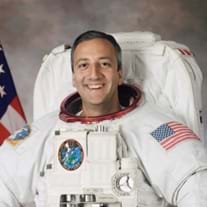
Mike Massimino

Nobody has spent more consecutive days in space than Russian cosmonaut Valery Polyakov, who logged a remarkable 438 days on the Mir space station in the 1990s. A Mars mission will last far longer.

In order to better understand the limits of loneliness and the triggers of distress, and to identify factors that promote resilience in tough conditions, teams of researchers in Hawaii, Moscow and Antarctica have studied groups of fellow scientists living in conditions similar to those of a future Mars mission. Complete with field work analogous to the tasks astronauts would need to complete on Mars, time-delayed communication with mission control, pre-packaged and freeze-dried foods, close quarters, and irregular sleep and wake cycles, these simulations have provided valuable insights into human behavior and helped hone in on personality traits that may be desirable in a Mars crew.

‘Til Touchdown Brings Me ‘Round Again

Identifying activities and amenities that boost astronaut morale are also high priorities. Among the wellness-enhancing pursuits that may be reasonably accessible on a Mars mission, tending to green plants ranks high, as does exercise. Virtual reality technologies are also being tested as a method to reconnect astronauts to the sights and sounds of Earth — be it waves crashing on a beach, the green grass of the countryside, or birds soaring over the glass-like surface of a lake.

After completing a series of missions that serve as critical stepping stones to deep space flight, NASA plans to launch a manned mission to Mars in the 2030s. The scientific community’s tireless efforts to realize the day when a human will set foot on Mars throws into stark relief the intricate, perfectly-tuned biological machinery that allows us to thrive effortlessly here, on our blue planet.

As we prepare to travel farther than ever before, it is impossible not to appreciate how well-suited we are to life at home. Upon his final voyage to repair the Hubble Space Telescope in 2009, shuttle astronaut Mike Massimino, awed at the beauty of the Earth, said it best.

“This is what heaven must look like,” he said. “I think of our planet as a paradise. We are very lucky to be here.”
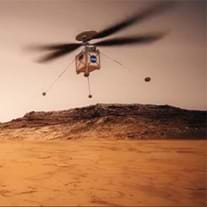
The Technology it Takes to Effectively Map Mars

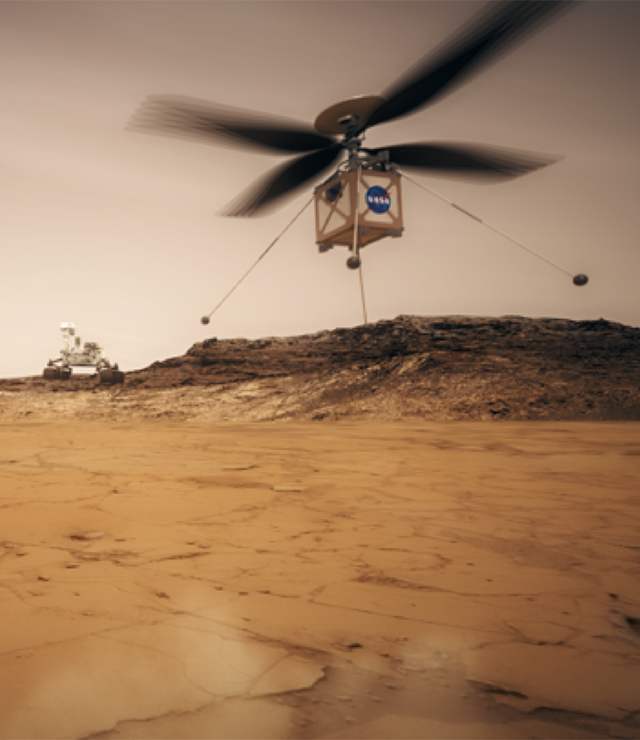
An illustration of the NASA-designed rotorcraft hovering over the planet Mars.

Mimi Aung of NASA’s Jet Propulsion Laboratory gives a glimpse of what to expect from the launch mission of the Mars Helicopter.

October 1, 2018

By Charles Cooper

Sometime around February 2021, NASA will drop a new rotorcraft on Mars that will be the first device to fly in the atmosphere of a planet besides Earth.

“In deep space exploration we have never done anything like this before,” said Mimi Aung, the project manager overseeing a team at NASA’s Jet Propulsion Laboratory (JPL) that has labored since 2013 to demonstrate the viability of heavier-than-air flying vehicles on Mars.

The Mars Helicopter, as it’s called, is a technological marvel. Weighing in at slightly less than four pounds, it sports a fuselage that’s about the size of a softball. NASA used off-the-shelf materials, including lightweight avionics, solar cells, high-density batteries and carbon fibers. The flying device is also a completely “green” piece of equipment. It includes solar panels that can collect solar energy to recharge the battery when the helicopter is at rest.

Upon landing, the helicopter will spend most of the day on the Martian surface recharging its lithium-ion batteries as it prepares to venture into the Martian atmosphere during the planned 30-day flight test campaign. The idea is to perform reconnaissance missions of nearby regions that the Rover cannot access due to ground impediments or steep terrain.

The First Flight

In its initial flight, the helicopter will hover three meters above the surface for about 30 seconds. NASA hopes to send the helicopter as high as 40 meters into the atmosphere. The maximum flight distance will extend a few hundred meters from the Rover. The longest it will remain aloft at any one time is 90 seconds.

“When we explore the surface with Rovers we want the ability to see ahead with high-definition images. This is going to allow detailed information about the Martian surface that we’ve never had before,” Aung said.

NASA controllers will send commands to the Rover, which will then relay information to the helicopter. The transmissions will take between four and 12 minutes to arrive. Time lag will vary depending on the relative position of the Earth and Mars.

The helicopter will need to survive on its own through the cold Martian nights. Temperatures can get down to 90 degrees below zero centigrade. The unit includes a heating mechanism controlled by an onboard computer that reads the temperature sensors to prevent freezing. NASA envisions that future generations of aerial vehicles will be equipped with far more robust features, allowing them to travel farther and higher.

Also read: The Final Frontier of the Future


About the Author

Charles Cooper is a Silicon-valley based technology writer and former Executive Editor of CNET.

Infrastructure: The New Space Race

A shot of planet Earth taken from outer space.

Perhaps the greatest challenge of the next century will be to build a space infrastructure that will serve all of humanity, rather than only a privileged few.

Published October 1, 2018

By Marie Gentile

If you are a person of a “certain age,” you may remember a bright summer day nearly 50 years ago when grainy black and white images were beamed down to our television sets from the surface of the moon.

The world watched in awe as an astronaut named Neil Armstrong stepped gingerly onto its dusty surface. When he uttered the now immortal words “That’s one small step for a man, one giant leap for mankind,” we knew we had done it.

Humankind had achieved what was once thought to be laughably impossible — developed the technology to escape the gravitational pull of our home planet and land on another terrestrial surface. How could anyone feel anything other than the most incredible sense of pride and wonder? And of course, for Americans, it was a defining moment —
as a nation we had won the “space race” through a technological achievement by which all others would be measured.

In the decades since, space travel has become relatively commonplace. There were seven subsequent manned moon missions, as well as unmanned missions conducted by the Soviet Union, the European Space Agency, Japan, India and the People’s Republic of China. Later, the Space Shuttle would serve as the world’s first interstellar “work horse,” carrying and fetching loads back and forth from the International Space Station. Such trips barely registered on the news cycle.

The New Space Race

Fast forward to 2018 and we stand on the precipice of a new “space race.” There are billions of dollars in private investment being pumped into various space related start-ups around the world, making the commercial space race — in theory at least — anyone’s to win.

Technology and capital hurdles aside, this is an opportunity for humanity to get something right from the beginning. The UN Sustainable Development Goals, launched in 2015, represent an unprecedented global commitment to addressing global challenges through collective action in science and technology.

But they are also a potent reminder of what is at stake if we fail — combatting hunger, educating children, developing new treatments for disease and new technologies to support sustainable infrastructure and economic development. As we mobilize to address these worthy goals, we must also recognize the lessons to be learned from our past mistakes, and apply them to the sustainable development of space for human use.

Unlike Earth, space has no borders. We cannot rope off a section or build a wall and say to others “this is ours and you may not enter.” Perhaps the greatest challenge of the next century will be to build a space infrastructure that will serve all of humanity, rather than only a privileged few.

A Myriad of Issues to be Addressed

How will we construct buildings in space and where will we put them? How will we grow food? How will space traffic be managed? Who will collect all that space trash? There are already a myriad of issues to be addressed — and these are the ones we know about. It will require collaboration across all of our planet’s governments, and across the global scientific community, to develop answers to these questions and the ones still to be asked.

Much of our work at the New York Academy of Sciences is tied to achieving the UN Sustainable Development Goals because we believe that they can be achieved, and they WILL be achieved, if we work together. As NASA, other space agencies and private sector companies ponder humanity’s future in space, it is incumbent on all of us in the scientific community and the public at large to consider what that future might be.

If we’re smart and are willing to learn from past mistakes, we stand a very good chance of getting it right from the beginning. And maybe as we aim for a sustainable future in space, we’ll succeed in solving the major challenges facing our own planet along the way.

Also read: Conservation on the Final Frontier

Overcoming Imposter Syndrome to Empower Women in STEM

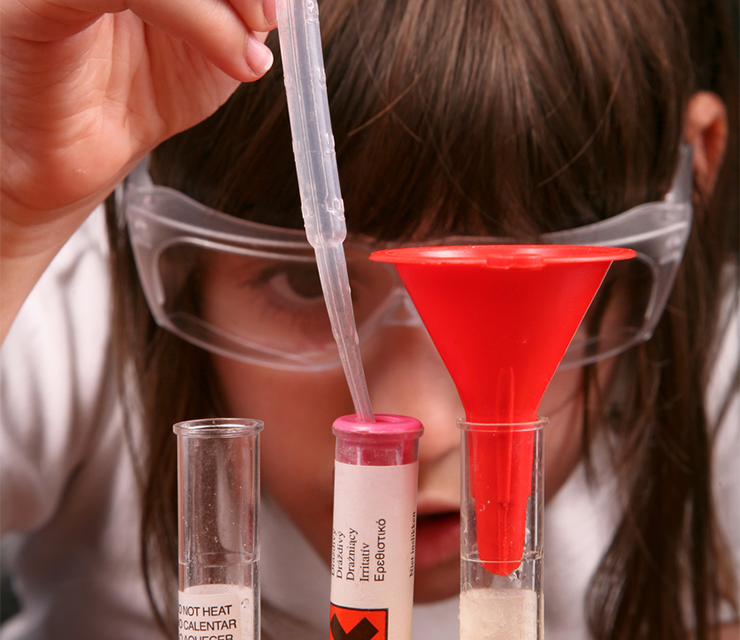
A woman transfers liquid into a test tube inside a science lab.

As a guest lecturer, Dr. Huba Zoghbi, recipient of the 2018 Ross Prize in Molecular Medicine observed “imposter syndrome” more often in women, compared to men. Here’s how we can change that.

Published October 1, 2018

By Kari Fischer, PhD

Dr. Huda Zoghbi, with Hsiao-Tuan Chao, MD, PhD, previously a graduate student in the lab who recently completed a child Neurology residency and was named winner of the NIH DP5 award.

Huda Zoghbi, MD, is a highly decorated scientist, with multiple awards garnered for her work unveiling the genetic mutations underlying two rare neurodegenerative diseases: Rett syndrome and spinocerebellar ataxia.

After receiving the sixth annual Ross Prize in Molecular Medicine (2018), she confessed that she could not appreciate her success until well into her 50s. This is far too late for a woman in science, when many leave research careers before they even begin.

While traveling as a guest lecturer, meeting hundreds of young researchers, Dr. Zoghbi observed this same distrust in one’s own accomplishments, otherwise known as “imposter syndrome,” in women, but not in men.

“Many women doubted if they could be good enough; that they could move on to the next step of their careers.”

Fixing the “Leaky Pipeline”

These women are manifestations of the “leaky pipeline” — in 2015, only 35 percent of tenured biology professors were women, though they represented over half of the PhD candidates. Their career misgivings are one among many challenges women face, including an overlap in timing between postdoctoral fellowships, seeking tenure, and starting a family; potential psychiatric disorders and depression (one-third of PhDs are at risk); and pervasive gender discrimination. An understandably difficult path.

“I see the drive, the intellect, the value they bring to science, and it troubles me when I see them going on a job interview, not walking out of the lab with the same confidence as a man,” Dr. Zoghbi said in describing her own trainees.

Dr. Zoghbi’s approach for countering self-doubt is simple, and easy to apply while other barriers await institutional change. She uses the best tool a scientist has: evidence.

“Whenever a woman in my lab would tell me, ‘I just don’t know if I can make it,’ I would pull out my CV and show them where I was at their stage, and highlight how much more impressive they are.” She share shares her experience to effectively tell them “If I can do it you can do it” … “I think that simple act helped me keep many women in science.”

Balancing a STEM Career with Motherhood

She models her actions on the women who supported her own career. While crediting her scientific mentors for her success, Dr. Zoghbi also recognizes the importance of her “life mentors,” and the little moments that were impactful.

Upon returning to her neuropathology rotation, with a two-month-old daughter at home, she experienced the associated anxiety of a working mother who might be missing out.

While seated at a teaching microscope with Dr. Dawna Armstrong, former Professor of Pathology at Baylor, she remembered, “We were not even looking at each other, and she could sense my tension … We’re looking at brain section after brain section, and in the midst of that she said, ‘You know they sleep all the time at this age, you’re not missing much’.”

Just one reassuring sentence brought her instant relief, though this style of mentoring may not come naturally for everyone.

“I don’t expect every mentor to be super nurturing, and that’s okay…give your trainees an opportunity to find other mentors to help them in areas where you don’t feel qualified,” Dr. Zoghbi said, cautioning that in the same way small gestures can bolster a career, a few words can also derail one, even if that was not the intention.

“Women have shared with me, ‘I dropped out of science because my mentor said ‘X’, and that made me believe I can’t do it,’” she said. “What you say can have a lasting impact on your trainees.”

The Lasting Impact of the Ross Prize

On a larger scale, scientific prizes like the Ross Prize are another way to extend a message of affirmation to women.

“I get embarrassed by the attention,” Dr. Zoghbi admits. “[But] so many young girls emailed me, and told me that after watching the videos of [an acceptance] speech, now they want to be a scientist and they believe they can do it.”

The approbation and visibility female scientists receive from these awards galvanizes the next generation. With more mentors like Dr. Zoghbi, their biggest challenge will not be themselves, but the science itself — which is as it should be.

The Ross Prize in Molecular Medicine was established in conjunction with the Feinstein Institute for Medical Research and Molecular Medicine.


Sign up today to be a mentor so you can inspire tomorrow’s changemakers!

And read more about the Ross Prize and past awardees:

The Complicated Ecosystem of the Final Frontier

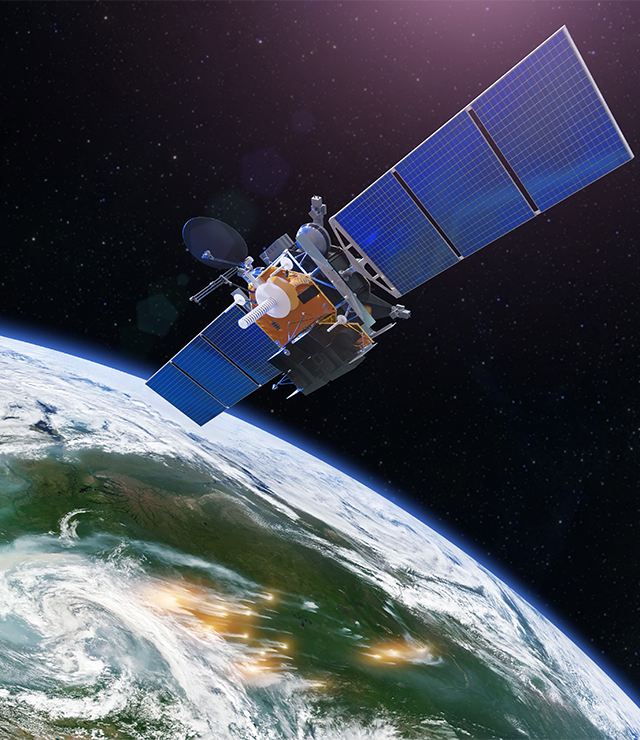
An illustration of a satellite over planet Earth.

It won’t be long before space becomes home to an assortment of commercial, industrial and scientific outposts.

Published October 1, 2018

By Charles Cooper

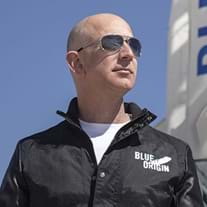
Jeff Bezos

Space may indeed be the final frontier, but it’s also becoming increasingly crowded.

Not today. And perhaps not tomorrow. But it won’t be long before space becomes home to an assortment of commercial, industrial and scientific outposts. In fact, about 900 satellites already circle in low Earth orbit (LEO), most notably the International Space Station (ISS) and the Iridium network of communication satellites. They’re about to have company.

A startup made headlines earlier this year with plans to build a luxury hotel by 2022 that would host 12-day stays in space.  Russia’s space agency is reportedly working on a project to add private suites to the ISS, complete with big windows, exercise equipment and, of course, Wi-Fi. Elsewhere, shorter space tourism ventures are being worked on by the likes of Jeff Bezos’ Blue Origin and Virgin Galactic’s suborbital SpaceShip.

But space tourism is just a sideshow to the main event: A future in which humans are able to live safely beyond the Earth for extended, even indefinite, periods of time — and do it sustainably. However, before any of those futuristic scenarios materialize, governments and organizations back on Earth need to come to an agreement on rules to manage the emergence of what will be a complicated ecosystem shared by public and private entities.

Setting Up a Space Traffic Control System

William Ailor

Prior to World War II, the air traffic control system was established to coordinate and track flights. Could something similar work for LEO? In theory, yes, but with a few tweaks.

“Each country has air traffic control responsibilities over their own territory, [but] space is different,” said Dr. William Ailor, the principal engineer for the Center for Orbital and Reentry Debris Studies at The Aerospace Corporation. “For things that are in orbit, there is no way to control that; a satellite goes over all of our countries.”

Any system would need to track a constellation of constantly moving satellites and platforms, requiring feeding continual streams of data to operators to move their spacecraft when needed. It would also require acceptance at the international level, which raises its own set of challenges.

What form would a space traffic management system take and who would pay for it? And how to ensure it remains in operation regardless of what’s happening on Earth.

“If there’s a war going on, the satellites are still up there and so you still need to protect them,” said Ailor, adding that despite the challenges, there’s general acceptance of the need to provide space traffic management and space situational services.

“It’s a dynamic situation but I think it’s agreed that space is a common domain and that we all have to work together to bring together the best data possible to be able to provide warnings. There are large constellations of satellites being proposed for LEO. I think the operators of these satellites know they will need assistance … [so] it’s important to pursue this.”

Thinking about a Post-ISS Future

Since Apollo 17’s final moon mission in 1972, NASA hasn’t pursued human exploration beyond LEO.

The agency’s focus subsequently shifted to building and operating the Space Shuttle and the ISS for testing and research. It’s been a successful tenure and the ISS, which services a number of participating partner nations, has demonstrated the viability of putting installations into LEO for extended stretches. The next step would be the commercialization of LEO with platform services as well as a fleet of smaller, space stations and other installations to pursue various commercial endeavors.

For example, Elon Musk’s SpaceX is considering the deployment of a 4,000 satellite constellation to offer global Internet service worldwide. Companies like SpaceX, United Launch Alliance — a partnership between Boeing and Lockheed Martin — and others, have all sprung up to provide cargo and commercial transportation services for the space station. Stratolaunch, the space company of billionaire Microsoft co-founder Paul Allen, is also getting into the market, with plans to develop medium-lift rockets and a reusable space cargo plane that would carry cargo to and from Earth with a follow-on variant that could carry people.

Christian Maender

“At the end of the day, the government wants to be a minority customer of those services,” says Christian Maender, who serves as the Director of In-Space Manufacturing and Research at Axiom Space.

The Development of a Space Economy

Maender envisions the development of a space economy in which government no longer takes the lead, but instead buys a myriad of space services, just as it would for terrestrial purposes.

Relieved of the need to provide the infrastructure, space-faring nations like the U.S. will be looking for a place to fly its astronauts to train in LEO in advance of missions to the moon and Mars. They’ll also have an interest in continuing some baseline level of microgravity research to answer questions relevant to exploration and basic science investigation.

“As long as the government’s needs are being met by a platform, they are happy to see the private sector design a space station that addresses their needs as well as the market demand from the commercial sector,” says Maender.

Perhaps no issue is more crucial to the future settlement of LEO than safety. Unfortunately, more than 20,000 metric tons of debris has been sent into orbit over the last five decades. While some of this flotsam has returned to Earth, most of it remains in orbit and is likely to remain so, possibly for millions of years.

If LEO does eventually host tens of thousands of people, companies specializing in removing debris from orbit will have incentive to help clean it up. Until then, however, any space platforms or habitations will need to be equipped with collision avoidance systems to reduce accident risk.

Space Manufacturing Becomes a Reality

Scientists envision a future in which certain manufacturing processes wind up getting transferred from the Earth, a move that would both save money and make it easier to send other craft to explore deep space.

Indeed, LEO may also offer manufacturing opportunities to build superior products. Microgravity offers a unique environment that provides an almost near-perfect vacuum and excellent conditions for the manufacture of many products. A fiber optic that’s uniformly pure when made in microgravity would drastically reduce the number of repeaters needed to run a signal. Indeed, the signal would extend without attenuation for hundreds of kilometers longer than you would find on Earth. New alloys could be combined to produce better single crystal turbine blades or other types of products — the result being stronger and lighter parts for aircraft.

Nowadays, spacecraft are built to survive fairly violent liftoffs from their launch pads on Earth. But if you can build a spacecraft in LEO, the process would require much less material since you’re sending less mass into orbit. Deep space missions won’t require rockets to be weighed down with extra shielding to protect crews against radiation. Or, as Maender puts it, “you can essentially build butterfly wings instead of building buttresses for launch.”

What’s more, there’s the possibility of a space gift for Mother Earth. Looking into the future — perhaps in another century or two — scientists say it’s possible to imagine scenarios in which some of the most environmentally damaging manufacturing processes get moved off the Earth. At that point, many pollutants currently produced on Earth either will be processed differently or left in the vacuum of space.

Also read: Conservation on the Final Frontier


About the Author

Charles Cooper is a Silicon-valley based technology writer and former Executive Editor of CNET.

New Age Textiles for Space

A fashion model poses for camera.

These researchers are combining fashion with scientific utility.

Published October 1, 2018

By Alan Dove, PhD

As space agencies consider sending astronauts on voyages that could last months or years, ordinary activities that we take for granted on Earth become major scientific and engineering challenges. Consider that most mundane of all human chores: laundry.

Aboard the International Space Station, astronauts receive regular deliveries of fresh clothing from Earth. They typically wear each outfit for several days before throwing it into the trash, which is then “de-orbited” to burn up in Earth’s atmosphere. That approach is clearly unsustainable. If future space crews want to reach more distant destinations, they’ll need to move past incinerating their underwear.

Given the impracticality of planting acres of cotton on Mars or raising silkworms in microgravity, sustainable space clothing will require entirely new strategies for manufacturing and maintaining textiles. Fortunately, researchers working at the frontiers of fabric design are already exploring ideas that could make clothing more sustainable both in space and on Earth.

Sweat Equity

Many of the requirements for clothing a human body on Earth will be the same anywhere in the universe.

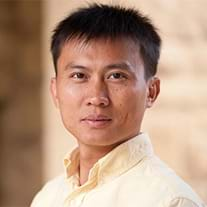
“One of the most important things is thermal comfort, when the weather gets cold you want to keep yourself warm, and when the weather is hot, how do you cool yourself down?” says Yi Cui, Professor of Materials Science and Engineering at Stanford University. He adds that “we [also] need to get the sweat out.”

Cui and his colleagues have developed several types of textiles that can help with those challenges. In one project, the researchers created a nanoporous metallic coating that can be embedded into cloth, causing it to reflect infrared radiation back towards the body. Another effort yielded a nanoporous polyethylene textile that allows infrared radiation to escape.

The two technologies can be combined in a single garment. “This bifunctional textile has two layers of coating … so you can wear it one way and this can keep your body warm, but if you wear it inside out … then you can cool your body down.”

Yi Cui

Climate-Controlled Clothing

Widespread use of such garments could save significant amounts of energy, either aboard space stations or inside office buildings.

“If you wear this in the indoor environment, then your air conditioning does not need to be so cool in the summer, and the set point can go up several degrees Celsius,” says Cui.

His calculations show that this change alone could decrease building energy consumption by 30 percent in a warm climate.

For space exploration, bifunctional outfits could help astronauts to adapt to enormous temperature changes from day to night on planets with thin or nonexistent atmospheres. Cui has also thought about the laundry problem.

“Would you be able to wash your clothing? Probably you would not have that much water [in space],” says Cui. Instead, he envisions self-cleaning clothing, perhaps using nanoengineered antibacterial coatings to inhibit odors and continuously sanitize the cloth.

Harvesting Energy From Clothing

Keeping an antibacterial coating active might require energy, but that could also come from the clothing itself. Cui explains that future textiles may incorporate photovoltaic systems to generate their own power supply from available light.

Harvesting energy from clothing is a high priority for textile engineers, as they already have plenty of ideas that will require power.

Alternatively, an outfit could exploit the temperature difference between the body and the environment to generate power, an approach that could work especially well when the garment is designed to cool the wearer. Instead of simply letting the excess heat escape, a power-generating garment would redirect it to generate electricity.

“Sensing body condition could become important, and … textiles could even do therapeutics, deliver drugs and things like that,” says Cui.

Clothing that senses and responds intelligently to the wearer’s condition and the environment would help long-distance space travelers cope with extreme conditions, while likely finding clinical uses on the ground as well.

Space outfits loaded with smart sensors, personal climate control, and energy collecting circuitry could have one major drawback, however: maintenance. When these complex systems inevitably break down, they’ll need to be fixed or rebuilt without support from Earth. Cui points out that the cooling fabric he developed, at least, is recyclable. Astronauts could theoretically melt it, extrude fresh fibers, and weave them into a new garment to replace the old one.

Score One For The Cows

Suzanne Lee

Other textile developers agree that recyclability will be critical for sustainable space travel.

“You can’t have things shipped to you, you need to be working with some sort of system … using your own waste stream as an input for anything that you need to consume,” says Suzanne Lee, Chief Creative Officer for Modern Meadow and founder of the Biofabricate Conference in New York City.

Modern Meadow’s approach to sustainability draws on the original closed-loop recycling system: biology. The company’s first product is a biofabricated leather produced by microbial fermentation.

“We actually start with collagen, which is the protein that makes up a material like leather, but we have it in a liquid form, and then we can do endless things with that protein in that form,” says Lee.

While the notion of omitting animals from leatherworking may appeal to vegans, Lee explains that the benefits of biosynthesis extend much further. Fermentation can be scaled to use far fewer resources than animal farming, and genetically engineered microbes can make collagen from a wide range of potential feed stocks, including waste that might be produced on a space voyage.

Biofabrication also shortens the path to the final product. Rather than being constrained by the shape and thickness of an animal hide, Modern Meadow’s leather can be sprayed, extruded and molded in whatever ways product developers need.

“You’re also able to form it potentially around a three-dimensional form, so then you get into reducing the numbers of processes that you might have in manufacturing, [negating] the need for a piece of equipment like a sewing machine,” says Lee.

Spiderman Was On To Something

While biofabrication could help produce a sustainable supply of ordinary clothing for astronauts, Lee cautions against trying to apply it too broadly.

“Let’s not underestimate the complexity of materials for space,” she says. For example, a space suit for extra-vehicular use is likely too complex to consider growing from scratch. Instead, multi-layered garments and spacecraft components with sophisticated life-support roles would likely be repaired rather than recycled on a long voyage.

That said, at least some of the components of future space fabrics may come from biofabrication. Lee points to spider silk, the strongest natural fiber, which several research teams and companies are now trying to manufacture at commercial scale. Clothing and even structures may soon incorporate spider silk, taking advantage of its extraordinary strength-to-weight ratio combined with its relatively low environmental impact.

Rather than pure spider silk bridge cables or textiles, Lee sees this and other biofabricated fibers being combined with more conventional materials.

“You might want the functionality of a biofabricated material, but combine it with an existing yarn or an existing textile structure,” says Lee.

Promising Prototypes

None of the new bio-materials have achieved the manufacturing scale needed to meet demands on Earth, and making these processes portable enough for space travel will require even more development. However, the field has produced some promising prototypes.

AMSilk, a Germany-based producer of silk biopolymers, collaborated with sportswear giant Adidas recently to produce a biodegradable athletic shoe. Another company, Bolt Threads of Emeryville, CA, produced a pilot batch of leather-like hats made with fungal mycelium.

Whether future astronauts actually end up recycling their clothing or growing new pairs of socks from their garbage, thinking about the constraints of space travel gives researchers a framework for improving sustainability closer to home.

“It’s an environment where you’re really trying to get the most out of the smallest amount of resources you have,” says Lee, adding that “as we think about a more populous Earth, then I’m sure it will have applications here too.”

It might even be the demise of the weekly laundry chore as we know it.

Also read: The Change Fashion Forum: Blueprint for Change — 5 Priorities

Conservation on the Final Frontier

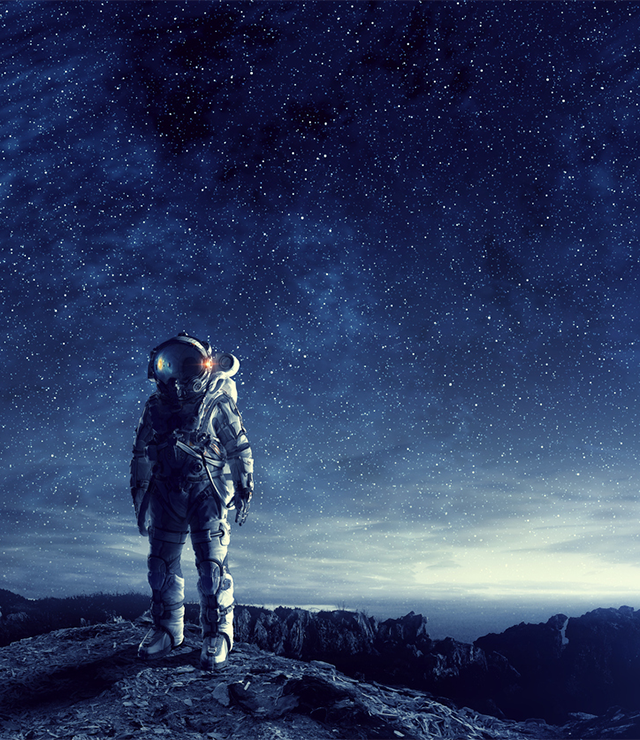
An illustration of an astronaut standing on a planet in outer space.

How scientists are approaching the critical need to minimize the creation of space debris, even as we expand space explorations.

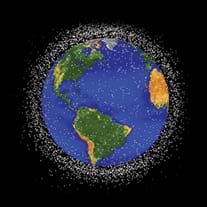
Low Earth orbit is the region of space within 2,000 kilometers of the Earth’s surface. It is the most concentrated area for orbital debris.

Published October 1, 2018

By Robert Birchard

In 1957, the former Soviet Union launched the first satellite, Sputnik, into orbit. Not to be outdone, the United States responded with its first successful satellite, Explorer, in 1958. The Space Race was officially on.

Sixty plus years later, Earth’s orbit is no longer the exclusive realm of Cold War superpowers. Today satellites are ubiquitous, launched by operators from the public and private sectors, touching all aspects of the economy and modern life. When Sputnik first left Earth’s orbit this frontier seemed limitless, but it has become more crowded with over half a century of satellite launches.

Mostly concerned with getting satellites into orbit, few scientist and engineers bothered about what happened once they got there, until NASA scientist Donald Kessler posited what is known as the “Kessler Syndrome.” This nightmare scenario envisioned a point where the density of objects in orbit would be such that a collision would generate enough space debris to increase the likelihood of further collisions, eventually rendering Earth’s orbit unusable for any satellites.

What is Space Debris?

Space debris refers to the manmade objects that still orbit the Earth, but no longer serve any purpose. This includes anything from derelict satellites and their abandoned orbital launchers, to tools lost by astronauts on spacewalks, to specks of paint chipped off the exterior of a satellite. It is estimated that Earth’s orbit contains 21,000 objects larger than 10 centimeters (cm), 500,000 objects from 1-10 cm in diameter, and over 100 million objects smaller than one cm.

Juan Carlos Dolado-Perez

According to Juan Carlos Dolado-Pérez, PhD, Head of the Space Debris Modelling and Risk Assessment Office, the Centre National d’Etudes Spatiales (the French Space Agency), the increase in catalogued space debris followed a rather linear increase of nearly 200 objects per year from 1957-2007. Recent catastrophic events have demonstrated the resulting risk and the difficulties in navigating an increasingly crowded orbit.

The Chinese Fengyun satellite was destroyed in 2007 during an anti-satellite test adding over 3,000 catalogued debris fragments to orbit. Then a 2009 collision between the active Iridium-33 and out-of-service Cosmos-2251 satellites created over 2,000 catalogued debris fragments.

Not If, but When

“The real question is not if, but under which conditions, exponential growth of space debris will create more serious problems for space activities,” said Dolado-Pérez. “We study this question with space debris evolutionary models. Such models don’t predict the future, they allow space debris experts to study the most likely future. This is a very complicated task with many uncertainties, which need to be taken into account during calculations.”

“In many models future launch traffic is defined based on past activity, but with the emergence of the commercial space sector, aspects of these models have to be updated and take into account the uncertainty of how space will be used in the coming decades,” he says. “Moreover, the quality of debris mitigation efforts and levels of compliance will have a major impact on the size of the debris population.”

Factors Outside of Human Control

Besides variables like the increasing rate of satellite launches, there are factors outside of human control affecting space debris in orbit.

“The solar activity affects orbital drag, which can make it easier or more difficult for space debris to drop out of its orbit, and unfortunately our capability for properly predicting future solar activity is limited,” Dolado-Pérez explained. “Also the increase of gases like carbon-dioxide, (due to human activity), will have an effect on the Earth’s upper atmospheric density, which will affect the time it takes for space debris to fall out of orbit.”

James Ryan

Sir Isaac Newton is credited with the adage that “what goes up must come down,” but when referring to Earth’s orbit, the rate at which items can fall to Earth, varies.

“Low Earth orbit is heavily populated with satellites. Everything sent there will come down eventually,” said James Ryan, PhD, a professor in the Department of Physics and Space Science Center at the University of New Hampshire. “The other extreme is geosynchronous orbit where the orbital lifetime is practically unlimited. But mid-level orbit may be the most problematic. The orbital lifetimes there are extremely long. Junk will accumulate over hundreds of years.”

These timeframes are too long to rely on natural forces to clear Earth’s orbit. Human efforts to remove debris requires overcoming several hurdles and there is no curb-side pick-up in space.

“Manually removing debris from any orbit is awkward, inefficient, expensive and energy consuming,” Ryan explained. “One has to sidle up to the errant object, and either move it to a lower orbit, capture it or boost it to an out of the way orbit. This takes energy and is basically a one-by-one process on thousands of objects.”

“An Ounce of Prevention is Worth a Pound of Cure”

Ryan would prefer to focus on preventing the buildup of space debris in the first place.

“An ounce of prevention is worth a pound of cure,” he said. “The design of satellites must include policies and procedures for carrying out easy deorbiting. Recycling boosters like those used by SpaceX solves a lot of problems, and shows promise. Piece-by-piece removal is impractical, except for very specific circumstances, such as a large spacecraft with no means to remove itself from orbit.”

Nikolai Khlystov

“We should not only design resilient satellites, we also need to operate them responsibly … and ensure we minimize the creation of new debris as we expand orbital operations,” said Nikolai Khlystov, Lead for the Aerospace Industry at the World Economic Forum. “The key challenge with the current regime is that current international guidelines are not enforceable.”

Khlystov suggests that a framework called the Space Sustainability Rating (SSR) could help minimize the creation of new space debris. The SSR was developed by the Global Future Council on Space Technologies, a multi-stakeholder group of international space experts and passed on to the Forum for actual development.

The SSR would provide a single, simple and transparent system to identify debris mitigation compliance in satellite design, launch and operation, thereby limiting confusion caused by overlapping and non-binding regulations put forth by various government space agencies. Private companies would benefit by “showcasing and advertising their rating without disclosing any sensitive details, as the rating would be published by a neutral third party,” he said.

More Transparency and Public Input

The SSR would provide transparency and allow the public to identify the responsible actors in the space sector.

“The fact that private actors have been entering the space sector in large numbers is a good thing. Their entrance brings innovation, new ideas, increased funding and lots of other benefits. We need to work together in a public-private partnership way to solve this particular challenge,” he added.

“Beyond SSR, one could imagine in the future a sort of consortia of public-private stakeholders — space agencies, satellite operators, launch providers, insurance companies and even investors — who come together and pool resources to solve the common problem of space debris. Of course, this kind of set-up would need careful planning and agreement,” Khlystov explained. “In principle all these actors are interested in maintaining the sustainability of orbits as they all have resources and interests that are at stake.”

Although space is infinite, Earth’s orbit is not. Its harshness belies its fragility.

“Our society is extremely reliant on space activities. Digital TV and radio broadcast, weather reporting, GPS, bank transactions and the internet all require satellites to function,” said Dolado-Pérez. “When we launch new satellites, it has to be done in a manner that keeps space sustainable. Earth’s orbit needs to be cherished because it is unique.”

Also read: The Unglamour of Space.

10 Things To Do at Every Scientific Conference

A conference attendee raises their hand to ask the presenter a question.

Published August 23, 2018

By Marie Gentile, Mandy Carr, and Richard Birchard

If you’re a STEM professional, or an aspiring one, then scientific conferences are going to be an important part of your career, whether you work in academia, industry, or government. But figuring out how to get the most out of these events isn’t always obvious, particularly for those new to the experience. So we polled some of our Members and staff for their recommendations on the top ten things everyone, at any stage of their career, should do at a scientific conference.

1. Submit a Poster or Talk Abstract

There’s no better way to get your work out into the world and get instant feedback from your peers and colleagues than to present your work live at a conference. In fact, that’s the whole reason scientific conferences exist. You never know where those next crucial insights are going to come from, but you’ll significantly increase your chances of gaining them by sharing your work.

2. Dress Professionally

Everyone in the room at a conference is a potential colleague, business partner, or employer. And if you’re meeting that person for the first time, you’re making an impression that’s going to stick. Make sure it’s a good impression. Plus, how you dress can have a big impact on your self-esteem and confidence. If you dress in a way that makes you look like you’re at the top of your game, you’re more likely to feel that way too.

3. Bring Business Cards

Even in the age of digital devices, being able to quickly give someone all your relevant contact info on a single card helps ensure not only that they can easily get in touch with you, but also that they’ll remember you at the end of the conference. Even if you don’t have an official business card yet, you can make your own at home or order them through inexpensive online printing companies.

4. Download and Use the Event App

These days, more and more conference organizers are going digital when it comes to program booklets and conference materials by using smartphone apps for their events (the Academy uses an app for all of our events). But another benefit of event apps is the networking opportunities embedded within them. For instance, you can often view a list of attendees and request their contact info directly in event apps.

5. Arrive When Registration Opens

Many conferences host breakfast receptions during morning registration periods. This is an under-appreciated time to network. It’s also a great time to get a sense of who else is at the conference and who you might want to connect with during the day. An added bonus if you’re at the conference on your own is that you might meet people to compare notes with throughout the conference.

6. Sit Near the Front

Not only will you have the best line of sight to the speakers and their slides, you’ll also be closer to the speaker at the end of the talk if it’s someone you’d really like to chat with.

7. Take Notes

Conferences can sometimes feel a bit daunting when there are lots of different ideas being discussed. A great way to stay focused is by jotting down notes during the talks you attend. After the conference they can also help jog your memory, when you want to remember some of the most important things that were said.

8. Ask Questions

Many times it can feel like everyone in the room is nodding along in complete agreement through an entire talk, but often that’s more perception than reality. Science today is inherently complex and there’s a lot that attendees don’t know, or nuances that speakers don’t explore. Make a point of asking at least a couple of questions at every conference you attend. And when you ask your question, start by stating your name, saying where you work or attend school, and then ask your question. This gives people an easy way to follow up with you if they’re interested in the question you asked.

9. Post to Social Media

Not only does posting to social help the friends and colleagues following you gain insights from the conference you’re attending, it also gives you a chance to build connections. Posting, liking, and sharing on social at a conference is a great way to network, often giving you access to people you might not otherwise meet. Just make sure to use the conference hashtag so people can find your posts easily.

10. Attend the Networking Reception

Time and time again, we hear from our Members that they’ve met business partners or research collaborators during our conferences, and it’s inevitably because they stuck around to have those face-to-face conversations at the end of the day. Struggling with where to start the conversation? Did someone in the crowd ask a provocative question that interested you? Follow up there. Or strike up a conversation with those next to you in line for food or drinks. Where did they travel from? What brought them to the conference? Once you break the ice, things get a lot easier, and you’ll be surprised how much less intimidating these events can be once you’ve done it a few times.

Now that you’re ready to get the most out of your next scientific conference, check out our list of upcoming events, so you can put these suggestions to use.

Antimicrobial Resistance in the Environment

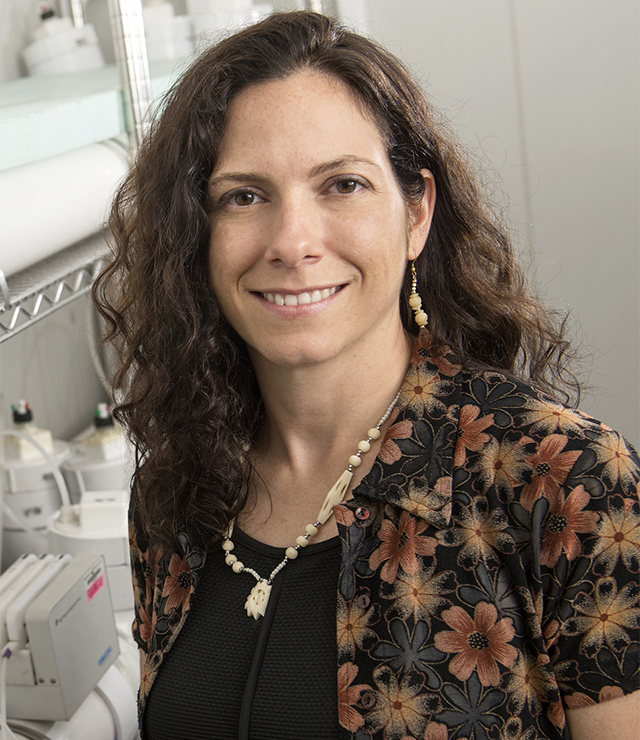
A professor smiles for the camera inside her research lab,

Amy Pruden’s research examines the spread of antibiotic resistance, a major public health and environmental concern.

Amy Pruden, PhD

Published August 13, 2018

By Marie Gentile, Mandy Carr, and Richard Birchard

The spread of antibiotic resistance is a major public health concern, prompting a movement to reduce their use in food animal production, and prevent resistance buildup in people and the environment.

Amy Pruden, PhD, the W. Thomas Rice Professor in the Department of Civil and Environmental Engineering at Virginia Tech, was among the first researchers to describe antibiotic resistance genes (ARGs) as environmental “contaminants.”

Her research has laid a foundation for understanding why and how agricultural, wastewater, and water environments may represent key pathways for receiving and spreading antimicrobial resistance.

This interview has been edited for space and clarity.

What first led you to investigate water pathways as locations that contribute to the antibiotic resistant genes burden?

As a new faculty member at Colorado State University, there was this growing awareness of emerging pollutants – the trace chemicals that end up in our water. Things like pharmaceuticals, personal care products, etc.

Things that in the past, we thought, ‘Oh, it goes down the drain and it goes away,’ or, ‘I took that pill, it’s gone. My body broke it down.’ Now we know that isn’t the case.

At the time, my collaborator, Dr. Ken Carlson had begun looking at antibiotic residuals in Colorado’s Poudre River. Ken is a water chemist and had developed techniques to look for pharmaceuticals at trace levels in environmental water samples. He was able to distinguish between antibiotics typically found in livestock and in people.

This led me to think, ‘Antibiotics in the environment might not be much of a concern, unless they’re influencing the resident microbial communities and stimulating the spread of antibiotic resistance.’ At the same time, I was well-aware of the complexity of microbial communities in the environment and that culture-based methods would only provide information about a small fraction of a percent of the bacteria in the river.

It all came together, if we wanted to understand antibiotic resistance in these river sediments, we had to use the DNA-based tools, and not look at one culture or strain at a time.

What are some of the practical challenges of your work?

A big challenge is the lack of a standard agreed upon method for monitoring antibiotic resistance in the environment. Most of the antibiotic resistance work that’s been done, has been done in the clinic, but the single strain-based diagnostic methods used there are not necessarily appropriate for environmental monitoring.

Ideally, what is needed are tools and metrics that capture microbial ecological dimensions of antibiotic resistance, including types, mechanisms, and magnitudes of ARGs, and their potential to spread.

Assessing the potential for bacteria to share their ARGs, which they can do within and among members of microbial communities via horizontal gene transfer, is especially key.

Currently we’re working on methods using next-generation DNA sequencing and bioinformatics analysis to gain a holistic “resistome” perspective: a full sense assessment of all the ARGs that are present, along with mobile genetic elements, like plasmids, transposons, and integrons and things that may facilitate development of multi-drug resistance and the capacity for ARGs to spread among bacteria.

How can we better control the spread of antibiotic resistance genes?

We need to get at the root causes, understanding how antibiotic resistance evolves and spreads in the first place. Identifying hotspots can be a useful way to achieve this.

A hotspot is a place where many factors come together to increase the chances that antibiotic-resistant pathogens can evolve. For example, wastewater treatment plants are potential hotspots, because they bring together everything that’s flushed down the drain, pathogens, ARGs, and antibiotics. Hotspots would be a useful target both for monitoring and mitigation.

The other big area is in agriculture. The majority of antibiotics used in the world, are for agriculture and livestock. Yet, we don’t have wastewater treatment plants on farms – that would be too costly and impractical.

Instead, there are opportunities to improve manure management. For this to work, we need simple, practical guidelines, that determine which antibiotics best protect livestock, but have the least effect on human health and lesser environmental impact. Then we need to decide how to handle manure from livestock treated with antibiotics.

Should it be composted or digested? What are the safest practices for land application as a soil amendment?

Also read: Getting Out the Facts on Public Health

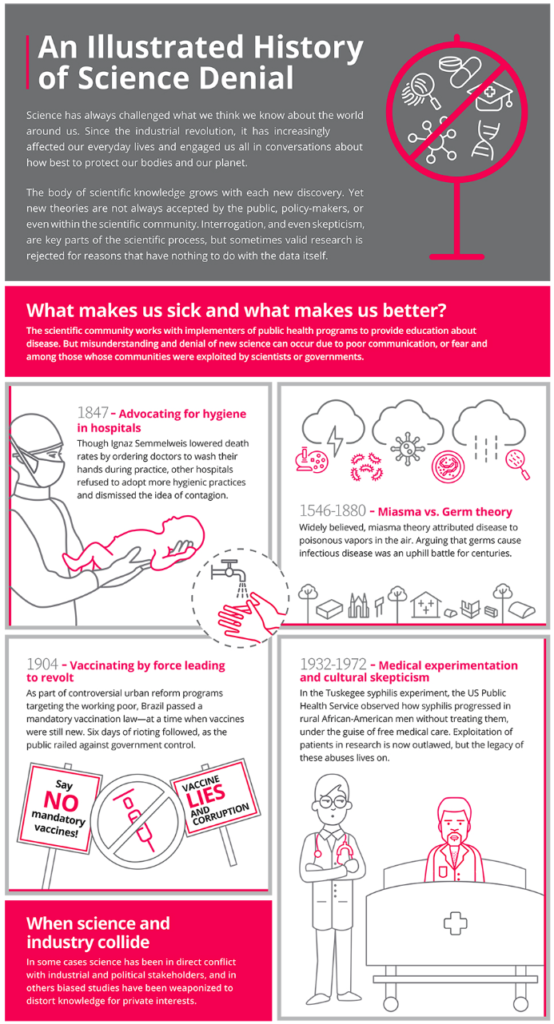
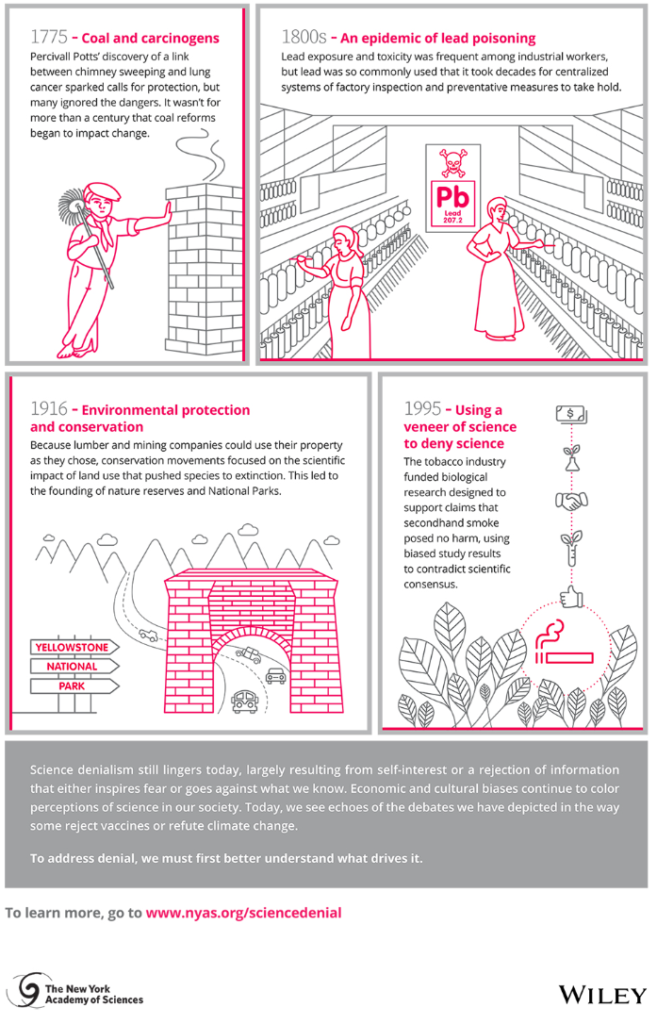
An Illustrated History of Science Denial

A political cartoon from the 1918 flu pandemic.

In an age where instant communication can immediately spread misinformation, the consequences of scientific denialism are more serious than ever.

Published June 06, 2018

By Marie Gentile, Mandy Carr, and Richard Birchard

Still, it’s important to maintain perspective and remember that scientific denialism is not a new phenomenon. For as long as scientists have challenged our understanding of the world, there have been science denialists who oppose new consensus. Below is a brief illustrated history of some of the most notable instances of science denial.