Promising Immunotherapies over Toxic Chemotherapies

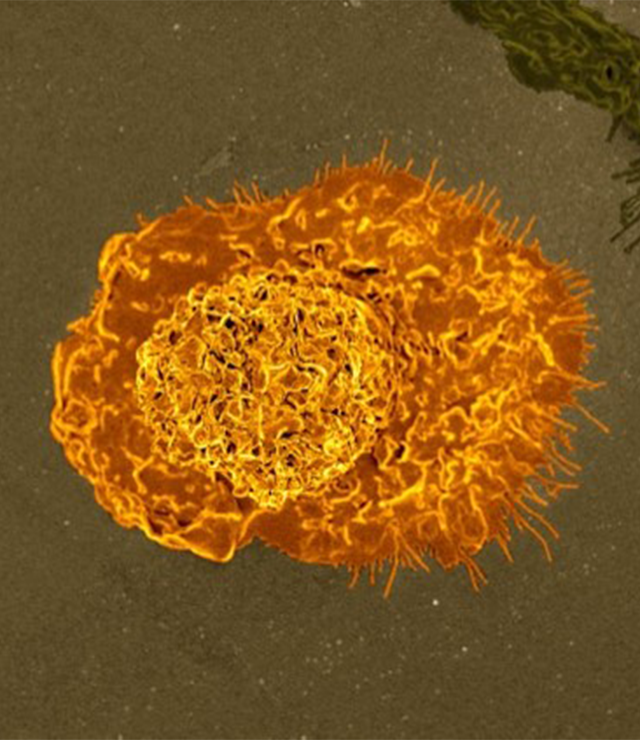
Macrophages can eat leukemia cancer cells when the cells are exposed to anti-CD47 antibodies.

Cancer immunotherapies utilize an individual’s immune system, providing alternatives to toxic chemotherapies.

Published April 22, 2021

By Ben Ragen, PhD

Cancer immunotherapies utilize an individual’s immune system to fight off or even prevent cancers— shifting the paradigm for cancer treatment and providing alternatives to toxic chemotherapies. Since the first immunotherapy cancer treatment was approved by the US Food and Drug Administration in the mid-1980s, scientists have continued to explore the potential of drugs and other biomedical technologies to manipulate cytokines, neoantigens, immune cells, and stem cells to treat and even vaccinate against cancer.

Irving Weissman, MD, is a Virginia & D.K. Ludwig Professor of Clinical Investigation in Cancer Research at Stanford University and the Director of the Stanford Institute for Stem Cell Biology and Regenerative Medicine. He has been studying cancer since 1957 and is a leader in the field of stem cell biology. Dr. Weissman will give the Keynote address at the upcoming 8th annual Frontiers in Cancer Immunotherapy conference, to be held by The New York Academy of Sciences on May 12-14, 2021.

The Academy recently spoke with Dr. Weissman about his entrance into the field of cancer immunotherapy and the advances he has made in treating leukemia by utilizing his groundbreaking findings of the link between cancer and the CD47 protein.

This interview has been condensed and edited for clarity.

You have been researching stem cells and cancer for decades. What was your introduction to these fields?

I actually started in high school in a pathology laboratory in Montana where I was learning about immunogenetics in the context of normal tissue transplants and tumor transplants. So, from the age of 16 on, I’ve been thinking about the field.

My interest in stem cell biology came out of the idea that if you had immune rejection of a transplant, it turned out that it was the thymus, and T cells derived from the thymus, that were the main effectors of rejection.

My interest then shifted from T cells to bone marrow. I set up several experiments to find cells within the bone marrow and was able to isolate blood-forming stem cells from mice. Within two years of starting SyStemix, Inc., a company which I co-founded, we isolated the human blood-forming stem cell.

How did your stem cell research lead you to study cancer?

By 1996 we were treating cancer patients by giving them lethal doses of a combination chemotherapy and were then saving them by rejuvenating their blood-forming system with their own cancer-free stem cells. These treatments were done in women with metastatic breast cancer, which made me think more and more about cancer and how we could understand which cells might become malignant in acute myelogenous leukemia.

We had gotten samples from the Hiroshima Hospital Atomic Bomb Casualty Commission, which has frozen banks of live bone marrow cells belonging to people who developed leukemia after the atomic bomb. Reseachers found we could isolate the human leukemia stem cell from those samples.

We could then look at the gene expression differences between two types of purified cells: the leukemia stem cells and then either the same stage cells from normal bone marrow or from hematopoietic stem cells. It wasn’t until we had completed all of that work that we could say, for the first time, which genes leukemia stem cells were overexpressed and which ones were underexpressed.
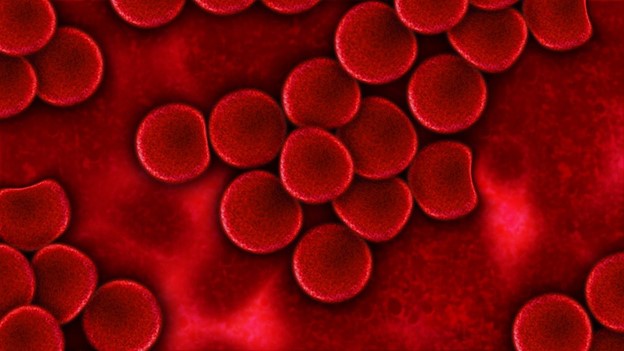
Red blood cells express CD47 on their surface to prevent macrophages from eating them.

Were there any specific genes that warranted further investigation?

One of the first genes we observed was called CD47. So, I looked it up in the literature, and it said that CD47 was an integrin-associated protein. But CD47 is not only associated with integrin in the cell membrane. When another research group knocked out the Cd47 gene in mice, they could keep the mice alive, but when they looked at their red blood cells and transfused the red cells into healthy animals of the same antigenic type, those red blood cells had a two-hour lifespan instead of having a normal two- to three-week lifespan. This discovery showed that immune cells—called macrophages—found in the bone marrow, the spleen, and liver were “eating”, or destroying, these red cells prematurely.

How did the discovery of CD47 and its role in red blood cell lifespan extend to your research on cancer?

CD47 is a “don’t eat me” signal on red blood cells—that’s how it extends red blood cell lifespan—but when the expression of CD47 normally fades, then the red blood cells can be eaten. So, we said, “well, if it is a ‘don’t eat me’ signal for red blood cells by blocking macrophages from eating them, why does every mouse leukemia and every human leukemia that we study have upregulated expression levels of CD47?”

So, we obtained and then made anti-CD47 antibodies. We showed that we could incubate the anti-CD47 antibodies with the human patient leukemia stem cells that we had isolated, along with human macrophages. The anti-CD47 antibodies relieved the blockade, and the macrophages started to eat.

Within two hours, each macrophage that ate was stuffed full of five to ten leukemia cells; you let it go two days, and there’s no leukemia cells left on the dish. So, it was pretty clear that we were dealing with a system of macrophage recognition and that we had developed an immunotherapy.
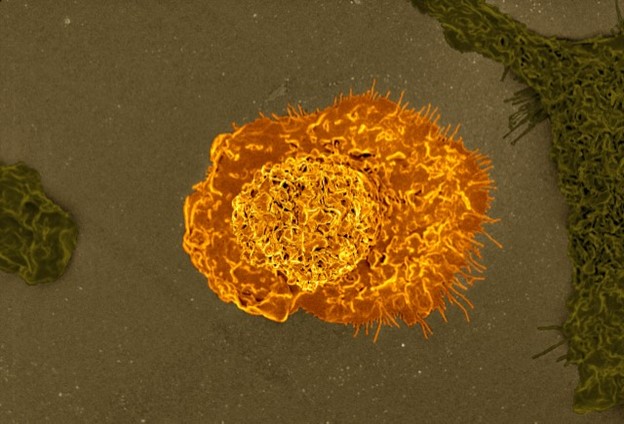
Macrophages can eat leukemia cancer cells when the cells are exposed to anti-CD47 antibodies.

How close are we to seeing anti-CD47 antibodies as an available cancer treatment?

We have finished a Phase 1 and a late Phase 2 trial for acute myelogenous leukemia and myelodysplastic syndrome, which is a disease that will often turn into acute myelogenous leukemia. We found that the anti-CD47 antibody alone didn’t eliminate the tumor.

When we added azacytidine—the drug used to hold myelodysplastic syndrome and some acute myelogenous leukemias at bay for a short time—we found that tumors regress in nearly 100% of patients with elderly-onset acute myelogenous leukemia and high-risk myelodysplastic syndrome. So far, we see over 50% complete regression, and it’s been two years.

Also read: Advancing Vaccines and Cancer Immunotherapy.

The Challenge of Quantum Error Correction

An illustrated graphic of a computer chip, or a similar piece of electronic equipment.

Shruti Puri, PhD, helps explain the challenges and the potential computational power this exciting new technology may bring about.

Published March 22, 2021

By Liang Dong, PhD

Shruti Puri, PhD, Yale University

Quantum computing is a radically new way to store and process information based on the principles of quantum mechanics. While conventional computers store information in binary “bits” that are either 0s or 1s, quantum computers store information in quantum bits, or qubits. A qubit can be both 0 and 1 at the same time, and a series of qubits together remember many different things simultaneously.

Everyone agrees on the huge computational power this technology may bring about, but why are we still not there yet? To understand the challenges in this field and its potential solutions, we recently interviewed Shruti Puri, PhD, who works at the frontier of this exciting field. Puri is an Assistant Professor in the Department of Applied Physics at Yale University, and a Physical Sciences & Engineering Finalist of the 2020 Blavatnik Regional Awards for Young Scientists, recognized for her remarkable theoretical discoveries in quantum error correction that may pave the way for robust quantum computing technologies.

What is the main challenge you are addressing in quantum computing?

Thanks to recent advances in research and development, there are already small to mid-sized quantum computers made available by big companies. But these quantum computers have not been able to implement any practical applications such as drug and materials discovery. The reason is that quantum computers at this moment are extremely fragile, and even very small noise from their working environment can very quickly destroy the delicate quantum states. As it is almost impossible to completely isolate the quantum states from the environment, we need a way to correct quantum states before they are destroyed.

At a first glance, quantum error correction seems impossible. Due to the measurement principle of quantum mechanics, we cannot directly probe a quantum state to check if there was an error in it or not, because such operations will destroy the quantum state itself.

Fortunately, in the 1990s, people found indirect ways to faithfully detect and correct errors in quantum states. They are, however, at a cost of large resource overheads. If one qubit is affected by noise, we have to use at least five additional qubits to correct this error. The more errors we want to correct, the larger number of additional qubits it will consume. A lot of research efforts, including my own, are devoted to improving quantum error correction techniques.

What is your discovery? How will this discovery help solve the challenge you mention above?

In recent years, I have been interested in new qubit designs that have some in-built protection against noise. In particular, I developed the “Kerr-cat” qubit, in which one type of quantum error is automatically suppressed by design. This reduces the total number of quantum errors by half! So, quantum computers that adopt Kerr-cat require far fewer physical qubits for error correction than the other quantum computers.

Kerr-cat is not the only qubit with this property, but what makes the Kerr-cat special is that it is possible to maintain this protection while a user tries to modify the quantum state in a certain non-trivial way. As a comparison, for ordinary qubits, the act of the user modifying the state automatically destroys the protection. Since its discovery, the Kerr-cat has generated a lot of interest in the community and opened up a new direction for quantum error correction.

As a theoretician, do you collaborate with experimentalists? How are these synergized efforts helping you?

Yes, I do collaborate quite closely with experimentalists. The synergy between experiments and theory is crucial for solving the practical challenges facing quantum information science. Sometimes an experimental observation or breakthrough will provide a new tool for a theorist with which they can explore or model new quantum effects. Other times, a new theoretical prediction will drive experimental progress.

At Yale, I have the privilege to work next to the theoretical group of Steve Girvin and the experimental groups of Michel Devoret and Rob Schoelkopf, who are world leaders in superconducting quantum information processing. The theoretical development of the Kerr-cat qubit was actually a result of trying to undo a bug in the experiment. Members of Michel’s group also contributed to the development of this theory. What is more, Michel’s group first experimentally demonstrated the Kerr-cat qubit. It was just an amazing feeling to see this theory come to life in the lab!

Are there any other experimental developments that you are excited about?

I am very excited about a new generation of qubits that are being developed in several other academic groups, which have some inherent protection against noise. Kerr-cat is one of them, along with Gottesman-Kitaev-Preskill qubit, cat-codes, binomial codes, 0−π qubit, etc. Several of these designs were developed by theorists in the early 2000s, and were not considered to be practical. But with experimental progress, these have now been demonstrated and are serious contenders for practical quantum information processing.  In the coming years, the field of quantum error correction is going to be strongly influenced by the capabilities that will be enabled by these new qubit designs. So, I really look forward to learning how the experiments progress.

A New Approach to Sustainable Plastics and Polymers

Sunset over petrochemical plants in Lake Charles, Louisiana

Adrienne Hollis, PhD, JD, the Senior Climate Justice and Health Scientist at the Union of Concerned Scientists, explains the role scientists must play in mitigating the harm caused by plastic waste and pollution from polymer production.

Published March 4, 2021

By Stephen D. Albright, PhD

Sunset over petrochemical plants in Lake Charles, Louisiana. (David Wilson from Oak Park, Illinois, USA, CC BY 2.0, via Wikimedia Commons)

New scientific discoveries often have profound impacts beyond what researchers can initially imagine. Polymers, and plastics derived from them, are an instructive example: the plastics that were once heralded as cheap, durable, and functional have also created an environmental crisis. Plastic waste and pollution from polymer production are significant hazards for communities around the world.

Adrienne Hollis, PhD, JD, the Senior Climate Justice and Health Scientist at the Union of Concerned Scientists (UCS), recently answered some questions about the impact of plastics and the role scientists have in mitigating their harms. Before joining UCS, Dr. Hollis served as a section chief at the Agency for Toxic Substances and Disease Registry, an agency within United States Department of Health and Human Services, and as an Associate Professor at the Florida A&M University Institute of Public Health.

How would you define environmental justice and why should basic science researchers care about it?

Hollis: To me, basic science research focuses on gaining a fundamental understanding of the natural environment and how natural resources are transformed. Environmental justice talks about the adverse effects on communities from exposure to the unnatural transformation of the natural environment, through actions like air or water pollution. A specific focus of environmental justice is the disproportionate impact of exposure on disadvantaged areas and communities of color. But I would defer to communities and community organizations for their definition. That is what matters.

Outside of moral and ethical considerations of fairness, researchers are urged to follow the Precautionary Principle, based on the concept of “Do No Harm” in the medical profession. It states that if anything has a suspected risk of harm, to either the public or the environment, scientists should immediately engage in actions to prevent harm, even in the absence of complete scientific data identifying risk. These actions are at the core of environmental justice, and should apply across all areas of basic science research.

One of the most striking examples of communities of color and/or low socioeconomic status being disproportionally affected by environmental hazards is a stretch of Louisiana along the Mississippi River. Called by many “Cancer Alley,” it is home to a high density of oil refineries and petrochemical plants, key steps of polymer and plastic production. What have been some of the hazards and illnesses documented in this region?

Hollis: I would first state that community members would be the best source of information on health effects because of their historic knowledge and community data on this issue. What I can say is that high rates of many health conditions—miscarriages, cancer, heart problems, respiratory problems like asthma and chronic obstructive pulmonary disease (COPD), and others—are present and well-documented in this region.

A perfect example of a hazard is the 2020 fire at a Lake Charles, Louisiana chlorine plant after Hurricane Laura. During and after the fire, residents were ordered to shelter in place, close all windows, and not operate air conditioners to prevent chlorine exposure. Amidst a pandemic and summer heat, the situation could have been so much more devastating—widespread COVID-19, heat stroke, or chlorine poisoning were all real possibilities. And yet, facilities keep coming!

Nick Fewings, via Unsplash

Researchers in polymer chemistry are working towards developing polymers and plastics that can be more sustainably produced and disposed of. What kinds of changes to a polymer’s life cycle would be most impactful for communities hit hardest by industrial pollution?

Hollis: People living in places like Cancer Alley deal with facilities that release traditional air pollution as well as greenhouse gases while making plastics. Changes that would be impactful include ceasing the extraction of fossil fuels for polymer production and changing the plastic production processes that generate pollutants like ethylene oxide, styrene, and benzene. Processes that exclude the use of these chemicals would be optimal.

But the most impactful step would be to get rid of those facilities. Hopefully, as new processes are developed to improve plastic recycling and reuse, there will be decreased demand for facilities that produce virgin plastics. In the meantime, research and development of alternatives to biopolymers and petroleum-based products—both of which lead to adverse health effects—would also be a great intermediate step.

What actions could scientists and engineers take during the research process to mitigate and prevent adverse impacts when their research translates into products? What should research practices that incorporate environmental justice look like?

Hollis: In my opinion, it is not really about making production better and safer. It is about the Precautionary Principle, which all scientists should adhere to: do no harm. This means taking preventive action when you suspect harm could occur and most importantly, increasing public participation in decision making. Scientists and engineers must, at the outset, identify the communities that may be impacted, work with those communities early and often to identify concerns, and move forward together. Scientists and engineers must ask themselves if they would want to live in a place that produces these products, and whether the processes they are developing to mitigate and prevent harm are good enough for them or their families.

Also read: Avoiding Bias and Conflict of Interest in Science

Avoiding Bias and Conflict of Interest in Science

A dramtically lit gold justice scale backlit an a dark background - 3D render

“[C]onflict of interest is about more than money….it can come from political pressures and ideological pressures.”

Published February 18, 2021

By Melanie Brickman Borchard, PhD, MSc

Arthur Caplan, PhD
Professor, NYU Grossman School of Medicine

Arthur Caplan, PhD, says scientists, physicians, and their employers, must be on guard to ensure that quality research and good patient care remain front-and-center in a healthcare system rife with rewards for bias. Dr. Caplan is a professor of medical ethics at the NYU Grossman School of Medicine. He advises presidents, government agencies, patient groups, and international organizations on bioethics.

He is a prolific researcher and author. We spoke with Dr. Caplan recently, and he shared five things doctors and medical researchers should keep in mind to help guard against bias in their work.

1) Demand transparency and be transparent.

As an employer or administrator, there are steps you can take to guard against bias in members of your staff. You can reward behavior that reduces opportunities for conflicts of interest.

There are a number of things we can do to manage conflict of interest. One is to demand transparency. Make sure that people tell us what their jobs are, what their responsibilities are, so you can assess whether they’re overworked or not doing enough of what they’re supposed to be doing. Many schools require those disclosures. Some prohibit taking a second job, some don’t let doctors moonlight, because they think it makes them too tired or it distracts them from their primary responsibilities.

In other situations, you can simply rule out certain relationships and say, ‘look, if you have a relationship with a company or a startup, and you think you’re making a useful medicine or vaccine, then you shouldn’t study whether it works or not. Farm that out to a third party.’ The process will be more independent and objective. If possible, you shouldn’t study what you own.

2) Recognize that transparency about ties to industry is important, now more than ever.

You can’t do anything with vaccines unless you’re talking to industry. They have the manufacturing capabilities. Plus, most of the basic science gets done in areas like vaccines with industry support, not through public or academic grants, or the work of academic institutions. So, in some sectors, there is no escaping the industry tie. You have to be transparent about that. You have to teach people how to manage that. You have to make sure that scientists and doctors understand they are going to be evaluated on the legitimacy of their work, not telling happy news to their funders. I think also we need more oversight. There should be more systematic review and challenging questioning by administrators, for more accountability. And you’ve got to beef up peer review. It is your best weapon against subtle, unconscious bias or deliberately fudging things to make them look good for increasing your salary or enhancing equity.

3) And speaking about peer review…. strengthening it must be a priority.

We need to bolster peer review. Peer review is getting weak. People don’t spend enough time teaching junior academics how to do it. The amount of resources and reward that come from doing peer review is somewhere between non-existent and nothing. But peer review is biomedicine and science’s best protection in looking at whether studies, evidence and information can be trusted. But if it’s just done pro forma, or people pass it off to ill prepared, overworked graduate students, or no one actually rewards you in terms of promotion for getting involved with it, then the best protection we have to verify evidence and verify that claims being made are true, is weakened significantly. And I do worry that the peer review system is not doing the job anymore to control for bias because it’s under-resourced.

4) Be cognizant of small favors, and factors other than money. As a doctor or scientist, don’t kid yourself about susceptibility to bias resulting from small incentives. And be aware that conflict is not always about money.

You have situations where doctors are prescribing medicine, and they say, ‘well, I prescribe the best medicine. I don’t believe that just because people take me to lunch, I’m going to start prescribing their medicine.’ But in fact, study after study shows that, subtly, small gifts, free lunches, free gas, and tickets to sporting or cultural events, have influence that really drive behavior. So, we may deny that small gifts can influence us, but time and again, psychology and behavioral science proves that they do.

Also, conflict of interest is about more than money. I know we ‘follow the money’ in thinking about conflict of interest and we tend to see people saying, ‘well, it’s money that generates conflict of interest problems.’ But I think it can come from other forces, too. I think it can come from political pressures and ideological pressures. I think we can see conflicts generated in the drive to succeed, the drive to be first, the drive for fame and honors. These things can create conflicts, too. So, in managing conflict of interest, it isn’t just figuring out where the money’s going, although that’s probably 85% of it. There are other forces we need to pay attention to as well.

5) Help the public understand how science works, with better science communication and with better teaching.

I think people will be more alert for conflicts of interest if they understand how science works. They won’t necessarily just say, ‘okay, I trust what you were telling me.’ They may want to get more than one opinion. They may want to go to more independent and trustworthy sources, and not just accept the views of somebody who’s trying to sell them a particular potion or nostrum.

There needs to be more effort made in the medical and scientific communities to train people to be communicators, and if you are good at it, you should be encouraged and make that part of your career. And we’ve got to get better science teaching into our schools. We need elementary and secondary school teachers who can communicate effectively about science. The public is not going to make good decisions about how to weigh opinion and evidence if we don’t have good communicators in the classroom.


Read more about Dr. Caplan’s work: The Need to Accelerate Therapeutic Development: Must Randomized Controlled Trials Give Way?

Strong Vaccine Science Advances COVID-19 Research

A shot of a syringe and dose of COVID vaccine.

Anthony Fauci says vaccine developers can build on many years of research to stay ahead of SARS-CoV-2 variants

Published February 02, 2021

By Alan Dove, PhD

Coronavirus Covid-19 Protection and Vaccine. Doctor drawing up solution from vaccine bottle and filling syringe injection for patient vaccination in medical clinic, Coronavirus in background
Anthony Fauci, MD
Dir., National Institute of Allergy and Infectious Diseases

As concerns swirl around the emergence of novel variants of the SARS-CoV-2 coronavirus, Anthony Fauci, Director of the National Institutes of Allergy and Infectious Diseases, points to reassuring results from both clinical and laboratory tests, and underscored the ability of scientists to adapt rapidly to the evolving pandemic.

The new variants, one first isolated in the UK and one in South Africa, carry mutations in the gene encoding the spike protein that all of the currently approved and candidate vaccines target. Preliminary experiments have shown that some of the antibodies patients raise in their bodies against the spike protein don’t bind as well to the variant forms.

Speaking at a New York Academy of Sciences symposium, The Quest for COVID-19 Vaccines, Fauci explained that “the diminution [in binding] is about five or six fold,” but remains within the range expected to be protective. He added that real-world clinical trial data backs that up, with the latest results from Johnson & Johnson’s COVID-19 vaccine showing 85% efficacy in preventing severe disease even in a South African cohort where most of the cases involved one of the feared variants.

Building Upon Decades of Previous Research

At the same time, decades of prior work have positioned vaccinologists well to respond quickly if the virus does evolve to circumvent vaccine-mediated immunity. Indeed, the COVID-19 vaccine development effort to date has already illustrated how fast that response can happen. Less than a year after the first genome sequence of the SARS-CoV-2 coronavirus was published, millions of people around the world were receiving highly effective vaccines, a result Fauci calls an “extraordinary historic accomplishment.”

Putting this astonishing achievement in perspective, Fauci compared it to previous vaccine efforts. “Even as we developed more technologies, measles, for example, took ten years, hepatitis B took sixteen years, but…COVID-19 took 11 months,” said Fauci. The new pandemic vaccines were in fact decades in the making, building on a scientific legacy that is also helping researchers prepare to address new viral variants.

Tracing the history of the current crop of COVID-19 vaccines back to work on HIV vaccines in the 1990s, Fauci described the basic and applied science that built a system spring-loaded to respond to a pandemic. “Then along came SARS-CoV-2, and again, [through] that same work that dates back years, the marriage between vaccinology and structure-based vaccine design” quickly revealed the most promising antigen target for COVID-19 vaccines.

Structure-Based Design

In structure-based design, scientists begin with the atomic structure of an antigen, and predict how modifications to it could enhance its potency. For SARS-CoV-2, that process identified a specially modified version of the virus’s spike protein as the best antigen; that antigen is now the basis for nearly all currently approved and candidate COVID-19 vaccines. A parallel body of work had shown the capabilities of modern vaccine platforms such as messenger RNA, recombinant proteins, and genetically engineered viral vectors.

As the new vaccines finished preclinical trials early in 2020, their developers already had access to an established network of clinical trial sites.

“The extraordinary investments that were made decades ago in putting together the HIV clinical trial network was immediately adapted, by using many of these sites [as] part of the COVID-19 Prevention Network,” said Fauci, adding that the first phase 1 clinical trial began just over 60 days after the release of the SARS-CoV-2 genome sequence, a head-snapping speed for clinical development.

Effectively Combatting New Variants

Turning to the new variants originally seen in the UK and South Africa, now known as B.1.1.7 and B.1.351 respectively, Fauci added that the nature of the new vaccines’ underlying technologies will also make them relatively straightforward to update if necessary.

“Multiple companies…are now doing an upgraded version of their vaccines, which would likely serve as a boost,” said Fauci.

Regulatory authorities are already pondering how to handle such booster vaccines, but they may be able to accept an abbreviated approval process similar to the one used for seasonal flu shots. In that approach, the new boosts “would be considered by the FDA as literally a strain change,” subject to only two phases of safety and immunogenicity tests instead of full-scale phase 3 trials, said Fauci.

Efficacy versus Effectiveness

The vaccine effort also now faces obstacles that are harder to address through science and technology. Fauci contrasted the ideas of efficacy and effectiveness of a vaccine. While the former can be calculated from clinical trial data, the latter stems from how widely a community adopts the vaccine; a highly efficacious vaccine that few people get will fail to curb the virus’s spread.

“One of the challenges that we are facing [is apparent] if you look at the intent to get COVID-19 vaccines,” said Fauci, pointing to surveys that show that significant numbers of Americans remain hesitant about vaccination. “We need to respect that, but we need to try and convince them of the importance, for their own safety and the safety of their family and the American public, to get vaccinated,” he added.

Though he has made a preliminary estimate that “herd immunity,” or overall protection of the population, could require vaccination of 70-85% of the population, Fauci cautioned that those figures are just an educated guess; only long-term monitoring of infection rates will reveal when the country is effectively protected.

Also read: The COVID-19 Pandemic at Year Four: The Imperative for Global Health Solidarity

Krainer Recognized for Pioneering Work in Anti-Sense Therapy

Dr. Adrian Krainer smiles for the camera inside his research lab.

Dr. Krainer’s research examines anti-sense therapy and its application to spinal muscular atrophy.

Published December 15, 2020

By Melanie Brickman Borchard, PhD, MSc

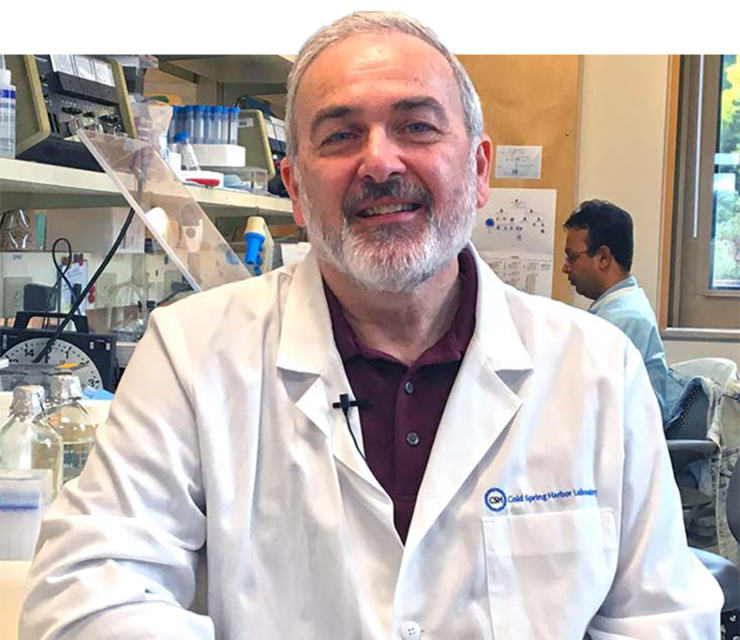
Adrian R. Krainer, Ph.D.,
St. Giles Foundation Professor
at Cold Spring Harbor Laboratory
Photo credit: Cold Spring Harbor Laboratory

Adrian R. Krainer, PhD, St. Giles Foundation Professor at Cold Spring Harbor Laboratory, was awarded the 2020 Ross Prize in Molecular Medicine by the Feinstein Institutes for Medical Research and Molecular Medicine for his pioneering work in introducing anti-sense therapy into clinical use and for its successful application to spinal muscular atrophy (SMA), an illness that has been the leading genetic cause of infant death.

“I was surprised to win the Ross Prize and really appreciate it,” remarked Krainer. “I view it as recognition of not just what I have done but of my whole team, which is the people currently in the lab and the ones that preceded them, plus our collaborators. It’s been a collective effort.”

Krainer emigrated from his native Uruguay to the United States in the late 1970s. He studied biochemistry and genetics at Columbia University. Later, during his graduate studies at Harvard, he became excited by a cutting-edge area of research—RNA splicing, a process that removes introns from precursor messenger RNA and joins the exons to enable translation of mRNA into a protein.

After working on the biochemistry of human RNA splicing, he was recruited to the Cold Spring Harbor Fellows Program upon graduation, where he focused on addressing basic mechanisms and regulation of splicing, what he referred to as, “curiosity-driven research, where we were just trying to learn something about how this process works and its natural regulation.”

Advancing Research on Spinal Muscular Atrophy

After spending fifteen years leading studies on the basic mechanisms and regulation of RNA splicing, in 1999 Krainer attended an invitation-only NIH symposium focused on SMA. This symposium was the catalyst for a revolutionary shift in the direction of his work. There, Krainer saw an opportunity to further elucidate the mechanisms he was already working on. He wanted to use this knowledge to find a potential therapy for SMA patients.

“Meetings are hugely important. Because of that meeting a little light bulb went off [related to the intersection of my work and SMA]. Not that I knew how we would solve the problem, but there was a realization that this problem fits really well with things we have been doing and is very worthwhile,” said Krainer.

A year later Krainer made a commitment to study SMA and by 2004 he entered into a partnership with Ionis Pharmaceuticals to focus on the development of Spinraza (generic name Nusinersen), the first FDA-approved drug to treat SMA associated with mutations in the SMN1 gene (approved in 2016). Since then, more than 11,000 people have been treated with this groundbreaking therapy.

“This is the best one can hope for as a researcher. It is really a dream come true that the basic research is translated into an actual drug that saves lives and is changing the quality of life for so many patients and families.”

Krainer added that the success of Spinraza has the potential to spiral outwards.

“It transcends this one disease, because it’s an example of what can be done with the antisense platform, now it can be used again and again for other neurological diseases and beyond.”

Reflecting on His Work

Today, Krainer continues to pursue the basic science aspects of splicing in his lab. Additionally, he seeks to refine the understanding of the complex machinery used for this process. Among other activities, his lab also focuses on antisense technology to develop therapies for other diseases caused by splicing defects and on understanding how splicing factors and dysregulated alternative splicing promote cancer progression.

Krainer sees being a scientist as a “privilege” and very much a collaborative effort wherein “everyone is doing something that they love.” Even so, he recognizes there are many bumps in the road for scientific discovery.

“One has to be very persistent,” he said. “I think that failure along the way comes with the territory. There’s a lot of troubleshooting and persistence required. If something doesn’t work, you try again or try in a different way. So, it’s a constant challenge and that’s part of the fun of the whole thing.”


The Ross Prize in Molecular Medicine was established in conjunction with the Feinstein Institutes for Medical Research and the Springer Nature journal Molecular Medicine.


Read more about the Ross Prize and past awardees:

Teaming Up to Advance Brain Research

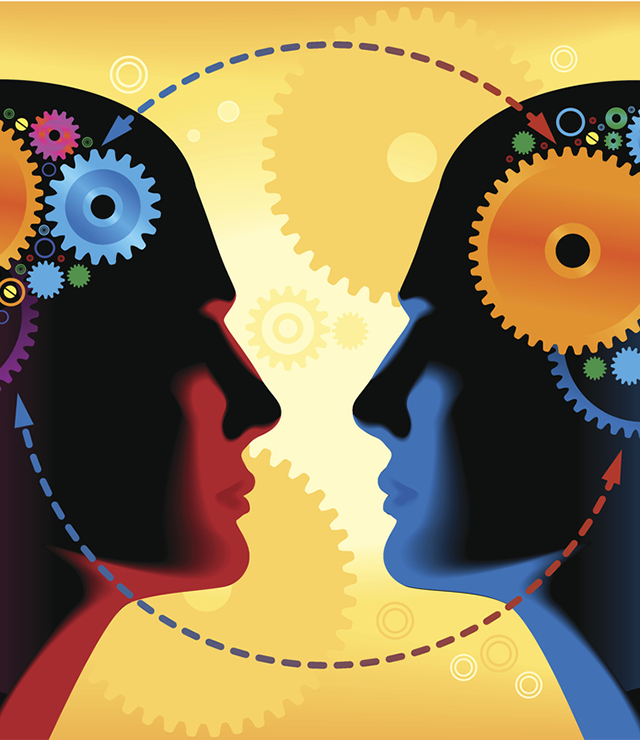
An illustrated graphic of two brains working together.

The New York Academy of Sciences and Aspen Brain Institute celebrate a decade of collaboration.

Published May 1, 2020

By Melanie Brickman Borchard, PhD, MSc

Glenda Greenwald President and Founder, Aspen Brain Institute

Bringing together some of the world’s greatest thinkers is no small accomplishment. But a decade ago, a seemingly chance meeting in Aspen led to a partnership that would bring some of the world’s leading figures from science, politics and entertainment to landmark events in the field of neuroscience, early childhood development and STEM education.

Such innovators as Edward Boyden (MIT), George Church (Harvard), Christof Koch (Allen Institute for Brain Science), Philip Low (NeuroVigil), Helen Mayberg (Emory University), Andrew Schwartz (University of Pittsburgh), Nora Volkow (NIH) as well as former Secretary of State Hillary Rodham Clinton, former Congressman Patrick Kennedy, First Lady of New York City Chirlane McCray, and iconic film star Goldie Hawn, Founder, The Goldie Hawn Foundation, have all been guest speakers at programs developed by the New York Academy of Sciences and the Aspen Brain Institute.

Teaming Up to Advance Brain Research

The partnership began when President Emeritus of the New York Academy of Sciences, Mr. Ellis Rubinstein, attended a dinner hosted by Aspen Brain Institute Founder and President, Glenda Greenwald at her Aspen home in the spring of 2009. They quickly discovered their mutual passion for bringing scientific knowledge to the wider community, so when Mrs. Greenwald asked President Rubinstein if he would like to partner on a global brain research conference, he promptly said yes and a partnership was born.

Since that meeting the New York Academy of Sciences and Aspen Brain Institute have brought together the most innovative, important and inspiring individuals together to discuss topics on the cutting edge of science.

“The seeds were planted between the Aspen Brain Institute (ABI) and the New York Academy of Sciences at that dinner,” said Glenda Greenwald, “and the partnership is still very much blossoming and bearing fruit.”

The Most Important Advancements in Science

In the years that followed, the two organizations developed scores of scientific symposia, public programs, podcasts, and e-Briefing multimedia reports that highlighted the most important advancements in science.

“Thanks to Glenda Greenwald’s personal participation as well as the generous support of the Aspen Brain Institute, we jointly convened a number of significant conferences that engaged some of the greatest innovators in science today,” said Ellis Rubinstein.

These joint symposia have focused on such notable topics as:

  • Cracking the Neural Code: Exploring how the activity of individual neurons and neuronal circuits gives rise to higher order cognition and behavior, with talks on areas like mapping neural networks;
  • Accelerating Translational Neurotechnology: Exploring innovative scientific, clinical, and organizational models for advancing the translation of neuroscience research into technologies for neurological and psychiatric disease;
  • Shaping the Developing Brain: Exploring the latest discoveries from cognitive neuroscience and experimental psychology regarding typical and atypical development of human learning and memory, emotion, and social behavior in early life; and
  • The Enhanced Human — Risks and Opportunities: Exploring existing and emerging enhancement technologies, with a focus on gene editing and artificial intelligence as examples of technologies with broad capabilities and ethical concerns.

“These conferences and public programs were not only scientifically outstanding, but also often awe-inspiring,” Rubinstein commented. “For me, the most moving moment was in the Bionic Skeletons and Beyond program. Watching Amanda Boxtel — a long-time paraplegic — walk across the stage thanks to a wearable bionic exoskeleton, was truly remarkable.”

Part of the Academy’s Global STEM Alliance

In 2017 the ABI began supporting the Academy’s Global STEM Alliance (GSA), a coalition of more than 250 organizations united in their commitment to increase the number and diversity of students in the STEM pipeline. For two years, the ABI sponsored a Social Impact Challenge for young, high-achieving STEM students from around the world.

“I fell in love with the GSA concept of a global, online peer network of high school students collaborating on solving world problems,” said Greenwald. “The global aspect, the STEM aspect, and the brilliant innovation of the kids were all phenomenal.”

“In working with The New York Academy of Sciences, I have appreciated their wide open vision — the ability of the organization to stay topical and timely so that we could highlight the most current and exciting research, as well as bring in the highest level scientists at our conferences,” said Greenwald.

Both organizations anticipate that their decade-long partnership will extend well into the future, with many more years of progressive and collaborative programs to come.

Good Mentors are Key to Student Interest in STEM

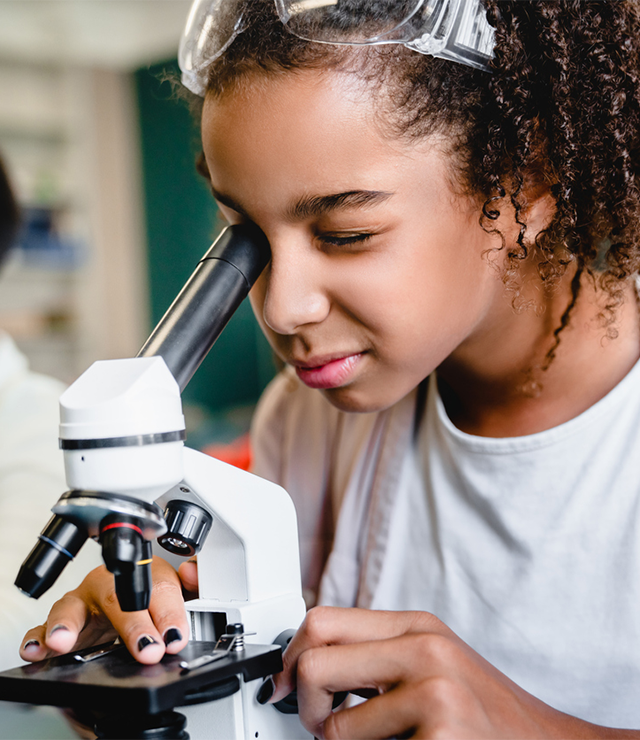
A young woman examines a specimen under a microscope.

The Academy’s Scientists in Residence initiative aims to jumpstart student interest in STEM.

Published May 1, 2020

By Adrienne Umali, M.S.B.S., M.S.Ed.

Kathrin Schilling, Ph.D.
Associate Research Scientist Geochemistry, Columbia University

Regardless of the field you’re in, it is likely that if you looked back at your career path, you could identify at least one person who has helped guide you to where you are today. Whether this person was a teacher, family member, coach, or supervisor, mentorship has always been an incredibly important part of not only exposing individuals to new ideas and opportunities, but in encouraging them to their full potential.

When the 2018 Program for International Student Assessment (PISA) scores in math and science showed the United States ranked 13th, behind several Asian and European nations, it was once again demonstrated that the U.S. needs to raise its investment in science, technology, engineering and math (STEM) to remain globally competitive. These fields are core to almost every industry, but a 2017 poll found that only 38 percent of middle and high school teachers see their students as being “naturally interested” in STEM.

Cultivating a Love of STEM

Most students rarely have the opportunity to meet a working scientist, so developing programs that expose students to science professionals is proving to be a critical way to cultivate a love of STEM in the next generation. It’s what brought Emily Bohonos, a middle school science teacher in Brooklyn, N.Y., to join The New York Academy of Science’s Scientist-in-Residence (SiR) program.

SiR brings together scientists and NYC middle and high school teachers for a year-long collaboration that aims to jumpstart student interest in STEM through real-world projects and the opportunity to “humanize” a scientist.

Emily Bohonos
Science Teacher, Elijah Stroud Middle School, Brooklyn, N.Y.

Bohonos along with her partner Kathrin Schilling, Ph.D., an associate research scientist of Geochemistry from Columbia University, have spent the last few months creating a project focused on something that most students already have an interest in: food. Building off of Schillings’ expertise — she has degrees in geology, soil science and microbiology — the two are challenging students to research diet variations around the world and create experiments that explore the effects of different conditions on plant growth. Their project pushes students to practice thinking critically, creatively, and globally.

Thinking Outside the Box

Schilling loves sharing her passion for science with students and is thrilled when she sees them thinking outside of the box. The benefits of programs like this, however, are not limited to added content expertise — they also provide tangible examples of people who have found success in STEM.

In fact, Schilling notes that many of the questions she gets are far removed from her area of expertise. With the title of “Dr.“, the students see her as an expert in all science-related fields, a factor she recognizes may be one of the reasons that science can seem inaccessible to some students. “It feels like you have to be a genius in every field [to be a scientist] and we are definitely not.” Schilling admits that she herself wasn’t a great student until she was able to start specializing in her post-secondary education.

To this end, Bohonos creates time during each lesson to allow students to interact one-on-one with their Resident Scientist and get to know her on a personal level. In this way, students can hopefully begin to see STEM as a career path not just limited to those who have already been labeled as “smart”. Fostering this type of environment is particularly critical at schools like Bohonos’, where students of color make up almost 90 percent of the student body, a group which still remains significantly underrepresented in the number of individuals receiving undergraduate STEM degrees.

Mentoring takes time and it comes with its own challenges, but despite this, Schilling remains optimistic about her role in fostering a positive outlook regarding STEM. “Even if I can change the mind of just a few [students] it’s more than before the program.

New Age Therapeutics: Cannabis and CBD

A shot of a cannabis plant, with its distinctive leaves.

CBD has become the ingredient driving a billion-plus dollar market of consumer products — researchers are sorting the hype from the hope.

Published May 1, 2020

By Sonya Dougal, PhD

Image courtesy of Gelpi via stock.adobe.com.

Enter any drugstore, vitamin chain, big box store, e-commerce site, gas-station convenience store or street corner bodega and you’ll find CBD products — in shampoos, oils, vapes, gummies and even treats for people and pets. Many of these products come with creative claims of the therapeutic benefits of CBD, true or not.

Such mass market hype and wishful thinking aside, Epidiolex®, an FDA-approved breakthrough treatment for rare drug-resistant epilepsies, is currently the only CBD product (cannabidiol) demonstrated to be effective by controlled studies in people.

CBD was previously known as the non-intoxicating sibling of the psychoactive intoxicant THC (tetrahydrocannabinol) — both cannabinoids produced in the marijuana plant. Traditional medicines have used cannabis for millennia, yet the United States first placed legal restrictions on its use in the 1920s and 1930s. In 1970, marijuana became illegal under Schedule I of the U.S. Controlled Substances Act.

CBD, though, received an enormous boost when the Farm Act of 2018 allowed the legal growth and sale of hemp products which include CBD. However, THC remained illegal, along with CBD produced from marijuana. These changes have only added to the ambiguity of CBD’s status from the perspectives of both law and science.

Imagine You’re a Caveman: The Human Endocannabinoid System

In the 1980s and 1990s, researchers identified cannabinoid receptors in humans (CB1 for THC and CB2 for CBD). What they were uncovering was the human body’s own endocannabinoid system (ECS).

“It’s a system as ancient as our immune system and our central nervous system. They co-evolved and our endocannabinoid system acts as a bridge between the two,” says Yuval Cohen, CEO and Director of Corbus Pharmaceuticals. “It’s designed to help us recover from trauma and is absolutely essential to life.”

To illustrate his point, Cohen said: “Imagine you’re a caveman and you just got mauled by a saber-toothed tiger. You are injured, you’re bleeding, you’re going into shock, you’re scared, you’re in a ton of pain; the wound is swollen and tender. You’re a hot mess. And that is where your endocannabinoid system kicks in. Without it, you’re going to die in that cave. It’s that simple.”

He is describing what many CBD promoters claim as general benefits of CBD in any form: pain management, seizure control, physical and psychological trauma relief, and tissue healing. Cohen, himself, sees the endocannabinoid system as an increasingly more explored therapeutic target for new treatments of disease.

Corbus is rationally designing synthetic signaling molecules to target the human ECS receptor molecule CB2 more selectively than a plant molecule could. Corbus’ lead product candidate, lenabasum, is designed to resolve chronic inflammation and fibrotic processes without interfering with the central nervous system.

Patient-Driven Advances

Yuval Cohen, Ph.D.
CEO and Director, Corbus Pharmaceuticals, Inc.
Photo: Corbus Pharmaceuticals

Elizabeth Thiele, M.D., Ph.D., Director of the Pediatric Epilepsy Program at Massachusetts General Hospital, has firsthand experience with the pain and courage of parents who have exhausted existing medical options for treating extremely ill children. “I think what has really set this whole CBD story apart is that it was the patient community that drove the interest. It wasn’t big pharma saying ‘Here’s this drug we had in trials’,” she said.

Dr. Thiele has direct knowledge of a couple of related cases. One family moved from Maine to Colorado so they could access a CBD product for their daughter’s debilitating, treatment-resistant

epilepsy. A second family, from California, became interested in medical marijuana when their son had trouble with the restrictions of dietary therapy. But they encountered the same difficulty many experience with extracts: consistency of the product. Eventually, the California boy became patient one for Epidiolex in the United States.

“When I first got involved with this, one of my colleagues told me I was risking my career and another that I was wasting my time,” said Thiele. “But my approach has always been that I get parents who are desperate for treatments for their child and I need to support them.”

Still, Thiele firmly warns against trying CBD products whose contents you cannot confirm: “Right now, the only data we have is that purified CBD can be effective in helping children with refractory epilepsy. Parents should be very leery of claims of CBD curing or being good for everything.”

Above and Beyond Caveat Emptor

Margaret Haney, Ph.D.
Professor of Neurobiology at Columbia University Medical Center

When states legalize something, people assume it is safe. But experts at government agencies and university-affiliated research institutes continue to seek accurate data about potential health risks associated with cannabinoids, especially for people who may be more vulnerable because of age, neurological development, pregnancy, or interactions with other medications.

THC can affect fetal and adolescent neurological development, but CBD’s effects are still being determined. Data  collected during studies of Epidiolex, for example, revealed that CBD affected availability levels of the antiepileptic clobazam, requiring dosage adjustments.

Scientists are actively studying the therapeutic potential of CBD with the removal of hemp from Schedule I.

Among her responsibilities, Susan Weiss, Ph.D., National Institute on Drug Abuse, Director, Division of Extramural Research, represents NIDA in talks on cannabis, marijuana and CBD. “Our goal is to get a better understanding, to get more knowledge and to be able to present evidence in an unbiased fashion,” she said. “We are also interested in developing therapeutics for cannabis use disorder.”

The Legal Hurdles

But NIDA research is not immune to legal ambiguity, jurisdictional conflicts, and their consequential impact on science. “Our researchers can’t actually purchase products from dispensaries because they would be in violation of federal law,” Weiss said. “As a result, NIDA must depend on people self-reporting what they’re using. But we don’t have access to those products to get a good sense of their dangers.”

Margaret Haney, Ph.D., Professor of Neurobiology, Columbia University Medical Center, is a leading researcher on cannabis use disorder but also explores the science behind specific areas of therapeutic value for THC and CBD. “I feel like there’s an anti-science moment right now where people are just believing,” she said. “They’re distrustful of pharma but not of the person selling them CBD at the farmer’s market. People aren’t aware that it’s just snake oil all over again.”

According to Haney, what most stands in the way of large-scale rigorous clinical studies is the DEA Schedule I status for cannabis and cannabinoids, which essentially shuts down the ability to conduct these studies. “If scientists could treat cannabis and its constituents as Schedule II, that would open things up tremendously,” she said.

The Entourage Effect

Ziva Cooper, Ph.D., Research Director of the UCLA Cannabis Research Initiative and Associate Professor in the Jane and Terry Semel Institute for Neuroscience and Human Behavior, understands the strong arguments for the purity, precision and predictability that synthesized THC or CBD molecules can provide in a rationalized drug design approach. But as a pharmacologist she wonders if potential benefits may be lost the further away a drug molecule moves from the whole plant.

“You want to know what the individual constituents do, but then there is this idea that the whole plant can offer greater therapeutic potential because it has all these different chemical components — some call this the entourage effect,” said Cooper.

“This hypothesis hasn’t really been tested in the clinic yet. We’re hoping to begin studying that very soon to determine if these different molecules in the plant work together to improve the potential therapeutic effects of cannabis. Will the combination of these chemicals be effective? What can we expect it will do? What are the risks we should be aware of? I’m confident that over the next 10 to 15 years we’ll actually be able to answer some of these questions,” said Cooper.

Dan Zenowich, a freelance health writer, contributed to this story.

Also read: What Near-Death and Psychedelic Experiences Reveal about Human Consciousness

A Professional Case for Effective Networking

An illustration of a woman networking with people on the computer.

Networking is a skill that needs to be practiced. Here’s how to overcome the self-imposed barriers that may be standing in the way of becoming good at it.

Published May 1, 2020

By Srikant Iyer, PhD

Srikant Iyer, Ph.D.

No one knows who first coined the popular saying “It’s not what you know that counts so much as who you know …” although there is some evidence it was first used in 1914 in The Electrical Worker, a publication of the International Brotherhood of Electrical Workers union. Origins aside, there is a good deal of truth behind these words, and most career guidance experts will agree that the most effective way to advance one’s career is by leveraging a network of contacts.

Networking helps cultivate relationships that pave the path for our future. However, many STEM professionals just starting out find the idea of networking daunting. Thoughts like “I don’t feel comfortable asking for help”, “I don’t want to bother people”, “My research is very niche and I can’t dumb it down” become self-imposed barriers towards shaping one’s career journey and often prevent individuals from exploring new career opportunities and connecting to potential colleagues.

Make It Easy for People to Remember You

Networking is defined as the exchange of information and ideas among people with a common profession or special interest, usually in an informal social setting. Shruti Sharma, Program Manager at Stony Brook University moved from India to the U.S. for her Ph.D.

“In the U.S. the culture of being a self-promoter felt foreign to me,” she said. “I was raised in a culture where one’s work is supposed to speak for itself.”

She identified networks like the Academy’s Science Alliance Leadership Training (SALT) where she found the safe space to navigate the cultural differences.

“I realized that for my work to speak, I needed to communicate my skills and achievements to build a community of allies and advocates,” adds Sharma. This helped her leverage both the individualistic and community-based cultures to her advantage.

Satish Rajaram (SALT Alum), Engineer and Scientist at TRI Austin, says, “It is important to articulate your story for your personality to show, and to separate yourself from others with similar backgrounds.” As a Graduate Writing Consultant and mentor to undergraduate students, Rajaram recommends the value of being specific about one’s experience — it provides context to conversations and makes you more marketable — an important trait when applying for a job.

Success Takes Time and Effort

Effective networking requires strategic preparation and being mindful of leveraging assertive ways to succeed when building relationships. Arthee Jahangir, Assistant Director, Postdoctoral Affairs at New York University School of Medicine, believed that by being a consistent high performer the merit based system would reward her, and her gender would not be a hindrance. But despite being a lead entrepreneur, Jahangir, like many women in science, experienced systemic barriers of being overlooked in favor of her male colleagues at networking events and pitches.

“I started to become [aware of] unconscious bias and micro-aggression that permeated the bubble I lived in, and learned strategies to counteract it by controlling my own narrative,” says Jahangir.

Getting others to talk about their own career path facilitates conversations and builds relationships. Monika Buczek (SALT Alum), Business Development Manager and Scientific Project Leader at Champions Oncology Inc., used the “identify common ground approach” to connect with, and cold contact, individuals on LinkedIn. In her informational conversations Monika would ask such questions as: “If you could change anything about your path what would you change?” and “What would you tell yourself at the beginning of your journey?” to cultivate relationships.

Networking is a skill that needs to be practiced. Regardless if you are an introvert or an extrovert, practicing talking to your immediate circle, e.g. friends, colleagues, supervisors and even vendors, is a first step to building your network.

Join professional associations and attend conferences to build a portfolio of people you’d like to meet. Cultivate your narrative to feel confident about approaching people. Email leaders in your field you admire and request a meeting. You may not always get a positive response, but it’s a “no” if you don’t ask!