America Lost Its Measles Elimination Status. We Cannot Lose Our Resolve
Losing measles elimination status highlights a preventable U.S. public health crisis fueled by falling vaccination rates and misinformation.
Published November 25, 2026
By Syra Madad, D.H.Sc., M.Sc., MCP, CHEP, Chief Biopreparedness Officer, NYC Health + Hospitals
and Lucky Tran, PhD, Science Communicator, Columbia University
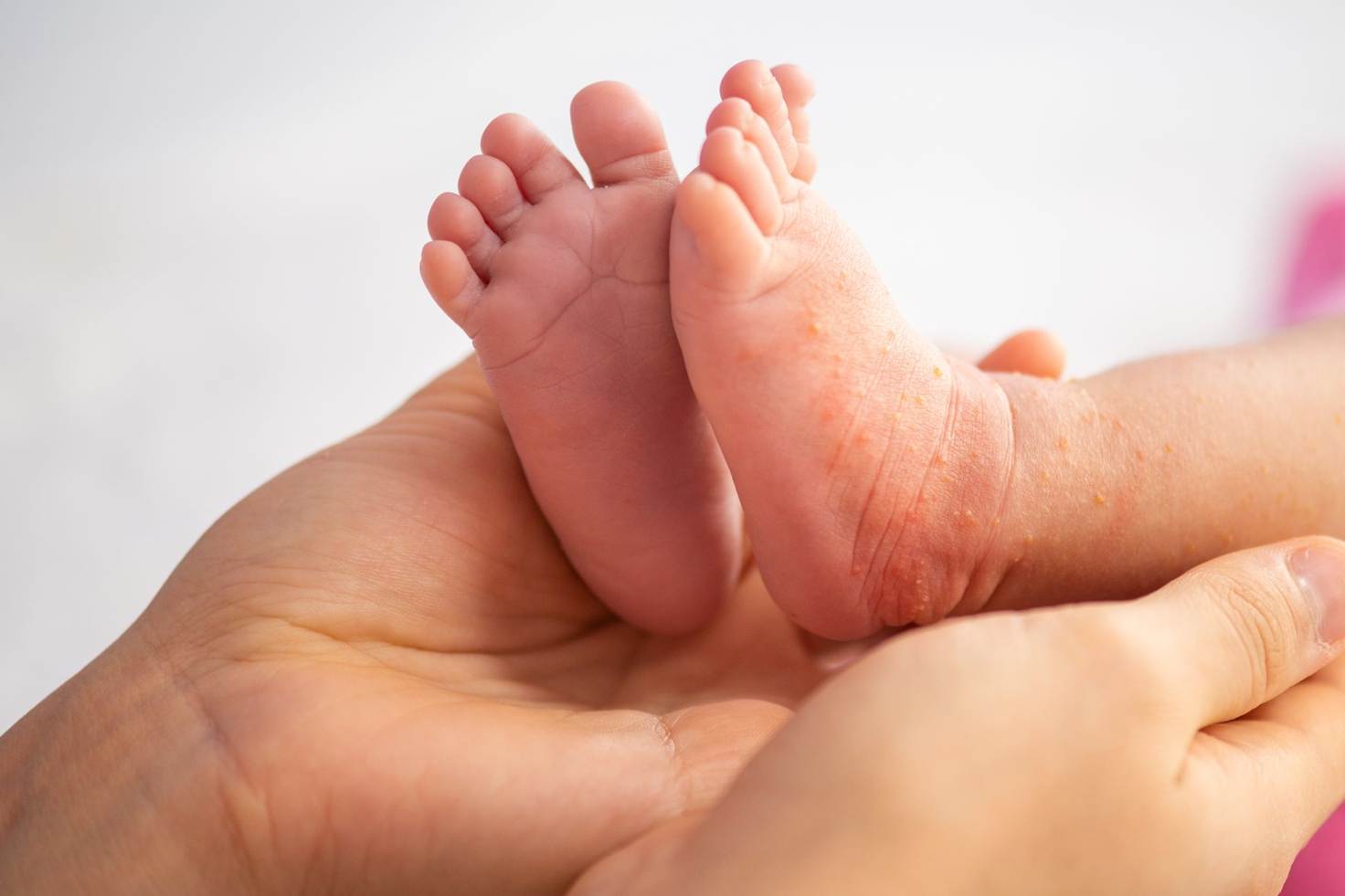
Imagine learning that your baby has been exposed to measles, too young for routine vaccination, dependent on the protection of everyone nearby. Suddenly, every cough becomes a worry.
That is the human reality behind CDC’s latest numbers: 5,838 confirmed measles cases, 646 hospitalizations and at least six confirmed deaths as of November 19, 2026. The number of cases is more than double all of 2025, and the most in any year since 1991.
Here are four things everyone should understand about this preventable crisis.
1. Losing measles elimination status means the U.S. is failing to contain the virus.
The United States has lost its measles elimination status, undoing a key public health achievement secured in 2000. Elimination meant sustained domestic transmission had been interrupted, imported infections and limited outbreaks could still occur. Losing that status means a transmission chain has continued uninterrupted for at least 12 months.
To be clear, vaccines still work. What has failed is that gaps in protection have allowed measles to keep finding susceptible people.
For families with infants or loved ones who cannot receive the vaccine, those gaps are a matter of life or death. They cannot protect themselves. They rely on the rest of us.
2. Measles can cause serious harm at any age.
Measles can cause pneumonia, brain inflammation and permanent injury. It can also damage immune memory, weakening defenses against other infections. Rarely, a fatal neurological disease develops years after apparent recovery. The harm can outlast the rash by years.
Adults account for 41% of this year’s reported cases. Among infected adults, 15% were hospitalized. Among children younger than five, roughly one in six required hospital care. Behind those percentages are frightened families, missed paychecks and nights beside hospital beds.
3. Misinformation is fueling this public health crisis.
Two doses of the MMR vaccine are approximately 97% effective against measles, and serious reactions are extremely rare. We have the tools to stop this outbreak as it exists and they are remarkably effective. But too few people are using them. Misinformation and disinformation can manipulate a parent’s instinct to protect a child into a fear of vaccination. As vaccination rates fall, the virus spreads.
Misinformation has reached most Americans: Two-thirds of adults say they have heard the false claim that MMR vaccines cause autism, according to a 2026 KFF survey. Among parents who skipped or delayed recommended childhood vaccines 57% leaned toward believing it, compared with 30% of parents whose children were up to date. The survey cannot prove that misinformation caused those decisions, but it shows how closely false beliefs and gaps in vaccination are connected.
Meanwhile, protection has eroded. Kindergarten MMR coverage has fallen from 95.2% in 2019–2020 to 92.4% in 2025–2026, below the 95% level needed for herd immunity, leaving approximately 280,000 kindergartners at risk. Misinformation is not the only barrier to vaccination, but addressing it is essential for restoring protection.
Families should never have to pay for someone else’s falsehood with a preventable illness.
4. We can turn this around.
U.S. Centers for Disease Control and Prevention Director Erica Schwartz, MD, MPH, JD, said the CDC will not fundamentally change its response to measles outbreaks upon losing elimination status. While the tools to contain this outbreak exist, the status quo is not working. This loss should shock us into action and galvanize more urgency and more investment into a response that matches the scale of this crisis.
There are several solutions we can accelerate.
First, we must treat deadly misinformation with the seriousness it deserves. That means holding those who spread falsehoods, as well as social media companies who enable misinformation, accountable. It also means investing in trusted messengers, like clinicians and science communicators, who often do the hard work of answering vaccine questions and correcting false claims with little funding or institutional support.
Second, we need to pass policies that meaningfully halt falling vaccination rates. Nonmedical vaccine exemptions among kindergartners have more than doubled since 2020, and at least nine states have passed laws that made them easier to obtain since 2025. Higher exemption rates are associated with a greater risk of measles outbreaks. To stop the spread, states need to tighten exemption rules instead of loosening them.
Third, in light of losing elimination status, policymakers should consider updating vaccine policy to better protect the most vulnerable. Under current CDC guidance, the first MMR dose is given at 12 to 15 months. The policy could be updated so all infants receive an early additional dose at 6 months, which is currently recommended only in specific situations, such as before international travel. One of the authors (Madad) chose an early dose of the MMR vaccine for her youngest daughter before the child’s first birthday earlier this year due to increasing incidence of measles in the U.S.
Adults born between 1957 and 1989 who received only one dose could also be offered a second catch up dose, something the CDC does not currently recommend outside high-risk groups.
Now is not the time for despondency or denial. For better or worse, public health will always be a group project and regaining elimination will require an all-society effort to interrupt sustained transmission and document that achievement through strong surveillance. Success should be measured in children protected, hospitalizations prevented and families spared a devastating phone call.
We know how to prevent this suffering. The next family should not have to pay for our failure to act.