Ebola’s Warning Shot: The Bundibugyo Outbreak Is Moving Faster Than the World’s Response
Here are 6 Updates
Published June 10, 2026
By Syra Madad, D.H.Sc., M.Sc., MCP, CHEP
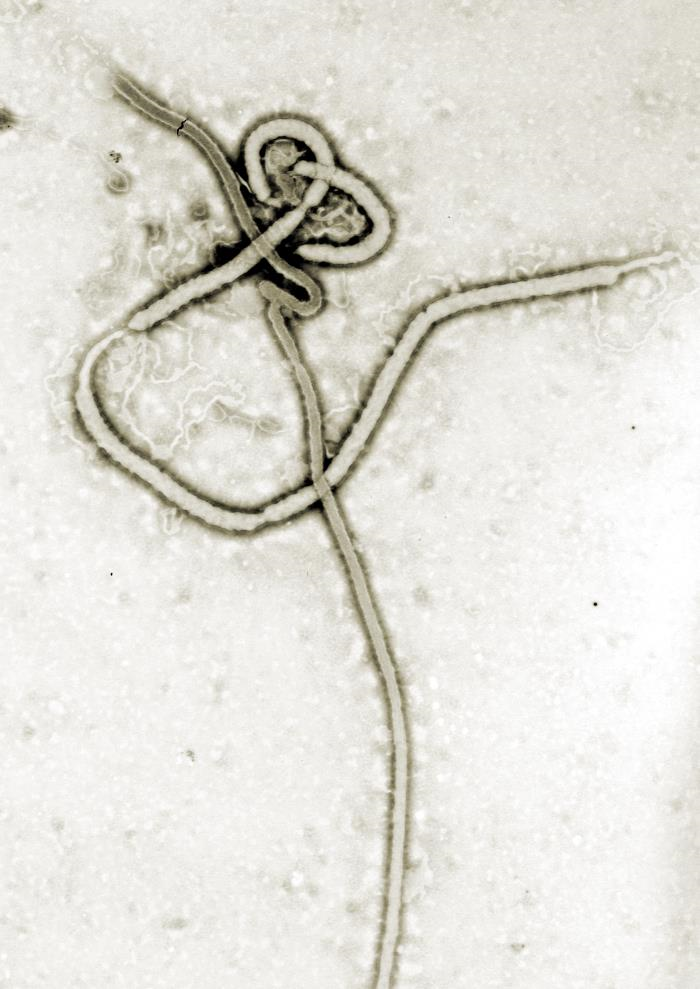
The current Ebola outbreak in Central Africa is not another distant public health headline. It is a test of whether the world has learned the lessons of 2014–2016: act early, fund the basics, protect health workers, and move science fast enough to matter.
This outbreak is caused by Bundibugyo virus disease, a form of Ebola for which there is still no licensed vaccine or approved treatment. The newest DRC public health update reports 550 cumulative confirmed cases, 101 deaths among confirmed cases, 309 patients in isolation or hospitalization, and 19 cumulative recoveries, yielding an overall case-fatality rate of 18.4%. The numbers are moving quickly, and they likely underestimate the true toll because some earlier deaths remain under investigation.
The geography should worry us.
The epicenter remains Ituri Province in northeastern DRC, but cases have spread across Ituri, North Kivu and South Kivu, with Uganda reporting imported and linked secondary cases in Kampala and Wakiso. This is not only a rural outbreak. It is unfolding along corridors of insecurity, mining-linked mobility, cross-border care-seeking and fragile health systems, the exact conditions that allow Ebola to outrun paper plans.
Contact tracing is improving but remains below the threshold needed for control.
The latest DRC update reports a 64.4% contact follow-up rate across the three affectedprovinces. That is progress, but not enough and follow-up rates vary sharply by province and health zone, with insecurity and mistrust limiting access. In Ebola response, every missed contact is not a clerical failure, it is a possible transmission chain.
Health care workers are again among the first to pay the price.
WHO reported 16 confirmed infections among health and care workers in DRC as of June 6, while earlier situation reporting from Uganda documented health worker infections linked to imported cases and secondary transmission. This is a flashing red light. When clinicians, cleaners, lab staff, and burial teams are not safe, patients delay care, facilities become amplifiers, and communities lose trust.
Recently, when I was honored with a public health service award for my work in outbreak preparedness and response, I dedicated that recognition to the health care workers serving on the front lines of the Ebola response in DRC and Uganda. They are the real heroes, showing up, often at great personal risk, to care for patients, protect communities, and stop this outbreak at its source.
There is also a survivor story that should shape the public narrative.
The DRC update now reports 19 cumulative recoveries. An American doctor infected while working in DRC recovered and was discharged from a Berlin hospital. Survivors remind us that Ebola is not inevitably fatal but survival depends on rapid recognition, isolation, optimized supportive care, safe staffing, and trust in the response.
Vaccines are the great hope, but not the immediate rescue.
WHO’s expert groups have advised that candidate vaccines and therapeutics for Bundibugyo virus be used within clinical trials. The leading vaccine candidates include IAVI’s single-dose rVSV Bundibugyo vaccine, Oxford/Serum Institute’s ChAdOx1 Bundibugyo vaccine, and Moderna’s mRNA approach. WHO noted that IAVI’s candidate may need seven to nine months before trial readiness, while ChAdOx1 could potentially be available sooner for efficacy assessment if supporting data are sufficient.
CDC’s modeling is the starkest warning.
If only 20% of symptomatic patients are isolated, CDC projected a 65% chance of exceeding 20,000 cases within three months under one scenario. If 70% are isolated, the risk of surpassing 10,000 cases drops dramatically. Models are not prophecies, they are decision tools. This one says the same thing Ebola has always said: speed saves lives.
The world does not need to wait for a vaccine to act. The tools we have now, surveillance, testing, contact tracing, isolation, infection prevention, safe burials, survivor care, and community partnership, are old, imperfect, and indispensable. The question is not whether we know what to do. The question is whether we will do it at the scale, speed, political will, and humility this outbreak demands.