Exploring Conservation and the Urban Environment
The New York Academy of Sciences and The Nature Conservancy present “Discourses on Nature and Society” series, starting January 12.
Published January 10, 2012
By Diana Friedman
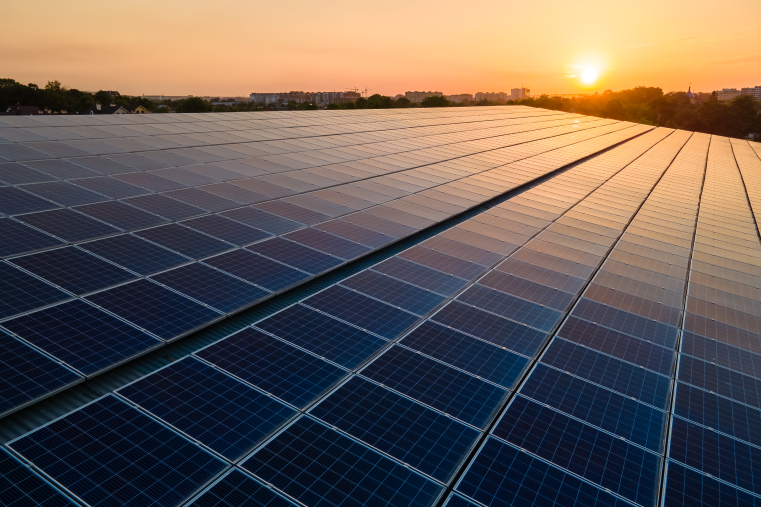
Kicking off a four-part series that brings together leading scientists with conservation experts, The New York Academy of Sciences will host Energy for the Next 20 Years: Protecting the Environment and Meeting Our Demands on January 12, 2012.
As global energy consumption and the world’s total carbon emissions continue to grow, and dams—the planet’s leading source of renewable energy—too often devastate river ecosystems and the people who depend on them, how can we meet humanity’s increasing energy demands without destroying the environment? Experts on wind, nuclear, hydropower, and other energy forms—including Stewart Brand of the Long Now Foundation and Whole Earth Catalog fame, as well as speakers from The Nature Conservancy, the Breakthrough Institute, and Heinrich Boell Institute—will debate the most promising paths forward at this event.
“After a century of cheap fossil fuels, we’re faced with an urgent need to find alternatives that work for both future generations and burgeoning developing world populations. There is no more important puzzle to solve,” says Dave Roberts, energy and climate reporter for Grist.org, who will moderate the discussion.
Potential Solutions to the Energy Crisis
Speakers will discuss potential solutions to the energy crisis, including conservation, base-load capable renewables, politically palatable nuclear energy, and carbon capture and storage, as well as price differentials between renewable and fossil fuels, nuclear energy storage and proliferation, the need for new biofuels, and the potential increase in hydro power in the developed and developing world.
“Creating a durable relationship between ourselves and nature has to be based in science, and that’s why we’re looking forward to discussing topics of the moment such as sustainable energy with the audience at the Academy,” says Peter Kareiva, chief scientist of The Nature Conservancy. “The idea is that attendees come away with a much richer and more nuanced appreciation of these issues than they could obtain purely from consuming media.”
Energy for the Next 20 Years is part of the Discourses on Nature and Society series, presented by the Academy and The Nature Conservancy, which explores the relationship between conservation and our increasingly urban existence.
The Discourses on Nature and Society Series
The second installation of the series, Creating the Next Conservation Movement-Or Do We Even Need One?, will take place on February 23. The event will tackle the issue of building a new U.S. conservation and environmental movement that is equipped to meet the challenges of the 21st Century. The mixed success of recent campaigns like the Keystone XL and ‘Occupy’ movements provides a backdrop for examining the effectiveness of various public approaches for framing and instituting change.
On April 16, at the Nature and the City: What Good is Urban Conservation? event, scientists, authors, and urban conservationists will discuss efforts that aim to recapture nature in urban environments, such as the Highline in New York City, exploring whether these efforts can rebuild biodiversity.
Technological advances in food production provide opportunities for increased yields but the effects on ecosystems are often detrimental. For the final installment of the series on May 8, five scientists will examine the challenges and potential solutions to feeding the growing global population while protecting nature in Beyond Ideology: How Should We Feed Ourselves if We Care About Nature?
Also read: A New Way of Funding Sustainable Urban Development