From Electrolytes to Epidemics: The Unexpected Connection Between Battery Chemistry and Global Health
Electricity is easy to notice only when it disappears. Reliable power keeps modern healthcare moving, and better energy storage could help clinics and hospitals stay functional during outages, disasters, and future health emergencies.
Published October 28, 2026
By Rebecca Boamah and Collins Mamudu Ojonugwa
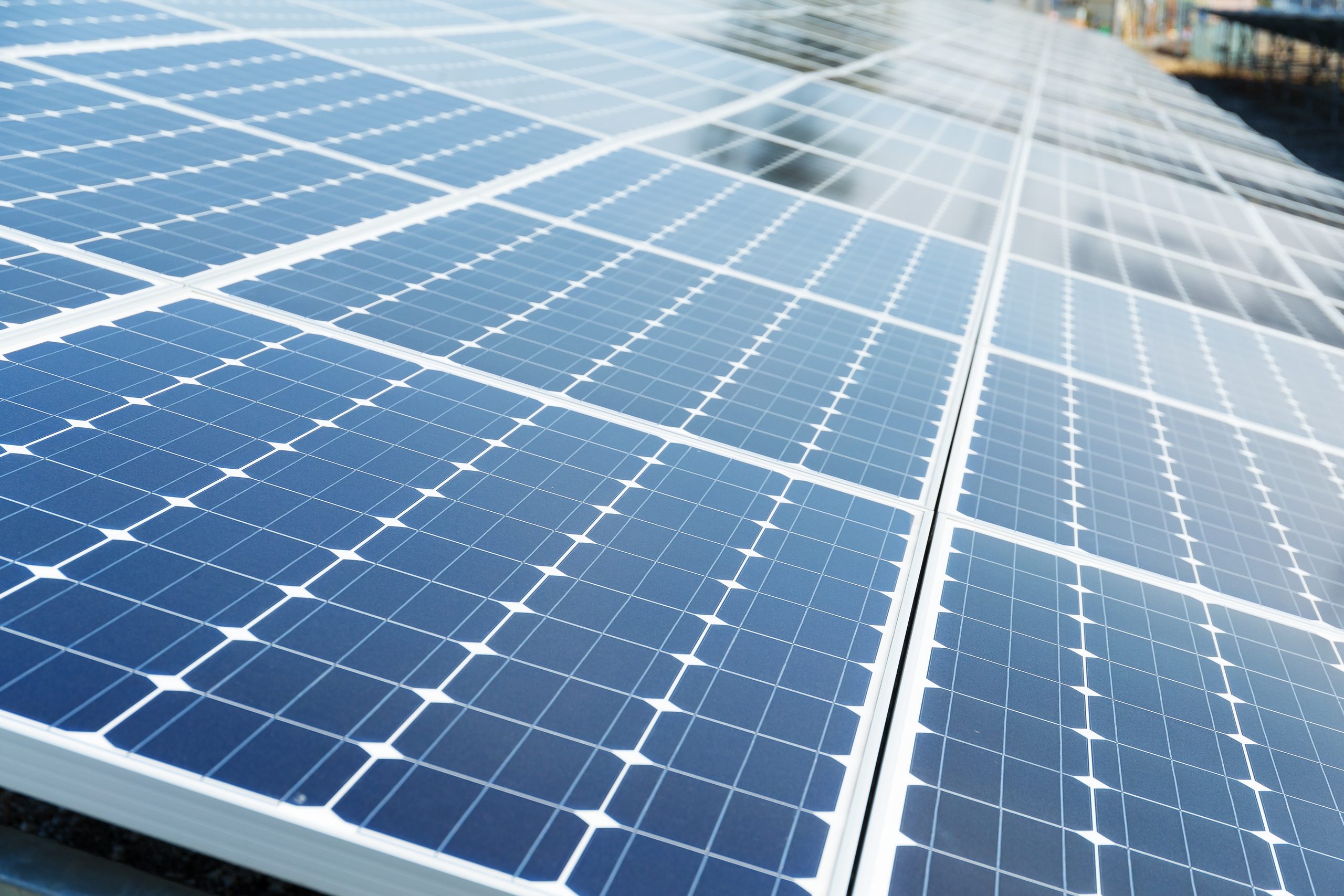
When the Lights Go Out, Healthcare Changes
A power outage at home is frustrating. In a hospital, the consequences can become serious within minutes. Reliable electricity keeps ventilators running, laboratories functioning, vaccines refrigerated, and essential medical equipment operational. When that power disappears, even routine healthcare can become difficult to deliver.
This dependence on electricity reveals an important connection between two seemingly distant fields: battery chemistry and global health. Rebecca investigates materials used in battery technologies, while Collins focuses on infectious diseases, particularly malaria and its complications. At first glance, these fields have little in common. Yet advances in battery technology can help sustain the healthcare infrastructure on which the prevention, diagnosis, and treatment of infectious diseases depend.
Seen this way, a battery is more than a device for storing energy. In a healthcare facility, it can become part of the infrastructure that keeps essential services running when the grid fails. This is why energy resilience deserves a place in conversations about public health. Electricity may sit outside the traditional chain of disease transmission, but its availability can determine whether healthcare workers have the tools and resources needed to respond effectively.
The Same Problem Looks Different Around the World
The 2024 hurricanes Helene and Milton made this vulnerability visible in the United States. A Direct Relief survey of 80 safety-net organizations found that outages forced 54% to close at least one clinical site. Nearly 28,000 visits were canceled.
Nineteen organizations also lost temperature-sensitive medicines or vaccines after refrigeration failed. These were not abstract infrastructure problems; they directly interrupted care.
Australia faced a similar problem during the 2024 Far West New South Wales outage. The regional backup generator could not meet peak demand. Authorities prioritized life-support customers and Broken Hill Base Hospital.
A 2025 WHO/UNICEF global report estimates that about 1 billion people relied on health facilities with no electricity or unreliable power in 2022. The burden is especially significant in lower-resource settings, where patients may already travel long distances and have limited health-care options.
In these communities, unreliable electricity can add another barrier to timely healthcare. A recent study in 30 rural Ugandan maternity facilities reported that solar electricity improved lighting and produced modest gains in maternity-care quality. It also reduced some delays in care.
That finding matters because it shows that energy access can influence the conditions under which safe, timely healthcare becomes possible.
Even though details differ, the lesson is consistent. When electricity becomes scarce, healthcare quickly becomes one of the services societies cannot afford to lose.
COVID-19 Showed Why Resilience Must Exist Before a Crisis
The COVID-19 pandemic tested health systems far beyond their normal limits. By late 2021, more than 90% of countries in a WHO survey still reported disruptions to essential health services. The lesson was not that electricity caused those disruptions, but that healthcare depends on a web of supporting systems that must keep working under pressure.
Those systems include oxygen delivery, laboratories, refrigeration, communications, digital infrastructure, and reliable power. When any one of them fails, hospitals and clinics can lose capacity precisely when demand is highest.
The pandemic response also showed what targeted energy investment can achieve. World Bank programs helped electrify about 7,000 health facilities and provided technical support to accelerate vaccine cold-chain deployment in more than 15 countries. In South Sudan, for example, 62 solar direct-drive refrigerators were deployed to protect vaccine storage where reliable grid power could not be assumed.
These projects illustrate a broader point: energy resilience is most useful when it is designed around specific health needs. A vaccine refrigerator, oxygen system, diagnostic laboratory, or rural clinic each requires a different level of power. Building that resilience before a crisis can determine whether essential healthcare continues when the wider system is under strain.
What Does an Electrolyte Have to do with Public Health?
The story eventually returns to the battery itself. An electrolyte is the medium that allows ions to move between a battery’s electrodes during charging and discharging.
Electrolytes influence several properties that determine how reliably a battery performs, including ion transport, operating temperature, lifespan, and safety. Their composition can affect how efficiently a battery charges and discharges, how quickly it deteriorates, and how safely it operates under demanding conditions.
Those properties become important once a battery leaves the laboratory and enters a healthcare setting. A storage system supporting a clinic in a hot, remote region may need to tolerate high temperatures, frequent outages, and limited maintenance. A large hospital may instead require systems that can deliver substantial power reliably to critical equipment for extended periods.
In both settings, battery chemistry helps determine whether stored energy is available when healthcare workers actually need it. Improvements in electrolyte design can therefore contribute to batteries that are safer, more durable, and better suited to demanding environments. That creates a direct link between materials science and health-system resilience: better battery chemistry can help make reliable healthcare power more achievable.
A New Kind of Health Collaboration
Translating advances in battery technology into meaningful improvements in healthcare requires more than scientific innovation. It demands collaboration across research, engineering, public health, and policy.
Zambia’s Smart Health Systems initiative demonstrates this approach. The project brings together the Ministry of Health, UNDP, the Global Fund, and technical partners. Together, they work to improve electricity, digital connectivity, and medical supply systems in underserved healthcare facilities. The initiative demonstrates how challenges that appear to belong to different sectors can be addressed through a shared commitment to reliable healthcare.
But projects like these also raise questions that no single discipline can answer. How can batteries be designed to remain reliable in hot environments with limited maintenance? Which clinical services should receive priority when energy is scarce? And how can researchers measure whether improvements in electricity access translate into better patient outcomes?
Answering these questions requires materials scientists, engineers, healthcare professionals, and public health researchers to work together, not simply contribute separate solutions. The next breakthrough in battery chemistry may never look like a medical discovery. Yet its impact could be felt in a rural maternity ward, a laboratory diagnosing an infectious disease, or a clinic keeping vaccines safe during a prolonged outage. For researchers, funders, and policymakers, the challenge now is to treat reliable energy not as an afterthought in healthcare, but as an essential investment in protecting human health.
Also read: Mosquitoes and Malaria: Could the U.S. Be at Risk?