Legionnaires’ Disease on the Upper East Side
Five things New Yorkers should know.
Published July 9, 2026 [Updated July 14, 2026]
By Syra Madad, D.H.Sc., M.Sc., MCP, CHEP
.jpg)
New York City has a long history with Legionnaires’ disease. The city sees cases every year, typically 200 to 700 diagnoses annually, according to the NYC Health Department’s 2019–2022 Surveillance Report. Outbreaks have repeatedly tested the city’s public health systems, from the deadly 2015 South Bronx outbreak to the 2025 Central Harlem cluster, which the Health Department later detailed in its Central Harlem investigation closure update.
That history matters because it helped shape some of the most rigorous cooling tower rules in the country, including registration, routine testing and maintenance requirements. In May 2026, the Health Department noted that new rules require cooling tower testing every 31 days, up from every 90 days. But the latest Upper East Side cluster shows that prevention depends not only on regulations, but also on rapid detection, enforcement, transparent communication, and public trust.
Here are five things New Yorkers should know.
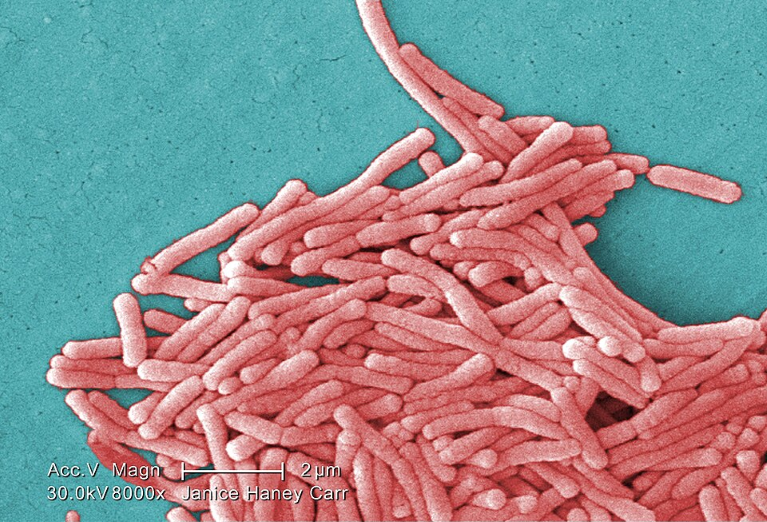
First, Legionnaires’ disease is a serious form of pneumonia caused by bacteria in water systems. Legionnaires’ disease is caused by Legionella bacteria, which can grow in warm water and spread when contaminated water becomes aerosolized into mist and is inhaled. Symptoms can include fever, chills, muscle aches, cough, shortness of breath, headache, fatigue, confusion, loss of appetite, and diarrhea. Symptoms usually develop two to 14 days after exposure. The illness is treatable with antibiotics, especially when recognized early, but it can become severe and even fatal if care is delayed.
Second, some people are at much higher risk than others. Most people exposed to Legionella do not develop Legionnaires’ disease. The people most likely to become seriously ill are adults age 50 and older, people who currently smoke, formerly smoked or vape, people with chronic lung disease, diabetes or other chronic conditions, people with weakened immune systems, and those taking medications that suppress immunity. NYC’s 2019–2022 surveillance report found that more than 90% of diagnosed patients had at least one chronic medical condition, more than half reported current or former smoking and diabetes and lung disease were among the most commonly reported underlying conditions.
That risk profile is why outreach to older adults, medically vulnerable residents, and health care providers is so important during an outbreak. The current Upper East Side cluster includes Carnegie Hill and Yorkville, particularly ZIP codes 10028, 10128, and 10075. As of the city’s July 14 update, there were 63 cases, 12 currently hospitalized, 40 discharges, 11 not hospitalized, and no deaths. The hospitalization count should be taken seriously: this is a pneumonia outbreak, not just a passing flu-like illness.
Third, the risk to the general public is low but symptoms should prompt action. Legionnaires’ disease generally does not spread from person to person. You do not get it by being near someone who is sick. The main route of infection is inhaling contaminated mist. In this cluster, NYC officials have said tap water, showers, cooking, bathing, and home air conditioners remain safe. Residents in the affected ZIP codes can continue using their water and home AC.
But anyone who lives, works or recently spent time in the affected area since late June and develops compatible symptoms should contact a health care provider right away. It is important to specifically mention possible exposure to Legionnaires’ disease so clinicians can test and treat appropriately. People without a regular provider can contact NYC Health + Hospitals, call 311 or visit a city clinic for help finding care, regardless of insurance or immigration status.
Fourth, cooling towers are often implicated in NYC because of how the city is built. Cooling towers are part of some large buildings’ air conditioning and refrigeration systems. They contain warm water, an environment where Legionella can grow if systems are not properly maintained. When cooling towers release mist into the air, that mist can disperse outdoors and expose people beyond a single building. That is why cooling towers are common sources in community clusters, while building plumbing systems are more often investigated when cases are tied to one shared building water system.
That distinction matters in the current outbreak. The Health Department has described this as a community cluster, not a building plumbing investigation, which is why residents have been told that their tap water, showers, and home air conditioners remain safe. Community clusters are typically associated with cooling towers, while building investigations usually involve shared potable water systems. New York City has about 5,000 cooling towers, including more than 160 in the current investigation area. That density makes maintenance, routine testing and enforcement central to prevention.
Fifth, public health investigations take time, but public health action should not wait. Identifying the exact source of a Legionnaires’ disease outbreak is scientifically complex. Investigators interview patients, map where they live and spend time, inspect cooling towers, collect water samples, and run multiple kinds of laboratory tests, including PCR testing, bacterial culture and whole-genome sequencing.
PCR testing can quickly detect Legionella genetic material, but it cannot determine whether the bacteria are alive or dead. A positive PCR result therefore does not prove that a cooling tower contains live bacteria, caused an illness or is the source of the outbreak. Culture testing is more conclusive because it can establish whether live Legionella bacteria were present when a sample was collected, but results can take up to two weeks. Genomic sequencing may then help investigators compare bacteria found in patients with bacteria recovered from environmental samples, although that process takes additional time and depends on obtaining suitable clinical specimens.
On July 14, after completing its initial PCR screening, the NYC Health Department announced that 76 Upper East Side buildings had cooling towers with positive screening results and had been ordered to clean and disinfect them immediately. The city also released the buildings’ addresses to provide residents with timely information while the investigation continues.
That list must be interpreted carefully. It is not a list of 76 confirmed outbreak sources. Because PCR testing detects genetic traces from both living and dead bacteria, some of the towers may ultimately be found not to have contained live Legionella at the time they were sampled. The Health Department is conducting culture testing on every sampled cooling tower to determine where live bacteria were present.
At the same time, uncertainty is not a reason to delay measures that can reduce further exposure. Rather than waiting for culture results which can take up to two weeks, the city has required every building with a positive PCR screening result to drain, clean and disinfect its cooling tower immediately. This more precautionary approach recognizes that, where live bacteria are present, prompt remediation can eliminate an ongoing risk while the scientific investigation continue
This is an evolving story. This article was updated July 14 to include the Health Department’s initial cooling-tower screening results and immediate remediation orders.