Mitigating Cardiac Damage after Myocardial Infarction
A conference at the New York Academy of Sciences on December 14 will feature sessions on new targets to improve tissue repair.
Published December 11, 2012
By Diana Friedman
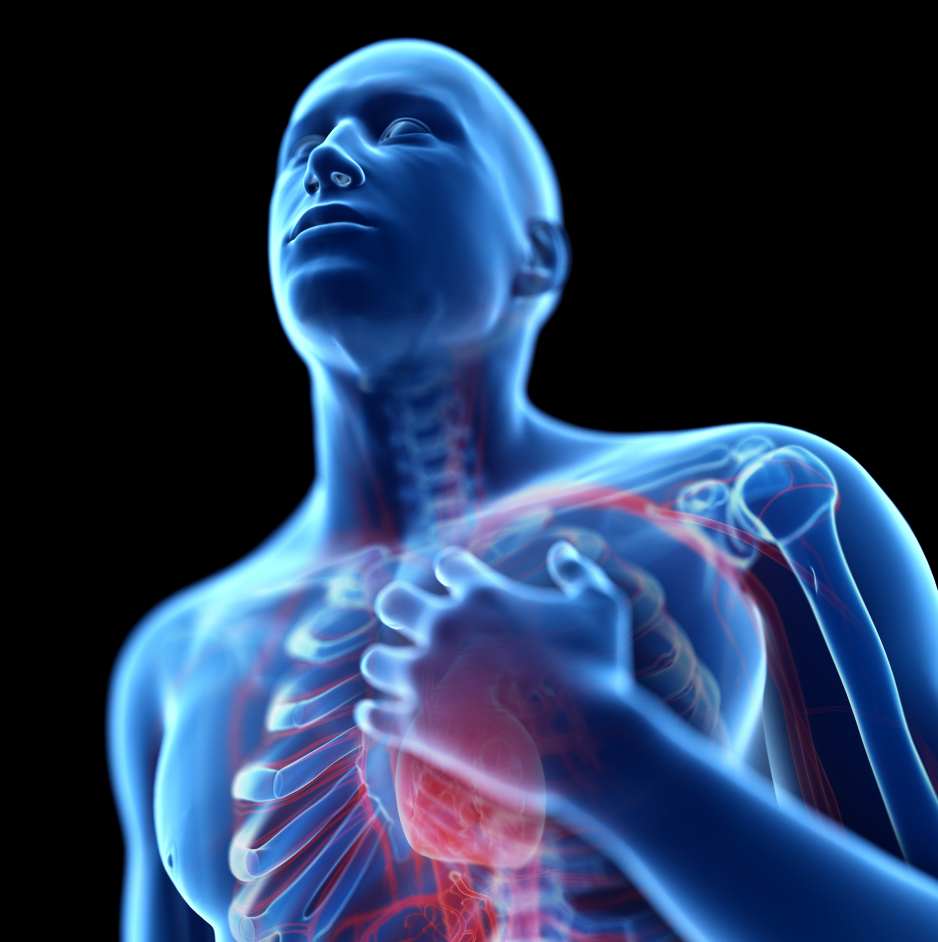
On Friday, December 14, researchers will convene at the Novel Therapeutic Targets in Myocardial Infarction conference to discuss effective ways to minimize post-myocardial infarction (MI) cardiac remodeling through tissue repair and regeneration.
Suffering an acute MI, better known as a heart attack, is a terrifying prospect. But the time period when the heart attack occurs is not the only danger zone. Patients that survive are at high risk of recurrent MIs and heart failure. In this context, identifying new targets to improve tissue repair—including preservation of the cardiac microvasculature, clearance of apoptotic cells, and tissue regeneration—may become of great interest to improve cardiac remodeling and function after MI.
“Although current therapies for myocardial infarction are effective at restoring cardiac blood flow, they do not address the post-MI structural changes (i.e., cardiac remodeling) that diminish heart function and increase susceptibility to subsequent cardiac events,” says conference organizer Mark Kaplan, PhD, Centers for Therapeutic Innovation, Pfizer Inc.
“Recent discoveries have both advanced our understanding of the mechanisms that cause these structural changes and suggested a way to develop new medicines that prevent post-MI cardiac remodeling,” adds Kaplan.
This symposium brings together leading experts in the field to discuss the best strategy to prevent microvascular damage and improve tissue regeneration after MI, including:
- Paddy Barrett, MD, Scripps Translational Science Institute;
- Buddhadeb Dawn, MD, University of Kansas Medical Center;
- Zahi A. Fayad, PhD, Mount Sinai School of Medicine;
- Barbara Hempstead, MD, PhD, Weill Cornell Medical College;
- Elizabeth McNally, MD, PhD, The University of Chicago Medicine;
- Sharon Sokolowski, PhD, Pfizer Global R&D;
- Filip Swirski, PhD, Massachusetts General Hospital and Harvard Medical School; and
- Edward Thorp, PhD, Northwestern University.
Also read: A New Model for a Career in Industry