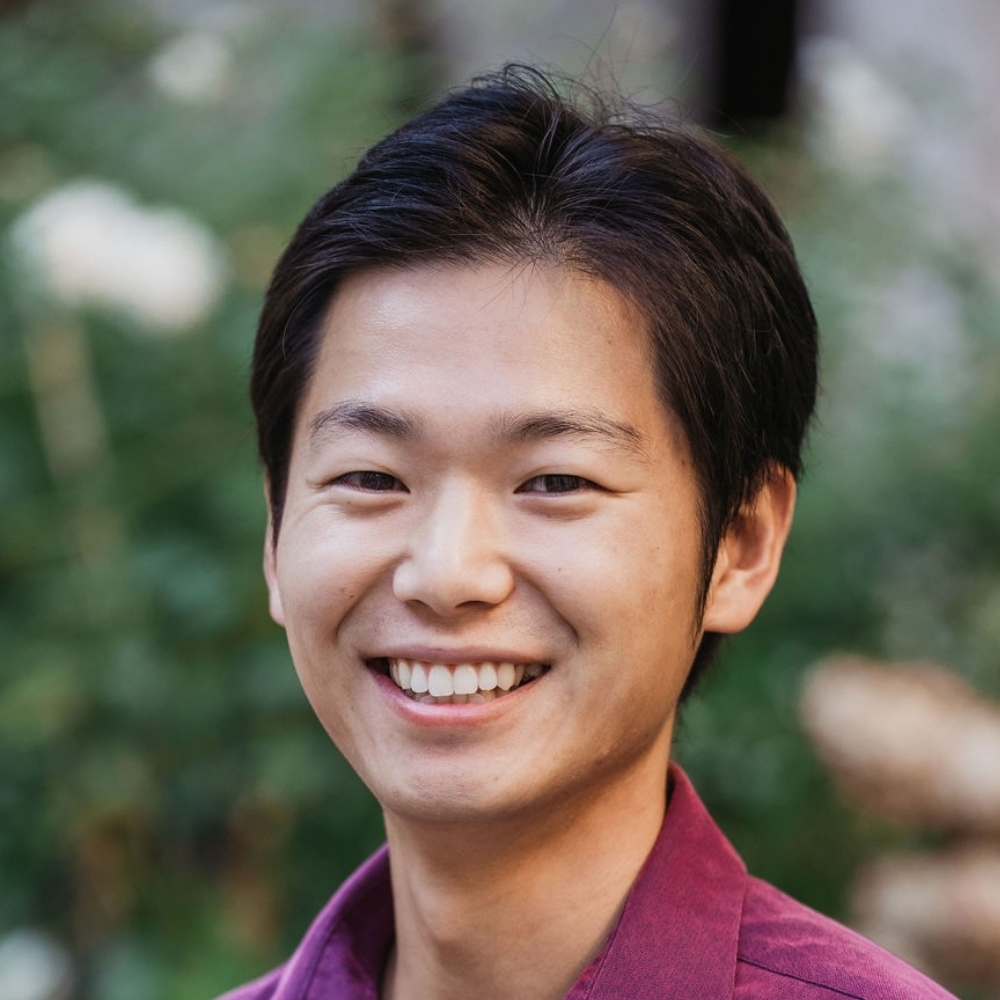
Hamilton Oh, PhD
2026 Leon Levy Scholar in Neuroscience
Icahn School of Medicine at Mount Sinai
Sub-disciplinary Category
Cellular & Molecular Neuroscience
Previous Positions
- BS, University of California, Los Angeles
- PhD, Stanford University (Dr. Tony Wyss-Coray)
Bio
Hamilton Oh, PhD, is a postdoctoral fellow in the laboratory of Dr. Scott Russo at the Icahn School of Medicine at Mount Sinai. He received his PhD from Stanford University, where he trained with Dr. Tony Wyss-Coray and analyzed large-scale plasma and cerebrospinal fluid proteomics data to understand how circulating proteins reflect organ aging and predict disease. His work helped identify protein signatures linking brain and immune system aging with health and longevity. During his postdoctoral training, Dr. Oh has shifted his focus toward the brain-body science of stress disorders, integrating systems neuroscience, proteomics, and behavioral models to study how peripheral signals influence brain function. As a Leon Levy Scholar, he investigates how circulating proteins regulate susceptibility or resilience to chronic stress, with the goal of identifying systemic factors that shape neurocircuit activity and behavior and may serve as novel therapeutic targets for depression and related stress disorders.
Research Summary
Investigating how circulating proteins influence the brain’s response to chronic stress.
Technical Overview
Chronic stress disorders such as major depressive disorder affect hundreds of millions of people worldwide, yet many patients remain resistant to existing treatments. While the neural circuits that regulate stress-related behaviors have been studied extensively, much less is known about how signals from the body influence these brain circuits. Emerging evidence suggests that circulating proteins in the bloodstream can communicate with the brain and shape behavior, raising the possibility that systemic factors contribute to stress vulnerability or resilience. Dr. Hamilton Oh investigates how the plasma proteome regulates the brain’s response to chronic stress. He combines large-scale human plasma proteomics with mouse models of chronic social defeat stress, in which individuals display either stress susceptibility or resilience. By comparing plasma proteomic profiles across humans and mice, he aims to identify conserved circulating proteins associated with these different stress outcomes. He will then test the causal role of these systemic factors using plasma transfer experiments and whole-brain activity mapping to determine how circulating signals influence neural circuits that control social behaviors. Overall, his work aims to uncover molecular signals linking the body and brain in stress disorders, potentially revealing new therapeutic targets for depression and related psychiatric diseases.
Learn about the The Leon Levy Scholarships in Neuroscience.