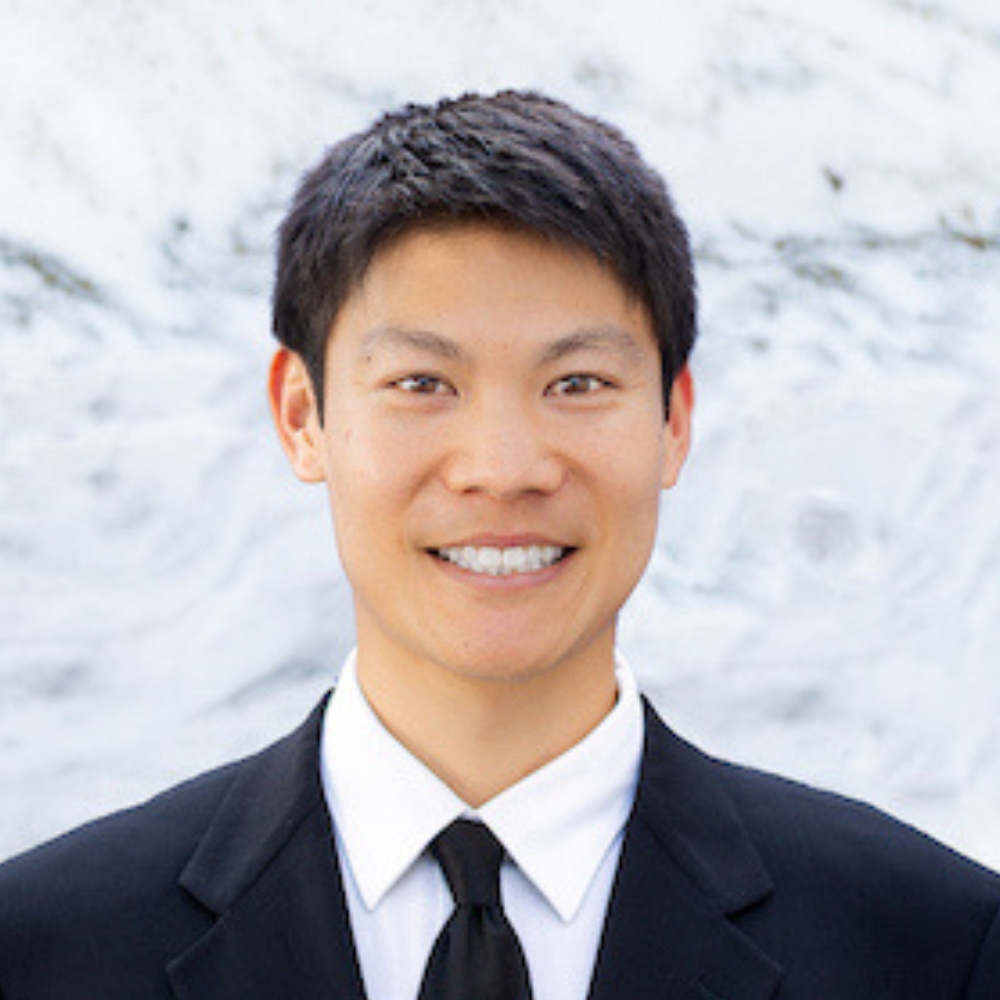
Nathan Nakatsuka, MD/PhD
2026 Leon Levy Scholar in Neuroscience
NYU Grossman School of Medicine
Sub-disciplinary Category
Cellular & Molecular Neuroscience
Previous Positions
- BA, Harvard College
- MPhil, Cambridge University
- MD, PhD, Harvard University (Dr. David Reich)
Bio
Dr. Nathan Nakatsuka was born and raised in Honolulu, Hawaiʻi. He graduated from Kamehameha Schools Kapālama High School and then attended Harvard College, earning an AB in Chemical and Physical Biology. He then obtained an MPhil in Genetics from University of Cambridge on a Gates Cambridge scholarship, working at the Wellcome Trust Sanger Institute with Inês Barroso. Nathan received his MD at Harvard Medical School in the Harvard-MIT Health, Sciences, and Technology MD track and his PhD from the Systems, Synthetic, and Quantitative Biology PhD program working in the laboratory of David Reich on population genetics of South Asia and the Americas. He currently is a research track psychiatry resident at NYU Grossman School of Medicine and a postdoctoral fellow in the laboratories of Rahul Satija at New York Genome Center and Eric Nestler at Icahn School of Medicine at Mount Sinai working on single cell analyses of escalation of oxycodone intake.
Research Summary
Using single cell genomics to understand how cell types and brain regions change in escalation of oxycodone intake.
Technical Overview
Nearly 1 million people have died of opioid overdose over the past 30 years, and opioid use disorder (OUD) is estimated to cost the US over $1 trillion per year. Although there are multiple effective, FDA-approved medications for OUD, many of the basic neurobiological mechanisms underlying the transition from first opioid use to opioid addiction are still not known. To approach this question, Dr. Nakatsuka used newly developed technologies for sequencing the RNA of single cells at lower cost than previously. He sequenced the RNA of single cells throughout the entire brain of HE (oxycodone high escalator), LE (low escalator), and control mice. As a Leon Levy scholar, he aims to develop novel algorithms analyzing the RNA changes to determine how biological pathways are changed in a coordinated manner across different cell types and different brain regions. He plans to follow up these analyses by performing single cell chromatin and protein sequencing in the brain regions determined to be most important from the RNA data to determine the molecular sequences of events caused by oxycodone, which he ultimately hopes to reverse for opiate addiction treatment. Ultimately, he anticipates that the results from this project will provide improved understanding not only of opioid biology but also more generally of the mechanisms of reward and addiction.
Learn about the The Leon Levy Scholarships in Neuroscience.