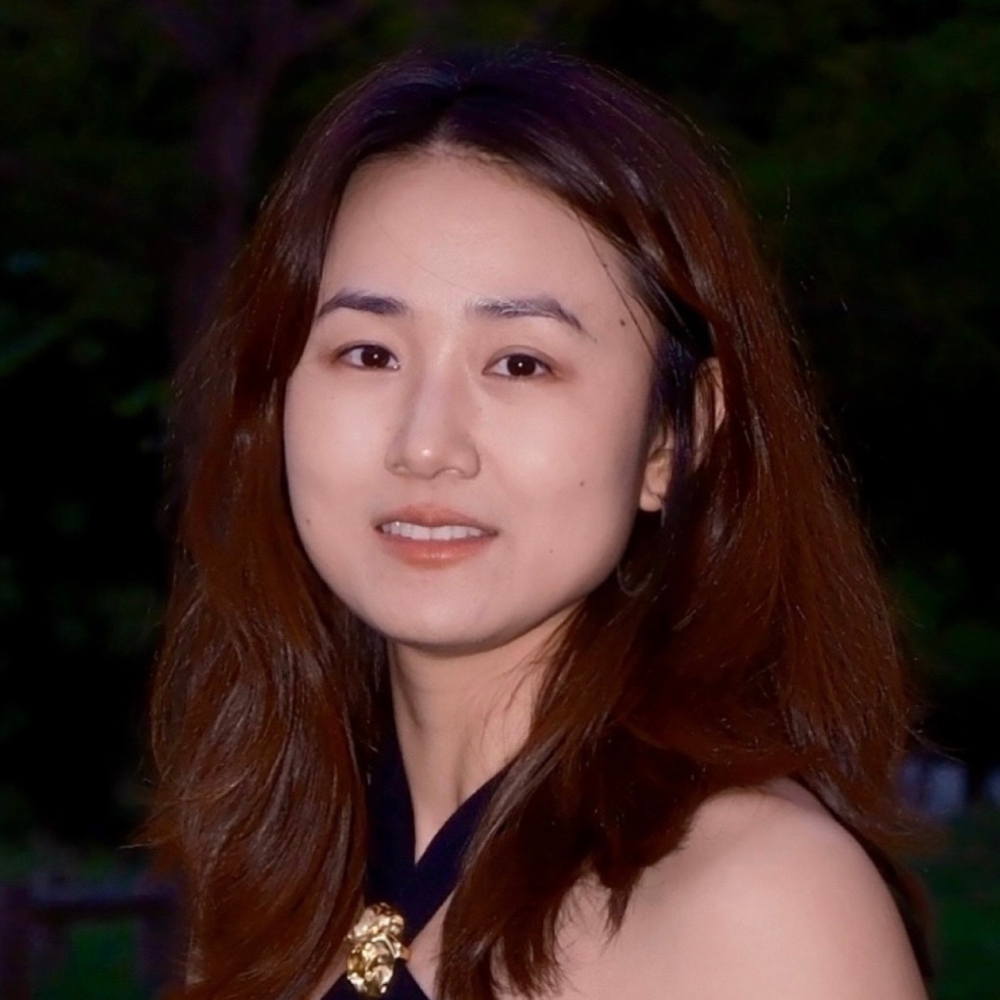
Zhangying Chen, PhD
2026 Leon Levy Scholar in Neuroscience
Icahn School of Medicine at Mount Sinai
Sub-disciplinary Category
Neuroimmunology
Previous Positions
- BS, University of Illinois at Urbana-Champaign
- PhD, Northwestern University (Dr. Steven Schwulst)
Bio
Zhangying (Jennie) Chen received her BS in Biology from the University of Illinois at Urbana–Champaign and her MS and PhD from Northwestern University. Under the mentorship of Dr. Steven Schwulst, she identified CD8⁺ T cell infiltration in the brain as a contributor to worsened outcomes in aged mice following traumatic brain injury (TBI). Jennie is the recipient of several awards, including the Mechanisms of Aging and Dementia (MAD) T32 Training Program, the Shock Society New Investigator Award, the Diana Jacobs Kalman Scholarship for Research in the Biology of Aging, and an American Heart Association fellowship. As a Leon Levy scholar at the Icahn School of Medicine, mentored by Dr. Fanny Elahi, she studies how NOTCH3 missense mutations drive early immune-vascular aging in CADASIL, a monogenic form of stroke and dementia.
Research Summary
Studying the role of the gene NOTCH3 in immune-vascular aging and neurodegeneration using CADASIL, the most common genetic early-onset form of small vessel disease, as a model.
Technical Overview
Cerebral small vessel disease (cSVD) is a major cause of cognitive decline and dementia for which no therapies exist. Age-related loss of NOTCH3 signaling promotes vascular cell degeneration and is a key driver of age-related cSVD. NOTCH3 is primarily expressed in vascular smooth muscle cells and pericytes, known as mural cells. Mutations in NOTCH3 cause CADASIL, the most common monogenic form of cSVD, characterized by migraines, early-onset strokes, and dementia. Preliminary findings suggest that CADASIL-associated NOTCH3 mutation carriers exhibit reduced T cell chemotaxis and premature CD8⁺ T cell immunosenescence observed in the early 20s. Given the close relationship between the immune and vascular systems, Dr. Chen aims to determine how NOTCH3 mutations alter immune–vascular interactions in CADASIL. She will test whether NOTCH3 mutations promote accelerated immune aging through CD8⁺ T cell immunosenescence using DNA methylation, inflammaging, and transcriptomic profiling. To directly examine immune–vascular crosstalk, she will expose peripheral T cells to iPSC-derived vascular structures composed of endothelial and mural cells and extend this work to a 3D microfluidic blood–brain barrier model to study T cell adhesion and migration. This work will pinpoint a novel molecular and cellular mechanism underlying CADASIL and inform the biology of late-onset, sporadic cSVD.
Learn about the The Leon Levy Scholarships in Neuroscience.