Calcium

The logo for The New York Academy of Sciences.

In March and April 2021, the Nutrition Science Program of The New York Academy of Sciences in partnership with the Children’s Investment Fund Foundation, convened a Calcium Task Force and hosted two virtual meetings. The task force comprises experts in micronutrients, malnutrition, pediatrics, gynecology and obstetrics, biochemistry, public health and strategies for supplementation and fortification. The papers in this virtual issue derive from deliberations of the task force. See https://www.nyas.org/programs/addressing-global-calcium-deficiency/. Or click https://nyaspubs.onlinelibrary.wiley.com/doi/toc/10.1111/(ISSN)1749-6632.calcium.

So, You Want to Publish a Scientific Paper?

An open notebook.

Learning how to craft a scientific paper so that it is accepted for publication takes practice. An expert provides his perspective.

Published October 1, 2019

By Douglas Braaten, PhD

Learning how to craft a scientific paper so that it is accepted for publication takes practice. It also requires attention to details across many domains. Many advice resources are available, and I encourage any young scientist to carve out time to focus on what to do — and what to avoid — when writing scientific papers.

Before starting to write, give some thought to preparation, process, attitude and goal. Some key points I’ve learned from reading and editing hundreds of papers at Annals of the New York Academy of Sciences and Nature Immunology follow.

These two journals have very different aims, scope and readership, but similar goals of publishing well-written, well-constructed papers for the sake of readers’ understanding and clarity. Note the points below are not presented in order of importance or temporality — all are useful.

Preparation

Part of the preparation is learning as much as possible about scientific publishing in general which will help to make the process both more enjoyable and successful.

The writing of a scientific paper begins when a lot of hard work has been done already. Completion of a series of experiments that demonstrate a statistically relevant discovery is the foundation of all good scientific papers.

That’s not to suggest that one can’t have a reasonably clear picture of what a paper might look like along the way of performing experiments. Indeed, designing experiments — the order and what’s required — is often critically informed by one’s experience in crafting a good scientific paper.

However, it’s never a good idea to start before a complete set of experimental results has been gathered. Doing so can reverse the circle from “now that I have a set of data how best can it be presented?” to “what experiments do I need to do to finish my paper?” the latter being the wrong way around.

Don’t get caught in the trap of needing to do an experiment in order to finish a paper. Instead, set out to perform the complete set of experiments necessary for readers (in particular peer reviewers!) to agree with you that the conclusions are supported by the data. And then write.

Process

Consider who will need to read your paper before it is accepted for publication.

Among the best papers I’ve read are those that have been prepared for a particular journal and its readership. Writing to achieve those goals may not seem as important as simply describing the data. It’s critical, however, to write for readers and to prepare a paper with specific audiences in mind. These two points are often ignored. The journal editors must find it suitable for their journal, believe a given paper presents good data, and does so clearly enough to send it out for peer review. Next, while the process of peer review can vary among journals, papers at most journals are sent to at least two external peer reviewers. These individuals — very busy scientists, often pressed for time and overloaded with work — volunteer their time to comment on papers.

More than anything, peer reviewers hate papers that are overly long, vague and not crafted for readers. By accepting to review a paper, reviewers by and large give benefit to any doubt that it presents interesting information and data. Give them what they want without distractions.

Reviewers and editors are busy individuals — don’t hobble yourself by ignoring the fact that they can be easily put off by sloppy and careless writing.

Attitude

Some of the above considerations of process are also considerations of attitude. It’s critical for authors to set and maintain a level of respect and collegiality for everyone involved when preparing and submitting a scientific paper — from submission, to peer review, production and every step through publication.

In my experience, the most successful authors are those whose attitude reflects the ideals of both achievement of work and an earnest, genuine desire to share important new information with the scientific community.

In contrast to that, an attitude of entitlement to be published is immediately noticeable to editors and, especially, to peer reviewers. I have seen good papers that may have only needed minor improvements as recommended by reviewers, upended by rejection because the authors believed they were in the right and didn’t need to make changes.

Even the most experienced scientists know it’s their responsibility to maintain an open, respectful attitude during the publishing process. Ignoring this imperils your aims for little more than an overly needy ego. Consider it a privilege to have your scientific paper evaluated and published.

Goal

Much of the above could have been included in a discussion of scientific author goals. The right preparation, a well-considered process, and a collegial and respectful attitude are certainly worthy goals.

Less obvious, yet equally important is considering the audience from the perspective of readers who want Open Access (OA). The interest in scientific papers to be OA is now so intense that it’s important for authors to consider OA for every one of their papers.

Indeed, so many funders are pushing for not only OA, but for other forms of pre- and post-publication access to scientific data that it behooves every author to consider both the laudable goals of OA and the ramifications for scientific publishing. Fortunately, many online forums present extensive discussions — e.g. oaspa.org.

As the OA movement grows — and there’s no doubt that it will — authors must consider whether they will submit only to OA journals to support the goal of open information. At the same time, they should consider that publishers of OA journals will feel increasing pressure to seek more and more submissions to cover their publication costs as subscription revenue declines. Authors will surely experience this increasing pressure, as it will undoubtedly affect the publishing process.

For example, more papers to evaluate increases the burdens on everyone involved — editors, reviewers, production staff. Ensuring you do all that you can as a responsible scientific author will likely help achieve your personal aims of publishing and of contributing openly to scientific progress. And while much more can be said about how to publish successfully, keeping in mind preparation, process, attitude and your goal should help.

Publishing Evolves in a Connected World

A shot of planet Earth taken from space.

In many ways, the process from paper submission to publication has not changed much in 40 years. However, some changes are underway.

Published May 1, 2019

By Anni Griswold

Douglas Braaten, PhD, Chief Scientific Officer, Scientific Publications Editor-in-Chief, Annals of the New York Academy of Sciences

In the days before artificial intelligence mined obscure gems from the scientific literature; before preprint servers posted study results without pausing for peer review; when social networking meant cocktail conversations at the industry conferences — science publishing looked very different than it does today.

“When I started, authors submitted paper manuscripts produced on a typewriter,” says Douglas Braaten, PhD, chief scientific officer responsible for the Academy’s science journals and books, and editor-in-chief of Annals of The New York Academy of Sciences. “Happily, not everything stays the same.” But as technology continues to reshape academic publishing he says, “it’s useful to think about the things that do.”

In many ways, the process from paper submission to publication has not changed much in 40 years. Researchers still submit papers to journals. Papers are peer reviewed. Journal editors share the reviews with authors. Revisions take place. And then submissions are transformed into carefully copy edited, typeset manuscripts. This system has survived because it works, Braaten says.

But critics have long called for change. Some note that the peer review process can stretch on for months or even years. Others point out that the $25 billion academic publishing industry is dominated by a handful of major players who make a profit from the public investment in research.

Braaten and others don’t deny that the system could be improved. But they say the situation is more nuanced than critics suggest.

“I’d love for the industry to be less concerned with profit-making,” he says. “But there are some fundamentally important and useful things about peer review and having vetted, polished papers published in journals with global footprints.”

Gradually Transforming the Business

Still, technologies aimed at tweaking the process have increasingly flooded the market — and are gradually transforming the business. “It’s hard to keep track of these innovations because there are so many of them out there,” says Steven Ottogalli, Publisher, Life & Physical Sciences at Wiley. “Start-ups are coming online and impacting every part of the publication process, affecting every aspect of the value chain that used to lie solely with the publishers or with the academic societies.”

Preprint servers, for example — long a standard in the math and physics communities — are gaining in popularity with biologists. Scholarly collaboration networks are connecting researchers from diverse fields and distant locations, allowing them to share their findings in real time. Artificial intelligence-based search tools are tipping off scientists to papers they might otherwise overlook — creating new synergies. Novel technologies such as blockchain aim to increase accountability and transparency in the review process by encoding each article with a record of its origins, revisions and peer reviews. And younger generations of investigators are replacing static figures with embedded multimedia and interactive data.

A Sociology Surrounding Scientific Publishing

Collectively, these innovations can bring the world to a laboratory’s doorstep. They can also allow siloed projects to spread in new, unexpected directions. But how will these new technologies fundamentally change the traditional model of scientific publishing?

“There’s such a sociology surrounding scientific publishing,” Braaten says. “Think of what it means for grant funding, and tenure evaluations. And for what it means for the careers of young investigators when they publish in a top-tier journal. One would have a very hard time replacing all of these significant benefits with changes just in technology.”

Yet it’s hard to deny that the field is in transition. “I’ve been in this business for almost 20 years, and things have changed so drastically,” says Ottogalli. “Who knows what it will look like in another decade.”

Variations on a Theme

Steven Ottogalli, Publisher, Life & Physical Sciences, Wiley

Most of the innovations Ottogalli mentions are variations on the theme of open access. This business model shifts the financial outlay from academic institutions to authors and funders (such as the Wellcome Trust). This is done by replacing subscription fees and paywalls with open access license fees and free access to published papers.

Critics complain that subscription-based journals restrict access to publicly funded research by creating subscription paywalls. This, they say, forces the very academic institutions that produce the findings to pay for access to the published work. Open access could potentially fix that by providing immediate public access to papers upon publication.

“But this ‘fix’ doesn’t address the whole story,” Braaten says. “If by open access, you mean access to the information, there are a lot of ways now that one can access all published research, publicly funded or not.”

A Huge Amount of Free, Accessible Information

For example, most journals allow authors to post the submitted version of their manuscript on a lab website or, after peer review and acceptance, on the post-publication websites such as PubMed Central. And with the advent of preprint servers, Braaten says, there’s a huge amount of accessible information for free. “If someone wants access to a paper, it’s often available on one of several sites — just in a different format than one finds in a published journal.”

Subscription paywalls don’t keep science from the people, he says. Rather, they provide publishers and journal owners the funds required to produce published peer reviewed and polished papers on websites in HTML and PDF form, and in print journals. “The typeset published version — not the actual science in the article — is the thing that’s owned by a journal or publisher — it’s the product of their work. I think people may not be aware of this distinction,” he says.

Access to Published Science in a Connected World

One upside to all publishing models — including open access and pre- and post-publication servers — is that published papers are available for such things as AI text mining. In turn, this can improve discoverability within disparate disciplines, for example, ecology and economics. “AI will help humans make connections where they didn’t think of making connections before,” Ottogalli says.

The AI tool IBM Watson, for example, can search published content and find papers on climate change that a researcher might be interested in — and then make connections to other papers that might unexpectedly support work on climate change.

AI will help humans make connections where they didn’t think of making connections before,” Ottogalli says.

In the meantime, researchers are finding ways to share their findings outside of the traditional publishing process.

“Scholarly collaboration networks, which are like Facebook for researchers, are providing greater opportunities for working together,” Ottogalli says. ResearchGate and other scholarly collaboration networks (SCNs) build ties among researchers in similar and disparate fields, and can put relatively obscure labs in developing countries in touch with larger, well-funded ones abroad.

“The international collaboration piece is very important,” Ottogalli says. The publishing landscape is dominated by Western Europe, the U.S. and China, so “sites like this open up doors for researchers who may not be known to researchers in Europe or the U.S. At the end of the day, I think SCNs are a valuable tool in advancing science.”

But There’s a Downside, Too

ResearchGate and other SCNs can be aggressive in encouraging authors to upload versions of their published PDFs in violation of copyright. “This is clearly wrong,” Braaten says. Publishers have routinely issued take-down notices, informing the authors and ResearchGate that they must remove the content because it is in violation of publishers’ policies.

Echoing Braaten, there’s another way to provide access to research findings says Ottogalli: “preprint servers.” In a 2016 policy forum, Science lauded the advantages of preprint servers for authors, journals and funders. These sites expedite publication and offer a forum for sharing new tools or negative results, potentially accelerating the pace of research. It’s also possible that preprint servers could help weed out questionable scientific papers in the pre-peer review phase, when other researchers comment publicly on the study. “Some authors may value the feedback before the paper is submitted to a peer-reviewed journal,” Ottogalli says.

The concept is rising in popularity. Some journals have launched their own preprint servers for papers under review. And a few major federally funded programs require their investigators to post preliminary findings to the servers.

“We’ll see really interesting advancements in the next few years,” says Ottogalli. “It’s a time of big change.”

The Critical Role of Democracy in Advancing Science

A cover shot of the publication Annals of The New York Academy of Sciences.

A look at the history and future of two groundbreaking bastions of knowledge dissemination.

Published August 1, 2014

By Gina Masullo

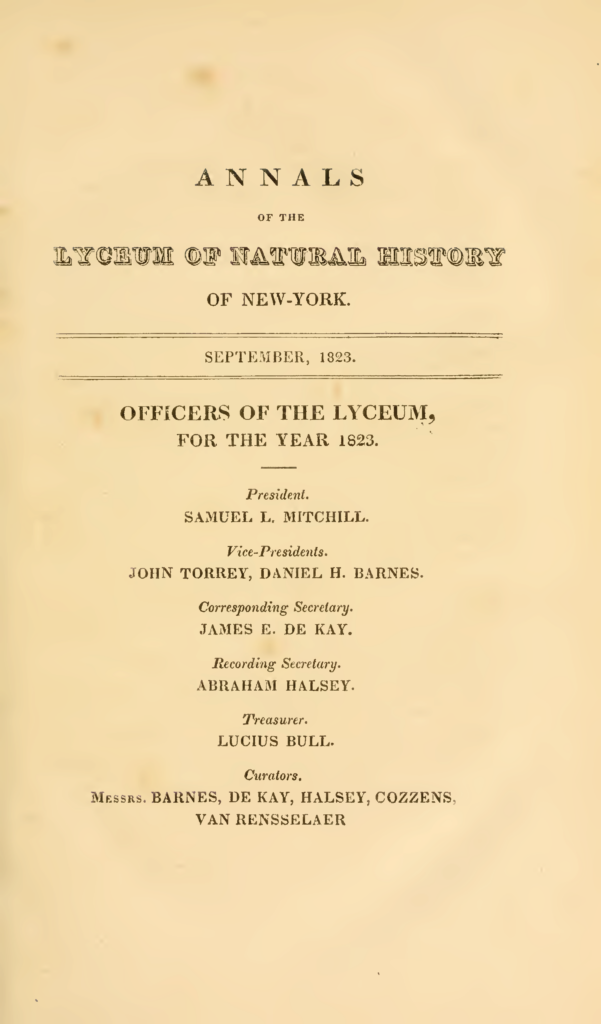
The cover for the September 1823 issue of Annals of the Lyceum of Natural History of New-York.

In an industry with more than 28,000 academic journals, to say that interested audiences have abundant choices for how they consume scientific information would be a gross understatement. But that wasn’t always the case. When the first issue of Annals of the New York Academy of Sciences (Annals) was published in 1823, it was one of only a handful of scientific journals, most of them unsuccessful, and it had around 100 subscribers—a number that remained stagnant for several years.

Though the interdisciplinary peer-review journal had an inauspicious start, its debut publication sparked a rich tradition of excellence and innovation in scientific publishing. Annals evolved from a resource for local scientific elites into a much respected and cited journal that’s read the world over, one of the longest continuously published scientific serials in the United States and a powerful symbol of the democratization of cutting-edge scientific information. Today, the Academy’s flagship publication, Annals has published more than 1,300 volumes over 191 years.

As the Academy began researching a variety of topics in greater detail during its first decades, its popularity grew; and, by association, so did interest in Annals. Sales of the journal quadrupled in 1939, the same year Eunice Miner was appointed executive secretary of the Academy. Miner passionately expanded the number of Academy memberships and hosted events; accordingly, Annals’ distribution increased exponentially.

By the 1960s, the Academy was sponsoring several dozen conferences a year, and distributing Annals to an audience of about 40,000. Each issue informed readers about the Academy’s conference proceedings, on topics increasingly varied and newsworthy—and a look back through its pages is a window into the challenges the scientific community has faced and overcome throughout history.

The First Large Scientific Assembly on Antibiotics

In 1946, for instance, the Academy hosted the first large scientific assembly on antibiotics, with a particular focus on combating tuberculosis. Margaret Mead published several Annals papers during her time as vice president at The New York Academy of Sciences in the 1970s; other notable contributors over the years have included Paul Ekman, Franz Boas, Edmund B. Wilson, Joshua Lederberg, and Ralph Steinman.

The Academy’s Puerto Rico survey, initiated in the early 20th century, attracted perhaps the most attention of all. Co-founder of the New York Botanical Garden (and Academy member) Nathaniel Lord Britton initiated a four-year study of the island’s geology, botany, and zoology. Starting in 1914 and including research from scientists in various sectors, the survey was the first and most comprehensive of its kind.

Reports from the island, published in Annals as well as the Journal of the New York Botanical Garden and the Bulletin of the American Museum of Natural History, were so well received that the project quickly grew in size, scope, and financial backing. By the summer of 1916, 23 research groups had visited the island to examine areas including entomology, mycology, anthropology, and paleontology. The groundbreaking project ultimately expanded to the Virgin Islands, incorporated research from an international community of scientists, and lasted more than 25 years, culminating in the publication of the multi-volume Scientific Survey of Puerto Rico and the Virgin Islands.

Expanding Scope & Reach

A cover shot of the publication Annals of The New York Academy of Sciences.

Annals has documented a large proportion of the conferences held by The New York Academy of Sciences, and, since 1981, it has covered news and discoveries from unaffiliated scientific conferences as well. With the expansion of technology and excitement for attention-grabbing efforts such as space exploration, interest in the Academy and its flagship publication continued to grow.

So, too, did the journal’s scope and reach. Annals is now available in 4,505 institutions worldwide via a partnership with the Wiley Online Library of licensed subscriptions, and in thousands of institutions in the developing world via philanthropic initiatives. During the last year (June 2013 – June 2014), Annals was the fifth-most accessed journal among Wiley’s 2,304 journals, where it received 2,283,137 visits. Google Scholar ranks the journal number 10 on its list of top health and medical science publications, in the company of esteemed publications like The New England Journal of Medicine and The Lancet.

Douglas Braaten, PhD, editor-in-chief of Annals of the New York Academy of Sciences and executive director of science publications, explains the journal’s continued relevance this way: “One of the most unique things about Annals is the ability to produce individually themed issues. We can essentially design what we publish; currently, that’s 28 individual projects per year, on varying topics—so readers really get both scope and depth into the topics.

“We also produce volumes stemming from conferences, which is one of the reasons Annals continues to be unique; we will commission papers from the invited speakers in a field from an international conference. The resulting collection of papers provides a state-of-the-art view of a topic for people who weren’t in the room. We have over a 100-year history of providing conference proceedings, the aim of which is to democratize scientific information.”

A Stellar Reputation

Also important to the publication’s stellar reputation is “a high-quality, peer-review process” and “traditional journal standards and ethics.”

Alongside its stalwart ethics, the Academy’s commitment to innovation ensures Annals’ growing influence and credibility. Within the last decade, annual reviews of specific scientific topics have become a staple of the publication.

George Uhl, PhD, chief of the Molecular Neurobiology Research Branch at the National Institute on Drug Abuse, serves as editor of the Annals series Addiction Reviews. “I don’t think there is anything like it in addiction, and I serve on several publication committees in this area,” he says. “The effort with Addiction Reviews is to try to review things that are getting to the point of being interesting rather than things that are already acknowledged by everyone as interesting, and I think that has helped the impact factor”—a statistic that calculates the average number of outside citations per article—which for this series is an impressive 13, compared to similar publications’ typical scores of two or three.

Other annual review topics include The Year in Cognitive Neuroscience, edited by Michael Miller, PhD, professor and vice chair of psychological and brain sciences at UC Santa Barbara, and Alan Kingstone, PhD, distinguished university scholar and professor of psychology at the University of British Columbia.

“Starting up an annual review in cognitive neuroscience was such an obviously brilliant idea,” explains Kingstone. “The field was nearly 20 years old, and there was a real need to provide those in cognitive neuroscience with a place to pull together key ideas on an annual basis.”

The Value of Themed Volumes

He continues, “The value of the themed volumes is evident in the impact that it has had on the field since its initial publication in 2008. As of last year, the reviews contributed to The Year in Cognitive Neuroscience have averaged 38 citations. The very first article in the 2008 edition, “The brain’s default network,” has been cited over 2,500 times. This impact rivals some of the most highly regarded journals, and demonstrates the high value the field places on these review articles to keep researchers up to date on a quickly evolving field.”

The Academy remains committed to quality of research, as well as innovation in information delivery. The number of methods the Academy uses to communicate research and ideas to the scientific community and beyond continues to grow. The 191 year-old journal has evolved from a print-only publication to a robust collection of interactive multimedia tools. Thanks to its partnership with Wiley, Academy members and institutions with Annals benefits can access every volume ever published via the Academy website; they can even read archives via a free mobile app.

eBriefings: Multimedia Science Reports

Further illustrating its commitment to bringing comprehensive, cutting-edge scientific information to a truly global audience, in 2003 the Academy introduced eBriefings: interactive, userfriendly web resources that increase the longevity and impact of Academy events. Conceived in the wake of the Academy’s interdisciplinary SARS conference, eBriefings are now a standard offering, providing the benefits of Academy events and conferences to those who are unable to attend in person.

The multimedia presentations include meeting summaries written by science writers and scientists, a selection of speakers’ slides and audio, and links to related information. Over the last decade, eBriefings have been cited by news outlets including The Wall Street Journal, US News & World Report, and Med News Today. They receive around 10,000 unique page views each month; in the last fiscal year, the presentations were accessed from more than 140 countries.

Explains Brooke Grindlinger, PhD, executive director of scientific programs at the Academy: “eBriefings offer everyone within the global scientific community access to today’s cutting-edge knowledge conveyed by world-renowned leaders in almost every discipline in science and technology. It’s your science, on your schedule, sowing the seeds for your next big idea.”

The Academy produces approximately 60 eBriefings each year; recent topics have run the gamut from Alzheimer’s disease to the use of “big data.” The online resources are presented in partnership with a global network of partners, including The Global HIV Vaccine Enterprise, The Johns Hopkins Bloomberg School of Public Health, The National Institutes of Health, and The U.S. Food and Drug Administration.

Expanding Interest in Emerging Topics

Jeanne Garbarino, PhD, director of science outreach at Rockefeller University, led an Academy panel in September 2013 titled “Crowdfunding: An Emerging Funding Mechanism for Science Research.” She explains that the eBriefing helped expand interest and research in this emerging topic: “It allowed me to connect with others who are interested in this topic, and also provided an opportunity to discuss more ways in which crowdfunding could be applied to scientific research.”

Garbarino adds, “Given the disproportionate distribution of scientific and educational resources in our nation, providing free access to high quality materials is always a good thing.”

This egalitarian approach to the dissemination of scientific knowledge is quite fitting in the context of the Academy’s history. As early as 1903, audiences filled the lecture hall at the American Museum of Natural History to hear Academy presentations on topics such as the Mount Pelée volcano on Martinique or the physical and economic aspects of Mexico. These presentations were particularly appealing because they incorporated cutting-edge technology of the time—lantern slides and stereopticon—that helped bring scientists’ invaluable research to life.

Hints Braaten, the editor of Annals: “A new contract with Wiley is reinvigorating Academy publishing and opening new avenues, such as Academy book publishing.” And as the technology and science fields continue to evolve, you can be sure that the Academy’s approach to disseminating vital information will, too, ensure that scientists and non-scientists alike will have access to globe-changing ideas and evidence for generations to come.


About the Author

Gina Masullo is a journalist in New York City.

From the Annals Archive: How Darwin Upended the World

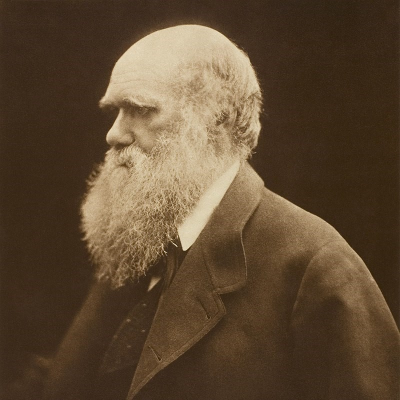
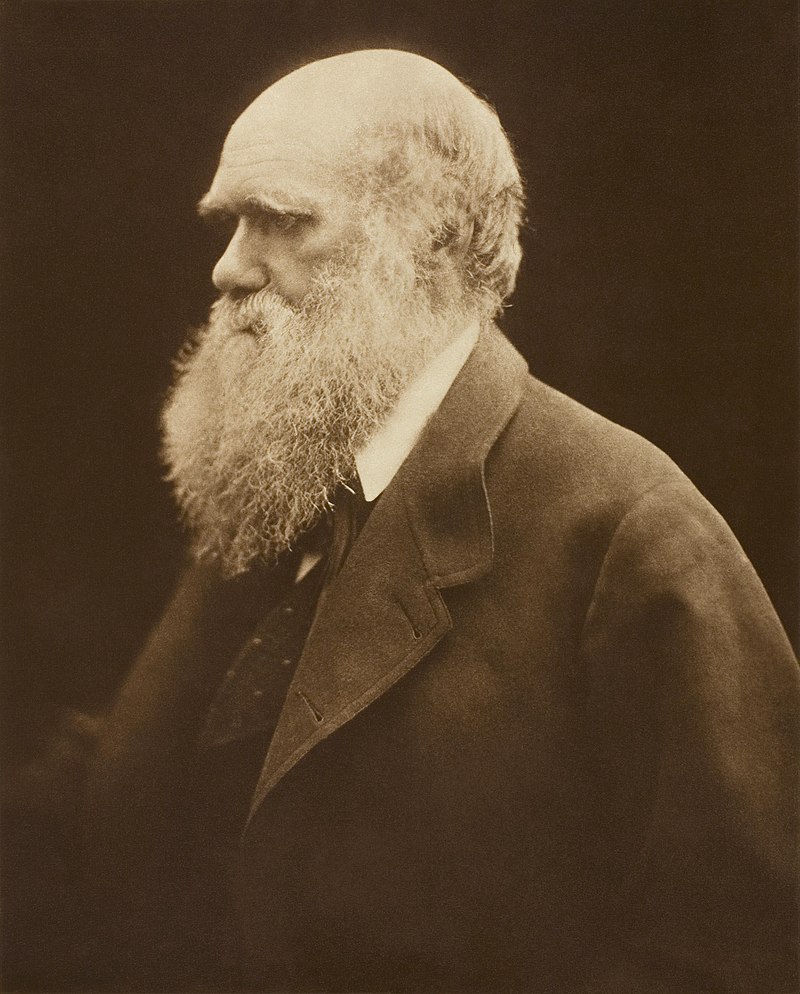
A black and white photo of Charles Darwin.

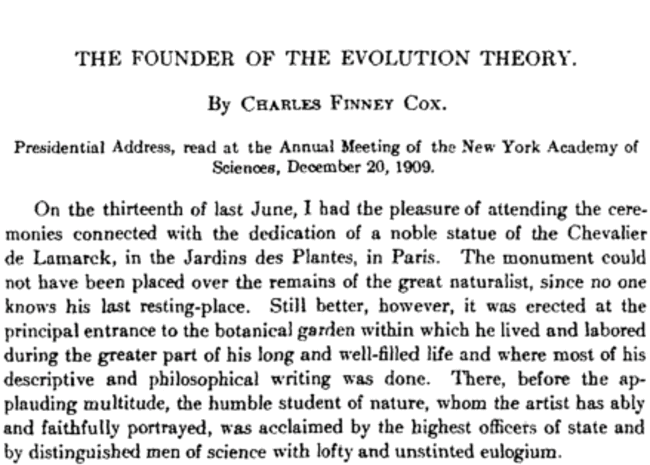
From the archive of Annals of the New York Academy of Sciences, the 1909 address of Academy President Charles Finney Cox recalls the chilly reception to Darwin’s Origin of Species 50 years earlier.

Published March 1, 2009

Adapted from works by Charles Finney Cox
Academy President (1908-1909)

From the March 1909 issue of Annals of the New York Academy of Sciences.

… It was only when The Origin appeared, in November 1859, that the world awaked to a realization of the fact that the evolution theory had to be reckoned with, and the scientific part of the world aroused itself no more quickly than the rest. August Weismann says, “We who were then the younger men, studying in the fifties, had no idea that a theory of evolution had ever been put forward, for no one spoke of it to us, and it was never mentioned in a lecture.”

He also declares that “Darwin’s book fell like a bolt from the blue; it was eagerly devoured, and while it excited in the minds of the younger students delight and enthusiasm, it aroused among the older naturalists anything from cool aversion to violent opposition.” [1]

Darwin knew that when he should publish his denial of the separate and definitive creation of each particular species, he would have to face a nearly unanimous adverse judgment, among the learned and the unlearned alike.

His feeling in this matter was shown by his half-humorous remark, when announcing to Joseph Hooker, in 1844, his conviction as to the transformation of species, that he felt as if he were confessing to a murder! … It is indicated also by his writing to Asa Gray, in 1856, “As an honest man I must tell you that I have come to the heterodox conclusion that there are no such things as independently created species, that species are only strongly defined varieties. I know this will make you despise me.” [2]

Darwin’s Challengers

Darwin underestimated Gray’s preparedness to receive the new doctrine, but he showed that he did not expect a respectful hearing for his novel ideas by men of science generally, and in this unfavorable prognostication he proved to be right. Hooker, Gray, and Wallace were his only staunch allies at first; Huxley joined the little band soon after the opening of the war, although he never gladdened Darwin’s heart by unreservedly accepting natural selection.

Charles Darwin in 1868. Image courtesy of Wikimedia Commons.

Lyell, of all Darwin’s personal friends, gave him the greatest grief by his hesitation, especially because he seemed in private more favorable than he was willing to appear in public. Worst of all, he confessed to Huxley that he was held back more by his feelings than by his judgment. His final surrender was made in the tenth edition of his Principles of Geology, published in 1869.

For fully 10 years then, Darwin was obliged to plead with his scientific acquaintances to come even a little way with him, assuring them that if they would only admit the mutability of species, he would not urge them to go the length of accepting natural selection, thus proving that the scientific world had by no means been led up to a recognition of the fact of transmutation, much less to the reception of any particular theory of its causation.

Even as late as 1880 we find Huxley apologizing to Darwin for having slighted or ignored natural selection in his lecture, The Coming of Age of the Origin of Species, because, as he argued, it was still essential “to drive the fact of evolution into people’s heads” leaving the exposition of its cause, or modus operandi, to come later.

“Germany took time to consider”

But English men of science were not alone in their reluctance to adopt the evolution theory. As Huxley said, “Germany took time to consider.” Bronn produced a poor translation of The Origin in 1860, but omitted from it, out of deference to popular opinion, numerous supposedly offensive passages (as, for example, the sentence near the end concerning the light likely to be thrown upon the origin of man) and added a critical appendix intended to expose Darwin’s weak points and to soften the effect of some of his scientific heresies.

Although Ernst Krause attributes considerable influence to Häckel’s advocacy of evolution in his Radiolaria published in 1862, he says it was really in 1863, when Häckel championed the cause at the “Versammlung” of naturalists at Stettin, that the Darwinian question could be considered as having been placed “for the first time publicly before the forum of German science.” In France, according to Huxley, the ill-will of powerful members of the Institute “produced for a long time the effect of a conspiracy of silence,” and it was only in 1869 that Hooker was able to say, “the evolution of species must at last be spreading in France.”

Looking at the whole situation a year after the publication of The Origin, Huxley says that the supporters of Mr. Darwin’s views were numerically extremely insignificant and that “there is not the slightest doubt that, if a general council of the Church scientific had been held at that time, we should have been condemned by an overwhelming majority.” [3]

Works Cited

1. The Evolution Theory.” Thomson’s translation, p. 28. 1904

2. “Life and Letters of Charles Darwin.” Vol. 11, p. 79. 1887.

3. On the reception of Origin of Species in “Life and Letters of Charles Darwin.” Vol. 11, p. 186. 1887.

Charles Finney Cox (1846-1912), served as Academy President in 1908 and 1909. A life-long collector of Darwiniana, Cox amassed a nearly complete collection of the great naturalist’s books, papers, photographs, drawings, and other artifacts. This essay is excerpted from his address to the Academy’s Annual Meeting, December 20, 1909. Read more from the Annals of the New York Academy of Sciences archive.

How Can Science Help in the Fight Against Poverty?

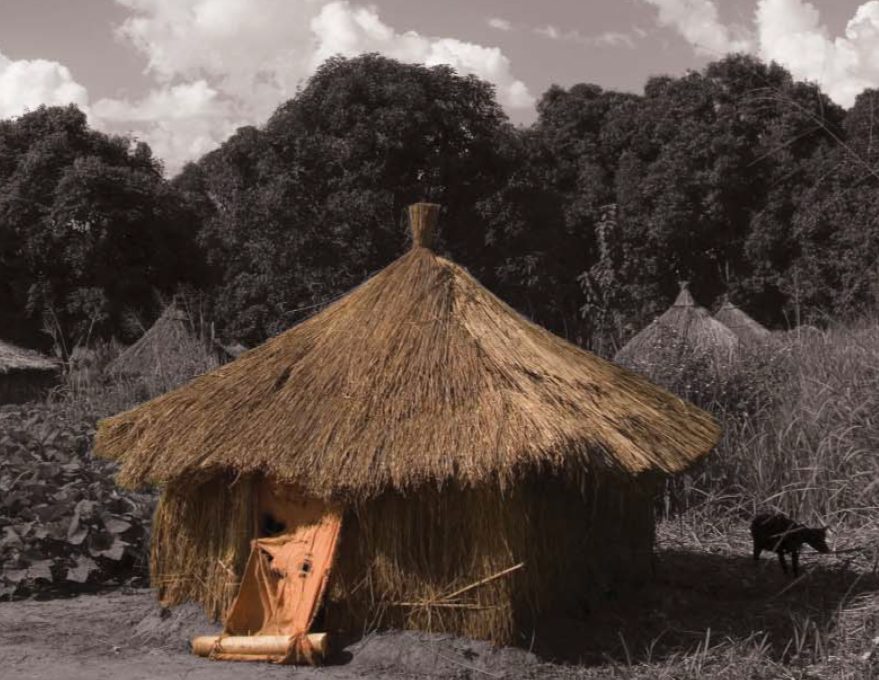
A straw hut.

A global scientific publishing initiative follows the philosophy of the Millennium Development Goals by tackling poverty from all angles

Published September 1, 2007

By Leslie Taylor

For the last decade, a technological marvel, has been saving lives in sub-Saharan Africa. It has no bells and whistles, no microprocessors or moving parts. It is a simple piece of insecticide-treated netting.

Bed nets made from this material remain effective deterrents against mosquitoes for three to five years. Donors, governments, and community leaders have embraced the low-tech tool as a valuable public health intervention and frequently hand out nets during immunization campaigns and antenatal clinics. About $5 buys a net that will shield two children from mosquitoes as they sleep—an incredibly effective means of preventing malaria, a disease that kills more than 1 million people a year.

The nets are a great example of what can be achieved when the scientific and development communities work together to identify needs and implement new ideas, says John McArthur, who was deputy director of the United Nations Millennium Project and is now associate director of the Center for Globalization and Sustainable Development at Columbia University’s Earth Institute. To put life-saving technology in the hands of the people it is designed to benefit requires the cooperative efforts of scientists, policy makers, and the communities they hope to serve, he says.

A Different Publish-Perish Paradigm

That philosophy of partnership underpins the Millennium Development Goals, which aim to achieve target levels of world-wide nutrition, health, literacy, and environmental sustainability that were set at the Millennium Summit in September 2000. It is also at the heart of a new program called Scientists Without Borders SM that was co-conceived by The New York Academy of Sciences (the Academy) and the U.N. Millennium Project. And now a massive cooperative effort in the interest of global development is taking place among scientific publishers.

This year, halfway to the 2015 deadline that world leaders set for achieving the Millennium Development Goals, 230 science journals worldwide will simultaneously publish papers or special editions on the topic of poverty and human development. Publications participating in the Council of Science Editors initiative include wide-circulation journals such as Science and Nature and more specialized volumes such as the African Journal of Drug and Alcohol Studies, the Chinese Journal of Evidence-Based Medicine, and the Wisconsin Medical Journal.

The Annals of the New York Academy of Sciences will publish a volume titled Reducing the Impact of Poverty on Health and Human Development: Scientific Approaches.

A Multidisciplinary Approach

The Annals volume, edited by Stephen Kaler and Owen Rennert of the National Institute of Child Health and Human Development, takes a multidisciplinary look at the issues facing the world’s poor. Chapters address public health issues in the developing world as well as specific diseases associated with poverty, such as tuberculosis, malaria, HIV/AIDS, lymphatic filiariasis, and hookworm. Other chapters discuss the poor’s access to health care services, education, proper nutrition, and housing.

The volume will highlight diverse areas of research. It will include a paper on measles by Samuel L. Katz, chairman emeritus of pediatrics at Duke University, who was awarded the 2007 Pollin Prize in recognition of his contributions to pediatric infectious disease research and vaccine development; a paper titled “Sustainable Transfer of Biotechnology to Developing Countries,by Eva Harris, who used the money from her 1997 MacArthur “Genius” Fellowship to establish the Sustainable Sciences Institute, an organization that helps scientists around the world gain access to state-of-the-art training and equipment; and a paper by Nobel Laureate James J. Heckman, professor of economics at The University of Chicago, about the consequences of poverty for human skill formation.

Poverty Is a Many-Stranded Problem

Bashir Jama, author of “Agriculture in Developing Nations,” a paper in the upcoming Annals volume, spent 19 years with the International Centre for Research in Agroforestry before becoming a policy advisor to a U.N. Development Program group working on poverty and the Millennium Goals. He says it’s very difficult to tease apart the problems of poverty and address any single factor in isolation. Agriculture is inextricably linked to health, he says.

For instance, malaria and other tropical diseases can impede worker productivity in farming communities, resulting in reduced crop yields, followed by hunger, and increased vulnerability to disease.

And illiteracy can be an obstacle to heartier harvests. Training in new farm techniques or agriculture technologies can’t be distributed in writing to farmers who can’t read, he notes. Instead, non-governmental organizations and governments must offer in-person training or demonstration farms.

“As scientists we have fairly good knowledge of the ecology and the technical issues that are slowing down progress or that can enhance production,” says Jama. “But giving people the skills they need when they live in remote areas—in areas with limited energy supplies, no electricity or clean water—is challenging.”

Within select communities known as Millennium Villages, networks of scientists with diverse areas of expertise work with residents to address the intertwining issues of agricultural productivity, health, education, and access to markets. Projects to increase food yields and improve access to education and health services coincide with initiatives to improve village infrastructure—roads, sanitation, communication technology, and energy. Villagers are also given advice on enterprise diversification and environmental management.

Leverage Existing Technologies

Residents of the 12 Millennium Villages in 10 African countries have seen tremendous improvements in quality of life since the project started, Jama says. “In one or two growing seasons we’ve seen incredible increases in agricultural productivity, phenomenal decreases in hunger, improved health with a reduction in malaria and waterborne diseases, and safe drinking water becoming available,” he says.

Successes at the Millennium Village sites were not the result of exclusive breakthrough technologies, but came about because experts in a variety of fields took action to supply villagers with a range of basic technologies, such as fertilizer, medication, and water purification systems. “We have the basic know-how,” says John McArthur. “The question in the immediate term is how to mobilize existing technologies.”

Frequently, technologies created for another purpose or discovered in the course of pure research can be greatly beneficial. “It’s a matter of adapting good technologies that may exist in other countries,” says Bashir Jama.

Seemingly uncomplicated technology can have a dramatic impact. For example, the treadle pump—an inexpensive, simple- to-operate, foot-powered pump that can draw water from a well or spring—has revolutionized farmers’ ability to grow food during the dry season. “It’s a good example of a situation where, if the investment is there, it could really increase irrigation, and improve income and nutrition,” says Jama.

Energy and Resource Use

Improved cook stove technologies have also done much to improve the lives of the poor, according to Daniel Kammen, a professor in the Energy and Resources Group at University of California, Berkeley, who contributed a paper titled “Energy & Resource Use in Developing Countries” to the new Annals volume. Respiratory illnesses are one of the biggest health problems in the developing world, where most people typically cook using very simple fires—burning wood or dung on just a few stones. “Making stoves more efficient has actually cut down on one of the leading causes of illnesses worldwide,” he says.

Kammen, who is also founding director of the Renewable and Appropriate Energy Laboratory, an organization that focuses on designing, testing, and disseminating renewable and appropriate energy systems, has seen how the timely application of technology can transform communities. His group works on projects such as promoting sustainable biomass energy management in Zimbabwe, evaluating the performance of single junction amorphous silicon modules used in photovoltaic systems in Kenya, and creating new technologies such as the UV-Tube—an inexpensive and easy-to-use household water disinfection device that uses ultraviolet light to inactivate pathogens.

While each country has slightly different needs, Kammen explains, in most parts of the developing world the basic issues are the same. “There’s a lack of access to clean water, a lack of electricity to do things like read at night or run a business, and a lack of access to education,” he says. “There are some constants, and those mean you can work pretty hard on a project in one country and it’s likely to be useful to people in many other parts of the world. It’s not like a solution you develop in Mozambique is only useful there.”

Create New Technologies

For problems of the poor that do not yet have technological solutions, scientists have found new ways to obtain funding to do the research they hope will ultimately alleviate suffering.

Peter Hotez, editor-in-chief of a soon-to-launch Public Library of Science journal called Neglected Tropical Diseases, wrote a paper about hookworm for the Annals volume. He is president of the Sabin Vaccine Institute, a nonprofit organization that works to provide the world’s poorest people with access to low-cost, safe vaccines and drug treatments for neglected tropical diseases—13 parasitic and bacterial infections that produce chronic and disabling conditions. Many people have not heard of the diseases—including scariasis, hookworm infection, trichuriasis, lymphatic filariasis, onchocerciasis, schistosomiasis, and trachoma—but they are devastating.

“Neglected tropical diseases are one of the primary reasons why poor people remain poor. In some ways [what they do to a person] is worse than death,” says Hotez. “They destroy quality of life and are one of the major reasons we have poor economic development in Africa and elsewhere. These are the diseases that are keeping people mired in this horrible cycle of destitution and despair.”

Yet, until recently, little attention was paid to these scourges. While the private sector has been willing to invest money in research that might lead to an AIDS vaccine, for which there is still a substantial market in the U.S. and Europe, “There’s no way you could ever make a profit on a hookworm vaccine,” says Hotez.

Vaccines and Medication

Thankfully, the Human Hookworm Vaccine Initiative, a public development partnership sponsored by the Sabin Vaccine Institute with major funding from the Bill & Melinda Gates Foundation, is working to develop and disseminate an effective, safe, and low-cost vaccine. “It’s a unique model for making a product for people who can’t afford to pay for it,” Hotez says.

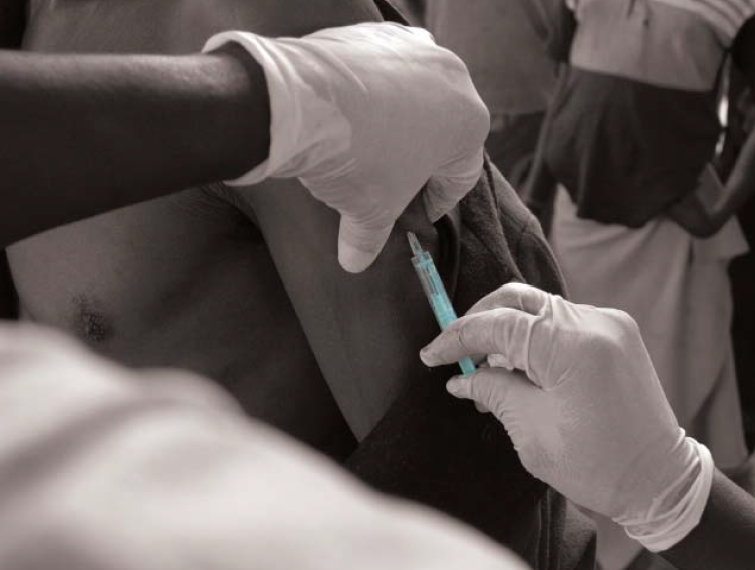
While the vaccine is not yet ready to be distributed, the Global Network for Tropical Disease Control, a program of the Sabin Institute, distributes a “rapid impact” package of medication that includes four anti-parasitic drugs to treat seven neglected diseases. The health kit, which costs only 50 cents per person per year, greatly reduces rates of morbidity, blindness, and skin disease. Yet it is only a short-term solution because diseases such as hookworm have high rates of transmission and re-infection, Hotez explains.

“Millennium development goal number six is ‘to control and fight HIV/AIDS, malaria, and other diseases.’ We feel we can make an impact right now in the ‘other diseases’ category,” he says.

Questions of Investment: Time and Money

While sufficient will and technologies are available to raise the standard of living in the developing world, funding is a primary barrier to success. Too little money is devoted to the cause, and there is no consensus about how the money that is devoted should be spent, experts say.

“A rule of thumb, which varies a little by country and by need, is that it takes a basic investment of about $110 per person per year to achieve the goals outlined in the Millennium Development Project,” says John McArthur. “Right now there is, on average, $25 per person in foreign aid going into these places. That needs to be scaled up two- or three-fold by 2015. There’s not enough money getting to where it needs to go, and a greater share needs to go to practical technologies, like long lasting insecticide-treated bed nets, fertilizer, or drilling bore wells.”

The Need for Collaboration

Bashir Jama worries that, too frequently, what scientists have discovered about issues of development is not being incorporated into national, regional, and global programs. “Decisions are made in a vacuum as though science doesn’t exist,” he says. “Donors, international governments, the policy makers need to take advantage of this knowledge and to link up better with scientists in designing systems that work.”

At the same time, it is important for scientists to make the effort to collaborate with policy makers and with one another in the fight against poverty, suggests Hotez, sharing this quote from Dr. Albert Sabin, the inventor of the polio vaccine, after whom the Sabin Institute is named: “A scientist who is also a human being cannot rest while knowledge which might reduce suffering rests on the shelf.”

Also read: Scientists Step into New Roles to End Poverty


About the Author

Leslie Taylor is associate editor of Update and of the Academy’s online public gateway, Science & the City.


Two Centuries of Science Research at Your Fingertips

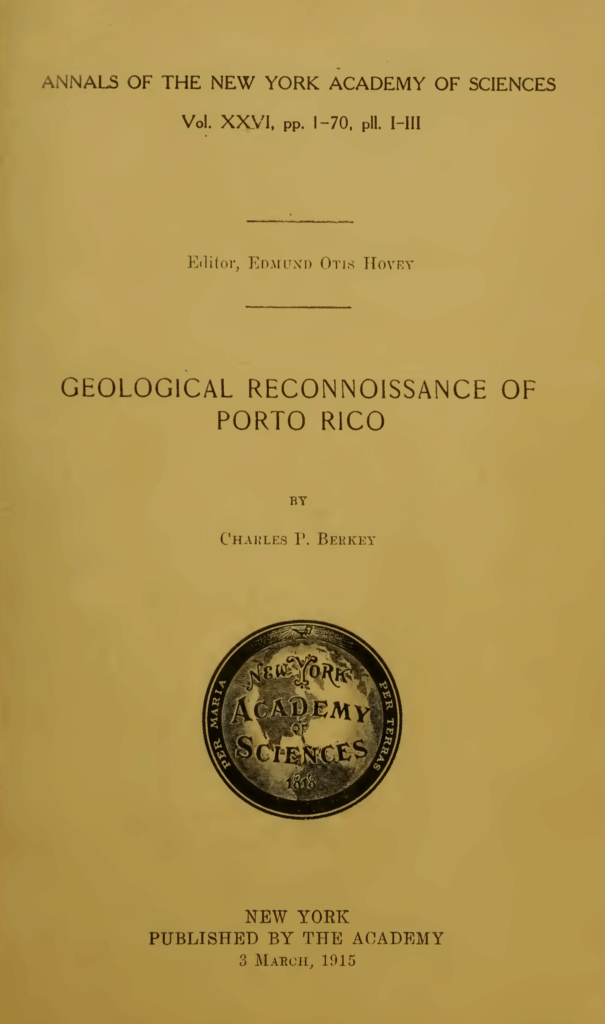
The front cover of 'Annals of the New York Academy of Sciences' in 1915.

Academy members will soon have access to the entire historical collection of the ‘Annals of the New York Academy of Sciences,’ dating back to 1823.

Published May 1, 2007

By Adelle Caravanos

Published continually for 184 years, the Annals of the New York Academy of Sciences is now available online in its entirety for the first time. It stands as the longest-running American scientific serial publication. (Click here to visit the Annals archive.)

At the time the Annals was first published, two attempts at establishing an American scientific journal had recently failed: Historian Simon Baatz reports of one of those failures that “[Benjamin] Silliman had learnt a painful lesson: the fickleness of the scientific public often masqueraded as enthusiasm,” [1]. Distinguishing true enthusiasm from “fickleness” and adjusting the focus accordingly have been challenges for Annals editors ever since.

The Lyceum Years

For many years, the Annals published papers read by members at “sectional meetings” when the Academy was known as the Lyceum of Natural History in the City of New York. Some papers anticipate concerns that have only now moved into center stage: a paper on “sanitary science” (environmental pollution), “rather quaintly termed ‘filth among men,'” was published in the last Annals volume of the Lyceum days. [2]. The charm of antique language is one of the rewards of reading the early papers.

In the first Annals volume, DeWitt Clinton, just recently retired as governor of New York, began a paper on the ornithology of swallows with “a fanfare of allusions to classical authors, quoting Horace, Hesiod, and Virgil … Herodotus, Aristotle, and Pliny before getting down to scientific brass tacks.” [3] The swallow enthusiasts were undoubtedly happier with the lively, yet straightforward style of another contributor to the same volume: John James Audubon.

In following the successful formula of publishing the papers presented at its meetings, the Annals reflected the scientific interests of the day and remained viable by attracting support from sources such as the Audubon Fund, which subsidized publication until the early 20th century.

In 1899, about the time the Audubon Fund support was tapering off, the record of the Annual Meeting contained the following entry: “The publications of the Academy have been greatly improved as to quality, appearance, and dignity…The thanks of the Academy are certainly due to our enthusiastic and very careful Editor, Mr. van Ingen.”

The Leadership of Eunice Thomas Miner

Under the leadership of Eunice Thomas Miner (beginning in 1935), multi-day conferences rose in importance among the Academy’s activities, and the Annals began publishing conference proceedings. A landmark conference on electrophoresis was convened, paving the way for another conference, “Gel Electrophoresis,” held in 1963. It produced the two most cited Annals articles in history, by B. J. Davis and G. Scatchard, accumulating between them some 44,000 citations.

In the 1970s, the Annals editors broadened their remit by beginning selectively to consider for publication conferences that had not been sponsored and held under the Academy’s auspices. Science’s impact on society always raises controversy, and one quality of conference proceedings is that they allow speculative and often controversial assessments of a field. The Academy has discussed and published subjects years before the public became fully aware of their importance.

In 1973, the Annals published a paper by Raymond Damadian on the potential for NMR’s use in cancer research and diagnosis (Vol. 222). Annals also published early work on HIV and AIDS, with individual papers in 1982 and a full volume in 1984 (Vol. 437), followed by another in 1990 and two volumes on pediatric AIDS (1993, 2000).

The Academy was an early publisher of work on the neurologic basis for the self concept in psychology, beginning in 1961 (Vol. 91). In 1960, before the Surgeon General’s warning, the Academy convened and published the proceedings of a conference on cardiovascular effects of nicotine (Vol. 90). Volumes on asbestos (starting with Vol. 132 in 1965) have had a large impact on workplace health regulations.

Joining the Information Revolution

The Annals rose to the challenge of the information revolution with online publication in 1998, an initiative that no doubt assisted the steady increase of its impact and immediacy factors over the past seven years. The Academy currently publishes 28 new Annals volumes every year. The Institute for Scientific Information ranks the Annals in the top 2% of sources cited in the scientific literature. All Annals volumes dating back to 1823 have been digitized and are available in PDF format.

Access to Annals is one perk of being an Academy member. Not a member? Sign up today!

Notes

[1] Baatz, Simon. 1990. Ann. N.Y. Acad. Sci. 584: 31.
[2] Cullinan, Denis. 1993. Current Comments, #49 (Dec. 6), p. 403.
[3] Ibid.

Suicide Prevention and Treatment in Older Adults

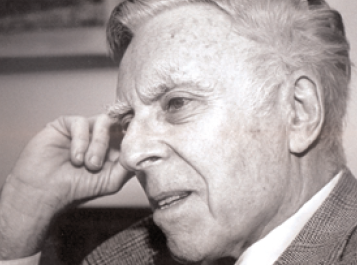
A man in a suit rests his head against his hand.

In the past decade, specific treatments have been shown to reduce suicidal behavior in a variety of psychiatric conditions, from bipolar disorder to schizophrenia.

Published October 1, 2001

By Fred Moreno, Jill Stolarik, and Jennifer Tang

Dr. Herbert Hendin, medical director of the American Foundation for Suicide Prevention

Older adults continue to be the highest risk group for suicide in the United States. Thanks to great advances in the psychopharmacologic treatment and psychotherapy of major psychiatric disorders, however, suicide rates have fallen in recent years. However, as demographers predict that the U.S. is set to experience a growing population of older people, some experts believe that treatment and prevention must take a broader approach, addressing recognition and effective intervention at the earliest possible points in the causal sequence that leads to suicide in an older person.

In “Suicide in Elders,” a report published in The Clinical Science of Suicide Prevention (Volume 932 of the Annals of the New York Academy of Sciences), authors Yeates Conwell and Paul R. Duberstein of the University of Rochester Medical Center, Center for the Study and Prevention of Suicide, discuss suicide prevention and treatment for older adults. One of their observations is that suicide prevention should be a national priority, given that an unprecedented number of baby boomers (those born between 1946 and 1964) will soon be entering the ranks of an age group that has had historically higher rates of suicide than the rest of the population.

The report cites past data from the Centers for Disease Control and Prevention. The 10-year period, 1980–1990, was the first decade since the 1940s that the suicide rate for older residents rose instead of declined. This trend has recently reversed itself—though it is not clear how future projections will hold. White men over the age of 50 still have the highest rate of suicide—comprising 10% of the population, they are responsible for 33% of the suicides.

The Baby Boom Cohort

Conwell believes that because of the size of the baby boom cohort, its historically higher risk for suicide at all ages, and the added risk associated with entering later life, “both the rate and absolute number of suicides may rise dramatically in coming decades. We must be prepared with preventive strategies. We believe that recognition and effective treatment of depressive illness in older adults is at the top of the list.”

One way to further reduce suicide rates is to reach out to an older population that is less likely to seek help, according to Annals co-editor Herbert Hendin, who is medical director of the American Foundation for Suicide Prevention. “It is a misconception that older adults are less responsive to psychotherapy and medication,” he said. “Most older adults who receive treatment respond very well.”

Annals co-editor J. John Mann of the New York State Psychiatric Institute agrees. “Most patients who commit suicide have not received adequate treatment,” he said. “For example, 60% of suicides occur in the context of a mood disorder and yet only about 12% of those suicides received a minimally effective dose of an antidepressant. Most depressed patients in the United States are not receiving adequate doses of antidepressants, even if they have a history of a prior suicide attempt, an indicator of higher risk for suicide.”

Suicide Attempts by the Elderly More Lethal than in Other Age Groups

Suicidal behavior among older people is more lethal than that in other age groups. While there may be as many as 200 suicide attempts for each completed suicide among adolescents and young adults, among older people there may be only four attempts per completed suicide. Older adults are more physically vulnerable than younger people; therefore, any self-injurious act is more likely to result in death. Secondly, older adults are more likely to live alone. Also, older adults are less likely to warn others of their suicidal intentions, and use more potentially lethal methods, such as firearms.

Suicide risk factors for older adults include: psychiatric and physical illnesses; functional impairment; social isolation; and specific personality traits such as neuroticism, timidity, hostility, and a rigid, fiercely independent lifestyle with low openness to experience.

According to Duberstein, openness to experience is one personality trait that may serve to decrease suicide risk in people who have other risk factors. “People who are open and show a higher willingness to experience new things have a greater will to live,” he said. “In contrast, people who are low in openness are less likely to see that they have multiple options. For them, suicide may be the only way out of their current predicament.”

In the past decade, specific treatments have been shown to reduce suicidal behavior in a variety of psychiatric conditions: bipolar disorder, schizophrenia, and borderline personality disorder.

Experts predict that we should be able to learn how effective our treatments of depression are in preventing suicide and in what way they need to be supplemented by treatments aimed at regulating associated affects and other behaviors that complicate depressive disorders

Also read: The New Wave of AI in Healthcare