From Postdoc to Faculty: Snapshot of An Epic Transition

Hear about the journey of two Blavatnik Regional Award finalists as they evolve from postdoctoral researchers to early career faculty members.

Published Dec. 1, 2015

By Diana Friedman

Call Jérémie Palacci’s laboratory at the University of California San Diego (UCSD) many things: new, modern, high-tech. But don’t call it white.  

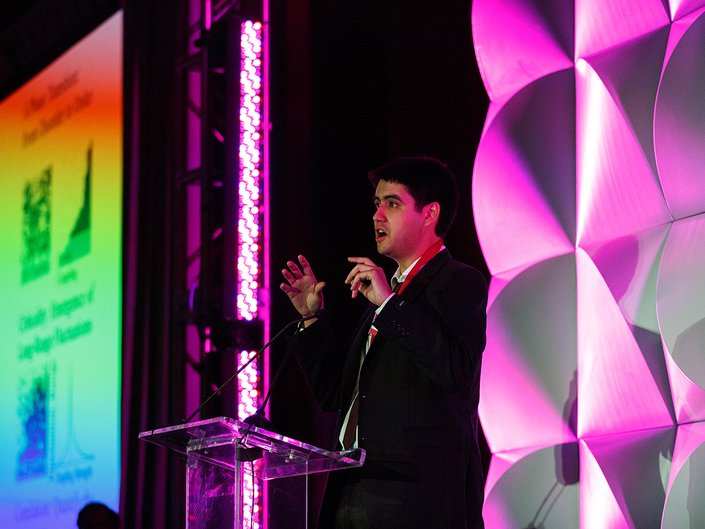
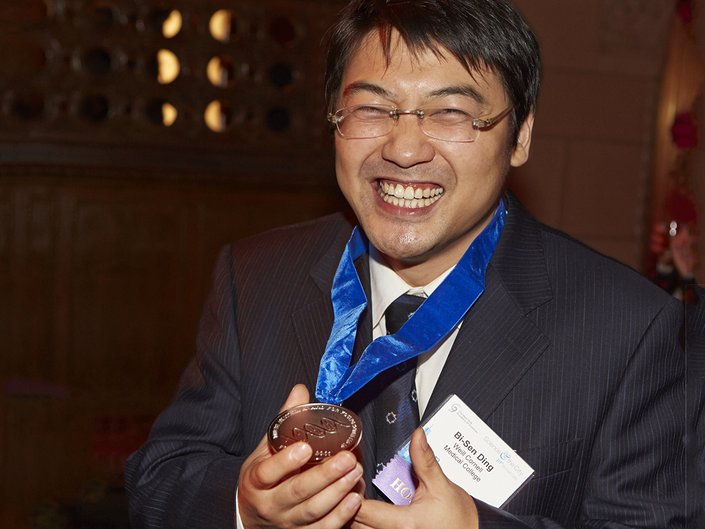
Jérémie Palacci, who was a Blavatnik Regional Award finalist in 2014, joined the UCSD faculty as assistant professor of physics earlier this year, after completing a postdoc at New York University (NYU). Now, another choice loomed: what color did he want the university to paint the walls of his newly renovated lab?  What sounds like a joke was actually the first lesson on the learning curve of what is arguably the biggest transition in academic life—the move from postdoc to faculty.

“The architect and I settled on some bright colors for the lab, and before we got any further, the university stepped in,” he recalls, laughing. “I think they should have asked me ‘which shade of white would you like?’ I had to negotiate to get what I wanted, but we pulled it off.” Palacci says that the bold choices he made for the lab are in line with the dilemma he faced when deciding where to start his life as a faculty researcher.  

“Everyone who worked with me joked that they couldn’t envision me in California — I don’t look like a surfer, but when the opportunity with UCSD came along, I asked myself: Can you change? Can you adapt?” He headed west, realizing quickly that having his own office meant more than just the luxury of privacy.  “At NYU, I was part of a center with six people, working in an open space with forty students and postdocs. Here, you arrive, get an office, and the rest is up to you. There’s no babysitting.” 

Emily Hodges, a 2013 Blavatnik Regional Award finalist who is now assistant professor of biochemistry at Vanderbilt University School of Medicine, echoed Palacci’s comments. Hodges finished her postdoc at Cold Spring Harbor Laboratory in New York and moved to Nashville in January, knowing that both the geographical and cultural shifts would be significant.

The Other Side of the Podium

Balancing the many roles expected of a professor—teacher, mentor, researcher and grant-writer, to name just a few—revealed an element of the postdoc-to-faculty transition that Palacci believes is underexposed. “If you work in industry, you learn to multitask. But when you’re a researcher or a postdoc, your schedule is pretty much one-track,” he says.

Making the faculty shift has necessitated a crash course in time management, but Palacci is a quick study, refusing to let the juggling act get in the way of one of the most rewarding aspects of his new job: teaching.  “For me, teaching is a breath of fresh air,” Palacci says. “Sometimes you do research and it’s not working and you get very frustrated, he explained. “Teaching gives me a chance to do something else.”

Hodges, who is a regular guest lecturer but does not maintain a full teaching schedule, says her interactions with students are also a vital source of easy social interaction, something she misses from her days as a student.  “Now that I’m on the other side, I’m in a different social dimension,” she says, noting that collaborations easily forged among students take more effort at the faculty level. “You have to be really proactive in identifying people you want to work with.”

Making Bets

Hodges and Palacci noted that at their new university homes, they are solo acts, pursuing areas of inquiry that are unique within their departments. Both see this as an opportunity, especially as they form their own labs.

Palacci says it’s a chance to put his own stamp on a field where, up until now, he has trained under the tutelage of others. “I want my lab to be an experience, not a vertically structured thing,” he said, explaining that his students will have flexibility in their roles and activities. Calling to mind the kind of energy and creativity more often found in startup companies than in university labs, Palacci is eager to “put some imagination back into the scientific process.”

For Emily Hodges, the first year “has flown by,” and as her lab takes shape, she hopes to impart the same passion and enthusiasm to her graduate students that her mentors, “my greatest inspirations,” did during her training.

Jérémie Palacci reflects on his transition much the way an entrepreneur looks back on the beginning of a new venture. “When you move from postdoc to faculty, people are going to bet on you. The university gives you space and funding, just like investors in a company. In the beginning, you play architect, making decisions and placing your own bets. It’s going to work or it’s not—either way it’s such a great challenge.”

To learn more about the Blavatnik Awards for Young Scientists, visit blavatnikawards.org.
2015 Blavatnik National Awards Ceremony

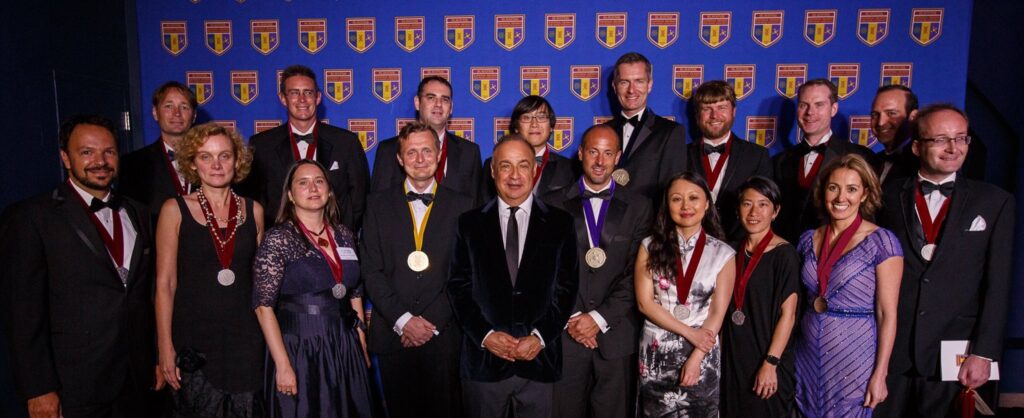
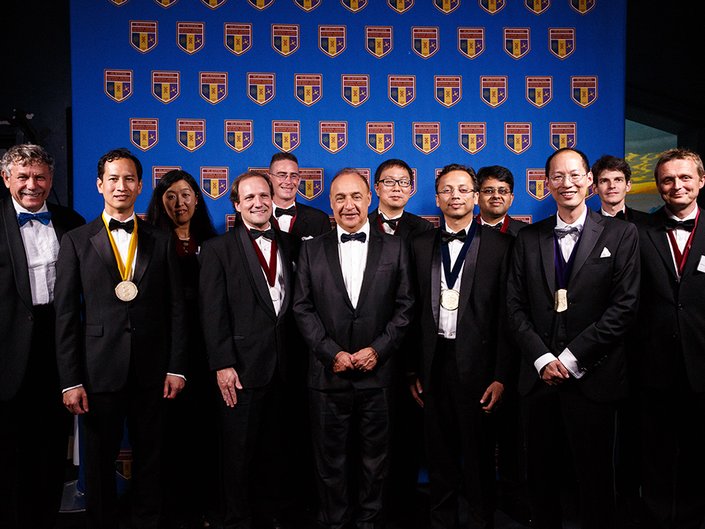
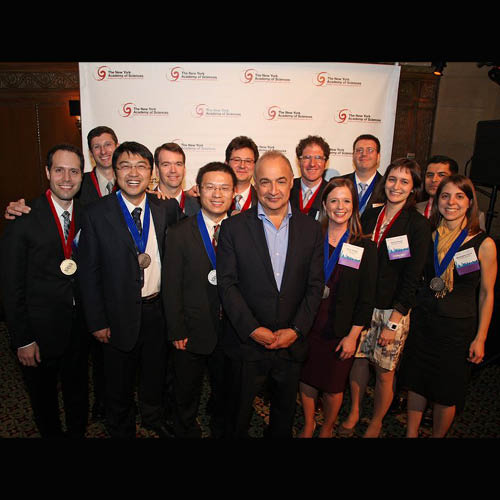
A group shot of honorees and award administrators.

On Monday, September 28, 2015, the Blavatnik Family Foundation hosted its second annual celebration of the Blavatnik National Awards for Young Scientists, honoring the scientific excellence and innovation of the 3 National Laureates and 29 National Finalists.

Published September 28, 2015

By Diana Friedman

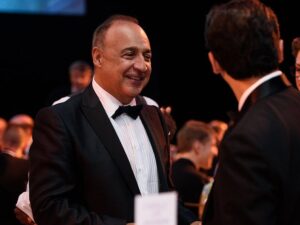
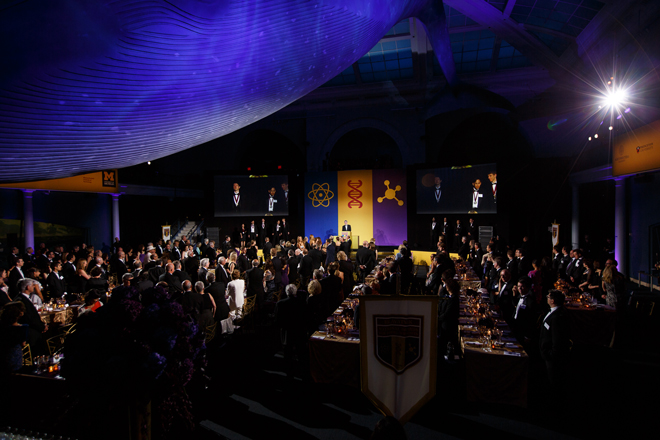
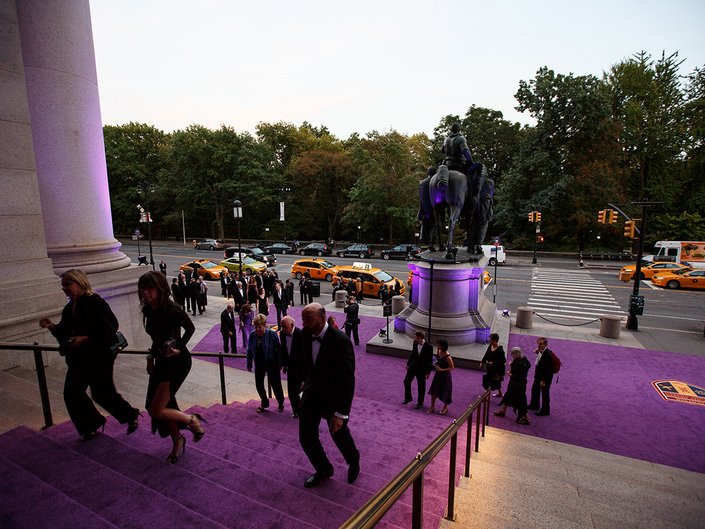
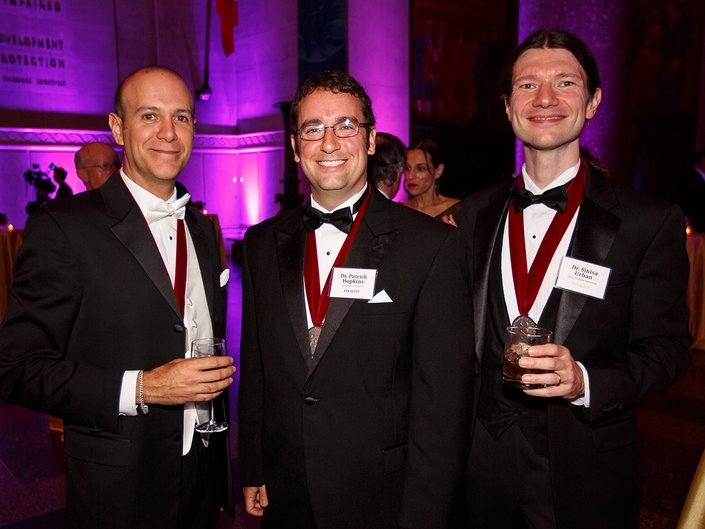
This year’s black-tie event, held at the American Museum of Natural History in New York City, gathered over 200 distinguished guests, including members of academia, business, media, and film. 

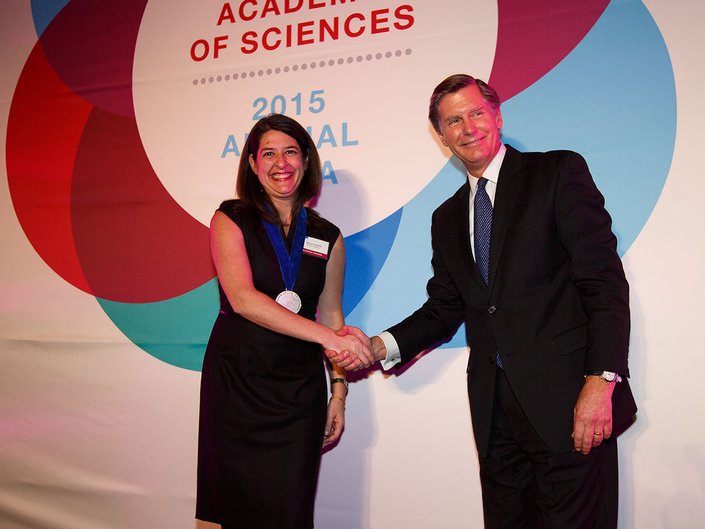
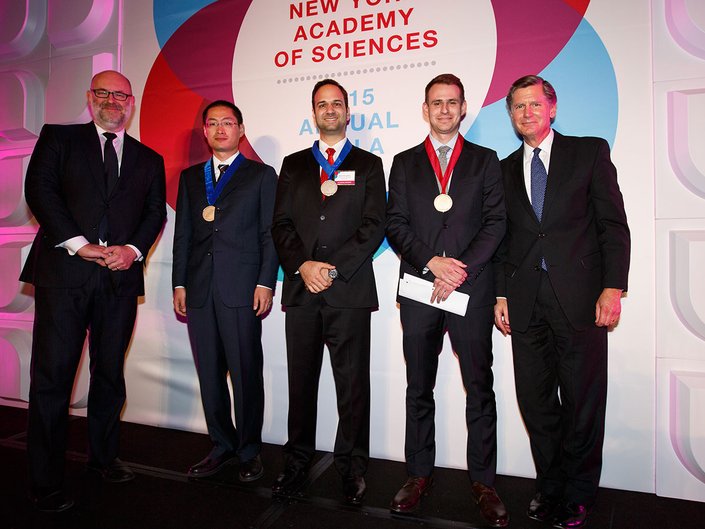
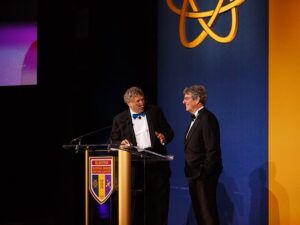
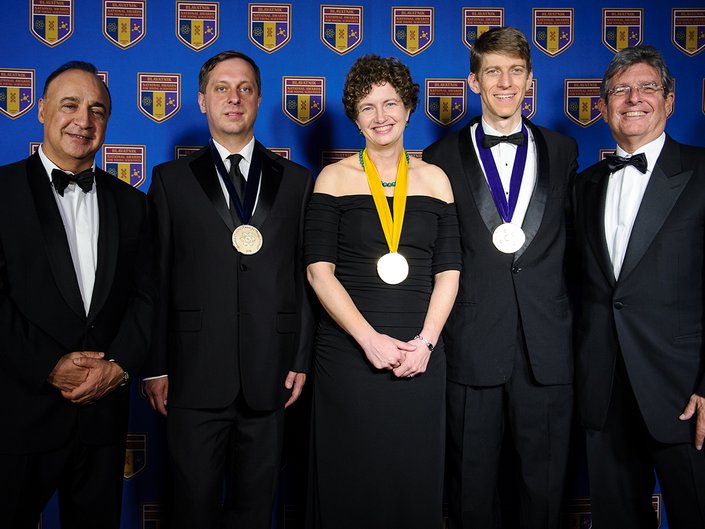
2015 National Finalists and Laureates with Len Blavatnik and Eric Lander

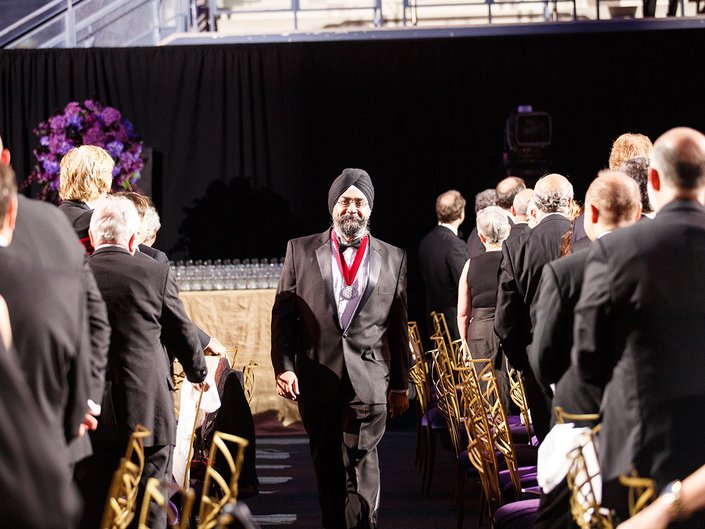
The evening formally began as the brass ensemble of the renowned Juilliard School played a processional of Fanfare for the Common Man and New York City high school students with a passion for science served as flag holders for the grand entrance of the Finalists and Laureates into the museum’s famed Milstein Hall of Ocean Life.

Ellis Rubinstein, President and Chief Executive Officer of The New York Academy of Sciences, opened the evening with the introduction of the National Laureates and Finalists and welcomed them to the Blavatnik Science Scholars alumni community.

He then introduced the evening’s master of ceremonies, Dr. Eric Lander, Founding Director of the Broad Institute and member of the Blavatnik Awards Scientific Advisory Council.

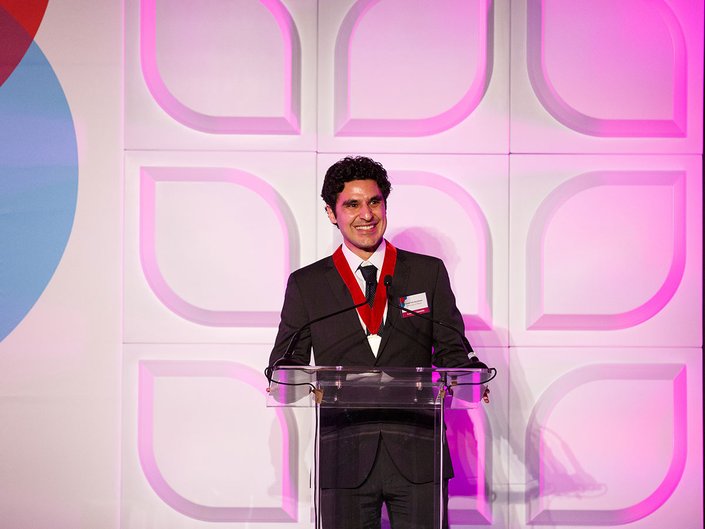
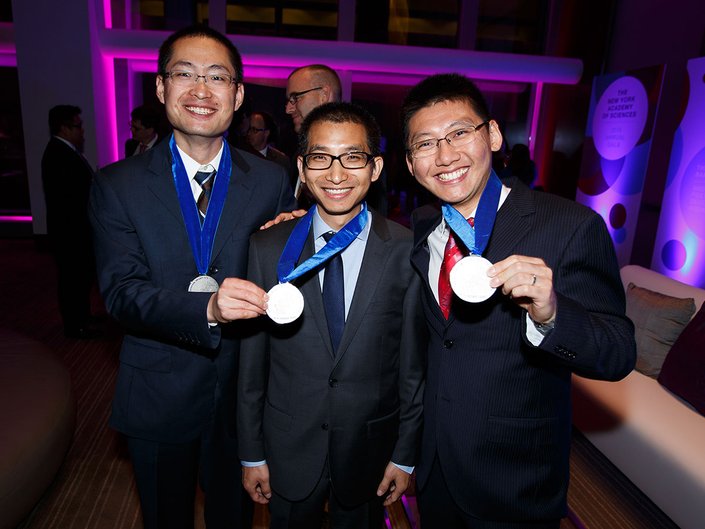
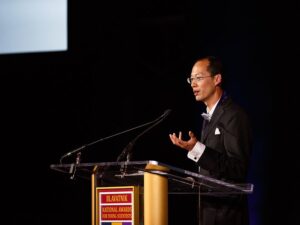
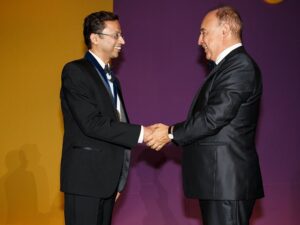
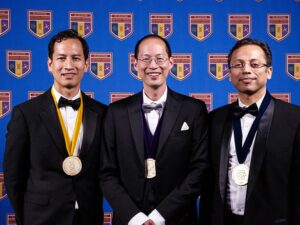
2015 Blavatnik National Laureates: Dr. Edward Chang, Dr. Syed Jafar, and Dr. Christopher Chang were introduced during the evening by their mentors Dr. Stephen Lisberger, Dr. Andrea Goldsmith, and Dr. Stephen Lippard, respectively. Each Laureate received a custom gold-plated medal from Len Blavatnik and followed with a presentation about their award-winning work.

The event was attended by Blavatnik Awards winners and finalists from previous years, members of the National Jury, and members of the Blavatnik Awards Scientific Advisory Council including Drs. Szabolcs Márka, Ruslan Medzhitov, and Marc Tessier-Lavigne. Other notable guests included:

  • Kenneth Bialkin, Secretary of the Carnegie Hall Corporation;
  • Stephen Cooper, CEO of Warner Music Group;
  • Dr. Brian Greene, Chairman of the World Science Festival;
  • Dr. Yann LeCun, Director of Facebook Artificial Intelligence Research;
  • Ron Prosor, Israel’s Permanent Representative to the United Nations;
  • Dr. Richard Roberts, CSO of New England Biolabs;
  • Dr. Bruce Stillman, President and CEO of Cold Spring Harbor Laboratory;
  • Dr. Harold Varmus, Nobel Prize Laureate;
  • Dr. Jan Vilcek, Founder and President of the Vilcek Foundation;
  • Andrew Lloyd Webber, Baron Lloyd-Webber; and
  • Dr. Nancy Zimpher, Chancellor of the State University of New York.

To learn more about the Blavatnik Awards for Young Scientists, visit blavatnikawards.org.
2015 Blavatnik Science Symposium

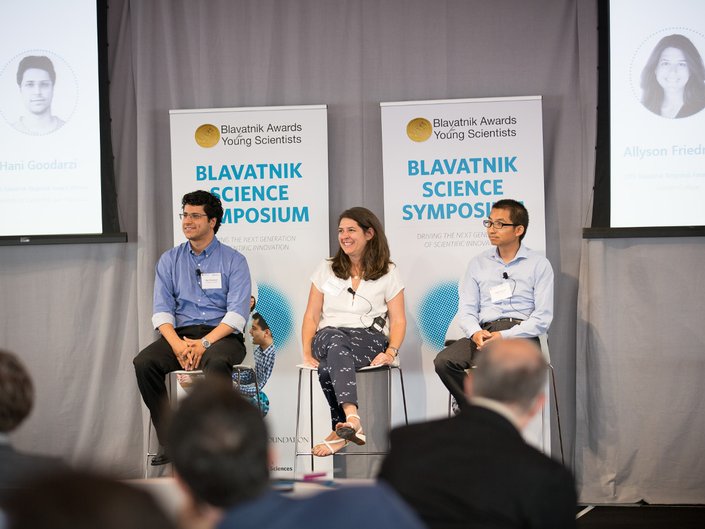
The second annual Blavatnik Science Symposium was a celebration of scientific excellence and achievement in the United States.

Published August 6, 2015

By Diana Friedman

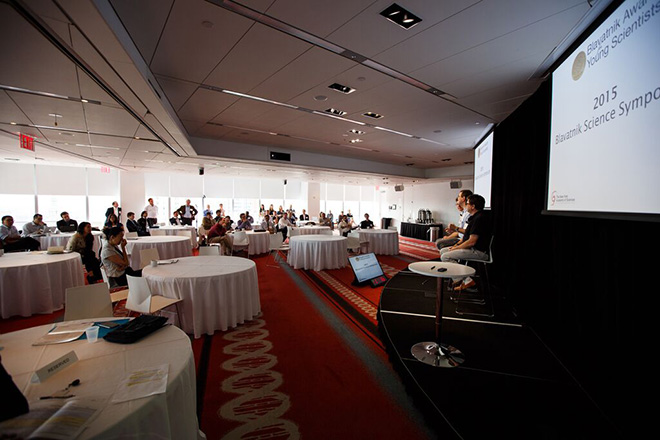
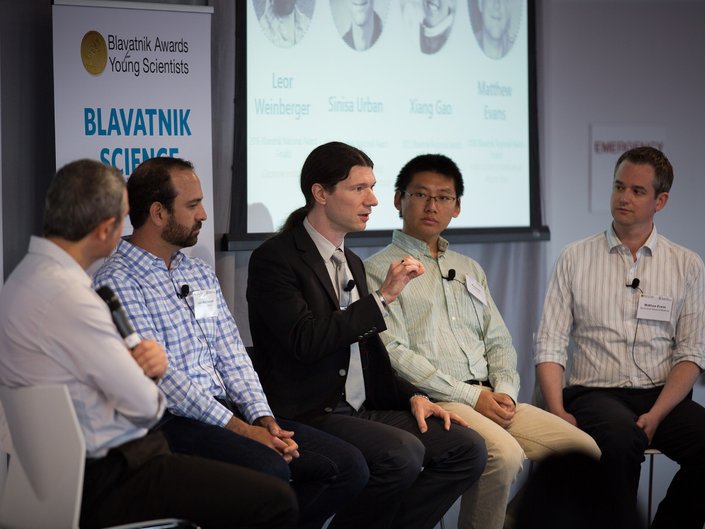
The 2015 Blavatnik Science Symposium hosted at The New York Academy of Sciences.

The second annual Blavatnik Science Symposium took place on August 5th and 6th 2015 at The New York Academy of Sciences (the Academy). This two-day event was hosted by the Blavatnik Family Foundation and the Academy and convened more than 50 past Blavatnik Awards honorees and 2015 National Finalists. The Symposium was attended by Len Blavatnik and other representatives of the Blavatnik Family Foundation, scientific luminaries, representatives of the Blavatnik Biomedical Accelerator and the Blavatnik Fellowship in Life Science Entrepreneurship program from Harvard University, and members of the press.

Building on the success of the inaugural 2014 Blavatnik Science Symposium, this year’s event was expanded to a two-day program to accommodate the growing Blavatnik Science Scholars Community of past and current honorees. Ellis Rubinstein, President and CEO of the Academy, and Dr. Mercedes Gorre, Executive Director of the Blavatnik Awards, opened the event with their welcoming remarks and were followed by a keynote address by 2010 Blavatnik Regional Award winner Michal Lipson, professor of Electrical Engineering at Columbia University, who spoke about the latest advances in nanophotonics.

Networking, Panel Discussions, and More

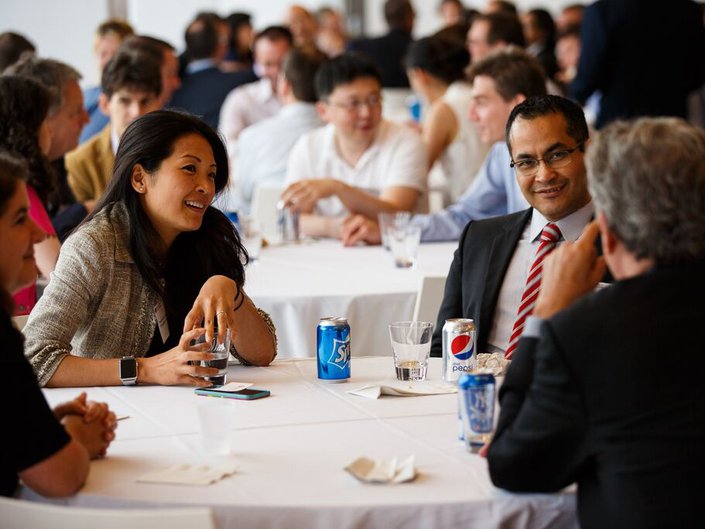
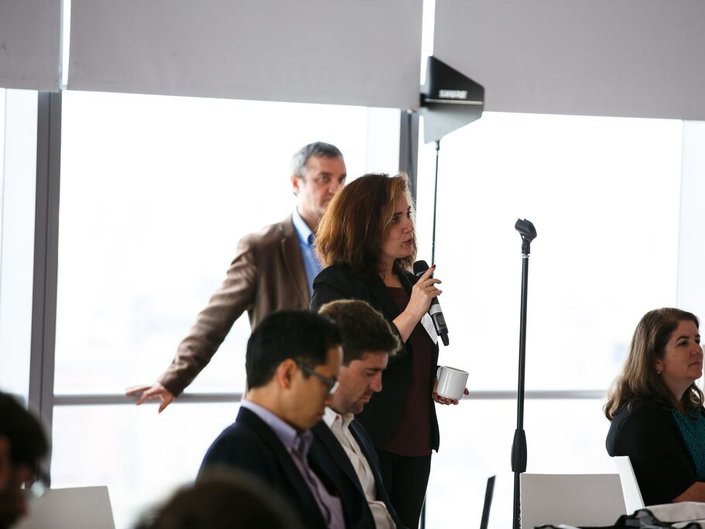
Blavatnik Awards honorees and 2015 National Finalists had the opportunity to network and present their work in front of their peers. A number of participants gave brief talks highlighting their research accomplishments in a broad variety of areas ranging from genomics to quantum materials to devices for portable diagnostics. A special session featured 2014 Blavatnik Regional Award honorees, who, having been recognized for their stellar postdoctoral work, have received faculty appointments in leading universities in the US and Europe.

Several panel discussions took place around topics of particular interest to the Blavatnik Science Scholars, including:

  • Reinvention, Building Cross-Disciplinary and Multi-Faceted Research Programs” moderated by New York Times columnist Carl Zimmer
  • Latest Developments and Top Unsolved Problems in Artificial Intelligence & Machine Learning” with participation by Yann LeCun (Director of AI Research, Facebook/NYU), 2007 Blavatnik Regional Award winner Léon Bottou (Facebook), and 2013 Blavatnik Regional Award winner David Blei (Columbia University)
  • Commercialization and Entrepreneurship in the Blavatnik Science Scholars Community,” moderated by Ellis Rubinstein;
  • And a special presentation by 2014/2015 National Finalist Rob Knight (UCSD) and 2011 Blavatnik Regional Award winner Szabolcs Márka (Columbia University) on collaboration between their groups that had emerged from their meeting at a Blavatnik Science Scholars event.

On the evening of the first day, Carl Zimmer delivered his keynote address: “Cross-Talk: Telling Stories about Science” where he shared with the guests his rich experience of successfully communicating scientific research to diverse audiences via a variety of media channels.

To learn more about the Blavatnik Awards for Young Scientists, visit blavatnikawards.org.
2014 Blavatnik Regional Awards Gala and Reception

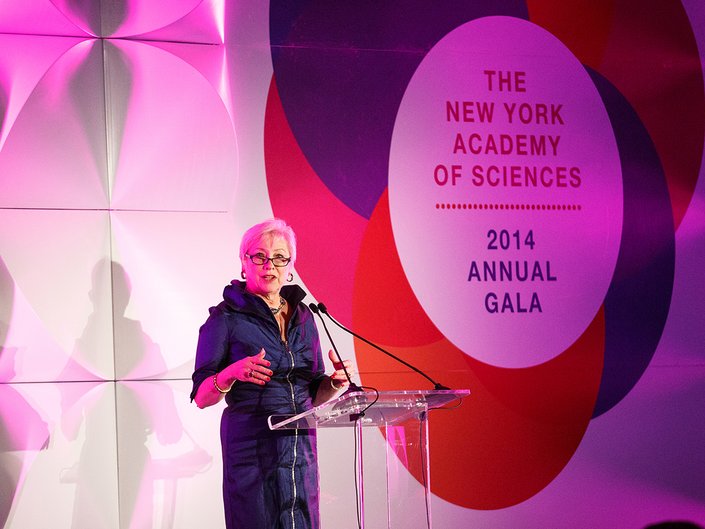
A woman stands at a podium and delivers an address.

On Monday November 10th, the New York Academy of Sciences and the Blavatnik Family Foundation honored the three winners and six finalists of the 2014 Blavatnik Regional Awards for Young Scientists during the Academy’s annual Gala.

Published November 10, 2014

By Diana Friedman

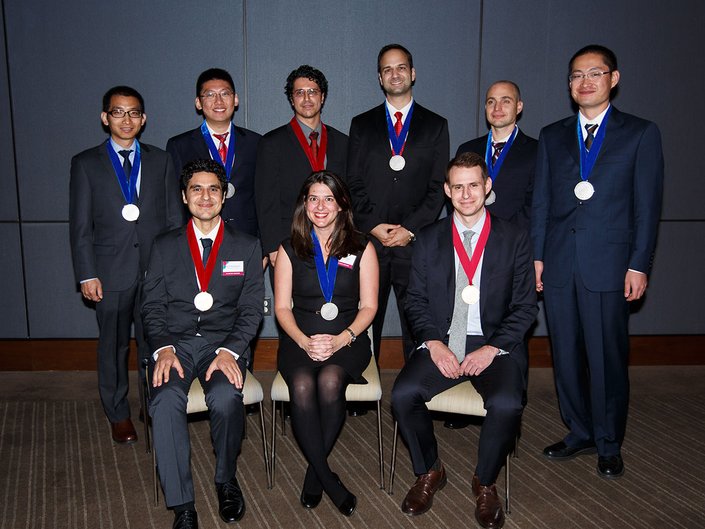
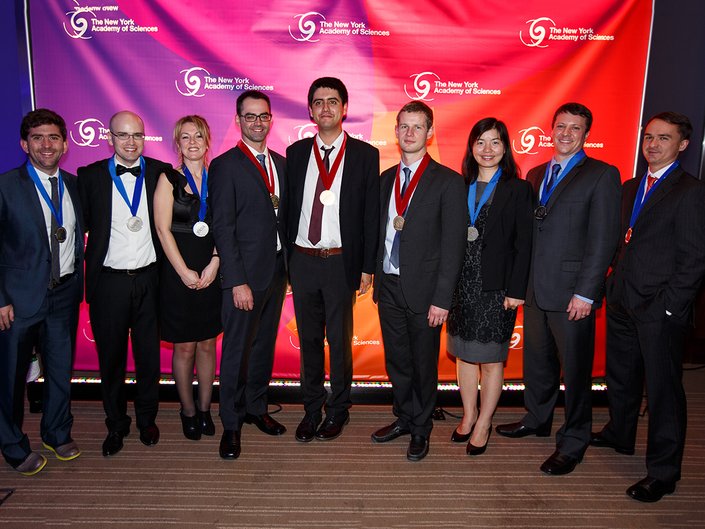
2014 Blavatnik Regional Award honorees

The 2014 Blavatnik Regional Awards honorees were selected for their exceptional research from a pool of over 220 outstanding nominations from 32 institutions across New York, New Jersey, and Connecticut. Winners and finalists received unrestricted cash prizes and were presented with medals.

Regional honorees awarded in the Chemistry category were introduced by Dr. Laurie Glimcher, Dean at Weill Cornell Medical College; Dr. Paul Horn, Sr. Vice Provost for Research and Sr. Vice Dean for Strategic Initiatives and Entrepreneurship at the NYU Polytechnic School of Engineering introduced the winners and finalists in the Physical Sciences & Engineering category; and Dr. Marc Tessier-Lavigne, President of The Rockefeller University introduced honorees in the Life Sciences category.  All were presented with their medals by Peter Thoren from the Blavatnik Family Foundation and each of the three winners gave a brief presentation about their award-winning work.

This year’s Gala themed “The Beautiful Mind: New York Neuroscience Burns Bright” brought together the best and brightest in neuroscience research from across New York, Academy supporters from industry, philanthropy, and government, Blavatnik Awards alumni, members of the Regional Jury, and members of the Blavatnik Awards Scientific Advisory Council.

“On behalf of the Blavatnik Family Foundation, I would like to thank the judges for all of the hard work they put in over the past year, and to congratulate this evening’s honorees as well as the honorees from previous years. I would also like to thank our partners at the Academy who, over the past few years, have put together this wonderful program. We look forward to many future years of discovery and celebration,” said Peter Thoren, Representative of the Blavatnik Family Foundation and Executive Vice President of Access Industries.

The evening before the Gala, on November 9th, the Blavatnik Family Foundation hosted a cocktail reception in honor of this year’s regional winners and finalists and regional judges.  The event was attended by the Blavatnik Awards alumni and supporters of the Awards.

To learn more about the Blavatnik Awards for Young Scientists, visit blavatnikawards.org.
2014 Blavatnik National Awards Ceremony

A wide shot of a banquet room full of people.

On Monday, September 15, 2014, the Blavatnik Family Foundation hosted its first annual celebration of the Blavatnik National Awards for Young Scientists, honoring the scientific excellence and innovation of 27 National Finalists and three National Laureates

Published September 15, 2014

By Diana Friedman

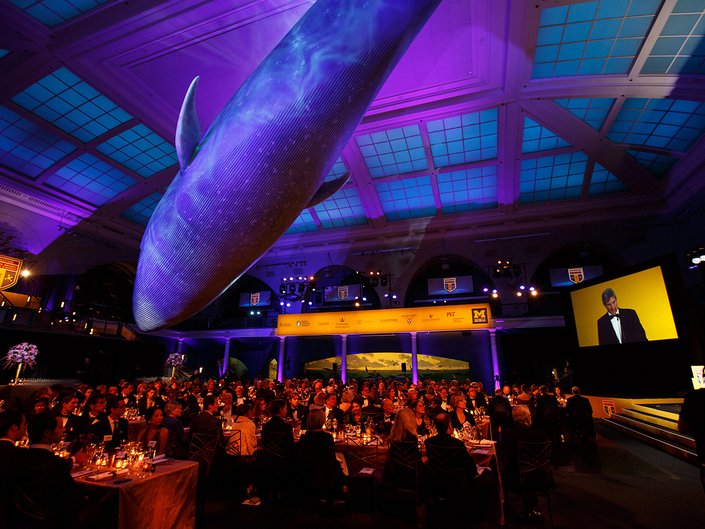
This event gathered over 200 guests, including members of academia, business, and media.  The guests, in black tie, were treated to an elegant evening at one of the most celebrated museums in the world, the American Museum of Natural History.  

The evening formally began as the brass ensemble of the renowned Juilliard School played a processional of Fanfare for the Common Man and New York City high school students with a passion for science served as flag holders for the grand entrance of the Finalists and Laureates into the museum’s famed Milstein Hall of Ocean Life.

Ellis Rubinstein, President and Chief Executive Officer of The New York Academy of Sciences  opened the evening with the introduction of the National Finalists and later spoke about the history of the Awards and the long-term partnership between the Academy and the Blavatnik Family Foundation.  Mr. Rubinstein then proceeded with the formal introduction of the master of ceremonies, Dr. Eric Lander, Founding Director of the Broad Institute and member of the Blavatnik Awards Scientific Advisory Council.

The three National Laureates: Dr. Rachel Wilson, Dr. Marin Soljačić, and Dr. Adam Cohen were introduced during the evening by Dr. Cornelia Bargmann, Dr. Robbert Dijkgraaf, and Nobel Prize Laureate, Dr. Martin Chalfie, respectively.  Each Laureate received a gold-plated custom medal from Len Blavatnik and followed with a presentation about their award-winning work.

“I am extremely happy with the success of the Blavatnik Awards for Young Scientists. We have created the support system and the selection process to recognize the best and brightest. My hope is that the awards and the Blavatnik National Laureates will make a huge impact on our society and the life of everyone in the 21st century,” said Len Blavatnik, Founder and Chairman of Access Industries and head of the Blavatnik Family Foundation.

The audience was also treated to two surprise announcements: the new Soljačić Prize for Gifted Croatian Children, established with a donation of prize money from Physical Sciences & Engineering Laureate Dr. Marin Soljačić; and a donation of prize money from Chemistry Laureate Adam Cohen to his alma mater Hunter College High School to support math and science activities.

The event was attended by Blavatnik Awards winners and finalists from previous years, members of the National Jury, and members of the Blavatnik Awards Scientific Advisory Council including Drs. Ron Breslow, Ruslan Medzhitov, and Marc Tessier-Lavigne. Other notable guests included Edgar Bronfman Jr.; Stephen Cooper, CEO of Warner Music Group; Dr. Joseph Goldstein, Nobel Prize Laureate; Ron Prosor, Israel’s Permanent Representative to the United Nations; Dr. Bruce Stillman, President and CEO of Cold Spring Harbor Laboratory; Dr. Craig Thompson, President of Memorial Sloan-Kettering Cancer Center; Dr. Jan Vilcek, Founder and President of the Vilcek Foundation, and Jeff Zucker, President of CNN.

To learn more about the Blavatnik Awards for Young Scientists, visit blavatnikawards.org.
The Inaugural Blavatnik Science Symposium

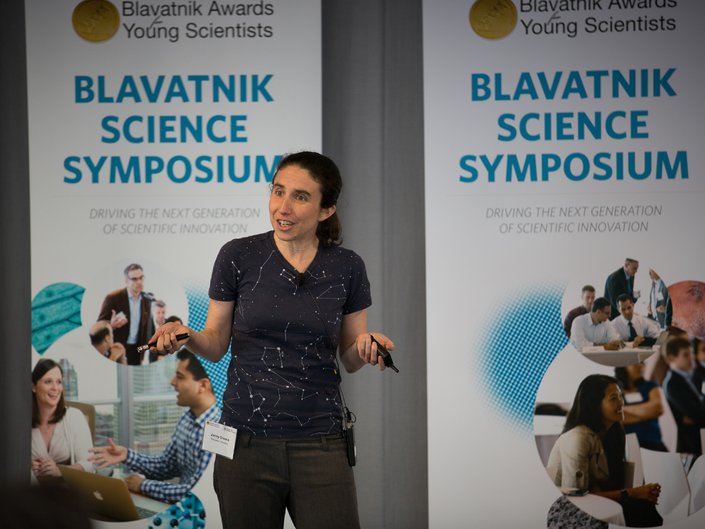
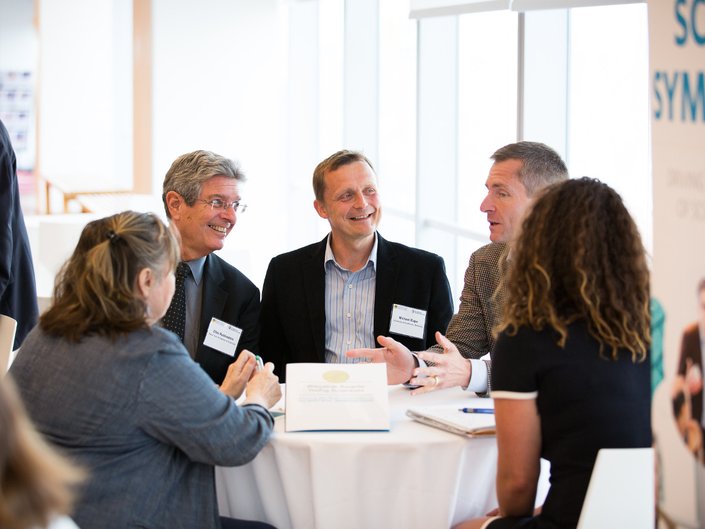
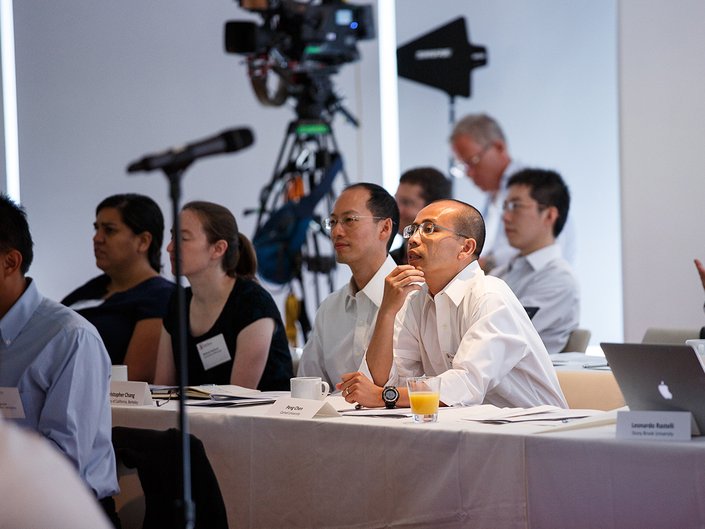
Attendees listen to a lecture during an academy event.

In the eight years since its launch, the Blavatnik Awards for Young Scientists has built an exceptional collection of past and current honorees, who together represent one of the most dynamic, innovative, cross-disciplinary networks in the world – the Blavatnik Science Scholars Community.

Published July 9, 2014

By Diana Friedman

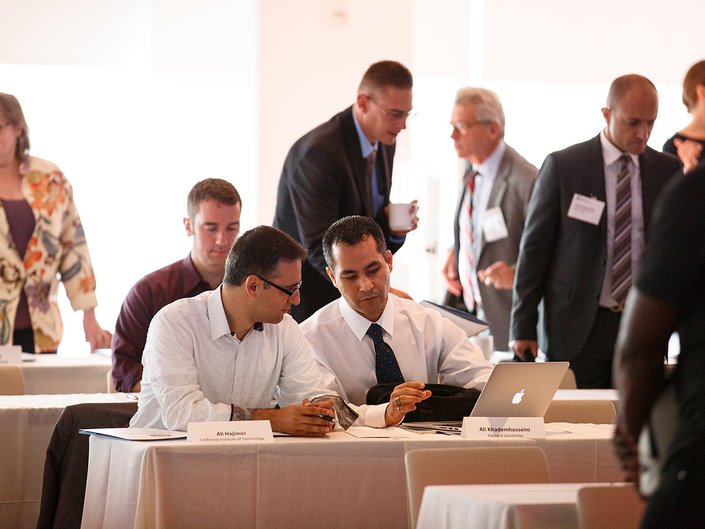
In response to Blavatnik Awards honorees interested in meeting and interacting with each other, and to showcase the high caliber of research of the Community members, the Blavatnik Family Foundation and The New York Academy of Sciences hosted the first annual Blavatnik Science Symposium to encourage networking, exchanging of ideas, and potential collaborations.

The inaugural event began with a dinner on July 8th featuring keynote speaker Dr. Marcia McNutt and was followed by a full day of presentations on July 9th.  The Symposium gathered nearly 50 members of the Blavatnik Regional Awards alumni and this year’s National Finalists. The event was attended by Len Blavatnik and other representatives of the Blavatnik Family Foundation, scientific luminaries, and representatives of the press.

Below are some of the comments from the Blavatnik Science Scholars who attended the event:

It was inspirational to learn about the breakthroughs undergoing in leading labs around the US spanning physics, chemistry biology and medicine, going from malaria to black holes, from novel technologies in energy storage and microscopes in a cell phone, to the secret codes in the cell.
—Antonio Giraldez, 2007 Blavatnik Regional Award Finalist, Professor of Genetics at Yale University.

As a young scientist, we are often too busy trying to ‘survive’ the academic life to be able to meet and discuss science with other young scientists from different fields.  In fact, such cross-fertilization of disciplines is where major discoveries are made.  The event has enabled me to discuss new collaborative projects with other attendees, which will generate new directions of research.
—Ali Khademhosseini, 2014 Blavatnik National Award Finalist, Associate Professor at the Harvard-MIT Division of Health Sciences & Technology, Harvard University.

The event was an inspiring display of scientific talent exploring some of the most important questions in the natural sciences, and a very unique opportunity to interact with peers, colleagues at the Academy, and the Blavatnik team.”
—Sarkis Mazmanian, 2014 Blavatnik National Award Finalist, Professor of Microbiology at the California Institute of Technology

Arriving at this stage of my scientific career, travel days to attend scientific conferences are a precious commodity, which are mostly spent interacting with colleagues in my own field, or even sub-field. I would never get an opportunity to spend a whole day listening to amazing talks on topics as diverse as black holes, DNA bricks and origami, materials science that is pushing limits of technology, and new frontiers of biomedicine. Being at the science symposium and interacting with colleagues I would otherwise never interact with, was like being a young science geek all over again, which is why I got into this business in the first place. I feel recharged.”
—Harmit Malik, 2014 Blavatnik National Award Finalist, Member, Basic Sciences, Fred Hutchinson Cancer Research Center.

This unique Symposium brought together an incredible constellation of top young scientists with expertise ranging from black holes to human genome. Before the meeting started, the only connection between the participants was the Blavatnik Awards. By the end of the Symposium one couldn’t help but feel to be a part of a scientific family. For me personally, it was a humbling experience to be surrounded by so much talent.”
—Ruslan Medzhitov, 2007 Blavatnik Regional Award Winner, Professor of Immunobiology at Yale University

The symposium was inspiring in terms of the depth and breadth of the presentations as well as the focus on young scientists. I was thrilled and humbled to be among such a distinguished crowd of researchers and scientists.”
—Aydogan Ozcan, 2014 Blavatnik National Award Finalist, Chancellor’s Professor in the  Electrical Engineering Department & Bioengineering Department at the University of California, Los Angeles.

I attended the Symposium to meet the Blavatnik Awards finalists and to learn about the new developments in life sciences – a field which is outside of my general research area. The reason for my interest as a physicist and mathematician in life sciences is that having progress in certain problems in this field may require combining scientific knowledge from various disciplines such as quantum mechanics, chemistry, mathematics, and biology. The symposium was most valuable because, besides the fact that all presenters were selected among most talented researchers in the field, the requirement for all was to present their results in a way that is understandable for scientists working outside of their normal domain. This goal was fully achieved.”
Alexander Pechen, 2009 Blavatnik Regional Award Winner, Academic Secretary and Leading Researcher at Steklov Mathematical Institute of Russian Academy of Sciences.

 “It was very stimulating to see so many creative and accomplished young scientists from so many different disciplines!”
—Michael Rape, 2014 Blavatnik National Award Finalist, Professor of Cell and Developmental Biology at the University of California, Berkeley.

The Blavatnik Symposium was one of the most intellectually stimulating gatherings I have attended in some time.  It was amazing fertile ground for the cross pollination of ideas. I really enjoyed it.”
—Michael Strano, 2014 Blavatnik National Award Finalist, Professor of Chemical Engineering at the Massachusetts Institute of Technology.

To learn more about the Blavatnik Awards for Young Scientists, visit blavatnikawards.org.
2013 Blavatnik Regional Awards Gala and Cocktail Reception

A large group of people pose together.

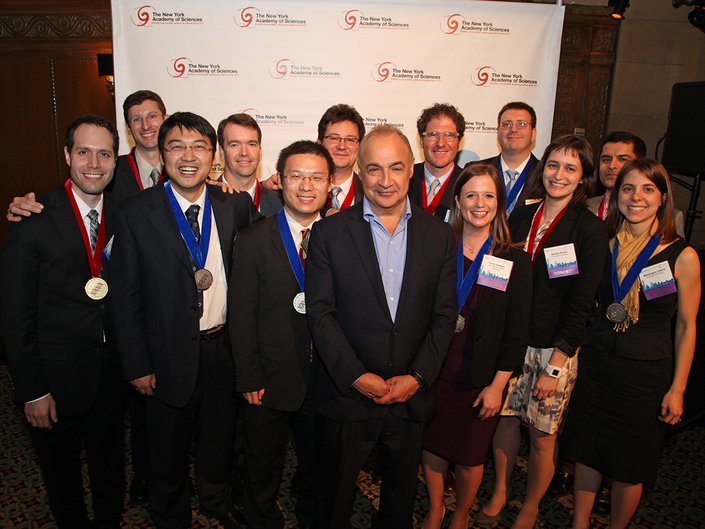
On November 18th, The New York Academy of Sciences celebrated regional institutions and individuals who have made New York the newest, most vibrant international hub for groundbreaking science and technology, and honored the seven winners and five finalists of the 2013 Blavatnik Awards for Young Scientists.

Published November 18, 2013

By Diana Friedman

The 2013 Blavatnik Awards honorees were selected for their exceptional research from a pool of over 160 nominations submitted by 43 research institutions in New York, New Jersey, and Connecticut. Winners and finalists received unrestricted cash prizes and were awarded with medals.

During the Academy’s Science & the City Gala, where the Awards ceremony was held, Richard Roberts, winner of the Nobel Prize in Physiology or Medicine (1993), Chief Scientific Officer of the New England Biolabs, and Blavatnik Awards judge announced the national expansion of the Blavatnik Awards. Dr. Roberts spoke about the importance of recognizing and supporting young scientists.

“I am a great believer in and advocate for young people. In the current funding situation at NIH they often have a difficult time getting a grant to pursue independent research until they are past their prime. This is a great tragedy and one we need to correct. I hope the Blavatnik Awards will help young scientists get funding since it is a mark of their excellence that they otherwise wouldn’t have,” says Dr. Roberts.

Check out these photos from the gala:

On Sunday evening, November 17th, the Blavatnik Family Foundation hosted a cocktail reception in honor of the winners and finalists (past and present), and judges of the Blavatnik Awards at The Metropolitan Club.

Check out these photos from the reception:

To learn more about the Blavatnik Awards for Young Scientists, visit blavatnikawards.org.
More Promising Researchers Honored with Second Annual Blavatnik Awards for Young Scientists

New award for innovation in industry also presented at NYAS Science & the City Gala, along with honors for leadership in science.

New York, NY | November 18, 2008 — Five outstanding faculty and postdoctoral fellows at four New York-area academic institutions have been named winners of the second annual New York Academy of Sciences Blavatnik Awards for Young Scientists.

The awards, each carrying an unrestricted cash prize of $15,000 for the winning postdoctoral fellows and $25,000 for the winning faculty, were presented at the Academy’s 5th annual Science & the City Gala on Nov. 17. The awards are made possible by a generousgrant from the Blavatnik Charitable Foundation.

In addition to the Blavatnik Awards, the Academy presented a new award for innovation in industry by young scientists, and honored two outstanding leaders of New York’s scientific community during this year’s Gala, which raised more than $1 million for the nation’s third-oldest scientific organization.

The Blavatnik Awards recognize the achievements of young scientists and engineers from New York, New Jersey, and Connecticut who have contributed significantly to interdisciplinary research in the life sciences, physical sciences, and engineering. This year’s faculty winners are Steven Gubser and Laura Landweber, both of Princeton University, and Thomas Muir of the Rockefeller University. The postdoctoral honorees are Andrew Houck of Yale University (now an assistant professor at Princeton) and Andrey Pisarev of SUNY Downstate Medical Center.
The five were chosen from 16 finalists who represent a broad range of scientific disciplines, nine research institutions, and hail from eight countries. Each finalist will receive a cash prize of $10,000 in the faculty and $5,000 in the postdoctoral category. Some 100 faculty and 50 postdoctoral fellows, representing 28 institutions, were nominated for the Blavatnik Awards. Finalists and winners were chosen by a distinguished panel of 52 judges representing more than 35 academic, research and other institutions.

“We are extremely pleased to be able once again to recognize the best young scientists that our area’s academic and research institutions have to offer, and to thank the Blavatnik Charitable Foundation for its generosity and foresight in supporting this important initiative,” said Academy President Ellis Rubinstein. “We often point out that the New York area has the world’s richest assembly of scientific and technical expertise, but that maintaining this leadership position depends on our being able to continue to cultivate, encourage and reward young innovators.”

“Young scientists deserve our support and encouragement to make the discoveries needed for our future development,” said Len Blavatnik, Chairman of Access Industries. “We are proud to support that effort and expect that, in the coming years, the Blavatnik Awards for Young Scientists will grow and evolve into what I would call a ‘junior Nobel Prize’ with worldwide recognition and worldwide interest from young scientists to participate. In this way, we hope to make a meaningful and lasting difference on the development of science and its positive impact on society.”

To qualify for the Blavatnik Awards, an individual must have made important contributions to an interdisciplinary field of science that significantly advanced their field of interest; have conducted this research in New York, New Jersey, and/or Connecticut at a public or private institution; have earned an MD, PhD, DDS or DVM degree; and have been born on or after January 1, 1966. More details about the Blavatnik Awards, and a list of finalists and judges, can be found at www.nyas.org/blavatnikawards.

In addition to the Blavatnik Awards, the Academy honored a Nobel Laureate and a top medical center executive for their achievements and support of New York City as a center of scientific excellence. Named as winners of the New York Academy of Sciences Science & the City Award for Outstanding Accomplishments in New York City were Sir Paul Nurse, Nobel Laureate (Physiology or Medicine, 2001) and President, The Rockefeller University; and Herbert Pardes, President and CEO, New York–Presbyterian Hospital. The keynote speaker at the Gala was Mexico City Mayor Marcelo Ebrard Casaubon.

The Academy also presented a new honor, the NYAS Innovation in Industry Awards, which celebrates the excellence of young scientists and engineers in industry, recognizing their contributions to “high impact” research, development, and innovation. In recognizing the team-oriented culture that is predominant in industrial science, the award has been structured to recognize both individual scientists and research teams.

Winners of the team award were John Mikszta and Vince Sullivan of Becton Dickinson for the development of microneedle and inhalable vaccine delivery technology for influenza and anthrax. The individual award went to Menelas Pangalos of Wyeth for the development of novel strategies for creating viable therapeutic agents for neurological disorders.