Leadership in STEM Series: Being Conflict Competent

March 14, 2024 | 1:00 PM – 2:30 PM ET

Advance your career as an effective, inclusive leader in STEM through this four-part series brought to you by The New York Academy of Sciences with special guest speakers from Pfizer senior leadership.

Conflict is inevitable in our professional lives. Learn how to become more comfortable and competent as you learn to lead through navigating conflict. In this session, participants will learn the basics of how to effectively manage and resolve conflicts in a constructive and productive manner.

Speakers

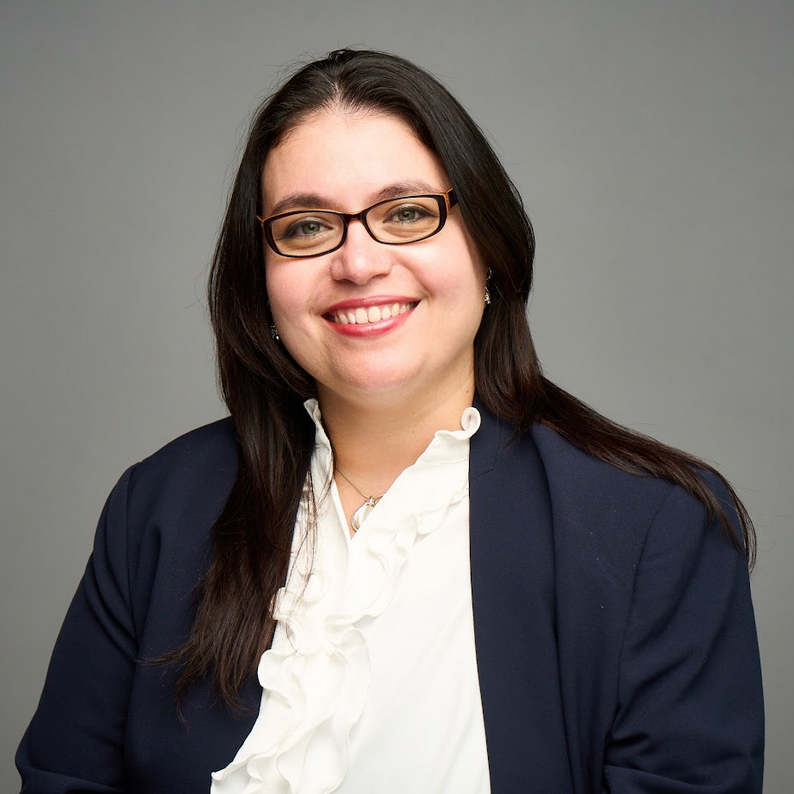
Xuemei Cai
Xuemei Cai, MD

Head of Clinical Research, Digital Sciences and Translational Imaging, Pfizer, Inc.

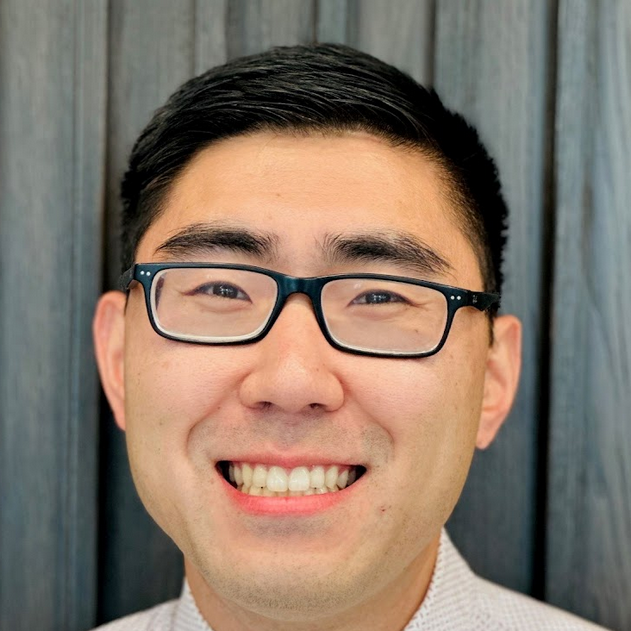
A man in a suit poses for the camera.
Graham Ferrier, PhD

Global Medical Director, Precision Medicine, Pfizer, Inc.

Sponsor

Thank you to Pfizer for its generous in-kind support of this series.

About the Series

Effective leadership is a key skill for all STEM professionals, but it is often difficult to define and practice. This series of bite-sized learning webinars are designed to build key skills as a change maker. Participants will have the opportunity to attend the webinars live or on demand. Learn more about the Leadership in STEM Series.

Leadership in STEM Series: Design Your Career and Leverage Networking

March 7, 2024 | 1:00 PM – 2:30 PM ET

Advance your career as an effective, inclusive leader in STEM through this four-part series brought to you by The New York Academy of Sciences with special guest speakers from Pfizer senior leadership.

Design thinking can be a great way to help identify career goals and craft a path forward. This path often involves leveraging networking to amplify skills and build the connections necessary to achieve personal and professional goals. Participants in this session will learn how to apply design thinking skills that are useful every day in the lab and in long term planning while also leveraging and building their network.

Speakers

Scott Kelly, PhD

Senior Director, Global Medical Epidemiology, Worldwide Medical Safety
Vaccine and Hospital Epidemiology Strategic Lead, Pfizer, Inc.

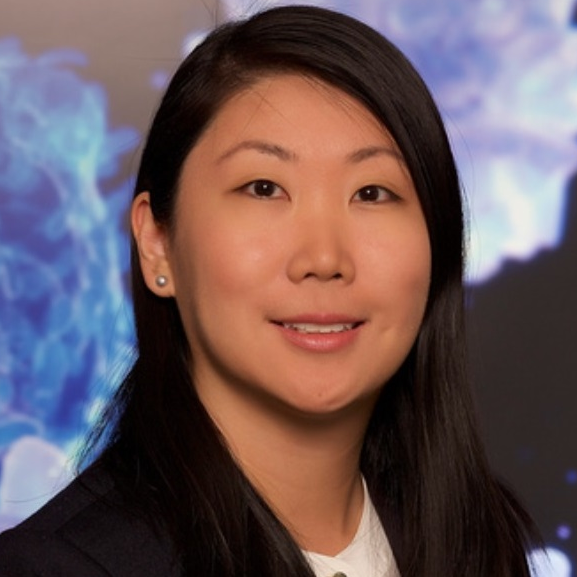
Jonathan Lee, PhD

Principal Scientist, Bioinformatics, Vaccine Research and Development, Pfizer, Inc.

Naveen Surendran, PhD

Senior Principal Scientist, Vaccine Research and Development

Sponsor

Thank you to Pfizer for its generous in-kind support of this series.

About the Series

Effective leadership is a key skill for all STEM professionals, but it is often difficult to define and practice. This series of bite-sized learning webinars are designed to build key skills as a change maker. Participants will have the opportunity to attend the webinars live or on demand. Learn more about the Leadership in STEM Series.

Science Unusual – Japan’s Earthquake Preparedness Culture: How Science Helps Minimize Disaster

Science Unusual Earthquake Prep

March 26, 2024 | 12:00 PM – 1:00 PM ET

This event is part of the International Science Reserve‘s Science Unusual webinar series.

There is hardly a nation on Earth that experiences more earthquakes than Japan. The country’s response to a 7.6 magnitude earthquake on January 1, 2024, demonstrated that advance preparation and investment across government, research institutions, industry, and local communities are key to saving lives and preventing severe damage. What are disaster researchers learning from Japan’s culture of preparedness to better reduce risk in other regions and countries?

Japan was not always known for seismic preparedness. The country learned hard lessons in the aftermath of a 1995 earthquake that struck near Kobe, resulting in the deaths of more than 6,000 people and knock-on effects leaving 300,000 people homeless. In the years since, a shift towards preparation has played a key role in mitigating major disasters.

By attending this live panel discussion, you will:

  • Learn about the role of science and engineering in the Japanese earthquake preparedness and response model;
  • Hear about scientific contributions to preparation efforts in Japan and around the globe;
  • Gain insights into different approaches – what has been effective and what has not;
  • Learn how scientists and policymakers can work together to mitigate future disasters.

Leadership in STEM Series

Overview

Advance your career as an effective, inclusive leader in STEM through this four-part series, brought to you by The New York Academy of Sciences with special guest speakers from Pfizer senior leadership.

Effective leadership is a key skill for all STEM professionals, but it is often difficult to define and practice. It requires developing and honing a range of personalized skills beyond the technical knowledge acquired from pursuing a degree or working in a lab or school. Aligning these skills with an individual’s values and strengths empowers them to be a positive change agent in the world, uplifting people within and outside a single organization.

This series of bite-sized learning webinars are designed to build key skills as a change maker. Participants will have the opportunity to attend the webinars live or on demand.

This series is presented with support from

Events

There are currently no scheduled events in this category. Visit the events calendar for all upcoming listings.

Science Unusual: R&D for Global Crisis Response

This International Science Reserve online event was hosted by The New York Academy of Sciences. It was of particular interest to those interested in risk management, as well as crisis and disaster preparedness and response—including the 1000+ members of the ISR science community.

Big Data’s Influence on Future of Healthcare

A panel of experts having a discussing during an event hosted by the New York Academy of Sciences.

A panel of experts from across sectors discuss possible applications and open questions.

Published November 20, 2018

By Marie Gentile, Mandy Carr, and Richard Birchard

From your smartphone to personal computers. From at-home genetic tests to insurance databases. There is a tremendous amount of data out there that relates to our health. Not all of it is being used yet by those who help manage our healthcare, but it’s only a matter of time before that changes. What influences will this and other data have on our health and the healthcare system at large?

In this video, you’ll hear from Jacqueline Corrigan-Curay, JD, MD (U.S. Food and Drug Administration), Brett Davis (Deloitte), Vivian Lee, MD, PhD, MBA (Verily), and Patrick Ryan, PhD (Janssen & Columbia University), with moderation from Mark Sheehan, PhD (The Ethox Centre, University of Oxford).

They spoke in the first panel at “Healthcare in the Era of Big Data: Opportunities and Challenges,” a collaboration with New York University. This 2-day symposium explored the ethical risks and rewards of incorporating big data into the healthcare landscape.

View other talks and panels from the symposium on our Livestream channel.

Pediatric Cancer in a Post-genomic World

This new conference will showcase advances in biomedicine and how they are translating to better treatment options, as well as new avenues for research.

Published March 23, 2016

By Diana Friedman

The New York Academy of Sciences and The Sohn Conference Foundation today announced the inaugural Sohn Conference: Pediatric Cancer in a Post-genomic World, taking place March 30 to April 1, 2016 in New York City. Sponsored by The Sohn Conference Foundation, this conference is the first of its kind to convene leaders in the global pediatric cancer community to share latest developments in research and treatment.

“The Sohn Conference Foundation has brought together elite thought leaders in the global investing community for more than 20 years, and with the launch of this conference in partnership with The New York Academy of Sciences, we strive to do the same in the pediatric cancer space. By breaking down the silos of science and encouraging the industry to collaborate on advancements in research, we can bring life-saving treatments to children battling cancer across the globe,” says Evan Sohn, Vice President, The Sohn Conference Foundation.

The Leading Cause of Death

In the United States, cancer is the leading cause of death by disease for children and globally, more than 250,000 children are diagnosed with cancer each year. Advances in cancer research and treatment have helped more children survive into adulthood, but have also underscored the need for more precise therapeutic options for this vulnerable population. Further, because the genetic profiles of children are less complex than adults, pediatric cancer research is critical not only to children, but to efforts that will unlock the cure for other cancers.

This 2 1/2-day conference will convene leading researchers, clinicians, pediatric cancer advocates, and industry and governmental stakeholders from around the world. The highly-regarded speaker lineup includes scientists who are on the forefront of pediatric cancer research, who will discuss the latest biomedical advancements that will have a tangible impact on children fighting cancer.

“It’s tremendously exciting to be part of this important meeting. The speaker list is a real ‘Who’s Who’ of the leaders in paediatric cancer genomics. The timing for this meeting that will bring the world’s thought leaders together to discuss and debate how best to bring the amazing advances we have made in the lab to the bedside of children with cancer is perfect,” says Richard Gilbertson, MD, PhD, Director, Cambridge Cancer Center, The University of Cambridge. “I am looking forward to the science that will be presented and discussed as well as the ripples of progress that will spread out long after the last talk is over.”

Bridging Genomics and Immunotherapy

Gilbertson will kick off the conference with a keynote speech on “The Successes and Future Direction of Pediatric Cancer Research and Therapy.” Craig B. Thompson, MD, President and CEO, Memorial Sloan Kettering Cancer Center, will present a second keynote speech on “The Role of Epigenetic and Metabolic Mutations in Stem Cell Maintenance and Pediatric Cancers.”

The conference agenda includes sessions on emerging cutting-edge basic and clinical research in epigenetics, mechanisms of metastasis and disease recurrence, disease risk factors, and diagnostics in pediatric oncology, as well as novel therapies and strategies to improve clinical development and treatment access.

“Bridging the fields of genomics and immunotherapy together is our greatest hope,” says conference speaker and member of the scientific organizing committee John Maris, MD, Pediatric Oncologist, The Children’s Hospital of Philadelphia and University of Pennsylvania, of his work on neuroblastoma, the most common extracranial solid tumor in childhood. “We will be increasingly individualizing therapy based on the unique features of the patients and their heritable genome and the evolving cancer genome/proteome. The road to translating research findings into novel therapies is long, but we’re working on it.”

Also read: The Latest Advances in Pediatric Cancer Research