Exploring the Ethics of Human Settlement in Space

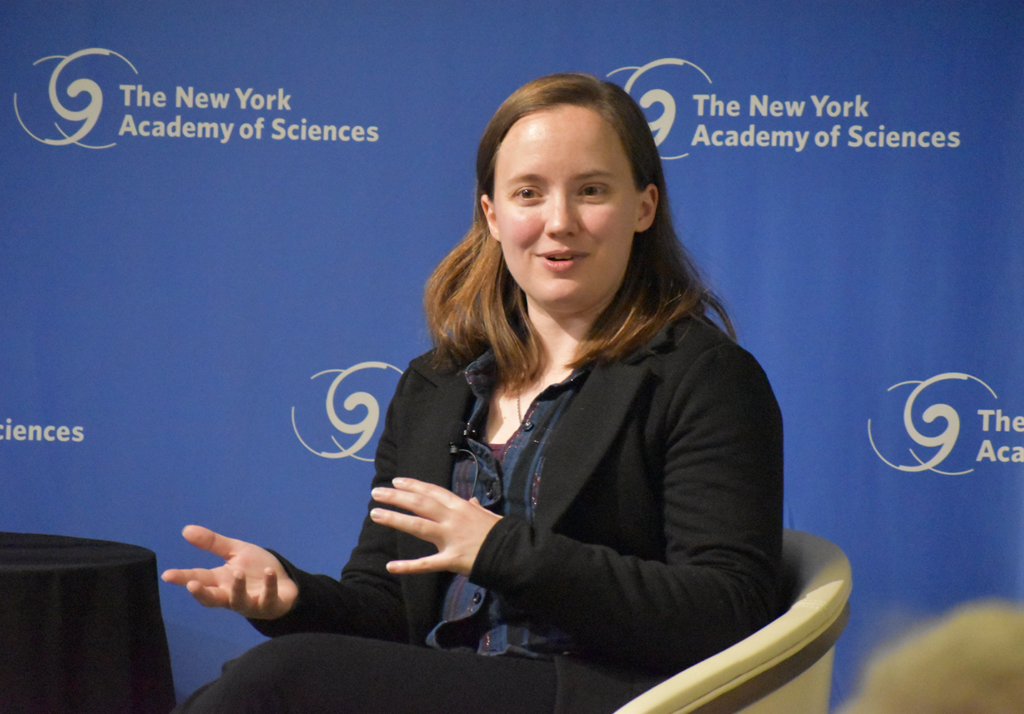
An author presents during an Academy event.

While there are many scientific and engineering considerations that need to be applied to the human settlement of outer space, author Erika Nesvold argues in her new book that we mustn’t forget about the ethical and social justice dimensions.

Published April 15, 2024

By Nick Fetty

Photo by Nick Fetty/The New York Academy of Sciences

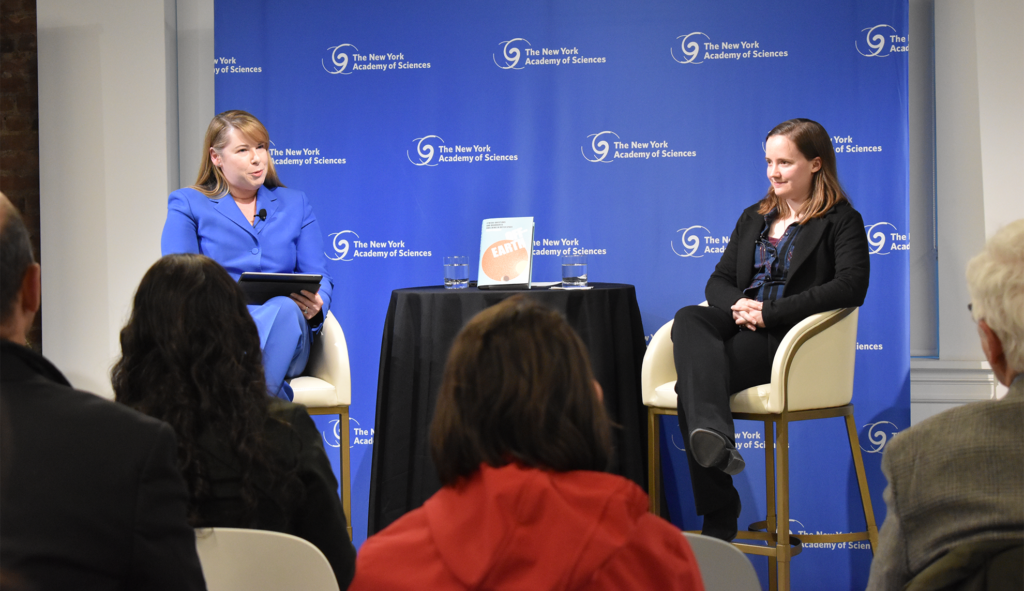
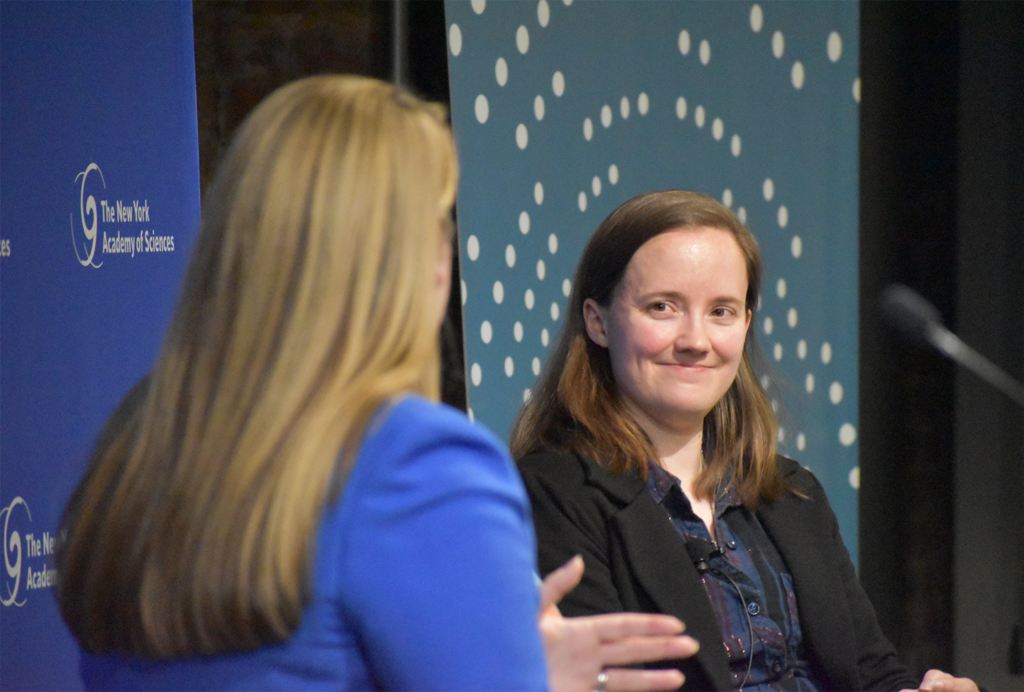
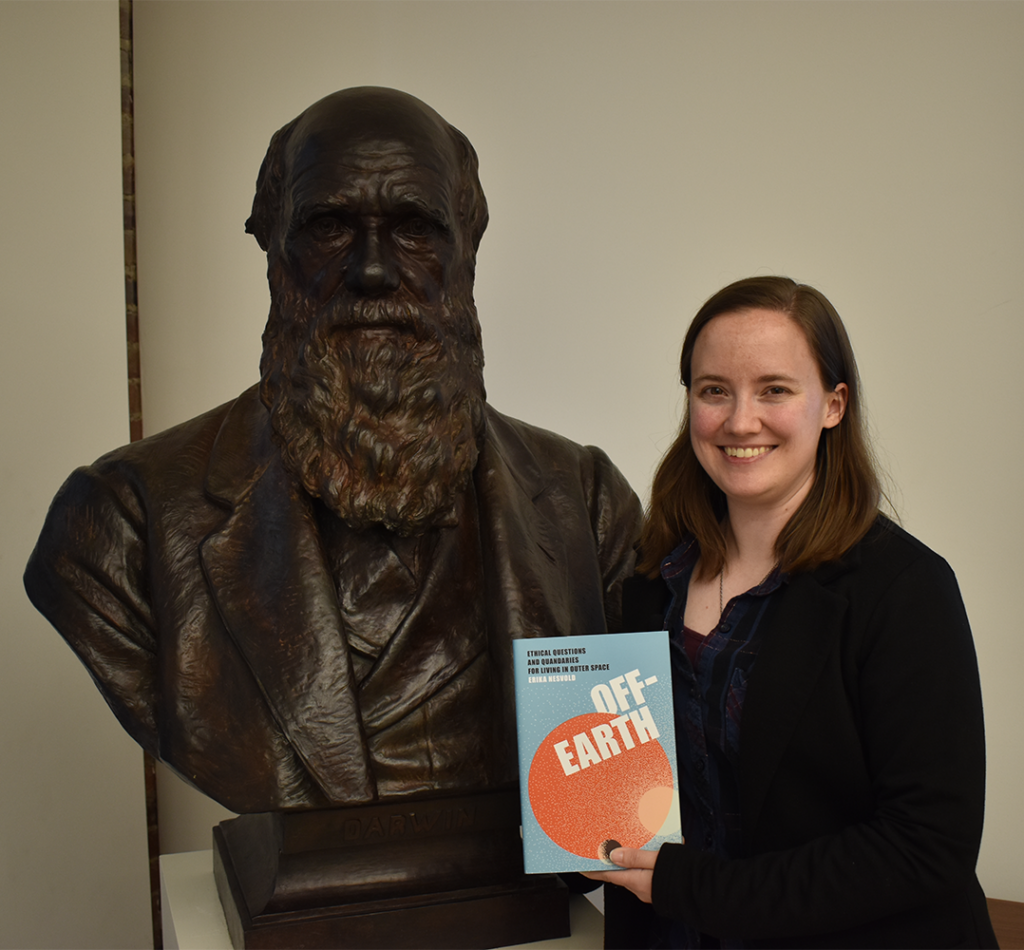
Astrophysicist Erika Nesvold discussed her recently published book, Off-Earth: Ethical Questions and Quandaries for Living in Outer Space, during the second installment of the Authors at the Academy Series, moderated by Chief Scientific Officer Brooke Grindlinger, PhD, at The New York Academy of Sciences on April 5, 2024.

Finding Her Inspiration

Nesvold, who holds a PhD in physics from the University of Maryland Baltimore County and is cofounder of the JustSpace Alliance, began the event by discussing what motivated her to write a book focused on space ethics. While working at the Carnegie Institute of Science in Washington D.C. she traveled to Silicon Valley to do a six-week research program for NASA, focused on planetary defense, or as she put it “defending the earth from asteroids.” Through this, she met representatives from several prominent organizations in the emerging private sector space industry.

Photo by Nick Fetty/The New York Academy of Sciences

“I was excited because I’ve always been very interested in human space travel and the idea of humans living in space, and a lot of these companies said their goal was to get humans living in space,” said Nesvold. “But then when I talked to these entrepreneurs, I actually found I was kind of disappointed. I asked them questions about things that I thought were going to be a big deal [but they didn’t really have answers].”

Nesvold said she was concerned with issues like how explorers will make sure their mining equipment doesn’t contaminate the landscape and how labor rights will be regulated. She said the answer she often got was “We’ll worry about that later” and she felt this was not the proper approach.

As an astrophysicist she knew she didn’t have the background to answer these questions herself so she decided to launch a podcast to explore some of her ethical ponderings. The podcast was “moderately successful,” and with a new network of experts ranging from labor rights activists to historians to space lawyers, Nesvold turned her podcast miniseries into a book.

“I intentionally put questions in the title because it’s really more questions than answers, but we have to start somewhere,” said Nesvold.

Who Gets to Go?

Another element Nesvold addresses in her book is determining who gets to be part of the crews that go into space. Much like in broader society, Nesvold said diversity of experiences and backgrounds will be an important consideration when determining who goes.

She pointed out that the current criteria NASA uses for determining who goes into space is “extremely strict” and joked that she’s applied three times now and “never gets past the first stage.” The number of people who want to go into space exceeds the supply of vehicles that will get them there, and this was demonstrated when the majority of the event’s attendees raised their hands when asked if they’d be interested in traveling to space.

“There’s more people in this room [right now] who want to go to space than what they hired in the last round of astronaut hires,” she said with a smile.

Once the settlement of space becomes more feasible, Nesvold said many factors will need to be considered to determine who gets to be part of that initial cohort. Making certain this cohort has the proper expertise from engineers and doctors to plumbers and technicians will be essential, she said.

Photo by Nick Fetty/The New York Academy of Sciences

Additionally, Nesvold argues that the first cohort should properly reflect humanity. This would likely include individuals from all over the world. Gender balance will be important and perhaps even certain genetic issues will need to be considered if this cohort will be producing the next generation, but Nesvold cautions they don’t want to wade into eugenics. She said these early space settlers will need to find the middle ground between the utilitarian (“…if the settlement collapses, then none of this matters…”) and societal values like equity and accessibility.

Who Owns Space?

The Outer Space Treaty of 1967 was established during the height of the Cold War and Nesvold called it “miraculous” that both the United States and the Soviet Union signed it, considering the political hostilities between the two countries. The treaty itself aimed to establish guidelines that forbade nations from acts like appropriating territory or detonating a nuclear weapon in space. The intent was to avoid the wars and other conflicts seen during previous eras of human migration and settlement.

“I think that was good foresight,” said Nesvold. “What they didn’t think too far ahead about was what private companies would want to do.”

With the rise of the private sector space industry, this issue has been brought back to the forefront. Nesvold said that based on many current interpretations of the treaty, issues such as individual or even company appropriation of territory would still be forbidden. She said this can be problematic in capitalistic economies where private property rights are key to driving growth and innovation.

Various countries, including the US, have passed national laws that state while companies cannot own land in space, they can own resources they extract in processes such as space mining. She compared this to international fishing regulations that forbid individuals or companies from claiming territory in international waters, but they do own the fish they catch in those waters.

The Birds and the Bees

Eventually the settlement of outer space will require humans reproducing to maintain the population. However, given reduced gravity and other elements of the environment, scientists need to think about both the technical and the ethical dimensions of reproduction.

Photo by Nick Fetty/The New York Academy of Sciences

“Part of the reason this is still a big open question is because we don’t even know how to figure that out scientifically in an ethical way because almost every medical researcher and bioethicist you talk to will say it’s not a good idea to do medical experiments with pregnant people and fetuses,” Nesvold said.

Once the reproduction question is figured out, Nesvold said they’ll need to study if these children will be physically able to handle gravity if they return to earth. Additionally, given the scarce resources during the early missions, overpopulation can become an issue if not regulated. She pointed out that this will then lead to additional ethical issues around government overreach, bodily autonomy and eugenics.

Conversely, underpopulation can also become problematic if illness or another accident takes out part of the settlement. Reproduction could become necessary to sustain the population, which becomes ethically concerning if people are forced to procreate.

“This comes down to questions about an individual’s right to say what happens to their own body versus the society’s demands on them, which are all questions we face on earth as well,” Nesvold said.

For on-demand video access to the full event, click here.

Check out the other events from our 2024 Authors at the Academy Series

Full video of these events is available, please visit nyas.org/ondemand

Yann LeCun Emphasizes the Promise of AI

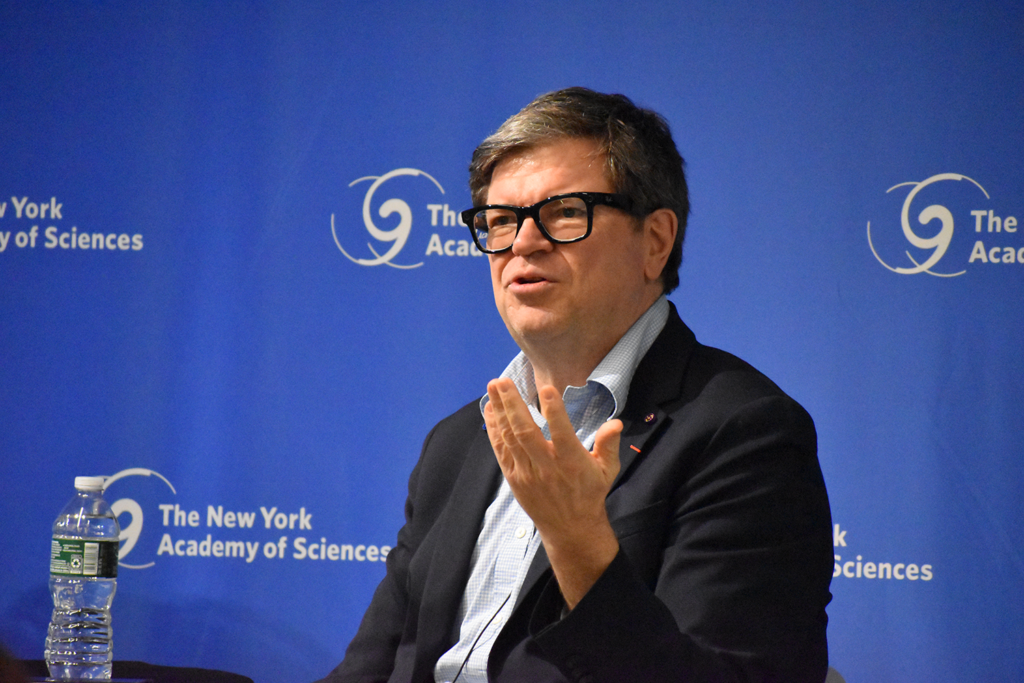
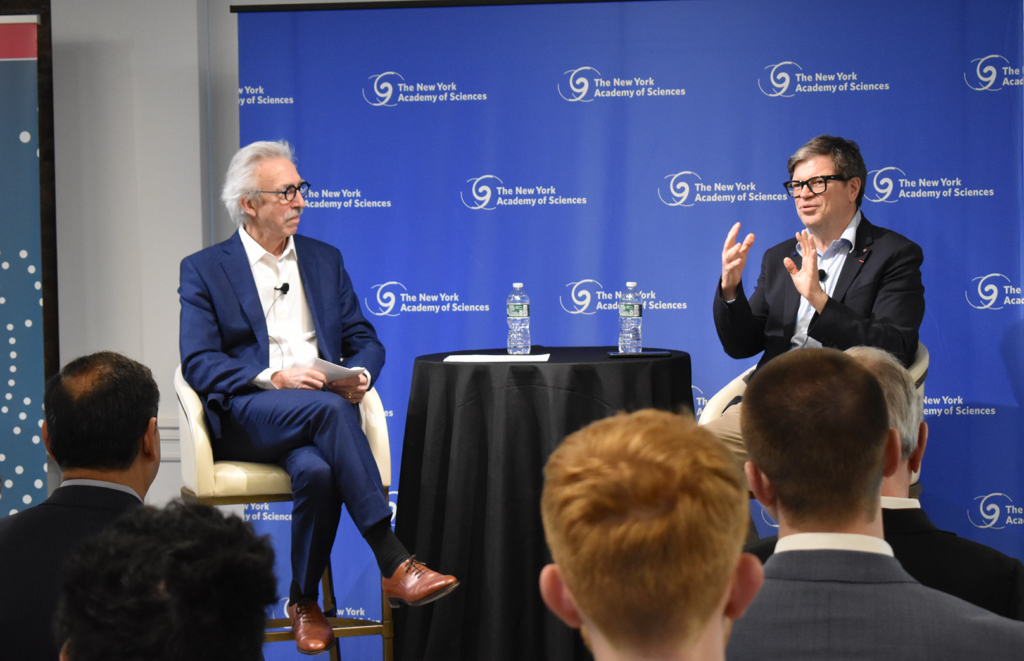
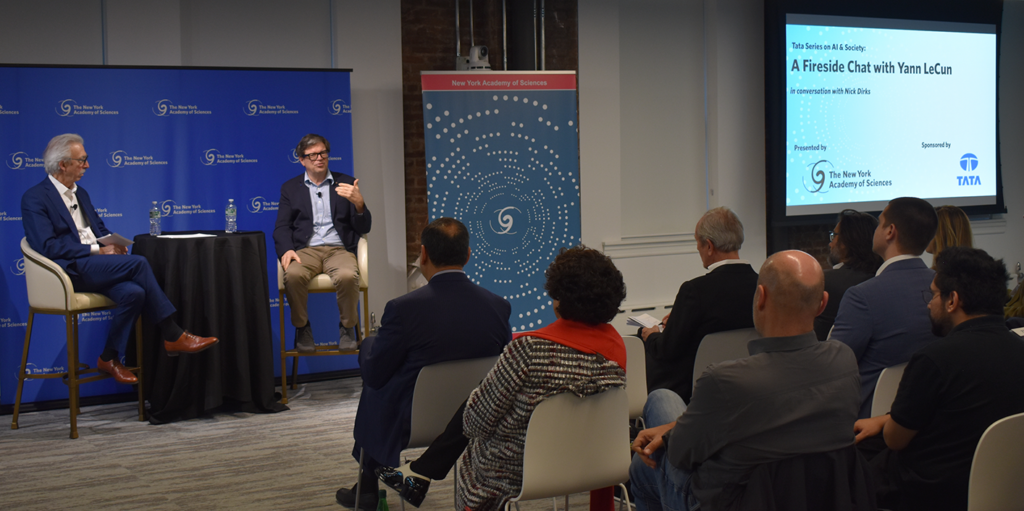
A man presents to a full house during an Academy event.

The renowned Chief AI Scientist of Meta, Yann LeCun, discussed everything from his foundational research in neural networks to his optimistic outlook on the future of AI technology at a sold-out Tata Knowledge Series on AI & Society event with the Academy’s President & CEO Nick Dirks while highlighting the importance of the open-source model.

Published April 8, 2024

By Nick Fetty

Photo by Nick Fetty/The New York Academy of Sciences

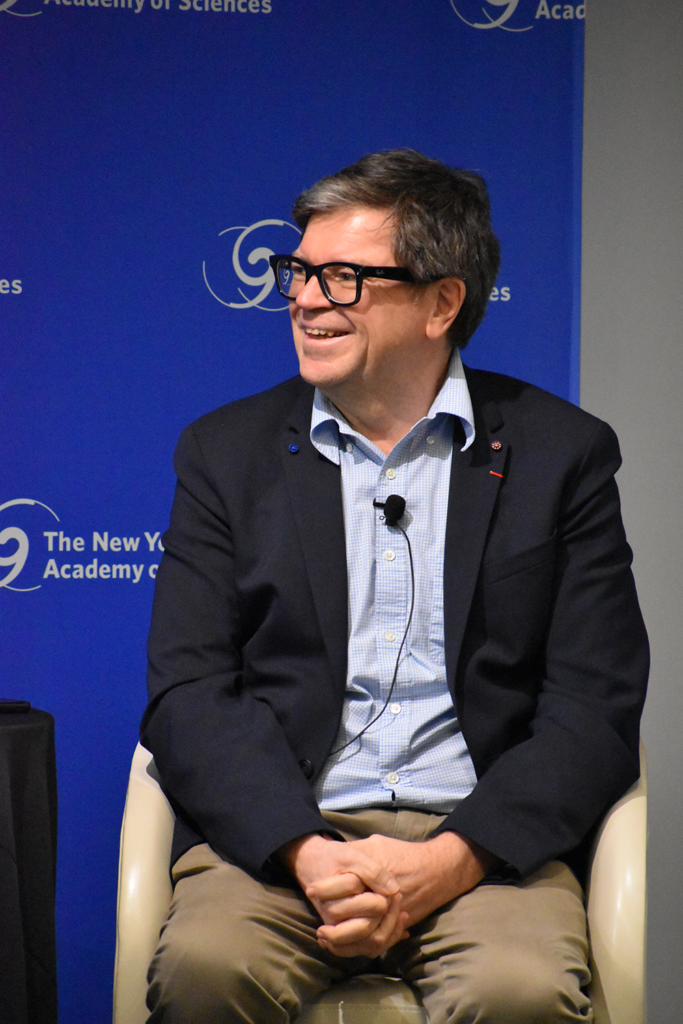
Yann LeCun, a Turing Award winning computer scientist, had a wide-ranging discussion about artificial intelligence (AI) with Nicholas Dirks, President and CEO of The New York Academy of Sciences, as part of the first installment of the Tata Series on AI & Society on March 14, 2024.

LeCun is the Vice President and Chief AI Scientist at Meta, as well as the Silver Professor for the Courant Institute of Mathematical Sciences at New York University. A leading researcher in machine learning, computer vision, mobile robotics, and computational neuroscience, LeCun has long been associated with the Academy, serving as a featured speaker during past machine learning conferences and also as a juror for the Blavatnik Awards for Young Scientists.

Advancing Neural Network Research

Photo by Nick Fetty/The New York Academy of Sciences

As a postdoc at the University of Toronto, LeCun worked alongside Geoffrey Hinton, who’s been dubbed the “godfather of AI,” conducting early research in neural networks. Some of this early work would later be applied to the field of generative AI. At this time, many of the field’s foremost experts cautioned against pursuing such endeavors. He shared with the audience what drove him to pursue this work, despite the reservations some had.

“Everything that lives can adapt but everything that has a brain can learn,” said LeCun. “The idea was that learning was going to be critical to make machines more intelligent, which I think was completely obvious, but I noticed that nobody was really working on this at the time.”

LeCun joked that because of the field’s relative infancy, he struggled at first to find a doctoral advisor, but he eventually pursued a PhD in computer science at the Université Pierre et Marie Curie where he studied under Maurice Milgram. He recalled some of the limitations, such as the lack of large-scale training data and limited processing power in computers, during those early years in the late 1980s and 1990s. By the early 2000s, he and his colleagues began developing a research community to revive and advance work in neural networks and machine learning.

Work in the field really started taking off in the late 2000s, LeCun said. Advances in speech and image recognition software were just a couple of the instances LeCun cited that used neural networks in deep learning applications.  LeCun said he had no doubt about the potential of neural networks once the data sets and computing power was sufficient.

Limitations of Large Language Models

Large language models (LLMs), such as ChatGPT or autocomplete, use machine learning to “predict and generate plausible language.”  While some have expressed concerns about machines surpassing human intelligence, LeCun admits that he takes an unpopular opinion in thinking that he doesn’t think LLMs are as intelligent as they may seem.

LLMs are developed using a finite number of words, or more specifically tokens which are roughly three-quarters of a word on average, according to LeCun. He said that many LLMs are developed using as many as 10 trillion tokens.

While much consideration goes into deciding what tunable parameters will be used to develop these systems, LeCun points out that “they’re not trained for any particular task, they’re basically trained to fill in the blanks.” He said that more than just language needs to be considered to develop an intelligent system.

Photo by Nick Fetty/The New York Academy of Sciences

“That’s pretty much why those LLMs are subject to hallucinations, which really you should call confabulations. They can’t really reason. They can’t really plan. They basically just produce one word after the other, without really thinking in advance about what they’re going to say,” LeCun said, adding that “we have a lot of work to do to get machines to the level of human intelligence, we’re nowhere near that.”

A More Efficient AI

LeCun argued that to have a smarter AI, these technologies should be informed by sensory input (observations and interactions) instead of language inputs. He pointed to orangutans, which are highly intelligent creatures that survive without using language.

Part of LeCun’s argument for why sensory inputs would lead to better AI systems is because the brain processes these inputs much faster. While reading text or digesting language, the human brain processes information at about 12 bytes per second, compared to sensory inputs from observations and interactions, which the brain processes at about 20 megabytes per second.

“To build truly intelligent systems, they’d need to understand the physical world, be able to reason, plan, remember and retrieve. The architecture of future systems that will be capable of doing this will be very different from current large language models,” he said.

AI and Social Media

As part of his work with Meta, LeCun uses and develops AI tools to detect content that violates the terms of services on social media platforms like Facebook and Instagram, though he is not directly involved with the moderation of content itself. Roughly 88 percent of content removed is initially flagged by AI, which helps his team in taking down roughly 10 million items every three months. Despite these efforts, misinformation, disinformation, deep fakes, and other manipulated content continue to be problematic, though the means for detecting this content automatically has vastly improved.

Photo by Nick Fetty/The New York Academy of Sciences

LeCun referenced statistics stating that in late 2017, roughly 20 to 25 percent of hate speech content was flagged by AI tools. This number climbed to 96 percent just five years later. LeCun said this difference can be attributed to two things: first the emergence of self-supervised, language-based AI systems (which predated the existence of ChatGPT); and second, is the “transformer architecture” present in LLMs and other systems. He added that these systems can not only detect hate speech, but also violent speech, terrorist propaganda, bullying, fake news and deep fakes.

“The best countermeasure against these [concerns] is AI. AI is not really the problem here, it’s actually the solution,” said LeCun.

He said this will require a combination of better technological systems, “The AI of the good guys have to stay ahead of the AI of the bad guys,” as well as non-technological, societal input to easily detect content produced or adapted by AI. He added that an ideal standard would involve a watermark-like tool that verifies legitimate content, as opposed to a technology tasked with flagging inauthentic material.

Open Sourcing AI

LeCun pointed to a study by researchers at New York University which found that audiences over the age of 65 are most likely to be tricked by false or manipulated content. Younger audiences, particularly those who grew up with the internet, are less likely to be fooled, according to the research.

One element that separates Meta from its contemporaries is the former’s ability to control the AI algorithms that oversee much of its platforms’ content. Part of this is attributed to LeCun’s insistence on open sourcing their AI code, which is a sentiment shared by the company and part of the reason he ended up at Meta.

“I told [Meta executives] that if we create a research lab we’ll have to publish everything we do, and open source our code, because we don’t have a monopoly on good ideas,” said LeCun. “The best way I know, which I learned from working at Bell Labs and in academia, of making progress as quickly as possible is to get as many people as possible contributing to a particular problem.”

LeCun added that part of the reason AI has made the advances it has in recent years is because many in the industry have embraced the importance of open publication, open sourcing and collaboration.

“It’s an ecosystem and we build on each other’s ideas,” LeCun said.

Avoiding AI Monopolies

Photo by Nick Fetty/The New York Academy of Sciences

Another advantage is that open sourcing lessens the likelihood of a single company developing a monopoly over a particular technology. LeCun said a single company simply does not have the ability to finetune an AI system that will adequately serve the entire population of the world.

Many of the early systems have been developed using English, where data is abundant, but, for example, different inputs will need to be considered in a country such as India, where 22 different official languages are spoken. These inputs can be utilized in a way that a contributor doesn’t need to be literate – simply having the ability to speak a language would be enough to create a baseline for AI systems that serve diverse audiences. He said that freedom and diversity in AI is important in the same way that freedom and diversity is vital to having an independent press.

“The risk of slowing AI is much greater than the risk of disseminating it,” LeCun said.

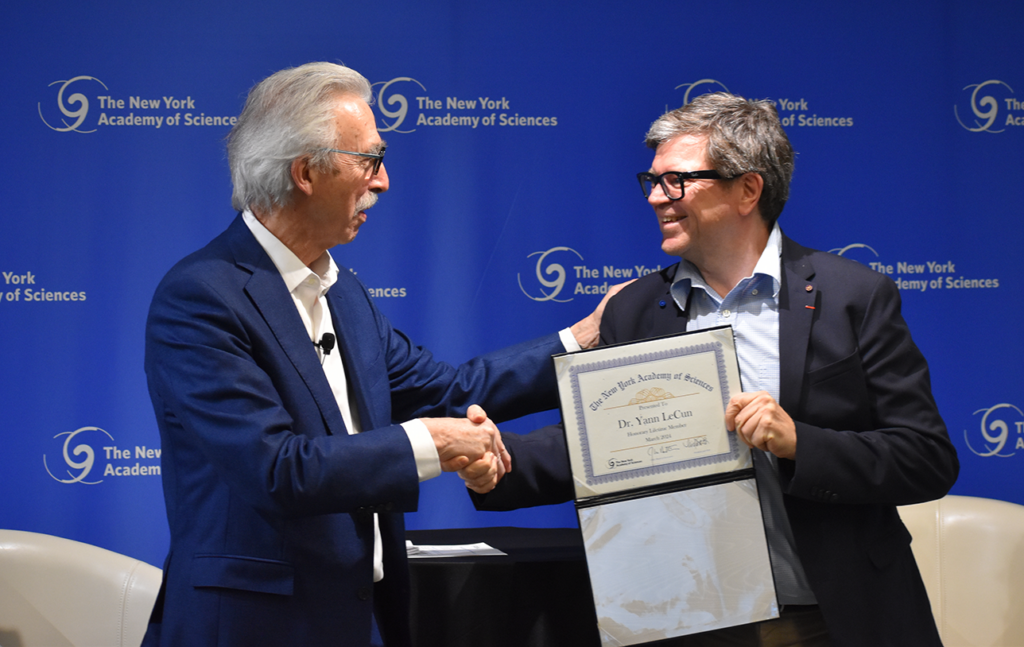
Following a brief question and answer session, LeCun was presented with an Honorary Life Membership by the Academy’s President and CEO, Nick Dirks.

“This means that you’ll be coming back often to speak with us and we can all get our questions answered,” Dirks said with a smile to wrap up the event. “Thank you so much.”

Also from the Tata Knowledge Series on AI & Society: The Complex Ecosystem of Artificial Intelligence with Madhumita Murgia.

Distinguished Lecture: Cultural Anthropology

April 8, 2024 | 6:00 PM – 8:30 PM ET

The U.S.-Mexico Border as Political Theater

Contemporary political rhetoric on immigration frequently uses metaphors of war: “crisis,” “invasions,” “enemies,” “under siege,” and “surveillance.” As metaphors, they may draw our attention to “something happening” in our world, but they can also be misleading, altering our perceptions and distorting our understanding of events. Metaphors of war can thus lead to questionable actions, such as those currently taking place at the U.S.-Mexico border.

In this talk I walk back contemporary political discourse to provide some historical context for the border as a source of political theater, which has consistently used photo ops and media spectacles to create a sense of “crisis.” For over fifty years now, according to political rhetoric, we have been in a near constant state of immigrant “invasions” and border “crisis.” The southern border is where the “battle” takes place in a “war on illegal immigration.” Over the last few decades, the U.S.-Mexico border has been likened to a “war zone,” with increasing levels of militarization and with, at various times, the National Guard and military personnel conducting surveillance, as well as David Duke’s “Klan Border Watch” in 1977 to the Minutemen and other militias “guarding” the border since the 1990s. More recently, the border has served as the backdrop for media spectacles, photo ops, and the politics of a border/immigration in “crisis” for many politicians, including Texas Governor Greg Abbott, Florida Governor Ron DeSantis, Vice President Kamala Harris, and President Biden.

As spectacles of surveillance, photo ops, walls made of shipping containers, giant buoys, barbed wire, and buses loaded with migrants, are public performances to sway public opinion on a “crisis” that has been part of public discourse for decades. Long after any particular politician’s political life waxes and wanes, these images will remain an indelible part of our nation’s history. Migrants were the subjects in these spectacles. They were used to generate media attention in a political struggle over immigration policy, while at the same time masking the humanitarian crisis at the border. If there is an “immigration crisis,” is not decades of Congressional inaction on immigration reform and political infighting partly to blame? Lacking from border spectacles are agreements about solutions, such as finding ways for millions of undocumented immigrants to regularize their status, preparing for the demographic realities that create a demand for immigrant labor, and providing a rational and humane asylum process. Rather, the theatrics of a border in “crisis” and immigrant “invasions” maintain the status quo, which is very productive and useful for some politicians.


Please join Academy President, Nicholas Dirks, together with invited speakers and board members of the Anthropology Section of The New York Academy of Sciences, for a discussion about the interfaces between anthropology, science, and society.  Historically at the heart of The Academy, prominent anthropologists from Franz Boas to Ruth Benedict and Margaret Mead, established both the core of American anthropology as a discipline and were early and pivotal leaders in The New York Academy of Sciences. Today, the Anthropology Section continues this tradition of engaged public scholarship, hosting an annual Distinguished Lecture Series as well as workshops and other events to bring New York and tri-state area anthropologists into regular, sustained conversations about social and cultural research and contemporary issues. We welcome your participation in this conversation, and your engagement with the Anthropology Section.  All voices are welcome!

Speakers

Speaker

Discussant

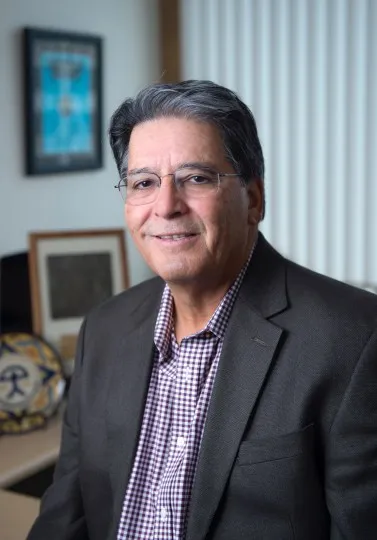
Professor Leo R. Chavez

Author, Covering Immigration: Popular Images and the Politics of the Nation & Shadowed Lives: Undocumented Immigrants in American Society 

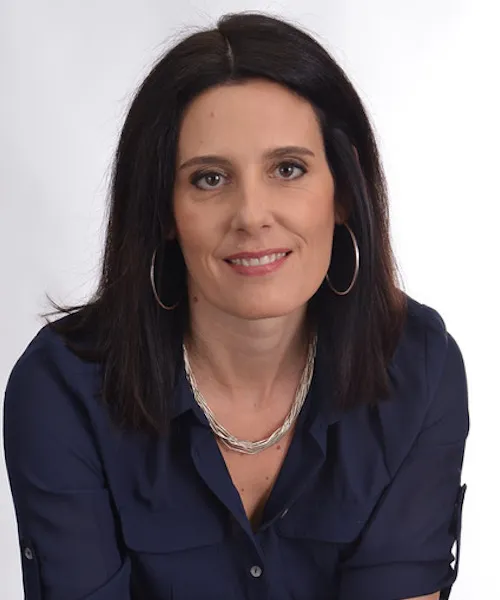
Professor Alyshia Gálvez

CUNY’s Lehman College (Department of Latino and Puerto Rican Studies Department) and the Graduate Center (Department of Anthropology)

About the Series

Since 1877, the Anthropology Section of The New York Academy of Sciences has served as a meeting place for scholars in the Greater New York area. The section strives to be a progressive voice within the anthropological community and to contribute innovative perspectives on the human condition nationally and internationally. Learn more and view other events in the Anthropology Section series.

Discussion Groups

Discussion Groups present half- and one-day symposia throughout the year in a given area, seeking to reflect the dynamism of scientific fields of relevance to our global community. Steering Committees composed of multi-institutional scientists from the Academy’s network shape each Discussion Group’s portfolio of events and publications, providing thought leadership on key issues of interest. Our Discussion Groups focus on the following scientific disciplines:

Biochemical Pharmacology Discussion Group

Understanding drug action at the frontiers of modern drug design

The Biochemical Pharmacology Discussion Group advances our fundamental knowledge of the activity and metabolism of both small molecules and biologics at the biochemical and molecular levels. Research spans chemotherapy, neuropharmacology, antimicrobials, inflammation, and immunopharmacology, as well as gastrointestinal, cardiovascular, and endocrine pharmacology and toxicology. The group also serves as the Biochemical Topical Group for the American Chemical Society‘s New York Chapter.

Biochemical Pharmacology Steering Committee Members

Lynn M. Abell, PhD, LMAbell Consulting, LLC

Magdalena Alonso-Galicia, PhD, Roivant Sciences

Joshua Apgar, PhD, Applied BioMath

Mercedes Beyna, MS, Biogen

Scott Brodeur, PhD, Janssen Research and Development

Megan Dow, PhD, Belenos Biosciences Inc.

Steven Gross, PhD (in memoriam), Weill Cornell Medical College

John Hambor, PhD, Boehringer Ingelheim

Julia Heinrich, PhD, Bristol-Myers Squibb

Andres Hurtado-Lorenzo, PhD, Crohn’s & Colitis Foundation

Katalin Kauser, MD, PhD, DSc, Alucent

Nava Krishnan, PhD, Pfizer

Scott MacDonnell, PhD, Regeneron Pharmaceuticals, Inc.

Marco Prunotto, PhD, Galapagos

George Zavoico, PhD, Northwest Biotherapeutics

Brain and Behavior Discussion Group

Unlocking the secrets of the human brain

The Brain and Behavior Discussion Group advances fundamental knowledge about the brain and nervous system, providing the foundation for novel ways to reduce the burden of neurological disease.

Brain and Behavior Steering Committee Members

Howard Fillit, MD, Alzheimer’s Drug Discovery Foundation

Kevin Lee, PhD, The Lawrence Ellison Foundation; Grace Science Foundation

John Spiro, PhD, Simons Foundation

Gregory Petsko, D.Phil, Weill Cornell Medical College

Cancer Discussion Group

Advancing the world’s most promising research in cancer prevention, diagnosis, care, and cure

The Cancer Discussion Group advances fundamental knowledge of basic, translational, clinical, and diagnostic aspects in the field, with the goal of surfacing breakthroughs in cancer prevention, diagnosis, care and cure.

Cancer Steering Committee Members

Joan Massagué, PhD, Memorial Sloan Kettering Cancer Institute

Michael A. White, PhD, Pfizer

George Zavoico, PhD, Cue Biopharma

Chemical Biology Discussion Group

Chemical tools providing insight into biological function

Our portfolio of events and publications in Chemical Biology encompasses chemistry-based technology—such as proteomics, lipidomics, metabolomics, and glycomics—as well as synthetic and systems biology work when inspired and supported by chemical tools or aimed at engineering biological systems to perform a new type of chemical transformation. The Chemical Biology Discussion Group also serves as the Organic Topical Group for the American Chemical Society’s New York Chapter.

Chemical Biology Steering Committee Members

Paramjit Arora, PhD, New York University

Elizabeth Boon, PhD, Stony Brook University

Pamela V. Chang, PhD, Cornell University

David M. Chenoweth, PhD, University of Pennsylvania

Virginia Cornish, PhD, Columbia University

Yael David, PhD, Memorial Sloan Kettering Cancer Center

Christopher am Ende, PhD, Pfizer Inc.

Robert P. Fisher, MD, PhD, Mount Sinai School of Medicine

Kevin Gardner, PhD, CUNY Advanced Science Research Center

Catherine L. Grimes, PhD, University of Delaware

Akira Kawamura, PhD, CUNY – Hunter College

Jon Lai, PhD, Albert Einstein College of Medicine

Thomas Leyh, PhD, Albert Einstein College of Medicine

Tania Lupoli, PhD, New York University

Jin Kim Montclare, PhD, Polytechnic Institute of New York University

Allie Obermeyer, PhD, Columbia University

E. James Petersson, PhD, University of Pennsylvania

Deborah Rothman, PhD, Merck & Co Inc.

David Sabatino, PhD, Seton Hall University

Mohammad R. Seyedsayamdost, PhD, Princeton University

Neel H. Shah, PhD, Columbia University

Sarah Slavoff, PhD, Yale University

Derek S. Tan, PhD, Memorial Sloan Kettering Cancer Center

Ekaterina (Katya) Vinogradova, PhD, Rockefeller University

Neal J. Zondlo, PhD, University of Delaware

CRISPR Discussion Group

Revolutionizing gene editing

The CRISPR Discussion Group advances our understanding of the cellular, molecular, and biochemical pathways of CRISPR-associated proteins, DNA repair pathways, and their applications in diverse organisms, including for human health and disease biology.

CRISPR Steering Committee Members

Britt Adamson, PhD, Princeton University

Maria Jasin, PhD, Memorial Sloan Kettering Cancer Center

Neville Sanjana, PhD, New York University and New York Genome Center

Samuel Sternberg, PhD, Columbia University

Genome Integrity Discussion Group

Protecting the code of life

Our portfolio of events and publications in Genome Integrity seek to successfully map the mechanisms by which these regulatory processes act or go awry, presenting an exciting avenue for identifying novel approaches for protecting against disease-causing errors and restoring function.

Genome Integrity Steering Committee Members

Scott Keeney, PhD, Memorial Sloan Kettering Cancer Center

Susan L. Smith, PhD, NYU School of Medicine

Jean Gautier, PhD, Columbia University Irving Medical Center

Agata Smogorzewska, MD, PhD, The Rockefeller University

Machine Learning Discussion Group

Pattern recognition wizardry—from Siri to self-driving cars

The Machine Learning Discussion Group has held symposia for the better part of two decades to discuss advanced research related to such topics. Participants come from a variety of disciplines and from both academic and industry institutions, promoting the exchange of new insights between communities.

Machine Learning Steering Committee Members

Naoki Abe, PhD, IBM Research

Corinna Cortes, PhD, Google Research

Patrick Haffner, PhD, Amazon

Tony Jebara, PhD, Spotify

John Langford, PhD, Microsoft Research

Mehryar Mohri, PhD, Google Research

Alexander Rakhlin, PhD, MIT

Brooke Grindlinger, PhD, The New York Academy of Sciences

Melanie Brickman Borchard, PhD, MSc, The New York Academy of Sciences

Microbiology and Infectious Diseases Discussion Group

Preparing to fight tomorrow’s disease outbreaks, today

Our portfolio of events and publications in Microbiology and Infectious Diseases is designed to surface new discoveries and tackle current challenges in biomedical research and public health efforts to understand, treat, control, and prevent over 200 known infectious diseases. Beyond a better understanding of infectious disease etiology, epidemiology, diagnosis, and care, we also explore broader issues such as the roles that human demographics and behavior, international travel and commerce, technology and industry, economic development, microbial adaptation and change, and the breakdown of public health measures play in the complex coexistence of microbes and man.

Microbiology and Infectious Diseases Steering Committee Members

Annaliesa S. Anderson, PhD, Pfizer

Doris Bucher, PhD, New York Medical College

Nancy Connell, PhD, Rutgers New Jersey Medical School

Johanna P. Daily, MD, Albert Einstein College of Medicine

Matthew Evans, PhD, Icahn School of Medicine and Mount Sinai

Vincent Fischetti, PhD, The Rockefeller University

Allan Goldberg, PhD, Avacyn Pharmaceuticals, Inc.

Lorrence Green, PhD, Westbury Diagnostics, Inc

Takushi Kaneko, PhD, TB Alliance

Barry Kreiswirth, PhD, Rutgers New Jersey Medical School

W. Ian Lipkin, MD, Columbia University

Stephen Morse, PhD, Columbia University

Paul Offit, MD, Children’s Hospital of Philadelphia

David Perlin, PhD, Public Health Research Institute, New Jersey Medical School/ Rutgers Biomedical and Health Sciences

Shirley Raps, PhD, Hunter College, City University of New York

Yegor Voronin, PhD, Global HIV Vaccine Enterprise

Michael Watson, MD, Moderna Therapeutics

Microbiome Science Discussion Group

Your body is mostly microbes

Our portfolio of events and publications in Microbiome Science are designed to surface new discoveries and tackle current challenges including the development of reference sets of microbial genome sequences, understanding the complexity of the microbial community at various body sites, determining the relationship between human health, disease, and changes in the microbiome, new tools and technologies for microbiome sample collection and computational analyses, and the ethical, legal, and social implications of studying and modifying the human microbiome.

Microbiome Science Steering Committee Members

David Artis, PhD, Weill Cornell Medicine

Martin Blaser, MD, New York University

John Hambor, PhD, Boehringer Ingelheim

Dan Littman, MD, PhD, New York University

Eric G. Pamer, MD, Memorial Sloan Kettering Cancer Center

Paul Planet, MD, PhD, Children’s Hospital of Philadelphia

Nilufer Seth, PhD, Pfizer

Physical Sciences, Sustainability and Engineering Discussion Group

Advancing technology for sustainable solutions

The Physical Sciences, Sustainability and Engineering Discussion Group brings together international experts and partners from academia, industry, government and beyond, for programs that provide a neutral forum for exploring cutting-edge topics, exchanging information and forming collaborations on groundbreaking initiatives.

Science Unusual – Japan’s Earthquake Preparedness Culture: How Science Helps Minimize Disaster

Science Unusual Earthquake Prep

March 26, 2024 | 12:00 PM – 1:00 PM ET

This event is part of the International Science Reserve‘s Science Unusual webinar series.

There is hardly a nation on Earth that experiences more earthquakes than Japan. The country’s response to a 7.6 magnitude earthquake on January 1, 2024, demonstrated that advance preparation and investment across government, research institutions, industry, and local communities are key to saving lives and preventing severe damage. What are disaster researchers learning from Japan’s culture of preparedness to better reduce risk in other regions and countries?

Japan was not always known for seismic preparedness. The country learned hard lessons in the aftermath of a 1995 earthquake that struck near Kobe, resulting in the deaths of more than 6,000 people and knock-on effects leaving 300,000 people homeless. In the years since, a shift towards preparation has played a key role in mitigating major disasters.

By attending this live panel discussion, you will:

  • Learn about the role of science and engineering in the Japanese earthquake preparedness and response model;
  • Hear about scientific contributions to preparation efforts in Japan and around the globe;
  • Gain insights into different approaches – what has been effective and what has not;
  • Learn how scientists and policymakers can work together to mitigate future disasters.

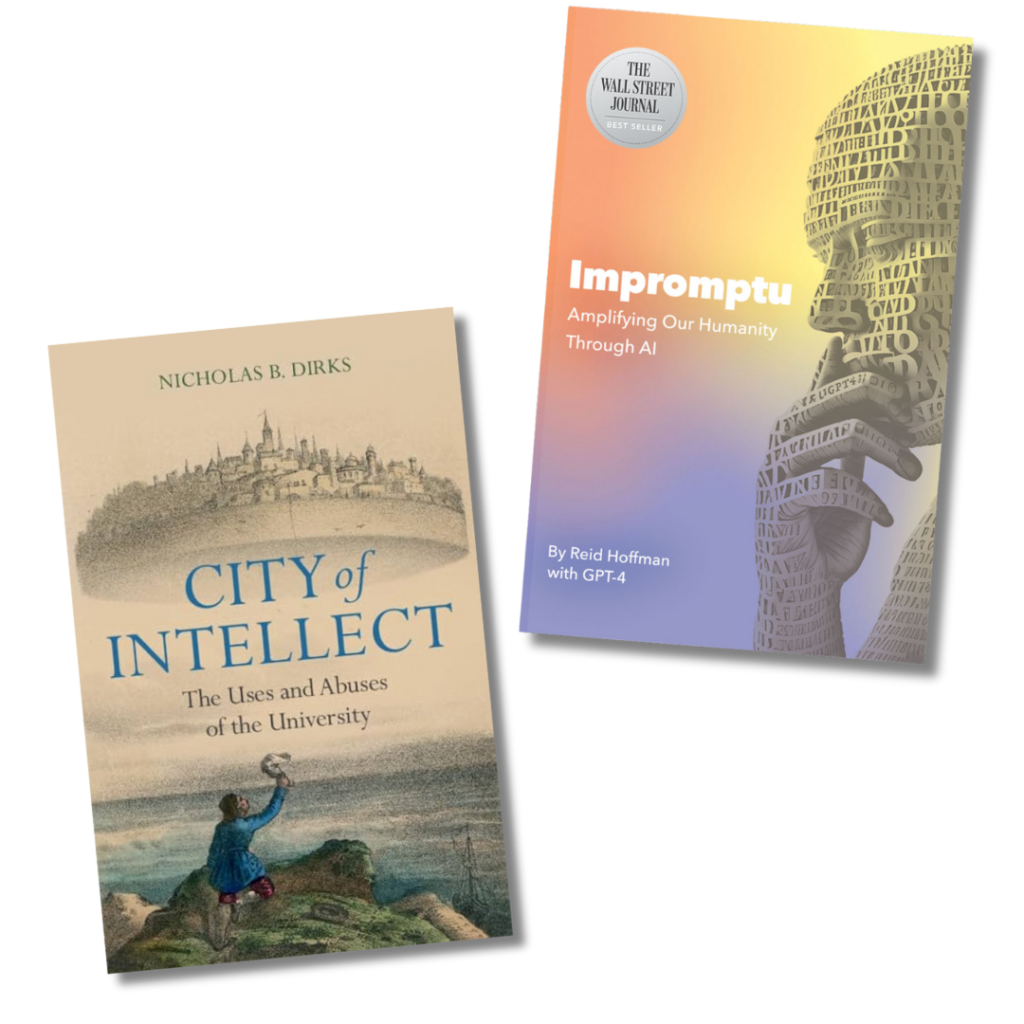
Innovations in AI and Higher Education, with Reid Hoffman and Nicholas B. Dirks

The cover for two books: City of Intellect: The Uses and Abuses of the University by Nicholas B. Dirks and Impromptu: Amplifying Our Humanity Through AI by Reid Hoffman with GPT-4.

March 27, 2024 | 6:00 PM – 7:00 PM ET

Join author Reid Hoffman and the Academy’s CEO Nicholas B. Dirks for a discussion about the potential of AI, especially the powerful Large Language Models like GPT-4, in shaping the future of education, business, and creativity—and Hoffman’s new book, Impromptu: Amplifying Our Humanity Through AI.

Through this interactive exploration, readers witness a compelling vision of the future, where AI becomes not a threat but a transformative partner, unlocking the full potential of humanity. Impromptu is an invitation to join the conversation on shaping our collaborative journey into an AI-powered destiny. Explore solutions, navigate uncertainties, and contribute to the evolving narrative of humanity’s partnership with GPT-4.

The discussion will also focus on the state of higher education in the US, in conjunction with the release of Nick Dirks’ newest book, City of Intellect: The Uses and Abuses of the University.

About the Author

Reid Hoffman is the co-founder of LinkedIn, co-founder of Inflection AI, and a partner at Greylock. He currently serves on the boards of companies such as Aurora, Coda, Convoy, Entrepreneur First, Joby, Microsoft, Nauto, and Neeva. He also serves on nonprofit boards, such as Kiva, Endeavor, CZI Biohub, New America, Berggruen Institute, Opportunity@Work, the Stanford Institute for Human-Centered AI, the MacArthur Foundation’s Lever for Change, and The New York Academy of Sciences.

He is the host of the podcasts Masters of Scale and Possible. He is the co-author of four best-selling books: The Startup of You, The Alliance, Blitzscaling, and Masters of Scale. He earned a master’s degree in philosophy from Oxford University, where he was a Marshall Scholar and a bachelor’s degree with distinction in symbolic systems from Stanford University.

Course: Pathways to Success: Effective Mentorship in STEM

April 9, 2024 | 1:00 – 2:00 PM ET

Mentorship is a collaborative learning relationship that benefits all participants. In fact, effective mentorship is a key factor contributing to a high rate of degree attainment, increased social and self awareness, sharper communication skills, career satisfaction, and other benefits that last for many years.

The New York Academy of Sciences is thrilled to partner with the National Research Mentoring Network (NRMN) to provide a free online webinar highlighting the potential and importance of effective mentorship in STEM. NRMN’s mission is to provide researchers across all career stages in the biomedical, behavioral, clinical, and social sciences with the evidence-based mentorship and professional development programming that emphasizes the benefits and challenges of diversity, inclusivity and culture. 

This event is tailored for individuals at all ages and professional levels looking to enrich their career through collaborating and learning from a mentor or mentee, and for anyone interested in sharing this information with their network. Join us and learn from experts in the field about how effective mentorship can benefit you and your community.

Speakers

Toufeeq Ahmed Syed, PhD, MS

Dr. Toufeeq Ahmed Syed is an Associate Professor and Assistant Dean of Education Informatics at the McWilliams School of Biomedical Informatics and McGovern Medical School, The University of Texas Health Science Center at Houston. Dr. Syed has over 15 years of experience developing national online platforms and portals and serves as (multiple) Principal Investigator of the NIH-funded AIM-AHEAD program (Artificial Intelligence/Machine Learning Consortium to Advance Health Equity and Researcher Diversity) and as Co-Investigator for National Research Mentoring Network (NRMN), Dr. Syed designed and developed MyNRMN (https://my.nrmnet.net), a powerful mentoring platform to support faculty, students, mentors, and mentees in building mentoring relationships and their professional networks. MyNRMN has over 8,300 mentors and 15,600 mentees in the platform and has facilitated over 12,000 mentoring connections (one-on-one, peer, near-peer, and group mentoring) for the NRMN community of mentors and mentees across all 50 states and from more than 4,100 institutions.

Marcus Lambert, PhD, MS

Dr. Marcus Lambert is the Associate Vice President of Research and an Associate Professor of Epidemiology and Biostatistics at SUNY Downstate Health Sciences University. His research group studies workforce diversity and mentorship in scientific training, with a particular interest in mentorship networks. Dr. Lambert has led and designed multiple mentor and mentee trainings for biomedical scientists, and co-leads several research training grants. Dr. Lambert received his Ph.D. in biomedical science from NYU Grossman School of Medicine, an M.S. in Clinical Epidemiology and Health Services Research from Weill Cornell Graduate School, and a B.S. from Howard University.

Ross Prize Symposium 2024: Cancer Neuroscience

The annual Ross Prize in Molecular Medicine is established in conjunction with the Feinstein Institutes for Medical Research and Molecular Medicine. The winner will be an active investigator having produced innovative, paradigm-shifting research that is worthy of significant and broad attention in the field of molecular medicine. We expect this individual will continue to garner recognition in future years, and that their current accomplishments reflect a rapidly rising career trajectory of discovery and invention. 

Expert Speaker Talk Lurie Prize Winners 2023 Presented by FNIH and The New York Academy of Sciences

April 19, 2024 | 6:00 PM – 7:00 PM ET

Embark on an exhilarating journey into mitochondrial breakthroughs with 2023 Lurie Prize Winners, Drs. Chandel and Mootha. Uncover Dr. Chandel’s revelations on mitochondria as powerful influencers of our daily functions and disease and learn about Dr. Mootha’s, MitoCarta. Following the talk, participants are invited to dive into a Q+A session and connect with Drs. Chandel and Mootha directly. Register now for this thrilling night of cutting-edge science, discoveries, and insights.

Expert talk with Dr. Anne Brunet and Dr. Andrew Dillin

Participants will hear from Drs. Anne Brunet & Andrew Dillin selected as the winners of the tenth annual Lurie Prize in Biomedical Sciences, presented as part of the 2022 Foundation for the National Institutes of Health (FNIH) Awards Ceremony. In this talk, Drs. Brunet & Dillin will present on their complementary research on the cellular mechanics of aging, followed by an audience Q&A.