Urban Gardening – Get Growing!

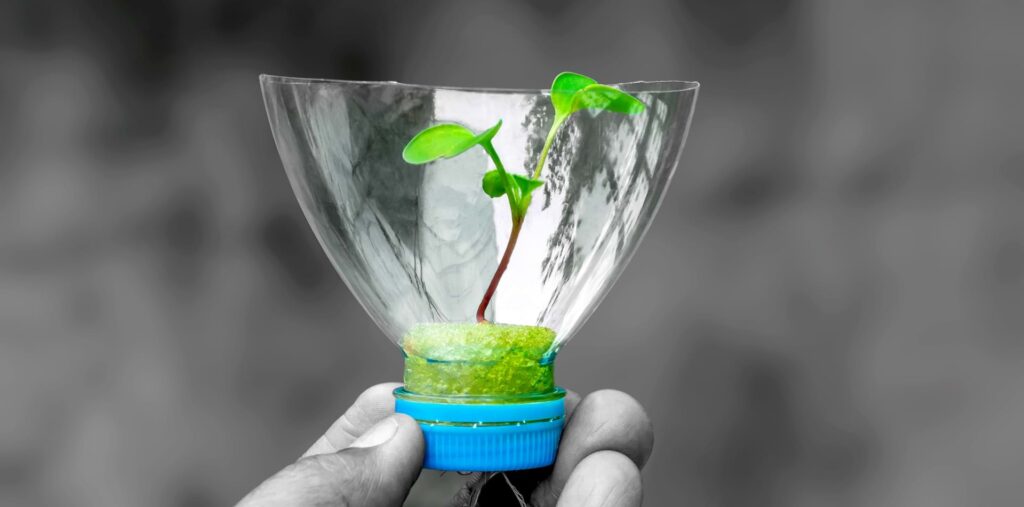
A small plant sprouting.

Overview

Clifford Chance has partnered with The New York Academy of Sciences to launch innovation challenges in Kigali, Rwanda. The goal of this three-year program is to strengthen Science, Technology, Engineering, and Math (STEM) education opportunities and enhance STEM workforce development in Kigali. We’re pleased to launch our latest Open Innovation Challenge and we seek innovative ideas for how to grow food in our own homes.

Students ages 13-17 in Kigali, Rwanda are invited to compete in an 10-week innovation challenge this Spring. During the challenge, students can form teams with peers and have access to research guidance from mentors via the Academy’s own virtual collaboration platform, Launchpad. The students then work together to develop an innovative, research-driven solution to address the challenge.

Challenge

Kigali, Rwanda has been hailed by the United Nations as a “model sustainable city” and is considered one of the most food-secure cities in Africa. Nonetheless, drought and competing needs for land-use continue to threaten food security. In the face of climate change and a growing urban population, students who take on this challenge will be tasked with considering how urban gardening can be a part of the solution. The need for low-cost or no-cost innovations will be critical.

Design an innovative approach to implement urban gardening in your home, school or neighborhood that increases access to nutritious food sources for your family and/or community.

Sponsor

The program is made possible through the support of Clifford Chance as a part of its Cornerstone initiative. Cornerstone is Clifford Chance’s flagship global pro bono and community investment initiative in Rwanda. The initiative is made up of a series of projects that are designed to help these communities overcome the barriers inhibiting improvements in well-being.

Cybersecurity

An abstract graphic representing cybersecurity.

Overview

The digital landscape is rapidly transforming as information, processes, and devices are increasingly connected in complex networks. Nearly everything is connected via the internet: homes, businesses, medical systems, monetary systems, infrastructure, and governments, just to name a few. At the same time, individual users of technology open themselves up to risks on a regular basis simply by using smartphones, tablets and laptops. These mobile computing devices are vulnerable to multiple types of cyber threats such as phishing, malicious apps, and ransomware. Relaxed security settings and the use of public Wi-Fi networks add on additional layers of risk. 

Thanks to our hyper-connectedness, these individual security breaches can have far-reaching consequences. With access to a singular password or social media account, cyber criminals have the potential to steal information and identities, crash networks, and even hold entire governments digitally hostage. Innovative cybersecurity solutions that address the vulnerabilities of mobile computing devices and their human users have the potential to make individuals, organizations, and the entire digital landscape more resilient and secure.

Winners

The winning team, Cybersafe, focused on developing software that enables Artificial Intelligence (AI) to interact with and enhance testing systems on smartphones, tablets, and laptops. In addition to this technological solution, the team members advocated for policy changes to better protect the public from cyberhackers.

Team members: Jessica K. (Team Lead) (United States), Ritwik D. (United States), Neha B. (United States), Bhavya D. (United States), Farah M. (Jordan)

Sponsor

NEOM is an accelerator of human progress and a vision of what a new future might look like. It is a region in northwest Saudi Arabia on the Red Sea being built from the ground up as a destination and a home for dreamers who want to be part of building a new model for exceptional livability, creating thriving businesses and reinventing environmental conservation.

NEOM will include hyperconnected, cognitive cities, ports and enterprise zones, research centers, sports and entertainment venues and tourist destinations. As a hub for innovation, entrepreneurs, business leaders and companies will come to research, incubate, and commercialize new technologies and enterprises in groundbreaking ways. Residents of NEOM will embody an international ethos and embrace a culture of exploration, risk-taking and diversity. Some of the most recent cities and destination launched by NEOM include:

  • THE LINE – A linear, cognitive city without cars that redefines urban living
  • Oxagon – An advanced manufacturing and innovation city with a floating platform
  • Trojena – A sustainable year-round mountain tourism destination

Improving Cyber Security through Research and Policy

An abstract graphic representing cybersecurity.

Winners of the Junior Academy Innovation Challenge Spring 2023: “Cybersecurity”

Published January 11, 2024

By Nicole Pope

Sponsored by NEOM

Team members: Jessica K. (Team Lead) (United States), Ritwik D. (United States), Neha B. (United States), Bhavya D. (United States), Farah M. (Jordan)

Individuals, businesses, and governments increasingly operate in a digital landscape. But as homes, medical systems, banking services, and key infrastructure connect via complex online networks, cyberattacks have increased exponentially. Developing strong protections against various forms of cyberthreats has become critical.

Enter Cybersafe, the 5-student American/Jordanian collaboration that formed the winning team in the Spring 2023 Cybersecurity Innovation Challenge.

“I’ve been thinking about two things: collaborating with cybersecurity experts and conducting user research,” says Bhavya.

A Focus on Phishing

After thorough research on various cyberthreats, the team evolved to focus on “phishing”, an illegal practice that uses fraudulent emails to manipulate recipients into divulging private information– information used for blackmail, identity theft, embezzlement, and even resale to other criminals.

Email remains the hackers’ easiest route to breaching online security and obtaining sensitive data. The scale of this cyberthreat is staggering: Every day, 3.4 billion fraudulent spam emails are sent around the world, using fake sender addresses to deceive individuals into revealing sensitive information. The consequences for victims can be devastating.

In 2022 over 300,000 phishing claims were filed in the United States alone. This is a 61% increase compared to the previous year– with costs estimated at $2.7 billion. Cybercriminals are often hard to trace, particularly because they tend to select victims carefully, focusing on vulnerable, often elderly people. Phishing perpetrators often avoid attracting attention by launching large numbers of small attacks. To coerce and deceive their victims, they keep in touch with trends and constantly adjust their messages and tactics.

A Two-Pronged Solution

Through brainstorming and effective teamwork, the students came up with a two-pronged solution to curb this global scourge.

“I gained a lot of insights from this experience and learned how to work with someone rather than under someone,” says Farah. “I took on various tasks so we could share the workload evenly and efficiently.”

First, they focused on developing software that enables Artificial Intelligence (AI) to interact with and enhance testing systems on smartphones, tablets, and laptops. These systems can automatically analyze emails and attachments in order to detect malicious content.

“One of the most valuable things I learned from this experience was the importance of open communication and collaboration,” says Neha. “I found that by working together and sharing our ideas, we were able to create a stronger end product than we could have individually.”

Advocating for Policy Changes

In addition to this technological solution, the team members advocated for policy changes to better protect the public from cyberhackers. In particular, they suggested new legislation to prevent tactics such as impersonation of co-workers or relatives in order to coerce victims into soliciting private information, clicking on malware links, or downloading harmful attachments.

The law would impose tougher penalties on cybercrime perpetrators, increasing fines and the likelihood of imprisonment. It would also require the most frequently targeted companies and organizations (in 2020: financial services, payment platforms, and webmail) to update their security protocols on a regular basis, implement two-factor authentication, and increase funding for cybersecurity research and development.

The students felt confident in their twofold solution to combat phishing and improve the security of personal devices: 1. With the help of AI, identify and filter harmful emails and alert potential victims, and 2. Enact new legislation to improve cybersecurity and impose harsher punishments on online criminals.

A Dual Approach

Developing this dual approach involved hard work for the Cybersafe team. This was particularly evident when it required coordinating the time zones of two separate continents. It also offered them opportunities to discover new fields and acquire new skills.

“Normally my project revolves around nature and ecologic science, so this was a nice time to try something new and test my recently developed skills,” says Ritwik. “Although I have a very busy schedule outside the Academy, I tried to make the best of my free time and dedicated myself to this project.“

After successfully completing the challenge, the students felt enriched by the experience and proud of their joint achievement– made even sweeter by learning they were the winning team.

“I learned a lot of collaborative skills from this project, including how to lead and participate in a team setting,” says Team Lead Jessica. “Working with this team was a wonderful experience and I look forward to future collaborations.”

A Telemedicine App for Rural Communities

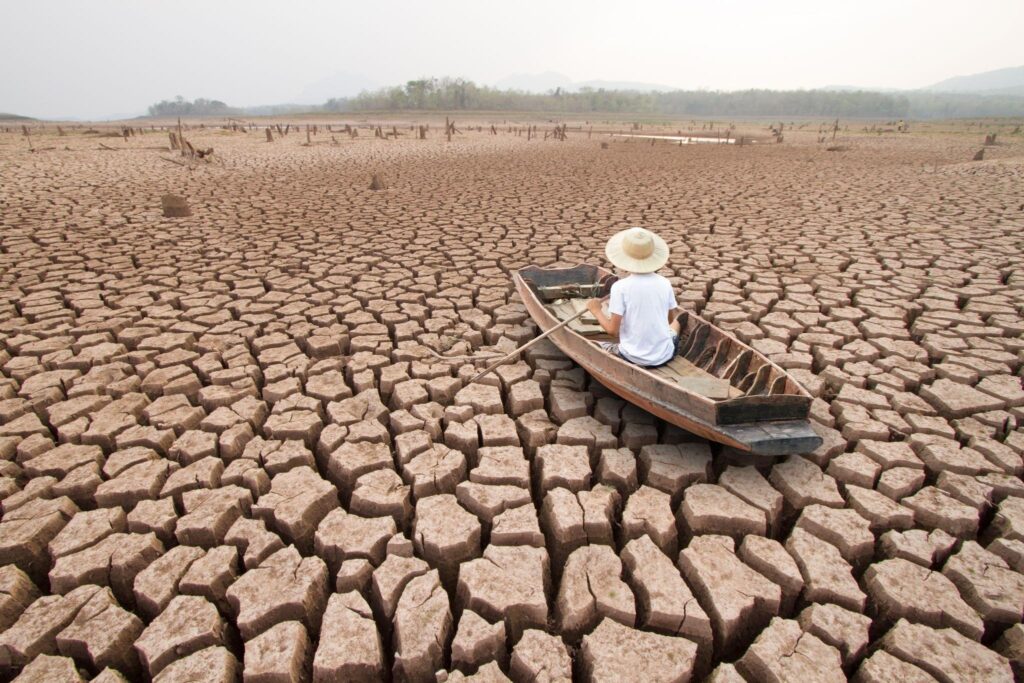
A person sits in a boat in a dried lakebed.

Winners of the Junior Academy Innovation Challenge Fall 2022: “Public Health Impacts of Climate Change.”

Published December 21, 2023

By Nicole Pope

In Fall 2022, 42 international teams of high school students participated in a Junior Academy Challenge. Their goal was to find innovative solutions for the multiple impacts of climate change on human health.

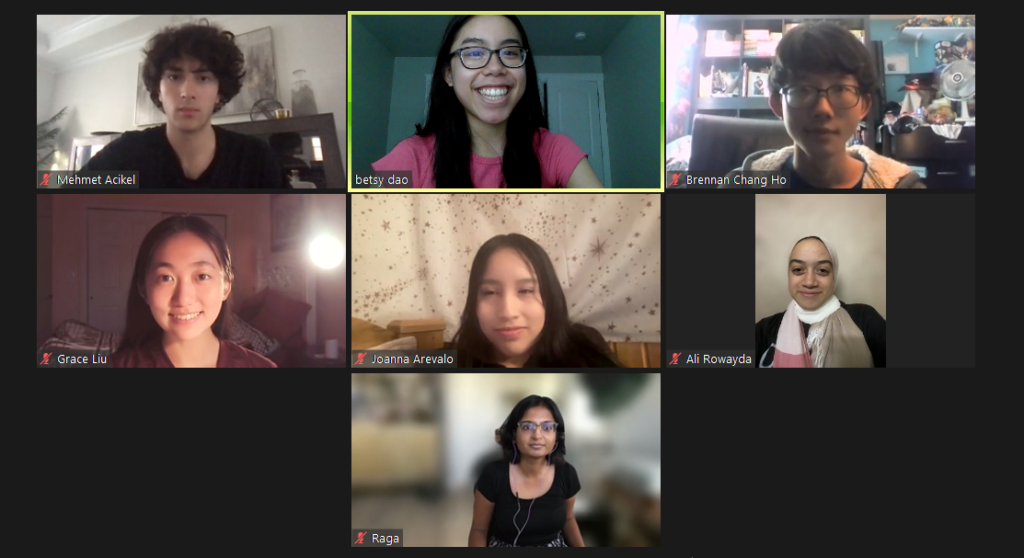
The winning team, MiHealth — comprised of Betsy D. (United States, Team Lead), Joanna A. (United States), Mehmet A. (United States), Grace Chenxin L. (United States), Brennan C. (United States), and Rowayda A. (Egypt) — opted to focus on the Miami area’s prolonged exposure to heatwaves, chosen because of Miami’s high level of poverty in underserved communities with limited access to quality healthcare. The team worked under the guidance of mentor Raga Krishnakumar (United States).

In particular, the team noted that in the South Florida area, where access to healthcare is acutely below state and national averages, African Americans and Latinos are among the most underserved communities. Southern U.S. states like Florida face a growing number of days in which temperatures reach above 100oF.

Miami Dade county, for example, currently endures 50 very hot days per year. This number is expected to rise to 91 within the next thirty years. According to the Center for Disease Control, exposure to extremely high temperatures increases risks for patients suffering from hypertension, heart disease, angina and stroke.

“I chose this challenge because I intend to pursue medicine and felt that it connected well with climate change,” explains Mehmet. The health risks caused by climate change also resonated with fellow team member Brennan, who was taking part in his third Junior Academy challenge. “I believe health and climate change are a huge problem in the world. Everyone is affected by it and finding solutions as quickly and efficiently as possible should be the world’s priority,” he says.

Developing an App for Underserved Communities

The team designed an ingenious, easy-to-use app called “MiHealth (Miami Health).” The app delivers telemedicine services to underserved communities. Specifically, it aims to serve rural, poor or crowded areas in southern Florida. Here access to quality healthcare is limited. Team Lead Betsy found the experience of cooperating remotely with other students very rewarding.

“I have always been researching and wanting to make a change in the world through science and medicine. These passions have led me to take on the challenge of solving public effects of climate change”, she explains.

Aside from limited access to medical professionals, the team also identified the lack of access to ambulances or air-conditioned transportation as a key issue. Stepping outside in the searing heat may pose a significant danger for vulnerable patients. Cost, too, is a major concern for socio-economically disadvantaged communities.

Developing the app required hard work and intense consultations among team members, supported by their mentor. The app offers pre-hospitalization diagnosis, information on preventative measures, and a telecardiology feature to monitor heat-induced heart disease.

Utility Beyond Southern Florida

It also monitors local temperature and links users to medical resources available in their vicinity. While their project focused on the Miami area, the team believes their innovative approach could be rolled out nationwide to help vulnerable populations gain access to healthcare resources.

“Working on the public health impacts of climate change has greatly expanded my knowledge, particularly about heat waves, their causes, and how they can affect the human body in Miami and other parts of the world,” says Rowayda.

“It’s been an insane journey,” says Joanna. “Through constant zoom meetings, coding sessions, and researching, I’ve not only fostered my current skills, but I’ve learned new ones and created new memories with such amazing people.”

MiHealth team members worked hard throughout the semester. The were delighted when their innovative solution was chosen as the winning project.

“I’m incredibly grateful to NYAS and the Junior Academy for offering a global platform for collaborating on such critical issues,” says Grace. “Knowing that we can change the world together is unbelievable, one-of-a-kind, and empowering!”


The Junior Academy was supported by the Stevens Initiative, which is sponsored by the U.S. Department of State, with funding provided by the U.S. Government, and is administered by the Aspen Institute.

A New Approach to Dealing with Oil Spills

A shot of fish swimming in the ocean.

Winners of the Junior Academy Innovation Challenge Fall 2022: “Exploring the Extremes”

Published November 16, 2023

By Nicole Pope

Sponsored by NEOM

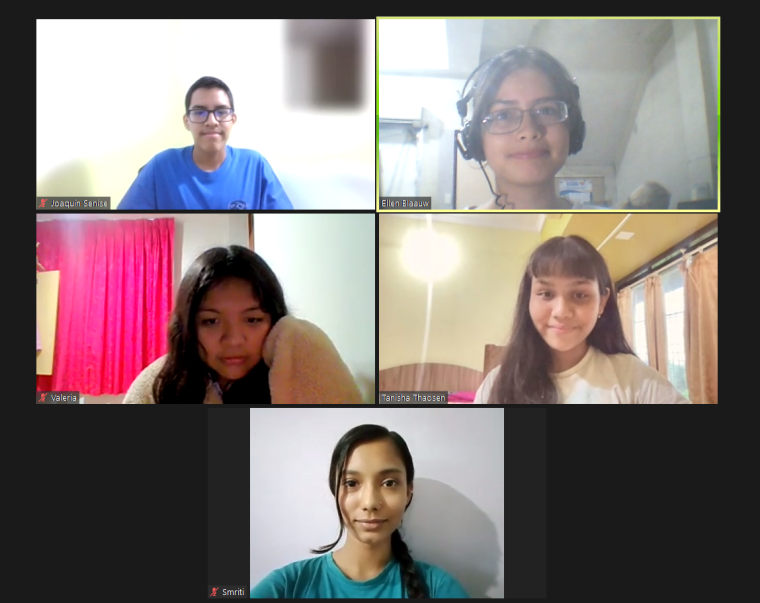
Team members: Ellen B. (Team Lead) (Philippines), Valeria S. (Peru), Joaquin S. (Peru), Smriti K. (Nepal), Tanisha T. (Indonesia)

Mentor: Jasmine P. (United States)

“Exploring the Extremes” required participating teams to offer new solutions to the major issues of our time.

The winning team, “Go Green Sea Blue”, took an ambitious, multi-pronged approach to tackling the complicated problem of oil spills, which pollute our oceans and threaten our marine ecosystems, our wildlife, and even our coastal environments.

“I loved the brainstorming sessions we had as a team and the passion each member showed for their part was transparent,” says Smirti. “As part of the research and game development team, I learned a lot about oil spills, and this strengthened my motivation for this project. Writing articles for our website helped me improve my writing.”

The team members identified key issues in the handling of oil spills, drawing on their diverse skills.

“Our team members came from diverse backgrounds and brought unique skills to the project,” explains Team Lead Ellen, who found the Challenge “an extremely rewarding experience.”

The Challenges

For example, tracking and locating oil spills, and containing their impact, is often difficult. Clean-up methods are insufficient to prevent long-term damage, and governments often struggle to identify those responsible and hold them accountable.

“This project has been a huge opportunity for me. It has changed my opinion on certain topics and made me realize the importance of having different points of view and of diversity,” says Valeria.

Building on the initial research they conducted, team members held long meetings online to develop a comprehensive approach that addresses several of these deficiencies. Jasmine, who mentored the team (and had supported teams in two previous Junior Academy Challenges), was impressed with their approach.

“I felt incredibly fortunate to work with such an organized team,” she explains. “At the first meeting, the team showed me their action plan for the whole challenge. The level of detail and organization from Go Green Sea Blue was absolutely remarkable.”

The students devised a five-point approach to address the devastating impact of oil spills on the oceans and the threat they pose to marine and human life. It wasn’t always easy.

“Though my team faced a lot of setbacks due to time differences and the tight schedule, we pulled together and figured out a way to make it work,” says Tanisha. “We made sure that we put quality over quantity and invested our efforts to do the best that we were able to do.”

The Team’s Process

As a first component of their solution, the high-schoolers proposed the creation of a machine-learning model that relies on satellite images to detect oil spills, using Radarsat Synthetic-Aperture Radar (SAR) technology and Automatic Identification System (AIS) to identify the most likely perpetrators.

Next, they suggested developing a mapping tool that would combine static and real-time data to create a centralized, interactive map for environmental disaster response, improving communication among environmental experts working on ocean pollution. To improve response time, they also proposed developing an eco-friendly mothership that incorporates early warning systems and GPS sensors to track and help clean up oil spills, using mini robots powered by photovoltaic cells that can operate for several weeks.

Raising awareness of the risks posed by oil spills, and the importance of maintaining ocean ecosystems among the population, especially for children, was the fourth element of the team’s extensive solution. To make learning fun and appealing, they devised an interactive game that tests the knowledge of users of all ages.

Finally, the team members proposed a new policy: the creation of a World Association for Marine Oil Spills which would work with existing marine institutions, such as the European Safety Maritime Agency and the Caspian Environmental Program, to improve international cooperation, raise funds for dedicated scientific research, and organize events– and also identify loopholes in existing legislation, and propose new laws.

“We had good times in the meetings– sometimes fun, sometimes just excited by the progress we made day by day,” says Joaquin. “Even though we worked until the late hours of the night and the early hours of the morning on some days, we are very satisfied with the results we have achieved.”

Our Life is Safer with Smart Shelter Team

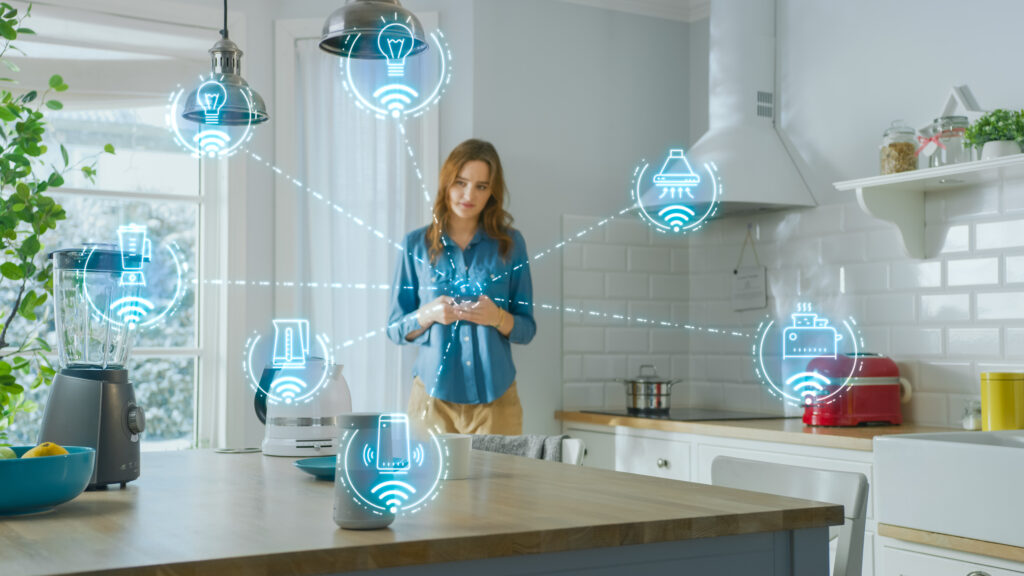
A graphic illustration showing a depiction of the Internet of Things within a women's home.

Winners of the Junior Academy Innovation Challenge Spring 2022: “Internet of Things (IoT) Smart Homes”

Published November 02, 2023

By Nicole Pope

Sponsored by Ericsson

Team members: Al-Zahraa A. (Team Lead) (Oman), Tahra A. (Oman), Miaad A. (Oman), Taher A. (Oman)

Mentor: Venkatesan Subramaniyan (India)

The Middle Eastern Sultanate of Oman is vulnerable to extreme weather events like hurricanes and air depressions, which can cause severe damage and threaten lives.

In Spring 2022, the New York Academy of Sciences ran a Junior Academy Innovation Challenge for high school students in Oman with a passion for science, focused on designing Smart Shelters to prevent loss of life. The challenge was won by four-member team “Our Life is Safer with Smart Shelter”.

“We chose to work on smart shelters because it is very important to protect people during wars or natural disasters,” explains Taher. “We researched and collaborated in meetings to get the best out of our project and raise our knowledge.”

The Team’s Process

Communicating over the Academy’s Launchpad platform, the students first considered the extensive needs of disaster survivors before coming up with solutions to improve shelters, noting that people seeking protection in adverse circumstances often need to spend lengthy periods of time in shelters before the risks subside.

Through online collaboration, and with guidance from their mentor, the students explored all aspects of life inside shelters and developed innovative approaches to enhance energy efficiency and improve the quality of life for residents. “Our team put a lot of effort in reading articles related to our topic, finding solutions to the problems facing us and creating new ideas, which can sometimes be strange,” says Team Lead Al-Zahraa.

The winning team’s submission focused on using data– in particular, the interconnected web of computing devices and digital machines known as the Internet of Things (IoT)– to monitor energy, water and air quality/air usage and improve the efficiency of service provision in the shelters automatically. They also highlighted the use of data to enhance security, register new residents, and to keep track of unsheltered people at risk in order to direct them to shelters with available space.

A Focus on Environmental Sustainability

To generate energy, the team suggested integrating solar panels on shelter roofs and using tidal power in coastal areas. They also recommended deploying nanotechnology water purifiers to remove microbes, chemicals and other contaminants and secure a steady supply of drinking water for shelter residents. Sensors could serve multiple functions in smart shelters: they could be fitted on smart faucets to prevent wasting limited water resources, or be used to enhance flood drainage systems.

From measuring air quality to using smart-cultivation farming to provide food, the winning team addressed many of the complexities involved in providing effective protection to victims of natural disaster or war. Their comprehensive solution also included the use of apps to monitor health and nutrition among shelter residents.

“This experience taught me a lot about Internet of Things (IoT) applications,” says Tahra. “I benefited greatly from the extensive research we did to reach the best possible solution and to fill the gaps as much as possible.”

Getting Out the Facts on Public Health

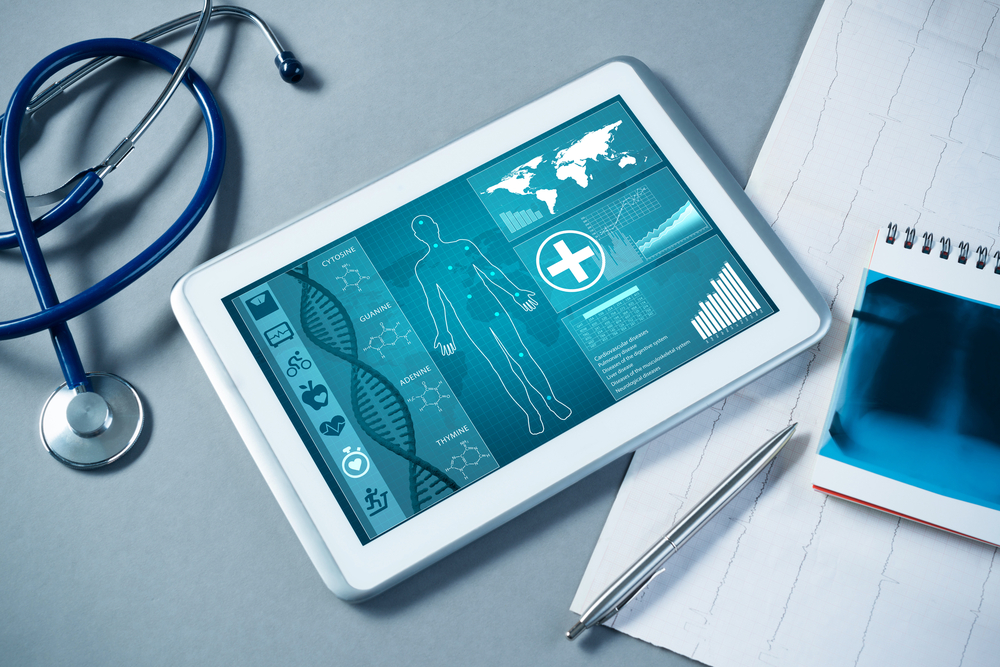
A tablet with a medical application pulled up on the screen.

All-Girl Team Wins Junior Academy Challenge Combating Public Health Misinformation.

Published October 5, 2023

By Nicole Pope

Collaborating across borders, U.S.-based student Angel and Asmaa from Jordan won New York Academy of Sciences’ Junior Academy Innovation Challenge with a text-based campaign designed to combat online misinformation and provide young people with accurate facts about public health issues. The two participants were part of an all-female STEM team that also included participants from Lebanon and Oman.

Angel, aged 15, who lives in upstate New York, and Asmaa, aged 16, based in Amman, Jordan, have never met in person– but the two high school students got to know each other well over an intense 10-week period in the spring.

Both passionate about science, the teenagers collaborated online, alongside other team members from Lebanon and Oman, to compete in New York Academy of Sciences’ Junior Academy Innovation Challenge, “Combating Misinformation about Public Health.” The Junior Academy is a virtual, international network of students aged 13-17 who have a deep interest in STEM and work together to solve society’s greatest challenges (“Innovation Challenges”).

For Angel and Asmaa, the experience has been uplifting– not only because their team, “Girls Combating Misinformation,” won the challenge (chosen among 11 teams that submitted final presentations).

“Being part of this challenge has definitely impacted me, in my coursework at school, in other areas in my life. I feel better getting my voice out. I have become more of a scientific thinker overall because you have to come up with a creative solution that attracts people and offers a different approach. I feel I have grown as a person through this project,” said Angel.

Empowering Girls in STEM

Both participants acknowledge that girls sometimes lack the confidence to study science, technology, engineering and mathematics (STEM) subjects.

“Girls may think they don’t have enough knowledge to get into STEM. Sometimes, the community places the bar too high, although this may not just affect girls,” said Asmaa.

Globally, women are still under-represented in STEM-related fields, both in education and as practitioners. On average, less than 30 percent of the world’s researchers are women.[1] In general, fewer women than men study life sciences, and the gender gap is even wider in fields like engineering and maths.

Diversity is important for the future of science, which is why the Junior Academy seeks to empower young women in STEM and to encourage them to consider careers in these fields. In 2021-2022, its programs had 63 percent female participation.

At the initial stage, the teammates, coming from diverse backgrounds, assessed each other’s strengths and abilities, communicating through the Junior Academy’s Launchpad online platform.

“We all had different interests coming in, then we started narrowing them down. It was very useful to have their insights, different perspectives. It really helped the project blossom,” said Angel.

She praised the team spirit that developed among the participants as they allocated tasks and responsibilities and started developing and testing their ideas.

Developing an Idea

Before coming up with their innovative approach against misinformation, the team researched how information on vaccines, cancer, tobacco, drugs, mental health, nutrition, and other health conditions is disseminated online. They immersed themselves in their assignment, meeting online every Saturday, reaching out to experts, and carrying out surveys among their peers to gain a better understanding of the problem.

“A lot of misinformation about health affects children and teens through social media,” reflected Asmaa, who said she boosted her research skills during the challenge. “When you start researching a topic, you want to get to the root of it.”

Eventually, the students opted to use text messages as the most impactful way to reach young people, and designed a campaign that would deliver daily, accurate facts on health issues, focusing particularly on correcting misleading information on topics trending on social media. To test their approach, they encouraged peers to sign up to receive these reliable health messages.

“We were stoked to have won the challenge,” said Angel, who suggested to her teammates that they continue working on the project and implement their concept. “We’ll do some outreach and tell the world about our solution.”

Angel and Asmaa said working as a team on this assignment has taught them a lot and strengthened their skills in communication, writing, leadership and problem solving.

“I feel that all of us have gained more confidence in ourselves, and we’ll push to end the STEM gender divide,” Angel says.

Inspired to Inspire

Having a supportive mentor who shared her own expertise and provided guidance and encouragement along the way contributed to their success, Asmaa pointed out. Asmaa believes role models are important, particularly for girls who may find STEM topics daunting.

She credits a charismatic science teacher at her school for kindling her own passion for maths and biology.

“I hope one day I will be able to inspire others to do what they want. To students interested in participating in a challenge, especially girls, I would say: It is a great experience. Don’t hesitate; just go for it. We all make mistakes and we learn from them. That’s how we grow,” said Asmaa.

For teenagers who have not found such inspiration at school, she believes that participating in the Junior Academy would be an exciting way to explore STEM fields.

Asmaa says her involvement in the project has made her more self-assured, and has reinforced her desire to study medicine. Angel, whose primary interests were psychology and the human mind, says the project has sparked her interest in a new field. “After this challenge on public health, I feel I want it to be part of my future,” she said.

The Junior Academy was supported by the Stevens Initiative, which is sponsored by the U.S. Department of State, with funding provided by the U.S. Government, and is administered by the Aspen Institute.

[1] UNESCO, Women in Science 2019

A version of this story was originally published on the Stevens Initiative’s website here.
The Impact of Social Isolation on Alzheimer’s Disease

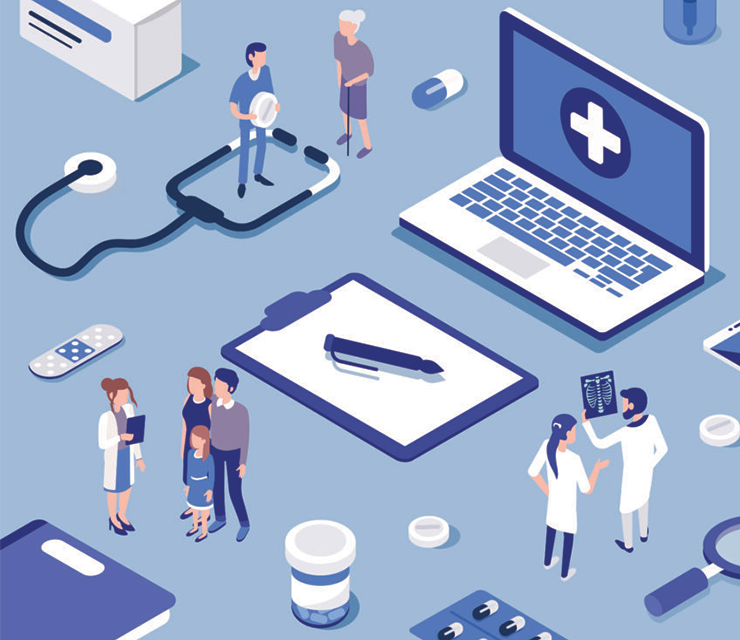
An illustrated graphic depicting various medical components.

Winners of the Junior Academy Innovation Challenge Fall 2021: “The Impact of COVID-19 on Non-Communicable Diseases.”

Published September 20, 2023

By Nicole Pope

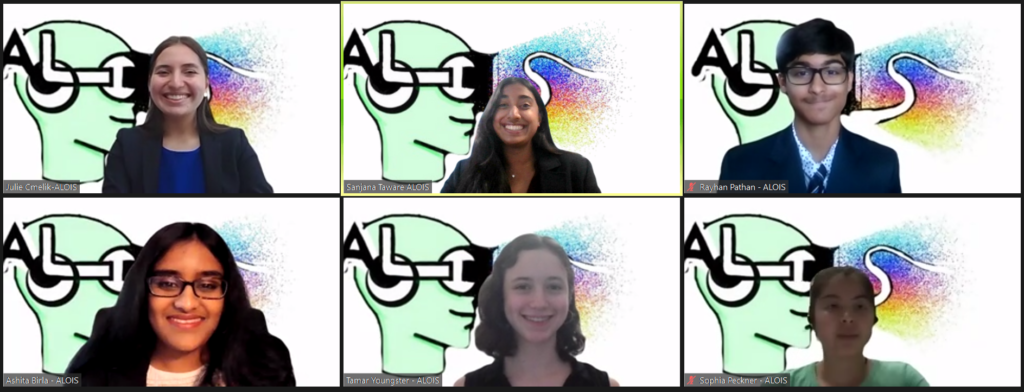
Alzheimer’s Disease (AD) is a debilitating condition that affects the memory and cognitive functions of 5.8 million people in the U.S. alone. You might not expect teenagers to be especially aware of this terrible disease, especially in the middle of a pandemic. Yet the international Junior Academy team formed by Julie (U.S. Team Lead), Tamar (Israel), Rayhan (U.S.), Ashita (U.S.), Sophia (U.S.) and Sanjana (U.S.) chose to work on this common neurodegenerative affliction for the Fall 2021 Junior Academy challenge.

Working with their mentor, Dr. Himanshu Batra (U.S.), the six teens first set out to gain a better understanding of living with AD before going on to develop their innovative solution. Dr. Batra gave the team good advice: “Think aloud: getting out ideas with colleagues makes the idea more tangible and enables a working hypothesis to mature.”

The team members delved into academic studies, conducted interviews with clinicians, and sent out questionnaires.

“I gained significant insights on the magnitude of this pandemic and its effect on patients and the healthcare system,” says Rayhan.

They learned, for example, that COVID-19 had restricted access to AD diagnostics and therapies while also increasing isolation levels for people living with the disease and their caregivers. Between 40% and 50% of Alzheimer’s sufferers experience depression.

Improving Associated Mental Health Outcomes

Their Alzheimer’s Open Inclusive Solution (ALOIS) project aimed to make early screening more accessible and to improve the mental health of Alzheimer sufferers and their caregivers, often affected by depression and anxiety.

“I was able to connect with and learn from like-minded individuals from various regions of the world,” says Sanjana. “Approaching the challenge alongside people with different perspectives and backgrounds allowed me to gain insight into different ways to approach the problem.”

The intense process was a powerful learning experience for the students and an opportunity to forge bonds across borders with like-minded science enthusiasts.

“Throughout this process as a team lead, I learned many things about task management, scheduling and organization,” says Team Lead Julie.

Each participant contributed their own skills and developed new ones as the project progressed.

“Each one of us had a different field in which they were stronger, which created an amazing dynamic,” Tamar explains.

Bringing it All Together

Based on a study that shows significant differences in the patterns of computer usage between cognitively healthy and cognitively impaired people, the students devised a computer extension that analyzes characters per minute (cpm) and pauses per minute (ppm) during users’ everyday tasks. When applied to people at risk of developing AD (primarily those over the age of 65), this home-based early assessment method could contribute to earlier detection of the disease and encourage patients to seek earlier medical advice.

The international team also developed the versatile ALOIS app, which includes an audio feature that could analyze speech while patients undergo the Boston Naming Test, a standard assessment that requires patients to identify a series of drawings. Audio can identify AD with great accuracy.

“The Boston Naming Test idea felt very innovative and I’m excited to see ways we can engineer it and potentially offer it to the general public,” says Sophia.

The app also contains a Virtual Reality (VR) element, based on Escape Room format, that stimulates short-term or long-term memory. Upper body cardiovascular exercises will also be added to the app, to improve blood flow to the brain, a method shown to slow cognitive decline and improve mental health.

The intense development process, taking place between October and December 2021, has been a fantastic learning experience for the six Junior Academy Challenge winners.

“I have learned many new skills, such as audio analysis in Python and graphic design,” says Ashita. “Thank you to The New York Academy of Sciences Junior Academy for facilitating such a thought-provoking challenge and collaboration.”


The Junior Academy was supported by the Stevens Initiative, which is sponsored by the U.S. Department of State, with funding provided by the U.S. Government, and is administered by the Aspen Institute.

Combining Science and Entrepreneurship to Help Others

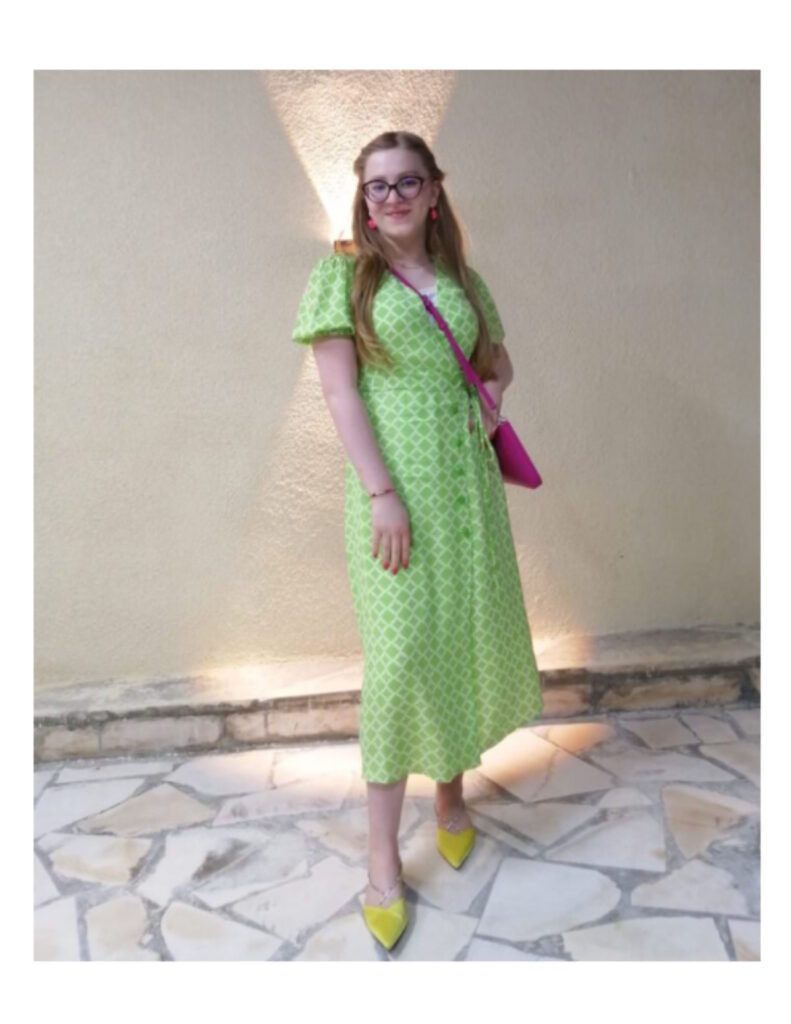
A young woman wearing a green dress poses for the camera.

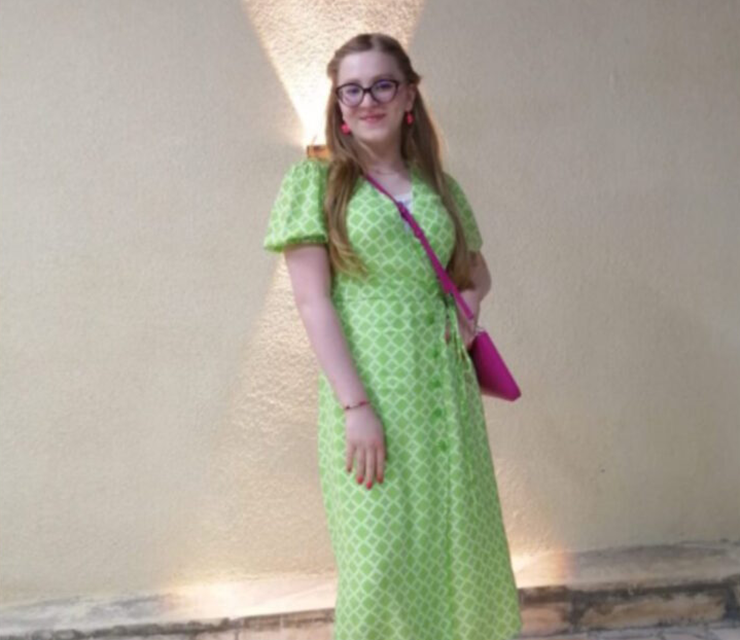
Junior Academy participant Sebsa wants to pursue a career that enables her to combine science and entrepreneurship.

Published September 7, 2023

By Nicole Pope

For Sebsa, a 14-year-old student living in Amman, Jordan, it all began with an ad on social media via the Royal Health Awareness Society, urging teens interested in science and innovation to apply for the Junior Academy Challenge.

Sebsa’s curiosity was triggered, but she hesitated at first. Few of her schoolmates shared her passion for science and she had never embarked on a virtual collaborative project.

Yet taking this first step has launched the teen on an exciting new path. Accepted as a Challenge participant, Sebsa teamed up with four other students (one from Jordan, three from the U.S.) to address The Impact of COVID-19 on Non-Communicable Diseases.

“We were all a bit nervous when we first met online,” Sebsa says, adding that it took no time for their initial shyness to evaporate. “I immediately realized: this is the type of people I want to connect with.”

For three months, the teenagers collaborated closely via the online Launchpad platform. They chose to focus on diabetes, a condition that affects millions around the world. First, they had to gain better knowledge of the disease. Sebsa’s primary role was to collect data on diabetes in the Middle East.

“Our mentor helped us identify good resources,” she says.

Mitigating the Impact of COVID

The team then discussed innovative ways to mitigate the negative impact of COVID-related lockdowns and restrictions on the treatment of diabetes, eventually opting to create an application that would enable doctors to monitor their diabetic patients remotely. App development was a new field for Sebsa, who feels she learned a lot from the interaction with her teammates.

Completing the challenge required hard work and pressure felt intense at times, Sebsa says. One of four sisters, she enjoyed strong support at home from her family. The end result justified all her efforts.

“I am very proud of what we have achieved,” Sebsa says, delighted that her team’s project was named one of the finalists with their contribution. “But the proudest person was my mom, because she works in healthcare, and is my science teacher.”

Submitting the Junior Academy project marked the completion of Sebsa’s first international collaboration, but the teen’s journey into science and innovation is just beginning. At school, she was invited to create a 45-minute presentation about her team’s project and talk about her Junior Academy experience with her classmates, who were impressed with her spirit of initiative and newfound knowledge.

Many expressed a wish to follow in her footsteps. Working across borders with like-minded students has boosted Sebsa’s self-confidence.

“She is reaching for the stars and the moon,” jokes her 19-year-old sister Sina.

Building Upon Past Success

Inspired by this first success, Sebsa is constantly seeking new opportunities to learn and shine. In partnership with her 17-year-old sister Simaza and four other participants, she entered a National Competition for Young Entrepreneurship, organized by Entro Gate, and won first place.

After enrolling in a robotics and technology course, Sebsa decided to test her new teamwork skills in a nationwide tournament in Jordan, coming in third in the competition. She has signed up for yet another science program with Jordan’s Abdul Hameed Shoman Foundation that focuses on applying science to real-life problem solving.

The Junior Academy Challenge has taught Sebsa important skills such as organization, efficiency, and teamwork. Above all, the experience has fueled her desire to keep pushing her personal boundaries and explore the wide world of science.

“I want to study science, but also entrepreneurship,” says the teenager. “I want a career that links the two and doesn’t just benefit me but enables me to help others.”

The Junior Academy was supported by the Stevens Initiative, which is sponsored by the U.S. Department of State, with funding provided by the U.S. Government, and is administered by the Aspen Institute. A version of this story was originally published on the Stevens Initiative’s website here.

Better Diets Mean Better Mental Health

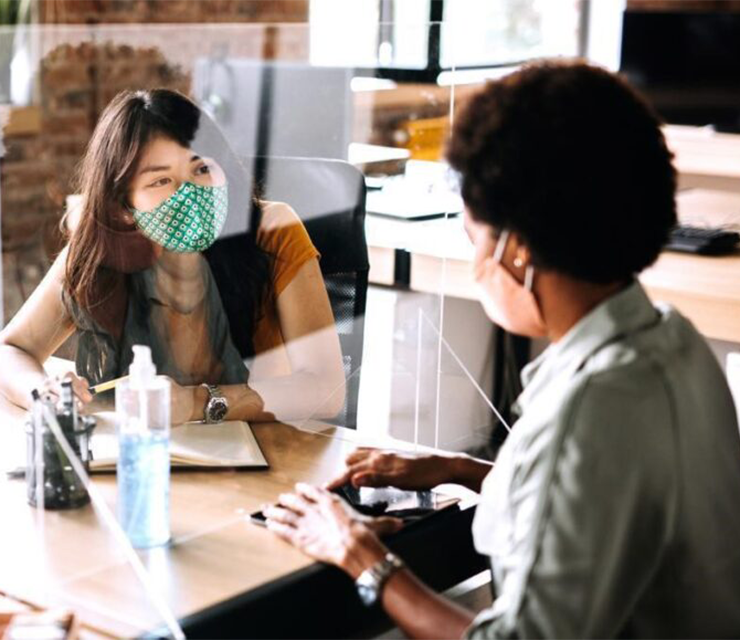
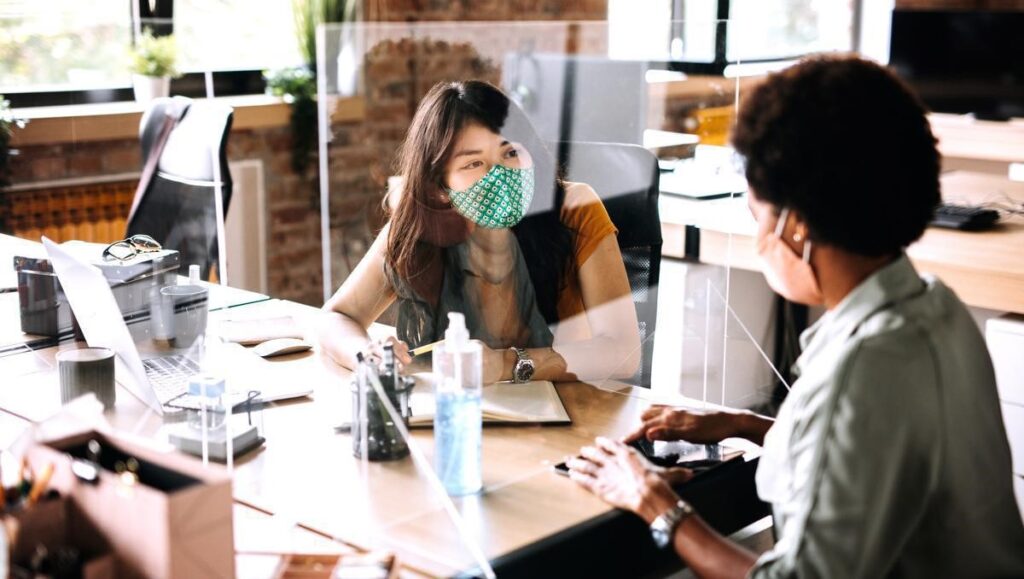
Students interact between a piece of clear plastic during the COVID-19 era.

Winners of the Junior Academy Innovation Challenge Spring 2022: “Building Community to Support Student Mental Health”

Published August 21, 2023

By Nicole Pope

Sponsored by S&P Global

Team Members: Catherine L. (Team Lead) (China), Advika S. (India), Cara C. (United States), Snigdha S. (India), Shruthi D. (United States), Shivani D. (India)

Mentor: Katherine Wert (United States)

Many adolescents struggle with mental health issues and a conflicted relationship with food, brought on by a variety of psychological and social factors–including toxic beauty standards, pressure to be thin, stress and hormones. Eating disorders can have a devastating impact on young people’s mental and physical health.

A six-member international team of science-loving high school students were named the winning team in the Junior Academy challenge “Building Community to Support Student Mental Health” with the creation of Nutribona, a feature-rich app specifically aimed at 13- to 18-year-olds with food concerns.

After consulting with experts and conducting a survey among their peers which revealed a significant prevalence of food-related issues, team members designed this app to help users make better daily nutritional choices. In particular, they wanted to raise awareness of the gut-brain axis, the link between food intake/the consumption of specific nutrients and mood/psychological well-being.

“As I looked into the psychological aspects of Nutribona, I was able to understand the importance of dealing with such disorders at a young age,” says Snigdha. “I realized how big a role an online community has in our daily lives and I believe we were able to create a design that tackles physical and mental health head-on.”

What is Nutribona?

Nutribona offers several innovative features designed to address food-related disorders, such as healthful recipes– alongside several features addressing harmful behaviors such as excessive exercise, episodes of binge/purge, and binge eating. The app also offers access to anonymous chat spaces where users can share their problems with a supportive community and the ability to reach out to psychologists and nutritionists.

Nutribona promotes yoga, a gentle form of exercise that contributes to reducing stress and anxiety and building body strength and flexibility, rather than promoting weight loss. A personal page can be used to track progress. App users can also play games and take part in health-related challenges.

“My favorite part of the challenge is that it offered me a chance to go through a complete design process,” explains Catherine, the Team Lead. “The mindset of design thinking really helps me a lot in building solutions, from research, to interviews, to finally testing.”

Teamwork + Mentorship = Success

This ambitious project was the result of intense teamwork under the guidance of an encouraging mentor.

“Our team was able to work together and divide tasks equally amongst each other,” states Cara. “We collaboratively tested our ideas together and always asked for feedback to improve our work.”

While developing their project, the students felt they learned a lot from each other.

“Even now, as the project is over, I find it hard to believe that I was part of this journey, this incredible experience of learning and discovering and thinking and solving,” says Shivani. “I saw ideas form and evolve and turn into something spectacular.”

The six students are exploring ways to make their app available internationally, and are also considering how to make it commercially viable– eventually deciding that it should be supported by ads carefully selected to prevent a negative impact on users, while considering the necessity of charging a small fee later on.

“Eating difficulties are a major part of mental health. Eating guilt-free is something that everyone should be able to experience,” believes Shruthi. “Looking at our solution, I feel a sense of pride and achievement,” says Advika. “Together we have created a solution that is not only feasible but also viable in the real world.”