The ability to write successful research grants is a crucial skill that requires guidance and training. As university budgets are shrinking and external funding sources are becoming increasingly competitive, it is even more imperative for graduate students, postdoctoral fellows, and scientists to finesse their grant writing skills early in their careers by applying for extramural funding, especially individual fellowships.
Join The New York Academy of Sciences for “Transition to Research Independence: Funding and Grantsmanship” to learn strategies for concise and persuasive writing that are vital in academia and essential for any career path. Dr. Jaime S. Rubin, Vice Chair for Investigator Development at Columbia University Irving Medical Center and an expert in this field with decades of experience, will teach this hybrid course.
During this program, you will learn about:
Types of funding agencies (government and private)
Types of private agencies (e.g., voluntary health organizations, professional societies, private foundations)
Review criteria for fellowship applications
Key components of fellowship applications
Strategic approaches for competitive applications
Common but overlooked mistakes made by new investigators
Tips to increase your chances for success
We encourage you to join us in person at our space on 115 Broadway, 8th Floor, New York, NY 10006, to take full advantage of the event. You also have the option to attend virtually, follow along, and submit questions online.
Speaker
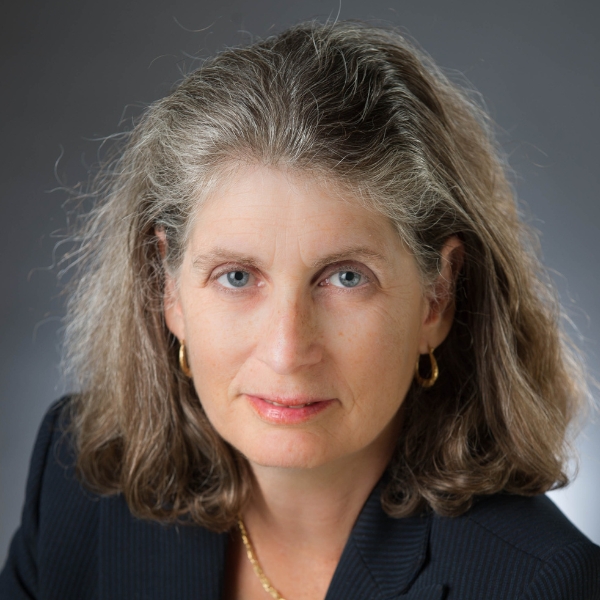
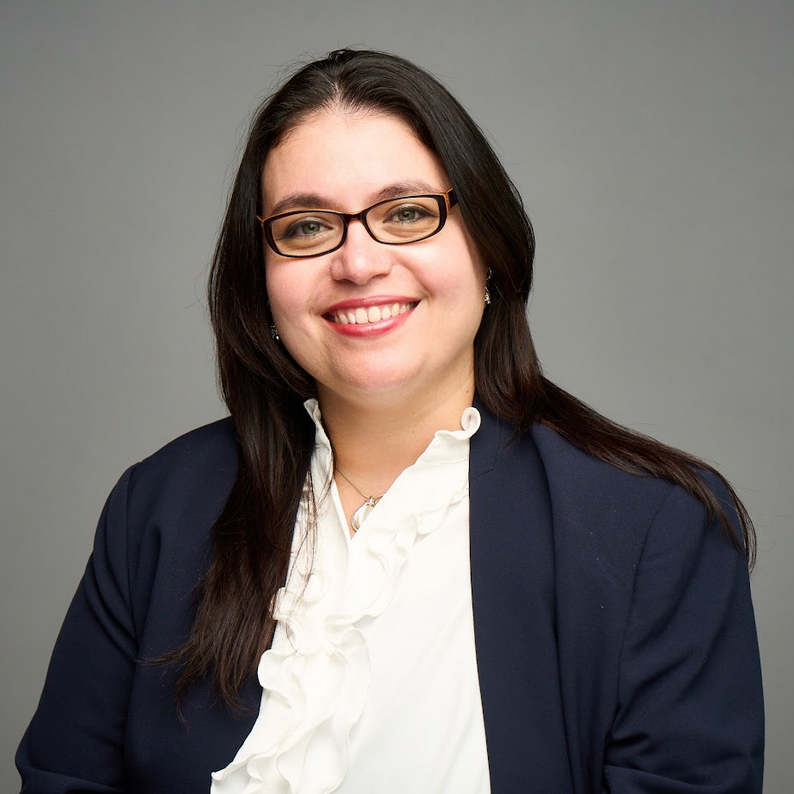
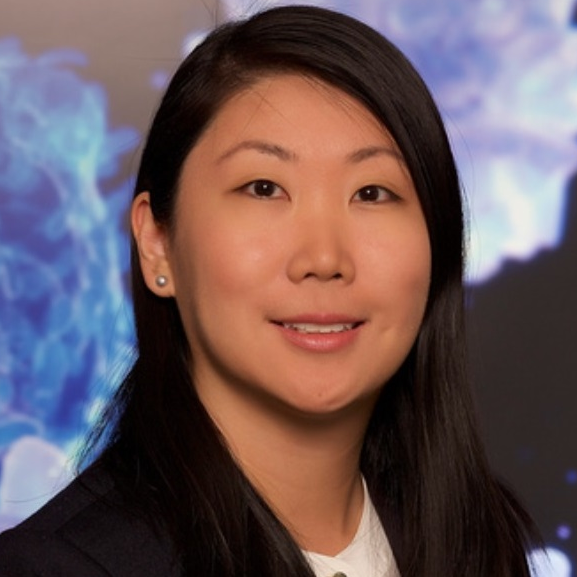
Jamie S. Rubin, PhD Columbia University Irving Medical Center
Did you know that one in five adults in the United States is experiencing a mental health challenge? Almost half of all adults living in the United States will experience a mental health challenge at some point in their lifetime. This makes it more critical than ever for individuals to receive training to help build skills that will help them identify, understand, and respond to signs of mental health issues in adults. Mental Health First Aid (MHFA) is an interactive full-day training program designed to help individuals identify, understand, and respond to signs of mental health issues and substance use disorders in adults.
Similar to First Aid and CPR training, MHFA is a key set of skills that can allow STEM students, educators, and professionals to assist their students, peers, and colleagues who may be experiencing an acute mental health issue. Join The New York Academy of Sciences for a full-day in-person interactive MHFA training customized for people in the STEM field.
Learn how to:
Recognize common signs and symptoms of mental health and substance use challenges.
Interact with a person in crisis and connect them with help
Prioritize self-care and care for their mental health.
MHFA is an internationally recognized program that originated in Australia and taught in more than 25 countries worldwide.
The program follows evidence-based fidelity standards. In addition to a physical manual, each participant will receive an online certificate valid for three years upon course completion, which can be added to their LinkedIn profile.
Please note that two hours of preparatory work are required. Participants will receive a link to this material shortly after registering for the course.
Space is limited. Register to secure your spot today!
Rising young stars in science are celebrated for their innovative ideas in artificial intelligence and sustainability applications.
Published July 11, 2024
By Kaitlin Green
The New York Academy of Sciences’ Junior Academy celebrated the hard work and dedication of students from the 2023-24 academic year on June 27th, 2024, during the annual Virtual Student Symposia.
More than 80 students, mentors, coaches, sponsors and partners, in 29 countries, were invited to celebrate a successful year of innovation. Meghan Groome, PhD, Senior Vice President of Education at the Academy, opened the proceedings with an inspiring address.
Meghan Groome, PhD, Senior Vice President of Education at The New York Academy of Sciences, presents during the live streamed Virtual Student Symposia on June 27, 2024. Photo by Nick Fetty/The New York Academy of Sciences.
“The Junior Academy was formed to provide a pathway for students and scientist mentors to begin a journey together – to do research together. As you give your first scientific talks today at The Academy, know that we’re so proud of your game changing research.” she said, reflecting on its history.
The strong bond between working scientists and students provides insights into the real-world scientific workplace to ensure a future pipeline of qualified STEM professionals.
“Science is about working together – working across differences, and we know that diversity drives innovation,” Dr. Groome concluded.
The Junior Academy proudly embodies that scientific diversity and creativity, which is evidenced by the creative solutions proposed by this year’s winners. The projects were judged on their overall presentation quality, scientific quality, innovation and design thinking, sustainability, potential, and collaboration.
The Winning Ideas
In order to hone their presentation skills, winning teams work with a communication coach to shape their presentations into five-minute informational speeches. As a result, the students delivered succinct team research project summaries.
In the Cognitive Classrooms Challenge students were asked to consider potential applications of artificial intelligence (AI) and virtual reality/augmented reality (VR/AR) towards creating a more inclusive, equitable, and efficient classroom environment. The six person AI4Access team from Qatar, India and the United States developed a tool that not only enriched the students’ education towards achieving an individualized learning experience, but also improved the workload and efficiency of the educator in maintaining a harmonious and well-managed environment where everyone can thrive. Mentor: Aryan C.
In the Green Homes, Green Schools, Green Communities Challenge, students were given the opportunity to think critically about environmental challenges that impact their lives and what they could do to improve those challenges. As a result, the six person Green team from Poland, Slovakia, Kazakhstan, Ukraine, and Tunisia designed a solution to enhance access and education to sustainable farming practices. Their solution can be applied both to large-scale and at-home farming practices, making it an excellent solution to improve environmental problems at all levels of a community. Mentor: Adeola A.
Students were tasked with designing an innovative approach to secure the supply of critical minerals in the transition to a fossil-free society in the Minerals of Technology Challenge. The six person MINnovators team from India and the United States researched the feasibility of using asteroid mining to reduce carbon emissions. Their solution has the potential to support a more environmentally sustainable ecosystem when compared to conventional mining practices. Mentor: Ilayda G.
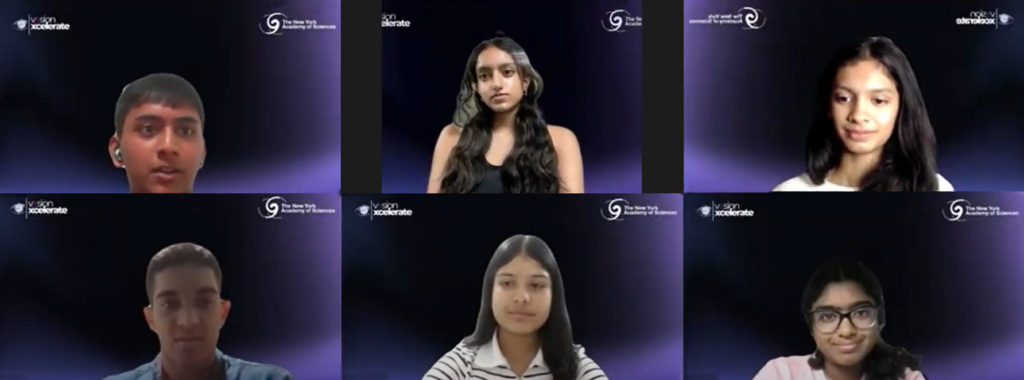
In the spring Wearables Challenge, students were required to design or employ a wearable technology, or network of wearables, that can be utilized to address either public health issues surrounding non-communicable diseases or natural or manmade disaster response. The six person VisionXcelerate team from the United States and India focused on helping individuals with dementia by developing a pair of smart glasses integrated with AI and AR technologies to assist with daily tasks such as medication reminders and person recognition, along with fall detection systems and GPS tracking to assist caretakers.
The VisionXcelerate team during their presentation.
Students in the Circular Textiles challenge were tasked with choosing one aspect of the “take-make-waste” textile supply chain, and to design an innovative adaptation to fit the circular textile model. The six person EcoFashion team from India, Colombia, Ukraine, Kazakhstan, and the United States developed an innovative approach to the Circular Textile model by developing a synthetic cellulose fiber using agricultural waste, sustainable color dye methods, and an app to educate users on sustainable fashion practices. Mentor: Xanthhi C.
Each team presentation was followed up by an audience Q&A.
The Immeasurable Impact of Mentors
What sets the Junior Academy apart from similar STEM education programs are the international professionals, graduate students, PhD candidates, and postdocs who understand the importance of mentorship and offer their time and expertise to the program. This year’s event included two distinguished mentors: Tomaz Maria Suller and Katherine Wert, PhD.
Tomaz joined the Junior Academy as a secondary student in 2018, participating in many challenges on the online platform Launchpad. He earned his bachelor’s in computer engineering at Poli-USP in Brazil and is currently pursuing a master’s in computer science and engineering at Politecnico di Milano in Italy. He became a Junior Academy mentor in the winter of 2023, advising five teams in four challenges. One of his teams, ZynoFiber, was recognized as a finalist in the Spring 2024 Circular Textiles challenge.
“Why are we here today?” Tomaz asked, reflecting on his time as both a Junior Academy student and now as a mentor. “We want to create a community of engineers, scientists, and innovators who will shape our future – and shape our present.”
Dr. Katherine Wert discovered the impactful mentoring opportunities at the Academy in 2012 during her time as a PhD student at Columbia University. She joined the Junior Academy in 2016 as one of the first cohorts of mentors onto Launchpad and has since mentored over 25 teams.
“I love that this program works hard to include anyone who has a true motivation toward STEM and does not simply focus on their global location or what resources they’ve had available to them,” Dr. Wert said.
Dr. Wert ended her address by advising both students and mentors to take advantage of the Junior Academy community, emphasizing the importance of communication and networking.
“You never know when someone’s crazy idea will mesh with others. The most successful teams I’ve worked with let everyone’s voices be heard – even the most out-of-the-box ideas. You are part of a very special and unique community of passionate STEM professionals and peers,” she said.
Looking Forward
As the 2023-24 academic year ends, Dr. Groome and the Education Team expressed their pride in this incredible community of innovators. They recognize that support for these programs is made possible because of the Academy’s generous partners and sponsors. These supporters’ belief in our mission of “science for the public good” ensures the Junior Academy opportunity is free for all students.
“To our mentors, your support, volunteerism, and deep understanding of the importance of STEM role models in our global community is unmatched. Thank you,” said Dr. Groome. “The Junior Academy students never cease to amaze us with their creativity, innovation, and willingness to connect with peers from around the world. Together, we create a truly special and welcoming environment. Cheers to a fantastic year.”
A career in science – whether as a faculty member, researcher, or medical professional – means that someday you will have to present complex information, data, or findings to someone who knows little or nothing about your field.
Scientists Teaching Science (STS) is a nine-week online short course about how to be a more effective teacher and communicate your science for a presentation, training, mentoring, or classroom teaching activity – online or otherwise. The course is specifically designed to assist individuals pursuing a career in teaching science subjects at the university level with first or second-year students. However, the skills covered in this course apply to all career paths in the sciences. STS blends asynchronous learning with opportunities for live lectures and discussions to help you learn new approaches to teaching and assessing learning for your future students.
The STS course is also an opportunity to create and get personalized feedback on documents required for applying to university faculty positions. For example, documents like a Teaching Philosophy Statement are necessary for any application packet, but students rarely get to practice writing one in medical or graduate school.
This course is designed to fit your schedule by being offered in asynchronous modules, each with a specific due date. The instructor will also work with the participants to schedule optional, live online sessions. Participants who successfully complete the course will receive a Certificate of Completion from The New York Academy of Sciences.
Whether you are curious about teaching, looking to hone your instructional skills, or simply know you would like assistance with job application documents, consider registering for Scientists Teaching Science.
Course Objectives
Identify at least three active learning strategies.
Know the four major learning styles and three types of learning environments.
Evaluate personal biases and cultural differences and how these affect student outcomes.
Interpret interpersonal relationships in light of cultural and gender differences.
Compare inquiry-based activities to directed instructional activities.
Create course objectives based on Bloom’s Taxonomy.
Assess the level of Bloom’s Taxonomy of course objectives.
Develop valid multiple choice and essay questions based on objectives.
Recognize several steps in effective curriculum design.
Compose a Teaching Philosophy Statement.
Recommend one or more ways to notify potential students about consequences of cheating or plagiarism.
Construct a detailed course syllabus.
Evaluate the advantages and disadvantages of teaching and learning in an online environment.
Agenda
Week One
Teaching and Active Learning: discussion of teaching & learning myths; assigned readings on current research findings about teaching and learning.
Assignment: Short Essay on Teaching – Instructor provides feedback
Week Two
Holistic Education and Student-Centered Teaching: discussion on rigor and improving academic outcomes in higher education; assigned readings on improving student outcomes.
Assignment: First draft of Teaching Philosophy Statement – Instructor provides feedback
Week Three
Diversity, Equity, Inclusion, and Accessibility: the importance of actively developing inclusive practices in STEM.
Assignment: Draft of Diversity Statement OR Short Assignment Addressing Diversity in the Classroom – Instructor provides feedback
Week Four
Using Data to Drive Instruction: how to create cycles of formative data review that informs instructors of their practice AND how students are doing.
Assignment: NONE.
Week Five
Teaching Online: teaching and learning online; challenges and advantages; engaging students; resources and examples.
Creating Valid Assessments & Alternative Assessments: using rubrics and test blueprints; practical multiple choice and essay questions; designing and evaluating students without using tests for small and large classes; assigned readings on how to write aligned assessment items.
Assignment: Five Test Questions Based on Learning Objectives – Instructor provides feedback
Week Eight
Designing Your Courses: instruction on the steps involved in designing an entire course, a training session, or a single lesson.
Assignment: Final Draft of Teaching Philosophy Statement
Week Nine
Writing a Syllabus & Reflections on Teaching: the purpose of a syllabus; legal requirements of teaching; student/academic honor codes; student study habits; assigned reading on plagiarism and the definition of a syllabus.
Dr. Nik Barkauskas completed his B.A. and M.A. in Philosophy at Temple University in Philadelphia and earned his Ph.D. in Education Theory and Policy at Penn State in 2017. He has spent 15 years teaching at various higher education institutions, both in-person and online. His main area of professional research is in public education policy reform, specifically focusing on the influence of private philanthropies on public policy. He has taught the Scientists Teaching Science course for the last six years and firmly believes that good teaching is good teaching, no matter which field we are working in. Dr. Barkauskas works for the Pennsylvania Department of Education in support of schools working on improvement efforts across the state.
Each year we seek out passionate STEM-interested students from around the world to join our signature high school research program. Here are four smart tips that will give your application an edge.
Published April 19, 2024
By Kaitlin Green
Through the Junior Academy of The New York Academy of Sciences, high school students ages 13-17 develop research, innovation, and collaboration skills. They leverage these skills to compete in Innovation Challenges sponsored by industry-leading companies, where they work under the guidance of a STEM professional. In order to participate, students must have access to a computer, phone or tablet, an internet connection, and a global mindset, as Junior Academy teams are composed of a cohort of students from different countries all over the world.
It’s a very unqiue STEM learning experience, and every year, we seek out passionate high school students interested in STEM to join. If you’re a student who wants to apply, keep these tips in mind for how to make your application shine.
Tip #1: Be thoughtful about your answers to the essay questions.
The Junior Academy is looking for what makes you unique. Is there something that makes you stand out in school or extracurricular activities?
When writing your responses, be clear and concise. You only have 500 words to complete each question; but if you can get your point across in fewer words, don’t feel like you have to use all the space. Proofread your answers carefully. Ask a friend or family member to read your answers before you submit the application—they may spot an error you missed.
Tip #2: Talk about the personal challenges you’ve overcome.
When you’re part of the Junior Academy, you’ll be using creative problem-solving skills. That means overcoming obstacles in your path. We’ve all faced obstacles in our lives, so tell us about a tricky situation you faced and how you handled it. For example, did you ever have a report, a test, and a project all due in the same week? If so, how did you complete them all to the best of your ability? Or, have you ever made the team after previously having been rejected? How did you regroup and succeed the second time around? Stories of perseverance and resilience are what we want to hear.
Tip #3: Show us you’re a team player.
When you work on an innovation challenge, you will collaborate on a team of two to six people. Share a time that you’ve worked with a team towards a common goal. Did you have a particular skill that you brought to the table? Let us know what it is.
Tip #4: Explain how you’ll be able to meet the time commitment.
You’ll need work with your team three to four hours a week on your challenge solution. How will you balance this with your academics, other extracurricular activities, and personal life?
This Code of Conduct (this “Code”) applies to your participation in our Launchpad programs.
Digital citizenship is a critical component of the Programs. Our Services are continuously monitored to promote internet safety and security.
By participating in a Program as a mentor or student, you agree to the following code of conduct:
Core Values. Mentors and students will aspire to the Launchpad’score values of hard-work, integrity, respect and responsibility.
Copyright. Mentors and students will not take credit for other people’s creative work.
Cyberbullying. Online cruelty or harassment will not be tolerated. Cyberbullying and cyberharassment will result in the termination of the offender’s participation in the Programs and may be a violation of law.
Confidentiality. Mentors and students will not share details about their communications with third parties without the other’s prior express consent and, if the student is a minor, without the prior express consent of the student’s parent or legal guardian.
Communication. Mentors and students will not use offensive language or transmit offensive images to other students or mentors.
Mentor-studentMeetings. In-person mentor/student meetings are prohibited, unless they occur at Academy/GSA sponsored group events.
Mentor-Student Personal Relationships. Mentors and students are strictly prohibited from establishing and engaging any form of personal relationships other than a relationship that is appropriate and strictly within the mentor-student context, either at or outside Academy/GSA sponsored group events.
Reporting Your Concerns
We strongly encourage mentors and students to report violations of this Code via the concern form. Download documents below:
Think twice before posting. Posts on social media can take on a life of their own. Consider what could happen if a post becomes widely known and how that may reflect on you. Search engines can identify posts years after they are created, and comments can be forwarded or copied. If you wouldn’t say it at an event or to a member of the media, consider whether you should post it online. Even in closed groups, other Program participants may use or reuse your information or posts in ways you can’t anticipate, so please keep this in mind before posting.
Be respectful. Understand that content contributed to social media sites may encourage comments or discussion of opposing ideas. Responses should be considered carefully before posting. Strive for accuracy. Always try to get the facts straight before posting on social media.
Identify your views as your own. While you may be affiliated with a Launchpad Program, such as the Junior Academy, or other organizations in some way, you should refrain from speaking on social media on behalf of any person or organization except yourself or making statements that could be perceived as speaking on behalf of others.
Protect your identity. We strongly recommend that you avoid publishing the kind of personal information, such as your home address, telephone numbers, email address, or credit card or social security numbers, that could be used by identity thieves or to harass or defraud you. You may not post any personal information on the Launchpad website about anyone who is under 13 years old, and if you are under 13 years old you may not use the LaunchPad website.
This Code of Conduct is a part of, and incorporated by reference in, our Terms of Use. Capitalized terms used but not defined in this Code have the meanings assigned to them in our Terms of Use.
The New York Academy of Sciences and the Shanghai Association for Science and Technology are teaming up to advance science and innovation on a global scale.
Published March 12, 2024
By Nick Fetty
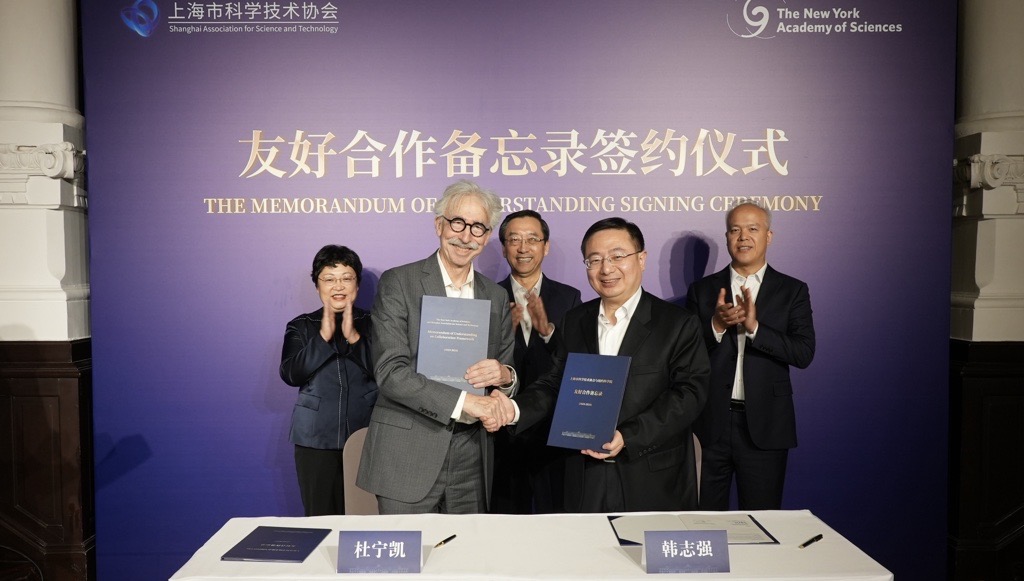
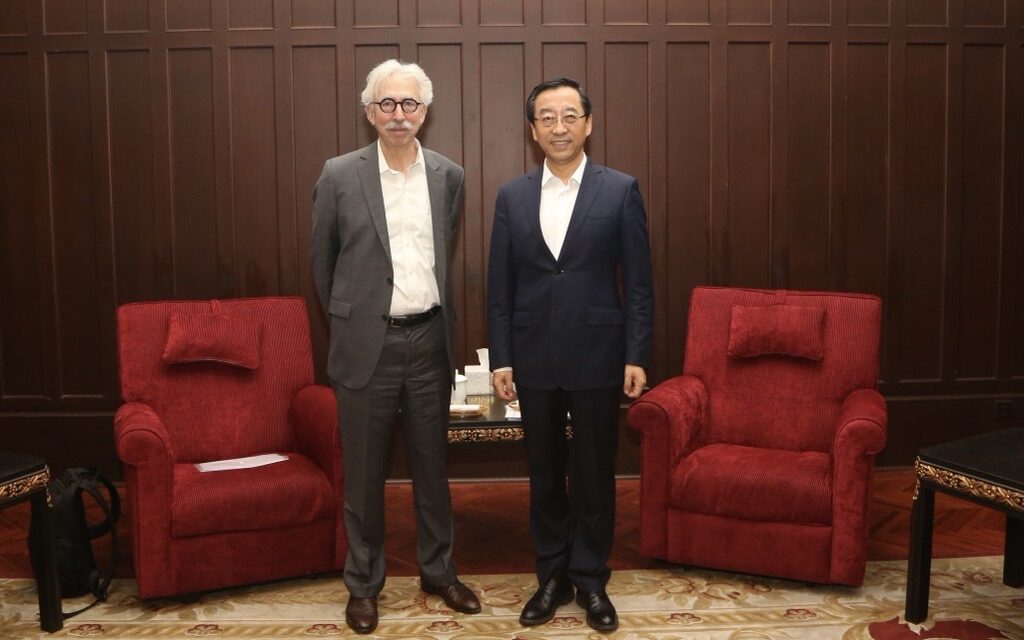
Nicholas B. Dirks, President and CEO of The New York Academy of Sciences, shakes hands with Zhiqiang Han, Executive Vice President of the Shanghai Association for Science and Technology, after signing a memorandum of understanding for a new collaboration between the two institutions.
Science diplomacy took a significant step forward recently, when Nicholas B. Dirks, President and CEO, The New York Academy of Sciences met with representatives from the Shanghai Association for Science and Technology (SAST) in Shanghai, to discuss hosting international science and technology forums. The resulting agreement codified a partnership dedicated to advancing long-term collaborations between the two institutions, as well as collaboration on youth scientific and technological education and innovations.
“Global issues require global solutions,” said Dirks. “This new partnership will be an excellent way for us to strengthen the relationship with our partners in Shanghai and other parts of China where promising STEM education, research and innovation is taking place. Given the current geopolitical climate, it is critical for us to develop these kinds of international collaborations to advance solutions for the public good globally.”
This sentiment was echoed by Professor Zhang Jie, President of the SAST. “A small step today is a giant leap for the future to promote scientific and technological cooperation between China and the United States, and even globally,” said Zhang. “Through the collaboration, we hope that more American scientists and even global scientists will understand Shanghai and China better, come to Shanghai and China, and carry out borderless scientific and technological cooperation.”
Enhancing the Junior Academy
A follow-up visit by Meghan Groome, PhD, Senior Vice President of Education at the Academy, advanced the conversation on potential in-person and virtual collaborations for students studying STEM (science, technology, engineering and mathematics). The Academy’s award-winning Junior Academy provides a scalable and impactful way for students to participate in virtual exchange programs. The Academy plans to expand its partnership with students of Shanghai through increased outreach to schools in the region.
Nicholas B. Dirks, President and CEO of The New York Academy of Sciences, and Jie Zhang, President of the Shanghai Association for Science and Technology.
While in Shanghai, Dr. Groome also addressed the Deeper Learning China conference, an event dedicated to building a community of educators in China focused on Project Based Learning. in collaboration with Deeper Learning Global. Dr. Groome encouraged educators to take a light-hearted approach to implementing AI in the classroom, while building their knowledge base about the strengths and weaknesses of different AI products. She also discussed future plans with the Deeper Learning China leadership, to explore ways to expand The Junior Academy, a “game changing” student collaboration and research network, to more schools in China.
The Role of Artificial Intelligence
Groome also participated in the first “China-United States Seminar focused on the Vision and Future Feasibility of Artificial Intelligence in Arts Education”. At the Nine Trees Performing Arts Complex in Shanghai, she spoke about the importance of understanding the impact AI will have on our societies as a whole, including the arts.
“Although my focus is STEM, I’m increasingly relying on my background in the arts to help explore and explain these large, technological shifts in our lives. We can no longer teach in siloes but must expand how the integration, or convergence of subjects can lead to a better understanding of our changing world,” she told the audience. “I believe that AI can expand access to the highest quality arts [and STEM] education through AI-driven software and instruments. Like with sports, AI can enhance our practice time, providing us with expert feedback anytime, anywhere. Finally, it can dramatically enhance our creativity and allow us to collaborate like never before.”
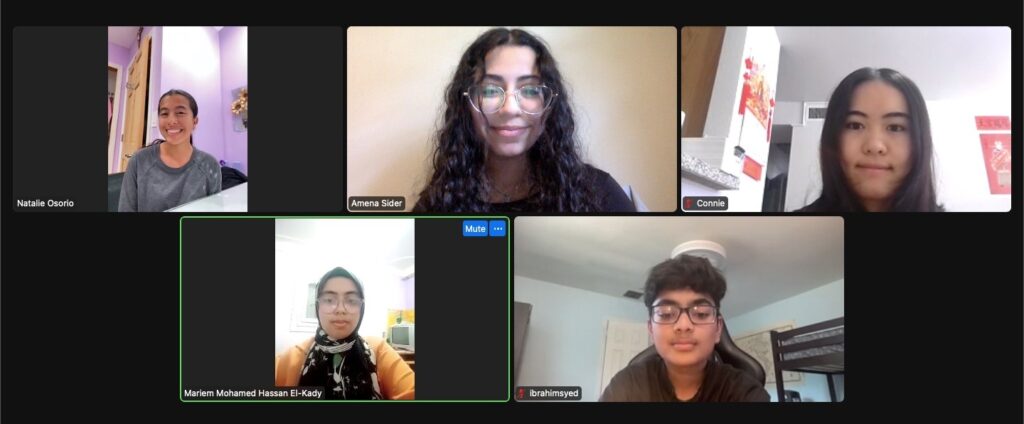
Team members:Natalie O. (Team Lead) (United States), Lara K. (Jordan), Connie H. (United States), Mariem M. (Egypt), Ibrahim S. (United States), Amena S. (Jordan)
Mentor:Leticia Mendoza-Martínez (Mexico)
Childhood obesity has become a major public health issue around the world. In the United States alone, 1 in 5 children is overweight or obese– a particularly prevalent issue in the Hispanic community, where lack of access to affordable, healthy food along with other socioeconomic factors create major disadvantages.
For the Junior Academy’s 2023 Spring Innovation Challenge on “Healthy Snacks”, six students formed an international team to develop “The Adventures of the Nutritional Kingdom”– a campaign to encourage healthy eating aimed specifically at Hispanic children in the southern U.S. Collaborating across continents and time zones, the students met online to create the winning project. “Cooperation enhances the goal because when a group from different countries of the world gathers to work on one goal, this undoubtedly confirms its importance,” Meriem says.
According to the CDC, 26.2% of Hispanic youth are obese. Childhood obesity can have broad consequences, from long-term health implications like Type 2 diabetes, high blood pressure, and heart disease, to psychological impacts like anxiety, depression, and low self-esteem, (often related to bullying). Before devising their solution, the team conducted a survey of Hispanic families in both Spanish and English to help them identify a novel approach.
Natalie assumed the role of Team Lead. “I was in charge of overseeing everyone’s collaboration efforts, notifying team members of their weekly tasks, and was the head website developer for the team. It was a surreal experience being a leader of such intelligent and motivated students. Our ideas were productive, and our final results are absolutely spectacular,” she says. “I learned valuable leadership and time management skills that will help me in future years to come.”
To reach the target audience, the team created an interactive, kid-friendly website with a vibrant jungle theme and gender-neutral animal characters, as well as a series of articles providing useful information on healthy nutrition and eating disorders. They also explored recipes, recreating a popular snack using alternative, healthier ingredients, and created an app with 13 different games that incorporated important nutritional information.
Meriem worked for hours on developing the games, using vivid colors attractive to young users. “I contributed by writing four articles on healthy eating habits and summarizing the problem and background of our solution,” explains Connie. “I also researched (former First Lady) Michelle Obama’s ‘Let’s Move’ campaign, alternatives to unhealthy snacks and previous initiatives introducing healthy snacks.”
Ibrahim conducted research and contributed extensive data on physical exercise and hydration. “I read articles and answered questions such as how people got their nutrients during the Great Depression, foods that can be cooked at low temperatures as well as foods that keep hydration in your body and more,” he says. Among her many contributions, Amena focused on how to reach the target audience for the app. “I provided my knowledge and skills in business and marketing the product to help us reach children, whether they were high or low-income children, as well as designing the product’s packaging,” she explains.
The team is excited to see their carefully considered, multi-faceted project create social impact, hoping to find ways to even further reduce mental stress and health problems among Hispanic children. In particular, they want to make their website available in Spanish as well as English to expand its reach. “This experience has fostered a deeper understanding of the power of teamwork and its capacity for optimizing collaborative efforts between human agents,” says Lara. “Future pursuits will undoubtedly involve enhanced focus on cooperation among individuals to promote more effective outcomes.”
The Junior Academy was supported by the Stevens Initiative, which is sponsored by the U.S. Department of State, with funding provided by the U.S. Government, and is administered by the Aspen Institute.
Advance your career as an effective, inclusive leader in STEM through this four-part series brought to you by The New York Academy of Sciences with special guest speakers from Pfizer senior leadership.
Advocacy in STEM can often seem overwhelming or challenging early in your career. Participants in this session will learn specific skills associated with advocacy, with the goal of reducing the feeling of risk and empowering individuals to be an advocate for change throughout their careers.
Speakers
Graham Ferrier, PhD
Global Medical Director, Precision Medicine, Pfizer, Inc.
Magdia De Jesus, PhD
Director, Worldwide Medical Safety, Scientific Strategy and Portfolio Lead, Pfizer, Inc.
Marge Musumeci, MA
Manager, Talent Acquisition, Candidate Experience, Pfizer, Inc.
Sponsor
Thank you to Pfizer for its generous in-kind support of this series.
About the Series
Effective leadership is a key skill for all STEM professionals, but it is often difficult to define and practice. This series of bite-sized learning webinars are designed to build key skills as a change maker. Participants will have the opportunity to attend the webinars live or on demand. Learn more about the Leadership in STEM Series.
Advance your career as an effective, inclusive leader in STEM through this four-part series brought to you by The New York Academy of Sciences with special guest speakers from Pfizer senior leadership.
We’ve all likely experienced ineffective leadership. To be an effective and inclusive leader, you must first determine your leadership style and then build the skills necessary to put that style into practice. Leveraging those skills will ultimately help create an environment where individuals from diverse backgrounds, including those traditionally marginalized in science, feel respected, valued, empowered, and safe in the workplace.
Speakers
Xuemei Cai, MD
Head of Clinical Research, Digital Sciences and Translational Imaging, Pfizer, Inc.
Magdia De Jesus, PhD
Director, Worldwide Medical Safety, Scientific Strategy and Portfolio Lead, Pfizer, Inc.
Scott Kelly, PhD
Senior Director, Global Medical Epidemiology, Worldwide Medical Safety
Vaccine and Hospital Epidemiology Strategic Lead, Pfizer, Inc.
Sponsor
Thank you to Pfizer for its generous in-kind support of this series.
About the Series
Effective leadership is a key skill for all STEM professionals, but it is often difficult to define and practice. This series of bite-sized learning webinars are designed to build key skills as a change maker. Participants will have the opportunity to attend the webinars live or on demand. Learn more about the Leadership in STEM Series.