Our History

The Inception of The Academy

The New York Academy of Sciences stands as a venerable institution with a rich and storied history that spans over two centuries. Established in 1817, the Academy has consistently been at the forefront of scientific exploration, education and the formulation of policies that shape our world. This enduring legacy continues to influence the course of science and society into our third century.

The Academy’s first home: On January 29, 1817, Academy founder Samuel Latham Mitchill convened the first meeting at the College of Physicians & Surgeons in lower Manhattan.

1800-1850

1817

At a time when New York City north of Canal Street was fields and forests, when the only academic route to a scientific education was medical school, and when learned societies were often reserved for men of wealth, a small group of young naturalists banded together to create the Lyceum of Natural History, founded on egalitarian principles. On January 29, 1817, Academy founder Samuel Latham Mitchill convened the first meeting at the College of Physicians & Surgeons in lower Manhattan. A U.S. Senator from New York, Mitchill was a professor of chemistry and natural history and was also responsible for establishing the first medical journal in the US.

That same year, an upstate farmer unearthed the jaw of a mammoth on his property—a spectacular first at a time when fossils were rarely encountered. He contacted Mitchill, who organized an expedition under Lyceum auspices to investigate further.

1824

From the Lyceum’s earliest years, members could keep abreast of science around the world through it sever-expanding library. In 1824 the Lyceum launched its journal, Annals of the Lyceum of Natural History of New York. By exchanging Annals for the publications of scientific organizations worldwide, the Lyceum built its collections. Known today as Annals of the New York Academy of Sciences, it is one of the oldest continuously published science journals in the United States.

1829 

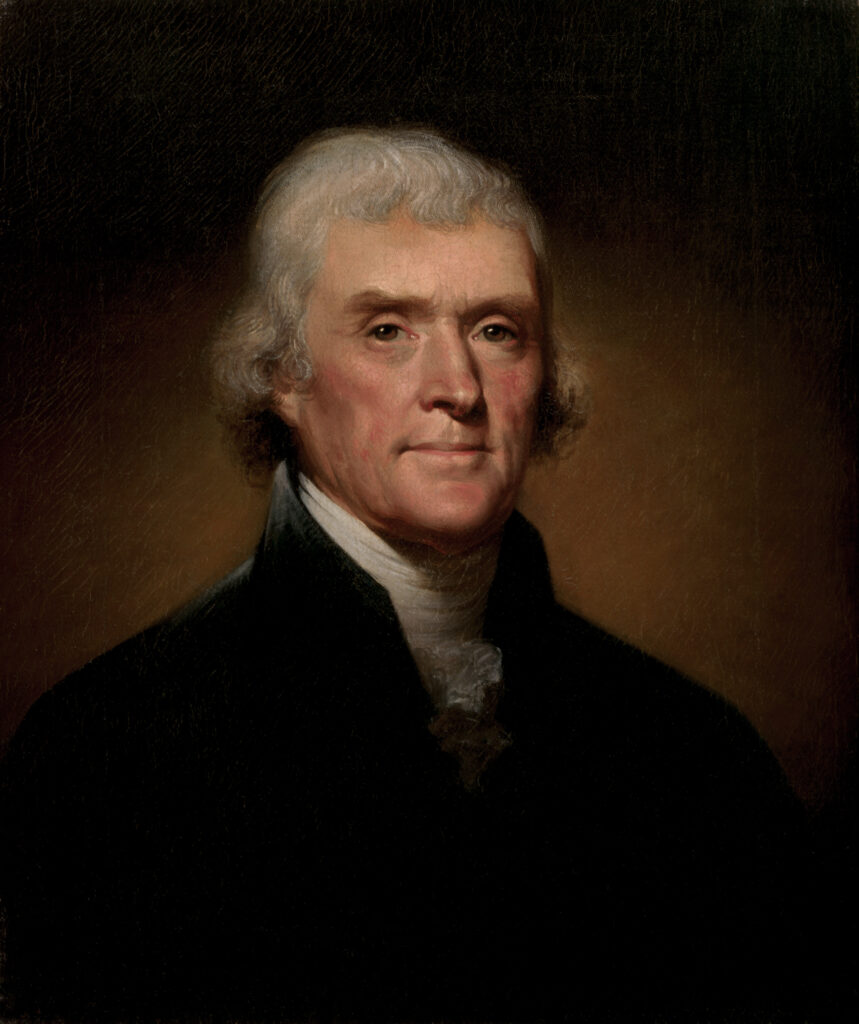
From the very beginning the Lyceum welcomed many renowned Members, including Thomas Jefferson, third president of the United States.

1836 

Commissioned by New York State, Lyceum members Lewis Beck, John Torrey and James DeKay led this landmark assessment of the state of New York’s natural resources, including minerals and forests, its flora and fauna. Also this year, Botanist Asa Gray became curator and librarian of the Lyceum; later, as a Harvard professor, Gray was one of Darwin’s lead supporters in the US.

1840

Chemist, physician, photographer, and Lyceum member John W. Draper presented the first photograph, an early daguerreotype, showing details for the moon’s surface at a Lyceum meeting on March 23.  
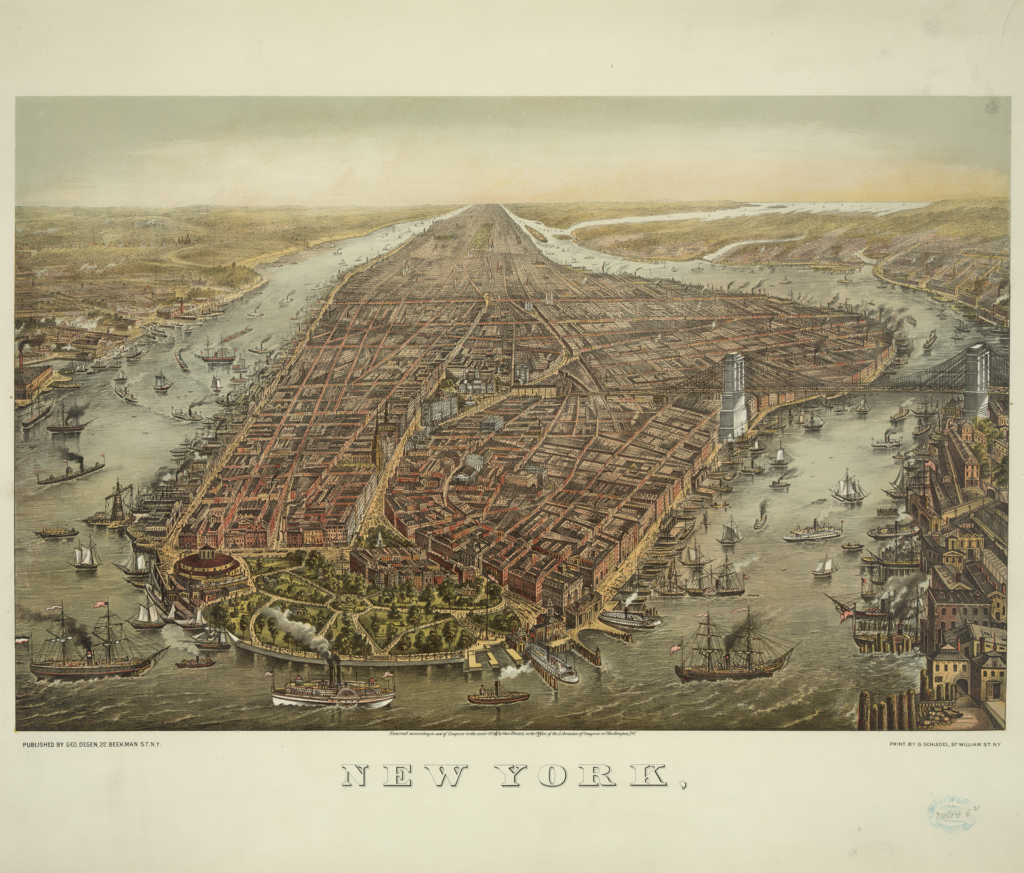
A 19th century shot of Lower Manhattan in New York City
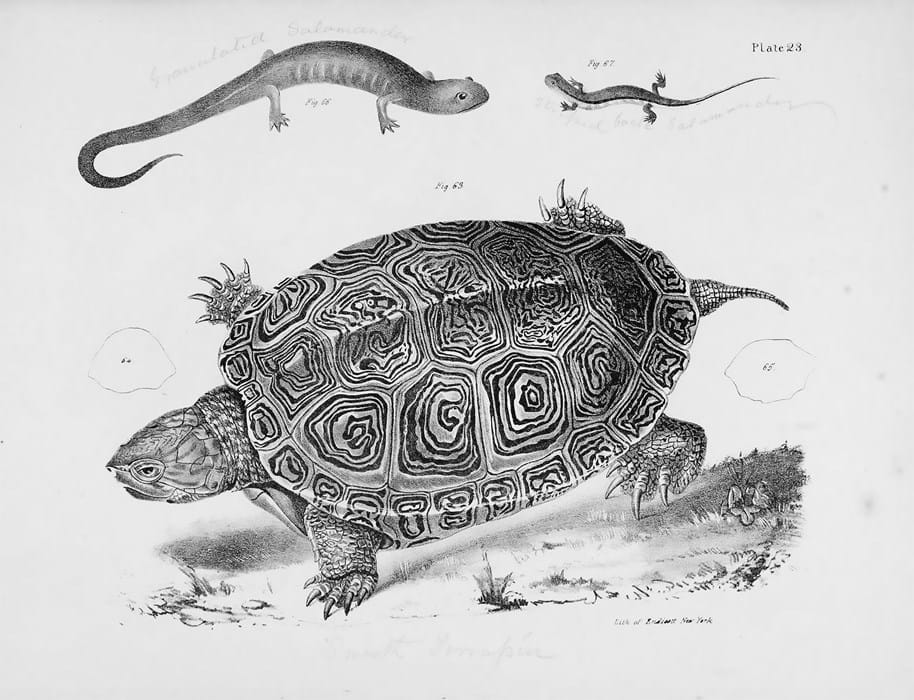
Illustrations of various reptiles and amphibians.

1850-1900

An illustration of the NYU Medical School building.

From 1850-1900, Academy membership grows with some of the greatest names in science, welcoming in a new century of discovery.
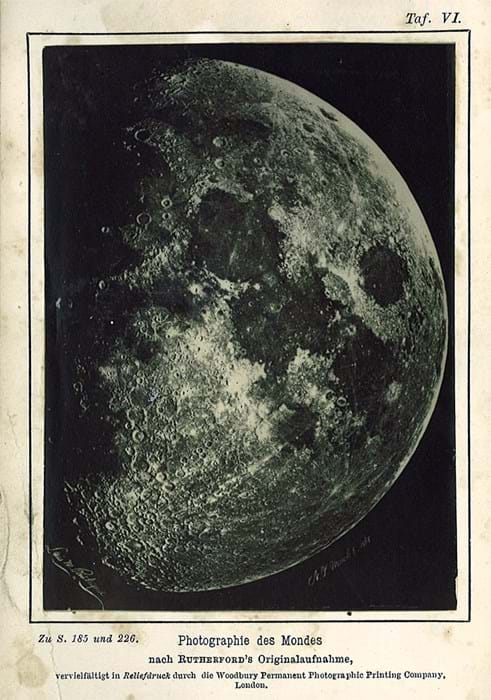
One of the earliest photographs of the moon.
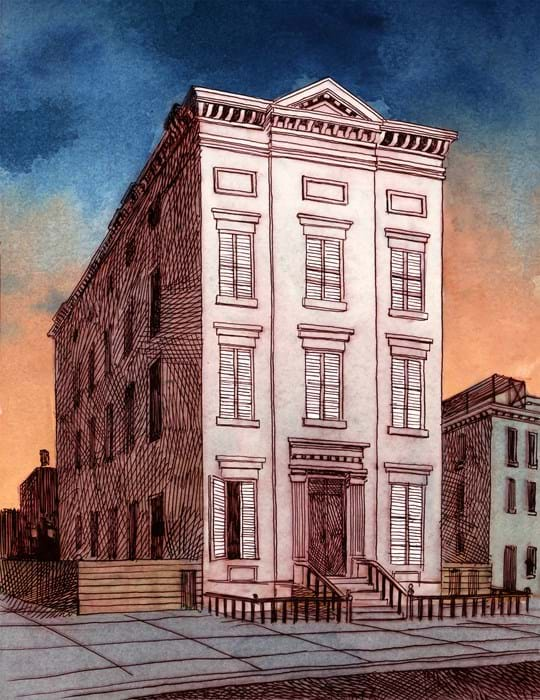
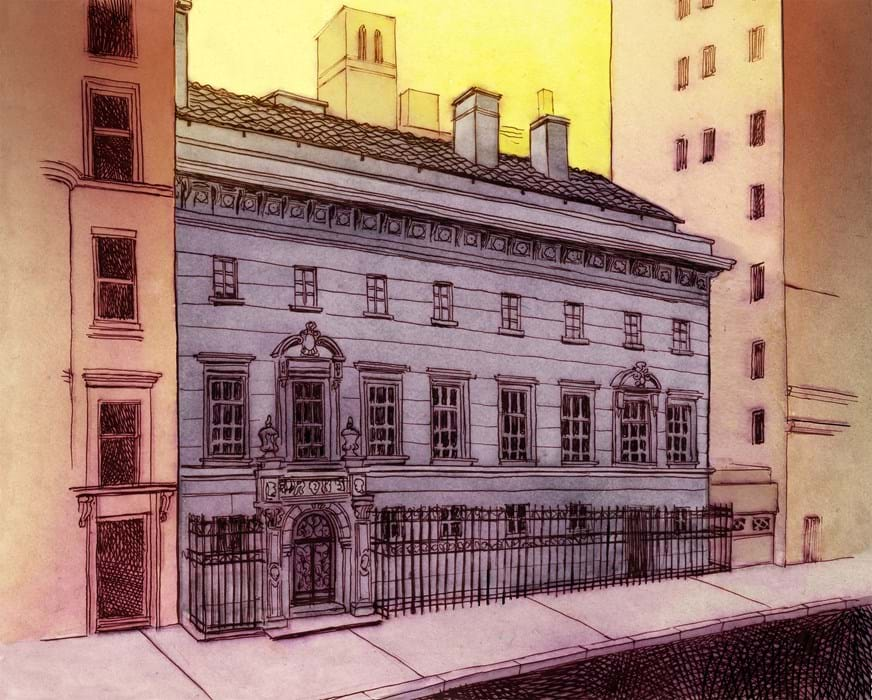
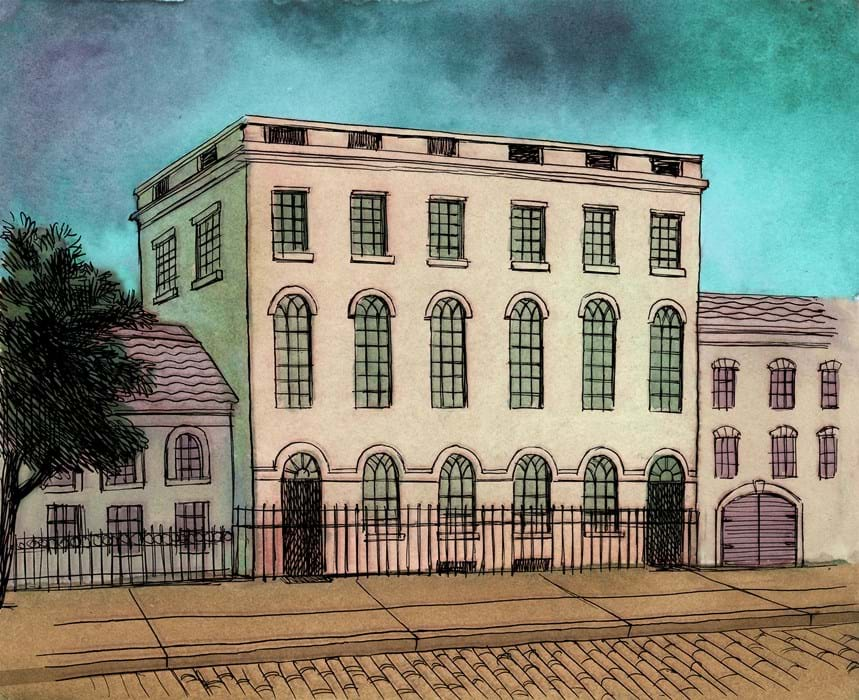
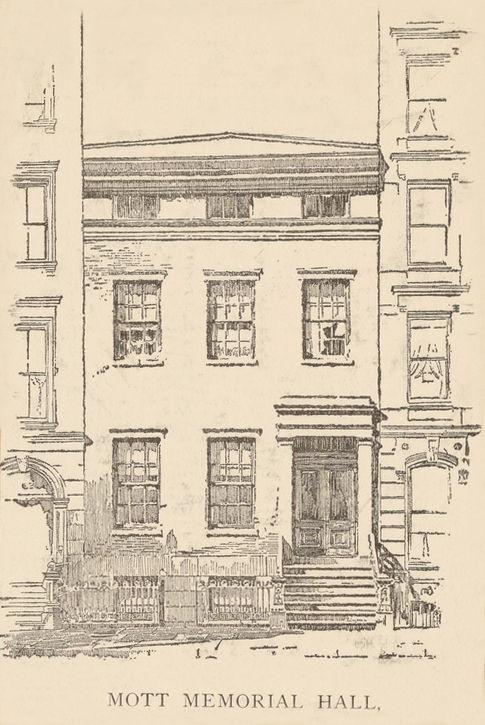
A sketching of an old building.
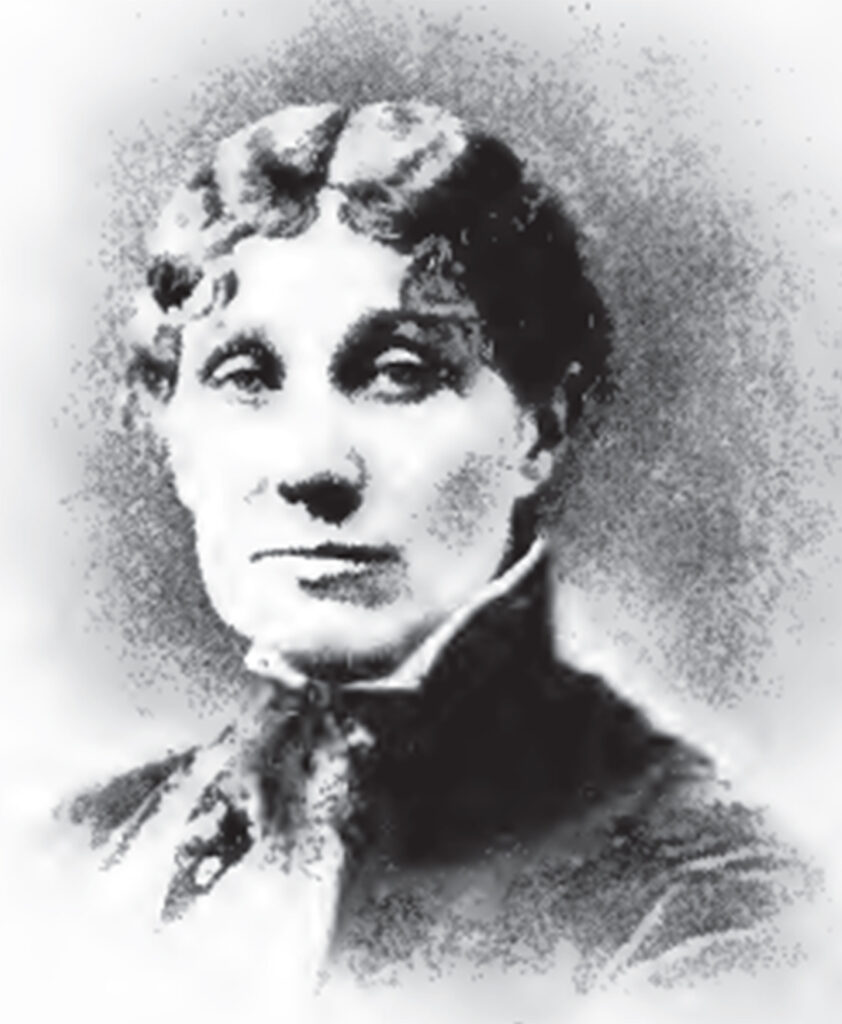
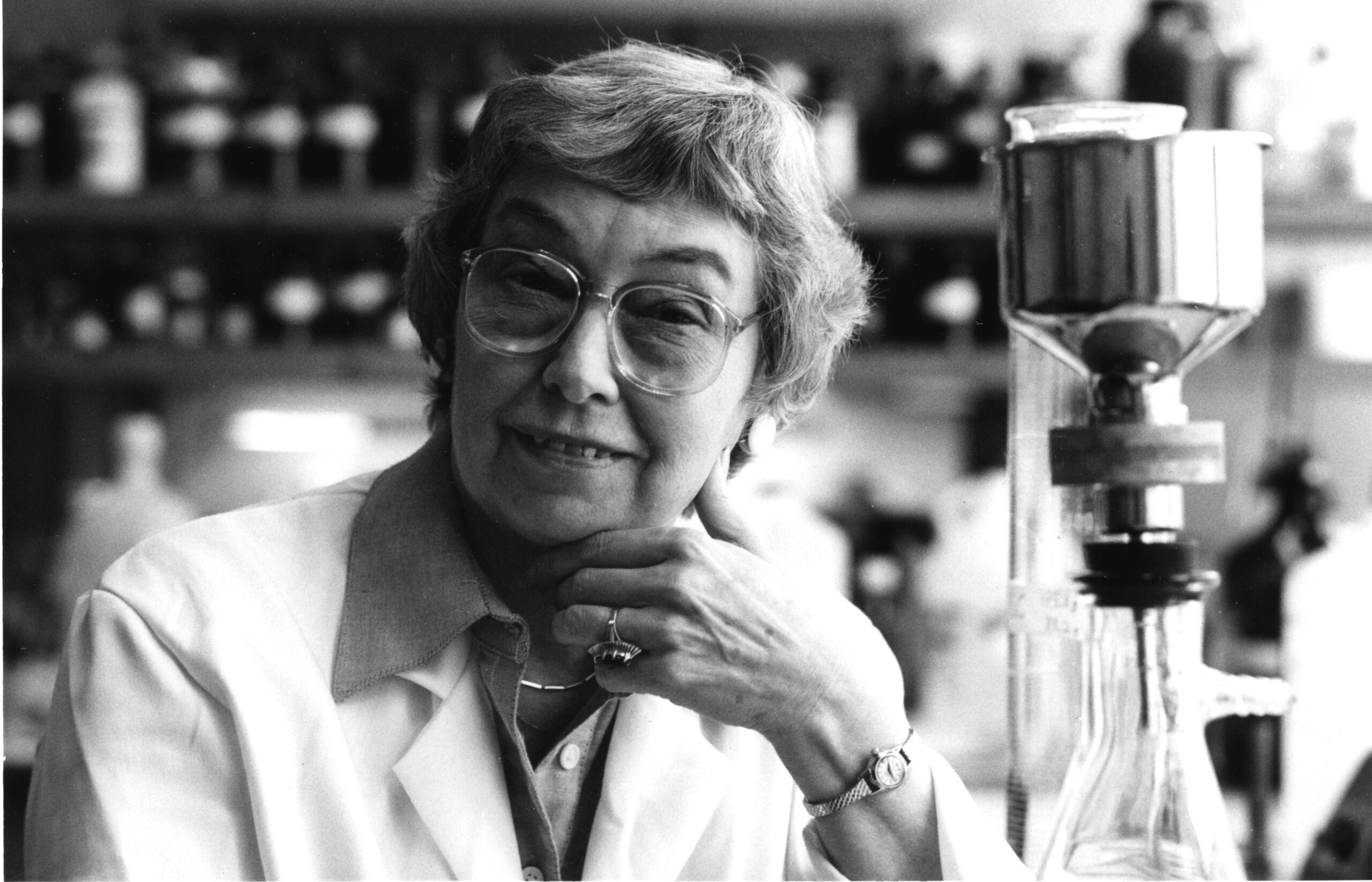
A black and white photo of a woman.
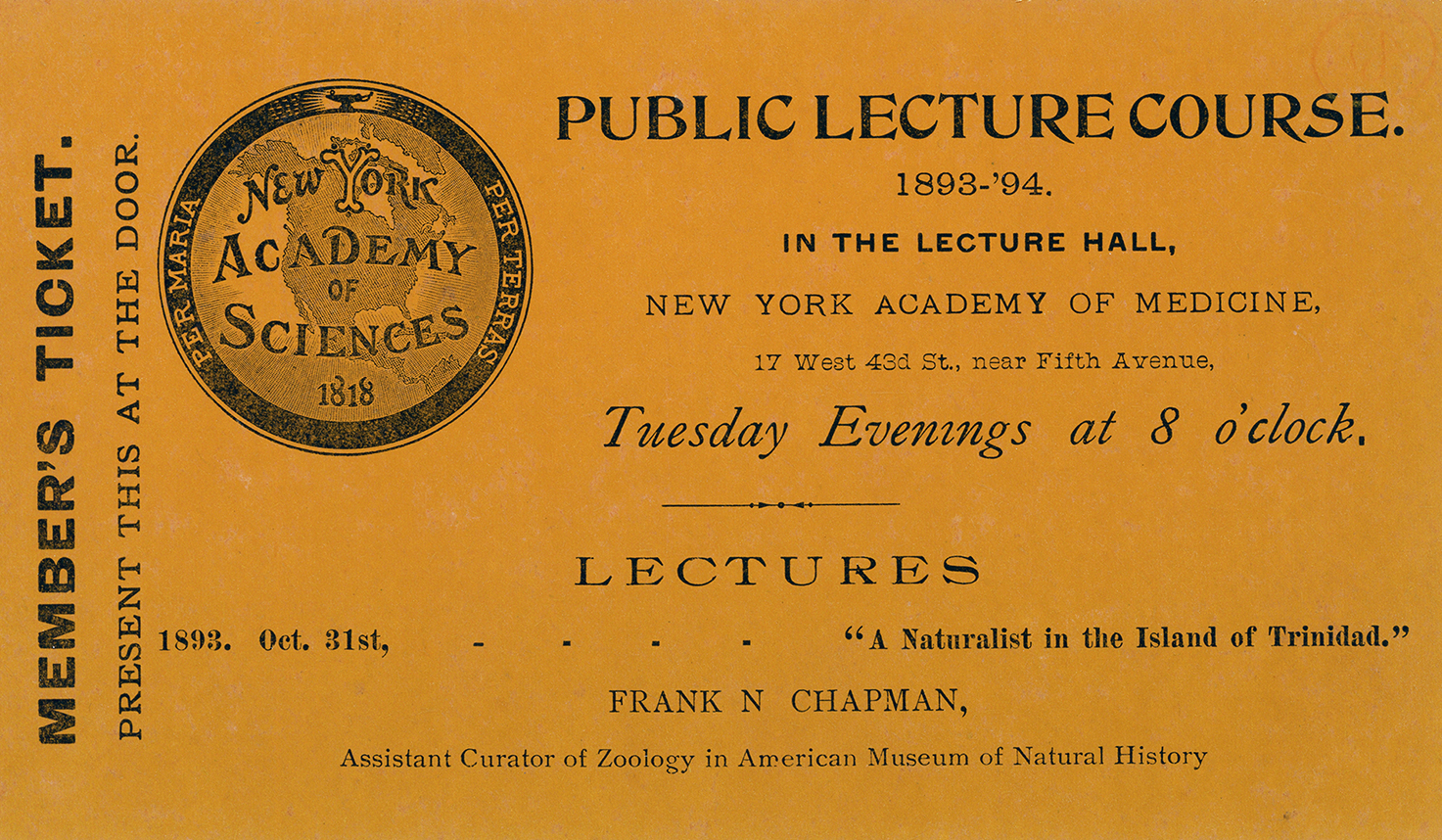
A ticket for a public lecture from 1893.

1859 

Renowned geographer, naturalist, explorer and philosopher Alexander von Humboldt was among the early Members of the Academy.

1865

In 1865, Academy Member Lewis M. Rutherfurd, who invented the first telescope designed for astrophotography, published one of the first high quality images of the moon.

1866

On the night of May 21, 1866, fire broke out in the building next door to the Lyceum headquarters on 14th Street. It soon engulfed the entire block, destroying the Lyceum’s library, as well as its collection—including John James Audubon’s Birds, John Draper’s chemistry apparatus, and an unrivaled mineralogical cabinet—dashing hopes of establishing a natural history museum and leading the Lyceum to move to Mott Memorial Hall at 64 Madison Avenue. The Lyceum persevered, turning this catastrophe into an opportunity to adapt to the changing landscape of science.

1868

Members of the Academy played key roles in founding a number of important institutions across the city of New York, including the American Museum of Natural History.


1876 

In the late 1800s science was becoming more specialized. Professional societies began to form, and natural history no longer represented a unified body of knowledge. In order to reflect the larger scope of scientific disciplines represented in the organization, such as Chemistry, Engineering, and Technology, the Lyceum changed its name to The New York Academy of Sciences on January 5, 1876, and created specialist sections under the Academy’s umbrella. 

1877

In keeping with its egalitarian principles, the Lyceum voted to begin inviting women to attend its meetings and to become members. Geologist and anthropologist Erminnie A. Smith became the first woman elected to Academy membership.

1887

Academy members also played important roles in national organizations, coordinating the first New York meeting of the American Association for the Advancement of Science, an event that gave the local scientific community visibility on the national stage. At the AAAS meeting, Albert A. Michaelson and Edward W. Morley made public their experiment disproving the existence of an “ether” through which light was through to travel in the form of waves. This shocked the audience—and paved the way for Albert Einstein’s theory of special relativity.

1891

The Academy created the Scientific Alliance, an organization that united New York’s scientific clubs and societies—and began publishing the Bulletin to announce meetings and foster collaboration among member groups. Through these efforts, the Academy emerged as a leader.

1892

Scientist, inventor, engineer and Academy member Alexander Graham Bell opened long-distance telephone service from New York to Chicago in 1892.

1894

The Academy launched a series of annual exhibitions showcasing the research of its members and of other institutions in New York City.


1900-1950

The turn of the century brought in a new president to the Academy, along with new conferences and initiatives.
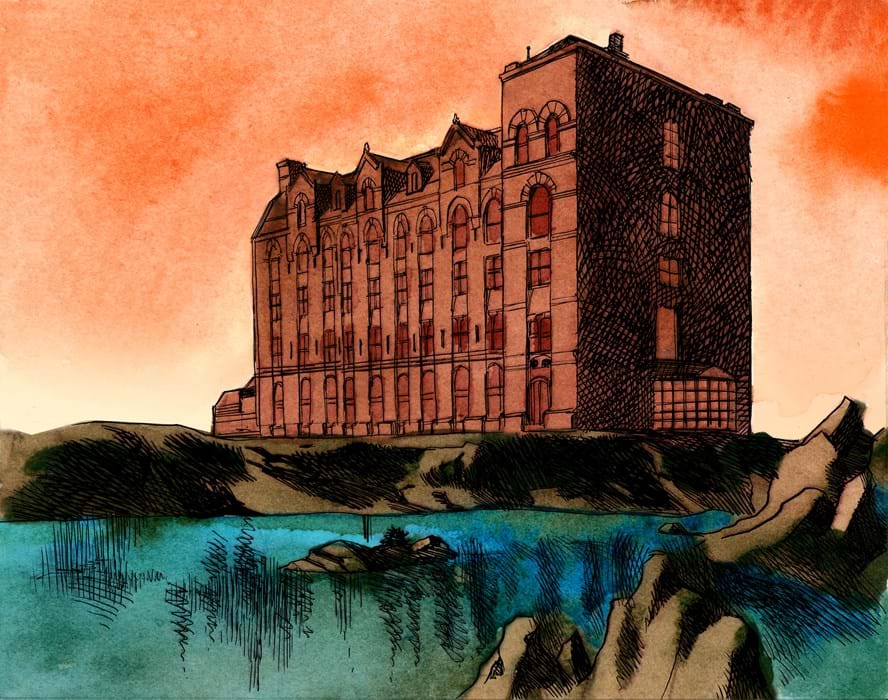
An illustration of the American Museum of Natural History.

1906

Nathaniel Britton was elected president of the Academy in 1906. Britton had been instrumental in founding the New York Botanical Garden, chartered in 1891, and had served as its first director. This year, the Academy moved into rooms at the American Museum of Natural History, where it maintained its offices until 1950. Academy members were among the Museum’s founders.

1913

Britton launched the Academy’s ambitious survey of Puerto Rico—the first of its kind—by marshaling the expertise of members in diverse disciplines: geology, meteorology, oceanography, archaeology, anthropology, botany and zoology. Though it began as a small-scale botanical and entomological exploration, it grew into a multi-year project, publishing 19 volumes and earning the Academy a reputation for scientific excellence.

1916

Serbian-American physicist and Columbia professor Michael Pupin was elected Academy president.

1935

Eunice Miner, a research assistant at the American Museum of Natural History, joined the Academy with just over 300 members. Miner became the Academy’s Executive Director in 1939 and through legendary energy and ambition, expanded membership to more than 20,000 by 1967.

1938

Two pioneering conferences—one on electrophoresis in 1938, the other on the internal composition of stars in 1939—established the Academy conferences in the eyes of the international scientific community.

1942

The Academy published the book Balinese Character: A Photographic Analysis, by Gregory Bateson & Margaret Mead. Both Academy Members, Bateson and Mead compiled over 700 photographs depicting their cultural studies in Bali. Read the book here.

1946

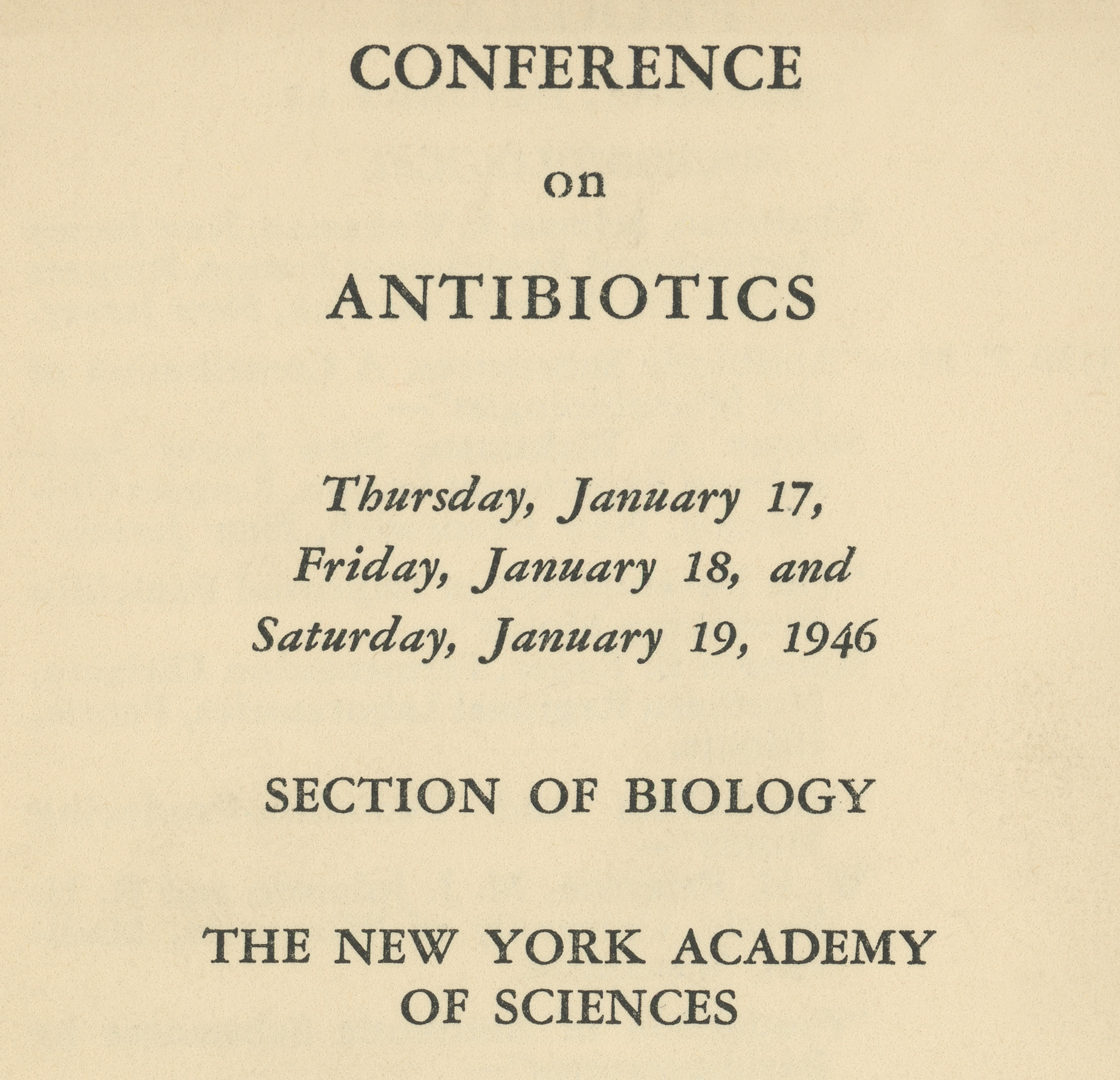
In January of 1946, the Academy held the first-ever large scientific conference on antibiotics, only two years after the discovery of streptomycin. Proceedings from this groundbreaking conference were published in the September 1946 volume of Annals.

1948

The Academy launched the first Science and Technology Exposition, New York City’s science fair.
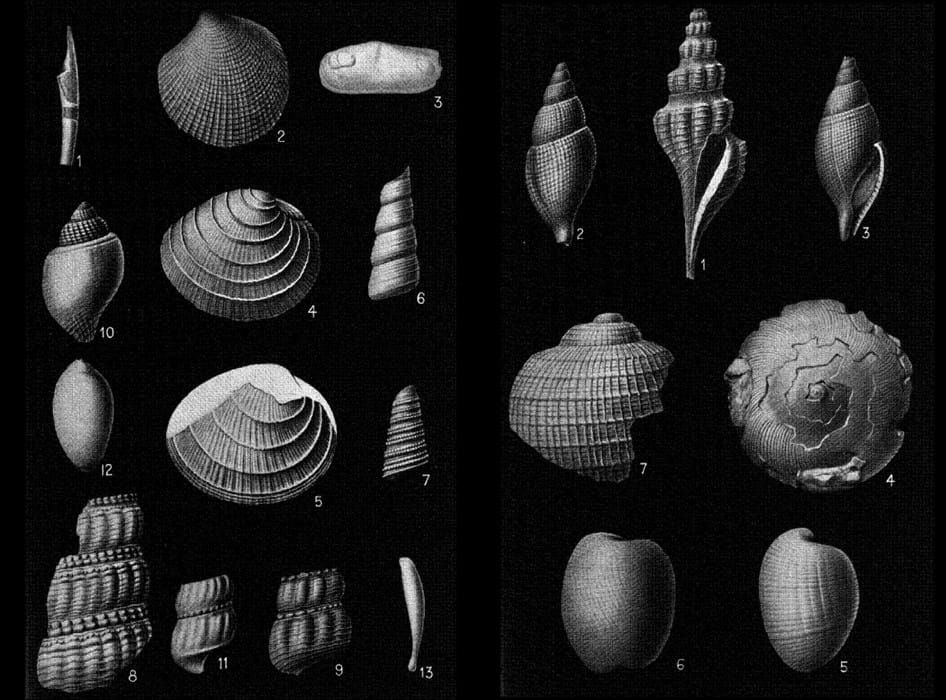
A diagram of various seashell varieties.
A black and white photo of a Balinese woman dancing.
An advert for a 1946 antibiotics conference sponsored by the Academy.

1950-2000

The Academy spent the entire latter half of the 20th century in its newly acquired Woolworth Mansion building, the longest period to date that the Academy remained in a single location, which helped to provide stability and promote advancement.
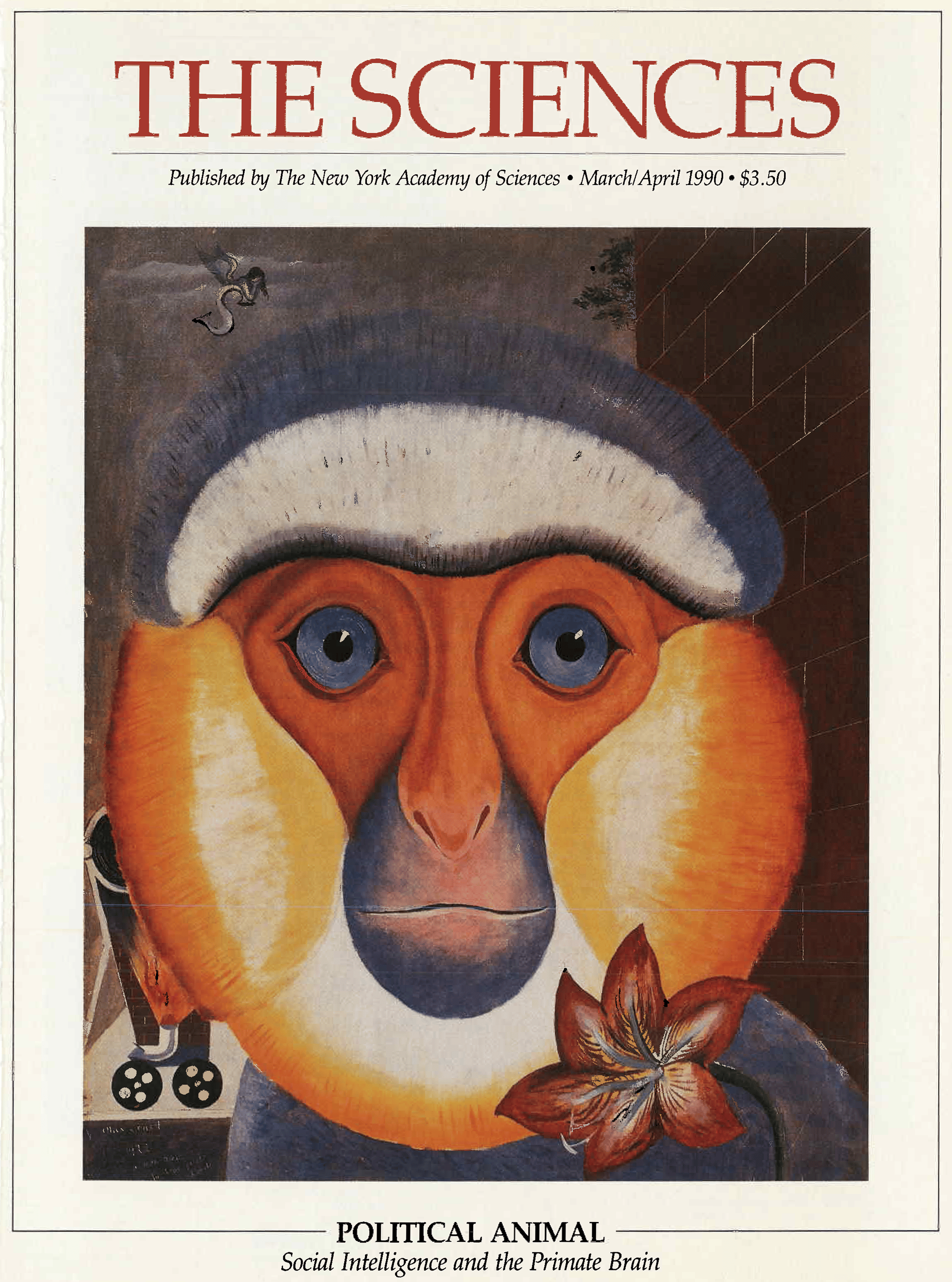
An illustrated primate graces the cover of "The Sciences" magazine.
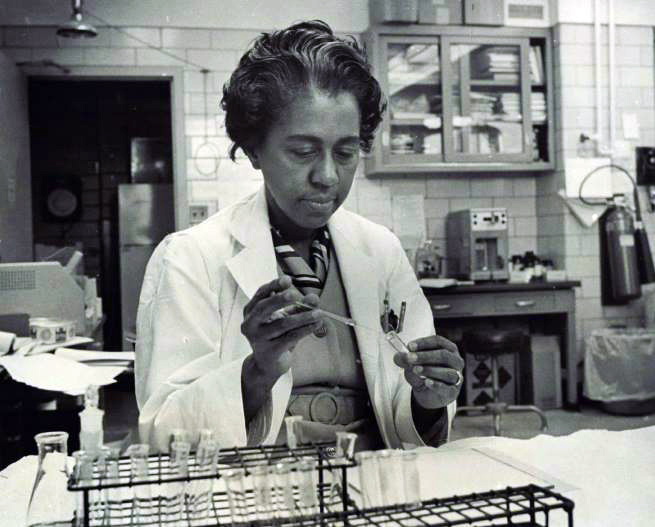
A woman works inside a science lab.
A woman poses for the camera inside a science lab.
Findings from research on AIDS.
Participants interacting during a 1993 science and technology conference.

1950

After hearing a talk by Eunice Miner in the late 1940s on the Academy’s need for a home, Norman Woolworth donated the Woolworth Mansion on East 63rd Street. This became the Academy’s headquarters for the next 50+ years.

1961

The Academy launched The Sciences, seven-time National Magazine-award-winning science publication for an audience of both experts and lay readers; publication continued until 2001.

1964

Leaders of the Academy had long been aware that advances in health and living could only be secured by developing a new generation of scientists and science-savvy adults. The launch of the Junior Academy fostered the next generation of scientist-researchers, including George Yancopoulos, co-founder of cutting-edge biotech company Regeneron. 

1966

Leading anthropologist Margaret Mead became a Vice President of the Academy in the 1960s. 

1970s

The first African-American woman to receive a PhD in Chemistry in the U.S., Marie Maynard Daly had a distinguished career in biochemistry and was an Academy Member, as well as a Member of the Academy’s Board of Governors.

1978

Charlotte Friend, renowned for establishing that cancer could be caused by a virus, became the Academy’s first female president. 

1979

The Science in Research Training Program was established, giving high school students an opportunity to do research in real laboratory settings. The Academy also established the Albert Einstein public lecture series, given by notable scientists including Sydney Brenner, Freeman Dyson, Susumu Tonegawa and Steven Weinberg.

1983 

When many were still fearful of addressing the AIDS crisis, the Academy took the lead and hosted the first major scientific conference on AIDS in December of 1983. Conference proceedings were published in a December 1984 volume of Annals.

1987

The Academy published a fifth volume of reports from the Moscow Refusnik Seminar, papers by persecuted scientists from the Soviet Union and by concerned colleagues.

1988

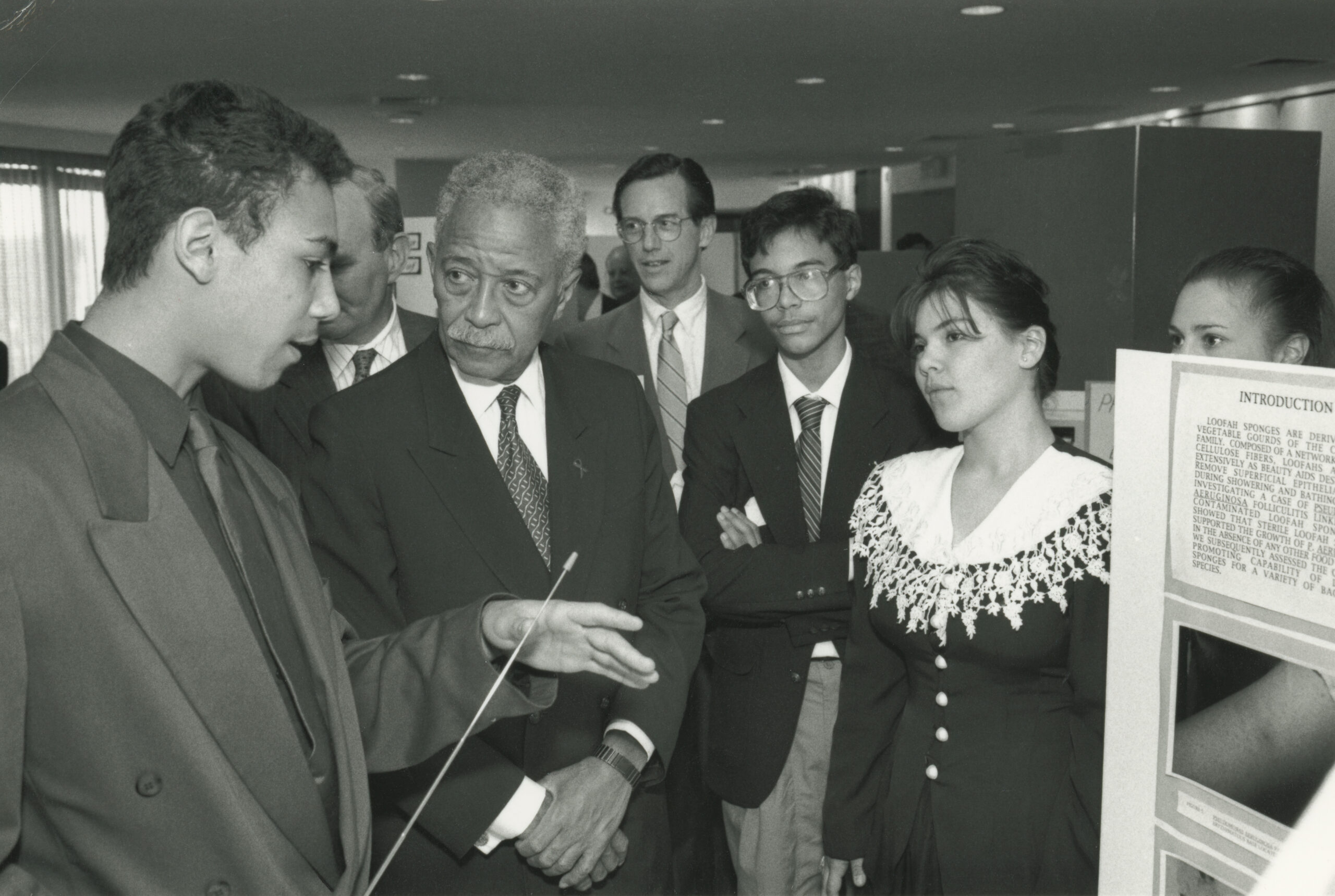
Physicist Andrei Sakharov and Chinese dissident Fang Lizhi credited the Academy for the coordination of international pressure around the human rights of scientists that resulted in their release. Both made the Academy their first stop during U.S. visits.

1993

Throughout the 1980s and 90s, the Academy held science fairs for high school students, continuing a long tradition begun in the 1940s.

1997

With increasing focus on public health and policy, the Academy convened a landmark conference on the effects of cocaine on the developing brain.


2000-2020

Moving into the 21st century, the Academy returned to its roots in lower Manhattan and celebrated its bicentennial, marking two centuries of advancing science for the public good.

An illustration of the 7 World Trade Center building.

2005

Ellis Rubinstein became Academy President and CEO.

2006

The Academy moved downtown as the first tenant of the new World Trade Center at 7 WTC, 250 Greenwich Street—four blocks from its birthplace on Barclay Street.

2007

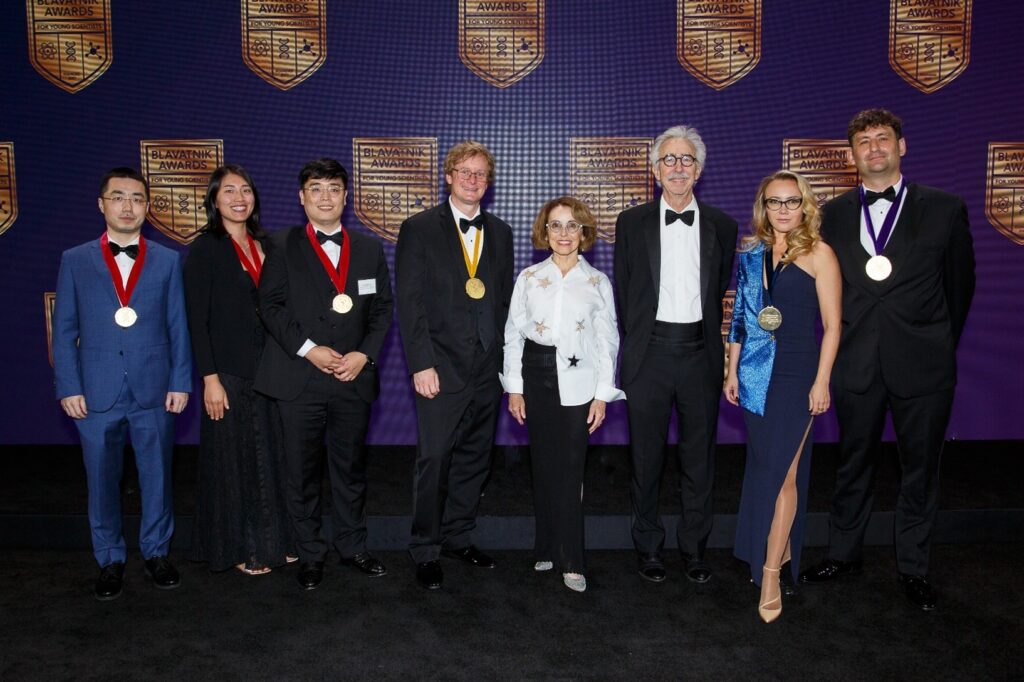
In November of 2007 the first-ever Blavatnik Awards for Young Scientists were announced at the Academy’s annual gala. The Blavatnik Awards were created to honor exceptional young scientists and engineers by celebrating their achievements, recognizing their future potential, and providing them with unrestricted funding.  

2008

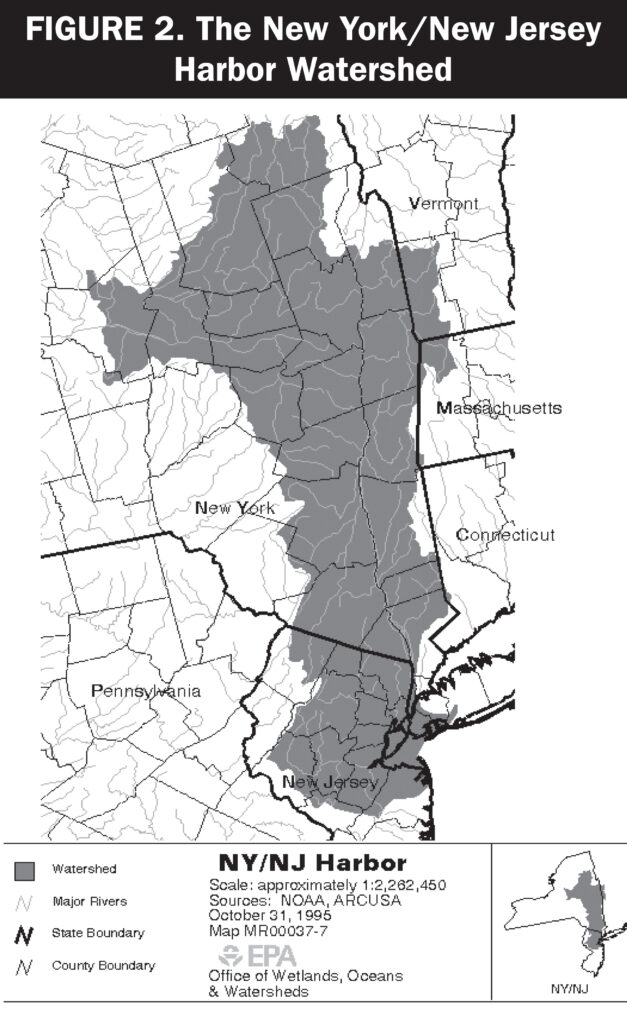
The Harbor Project achieved consensus among 70 stakeholder organizations on the industrial sources of contaminants in New York Harbor and ways to protect the watershed.

2010

In February of 2010, the Academy published one of its most downloaded volumes of Annals, “The Biology of Disadvantage: Socioeconomic Status and Health.” 

2012

The Academy convened a panel discussion to debate perceived censorship of highly controversial studies with the avian influenza virus H5N1.

2014 

On September 22, 2014, the Academy announced the Global STEM Alliance before a packed audience at the United Nations. The programs aimed to improve the STEM pipeline with a focus on mentoring and inspiring students and scientists at all stages. The GSA has evolved into Academy Learning [ck], which continues to be dedicated to STEM education for K-12 students and serves to keep the scientific career pipeline filled with promising young minds.  

2017

The Academy turned 200 years old, celebrating two centuries of bringing together extraordinary people to drive solutions to society’s challenges by advancing scientific research, education, and policy.

2020

On March 12, 2020, the Academy held a webinar “What You Need to Know About the New Coronavirus.” Attendance exceeded 5,000 participants. The Academy continued to provide important, unbiased scientific information on the spread of SARSCoV-2, and the development of therapeutics and vaccines against the coronavirus, convening nearly 25 events in the first months of the pandemic. In so doing, the Academy built on a proud tradition of bringing together diverse, international stakeholders to address global issues as was done with antibiotics in 1946, AIDS in 1983, SARS in 2003, and H1N1 (swine flu) in 2009.  
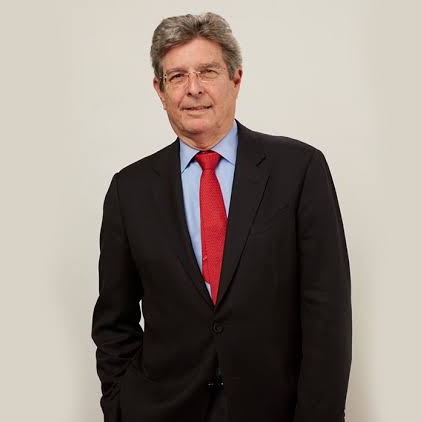
A man wearing a suit and tie poses for the camera.
A group of award winners pose for the camera.
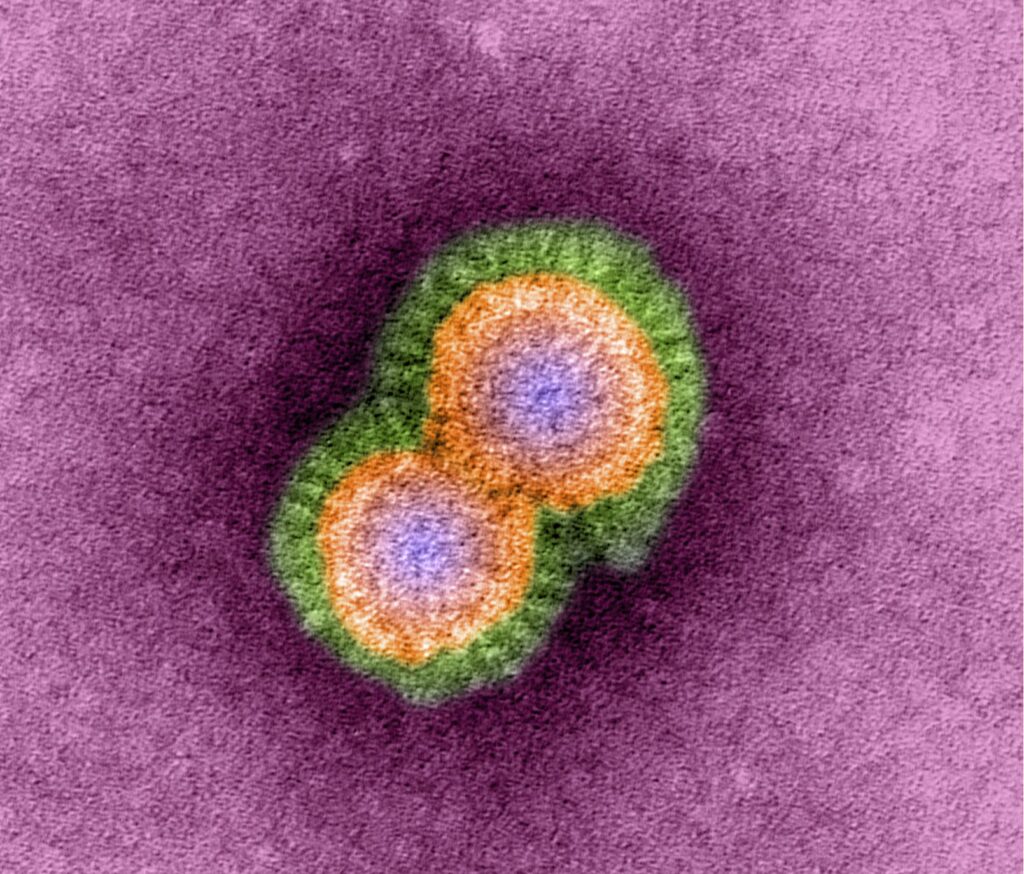
H5N1 avian influenza virus particles, coloured transmission electron micrograph (TEM). Each virus particle consists of ribonucleic acid (RNA), surrounded by a nucleocapsid and a lipid envelope (green). The natural hosts of this virus are wild birds, which show few symptoms. However, infected domestic birds suffer a 90-100% mortality rate. Humans that have contact with infected birds can become infected. The first such infection was identified in South-East Asia in 1997, and the virus has steadily spread across the world, with an outbreak in a poultry farm in the UK in 2007. There are fears that the virus may mutate into a human-transmissible form, which could lead to millions of deaths worldwide. Magnification: x670,000 when printed 10cm wide.

2020-present

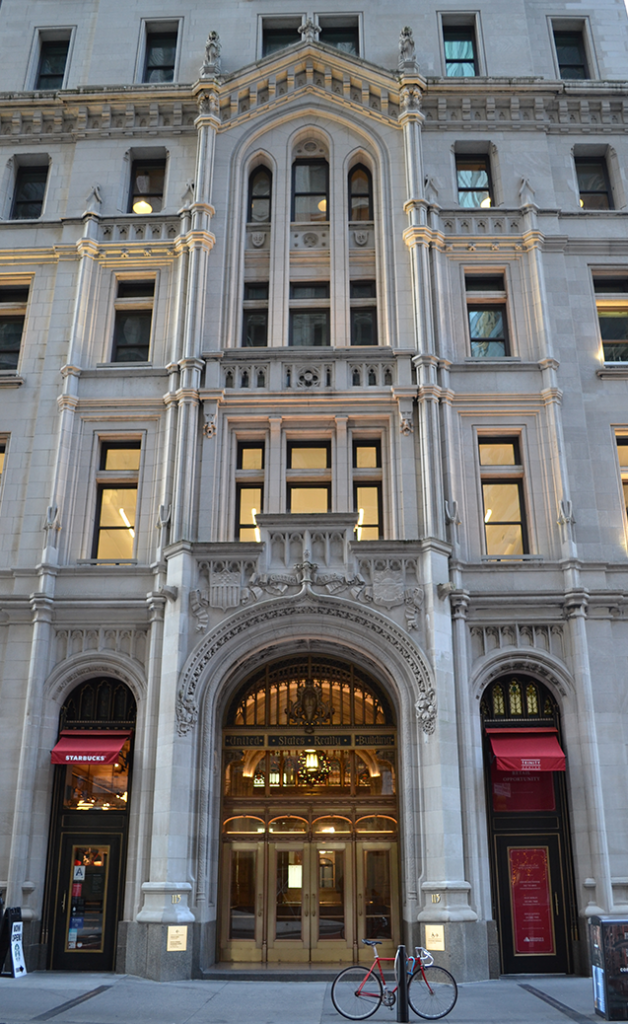
An exterior shot of the U.S. Realty Building.

As the world was grappling with the COVID pandemic, the Academy introduced Nicholas B. Dirks as its next president, at a time when advancing science for the public good was crucial.
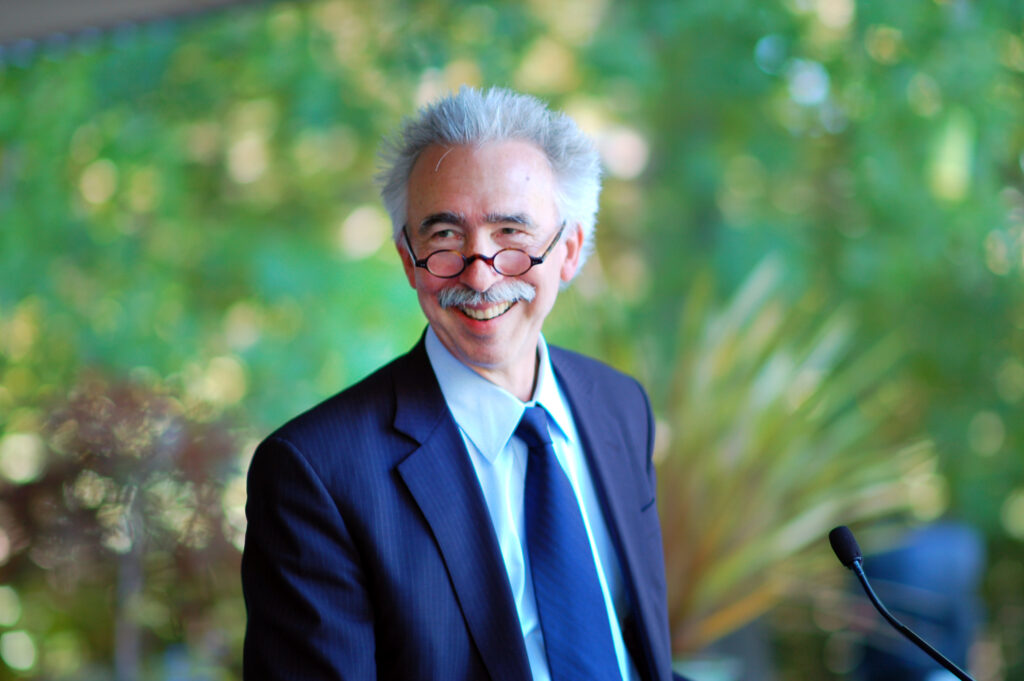
A man smiles for the camera.

2020

In June 2020, Nicholas B. Dirks took the helm as President and CEO of The New York Academy of Sciences.

2022

The Academy introduced the International Science Reserve (ISR), a global network of scientific experts committed to collaborating across borders to accelerate solutions to help mitigate global crises that may arise from another pandemic, a cyberattack, or disasters associated with climate change. In its first year, more than 2000 scientists from 100 countries joined the ISR community.  

2023

From May 23-24, the Academy presented another groundbreaking first—the first convening of experts to address “The New Wave of AI in Healthcare.” This was just the first of many upcoming Academy endeavors, including a multi-year AI fellows-in-residence program, that aims to examine the potential applications of AI in various sectors for the public good.

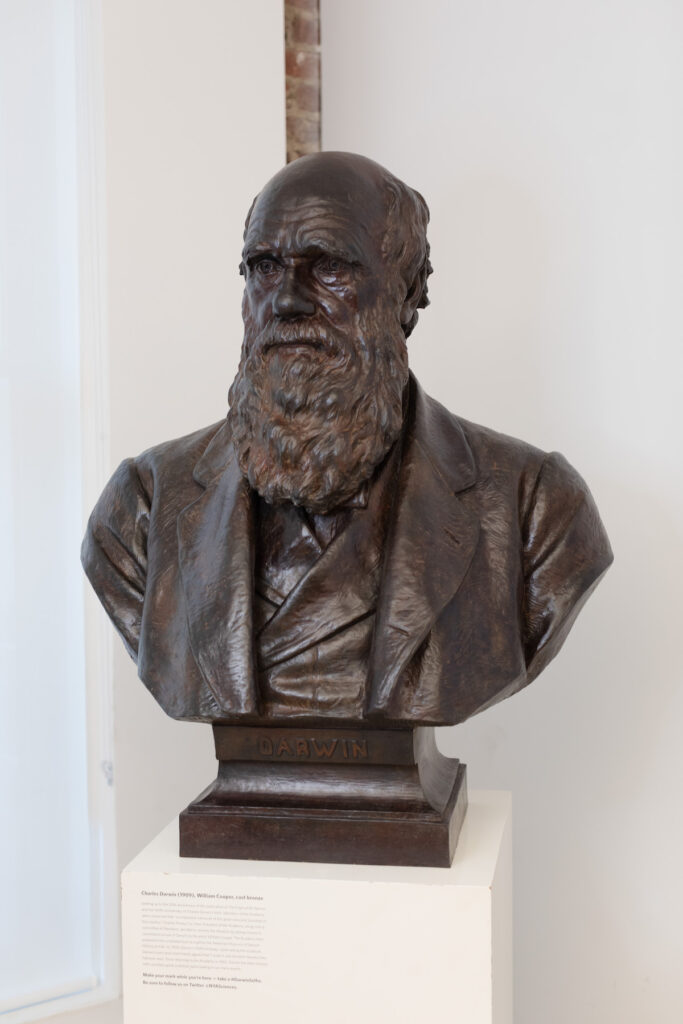
Then, on September 14, the Academy christened its newest home by welcoming the Academy community to 115 Broadway to hear stimulating discussions about the future of science and to engage in hands-on science activities. The spirit of discovery of Charles Darwin—an early Member of the Academy—is very much alive to this day. A sculpture commissioned by our Members welcomes staff and guests alike in the lobby of our latest headquarters.



What We Do

Through a collective action approach, the Academy promotes holistic, innovative solutions to advance the sciences for the economic and social wellbeing of society through research, education and policy. From programming and awards to events and outreach, we provide a wide range of initiatives that deliver on our mission. The Academy is a not-for-profit 501 (c)(3) as defined by the Internal Revenue Service.

For the Global Scientific Community

With the Academy’s reach extending to nearly every corner of the world, we aim to foster and inspire the global scientific community. By offering resources for STEM professionals of all disciplines and throughout all stages of their careers, we are building skilled networks of forward-thinking innovators ready to tackle tomorrow’s local and global challenges. The Academy’s International Science Reserve is one example of this effort in action.

For Early-Career Researchers

Qualified early-career researchers are recognized through a broad array of accolades, including the Blavatnik Awards for Young Scientists, the Innovators in Science Award, and the Tata Transformation Prize. These awards recognize the most-promising scholars for their research and innovations and provide significant financial support to encourage changemakers to pursue endeavors that may not otherwise receive adequate funding. Additionally, Academy membership provides access to events, courses, workshops, networking opportunities, and other resources that enable scientists to grow and succeed.

For STEM-Interested Students

The Academy offers a range of STEM programs that motivate and inspire K-12 students, laying the groundwork for future study and career development. Programs build skills in critical thinking, scientific research, as well as soft skills like communication, teamwork, and project management. Students ages 13-17 who participate in our High School Research Programs become Young members and have access to benefits including networking opportunities, resources for aspiring scientists, and access to lectures and research papers on the latest scientific breakthroughs.

Using a holistic approach, The New York Academy of Sciences is shaping the future of science by providing outreach and other opportunities for the community, by recognizing and supporting changemakers at all stages of their careers and by developing and inspiring the next generation of scientists.

> See More

The Annual Report offers our members, supporters, and the global scientific community a snapshot of the most impactful accomplishments of the year. As a not-for-profit 501 (c)(3), the Academy’s financials are reviewed annually by independent auditors and provided to the IRS with the information required for tax-exempt organizations by filing Form 990.

> See More

The Academy Blog

EDITOR’S CHOICE


TOP READ


CEO SPOTLIGHTS


Shaping Science

The Academy leverages its stature as a preeminent institution of advanced learning by capitalizing on the breadth of our global scientific network to shape the future of science. We do this through convening scientists for events, offering awards and fellowships, supporting the work of like-minded partners, and more. 

Events

Bringing together experts and partners from academia, industry, and government, the Academy convenes conferences, symposia, and workshops that provide a neutral forum for the exchange of information on basic and applied research as well as discussions about the broader role of science in society. 

Learn more >

Awards

The Academy is widely acclaimed for excellence in administering prestigious Awards programs. We have consistently identified outstanding emerging talent and foremost senior figures in the scientific community, exemplifying the transformative impact of science philanthropy.  

Learn more >

Fellowships

Our fellowships are designed to attract talented international, interdisciplinary scholars who combine deep interest and expertise in science with a broad appreciation of the social, cultural, economic and technological complexities of our world. 

Learn more >

International Science Reserve

The International Science Reserve (ISR) is a network of scientists and scientific institutions from around the world bringing together specialized resources to prepare for and help mitigate complex and urgent global crises. 

Learn more >

Nutrition Science

The Academy is dedicated to advancing nutrition science research and knowledge. Our initiatives address micronutrient deficiencies, obesity, adolescent nutrition in low income areas, the use of electronic health records for public health, and other pressing issues in the field.

Learn more >

Research & Consulting Services

Through a collective action approach, the Academy organizes and facilitates diverse groups — including funding agencies, governments, companies, and universities — to translate science into information for public use and develop solutions to global challenges.   

Learn more >

Ideas & Insights

Explore diverse media offerings from The New York Academy of Sciences, which present the innovative concepts, expert perspectives and profound insights that shaped the past, present and future of science.

Annals

Annals of the New York Academy of Sciences is an international science journal presenting original research articles and/or commissioned reviews, commentaries, and perspectives. Ann NY Acad Sci provides multidisciplinary perspectives, is rigorously peer-reviewed and ranked among the top multidisciplinary journals worldwide.

Learn more >

Publications

Archival publications, including Transactions of the New York Academy of SciencesThe Sciences magazine, and the New York Academy of Sciences’ digital archive are available online to members only. 

Learn more >

Academy Blog

The Academy Blog is an intellectual hub, featuring insightful content spanning a spectrum of scientific disciplines. From cutting-edge research to interviews with leading and emerging scientists, it offers a platform that engages and informs, fostering dialogue and exploration within the scientific community and among science enthusiasts alike. 

Learn more >

Shaping Science Podcast

Dive into topics at the forefront of scientific discovery from experts and other members of the Academy community. Listen to our podcast that explores the most urgent scientific debates of our time.

Learn more >

Research & Analysis

Through a collective action approach, the Academy organizes and facilitates diverse groups — including funding agencies, governments, companies, and universities — to translate science into information for public use and develop solutions to global challenges. Areas of research focus have been nutrition science, STEM education, climate change, and engineering.

Learn more >

Staff Spotlight: Sanaz Masserat

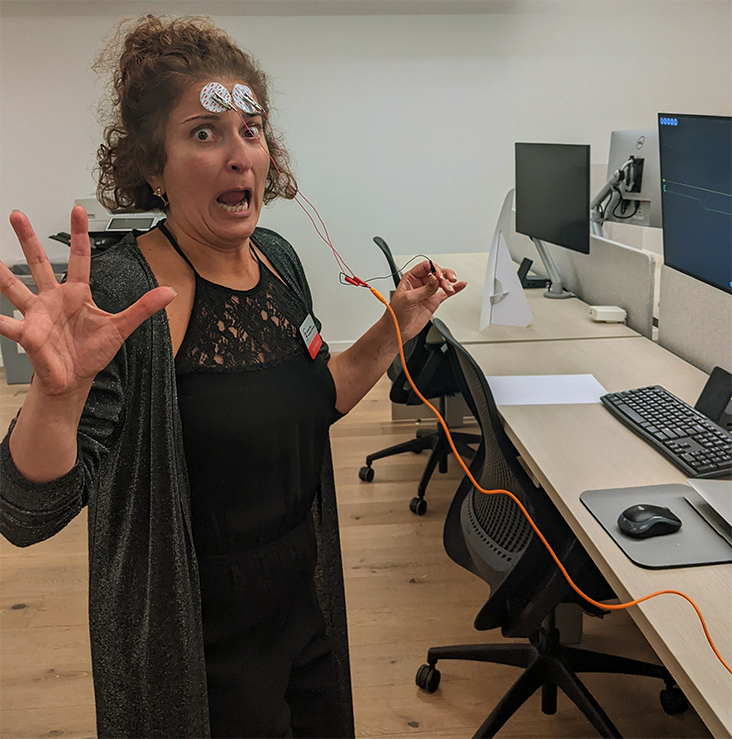
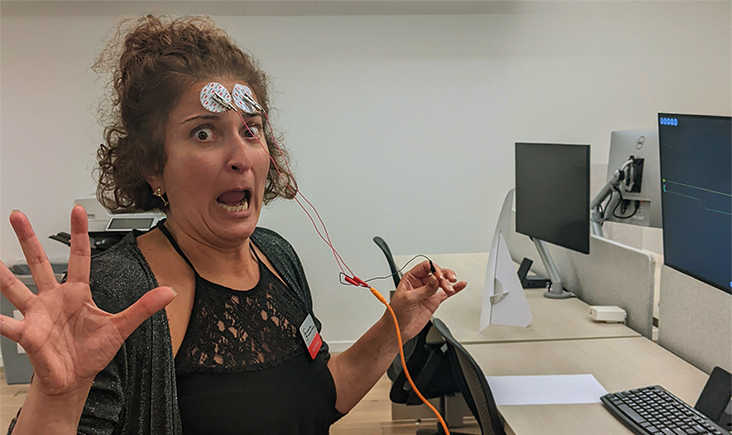
An Academy staffer goofing around with sensors detecting her brainwaves.

This series provides an opportunity to get up close and personal with the people who power The New York Academy of Sciences.

Published April 12, 2023

By Nick Fetty

A woman having fun and making a goofy face.

Tell us what you do for the Academy.

I coordinate logistics, contact vendors, negotiate contracts, and manage platforms to support internal and external events.

What has so far been your proudest accomplishment working for the Academy?

Bringing together different departments to work together to host an Open House event that marked the official opening of the Academy’s new headquarters at 115 Broadway. Marketing helped Meeting Ops with printing and laminating; Meeting Ops supported Development with logistics; and on the day of the event, our executives helped us hang paintings! It was a mix of enthusiastic minds and tireless hands, and that collaboration delivered a successful evening.

Why do you think science is so important to society?

It spreads knowledge and improves education.

Which scientist (or scientists) would you most like to have dinner with and why?

Sir Isaac Newton. He was very shy—so shy that he would not share his findings on gravity! If not for a bet with friends that changed everything from there on, where would we be? I would love to sit down with him and just get him to talk, talk, talk and I would just listen, listen, listen.

What hobbies or interests do you have outside of work?

I love taking care of myself by spending time at a spa.

Read more about impactful Academy staff members:

Staff Spotlight: Melanie Brickman Borchard, PhD, MSc

This series provides an opportunity to get up close and personal with the people who power The New York Academy of Sciences.

Published April 9, 2023

By Nick Fetty

Tell us what you do for the Academy.

In my role as Director of Life Sciences, I’m responsible for supervising a diverse range of scientific symposia, evening events and workshops encompassing the fields of life sciences and public health. My role involves facilitating meaningful connections between academics, industry leaders, non-profit representatives, government officials and various stakeholders to foster innovation in science through the exchange of ideas.

What has so far been your proudest accomplishment working for the Academy?

One of the most fulfilling experiences during my tenure at the Academy was orchestrating our inaugural event post-pandemic. After two years of exclusively virtual conferences, the opportunity to reunite stakeholders from across the globe for the Advances in Pain conference was truly gratifying. Being the catalyst for the resurgence of enthusiasm within the scientific community and witnessing the restoration of in-person idea exchange and networking was immensely gratifying.

Why, in general, are you proud to work for the Academy?

I take immense pride in my long-standing tenure with the Academy because we serve as a beacon for the most accomplished and innovative individuals who are dedicated to advancing science, often through unconventional pathways. We are united by a shared aspiration to champion the highest standards for the progression of scientific knowledge.

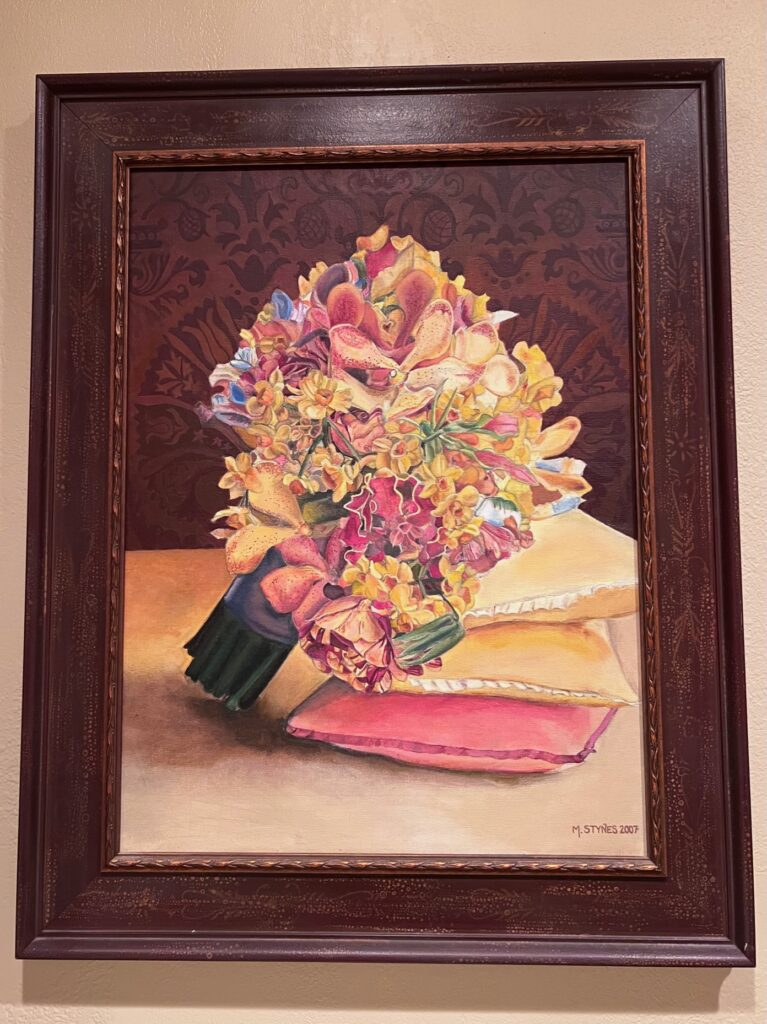
A painting of a colorful flower bouquet.

Why do you think science is so important to society?

Science plays a vital role in society as it drives innovation and technological advancements, improving our quality of life. It helps us understand and address pressing global challenges, from climate change to public health crises. Furthermore, science empowers informed decision-making, fostering a more sustainable and prosperous future for all.

Which scientist (or scientists) would you most like to have dinner with and why?

If given the opportunity, I would like to have dinner with Dr. Paul Farmer, who is now deceased. He was a global health hero who brought medical care to the poor and marginalized. I have been a long admirer of his work pioneering community-based healthcare and championing equity in health care.

What hobbies or interests do you have outside of work?

I like to spend time with my family, go hiking in the desert, and paint.

Read more about impactful Academy staff members:

Ethics in Pediatric Research

Recent progress in the understanding of human disease has led to an explosion in the number of new medicines and therapeutics available for adults — however, significantly fewer drugs are developed and evaluated specifically for children due to complex ethical and logistical issues. Listen to this podcast addressing topics on how to provide children with evidence-based treatments while protecting them from inappropriate research. 

This podcast highlights discussions from the Ethical Considerations in Research for Pediatric Populations symposium presented by The New York Academy of Sciences and NYU Grossman School of Medicine and is made available thanks to funding provided by Johnson & Johnson. 

Big Questions for Our Journey to Mars

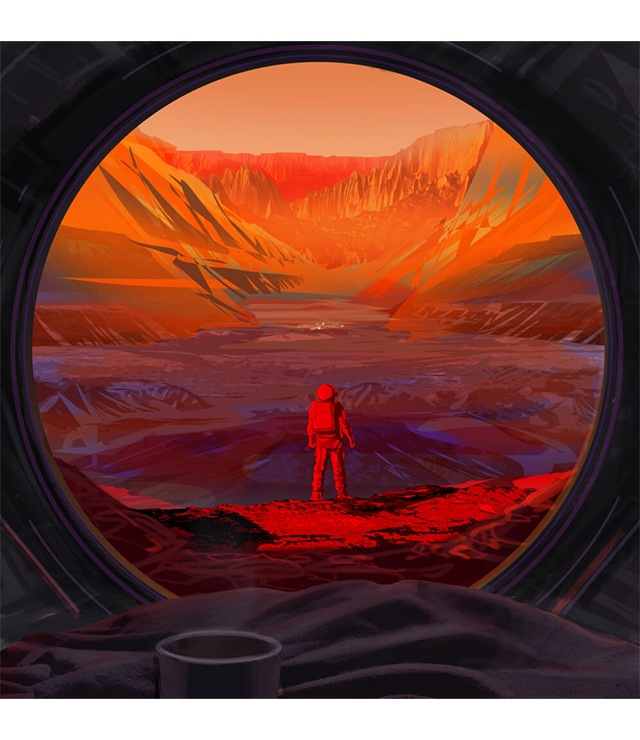
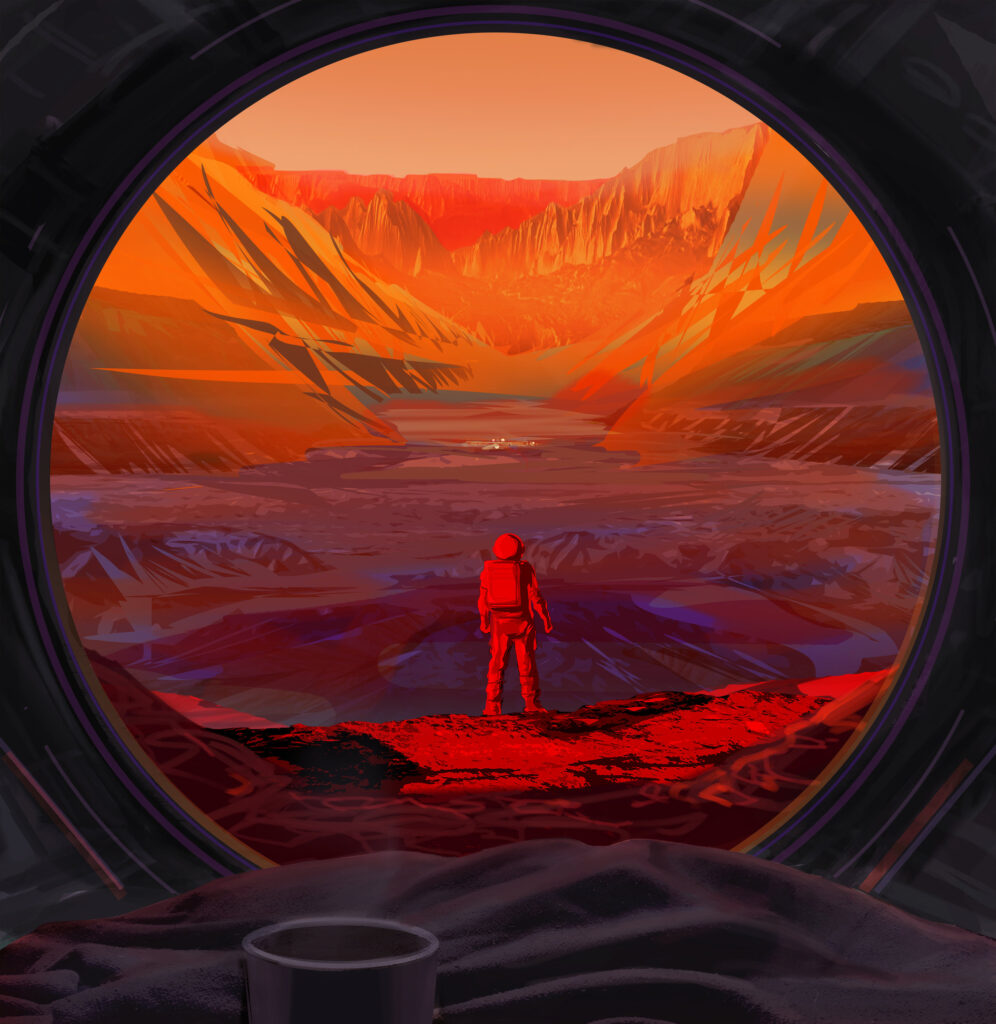
A graphic illustration of an astronaut on Mars.

Travel to Mars — and successful habitation there — will take more than good science, technology and engineering. It will require solutions to challenges in politics, ethics and law.

Published April 15, 2022

By Brooke Grindlinger, PhD

At this year’s South by Southwest Festival, I had the pleasure of asking a panel of experts some big questions about travel to Mars. The journey will push limits of the human body and may take us to the edge of ethical behavior – or beyond. Here are my top 10 questions and takeaways from the conversation.

1. The effects of space travel on the human body may not be reversible.

Two hazards astronauts will face during a trip to Mars—and a stay there—are DNA-breaking radiation and the effects of weightlessness and microgravity.

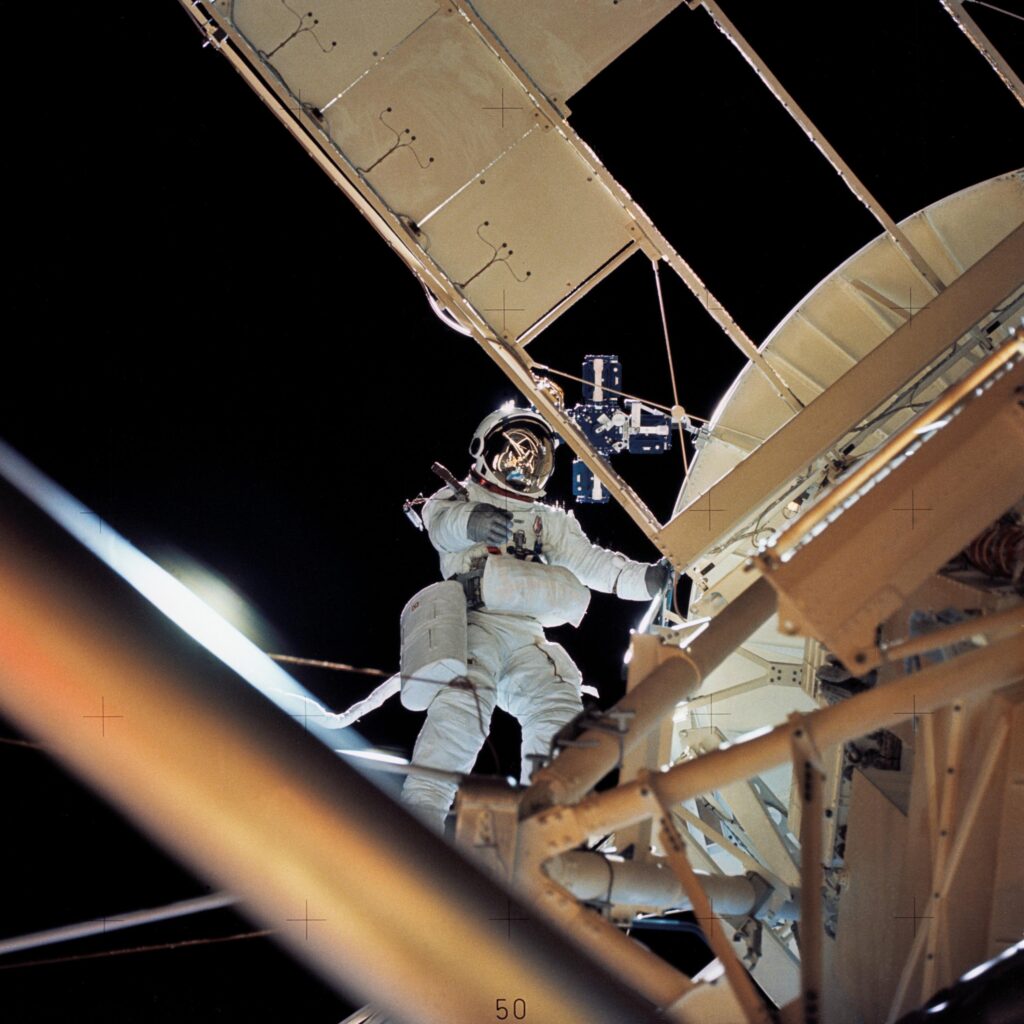
Astronauts have been exposed to the hazards of weightlessness and radiation in space since 1968. Here Owen Garriott retrieves an experiment outside Skylab in 1973.

“Imagine you’re lying off the side of your bed when you’re a kid, and all the blood is rushing to your head. In microgravity, the result of increased pressure that builds up in the head, pressing against the brain and against the eyes, can cause changes in vision—Spaceflight Associated Neuro-Ocular Syndrome,” explained Eliah Overbey, PhD, a NASA space biology postdoctoral fellow and postdoctoral associate in computational biomedicine of physiology and biophysics at Weill Cornell Medicine. “Over 50% of astronauts will experience some sort of vision change when they’re in space. Some of that does reverse when they return to Earth and some of it does not, some of it persists.”

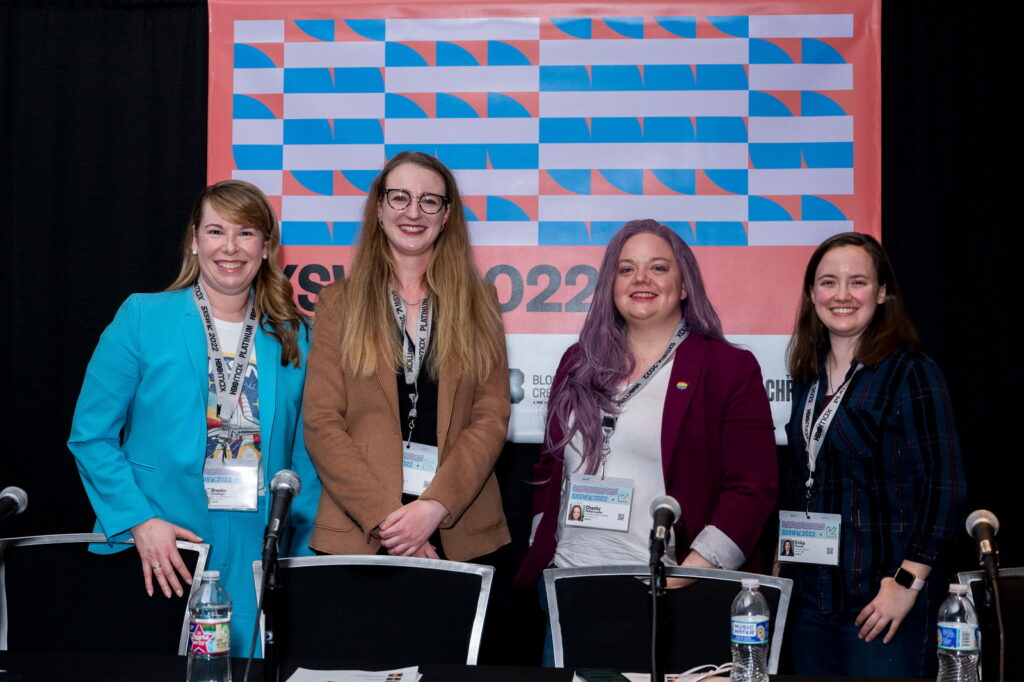
From left to right: Brooke Grindlinger, Eliah Overbey, Charity Phillips-Lander, and Erika Nesvold at South by Southwest panel Alienating Mars: Challenges of Space Colonization. Photo: Ana Karotkin, ©NYAS

2. The jury is still out on whether there is—or ever was—life on Mars.

“Right now, it looks like Mars’ surface is probably pretty inhospitable to microbes. So, the evidence that we’re looking for at the surface is really focused more on past life, life in the geologic record. But it’s a completely different story in the subsurface,” reported Charity Phillips-Lander, PhD, a senior research scientist in astrobiology at the Southwest Research Institute who studies the habitability and possible bio-signatures of planetary bodies.

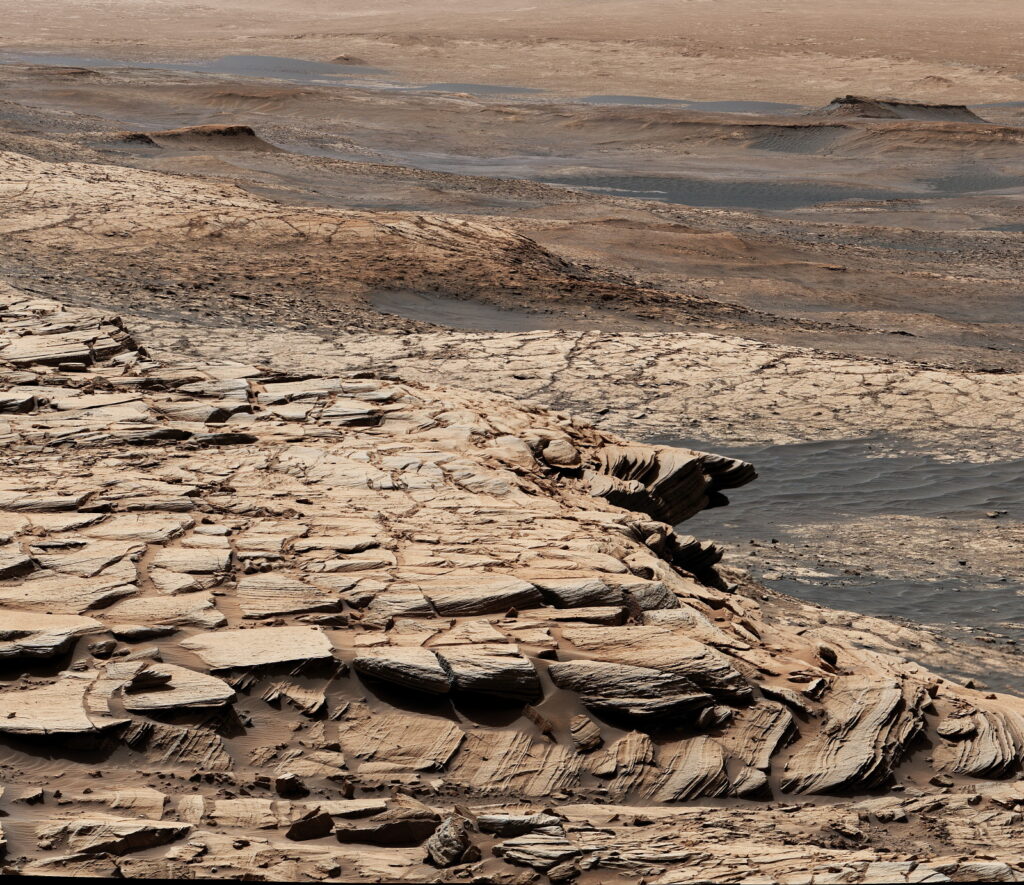
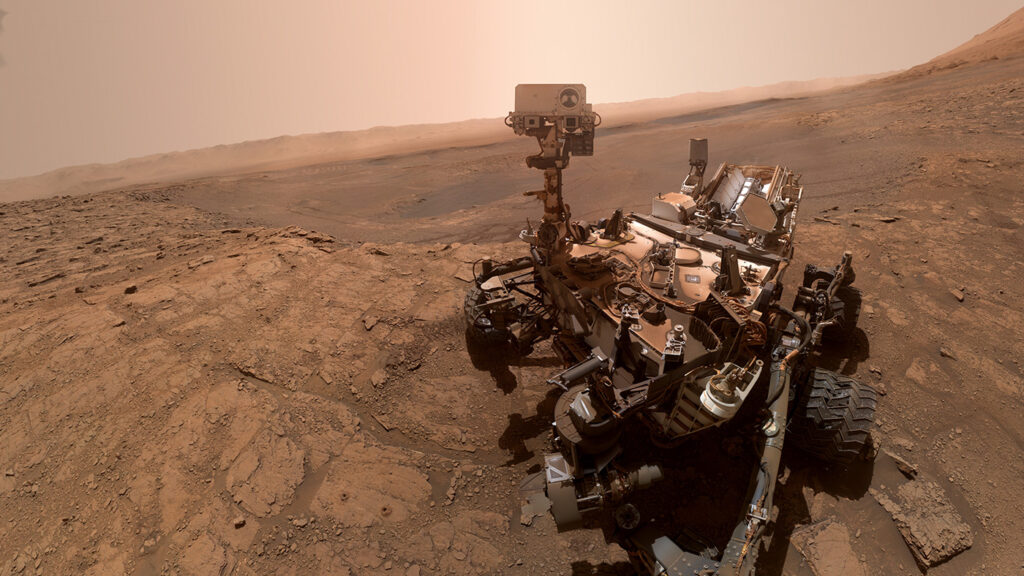
Floor of Gale Crater is seen toward the top of this photo, taken from Curiosity Mars Rover

“We see manganese oxides—what you would call ‘desert varnish’—that show up in some of the rocks in Hale Crater on Mars and also on Earth. Those are typically precipitated by microorganisms. Jezero Crater and Gale Crater show really low carbon isotopic values that might be indicative of methanotrophs—microbes that eat methane for a living. We’ve seen methane in Mars’ atmosphere.” That’s possible evidence, Phillips-Lander said, of evidence of life on Mars in the past. “But we need more evidence, and that’s what Perseverance is rolling around looking for right now,” she added, referring to the robot that is now roaming the planet.

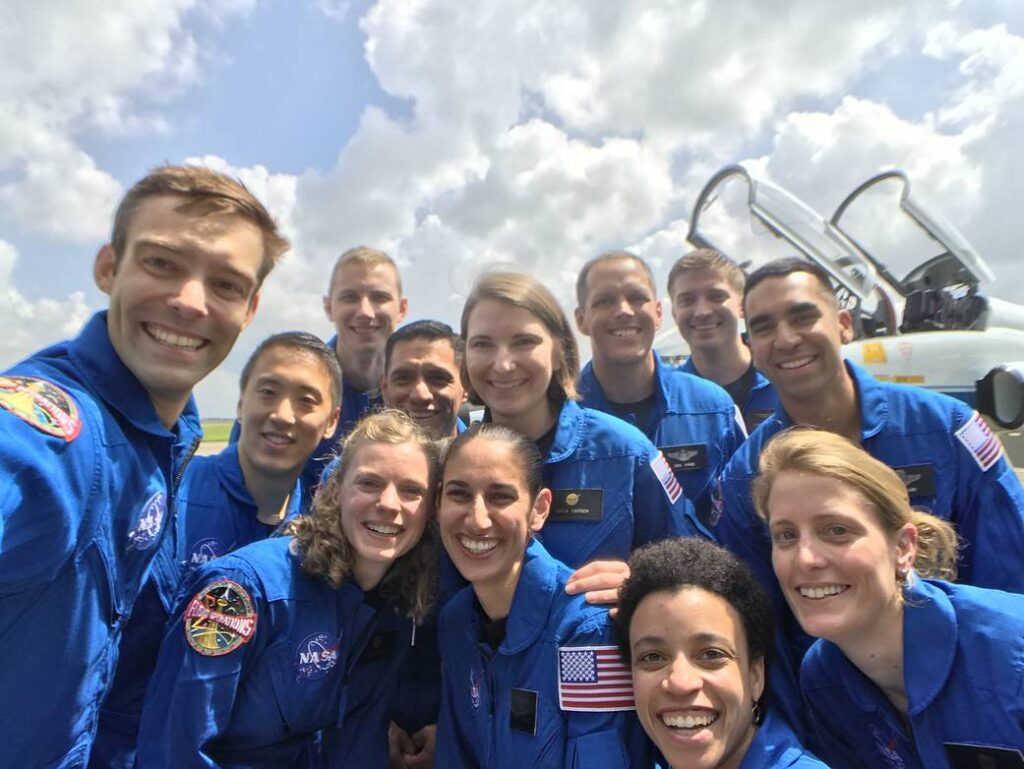
Candidate astronauts selfie

3. Who gets to go? It is not too soon to call for disability inclusion in space exploration.

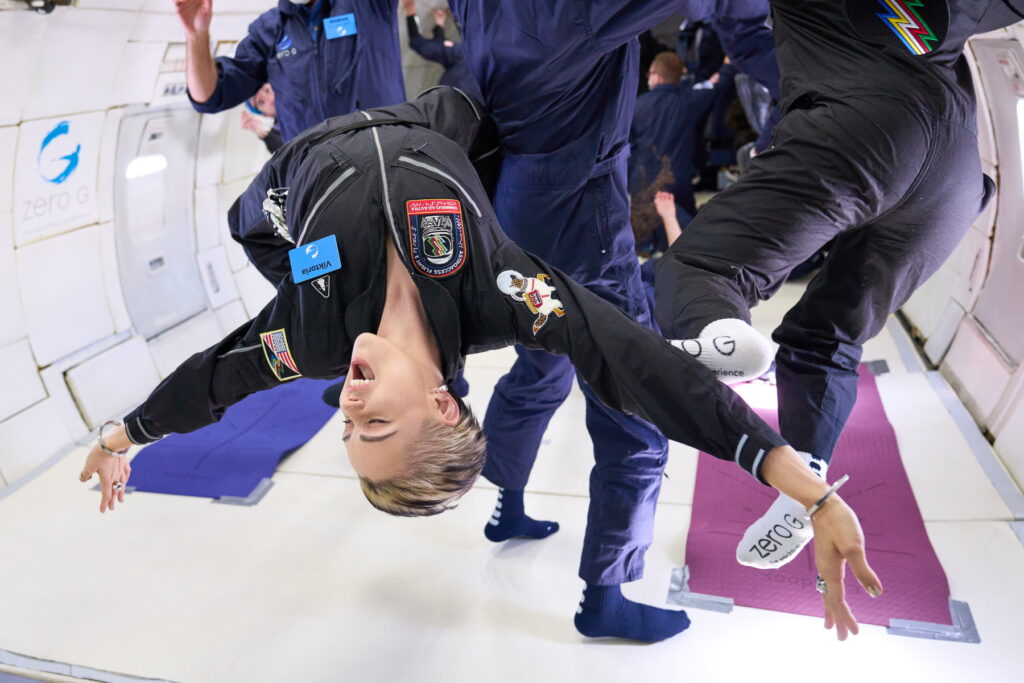
“Deciding who among the 8 billion of us gets to go up into space, and even go to Mars, is a tough question,” said Erika Nesvold, PhD, a co-founder of the JustSpace Alliance, which advocates for a more ethical, inclusive future in space. “Until now, the people who are able to go to space were the people selected by agencies like NASA, or more recently, people who have been able to afford space tourism flights. If you wanted to go to space, you need to be able to pass the astronaut selection, including a really strict health screening. This means that the people who have gone to space so far have primarily been very healthy, able-bodied people, which leaves out a huge portion of our population who are disabled. Why don’t we have disabled astronauts? What would it look like to redesign our space technology, to make it more accessible to people with disabilities?” Nesvold highlighted projects such as AstroAccess, which has just started launching disabled scientists, veterans, athletes, students, and artists on parabolic flights to experience weightlessness and low gravity conditions. A key goal is to investigate how space vehicles can be modified so that all astronauts and explorers—regardless of disability on Earth—can thrive in space.

Pop artist Viktoria floats upside down in zero gravity on board AstroAccess Flight 1 in October, 2021. Photo: AI Powers for Zero Gravity Corporation

4. Space immigration: let’s not repeat the mistakes we’ve made on Earth.

NASA is hoping to put astronauts on Mars by 2035. It’s not difficult to conceive that, in the years to follow, others may arrive on Mars as migrants or as refugees. “Even now, we can see the huge human rights issues that come up when one group of people moves to a new place, especially if there are already people in that place,” reflected Nesvold. “Suppose we manage to get a population of humans living on Mars and then a second group wants to go there too. How will the original inhabitants feel about that immigration?” Nesvold said the response might vary, for example, depending on whether the new arrivals are fleeing strife, or if they have something to offer economically. “It’s worth getting some historians in the room… [How can we] learn from what’s happened here on Earth, to protect all of those groups in the future?”

NASA illustration of an astronaut on Mars

5. Survival hacks have to be sustainable.

“One of the things that we need to focus on is sustainability, because for every ounce of material you take with you, you also have to provide fuel to get it there,” Phillips-Lander pointed out. “Through NASA’s biological and physical science programs, we’re experimenting with things like growing food on the moon. How do we do that, and how do we assess and prospect for the resources we might need? How do we print bricks, because we’re going to need to build a habitat? Can we create bioregenerative habitats that take CO2 and turn it back into oxygen, either through plants or microbes? We’re also looking at developing synthetic microbes that can carry out specific processes that might be beneficial to humans.”

6. Ethical quandaries abound if we engineer a “better human” for space travel.

Opportunities to protect and prepare the human body in advance of space travel, and for longer-term survival on Mars, are now on the horizon with bioengineering technologies like CRISPR gene editing and immunotherapy. “Is there some way that we can engineer astronauts to be more radiation-resistant or to overcome the fluid shifts that are going to cause different sorts of cognitive effects?” asked Overbey. “There’s an ethical question, really under debate on Earth: how much should we be editing the genome? Should you be editing cells that are going to pass on to your children? Can we justify gene editing in these contexts to overcome some of these limitations? Are we actually now morally obligated to do genetic engineering in order to adapt to those environments?” Overbey continued, “If we’re changing our genetic code, making permanent changes, are we changing how we define humans as a species, and making changes to genomes that will affect future generations?” Nesvold expanded on these ethical conundrums: “If we want to have self-sustaining human settlements in space, we have to figure out whether human reproduction is possible in space, with all the weightlessness and the radiation. At some point, even if you’ve done studies on animals, we’re going to have to try it, and that involves experimenting on pregnant people and fetuses… It’s a big ethical barrier to getting to the point of having self-sustaining human populations in space.”

The SXSW panelists doing their best to demonstrate microgravity on Mars. Photo: Ana Karotkin, ©NYAS

7. Terraforming Mars: Could we? Should we?

Might we terraform Mars, turning it from a red planet to a green one, or a blue one like Earth, in an effort to make it more hospitable? “If we just go in and whole-scale terraform Mars right off the bat, then we defeat one of the scientific goals of human exploration, which is to figure out if there was life on Mars, or if there is life on Mars today,” warned Phillips-Lander. “So, initial missions are going to focus on minimizing the risk of contamination. We’ve established areas of Mars that are categorized as special regions because they have the highest potential for life. And so those areas are mostly off limits,” Nesvold said, referring to policies developed by the Committee on Space Research of the International Council for Science. She added: “The problem is that any terraforming we do to make Mars more like Earth, makes Mars less like Mars.” She paraphrased a question of scientific ethics raised in the film Jurassic Park: “We need to work really hard to make sure that no one eventually says about us, that we were so busy thinking about whether we could, that we didn’t think about whether we should.”

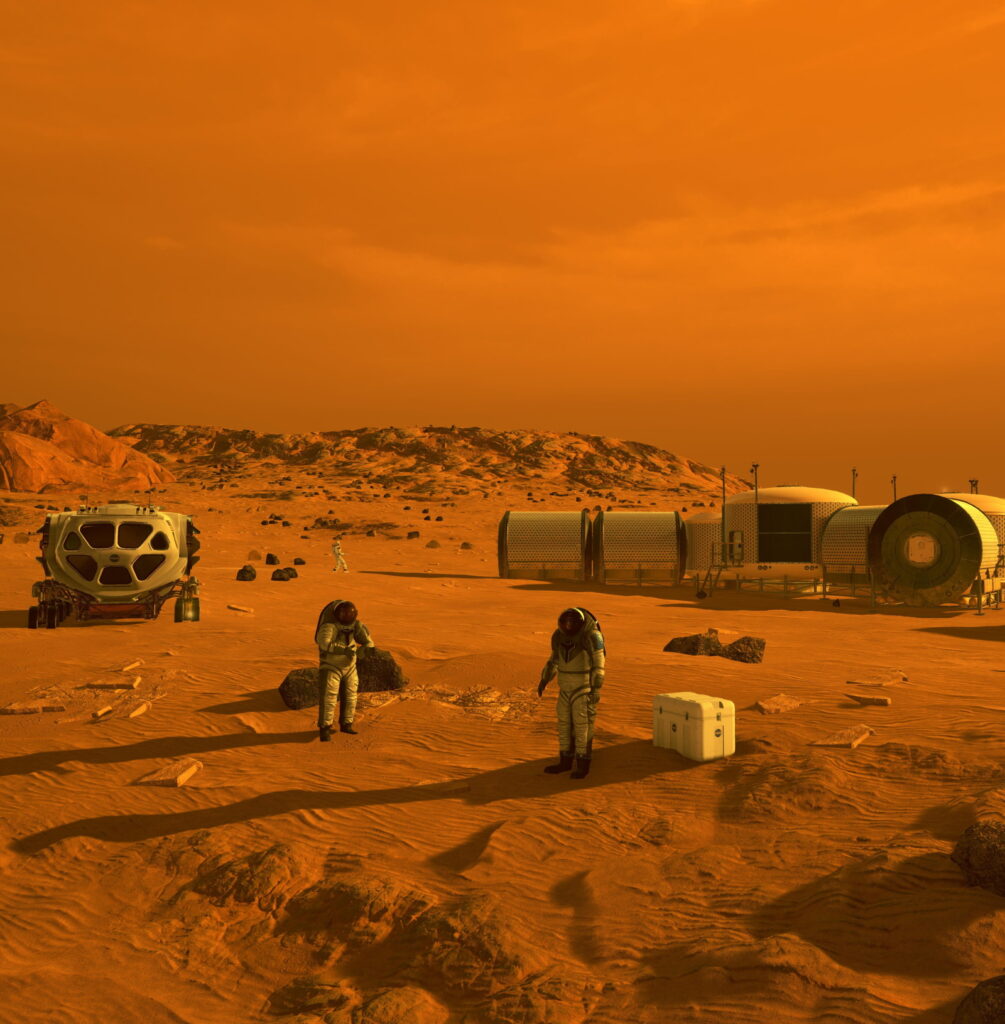
NASA Concept illustration, human settlement on Mars

8. How do we protect the rights of Mars amid an alien invasion?

Before we become too wrapped up in our own self-preservation as a species, we should remember an alien invasion is about to take place. But this time, we will be the aliens. The Outer Space Treaty of 1967 outlines a series of planetary protections that govern space and space travel, but many questions remain about the scope and enforceability of the treaty. “For every planetary mission that we undertake, part of the evaluation process for mission selection is planetary protection,” explained Phillips-Lander. She said mission planners must develop “a viable burden limit”—a maximum number of organisms that a spacecraft is allowed to carry. “For a special region like a lava tube on Mars that might be a habitable environment for life, that’s basically zero, which is really challenging to achieve,” she said. “We have a whole suite of clean rooms on Earth that are designed for that, and back planetary protection, so that we’re not bringing novel organisms back to Earth and releasing them, because that would obviously be potentially bad. We’re trying to do it both ways.” Nesvold took the conversation on the protection of Mars astrobiology further: “What rights do the microbes have to not be exterminated if we want to move up there with our Earth microbes and potentially wipe them out? We all use Lysol, and we’re all really trying to kill a certain virus right now. But this would be a really unusual population of microbes. Are they special because they come from another planet? And there are people who argue that even an environment that has no life in it has some kind of intrinsic rights to its own integrity.”

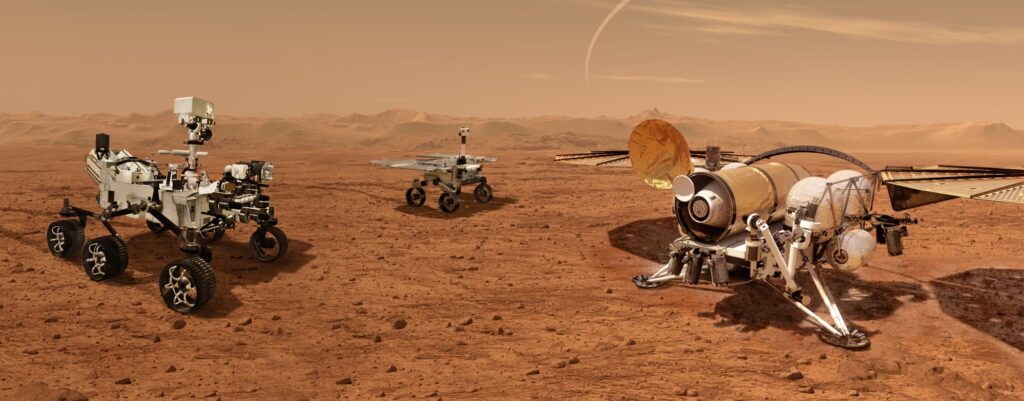
Mars Curiosity rover after drilling rock samples with Gale Crater in the background

9. How can we live together on Mars?

Numerous ethical, sociological, and even psychological questions must be considered for space travel. “As we’re trying to figure out how we will live in this space environment, we also have to figure out how we’ll live with each other in the space environment, because sometimes the other humans in your group are your biggest problem or your most important asset as you’re facing a really extreme environment,” Nesvold said. “We’re going to have to figure out how to self-organize and have some self-governance, the way that small groups have throughout history. We’ll need to be able to answer questions like: How do we handle conflicts between people living in space or between the people living in space and the ones back on Earth? What happens if you move to Mars to take a job and then you lose that job—do you have to pay for water, food, and air in space? Do you get a free ticket back to Earth or are you just on your own in a deadly environment? We’re certainly capable of bringing our inequalities with us into space, and I’m very confident we’re capable of inventing new ones in space. We need to be deliberate about this and think about what kind of future we want for ourselves, wherever it is, and make sure that we’re taking steps to protect that future for our descendants in space.”

10. Space capitalism: will its innovations be our salvation?

Why should we be spending so much money to explore Mars? Will the benefit warrant the costs?

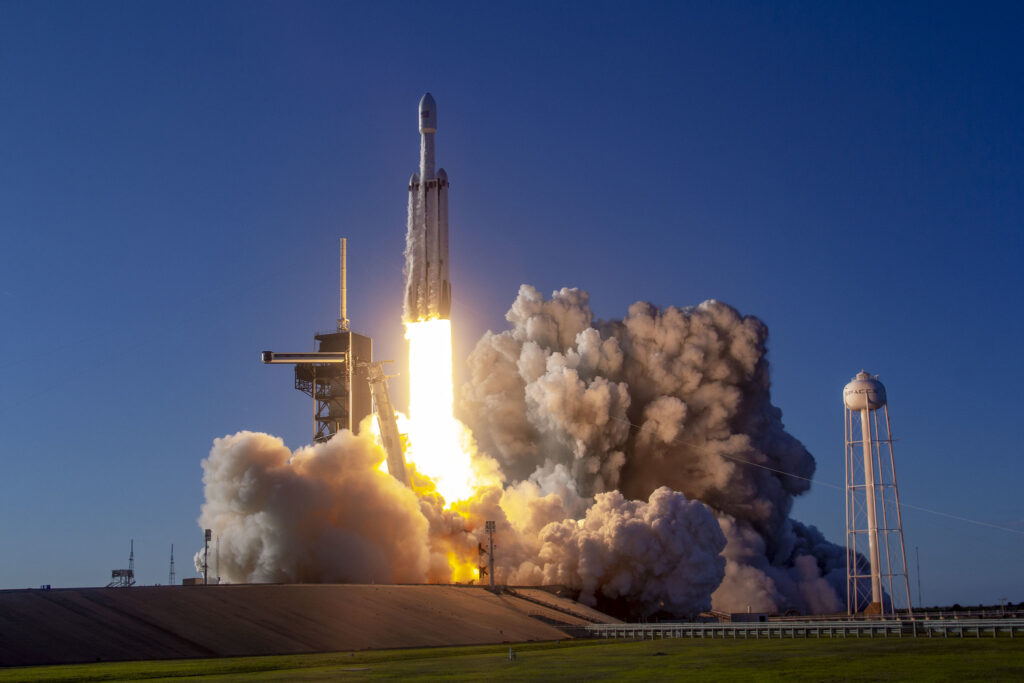
Falcon 9 liftoff; photo: SpaceX

“The return on investment is worth it because we’re going to get new technologies or access to resources that you don’t have here on Earth,” posited Nesvold. “But you have to make sure that those benefits are actually being distributed equitably.” When asked to comment on the billionaire-driven space ecosystem that we see flourishing today, Nesvold responded: “A big issue with the space program since its creation has been that it had to survive off of taxpayer money. If you can make the space sector profitable it becomes self-sustaining…. Profit-seeking is a big part of what’s supporting this industry and helping it move forward. Capitalism brings innovation, and innovation is what we need for space. The problem is that capitalism also roots a lot of misery and inequality. The trick is figure out how to get the innovation without increasing inequality and environmental destruction.”

One partial solution, Overbey said, are public-private partnerships that establish “guardrails” against out-of-control self-interest in space exploration. In her closing remarks, she described one big-picture view of why we should take on the challenge of space exploration: “We may think the Earth will end at some point, maybe millions, billions of years in the future. Or there’s always the threat that something could go horribly wrong on Earth within our lifetimes. Right now, where we’re at, we don’t have the science with our technology to sustain ourselves in space or on another planet indefinitely. So, when we think about return on investment, is it numbers and dollar signs for medicine, for a new technology?” Or, Oberbey asked, “What is the cost of [saving] the human race?”


Minor edits have been made to quotes for clarity.

Photos and illustrations courtesy NASA, unless noted otherwise.

Staff Spotlight: Ben Ragen

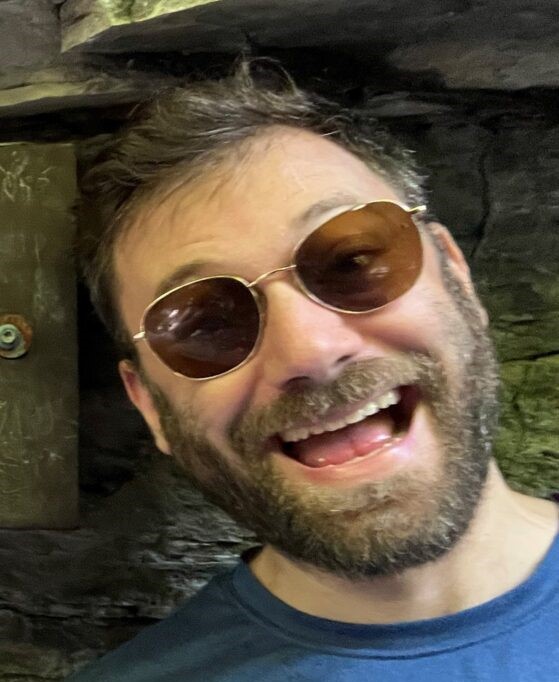
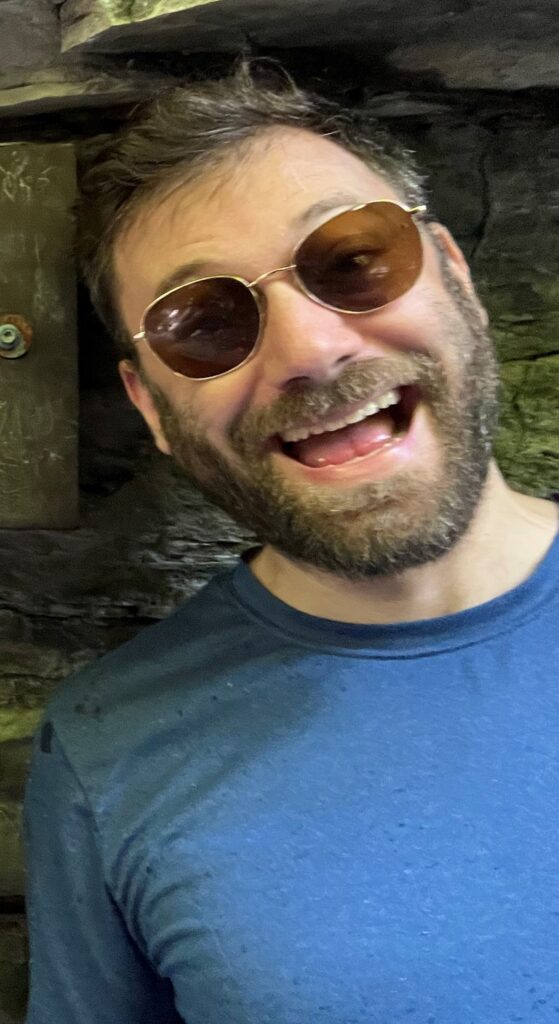
A man with sunglasses smiles for the camera.

Ben Ragen talks about his work as an editor of Annals of the New York Academy of Sciences and why art inspires him.

Published January 9, 2022

By Nick Fetty

In a nutshell, tell us what you do for the Academy?

When I started at the Academy, I helped to administer the Blavatnik Awards for Young Scientists. I reviewed nominations, collaborated with expert scientists and worked with the winners to help convey their research to a general audience. I now work as an editor for our academic journal Annals of the New York Academy of Sciences, where I help find reviewers for manuscript submissions, give input on which manuscripts should be considered for publication and copyedit papers to prepare them for publication.

What has so far been your proudest accomplishment working for the Academy?

Since I’ve served in two capacities for the Academy, I have two different “proudest accomplishment” answers. During my first year on the Blavatnik Team, I collaborated with Blavatnik Award Laureate Heather Lynch to get her ready to present her research—on the use of satellite machine learning to find Antarctic penguins—to the audience of the National Blavatnik Awards Symposium. I’m really proud of that. And more recently, as an editor, I’m very proud of the first special issue that I conceived and organized, which was on the Biology of Social Behavior. What a thrill for me when the first article of that special issue was published!

Why, in general, are you proud to work for the Academy?

I find the dissemination of science critical for society. This is particularly important in the current environment where there is a high level of science skepticism. I also enjoy seeing the excitement and awe in my friends, family and acquaintances when I tell them about the science I am discovering and reading.

What do you think science is so import to society?

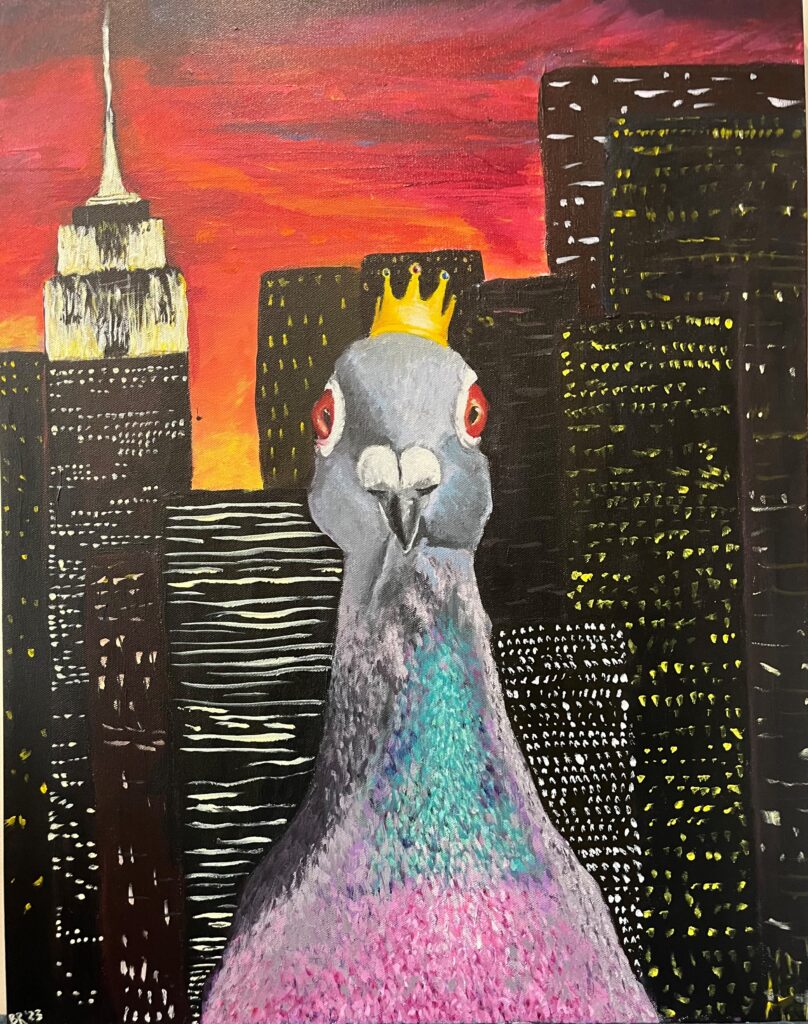
Painting by Ben Ragen

Scientific discoveries have been crucial to improve the health of society. My family, like so many others in the world, have experienced illness and daily life challenges. Whenever someone I know recovers I always say, “YAY SCIENCE!” It’s a way to express my gratitude for all of the work, brilliance and creativity that scientists have brought to the table.

Which scientist (or scientists) would you most like to have dinner with and why?

A dinner with biologist, naturalist and author David Attenborough would be amazing.  As he is a fantastic storyteller, I would be able to listen to his incredible journeys observing the natural world, animal interactions and adventures.   

What hobbies or interests do you have outside of work?

I’m a painter and have shown and sold my work in local neighborhood art festivals.

Read more about impactful Academy staff members: