2026 Ross Prize Symposium

The Ross Prize in Molecular Medicine was established in conjunction with the Feinstein Institutes for Medical Research and Molecular Medicine to recognize biomedical scientists whose discoveries have transformed how medicine is practiced.

The awardees are mid-career researchers who have significantly impacted the understanding of human disease pathogenesis and/or treatment. Moreover, it is anticipated that they will continue to make profound advances in the general field of molecular medicine.

Mitochondrial Health and Healthspan: Brain Metabolism and Bioenergetics

Mitochondrial Health and Healthspan: Brain Metabolism and Bioenergetics will bring together leading researchers and clinician-scientists to explore the central role of mitochondria in brain function, resilience, and aging. Once viewed primarily as cellular powerhouses, mitochondria are now understood to regulate signaling, inflammation, gene expression, and neuroplasticity. Their influence spans development, stress adaptation, metabolic regulation, and neurodegenerative disease, positioning mitochondrial biology at the forefront of efforts to extend healthspan and preserve cognitive vitality.

The symposium will highlight advances across three interconnected themes. Mitochondrial Genetics and Cellular Signaling in Brain Health will examine how mitochondrial DNA variation and bioenergetic function shape neural performance and disease risk. Mitochondrial Psychobiology: Stress, Development, and Neuroplasticity will explore how stress and early life experience influence mitochondrial dynamics and long-term mental health. Metabolic Psychiatry and Mitochondrial Therapeutics: From Diet to Drug Development will focus on emerging nutritional, metabolic, and pharmacologic strategies to target mitochondrial pathways implicated in psychiatric conditions.

Through keynote and plenary presentations, participants will gain insight into mechanisms linking mitochondrial dysfunction to cognitive decline, mood disorders, neurodevelopmental conditions, and neurodegeneration. Emphasis will be placed on translational opportunities, including biomarkers and precision interventions that move from discovery to therapeutics. Join us on November 11, 2026, for a focused and forward-looking discussion at the intersection of bioenergetics, brain science, and healthy aging.

Sponsors

Presenting Partners

The New York Academy of Sciences logo

Lead Supporter

Advancing Tyrosine Kinase Inhibitors from Discovery to Patient Care: The Dr. Paul Janssen Award Symposium

The Dr. Paul Janssen Award Symposium celebrated the groundbreaking achievements of Dr. Anthony “Tony” Hunter, PhD, American Cancer Society Professor and Renato Dulbecco Chair at the Salk Institute for Biological Studies in La Jolla, California. This symposium brought together leading voices in cancer research and biomedical innovation to honor Dr. Hunter’s pioneering work and explore its profound impact on modern science and medicine.

Go to the event page

Why I Gave My Baby the Measles Vaccine Early

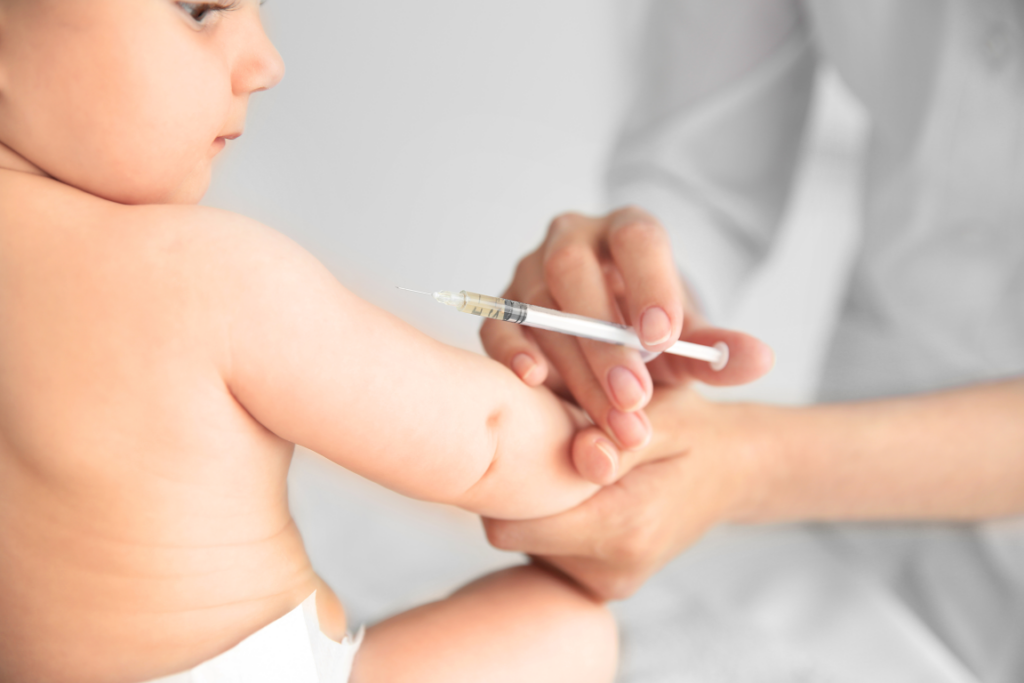
A stock photo of a medical professional giving a vaccine to an infant.

As an epidemiologist and mother, I never imagined we would be weighing the risk of measles in America again.

Published March 10, 2026

By Syra Madad, D.H.Sc., M.Sc., MCP, CHEP

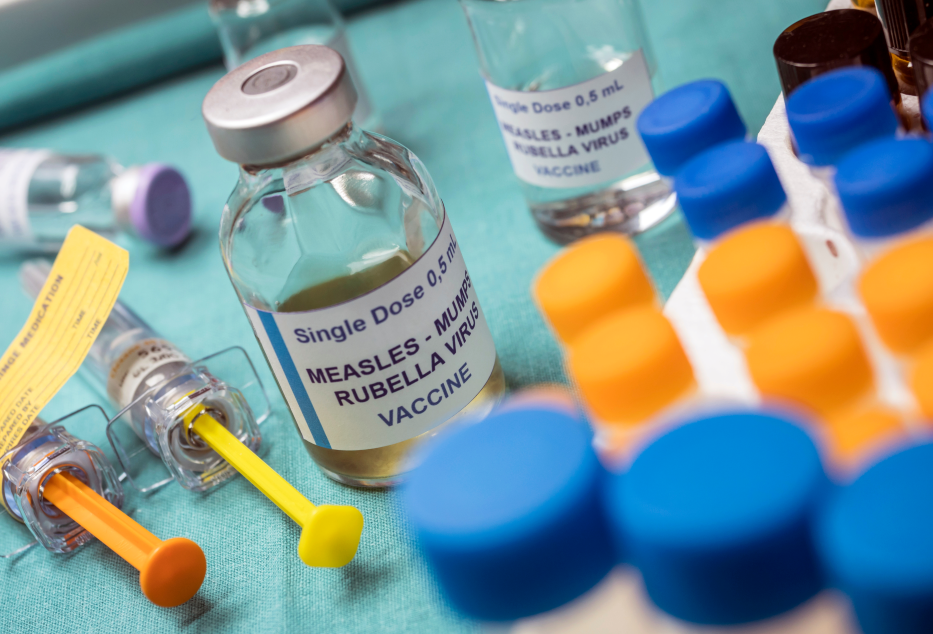
My fourth child will turn 1 soon. She is healthy, curious and full of the spark that makes early childhood feel so wondrous. But unlike my older children, she entered infancy at a moment when measles, a disease the United States eliminated in 2000, feels uncomfortably close again.

What makes this especially painful is that measles is not some mysterious new threat. It is a vaccine-preventable disease. The United States declared measles eliminated in 2000, meaning endemic transmission had been stopped. We still officially retain that status. But elimination does not mean the virus is gone forever. It means cases are usually imported from elsewhere and do not sustain continuous transmission here for 12 months or more. That protection depends on high vaccination coverage and fast public health response. Both are now under strain.

Flirting with Disaster

When my daughter was 6 months old, I made the decision to give her an early dose of the measles, mumps and rubella vaccine. Now, as she approaches her first birthday, I am profoundly relieved that she will soon be eligible for the routine dose that counts as the first in her standard series. That relief says as much about the state of public health in America as it does about my instincts as a mother.

The numbers are sobering. As of March 6, the Centers for Disease Control and Prevention had recorded 1,281 confirmed measles cases in the United States in 2026. That is just the first three months of the year. For comparison, the country recorded 2,281 confirmed cases in all of 2025 and 285 in all of 2024. In other words, by early March, this year had already seen nearly four times as many measles cases as the entire year before last. CDC says 90% of confirmed U.S. measles cases this year are outbreak-associated, including outbreaks that began in 2025 and are still spilling into 2026.

The stakes are no longer theoretical. A formal review of the United States’ measles elimination status, originally expected this spring, has now been delayed until November. Whatever the reason for the delay, the fact that such a review is even necessary should alarm us. A country that eliminated measles a quarter-century ago should not be flirting with the possibility of losing that hard-earned distinction.

The Unraveling of the Social Contract

A recent modeling study projected that if vaccination rates continue to decline, the United States could see millions of measles cases over the next 25 years and face the return of endemic spread. Another finding was more hopeful: a modest 5 percentage-point increase in MMR vaccination could dramatically reduce future measles burden. Prevention still works, if we choose it.

As an infectious disease epidemiologist, I have spent the last two decades studying emerging outbreaks and public health preparedness. Measles, one of the most contagious viruses known, is not a mild childhood illness. It can cause pneumonia, brain swelling, blindness and death. Even after recovery, children can suffer immune suppression that leaves them more vulnerable to other infections.

For babies like mine, especially under 1 year old, the threat is even more serious. Their immune systems are still developing, and they are too young to be fully protected by the standard two-dose vaccine schedule. Infants carry maternal antibodies that help protect them during the first months of life. But those antibodies fade, leaving babies in a gray zone: no longer protected from measles, but still carrying enough maternal antibodies to reduce how well a vaccine works. That is one reason routine MMR vaccination begins at 12 months in lower-risk settings, even though earlier doses are recommended during travel and some outbreaks. For years, we relied on herd immunity to shield them. That social contract is now unraveling.

Striving for 95%

CDC notes that preventing measles outbreaks generally requires about 95% vaccination coverage. National MMR coverage among kindergartners has fallen from 95.2% in the 2019-2020 school year to 92.5% in 2024-2025, leaving roughly 286,000 kindergartners without documentation of complete MMR vaccination. National averages also hide something even more dangerous: local pockets where coverage is far lower. In Idaho, for example, kindergarten MMR coverage was just 79.5% in the 2024–2025 school year. That is where outbreaks ignite. The overwhelming majority of recent measles cases are in people who are unvaccinated or whose vaccination status is unknown, 92% so far in 2026 and 93% in 2025.

When my daughter was 6 months old, the risk calculus had changed. CDC recommends that infants ages 6 through 11 months receive one dose of MMR before international travel, and public health officials may also recommend early vaccination in outbreak settings. Importantly, that early dose does not replace the routine series. Babies who receive MMR before their first birthday still need another dose at 12 through 15 months and a final dose later in childhood. So as my daughter turns 1, I am not thinking, thankfully, that she is done. I am thinking, thankfully, that she can now begin the part of the schedule that offers more durable protection.

As a mother, I am grateful we had that option. As an epidemiologist, I am troubled that so many families now need to consider it.

Trust, Science, Action

Parents should not have to weigh the risk of measles when planning a trip, boarding a plane or visiting relatives. They should not have to track outbreak maps to decide whether to attend a wedding or take a baby through an airport. This is not an abstract epidemiologic trend. It is the kind of threat that shapes how a parent thinks about a waiting room, an airport gate, a birthday gathering or a family trip.

I am often asked what we can do to stop this. The answer is not complicated. It is trust. It is science. And it is action.

We must rebuild public confidence in vaccines through transparent communication, engagement with local leaders and listening to parents’ concerns without judgment. That is far more difficult when some of the country’s most powerful health officials have spent years undermining vaccine trust. Health Secretary Robert F. Kennedy Jr. now says the MMR vaccine is the most effective way to prevent measles, but his broader vaccine agenda has sent the opposite signal: more doubt, more confusion and less confidence in the routine immunizations that protect children.

We must invest in the public health infrastructure that quietly protects us every day. And we must stop treating routine childhood vaccination as a political battleground.

My daughter is lucky. She got an early dose when she needed it, and now she is old enough to begin the routine schedule that offers stronger, longer-lasting protection. But babies should not need backup plans against a disease the United States eliminated a quarter-century ago.

Measles belongs in history, not in American childhood again.
Understanding Potential Treatments for Liposarcoma

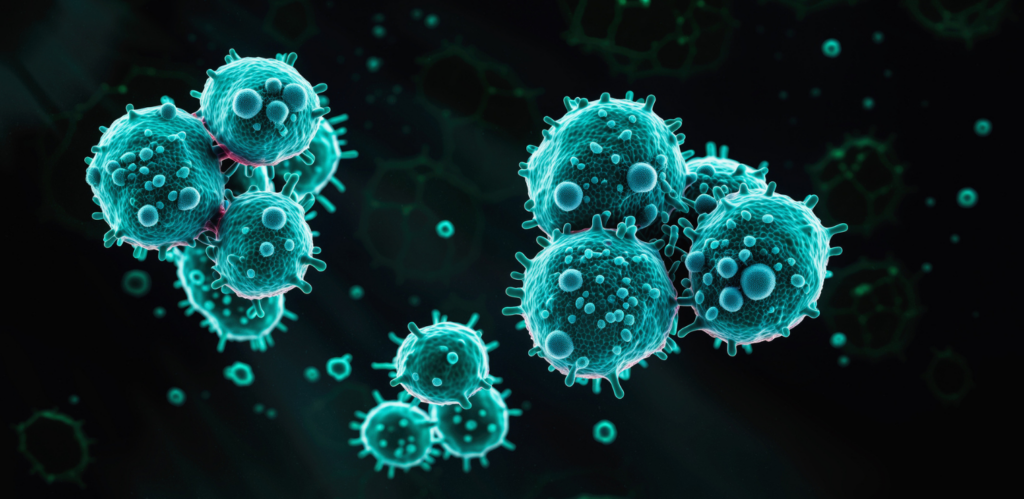
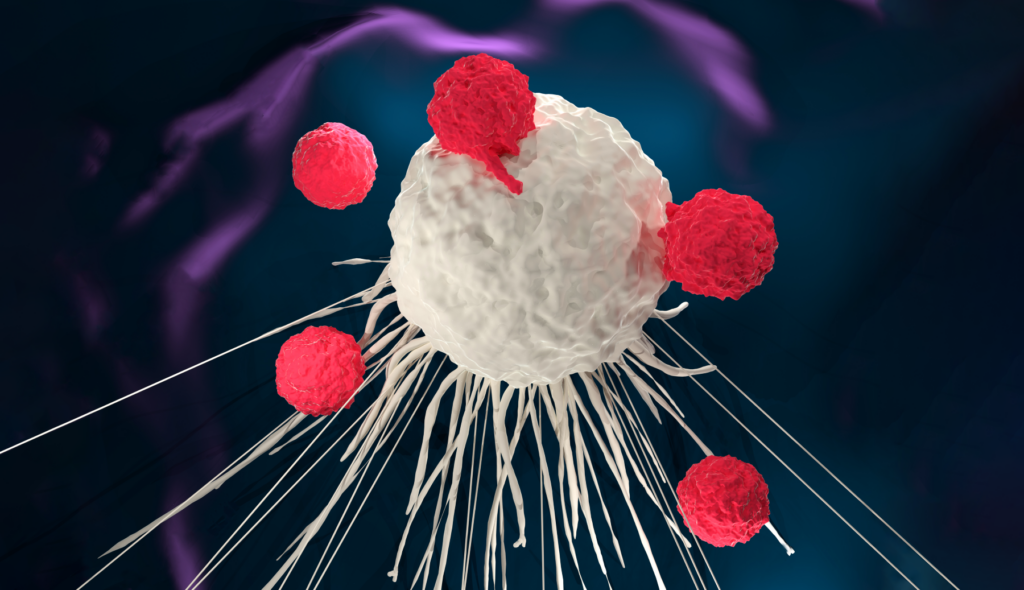
A graphic illustration of cells.

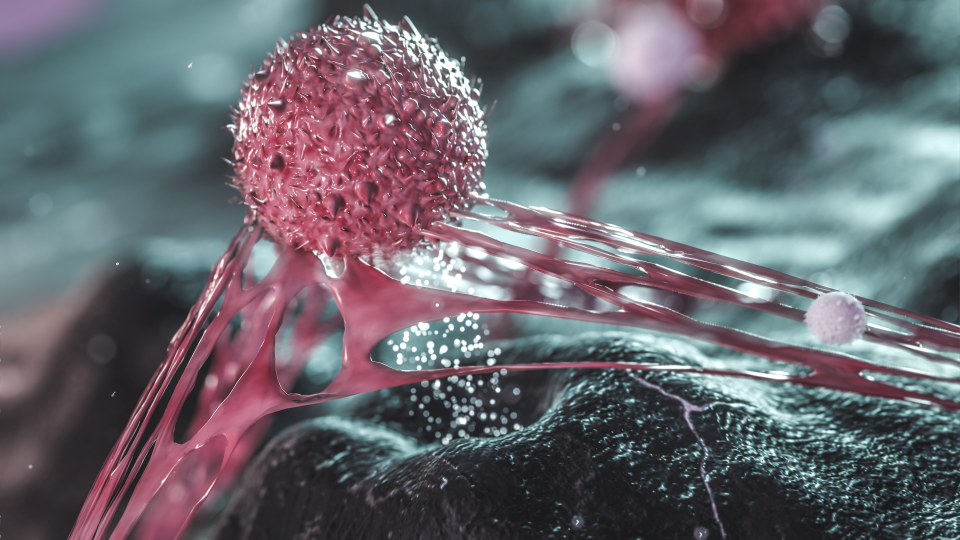
Liposarcoma is a rare type of cancer that originates in fat tissue. New methods show potential for treating this deadly disease.

Published February 12, 2026

By Joanna Yeung, PhD

Unfortunately, liposarcoma is generally resistant to standard treatment options, such as radiation and chemotherapy, making surgery the primary treatment method. Most cases have extra copies of the gene, CDK4, leading to excessive cancer cell division and tumor progression.

An active area of investigation is determining whether CDK4/6 inhibitors are effective at treating liposarcoma. Unlike chemotherapy or radiation, which inflict widespread DNA damage, CDK4/6 inhibitors are a newer class of drugs that work more precisely. They act like a guided missile, targeting only cancer cells that have overactive CDK4, rather than a bomb that indiscriminately affects both cancer and normal cells.  

Clinical trials have shown promise, with CDK4/6 inhibitors delaying cancer progression in patients. However, it is unclear how long term CDK4/6 inhibitor treatment affects changes the molecular profile of cancer cells. These changes determine whether patients continue to respond well to therapy and survive longer or eventually acquire untreatable drug-resistant cancer.

Potential Targets for Additional Drugs

We hypothesize that CDK4/6 inhibitors and chemotherapy cause cancer cells to make different decisions over time, due to their differences in how they stop cancer growth. To test this hypothesis, we identified the genes that become activated by long-term drug treatment by CDK4/6 inhibitors or chemotherapy. We also characterized non-genetic modifications in the genome that may drive gene activation without altering the underlying DNA sequence. These modifications may represent potential targets for additional drugs that could be combined with CDK4/6 inhibitors to more effectively eliminate cancer cells.

Our research shows that while CDK4/6 inhibitors and chemotherapy affect cancer cells differently at first, over time they elicit some of the same harmful changes. In early treatment, CDK4/6 inhibitors do not turn on genes linked to inflammation and tumor growth that are immediately turned by chemotherapy. By increasing the duration of treatment beyond what is typically studied, we show that CDK4/6 inhibitors eventually activate the same harmful genes as chemotherapy—just more slowly. This is a paradigm shift in the way we think about the clinical implications of CDK4/6 treatment.

These findings change how we think about targeted treatments. While CDK4/6 inhibitors may offer initial benefits over traditional chemotherapy, cancer cells adapt to therapeutic pressure over time by increasing inflammation to enhance their survival. Understanding this process allows for researchers to find new opportunities to intervene. Adding medications that prevent drug-resistance mechanisms in combination with CDK4/6 treatment are possible solutions to improving long-term patient outcomes, especially as new targeted therapies enter the clinic. 

A detailed scientific version of this work is available as a preprint on bioRxiv.

Also read: Advancing Cancer Research and Therapies

Are Non-Invasive Biomarkers the Future of Disease Monitoring?

Non-invasive biomarkers offer a way to study disease with less burden on patients and greater insight into how biology changes over time. By enabling more continuous and accessible monitoring, they may reshape both clinical research and care.

Published February 3, 2026

By Manali Shah

Manali Shah

Why Disease Monitoring Needs to Change

Disease monitoring often relies on procedures that require patients to come into a clinic, undergo invasive sampling, and repeat this process over time. While these methods provide valuable information, they can be demanding and uncomfortable.

For many patients, disease is a daily experience, not something that appears only during scheduled appointments. Symptoms fluctuate, treatments take effect gradually, and biology responds to stress, environment, and lifestyle in real time. Yet much of what we measure captures only brief moments along that timeline.

This disconnect limits our ability to fully understand disease behavior.

What Are Non-Invasive Biomarkers?

Non-invasive biomarkers are biological signals collected without penetrating the body or causing significant discomfort. These signals can come from skin surface samples, saliva, urine, breath, or minimally invasive blood spot collection.

Recent advances in molecular detection have expanded what can be measured from these samples. Signals that once required repeated blood draws or tissue biopsies can now be captured using far gentler approaches.

This shift changes not only how data is collected, but who can participate in research.

Expanding Access and Participation

Participation in clinical research often depends on how manageable a study feels. Frequent clinic visits and invasive procedures can discourage enrollment and increase dropout rates.

Non-invasive sampling lowers these barriers. When procedures are simpler and safer, participation becomes more feasible for people managing chronic disease, work obligations, or mobility limitations.

Broader participation leads to datasets that better reflect real patient populations, strengthening the relevance of research findings.

Capturing Biology Beyond the Clinic

Many diseases do not behave consistently from one clinic visit to the next. Immune activity rises and falls. Symptoms flare and resolve. Treatment effects unfold gradually.

Traditional monitoring often relies on isolated measurements taken during clinic visits. While informative, these snapshots can miss meaningful changes that occur between appointments.

Non-invasive sampling allows biology to be followed more continuously. Patients can collect samples at home, over time, and during periods when symptoms actually change. This approach captures disease as it unfolds, rather than as it appears during a scheduled visit.

Challenges in Signal Interpretation

Despite their promise, non-invasive biomarkers present interpretive challenges. Signals may be subtle and influenced by environmental exposure, hydration, or collection technique.

A measurable change does not always reflect disease activity. Some signals represent broader physiological responses rather than condition-specific biology.

Careful validation and contextual interpretation are essential to ensure these markers are used appropriately.

Context Matters for Biomarker Utility

The usefulness of a biomarker depends on how it is applied. Some non-invasive markers may be well suited for monitoring disease trends but not for diagnosis. Others may be informative only in specific patient groups or disease stages.

Understanding what a biomarker represents biologically helps prevent overinterpretation and misuse. Context allows researchers to match the right tool to the right question.

Integration With Traditional Measures

Non-invasive biomarkers are unlikely to replace established clinical measures. Imaging, blood-based assays, and clinical assessments remain critical.

Their greatest value comes from integration. When combined with traditional approaches, non-invasive tools add continuity and real-world context to existing data.

Together, these methods provide a more complete picture of disease.

Implications for Clinical Trials and Care

In clinical trials, simpler sampling can improve retention and data quality. Participants are more likely to remain engaged when study procedures fit into daily life.

In healthcare settings, non-invasive monitoring may support earlier intervention, remote follow-up, and more responsive treatment adjustment.

These changes shift disease monitoring from episodic to more continuous.

A More Patient-Centered Future

The future of disease monitoring depends on aligning scientific goals with patient experience. Non-invasive biomarkers emphasize accessibility, comfort, and continuity.

When carefully validated and thoughtfully interpreted, they bring research closer to how disease is actually lived.

By measuring biology where it happens, rather than only where it is convenient, non-invasive biomarkers offer a more human path forward.

Also read: Research Leads to New Treatments for Immune Diseases

U.S. May Be Weeks Away from Losing Its Measles Elimination Status

In hospitals, measles is not a memory, it is an airborne alarm bell.

Published January 20, 2026

By Syra Madad, D.H.Sc., M.Sc., MCP, CHEP

The virus can linger in a room for up to two hours after an infected person leaves, silently exposing newborns, chemotherapy patients and anyone else who cannot be vaccinated. It is among the most contagious pathogens humans face: a widely cited systematic review estimates measles’ basic reproduction number (R₀) at 12–18 in a fully susceptible population. In practical terms, if one person has measles, up to nine in ten nearby people who are not immune will become infected.

Against that biology, the United States is now perilously close to losing something it earned with decades of public health work: measles elimination.

As of January 13, 2026, the CDC had confirmed 171 measles cases so far this year across nine states and 96% of them are tied to outbreaks that began in 2025. Last year, the U.S. logged 2,242 confirmed cases, the highest annual total since 1992 and by far the most since measles was declared eliminated in 2000; 93% of those cases occurred in people who were unvaccinated or of unknown vaccination status.

“Elimination” is a technical, time-based designation, not a moral one. Under the Pan American Health Organization (PAHO) framework, a country loses elimination status if there is continuous transmission of the same measles virus lineage for 12 months or more in the presence of adequate surveillance. That is why the calendar matters so much right now.

The Clock Could Run Out in Two Different Ways

First, if PAHO determines that recent outbreaks are all part of a single, continuous chain of transmission stretching back to January 2025, the U.S. would cross the 12-month threshold this winter. There was a massive outbreak in Texas in January 2025 with more than 760 cases; infections have since subsided there, but large outbreaks are now actively growing in South Carolina and remain ongoing in Utah and Arizona. So far, however, CDC leadership has said there is no epidemiological evidence that the Texas, Utah/Arizona and Spartanburg (South Carolina) outbreaks are one continuous chain of transmission. That distinction may determine whether elimination is formally lost or narrowly preserved.

Second, even if PAHO judges these outbreaks to be separate, the persistence of 2025 outbreaks into early 2026 still edges the country closer to reestablishing endemic transmission. Elimination depends not just on case counts, but on whether spread can be interrupted quickly and consistently and right now, it is not.

South Carolina illustrates why. The Spartanburg-centered outbreak has already surpassed 550 cases and is still accelerating. Public health officials have documented exposures in churches, restaurants and multiple health care settings, and hundreds of children have been quarantined. Overall student vaccination in Spartanburg County is about 90%, below the 95% level needed for measles herd immunity. Nonmedical exemptions there have risen to roughly 8%, up from about 3% in 2020.

This is Not an Isolated Problem

A recent county-level analysis in JAMA found that nonmedical vaccine exemptions have risen in more than half of U.S. counties since the COVID-19 pandemic, creating geographic pockets where measles can burn unchecked even when statewide averages look reassuring . Nationally, MMR coverage among kindergartners has fallen from 95.2% in 2019–2020 to 92.5% in 2024–2025, leaving roughly 286,000 children at risk.

Why does this matter? Because measles is not benign. In 2025, 11% of U.S. cases required hospitalization. Complications can include pneumonia, encephalitis and death, with young children and immunocompromised people at greatest risk.

We know what works. Two doses of MMR are about 97% effective at preventing measles, and decades of evidence have found no link between MMR vaccination and autism. What we lack is consistent political and policy commitment: eliminating nonmedical exemptions, closing local immunity gaps, and making vaccination easy, routine and expected again.

Whether the U.S. loses its elimination status in January or narrowly avoids it may hinge on viral genetics and epidemiological lineages. But the larger verdict is already clear. If we allow preventable outbreaks to become normal, we will have squandered a historic public health achievement not because measles got stronger, but because our collective resolve got weaker.


Stay Connected with Dr. Madad:

Instagram
Twitter/X
LinkedIn
Facebook

More from Dr. Madad on the Academy Blog

Dr. Madad’s Critical Health Voices on Substack

Curbing New York’s Recent Surge in Flu Cases

New York State is in a record-breaking stretch of seasonal influenza. Here’s why and what you can do to protect yourself and those around you.

Published January 6, 2026

By Syra Madad, D.H.Sc., M.Sc., MCP, CHEP

Mask-wearing passengers on a subway train.

Two weeks ago, the State Department of Health reported 71,123 lab-confirmed flu cases in a single week, the highest weekly total since the state began tracking comparable data in 2004.

A week later, reported cases fell by 32% to about 49,000 yet flu hospitalizations rose to up by 24% to 4,546. Hospitalizations are a downstream signal, people often get sick, try to recover at home, and often seek emergency care days later if symptoms worsen. Case counts, in contrast, depend on who tests, where they test, and reporting delays, patterns that can change sharply around holidays.

It is also too early to declare we are past the peak. In the U.S., flu activity most often peaks between December and February (most commonly February), and substantial activity can continue beyond that.

New York City shows a similar pattern: high respiratory-illness activity, a modest easing in visits, and steady pressure on hospital admissions. For the week ending Dec. 27, respiratory-illness diagnoses made up 22.22% of emergency-department visits (down from 23.75%), while respiratory-illness hospitalizations from the ED were essentially flat at 14.66%.

A National Trend

Nationally, this is not just a New York story. Flu activity remains elevated in nearly every part of the country, with 48 jurisdictions now reporting high or very high levels of influenza-like illness. So far this season, an estimated 7.5 million Americans have been infected, leading to 81,000 hospitalizations and more than 3,000 deaths, including eight pediatric deaths.

This surge comes amid declining vaccination coverage, particularly among children. Only about 42% of U.S. children have received the flu vaccine so far this season, down from roughly 53% at the same point in 2019–2020. At the same time, federal health officials have just announced revising the childhood immunization schedule so that seasonal flu vaccination would fall under “shared clinical decision-making,” meaning families would be encouraged to make the choice after a consultation with a clinician rather than through a straightforward, routine recommendation. I worry that adding this extra step could reduce uptake by introducing delays and access barriers, let alone confuse parents, an especially consequential risk during a severe flu year.

The concern is not theoretical: the 2024–2025 flu season recorded 280 pediatric deaths, the highest since national reporting began in 2004 (excluding the 2009 pandemic). Nearly 9 in 10 of those children were not fully vaccinated, underscoring how vaccination gaps translate into preventable loss.

Three Things You Should Know:

  1. Why is New York seeing so much flu?
    This season is being driven largely by influenza A(H3N2), which has historically been harder on older adults and can be more challenging for vaccines to match perfectly. Add winter reality, crowded indoor time in schools, transit, workplaces, and holiday gatherings, and you get faster spread. New York has also been hit early, before some other states, which makes the surge feel abrupt.
  2. What is “subclade K”?
    Subclade K is a genetic branch of influenza A(H3N2) that accounts for a substantial share of the H3N2 viruses CDC has characterized this season. For the public, the key point is that subclade K has changes in immune “target” sites that can reduce how well prior immunity whether from past infection or vaccination, recognizes it, leaving more people susceptible. What we cannot conclude from that is that it is inherently a “super flu” or universally more lethal. A more accurate interpretation is that greater susceptibility can drive higher case counts and, in turn, more hospitalizations and deaths, even if the virus is not intrinsically more virulent.
  3. Does the flu shot prevent flu and is it “matched” this year?
    The scientific answer is: sometimes, but not always. Flu vaccines reduce the risk of infection, but effectiveness varies by year and subtype. In a year with viral “drift,” protection against getting infected and spreading toothers can drop. But the core public-health goal remains: prevent severe disease. Even in mismatch years, vaccination is associated with meaningful protection against hospitalization and death.

What to Do Now

  • Get vaccinated if you haven’t. Flu activity is still high.
  • Reduce spread: stay home when sick, improve ventilation for gatherings, and consider a well-fitting mask in crowded indoor settings.
  • If you’re sick and high-risk (young children, adults 65+, pregnancy, chronic conditions) or getting worse, seek care early. Prescription antivirals work best when started as soon as possible.

Stay Connected with Dr. Madad:

Instagram
Twitter/X
LinkedIn
Facebook

More from Dr. Madad on the Academy Blog

Dr. Madad’s Critical Health Voices on Substack

Advancing Tyrosine Kinase Inhibitors from Discovery to Patient Care: The Dr. Paul Janssen Award Symposium

The Dr. Paul Janssen Award Symposium will celebrate the groundbreaking achievements of Dr. Anthony “Tony” Hunter, PhD, American Cancer Society Professor and Renato Dulbecco Chair at the Salk Institute for Biological Studies in La Jolla, California.

Dr. Hunter is being honored for his pioneering discovery of tyrosine kinases and protein-tyrosine phosphorylation as mechanisms for the malignant transformation of normal cells into cancer cells or other disease states. His fundamental discoveries have inspired the development of more than 80 cancer treatments that continue to transform patients’ lives today.

This symposium will bring together leading voices in cancer research and biomedical innovation to honor Dr. Hunter’s pioneering work and explore its profound impact on modern science and medicine.

Sponsors

Presented By

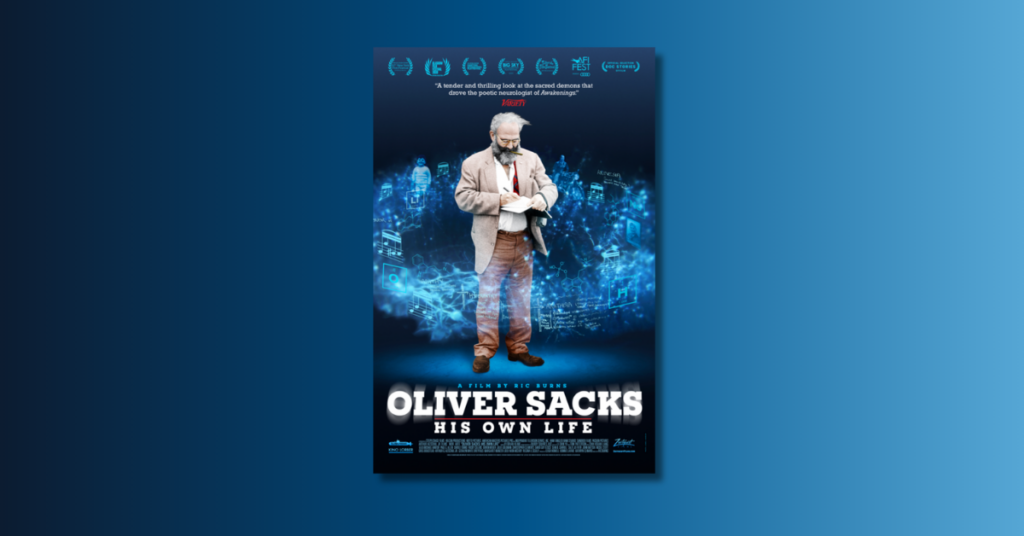
“Oliver Sacks: His Own Life” Film Screening and Panel Discussion

Join us for a special film screening of “Oliver Sacks: His Own Life”.

This compelling film explores the life and work of the legendary neurologist and storyteller, Oliver Sacks, as he shares intimate details of his battles with drug addiction, homophobia, and a medical establishment that accepted his work only decades after the fact. Sacks was a fearless explorer of unknown mental worlds who helped redefine our understanding of the brain and mind, the diversity of human experience, and our shared humanity.

You won’t want to miss this unique opportunity to explore the life and legacy of one of the most influential medical practitioners and writers of our time. The screening will be followed by a panel discussion with director Ric Burns and renowned psychologist and best-selling author Dr. Elissa Epel.

Sponsors

Presented By

HHMI and Tangled Bank Studios Logo
The logo for "west end labs"