Targeting Molecular Mechanisms of Aging

Aging is the strongest risk factor for many serious diseases and co-morbidities, including cancer, heart disease, kidney disease, dementia, Alzheimer’s disease, frailty, and sarcopenia. Increasing evidence suggests that aging occurs in a regulated manner and that perturbation of discrete cell-signaling pathways can extend lifespan and delay age-related diseases and co-morbidities.  A number of key questions have surfaced through research efforts to better understand the molecular mechanisms underlying age-associated disease.  For example, what are the triggers for age-induced changes?  Which pathways are activated or suppressed as a result of age?  How could counter-regulating these pathways be used to treat established diseases that are age-related, or to improve co-morbidities which are age-associated?

This conference will bring scientists together from across academia and industry to examine these questions through a keynote and plenary talks on modeling aging in different systems, biomarkers and molecular clocks, disease processes and other age-related diseases, epigenetics and germline mutations, proteostasis and senescence, and secreted factors and reprogramming.  The concepts discussed in this symposium will help to drive work to improve treatments of age-related disorders.

2023 Ross Prize Symposium – Genetic Basis of Lipid Metabolism Disorders

The Ross Prize in Molecular Medicine was established in conjunction with the Feinstein Institute for Medical Research and Molecular Medicine. The 2022 virtual symposium celebrates the work of award winners — Katalin Karikó, PhD, and Drew Weissman, MD, PhD for their pioneering mRNA research. Presentations will also be delivered by other leaders in the field.

Chemical Biology of the Microbiome

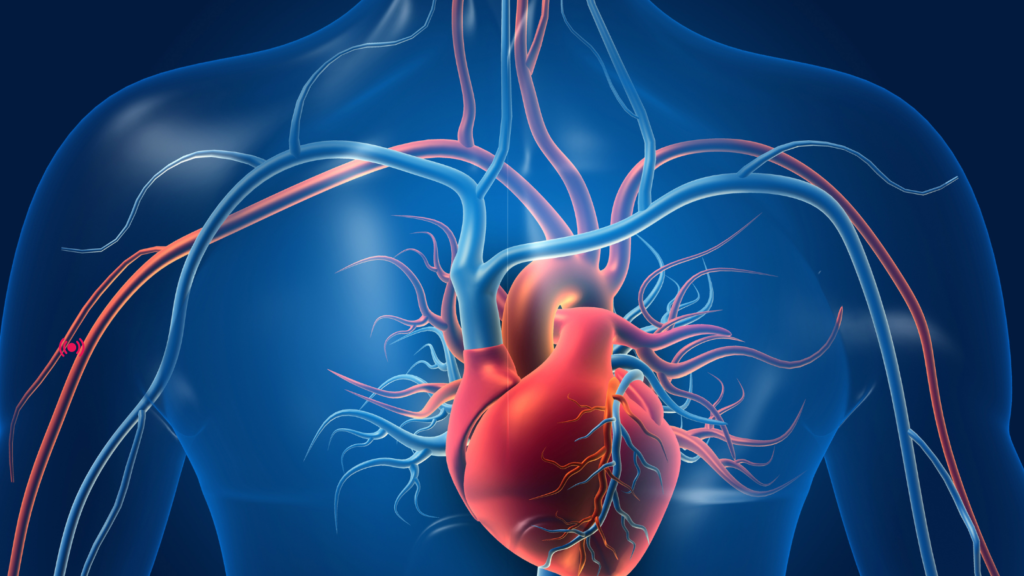
Developing targeted therapies for rare cardiomyopathies is challenging: difficulties identifying patients, delivering therapeutics, and accessing heart tissue results in a 50% mortality rate 5 years after diagnosis.  Early, accurate disease detection and classification can significantly improve outcomes for patients with rare cardiomyopathies. Achieving these goals requires multiple novel technologies to coalesce that will enable early patient identification, deepen our understanding of the disease process, improve modeling of human pathophysiology, accelerate testing of drug candidates, and leverage novel therapeutic modalities to target the heart specifically, safely and effectively.

This two-day conference will convene industry scientists, academics, and clinicians to understand the integration of artificial intelligence and engineered tissues for safe and effective delivery of novel therapeutics for patients with arrhythmogenic, hypertrophic, and dilated cardiomyopathies.

The Chemical Biology Discussion Group End-of-Year Symposium: Deconvoluting Protein Networks

The goal of the Academy’s Chemical Biology Discussion Group is to enhance interactions among local-area laboratories working in chemical biology and to showcase cutting edge research in chemical biology to the wider community. The program features distinguished keynote speakers in addition to short, cutting-edge talks covering a range of topics in chemical biology. A committee of experts selects the short talk presenters from abstract submissions. The meeting will also feature a poster session.

Sponsors

Chemical Biology Discussion Group Lead Sponsor

Academy Friend

American Chemical Society

The New Wave of AI in Healthcare 2024

In collaboration with the Academy, the Windreich Department of Artificial Intelligence and Human Health at the Icahn School of Medicine at Mount Sinai, is organizing the second annual symposium: “The New Wave of AI in Healthcare 2024.” This event aims to showcase the latest advancements in AI- and data-driven technologies in healthcare.
The symposium will feature keynote and plenary lectures by industry leaders, as well as poster presentations from early career investigators and students, highlighting the latest innovations in the field. Additionally, it will provide networking opportunities for researchers across disciplines and sectors to collaborate and advance their work. The venue, located in New York City, is designed to facilitate dialogue and collaboration, driving progress in the field of healthcare AI.

Sponsor

Presenting Partner

Frontiers in Cancer Immunotherapy 2023

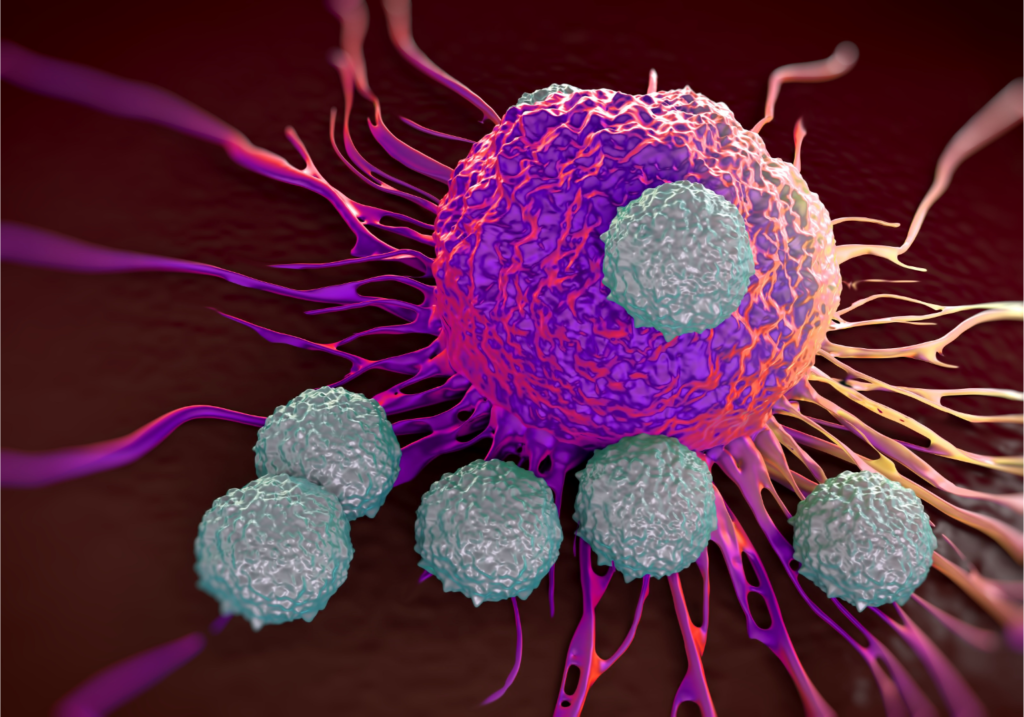
This three-day meeting will convene immuno-oncology experts across academia and industry to share cutting-edge discoveries and to advance the development of novel cancer immunotherapies.

Frontiers in Cancer Immunotherapy 2024

The Frontiers in Cancer Immunotherapy 2024 symposium aims to explore innovative therapies in cancer treatment amidst the rapidly evolving field of cancer immunotherapy. Despite notable successes, challenges persist in understanding the biology of certain tumor types and identifying targets for novel therapies. The symposium provides a platform for researchers, clinicians, and industry leaders to discuss progress, potential, and advancements in drug therapies and technologies for improved cancer treatment.

Sponsors

Presenting Partner

Cancer Discussion Group Lead Supporter


Bronze Sponsor

Merck

Academy Friends

The New Wave of AI in Healthcare

Rapidly evolving digital technologies are changing modern healthcare in unprecedented ways. Novel digital health solutions are embracing machine learning and artificial intelligence (AI) tools that empower patients and healthcare providers alike. However, given the speed of innovation, it can be challenging to stay abreast of the latest technological advances.

To showcase the latest advances in AI- and data-driven technologies in healthcare, the Windreich Department of Artificial Intelligence and Human Health at the Icahn School of Medicine at Mount Sinai and the New York Academy of Sciences will convene multi-disciplinary scientists and clinicians working at the intersection of computer science and medicine for a 2-day, in-person symposium in New York City entitled “The New Wave of AI in Healthcare”.

This symposium will feature a keynote presentation by David C. Rhew, MD, Global Chief Medical Office and Vice President of Healthcare at Microsoft. In addition, leaders in the field will present plenary lectures, and there will be poster presentations by early career investigators, students, and postdocs. The New Wave of AI in Healthcare will provide a forum for the exchange of novel scientific research and expertise among multi-sector scientists and provide ample networking opportunities.

Presentation topics include:

  • Large-scale Foundation Models for Healthcare 
  • Next Generation Deep Learning for Healthcare 
  • High-Performance Computing 
  • Digital and Computational Pathology 
  • Digital Health 
  • AI Ethics in Healthcare 
  • Data Driven Research in Healthcare

Ethical Considerations in Research for Pediatric Populations

There is an urgent need for new drugs and treatments to address a range of illnesses in infants, children, and adolescents, yet including these vulnerable populations in clinical research raises a number of ethical issues that are important to address. This event will explore key ethical considerations regarding the research participation of those who have not attained the legal age for consent to treatments or procedures involved in biomedical studies. Discussions will center on addressing consent, assent, and privacy in pediatric research, study design and regulatory issues, small sample size studies in genomics and rare disease research, health disparities, Covid-19 research in children, broad population-based disease prevention efforts, and will close with a look to the future of pediatric research.

Colloquium Conflict Management

The New York Academy of Sciences is a neutral convener of scientific symposia. We adhere to Accreditation Council for Continuing Medical Education (ACCME) principles for all of our programming. Please note that Johnson & Johnson is a sponsor of this convening, and The New York Academy of Sciences and NYU Grossman School of Medicine exercise full control over the planning of the program’s content, the selection of speakers and all enduring materials.

Vaccines for Respiratory Diseases

The symposium will focus on respiratory vaccine research and development, bringing together experts from various fields to discuss challenges and breakthroughs in vaccinology. Notably, it will cover the design of vaccines for respiratory diseases, including those targeting older adults and pregnant mothers and their infants, with updates ranging from preclinical research to surveillance and rollout.

Sponsors

Microbiology and Infectious Disease Discussion Group Lead Supporter

Silver Sponsor