The New Wave of AI in Healthcare 2026

The New York Academy of Sciences is proud to present The New Wave of AI in Healthcare 2026.

Artificial intelligence and digital technologies are transforming healthcare at an unprecedented pace—reshaping how we diagnose, treat, and deliver care. From advanced machine learning applications to real-world evidence and patient-facing digital tools, innovation is accelerating rapidly, bringing both extraordinary promise and complex challenges for clinicians, researchers, and regulators.

To spotlight these breakthroughs, the Windreich Department of Artificial Intelligence and Human Health at the Icahn School of Medicine at Mount Sinai and The New York Academy of Sciences will host a two-day, in-person symposium in New York City The New Wave of AI in Healthcare

This premier event will convene leading scientists, clinicians, industry innovators, and policy experts at the intersection of computer science and medicine to share cutting-edge research, explore pressing ethical and regulatory considerations, and build collaborations that shape the future of healthcare. The symposium will not only showcase the latest scientific advances but also foster interdisciplinary dialogue and networking to ensure that AI-driven healthcare innovations are equitable, ethical, and impactful.

Sponsors

Presented By

The New York Academy of Sciences logo

Molecular Pathways and Cellular Players in the Resolution of Organ Fibrosis

A shot taken under a microscope.

The New York Academy of Sciences proudly presents “Molecular Pathways and Cellular Players in the Resolution of Organ Fibrosis.”

Organ fibrosis is a critical challenge across multiple diseases, where unchecked scarring disrupts tissue architecture and function. Yet, recent advances in multiomics, mechanobiology, and therapeutic innovation are shedding light on the cellular and molecular mechanisms that may allow fibrosis to be reversed, or even prevented. While significant progress has been made in dissecting the mechanisms of fibrotic progression in tissues, key challenges remain in understanding the resolution and reversal of organ fibrosis.

This one-day symposium will bring together leading experts from academia, industry, and clinical research to explore the biology of fibrosis, emerging multiomic insights, and the development of targeted therapies and biomarkers. Conference topics will encompass the biology of fibrosis, multi-omics signatures, target identification, therapeutics, and imaging biomarkers, among other areas. Researchers at all career stages are invited to join us in accelerating discovery, building meaningful collaborations, and engaging in conversations that will shape the future of fibrosis science.

Sponsors

Presented By

The Biochemical Pharmacology
Discussion Group

Lead Supporters

Pfizer logo

Cancer Metabolism and Signaling in the Tumor Microenvironment

Join leading experts at the forefront of cancer metabolism research for a one-day event in New York City. The New York Academy of Sciences invites you to “Cancer Metabolism and Signaling in the Tumor Microenvironment,” where top basic, translational, and clinical scientists will explore the intersection between cell signaling and metabolism.

Modern research in cancer metabolism and signaling has uncovered complex metabolite-signaling networks in cancer. These networks support tumor progression by enabling cell growth, influencing stress responses, and restructuring the tumor microenvironment, aiding immune evasion and promoting metastasis.

Many of these oncogenic metabolic changes are enriched in tumors. These insights offer promising new therapeutic targets for combating cancer.

This event provides a collaborative platform to exchange knowledge on how tumor cells exploit cellular signaling and metabolic pathways to support malignant growth. Don’t miss this opportunity to connect with leaders in the field and stay at the cutting edge of oncology innovation.

Sponsors

Presented By

The New York Academy of Sciences
Cancer & Signaling Discussion Group

Sponsored By

Lead Supporter: Cancer & Signaling Discussion Group

Pfizer logo

Bacterial Vaccines and Immune Therapies

Join leading experts at the forefront of bacteriology, vaccine research, and therapeutic development for a two-day event in New York City on February 2-3, 2026.

The New York Academy of Sciences invites you to “Bacterial Vaccines and Immune Therapies” where top basic and translational scientists from academia and industry, clinical investigators, and regulators will explore the latest research on novel vaccine formulations, delivery technologies, transformative therapeutics, and implementation strategies to combat bacterial diseases.

Many bacterial infections are significant health problems worldwide, and the treatment of many infectious diseases is becoming increasingly challenging due to the development of antibiotic resistance. Vaccines that prevent and control infectious diseases caused by bacteria are urgently needed. Participate in this exciting conference to explore recent progress and remaining obstacles for transformative therapeutics for bacterial diseases.

This is a unique opportunity to engage with renowned experts, uncover groundbreaking studies, and discuss innovative therapeutic strategies. Don’t miss out on this chance to be part of the conversation.

Sponsors

Presented By

The Microbiology and Infectious Diseases
Discussion Group

Lead Supporter

Pfizer logo

Food Waste

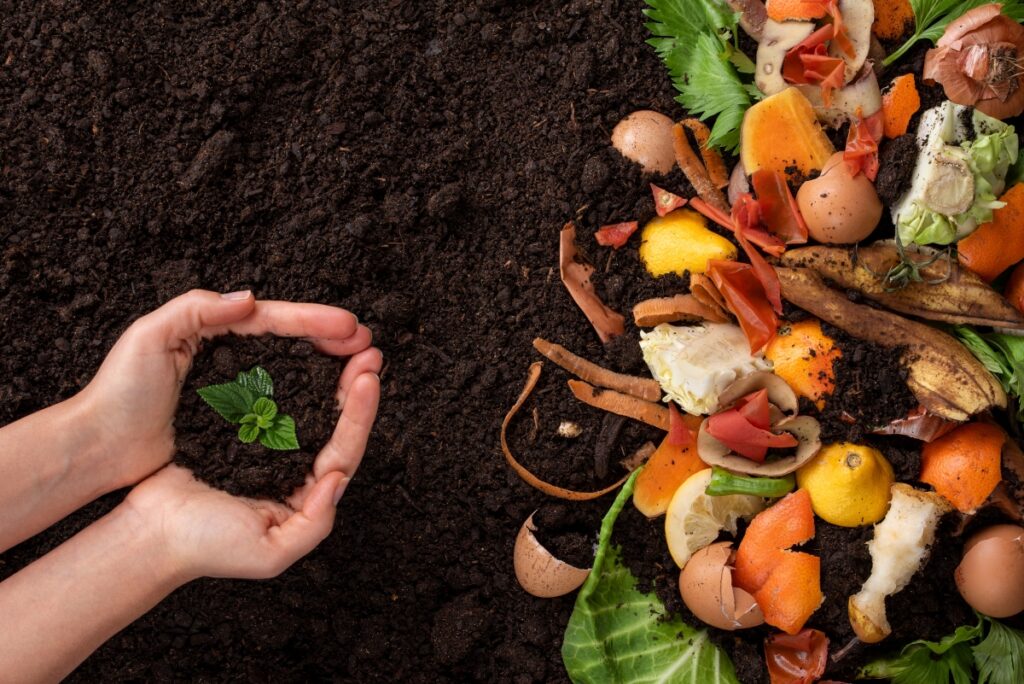
Organic composting.

Eligibility

  • This challenge is only open to Junior Academy students from the USA and countries in the MENA (Middle East and North Africa) region. Mentors can be from any country.
  • Maximum of six (6) students per team, plus one (1) mentor.

Overview

Nearly one third of all food worldwide goes to waste somewhere in the journey from farm to plate. The issue is not limited to wealthier countries, but causes of the waste vary by country and region, and the impact is not equitable. Preventing the billion metric tons of food wasted each year could reduce world hunger, minimize greenhouse gasses, and prevent habitat and biodiversity loss across the globe. In this challenge, you are asked to design innovative technological and social solutions that reduce food waste with an eye towards promoting sustainability, equity, and responsible consumption.

Challenge

Design an innovative, scalable solution that helps reduce food waste at the local level (household, local restaurants, retail) or at the regional level (agriculture), while promoting sustainability, equity, and responsible consumption.

Consider the following when designing your solution:

  • What type of food waste will your solution address?
    • Household waste? Restaurant or grocery waste?
    • Specific foods such as fresh vegetables? Meat? Dry goods?
    • Specific harvests or regions?
    • Something else?
  • How can your solution be available to and adopted by the entire community?
  • How will you approach the problem? Will you take a technology approach or a social approach?
  • How can your solution address equity issues in food availability?
    • How might you integrate community co-design into your solution?
    • How might your solution be scaled to impact other regions or other countries?
  • How can you keep the cost of your solution low enough to encourage implementation?
  • How sustainable is your solution? 
  • What region or community might your solution impact the most?
  • What public policy might be needed to support or implement your solution?

See the challenge course syllabus.

Success Evaluation Criteria

Solutions will be judged based on the following criteria:

  • Innovation and Design Thinking: Is the design and approach unique and/or innovative? Does the design show a high degree of originality and imagination?
  • Scientific Quality: Are the appropriate references and analytical methods used and are the insights derived correctly?
  • Presentation Quality: Is this concept concisely and clearly explained? Are the findings/recommendations communicated clearly and persuasively?
  • Commercial Viability/Potential: Does the solution have the potential to make a difference?
  • Sustainability: What is the social impact on local communities? How does the solution incorporate positive environmental or social objectives? Is the solution in line with a sustainable or justice focused future?
  • Teamwork and collaboration: Was the experience a collaborative endeavor? Was the knowledge gained from the experience reflected upon and tied back to a civic engagement mindset? (From Personal Reflections)

See the challenge rubric.

Winners

The winning team, Save2Serve, had a creative and innovative approach of designing an innovative, scalable solution that helps reduce food waste at the local level (household, local restaurants, retail) or at the regional level (agriculture), while promoting sustainability, equity, and responsible consumption.

Team members: 

  • Jana H. (Team Lead) (Egypt)
  • Louay C. (Tunisia)
  • Tiffany G. (Massachusetts, United States)
  • Neev H. (Virginia, United States)
  • Adam A. (Egypt)
  • Salwa A. (Egypt)

Mentor: Brisa Torres (Germany)

Sponsors

The Junior Academy is implemented by The New York Academy of Sciences and is supported by the J. Christopher Stevens Virtual Exchange Initiative (JCSVEI). JCSVEI is a U.S. Department of State’s Bureau of Educational and Cultural Affairs program administered by the Aspen Institute.

Marine Biodiversity

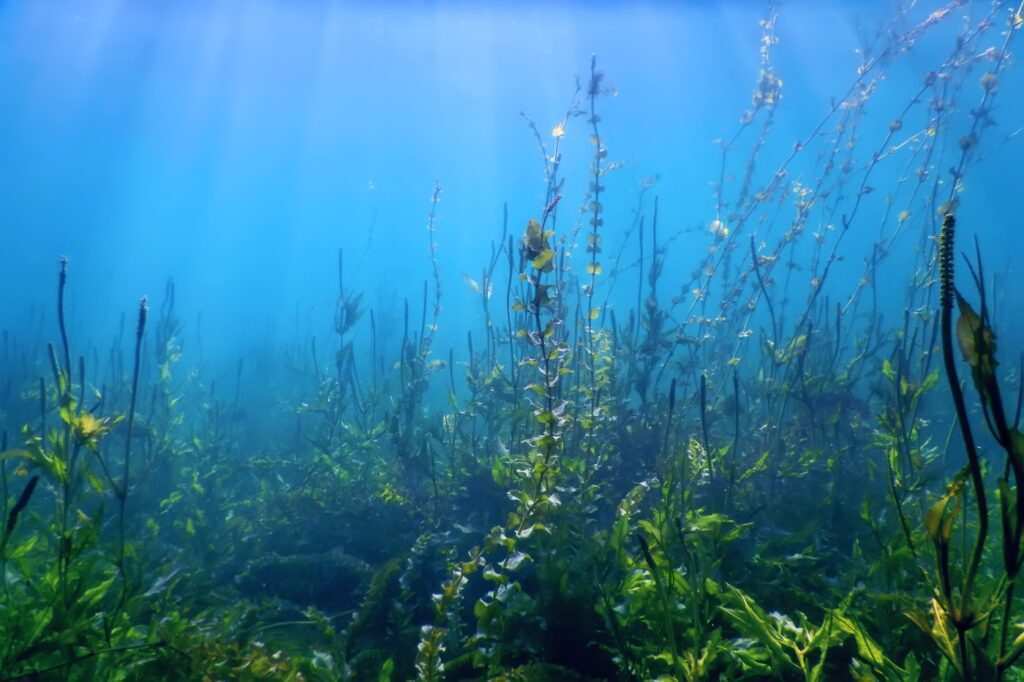
An underwater shot.

Eligibility

  • This challenge is open to Junior Academy students who are residents of one of the 5 boroughs of New York City.
  • Maximum of six (6) students per team, plus one (1) mentor.

Overview

Offshore wind farms can offer a renewable energy source to meet the growing demand for energy of coastal communities and cities around the world, but there are also some environmental drawbacks. The construction and presence of wind turbines can disrupt marine life behavior, damage sensitive marine habitats, and reduce biodiversity in marine communities. This challenge asks you to design and plan offshore wind farms with the least negative impact on marine life that support and even increase biodiversity. How could you make offshore wind energy truly sustainable?

Challenge

Design an innovative solution that supports marine biodiversity by creating or improving marine habitats within or around offshore wind farms, while also minimizing disruption and damage to the ocean floor and water column during installation and operation.

Consider the following when designing your solution:

  • How could your solution also incorporate strategies for ongoing environmental monitoring and mitigation to ensure long-term ecosystem health?
  • What will motivate industry to implement your solution?
  • What policies might need to be implemented at the government level to fully realize your solution?
  • How will materials be sourced? Will there be a downstream environmental impact?
  • What will your solution cost? Will it be a practical choice?

See the challenge course syllabus.

Success Evaluation Criteria

Solutions will be judged based on the following criteria:

  • Innovation and Design Thinking: Is the design and approach unique and/or innovative? Does the design show a high degree of originality and imagination?
  • Scientific Quality: Are the appropriate references and analytical methods used and are the insights derived correctly?
  • Presentation Quality: Is this concept concisely and clearly explained? Are the findings/recommendations communicated clearly and persuasively?
  • Commercial Viability/Potential: Does the solution have the potential to make a difference?
  • Sustainability: What is the social impact on local communities? How does the solution incorporate positive environmental or social objectives? Is the solution in line with a sustainable or justice focused future?
  • Teamwork and collaboration: Was the experience a collaborative endeavor? Was the knowledge gained from the experience reflected upon and tied back to a civic engagement mindset? (From Personal Reflections)

See the challenge rubric.

Winners

The winning team, BioTurbine Collective (Marine Life Sustaining Wind Farms), had an innovative approach of finding ways to support marine biodiversity by creating or improving marine habitats within or around offshore wind farms, while also minimizing disruption and damage to the ocean floor and water column during installation and operation.

Team members: 

  • Dakila G. (Team Lead) (New York, United States)
  • Aizah Z. (New York, United States)
  • Lucy L. (New York, United States)
  • Biying L. (New York, United States)
  • Mikaela V. (New York, United States)
  • Anna L. (New York, United States)

Mentor: Krenare Bruqi (France)

Sponsor

Energy Infrastructure: Solar Power

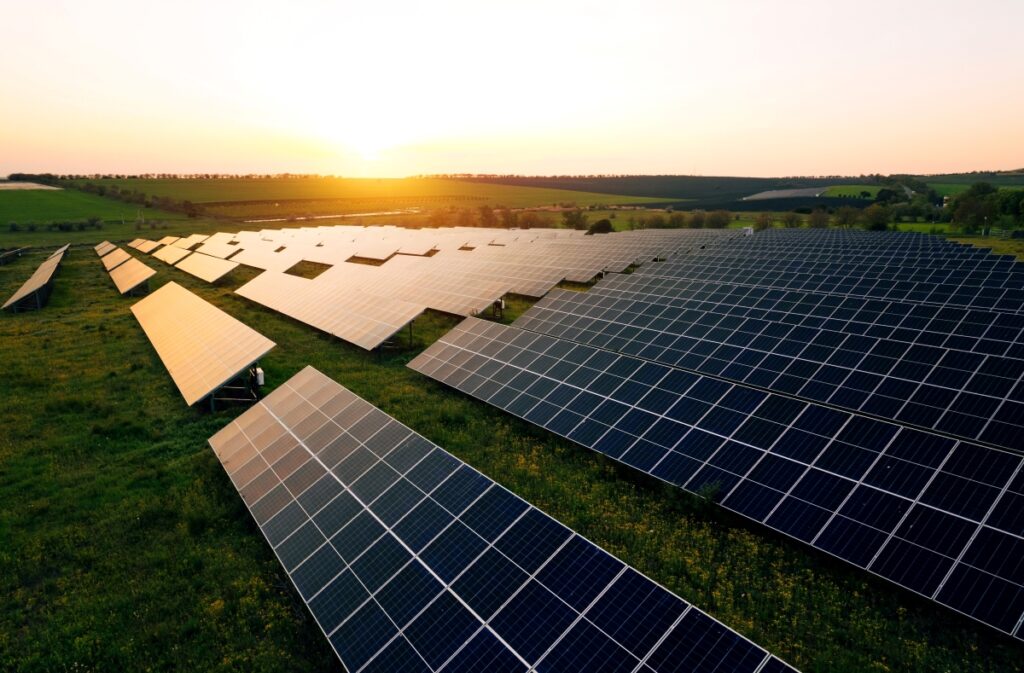
Solar panels.

Eligibility

  • This challenge is open to all Junior Academy students.
  • Maximum of six (6) students per team, plus one (1) mentor.

Overview

In an increasingly electrified world, shifting from fossil fuel dependence to renewable energy is necessary to sustainably meet the growing demand. Making this transition will require 2 areas of innovation:

  1. Retrofitting current infrastructure, building new solar-ready infrastructure, and/or replacing aging power grids originally built to rely on fossil fuels.
  2. Technology that allows for the efficient and reliable distribution of solar power from areas and times of high solar input to areas and times of high electricity demand.

What innovative solution could you design to make the shift from traditional energy sources to renewable solar energy a reality?

Challenge

Design an innovative and scalable solution to improve electrical infrastructure and/or energy storage technology in order to make solar energy use more reliable, efficient, and economical for meeting the energy demands of technology and society.

Consider the following when designing your solution:

  • What level will you focus your solution on? Individual households or buildings? City infrastructure? Regional power grids? Agriculture? Nomadic communities?
  • What geographical or governmental region will you focus your solution on? What are the most urgent energy challenges in this region? How can your solution be scaled to other regions?
  • What are the supply, demand, distribution needs, and storage capabilities of electricity for your specific territory or geographical location?
  • What might be the cost of your solution? Will it be affordable for your focus audience?
  • How might retrofitting be part of your solution?
  • How could Artificial Intelligence (AI) be incorporated into your solution? Identifying ideal locations for retrofitting existing infrastructure? Managing energy flow? Managing energy use and storage? Through machine learning? Diagnosing and/or responding to system or grid fluctuations? Something else?
  • How can you use available data and research to inform or test your solution?
  • How will you prototype your solution?
  • Could your solution be expanded to other renewable energy sources such as wind or geothermal?

See the challenge course syllabus.

Success Evaluation Criteria

Solutions will be judged based on the following criteria:

  • Innovation and Design Thinking: Is the design and approach unique and/or innovative? Does the design show a high degree of originality and imagination?
  • Scientific Quality: Are the appropriate references and analytical methods used and are the insights derived correctly?
  • Presentation Quality: Is this concept concisely and clearly explained? Are the findings/recommendations communicated clearly and persuasively?
  • Commercial Viability/Potential: Does the solution have the potential to make a difference?
  • Sustainability: What is the social impact on local communities? How does the solution incorporate positive environmental or social objectives? Is the solution in line with a sustainable or justice focused future?
  • Teamwork and collaboration: Was the experience a collaborative endeavor? Was the knowledge gained from the experience reflected upon and tied back to a civic engagement mindset? (From Personal Reflections)

See the challenge rubric.

Winners

The winning team, Radiantis Solar in Structure, had a futuristic approach in designing an innovative and scalable solution to improve electrical infrastructure and/or energy storage technology in order to make solar energy use more reliable, efficient, and economical for meeting the energy demands of technology and society.

Team members: 

  • Hosila K. (Team Lead) (Uzbekistan)
  • Yifan (Trevor) X. (China)
  • Mohammed A. (Egypt)
  • Nazli M. (Azerbaijan)
  • Ruiheng (Ryan) W. (China)
  • Lowri P. (United Kingdom)

Mentor: Ranjit Sahu (Virginia, United States)

Sponsor

Combating Extreme Heat Environments through Technology Architecture Infrastructure and Urbanization

A woman hiking, looking at a series of structures that appear to be from an old civilization.
Winner of the Junior Academy Challenge – Spring 2025
“Living in the Extremes”

Sponsored by The New York Academy of Sciences

Published August 5, 2025

By Nicole Pope

Team members: Katelyn G. (Team Lead) (California, United States), Rishab S. (India), Adham M. (Egypt), Youssef I. (Egypt), Shravika S. (Virginia, United States)
Mentor: Anavi Jain (Tennessee, United States)

As record-breaking temperatures due to the climate crisis become more common around the world, especially in vulnerable regions like the Middle East, South Asia, and the southwestern United States, more than 1.2 billion people are at risk of heat stress. Areas that were already hot — such as Death Valley in California — are now experiencing conditions that regularly exceed historical records, with temperatures soaring above 134°F (56.7°C). The five international members of the winning team set themselves a clear objective: finding an innovative approach to improve the housing and living environment for communities living in scorching heat.

To devise their creative project – a housing and living concept they called Technology Architecture Infrastructure Urbanization (TAIU) – the high-school students, from the United States, Egypt, and India, held multiple online discussions, exchanging ideas across borders and time zones. In the course of their research, they learned that modern infrastructure and architecture have not kept pace with climate change. In fact, urban settings often amplify the impact of high temperatures – with asphalt and buildings made of concrete, steel, and glass retaining heat rather than deflecting it.

The team explored various building techniques and cooling methods. Historically, communities living in hot climates used passive designs, such as thick, breathable walls, shaded courtyards, and reflective surfaces to keep living spaces cool. “While my teammates leaned towards modern solutions, I advocated for a blend of traditional methods with contemporary technologies,” explains teammate Shravika S. Discussions were at times intense but always collegial while the students were developing their concept. They reached decisions democratically, under the supervision of the team’s mentor.

A Vision Emerges

From their brainstorming, a vision emerged: a sustainable project that creates a safer and more comfortable environment for people living in hot climates, without resorting to costly and energy-intensive technologies that put further strain on the planet. “By fusing ancient wisdom with future-ready innovation, TAIU offers not just shelter from the heat but a blueprint for thriving in it. With each structure we build, we’re not only cooling homes — we’re restoring hope, equity, and the possibility of a livable future for the world’s hottest regions,” the students explained in their presentation.

Inspired by Nubian architecture, their project rests on four pillars:

  • 1. Smart technology – an adaptive roof that tilts and rotates to optimize ventilation, glass that tints in response to sunlight, and phase change materials that regulate indoor temperature;
  • 2. Indoor design that blends Nubian pottery materials with passive cooling techniques to improve air flow and create breathable spaces;
  • 3. The TAIU App – a smart home system that controls the roof and provides real-time climate and energy updates; and
  • 4. Outdoor features, such as shaded areas, hydration stations, and solar-powered resilience centers that provide services and spaces where the community can gather.

“I gained valuable insight into the needs and challenges faced by the community we studied — Death Valley — where living in extreme heat demands both modern and traditional solutions,” explains teammate Adham M. “One of my biggest takeaways is realizing that blending smart technologies like smart windows and smart roofs with time-tested methods like clay construction can offer sustainable, effective ways to adapt to harsh environments.”

Conducting a Survey

To test their approach, the team consulted architects, engineers and environmental experts. A survey conducted among 248 people living in hot regions yielded useful suggestions that the team applied to finetune their design, such as expanding the use of clay insulation and rerouting cooling pipes within wall cavities. Early results from laboratory and field tests of traditional pottery composites confirmed that special clay blends can reduce indoor peak temperatures by up to 5oF.

While working on their project, the students gained new insights into the devastating effects of climate change. “I realized that air conditioning is affecting not only my life but also those who are yet to come,” says team member Rishab S. “I adopted several measures to reduce the use of air-conditioners. I started wearing lighter clothes, consuming drinks that cool down our bodies, and using windows for proper ventilation.”

Team member Youssef I. feels he has acquired new knowledge and skills, including a deeper understanding of modelling since he was responsible for producing the 3D housing model. But he also emphasizes many other benefits, such as communicating with people from different communities and cultural backgrounds and forming new friendships. For team leader Katelyn G., this Junior Academy Challenge was more than an academic experience. “It was a glimpse into the kind of changemaker I strive to become,” she explains. “From the very beginning, we weren’t just building a climate resilience solution; we were building trust across time zones, merging perspectives, and learning to lead with both head and heart.”

Learn more about the Junior Academy.

Eco-twisters

A woman wearing a facemask looks out from her balcony to a hazy, air polluted city skyline.
Winner of the Junior Academy Challenge – Spring 2025
“Air Quality & Health”

Sponsored by Stevens Initiative

Published August 5, 2025

By Nicole Pope

Team members: Kelsey M. (Team Lead) (California, United States), Hana H. (Egypt), Zoha H. (North Carolina, United States), Islam H. (Saudi Arabia), Sanaya M. (New Jersey, United States), Kavish S. (North Carolina, United States)
Mentor: Brisa Torres (Germany)

Indoor air pollution, caused largely by volatile organic compounds (VOCs) and carbon dioxide (CO2), presents major risks for human health. Globally 2.6 billion people are exposed to household air pollution, mostly from cooking with kerosene, solid fuels like wood, charcoal, coal or dung, and inefficient stoves. As a result, they face the risk of respiratory or heart diseases, cancer, and damage to organs like the liver, kidneys, or central nervous system.

When they joined the spring 2025 Air Quality and Health Junior Academy Challenge, this team of six high school students from the United States, Egypt and Saudi Arabia chose to address this often-neglected threat. “I learned so much about indoor air pollution and how it often gets overlooked, especially in communities that use kerosene or other fuel-based cooking methods,” says team member Islam H. “The more we researched, the more I realized how widespread this issue is, and how it’s especially harmful in areas with limited access to clean energy solutions.”

Before developing their winning Eco-Twister Air Filter device, the team members conducted research and brainstormed extensively online to define their approach and whether to prioritize cost, portability, or advanced technology. Their project draws on their varied skillsets and perspectives: one team member had experience in public health research, others excelled in experimental design or robotics, or brought an interest in coding or data analysis.

“We all had different ways we wanted to make the air filter at first: some suggesting we use high technology and equipment, others saying we should stick with everyday home materials,” explains teammate Zoha H. “Later on, we debated on how to redesign our filter and decided to cater towards low-income communities more and made it smaller as well as cheaper.”

Reducing VOCs and CO2

To reduce the levels of harmful indoor gases like VOCs and CO2 that stem mostly from cooking emissions, the winning team opted to design an affordable, do-it-yourself (DIY) air filter. Commercially available filters, costing between $200-$400, are out of reach for families with limited income. “Equity and inclusivity were central to our project,” says team leader Kelsey M. “We designed the filter to be affordable, our second prototype cost about $41.10, and DIY, targeting low-income communities disproportionately affected by air pollution.”

The Eco-Twister combines the capabilities of a MERV 13 filter to capture dust, pollen and tiny particles, and activated charcoal to absorb VOCs and CO2 and reduce both odors and harmful gases. They added sphagnum moss as a third, natural, component to boost the effectiveness of their innovative filter. Moss traps larger particles, heavy metals, and enhances sustainability by metabolizing VOCs. 

After producing an initial prototype, the team went on to improve their design, making a second version of the device 95% smaller as well as lighter and cheaper. “We realized what would be the most achievable and which items would be easiest to source, as our project is affordable and easy for anyone to make by themselves,” says team member Sanaya M. “When redesigning our solution, we prioritized accessibility and eco-friendliness and ended up reducing the size.”

Greater Portability and Promising Findings

This meant using one filter instead of four, which resulted in much greater portability. The team conducted tests to measure the reduction in harmful emissions their revised Eco-Twister Air Filter achieved. They were delighted when results showed that the Eco-Twister reduced peak VOC concentration by 40.8% and also accelerated VOC removal and air recovery, competing favorably with more expensive devices.

The team also conducted a survey in their communities, which revealed that 95% of the 40 respondents would be interested in using the 14-inch x 16-inch x 2-inch Eco-Twister device, which weighs 5.5lbs. Over three quarters of those surveyed found the team’s ingenious air filter affordable and more than 80% stated they would use it daily.

For the participating students, the project has been a valuable learning experience. Discussions within the group exposed them to different points of view and taught them to reach an optimal outcome by weighing multiple requirements. “My teammates who pushed for portability for low-income families got me thinking about who’d actually use it,” explains teammate Kavish S. “Also, the eco-friendly folks opened my eyes to using sustainable stuff like moss, which I hadn’t thought about before.”

The team has plans for future iterations of the Eco-Twister filter, which would use bamboo-based charcoal and biodegradable materials for enhanced sustainability. “I used to figure that air pollution was someone else’s issue, but seeing that 100% of our survey folks thought our filter could help, opened my eyes,” reflects team member Hana H. “People in poorer areas are getting sick from bad air with no good options.”

Learn more about the Junior Academy.

Finding Calm in the Chaos: Strategies for Mental Resilience

A woman using a smartphone.

In a time of constant breaking news, ever changing doomscrolls, and, what seems like a never-ending stream of life stressors, the toll on our mental health is real and measurable.

Published June 23, 2025

By Syra Madad, D.H.Sc., M.Sc., MCP, CHEP and Jessi Gold, MD, MS

Image courtesy of tirachard via stock.adobe.com.

Research consistently shows that prolonged exposure to crisis-oriented media can elevate stress, worsen anxiety, and erode emotional resilience. For healthcare workers, students, and the broader public alike, it can feel impossible to catch our breath. But evidence also shows that even small shifts in behavior can help buffer our minds from the weight of the world. Here are three science-backed strategies to build calm and preserve mental well-being:

1. Practice Mindful Media Consumption

In a world of endless notifications and breaking news alerts, limiting media exposure is not just wise, it’s essential for mental health. According to psychologists interviewed by the American Psychological Association (APA), we are experiencing a surge in what’s now described as “headline stress disorder,” “doomscrolling,” and “media saturation overload.” These terms reflect a growing body of evidence that constant news exposure especially via social media is linked to higher rates of anxiety, depression, and emotional exhaustion, particularly among younger adults and women.

A study during the COVID-19 pandemic in Psychological Trauma identified a direct link between social media news consumption and increased symptoms of depression and PTSD. The takeaway: limit notifications, schedule news check-ins, and create tech-free time daily. Even if it doesn’t always feel like it, what you are looking at can affect your mood and is not mindless—check in with yourself regularly, and listen to your mind and body when it says to take a break or go to sleep.

2. Anchor Your Day with Mindfulness or Breathwork

Mindfulness-based interventions, including guided breathing exercises, are among the most researched and effective tools for reducing anxiety and regulating the nervous system. A  meta-analysis in JAMA Internal Medicine confirms that even 10 minutes of daily mindfulness can significantly reduce symptoms of stress and depression. People often worry they don’t have enough time for their own wellbeing, but all of us can find 10 minutes between tasks or Zooms to prioritize ourselves.

3. Create a Routine that Includes Joy and Rest

The uncertainty of global events can leave us feeling helpless. But creating structure through sleep hygiene, regular movement, and deliberate moments of joy offers stability. A study found that daily routines are strongly correlated with better emotional regulation and resilience during periods of collective stress. When you think of grounding yourself in the concepts used in recovery like the serenity prayer, knowing what can and can’t control, makes a difference. Your routine: Is within your control. Find time for sleep, rest, and social support. Maybe even eat a meal with a friend at work instead of alone in front of the headlines.

We are not powerless in the face of uncertainty. By turning inward with compassion, even for a few minutes a day, we can find the steadiness needed to face the changes in the world with clarity and strength.


About the Co-Author

Dr. Gold is the chief wellness officer for the University of Tennessee System and the author of “How Do You Feel?” which focuses on the difficulties of caring for oneself while also caring for others through patient narratives and her personal experience as a psychiatrist caring for healthcare workers.

Stay connected with Dr. Madad:

Instagram
Twitter/X
LinkedIn
Facebook

More from Dr. Madad on the Academy Blog

Dr. Madad’s Critical Health Voices on Substack