Health insurance reimbursement for mental disorders has still not achieved parity with traditional illness and the topic continues to be hotly debated in the U.S. Congress. The statistics seem clear, however, as studies document the enormous economic and social consequences of disabling psychiatric illnesses. Broken marriages, lost jobs and productivity, and the impact on children make mental illness one of the major sources of disability loss in the United States and the world.
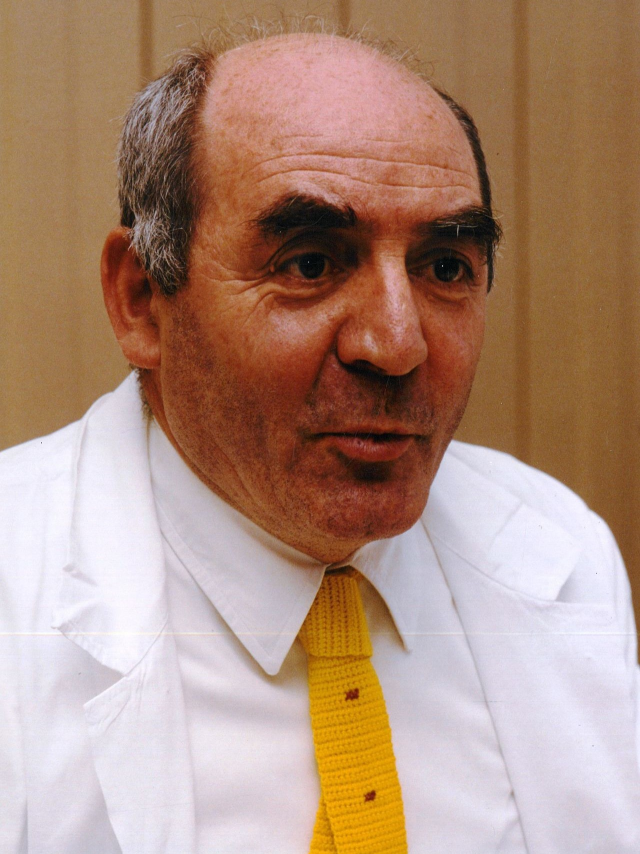
Columbia University psychiatric epidemiologist Dr. Myrna Weissman made a powerful case for parity when she presented the cumulative results of major studies led by her and colleagues to an Academy audience in January. The talk was part of an ongoing program by the Academy on “Mind, Brain and Society.” Dr. Weissman, who is also associated with the New York State Psychiatric Institute, dealt specifically with unipolar, major depression, perhaps the most widespread and significant of these disorders, and one that now appears to amplify its effect by impacting families – young mothers and children in particular.
Perhaps the most significant finding is that, contrary to popular belief, depression is not a middle-aged, menopausal phenomenon. Recent studies show a substantial rise in the onset of depression at puberty and a peak that occurs between age 25 and 35, for both men and women, though incidence is substantially higher in women. Onset actually declines beyond age 35, implying that, as Weissman put it, “if you can make it to 50 you can pretty much look past depression and ahead to your dementias.” They also show that depression is most damaging in the sensitive child-bearing years of young women.
Depression and Other Health Complications
Dr. Myrna Weissman
Science is only now coming to grips with the significance of this data. Given depression’s early onset, we now recognize that people live with the debilitating disorder far longer than with heart disease, for example, or most diabetes. Indeed, the World Health Organization ranks unipolar depression number one in years of disability.
Weissman also noted that when women of child-bearing age are affected the impact is increased substantially. Children of depressed parents have a two to threefold increased risk for the illness, according to studies conducted by Weissman’s group. They also are more likely to experience earlier onset, around age 15, and to account for a major share of the small but significant number of cases among pre-pubescent children. They may then suffer the effects for a lifetime.
We’ve known that depression amplifies a number of general health problems, Weissman said, but it’s now becoming clear that the illness has a more devastating social impact than was previously thought. We can only imagine how it affects developing countries ravaged by AIDS and/or war. And it gets worse. The studies show that the effect remains robust across multiple generations; a grandparent with major depression may be an even stronger predictor for familial depression than is a parent.
The good news, according to Weissman, is that we’ve learned a lot about treating depression and other psychiatric conditions, with drugs and psychotherapy, and that outreach can overcome reluctance to seek treatment. But we need resources to conduct effective outreach and deliver treatment, and health insurance parity would certainly be a good start.
Myrna Weissman is a member of the National Academy of Science’s Institute of Medicine, and a Fellow of The New York Academy of Sciences.
With the recent cases of anthrax occurring in New York and Connecticut, an MD breaks down the dangers of this devastating infectious disease.
Published March 1, 2002
By Philip S. Brachman, MD
Under a very high magnification of 31,207X, this digitally-colorized, scanning electron microscopic (SEM) image depicted endospores from the Sterne strain of Bacillus anthracis bacteria. For a black and white version of this image, see PHIL 2266. A key characteristic of the Sterne strain of B. anthracis, is the wrinkled surface of the protein coat of these bacterial spores. These endospores can live for many years, which enables these bacteria to survive in a dormant state, under environmentally-stressful circumstances. Image courtesy of Laura Rose via CDC Public Health Image Library.
Recent bio-terrorist events have resulted in the first cases of inhalational anthrax reported in the United States since the cases that were summarized in the article in the Annals of the New York Academy of Sciences, published in 1980. Five deaths have occurred among the 11 recent cases in the Unites States, making this the first successful bioterrorist event using B. anthracis. Investigations of the events have produced some new information concerning inhalational anthrax.
While the clinical aspects are generally similar to those reported in the initial article, the presence of a cough appears to be more prominent in the recent cases.
Recognizing that the initial symptoms of inhalational anthrax resemble those of the common cold or influenza, it is important to note that none of the current cases reported rhinitis as a symptom. This may be an important notation when initially considering the diagnosis on a patient with a potential exposure to B. anthracis.
New Diagnostic Techniques
On physical examination, the widening of the mediastinum has again been noted. Plural effusions and pulmonary infiltrates have been previously noted, though the former are more prominent among the current cases. As before, pneumonia is not present.
New diagnostic techniques have been developed, including the use of PCR and immunohistochemical staining of tissue, which allow more rapid diagnosis. Serological testing has advanced from the earlier days, which also has aided in the diagnosis. Molecular typing, when performed, has helped in associating cases with each other and with environmental sources of infection.
Successful treatment of six of the 11 recently diagnosed patients is significant. The previous mortality rate in such cases was reported to be 90%. This rate in recent cases has been lowered due to earlier recognition of the potential diagnosis, immediate treatment with large intravenous doses of effective antibiotics, use of pulmonary respirators and better attention to the use of intravenous fluids and medications.
Concerning antibiotic therapy, ciprofloxicin and doxycycline, when given intravenously and as soon as possible, have been important in assisting in the recovery of patients. Another important aspect of the recent events has been the use of prophylactic antibiotics for individuals exposed to aerosols of B. anthracis. It is recommended that prophylacsis be continued for 60 days –– based on the potential persistence of spores in the mediastinal lymph nodes.
New Epidemiological Features
New epidemiological features have also been described. We have learned that spore-bearing particles may be extremely small, possibly one micron in size. This allows the spores to pass through a paper envelope and contaminate the environment. Aerosols containing refined, highly concentrated B. anthracis-bearing particles have spread throughout buildings, either by airflow or movement of people, or movement of contaminated mail or equipment. As a result, distant environmental areas –– not directly related to where the envelopes containing the B. anthracis spores were opened –– have been contaminated.
Philip S. Brachman, MD
The contamination of tertiary envelopes (envelopes contaminated from secondary contaminated envelopes that had contact with B. anthracis particles from the primary envelope) may be the source of infection for the two recent cases: in New York and Connecticut. Careful investigations have not identified any other source of these two infections.
A factor that may have influenced differences between the previous cases of inhalational anthrax and the bio-terrorist cases was the B. anthracis-containing aerosol. In previous cases, the aerosol probably contained particles of a wide range of sizes. The bio-terrorist aerosol was pure B. anthracis particles, with a large percentage of particles in the range of one to two microns. We still do not have evidence concerning the dosage of B. anthracis organisms necessary to cause disease, but some suspect it might be a relatively small dose.
The current investigations have assisted in identifying improved methods for environmental sampling to determine the limits of the spread of B. anthracis. Several rapid assay methods have been developed, but they have not been adequately tested to determine their sensitivity and specificity. Additionally, information should be gained from the present problems concerning decontamination of large environmental areas
Our understanding of vaccines has come a long way since the 1918 flu epidemic, and scientists continue to advance the research in this field.
Published March 1, 2002
By Lorrence H. Green, PhD
A hospital in Kansas during the Spanish flu epidemic in 1918. Image courtesy of Wikimedia Commons via Public Domain.
In 1918 a global influenza pandemic is estimated to have killed between 20 and 40 million people. Today, influenza –– a negative stranded RNA virus that causes respiratory disease–– is responsible for about 20,000 deaths a year in the United States. In severe epidemics, the death toll can be much higher.
Because the genetic structure of the influenza virus changes each year, due to genetic drift, new vaccines must be in constant development. Significant genetic shifts occur about every 20-40 years, resulting in major genome changes and influenza pandemics. At a recent Microbiology Forum held at The New York Academy of Sciences (the Academy), Dr. Adolfo Garcia-Sastre, of New York’s Mount Sinai School of Medicine, described molecular research being undertaken to design improved influenza virus vaccines.
Garcia-Sastre explained that the influenza genome contains eight genetic segments coated by nucleoproteins and that it is surrounded first by a matrix, and then by a lipid bilayer envelope. In its replication cycle, the virus first binds to receptors on the cell surface; then it is incorporated. Following this, the negative strand RNA is copied, forming a double stranded structure.
An Unusual RNA Virus
Influenza is unusual in that it is an RNA virus that is replicated in the infected cell nucleus, as opposed to the cytoplasm. Important influenza proteins include: hemagglutinin (HA), which is responsible for binding to the cell receptor; neuraminidase (NA), which is responsible for budding off new influenza viral particles; the matrix (M1) and membrane proteins (M2); the nucleoprotein (NP), which is associated with the RNA genome; the transcriptase components (PB1, PB2 and PA), which are responsible for copying the negative RNA strand; and the NS proteins (NS1, NS2), whose functions were discussed.
Garcia-Sastre noted that negative stranded influenza RNA is not infective without its associated proteins. He described research in which genetic influenza material was inserted into a plasmid system. Then a second plasmid was developed that contained the genetic information the influenza proteins required for replication. By using both plasmids to transfect a cell, one could get influenza replication. This system could be used, he said, to specifically genetically alter the influenza genes and develop viral strains that would be useful as vaccines.
A Critical Protein
Using this system, Garcia-Sastre said NS1 was found to be a critical protein that could be exploited for vaccine development. Deletion experiments found that the function of NS1 was to allow the influenza virus to avoid the effects of the anti-viral protein, interferon. The NS1 protein was purified and studied. It was found to have three domains: an RNA binding domain, an eIF-4GI binding domain, and an effector domain. Further deletion experiments were conducted and showed that the anti-interferon activity was confined to a portion of the RNA binding domain. As one deleted more of the RNA binding domain, the influenza virus lost its pathogenicity.
Exploiting this finding to develop vaccine strains presented a problem, however. As larger portions of this domain were deleted, the virus that was generated became less immunogenic. The experiments suggested the possibility of removing just enough of the genetic coding material for the RNA binding domain of NS1 to create a vaccine virus that was not pathogenic, but that could still be used to induce long-term protection. These experiments are currently underway
Recent deaths from inhalation of the anthrax bacterium, coming in the wake of September’s terrorist attacks in the United States, have focused widespread public attention on the potential for biochemical terrorism. Potential agents of mass destruction being discussed range from the smallpox virus to the bubonic/pneumonic plague bacterium to a variety of toxic chemical agents.
While concern about the lethal potential of biochemical terrorism is warranted, many public health experts believe insufficient attention is being paid to an equally deadly germ whose spread is already a global pandemic: Mycobacterium tuberculosis. Unlike anthrax, which is not contagious and can be readily treated with antibiotics, tuberculosis (TB) is highly infectious and there is no effective treatment for some multi-drug-resistant (MDRTB) strains.
The TB threat is not new: In the early 19th century TB was so prevalent in England that it accounted for nearly one quarter of all deaths in the country. But 20th-century advances in treatment and public health have engendered a complacency that can tempt us to think we have put such scourges behind us.
Consider this: fully one-third of the world’s population is currently infected with tuberculosis. This amounts to 2 billion persons harboring Mycobacterium tuberculosis. And some MDR-TB strains are no more curable than the bacillus was in 1820.
A Patient Killer
TB remains, after HIV, the leading cause of young-adult death from infectious disease. Nevertheless, we have several advantages over the Victorians, one of which is that the survivors among them passed on some natural immunity to us, their descendants. We also are better housed and fed, and effective treatments now exist against most strains. We can quantify the risk better, and are much better at preventing hospital-based infection. Genetic research has identified TB-susceptibility genes in humans, making it possible to identify the mutations in the bacterium that make it drug resistant.
The 21st century has its own disadvantages, however, including much greater mobility of a large portion of the world’s population. Pharmaceutical companies fund most of the new drug research. Marketplace pressures might influence them not to pursue TB drugs, as most of the need is found in poorer countries. In any case, no new drugs or vaccines to either treat patients or contain the spread of TB are on the horizon in the next five years. The HIV/AIDS epidemic means that a much greater percentage of those persons exposed to TB will develop active cases, which in turn will exacerbate treatment of the HIV infection, causing a higher rate of premature death.
Drug resistance has been a problem since drugs were first used 50 years ago. An estimated 35 percent of people don’t take their medications correctly, whether for TB or any other ailment. This is true across socioeconomic and educational demographic lines, making it hard to predict which patients will be noncompliant.
Combination Therapy
The patient who is being treated with several antibiotics and decides to only take one at a time to cut down on side effects is providing the bacillus with ideal conditions for becoming progressively resistant to a series of medications. Use of combination therapy (two or three antibiotics in one capsule) has been demonstrated in Europe to be an effective way to circumvent this behavior, but this approach is only slowly catching on in the United States.
In March, the Royal Society of Medicine hosted a conference, Tuberculosis Drug Resistance: From Molecules to Macro-Economics, which will be published in Volume 953 of the Annals of the New York Academy of Sciences along with papers from another conference, New Vistas in Therapeutics: From Drug Design to Gene Therapy.
“Multi-drug-resistant tuberculosis has a 50 percent mortality rate and costs at least $10,000 per patient to treat,” according to Peter Davies, one of the principal organizers of the meeting. “It is of more concern than other infectious diseases, except perhaps malaria, because TB itself is so common around the world. Also, TB can “incubate” in the human body for decades, so infection caught now may erupt into active disease any time from six weeks to 90 years.”
The World Health Organization (WHO) has identified the world’s TB “hot spots”— 80 percent of the incident cases are found in just 22 countries. Mario Raviglione, coordinator of TB Strategy and Operations in the Stop TB Department of WHO in Geneva, reported that MDR-TB has been a major problem in the countries of the former Soviet Union. Newly identified areas with a high prevalence of MDR-TB are found in China, Iran and Russia.
The Situation in India
Zarir Udwadia, a consultant chest physician at three of Bombay’s private hospitals, described the situation in India, where half of the world’s TB is found and less than 1 percent of the gross domestic product is spent on health. In India, social factors, poverty, poor prescribing practices and uncontrolled sales of anti-TB drugs have contributed to a crisis in MDR-TB incidence. DOTS (directly observed treatment, short course) programs were introduced in 1992 and show heartening improvements in detection and cure rates, but are not likely to have an impact on existing MDR cases.
“Tuberculosis is a major cause of morbidity and mortality in sub-Saharan Africa, with an incidence rate of 259 per 100,000 population in the region,” said Alwyn Mwinga of the University of Zambia School of Medicine. “An increase in the number of TB cases has occurred in the last 15 years, much of them attributable to co-infection with HIV.”
In spite of these increases, the rates of MDR-TB in Africa are much lower than those in Russia. Overcrowding in Russian prisons, where the number of inmates has increased to seven times the Western European norm, mean that the beds in dormitories are used in three shifts.
Baroness Vivien Stern, of the International Center for Prison Studies at the Law School of Kings College London, reports estimates of MDR-TB in Russia that range between 20 percent and 40 percent. WHO guidelines recommend a 75 percent cure rate for MDRTB to control the disease within a community. Current data indicate that cure rates in Russia are as low as 5 percent.
An Insidious Bacterium
American satirical cartoon against trailing skirts as vectors of disease. First published in Puck, August 8, 1900. Image courtesy of Wikimedia Commons.
M. tuberculosis, discovered by Robert Koch in 1882, has a heavy lipid coat, which probably enables the bacterium to resist the onslaught of the body’s immune defenses, and a slow reproductive rate (18 to 20 hours, compared to less than one hour for other bacteria). The first effective treatment wasn’t discovered until 1943, when Selman Waksman identified streptomycin. Within 25 years, 11 more medications were available to combat TB, of which only a few were truly “first line,” including isoniazid and rifampin.
Unfortunately, the bacterium had also made great progress by then, and drug-resistant strains had developed. The tiny size (4 microns) of the bacillus meant that it could gain access to the deepest recesses of the lungs. Once lodged there, macrophages engulf the bacterium and begin to digest it, exposing some of its inner parts to the macrophage’s surface in the process, and then transport the bacillus to the lymph nodes, where T lymphocytes are stimulated to produce lymphokines, which in turn encourage the macrophages to become more aggressive.
As a result of these actions, the mycrobacteria will stop multiplying 95 percent of the time, but they remain in the body indefinitely, awaiting a weakening of the host’s immune system. HIV and AIDS have provided an opportunity for many infections to move from dormancy to an active state, as have cancer and the immunosuppressive drugs used in organ transplantation.
Cell Wall Biosynthesis
Most antibiotics work by affecting cell wall biosynthesis: We now understand these processes at the genetic level through structure–function analysis using recombinant DNA techniques. A drug that acts through inhibition of cell wall biosynthesis must be present long enough to be assured of an opportunity to act when the process it affects is under way. The slow reproductive rate of M. tuberculosis can, therefore, limit the effectiveness of these drugs.
Adrian Hill, professor of Human Genetics at the Wellcome Trust Centre for Human Genetics at the University of Oxford, reported on a two-stage, genome-wide linkage study in families from Gambia and South Africa to search for regions of the genome containing tuberculosis-susceptibility genes. Markers on chromosomes 15q and Xq showed evidence of linkage to tuberculosis, and an X chromosome susceptibility gene may contribute to the large number of males with tuberculosis in many populations.
Paul Farmer, of Harvard University Medical School, stressed the transnational quality of the spread of MDR-TB by describing the discovery of a patient from Massachusetts with pan-resistant TB. Because this patient had been working in Peru, Farmer and his team went to Lima to pursue the source of this strain of the bacillus. They detected the identical strain of TB and ultimately treated 74 patients who had been written off as “incurable.” The team achieved an 85 percent cure rate.
Education Is Essential
Farmer advocates implementation of local solutions that can respond appropriately to specific community circumstances.
Another contributor, Len Doyal, professor of Medical Ethics at the Royal London School of Medicine and Dentistry, explored the morality of one such solution: coercion and detention. He felt these policies could be part of an acceptable strategy, but that counterbalancing programs, including educational efforts to de-stigmatize TB and efforts to undermine the causes of world poverty, must be in place.
In light of evidence that MDR-TB is already a global pandemic, conference participants expressed concern that the global organizations and individual nations lack the will to provide the necessary resources to combat the tuberculosis epidemic in time to forestall a major crisis. Let this meeting be our warning.
With a rise in the calculated and malicious use of anthrax by bad actors, experts are issuing a “wake-up call.”
Published January 1, 2002
By Fred Moreno, Dan Van Atta, Jill Stolarik, and Jennifer Tang
This photomicrograph reveals some of the ultrastructural morphology of numerous rod-shaped, Bacillus anthracis bacteria, many of which had had formed long chain configurations. The sample was processed using Gram-stain technique, which colorized the bacteria purple, due to their Gram-positive nature. Image via CDC Public Health Image Library.
Anthrax-contaminated mail has spread fear and anxiety around the world. What can we do to thwart the threat of bio-terrorism and prepare for possible future attacks that may use other, even more potentially lethal, bioagents? These were some of the questions addressed at a recent public forum, “Confronting Bio-terrorism: What is the Threat? How Can We Effectively Deal with It?” Held at Hunter College in New York, the gathering was co-sponsored by the college and The New York Academy of Sciences (the Academy).
Dr. Andrea Branch, a research virologist at the Mount Sinai School of Medicine, outlined her proposal for a comprehensive biological warfare defense program. Stressing the variety and complexity of potential bio-weaponry, she said experts need to consider the biodiversity of the microbe world.
“It’s not enough to attack one pathogen with one vaccine,” Branch said. “There are many microbes and many variants of each microbe. Each vaccine would have to take into account the variants of a particular virus.”
Better Tools Needed
Knowing the “timeline” for these various infections is also very important. “We need to identify places along the timeline where there can be effective intervention,” Branch said. “We must consider the incubation periods, the route of transmission for the disease and how we can intervene at each stage of the cycle.” Some interventions can be used at more than one point in the timeline. For example, the smallpox vaccine can be used either years before — or immediately after — exposure to the virus.
Infections can travel via contaminated water, air, food, or be vector-borne, as in the case of the West Nile Virus. To identify people who have been infected by pathogens, Branch stressed the importance of developing better diagnostic tools. “The sooner we know what we’re dealing with, the sooner we may be able to prevent the spread of the disease,” she said. Quarantine is an old, and still very effective, way to slow disease spread. Specific medical interventions —vaccines and pharmaceuticals — can be developed only after a disease agent has been identified.
A Centralized Database
Branch also proposed the development of a centralized, electronic medical database. For example, given that the recent anthrax attacks put postal workers and mailroom personnel at higher risk for this disease than the general population, an individual’s occupation would be a part of such a database, as it would aid health care workers in making an accurate diagnosis. Branch recognized, however, that such a database could raise privacy issues.
Another issue is the cost of implementing an effective bio-warfare defense program. In the past, the federal government has balked at making a commitment to purchase large quantities of improved anthrax vaccine if one became available. As a result, Branch noted, the vaccine was never improved. In addition, there are few laboratories in the United States where new therapies can be tested. Restrictions on where R&D can be conducted on experimental vaccines and medicines also pose problems and cause delay. In light of the anthrax attacks, however, she predicted the government might overcome its inertia in these areas.
One must also consider what to do after a bio-terrorist attack occurs. “We need to consider how to decontaminate buildings and spaces and how to test for decontamination,” Branch said.
Cipro and Drug-Resistant Microbes
Dr. Barry Kreiswirth, director of the Tuberculosis Center at the Public Health Research Institute, said the indiscriminate use of Ciprofloxacin, a powerful antibiotic used to treat anthrax, might encourage the development of antibiotic-resistant bacteria. “Over time, we will not only have bacteria that are resistant to Cipro, but the whole class of antibiotics that Cipro belongs to as well,” he said.
Officials and the media have sent mixed signals regarding Cipro in recent months, Kreiswirth said –– at times discouraging its use unless there is a clear threat; at other times suggesting its use as a precaution. In addition, some have recommended taking a 60-day (the incubation period for anthrax) regimen of Cipro. Expecting people who don’t have any symptoms to take a drug that may produce significant side effects, such as nausea, for 60 days may be unrealistic. People without symptoms may not stick to their schedule, Kreiswirth said, leading to the likelihood that inappropriate limited use of the drug may create antibiotic-resistant bacteria.
Other Serious Threats
Dr. Vincent Fischetti, co-head of the Laboratory of Bacterial Pathogenesis and Immunology at The Rockefeller University, said anthrax is a logical choice for a bio-terrorist attack; its spores may last as long as 100 years in the soil. While we’re fortunate that anthrax is not contagious, Fischetti noted that there are other, highly infectious bacteria that could potentially be used as weapons.
Examples include Yersinia pestis (plague) –– a contagious and often fatal bacterial disease that produces high fevers, headaches, glandular swelling and pneumonia, and clostridium botulinum (botulism), a bacterium that produces a toxin that’s the most poisonous compound known to science. Unlike anthrax spores, however, he noted that infectious bacteria have very short survival times –– a matter of hours or days –– when they are released into the environment.
In addition to bacteria, Fischetti said the potential for terrorist use of viruses –– like smallpox and hemorrhagic fevers (such as Ebola and Marburg) –– is another concern. Other types of microbes that could be used as weapons include fungi and parasites. Fortunately, however, he said many of these microbes are not likely to be used by terrorists for various reasons, including their instability and the difficulty of disseminating them.
Because smallpox vaccinations ended in 1972, Kreiswirth noted that people who were vaccinated are no longer fully immune to the virus, as the immunity has probably worn off. That’s why there’s a call for making enough new smallpox vaccine to protect every American. But he pointed out that vaccinations carry their own serious health risks, including death, particularly in the very young and the elderly.
An Old Problem
Dr. Larry Lutwick, director, Division of Infectious Diseases at the Brooklyn campus of Veterans Administration’s New York Harbor Health Care System, observed that bio-terrorism is not a new threat. Germ warfare has been around since at least the Middle Ages, when armies besieging a city would catapult corpses infected with the “black plague” over the walls. But smallpox does pose a threat today, he said, because it is highly contagious and incurable.
Lutwick recalled how the “eradication” of smallpox was considered a monumental public health victory in 1980. By international agreement, all stocks of the virus were to be destroyed except for samples to be kept frozen in the U.S. and Russia. When President Richard Nixon abolished the program and ordered the stockpiles destroyed in the 1970s, Soviet leaders agreed to do the same. But no one is sure this actually occurred, and there are unconfirmed reports that repositories of the virus now exist in Iraq and North Korea.
The September 11 attacks should serve as a wake-up call that the U.S. must improve its preparation for possible bio-terrorist attacks, Lutwick said. The medical community, in particular, needs to be informed. “Health-care providers should be alert to illness patterns and diagnostic clues that might indicate an unusual infectious disease outbreak. They should report any clusters or findings to their local or state health department,” he said.
In addition, he supported enhancing the public health infrastructure and system of hospitals, noting that the system’s ability to treat a large number of patients in the event of an infectious disease outbreak has been weakened following a decade of budget cutbacks.
Prepare for the Unexpected
Dr. Gideon Rose, a social scientist and managing editor of Foreign Affairs, offered a different perspective on how the U.S. must prepare for future bio-terrorist attacks. He observed that the terrorist attacks have not conformed to what some social scientists predicted might happen and that we should be prepared for the unexpected. For example, based on their knowledge of past terrorist hijackings, experts did not foresee the existence of suicidal terrorists who would be willing to crash planes into the WTC.
Rose proposed that we improve our ability to identify, track and detect terrorist threats. Unlike nuclear weapons, biological weapons are cheap and much easier to make. Compared to chemical weapons, biological weapons have the potential to kill more people. In addition, the potential spectrum of those involved in bio-terrorism can range from individuals and small groups to state-sponsored terrorism. “Crisis management is especially crucial,” he said. The U.S. should invest in academic programs and institutions that seek to gather knowledge on issues related to terrorism, Rose added. He also urged the rebuilding of “an intellectual capacity” in fields such as political science. “We need to understand the mentality of the people who would perpetrate attacks on the U.S.,” he said
On March 24, 1882, a thin, near-sighted German physician named Robert Koch delivered his latest research paper to an evening meeting of the Physiological Society of Berlin. His audience was attentive. Koch had already made a name for himself by identifying the cause of a leading pathogenic killer of cattle –– a disease called anthrax.
Koch, a country practitioner in Wollstein, Posen, who devoted much time to microscopic studies of bacteria, also had developed a way to dry and strain the anthrax bacterium for examination under a microscope, and a way to grow it in a culture. His techniques of bacteriological culture continue in use around the world, most recently as a tool in conclusively diagnosing anthrax in the human victims of 21st century terrorists.
But anthrax was not the subject of Koch’s paper that evening. Instead, he spoke of an even more dreaded disease that had long plagued humanity: a menace that had so consumed its victims that it was commonly called death by “consumption.” Koch presented to the attending physicians and scientists the first convincing evidence that tuberculosis (TB) is caused by an infectious bacterium.
Ironically today, while world attention has recently focused on the deadly potential of anthrax spores used as bio-weaponry, the global threat from multi-drug-resistant strains of tuberculosis (MDR-TB) is perhaps as great as the TB challenge posed that evening in 1882 –– 13 years before William Conrad Roentgen discovered X-rays.
The Present TB Threat
This present TB threat is conveyed in compelling detail in a new McGraw-Hill book: Timebomb –– The Global Epidemic of Multi-Drug-Resistant Tuberculosis, by Dr. Lee B. Reichman (M.D., M.P.H.) and Janice Hopkins Tanne, an award-winning science and medical writer, and member of The New York Academy of Sciences (the Academy). Evidence the book presents in support of its chilling title is based on a lifetime of experience and personal observation by Reichman, executive director of the New Jersey Medical School National Tuberculosis Center and former director of the New York City Health Department’s Bureau of Tuberculosis.
Reichman and Tanne build a clear and convincing case in support of the World Health Organization (WHO) and allied public health groups that are working to combat the global MDR-TB threat.
Estimates say one-third of the world’s population –– about 2 billion people –– are currently infected with TB. The disease often remains latent in the lungs of unknowing victims for years, usually manifesting if and when the victim’s immune system is stressed (which is one reason TB is a leading cause of death among HIV/AIDS sufferers).
An Airborne Threat
Each year, another 8.4 million people actually become ill with TB, and 2 to 3 million people die of TB. Because TB bacteria readily fly through the air, as when an afflicted person coughs, it’s estimated that each victim will infect 10 to 20 or more other people –– in whom the disease will likely remain latent, creating the potential “timebomb” effect.
Tuberculosis has become resistant to many of the drugs previously used to cure it, because of incorrect prescribing or failure to make sure the patient completes treatment. It will be many years before effective new drugs are readily available.
The WHO-approved direct observation therapy (DOTS) is a multi-drug regimen that can save the lives of MDR-TB patients if started early enough and the patient cooperates. But successful treatment is very costly, requiring at least several months of carefully monitored therapy.
Malnutrition and poor living conditions help create MDRTB “factories” in some of the world’s most impoverished populations –– such as in Africa, Peru and the former Soviet states. Timebomb describes in gruesome detail Reichman’s visits –– along with teams of experts, including Academy member Dr. Barry Kreiswirth, director of the Public Health Research Institute’s TB Center –– to the overcrowded gulags, or prisons, of the former Soviet Union.
Despite reforms, an MDR-TB epidemic is raging in the Post Cold War prisons of Russia today. Timebomb explores in great depth the economic, cultural and geo-political problems that continue to impede progress.
A Decades-long Process
A TB vaccine called BCG (bacille Calmette-Guérin, named for the French scientists who developed it) was widely used in the 20th century and is still one of six vaccines in the WHO’s expanded program of immunizations. Active TB has been found in persons who have received BCG, however, and the Timebomb authors say there’s no proof the vaccine is effective. While there is a great deal of scientific interest in developing an effective vaccine, they say the process will likely take decades.
Timebomb’s publication is timely not only because of the attention that recent bio-terrorist threats have focused on bacteriological agents, but also because March 24, 2002 –– designated World TB Day –– will honor Koch’s findings about M. tuberculosis with outreach activities supported by organizations in more than 200 countries. They include the International Union Against Tuberculosis and Lung Disease, the World Health Organization, the U.S. Centers for Disease Control and Prevention, and the American Lung Association.
“One-seventh of all human beings die of tuberculosis,” Koch, told the Berlin gathering on that evening, almost 120 years ago. “If one considers only the productive, middle age groups, tuberculosis carries away one-third and often more of these.” For his discovery of the tuberculosis bacterium and the tuberculin test, Koch was awarded the 1905 Nobel Prize in Physiology and Medicine.
Despite the genius of Robert Koch and the dedicated work of countless scientists and physicians who have come after him, the MDR-TB threat that Reichman and Tanne so thoroughly elucidate is just as serious today.
Cellular biologists, systems physiologists, as well as other medical and scientific professionals came together to explore the links between the eyes and the brain.
When it comes to understanding human motor systems, the “eyes” have it. The depth of knowledge related to the ocular motor system is immense, ranging from molecular genetics to abnormal behavior due to neurological disease. Eye movements can serve as a model of how the brain controls movement. Scientists study them to gain insight into diseases such as strabismus (lazy eyes), multiple sclerosis, Parkinson’s disease, schizophrenia, migraines, and vertigo (dizziness).
Recent research into these diseases and the latest discoveries on how the brain and peripheral motor system generate eye movements are the focus of this month’s conference in Cleveland, Ohio, sponsored by The New York Academy of Sciences (the Academy). With scientists and physicians from four continents, the conference at Case Western Reserve University (CWRU) is only the sixth in the past 20 years of similar significance.
And why Cleveland? Robert B. Daroff, who the conference honors, pioneered the study of eye movements in Cleveland during his time as chair of the Department of Neurology at CWRU. He built a research team at University Hospitals of Cleveland and the Louis Stokes Veterans Affairs Medical Center that make it one of the world’s premiere centers in the study of eye movements.
“In general, cellular biologists don’t talk much to systems physiologists, even though they may both be studying the brain,” says CWRU’s Dr. R. John Leigh, one of the organizers of the conference. “It’s either the brain one molecule at a time or the brain as a computer.”
Refreshing Exception
Leigh says eye movements are a “refreshing exception” to this general attitude since it is really possible to look at the ocular motor system from the molecular level right up to complex behaviors. The reason: eye movements offer certain advantages over other motor systems. The eye has only three degrees of rotational freedom and all can be measured with precision. There is a fairly linear relationship between rotations of the eyes and the activity of motoneurons that cause the eye muscles to contract.
“It is possible to identify certain specific classes of eye movements, each of which has evolved for a certain purpose and has properties suited to that purpose,” he says. “Furthermore, it is possible to identify distinct neural circuits dedicated to each type of eye movement, with the signals from each class summing at the motoneurons.”
“So we now have to look for two separate classes of motoneurons and figure out how they are coordinated,” he continued.
He adds that the frontal eye field in the cerebral cortex used to be viewed as responsible for generating rapid voluntary gaze shifts, known as “saccades,” but now it turns out that at least three types of eye movement are encoded here. Thus, the frontal eye field may coordinate three different types of eye movements, each concerned with shifting our line of sight.
Advances in Understanding
“Congenital nystagmus and other acquired eye movement abnormalities lead to the eyes constantly moving, making the world appear to shake for a patient,” says Dr. Henry J. Kaminski, conference co-organizer from Case Western. “Likewise, vertigo is an awful sensation that makes a sufferer feel like the world is spinning.”
Kaminski notes, however, that progress in treating these disorders is being made. There is a new surgical procedure for nystagmus and even some non-surgical methods (including drug treatments and optical devices) that are promising. There are also advances in treatment for the common symptoms of vertigo, and surgeries being tested to treat stabismus.
Other researchers are studying the genetic mechanisms underlying relatively rare familial episodic ataxia and are gaining a better understanding of the more common vertigo and ataxia syndromes particularly associated with migraine. Migraine affects as many as 15-20% of the general population and it has been estimated that about a quarter of patients with migraine experience spontaneous attacks of vertigo and ataxia.
“John Leigh and I demonstrated that even when children with Duchenne muscular dystrophy are essentially paralyzed, their eyes move normally,” says Kaminski. John Porter of the Research Institute of the University Hospitals of Cleveland has extended this study in order to understand why eye muscles are spared by Duchenne muscular dystrophy, and he is gaining insight into the basic pathogenesis of muscular dystrophy.
The eye muscles are unique and may hold the answer to a cure for muscular dystrophy,” says Kaminski.
In the past decade, specific treatments have been shown to reduce suicidal behavior in a variety of psychiatric conditions, from bipolar disorder to schizophrenia.
Published October 1, 2001
By Fred Moreno, Jill Stolarik, and Jennifer Tang
Dr. Herbert Hendin, medical director of the American Foundation for Suicide Prevention
Older adults continue to be the highest risk group for suicide in the United States. Thanks to great advances in the psychopharmacologic treatment and psychotherapy of major psychiatric disorders, however, suicide rates have fallen in recent years. However, as demographers predict that the U.S. is set to experience a growing population of older people, some experts believe that treatment and prevention must take a broader approach, addressing recognition and effective intervention at the earliest possible points in the causal sequence that leads to suicide in an older person.
In “Suicide in Elders,” a report published in The Clinical Science of Suicide Prevention (Volume 932 of the Annals of the New York Academy of Sciences), authors Yeates Conwell and Paul R. Duberstein of the University of Rochester Medical Center, Center for the Study and Prevention of Suicide, discuss suicide prevention and treatment for older adults. One of their observations is that suicide prevention should be a national priority, given that an unprecedented number of baby boomers (those born between 1946 and 1964) will soon be entering the ranks of an age group that has had historically higher rates of suicide than the rest of the population.
The report cites past data from the Centers for Disease Control and Prevention. The 10-year period, 1980–1990, was the first decade since the 1940s that the suicide rate for older residents rose instead of declined. This trend has recently reversed itself—though it is not clear how future projections will hold. White men over the age of 50 still have the highest rate of suicide—comprising 10% of the population, they are responsible for 33% of the suicides.
The Baby Boom Cohort
Conwell believes that because of the size of the baby boom cohort, its historically higher risk for suicide at all ages, and the added risk associated with entering later life, “both the rate and absolute number of suicides may rise dramatically in coming decades. We must be prepared with preventive strategies. We believe that recognition and effective treatment of depressive illness in older adults is at the top of the list.”
One way to further reduce suicide rates is to reach out to an older population that is less likely to seek help, according to Annals co-editor Herbert Hendin, who is medical director of the American Foundation for Suicide Prevention. “It is a misconception that older adults are less responsive to psychotherapy and medication,” he said. “Most older adults who receive treatment respond very well.”
Annals co-editor J. John Mann of the New York State Psychiatric Institute agrees. “Most patients who commit suicide have not received adequate treatment,” he said. “For example, 60% of suicides occur in the context of a mood disorder and yet only about 12% of those suicides received a minimally effective dose of an antidepressant. Most depressed patients in the United States are not receiving adequate doses of antidepressants, even if they have a history of a prior suicide attempt, an indicator of higher risk for suicide.”
Suicide Attempts by the Elderly More Lethal than in Other Age Groups
Suicidal behavior among older people is more lethal than that in other age groups. While there may be as many as 200 suicide attempts for each completed suicide among adolescents and young adults, among older people there may be only four attempts per completed suicide. Older adults are more physically vulnerable than younger people; therefore, any self-injurious act is more likely to result in death. Secondly, older adults are more likely to live alone. Also, older adults are less likely to warn others of their suicidal intentions, and use more potentially lethal methods, such as firearms.
Suicide risk factors for older adults include: psychiatric and physical illnesses; functional impairment; social isolation; and specific personality traits such as neuroticism, timidity, hostility, and a rigid, fiercely independent lifestyle with low openness to experience.
According to Duberstein, openness to experience is one personality trait that may serve to decrease suicide risk in people who have other risk factors. “People who are open and show a higher willingness to experience new things have a greater will to live,” he said. “In contrast, people who are low in openness are less likely to see that they have multiple options. For them, suicide may be the only way out of their current predicament.”
In the past decade, specific treatments have been shown to reduce suicidal behavior in a variety of psychiatric conditions: bipolar disorder, schizophrenia, and borderline personality disorder.
Experts predict that we should be able to learn how effective our treatments of depression are in preventing suicide and in what way they need to be supplemented by treatments aimed at regulating associated affects and other behaviors that complicate depressive disorders
Medical advancements around stem cells are often covered in the news these days, but what is a stem cell? Learn more about the science and potential of these versatile cells from our conversation with Donald Orlic, researcher with the National Institutes of Health.
Published September 1, 2001
By Levin Santos
Transmission electron micrograph of a mesenchymal stem cell displaying typical ultrastructural characteristics. Image courtesy Robert M. Hunt, GNU Free Documentation License, via Wikimedia Commons. No changes were made to the original work.
It has been grabbing headline news everywhere. Embryonic stem cell research has been politicized but the battle lines are blurred; staunch antiabortionists are siding with liberal Hollywood stars to pressure President George Bush to approve federal funding for human embryonic stem cell research.
How stem cells work is still largely unknown. Much of the promising work has thus far been done on the less controversial adult stem cells. Donald Orlic, member of The New York Academy of Sciences (the Academy) since 1984, is trying to unravel the mystery. He is a staff scientist at the National Human Genome Research Institute of the National Institutes of Health in Maryland. His work has been described more fully in Volume 938 of Annals of the New York Academy of Sciences: Hematopoietic Stem Cells 2000: Basic and Clinical Sciences.
What are you presently working on?
My interest during these years at NIH has been in the area of adult bone marrow stem cell research. I’ve been interested in purifying hematopoietic or bone marrow stem cells and also studying their cell biology, especially with respect to gene therapy. So I spent a number of years working on questions of improving gene therapy in bone marrow stem cells. More recently, I’ve become interested in what is defined either as stem cell plasticity or transdifferentiation.
What is plasticity or transdifferentiation?
Bone marrow stem cells were previously thought to produce mature blood cells and that’s all. They’re now known to have the capacity to produce nerve cells, skeletal muscle cells and cardiac muscle cells, as well as epithelium and blood vessels throughout the body. It is this ability that is described as plasticity. It’s a form of differentiation that heretofore was not recognized. Instead of being limited in their ability to form mature blood cells, we now see that these bone marrow stem cells have the capacity to form cell types of seemingly unrelated tissues and organs. It’s a kind of differentiation that goes across tissue or organ barriers and so is referred to as transdifferentiation.
In your studies, what has been your most interesting finding?
My own particular findings, made in collaboration with Dr. Piero Anversa and his staff at New York Medical College in Valhalla, NY, have been directed at the capacity of adult mouse bone marrow stem cells to differentiate into cells of the heart, and what is more, to repair damaged heart tissue. To date, this work has been exclusively in mice. The original paper was published in Nature in April 2001.
How difficult is it to extract these adult stem cells?
Although the bones are small, it’s not difficult at all to harvest adult mouse bone marrow. It takes some effort and experience to purify the stem cells that we are referring to because these cells are present in a ratio of one per 10,000 bone marrow cells. You can see that they are an extremely rare population of cells. We and other researchers have found a way to enrich them using surface antigens or surface protein markers that are recognized by monoclonal antibodies and on the basis of that labeling with monoclonal antibodies, we’re able to enrich these cells tremendously using the power of flow cytometry.
What is this instrument used for?
Donald Orlic
In combination with appropriate surface protein markers, a flow cytometer gives us the capacity to eliminate the cells that are not recognized as stem cells. These cells are highly concentrated or purified and they have a tremendous potential for expansion and differentiation into mature blood cells after transplantation into recipients. As few as 50 of these cells can repopulate the entire hematopoietic system of an animal. That is how all of this work began.
So this research has been going on for a while?
The study of stem cells is something that has been interesting to people who work in hematology, going back as long as anyone can remember. It has always been realized there was an ultimate cell that was referred to as a stem cell but virtually nothing was known of its characteristics—either its morphology or its functions—until the last twenty to thirty years. So that’s not new; what is really new is the fact that the stem cells which have been studied and utilized in bone marrow transplantation for patients with blood diseases for years have been shown to have this newly discovered characteristic of producing cells of different organs.
Do these stem cells have therapeutic uses?
These bone marrow stem cells definitely have therapeutic uses. They’re used extensively in every hospital where bone marrow transplantation occurs.
What about the therapeutic potential based on your work with cardiac tissue?
We deliberately injure the heart of adult mice and then, using these adult bone marrow stem cells, we repair the injury. Our finding is that these adult bone marrow stem cells had the capacity to regenerate new tissue—both muscle tissue and blood vessels. As a result of the newly repaired areas of the injured heart, those hearts showed an improved function. They had the capability of functioning better than the controls that were not given bone marrow stem cells.
Have you tried the repair of other deliberately injured organs?
We have not to date done anything like that, although the damage that we can induce in the heart can also be induced in other organs such as the kidneys or the brain. What we did essentially was to mimic a heart attack in these adult mice. So it’s a condition very similar to what we see in human patients. This work is not yet at the stage of pre-clinical trial.
However, it is an early, promising and exciting study. We are pursuing additional work along these lines but we have not reached the point of saying that we can be engaged in pre-clinical trials and certainly we don’t feel that the observations that we have published justify going to clinical trials on human beings at this time.
What happens to the control mice not given the stem cells?
If left untouched, in the region where the blood flow was blocked or deprived, healing would soon begin in the form of a scar. Without intervention of any sort, the healthy cells die, the blood vessels are destroyed and the entire tissue is replaced by scar tissue similar to when you cut your skin. If we intervene at an early time following the induction of a heart attack in these mice, then we can prevent the scar tissue formation. What’s even more important is that the cells that we inject into the heart have the capacity to regenerate new tissue where that damaged tissue occurred.
Did you observe any rejection in your studies?
Rejection of course is always a possibility but in our particular study, the mice are inbred strains that share the same immune markers. They have the same histocompatibility antigens. When we harvest their bone marrow, these mice do not survive; we remove bone marrow from a small number of mice, purify the stem cells and inject those cells into a compatible mouse that has the induced myocardial infarct or heart attack. In our model, there is no issue of incompatibility because these are inbred strains. If we were to go on to a large animal model like dogs or monkeys, there always is the possibility of an immune reaction to the transplanted cells.
How were the stem cells delivered to the damaged hearts?
These stem cells are delivered directly into the beating hearts of these mice—not into the cavity of the heart—but into the wall where the damage occurred. We exteriorize the heart through the chest wall and while it’s beating, we inject the stem cells directly into the beating heart and then they migrate from the site of injection into the site of injury. These cells then receive some signals which we have not yet been able to identify that induces them to multiply and also to differentiate into muscle cells of the heart.
Could you say that there was a cure in this case?
Yes, you could definitely say that. It’s not 100% yet in our first study but the improvement in our study was 35% over the level of heart function in those hearts that were damaged but not treated with these bone marrow stem cells. So there was a better recovery in those treated hearts; thus it’s a partial cure.
Have you used embryonic mouse stem cells to treat these damaged hearts?
We have not done any work with mouse embryonic stem cells. There are others who have tried to use mouse fetal and mouse embryonic stem cells in heart repair. Although they report a degree of success, no one working with either embryonic, fetal, or adult stem cells, to my knowledge, has ever repaired the injured heart tissue to the degree that we have succeeded with adult bone marrow stem cells.
So adult stem cells seem to work better in this case?
For the time being, based on the experiments that have been done thus far, the most successful approach has been with adult bone marrow stem cells.
What are the future directions for your research?
With the mouse model, we intend to extend our observations to four to six months which is a large portion of an adult mouse life span. Since mice live between one and a half to two years, extending the time frame should hopefully show us a better rate of success. Then we will extend these studies to larger animal models.
I think one of the important things that we must learn if we’re to advance this field significantly is what controls transdifferentiation in these bone marrow stem cells. What signals are necessary to induce a response in bone marrow stem cells to become heart muscle cells?
When we know what these signals are—and we do not to date—whether it’s in regard to bone marrow stem cells or mouse fetal or mouse embryonic stem cells, then I think we will have a lot more information about how these cells accomplish what they do. That in turn will allow us to explore what today seems to be an unlimited capacity to generate cells of a different type than we previously thought possible.
Evidence of winemaking and wine drinking has been found in the Tigris-Euphrates River Valley, dating back to 5400 BC. And throughout antiquity, wine has served multiple purposes in multiple cultures—in religious ceremonies, celebrations, social gatherings, and in promoting health and treating illness. The supposed therapeutic effects of wine are even mentioned in Greek and Persian mythology and in both the Old and New Testaments.
The potential benefits and risks of drinking are still under debate today. To address those issues and consider the latest research on the topic, scientists from around the world gathered at a conference in Palo Alto, California sponsored by The New York Academy of Sciences (the Academy).
“The harm that results from heavy drinking and the benefit that comes from light drinking have been known for as long as wine has been around,” said Arthur Klatsky, cardiology consultant to the Kaiser Pemanente Medical Center. But it wasn’t until the rise of epidemiology and modern medicine in the 19th century that public health investigations started to accumulate systematic data on the relation between drinking and mortality.
“Alcohol is a double-edged sword,” said Klatsky. “The health benefits of light drinking cannot, in any way, be construed as a license to drink as much as one wants, nor can the dangers of heavy drinking be used to justify complete abstinence.”
Epidemiological Evidence
Klatsky described the J-shaped curve developed by Raymond Pearl of Johns Hopkins in 1926 showing that heavy drinkers died young, teetotalers were in the middle, and moderate drinkers died later. The curve is a classic in epidemiological studies of alcohol.
Researchers at the conference agreed, however, that current research cannot definitively establish a causal relationship, partly because of all the confounding factors that could account for whatever protective or pernicious effects evident when correlating the degree of alcohol use with the incidence of heart or other types of disease or mortality.
“The J-shaped curve may not equally fit everyone,” said Morton Gronbaek, a Danish epidemiologist and medical doctor.
Speakers described studies on the following confounding factors:
Age
Some research has indicated that moderate drinking may benefit older adults. For example, one study showed that those who were over 60 years of age were at higher risk for cardiovascular disease and were able to lower their risk from moderate drinking. Others who were under 40 were not yet at risk for cardiovascular disease and so gained no benefit from moderate drinking.
Gender
The sex of the drinker makes a difference, too. Whereas men who have two drinks a day tend to live longer and have healthier hearts than men who drink less or more, for women the magic number is one drink a day. There is, however, a slight increase in the risk of breast cancer among women who engage in light drinking, although taking extra folate may provide some protection.
Genetics
About 40 per cent of Caucasians carry a genetic variation, polymorphism (A DH3), that causes them to oxidize alcohol slowly and thus retain it longer in the body. With moderate drinking, such “slow oxidizers” have increased “good” cholesterol (HDLs) and consequently a lower risk of coronary heart disease. People with fast-oxidizing genotypes benefit less from alcohol.
Exercise
Some researchers find that exercise has been found to interact positively with alcohol, in both men and women, in increasing HDLs, with little impact if any of lowering “bad” cholesterol (LDLs). Others report that in women, physical activity may counteract the positive effects of moderate alcohol consumption.
Diet
What people eat is perhaps one of the most important confounders in studies of alcohol and health. The so-called “French Paradox” reflects a low incidence of heart disease despite the presence of such risk factors as low income, low levels of physical activity, high cholesterol diet and high levels of smoking. Could the heart-healthy foods of the Mediterranean diet, plus consumption of mild to moderate levels of wine, provide the explanation?
Some research shows that without wine, the level of LDL goes up dramatically after eating, due to the sudden influx of fats or lipids that become oxidized into hydroperoxides. With wine, lipid oxidation is halted or decreased because the antioxidant polyphenols of the wine are present to act upon the lipids from the meal before the pernicious chain reaction starts.
“In order to reap the heartprotective benefits of light drinking, one must have those drinks during the meal,” said Fulvio Ursini of the Department of Biochemistry at the University of Padova, Italy.
Drinking Patterns
Much current research is focused in this area, with initial findings indicating that light drinking spread out over time is protective against coronary heart diseases, but that drinking the same amount all at once yields no positive effect.
“The positive benefits of alcohol are transient and you cannot ‘stock up’ on them by drinking a lot in one sitting,” said R. Curtis Ellison of the Department of Medicine at the Boston University School of Medicine. “To reap a continuing positive effect, you must drink small amounts every day, continually replenishing the supply at a low constant level.”
Alcohol Types
Researchers are beginning to study the relationship between different types of alcoholic beverages and health, since wine, beer, and hard liquor each differ not only in the amount of alcohol but also in the remaining nonalcoholic components. Some scientists believe that the alcohol itself carries the beneficial effect, whereas others insist that the other components (of wine, in particular) carry at least as much, if not more. When confounding variables are not controlled, wine comes out looking healthier than beer or hard liquor, but when the confounding variables are controlled, the beneficial effects appear to be similar.
“When socioeconomic status is controlled, the three classes of alcoholic beverages show little difference in their health benefit, indicating that the benefit may be due to healthier eating and lifestyle, rather than to drinking,” added Gronbaek.
According to Mier Stampfer of the Harvard School of Public Health, most epidemiological studies show that moderate drinking halves the risk of coronary heart disease, and nearly all studies show a lower incidence of heart attack regardless of the type of alcoholic beverage.
“It’s not the beverage but ‘moderation’ that is the key word,” he said.
What is Moderate?
The United States Department of Health and Human Services classifies “moderate” as not more than one drink per day for women and no more than two drinks per day for men.
“Certain people should never be advised to drink, regardless of the health benefits,” said Stampfer. “These include children, teenagers, and anyone with a past alcohol or other substance abuse problem or a family history of alcoholism.”
Similarly, he added, patients with certain medical conditions, or those under medication, should not be encouraged to drink. But what about the vast majority of non-teetotaling adults who are neither ill nor at risk for alcoholism?
“Consult your physician,” said Stampfer. “He or she will know what’s best for you.”
The conference was organized by Dipak K. Das, University of Connecticut Health Center, Farmington; and Fulvio Ursini, University of Padova, Italy.