Exploring the Age-Old Question of “Why We Die?”

A man presents during an event at The New York Academy of Sciences.

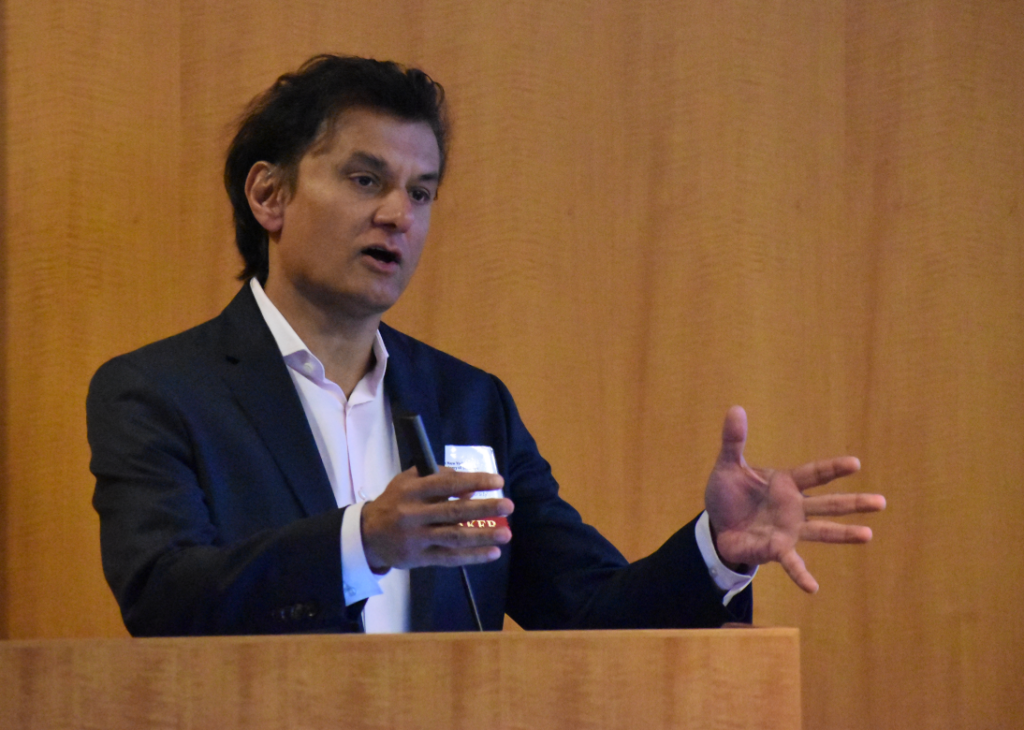
Nobel Laureate Venki Ramakrishnan, world-renowned molecular biologist, presents the science about why humans die.

Published May 7, 2024

By Nick Fetty

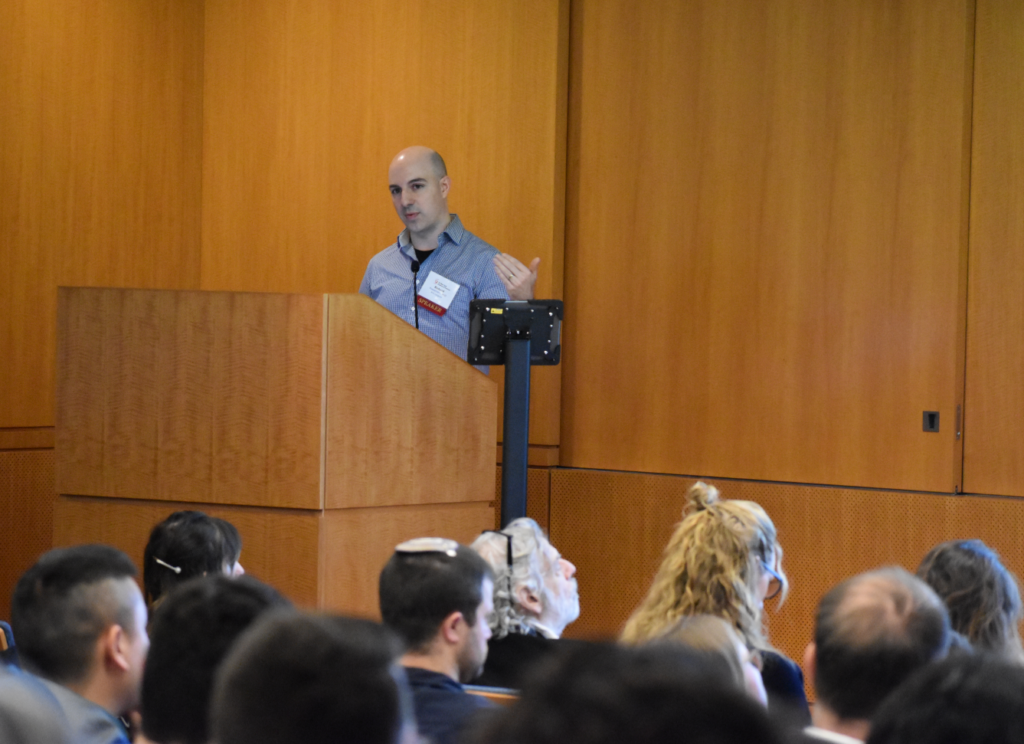
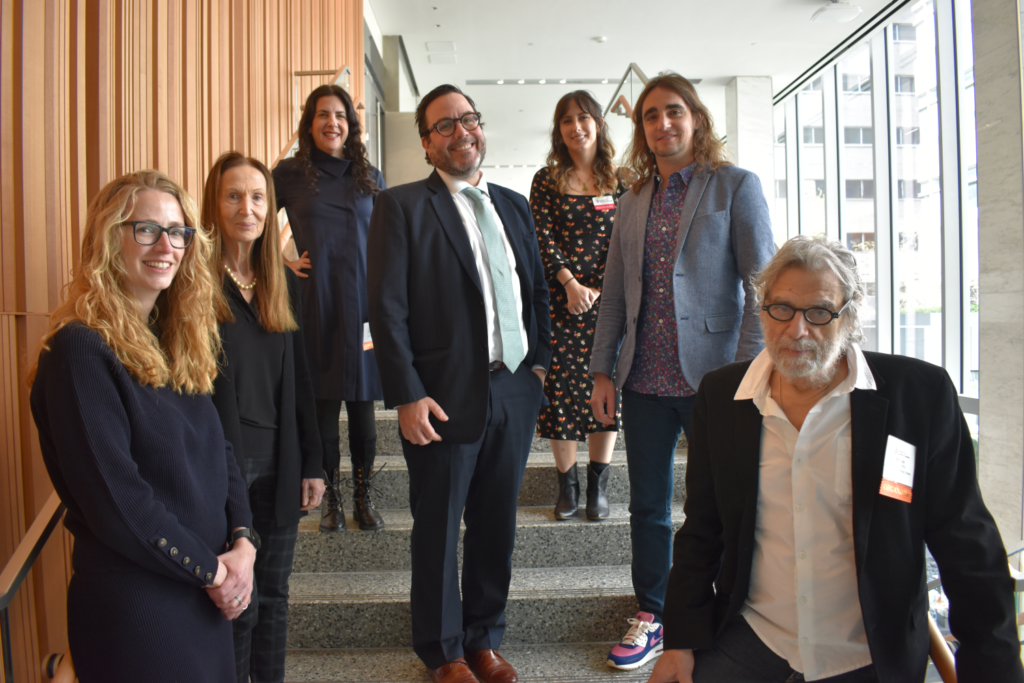
Nobel Prize winner Venki Ramakrishnan is interviewed by Titia de Lange, Director of The Rockefeller University’s Anderson Center for Cancer Research, at The New York Academy of Sciences on April 16, 2024. Photo by Nick Fetty/The New York Academy of Sciences

Why do we die? This age-old question is the topic of Nobel Prize-winning author Venki Ramakrishnan’s book Why We Die: The New Science of Aging and the Quest for Immortality.

Photo by Nick Fetty/The New York Academy of Sciences

Ramakrishnan discussed his new book with Titia de Lange, Director of The Rockefeller University’s Anderson Center for Cancer Research, during the “Authors at the Academy” event at The New York Academy of Sciences on April 16, 2024. He began by suggesting that humans may be the only species aware of its own mortality.

While societies have long focused on both the philosophical and the scientific dimensions of mortality, Ramakrishnan pointed out that aging research was considered “something of a backwater in molecular biology for a long time.” It’s only been over the past half-century that this field of research has become more mainstream.

“[While there have been advances in the research], because this is an area that people are concerned about, and they’re anxious about, there’s also a lot of hype,” said Ramakrishnan, who is also a member of the Academy’s President’s Council.

As a molecular biologist, Ramakrishnan avoided speculation, focusing instead on researching an objective, scientifically-based case about aging and mortality.

Evolution and Mortality

Ramakrishnan said there is a wide range in lifecycles of different creatures, from a mayfly which can live for just a day, to certain species of sharks and whales that may live for more than a century.

“A giant tortoise might be around today that could have encountered [Charles] Darwin,” Ramakrishnan said, with a nod to the renowned evolutionary biologist who was an honorary member of the Academy more than a century ago.

Photo by Nick Fetty/The New York Academy of Sciences

Researchers believe that evolution is largely focused on fitness, which, in this context, Ramakrishnan defined as “maximizing the ability to successfully pass on your genes.” Part of this fitness is tied to physical size. He pointed out that creatures like mice tend to have shorter lifespans than an elephant or a whale.

“You might ask, why is that?” Ramakrishnan said. “Well, aging is an accumulation of chemical damage which manifests itself from the molecular level all the way to the entire organism. To repair such damage takes lots of resources and lots of energy. So, this has a cost because animals are always trying to get energy.”

From an evolutionary standpoint, to maximize fitness it’s more advantageous for a creature like a mouse to allocate its resources to features such as rapid growth, rapid maturation, and producing many offspring. Conversely, larger animals allocate resources to repairing and maintaining natural chemical damage because such creatures need to live longer to raise their offspring to full maturity, Ramakrishnan argued.

This is what evolutionary biologists call the Antagonistic Pleiotropy theory. Based on this theory, genes that involve rapid growth or rapid maturation often turn out to be detrimental later in life and contribute to aging.

Photo by Nick Fetty/The New York Academy of Sciences

The Metabolic Rate Theory of Aging

According to Ramakrishnan, the metabolic rate theory states that “if you have increased metabolism then you’re generating byproducts…like free radicals and reactive species which can cause damage. So, the faster your metabolism is, the more likely the higher the rate at which you’re going to age.”

Generally, a faster metabolism means a shorter lifespan, but Ramakrishnan said this is not always the case. He used the example of some species of smaller bats, that are similar in size to mice, but because of the bat’s ability to fly, are less likely to be targets of predators, and can live for as long as 40 years.

“I think biologists would say it’s really about evolutionary choice and how each species has been selected for optimizing that choice,” said Ramakrishnan. “That choice could be, yes there’s damage but you can also repair the damage, so how much do you spend on repairing the damage?”

Researchers who study aging are divided about the potential maximum lifespan of humans. Some believe that 115 is the top of the range, while others feel that the first person to live to 150 has already been born. Ramakrishnan said he thinks the current natural limit is around 120 years, citing the fact that the number of centenarians (those who live to the age of 100) has increased in recent decades, but the number of people who live past the age of 110 has not.

“That suggests that those people who reach 110, are hitting some natural limit of our biology, of our species,” said Ramakrishnan, adding that he feels that those who think the upper limit is 150 are being “excessively optimistic.”

Societal Impacts of Expanded Lifespans

Photo by Nick Fetty/The New York Academy of Sciences

Science aside, what are the societal impacts of expanded lifespans? Several private sector tech billionaires have shown interest in extending lifespans. As Ramakrishnan points out, the issue has also been on the radar of government agencies such as NIH’s National Institute on Aging in the US or the Medical Research Council in the UK.

“So, the question is how do we keep people healthy for as long as possible so people can stay productive?” asked Ramakrishnan.

The answer may well lie with the next generation of scientists who will bring in innovative ideas and fresh perspectives. While Ramakrishnan remains productive, he concedes it may be time to retire next year.

“I think there are lots of roles we can play without taking away resources from the younger people,” said Ramakrishnan, citing examples like serving on editorial boards or as mentors. “Generational turnover is good for society and good for science.”

For on-demand video access to the full event, click here.

Check out the other events from our 2024 Authors at the Academy Series

Full video of these events is available, please visit nyas.org/ondemand

The Rising Threat of H5N1 Bird Flu in the U.S.

A chicken/hen in a coop.

The CDC recently confirmed a human case of HPAI A (H5N1) in Texas. Renowned epidemiologist Syra Madad and distinguished virologist Jason Kindrachuk offer tips to farmers, animal caretakers, and the general public on how to avoid contracting and spreading this strain of avian influenza.

Published April 16, 2024

By Syra Madad, D.H.Sc., M.Sc., MCP, CHEP, and Jason Kindrachuk, PhD

Avian influenza H5N1, commonly known as bird flu, is a viral infection that affects both domestic and wild birds, along with a wide array of other animals. First identified in 1996, H5N1 has recently re-emerged in a significant panzootic form, specifically clade 2.3.4.4.b, impacting a broad spectrum of wildlife and domestic animals, including more than 200 mammal species.

Concerningly, this has included confirmed infections among numerous species not previously known to be susceptible to H5N1, including marine mammals, as well as in agricultural mammalian species such as cattle and goats. The rapid geographic expansion to all continents except Australia is also concerning. This notable spread across species is particularly alarming due to the potential for severe illness and death in humans as well as economic and food security impacts. This includes both within the agriculture industry as well as among communities reliant on wild game as a food source.

Confirmed Case in Texas

In March, the CDC confirmed a human case of HPAI A(H5N1) in Texas, related to contact with infected dairy cattle, marking the first recorded instance of probable mammal-to-human transmission in the U.S., and the second human case since 2022. Although human infections are rare and no sustained human-to-human transmission has been reported in the U.S., this event underlines the real risk H5N1 poses to individuals in close proximity to infected animals or contaminated environments.

Of note, a single mutation previously found to be associated with adaptation to mammalian hosts was identified within the viral genome sequence isolated from the recent U.S. case (PB2 E627K). However, while this demonstrates the need for continued surveillance and analysis of H5N1 genome sequences, there is no current evidence suggestive of altered human-to-human transmission for the virus or increased antiviral resistance. The CDC currently deems the risk to the broader U.S. populace as low; nevertheless, people with unprotected, extended exposure to infected birds or animals, or to contaminated areas, are at an elevated risk of contracting the virus.

The table below outlines recommended preventive measures for both the general public and those at heightened risk due to their work or recreational activities, aiming to reduce the likelihood of H5N1 infection.

About the Co-Author

Jason Kindrachuk, PhD is an Associate Professor, Canada Research Chair, Department of Medical Microbiology & Infectious Diseases, University of Manitoba, Winnipeg, MB, Canada


Stay connected with Dr. Madad:

Instagram
Twitter/X
LinkedIn
Facebook

More from Dr. Madad on the Academy Blog

Dr. Madad’s Critical Health Voices on Substack

Women’s Health 2.0: The Artificial Intelligence Era

A panel discussion from the South by Southwest event.

Charting the evolution of women’s healthcare in the AI era, illuminating the promise and challenges of predictive tech to close the health gender gap.

Published April 12, 2024

By Brooke Grindlinger, PhD

Panelists Sara Reistad-Long (left), Healthcare Strategist at Empowered; Alicia Jackson, PhD, Founder and CEO of Evernow; Christina Jenkins, MD, General Partner at Convergent Ventures; and Robin Berzin, MD, Founder and CEO of Parsley Health speak at SXSW on March 9, 2024. The panelists discussed the promise and risks that AI and predictive tech carry as a path to closing the healthcare gender gap.

Less than 2% of global healthcare research and development is dedicated to female-specific conditions beyond cancer, as was starkly revealed in the January 2024 World Economic Forum and McKinsey Health Institute report, “Closing the Women’s Health Gap: A $1 Trillion Opportunity to Improve Lives and Economies.” Rectifying this disparity holds the potential to inject over $1 trillion annually into the global economy by 2040 through bolstered female workforce participation.

In February 2024, America’s First Lady Jill Biden unveiled a $100 million federal funding initiative for women’s health research, marking a significant milestone for the White House Initiative on Women’s Health Research intended to fundamentally change how the US approaches and funds research in this area. On March 9, 2024, the South by Southwest Conference hosted a pivotal panel discussion titled “Can AI Close the Health Gender Gap?” moderated by Sara Reistad-Long, a Healthcare Strategist at Empowered. This gathering of clinicians, digital health tech executives, and investors delved into the transformative potential of artificial intelligence (AI) and predictive technology in mitigating gender disparities in healthcare.

Women’s Health Beyond Reproduction

The panelists began by establishing a shared definition of ‘women’s health.’ Historically, women’s health has been narrowly defined as reproductive health, primarily concerning the female reproductive organs such as the uterus, ovaries, fallopian tubes, and to some extent, breasts. Yet, as panelist Christina Jenkins, MD, General Partner at Convergent Ventures, aptly pointed out, the scope of women’s health transcends this narrow scope.

“There’s so much more to women’s health than that,” she emphasized, advocating for a broader understanding. “We consider ‘women’s health’ as a specific practice… focused on things that are unique to women, which are those reproductive organs and [associated conditions], but also conditions that disproportionately… or differently affect women.” She elaborated with examples ranging from autoimmune diseases to conditions like migraine, colon cancer, and variances in women’s reactions to asthma medications.

Overlooked and Underserved: Women’s Health Blind Spots

The historical exclusion of women from health research and clinical trials has perpetuated the flawed assumption that women’s bodies and health outcomes mirror those of men, neglecting their unique biological and medical complexities. “Women were not included in medical research until 1993. Women are diagnosed later in over 700 conditions. Some of our most pressing chronic conditions that are on the rise take 5-7 years to be diagnosed—like autoimmune conditions—and 80% of them occur in women,” observed panelist Robin Berzin, MD, Founder and CEO of digital health company Parsley Health.

AI’s Promise in Closing the Research to Practice Gap

Alicia Jackson, PhD, Founder and CEO of digital health company Evernow, which is focused on women’s health at ages 40+, has spearheaded groundbreaking research that has yielded one of the most extensive and diverse datasets on menopause and perimenopause. This dataset encompasses a multifaceted understanding, ranging from the manifestation of bodily symptoms during these life stages to the impact of variables such as race, ethnicity, income levels, hysterectomy status, and concurrent medications on patient outcomes.

Furthermore, Jackson and her team have identified treatment protocols associated with both short-term relief and long-term health benefits. Despite possessing this wealth of information, Jackson posed a critical question: “I now have this massive dataset, but how do I actually get it into clinical practice to impact the woman that I am seeing tomorrow?” “There’s a huge opportunity for us to leverage clinical data in new ways to give us insights to personalize care,” added Berzin.

From Data Deluge to Personalized Care

Despite the increasing availability of rich research data on women’s health, significant challenges persist in promptly translating this data into effective patient care. With over a million new peer-reviewed publications in biomedicine added annually to the PubMed database, the sheer volume overwhelms individual healthcare providers. “That’s an impossible sum of research for any individual doctor…to digest and use,” observed Berzin. “New information takes 17 years to make its way from publication into medical education, and then even longer into clinical practice,” she lamented. “What I’m excited about when it comes to AI and closing the gender gap is the opportunity for us to close the research gap.

What AI will let all of us do is take in a lot of the data sets that have been unwieldy in the past and leverage them to personalize care. The rapidity and pace at which we can begin to gain insights from the data, which is otherwise like drinking from a fire hose, represents an opportunity for us to catch up [on] that gender gap.” Jackson added, “AI gives me a time machine…to immediately take those results and apply them and impact women today.”

AI Nurse Anytime, Anywhere

The conversation shifted to AI’s potential to address the critical shortage of healthcare providers in the United States. Berzin highlighted the systemic issues, stating, “We don’t have enough doctors. We are not training enough doctors. Nor are we importing enough doctors. We have really big disparities in terms of where the doctors are.” Jackson expanded on the role of AI beyond tackling the provider shortfall and fast-tracking diagnostic processes, emphasizing its potential to facilitate culturally sensitive care.

She emphasized that AI could go beyond delivering data and outcomes; it’s about understanding the nuances of cultural preferences in healthcare delivery. Jackson noted that women want more than just symptom discussion; they want to delve into the emotional and relational impacts of navigating the healthcare system. “Right now, no traditional healthcare system has time beyond that 15-minute appointment to listen and to understand.” However, AI offers the possibility of unlimited time for patients to share their experiences.

With the assistance of AI, patients can access personalized care on their terms, allowing for a more enriching and fulfilling healthcare experience. Jackson continued, “If you have a $9 per hour AI nurse that can take that entire [patient] history, that [the patient can] call up in the middle of the night, on your commute to work, and just continue to add to that [history]…now you’ve created this very, very rich experience. Suddenly, it’s healthcare on your terms.”

Women’s Patient Empowerment Through AI

In addition to its potential to enhance healthcare accessibility and availability, AI emerged as a catalyst for empowering women to take charge of their healthcare journey. Jackson underscored a prevalent issue in women’s healthcare: the need for multiple doctor visits before receiving a correct diagnosis. She highlighted AI’s transformative potential in bridging this gap by empowering women to input their symptoms into AI platforms like ChatGPT, potentially integrating data from wearable devices, and receiving informed guidance—such as urgent care recommendations—immediately. This represents a significant stride in patient empowerment.

AI’s Achilles’ Heel

However, Jenkins cautioned against the pitfalls of AI, citing the case of Babylon Health, a UK-based digital health service provider. She recounted a troubling incident where the Babylon Health AI platform, during a system test, misdiagnosed a woman experiencing symptoms of a heart attack as having an anxiety attack, while advising a man with the same symptoms and medical history to seek immediate medical attention for a heart attack.

“This is what happens when you build something well-meaning on top of bad data,” cautioned Jenkins. She went on to emphasize the critical need to use real-world evidence to mitigate gender biases entrenched in clinical research data. “There is an imperative, not just for the algorithms to eliminate bias, but to make sure that the data sources are there. That’s why we have to use real-world evidence instead of clinical research.”

Learn more about the opportunities and challenges surrounding the integration of AI-driven technologies into the healthcare system at the upcoming Academy conference: The New Wave of AI in Healthcare 2024, May 1-2, 2024 in New York.

The Academy’s Role in Asbestos Abatement

A pipe wrapping in an old building, with a warning note that it contains asbestos.

While the United States recently took formal action to ban the use of chrysotile asbestos, experts with The New York Academy of Sciences have voiced concern about this dangerous carcinogen for more than half a century.

Published April 5, 2024

By Nick Fetty

Piping with an asbestos wrap.
Image courtesy of Alan Levine/Flickr.

In March 2024, the U.S. Environmental Protection Agency issued a regulation prohibiting “the use, manufacture and import of chrysotile asbestos,” a source of mesothelioma and the last known raw form of asbestos used in the United States.

While banning this dangerous substance has been a work in progress for more than half a century, The New York Academy of Sciences was one of the first organizations to voice concerns by expert scientists.

What is Asbestos?

Asbestos is a mineral fiber naturally occurring in rock and soil. Use of asbestos in the United States dates back more than two centuries, though it was during the Industrial Revolution (around the middle of the 19th century) that asbestos imports began taking off.

Throughout much of the 20th century, asbestos was used in different ways, but it wasn’t until around the 1930s that it began commonly being used in the construction of homes and buildings. Asbestos was used in an array of construction materials from insulation and pipe wraps to flooring and roofing. The first instances of asbestos-related diseases were reported in the 1920s and 1930s, though it would take nearly another half century before the U.S. government would begin regulating the use of the substance.

The Academy’s Involvement

Image courtesy of Annals of the New York Academy of Sciences.

It was during the annual meeting of the American Public Health Association convened at The New York Academy of Sciences in 1964 (then headquartered on the Upper East Side) where researchers began to engage in a serious dialogue about the negative public health effects associated with asbestos.

These researchers pointed to a study in Africa, in which there were 33 reported cases of mesothelioma in a particular region where asbestos is mined. Another study in New York City, examining workers exposed to asbestos during construction, found that of the nearly 307 construction trade union member deaths between 1943 and 1964, 10 were linked to mesothelioma. The report stated this was “an extraordinary high incidence for a tumor generally so rare.”

While researchers at the time admitted they did not have direct evidence, they were noticing linkages between occupational asbestos exposure and increased rates of cancers like mesothelioma. Another troubling aspect, as noted by the researchers, was that it can take a worker a latent period of 20 years or more between the time they are initially exposed to when they are diagnosed with cancer.

“It would appear that mesothelioma must be added to the neoplastic (cancer) risks of asbestos inhalation and joins lung cancer (53 out of 307 deaths) and probably cancer of the stomach and colon (34 out of 307 deaths) as a significant complication of such industrial exposure in the United States,” the Associated Press reported.

Regulating Asbestos

The first asbestos restrictions in the United States occurred in 1973, followed by other concerted efforts throughout the 1970s. The EPA attempted a complete ban on asbestos in 1989; however this effort was overturned by the First Circuit Court of Appeals in 1991. A 2022 rule by EPA was aimed at overturning this decision.

In March 2024, the Biden administration finalized the ban on chrysotile or white asbestos, the last remaining type of asbestos used in the United States. Companies will have up to 12 years to phase out the use of asbestos in their manufacturing processes.

The December 1965 issue of Annals that first reported these findings remains one of the most “sought and referenced” today, according to Douglas Braaten, PhD, Chief Scientific Officer for the Academy and Editor-in-Chief of Annals of the New York Academy of Sciences. A subsequent Annals issue published in 1979 extended the reporting of hazards associated with asbestos exposure.  

The Origin of the Term “Psychedelic”

A shot of brown and white psychedelic mushrooms.

The man who is known to have supplied author Aldous Huxley with hallucinogenic drugs publicly coined the word “psychedelic” during an Academy event in 1957.

Published April 4, 2024

By Nick Fetty

Psilocybin, also known as “magic mushrooms,” are among the hallucinogenic drugs that are studied for their medicinal and therapeutic benefits.

For many, the term “psychedelic” may conjure familiar images of the 1960s, mind-altering substances, and bands like Jefferson Airplane and the Grateful Dead. What may be less well known is that the public origin of the term itself can be traced to an event held at The New York Academy of Sciences.

Humphry Osmond was a psychiatrist, researcher, and professor of psychology at the University of Alabama. He served as a psychiatrist in the navy during World War II and after his service began conducting research on the use of hallucinogenic drugs to treat mental illness and substance abuse.

The Origins of LSD

Osmond was interested in the work of Swiss chemist Albert Hoffman who, in 1943, discovered the hallucinogenic drug lysergic acid diethylamide (LSD). This discovery actually came by accident, when Hoffman unknowingly ingested a small amount of the substance and experienced what’s believed to be the first “acid trip” as he rode his bike home, with some help from his assistant, after leaving the lab.

Word about the drug’s effects spread and eventually government intelligence agencies became intrigued in it’s (as well as mescaline’s) potential as a way to pry information out of individuals being interrogated. Osmond, however, saw a different application for the newly discovered drug and ironically enough thought it had potential to help treat substance abuse, specifically alcoholism.

Osmond moved to Saskatchewan, Canada in the early 1950s and conducted research at the Weyburn Mental Hospital with support from the Canadian government and the Rockefeller Foundation. Alongside Abram Hoffer, the duo experimented with LSD as a treatment, under carefully controlled conditions, for nearly 2000 patients struggling with alcoholism. The findings were quite promising, and the duo reported that 40 to 45 percent of those treated using LSD between 1954 and 1960 did not return to drinking after one year.

Image courtesy of Annals of the New York Academy of Sciences.

The Origin of the Term “Psychedelic”

During this era, Osmond connected with Aldous Huxley, the author renowned for his books Brave New World and The Doors of Perception. Osmond was known to supply Huxley with hallucinogenic drugs like LSD and mescaline.

Huxley and Osmond worked together to come up with a word to describe the effects of LSD. Huxley concocted “phanerothyme” by combining the Greek words for “to show” and “spirit” as well as the tagline: “To make this mundane world sublime, Take half a gram of phanerothyme.” Osmond, however, came up with his own phrase: psychedelic. He combined the Greek words for psyche (for mind or soul) and deloun (for show), along with his own rhyme: “To fathom Hell or soar angelic/Just take a pinch of psychedelic.” Osmond said the term meant “mind manifesting” and that it was “clear, euphonious and uncontaminated by other associations.”

Much like a user drops acid, Osmond dropped the term “psychedelic” during a meeting at The New York Academy of Sciences in 1957.  His appearance at the Academy was part of his effort to discuss his research in this area, which was published as “A Review of the Clinical Effects of Psychotomimetic Agents” in the March 1957 issue of Annals of the New York Academy of Sciences.

A Revival of Alternative Therapies

However, as backlash to the “turn on, tune in, drop out” mantra of the 1960s, governments became concerned with the potential harm of the recreational use of LSD. New York State and California made it illegal to possess the substance in 1966, and four years later it became illegal at the federal level.

Research on using hallucinogenic drugs in medical applications has been revived in recent years and is now being studied to treat everything from substance abuse and depression to post-traumatic stress disorder and anxiety. In at least one case in Silicon Valley, some have experimented with microdosing of psychedelic drugs (LSD and psilocybin) to improve work performance in areas like concentration and problem solving.

The Academy has a long history of hosting events that promote the use of alternative therapies to treat ailments. Reports from The New Yorker discuss the Academy’s involvement with therapeutic uses of meprobamate in the 1950s and hypnosis in the 1970s, while reporting in The New York Times examined research on the medicinal benefits of cannabis presented at the Academy in the 1970s. Today, the Academy continues to promote promising alternative therapies, including during a 2023 conference that examined near death experiences and the use of psychedelics in medical treatment.

Biomaterials Pioneer and Beloved Mentor Honored with Janssen Award

Self-boosting vaccines. Regeneration of diseased tissues and missing limbs. Organs on a chip.

Published March 06, 2024

By David Freeman

Such life-saving advances in biotechnology—some already in existence and others in the works–took the spotlight on February 8, 2024, when thousands of attendees around the world gathered online for the Paul Janssen Award Symposium in honor of Robert S. Langer, ScD, a renowned chemical engineer and entrepreneur best known for his pioneering work in drug delivery systems and tissue engineering.

Dr. Langer, whose work has led to new treatments for heart disease, cancer, arthritis, and other ailments, is the 2023 recipient of the Paul Janssen Award for Biomedical Research. Given annually by Johnson & Johnson to a scientist or scientists who have made a “transformational contribution toward the improvement of human health,” the award includes a sculpture and a $200,000 cash prize. Eight of the 23 scientists who have received the award have gone on to win the Nobel Prize.

Impactful Research from MIT

Hosted by The New York Academy of Scientists and the Dr. Paul Janssen Award, with sponsorship by J&J, the event featured a keynote address by Dr. Langer. It also included talks by a trio of eminent researchers who trained with him at the Massachusetts Institute of Technology. He is one of a handful of faculty members who hold the prestigious title of Institute Professor.

The other researchers, who detailed their own research and described Dr. Langer’s contributions as a scientist and mentor, were Cato T. Laurencin, M.D., Ph.D., professor of orthopedic surgery at the University of Connecticut and CEO of the Cato T. Laurencin Institute for Regenerative Engineering; Kristi Anseth, Ph.D., professor of chemical and biological engineering at the University of Colorado; and Gordana Vunjak-Novakovic, Ph.D., professor of biomedical engineering and medicine at Columbia University.

The event began with remarks from Academy president and CEO Nicholas B. Dirks who hailed Dr. Langer as “a luminary figure” whose work “reflects a visionary spirit that advances science while demonstrating the importance of this research for the public good, inspiring the next generation of innovators and scientists to follow in his path.” Following Professor Dirks, William N. Hait, M.D., Ph.D., Executive Vice President, Chief External Innovation and Medical Officer, and a member of the Johnson & Johnson Executive Committee, praised Dr. Langer for his groundbreaking work at the intersection of biomaterials and biotechnology. He also highlighted Dr. Langer’s remarkable productivity, with over 1,400 patents issued or pending and nearly 1,600 publications.

Blazing a Trail in Biotechnology

Dr. Langer said he was humbled to have received the award. He explained the roundabout way he got his start in biotechnology. After getting a chemical engineering degree from Cornell University in 1974, he said, he turned multiple job offers from oil companies. “I just didn’t want to spend my life doing that,” he recalled. He wrote to universities, medical schools, and hospitals, hoping to land a job in science curriculum development or in medicine. He got nowhere, he said, because he lacked the right pedigree for such work.

Ultimately, Judah Folkman, a Boston surgeon with a reputation for hiring “unusual people” to work in his lab, brought on the young engineer with the task of developing tiny particles that release molecules that block the growth of blood vessels within tumors. Blocking this growth, the “anti-angiogenesis” theory went, would starve tumors of the oxygen and nutrients they need to grow.

Many scientists said the task was impossible. But Dr. Langer was undeterred. “I spent several years working on this, and I literally found several hundred ways to get this to not work,” he said. “But eventually we got one way to get it to work, and I was able to make these tiny little particles.”

The First Anti-angiogenesis Cancer Drug to Win FDA Approval

In a 1976 paper published in the journal Science, Dr. Langer showed that microparticles that deliver macromolecules could indeed inhibit blood vessel formation in tumors. Years later, he patented the technology, and in 2004 Avastin (bevacizumab) became the first anti-angiogenesis cancer drug to win FDA approval. It and other drugs based on the technology are now used to treat various cancers, as well as the vision-robbing eye disorders macular degeneration and diabetic retinopathy, which are caused by abnormal vascularization in the back of the eye.

Dr. Langer and his collaborators went on to develop polymer materials that could be tailored to release drugs within the body continuously at a specified rate—a functionality that they thought might prove useful for the treatment of brain cancer. As with the earlier anti-angiogenesis research, other researchers expressed skepticism about the safety and effectiveness of these synthetic degradable polymers. But Dr. Langer and his collaborators, including Dr. Laurencin, didn’t give up; in 1996 the FDA approved Gliadel for the treatment of glioblastoma multiforme, the deadly brain malignancy. It was the first new drug in two decades to receive approval for the treatment of brain cancer and the first ever approved for local chemotherapy, according to Dr. Langer.

Applications to Covid

Dr. Langer went on to help in the development of a technology to immunize people against Covid without the need for repeated injections, using 3D printing to fabricate microneedle-equipped transdermal patches that deliver periodic “pulses” of vaccine without the need for repeated booster shots. Ongoing research, he said, will find out if related technologies might be possible to engineer synthetic tissues and organs that would replace diseased ones. “You could combine cells with materials and theoretically make almost any organ,” he said, including skin to treat burns and diabetic ulcers.

Dr. Langer said, “I’m incredibly proud of my students, who received all kinds of awards and great jobs”—and the three speakers returned the compliment to their former mentor.

An “unmatched record of brilliance”

Dr. Vunjak-Novakovic said Dr. Langer has an “unmatched record of brilliance.” With his more than 400,000 citations and 1,600 papers, she said, he is “the fourth-most cited scientist of any kind in the world and the most cited engineer in human history…About 400 of his 1,000 trainees are today faculty at prime universities around the world.”

Said Dr. Anseth, “He was always very encouraging. To this day I’m inspired by his ability to be available. Usually, his response time is in minutes and not hours.”

Dr. Anseth said she had a longstanding interest not only in developing new disease-fighting biomaterials but also in exploiting patient-specific cells or tissues with the goal of moving from off-the-shelf drugs into personalized, sex-specific medicine. “A lot of times in medicine, we scale down products, so we think of a woman as a small man…but that is not the case at all.”

Different Affects for Males and Females

Many ailments affect males and females differently, she said, including mental illness, osteoporosis, and cardiovascular disease. She recounted her and her collaborators’ work on valvular heart disease in particular, an ailment that traditionally has required surgery to replace the diseased heart valve to restore cardiac function. Men’s aortic valves tend to develop calcified deposits, she said, whereas women’s tend to thicken and become more fibrotic. Dr. Anseth wondered: Could valvular disease be treated medically rather than surgically? Should women with valve disease get different treatment than men?

Research showed that when cells taken from diseased valves were cultured in the lab, the genes expressed by the cells changed markedly, thus making it hard to understand the disease process in vivo. But when the cells were placed on newly developed hydrogel materials rather than the hard plastics typically used for cell culture, she said, they behaved as they did inside the body. That gave the researchers a good model for studying valvular disease—which, in turn, might help lead the way to drugs that could transform diseased heart cells into healthy, quiescent ones.

“We designed in our hydrogel systems ways that could recapitulate these [sex-linked] differences where the females would get lots of fibrosis and collagen and the males would get much more calcification,” she said. “And we can use this for screening different types of drugs.”

Organs on a Chip

Dr. Vunjak-Novakovic described recent work with human stem cells, including their use in tissue regeneration research and the creation of so-called organs on a chip, which emulate organ function outside the body. Recently, she’s been involved in research aiming to find and develop a system for restoring the health of human donor lungs so that more can be implanted and fewer discarded. Studies with pig and human lungs have shown that it is possible to improve the performance of diseased lungs, she said.

Dr. Vunjak-Novakovic concluded her remarks by recounting a list of 10 life lessons she had learned from Dr. Langer. Among these were: “dream big and take big risks; work on something you’re passionate about and things take care of themselves; pursue science that can benefit people; and work hard and be strong and never give up.”

Dr. Laurencin said Dr. Langer had taught him not to confuse activity for accomplishment, and that “everything you do should be extremely meaningful.” He praised Dr. Langer for inspiring generations of researchers and helping them balance their research with family life. “Bob Langer rubs people the right way,” he said.

The Adventures of the Nutritional Kingdom Project

Bowls containing fruits, nuts, and other super foods.

Winners of the Junior Academy Innovation Challenge Spring 2023: “Healthy Snacks”

Published February 27, 2024

By Nicole Pope

Team members: Natalie O. (Team Lead) (United States), Lara K. (Jordan), Connie H. (United States), Mariem M. (Egypt), Ibrahim S. (United States), Amena S. (Jordan)

Mentor: Leticia Mendoza-Martínez (Mexico)

Childhood obesity has become a major public health issue around the world. In the United States alone, 1 in 5 children is overweight or obese– a particularly prevalent issue in the Hispanic community, where lack of access to affordable, healthy food along with other socioeconomic factors create major disadvantages.

For the Junior Academy’s 2023 Spring Innovation Challenge on “Healthy Snacks”, six students formed an international team to develop “The Adventures of the Nutritional Kingdom”– a campaign to encourage healthy eating aimed specifically at Hispanic children in the southern U.S. Collaborating across continents and time zones, the students met online to create the winning project. “Cooperation enhances the goal because when a group from different countries of the world gathers to work on one goal, this undoubtedly confirms its importance,” Meriem says.

According to the CDC, 26.2% of Hispanic youth are obese. Childhood obesity can have broad consequences, from long-term health implications like Type 2 diabetes, high blood pressure, and heart disease, to psychological impacts like anxiety, depression, and low self-esteem, (often related to bullying). Before devising their solution, the team conducted a survey of Hispanic families in both Spanish and English to help them identify a novel approach.

Natalie assumed the role of Team Lead. “I was in charge of overseeing everyone’s collaboration efforts, notifying team members of their weekly tasks, and was the head website developer for the team. It was a surreal experience being a leader of such intelligent and motivated students. Our ideas were productive, and our final results are absolutely spectacular,” she says. “I learned valuable leadership and time management skills that will help me in future years to come.”

To reach the target audience, the team created an interactive, kid-friendly website with a vibrant jungle theme and gender-neutral animal characters, as well as a series of articles providing useful information on healthy nutrition and eating disorders. They also explored recipes, recreating a popular snack using alternative, healthier ingredients, and created an app with 13 different games that incorporated important nutritional information.

Meriem worked for hours on developing the games, using vivid colors attractive to young users. “I contributed by writing four articles on healthy eating habits and summarizing the problem and background of our solution,” explains Connie. “I also researched (former First Lady) Michelle Obama’s ‘Let’s Move’ campaign, alternatives to unhealthy snacks and previous initiatives introducing healthy snacks.”

Ibrahim conducted research and contributed extensive data on physical exercise and hydration. “I read articles and answered questions such as how people got their nutrients during the Great Depression, foods that can be cooked at low temperatures as well as foods that keep hydration in your body and more,” he says. Among her many contributions, Amena focused on how to reach the target audience for the app. “I provided my knowledge and skills in business and marketing the product to help us reach children, whether they were high or low-income children, as well as designing the product’s packaging,” she explains.

The team is excited to see their carefully considered, multi-faceted project create social impact, hoping to find ways to even further reduce mental stress and health problems among Hispanic children. In particular, they want to make their website available in Spanish as well as English to expand its reach. “This experience has fostered a deeper understanding of the power of teamwork and its capacity for optimizing collaborative efforts between human agents,” says Lara. “Future pursuits will undoubtedly involve enhanced focus on cooperation among individuals to promote more effective outcomes.”

The Junior Academy was supported by the Stevens Initiative, which is sponsored by the U.S. Department of State, with funding provided by the U.S. Government, and is administered by the Aspen Institute.

Ross Prize Symposium 2024: Cancer Neuroscience

The annual Ross Prize in Molecular Medicine is established in conjunction with the Feinstein Institutes for Medical Research and Molecular Medicine. The winner will be an active investigator having produced innovative, paradigm-shifting research that is worthy of significant and broad attention in the field of molecular medicine. We expect this individual will continue to garner recognition in future years, and that their current accomplishments reflect a rapidly rising career trajectory of discovery and invention. 

A Telemedicine App for Rural Communities

A person sits in a boat in a dried lakebed.

Winners of the Junior Academy Innovation Challenge Fall 2022: “Public Health Impacts of Climate Change.”

Published December 21, 2023

By Nicole Pope

In Fall 2022, 42 international teams of high school students participated in a Junior Academy Challenge. Their goal was to find innovative solutions for the multiple impacts of climate change on human health.

The winning team, MiHealth — comprised of Betsy D. (United States, Team Lead), Joanna A. (United States), Mehmet A. (United States), Grace Chenxin L. (United States), Brennan C. (United States), and Rowayda A. (Egypt) — opted to focus on the Miami area’s prolonged exposure to heatwaves, chosen because of Miami’s high level of poverty in underserved communities with limited access to quality healthcare. The team worked under the guidance of mentor Raga Krishnakumar (United States).

In particular, the team noted that in the South Florida area, where access to healthcare is acutely below state and national averages, African Americans and Latinos are among the most underserved communities. Southern U.S. states like Florida face a growing number of days in which temperatures reach above 100oF.

Miami Dade county, for example, currently endures 50 very hot days per year. This number is expected to rise to 91 within the next thirty years. According to the Center for Disease Control, exposure to extremely high temperatures increases risks for patients suffering from hypertension, heart disease, angina and stroke.

“I chose this challenge because I intend to pursue medicine and felt that it connected well with climate change,” explains Mehmet. The health risks caused by climate change also resonated with fellow team member Brennan, who was taking part in his third Junior Academy challenge. “I believe health and climate change are a huge problem in the world. Everyone is affected by it and finding solutions as quickly and efficiently as possible should be the world’s priority,” he says.

Developing an App for Underserved Communities

The team designed an ingenious, easy-to-use app called “MiHealth (Miami Health).” The app delivers telemedicine services to underserved communities. Specifically, it aims to serve rural, poor or crowded areas in southern Florida. Here access to quality healthcare is limited. Team Lead Betsy found the experience of cooperating remotely with other students very rewarding.

“I have always been researching and wanting to make a change in the world through science and medicine. These passions have led me to take on the challenge of solving public effects of climate change”, she explains.

Aside from limited access to medical professionals, the team also identified the lack of access to ambulances or air-conditioned transportation as a key issue. Stepping outside in the searing heat may pose a significant danger for vulnerable patients. Cost, too, is a major concern for socio-economically disadvantaged communities.

Developing the app required hard work and intense consultations among team members, supported by their mentor. The app offers pre-hospitalization diagnosis, information on preventative measures, and a telecardiology feature to monitor heat-induced heart disease.

Utility Beyond Southern Florida

It also monitors local temperature and links users to medical resources available in their vicinity. While their project focused on the Miami area, the team believes their innovative approach could be rolled out nationwide to help vulnerable populations gain access to healthcare resources.

“Working on the public health impacts of climate change has greatly expanded my knowledge, particularly about heat waves, their causes, and how they can affect the human body in Miami and other parts of the world,” says Rowayda.

“It’s been an insane journey,” says Joanna. “Through constant zoom meetings, coding sessions, and researching, I’ve not only fostered my current skills, but I’ve learned new ones and created new memories with such amazing people.”

MiHealth team members worked hard throughout the semester. The were delighted when their innovative solution was chosen as the winning project.

“I’m incredibly grateful to NYAS and the Junior Academy for offering a global platform for collaborating on such critical issues,” says Grace. “Knowing that we can change the world together is unbelievable, one-of-a-kind, and empowering!”


The Junior Academy was supported by the Stevens Initiative, which is sponsored by the U.S. Department of State, with funding provided by the U.S. Government, and is administered by the Aspen Institute.

Takeda and The New York Academy of Sciences Announce 2024 Innovators in Science Award Winners

The 2024 Innovators in Science Awards recognize innovative science that has significantly advanced the field of research in cancer immunology.

  • 2024 Award Celebrates Outstanding Research in Cancer Immunology
  • Winners Discovered Novel Connections Between the Immune System and Cancer
  • Recipients Each Receive Unrestricted USD 200,000 Awards

OSAKA, Japan, and CAMBRIDGE, Massachusetts | December 5, 2023Takeda (TSE:4502/NYSE:TAK) and The New York Academy of Sciences today announced the winners of the 2024 Innovators in Science Award for their excellence in, and commitment to, innovative science that has significantly advanced the field of research in cancer immunology. Each winner receives an unrestricted prize of USD 200,000.

Senior Scientist Winner: Robert D. Schreiber, Ph.D.

The 2024 Senior Scientist winner is Robert D. Schreiber, Ph.D., the Andrew M. and Jane M. Bursky Distinguished Professor of Pathology and Immunology and director of The Bursky Center for Human Immunology and Immunotherapy at Washington University in St. Louis. Dr. Schreiber is an international leader in the fields of tumor immunology and cytokine biology. His early work was foundational in characterizing the role of cytokines in promoting immune responses to cancer. Dr. Schreiber pioneered the concept of “cancer immunoediting,” which describes how the immune system can induce, promote and prevent cancer. He also identified a novel subset of immune cells that interfere with cancer immunotherapy.

“I began researching the connection between the immune system and cancer more than 40 years ago. Along the way my research has benefitted from the contributions of more than 70 colleagues, technicians and trainees who have helped build on both our small discoveries and setbacks to make connections that are now transforming cancer research and treatment,” said Dr. Schreiber. “Scientific research is rewarding even when it takes decades to see results, which is why this award is so meaningful to me.”

Early-Career Scientist Winner: Elham Azizi, Ph.D.

The 2024 Early-Career Scientist winner is Elham Azizi, Ph.D., assistant professor of biomedical engineering, and the Herbert and Florence Irving Assistant Professor of Cancer Data Research at Columbia University. Dr. Azizi is recognized for developing a suite of computational tools and models that leverage artificial intelligence and machine learning to characterize immune profiles in the tumor microenvironment. Her novel machine learning algorithms are applied to data from genomic and imaging technologies, guiding improved and personalized cancer therapies. Dr. Azizi’s work has helped identify immune components involved in anti-tumor responses and characterize immune states that promote tumor progression and response to immunotherapy. Her innovative models have identified, for the first time, determinants of immunotherapy response in leukemia.

“This award is a significant recognition of our efforts to push the boundaries of cancer immunology through innovations in statistical machine learning,” said Dr. Azizi. “The Innovators in Science Award motivates me, my team and the broader community to continue on the path of blending multiple fields to find creative cancer immunology solutions. This award will allow me and my team to forge new collaborations and explore high-risk and ambitious directions in our mission to help patients.”

Treating Cancer with Immunotherapies

“We are inspired by the groundbreaking work of Dr. Schreiber and Dr. Azizi to deepen our understanding of both the immune response to cancer and immunotherapies,” said Andrew Plump, M.D., Ph.D., president of research & development at Takeda. “There has been remarkable progress in treating cancer with immunotherapies, thanks to the advances of these researchers and others. Takeda proudly supports the Innovators in Science Award to honor researchers who share in our goal to improve lives through the relentless pursuit of science.”

“Cancer is the second-leading cause of death worldwide. We are proud to join Takeda to champion pioneering medical researchers around the world who seek to harness the power of the body’s own immune system to fight cancer,” said Nicholas B. Dirks, President and CEO of The New York Academy of Sciences. “The 2024 Innovators in Science Award winners are using AI, computational tools and groundbreaking methods to fight cancer and advance the field of cancer immunology. We congratulate the winners and eagerly await their future discoveries.”

The 2024 winners will be honored at the Innovators in Science Award ceremony and symposium in April 2024 in Boston. For more information, visit TakedaInnovators.com.

About the Innovators in Science Award

Established in 2016, the Innovators in Science Award grants two unrestricted prizes of USD 200,000 each award cycle: one to an early-career scientist and the other to a well-established senior scientist who have distinguished themselves for the creative thinking and impact of their research. The Innovators in Science Award is a limited submission competition in which research universities, academic institutions, government, or non-profit institutions, or equivalent from around the globe with a well-established record of scientific excellence are invited to nominate their most promising early-career scientists and their most outstanding senior scientists.

The therapeutic focus rotates each year. The 2024 focus is cancer immunology. Prize winners are determined by a panel of judges, independently selected by The New York Academy of Sciences, with expertise in these disciplines. The New York Academy of Sciences administers the Award in partnership with Takeda. For more information, visit TakedaInnovators.com.

About Takeda

Takeda is focused on creating better health for people and a brighter future for the world. We aim to discover and deliver life-transforming treatments in our core therapeutic and business areas, including gastrointestinal and inflammation, rare diseases, plasma-derived therapies, oncology, neuroscience and vaccines. Together with our partners, we aim to improve the patient experience and advance a new frontier of treatment options through our dynamic and diverse pipeline.

As a leading values-based, R&D-driven biopharmaceutical company headquartered in Japan, we are guided by our commitment to patients, our people and the planet. Our employees in approximately 80 countries and regions are driven by our purpose and are grounded in the values that have defined us for more than two centuries. For more information, visit www.takeda.com.

Media Contacts

Takeda (Japanese Media)

Yuko Yoneyama
yuko.yoneyama@takeda.com

Takeda (U.S. and International Media)

Kerry Bryant
kerry.bryant@takeda.com