The Crucial Need to Empower Aspiring Scientists

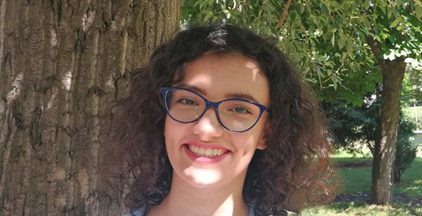
A woman in glasses smiles for the camera with trees in the background.

From growing up in Macedonia to studying applied physics at Columbia University, mentoring was an important part of Edita Bytyqi’s educational journey. Now, she’s paying it forward.

Published July 24, 2018

By Edita Bytyqi

Edita Bytyqi

Two years ago, I was a high school junior from Macedonia with a rudimentary understanding of water purification research and a passion to pursue a career in STEM. Now, I am an Applied Physics major at Columbia University. It wasn’t an easy journey, but the mentorship I received through The New York Academy of Sciences’ (the Academy) Junior Academy had a huge impact along the way.

Back then, the Academy had just launched a virtual mentorship program for high school students around the world and I was honored to be one of the first students to participate. In The Junior Academy, I was exposed to topics and resources that were completely new to me—things like statistics and human-centered design. The program consisted of an educational phase, followed by the innovation challenges. After going through three months of education on how to conduct research and build products, we moved to the challenges phase where we were asked to come up with an innovative design for a wearable that would solve a sanitation problem.

The Impact of the Junior Academy

I was part of a team of four students from three different countries—the U.S., the U.K., and Macedonia—and we were later assigned a mentor from India. Having five people from four different time zones in one group is a challenge on its own, let alone solving a global problem. From taking turns at staying up until 4 AM, to waking up at 7 AM on weekends, we managed to have at least one meeting every week and more as we approached challenge deadlines. Every phase of this challenge was an experience of its own, but what I’ll never forget is the dedication that our mentor, Ankit Shah, had for our team.

Ankit had a full-time job as a graduate engineer at ARM in India and was working on his own application for graduate school. Nonetheless, he never missed a call. Thanks to his commitment to our group, we overcame our technical challenges, and became better team players.

As high school students, we had times when we disagreed or wanted our particular ideas pushed forward. Luckily, we had a mentor who calmly told us that, while both ideas might be good, we had to thoroughly analyze and compare both before making a decision. We not only gained from his experience as an engineer and a hard-working mentor, but he would always post different scholarship and educational opportunities in our group chat. Having such an amazing mentor makes it impossible for a student to dislike STEM; it makes a student want to pursue a career in STEM, so that one day she can motivate others the way her mentor motivated her.

Digital World Tools Impact the Real World

My team ended up winning the challenge, which gave us the opportunity to meet at the Global STEM Alliance Summit in New York at the Academy. Unfortunately, our mentor wasn’t able to make it, but he was still present, viewing the livestream from home. I had always thought that the best mentors are those you get to see and talk to in real life, but The Junior Academy proved me wrong. In working with him, I realized the true power of mentorship in developing global networks and expanding students’ exposure to STEM.

Now, I coordinate the mentorship program for alumni at Aspire Academy in Romania. I also have a new mentor through the Academy’s Member-to-Member Mentoring program with whom I just had a meeting last week. I am excited for another journey with a different mentor from whom I will learn and grow both academically and personally. It is through these connections that we can make use of the tools we’ve created in the digital world to have a long-lasting impact in the real world.


About the Author

Edita Bytyqi is a rising sophomore at Columbia University studying Applied Physics. She is an international student from Macedonia who was part of The Junior Academy, a mentorship program for high school students from The New York Academy of Sciences. She remains involved with the Academy’s mentoring programs.

The Role of a Strong Mentor in Your Career Journey

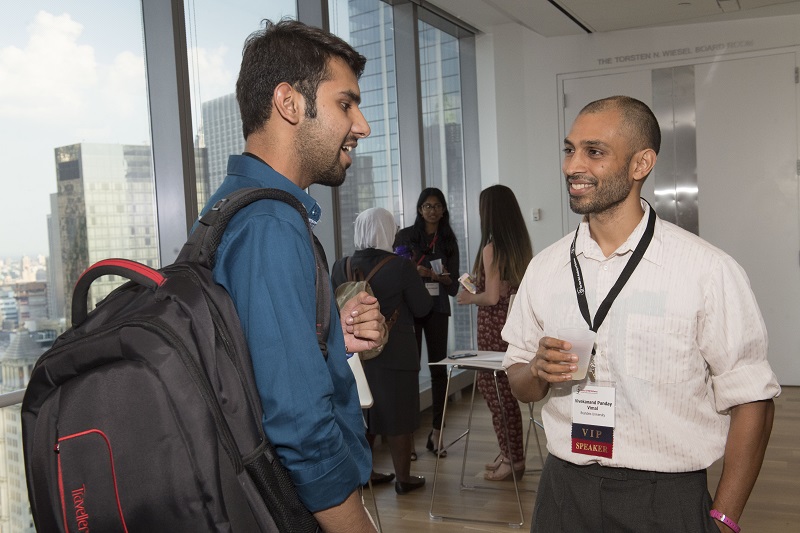
Two people engage in a conversation during an Academy event.

Not everyone knows what they want to be when they grow up. A mentor can ease your mind as you navigate the confusing path of planning out your future.

Published June 21, 2018

By Alexis Clements

A networking event at The New York Academy of Sciences.

Not everyone knows what they want to be when they grow up—it can be a scary prospect to figure out what you want to do with the rest of your life. A mentor can ease your mind as you navigate the confusing path of planning out your future. That’s why, when Paul Noujaim, 17, from Darien, Conn., heard about United Technologies STEM U through his high school, he seized the opportunity to join. (United Technologies was renamed Raytheon Technologies Corp. in 2019.)

Mentoring is one component of United Technologies (UTC) STEM U, an initiative developed jointly with The New York Academy of Sciences (the Academy) in 2017 to inspire more students to pursue STEM careers. Through an online platform, student mentees ages 13-18 complete learning modules that teach them 21st century skills such as communication and leadership, and also help them navigate the college search and application process. Students are assigned a personal mentor, whom they interact with on a regular basis, at mutually-agreed upon times, for a period of one year. 

Paul’s mentor, Justin Giza, is Manager of Digital Newsstand Operations for Barnes & Noble Inc. He recalls his first impressions of Paul when the pair began the program: “At first he seemed a little overwhelmed by what he wanted to do in life. I talked him through the many hoops and jumps I’ve personally made to reach where I’m at today. I think it put his mind at ease to know that he didn’t need to have everything mapped out, as long as he keeps his eyes open for fresh and exciting challenges.”

Different Perspectives can Inspire Confidence

Paul Noujaim

Justin himself had more of an informal mentoring experience, taught by both his father and grandfather to stay flexible in his career path and simply look out for opportunities that interested him. After graduating from college, Justin worked at a coffee shop and did freelance audio work on the side. Through people he met as part of that job, Justin moved towards food writing and sound editing for an online startup publication.

“That job really kicked things off for me—it rolled a lot of my interests into one beautiful ball of tech and food,” Justin explained. And it ultimately helped him launch his career with Barnes & Noble.

Hearing about Justin’s career journey showed Paul that it’s okay for him to not know all the answers yet. “Justin has been in the same shoes as I am, going through the college process and planning for the future,” Paul says. “He’s been able to offer me advice and anecdotes from his life that are very applicable to my own.” Paul adds that the perspective he’s been able to get from Justin—an adult outside his school and family circle—has made him more confident about his future.  

Inspiring Passion in STEM

Justin Giza

Although many of the mentors in the program are STEM professionals, it’s not a requirement to be a scientist or engineer. What is required? A passion for getting more young people interested in STEM.

“I have always had a love for education,” Justin notes. “I feel we need more people involved in STEM as a whole because the workforce is moving away from traditional labor jobs and moving towards STEM fields.” Justin’s right—according to the U.S. Census Bureau, STEM jobs have grown 79 percent since 1990. “Mentoring through UTC STEM U has been a great way for me to help foster a sense of curiosity in STEM,” he explains.

But the benefits of a mentoring relationship aren’t just a one-way street. While Justin was able to inspire Paul, working with Paul helped Justin improve his own communication skills. One tip Justin says he would offer to other mentors: “If you find yourself taking up most of the conversational space, you aren’t guiding—you’re probably instructing. Instead, try to ask more questions about your mentee; to identify what they really need.”

Learn more about educational and mentoring opportunities at the Academy.

How to Communicate Impactful Science Effectively

A woman poses for the camera.

Dominique Brossard, PhD, discusses why it’s more important than ever for scientists to engage in effective communications with the public about their work.

Published June 19, 2018

By Andre Legaspi

Dominique Brossard, PhD

Teams of scientists sequenced the human genome, launched people into outer space, and split the atom, but the scientific community remains flummoxed by science denialism. This phenomenon, characterized by the rejection of scientific consensus, has most recently manifested in GMO fears, the anti-vaccine movement, and climate change denial. The consequences of science denialism can extend beyond the individual denier and have a global impact. Given these stakes, some scientists must wonder—how can they improve communicating with the public? 

This rejection of some scientific facts doesn’t surprise Dr. Dominique Brossard, Chair of the Department of Life Sciences Communication at the University of Wisconsin-Madison. A leading expert in the field of science communications, Dr. Brossard’s research focuses on the intersection of science, media, and policy. With evidence-based findings as her guide, Dr. Brossard knows that effective communication requires more than telling others that your expertise trumps their opinion.

“We know that informing people of scientific facts doesn’t automatically change their mind about topics related to health, science, and technology,” she explained. “People rely on underlying psychological mechanisms that may not take facts into account. Because of that, just providing scientific information to the public is not effective enough to sway opinion about complex science issues.”

Effective Communication is Key

Dr. Brossard emphasized that scientists need to learn how to effectively communicate. “Very often people think communication is common sense and anyone can do it. It’s like how a person thinks they can cook, and they cook a meal, but then you taste it and it isn’t any good. There’s an art and science to communication.” Dr. Brossard warned that overeager scientists, who neglect learning how to communicate effectively, can inadvertently cause harm and described one pitfall known as the “backfire effect” which occurs, “when somebody has a belief and you counter with an argument that doesn’t fit within the repertoire of their beliefs, this person can become even more entrenched in their belief.”

Like all successful forms of communication, science communication requires a degree of empathy. Perhaps the most difficult part—not just for scientists, but for all people—is remembering that communication goes both ways. “The number one rule of good communication is to listen to the other side,” said Dr. Brossard. “Don’t just pretend that you’re listening and then regurgitate your talking points, but really listen to what the other person is saying.”

Scientists who want to effectively communicate with the public need to understand their audience and adapt their messaging accordingly. People have a variety of reasons for rejecting science, “Whatever the reason, communicators have a responsibility to listen and try to understand where their audience is coming from. That should determine how scientists talk about science.”

Understanding Opposing Viewpoints

Citing the climate change debate, Dr. Brossard made it clear, “If you want to encourage people to act in the face of climate change, you will have to understand why they are holding an opposite belief.” She offered an alternative strategy for getting through, “It’s fine to write about climate change, and continuously emphasize the scientific consensus, but you’ll be preaching to the choir … it may be more effective to write about the economic developments gained from developing renewable technologies.”

Effective science communication is a necessity because science is more than just technical knowledge. “The day of scientists being in their ivory towers are gone, noted Dr. Brossard. “Most research is paid by taxpayer money, which means people have the right to know what scientists are doing in their labs. Also, with fewer trusted translators of science working for news organizations, somebody has to take their place, and I believe scientists have to take that role.”

Scientific discovery and technological advances often have moral and social implications that need to be discussed with the wider public. “Science communication is very tricky,” she said, “not only do you have to explain the science, you also have to explain the ethical, moral, and social implications of the science.”

When speaking with the public, Dr. Brossard offered three points of advice for scientists to remember, “One, it’s not easy. Two, if scientists do it, they have a responsibility to at least learn the basics. And three, scientists must always be communicating.”

Also read: Science and Social Media: #facepalm or #hearteyes?

Undying Love of Science Leads to a Bright Future

A woman smiles for the camera with a city skyline in the background.

It was her own battle with dengue fever that inspired Florence Pauline Gardose Basubas to pursue a career in science so she might study effective, affordable, and sustainable medical treatments.

Published May 25, 2018

By Florence Pauline Gardose Basubas

Florence Pauline Gardose Basubas

When I was six, I wanted to become an astronaut. I was serious. But, no one believed me.

In a developing country like the Philippines, being a scientist is not a practical career to envision. Here it is common for children to realize that they have to pursue more “practical jobs” once they grow up. Or, at least, we are expected that we’ll come to this realization. Many, especially those who are less privileged, succumb to society’s expectations. But, the passionate ones rebel.

Science is one of my true loves. Time and again, I fall in love with different fields of science. After years of watching National Geographic every day, I developed a passion for astronomy at a young age. Later, I became involved in caring for animals (especially critically endangered species endemic to the Philippines), so I became interested in biology. But when I was seven years old, I contracted dengue fever, and after barely surviving an episode of hemorrhagic shock, I thought about becoming a lawyer instead of pursuing science in order to conform. However, science still called out to me. I developed an inexplicable ardor for chemistry and began to secretly dream about becoming a chemical engineer.

Battling Adversity

Studying in a public science high school, we were required to do a research project before graduating. As I thought of what topic to pursue, I remembered the days when I was sick with dengue. There was an epidemic at that time so my parents had to bring me to several hospitals before finding one with an available room. During epidemics, the less privileged have no other choice but to get admitted in hospitals where they share a bed with five or more patients, and receive substandard care in their often-fatal condition.

Since there’s currently no cure for dengue, many people rely on herbal plants that were known to relieve the symptoms of dengue. So even when I was admitted in one of the top hospitals, I was still administered concoctions from Euphorbia hirta Linn., a weed known in traditional medicine believed to cure dengue and increase platelet count. However, there is no scientific evidence to support this practice. This situation inspired me to compare the platelet-increasing activity of different local herbs. I then found flavonoids to be a common compound in those plants which I tried to extract and test for platelet increasing activity.

A Drive to Become a “World-Class Scientist”

That year, I became the youngest qualifier for our country’s National Science and Technology Fair, where I presented my findings. However, due to the lack of laboratory equipment and technology, extraction of flavonoids was done through simple ethanolic-hydro-distillation and its presence was verified through sodium hydroxide and ferric chloride tests. Later on, I found that my study might’ve been confounded because the techniques I used didn’t guarantee that only flavonoids were present in the extract and that other compounds could have also caused the increase in platelet counts. These constraints caught me in a standstill and without anyone to guide me, I felt hopeless—I didn’t know how to continue this project.

When I was about to graduate high school and people asked what I wanted to study in college, I would answer, “Isn’t there anything like bio-chem-physics? I want to study all sciences!” I was so passionate about science I couldn’t choose a single field. So, I did something that was unacceptable in the society I grew up in—I took a gap year. I wanted to become a world-class scientist so I secretly applied to schools abroad. During that year, I also mentored some high school students but since I wasn’t an expert yet, I could only guide them on the scientific method and help them with their papers.

Seeking Effective, Affordable, and Sustainable Cures

I once again took the road less travelled when I chose to go to a new school, called Minerva Schools at KGI (Keck Graduate Institute). Minerva’s learning platform made it possible for me to travel around the world and I took this opportunity to explore how STEM is being conducted in different countries. While visiting several museums and institutes in Europe, I finally became enraptured by physics—the only field I still had a love-hate relationship with.

While in Korea, I got to work at the Institut Pasteur. There, I had mentors who taught me various laboratory techniques and how to thrive in this field, especially as a woman coming from an underprivileged background. Once again, I have hope, and it is my hope that someday we can find effective, affordable, and sustainable cures for infectious diseases such as dengue.

Learn more about educational and mentoring opportunities available through the Academy.


About the Author

As an advocate for STEM education, Florence Pauline recently became an Academy Ambassador to help spread awareness and increase the accessibility of STEM programs to young. She is currently studying natural sciences, with a concentration in drug discovery, at Minerva Schools at KGI. Additionally, she started her work in infectious diseases at the Applied Molecular Virology Laboratory of Institut Pasteur Korea.

A Look At Human Enhancement Technologies

A colorful illustration.

Recent advances in human enhancement technologies offer new opportunities to redesign ourselves.

Published May 15, 2018

By Marie Gentile, Mandy Carr, and Richard Birchard

Recent advances in human enhancement technologies offer new and unique opportunities to redesign ourselves. Such efforts have a long history, as people have been attempting to overcome their biological limitations or remove supposed flaws for millennia.

George Church, PhD, Wyss Institute at Harvard University

As George Church, PhD, from the Wyss Institute at Harvard University explained, before the 21st century human enhancements included anything from: vaccines preventing smallpox, polio, and measles; to cars and jets that moved people across the world at previously unimaginable speeds and distances; to the smartphone you may be reading this article on; and the cup of coffee you drink every morning to help wake up. Dr. Church believes that the latest human enhancement efforts in fields like gene editing and artificial intelligence are only following this well-trod path.

Human Enhancement Technologies

Eventually, Dr. Church suspects that human enhancement technologies could provide resistance to diseases such as malaria, tuberculosis, and Lyme disease, allow for up-to-date diagnostic readouts in healthcare, and even reverse aging. Advancement in genome editing technologies such as CRISPR could have the greatest impact by targeting, for example, human genes like CCR5 — an essential gene for HIV virus entry into target cell — and lead to a functional cure for HIV infection.

Such promises for the future of enhancement technologies are exciting, but not without potential risk. Critics have questioned the ethics of using these technologies to fundamentally alter human biology, and have called for careful investigations of the risks and potential complications before we can safely apply these new technologies. Moreover, there may be additional considerations if these new technologies are used for non-therapeutic purposes.

“If you have a sick person and you’re thinking about using a new drug to help them, risk is always tolerated — because the person’s life is at stake. But when you’re thinking about enhancement technology, it’s a slightly different risk-benefit calculus because that person isn’t necessarily dying or suffering, they’re receiving an enhancement,” says Josephine Johnston, LLB, MBHL from The Hastings Center.

The Ethics of Defining Enhancement Technologies

Josephine Johnston, LLB, MBHL, The Hastings Center

Additionally, she argued, “by definition, an enhancement technology claims to improve a person or a group of people. What it means to be improved, to be better, is very much a socially and culturally constructed notion. I would worry most about social pressure to conform to limited visions of the good and the improved, and our failure to adequately question and interrogate those visions.”

It is critical to discuss the principles that govern the ethical conduct of human enhancement. Dr. George Church stated that the NIH requires grantees to teach the responsible conduct of research to young scientists. He added that “most engineering disciplines have safety and security components and a code of ethics.”

However, Ms. Johnston maintained that individual scientists alone shouldn’t be required to focus on the ethics of the individual use of the technology they develop.

“I don’t think they should ignore it, but that’s not primarily the work that scientists are trained to do and it would be an unreasonable thing to place on [their] shoulders.” However, she continued, “I do think that it’s crucial for scientists as a collective group to be involved in discussions for developing policy.”

What Does it Mean to Be Human?

While there have been, and will continue to be major technology revolutions in human enhancement, Ms. Johnston believes that human enhancement raises long standing questions about what it means to be human.

“There are going to be upsides and downsides to these different enhancement technologies, but that complexity might be difficult to see at first and we might not agree on,” says Johnston. “How will we know when we’re seeing something that really, truly can improve people’s lives? These questions about what makes for a good — or even a better — life are questions we’ve been grappling with for a long time. I’m not sure that I see a brand new question. Just new iterations of old questions about what it means to live well.”

Also read: Teaming Up to Advance Brain Research.

How to Help Students Embrace and Enjoy Math

A woman in pink smiles for the camera.

It was in part her own upbringing that inspired Chetna Sabharwal’s passion for empowering aspiring STEM professionals to embrace and enjoy math, particularly young women.

Published April 06, 2018

By Chetna Sabharwal

Chetna Sabharwal

My desire to make mathematics fascinating for my students started way back in 2000, when I first experienced the lack of motivation as well as the fear and myths about math amongst the students, especially the girls. The primary observation I made was that most of my students were unaware of the many applications of mathematics around them.

In order to counter those negative beliefs, with a few enthusiastic students, I designed lab activities, comics, and projects for all of the difficult concepts. And in 2007, I began to use online tools such as The Geometer’s Sketchpad to open the avenues to interdisciplinary activities for the students. By training my fellow teachers, as well as the students, the snowball effect of using tools like this continued for many years.

From there, I kept going, publishing books, blogging, writing research papers, articles, and designing an inclusive curriculum. Later, mentoring students became an integral part of my life.

Empowering Girls in STEM

Since then, within my workplace or beyond, my passion lies in creating an environment where each girl is empowered to pursue a career in science, technology, engineering, and math (STEM). I want to give them every possible opportunity to explore the beauty of mathematics, whether it be through art, design, research, or music. This work gives me immense joy.

My latest interest is in peer-to-peer education. With the dwindling population of girls in STEM fields, we need to train our youth as peer educators. Peer-to-peer learning is a very successful endeavor in my experience, because it can easily multiply the effect. In 2015 I founded a company whose goal is to reach out to the semi-urban belt of India and improve their learning. For that purpose, we developed our Mathematics Diagnostic and Improvement Plan (MDIP), which is focused on reducing math phobia among students, and encouraging them towards self-directed learning.

As the global space is shrinking with internet connectivity, I hope that this beautiful journey of helping students continues.

Learn more about educational and mentoring opportunities available through the Academy.


About the Author

Academy member and Junior Academy mentor Chetna Sabharwal has 20 years of experience in education, teacher training, mentoring, and counseling. She is a co-founder and mentor at BassEkRaah.com. In 2016, she won the Women Achievers Award from the Indian Women’s Convention.

The True Value of Teamwork and Collaboration

A man works on a rubix cube.

It was through his participation in the Junior Academy that Patrick Pallagi “discovered the true value of teamwork and collaboration.” This trait remains strong with him today.

Published March 05, 2018

By Patrick Pallagi

Patrick Pallagi

Imagine the inventor of the first-ever time machine reaches out to you and gives you a challenge. She says, “I will send you and two of your best friends two hundred years back into the past, but you have to create all the technologies that humans have invented over the last two centuries.” Could you invent everything in that team of three? Do you think your friends could help you code all the programs, develop aircraft engines, create safe communication systems, and build a vehicle to take you to the Moon?

While a small group can make significant progress, I think we can agree that our present day would look very different if only three people were focused on finding breakthrough technologies. Fortunately, science has an amazing potential to unite people thanks to the single most effective engine of growth—curiosity.

Last summer, I had the privilege to travel along the Franco-Swiss border and visit CERN, the largest particle physics laboratory in the world. It’s one great example among many of curiosity pushing the boundaries of science and technology. Founded in 1954, CERN’s mission is focused on doing fundamental research in high-energy physics. And while it does that, it’s also bringing nations and scientists together.

In fact, it was the desire to help research processes become more efficient and make scientific publications more easily accessible that led Tim Berners-Lee, a British scientist at CERN, to invent the World Wide Web in 1989. This invention revolutionized the way we communicate and helped put the laboratory in its current position, allowing a global network of over ten thousand scientists from more than a hundred countries to work in collaboration together.

Discovering the True Value of Teamwork and Collaboration

Today, scientists at CERN use the world’s largest and most complex scientific instruments to study the basic constituents of matter—fundamental particles. These experiments produce an incredible amount of data, around 100 Gigabytes per second. This is so much data that not even a quantum computer could process it on its own! Luckily, there is a clever solution to process all that data. The solution involves a unique network of supercomputers–like the ones in my hometown, Budapest–which help each other filter and store the results.

The inventions of the last two hundred years have truly changed the way people communicate, maintain friendships, live, and work. I think we can agree that our society, as it continues to evolve, will benefit immensely if we do all we can to give opportunities to young students to discover the true value of teamwork and collaboration.

For that reason, I feel very lucky to be part of the Junior Academy. Thanks to this program, I have had the chance to form an international team with teammates from South Korea, India, the UAE and the U.S. We see eye to eye on so many things. We like one another’s cuisine, hiking, and the mathematics and physics we’re focusing on in our research. But when we began to work on making the ideas in our research project a reality, our differences became apparent.

Optimistic about the Future of Science

Our South Korean teammate focused primarily on research processes and the technology side. Our American teammates brought a business perspective and questions of scalability. My European training left me somewhere in the middle: I liked the idea of making our research profitable, but I was leaning more towards the technology side. Over the months, the creative clash of viewpoints bred success. Together we managed to develop methods which could be used in creating more efficient solar panels.

Needless to say, I am very excited and optimistic about the future of science. My experience makes me think that the next breakthroughs are going to come from collaborations across seemingly different fields. For example, using supercomputers to help us study neuroscience, or particle physicists developing new approaches to fight cancer. And I’m sure we’ll be embracing artificial intelligence in ways we don’t even expect, from filming more immersive wildlife documentaries to making risk-free autonomous vehicles.

Last but not least, I believe quantum computing paired with new information technologies will continue to help old and new scientific networks flourish, and as a result, it will help create genuine friendships and bring cultures together.


About the Author

Now an Academy ambassador, Patrick first came to the Academy as a Junior Academy participant. He was also part of CERN’s 2017 S’Cool LAB Summer CAMP. While there he not only engaged in research, he also produced the official promotional video for the program. He is currently specializing in Natural Sciences at Jedlik Anyos Grammar School​ in Budapest.

How to Foster Impactful Science Support Systems

A woman smiles for the camera.

Science and technology benefit from fostering collaboration and the mental health of our workforce and that requires all of us actively investing in more of these support systems.

Published February 14, 2018

By Jackie Giovanniello

Jackie Giovanniello

Science is designed to be a rigorous discipline; it’s part of what ensures we are doing meaningful work that moves the field forward. Unfortunately, the stakes and the stress can also make it isolating, defeating, and exclusive for students and post-docs in the field. A recent study by the University and College Union in the UK suggests that nearly half of academics show signs of psychological distress.

These effects are multiplied for women and minority groups–populations that are not afforded the advantages of being well-represented in science. This is a striking, and alarming, phenomenon. If we hope to push the boundaries of scientific knowledge, as well as medical and technological advancements, we need to invest in and cultivate a healthy, creative, diverse, and productive workforce. One of the most effective strategies is creating and supporting networks that foster diversity and inclusion, while also addressing mental health issues.

Two years ago, two colleagues and I launched an initiative to empower and advance women in science at our institution. Cold Spring Harbor Laboratory Women in Science & Engineering (CSHL WiSE) is now 100 members strong and has raised over $30,000 to support professional development resources, better mentorship, education and outreach opportunities, and more.

The program has had a strong impact at CSHL–raising awareness of issues affecting women scientists, and driving positive change in the way our institution tackles these issues. However, there’s also been a very significant impact that I underestimated when we began–the power of supportive networks.

Expanding the Definition of “Network”

One of the most transformational aspects of CSHL WiSE has been the support system its members have gained–a non-judgmental, non-competitive, diverse group of colleagues that serve as mentors, collaborators, grant-editors, sounding boards, troubleshooters, therapists, or just friends. This group has fostered not only the professional advancement of each other’s careers, but also the mental health and wellness of those involved, and it has served as a necessary reminder of the importance of community and collaboration in our field.

Scientists are humans, not robots, and far too often we fall victim to burnout, imposter syndrome, and mental health issues. This should be reflected in the ways we, and our institutions, create networks and provide resources.

In addition to CSHL WiSE, I’ve continued working to advance women scientists with organizations like 500 Women Scientists and Scientista Foundation. I’ve seen the positive effects of supportive networks in each of these programs. It’s time we expand the definition of “network” past the idea of talking to an intimidating Principal Investigator at a conference.

Networks can be many things: a group of students gathering each week to troubleshoot each other’s experiments, post-docs volunteering to review each other’s job applications, or a group working to invite more diverse scientists for a lecture series. These networks can be grassroots and start small; they don’t need large amounts of funding or administrative approval, and they don’t need to have lofty goals. If they are inclusive and serve to support colleagues in their personal and professional lives, that is an important mission. Science and technology benefit from fostering collaboration and the mental health of our workforce and that requires all of us actively investing in more of these support systems.

Also read: A Professional Case for Effective Networking


About the Author

Jackie is a PhD candidate in Neuroscience at Cold Spring Harbor Laboratory, President emeritus of CSHL WiSE, and co-founder of STEMpire, an organization working to improve professional development resources for the STEM workforce.

The Academy’s Lyceum Society: A “Think Tank”

Herb Klitzner sits on a bench and poses outside for the camera.

A Lyceum Society member follows his research across decades and finds a second wind among friends and colleagues.

Published February 12, 2018

By Marie Gentile, Mandy Carr, and Richard Birchard

When you’re a 200 year-old organization there are limitless stories to tell about the distant past. But we also love to share tales from our much more recent past, particularly when told by some of our members who have been with the Academy for decades.

Today, we want to share the insights and perspective of long-time Member Herb Klitzner, who joined the Academy in 1970, just as he was beginning his graduate studies. He went on to work on computer-based projects with a variety of organizations, from the Port Authority of New York to Nabisco to the City University of New York (CUNY).

Tell us a little bit about what you were doing around the time you first joined the Academy.

I began my doctoral studies at CUNY Graduate Center in an innovative hybrid program combining Computer Science and Educational Psychology. I joined the then-existing Linguistics Section (because of my interest in cognition and developmental psycholinguistics) and was invited to participate in their Advisory Committee, as a graduate student representative.

A couple of particularly interesting things came up during my doctoral research. When I started in 1970, I was engrossed with the possibility of using mathematical quaternion group theory in cognitive models. I talked with Jean Piaget in 1971 at a conference and learned he had used them “from the very beginning” of his career. I experimented with these ideas for about three months and then put it aside for lack of finding local faculty knowledgeable in both quaternions and psychology to work with.

Then, in 1977, as a later part of my doctoral research and project development, I designed an innovative computer center for the blind at CUNY/Baruch College. The center still exists today, having served thousands of people for 40 years now.

I understand that your interest in quaternions, in particular, has continued for some time. Can you tell us a little bit more about the developments of this number system, which has proven very useful in understanding mechanics in three-dimensional space? 

Roughly 30 years after I first became interested in the subject, Ben Goertzel, an internationally-based artificial intelligence (AI) and mathematical researcher took up the same question with a research group he organized, and wrote an elegant theoretical paper representing working memory by using “mirrorhouses,” including reflected triangles and tetrahedra represented by quaternions and octonions

And more recently, I became fascinated with the quaternion field having a Phoenix-like nature, from a historical/developmental point of view. After initially giving a talk to the Academy’s Lyceum Society and publishing the talk, I was contacted by a number of researchers interested in the subject. One of them asked me to write a book chapter for Multisensor Attitude Estimation, which I did, describing the little-known but dramatic proliferation of research and application of quaternions starting in 1985, and continuing to the present day, which rescued quaternions from their obscure reputation.

Subsequently, I published a paper with Terry Marks-Tarlow and Martin Hay, describing the potential of quaternions to model trade exchange processes in a special way, and perhaps to model perspective-shifting processes in the brain.

You’ve worked across industries and have a wide-ranging curiosity, which we’ve only gotten a small taste of here. What helps keep you interested in pursuing such rigorous topics? 

My supportive matrix for this recent research came from the members of the Lyceum Society, which I joined in 2007. I joined because the Lyceum was presenting interesting programs at a monthly informal brown-bag lunch gathering at the Academy headquarters. As things turned out, joining gave me a second wind.

At the moment, I’m working on a book that grew out of a series of talks I gave at the Lyceum from 2009 through 2017. The Members of the Lyceum have offered much encouragement, advice, and humor, and many have become friends.

You’ve spent a lot of time now in the Lyceum Society. Why is it so valuable to you? 

In my personal story, the success of this human chain of involvement and development began with the nurturing “think tank” atmosphere of the Lyceum Society, which increasingly functions as an imaginative and talented community within the Academy and a source of new perspectives. More of these Lyceum-catalyzed creative interactions and personal development stories can be expected to come in the future.

Established in 1993, the Lyceum Society is comprised of the Academy’s retired and semi-retired Members from diverse backgrounds and professions. Meetings feature lectures and discussions with scientists from around the world and also provide participating Members with the opportunity to give self-directed presentations and seminars based on their own specialties or new research interests. Learn more about the Lyceum Society and how you can join here

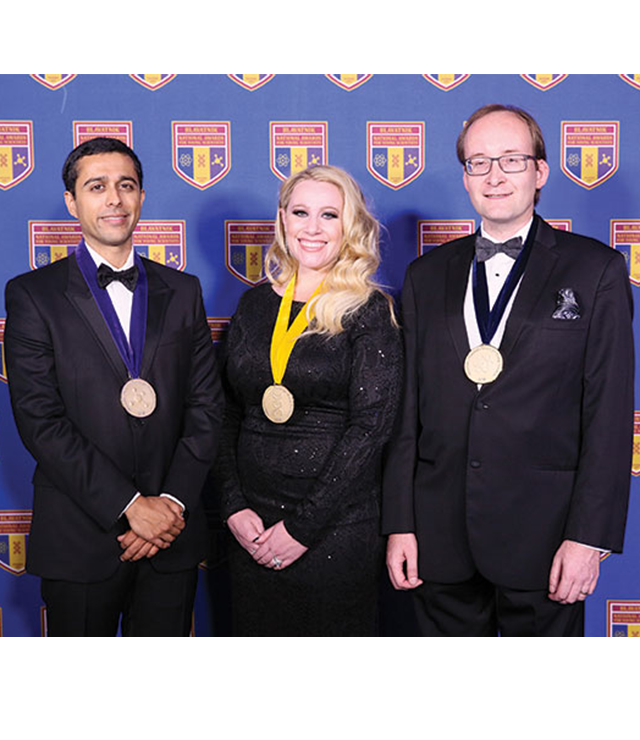
The 2018 Blavatnik Awards for Young Scientists in the UK

Meet the rising scientific stars taking center stage this year as part of the 2018 cohort for the Blavatnik Awards for Young Scientists in the United Kingdom.

Published January 16, 2018

By Kamala Murthy

Physical Sciences & Engineering Laureate

Henry Snaith, PhD
Professor of Physics, University of Oxford

Prof. Snaith has striven to develop new photovoltaic technologies based on simply processed materials, which have promised to deliver solar energy at a fraction of the cost of incumbent silicon modules.

Through a series of key discoveries, he found that metal halide perovskite materials, which had been overlooked for decades because of their very low photovoltaic energy efficiency, can be employed in highly efficient solar cells. He has developed a low-cost synthesis method for the perovskite solar cells, and significantly raised their energy efficiency from 10.9 percent in his first publication to over 22 percent in a single junction perovskite solar cell, and more recently to 25 percent by combining perovskites with silicon solar cells.

Currently, he is pushing the perovskite-on-silicon tandem cells to surpass the 30 percent efficiency mark, making them very promising for industrial applications. He has also significantly improved long-term stability of perovskite solar cells and discovered numerous key fundamental aspects of the perovskite semiconductors, which helped broaden the application range of these materials to include light emission, radiation detection, memory and sensing.

Prof. Snaith’s work toward a significant cost reduction in photovoltaic solar power could help propel society to a sustainable future.

Physical Sciences & Engineering Finalists

Claudia de Rham, PhD
Reader in Theoretical Physics, Imperial College London

Dr. de Rham has revitalized massive gravity theory, which is one way of modifying General Relativity to solve the open puzzles of cosmology. The early versions of massive gravity theory had been known for their dangerous pathologies, including a ghost mode and a discontinuity with General Relativity in the limit where the mass of a graviton goes to zero.

In 2010, Dr. de Rham solved such problems by constructing a nonlinear theory of massive gravity, which is ghost free and theoretically consistent. Since this breakthrough, Dr. de Rham has further established the effective quantum theory of massive gravity to describe the accelerated expansion of the universe as a purely gravitational effect, with the role of dark energy being played by massive gravitons.

Her work has continued to define the field beyond Einstein’s theories of gravity and cosmology, and revolutionized our understanding of the fundamental evolution of the universe and the quantum nature of gravity.

Andrew Levan, PhD
Professor of Astronomy, University of Warwick

Prof. Levan works on the observation of gamma-ray bursts (GRBs), which are the most luminous and energetic explosions in the universe. He has achieved a new understanding of the rich relativistic physics behind GRBs, and has deployed such phenomena as powerful probes that act as lighthouses to the distant universe.

For instance, a new type of GRB he discovered opened an entirely new window onto the properties of black holes at the center of galaxies. Most recently, Prof. Levan has also played a major role in the characterization of the first electromagnetic counterpart to a gravitational wave source, GW170817. This included the identification of the infrared counterpart and leading the first observations of this counterpart with the Hubble Space Telescope.

These events provide the astrophysics community with a completely new way to study the Universe, and explore new information from deep inside extreme events, places that cannot be seen with normal light.

Chemistry Laureate

Andrew Goodwin, PhD
Professor of Materials Chemistry, University of Oxford

Prof. Goodwin is a world leader in the study of the dual roles of mechanical flexibility and structural disorder in the chemistry and physics of functional materials.

Examples of materials that rely on localized disorder to enhance functionality include semiconductors and glass.  Goodwin’s laboratory utilizes advanced diffraction and modelling techniques to probe disordered materials and subsequently produce new, tailored materials that display unique properties. Most materials expand upon heating and shrink when compressed; however, Goodwin has discovered that by careful control of the disorder within the structure of a substance, the opposite can occur — materials will shrink upon heating (negative thermal expansion) and expand when compressed (negative linear compressibility).

These counterintuitive processes are useful in the design of heat-resistant materials, advanced pressure sensors, artificial muscles and even body armor. Goodwin has also played a key role in the structural analysis of amorphous materials using total scattering methods, which, in the case of amorphous calcium carbonate, the key structural component in bones and shell, led to a complete understanding of the ability of organisms to nucleate different crystalline structures from the same biomineral precursor.

Chemistry Finalists

Philipp Kukura, PhD
Professor of Chemistry, University of Oxford

Prof. Kukura develops and applies novel spectroscopic and microscopic imaging techniques with the aim of visualizing and thereby studying biomolecular structure and dynamics.

Of particular importance are Prof. Kukura’s recent breakthroughs in scattering-based optical microscopy, where his group was the first to demonstrate nanometer-precise tracking of small scattering labels with sub-millisecond temporal resolution, which enables highly accurate measurements and mechanistic insight into the structural dynamics of biomolecules such as molecular motors and DNA. His group was also able to develop ultrasensitive label-free imaging and sensing in solution, down to the single molecule level, which has the potential to revolutionize our ability to study molecular interactions and self-assembly.

The Kukura group continues to challenge what we believe we can measure and quantify with light and use it to improve our understanding of biomolecular function. Ultimately, this technology has the potential to enable a variety of universally applicable and quantitative methods to probe molecular interactions at the sub-cellular level.

Robert Hilton, PhD
Reader, Department of Geography, Durham University

Dr. Hilton’s research has provided new insights on Earth’s long-term carbon cycle and the natural processes that transfer carbon dioxide (CO2) between the atmosphere and rocks. His research has uncovered how erosion of land in the form of geomorphic events (earthquakes and resulting landslides), weathering of organic carbon in rocks, and the export of carbon by rivers can impact atmospheric CO2 concentration. Dr. Hilton and colleagues have developed geochemical and river sampling methods which allow this to be done.

The release of CO2 into the atmosphere through the actions of humans burning fossil fuels has become a concern in recent decades.  Dr. Hilton’s research highlights that the natural rates of this process (by weathering and breakdown of rocks) is much, much slower. The planet is currently undergoing dramatic changes with respect to global climate, and it is crucially important to consider whether these aspects of the carbon cycle may amplify human impacts.

Life Sciences Laureate

M. Madan Babu, PhD
Programme Leader, MRC Laboratory of Molecular Biology

Dr. Babu’s multi-disciplinary work employs techniques from data science, genomics and structural biology to analyze biological systems. Using this innovative approach, Dr. Babu has made important discoveries about proteins called G-protein-coupled receptors (GPCRs). These proteins are implicated in numerous human disorders, and drugs targeting GPCRs represent nearly 30 percent of all drug sales.

Dr. Babu has shown that many GPCRs targeted by common drugs can differ significantly from one person to another, so patients with different versions of the same GPCR are likely to have different responses to the same drug. These findings will begin to identify problematic treatments, and could potentially revolutionize personalized medicine. In a parallel body of work, Dr. Babu has also made fundamental discoveries in the role of so-called “disordered” proteins. About 40 percent of human proteins have a region where the protein becomes more flexible, less structured — these floppy, flexible parts of proteins have puzzled structural biologists for decades.

Dr. Babu and his team have helped to establish the roles of disordered proteins in health and disease. Together, these studies shed light on key types of proteins that are integral to human health.

Life Sciences Finalists

John Briggs, DPhil
Programme Leader, MRC Laboratory of Molecular Biology

Dr. Briggs uses and develops state-of-the-art techniques in electron microscopy to understand the structure and functions of biological molecules. He pioneered a technique called cryo-electron tomography (cryo-ET), which allows visualization of biological specimens at near-atomic resolution.

He has combined this technique with other types of microscopy to identify and image rare and dynamic cellular events. Dr. Briggs was the first to achieve pseudo-atomic resolution for visualization of a biological structure using cryo-ET by imaging the capsid domains of HIV. This remarkable achievement revealed the network of protein interactions governing the assembly of HIV particles, and provides new insights into viral function.

Dr. Briggs is at the forefront of structural biology, leading the search for higher resolution visualizations of cellular processes directly within their native environments. By turning these techniques to important biological questions, his work stands to have broad impact on our understanding of the biology of cells and viruses.

Timothy Behrens, DPhil
Professor of Computational Neuroscience, Nuffield Department of Clinical Neurosciences
Deputy Director, FMRIB Centre, University of Oxford
Honorary Lecturer, Wellcome Centre for Imaging Neuroscience, University College London

Prof. Behrens uses mathematical models, behavioral experiments and neural recordings to dissect the biological computations that underlie human behavior. He has uncovered key aspects of how we represent the world around us, make decisions and guide our behavior.

His group has shown that the neural structures used to represent physical space are also used to represent abstract concepts — the brain uses a similar mechanism to encode “maps” of abstract ideas. Such findings have impact on neural network computing and artificial intelligence, but also on our understanding of cognition and mental health. Prof. Behrens has also worked to map the precise anatomy of the human brain, and is leading a large-scale collaboration to map networks of neurons important for cognition.

Few fields are more intimately related to our sense of what it means to be human — and Prof. Behrens and his team are at the forefront of this understanding.