Talent Showcase: 2018 Blavatnik Awards for Young Scientists in Israel

Meet the rising scientific stars taking center stage this year as part of the 2018 cohort for the Blavatnik Awards for Young Scientists in Israel.

Published May 1, 2018

By Kamala Murthy

Life Sciences Laureate

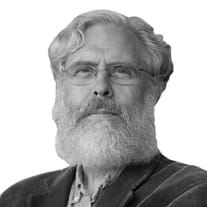
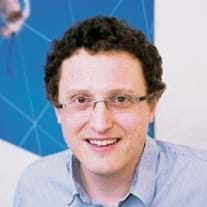
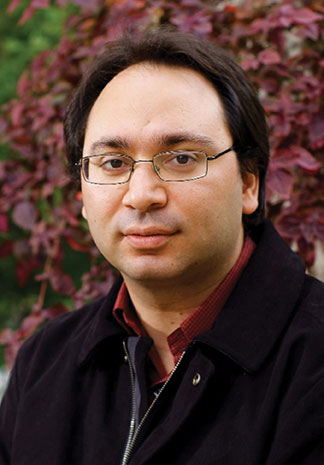
Oded Rechavi, PhD, Senior Lecturer, Department of Neurobiology, Tel Aviv University

Dr. Rechavi’s research upends the traditional laws of inheritance. The notion that traits acquired over the course of a lifetime could influence heredity was heresy until recently, when Dr. Rechavi showed how environmental conditions can imprint “molecular memories” that govern the passage of acquired traits to future generations.

DNA vs Small RNAs

Rechavi’s work in C. elegans, a species of small worms, illustrates how various stressors can induce heritable changes mediated not by DNA, but by small RNAs. By transferring small RNAs from the regular cells of the body that are impacted by the stressor, to the “germline” cells (eggs and sperm) that pass on traits to the next generation, the experiences of one generation can produce long-lasting impacts on gene regulation in multiple subsequent generations.

Rechavi’s lab published the first proofs of this effect, showing that exposing the parent worms to a virus confers immunity on the offspring through the transfer of small RNAs. He later showed that a similar mechanism allows the offspring of starved worms to live longer and to better survive periods of starvation. His group has identified the genes and determined the rules that govern which changes are heritable, as well as the potential duration of that inheritance.

Rechavi has hypothesized that similar mechanisms of small-RNA-based inheritance exist in mammals, including humans. Encompassing genetics, evolutionary biology and developmental biology, Rechavi’s research is fundamental to advancing understanding of the heritability of complex traits and diseases.

Chemistry Laureate

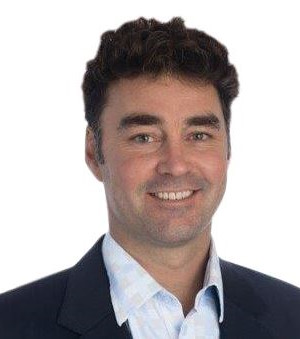
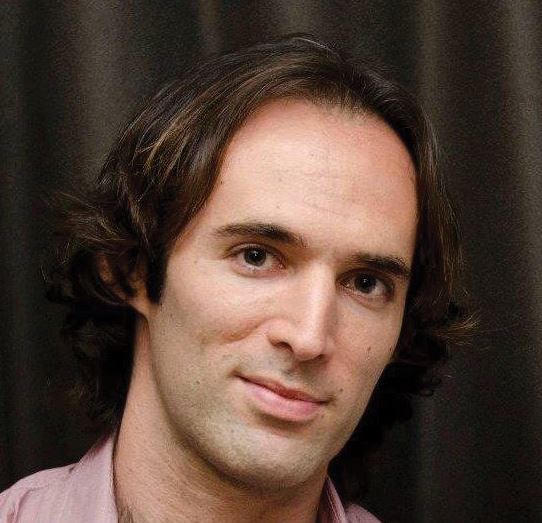
Charles Diesendruck, PhD, Assistant Professor of Chemistry, Technion — Israel Institute of Technology

Dr. Diesendruck works at the intersection of chemistry, physics and materials science, in the recently resurgent field of mechanochemistry. Diesendruck and his collaborators are using mechanically driven reactions to create novel molecules and new materials capable of responding to both physical and chemical stimuli.

As polymers and fiber-composites have become ubiquitous, the tendency of these materials to break, split or otherwise degrade under pressure have limited their application, especially in high-strain environments such as aircraft and automobiles. Diesendruck’s research seeks to better understand how mechanical forces can change molecular bonds and alter the properties of materials, using this knowledge to design resilient, responsive macromolecules for next-generation polymers.

Developing “Smart” Materials

In Diesendruck’s vision, these “smart” materials will be customized with specific stress conduction characteristics, respond productively to mechanical strain, and be able to detect and reinforce or repair structural damage. Diesendruck was among the research team that created the first autonomously “self-healing” fiber-composites, a key step toward producing materials that maximize the benefits of composites, including strength and weight, while minimizing the risks from damage and increasing the longevity of these materials in transportation and other applications.

Diesendruck’s group is also engaged in exploratory research probing difficult or previously inaccessible chemical transformations that may lead to new reactions and reactants.

Physical Sciences & Engineering Laureate

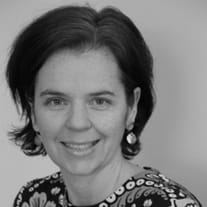
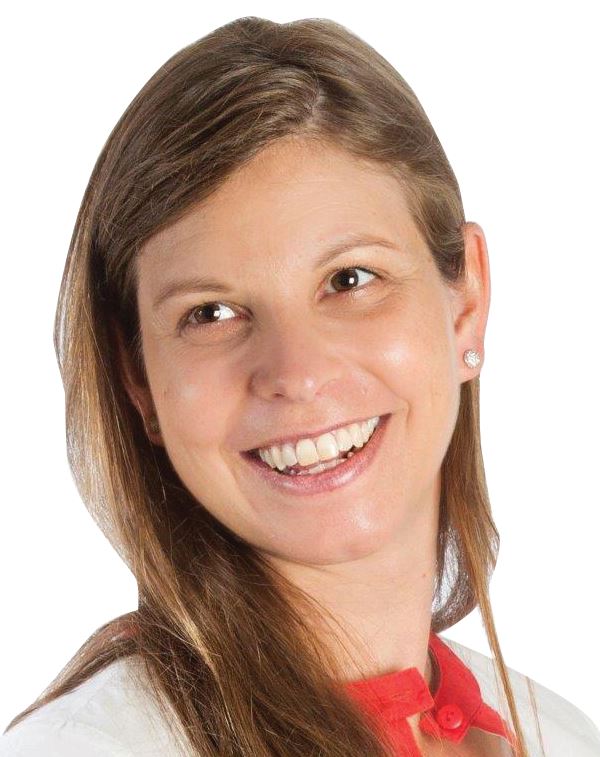
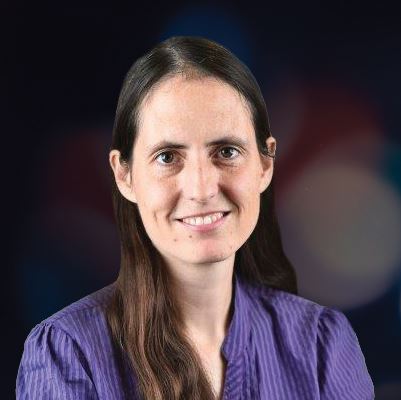
Anat Levin, PhD, Associate Professor, The Andrew & Erna Viterbi Faculty of Electrical Engineering, Technion — Israel Institute of Technology

Prof. Levin is a leader in the emerging field of computational photography, which blends computing with traditional imaging techniques to transcend the limitations of even the most advanced cameras, producing novel imaging results and capabilities. Levin’s work is rooted in discovering mathematical foundations and applying them to solve real-world challenges in imaging and optics.

She is the creator of a prototype computational camera specialized to capture moving objects and scenes, which introduces a constant, quantifiable degree of motion blur during exposure to allow for streamlined blur removal in post-processing. Prof. Levin has also worked to optimize the process of colorizing grayscale images and videos, simplifying a historically time-consuming and expensive process using a method that automatically propagates color among pixels based on the intensity of neighboring pixels.

Using Light Scatter to Study Chemical Composition

Advances in computational photography will have implications that extend well beyond digital photography, including improving medical, microscope and telescope imaging, and ultimately transforming videography. More recently, Levin has published methods for utilizing patterns of light scatter to determine the chemical composition of a material, a technique that could have implications for fields as diverse as ultrasound imaging and air quality assessment.

She has also developed dynamic digital displays that instantly adapt to changes in light and viewing angle, and prototype displays that may ultimately enable large-scale, glasses-free 3D movie viewing.

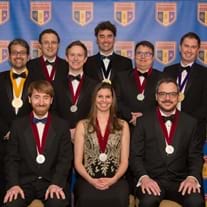
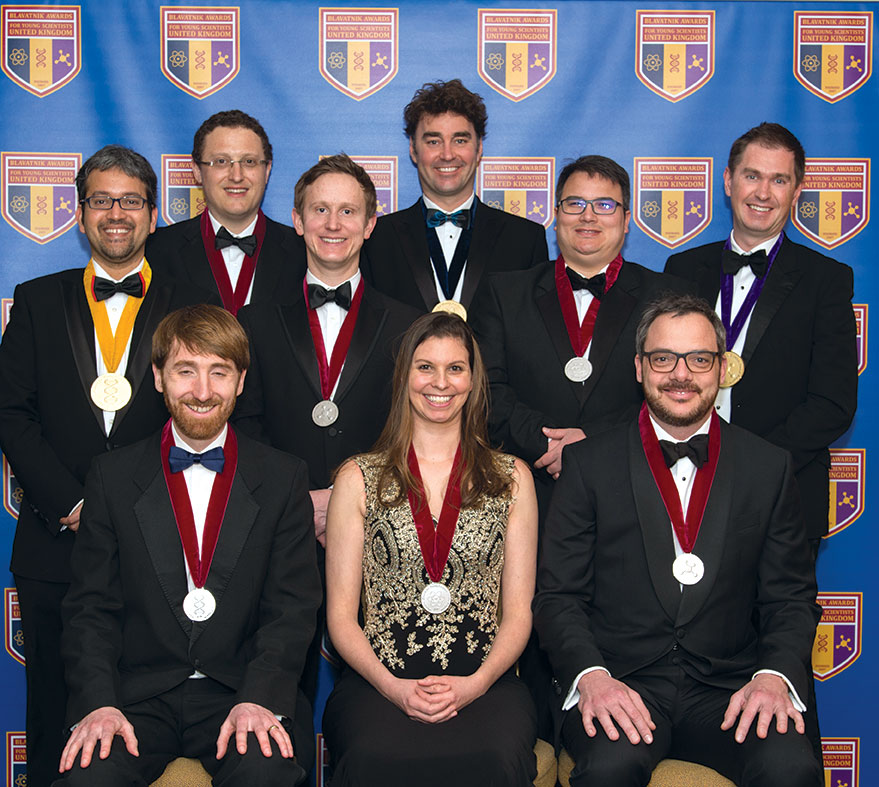
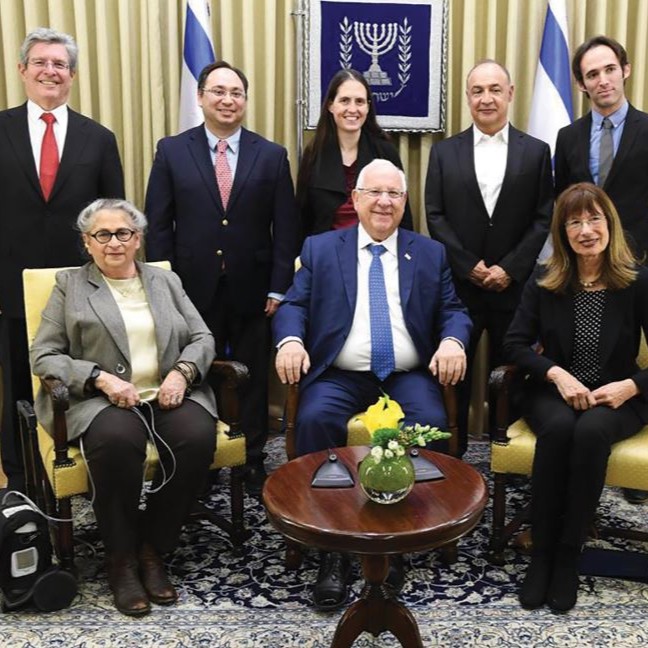
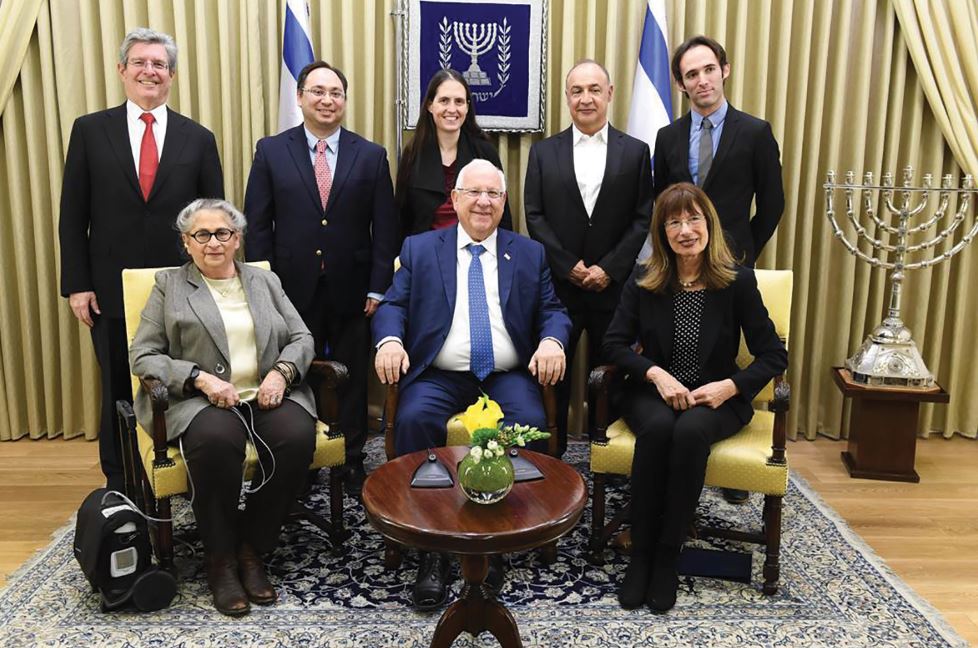
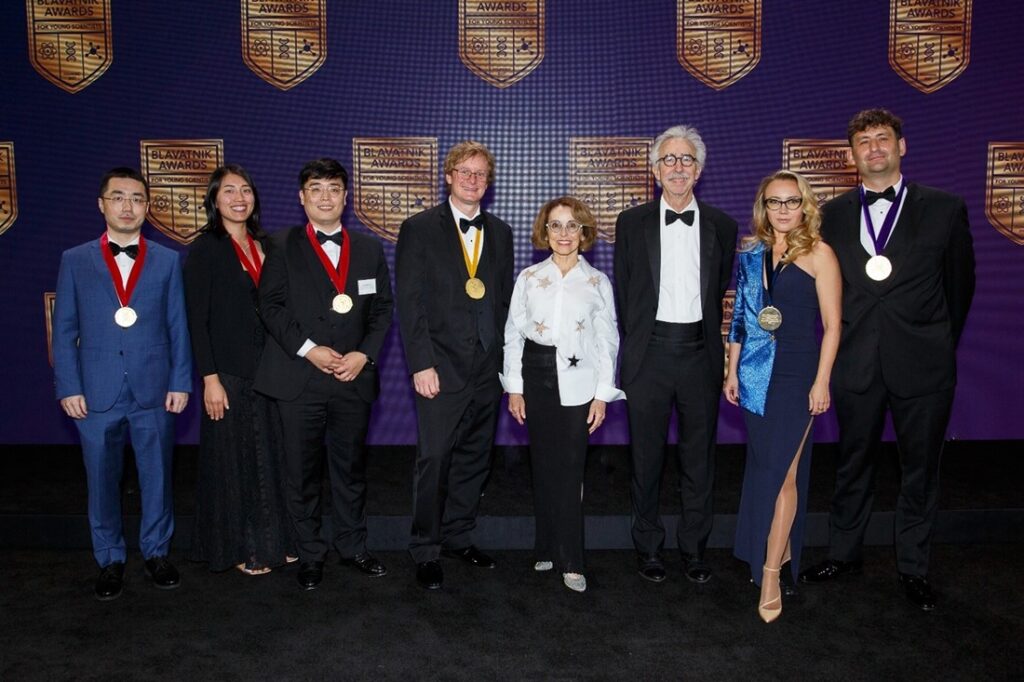
(Back Row L to R) Ellis Rubinstein, President and CEO, New York Academy of Sciences, Dr. Charles Diesendruck, Technion-Israel Institute of Technology, Prof. Anat Levin, Technion-Israel Institute of Technology, Len Blavatnik, Chairman, Access Industries/Blavatnik Family Foundation, Dr. Oded Rechavi, Tel Aviv University. (Front Row L to R) Nechama Rivlin, First Lady of Israel, Reuven Rivlin, President of Israel, Prof. Nili Cohen, President, Israel Academy of Sciences and Humanities.

5 Reasons Scientific Prizes Are Good for the World

If athletes and celebrities can be recognized for their achievements, why can’t scientists?

Published December 11, 2017

By Brooke Grindlinger, PhD

Every October, the world learns who will be the newest members of a very elite circle known as Nobel Laureates.

Whether or not you agree with the selection committee’s choices, the Nobel Prize is considered a career pinnacle of success and the annual announcement continues to captivate the media and general public in addition to the scientific community. This in part is due to the hefty prize purse, roughly $1.1 million, but also because of the body of work that the winners represent and its contributions to societal advances.

At the New York Academy of Sciences, we believe prizes like the Nobel and others help to advance scientific discovery, which in turn is good for the world. And if athletes and celebrities can be recognized for their achievements why shouldn’t scientists? But we also believe that acknowledgement of early-career work is equally important.

We administer two scientific prizes that in the past 15+ years have helped boost the careers of more than 450 young scientists pursuing unconventional ideas and new directions with the fearlessness and creativity of youth: the Blavatnik Awards for Young Scientists and the Innovators in Science Award. While many people may be familiar with the concept of a science grant, the purpose of a scientific prize—such as the Nobel or the Blavatnik Awards—may be less clear. Here are just a few of the reasons scientific prizes are important to the pursuit of science, the scientific community, and the public, at large.

1. Recognition

In addition to receiving cash and prestige, awardees receive recognition for their instrumental role in making key advances in areas of science in the service of humanity. This type of recognition can lead to acceptance of a paradigm-shifting idea, allocation of funding and resources to a particular area of research, and increased awareness of a research topic. For rising young talent, it can cement the shift from local player to the global stage. And while not every discipline’s importance may be readily understood by lay audiences, such as Astrophysics or Mathematics, the attention drawn from the award can still confirm the importance of the achievement.

2. Platform

Scientists are not always the most proactive advocates for their own work. So a nomination for an award, typically made by nominees’ respective institutions and/or colleagues, is itself a validation of their work. Being one’s own spokesperson also involves flexing a set of communication skills, not often utilized in the lab. Whether it is vying for a nomination, distilling complex ideas for a broader audience or giving TV or radio interviews about the research—these experiences help scientists fine-tune their skills in communicating science, not only to other scientists and stakeholders, but to funders and the general public.

3. Public Awareness and Engagement

Media buzz around awards can boost public awareness and engagement in science. Scientific innovation continues to shape the nature of modern life as we know it: from antibiotics and vaccination to the internet and smartphones. Actively promoting the role of science, and scientists, in the development of the tools and technologies we often take for granted today, reinforces the need for continued public funding of science. The voices of scientists and a scientifically literate public are equally important in the critical ongoing dialogue on science and evidence-based policy-making.

4. Role Models

Awards create positive role models in the scientific community. These men and women, drawn from across the globe, inspire young students to pursue careers in science, and drive current scientists to strive for excellence. Both are key to maintaining a strong pipeline of talent in STEM and essential if America is to remain competitive in a global economy.

5. Flexibility

As the funding climate for scientific research continues to grow increasingly challenging, awards can help ease financial tensions, whether personal or in the lab. More stable funding allows scientists to take on additional or high-risk, high-return projects not otherwise supported by traditional avenues of funding.

By recognizing and honoring those individuals that have made significant contributions to science, through the presentation of scientific awards, we continue to elevate the bar of scientific progress and its positive impact on humanity and promote the breakthroughs in science and tech that will define how our world will look over the next century.

This post was originally published on LinkedIn and has been updated.

Innovative Contributions for the Betterment of STEM

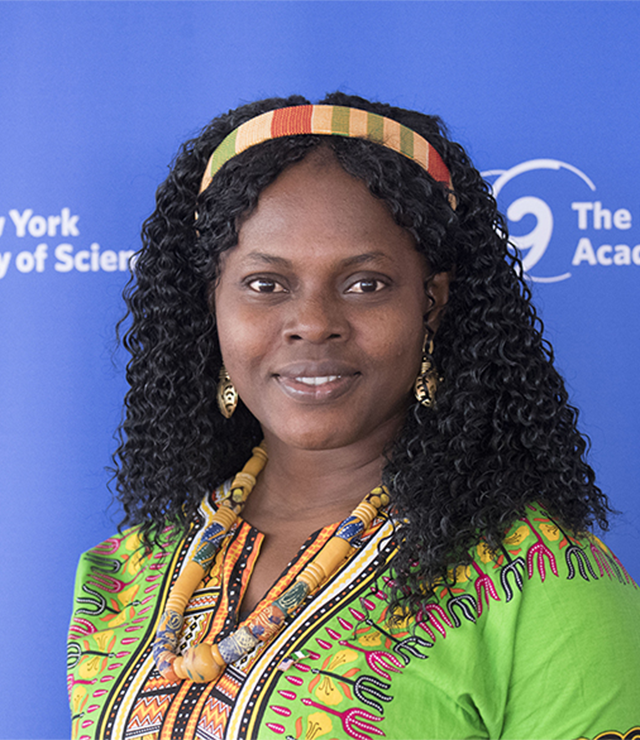
A woman smiles for the camera.

Academy Member NseAbasi NsikakAbasi Etim, PhD is promoting science beyond boundaries. Read on to learn about her work in our virtual mentoring programs.

Published October 27, 2017

By Marie Gentile and Richard Birchard

Each mentor in our network has their own personal reasons for giving back. For Academy Member NseAbasi NsikakAbasi Etim, PhD, serving as a mentor in our virtual programs fulfils her dream of contributing to the success of science around the world.

A busy lecturer and researcher at Akwa Ibom State University in Nigeria, Dr. Etim makes the time to mentor multiple students in our virtual programs designed to advance young women’s pursuit of STEM careers. Her dedication to her mentees is remarkable and requires coordination across multiple time zones (not to mention persevering through power and internet outages which, she reports, are quite common in her country). What makes it all worth it? Knowing that her mentees are inspired and fulfilled.

We recently caught up with Dr. Etim at the 2017 Global STEM Alliance Summit, where she met some her virtual mentees in person for the first time. Read on to learn more about Dr. Etim and her inspiring work in the Academy’s mentoring programs.

Tell us about the path that led you to where you are today?

I have always had a strong passion for the development of my nation [Nigeria] and the world at large through discoveries, inventions, and empirical research that can solve both national and international problems. This led me to choose my science education and career.

I have wanted to be a scientist since my childhood because I love everything about science—the discoveries and inventions, the ability of scientists to proffer solutions to real life problems. I love that science is able to unravel mysteries. I love the fact that science is everywhere: in the food we eat, the clothes we wear, the air we breathe, and the way our body works. Science is a tool that has been able to serve humanity and the universe as a whole.

What projects are you currently working on?

I, along with the other members of my research team, am currently investigating the physiological responses of Oryctolagus cuniculus (rabbits) to Justicia schimperi (hunters weed) which is a forage commonly consumed by animals as well as humans. This research is led by a renowned professor of Veterinary Medicine, Prof. Jarlath Udoudo Umoh. We want to examine the effect of consuming this forage on rabbit growth, blood profile, and organs in order to ascertain its safety. We also want to determine whether the forage is a growth-promoting agent and whether it has adverse effect on reproduction.

I was also recently nominated by the Academy and was selected to participate in the 14th Annual Meeting of the STS forum in Kyoto, Japan, as part of their Future Leaders Network and their Dialogue Between Future Leaders and Nobel Laureates. I joined other outstanding scientists, industrialists, and policy makers in an exchange of ideas on how to strengthen the success of science and technology and how to bring lasting solutions to the problems that arise from the application of science and technology. Together, we brainstormed how to strengthen the lights and control the shadows of science and technology.

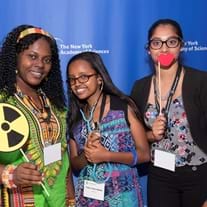
Dr. Etim with her mentees in the GSA Summit photo-booth.

Have you ever encountered any roadblocks along the way?

Coming from a developing country, I have encountered too many obstacles in the course of pursuing my career. These range from financial constraints, inadequate research equipment or facilities, and a lack of mentors to guide me and expose me to opportunities earlier in life.

I have also encountered poor power and water supply as well as a lack of internet connectivity. And, even though the successes of the few resilient and resolute scientists do benefit society, many scientists are neither applauded nor celebrated.

All this would have been enough to extinguish my passion but I still forge ahead towards my goal of becoming a great scientist.

What do you do for fun?

When I am not working, I love watching movies and reading novels. I also love singing and dancing.

Why do you mentor with the Academy?

I choose to mentor with the Academy in their Next Scholars and 1000 Girls, 1000 Futures programs because I want to live my dream of contributing to the success of science globally. I wanted to actualize and hone my inborn mentoring skills and to be the mentor that I did not have.

I want to be a part of the success stories of the next generation of scientists; to inspire and motivate them towards becoming the future of science. I also want to provide proper career guidance to the students in the Academy. I want to train, advise and guide the students to develop self-confidence to be able to face their daily challenges without wavering. I mentor in order to help students in the Academy’s programs achieve their life goals.

Being an Academy mentor is one of the best things that has happened to me recently. I now have a formal platform where I can contribute to the future of science by inspiring students to be the next generation of scientists. My three mentees in Academy programs are from the United States, from Ethiopia, and from South Africa. Considering my daily hectic schedule as a lecturer and researcher, wife and mother, meeting my mentees involves a lot of commitment, sacrifice, and hard work. But because of my strong passion, I enjoy everything I do.

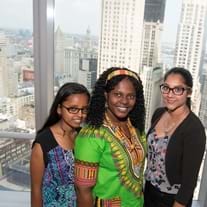
Dr. Etim with her mentees and the view from the Academy.

When I meet with my mentees and we discuss their academic experiences and future career, I usually find myself remembering the experiences I had in school and the choices I made that brought me where I am. This way, I’m always able to suggest practical solutions to their challenges.

What was it like meeting your mentees in person at the GSA Summit for the first time?

It was really an exciting moment of my life. After spending months mentoring them in a virtual space, I was really looking forward to meeting them in person. I was planning a surprise for them by dressing very formally—different from the casual look in which they usually see me during our virtual meetings. I later changed my mind and wore African attire on the first day of the Summit to make it easy for them and other people to recognize me on that day without any introduction.

It was a great meeting between me and two of my mentees who were able to make it to the Summit. I so much admired the bond that I noticed between the two of them soon after I introduced them to each other. They immediately united like sisters and were caring for me like their mum. My mentee that resides in New York City even took us out to many places for sight-seeing.

Together, we all participated in the various activities at the Summit. I also want to extend my gratitude to the Academy for awarding a scholarship to one my mentees who won the 1000 Girls, 1000 Futures Monthly Mentee Highlight Award. This made it possible for her and her mum to travel all the way from Ethiopia to attend the Summit in New York City. It also made it possible for me to meet her in person for the first time.

What is it like to mentor students in a virtual program?

It is a great experience to be connected to students online. Through the virtual platform, I am able to communicate, share ideas, listen to their dreams, opinions, fears and concerns, and I reassure them that success is possible when they believe and work hard.

From a distance, I am able to encourage students miles apart towards becoming great future scientists. Mentoring in a virtual program has helped me to promote science beyond boundaries. My greatest reward is the smiles on the faces of my inspired and fulfilled mentees.


Peruse our mentorship opportunities, and sign up today!

Devising New Therapies Across Borders

Award winners pose together with their trophies.

When Japanese physicist Kumiko Hayashi of Tohoku University and neuroscientist Ephraim Trakhtenberg of the University of Connecticut met at the New York Academy of Sciences this year, the synergies between their work weren’t immediately obvious.

Published October 1, 2017

By Hallie Kapner

The two scientists were paired together as part of the Interstellar Initiative, a joint project of the Academy and the Japan Agency for Medical Research and Development (AMED), which grouped 50 early-career scientists from around the world for interdisciplinary research projects.

“The biggest global challenges, whether in health, the environment, or energy, require scientists with different expertise to work together,” said Academy President & CEO Ellis Rubinstein. “The Interstellar Initiative brings together brilliant young scientists who would likely never cross paths, and supports them as they develop solutions to major health issues.”

Devising New Therapies

Hayashi and Trakhtenberg are devising new therapies to restore neuronal function following injury. As human cells mature, their ability to replicate is severely reduced. This phenomenon is especially prevalent in the brain, where the creation of new neurons exists only at very low levels in adulthood. Trakhtenberg’s work suggests that motor proteins may be involved in this loss.

“If we can understand the dynamics of these proteins, we may be able to reverse the process,” he said. Over the past several years, Hayashi developed novel algorithms that can be applied to motor protein measurement and analysis. “I don’t know much about neuroscience,” she said, “but it turns out that my algorithms can illuminate some mechanisms of the brain.”

From left to right: President Suematsu, Japan Agency for Medical Research and Development (AMED), recognizes the collaborative work of Japanese physicist Kumiko Hayashi, Tohoku University and neuroscientist Ephraim Trakhtenberg, University of Connecticut, along with Ellis Rubinstein, President and CEO, New York Academy of Sciences at the recent Interstellar Initiative workshop presented by AMED and the Academy.

International Collaboration

This teamwork is precisely what AMED president Makoto Suematsu envisioned creating through the Interstellar Initiative, part of a broader strategy to bring international partnerships and new funding streams to Japan’s R & D pipeline. As technological advances that enable data sharing and ease remote collaboration have become ubiquitous, Suematsu believes it is crucial for Japanese researchers to join global research efforts.

“International collaboration is critical in many fields,” Suematsu said. “From infectious disease outbreaks to cancer treatment and drug development, we can accomplish much more when we reach out, shake hands and collaborate.”

Cancer Research

Another Interstellar Initiative team, comprised of NYU biologist Carlos Carmona-Fontaine, oncologist Valerie Chew of Singapore Health Services and physicist Shuichi Shimma of Osaka University, is juggling large time differences and global transport of perishable patient samples as they pursue their project. Blending Chew’s expertise in oncology with Carmona-Fontaine’s efforts to understand the role of metabolites in cancer cells and Shimma’s imaging techniques, the group is uncovering the interplay of metabolite activity and immune changes in tumor cells.

Noting that the Interstellar Initiative breaks down barriers that inhibit cross-disciplinary partnerships, Carmona-Fontaine commented that scientists “usually stick to our own communities, and there’s often a disconnect between scientists from different parts of the world — yet there are many advantages to learning different ways to look at a similar problem.” Chew was thrilled to be paired with teammates who brought both new expertise and new technologies. “If you’re working in your own zone, you’ll do what’s familiar,” she said. “But bringing together different disciplines and technologies creates a novel, creative environment for solving problems.”

Realizing Applications For Their Research

Proposals devised by Interstellar Initiative teams will be submitted to international funding agencies. For physician and biologist Deepak Lamba and biologist Akira Satoh, such funding may help them realize applications for their research. Lamba, who is developing methods for using stem cells to repair retinal tissue, is working with Satoh, whose research is illuminating the regenerative pathways of amphibians. They are probing the factors that influence regenerative capabilities in mammalian and amphibious cells, with the hope of developing methods of repairing and regenerating damaged tissue.

“[Stem cell research is] moving so quickly that I think we’ll start seeing applications in the not-so-distant future,” Lamba said. Satoh noted that stem cell research is less popular among Japanese scientists, while Lamba added that few labs in the US are using amphibians to study regenerative pathways. “We would never have done this on our own — it’s a unique challenge for us to do together.”

Rubinstein is quick to highlight that this is just the beginning for the Interstellar Initiative. “This is only our first cohort, and there’s so much exciting research in the works already,” he said.

Also read: A New Approach to Studying Aging and Improving Health

Flexibility Is Key to the Successful Future of Higher Ed

An exterior shot of a college campus.

The technological advances of the past few decades have triggered a conversation about the future of higher education.

Published October 1, 2017

By Nancy L. Zimpher

The technological advances of the past few decades have ushered in an era of distance-learning capability that has triggered a conversation about what, exactly, the future of higher education will look like.

Speculation ranges across the extremes: On the one hand, that the ability to earn entire credentials online, from certificates to PhDs, will inevitably force the extinction of brick-and-mortar campuses, to the other, in which critics argue that courses taken online are so much less rich than the traditional campus and classroom experience that they are “junk degrees.”

The truth, of course, lies somewhere in between. Importantly though, the determination of higher ed’s future is not an exercise in theory but rather a practical one with real-world outcomes that affect millions of people.

Every university and college leader today must be wide awake to this fact and accept the responsibility eagerly with both hands. In doing so they must do two things simultaneously: they need to know exactly who their students are and never take their eyes off the changing, fast-emerging needs of the world and workforce. With both of these things in sight, heads of colleges and universities need to create institutions or systems that can respond to the needs of students and sectors.

Closing the Gap

It will come as no surprise to this publication’s readership that today about 65 percent of jobs in the United States require a degree beyond high school.1 Moreover, the jobs that earn a middle-class living or better almost certainly, increasingly, require advanced education. New York State is even more competitive than average: nearly 70 percent of jobs will soon require a college degree, but right now only 46 percent of adult New Yorkers have one. This wide gap between the current reality and the projected need for educated, skilled citizens has created a fault line upon which we cannot expect to build stable, competitive, thriving economy and communities.

To close the gap we need to know who today’s students are. Unlike eras past, in which the picture of the typical college student was a young, white, male student living on campus and attending classes full time, today’s student profile is very different.2 Forty percent of college students are age 25 or older. Fifty-six percent are female. Twenty-eight percent are raising families while they earn their degree. Sixty-three percent of students are enrolled full-time, and 36 percent of students work part-time while taking classes and another 26 percent work full-time.

Today, 41 percent of students live on campus. The remainder, owing to their life obligations — juggling jobs, families, and expenses — commute. Fifty-eight percent of college students today are white; 17 percent are Hispanic and 15 percent are black — the fastest growing segments of the U.S. population and also the most underserved.

Expanding Options

The world has changed, and higher education needs to not only change with it but stay ahead of the curve, ready to receive the students who come to us. The future of higher education is flexibility.

This means expanding our operations so that we can meet students where they are, on their time. It means providing an array of avenues by which to earn a degree and support to ensure they complete. High-quality online learning opportunities are a critical piece of this.

One out of three New Yorkers who earn a college degree do it at The State University of New York. In the last three years, more than 320,000 of our students have taken online classes, and 8,000 have received a SUNY degree by taking the majority of their classes online. Our online learning platform, launched in 2014, is the largest in the world. But for SUNY it is not enough to be the biggest, we need to be the best. This is our commitment to New York: to prepare students by any and every high-quality means possible to earn a college degree and to build their best life.

About the Author

Nancy L. Zimpher served as the twelfth chancellor of The State University of New York from 2009 to 2017, during which time she was also chair of the New York Academy of Sciences Board of Governors from 2011 to 2016. In January 2018 Dr. Zimpher will become a senior fellow at the Rockefeller Institute of Government, where she will also be the founding director of the nation’s first Center for Education Pipeline Systems Change.

  • A. P. Carnevale, N. Smith, & J. Strohl. Recovery: Job Growth and Education Requirements through 2020. Washington, DC: Georgetown University Center on Education and the Workforce, McCourt School of Public Policy (2013).
  • Among many, The Bill & Melinda Gates Foundation has done excellent work compiling college student demographics, including information that can be found here.

#WhereScienceLives: Biologist Aida Verdes

A woman scuba diving in an underwater cave.

Meet a member whose research and field work sheds light on longstanding evolutionary questions.

Published September 25, 2017

By Attila Szász

Aida Verdes on the boat heading out to dive off the coast of Abu Dhabi, during an expedition to collect polychaete worms and mollusks.

Academy members conduct their work in a vast range of settings. As a biologist researching marine invertebrate evolution, Aida Verdes is no stranger to doing research in unusual and unexpected places: her work has her out in the field, going on diving expeditions and conducting research aboard floating laboratories worldwide.

Originally from Madrid, Spain, Verdes is now based in New York City, where she is a PhD candidate in evolutionary biology at the City University of New York (CUNY). She is affiliated with both CUNY’s Holford Laboratory and Luminescent Labs, a collective of explorers using “science, technology, and art to understand, share, and protect nature’s living light.”

Verdes studies the genetic basis of convergent evolution, the process by which non-related organisms independently evolve similar traits. She told us: “Studying evolutionary convergence can provide important insights into long standing evolutionary questions such as whether the same genes determine convergent traits in unrelated species. I am studying these questions in marine annelid worms that have independently evolved the ability to produce light (bioluminescence) and venom.”

Check out photos of her at work below:

Do you want to be part of this impactful scientific community? Join today!

WhereScienceLives: Geologist Leslie Molerio-Leon

An archeologist poses with the ocean in the background.

From rainforests to volcanoes, meet an Academy member whose work in geology has taken him to 42 countries spread across five continents.

Published September 24, 2017

By Attila Szász

Trophic assessment and maintenance of Chongon Reservoir. Chongon reservoir and dam in Guayaquil, Ecuador, needed a detailed study of the causes of eutrophication and engineering solutions to improve water quality and navigation. Photo was taken during the cleaning of the aquatic vegetation.

Geologist, hydrogeologist and Academy member Leslie F. Molerio-Leon is Head of Engineering in the environmental division at Inversiones GAMMA S.A. in Havana, Cuba. He has been working in the field of geology and hydrogeology since 1969 and has been involved in over 400 geological, geomorphological, geotechnical, surface hydrology and hydrogeology, civil engineering, hydraulic, hydroelectric, polymetallic mining, oil & gas, environmental, natural risks and speleological explorations, investigations and projects in 42 countries across Africa, Asia, Europe, North and South America, and the Caribbean. He has also worked as a researcher and consultant on several projects sponsored by numerous United Nations agencies and non-governmental organizations.

Currently, Leslie is on assignment in Ecuador conducting geology and hydrology work following the reconstruction of the country after the earthquake of April 16, 2016.

“It has been really amazing to work and learn in multiple environments: in the humid tropical forests, the alpine regions, the African deserts and jungles, surrounded by volcanoes or under the stress of earthquakes; and particularly as speleologist,” Leslie said. “I have enjoyed the wonder of caves not only as an explorer but mainly doing scientific and applied research for groundwater development and protection.”

Check out photos of him at work below:

Do you want to be part of this impactful scientific community? Join today!

#WhereScienceLives: Educator Jason Osborne

A man repelling down the side of rock.

Have you ever participated in a live interview while hanging from a cliff face? Jason Osborne has. Learn more about why and how.

Published September 22, 2017

By Attila Szász

Jason during a Google Science Fair live interview while hanging from a 110-foot cliff along the Chesapeake Bay. Google broadcasted the live interview through Jason’s smart phone to students around the world.

Getting scientists and students to work together on meaningful scientific research that’s also engaging is not an easy task. We work to do it through The New York Academy of Sciences’ (the Academy’s) Global STEM Alliance programs, but we’re also always interested in seeing how others do similar work. That’s how we learned about Jason Osborne.

Jason is currently the President and Co-Founder of Paleo Quest and the Chief Innovation Officer at Ector County Independent School District in Odessa, Texas. And he’s been everywhere from the White House to Google to the Howard Hughes Medical Institute to champion STEM learning and citizen-science projects.

At Paleo Quest Jason focuses in particular on leveraging citizen-science to advance paleontology and geology. On this work in particular, Jason told us: “I love contributing to science and helping to figure out our prehistoric past. I get to choose my scientific questions and field excursions. How cool is that? I also share experiences and my field research with K-12 students.”

Check out photos of him at work below:

Do you want to be part of this impactful scientific community? Join today!

The Important Role of Mentors and Networking

A silhouette of about half a dozen people working together with large windows and a city skyline in the background.

Learn how member-to-member mentoring is helping young scientists tap into the power of The New York Academy of Sciences (the Academy).

Published August 31, 2017

By Rosanna Volchok

Multi-disciplinary, cross-sectoral, and global, the Academy’s membership is among the most diverse, dynamic scientific communities in the world. Over 40% of our membership falls into the “early career” category, meaning they are graduate students, postdocs, or newly minted professionals. Imagine if we could find a way for these young professionals to tap into the tremendous expertise and accumulated wisdom of our global network, regardless of where they live, work, or study!

Recently, we caught up with mentor Paul-André Genest, PhD, and mentee Ekaterina Taneva, PhD to learn about their experience.

What is your scientific background and what are you currently working on?

Paul-André Genest, PhD
Paul-André

I am a Molecular Parasitologist and Molecular Oncologist by training and did my PhD and postdoctoral fellowships at the Netherlands Cancer Institute. In 2012, after spending more than ten years doing biomedical research, I moved to New York and switched to scholarly publishing, first as a Managing Editor and then as an Associate Publisher and a Publisher at Elsevier. Since 2016, I have worked as a Senior Editor at Wiley where I oversee a portfolio of over twenty journals in the Life and Social Sciences.

Ekaterina

My science journey started with a BS/MS in Toxicology at St. John’s University in Queens, New York. In 2011, I joined Albert Einstein College of Medicine to pursue a PhD in biomedical sciences. As part of a multidisciplinary collaborative team dedicated to improving women’s health, I acquired in-depth understanding of the principles of translational research and its importance in patient outcomes. I now work as a medical writer for PRIME Education, LLC (Fort Lauderdale, FL), a company that provides accredited medical education and research focused on improving systems of care in a variety of disease areas. I am part of a dynamic team of medical and grant writers who develop evidence-based content on management of patients with infectious diseases.

Why did you choose to sign up for member-to-member mentoring?

Ekaterina

I knew I wanted to pursue a non-academic career centered on medical writing and translational research, and I wanted to expand my horizons, and what better way to achieve this than learning from someone who has walked the path that I envisioned for myself? I decided that participating in member-to-member mentoring would be an investment in my future and, more importantly, a learning experience that offered me the possibility to get out of my comfort zone and receive the outside perspective I needed to make objective and informed career decisions.

Paul-André

At the end of my own postdoctoral fellowships, I experienced difficulties leaving academic research and finding the right career path for myself. Furthermore, I did not have a strategy in place and I could have benefited from the advice of a professional working in the publishing industry. I signed up to be a “member-mentor” in order to provide this opportunity to someone else. I am a strong believer in the importance of giving back and of being involved in the community.

What was it like to participate in member-to-member mentoring?

Paul-André

I really enjoyed it and I appreciate the flexibility it provides as it lets the mentor and mentee take ownership of their mentoring relationship. My match with Ekaterina was excellent! We quickly bonded and either met or had discussions on a regular, monthly basis. I also helped her identify positions and referred her to jobs outside academia. We worked on her resume and cover letter and discussed job opportunities and companies that she found interesting.

Ekaterina
Ekaterina Taneva, PhD

Participating in this program showed me the true value of professional networking and mentorship. Paul-André and I started by getting to know each other’s backgrounds and assigning monthly goals we both had to complete on time in order to have a fulfilling and enriching experience. He was dedicated to not only sharing his experiences but also in getting to know me as a person and guiding me into a type of working environment that would align with my professional and personal goals.

I relied on his advice in almost every position I applied for, and he made himself available any time I needed feedback. Moreover, he invited me to career workshops and expanded my professional circle by bringing me into his own network of successful scientists who transitioned outside of academia. He guided me through the preparation of my thesis defense, and taught me to strive to be as persistent in my career aspirations as I have been in my academic endeavors.

Paul-André

I am very happy she managed to find a career that she likes and is stimulating for her. My experience was so positive that, after working with Ekaterina for the recommend six month mentoring period, I accepted a new match with another mentee (though Ekaterina and I still keep in regular contact).

How has participating in member-to-member mentoring influenced your work?

Paul-André

It has helped me think more about the skills and qualities candidates should have to join the scholarly publishing industry. Having an awareness of these traits will be useful for recruiting candidates for my own team. My mentoring experience also helped me develop my own leadership skills which I use to advise, coach and develop my current staff.

Ekaterina

It allowed me to meet a like-minded peer who shares a similar passion for translational science and, in particular, infectious diseases. Being able to share career plans with him and to receive his continuous input during a challenging transition created a solid support system for me. My mentor’s trust and investment in my success also reinforced my decision to mentor others in the program. Participating also inspired me to continue to improve myself so that I can be of utmost help to any of my peers who need additional support for achieving their career goals.

As members yourselves, how would you describe the Academy’s membership network?

Paul-André

The Academy has a very strong membership network comprised of professionals with expertise in a wide array of disciplines and who are at various stages of their career. It is great that the Academy has programs where early-career members can benefit from the experience and advice of more established professionals.

Ekaterina

The membership network is diverse and welcoming. The Academy not only accepts, but also encourages students to initiate activities and collaborate with renowned scientists. This framework allows students and young professionals to enhance their transferable skills and gain confidence and a sense of belonging to a community. I have developed long-lasting connections with multiple Academy members, from faculty and academic researchers, to entrepreneurs and fellow graduate students.

By participating in resume workshops, career fairs, and symposiums organized by the Academy, I got acquainted with the most exciting discoveries while exchanging business cards and experiences with scientists from all over the world. It is through these Academy initiatives and programs that I felt I was growing beyond my “student” profile and turning into a broad-minded young professional.

Also read: Good Mentors are Key to Student Interest in STEM

Empowerment Enables More Women to Succeed in STEM

A student presents her research and poster.

Meet Academy member and mentor Jacqualyn Jade Schulman who believes that, through science, anything is possible.

Published July 26, 2017

By Marie Gentile and Robert Birchard

Jacqualyn with her Mentee

Jacqualyn Jade Schulman is a scientist of many talents. As a Graduate Assistant working in Dr. Richard Wojcikiewicz’s lab within the Pharmacology department at SUNY Upstate Medical University, she conducts research that might one day lead to vital therapies for cancer. As a mentor, she volunteers her time to participate in multiple programs of the Academy’s Global STEM Alliance. And when she’s out of the lab, you might find Jacqualyn bowling strikes at her local bowling alley.

What has been one of the most rewarding moments of your scientific career?

I have just been selected to give a presentation at a conference at Cold Spring Harbor Laboratories in August 2017. I am so honored, excited, and nervous at the same time!

What are you currently working on in the lab?

There is a family of proteins that work together to either promote or protect against cell death. I am studying a specific protein in this family named BOK, and the field currently does not know if Bok’s role is to promote cell death or to protect against it. Our lab discovered that Bok binds to a calcium channel that sits in the endoplasmic reticulum. I am working on understanding what Bok’s role is in cell death and how binding to this calcium channel affects its function. If we understand how this family of proteins work we can figure out how to either promote or protect against cell death, which could be vital therapies for diseases such as cancer.

At the Global STEM Alliance Summit

My personal definition of science is…

Constantly questioning everything, remembering that anything is possible, and accepting that negative data is a positive thing.

When you’re out of the lab, what are some of your hobbies?

My biggest hobby is bowling! I have been bowling in leagues since I was 5 years old and was able to bowl competitively in college and travel to tournaments. I haven’t bowled a 300 yet, but my high game is a 289!

What drew you to become a mentor in the 1000 Girls, 1000 Futures and Next Scholars programs?

I chose to get involved because I did not have any mentors in the STEM field while I was in high school. When I heard about 1000 Girls, 1000 Futures, one of the first things I thought was that I wished I had this while I was in high school. I wanted to be the mentor that I wished I had.

These girls just amaze me with everything they are doing while in high school. It’s inspiring to see girls in high school so involved in their communities and gaining work experience in STEM fields. It is such a rewarding experience to know I played a role, even if it is just a small one, in helping them determine which college to attend or which major to study.

Why do you think it is critical to mentor girls and women in STEM?

We are still struggling with a gender gap. When I took a computer science course in college, I was the only woman in a class of about 50 students. Each field of STEM has such a plethora of jobs within it and I want to make sure these young women know about all the opportunities that are out there. When I turn my laptop on, the log-in screen always displays a different image with some facts. Recently, the background image was a landscape with stars and it included the fact that only 6.7% of women graduate with STEM degrees. I want to have a part in increasing that percentage.


Peruse our mentorship opportunities, and sign up today!