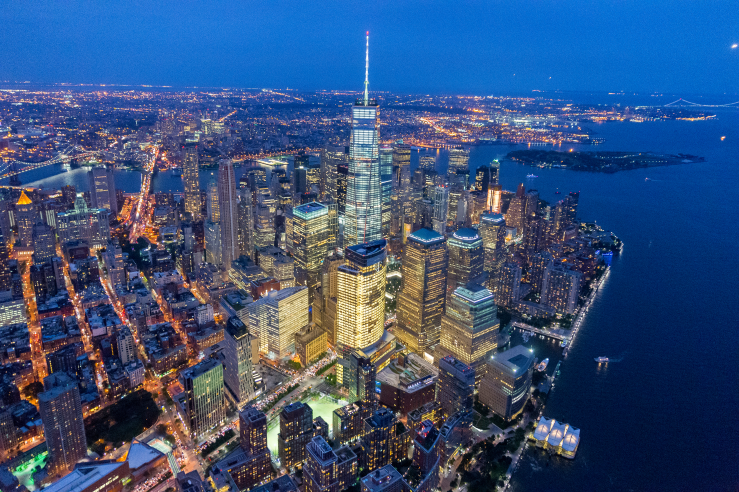
NYC Mayor Michael Bloomberg has proclaimed October 13 as “Science & the City Day” in an effort to both celebrate and advance science for the public good.
Published October 2, 2004
By Jennifer Tang and Fred Moreno
To celebrate New York City as one of the world’s great centers for science, The New York Academy of Sciences is inaugurating an annual parade of events designed to enhance New York’s economic competitiveness and to contribute to science literacy.
This year’s celebration, on Wednesday, October 13, will include:
- the presentation of the annual Mayor’s Awards for Excellence in Science & Technology
- a gala dinner providing a unique opportunity for leaders in science, medicine, business, finance, philanthropy, and government to meet one another in order to stimulate the city’s entrepreneurial potential
- a venture capitalist showcase promoting science and entrepreneurship
- a landmark gathering of prominent women scientists discussing issues such as career advancement and advocacy
NYC: A Science Capital
New York City Mayor Michael Bloomberg has declared October 13 “Science & the City Day” in honor of the festivities.
“New York produces and attracts more scientific and medical leaders than any other city on earth,” said Academy President Ellis Rubinstein, “and no city provides better health care for more people than New York. ‘Science & the City Day’ will not only make plain to the world New York’s contributions to science and technology, it will work to expand New York’s role as an engine for scientific advances.”
He added that the New York area hosts more institutions devoted to improving global health than any other metropolitan region and that New York drives the business of science to a degree never really appreciated.
“Our goal, with ‘Science & the City Day,’ is to demonstrate New York’s preeminent position as a science capital, to contribute to the creation of a more entrepreneurial science culture in New York, and to shine a spotlight on science reform planned for the city’s school system.”
Science & the City Day will feature the following events.
Mayor’s Awards for Excellence in Science and Technology
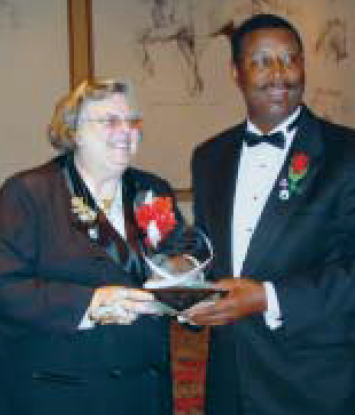
Mayor Bloomberg will announce the winners of the annual Mayor’s Awards for Excellence in Science & Technology. The awards ceremony recognizes the important role that members of the science and engineering communities play in the success of New York City. Past winners have included:
- AIDS researcher David Ho
- award-winning author and scientist Lewis Thomas
- and Nobel Laureates Günter Blobel, Eric Kandel, Joshua Lederberg, and Horst Stormer
This year’s ceremonies will include, for the first time, a Science Educator Award to a teacher in the New York City school system, and special recognition for three outstanding high school students. Also being instituted this year is a new Science and Society Award, to honor an individual or organization that has made use of current science and technological development to benefit the city. Other winners will be named for contributions to the biological and medical sciences; for achievements in the mathematical, physical, and engineering sciences; and for improving the public understanding of science. Junior Investigator awards to honor outstanding researchers under the age of 40 are also planned.
Women Investigators Network Panel Discussion
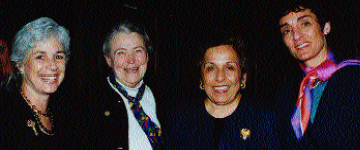
The Academy has long been committed to addressing issues faced by women scientists and sponsored a landmark conference on this topic in 1973. To continue this dialogue and to create continuous and endemic change, the Academy has formed a Women Investigators Network, whose kick-off event will be part of Science & the City Day. A panel of leading women scientists will focus on career development, advocacy, and self-empowerment for women in the sciences. Panelists will include:
- Vita Rabinowitz, co-Director of the Gender Equity Project
- Barbara Gerolimatos, Director of Scientific Affairs, Pfizer Women’s Health
- Paula Olsiewski, Program Director, Alfred P. Sloan Foundation
- J. Lynn Rutkowski, Director of Neuroscience, Wyeth Research
- Tasha Sims, Postdoctoral Student, New York University School of Medicine, and Co-Founder, Future Science Educators
A networking reception will follow the panel discussion.
Venture Capitalists Panel and Showcase
Sponsored by the Academy, The National Venture Capital Association, Vital Venture Networks, and an elite consortium of leading U.S. life science venture capital firms, the goal of this event is to forge contacts between life-science venture investors and worthy university-based science teams in order to promote early-stage investment in the life sciences. A “Venture Showcase” for university science teams and early-stage spinout companies will follow the panel discussion. The panelists will include:
- Janet Woodcock, Deputy Acting Director, Food and Drug Administration
- Michael Zasloff, Senior Distinguished Scientist, University of Pennsylvania School of Medicine, and former Dean, Translational Research, Georgetown University School of Medicine
After the panel, eight to ten company/science teams will offer presentations from universities and laboratories to an independent jury composed of some of the nation’s leading life science venture investors.
Gala “Science & the City Day” Dinner
Leaders from the scientific, corporate, academic, and government communities will come together to network, seek entrepreneurial opportunities, and promote New York as a world capital of science. One of the evening’s themes will be to emphasize the under-recognized strengths of New York science and medicine, as well as highlight the city’s efforts in reforming its school science program.
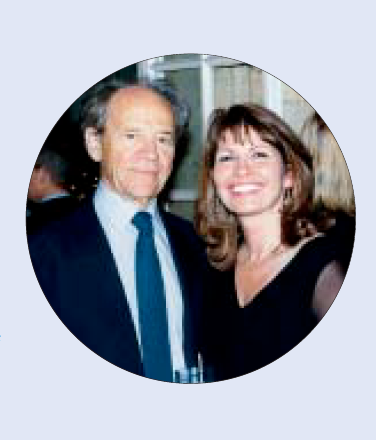
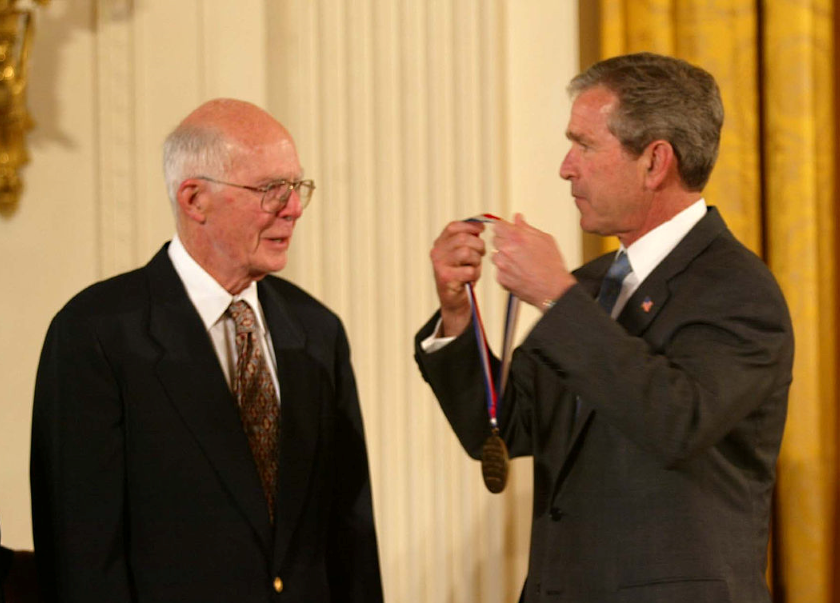
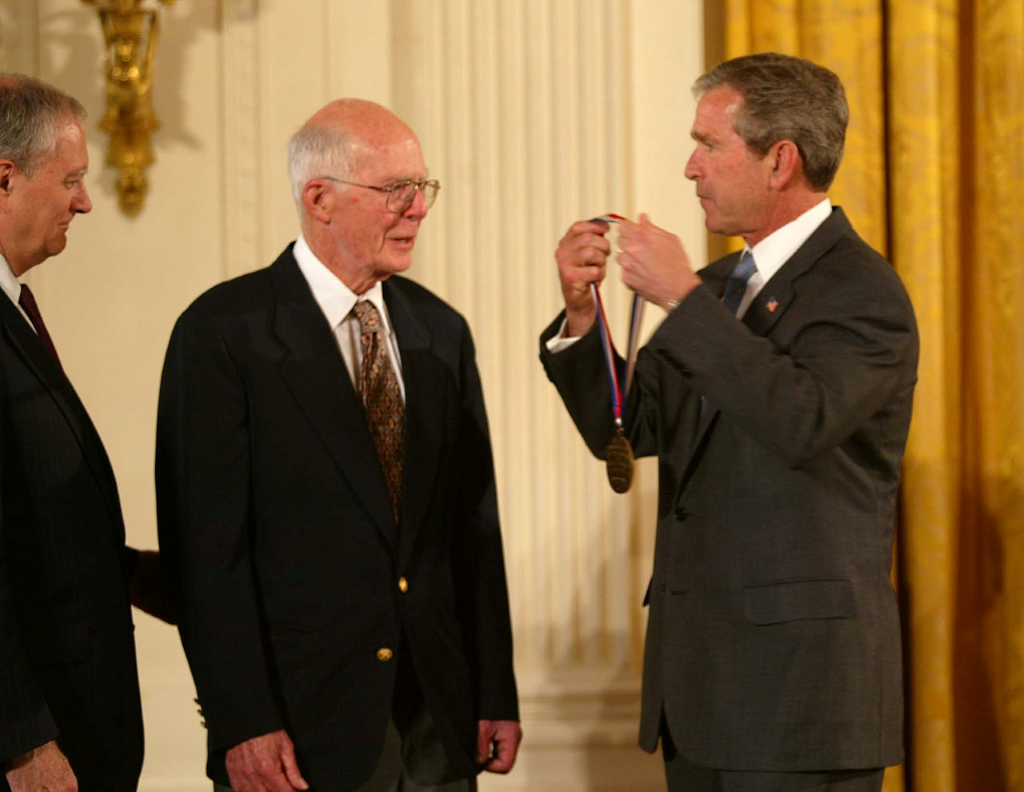
Nobel Laureate Rod MacKinnon and financial leader and philanthropist William T. Golden will be receiving special awards for their contributions to science in New York. The winners of the Mayor’s Awards for Excellence in Science and Technology will also be recognized.
Chairs for the gala dinner are:
- Henry A. McKinnell, Jr., chairman and CEO, Pfizer Inc.
- Torsten Wiesel, Nobel Laureate and chairman, New York Academy of Sciences Board of Governors
- Russell L. Carson, General Partner, Welsh, Carson, Anderson & Stowe and co-chairman, New York City Investment Fund
- Maurice Greenberg, CEO, AIG, and chairman, Starr Foundation.
Other Highlights
The daylong series of events will also serve to highlight a broad series of initiatives at the Academy that advance New York and its special place in the sciences, including:
The New York Science Alliance for Graduate Students and Postdocs is a consortium of 16 universities, teaching hospitals and research institutions in New York that have joined in partnership with the Academy to provide membership to nearly 6,000 young investigators. The Alliance provides unparalleled career and professional development mentoring through a series of seminars and meetings as well as a dedicated web portal, and also gives New York a unique recruiting tool for attracting scientific talent.
The Frontiers of Science and Science Without Borders Programs are initiatives that have brought together many of the leading scientists form various New York institutions in support of a novel program of cutting-edge seminars that are disseminated via electronic briefings on the Academy’s Web site. Ten discussion groups (in such areas as biochemical pharmacology, emerging infectious diseases, and genomic medicine) are already underway with more planned—all part of an effort to advance science through forums that explore topics at the frontiers of science.
The Academy’s new” Science & the City” portal aggregates the incredible richness of scientific activities in scores of institutions throughout New York City. The site includes a remarkable calendar—the only one of its kind in the United States—that itemizes on a daily basis such activities as academic and public lectures, family events, education programs, art and science exhibits, and cultural activities. By emphasizing New York’s rich scientific milieu, the site demonstrates the city’s status as a great global science center.
Also read: A Science State of Mind in the Empire State