Summary
November 4, 2026 | 12:00 PM – 1:30 PM ET
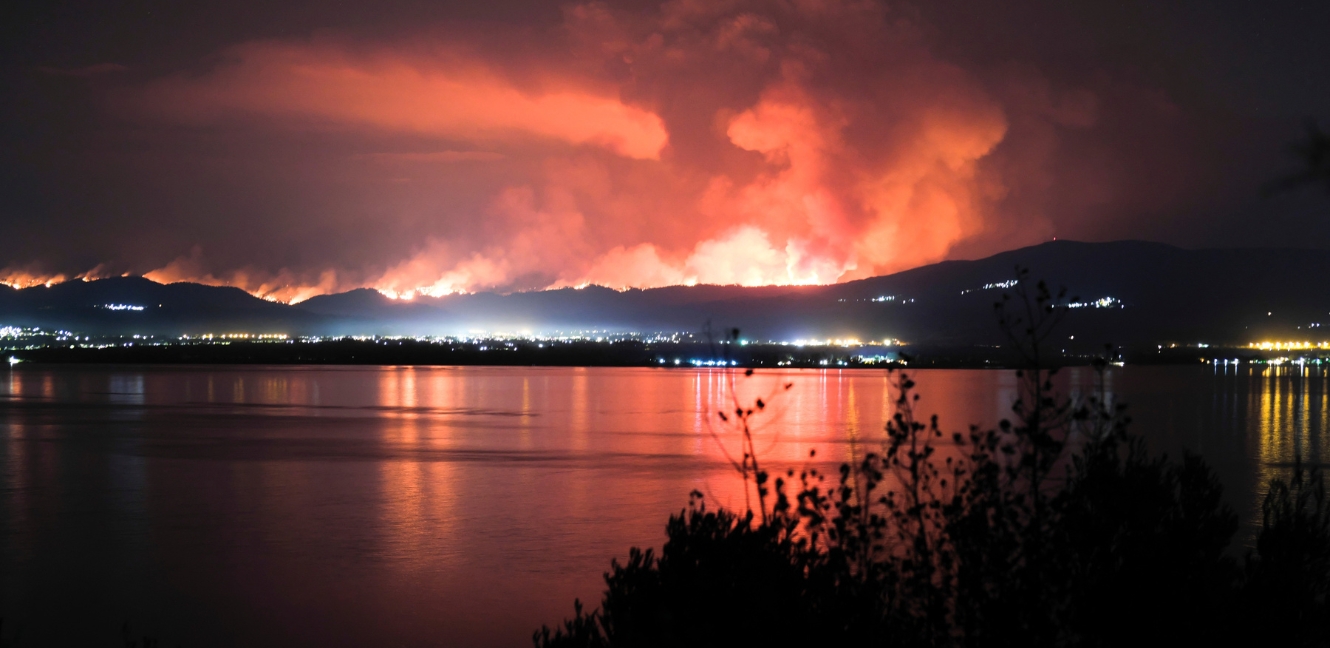
The 2026 wildfire season once again tested cities and communities around the world from North America and the Mediterranean to Australia. But the story doesn’t end when the flames go out. When communities burn, the challenge extends beyond smoke and fire to toxic residues, contaminated water supplies, damaged infrastructure, and long-term public health consequences.
Join the International Science Reserve for a global conversation that moves beyond suppression to ask what cities can learn from this year’s wildfire season about recovery, adaptation, and preparedness. A geographically diverse panel of scientists and practitioners — spanning wildfire science, emergency management, environmental health, and Indigenous fire stewardship — will compare how different regions experienced and responded to this year’s fires, and what it will take to recover safely and rebuild resilience.
What You’ll Learn
- How the 2026 wildfire season unfolded across different regions of the world, and what set the most effective responses apart
- The hidden, longer-term risks of wildfire recovery from toxic chemical legacies to contaminated drinking water
- How early warning systems and predictive science are evolving
- What indigenous fire stewardship practices can teach modern wildfire management
- What it will take to build lasting resilience: from insurance and infrastructure to public health monitoring
Presented By
Registration
This event is not yet open for registration.