Prestigious Blavatnik Awards for Young Scientists in Israel Announces 2023 Laureates

לקריאת ההודעה בעברית לחצו כאן

Three young scientists at leading research institutions in Israel will each be awarded US$100,000 for their groundbreaking scientific research

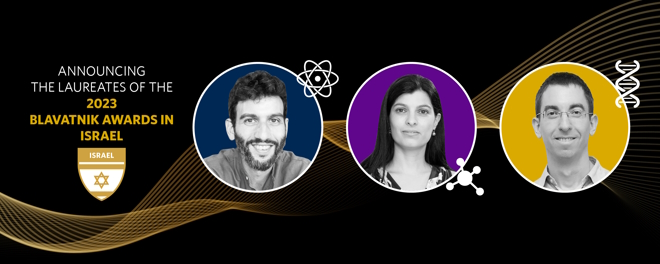
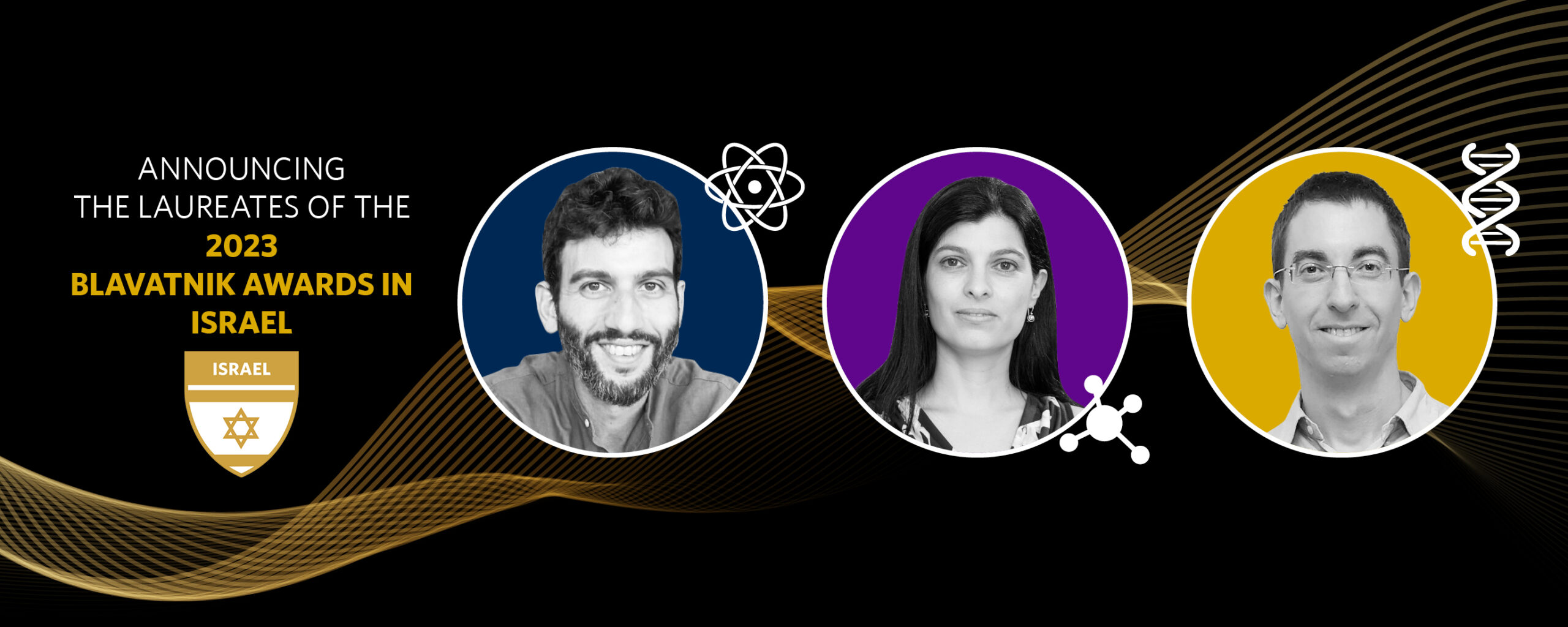
Jerusalem | April 3, 2023 – The Blavatnik Family Foundation, the Israel Academy of Sciences and Humanities, and The New York Academy of Sciences, announced today the Laureates of the 2023 Blavatnik Awards for Young Scientists in Israel.

This year’s Laureates, who will each receive US$100,000, are:

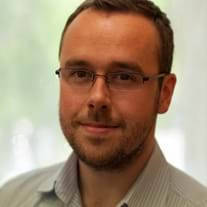
  • Shai Carmi, PhD (Life Sciences) – The Hebrew University of Jerusalem – Recognized for fundamental contributions to the fields of population and medical genetics. In medical genetics, he has reported the first evaluations of a new technology for genetic testing of preimplantation embryos for complex (adult) diseases and traits.  Through his groundbreaking work in population genetics, he has rewritten the demographic history of medieval Ashkenazi Jews.
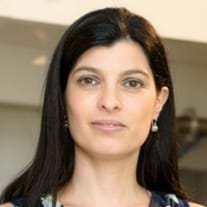
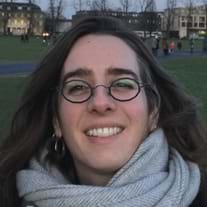
  • Rina Rosenzweig, PhD (Chemistry) – Weizmann Institute of Science – Recognized for discovering the regulatory mechanism by which a particular class of proteins, “chaperone” proteins, drive the innate ability of our cells to prevent and reverse protein aggregation—a phenomena associated with many neurodegenerative conditions including Alzheimer’s, Parkinson’s, and Huntington’s diseases. Harnessing and amplifying natural methods to reverse protein aggregation in cells paves the way to treatments for these conditions.
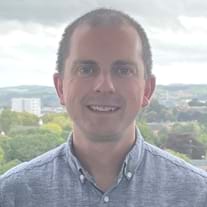
  • Zvika Brakerski, PhD (Physical Sciences & Engineering) – Weizmann Institute of Science – Recognized for developing the first efficient encryption algorithm that allows cloud computers to perform computations on encrypted data without the need to first decrypt them. His algorithm has enormous potential to improve the security of cloud computing. In addition, he has also developed new cryptography algorithms to verify the output of quantum computations.

Recognizing Innovative Scientists

The Blavatnik Awards recognize outstanding, innovative scientists at the early stages of their careers for both their extraordinary achievements and their promise for future discoveries. The prizes are awarded to researchers aged 42 and younger for groundbreaking work in the disciplines of Life Sciences, Chemistry, and Physical Sciences & Engineering. The Blavatnik Awards in Israel sit alongside their international counterparts, the Blavatnik National Awards and Blavatnik Regional Awards in the United States, and the Blavatnik Awards in the United Kingdom.

The 2023 Blavatnik Awards for Young Scientists in Israel will be conferred at a ceremony held at the Peres Center for Peace & Innovation in Tel Aviv-Jaffa in June 2023. On June 6, 2023, from 10:00 AM to 1:00 PM IDT, the Laureates will present their research at a free public symposium at the Steinhardt Museum of Natural History at Tel Aviv University. You can learn more about this event HERE.

The Laureates will join a cadre of young scientists from across Israel who have been honored by the Blavatnik Awards in Israel since the launch of the Awards in 2017. In addition, the Laureates will become part of the international Blavatnik Science Scholars community, whose recipients will have been awarded prizes totaling US$15.4 million by the close of 2023. Approximately 60 percent of all recipients are immigrants to the country in which they were recognized. Moreover, honorees hail from 52 countries across six continents, reflecting the fact that groundbreaking science is a global enterprise.

“Israel’s science and technology improves lives and constantly expands the boundaries of discovery,” said Len Blavatnik, Founder and Chairman of Access Industries and Head of the Blavatnik Family Foundation.  “We are proud to honor these exceptional young scientists and their significant contributions to the global scientific community.”

From the Academy Presidents

Nicholas B. Dirks, President and CEO of The New York Academy of Sciences, said “Science and technology are both considered Israel’s most developed sectors, which follows from the fact that Israel’s universities are training some of the most talented scientists in the world. On behalf of The New York Academy of Sciences, we are proud to recognize the outstanding science and scientists represented by the 2023 Blavatnik Awards in Israel Laureates, including the first Laureate from Hebrew University of Jerusalem. We congratulate them and their institutions.”

Professor David Harel, President of The Israel Academy of Sciences and Humanities, said “Today, more than ever, we value the continuing collaboration with the Blavatnik Family Foundation and The New York Academy of Sciences to maintain the tradition of bestowing these distinguished awards upon outstanding young scientists in Israel. It is crucial to continue to support and invest in Israel’s next generation of scientists, both for the benefit of the international scientific community and to maintain the status of Israeli science in the forefront of the global research world.”

During the nomination period for the 2023 Blavatnik Awards for Young Scientists in Israel, 40 nominations were received from eight universities across the country. Members of the Awards’ Scientific Advisory Council, which includes Nobel Laureates, Professors Aaron Ciechanover and David Gross and Professor Sir Richard Roberts, along with former Chairman of the Israel Space Agency, Professor Isaac Ben-Israel, were also invited to submit nominations. Three distinguished juries—composed of leading scientists representing the three disciplinary categories and led by Israel Academy members—selected the 2023 Laureates.

About the Laureates

Life Sciences:

Shai Carmi, PhD, Associate Professor, the Faculty of Medicine, the Hebrew University of Jerusalem

Prof. Shai Carmi uses genetic data and mathematical modeling to illustrate the past and inform the future. His research combines data analysis and algorithms to fill in gaps in human history and improve methods for genetic testing.

DNA can teach us about the history of a population. Carmi’s work has focused on developing methods that use genetic data to understand the current and past demography of isolated populations. Through the pioneering analysis of DNA sequences from present-day and 14th-century Ashkenazi Jews, Carmi’s work discovered a previously unknown division among the medieval population and estimated how remarkably small the population remained throughout the Middle Ages.

Several recent studies have identified genetic variants associated with disease, suggesting that DNA can serve as an indicator of future disease risk. Carmi is spearheading the application of genetic risk prediction techniques in Israel, in hopes of identifying high-risk individuals and informing efforts of personalized screening and prevention.

In reproductive medicine, Carmi and his colleagues have developed affordable and accurate methods for preimplantation genetic testing on whole-genome sequencing of IVF embryos. This technique may be able to screen embryos not only for severe childhood diseases but also for “complex” adult diseases, such as heart attack, cancers, schizophrenia, diabetes, or Crohn’s disease. Carmi showed that screening embryos for complex diseases could result, under some circumstances, in significant risk reductions for the future children. Importantly, Carmi is also leading discussions of ethical, social, and clinical difficulties associated with the implementation of this technology.

Chemistry:

Rina Rosenzweig, PhD, Senior Scientist, Department of Chemical and Structural Biology, Weizmann Institute of Science

The healthy function of our bodies’ cells relies on the carefully orchestrated interactions of thousands of function-specific proteins. When these interactions break down because proteins misfold or aggregate, severe neurodegenerative conditions like Alzheimer’s, Parkinson’s, and Huntington’s diseases can occur. Dr. Rosenzweig is uncovering the secrets behind our cells’ innate quality control system, molecular chaperones: a specific class of proteins that assists other proteins to fold, refold, and repair themselves. Rosenzweig has developed deep insight into how specific molecular chaperones prevent and reverse protein misfolding and aggregation on an atomic level. This knowledge led to her landmark discovery of how two specific molecular chaperones are triggered to break up protein aggregations associated with Parkinson’s disease. The discovery of this “molecular switch” will hopefully lead to the development of novel therapeutic agents that target Parkinson’s and other aggregation-related disorders.

Her work goes beyond neurodegenerative diseases for applications related to cancer. Rosenzweig recently demonstrated specific modulations to molecular chaperones that could inhibit cancer cell growth without impacting other functions, potentially offering new cancer treatments with far fewer side effects.

Physical Sciences & Engineering:

Zvika Brakerski, PhD, Associate Professor, Department of Computer Science and Applied Mathematics, Weizmann Institute of Science

Prof. Brakerski is a pioneer in cryptography. He has continually introduced novel cryptographic solutions with far-reaching practical implications on the security of cloud computing and quantum computing. Brakerski developed the first efficient encryption algorithm that allows computers to directly perform computations on encrypted data without the need to first decrypt them. In other words, the cloud computers do not know the data they are processing at all. His algorithm, dubbed FHE (fully homomorphic encryption), has huge potential to improve the security of cloud computing, and is now developed and implemented by many companies worldwide.

He has also realized several major breakthroughs related to the use of cryptography in quantum computing. Brakerski’s work laid the foundation to construct various building blocks that are frequently used to build quantum cryptographic protocols.

In addition, he showed how a classical computing system can “control” the behavior of a quantum computer using cryptography. This may allow us to develop secure “cloud quantum-computers” where the quantum cloud can be supervised by the classical user.

About the Blavatnik Awards for Young Scientists

The Blavatnik Awards for Young Scientists, established by the Blavatnik Family Foundation in 2007 and independently administered by The New York Academy of Sciences, began by identifying outstanding scientific talent in New York, New Jersey, and Connecticut.  In 2014, the Blavatnik National Awards were created to recognize faculty-rank scientists throughout the United States.  In 2017, the Awards were further expanded to honor faculty-rank scientists in the United Kingdom and Israel. For updates about the Blavatnik Awards for Young Scientists, please visit blavatnikawards.org or follow us on Twitter and Facebook @BlavatnikAwards.

About the Blavatnik Family Foundation

The Blavatnik Family Foundation supports world-renowned educational, scientific, cultural, and charitable institutions in the United States, the United Kingdom, Israel, and across the globe. Led by Sir Leonard Blavatnik, founder and chairman of Access Industries, the Foundation advances and promotes innovation, discovery, and creativity to benefit the whole of society. Over the past decade, the Foundation has contributed more than $1 billion to over 250 organizations. See more at blavatnikfoundation.org

About The Israel Academy of Sciences and Humanities

The Israel Academy of Sciences and Humanities is Israel’s flagship scientific institution. It was established by law in 1961 and acts as a national focal point for Israeli scholarship in all branches of the sciences, social sciences, and humanities. The Academy’s membership comprises 141 of Israel’s most distinguished scientists and scholars in its two sections―the Sciences Section and the Humanities Section. It is tasked with promoting Israeli scientific excellence, advising the government on scientific matters of national interest, publishing scholarly research of lasting merit, and maintaining active contact with the broader international scientific and scholarly community. For more information about The Israel Academy of Sciences and Humanities, please visit: academy.ac.il.

For further information, please contact:
Liel Edry:  liel@kamir-e.com   +972-50-8655-305

Announcing the “2023 Blavatnik Awards in Israel Symposium”

How can DNA teach us about the history of populations? What is protein folding and how does it relate to neurological diseases like Alzheimer’s, Parkinson’s, and Huntington’s diseases? How can we make cloud computing more secure? The three recipients of the 2023 Blavatnik Awards for Young Scientists in Israel will answer these questions and more in a morning of free and exciting lectures, on Tuesday, June 6, 2023 in Tel Aviv, Israel.

The Blavatnik Family Foundation, the Israel Academy of Sciences and Humanities, and The New York Academy of Sciences invite the public to a series of lectures from the forefront of Israeli research at the 2023 Blavatnik Awards for Young Scientists in Israel Symposium on Tuesday, June 6, 2023, at the Steinhardt Museum of Natural History, Tel Aviv University. The symposium will be in-person and in English.

Intended for science enthusiasts, students, and scientists of all ages—from high school students to professionals—participants will have the opportunity to interact with the Laureates during Q&A sessions and enjoy a lunch networking reception at the conclusion of the event. Attendance is free and open to the public, but registration is required.

The three 2023 Blavatnik Awards in Israel Laureates will present their research at the symposium:

  • Professor Shai Carmi of the Hebrew University of Jerusalem received the Blavatnik Award in Life Sciences for his fundamental contributions to the scientific fields of population and medical genetics.
  • Chemistry Laureate, Dr. Rina Rosenzweig of the Weizmann Institute of Science, discovered how “chaperone” proteins can prevent and reverse protein aggregation—a phenomena associated with many neurodegenerative conditions including Alzheimer’s, Parkinson’s, and Huntington’s diseases.
  • Professor Zvika Brakerski of the Weizmann Institute of Science, this year’s Physical Sciences & Engineering Laureate, developed the first efficient encryption algorithm that allows cloud computers to perform computations on encrypted data without the need to first decrypt them, vastly improving the potential for cloud computing security.

The Blavatnik Awards for Young Scientists in Israel are given every year to three early-career Israeli scientists aged 42 and younger for their groundbreaking research, their extraordinary achievements and their demonstrated potential for future scientific discoveries. Each Laureate in the categories of Life Sciences, Chemistry, and Physical Sciences & Engineering is awarded USD $100,000. The Blavatnik Awards for Young Scientists in Israel are given alongside the international prizes that are awarded each year in the United States and the United Kingdom.

For more information on the Blavatnik Awards, please visit the website.

The 2023 Blavatnik Awards for Young Scientists in Israel Symposium

Tuesday, June 6, 2023 
10.00 A.M.–1:00 P.M. Israel Daylight Time
The Steinhardt Museum of Natural Histor,
Tel Aviv University, Tel Aviv, Israel
Entrance is free with advance registration.

For more information and to register for the event, please visit this link HERE.

The International Science Reserve Recognized with Anthem Award for Crisis Response Partnerships

The International Science Reserve (ISR) has won an Anthem Award for its ongoing work to create a global scientific network focused on urgent disaster response.

New York, NY — The International Science Reserve (ISR), an initiative of The New Academy of Sciences, today announced that it has won an Anthem Award for its ongoing work with private and public partners to create a global scientific network focused on urgent disaster response.

The Anthem Awards celebrate purpose and mission-driven work by people, companies and organizations worldwide.

The ISR was launched in early 2022 with partners and collaborators including IBM, Google, Pfizer, UL Solutions and the National Science Foundation.

“When a major crisis or disaster hits, the International Science Reserve wants to be able to mobilize the most effective scientific response—by connecting any scientist anywhere with the best resources available in both private and public sectors,” said Dr. Mila Rosenthal, Executive Director of the International Science Reserve.

“It’s a vision that evolved from the experiences of the COVID-19 pandemic—which underlined the need for a more systematic, global approach to sharing scientific resources in response to threats that go far beyond national boundaries. We thank the Anthem Awards for acknowledging the importance of this collaborative work.”

Over the past two years, the International Science Reserve has rapidly seeded a network of over 1,500 scientists from 90+ countries, and worked with its partners to map available resources including high-performance computing, geospatial-temporal data sets, and machine learning or AI for terrain mapping and visualization. Most recently, the ISR announced that it has partnered with IBM to put advanced data and AI tools directly into the hands of researchers during crisis.

The International Science Reserve received the Anthem Award for partnership and collaboration within the Responsible Technology category, which celebrates efforts to ensure that digital technology has a positive impact on society.

About The International Science Reserve

The International Science Reserve is an open network of scientists and scientific institutions, bringing together specialized technical resources for scientists to collaborate on preparing and responding to complex and urgent global crises. In transnational health emergencies and climate-related disasters, researchers in the ISR network will work together to help people and protect communities. Learn more about joining us: www.isr.nyas.org

About The Anthem Awards

Launched in 2021 by The Webby Awards, The Anthem Awards honors the purpose & mission-driven work of people, companies and organizations worldwide. By amplifying the voices that spark global change, we’re defining a new benchmark for impactful work that inspires others to take action in their own communities. The Anthem Awards honors work across seven core causes: Diversity; Equity & Inclusion; Education; Art & Culture; Health; Human & Civil Rights; Humanitarian Action & Services; Responsible Technology; and Sustainability, Environment & Climate. Founded in partnership with the Ad Council, Born This Way Foundation, Feeding America, Glaad, Mozilla, NAACP, NRDC, WWF, and XQ.

Nine UK-based Scientists Receive the Esteemed Blavatnik Awards for Young Scientists in the UK

Researchers using ancient DNA to tackle future challenges, uncovering the mystery of dark energy, and understanding the origin of cell life through liquids.

  • Using ancient DNA to learn how to tackle challenges of the future
  • Uncovering the mystery of dark energy; one of the biggest challenges in modern cosmology
  • Using liquids to understand the origin of cellular life
  • Top prize in each category awarded to a woman scientist

January 18, 2023—London, UK: Today, the Blavatnik Family Foundation and The New York Academy of Sciences have announced the recipients of the 2023 Blavatnik Awards for Young Scientists in the United Kingdom. Now in its sixth year, the Awards are the largest unrestricted prize available to UK scientists aged 42 or younger. Internationally recognized among the scientific community, the Blavatnik Awards are instrumental in expanding the engagement and recognition of young scientists, and are providing the support and encouragement needed to drive scientific innovation for the next generation.

This year’s Laureates, who will each receive £100,000 ($121,500.00) in unrestricted funds, are:

It is the first time in the history of the Blavatnik Awards in the UK that all three Laureates are women scientists.

In each of the three categories—Chemistry, Physical Sciences & Engineering, and Life Sciences—a jury of leading scientists from across the UK also selected two Finalists, who will each receive £30,000 ($24,676.50).

The 2023 Finalists are:

The honorees are recognized for their research, which is already transforming technology and our understanding of the world.

“I am proud to recognize and support these outstanding young scientists,” said Sir Leonard Blavatnik, Founder and Chairman of Access Industries and head of the Blavatnik Family Foundation. “Their pioneering research leads the way for future discoveries that will improve the world and benefit all humankind,” Blavatnik said.

Professor Nicholas B. Dirks, President and CEO of The New York Academy of Sciences and Chair of the Awards’ Scientific Advisory Council noted, “From our former Academy leaders, eminent academics including Charlotte Friend and Margaret Mead, to other renowned Academy members over the years such as Marie Curie, Barbara McClintock, Rosalyn Yallow and Gertrude Elion, our Academy has always supported the representation and success of women in science. We are accordingly so very proud to see these three women scientists named as the 2023 Laureates. On behalf of the Academy, we are delighted to administer the Blavatnik Awards in the UK in its sixth year and pleased to see new UK institutions represented among this year’s honored institutions.”

About the Laureates

Professor Susan Perkin, a physical chemist from the University of Oxford, has been named the Chemistry Laureate for experiments performed with a custom instrument called a Surface Force Balance (SFB) that enables the study of liquid matter, soft matter, and ionic liquids and their interactions; helping chemists comprehend the mechanical, optical, electrostatic, and dynamic properties of fluids.

Professor Clare Burrage, a cosmologist at the University of Nottingham, was named Laureate in Physical Sciences & Engineering. She studies questions and phenomena around dark energy in the Universe, one of the biggest challenges in modern cosmology. Her research has allowed cosmologists to get one step closer to detecting dark energy, and to revealing its nature for the first time.

Dr Katie Doores, a virologist from King’s College London was named the Life Sciences Laureate. She studies how the immune system responds to infection to inform the development of vaccines against biomedically important viruses. Through this research she aims to aid our preparedness for potential future pandemics.

Further details of this year’s Laureates and Finalists are available below.

The 2023 Blavatnik Awards for Young Scientists in the UK received 77 nominations from 43 academic and research institutions across the UK. The Blavatnik Awards in the UK sit alongside their global counterparts, the Blavatnik National Awards and the Blavatnik Regional Awards in the United States and the Blavatnik Awards in Israel, all of which honor and support exceptional early-career scientists. By the close of 2023, the Blavatnik Awards will have awarded prizes totaling US$15.4 million. About 60 percent of all recipients are immigrants to the country in which they were recognized; honorees hail from 52 countries across six continents, reflecting the Blavatnik Family Foundation’s recognition that important science is a global enterprise.

The 2023 Blavatnik Awards in the UK Laureates and Finalists will be honored at a black-tie gala dinner and award ceremony at Banqueting House in Whitehall, London, on February 28, 2023; Professor Irene Tracey, the incoming Vice-Chancellor at the University of Oxford, will serve as ceremony presenter. The following day, on March 1, 2023 from 11:00 a.m. to 6:00 p.m. GMT, the honorees will present their research with a series of short, interactive lectures at a free public symposium at the RSA House located at 8 John Adam St, London. To attend the symposium, click HERE to register.

Notes to Editors

To follow the progress of the Blavatnik Awards, please visit blavatnikawards.org or follow us on Facebook and Twitter(@BlavatnikAwards).

For further details about the 2023 Blavatnik Awards in the UK Laureates and Finalists, the Blavatnik Family Foundation, and the New York Academy of Sciences, please see below.

About the Laureates

Chemistry

Susan Perkin , DPhil, University of Oxford Studies of electrolytes, from energy storage to biomolecular processes

As Professor of Physical Chemistry at the University of Oxford, Susan Perkin studies the intersection of physical chemistry, liquid matter, electrolytes, interfaces, and interaction forces.

She was recognized for experimental observations using a custom-built instrument that she modified, called the Surface Force Balance, to determine the mechanical, optical, electrostatic, and dynamic properties of fluids. Her findings reveal important information about liquids, leading to a range of outcomes from creating better grid storage for renewable energy to understanding the origin of cellular life.

Physical Sciences & Engineering

Clare Burrage , PhD, University of Nottingham Uncovering the mystery of dark energy—one of the biggest challenges in modern cosmology

Looking at the universe, galaxies are not only re-collapsing, but they are beginning to fly apart with ever increasing speed. Whilst the solution to this mystery is almost unknown, nearly all attempts at an explanation introduce – dark energy. Professor of Physics at the University of Nottingham, Clare Burrage examines cosmology, dark energy, modified gravity, and new physics. She was recognized for theoretical predictions that have guided the development of entirely new experiments to probe the nature of dark energy—one of the biggest challenges in modern cosmology—in a compact, laboratory setting.

Life Sciences

Katie Doores , DPhil, King’s College London Preparing the world for future pandemics

As a Reader in Molecular Virology at King’s College London, Virologist and Immunologist Katie Doores specializes in virology, immunology, and glycobiology (the study of the structure, biosynthesis, and biology of carbohydrates). She was recognized for paradigm-shifting discoveries in the characterization of antibody responses to viral infections, including the persistent and acute human infections HIV-1, hantaviruses, phleboviruses, and SARS-CoV-2.

About the Finalists

Chemistry

Jesko Köhnke , PhD, University of Glasgow Using the power of enzymes to produce high value chemicals

Roughly 60% of all FDA-approved medicines are natural products or variations of them, including antibiotics and anti-cancer drugs. Natural products are chemicals produced by living organisms. Structural Biochemist Jesko Köhnke is Professor of Biological Chemistry at the University of Glasgow, where he investigates how life performs the complex chemical reactions leading to the formation of natural products. Professor Köhnke was recognized for using biochemistry and structural biology to study and exploit the biosynthesis of these valuable compounds. This research could be applied to make new molecules, which can be used to create diagnostics, smart materials, and therapies.

Andrew L. Lawrence, DPhil, The University of Edinburgh Improving the science and art of synthetic chemistry by drawing inspiration from the natural world

Organic chemist and Professor of Organic Synthesis at The University of Edinburgh, Andrew L. Lawrence studies the crossroads of synthetic chemistry and the chemistry of biosynthetic pathways. He was recognized for elegant and efficient total syntheses of naturally occurring, bio-active molecules that hold promise for the development of treatments for various diseases.

Physical Sciences & Engineering

Jade Alglave, PhD, University College London (UCL) and ARMFormalizing the communications of computer chips and operating systems

Computer scientist Jade Alglave works in the area of concurrency (executing multiple communications simultaneously) and semantics (which is the rigorous mathematical study of the meaning of computer programming languages). Alglave serves as Professor of Computer Science at UCL and is a Distinguished Engineer at ARM. She was recognized for her methodology to develop mathematical models of concurrent systems with the aid of a set of practical software tools (in tandem with Luc Maranget, INRIA), which has had significant impact on computer chips and operating systems.

James A. Screen , PhD, University of Exeter Discovering if Arctic warming is to blame for extreme weather

Climate scientist James A. Screen studies atmosphere, ocean, and sea ice. At the University of Exeter, where he is a Professor of Climate Science, his research is transforming our understanding of the rapid climate warming in the Arctic and its effects on the global climate. The Arctic is warming three to four times faster than the global average, with potential impacts on weather patterns in places far-away from the Arctic. His work informs the United Nations and governments on these topics.

Life Sciences

Andrew Saxe, PhD, University College London (UCL) Uncovering principles of learning in the brain, mind, and machines

Theoretical Neuroscientist Andrew Saxe serves as Joint Group Leader at the Gatsby Computational Neuroscience Unit & Sainsbury Wellcome Centre at UCL where his area of research focuses on neuroscience, deep learning, and psychology. Dr Saxe has made fundamental contributions to the study of deep neural networks that provide insight into representation learning—the method by which systems discover and organize knowledge—in artificial and natural systems.

Pontus Skoglund , PhD, The Francis Crick Institute—Using ancient DNA to learn how to tackle medical challenges of the future

Learning about how evolution responded to challenges such as climate change and infectious disease in the past might help scientists develop biomedicine for the future. As Group Leader at The Francis Crick Institute, Evolutionary Geneticist Pontus Skoglund studies ancient genomics, evolutionary, and human genetics. He was recognized for discoveries in the field of ancient and evolutionary genomics, including the development of methods to improve the quality of genetic information from archaeological remains and evidence used to determine when and where dogs were domesticated⁠.

About the Blavatnik Awards for Young Scientists

The Blavatnik Awards for Young Scientists, established by the Blavatnik Family Foundation in the United States in 2007 and independently administered by The New York Academy of Sciences, began by identifying outstanding regional scientific talent in New York, New Jersey, and Connecticut. The Blavatnik National Awards were first awarded in 2014, and in 2017 the Awards were expanded to honor faculty-rank scientists in the United Kingdom and in Israel. For updates about the Blavatnik Awards for Young Scientists, please visit blavatnikawards.org or follow us on Twitter and Facebook (@BlavatnikAwards).

About the Blavatnik Family Foundation

The Blavatnik Family Foundation is an active supporter of world-renowned educational, scientific, cultural, and charitable institutions in the United States, the United Kingdom, Israel, and throughout the world. The Foundation is headed by Sir Leonard Blavatnik, a global industrialist and philanthropist and the founder and chairman of Access Industries, a privately held industrial group based in the US with broad strategic interests. See more at blavatnikfoundation.org.

Tata Sons and New York Academy of Sciences Announce Prize to Honour Scientists in India

The Tata Transformation Prize will recognize Indian scientists for research to solve societal needs and promote economic competitiveness

Mumbai, India | 4 January 2023 – Tata Sons and The New York Academy of Sciences today announced the Tata Transformation Prize to recognize and support promising scientists in India who are developing innovative technological solutions to critical societal challenges.

The new prize will be awarded each year to three scientists for innovations in each of three areas: food security, sustainability, and healthcare. Each winner will each receive INR 2 crores, and will be honoured at a ceremony in India in December.

“This prize will accelerate breakthrough innovations by the Indian scientific community,” said Natarajan Chandrasekaran, Chairman of the Board of Tata Sons. “We hope this prize will help bring the transformational work of Indian scientists to light, reward them appropriately, and encourage them in taking solutions to market. The Tata Transformation Prize is one small way in which we will promote science and scientists to solve India’s national problems.”

Award Criteria

Applicants for the prize must be active researchers with a doctoral degree, or equivalent, and be employed by an eligible university, institute, or other research organization in India. Applicants must propose technologies addressing food security, sustainability, or healthcare challenges with a focus on digital and technological transformation. Prize winners will be scientists whose proposed innovations re-imagine traditional practices and business models, transform technological paradigms, improve public trust, and promote an open and connected world.

“Pathbreaking research takes place in India, resulting in important advances in science around the world,” said Nicholas B. Dirks, President and CEO of The New York Academy of Sciences. “This prize is focused not only on science, but on innovative discoveries that put science to work for the betterment of society, to solving major global challenges in three core areas. We are so pleased to be working with Tata, and Chairman N. Chandrasekaran, to support scientific and technical innovation in India. It will also raise national and international awareness of India’s strengths in scientific research and development.”

The Tata Transformation Prize is the latest in a series of prominent awards and scholarship programs the Academy and its partners present each year to accomplished early-career and established scientists around the world. These initiatives, along with education and professional development programs for students and young scientists, reflect the Academy’s broader commitment to strengthening and diversifying the pipeline for skilled and talented scientists globally.

Click here for more information about the Tata Transformation Prize.

About the Tata Group

Founded by Jamsetji Tata in 1868, the Tata Group is a global enterprise, headquartered in India, comprising 30 companies across ten verticals. The group operates in more than 100 countries across six continents, with a mission ‘To improve the quality of life of the communities we serve globally, through long-term stakeholder value creation based on Leadership with Trust’.

Tata Sons is the principal investment holding company and promoter of Tata companies. Sixty-six percent of the equity share capital of Tata Sons is held by philanthropic trusts, which support education, health, livelihood generation and art and culture.

In 2021-22, the revenue of Tata companies, taken together, was US $128 billion (INR 9.6 trillion). These companies collectively employ over 935,000 people.

Each Tata company or enterprise operates independently under the guidance and supervision of its own board of directors. There are 29 publicly-listed Tata enterprises with a combined market capitalisation of $311 billion (INR 23.6 trillion) as on March 31, 2022. Tata Group Companies include Tata Consultancy Services, Tata Motors, Tata Steel, Tata Chemicals, Tata Consumer Products, Titan, Tata Capital, Tata Power, Indian Hotels, Tata Communications, Tata Electronics, Air India and Tata Digital.

The International Science Reserve Announces Executive Board and Unveils its First Crisis Activation on Wildfire Prevention and Management

The ISR’s executive board includes professionals from Google, IBM, Pfizer, UL, The Rockefeller Foundation, and NYU.

New York, NY | April 14, 2022 – The New York Academy of Sciences (NYAS) and its founding partners — including Google, IBM, Pfizer, and UL — today announced the official activation of the International Science Reserve (ISR). Recognizing that our world’s scientific capacity exists across borders, institutions, and sectors, the ISR brings together global scientists across government, academia, and industries to collaborate across geographies and sectors to prepare for and help mitigate potential global crises – from future pandemics to the consequences of climate change.

As part of its ongoing mission, the ISR will facilitate access to specialized scientific and technical resources around the world; conduct scenario planning readiness exercises to increase preparation and anticipation of global impacts, and convene scientists from a wide range of countries to build institutional memory in crisis management and response. This initiative builds on the success of the IBM-led High Performance Computing Consortium (HPCC), which was established in March 2020 in response to the COVID-19 pandemic.

At the helm of the organization is a newly created Executive Board with recognized science leaders from multiple sectors:

  • Nicholas Dirks, PhD, President and Chief Executive Officer, New York Academy of Sciences and Co-Chair, ISR Executive Board
  • Darío Gil, PhD, Senior Vice President and Director, IBM Research and Co-Chair, ISR Executive Board
  • Aida Habtezion, MD, MSc, FRCPC, AGAF, Senior Vice President, Chief Medical Officer, and Head of Worldwide Medical & Safety, Pfizer Inc.
  • Philip Nelson, Research Lead, Google
  • Robert Slone, PhD, Senior Vice President and Chief Scientist, UL
  • Rick Bright, PhD, CEO, Pandemic Prevention Institute and Senior Vice President, The Rockefeller Foundation
  • Lorna Thorpe, PhD, Professor and Director of the Division of Epidemiology, NYU Grossman School of Medicine in the Department of Population Health

The Board will conduct detailed research and analysis to advise on the nature and scope of the crisis area that the ISR will address. When a crisis of transnational scale and sufficient urgency occurs, the Executive Board mobilizes the ISR. Additionally, Mila Rosenthal, PhD, was recently announced as the Executive Director for the ISR.

“Science in the time of crisis is rapid, requiring quick decisions, on the basis of limited information,” says President and CEO of NYAS, Nicholas Dirks.“Scientists should and indeed must play a critical role in the development of effective strategies for responding to crises — from evaluating the multiple effects of different kinds of crises to providing possible solutions and directions for mitigation, immediate and short term as well as long term. We are creating a collaborative entity in the International Science Reserve that will help us to anticipate and prepare for what might be needed to respond to the next global crisis in the best possible way.”

“The world needs the International Science Reserve,” says IBM Senior Vice President and Director of IBM Research, Darío Gil. Great crises have often been catalysts for institutional innovation in science and technology. The National Science Foundation and the U.S. National Laboratories were created after WWII. NASA and DARPA emerged during the Cold War. Our current crises demand that we innovate again, and this time, an international network of scientists spanning the private sector, academia, non-profits, and government, all united in a commitment to share expertise, prepare, and serve, is the right recipe to meet the needs of the world.

“Pfizer applauds the creation of the International Science Reserve (ISR). The Covid-19 pandemic and climate change have demonstrated the urgent need for crisis-preparedness in the scientific community. We believe that the principles of “science without borders,” “pre-wired circuitry,” and open cross-collaboration will allow scientists to come together, provide innovative solutions and move “at the speed of science,” says Aida Habtezion, Senior Vice President,Chief Medical Officer and Head of Worldwide Medical & Safety, Pfizer Inc. “Pfizer has been at the forefront of the pandemic response, aligning with ISR’s focus on preparing and mobilizing scientists to augment existing response organizations in times of crisis. We are proud to be among the founding partners of this important initiative.”

“The work of the International Science Reserve aligns with UL’s mission of working for a safer world,” says Senior Vice President and Chief Scientist at UL, Robert Slone. “We believe that anticipating and planning for high-risk events such as wildfires, pandemics and electrical grid failures are key to responsible corporate citizenship.”

The structure of the ISR is flexible and able to adapt to needs before, during, and after a complex global crisis. To explore and plan responses to possible crisis scenarios, a widespread network of 1000+ scientists is engaged in the ISR community. In addition to the scientists, executive board and funders, the ISR is building a global network of collaborators and members to augment and accelerate crisis response.

For the first readiness exercise, the ISR has engaged scientists to address the increasing devastating wildfires around the world. Recently, a first-ever United Nations scientific assessment on wildfire risks concluded that crippling wildfires could grow by nearly 60% by the end of this century – largely due to consequences of climate change. In the last two decades, there has been a sharp increase in wildfire season length, wildfire frequency and acreage burned.

The network of scientists directly recruited by the ISR are well-equipped to rise to this challenge due to their deep expertise and knowledge around crisis resolution. As a first test of the operating model of the ISR, the ISR Readiness Exercises for its pilot crisis area, Wildfires, has begun, and the ISR team has been synthesizing findings which will be shared with the scientific community at a later date.

About The International Science Reserve

The International Science Reserve is an open network of scientists and scientific institutions, bringing together specialized technical resources for scientists to collaborate on preparing and responding to complex and urgent global crises. In transnational health emergencies and climate-related disasters, researchers in the ISR network will work together to help people and protect communities. Learn more about joining us: www.isr.nyas.org

Academy Opens Nominations for 2022 Innovators in Science Award in Gastroenterology

Early-career scientist, outstanding senior scientist each to receive US$200,000 in program sponsored by Takeda Pharmaceuticals

New York, NY | April 14, 2021 – The New York Academy of Sciences (NYAS) has opened nominations for the 2022 Innovators in Science Award, which will recognize significant achievement among early-career and senior scientists in the field of gastroenterology. This marks the first time scientists engaged in transformative research in gastroenterology will be eligible for the award, administered by the Academy and sponsored by Takeda Pharmaceuticals.

The program accepts nominations from eligible research institutions around the world to recognize the work of a promising early-career scientist and an outstanding senior scientist. Winners in each category will receive an unrestricted award of US$200,000 for having distinguished themselves for the creativity and impact of their research.

The Academy is accepting nominations through May 27, 2021, from more than 400 international universities and academic institutions, select government-affiliated and non-profit research institutions and the program’s Scientific Advisory Council, composed of renowned science and technology leaders. Candidates must be nominated by their institution and may not be self-nominated.

A judging panel composed of scientists, clinicians and international experts in gastroenterology will determine the two winners based on the quality, impact, novelty and promise of their research. They will be announced in January and honored at the 2022 Innovators in Science Award ceremony and symposium, scheduled for March 28-29, 2022, in Tokyo, Japan, as health and travel conditions allow.

“After one of the most challenging years of our time, recognizing and celebrating advancements in science is more important than ever,” said Nicholas B. Dirks, President and CEO of The New York Academy of Sciences. “The world is seeing firsthand how innovative science and thinking can improve human health, and we are committed to honoring those who are leading the way. The Innovators in Science Award salutes ground-breaking researchers who have developed science-based solutions to debilitating diseases, improving quality of life for people all over the world.”

Since its inception, the Innovators in Science Award has focused on acknowledging outstanding research and contributions in fields of medicine aligned with Takeda’s core therapeutic areas. The inaugural award recognized neuroscience discovery, followed the next year by regenerative medicine, rare disease research in 2020 and the latest on research in gastrointestinal and liver diseases. Recent research shows that 20-40% of adults worldwide are affected by at least one functional gastrointestinal disorder, which can dramatically impact quality of life.

Nominations may be submitted by representatives from the nominating institution through the Innovators in Science Award website via its online submission platform: https://innovatorsinscienceaward.smapply.io.  Please refer to the guidelines and FAQ sections for other details on eligibility, nomination materials and the selection process.

Takeda and the New York Academy of Sciences Announce 2020 Innovators in Science Award Winners

The 2020 Innovators in Science Award winners include a biochemist/molecular geneticist from Cold Spring Harbor Laboratory and brain disorder researcher from the Korea Advance Insitute of Science and Technology.

New York, NY | July 8, 2020 and Osaka, Japan | July 8, 2020 – Takeda Pharmaceutical Company Limited (“Takeda”) (TSE:4502) and the New York Academy of Sciences announced today the Winners of the third annual Innovators in Science Award for their excellence in and commitment to innovative science that has significantly advanced the field of rare disease research. Each Winner receives a prize of US $200,000.

Senior Scientist Award: Adrian R. Krainer

The 2020 Winner of the Senior Scientist Award is Adrian R. Krainer, Ph.D., St. Giles Foundation Professor at Cold Spring Harbor Laboratory. Prof. Krainer is recognized for his outstanding research on the mechanisms and control of RNA splicing, a step in the normal process by which genetic information in DNA is converted into proteins. Prof. Krainer studies splicing defects in patients with spinal muscular atrophy (SMA), a devastating, inherited pediatric neuromuscular disorder caused by loss of motor neurons, resulting in progressive muscle atrophy and eventually, death. Prof. Krainer’s work culminated notably in the development of the first drug to be approved by global regulatory bodies that can delay and even prevent the onset of an inherited neurodegenerative disorder.

“Collectively, rare diseases affect millions of families worldwide, who urgently need and deserve our help. I’m extremely honored to receive this recognition for research that my lab and our collaborators carried out to develop the first approved medicine for SMA,” said Prof. Krainer. “As basic researchers, we are driven by curiosity and get to experience the thrill of discovery; but when the fruits of our research can actually improve patients’ lives, everything else pales in comparison.”

Early-Career Scientist Award: Jeong Ho Lee

The 2020 Winner of the Early-Career Scientist Award is Jeong Ho Lee, M.D., Ph.D, Associate Professor, Korea Advanced Institute of Science and Technology (KAIST). Prof. Lee is recognized for his research investigating genetic mutations in stem cells in the brain that result in rare developmental brain disorders.

He was the first to identify the causes of intractable epilepsies and has identified the genes responsible for several developmental brain disorders, including focal cortical dysplasias, Joubert syndrome—a disorder characterized by an underdevelopment of the brainstem—and hemimegalencephaly, which is the abnormal enlargement of one side of the brain. Prof. Lee also is the Director of the National Creative Research Initiative Center for Brain Somatic Mutations, and Co-founder and Chief Technology Officer of SoVarGen, a biopharmaceutical company aiming to discover novel therapeutics and diagnosis for intractable central nervous system (CNS) diseases caused by low-level somatic mutation.

“It is a great honor to be recognized by a jury of such globally respected scientists whom I greatly admire,” said Prof. Lee. “More importantly, this award validates research into brain somatic mutations as an important area of exploration to help patients suffering from devastating and untreatable neurological disorders.”

The 2020 Innovators in Science Award Ceremony and Symposium

The 2020 Winners will be honored at the virtual Innovators in Science Award Ceremony and Symposium in October 2020. This event provides an opportunity to engage with leading researchers, clinicians and prominent industry stakeholders from around the world about the latest breakthroughs in the scientific understanding and clinical treatment of genetic, nervous system, metabolic, autoimmune and cardiovascular rare diseases.

“At Takeda, patients are our North Star and those with rare diseases are often underserved when it comes to the discovery and development of transformative medicines,” said Andrew Plump, M.D., Ph.D., President, Research & Development at Takeda. “Insights from the ground-breaking research of scientists like Prof. Krainer and Prof. Lee can lead to pioneering approaches and the development of novel medicines that have the potential to change patients’ lives. That’s why we are proud to join with the New York Academy of Sciences to broadly share and champion their work — and hopefully propel this promising science forward.”

“Connecting science with the world to help address some of society’s most pressing challenges is central to our mission,” said Nicholas Dirks, Ph.D., President and CEO, the New York Academy of Sciences. “In this third year of the Innovators in Science Award we are privileged to recognize two scientific leaders working to unlock the power of the genome to bring innovations that address the urgent needs of patients worldwide affected by rare diseases.”

About the Innovators in Science Award

The Innovators in Science Award grants two prizes of US $200,000 each year: one to an Early-Career Scientist and the other to a well-established Senior Scientist who have distinguished themselves for the creative thinking and impact of their research. The Innovators in Science Award is a limited submission competition in which research universities, academic institutions, government or non-profit institutions, or equivalent from around the globe with a well-established record of scientific excellence are invited to nominate their most promising Early-Career Scientists and their most outstanding Senior Scientists working in one of four selected therapeutic fields of neuroscience, gastroenterology, oncology, and regenerative medicine.

Prize Winners are determined by a panel of judges, independently selected by The New York Academy of Sciences, with expertise in these disciplines. The New York Academy of Sciences administers the Award in partnership with Takeda.

For more information please visit the Innovators in Science Award website.

About Takeda Pharmaceutical Company Limited

Takeda Pharmaceutical Company Limited (TSE:4502/NYSE:TAK) is a global, values-based, R&D-driven biopharmaceutical leader headquartered in Japan, committed to bringing Better Health and a Brighter Future to patients by translating science into highly-innovative medicines. Takeda focuses its R&D efforts on four therapeutic areas: Oncology, Rare Diseases, Neuroscience, and Gastroenterology (GI).

We also make targeted R&D investments in Plasma-Derived Therapies and Vaccines. We are focusing on developing highly innovative medicines that contribute to making a difference in people’s lives by advancing the frontier of new treatment options and leveraging our enhanced collaborative R&D engine and capabilities to create a robust, modality-diverse pipeline. Our employees are committed to improving quality of life for patients and to working with our partners in health care in approximately 80 countries. For more information, visit https://www.takeda.com.

For more information, visit https://www.takeda.com/newsroom/

The Enhanced Humans: Risks and Opportunities

Scientists, ethicists, and other experts gather to discuss the promises and potential consequences of advances in biotechnology and artificial intelligence aimed at improving human performance.

New York, NY | May 10, 2018 — From eyeglasses that restore sight to robotic prosthetics to replace limbs, people throughout history have sought to overcome the limitations of the human body. New advancements in such technologies and their implications will be explored at “The Enhanced Human: Risks and Opportunities,” presented by the Aspen Brain Institute, The Hastings Center, and The New York Academy of Sciences at the Academy’s headquarters on Monday, May 21 at 6:00pm.

This evening event will include short presentations and a panel discussion examining the scientific and ethical implications of existing and rapidly emerging technologies with applications for human enhancement. Special emphasis will be placed on CRISPR/Cas9 gene editing technology and artificial intelligence. Experts from multidisciplinary fields will provide historical perspective and scientific background before discussing the vast opportunities of these cutting edge technologies and delving into the complex ethical and social questions still to be addressed.

The program will begin with introductory sessions on “The History and Science of Human Enhancement” and “Present and Future Bioethical Considerations,” featuring brief talks from renowned geneticist George Church (Wyss Institute at Harvard University), biomedical ethics and policy expert Josephine Johnston (The Hastings Center), technology futurist Jamie Metzl (Atlantic Council), and artificial intelligence specialist Meredith Whittaker (AI Now Institute at NYU).

These introductory sessions will be followed by a lengthy panel discussion moderated by Mildred Z. Solomon, distinguished health care and science policy expert and president of The Hastings Center. The panel is comprised of the aforementioned speakers and Glenda Greenwald, president and founder of the Aspen Brain Institute. A speaker networking reception will close the event. For those unable to attend the event in person, the event will be available via Livestream.

This event was made possible, in part, through the support of a grant from the John Templeton Foundation. The opinions expressed are those of the presenters and do not necessarily reflect the views of the John Templeton Foundation.

About the Aspen Brain Institute

The Aspen Brain Institute convened its first meeting co-presented with The New York Academy of Sciences in 2010 focused on Neurotechnology: Building Better Brains. Since 2010, the Aspen Brain Institute has partnered with the Academy on six symposia and a social impact challenge. As a 501(c)(3) non-profit organization, the Aspen Brain Forum Foundation supports and produces scientific meetings covering topics ranging from neuroprosthetics to the developing human brain. The Foundation’s mission is to:

  • Organize, produce, and host an annual high-level meeting of international brain researchers, in partnership with The New York Academy of Sciences, leading to global collaborations and breakthroughs in world brain science.
  • Present and disseminate the most cutting-edge innovations in brain science.
  • Ally with large new initiatives, such as the American Brain Coalition, the American Brain Foundation, and One Mind for Research, to prevent and cure brain disorders such as Alzheimer’s, Parkinson’s, autism, and depression, within a decade.

About The Hastings Center

The Hastings Center addresses fundamental ethical and social issues in health care, life sciences research, and biomedical technologies. The Center’s goal is to promote compassionate and just health care and the wise use of emerging technologies. Through its scholars’ writing and speaking, and through the work of the many people from around the world who participate in its projects or submit articles to its two journals, The Hastings Center shapes ideas that influence key opinion leaders, including health policymakers, regulators, lawyers, legislators, and judges, as well as health care executives, physicians and nurses. Founded in 1969 by philosopher Daniel Callahan and psychoanalyst Willard Gaylin, The Hastings Center is the oldest independent, nonpartisan, interdisciplinary research institute of its kind in the world. In addition to producing original research, it accomplishes its mission through public engagement and service to the field of bioethics. To learn more, please visit www.thehastingscenter.org/.

The Need to Support American Higher Education

The New York Academy of Sciences believes that the future of American economic growth is inexorably linked to a vibrant and dynamic higher education system and a STEM literate workforce.

Published December 08, 2017

By The New York Academy of Sciences

The following is a statement from The New York Academy of Sciences (the Academy) on the tax reform bill currently before Congress.

America’s achievements in science and technology—the envy of the world, and the basis of much of our economic growth—are largely attributable to US research universities, which can legitimately lay claim to innovations that have created millions of well-paying jobs. For the past 25 years, a concerted effort has been made by both the public and private sectors to encourage students to earn STEM degrees—both graduate and undergraduate—in order to build the necessary talent pipeline for the 21st century job market.

Indeed, many companies now routinely require advanced degrees as part of their hiring requirements. The 2017 Tax Cut and Jobs Act, recently passed by the House and Senate and currently in the reconciliation process, puts our STEM pipeline in jeopardy at a time when American industry is already concerned about the lack of qualified candidates to fill the many jobs that are available.

The final outcome of the Bill is yet to be determined, but given that America’s future workforce will require a deep bench of talent—with profound expertise in STEM fields—the elimination of the graduate student tuition waiver, student loan interest deductions, employee tuition waivers, and the Lifetime Learning Credit, as well as proposed restructuring of the American Opportunity Tax Credit, is not in the nation’s best interest for future economic and job growth.

Consequences for the American Economy, Civil Society, and the World

The New York Academy of Sciences is proud to claim more than 8,000 graduate/postdoc Members, representing over 100 universities, research institutions, and teaching hospitals. These early career investigators are already working on important research that will maintain America’s leadership in discovery and innovation in the decades to come. It is crucial that our world-class university system continue to fulfill its nonprofit educational and research roles, and that the opportunity to earn an advanced degree remain open to individuals from diverse backgrounds, not simply the independently wealthy.

As an organization whose mission is to drive innovation by advancing scientific research, education and policy, The New York Academy of Sciences believes that the future of American economic growth is inexorably linked to a vibrant and dynamic higher education system and a STEM literate workforce.

As it currently stands, this Bill has the potential to put the prospect of higher education permanently out of reach for a vast section of the population—resulting in far-reaching consequences for the American economy, civil society, and the world.

Also read: Flexibility Is Key to the Successful Future of Higher Ed