Florence Rena Sabin, an Honorary Member of The New York Academy of Sciences (the Academy), made several significant research contributions to the field of medicine, but her impact extended further, influencing politics and public health.
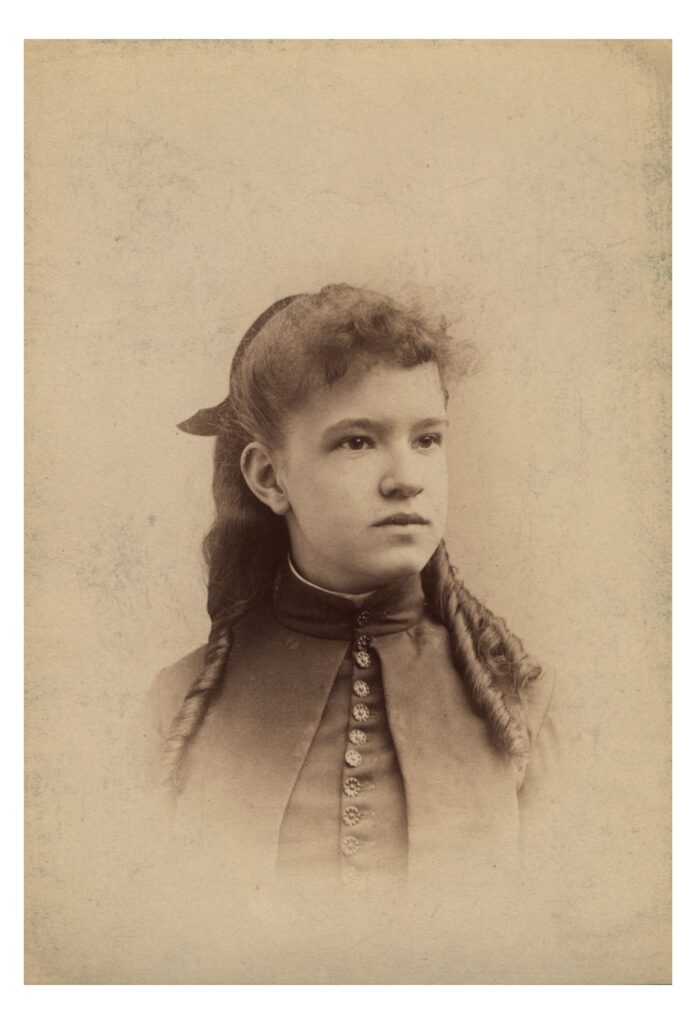
Sabin was born in the Colorado Territory in 1871. Her mother, a teacher, and her father, an engineer, likely influenced her to have an appreciation for education and STEM. She attended Smith College where she studied zoology, and upon graduation taught high school to earn enough money for medical school.
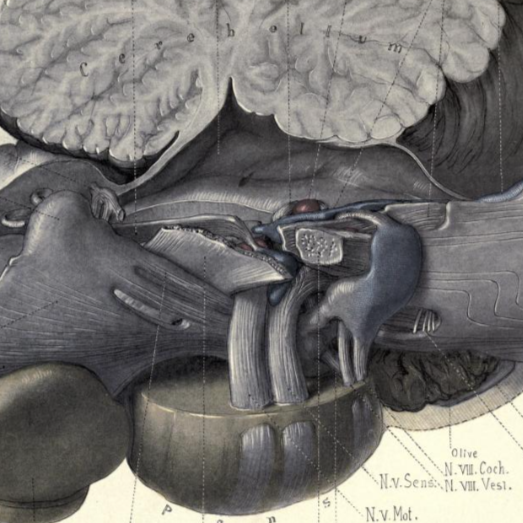
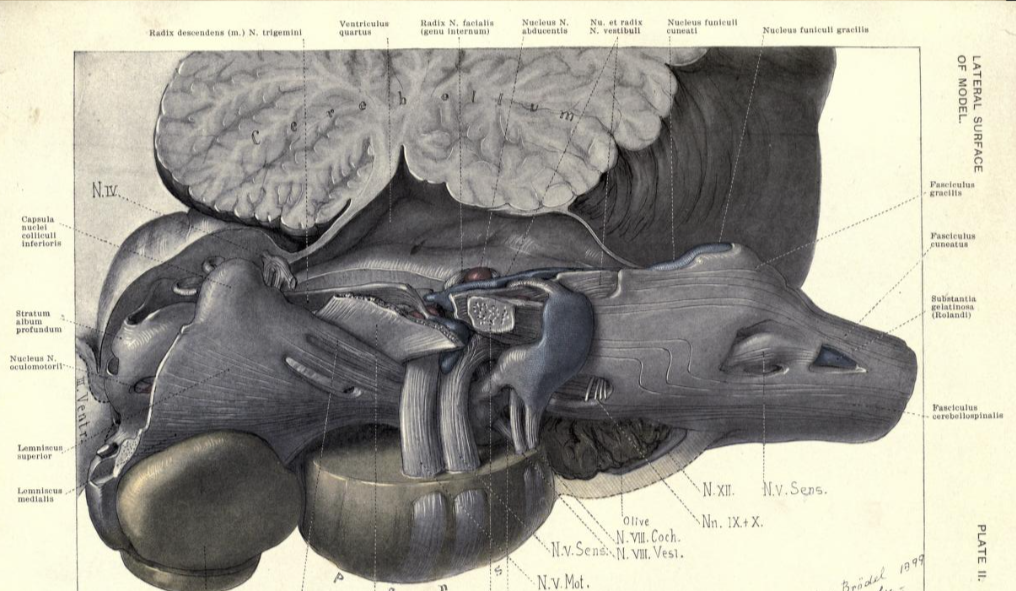
While in medical school, Sabin created a three-dimensional model of a newborn baby’s brainstem which was the basis for the widely used lab manual, An Atlas of the Medulla and Midbrain. Another significant accomplishment from her medical school days were the findings she uncovered when studying the embryological development of the lymphatic system.
A Woman of Firsts
After completing medical school, a Fellowship was set up in the Department of Anatomy so Sabin could remain at Johns Hopkins. She gravitated toward research and teaching, and eventually landed herself a spot on the faculty, the first woman to do so. She ascended the faculty ranks, and by 1917 she held the title of Professor of Histology, “the first woman to obtain a full professorship in the Johns Hopkins Medical School.”
Sabin continued to advance medicine while on the faculty. Much of her early research examined the lymphatic system. Later, her research focus shifted to blood, blood vessels and blood cells. In 1924 she was elected president of the American Association of Anatomists, and the following year was elected to the National Academy of Sciences, the first woman to do so in both instances.
Sabin left Johns Hopkins in 1925 to join the Rockefeller Institute (now The Rockefeller University) in New York City. Her research there focused on tuberculosis, specifically “the role of monocytes in forming tubercles.”
Toward the end of her career, Sabin moved back to her home state of Colorado. She served on various committees and boards focused on improving public health. Through this work, she saw tangible results for her efforts with tuberculosis cases going from 54.7 to 27 per 100,000, while incidence of syphilis decreased from 700 to 60 per 100,000.
She passed away in 1953. In 1959, a bronze statue of Sabin was given to the National Statuary Hall for display in the United States capitol in Washington D.C. Hers is one of two statutes representing the state of Colorado.
One of The New York Academy of Sciences early Fellows advanced anthropological understandings of Native tribes. Her social sciences background also extended into feminism and broader societal critiques.
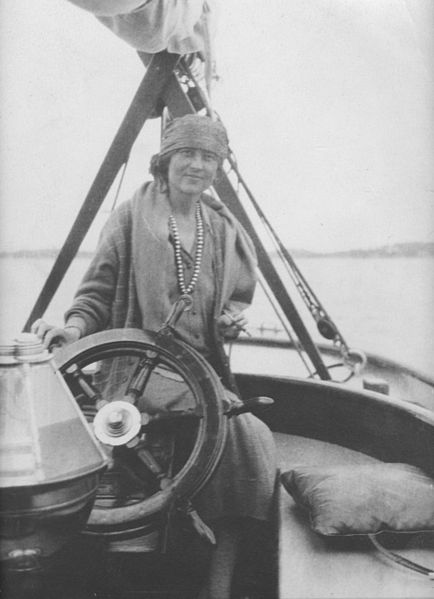
Elsie Clews Parsons was born to a prominent New York family in 1875. She earned a BA from the recently established Barnard College prior to completing her PhD in sociology from Columbia University in 1899. The following year she married Herbert Parsons, a New York City lawyer also involved with politics, furthering her access to “the wealthy, social, and generally conservative circles of New York City.”
While she could have spent her life as an elite socialite, she instead pursued a rigorous career in the social sciences, and later in life championed feminism and pacificism that may have run counter to those conservative, social networks.
Early Sociological Works
After completing her PhD, Parsons returned to Barnard where she served as a sociology lecturer and a Hartley House Fellow. However, her time on the Barnard faculty was relatively short-lived as in 1905 the family moved to Washington D.C.
She published her first major work, The Family: An Ethnographical and Historical Outline, in 1906. This was a textbook for freshman sociology students that taught them the basic sociology of familial matters from “The Meaning of the Family in Evolution” to the economic and ethical dynamics amongst kin. It included a robust discussion about “trial marriage” which at the time was considered provocative, but likely played a part in the book’s successful sales.
It was during this time that she was elected a fellow of The New York Academy of Sciences (the Academy), meaning that she was selected by active members for her scientific achievement.
Parsons contributed to the intellectual discourse up until her death, serving as associate editor for the Journal of American Folklore between 1918 and 1941. She was president of the American Folklore Society (1918-1920), the American Ethnological Association (1923-1925), and the American Anthropological Association (1940-1941). Parson passed away in 1941 at the age of 66. Her Journal of a Feminist was published posthumously.
In the 1960s, the American Ethnological Society (AES) established the Elsie Clews Parsons Prize to not only recognize “the best graduate-student paper that engages with AES’s core commitments to combining innovative fieldwork with rich theoretical critique,” but to also carry on the legacy of this trailblazing scientist.
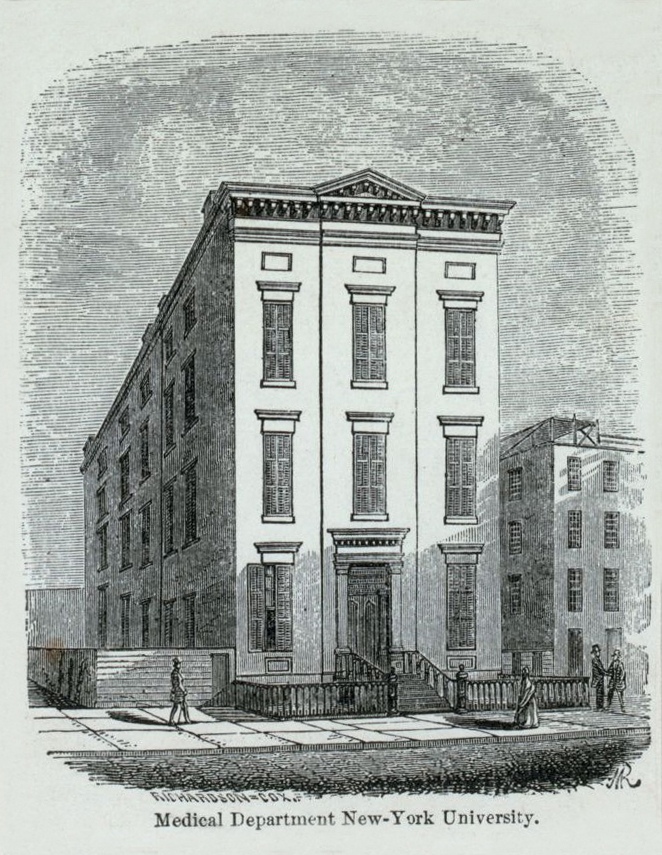
The Lyceum of Natural History in the City of New York’s (the Lyceum’s) next home was in the newly constructed NYU Medical School at the intersection of E. 14th Street and 3rd Avenue.
The Lyceum was offered meeting space in the new facility but had to store most of its collection in the building’s cellar, while the library was deposited with the Mercantile Library Association. Unfortunately, the era in the NYU Medical School building would end with a devastating setback for the Lyceum.
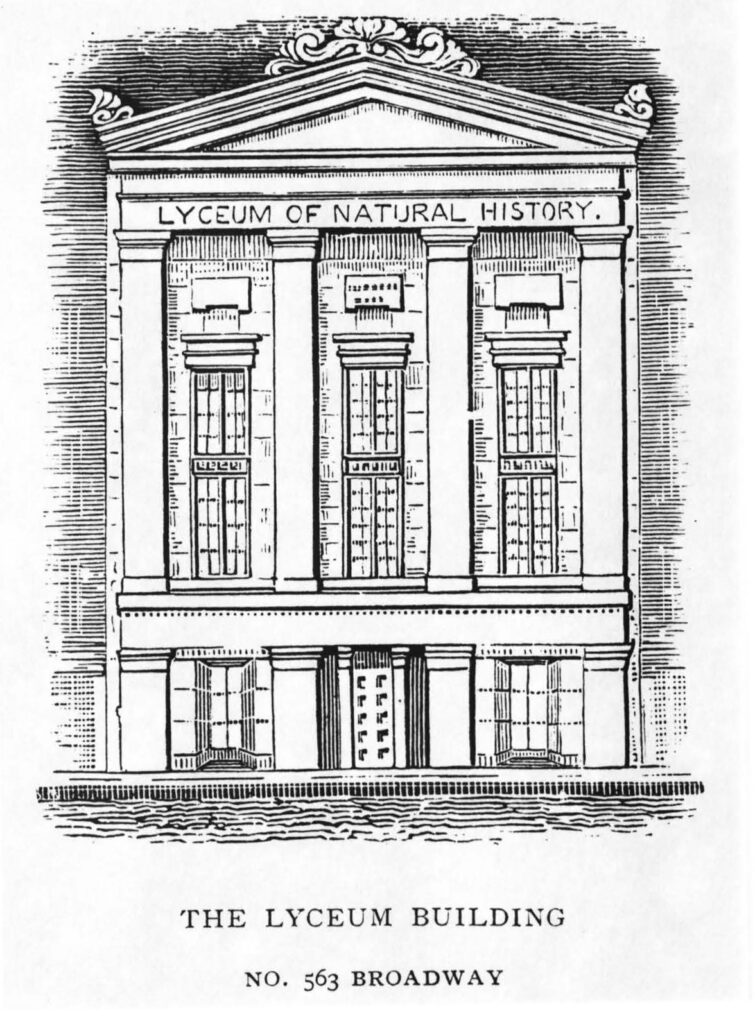
For the first time in its relatively short history, The Lyceum of Natural History in the City of New York (“the Lyceum”) had its own standalone building when it moved into 563 Broadway, south of Prince Street.
The first meeting in the new building was held on May 9, 1836, with 18 members present, “an unusually large attendance.” The front of the building was light gray in color and consisted of a granite pilaster and columns, reminiscent of ancient Greek or Roman architecture. The building had a frontage of 50 feet, with a depth of 100 feet.
Searching for Revenue Streams
The new space provided ample room for the collections and library given the standards of the time, though later historical accounts suggest that such an “edifice” would “be considered a very contracted space.” The new building also included spaces that could be rented to other entities, serving as a revenue source for the Lyceum, which would rename itself The New York Academy of Sciences in 1876.
Retail stores on the ground level were rented for an annual rate of $750. Rooms on the second and third floors were rented for $350 each year. The Lyceum leased its lecture hall for use by the New Jerusalem Church on Sundays, and the museum room at one time served as a space for the exhibition of paintings.
Despite the multiple uses of the building, the revenue streams generated were insufficient and the cachet of the Lyceum having its own building proved to be impractical. Financial inflation was common at this time which led to an economic depression, and the institute was forced to sell the property in 1844 for $37,000 (more than $1.5 million today), just enough to cover the building’s three mortgages and the accompanying interest. The Lyceum would move to its next home in 1845, a few blocks up Broadway.
This is the fourth piece in an eleven-part series exploring the Academy’s past homes. Read:
What started off as a discovery excursion with many unknowns quickly yielded promise and proved to be one of The New York Academy of Sciences’ greatest early 20th century achievements.
Published October 1, 2024
By Nick Fetty
From The Scientific Survey of Porto Rico and the Virgin Islands
While celebrating its centennial in 1917, The New York Academy of Sciences also celebrated the success of one of its early scientific endeavors that still resonates today.
The Academy started planning a scientific expedition to Puerto Rico in 1912 and by 1914 the first groups of scientists were traveling to the island to begin conducting research. The findings from this field work were published in a 19-volume series titled The Scientific Survey of Porto Rico and the Virgin Islands. Much of the research was conducted and published in the early half of the 20th century, when relatively little was known about the region.
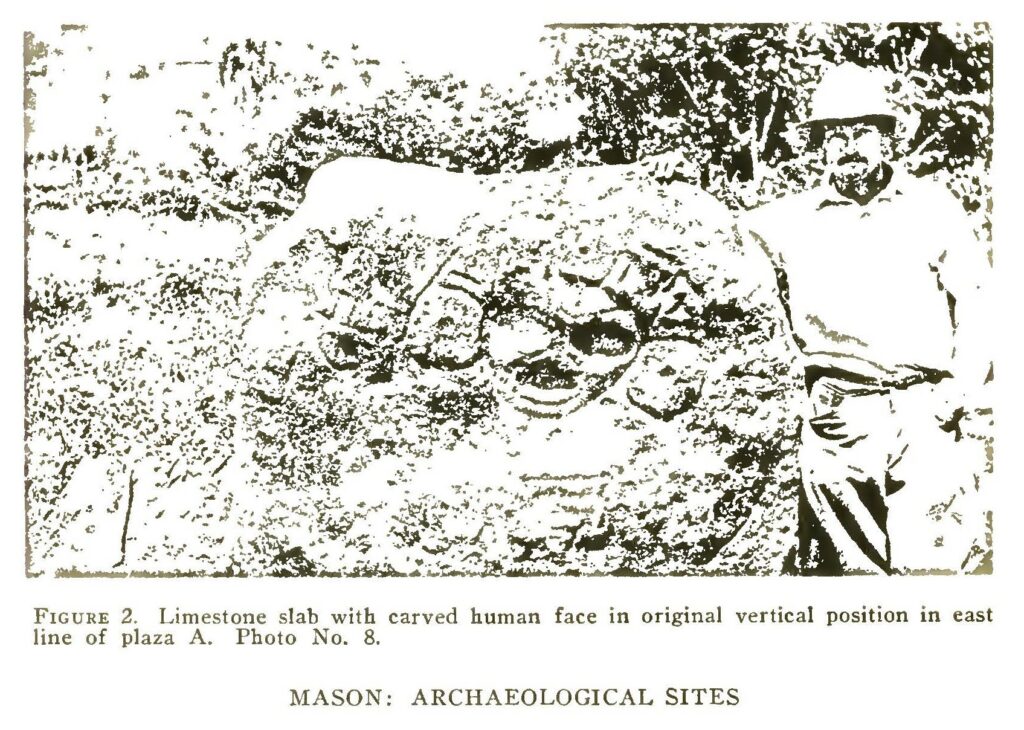
A researcher poses next to a limestone slab with a human face carving. From The Scientific Survey of Porto Rico and the Virgin Islands
Expanding the Breadth of the Survey
Because of the success of the initial endeavor, the survey eventually expanded beyond the island of Puerto Rico to also include the Virgin Islands. Academy scientists observed “the physiography of the region was remarkably uniform,” according to historian Simon Baatz in the 2017 update to his seminal history of the Academy published in 1988.
The scientists reported three cycles of erosion in the area including Puerto Rico and the Virgin Islands. Baatz wrote: “The first cycle, which formed the ‘upper peneplane of Porto Rico’ was ended by uplift; the second cycle destroyed the earlier peneplane and ‘produced an old erosional surface approximately 700 feet below the first’; while the third cycle, which was terminated by submergence, resulted in the formation of a lower peneplane.” These fundamental geological structures are estimated to have been created during the conclusion of the Tertiary period.
Howard Meyeroff, a geology professor at Smith College, made several trips to the region in the 1920s. In The Scientific Survey of Porto Rico and the Virgin Islands he reported “the entire Porto Rico-Saint Croix-Virgin Islands area developed as a unit until the late Tertiary dissection of the coastal plain.” During this same era, other researchers would study the region’s mammalogy (mammals), mycology (fungi), and ornithology (birds).
“A 10,000-Acre Swamp Below Sea Level”
H.A. Gleason studied wetlands in Puerto Rico as part of the Academy’s expedition. Gleason was the curator of the New York Botanical Garden and was a pupil of Academy Fellow Nathanial Lord Britton as a doctoral student in taxonomy at Columbia University. While scientific in nature, Gleason’s Puerto Rican research also had an economic component.
Gleason studied a swamp along the north shore of Arecibo, largely surrounded by fertile cane fields. With sugarcane as a major export for the island, Gleason suggested draining the swamp so that the entire area could be used to cultivate this cash crop.
However, with the swamp being at sea level Gleason stated it cannot be drained using “ordinary means,” as reported by the Yonkers Herald. Instead, he suggested they’d need to follow the example of the Hollanders by “[building] dikes to keep out the sea, and then [draining] the swamp by means of pumps,” which could be powered by windmills because of near constant “trade winds.”
Gleason also observed differences in the island’s topography between the north and south. While the north is swampier and saw greater rainfall, the south is semi-desert, arid and is subject to “long periods of drought.”
Along with co-author Mel T. Cook, Puerto Rico’s government botanist and plant pathologist, this research was published in The Scientific Survey of Porto Rico and the Virgin Islands.
“Curious Habits of Birds”
The Smithsonian Institute’s Alexander Wetmore studied birds in the region in the late 1920s. He observed that the stomachs of the Antillean grebe would often “contain masses of their own feathers, plucked and swallowed, which are regularly ground up and passed on into the intestines,” he wrote in The Scientific Survey of Porto Rico and the Virgin Islands.
Wetmore also studied the honey-creeper. He didn’t have to travel far as the bird would often fly into the parlor of his hotel “to search the blossoms of cut flowers in vases,” according to reporting from the Roanoke World-News.
During these excursions into the hotel room, the bird became puzzled upon seeing its own reflection in the mirror. Wetmore wrote “As it fluttered before the glass, the bird on the opposite side always rose to meet it, and after several attempts to evade the reflection, first on one side and then on the other, it would drop down, baffled, and scold its image sharply with quickly flitting wings.”
Additionally, it was observed that female honey-creepers didn’t always appreciate the company of their male counterparts, particularly during nest building. As Wetmore wrote, “he brings materials only when the female is absent, for when she catches him in the nest, she immediately drives him out.”
Lastly, and perhaps most morbidly, Wetmore uncovered an interesting trait of the brown pelican, also referred to as an alcatraz. After speaking with locals, he discovered that “when the alcatraz grows old and feeble, rather than suffer death by starvation it commits suicide by hanging itself by the head from the fork of a mangrove or the crevice between two stones.”
Advancing the Archeology
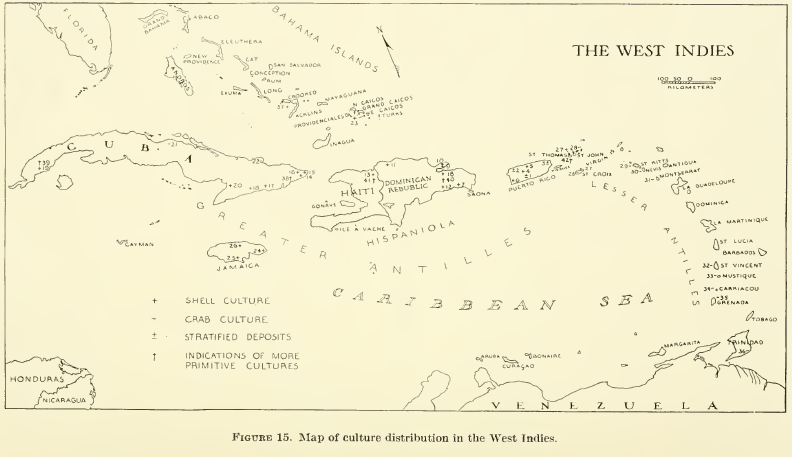
Researchers under the auspices of the Academy continued to conduct impactful archeological research in the region, eventually expanding to also cover other islands such as Cuba, Jamaica, the Dominican Republic, Haiti, the Bahamas and more by the 1930s.
On Puerto Rico, researchers in 1940 noted “[two] periods of prehistoric occupation on the island were distinguishable in clearly stratified deposits of culture refuse found on the north and south coasts.”
Done in multiple excavations across various parts of the island, the artifacts that researchers collected included decorative bowls, shell chisels, and carved stone figures.
The Puerto Rican Influence in NYC Today
Much of the success of this effort is attributed to Academy president Nathanial Lord Britton. What started as a four-year project in 1912, continued into the mid-1940s.
Britton controlled nearly every aspect of the survey until his death in 1934. Not only was he lauded for his organizational and administrative efforts, but he led what “proved to be the most ambitious project ever undertaken by The New York Academy of Sciences” so successfully that it became “an almost routine affair,” according to Baatz.
While Britton and other researchers from New York helped to influence the scientific culture in Puerto Rico, Puerto Ricans have influenced the culture in the city and other parts of the United States in various ways.
More than 1.1 million Puerto Ricans live in the New York Metropolitan Region, according to 2022 data. This influence has contributed to the city’s rich culture in everything from theatre (West Side Story, Hamilton) to music (Jennifer Lopez, Mark Anthony) to sports (Bernie Williams, Yankees; Carlos Beltrán, Mets).
This is the second article in a two-part series examining the Academy’s past expeditions to Puerto Rico. The series is part of National Hispanic Heritage Month.
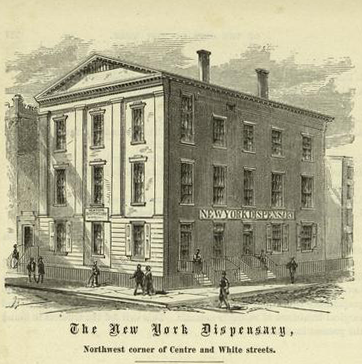
The Lyceum of Natural History in the City of New York (“the Lyceum”) called the New York Dispensary home from 1831 to 1836. The Lyceum – which would rename itself The New York Academy of Sciences in 1876 – procured space on the third floor to house its cabinets and library, in addition to meeting rooms and office space. The lease dictated an annual rental rate of $150 (more than $5000 today) to be paid in quarterly installments.
Unlike cannabis-selling dispensaries that have popped up recently in various cities in the U.S., the New York Dispensary in the early 19th century was more akin to a religion-affiliated hospital that served those without financial means. It dispensed vaccines and other medical drugs to improve public health for the city’s most vulnerable populations. According to the Dispensary’s 1837 annual report, “The Institution is founded for, and dispenses its assistance only to the poor.”
An Immediate Need for More Space
Almost immediately upon moving into the new facility, Lyceum officials pursued a plan to purchase a piece of land on which to erect a new building and home. When attempts to collaborate on a building project with related institutions like the New York College of Pharmacy and the Mechanics’ Institute proved fruitless, the Lyceum decided to go it alone.
In 1834, John C. Jay, a curator for the Lyceum, led a successful effort to raise funds to purchase land and, eventually, construct a new building. Jay recommended the purchase of a 50- by 100-foot plot of land on Broadway between Houston and Prince Streets for approximately $22,000 (nearly $800,000 today). Individual contributors to the project funding were granted Lyceum membership that included access to the Lyceum’s library, as well as free admission to its museum and lectures for donors and their families.
Despite the success of the fundraising campaign, some members expressed concern about the Lyceum’s ability to pay off the debt that would be incurred. Nevertheless, the Lyceum proceeded with the project, which was “speedily completed,” and it moved into the new facility in May 1836.
This is the third piece in an eleven-part series exploring the Academy’s past homes. Read:
Relatively little was known about the small Caribbean Island prior to a series of expeditions led by The New York Academy of Sciences in the early 20th century.
Published September 16, 2024
By Nick Fetty
From Annals of the New York Academy of Sciences, 1915
Puerto Rico is known for its beautiful beaches, rich rainforests, and bioluminescent bays that attract tourists from all over the world.
Upon the conclusion of the Spanish American War in 1898, Puerto Rico (often spelled “Porto Rico” during this era) became an official territory of the United States. In the following years, the University of Puerto Rico was established. Academic and scientific institutions in the U.S. also began conducting their own field work on the island. Some scientific research had occurred prior to the Academy’s survey. However, these early findings were only available in obscure, generally inaccessible journals. Roads, harbors, and other infrastructure were also constructed during this era. This made the island, roughly three quarters the size of Connecticut, more navigable.
In 1912, The New York Academy of Sciences commenced planning its first in a series of scientific surveys of “Porto Rico”. Nathanial Lord Britton, a Fellow at the Academy and, later, Academy president, led many Puerto Rican expeditions. He initially proposed a four-year project with the Academy contributing $2,000 (roughly $63,000 today) annually.
Emerson McMillion was the Academy’s then-president and a Wall Street investment banker. He was so in favor of the effort that he contributed personal funds to support it. Other area institutions eventually joined the effort. This included the American Museum of Natural History, the New York Botanical Garden, Columbia University, and New York University.
The First Visit to the Island
According to historian Simon Baatz’s 2017 update to his seminal history of the Academy published in 1988, there were two reasons for why the Academy chose Puerto Rico. Not only was it “an unexplored territory that had the potential for interesting and worthwhile discoveries” but it also had “the presence of an administrative structure that would provide Academy scientists with invaluable logistical and technical assistance.”
In March 1913, Britton, who also served as director of the New York Botanical Garden, visited the island. He established connections with researchers at the university as well as with government officials. Britton pinpointed several shortfalls in the current research that he hoped the Academy scientists could fill.
He also wanted to show the residents of Puerto Rico that their government was justified in funding and supporting this effort. Britton offered to print copies of their survey for distribution in Puerto Rican schools and libraries. Additionally, he committed to contributing specimens uncovered during the survey to establish a natural history museum on the island.
The research teams, which began arriving in 1914, were to conduct comprehensive studies in areas like zoology, geology, and anthropology.
Studying the Island’s Zoology
Researchers from the Academy’s zoology department departed for the island in summer 1914 to study the region’s fauna. Some of them were affiliated with the American Museum of Natural History.
Roy W. Miner, an Academy Fellow, examined the marine invertebrates and myriopods in the waters off the main island. Harry G. Barber, from the New York Entomological Society, conducted a similar survey on insects and arachnoids. John T. Nichols, also a Fellow, investigated the ichthyology of the region.
In this era, the rank of “Fellow” was bestowed upon Academy members who were selected by other active members for their scientific achievement.
Geological Findings
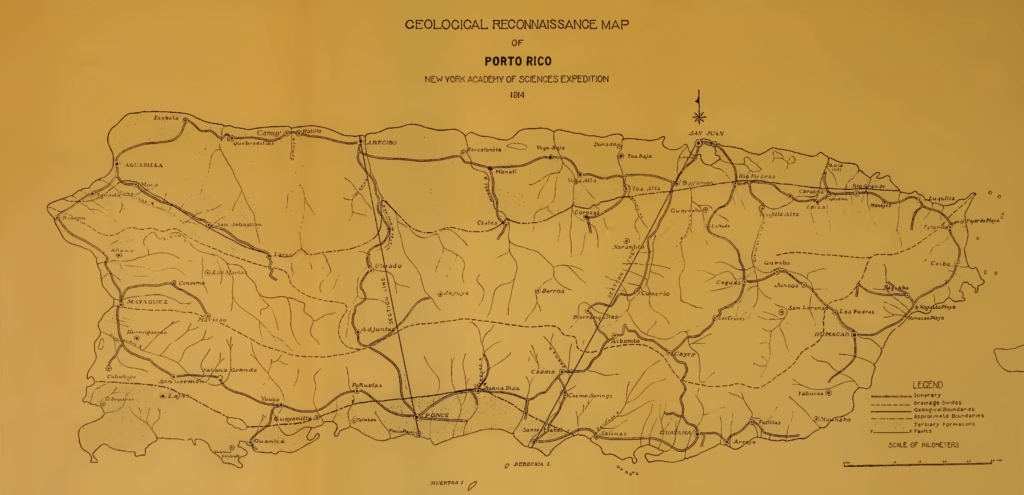
The geological work commenced in August 1914 and was led by Charles P. Barkey, then a vice president for the Academy who would go on to become president.
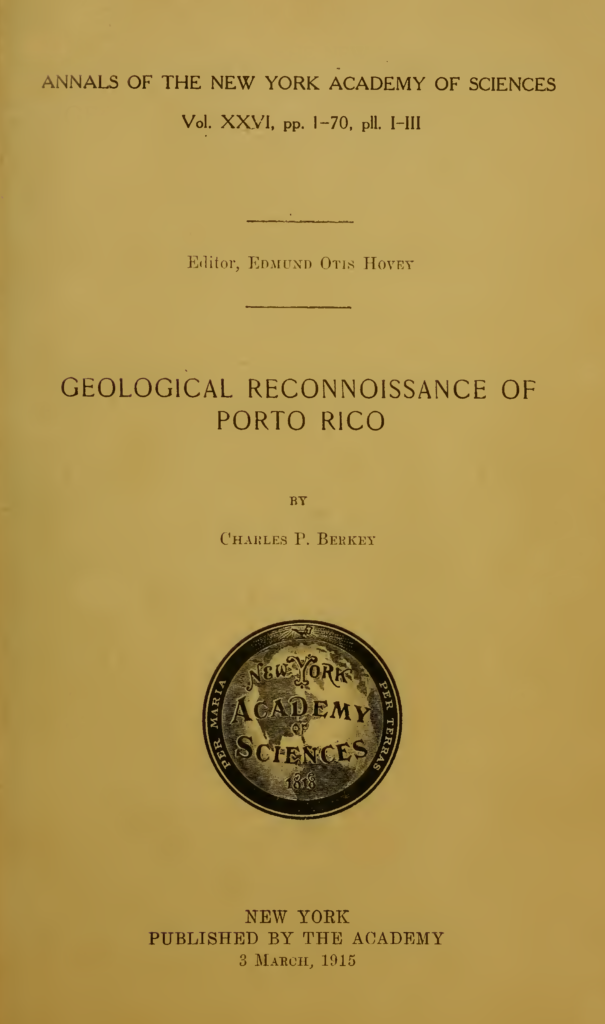
He traversed more than 2,000 kilometers across the island. His observations studied everything from hot springs and volcanic vents to rock formations and natural resources. These observations were recorded in the March 1915 issue of Annals of the New York Academy of Sciences(Annals).
“At the outset, it is well to appreciate that the Island of Porto Rico is geologically young. There are no traces, so far as known, of any of the so-called ancient rocks. It is quite true, of course, that the older series of formations is largely a volcanic complex whose exact age may never be accurately determined, but there is no occurrence of profoundly metamorphosed members or other evidences [sic] of great geologic age,” wrote Barkey.
Through an Anthropological Lens
Renowned anthropologist and Academy member Franz Boas began conducting field work in Puerto Rico in 1915. As an already established academic, he viewed the survey as an opportunity for his graduate students to conduct serious field work.
From Annals of the New York Academy of Sciences, 1915
The Importance of Communicating the Science
During these initial excursions, the research team brought back more than 200 specimens of water plants for gardens in New York City, according to The New York Times. Additionally, the Brooklyn Daily Eagle reported “some 12,000 fossils” were also brought back to New York.
According to Baatz’s 2017 book, the Academy’s initial efforts were considered so successful that “during the first two years, the Puerto Rico Survey expanded at an almost exponential rate so that by the summer of 1916, a total of twenty-three different groups had travelled to Puerto Rico to explore the botany, entomology, geology, ichthyology, mycology, anthropology, paleontology, and archeology of the island.”
Britton, who led these efforts, understood the importance of rapid dissemination of their findings. These findings were not only published by the Academy but also in the Journal of the New York Botanical Garden, the Bulletin of the American Museum of Natural History, and Science.
Academy affiliates and other researchers would make several visits to the Caribbean in the following years. Findings of the full survey were published through the 1940s as the Scientific Survey of Porto Rico and the Virgin Islands in 19 volumes. Additional reports would also appear in Annals. The Academy was continuing to prove its utility to the broader scientific community, and the efforts in Puerto Rico were just getting started in 1916.
This is the first article in a two-part series examining the Academy’s past expeditions to Puerto Rico. The series is part of National Hispanic Heritage Month.
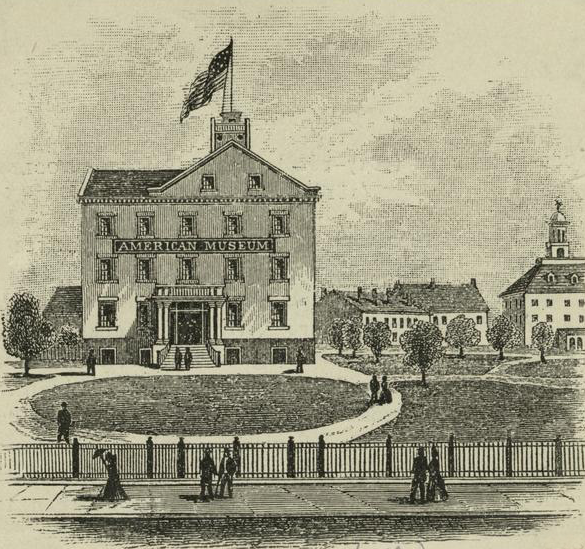
The Lyceum of Natural History in the City of New York (“the Lyceum” – which would become The New York Academy of Sciences in 1876) moved into its second home off Chambers Street in April 1817, just four months after its inaugural meeting. The new building, known as the New York Institution, was located in City Hall Park, bounded by Chambers Street to the north, Park Row to the east, and Broadway to the west.
The New York Institution housed several of the city’s arts and sciences organizations, including the Academy of Arts, the Academy of Painting, the American Institute, the New-York Historical Society, the City Library, the American Museum, the Lyceum of Natural History as well as the Chambers Street Savings Bank and the Deaf and Dumb Institute.
When the New York Institution moved into the space in 1817 it included room for the United States Military Philosophy Society, headed by Joseph G. Swift, a former superintendent of the United States Military Academy at West Point. Because of his institution’s near-defunct state, coupled with his personal interest in science, Swift offered part of his space in the building to the Lyceum.
Establishing Credibility
The cover of the inaugural issue of Annals.
When the Lyceum moved in in April 1817, it served as a location for meetings and public lectures, and eventually for the Lyceum’s library and natural history museum. In 1826, the Lyceum owned “the richest collection of reptiles and fish in the country” with more than 500 specimens, in addition to some 3,000 mineral artifacts.
While electric vehicles and solar panels are commonplace around New York these days, the city’s history with solar energy goes back at least a century.
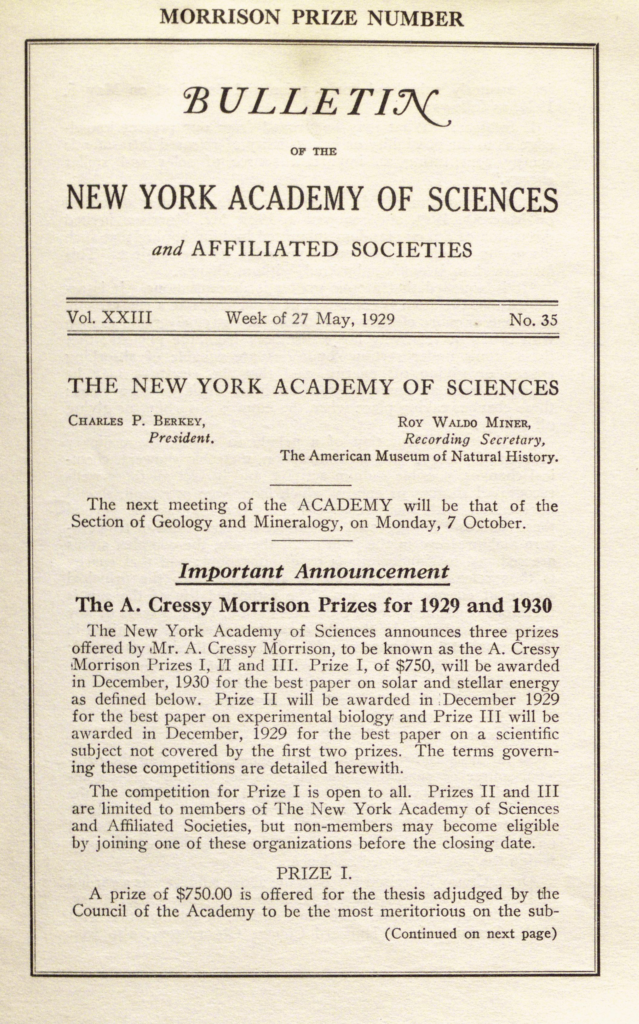
The New York Academy of Sciences has been an incubator for solar energy research and promotion since the early part of the 20th century. This is when Academy member Abraham Cressy Morrison established “a prize of $100 (the equivalent of about $1,800 today) for the best paper on the question of whether released intra-atomic energy constitutes an important source of solar and stellar energy,” according to reporting from The New York Times.
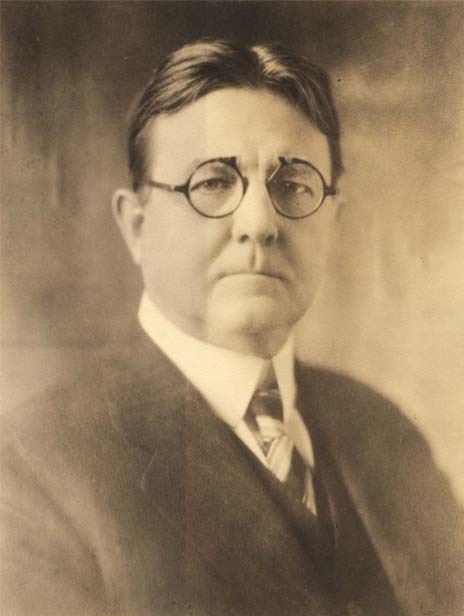
Morrison, who served as the Academy’s President from 1938 to 1939, funded various awards and prizes promoting scientific research in the first half of the 20th century.
The Early Days of Solar Energy
While solar energy research was novel at the time the award was established, within five years researchers were making advancements that helped to prove the potential of this new energy source. “This is merely an indication of the speed with which scientific research makes progress today,” The Brooklyn Daily Eagle reported in 1929.
According to that same article, Morrison pushed back at the idea that his motives were commercial, and instead emphasized his desire to advance science for sciences’ sake.
“It is of much more interest to me to know how the sun creates and continues its energy,” Morrison was quoted. “There is a gap in our knowledge of the sun and throughout the heavens there is a question mark that challenges us.”
Morrison was not the only scientist from this era to see solar as a potential energy source. The sentiment was shared by Thomas Edison, who happened to be a Fellow of the Academy. Around this time, the title of “Fellow” was bestowed upon active resident members credited with significant scientific achievements.
In a 1929 interview with Forbes magazine, Edison was asked “Do you believe that the age of electrical invention and discovery is over?” The 86-year-old Edison responded simply, “No; just started.”
Later in the interview he was asked “Do you believe the time will come when the world petroleum supply will be exhausted and man will turn to electric vehicles?” But oddly enough, he didn’t quite yet see the potential in EVs, answering “If petroleum was exhausted, we can get power for automobiles from powered coal, benzol, alcohol.”
Research Published in Annals and Transactions
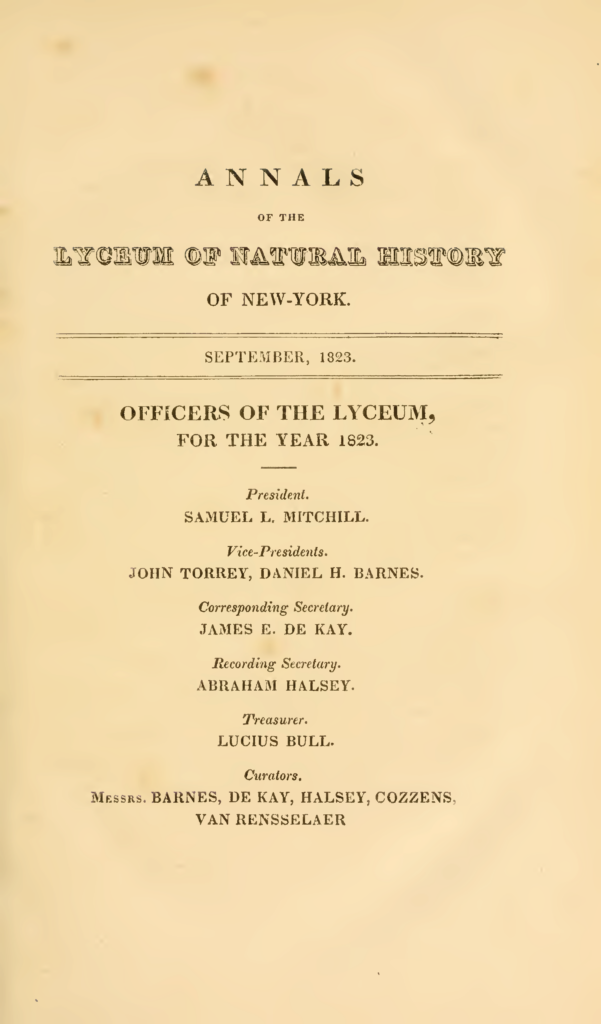
The research that resulted from Morrison’s prizes would go on to be published in Annals of the New York Academy of Sciences, the Academy’s academic journal that dates back to 1823.
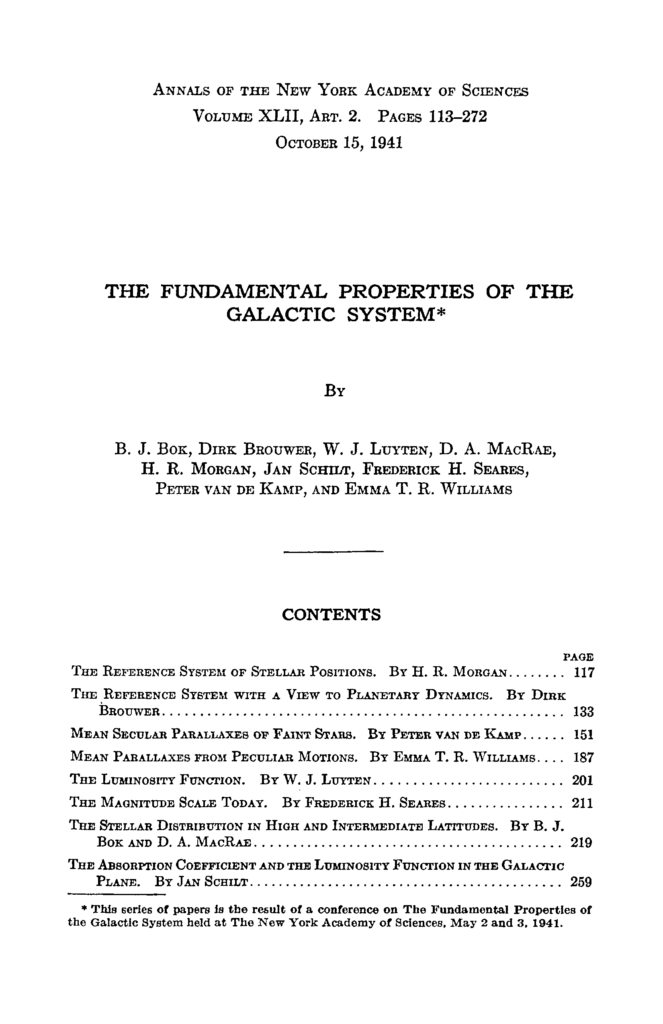
Volume XLII, Article 2 of Annals, published in 1941, focused on “The Fundamental Properties of the Galactic System.” Academic papers published in this issue examined topics like “The Luminosity Function” and “The Stellar Distribution of High and Intermediate Latitudes.”
The issue also acknowledged Morrison directly, stating “This publication is due to the generosity of Mr. A. Cressy Morrison, who, through the establishment of the A. Cressy Morrison series of prizes in astronomy, has stimulated many noteworthy investigations on the sources of stellar energy.”
The Academy also devoted entire conferences to this line of research during this era. An astronomical conference in 1939, entitled “The Internal Constitution of the Stars,” brought in presenters from as far away as Finland and Czechoslovakia. The conference was so well-received that “[i]t was unanimously decided to follow up this meeting with a second conference to be held next fall,” according to Transactions of the New York Academy of Sciences.
Academy Awards Support Solar Energy (2018-2021)
Solar energy continues to be part of the Academy’s programming today from Awards to Education. Several recent recipients of the Blavatnik Awards for Young Scientists, sponsored by the Blavatnik Family Foundation and administered by the Academy, have made significant scientific research contributions to the field.
Henry Snaith, the 2018 Blavatnik Awards in the United Kingdom Physical Sciences & Engineering Laureate and who serves as the Binks Professor of Renewable Energy at the University of Oxford, found that metal halide perovskite materials can be employed in highly efficient solar cells. Snaith’s research aims to significantly reduce costs for “photovoltaic solar power [which] could help propel society to a sustainable future.”
Xiaoming Zhao, the 2021 Blavatnik Regional Awards Finalist in Chemistry and now on the faculty at Nanjing University of Aeronautics and Astronautics, has conducted extensive research on “perovskites,” which are less expensive and easier to produce than silicon-based solar cells. His research found “record-breaking efficiency and high stability after long-term use.”
Academy Educational Initiatives Advance Solar Energy
Renewable energy, specifically solar, was a component in the Junior Academy’s spring 2022 innovation challenge, sponsored by Ericsson. The winning team suggested utilizing solar panels as an energy source for their smart home concept.
Fellow Junior Academy member Sharon L. expressed her optimism about future advancements in solar energy. “Finally, the development of new renewable energy sources — from paint-on solar cells to microgrids — are soon going to provide a democratization of energy to all corners of the world,” she said in 2017 for an article examining the next 100 years of scientific achievement. “It’s incredibly exciting to be living in a generation where we’ll have the opportunity to contribute to such innovative research!”
According to data from the Solar Energy Industries Association, cumulative U.S. solar installations went from less than 20,000 installed solar capacity (MWdc) in 2010, to nearly 200,000 MWdc in 2024. Similarly, data from the International Energy Agency shows that battery electric vehicles and plug-in hybrid vehicles in the U.S. rose from roughly 200,000 in 2013 to 4.8 million in 2023.
The Academy is at the forefront of new budding solar energy technologies that will help power the future. So, next time you see an EV driving down Broadway, or an array of solar panels on a rooftop, remember that technology has been a work in progress for at least a century. And the Academy has played its role in leading the “charge.”
The story of The New York Academy of Sciences starts where many New York stories have – in downtown Manhattan.
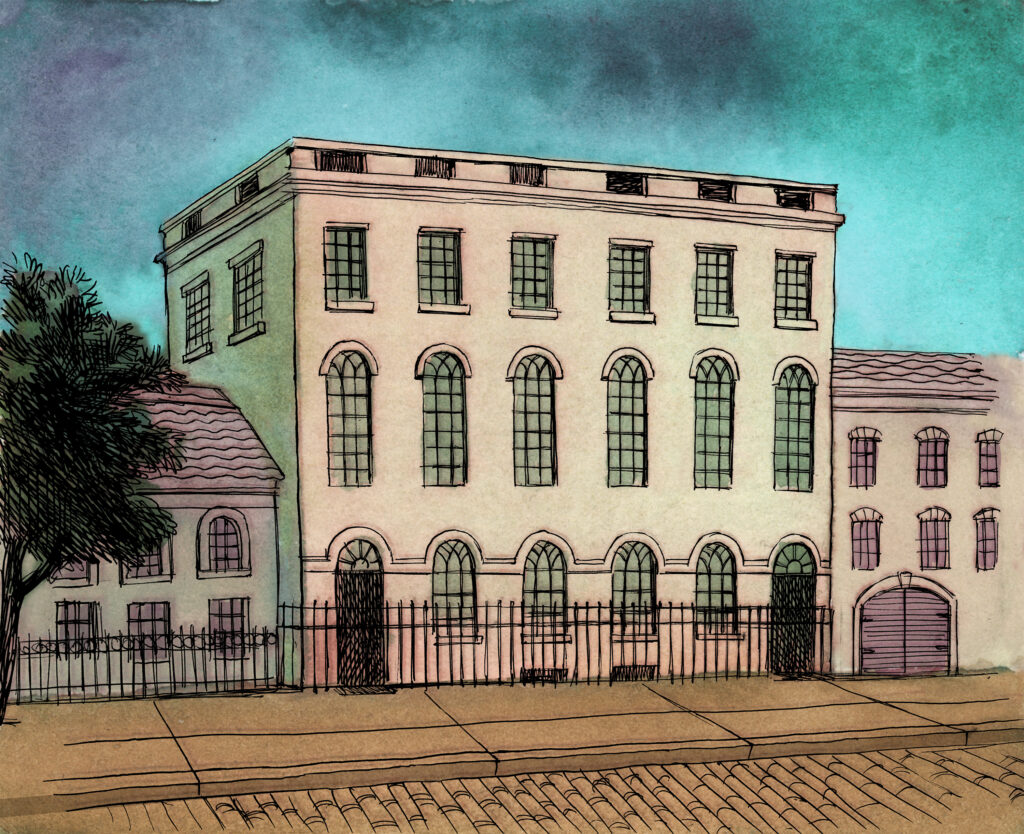
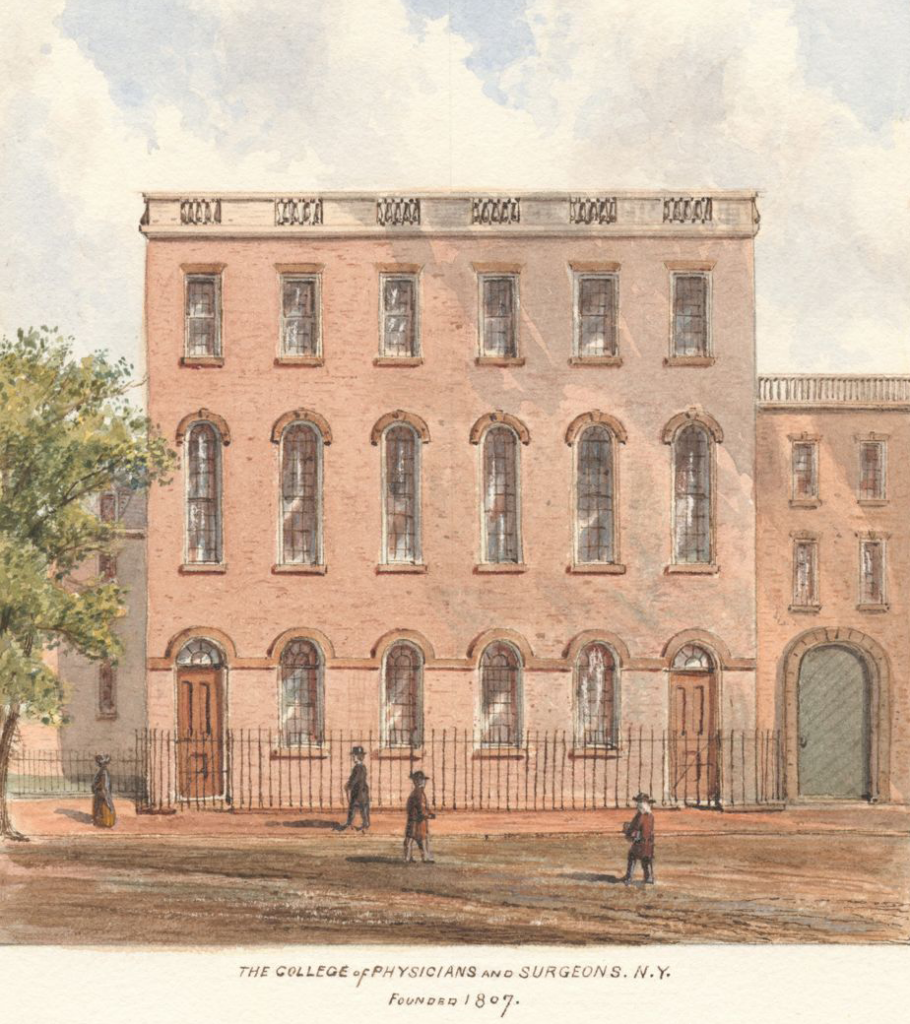
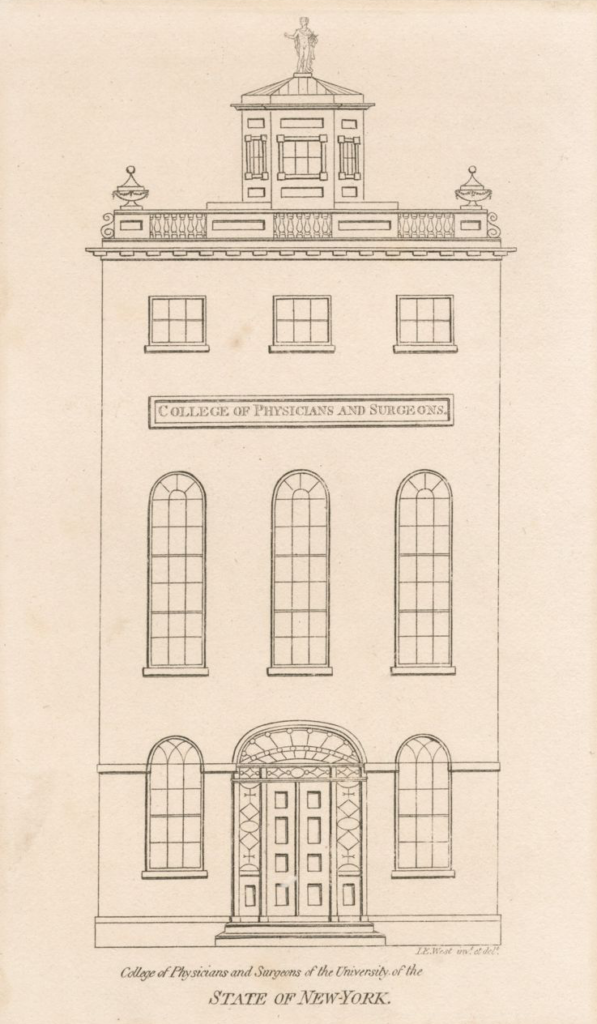
It was here, on Barclay Street, near Broadway, that The Lyceum of Natural History in the City of New York (“the Lyceum” – which would become The New York Academy of Sciences in 1876) was founded. The Lyceum shared the building with the College of Physicians and Surgeons, part of the Medical Department of Columbia College, which moved into the space in 1813.
At the time, the Lyceum’s membership was largely composed of associates of the College of Physicians and Surgeons, including Dr. Samuel L. Mitchell, who served as the Lyceum’s first president. The first meeting was held at the Barclay Street facility on January 29, 1817, when members considered “the adoption of measures for instituting a ‘Cabinet of Natural History’ in New York City.”
The Lyceum hosted its preliminary meetings in this facility before officially adopting a constitution. The first formal meeting was held at Harmony Hall, a public house on the southeast corner of Duane and Wiliam Streets, where the original 21 members signed the constitution, and the first officers were elected.
By this time, the Lyceum had established its cultural utility to the city and was ready to move to its next home.
This is the first piece in an eleven-part series exploring the Academy’s past homes. Read: