A Global Advisor on Science and Technology

The Mexican flag with a castle-like structure in the background.

Expertise from The New York Academy of Sciences is helping regions around the world to build capacity in their own R&D efforts.

Published June 2, 2009

By Adrienne J. Burke

The New York Academy of Sciences’ (the Academy’s) reputation as a world-leading scientific event host and neutral convener of meetings among industry, academia, government, and NGOs has special value in what many are calling the “Knowledge Century,” where scientific and technical expertise will be the drivers of growth and sustainable development. People charged with building such capacity around the world are increasingly calling upon the Academy for guidance.

When the New York State Foundation for Science and Technology Innovation wanted to identify technological areas of importance to New York, it called on the Academy for help. After presenting its analysis of the state’s R&D strengths to stakeholders, the Academy helped NYSTAR identify clean technology as a growth area. Later, the Academy reconvened the group to examine specific strengths, opportunities, and models of clean-tech development. Leaders of the UK’s Global Medical Excellence Cluster (GMEC) also sought guidance from the Academy in breaking down the walls that prevented flow of knowledge among their research institutions.

Rick Trainor, president of King’s College, says the GMEC community of six universities, two hospitals, three corporations, and the London Development Agency wanted to promote collaboration, and was attracted to the Academy’s track record for nurturing partnerships.

“The Academy was neutral, it was interdisciplinary, and it was coming from another metropolis with a track record for bringing academic institutions there together,” Trainor says.

Bridging Public and Private Research

And when Mexico City’s Mayor decided to bridge the public and private research sectors in his city, he asked the Academy to show him how. The result was a four-day science and innovation conference in Mexico City in September, convened by the Academy and the administration of Mayor Marcelo Ebrard Casaubón. Some 300 corporate leaders, scientists, government officials, educators, investors, and students attended. With tracks examining Mexico City’s strengths in health, innovation, green energy, urban infrastructure, and science education and careers, the gathering spurred discussion about next steps toward developing a knowledge economy.

Advising groups outside of its hometown is becoming a new business for the Academy. To respond to requests from governments for guidance on policies and investments in science-and-technology-based innovation and economic development, the Academy has developed an advisory program.

“We’re leveraging our strengths as a uniquely independent organization with a broad knowledge of global science and a deep expertise in building communities that include all stakeholders in science and technology,” says Rene Baston, the Academy’s Chief Business Officer. “The goal of our ‘cluster’ activities is to develop and link knowledge centers around the world.”

What’s the value of this work to Academy members? “We’re advancing science,” says Karin Pavese, Vice President, Innovation and Sustainability. “We’re translating one of the Academy’s core competencies—to bridge disparate communities and build robust networks—to other parts of the world.”

And as scientists in Mexico City and other emerging sci-tech clusters join the Academy, all members benefit from being linked to a wider circle of scientific excellence.

Also read: Aligning Scientific Efforts in Mexico

A Global Giver Lends Support from Japan

A shot of beautiful architecture and cherry blossoms in Japan.

With a successful medical career in obstetrics and gynecology, Kenichi Furuya also spends his time advancing science as a member of the Academy’s Darwin Society.

Published March 1, 2009

By Adelle C. Pelekanos

Image courtesy of ake1150 via stock.adobe.com.

At the core of The New York Academy of Sciences’ (the Academy’s) mission is a commitment to “creating a global community of science for the benefit of humanity.” It is a statement that deeply resonates with the Academy members from 140 countries – including Darwin Society member Kenichi Furuya. For this Japanese researcher, the Academy membership is one important way to bridge the distance between Tokyo, New York City, and other international hubs of science.

Furuya, a specialist in obstetrics and gynecology, holds both an MD and PhD. He is a professor and Chairman of the Department of Obstetrics and Gynecology at Japan’s National Defense Medical College. In addition to his association with the Academy, Furuya is a fellow of the International College of Surgeons (headquartered in Chicago) as well as a number of Japanese medical societies. He was born in Tokyo in 1953, and still lives in a central area of the city, Bunkyoku.

A Proud Scientific Tradition

Furuya graduated from the School of Medicine at Japan’s Juntendo University in 1979. He recounts his alma mater’s history with pride: “Our medical school was founded as one of the oldest western-style private hospital/schools in Edo City (Tokyo), in 1838,” during a period of national isolation. Thirty years later, Japan’s Meiji Revolution opened the country’s doors to the West, Furuya explains. Juntendo’s third president, Susumu Sato, was the first Japanese student to study abroad officially, and since the late 19th century the school has encouraged international education and collaboration between researchers. Furuya is a product of this tradition, as evidenced by his active membership and generous support of the Academy.

In the almost 30 years since graduating from Juntendo, Furuya has worked in various areas within obstetrics and gynecology, including basic molecular research, reproductive immunology, clinical reproductive medicine (such as IVF- ET and laparoscopic surgery), and clinical pelvic surgery (such as ovarian and uterine cancers).

In his current work, Furuya focuses on two areas of gynecological research. First, he is studying the mechanisms by which the fetal period of pregnancy (week 10 through birth) affects the development of metabolic disorders in children. In particular, Furuya is interested in diabetes, obesity, and hypertension as epigenetic influences of this period, in pregnancies complicated by placental malfunctions such as gestational diabetes mellitus, nutritional deficiency, and pregnancy-induced hypertension.

Secondly, Furuya is working to clarify the basic mechanism of the relationship between ovarian endometriosis (EM) and ovarian cancer. Epidemiologic findings indicate a strong positive correlation between ovarian EM and ovarian clear cell carcinoma characterized as “refractory,” or resistant to chemotherapy, he explains.

It Runs in the Family

Kenichi Furuya

Furuya’s family, past and present, shares the doctor’s dedication to medicine. Furuya’s wife is an anesthesiologist, his son is an obstetrics-gynecology resident, and his daughter is in dental school. His late father, Hiroshi Furuya, was a gynecologist and emeritus president of the Society of Tokyo Maternal Health. In the 1970s, the elder Furuya was a visiting professor at Germany’s Hamburg University, as well as Columbia University. Furuya not only inherited his father’s vocation, but also his passion for participation in the global science community. It was his father’s status as an Academy member during his time at Columbia that inspired Furuya to become a member 20 years later.

Support in an Important Time

Furuya’s proud support of the Academy conveys his passionate support for scientific collaborations across the globe, and in particular, between the US and Japan. With the new presidential administration, Furuya believes that the American society may be undergoing its “fourth revolution”—identifying the first as the American Revolution, the second as the Civil War, and the third as the end of World War II. “I have been impressed indeed that [the US is changing its] basic social, political, and historical foundations,” Furuya explains. He likens this period in American history to his own country’s Meiji Revolution, the time that ushered in new world views and sparked international dialogue between Japan and the world. Furuya’s long-distance membership is his vote of confidence in the current and future relationship between the US and Japan.

Although Furuya has traveled to New York a number of times, he has not been to the new Academy headquarters at 7 World Trade Center. He plans to visit in the near future, and to continue his support of the Academy. “It is my great honor to support the activities of The New York Academy of Sciences given its long history and many pure science traditions,” Furuya says.

Also read: Changing the Face of Molecular Medicine


About the Author

Adelle C. Pelekanos is a freelance science writer in New York City.

Darwin’s Descendants: Reflecting on his Impact

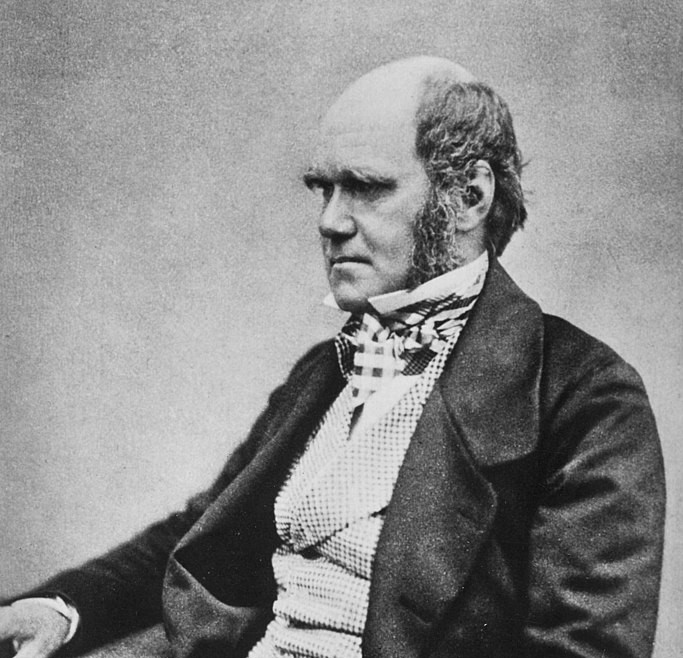
A black and white photo of Charles Darwin dressed formally.

Six leading scholars reflect on the enduring influence of Charles Darwin and demonstrate how his work continues to inspire scientists across disciplines.

Charles Darwin circa 1854. Image courtesy of Wikimedia Commons.

Published March 1, 2009

By Janet Browne, Paul Ekman, Stuart Kauffman, Robert May, Massimo Pigliucci, and Charles Raison

The theory of natural selection that Charles Darwin first articulated in print in 1859 is still the fundamental idea on which all modern biological studies are based today. But Darwin’s observations of evolution and sexual selection among humans and other species have reached far beyond the field of biology, to influence, inspire, and inform nearly every scientific discipline.

Six leading scholars—historian Janet Browne, psychologist Paul Ekman, astronomist-physicist-biochemist Stuart Kauffman, theoretical physicist-environmental scientist Lord Robert May, geneticist-botanist-philosopher and “evo-devo” pioneer Massimo Pigliucci, and physician-behavioral scientist Charles Raison—write about how Darwin’s observations influenced their own work or field of research. Their respective comments illuminate the wide and varying influence Darwin continues to have on science and on humanity.

Documenting the Life of the Enigmatic 19th C. Scientist

By Janet Browne

Over the years Darwin has become a real person to me. As a historian of science and as one of his several biographers, I have spent some 15 years in his company, often on a daily basis. Through his letters I accompanied him on his Beagle adventures, followed the development of his theories, observed his anxieties about marriage, watched his family grow up, worried with him about illness, and felt heartbroken at the death of his daughter Annie.

Darwin was a traveler, a family man, a thinker, a much-loved husband, father, friend, and neighbor—a likeable and genial figure, as expressive in his letters as he must have been in life. Although his theories were first conceived in the smoky atmosphere of London, just after his return from the Beagle in 1836, his major books and articles were all researched and constructed in the domestic setting of his home at Down House in Kent.

An International Celebrity

There he lived for 40 years with his wife Emma Wedgwood and 10 children, of whom only seven survived to adulthood. The house still exists and is now a museum restored to show how it was in Darwin’s time. It is an inspiring place to visit, quiet and rural, and one can almost imagine Darwin stepping in through a doorway. Visitors used to record how he would greet them with an outstretched hand.

So, behind that large white Victorian beard, there existed a friendly, stimulating, often enigmatic personality, who still intrigues all those who come into contact with him. How could such a modest and retiring figure come up with the theory that made the modern world?

Writing about the famous has many advantages. Darwin was an eager and regular correspondent with a wide variety of people, and left a copious record of his activities, both personal and scientific. By the time of his death, he had become an international celebrity and many manuscripts were preserved by friends and family. Encountering this rich and varied archive—now primarily located in Cambridge University Library—was a major influence on the way that I began to reconceptualize the role that biography might play in the history of science.

The Circulation and Accreditation of Ideas

For too long, scientific biographies have been regarded as the lighter end of history, suitable mostly for bedtime reading. Instead, biography can also tell us much about the actual creation of science, from the first stirrings of new concepts in an individual’s mind, followed by the careful documentation and experiment that usually supports a scientific claim, on to the eventual publication and public response to fresh ideas. Biography can, in fact, illuminate what historians are beginning to call the circulation and accreditation of ideas.

It seemed to me that this modern rethink provided a good opportunity to explore the movement of Darwin’s evolutionary ideas from the privacy of his own mind, as expressed in letters and notebooks during his most creative years on the Beagle voyage and immediately afterwards, to the extraordinary public controversy that erupted after he published the Origin of Species. From private to public, from the Beagle years to the Origin of Species: Darwin’s intellectual trajectory provided me with a way to investigate the generation and acceptance of new ideas.

Janet Browne is Aramont Professor of the History of Science at Harvard University, and author of the highly acclaimed two-volume biographical study, Charles Darwin: Voyaging, published in 1995, and Charles Darwin: The Power of Place, published in 2002, which won the James Tait Black award for non-fiction in 2004, the W.H. Heinemann Prize from the Royal Literary Society, and the Pfizer Prize from the History of Science Society. She was also associate editor of the early volumes of The Correspondence of Charles Darwin.

Charles Darwin, the Dalai Lama, and Sentient Beings

By Paul Ekman

A few years ago, I had a series of conversations with the Dalai Lama about the nature of emotion and compassion reported in our book Emotional Awareness. [1] I explained recent research in which a monkey could get food only by delivering a shock to another monkey. If it was a familiar monkey, the hungry monkey did not attempt to get food for many days. The amount of delayed gratification decreased if it was an unfamiliar monkey, and even more if it was a monkey from a different species. [2] Nevertheless, even when the monkey who would suffer was unfamiliar and from another species, there was still some delay in responding to hunger.

This is consistent with Darwin’s report of such compassionate actions: “Many animals, however, certainly sympathize with each other’s distress or danger. … I have myself, seen a dog who never passed a great friend of his, a cat, without giving her a few licks with his tongue, a sure sign of a kind feeling in a dog. For with those animals which were benefited by living in close association, the individuals which took the greatest pleasure in society would best escape dangers. Whilst those that cared least for their comrades and lived solitarily would perish in great numbers.” [3]

Importantly Darwin draws our attention to the benefits of compassionate behavior, what de Waals calls reciprocity. [2]

Darwin and the Dalai Lama

The Dalai Lama responded to these examples saying: “I fully agree … in those animals, like turtles, [that do not interact] with the mother, I do not think they have the capacity to show affection. … Affection [between mother and offspring] brings them together. Without affection, there is no force to develop … [the necessary] willpower to face difficulties.” [1]

Darwin explained the origin of compassionate actions as follows: “The sight of another person enduring hunger, cold, fatigue revives in us some recollection of these states, which are painful even in the idea. And we are thus impelled to relieve the suffering of another in order that our own painful feelings may be at the same time relieved.” [1] The Dalai Lama completely agreed, pointing out that when he acts compassionately it helps him at least as much as he helps the person suffering.

Darwin also expressed exactly the same ethic that can be found in Buddhism scripts from centuries earlier: “As man advances in civilization, and small tribes are united into larger communities, the simplest reason would tell each individual that he ought to extend his social instincts and sympathies to all the members of the same nation, though personally unknown to him…there is only an artificial barrier to prevent his sympathies extending to the men of all nations and races.

The Dalai Lama a Darwinian

If indeed such men are separated from him by great differences in appearance or habits, experience, unfortunately, shows us how long it is before we look at them as our fellow creatures. Sympathy beyond the confines of man, that is, humanity to the lower animals seems to be one of the latest moral acquisitions. This virtue, one of the noblest with which man is endowed, seems to arise incidentally from our sympathies, becoming more tender and widely diffused, until they are extended to all sentient beings.” [1]

Hearing this, the Dalai Lama pronounced himself a Darwinian!

Paul Ekman is Professor Emeritus of Psychology at the University of California, San Francisco, Medical School and director of the Paul Ekman Group, a small company that produces training devices relevant to emotional skills and is initiating new research relevant to national security and law enforcement. Ekman is author and co-author of numerous books on the evolution of human facial expression, and was editor of Darwin and Facial Expression (1973), of the third edition of Darwin’s The Expression of the Emotions in Man and Animals (1998), and of the Annals of the New York Academy of Sciences, Vol. 1000, Dec. 2003, Emotions Inside Out: 130 Years after Darwin’s The Expression of the Emotions in Man and Animals.

Two Deep Issues in Evolutionary Theory

By Stuart Kauffman

Charles Darwin made what may be the greatest change in Western thinking. With him, history and historical processes emerge as a central focus for scientific thought. With Darwin, heritable variation, and natural selection, we have for the first time a start for understanding the becoming of the biosphere. In this short article I want to discuss two features of evolution that remain largely outside mainstream discussion of evolution yet are of central importance to the evolution of the biosphere.

First, Darwin did not know of self-organization. Today, in part due to the sciences of complexity and the computer as a kind of “macroscope,” we begin to see such self-organization. Does it play a role in evolution? If so, how does it mingle with selection as interwoven sources of order in organisms down the evolutionary pathways?

Second, what is the physical basis of the historical processes of which Darwin made us aware? We shall see that we are led to issues of the “open universe.”

Self-Organization

Darwin did not know about self-organization. Physicists do, of course, as in Benard cells and the Zhabotinski reaction. Snowflakes show six-fold exquisite symmetry without benefit of natural selection. Cholesterol dissolved in water forms liposomes, bi-lipid-layered vesicles that must be the origins of cell membranes but arise without selection. For many years I have studied models of genetic regulatory networks, where I have modeled genes as binary, on/off devices and studied random Boolean nets.

More than 40 years of work shows that such networks behave in either an ordered or a chaotic regime, separated by a critical phase transition. The ordered regime and the critical phase transition demonstrate astonishing order. I will not describe it here, other than to say that our intuitions about the requirements for dynamical order have been drastically wrong. And I add two thoughts. Such networks have dynamical attractors. I have long thought that cell types correspond to attractors. I have also hoped that cells are dynamically critical, poised at the edge of chaos. Some recent evidence suggests this may be true.

The Marriage of Self-Organization and Selection

If cells are critical, then we have before us an example of the marriage of self-organization and selection. In a parameter space concerning features such as the mean number of inputs per gene, the input distribution, biases on Boolean functions used in the network and so forth, critical networks are extremely rare, occurring on a critical surface in parameter space separating ordered from chaotic behavior. But if cells are critical, this suggests both that the generic self-organized behavior of complex non-linear dynamical systems such as genetic regulatory networks may readily afford “ordered” and critical dynamics without much selection, but that substantial selection is required to achieve and maintain critical behavior.

This means that we must rethink evolution. Selection is not the sole source of order in organisms. Neither is self-organization. We must understand both and their marriage. Somehow I think Darwin would have been delighted.

The Open Universe

Consider first the set of all possible proteins with a length of 200 amino acids. Since there are 20 kinds of amino acids, there are 20,200 such proteins. We can easily now synthesize any one of them.

Now consider that the universe is 1017 seconds old and has about 1080 particles in it. It is easy to calculate that, were the universe doing nothing on the Planck time scale of 10-43 seconds but making proteins length 200, it would take 1039 times the current lifetime of the universe to make all these proteins just once.

This means that once we are above the level of complexity of atoms, where all possible atoms exist in the universe, the universe is on a unique trajectory. We will never make all possible proteins, complex molecules, organs, organisms, social systems. The universe is indefinitely open “upward” in complexity. More, when the space of the possible is vastly larger than the space of the actual, history enters. Here is the root of Darwin’s historicity.

Reductionism

Now, suppose reductionism were right. Suppose that, when the science shall have been done, there really is some final theory as Nobel Laureate Steven Weinberg hoped, and perhaps still hopes, despite 10,500 string theories. Then all that exists in the universe would be entailed by that final theory, and the existence of all that exists would be explained.

What if reductionism fails? What if the becoming of the biosphere is partially lawless? Then the very existence of many things becomes a matter to conjure upon. Consider a hummingbird and a field of flowers. The hummingbird puts her beak into one flower to eat the nectar, some pollen rubs onto her beak and sticks to it. She flies to the next flower, eats some nectar, and the pollen from the first flower rubs off on the stamen of the second flower. The hummingbird pollinates the flower.

A Vast Mutualism

Suppose before the hummingbird left the first flower, all the pollen fell off her beak, or she regularly flew to a nearby tree to eat the nectar. Pollenization would not occur.

Thus it is by the quixotic fact of the stickiness of the hummingbird’s beak that both the hummingbird and the flowers exist and, with insects, have co-evolved for millions of years. They are conditions of one another’s physical existence in the universe by virtue of a mutualism. But the biosphere as a whole is a vast mutualism in the sense that all in it exist with only sunshine and a few minerals, making natural games by which all live and evolve. The ground of our existence, then, is not to be found in physics alone, but also in the partially lawless becoming of the biosphere, econosphere, culture that we self-consistently co-construct. (See Reinventing the Sacred, Kauffman, 2008.)

Darwin, it appears, started us down a path now beyond his stunning dreams.

Stuart Kauffman is Professor in the Department of Biological Sciences and Physics and Astronomy at the University of Calgary. He is also Director of the Institute for Biocomplexity and Informatics, as well as an Emeritus Professor of Biochemistry at the University of Pennsylvania, a MacArthur Fellow, and an external professor at the Santa Fe Institute. Originally a medical doctor, Kauff man’s primary work has been as a theoretical biologist studying the origin of life and molecular organization. He is the author of The Origins of Order, At Home in the Universe: The Search for the Laws of Self-Organization, Investigations, and Reinventing the Sacred: A New View of Science, Reason, and Religion.

Cooperation Among Nations in A Crowded & Changing World

By Robert May

In his own time, Darwin’s theory of evolution had serious scientific difficulties. For one thing, the physics of his day put a limit of a few million years both on the life of the sun, and for planet Earth to have cooled from a molten ball to a frozen mass. For another, prevailing ideas about “blending inheritance” were irreconcilable with preserving variability within populations, upon which his theory was based. Happily, the former difficulty was resolved by our discovery of nuclear forces (which fuel the sun and warm the earth by radioactive decays within its core) and the latter by rediscovery of Mendel (and consequent understanding of particulate inheritance by Hardy and Weinberg).

Darwin, however, arguably saw his most important unsolved problem as explaining how cooperative behavior among animals evolved. At first glance, the answer seems easy. You pay some small cost to gather a much larger cooperative benefit. For example, a prairie dog takes a personal risk in giving an alarm call, but all the colony benefits and, by taking turns as alarm giver, each individual’s group benefit exceeds the occasional risk.

But any such arrangement is immediately vulnerable to cheats who enjoy the benefits without paying the risk-taking dues. In evolutionary terms, such cheats have a selective advantage (today we would say their survivorship advantage means their genes are more represented in the next generation). So, it is unclear how such observed cooperative phenomena can arise or be maintained.

“Kin Selection”

Following work on “kin selection” by Hamilton and others a century after Darwin, we now understand how such cooperative associations can evolve and persist in relatively small groups of sufficiently closely related individuals. Moreover, these conditions could apply to humans when we were small bands of hunter-gatherers. But for large aggregations of essentially unrelated individuals, as developed once agriculture appeared and cities began, the origin of cooperative associations—with group benefits which exceed the “cost of membership”—remains as puzzling today as it was for Darwin.

Nor is this some abstract, academic problem. The past 150 years had seen the human population increase sevenfold, and the ecological footprint of the average individual also increase sevenfold, for an overall 50-fold rise in our impacts on the planet. And still these impacts are increasing. There are consequently huge and global problems—climate change, loss of biological diversity, pressure on water supplies, and much else—which demand globally cooperative solutions. These problems are further compounded by the fact that nations must cooperate, but in equitable proportions.

These problems have recently received much attention in the scholarly literature, employing a variety of metaphors: the Tragedy of the Commons; the Free-Rider problem; the Prisoner’s Dilemma; and others. These metaphors are allied to artificial games in which the subjects (usually undergraduates) trade small sums of money to test limits to altruism and tolerance of cheating. Incidentally, essentially none of this work involves the costs and benefits varying among the players, as it usually does in the real world.

A “Stabilization Matrix”

My own speculation about how cooperative human societies evolved is both less academic and analytic, and more gloomy. Once we move out of the mists of pre-history, we find stories of dreamtime, creation myths, ceremonies and initiation rites, spirits and gods, with a unifying theme that all seek simultaneously to help explain the external world and also to provide a “stabilization matrix” for a cohesive society.

There are, moreover, some striking and unexplained similarities in belief systems and rituals from different times and places. Conscience, a simple word for a complex concept which helps foster behaviour in accord with society’s professed norms, has been memorably defined by H. L. Mencken as “the inner voice which warns us that somebody might be looking.” And how helpful it is if that somebody is an all-seeing, all-knowing supernatural entity.

Common to these conjectured “stabilizing forces” in essentially all earlier societies are hierarchical structures, serving and interpreting the divine being or pantheon, along with unquestioning respect for authority. In such systems, faith trumps evidence.

But if indeed this is broadly the explanation for how cooperative behaviour has evolved and been maintained in human society, it could be Bad News. That is because, although such authoritarian systems seem to be good at preserving social coherence and an orderly society, they are, by the same token, not good at adapting to change. Diamond’s book, Collapse: How Societies Choose to Fail or Survive, provides striking examples.

A fundamental principle emerging from the Neo-Darwinian Revolution of around a century ago is Fisher’s Fundamental Theorem, which states that a population’s potential rate of change of gene frequency (which measures its ability to adapt to changing circumstances) is proportional to the variance in gene frequency, which will be small if essentially all individuals are well-adapted to their current environment.

An Inherent Tension Between Adaptedness and Adaptability

That is, there is an inherent tension between adaptedness and adaptability. If there is any substance in my speculations about the answer to Darwin’s problem in explaining cooperation in human societies, we again have a fundamental tension—at the level of the entire society—between, on the one hand, “ties that bind” and permit stably cooperative aggregations, and, on the other hand, ability to respond effectively to changing environmental circumstances.

It could even be argued that the recent rise of fundamentalism, in both East and West, is an illustration of this meta-level version of Fisher’s Fundamental Theorem, as complex faiths are reduced to intolerant ideologies to resist the challenge of societal change. It is a pity that Darwin is not here to help us.

Robert, Lord May of Oxford, holds a Professorship jointly at Ox-ford University and Imperial College, London, and is a Fellow of Merton College, Oxford. He was President of The Royal Society (2000-2005), and Chief Scientific Adviser to the UK Government and Head of the UK Office of Science and Technology (1995-2000). Prof. May has also served as a Personal Chair in Physics at Sydney University, Professor of Zoology and Chairman of the Research Board at Princeton, and Royal Society Research Professor at Oxford and Imperial College. He is recognized for his research into how populations are structured and respond to change, particularly with respect to infectious diseases and biodiversity.

Darwin, Evolution, Development

By Massimo Pigliucci

Charles Darwin had a difficult job in 1859: although a few people before him had floated the idea that living organisms evolve, no known mechanism for their alleged change over time was known, and little compelling evidence was available in favor of it. Indeed, the dominant paradigm among naturalists was William Paley’s inference from biological complexity to supernatural intelligent design.

Darwin met the challenge by amassing an impressive amount of observations that pointed to two conclusions: all living organisms share common ancestors, and the chief mechanism responsible for the appearance of a “fit” between organisms and their environment is natural selection. Part of the evidence brought into play by Darwin and other early evolutionary biologists in favor of the view of evolution came from developmental biology and consisted in showing that organisms of the same type (say, vertebrates) have very similar stages of development before they differentiate into the variety of adult forms that distinguish birds from reptiles and from mammals. This similarity in development was the result of their evolution from a common ancestor.

Despite its early central role in evolutionary biology, developmental biology remained a separate field of inquiry for most of the 20th century, especially during the 1940s, which brought us the mature version of evolutionary theory known as the Modern Synthesis.

Developmental Biology vs Evolutionary Biology

For decades biologists drew a sharp distinction between proximate and ultimate causes of the phenomena they studied: proximate causes deal with how living organisms are built (e.g., the molecules and developmental mechanisms that form the eye), while ultimate causes inquire into why they are built in a particular way (e.g., the eye’s function to capture information about the environment aids survival and reproduction). Developmental biology (as well as genetics and molecular biology) was thought to address the first type of question, while evolutionary biology remained focused on the second one.

This neat distinction between types of causes would have seemed strange to Darwin, and it is being rejected by modern evolutionary developmental biologists, who are inspired by Darwin’s comprehensive approach to understanding life’s history and diversity. During the 1990s a new field of research, nicknamed “evo-devo” for “evolution of development” emerged with the declared goal of once again joining the two disciplines. The fundamental idea was that knowing how organisms develop also gives us invaluable clues to how they evolved: the “how” question informs the “why” question.

My own interest in this area has been spurred by the possibility that taking development seriously will usher in an expanded version of evolutionary theory, one where new phenomena—unknown to Darwin and to 20th century biologists—play an hitherto unexpected role. Take for instance the idea of “evolvability.” The term refers to the fact that the ability of different lineages of organisms to evolve itself changes over time; that is, the very capacity for evolution evolves!

The Evolution of Particular Molecules

We have known for some time that populations of organisms with different amounts of genetic variation respond at different rates to natural selection, some evolving faster than others because they harbor more genetic variants that can be selected. But recent discoveries in developmental biology have presented us with the intriguing possibility that natural selection may favor the evolution of particular molecules (called “capacitors” of evolution), or arrangements of gene networks, that make it easier for a population to evolve in response to new environmental challenges.

The implications of these views are still being worked out, and both theoretical and empirical biologists feel the excitement of the opening up of new vistas on the process of evolution, a prospect that would have delighted Darwin. As he famously put it: “There is grandeur in this view of life … that, whilst this planet has gone cycling on according to the fixed law of gravity, from so simple a beginning endless forms most beautiful and most wonderful have been, and are being evolved.”

Massimo Pigliucci is a Professor of Ecology and Evolution and of Philosophy at Stony Brook University in New York. He holds doctorate degrees in genetics, botany, and philosophy, and is known as an outspoken opponent of creationism and staunch supporter of science education. In 1997, he received the Dobzhansky Prize from the Society for the Study of Evolution, which recognizes the accomplishments and future promise of an outstanding young evolutionary biologist.

An Evolutionary View of the Anti-Inflammatory, Compassion 

By Charles Raison

During recent lectures, I’ve found myself invoking the old saying “all roads lead to Rome” as a way of embarking on discussions of the multiple ways in which innate immune, autonomic, and neuroendocrine pathways converge to promote depression in response to stress and sickness. This old chestnut about Rome is also profoundly true in regards to evolution. The great Roman edifices of evolution are survival and reproduction: as long as the road a species is on eventually passes through these portals, that road is a viable path, regardless of the length of the journey or the variety of scenery on the way.

An immediate implication of this truth is that all things not prohibited by the twin mandates of survival and reproduction are allowed. Indeed, some theoreticians suggest that all things not prohibited must be manifested somewhere across the vast reaches of universal space and time. [4] Whether this is true or not, even a cursory look at the manifold pathways walked by life on earth makes the head spin.

As I type this I am sitting in the Arizona-Sonora Desert Museum, and just from the last hour of wandering I have seen species that have survived by being aggressive or being peaceful, by being solitary or being highly social, by killing other beings to eat or eating sunlight directly. Evolution is not mandatorily about egregious selfishness. It is about anything that works, and even our one fragile planet testifies to the fact that almost anything—done well—can represent a viable strategy through the vast labyrinth of evolutionary design space.

Increasingly, evolutionary scientists are recognizing that cooperation, connection, and reciprocity represent one such strategy, giving the lie to older simplistic ideas that evolution mandates a natural order that is unremittingly “red in tooth and claw”. [5]

Darwin’s Dangerous Idea

My realization of this truth while reading Darwin’s Dangerous Idea, by Daniel Dennett, permanently altered the direction of my research. [6] Prior to this realization, my professional work on inflammatory processes and psychiatric symptoms seemed unrelated to my hobbyist’s interest in the health benefits of psychosocial connectivity. [7] After the realization, I began to wonder whether social integration and inflammation might not be intimately locked in a struggle for the soul of humanity. Fueled by a hunger to bring evolutionary causality into my work with proximal mechanisms, I retooled my life’s work.

My idea of an unsuspected evolutionary link between love and immunity seems odd at first blush, but makes much more sense when seen against the backdrop of our phylogeny, in which natural selection has favored robust brain-body danger response pathways (including inflammation) to protect individuals against predators and pathogens—whether encountered through killing, being killed, or being infected. [8]

The Old Biology Persists

In the modern world, however, with its laws, medical expertise, and sanitary practices, our need for such hair-trigger inflammatory pathways has waned, because civilization has become an extended phenotype for battling pathogens against which our one reliable defense used to be inflammation. Nonetheless, the old biology persists, with nothing better to do most of the time than fire off in response to all sorts of novel situations against which it is of little use. Hence the contribution of stress-induced inflammation to all the major modern maladies—and the potential for social embeddedness to shoulder at least some of its burden.

This line of reasoning made me begin to wonder whether training people to re-envision their social surround in more positive terms might enhance health by attenuating inflammatory responses to psychosocial stress—a thought I never would have had without an evolutionary perspective. But we reasoned that if people could be encouraged to see the social world as being less threatening and more supportive, they would be less likely to activate danger pathways that trigger inflammatory responses, resulting in reduced wear and tear on the body and brain over time.

Tibetan Buddhist Compassion Meditation

To test this idea my colleagues and I selected what appears to me to be the most radical program ever designed to change how we view our social connections—Tibetan Buddhist compassion meditation. And indeed, data from our group do suggest that when people learn through compassion meditation to see the world more realistically (i.e. as a safer, more nurturing place) than our old danger pathways would advise, inflammatory responses are reduced and people become less upset in the face of the types of social stressors that provide such rich fodder for illness in the modern world. [9]

Of course, to tolerate reduced inflammation safely we must keep civilization intact, which in turn links compassion to odd bed partners like waste disposal and vaccines. But I am far over my word limit and these realities, alas, represent other roads to Rome.

Charles Raison is Assistant Professor in the Department of Psychiatry and Behavioral Sciences and Co-Director of Collaborative for Contemplative Studies at Emory University in Atlanta. He is a physician whose research ranges from immune system effects on central nervous system functioning to the application of compassion meditation as a strategy to prevent depressive symptoms in college students via reduction in stress-related inflammatory activity. He is also internationally recognized for his expertise in the diagnosis and treatment of interferon-alpha-induced depression and anxiety.

Works Cited

1. Emotional Awareness, Dalai Lama & Paul Ekman, New York: Henry Holt, 2008.

2. Primates and Philosophers, Frans B.M. de Waal, Princeton, NJ: Princeton University Press, 2006.

3. The Descent of Man, Charles Darwin, New York: Appleton and Company, 1871.

4. Deutsch D. The Fabric of Reality. New York: Penguin; 1997.

5. Wilson DL. Evolution for Everyone. New York: Delacorte Press; 2007.

6. Dennett DD. Darwin’s Dangerous Idea: Evolution and the Meanings of Life New York: Penguin Science; 1995.

7. Cacioppo JT. Loneliness: Human Nature and the Need for Social Connection. New York: W.W. Norton; 2008.

8. Raison CL, Capuron L, Miller AH. Cytokines sing the blues: inflammation and the pathogenesis of major depression. Trends in Immunology 2006;27(1):24-31.

9. Pace TWW, Negi LT, Adame DD, Cole SP, Sivilli TS, Brown T, Issa MJ, Raison CL. Effect of compassion meditation on neuroendocrine, innate immune and behavioral responses to psychosocial stress. Psychoneuroendocrinology 2008; Epub.

An Academy Member’s Work in Prime Time

A man shoots video of another man talking to the video camera.

For Academy member Paul Eckman, art imitates life as he lends his psychological expertise to a popular television show focused on snuffing out liars.

Published March 1, 2009

By Adrienne J. Burke

Image courtesy of kanpisut via stock.adobe.com.

Decades into a distinguished psychology career researching and decoding the facial expressions of people from California to Papua New Guinea, Paul Ekman, a member of The New York Academy of Sciences (the Academy), now finds himself dedicating half his time to a Fox Network television show.

A new series, Lie To Me, is based on the life work of the scientist known for developing the Facial Action Coding System to read the meaning in human expression. The show’s protagonist, Cal Lightman, is “the world’s leading deception expert” who assists law enforcement and government agencies by studying facial expressions and involuntary body language to discover whether and why someone is lying.

Ekman, who had attained celebrity scientist status over the years as he appeared on numerous outlets including Larry King, Oprah, Johnny Carson, and the Bill Moyers’ special The Truth About Lying, says the new Fox program “is an unusual role for a scientist in a television program, and an unusual television program to rely on science.”

The show’s genesis was a 2002 New Yorker article that described Ekman’s work. It caught the eye of Brian Grazer, head of Imagine Television and producer of the shows 24 and House and blockbuster movies such as The Titanic and Ghostbusters. “Brian contacted me and said ‘I love your work and I want to get it on TV and I want to get the right writer’,” says Ekman. Two years later, Ekman began collaborating with writer Samuel Baum and now has a contract with 20th Century Fox to critically review each script for scientific accuracy and plausibility.

Art Imitates Life

Paul Eckman. Photo by Michael Ian.

Ekman loans the show’s producers his private collection of materials depicting liars and truth tellers, and provides the show’s actors with video clips of him demonstrating some of the most difficult-to-perform facial expressions and gestures. Ekman also writes a weekly column, The Truth about Lie to Me, in which he elaborates on parts of that week’s episode that are based on science and explains which parts shouldn’t be taken seriously. For fans who want even more detail, Ekman pens a bimonthly newsletter about the nature of lying called Reading Between the Lies.

Ekman says that while many cases on the show draw on his own experiences, Fox’s writers are barred from basing personal aspects of Lightman’s character on him. For instance, Ekman says, “Cal Lightman is young, divorced, British, and has a strained relationship with his one child while I have a 30-year marriage and good relationships with my two children.”

Ekman says there are also some striking professional differences between him and the television version of the lie expert: “Lightman is always more certain than I am about everything. He solves in 24 hours what sometimes takes me six months. He has a better equipped, better looking lab than me. And I do work with a number of government agencies, but not as many as he’s working with. Clearly more branches are impressed with the usefulness of his work than the usefulness of mine!”

Nevertheless, Ekman says each case mimics work he is either doing at the moment or has undertaken in the past. “They haven’t done anything that I haven’t already done, but they’re doing more of it because they’re better funded and he’s younger than me!”

Also read: The Fraught and Fruitful Future of Fungi

Legendary Labs: Secrets for Scientific Excellence

A scientist pipettes a sample from a vile inside a research lab.

From management styles to creating the right culture, learn the secrets of academic researchers who produce impactful science and diligent scientists.

Published December 30, 2008

By Adrienne J. Burke

Image courtesy of Microgen via stock.adobe.com.

Phil Sharp, who won the 1993 Nobel Prize in Medicine and trained a scientist who won the same award 13 years later, says he learned from his first mentors how to nurture budding talent. While Sharp was still a grad student in chemistry at the University of Illinois, Victor Bloomfield gave his career a boost by telling other scientists about his work and by sending him to scientific meetings. And his postdoctoral advisor, National Medal of Science recipient Norman Davidson, encouraged Sharp to pursue his own research and engage with other faculty at Caltech.

As he continued his studies under 1962 Nobel Laureate James Watson at Cold Spring Harbor Laboratory, Sharp learned that “if you surround yourself with very exciting people and research projects in an environment where ideas are always percolating and you can add your own perspective, then it’s easy to do cutting-edge research.”

Sharp certainly makes it seem that way. Progeny of the MIT lab, where 30 years ago he discovered the split gene structure of higher organisms, now populate faculty posts at nearly every major university in the country. Sharp Lab alumni include Howard Hughes Medical Institute investigators, National Academy of Sciences members, and Andy Fire, who won a Nobel in 2006 at age 47. As a group, so-called Sharpies share such fond memories of their days under his tutelage that they organized 20- and 30-year reunions at the lab. Sharp counts them among the happiest days of his life.

Good Scientific Citizenship

Academic scientists such as Phil Sharp, who are as well known for producing excellent science as they are for developing following generations of top-flight scientists, are a unique breed. Within a system that gives recognition, money, and tenure for scientific achievement, good scientific citizenship generally goes unrewarded. Those who conscientiously nurture their successors’ careers are motivated by pure altruism.

And they are largely self-taught. Unlike in industry, where scientists in supervisory roles are typically immersed in management training, few universities offer even basic leadership instruction to newly minted principal investigators.

John Inglis is president of Cold Spring Harbor Laboratory Press, which publishes books on scientific management. He, says, “Postdocs who not so long ago did something really great and are given a lot of money and have to set about building a group are immediately faced with all kinds of challenges. Very seldom has anybody talked to them about how to do this leadership thing and how to cope with all the human situations that science throws up when you’re dealing with a creative endeavor.”

It’s no surprise then that the iniquitous university workplace—where senior investigators take credit for students’ work, schedule lab meetings on holidays, or provoke postdocs to hoard supplies and lock up their data by pitting them against one another—is no mere myth.

Carl Cohen, president of Scientific Management Associates in Boston and author of Lab Dynamics: Management Skills for Scientists, says lousy leadership is rampant in science. “Scientific projects get destroyed, interactions go astray, and students flounder, not because the science itself is wrong, but because scientists are not attuned to personal dynamics,” he says.

Searching for the Right Fit

Maryrose Franko, senior program officer for graduate science education at Howard Hughes Medical Institute, advises students against pursuing postdoc appointments based only on the principal investigator’s scientific accomplishments. Franko says many graduate students resolve to put up with whatever misery they must for the chance to work in a prestigious scientist’s lab. But, she warns, that strategy can backfire.

One promising young postdoc Franko knows signed on wittingly to the lab of a less-than-supportive P.I. “I warned her, ‘He’s a shark’,” says Franko. “But she said, ‘I don’t care, he’s the best in the field.'” Now, three years later, the senior investigator has prohibited the postdoc from taking her research to her first faculty appointment. She’s dependent entirely on a referral from him to get anywhere.

Kathy Barker, author of the popular lab management advice book, At the Helm, says that people frequently tell her that they wish their P.I. had taken a course or read a book about how to run a lab. “One in three people I talk to have had bad PhD experiences,” she says.

But does it matter? “The fact is that very great science can come out of groups that are disasters in terms of human relationships,” says Inglis. “A certain amount of money was spent, a certain number of people left science because they were so disillusioned about how the research enterprise works. But does any of that matter if the end result was a significant advance in our understanding of how a cancer cell works?”

Training First, Science Second

David Baltimore, past president of Caltech and Rockefeller University, would say it does matter. “I want to do great science, but that’s not the primary thing. The primary thing is the training, because that’s what’s going to last,” he says. To scientists like him, the advancement of the research ecosystem is more important than any single scientific discovery. And, as Barker points out, providing a future P.I. with an excellent experience can have far-ranging results: “Once you’ve been in a wonderful lab, you want to make your lab like that.”

Just what makes a lab wonderful? Even the most highly acclaimed leaders aren’t sure of the keys to establishing an excellent research culture. Says Sharp, “It’s sort of like cooking. You can follow a recipe, but you only know it works when it works.”

Asked to explain his secret to having trained nearly 100 accomplished scientists, including department chairs at Columbia, Duke, Harvard, and MIT, David Botstein says, “It’s a reasonable question, but I don’t know.” Botstein, who taught at MIT and Stanford before becoming director of the Lewis-Sigler Institute for Integrative Genomics at Princeton, says he sees it as his job to produce great students. But he has no formula. “I can only tell you what seems to work for me.”

Indeed, conversations with a dozen P.I.s widely recognized as great mentors reveal that few have any scripted approach to mentoring.

A More Guide than a Boss

George Church, director of the Center for Computational Genetics at Harvard Medical School, has launched some of the most promising young systems biologists in the country. Princeton Associate Professor Saeed Tavazoie, who zoomed from PhD thesis to tenure in just five years. So did Jay Shendure, an assistant professor of genome sciences at the University of Washington who was named to Technology Review magazine’s TR35 list in 2006 for a remarkable genome sequencing technology he developed in Church’s lab. But like most of his peers, Church candidly reports that he has never studied management or even thought much about it.

Nevertheless, these senior investigators have gleaned and put into practice a certain amount of lab management wisdom over the years. The advice they impart comes down to four simple maxims:

  • Hire well;
  • Be more guide than boss;
  • Do your best to foster an open, congenial, collaborative culture; and,
  • Put teaching and your underlings’ careers first, your research second.

While great lab leaders unanimously disdain micromanagement, hiring is one function they control carefully. “When you try to appear to run a laissez faire lab, you have few leverage points,” says Church. “The big one is whom you select. That affects tone, ambiance, and subject matters, so you need to exert quite a bit of certitude.”

Surprisingly, brilliance isn’t necessarily the first trait they seek in postdocs. “I don’t look for people who are very smart,” says Church. “If you got into grad school at Harvard or MIT, I don’t have to worry if you’re smart. I’m mainly looking for people who are nice.” Church says he is careful to not let his lab revolve around him, and he also shuns candidates who seem most concerned about their own success.

“Immersed” in Science

Phil Sharp looks for postdocs with a track record: “They’ve advanced a problem, can articulate what the problem is, and they have a view of the world that is developed and sometimes different,” he says of ideal hires. In grad students, he seeks those clearly “immersed” in science. “They read, they talk science, they work in the lab with a lot of commitment, and they go to lectures and come back with ideas.”

Bob Weinberg, a Whitehead Institute founding member and cancer research pioneer who has trained more than 100 scientists in his MIT lab, says his top criterion for selecting grad students and postdocs is that they be able to get along well with others. “I ask about that before I ask about scientific mettle,” he says. “How generous are they with their colleagues? How often do they share? I have turned down an applicant not because they weren’t brilliant, but because I’d heard they weren’t the most pleasant to have around.”

In fact, Weinberg makes it a point to survey candidates’ past mentors and labmates before making an offer. “You often have a postdoc around for three, four, five, six years. It’s kooky not to invest time in that detective work,” he says. “I don’t want people in my lab all to be in love, but I would like them to get along and share.”

Janet Thornton, director of the European Bioinformatics Institute in Cambridge, UK, goes a step further to have “a group of people who get on well together,” she says. She asks existing staff to screen incoming candidates, and takes their reviews seriously. When the feedback was, ‘if you recruit this person, the whole group will resign,’ she quickly rejected the applicant.

Pride and Ownership

“True grit” is what HHMI investigator Pippa Marrack looks for as “one of the best predictors of future success.” What’s true grit? “It’s about being brave enough to go for the core of the problem, and being persistent and not giving up when something looks like it’s going wrong,” says Marrack, who has run a lab at the National Jewish Medical & Research Center in Denver with her husband John Kappler for nearly 30 years. “It’s being able to persevere when the reviewers say your paper is crap.” Marrack says a one-day interview “can occasionally reveal when someone has done something in their lives that lets you see they have courage.”

Independence is another sought-after characteristic, especially among senior leaders with multiple responsibilities and busy calendars. “As my own life became more complicated running universities, increasingly over the years I have made independence a very important part of the equation,” says Baltimore. “The worst thing I can do is accept people who can’t handle independence.”

In fact, the freedom to pursue independent research is what most of these accomplished scientists say they most valued about their own training. “Dulbecco was a hands-off mentor, so I was given as much freedom to do what I wanted to and that made an impression on me,” says Bob Weinberg. Everybody in his lab has their own project, and knows up front that when they leave they can take it with them. That way, he says, “They can take pride and ownership in what they’re doing.”

Controlled Freedom

David Baltimore recalls that Richard Franklin at Rockefeller University “was a wonderful mentor because he gave me the freedom to do what I wanted to within the context of working on problems in virology.” Baltimore says the experience taught him the “tremendous importance of allowing young people to find their own way.” Over time, he says, “I’ve just developed great respect for what trainees can do if you support them and provide critical intelligence while letting them define as best they can where they want to go.”

Janet Rowley, the 1998 Lasker Award winner, famed for having identified a specific genetic translocation in leukemia, was mentored by 1966 Nobel Laureate Charles Huggins. She says that when she started up her lab at the University of Chicago in 1969 she approached lab management the same way she did child rearing. “You give people a lot of freedom, you’re there to help them if they need it, and you let them go,” she says. Rowley also says she prefers flexibility to rules and regulations: “You don’t know where creativity is going to come from, and as lab director you have to be open to it coming from an unusual direction.”

George Church’s lab is so free of rules that he compares it to an artists’ colony. “I couldn’t be in a cookie cutter mold where the lab was real production-oriented like a factory, or so hung up on dogma and protocol that you couldn’t think outside of the box,” he says. Having been trained in a research environment that rewarded creativity and interdisciplinary effort, Church says he has adopted the same system.

Equality for People and Ideas

Church is also a fan of equality for people and ideas. “I try to treat everybody as a peer. The lab isn’t entirely without hierarchy, but it’s historically been pretty flat.” As a result, it operates like a free-market system. “If I want to get something done, I have to sell my idea down the line. If it doesn’t sell, I realize there’s something wrong with my message or it’s a bad idea,” Church says.

While all of the scientists interviewed for this article talk about the importance of being supportive to their trainees, they also all see value in letting people flounder and learn from their own mistakes. Church says there’s a fine line between maintaining a nurturing environment and one that promotes critical thinking. “You don’t want to be so supportive that you can’t tell someone something is a bad idea, but you don’t want to be so critical that they think all their ideas are flawed or that all good ideas come from one person.”

Joan Steitz, James Watson’s first female graduate student at Harvard, has run a molecular biology lab at Yale since 1970 and been an HHMI investigator since 1986. She says surprising things can happen when a P.I. steps back and lets postdocs work on problems they’ve developed independently.

Shobha Vasudevan, a PhD who joined Steitz’s lab from the University of Medicine & Dentistry of New Jersey, came along with what Steitz thought was a rather dull research project on protein binding. But when Vasudevan started finding proteins associated with microRNAs and showed that microRNAs can activate genes depending on the cell cycle, Steitz says the project “went off in the most amazing direction.” Vasudevan’s paper, which Steitz calls “very important,” was scheduled to appear in Science before the end of 2007.

Creating a Congenial Culture

Across the board, successful leaders abhor the idea of promoting competition among scientists inside the lab as a way to stimulate discovery, saying collaborative, open environments are the most productive. “Most of the truly original ideas that have come from people in my lab come from frequent conversations with their peers,” says Weinberg. “I want them to be talking incessantly. I want that to be part of their style—to be talking to people outside of my lab.”

In that vein, Pippa Marrack says her training at the renowned MRC labs in Cambridge taught her the simple importance of eating in the cafeteria to learn about others’ work. “Everybody, all the Nobel Laureates and the janitors, ate in the same cafeteria at large tables there,” she says. Marrack set up her students’ offices to promote conversation. “We keep our postdocs and grad students in two large offices without cubicle walls to encourage them to talk to each other and come up with ideas together. They do sit around talking, and it’s not always about fantasy football,” she jokes.

Weinberg says he has spent years trying to make sure the limits of his students’ universe are not the walls of his lab. “We’ve been having floor meetings since 1970 with six or seven groups where we all share our research findings. I want people in my group to talk openly about their successes and failures so they can benefit from others’ insights. They may have to go much further afield than me to get input. I want them to develop this habit rather than leading hermit-like existences.”

The Road to Experimental Research

Phil Sharp says he chose MIT as the home for his research because it offered that opportunity for interaction with other scientists. “I’ve been at MIT 33 years, and on the fifth floor of the cancer center all that time,” he says. The laboratories of Weinberg as well as David Housman, Michael Yaffe, and David Sabatini are all nearby. “We live in a group,” Sharp says. “We share a noon Wednesday seminar, we have a party every Friday afternoon, and we have science talks together. My lab is immersed in a group of about 100 people, and in that group are some of the best people in the country in every age group. It elevates us all.”

Another reason a congenial culture is important: the road of experimental research is a rocky one. “More often than not, things don’t work,” Weinberg says. “How do you maintain morale when things aren’t working? I’m not saying I’m the personification of morale maintenance,” he says, “but I think I’ve created an environment where people can help each other through the scientific rough times, if not the personal ones.”

While networking is seen as a benefit, thoughtful mentors tend also to keep their own labs small enough that they can contribute to the success of each person in it. In the late 1980s and early ’90s when funding was at its peak, Rowley says she had as many as 16 lab members. “That’s really as much or more than I could carefully manage. When a lab is 40 or 50 postdocs, I question whether a senior investigator can really counsel that large a number of postdocs carefully, creatively, effectively. I look on very, very large labs with a certain amount of skepticism,” she says.

Produce People First, Science Second

David Botstein says that he has always considered his profession as a geneticist to be not simply research, but a hybrid of teaching and research. “My goal with students and postdocs was in part, of course, to do research that would be of general interest, but also to choose problems and methods that would maximize the students’ learning,” he says.

Botstein argues that putting teaching first is a key not just to generating better scientists, but to producing better science. “The time I spend teaching—up to half my time—makes my research better,” he says.

Rowley agrees. Supporting a young scientist’s success reflects well on a senior scientist, she says. “If you keep asking yourself, ‘What am I getting out of this?’ you reduce your effectiveness. You have to really think about what is going to help the other person be more successful.”

Phil Sharp’s method for helping students develop their careers is to get them to take ownership of an idea and then to plan and execute a series of experiments that advance the understanding of science in that area. “It works best if that interest aligns with my interest in the lab. Occasionally it will align to something only distantly related, but I’ve always found it most important to put the person’s development at top.”

Let Them Taste Success

Church steers postdocs in directions that are most likely to let them taste success. “It’s a soft touch,” he says. “It’s amazing how little it takes to steer, but you don’t want any of your postdocs doing something that is so impossible that there won’t be milestones or they won’t get any credit.”

Even before coaching his postdocs on the problems they chose to tackle, Bob Weinberg sees an important role for himself in influencing their thinking. “I want to impart to them a taste for working on problems that are important and will be thought to forge new conceptual paradigms.”

In discussions over lunch at least twice a week, and in a journal club where they analyze recent scientific publications, Weinberg teaches his people to think critically about research questions. “Is this an interesting question?” he challenges. “Have they focused on something important, or is it trivial in terms of its heuristic value? Are the data really that interesting? Or are they just filling holes in a brick wall?” He says these questions train people to think about whether or not a topic is worth the investment of time.

The Hardest Thing in Science

Baltimore considers “framing the right question” to be “the hardest thing in science.” He says questions have to be audacious enough to be interesting and yet experimentally tractable. “Finding that balance of interest and do-ability is something you only develop with experience and with trying things that are too hard or doing things that are not interesting enough,” he says. “I try to help people find that sweet spot. And when we’re successful, they do wonderful things and they develop a lot of self-confidence, and when they leave my lab they’re ready to establish their own labs and be successful.”

Contrary to the supervisor of the hapless postdoc who has no rights to the data she produced, Weinberg makes it a point to ensure that the research his postdocs do in his lab will help launch their careers. He says, “Some labs have rules that when they train grad students or postdocs, the project stays in the lab. When my lab continues in an area of research, I try to stay out of the way of the person who has gone away so they’re not being undermined by my lab.” To do otherwise, he says, would be very unfortunate. “I’m interested in their soaring, not sinking,” he says.

Also read: Grant Rejection Could Be the Best Thing for Your Career and 10 Things To Do at Every Scientific Conference

Building the Knowledge Capitals of the Future

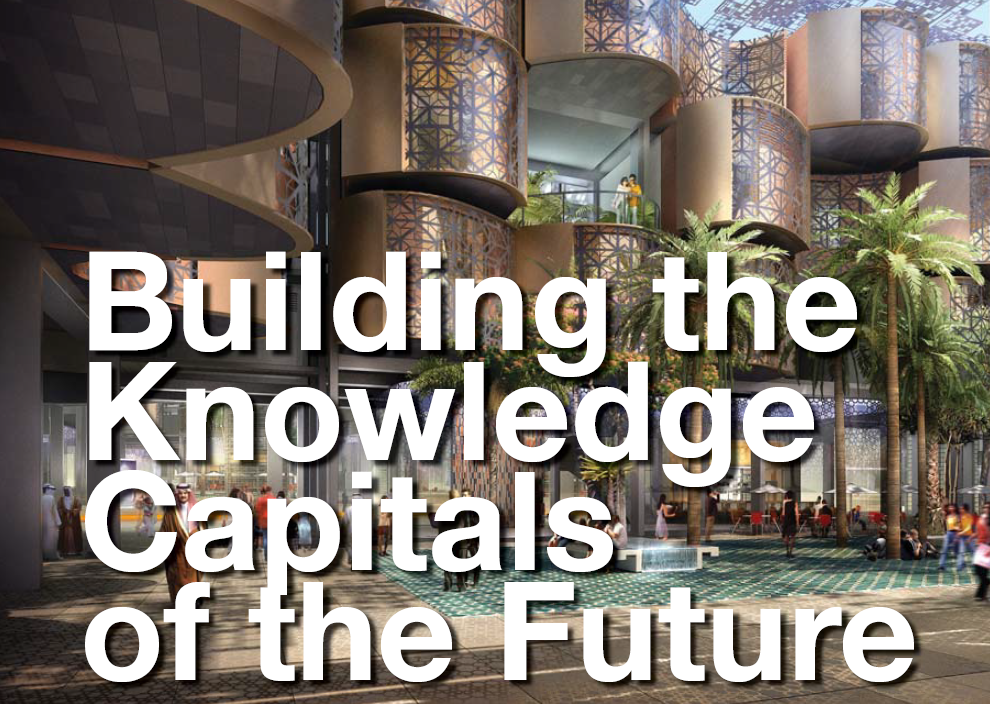
An artistic rendering of a futuristic building in the middle east.

Cities worldwide are in a race to transform themselves into hubs of science and technology expertise. Here’s a look at how a few plan to achieve that goal—some with help from the Academy.

Published November 1, 2008

By Adrienne J. Burke

If you made a list today of the world’s innovation hotbeds, Mexico City wouldn’t be on it. Sure, the city has become known since the 1980s as an international hub of financial services. And it’s long been seen as a center of manufacturing. But if Mayor Marcelo Ebrard Casaubón has his way, that image will soon change. Not only will Mexico’s capital become known as the Knowledge Capital of Latin America, but it will, in the near future, be respected as a global hub of scientific and technological excellence.

Ebrard, who took office two years ago and recently joined The New York Academy of Sciences President’s Council, aims to trade in the smog-ridden region’s dependence on “old economy” industries for a so-called “knowledge economy” by incubating a sci-tech cluster in the sprawling city.

Toward that end, Ebrard has commissioned the new Institute for Science and Technology to prompt collaborations between academia and industry. He has established a government-funded company, Capital En Crecimiento (City in Growth), to bolster technology infrastructure and improve the skills of the metro-area’s 22 million residents. And he has retained the US-based RAND Corporation to identify Mexico City’s strengths in science and technology development.

Ebrard has also entered a multi-year partnership with the Academy, the first product of which was a week-long innovation conference in September organized by the Academy and local officials. Jorge de los Santos, an Academy member and former director of business development and technology transfer at Columbia University whom Ebrard recruited to run Capital En Crecimiento, says he saw the Academy as a neutral body that could help the Mayor “to have the private sector working with universities on a common strategy and vision.” He adds that the Mayor’s team is “working to create a knowledge hub because our city needs to be good at something that is higher value-added than a service economy.”

“A knowledge-based economy will empower people,” says Ebrard. “It’s people producing and absorbing knowledge and people creating and using technology that will add value to Mexico City’s economy.”

Nurturing a Knowledge Economy

Many economists share Ebrard’s anticipation of a future in which scientific prowess is the key to superpower—or at least super-city—status. Their predictions are at the root of a trend among urban areas worldwide to ramp up capacity to compete for the unofficial title of “Global Knowledge Capital.” Leaders in China, India, and the United Arab Emirates are among those who believe that economic vitality in the 21st century hinges on the ability to generate and deliver scientific solutions to problems such as climate change, energy, healthcare, housing, and transportation.

Juan Enriquez, author of the 2001 book As the Future Catches You: How Genomics & Other Forces Are Changing Your Life, Work, Health & Wealth, advises a dozen national governments on sci-tech economics. He describes a worldwide movement to excel in scientific innovation. “There’s absolutely a race on to be the capital of ideas, to get the best entrepreneurs and the smartest people,” Enriquez says.

“In the past, you had competition for raw material, then for money and resources,” says Mexico City’s De los Santos. “Now the competition is for the human mind. All the cities are trying to attract the best and brightest in the world.” The same way US high-tech hotbeds like Boston and San Francisco have attracted sharp minds from around the world in recent decades, top talent from the US and elsewhere will migrate to cities that emerge as leaders of the knowledge economy, he and others predict.

Ideas about how to nurture a knowledge economy have been percolating since at least 1969, when management guru Peter Drucker used the phrase in his book The Age of Discontinuity: Guidelines to Our Changing Society. The concept is now widespread enough to have its own Wikipedia entry. Contributors define a knowledge economy as “strongly interdisciplinary, involving economists, computer scientists, software engineers, mathematicians, chemists, physicists, as well as cognitivists, psychologists, and sociologists.” A knowledge employee, they say, “works with his or her head not hands, and produces ideas, knowledge, and information.”

A “cluster”—a concept popularized by Harvard Business School Professor Michael Porter in his 1990 book, The Competitive Advantage of Nations—is at the heart of a knowledge economy. According to theories about clusters, whether they be business clusters, industry clusters, or science clusters, when information flows openly among stakeholders pursuing solutions in the same field in a concentrated geographic area, innovation happens sooner. Investors and talent move to the region, and the economy thrives.

What It Takes to Make a Cluster

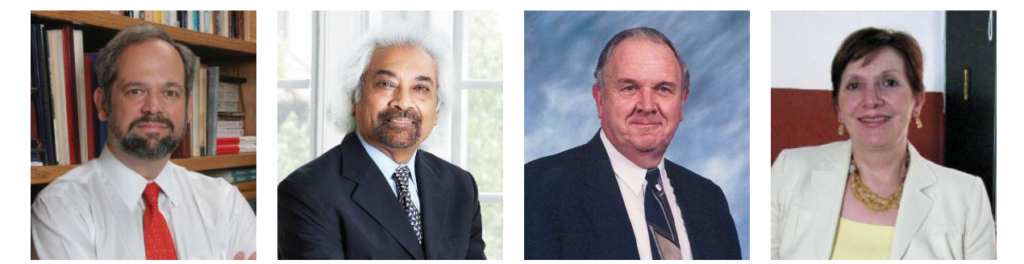
Left to right: Juan Enriquez advises governments on sci-tech development; Sam Pitroda chairs India’s National Knowledge Commission; Russell Jones, founding president, Masdar Institute; Esther Orozco, general director, Mexico City’s Institute for Science & Technology

Silicon Valley—where an industry cropped up around a research university, lured venture capital, and grew wildly as entrepreneurs flooded the area—is commonly invoked as a model of a cluster. But Silicon Valley’s tech roots go back to the 1956 choice of inventor William Shockley to locate his semiconductor company near his ailing mother. Clusters emerging around the world today are by deliberate design. In the view of New York University President and Academy Board Chair John Sexton, few US cities today are pursuing knowledge economies with the “purposefulness” of places like Mexico City.

Experts list several features crucial to knowledge economy success: commitment by the government; a major research university anchor; a critical mass of skilled employees; a technology infrastructure; business, labor, and intellectual property policies that facilitate rapid growth; and an easy flow of knowledge among and between sectors. Mexico City is just one of many regions following that formula.

In China, the State Council in 2006 approved a 20-year “out-line” for science and technology expansion. It calls for a near doubling of R&D investment, banking policies and fiscal incentives to support sci-tech startups and venture capitalists, a system for evaluating researchers and research institutes, intellectual property rights strategy, improved government support of industry, and “an enhanced capacity to build creative personnel.”

Mao Zhong Ying, science and technology counselor for China’s Consulate General in New York, says China will focus its cluster building efforts on four scientific subjects: protein research, nanoscience, growth and reproduction, and quantum modulation research. “In those technologies, we are at the same point as Western countries,” Mao says, explaining one of the principles that economists say will enable cities in lesser developed countries to compete with US and European cities: “These are brand new technologies, so we need to focus on these to realize the benefits of leapfrog development.”

Still, Mao concedes, China has a long way to go training its young people to be innovative and bridging private and public sector researchers.

Beijing, Shanghai, Tianjin, Jiangsu, and Guangdong are presently the country’s most promising centers of knowledge, Mao says. All five have strengths in biotechnology. And local government policies in those cities support R&D investment, enable industry access to academic research, and promote quality science and engineering university education. They’re policies support a shift from a “made in China” period to an “innovated in China” period, he says.

Three years ago in India, Prime Minister Manmohan Singh formed a National Knowledge Commission to identify strategies for transforming his country into a knowledge society. The high-level, seven-person team’s recommendation to improve access to education will result in a $65 billion expenditure on education in the next four years.

Telecommunications inventor and entrepreneur Sam Pitroda, who chairs the commission, considers human capital the key to a knowledge economy. In the 1980s, the telecom revolution he launched in India succeeded only because thousands of Indians were trained to work on network management and fiber optics. “Knowledge,” he says, “will be the next driver for India. The first challenge is to expand the knowledge base, improve access to knowledge, and improve the quality of knowledge. We have 200,000 students appearing for entrance exams, and only 2,000 get into good technology colleges. So, we need more engineering or biomedical colleges.”

Pitroda argues that turning manufacturing or service-based economies into knowledge capitals also requires a complete re-thinking of urban infrastructures. “In the past we built cities and suburbs based on the idea of manufacturing plants,” he says. “The idea now is to focus on knowledge as the key driver to re-structure everything.”

Indian cities Bangalore and Hyderabad have become famous for their IT booms but aren’t knowledge economy models.

“The cities haven’t transformed,” Pitroda says. “They’re crowded and the infrastructure is not in tune because nobody thought it through.” True knowledge capitals must be designed with a sustainable plan, he says. “Start from scratch and go vertical.” He advocates building clusters that “bring large numbers of people together in a setting where they live, work, and innovate together.”

Start from Scratch

Masdar City in Abu Dhabi could be a utopian version of what Pitroda describes. The $22 billion, eight-year project launched in 2006 by Crown Prince Sheikh Mohammed bin Zayed Al Nahyan is constructing an entire town focused on engineering solutions to problems in energy, security, climate change, and sustainable human development. The “green” city, designed by Foster + Partners to be entirely solar- and wind-powered with zero carbon emissions, will be anchored by a major new scientific engineering university, the Masdar Institute, to welcome its first students in September 2009.

The institute’s founding president, Russell Jones, former president of the University of Delaware, says three things persuaded him to move with his wife to Abu Dhabi to take the helm: A strategic decision had been made by the government to build a cluster; the graduate-level-only university is being staffed through a partnership with MIT; and research there will focus on solving one of the world’s most important problems—alternative energy.

Jones says the state-funded Masdar Initiative has a $15 billion seed fund (projected to increase to $80 billion) to bring alternative energy companies to the region. His university “is the human capital piece” of the knowledge economy equation, training the scientists and engineers who will staff and startup the alternative energy companies that will fuel the Masdar City economy.

Clusters of Scientists. Science and technology clusters are emerging in some surprising spots around the world. Clusters of scientists exist in some unexpected places too. This map shows the 20 countries outside of the US with the largest numbers of NYAS members.

Identifying Ways to Win

As host to some 20,000 scientists conducting three-quarters of the nation’s research, Mexico City has a leg up on Abu Dhabi in the human capital department. Mexico City is already “a hub for producing human capital,” says Mayor Ebrard. “Graduate students flock to our many universities and research institutes.”

But unlike Abu Dhabi, Mexico City doesn’t have the wealth to build a knowledge city from the ground up. The Mayor’s various initiatives are directed instead at improving upon what exists.

As General Director of the Mayor’s new Institute for Science & Technology, Esther Orozco has dedicated a $17 million budget to five distinct programs for improving Mexico City’s infrastructure and assets. Teams from the institute evaluate the region’s needs in water, energy, and food; sexual, nutritional, and mental health, including addiction; digital connectivity; small business incubation and competitiveness; and science and technology education.

Orozco says the teams address those issues in partnership with experts from government, industry, and academia. In just over a year, their work has resulted in the installation of an optical fiber network throughout the metropolitan area, which she says will “close the digital gap” between Mexico City and more developed cities by providing free internet to all residents.

Orozco’s education team has brought scientists to the city’s street fairs to teach citizens how cell phones and other modern technologies work. An interactive exhibit to educate kids about the effects of drug use will soon open. And a team of scientists and engineers working on the water program has mapped a system to automate the handling of Mexico City’s deep sewage.

Meanwhile, another of the Mayor’s initiatives, Capital En Crecimiento, is looking at additional infrastructure challenges. Jorge de los Santos, CEO of the government-owned company, says, “We’re like the Port Authority. We build tunnels, roads, transportation hubs—anything we need to in order to enhance the competitiveness and productivity of Mexico City.”

De los Santos is also working with the RAND Corporation to identify the sectors Mexico City can dominate. “What sectors should we be targeting to be the best in the world?” he asks. Whether it be personalized medicine, digital design, financial IT, or healthcare informatics, Capital En Crecimiento will build communities within the city with R&D campuses, parks, and housing where technology-focused clusters can grow. “Here you would be able to live, work, study, research, and shop,” says De los Santos, who predicts it will be three years before the first such development is inhabitable.

Mayor Ebrard is nothing but optimistic for his city’s chance to contend as a Global Knowledge Capital. “The East Asian tigers of the 1980s, like Singapore and South Korea, and the rising giants of this century’s first decade, India and China, all had economies smaller than Mexico’s not too long ago,” he says. “India’s mastery of software technology has transformed its economy and raised its global competitiveness. They’ve made tremendous leaps and we think we can too.”

Also read: From New York City to the Rest of the World

Expanding the Immunology Frontier in Medicine

A man smiles for the camera inside a science lab.

Academy member Ralph Steinman tells the story of his life journey being raised in a nonscientific household to going to medical school and studying the immune system.

Published September 1, 2008

By Ralph Steinman

Ralph Steinman

I wasn’t raised in a scientific family and I didn’t have a focus on science early on. In high school I took a vocational test and it concluded that I could be anything. I was interested in everything and I had absolutely no focus until I went to university at McGill. That’s when I first took biology. I really became interested in physiology and medicine, though I took almost every other course in the university. I knew I loved research, but I also liked the practice of medicine a lot. As I went through medical school I became more and more focused on biology and medicine.

All along, at every educational institution, I had great teachers. They did what mentors are supposed to: they provided knowledge, support, and criticism. We always need mentors, not just when we’re starting out.

My key mentors were the ones that I worked with in the lab—Orville Denstedt, professor of biochemistry at McGill, and then cell biologists Betty Hay and Jean Paul Revel at Harvard Medical School. For my postdoctoral work, I wanted to come to Rockefeller and work with Zanvil Cohn and James Hirsh. I had no second choice, in part because they were the only people taking cell-biological approaches to the immune system at the time. I learned immunology sitting right in this very room. We just read papers and that’s how I learned. Working with them led me to the discovery of dendritic cells in my third year at the lab.

The Role of the Immune System

I feel that many people don’t recognize that the immune system is involved in so many important conditions. The vast majority of people may have never heard of the word immunology. Even if they’re taking an antibody that’s making them well, they may have no idea this came from immunology.

The major sacrifice you make as a research scientist is that you don’t get to spend enough time with your family. The other thing one gives up is time outside the lab making science understandable to the community. I do a little public speaking, but I definitely would have liked to have had more time to get out and explain what we’re doing. Not only because it’s fun being with people, but it really is important.

I don’t like superlatives, but if I had to try to describe my most important accomplishment, it was to discover a new dendritic cell lineage of white blood cells and to show that it initiates and controls immunity. It was quite a struggle to get there, but those discoveries in 1973 and 1978 convinced us we were on the path to something new and important, and it opened up the field. Dendritic cells help you to understand how this remarkable immune system is involved in many diseases, and what you might do to prevent or treat diseases.

Focused on AIDS and Cancer

AIDS is our lab’s main target, cancer is another, but we also want to learn to silence or tolerize the immune system in transplantation and many other settings like autoimmune diabetes. And we want to discover vaccines for many more diseases. Some people would say the major application is to use dendritic cells in immune therapy for cancer.

There is plenty of promise, but immunology in cancer is very underdeveloped. I estimate that immunology is less than five percent of the effort at the National Cancer Institute and very little of that five percent deals with cancer in patients—it’s people like me doing models outside of the patient. That’s one of the things I’m trying to change, but it’s going very, very slowly. We need people to see this as an omission in the war on cancer that must be overcome once and for all.

When you list the properties of tumor cells, it is fair to say that one is to evade the immune system. But the immune system also knows how to reject cancer cells. We have a cancer death rate in this country of more than a half million every year and we have 22,000 cancer patients in drug trials, but hardly any are immunologic.

It’s a huge gap that we’re not looking after. A number of immunologists who think this way have gotten together and, with help from various sources, come up with a proposal which we call a cancer immunotherapy network—a mechanism whereby scientists will work together to design the best immune-based studies in cancer patients and make them accessible to patients.

Just Tackling a Problem

I often wonder what I’d be doing if I didn’t take my biology course, but certainly if I had to do it over again I would do the same thing. Undoubtedly, I love a lot of things about my work, including being able to work on a special campus like this and in New York City. I love discovery and the way it happens. I love tackling what I believe to be a big problem.

And I love the scientific profession, its internationalism and the many terrific people who are responsible for one major advance after another. I’m getting old, but because everybody in the lab is so young, I feel like one of them, you know, just tackling a problem.

Also read: Dispatches from the Democratization of Science


About the Author

Ralph M. Steinman is the Henry G. Kunkel Professor and a senior Physician in the Laboratory of Cellular Physiology and Immunology at The Rockefeller University. He earned his M.D. from Harvard Medical School and has been an Academy member since 2002.

Recent awards include the Gairdner Foundation International Award (2003); the New York City Mayor’s Award for Scientific Excellence (2004); the Albert Lasker Award for Basic Medical Research (2007); the Albany Medical Center Prize (2009). In his free time, he enjoys ballroom dancing with wife Claudia, spending times with granddaughters Isla and Syla, and architecture.

A Scientist by Trade, A Leader by Example

A couple pose together for the camera.

When it comes to supporting science, the work of past Academy President Fleur L. Stand is never done. Even in retirement she continued to advance science for the public good.

Published September 1, 2008

By Adelle Caravanos

Fleur Strand and her husband Curt

Contribute. Revitalize. Innovate. Used as a call to action in The New York Academy of Sciences’ (the Academy’s) first ever Comprehensive Campaign, these three words can easily describe the modus operandi of Academy Past President Fleur L. Strand. A member since 1950, the distinguished professor of biology and neural science became the second female Academy president in 1987. But Strand’s dedication and deep involvement with the organization did not end there. More than 20 years later she remains an active member and generous supporter.

Born and raised in South Africa, Strand came to New York in 1945 and earned both her undergraduate and doctoral degrees in biology at New York University. She continued her work at the Free University of Berlin and the University of Leiden in the Netherlands. Strand’s research at the time showed that adreno-cortical hormone (ACTH) has a direct effect on neuromuscular activity—a finding that was considered blasphemous, as it required ACTH to bypass its usual intermediary, the adrenal cortex. Unable to get her research published, Strand became discouraged.

Fortunately, it was around that time that she met David De Wied, the father of neuropeptide research, at an International Physiological Society meeting in Munich. De Wied encouraged her work; his own had demonstrated the same effect of neuropeptides on the brain and on behavior—now a universally accepted concept, basic to this field of research.

Ascending the Academic Ranks

Strand returned to NYU in 1961 and worked her way up the academic ranks to her present position as the Carroll and Milton Petrie Professor Emerita of Biology and Neural Science, following her retirement in 1966. She is the recipient of the school’s Distinguished Teaching Award and has chaired the Mayor’s Award for Science and Technology committee. She has authored several textbooks, including one for which she won the American Medical Writer’s Award. Strand was selected as Outstanding Woman Scientist by the New York Chapter of the Association for Women in Science in 1987. She also served on the New York State Spinal Cord Injury Board, from which she reluctantly resigned when she moved to Colorado.

For 58 years, Strand has been an active Academy member, attending and organizing meetings and editing more than eight Annals volumes. She also worked with the editors on The Sciences, “particularly in the choice of the wonderful art that characterized that magazine,” she says. Strand is a lifetime member of the Academy and was elected a Fellow in 1976. Her participation in so many facets of the Academy’s activities culminated in her inauguration as Academy President at the 170th Annual Dinner.

“After I was inaugurated, I was honored to give Surgeon General C. Everett Koop the Presidential Award,” she says. “This was at the beginning of the realization of AIDS as an important social and political issue, and Dr. Koop was one of the first to call for an alliance of American social, political, and medical organizations.” Then, as now, the Academy was the unique, neutral meeting ground where these alliances could be forged, with science at the center of the discussion, she adds.

Madam President

During her tenure as President, Strand was particularly interested in bringing “new young blood” into the Academy, and attempted to do so by initiating a founding group of active student leaders. Although this program did not succeed during her presidency, she is pleased to support the great success of the Academy’s current program, the Science Alliance for Graduate Students and Postdocs. Strand adds that she has kept in close contact with many of her own doctoral students, most of whom are deeply involved in academic or research positions. She says they report on their current research and projects at an annual neuropeptide conference at Strand’s upstate New York home.

Earlier this year, Strand reached out to former Academy leaders, inviting them to support the new Comprehensive Campaign: “Sustainability through Science and Technology.” She called for the creation of a “Past President’s Fund” which boasts remarkably high participation.

Katie Thibodeau, the Academy’s major gifts officer, praises Strand’s dedication to the Academy. “Dr. Strand answered our call to action with enthusiasm,” Thibodeau says. “Her passion and commitment to science and to the Academy’s essential role in shaping science is inspiring and truly valued.”

In addition to her work with past Academy presidents, Strand has pledged her continued support of the Science Alliance, the program for which she planted the seeds more than 20 years ago. Through this and other programs, she predicts that the Academy will continue to strengthen its function as an important, neutral convening organization for scientists, business leaders, and policy makers.

Also read: Scientific Community Mourns Fleur L. Strand


About the Author

Adelle Caravanos is a freelance science reporter living in Queens, New York.

Industry Strategies for Enabling Innovation

Various people working together in an office-like environment.

Tech experts and entrepreneurs provide their insight on what drives innovation in the digital era, and what you can do to thrive.

Published May 1, 2008

By Leslie Taylor and Adreinne Burke

Every second year since 2004, Finland’s President has presented the $1.5 million Millennium Technology Prize to an individual whose innovation “improves the quality of human life and promotes sustainability in many ways.” World Wide Web developer Tim Berners-Lee and Shuji Nakamura, inventor of the MOCVD technique for manufacturing energy-efficient light, are past winners. And in April, an audience gathered at The New York Academy of Sciences as four finalists for the 2008 prize were announced.

Finland’s “tribute to life-enhancing technological innovations,” is just one, albeit the grandest, in an exploding field of awards, books, conventions, fairs, and symposia celebrating innovative science.

Magazines including Business Week, Fast Company, and Wired publish annual lists of the world’s most innovative companies, and MIT’s Technology Review crowns the year’s Top 100 Innovators. The FIRST Robotics Competition, Tech Challenge, and LEGO Leagues established by Dean Kamen—himself the innovator of several important medical technologies—inspires more than 150,000 youths in 38 countries to innovate and “dream of becoming science and technology heroes.”

Through his Innovation 25 Strategy Council, Kiyoshi Kurokawa, science advisor to the Prime Minister of Japan, urges his compatriots to undertake creative technology endeavors. And, as Academy President Ellis Rubinstein notes, leaders of cities the world over are competing for the unofficial title of Idea Capital. Even The New York Academy of Sciences is developing its own Industry Innovation Awards program.

To be sure, definitions for innovation abound. Depending on whom you ask, innovation is lifealtering, process changing, disruptive, sustainable, earthshattering, or breathtaking. Google Engineering Director Alan Warren says innovation is about “taking a set of tools or capabilities and coming up with a new way of putting them together that is going to provide value for the users.” Dean Kamen argues, “it’s not clever widgets and inventions, but it is the wheel, fire, and moveable type.” An innovative technology, Kamen says, “is something so profound that it changes the way people live, work, or play.”

Regardless of how it’s defined, most people know innovation when they see it, and few would disagree with the choice of Tim Berners-Lee or Shuji Nakamura as world-class innovators.

What seems harder to agree on than what defines innovation is what enables it to happen. Are certain conditions necessary to create an environment that breeds innovation? Is innovation most reliant on brilliant people, plentiful resources, or an ideal work culture? Is it about having the perfect combination of those factors, or something else entirely? And how do some companies, such as Google or DEKA, manage to generate one life-altering tool or technology after another?

We asked the leaders of those and three other organizations to tell us what they believe is the key to scientific innovation in industry. We didn’t get the same answer twice.

XEROX: Realize the Customer’s Dream

Raised by a painter-poet mother and an engineer father, Academy member Sophie Vandebroek might seem to have been destined to be an innovative scientist. But her definition of innovation isn’t so heavy on free-thinking and creativity. “You innovate when you make a significant difference to the customers—when they benefit from the product or service that you provide,” says the Chief Technology Officer for Xerox.

Over the company’s lifespan, Xerox has been issued more than 55,000 patents worldwide and continues to win more than 10 every week. But inventing is just half of the innovation equation, according to Vandebroek, who is also president of the Xerox Innovation Group. Her formula? Innovation = invention + entrepreneurship.

An invention can be cool, but it might not change the business process, make a significant impact, improve efficiency, or create new markets, Vandebroek says. “Innovation is a practical and successful application of a breakthrough invention,” she explains, adding that, at Xerox, “the way we innovate starts and ends with the customer.”

To really grasp Xerox customers’ needs and address their “pain points,” Vandebroek instituted a practice by which Xerox researchers host “dreaming sessions” with about 2,000 customers each year. For instance, when Xerox acquired the litigation document management company Amici in 2006, Xerox staff sought out meetings with potential customers of its products—the chief information officers of several top law firms.

Amici offered software to enable lawyers to automatically pull data for trial from among reams of documents containing millions of pieces of evidence. But in Vandebroek’s conversations with CIOs, she discovered that legal professionals need to sift through evidence by hand to decide if it is relevant to a case or if it needs to be kept secure—a tedious and error-prone process. “It was a pain point,” Vandebroek says, but to automate the process and eliminate human intervention was no solution.

Instead, Xerox developed smart document software that used machine learning and linguistics to process and analyze content for attorneys, find facts in documents, and filter private information. Vandebroek says the dreaming sessions enabled her staff to more effectively apply their expertise to the customers’ problems.

In another example of how dreaming sessions contribute to innovation, Vandebroek says a team of anthropologists from Xerox’s Palo Alto Research Center spent six months conducting on-site observations of some of the company’s large enterprise customers. They noticed that nearly 45 percent of what people print winds up in the recycling bin within 24 hours—an expensive and environmentally unsound habit. Meanwhile, at a Xerox research facility in Canada, materials scientists and chemists had developed a temporary printing system that could make type disappear from a page 24 hours after being printed.

Vandebroek says going on site to experience the customers’ operation is a key to innovation. “If I simply ask my customers what they want, they might not be familiar with the state-of-the-art that allows you to do such things.” She adds, “As Henry Ford said, ‘If I gave my customers what they wanted, it would have been a faster horse.’”

IMAGINATIK: Harness the Wisdom of Crowds

In a world where competition is global and corporations can be as populous as small cities, it’s too risky to rely on a few people to come up with all your good ideas, says Mark Turrell, CEO of Imaginatik, a Boston and Winchester, UK-based company that makes enterprise software for collaborative innovation and idea management. Problems can better be solved when you tap into the brains of tens, hundreds, thousands, tens of thousands of people, he says.

“Let’s say you ask for input from 500 people. Even if 400 can’t be bothered to respond, 100 participate. Of those, 30 will have 38 ideas, of which 10 to 15 percent will be good,” says Turrell. “Because you are working at volume, you’re bound to get one brilliant answer. Always.”

While working on a PhD in the Information Management Department of Cass Business School in London, Turrell studied critical mass and diffusion theory of collaborative technologies, how they spread through organizations, and how people adopt and use them. Based on what he learned, Turrell created a methodology and Web-based software for collaborative problem solving that has been used more than 4,000 times to address a variety of problems.

Hewlett-Packard employed his system as a brainstorming device to solicit ideas for meaningful projects the company could undertake as part of an Earth Day celebration. And Pfizer used it to tap into its own institutional wisdom: To expand its drug pipeline, the pharma want-ed to dig up compounds that the company once had under development but did not finish developing for some business reason, such as lack of interest in a certain drug market.

The company used Imaginatik software to engage the help of 15,000 employees in finding an existing drug ready for phase 3. Compounds that had made it that far along in the pipeline, Pfizer reasoned, have approximately $100 million net present value. They found one within a week.

Turrell says there are tricks that can encourage people to use a collaborative system. A narrow focus and a short time frame will get 30 times better participation than any long-term program, he says. People are always busy, and they procrastinate, he explains, so it’s important to encourage them to do today what they’d prefer to put off until tomorrow. Plus, people are more likely to come up with great ideas in response to a specific query than to a general invitation for suggestions. Asking, “How can we reduce bureaucracy or reduce our energy consumption?” prompts more useful and creative responses than just requesting suggestions on how to improve company performance.

Many of the great ideas that became some of the most successful products, or even whole industries, were developed at the grassroots level, Turrell points out. But leadership—to set goals and identify and provide support for the best ideas—is also critical. Turrell’s favorite recipe for promoting innovation? “Openness to using the thousand eyes, ears, and brains everywhere, but at the same time having a focus and direction.”

GOOGLE: Hire the Best, Then Get Out of Their Way

Google Engineering Director Alan Warren, whose employer is the poster child for 21st century innovation, says it has become so by hiring the right people and fostering a culture where they thrive.

Recent innovations out of Google’s New York City office, such as Google Spreadsheets, which transformed a traditionally desktop-bound application into a collaborative workspace, are the products of the company’s hands-off approach to management.

“You can’t make someone an innovator if they don’t have a curiosity and desire to make things better, to do something new and useful. And you can’t put someone like that in the wrong environment and expect good things to pop out,” Warren says.

Google seeks new hires with what Warren calls “serious horsepower”—people who are not just super smart, but who also have a creative bent. “We ask ourselves, ‘Has a candidate just taken a problem that’s been handed to them by a thesis advisor and worked their way through it, or have they taken [a problem], spun it out this way, figured out how it applies to that, and then come up with this over here?’ We look for that kind of spark,” he says.

Another question Warren asks a hiring committee is to consider is : “Would you like this person sitting in the cube next to you and working on your project with you?”

“We won’t bring someone in just because of horsepower if we don’t think they’ll add to the environment,” he says. He wants people who are happy to let others bounce ideas off of them and who will participate in offsite teambuilding outings such as the recent company-wide ski trip.

That’s because Google developers usually attack projects in small teams. “The natural number that our developers tend to organically subdivide into is three,” he says, adding that it’s “a group size that minimizes the overhead from over-organizing and coordinating.”

The Google philosophy also holds that an overly hierarchical management structure can obstruct innovation. Micromanagement is strongly discouraged. As a manager, Warren believes his job is to bring smart people together then take a step back. “I don’t manage or direct in the traditional sense,” he says. “My job is to help communicate to employees what the company priorities are, what I see as the important challenges and needs out there, and to give them some ideas and directions to go in.”

But it is the job of the engineers to figure out just what needs to get done, he explains. “I manage them by reviewing what they are planning to do, rather than by figuring out what they should do and telling them to do it.”

DEKA: Celebrate Failure, and Move on Fast

Perhaps best known for his electric “human transporter,” the Segway, inventor and entrepreneur Dean Kamen holds 400 patents and is responsible for creating life-transforming technologies such as the mobile peritoneal dialysis machine (140 million shipped), the iBOT Mobility System—which enables people typically confined to a wheelchair to maneuver stairs and rough terrain, reach high shelves, and greet a standing person at eye-level—and, still under development, a robotic prosthetic arm, designed especially for amputee soldiers returning from Iraq.

Kamen says he fosters innovation at his Manchester, NH, company, DEKA Research & Development, by embracing failure. “In most companies the penalty for failure is substantially disproportionate to the reward for success, which causes rational people to be risk averse,” Kamen says. “DEKA is a place that embraces change and a place that celebrates failure in a weird way.”

When an idea doesn’t pan out, Kamen says it’s important to view the project, not the person or the company, as the failure. “Let it fail quickly, learn, recover, laugh, and move on,” he says. “At the end of any day I’d like to see guys running around yelling ‘Eureka!’ or else I’d like to see smoke and a ball of flames. Spectacular death is better than the warm death of mediocrity.”

Asked whether brilliant people, the right resources, or a strong culture is most important to an innovative workplace, Kamen responds, “You need the right people, resources, and culture. And mostly you need to be able to work really hard.” Modern culture suggests that life is about instant gratification, Kamen complains. “The jingles kids see say, ‘Life is short. Play hard.’ My motto is ‘Life is short. Work hard.’ I don’t think there’s a shortcut to innovation,” says the man who claims to have never had a job or collected a paycheck in his life.

Kamen also suggests that a small company like DEKA, with about 200 employees, is better suited to innovate than behemoths. “Big organizations are good at doing certain things that are important for the world to have, like consistency and quality. Good management is about consistency and never being surprised. But that’s contrary to what innovation is,” he says.

So, what is innovation? “People are comfortable with the way things are,” Kamen explains. “Innovation is therefore so rare it only occurs when some idea or technology is so profoundly better than what existed before that people are willing to change.”

How does he know when DEKA has produced something that meets his definition of innovative? “When you deliver the first one that actually works—something that you think is a big idea and you show it to someone and their deep analytic response is, ‘Wow!’ Then you know you’re on to something.”

NYSERNET: If You Build It, They Will Come and Be Brillant

Academy member Timothy Lance believes that great infrastructure is the key to enabling scientific innovation. Scientists around New York State who are relying on his organization’s vast computing network are the proof of his point.

“Suppose you’ve got a computational model that has some-thing to do with protein folding,” begins Lance, president and chairman of the board of NYSERNet, a private not-for-profit corporation that has delivered state-of-the-art Internet services to New York State’s research and education community for more than 20 years.

Now, he says, “Suppose you’ve got a very good lab scientist who knows a lot about proteins and the way they behave. Once upon a time he might have said, ‘To run the model is going to take a week and then it will take another two days to download the results.’”

But, Lance asks, what if you put this incredibly fast computer and network at his disposal so that the model can be run in two seconds? “He might see the results and say ‘That’s interesting, but hey I wonder, what if x is different? Let’s tweak this and see what happens.’ [This experiment] is quantitatively different but it’s also qualitatively different because it’s so quick that you’ve got this brilliant mind able to turn multiple things over and come up with an idea.”

Founded in 1985 by a consortium of institutions grappling with lack of access to high-performance computing, NYSERNet counts among its members New York State’s leading universities, colleges, museums, healthcare facilities, primary and secondary schools, and research institutions. In 1987, NYSERNet deployed a regional Internet Protocol network—the first use of the technology outside the U.S. Department of Defense, and the first statewide implementation.

In the days before the public Internet, scientists couldn’t quickly share data or exchange ideas, Lance notes. And before NYSERNet, research institutions paid for dialup so their investigators could call in to the nearest supercomputing center. By providing them with access to the computational and connectivity tools they need, NYSERNet has advanced research and educational initiatives, and thereby innovation, in New York State.

Over the past three years, in order to end its dependence on carrier-provided circuits, NYSERNet has deployed or acquired a vast network of fiber optic cable—over 1,500 miles of fiber in New York City. When the Large Hadron Collider comes online in Switzerland this year, all data flowing from it to the Americas will be routed through NYSERNet’s primary collocation site at 32 Avenue of the Americas in Manhattan, Lance says.

“Now the networks are so powerful that we can look at harder problems and bigger datasets, bigger transfers, and more computational cycles,” says Lance. “Of course, there can be innovation by having breathtaking ideas that don’t require any computers and I sometimes kid around that what we’re doing with these supercomputers is enabling ordinary men to do what Gauss would do in his head overnight. But in fact, to visualize some problems requires so much data or computation or tools that the infrastructure becomes an absolutely critical tool forgetting an idea of what’s going on.”

A Shared Life of Advancing Science

A couple pose together for the camera inside the study of their home.

From their honeymoon through retirement, Herbert J. Kayden and Gabrielle H. Reem reflect on their commitment to advancing science in New York and across the globe.

Published September 1, 2007

By Adrienne J. Burke

Image courtesy of Don Hamerman via Update magazine.

Herbert Kayden is known for his research on the genetic disorders of lipid metabolism. In the 1960s he published the first definitive studies on the metabolic pathways of vitamin E and its role in humans. His wife of five decades, Gabrielle Reem, made her mark on science with studies of purine biosynthesis and the mode of action of immunosuppressive drugs.

If you’ve attended a meeting at The New York Academy of Sciences (the Academy) in the past year, you’re already familiar with them: The Herbert and Gabrielle Reem Kayden Auditorium was named to honor the couple’s generous ongoing support of the Academy. And if you’re a longtime Academy member, you’ve likely rubbed elbows with one or both of them. Kayden joined the Academy in 1949, presided over the board for one year, and continued to serve on it for another five. Reem, who jokes that she was an “Academy widow” for that period, has been an Academy fellow for more than 20 years.

The Backstory

Born in Manhattan and educated at George Washington High School, Kayden enrolled at Columbia College with plans to pursue a career in medicine. On the advice of the school’s dean, the mathematician Herbert Hawkes, who believed that no student of science should graduate without a good dose of liberal arts, Kayden balanced his pre-med schooling with humanities studies. “I took only the science that was required to get into medical school,” he says. His course load included literature with the distinguished professor Lionel Trilling and cultural history with the Columbia cynosure Jacques Barzun.

After graduating from NYU Medical School, Kayden served overseas as a Navy ship’s doctor until 1946 before beginning a career in cardiology research at Goldwater Memorial Hospital on Roosevelt Island. At the time, the elite research hospital treated the city’s chronically ill, hosted clinical wards for NYU and Columbia, and was world renowned for anti-malaria research. “It’s hard to reconstruct the intensity of those sessions and the seminars and the grand rounds,” says Kayden, who was the hospital’s chief resident. “It was an extraordinary group of physicians—the most enthusiastic, bang-up, conscientious group I’ve ever seen.”

The group included Reem, who had landed there as a research fellow after medical studies in Jerusalem, Beirut, Geneva, Basel, and the Mount Desert Island Biological Laboratory in Maine. When Kayden later took a position at NYU Medical Center, Reem went on to become an associate at the Sloan Kettering Institute for Cancer Research, where she worked in clinical medicine. Later, she was appointed professor of pharmacology at NYU, where she studied de novo purine biosynthesis, the mode of action of immunosuppressive drugs, and the regulation of human prolactin expression in lymphocytes.

Elected President of the Academy’s Board of Governors

When he became president of the Academy’s Board of Governors in 1977, Kayden appealed to Bill Golden, formerly President Truman’s science advisor (and now a Life Governor of the Academy), for advice on restructuring the organization. Kayden extended the Academy’s activities into New York City with programs to mentor high school students and host events with the New York Hall of Science.

He also hired NYU Provost Sidney Borowitz to be the Academy’s paid director. “We revised the constitution to cut the size of the board and imposed proper governance,” Kayden says. His influence so many years ago set the stage for the Academy to evolve into an organization that he now praises as one that enables scientists to share their wisdom, knowledge, and teaching with the world.

As Reem recalls her husband’s commitment to the Academy, Kayden remembers his wife’s focus on research being so intense that he once asked the campus police to check on her in her lab late at night. Asked what drove them, Kayden and Reem reveal a mutual enthusiasm for science so strong that they visited a research lab in Sweden during their honeymoon; this obsession has lasted throughout their union. Says Reem, “Science became our passion. Pursuing our research was very exciting, and whatever we touched was new.” These sentiments make it all the more fitting that their names now crown the Academy’s brand new auditorium, with its view of all of Manhattan.

Also read: In Memoriam: President Emeritus Herbert Kayden