From the Lab to the Classroom

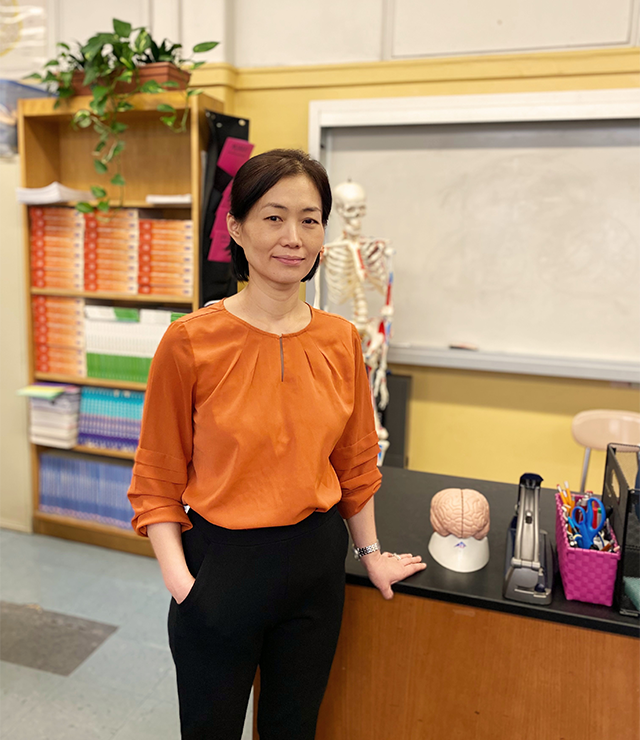
A high school teacher poses for the camera inside her science lab classroom.

Inspired by her father’s appreciation for education and giving back, Chuhyon Corwin became a high school science teacher.

Published February 17, 2023

By David Freeman

Neuroscience researcher and EnCorps Fellow, Chuhyon Corwin, traded her research lab for the classroom in a New York City public high school where she works as a science teacher.

Thanks to a partnership between The New York Academy of Sciences (NYAS) and the EnCorps STEM Teachers Program, Korean-born Corwin, an accomplished scientist, was able to explore her interest in teaching high school. For 10 weeks, with support from program staff, she was a volunteer guest teacher in the classroom of a skilled high school science teacher while, in parallel, exploring pedagogical techniques through the program’s online learning modules.

The EnCorps Program

Launched in 2007, EnCorps has already helped over 1,360 seasoned STEM professionals transition from industry or academia to public middle or high school education to ease the acute shortage of Science, Technology, Engineering, and Math (STEM) teachers across the United States.

NYAS teamed up with EnCorps to launch the program in New York City in 2022. Corwin was part of the first cohort of New York EnCorps Fellows who had an opportunity to explore becoming a STEM teacher before committing to a career change.

“During my 10-week guest teaching, I fell in love with the students,” explains Corwin. “The joy I experienced gave me the confidence that I was making the right decision in becoming a high school teacher as a long-term career choice.”

Although Corwin had taught university students, she found the work very different in high school. Teachers have to actively engage with their students and ensure they are paying attention. They also have to make sure that students who struggle get the assistance they need to prevent them from falling behind.

Effectively Engaging Students

Maintaining discipline among 30 teenagers and keeping them interested requires a great deal of creativity as well as solid classroom management methods.

“With lab activities, you have to be conscious of their safety and make sure they have enough materials,” says Corwin. “The class itself is short, only 43 minutes, so it has to run like clockwork.”.

While teaching STEM to high schoolers requires dedication and hard work, Corwin finds nurturing young people’s innate curiosity hugely rewarding. She has witnessed the amazement that lights up her students’ faces when their lab experiments succeed. Her own enthusiasm for science and discovery has never abated and she appreciates the opportunity to transmit her passion to the next generation.

“I hadn’t realized how much I would enjoy talking with these students. They come up with good questions,” says Corwin. “At that age, students are so frank. They let you know exactly what they think and I love that.”

After completing her volunteer guest teaching experience with the EnCorps program, with the support and guidance from EnCorps and NYAS, Corwin enrolled in an accelerated program to gain her teaching credentials.

She doesn’t see her move to teaching as a major break in her life.

“I’m simply redirecting my energy to continue my journey as a scientist to make a greater impact by raising more capable future scientists,” she says. “I think a teaching career is very appealing to people who love research. As a scientist, you explore different options, you try things out and reflect to find out what works best.”

Using science fiction novels to engage students with STEM subjects is one of the innovative approaches Corwin discovered while studying for her educational degree.

Inspired by her Father

Corwin sees her father in the students she teaches. While he never had the opportunity to finish high school, he greatly valued education and encouraged her to pursue her studies. He also instilled in her the importance of giving back.

“Hopefully, people who have been in the STEM industry will see the value of giving back,” Corwin says.

Today, Corwin is a science teacher at the High School for Health Professions & Human Services in Manhattan, where she completed her guest teaching as an EnCorps Fellow. Corwin recommends the EnCorps STEM Teachers Program to scientists exploring entering the teaching profession.

“They should try it. Even if in the end you decide not to become a teacher, it’s a valuable experience.”

Learn more about the Academy’s School & Community Programs.

Technology for More Sustainable Agriculture

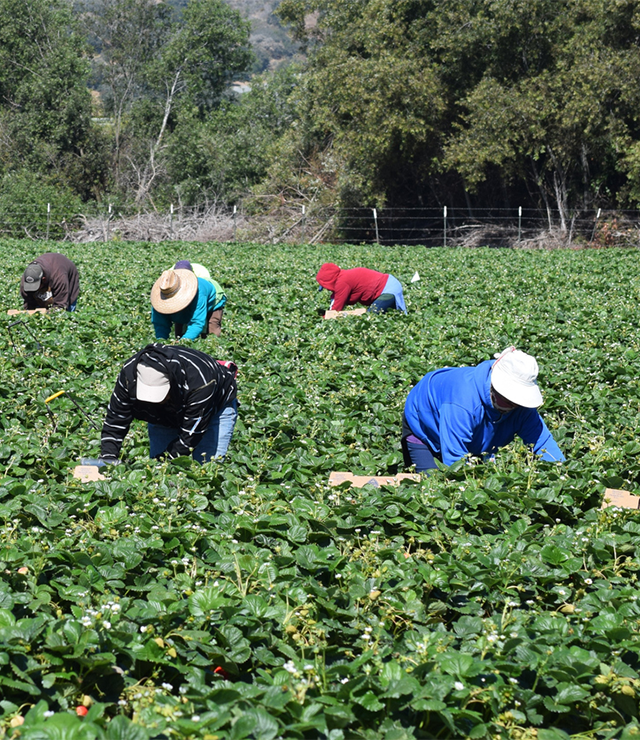
Agricultural workers in a farm field.

Winners of the Junior Academy Innovation Challenge Fall 2022: “The Green Redesign”

Published December 1, 2022

By Nicole Pope

Sponsored by Ericsson

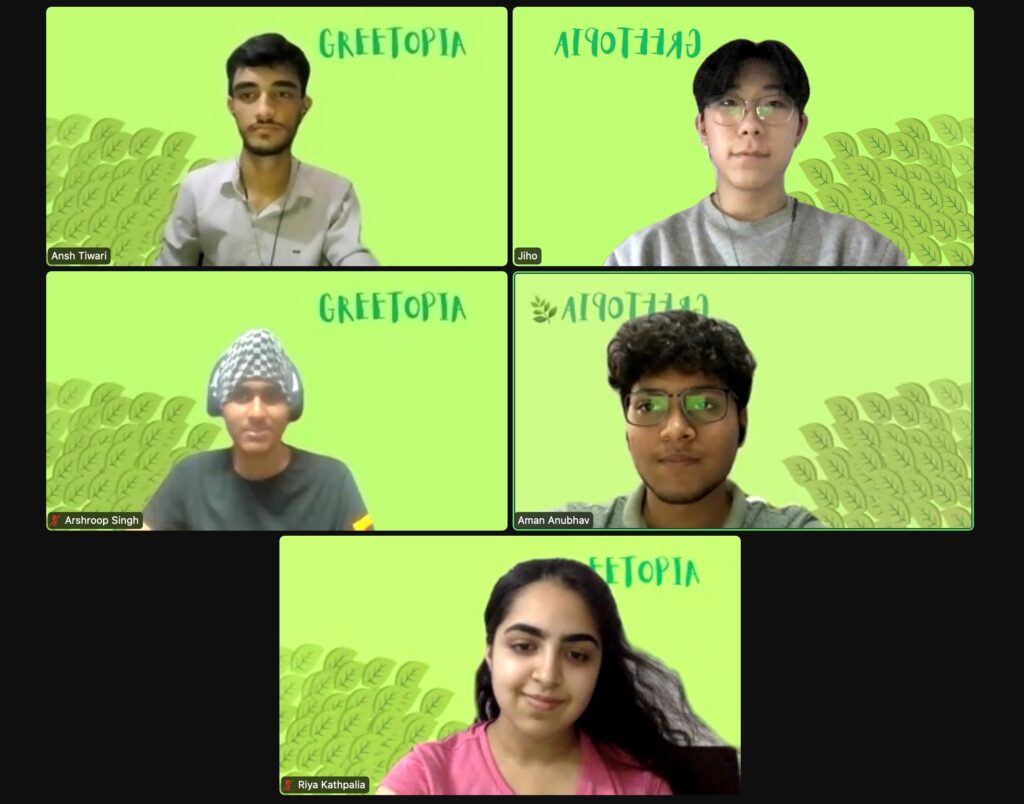
Team Members: Jiho L. (Team Lead) (Republic of Korea), Ansh T. (India), Riya K. (India), Arshroop S. (India), Aman A. (India), Rawnaq A. (Oman)

Mentor: Olusola Ladokun (Nigeria)

Among the 85 teams that embarked on the Green Redesign Challenge in Fall 2022, one team stood out.

By improving irrigation and reducing the waste of resources, Team Greetopia aims to bring innovation to agriculture. They were named the winning project in the challenge.

Based on research and stories shared by numerous farmers, the team identified key issues, illustrated by stark figures: 2 quadrillion gallons of agricultural water are wasted annually[1], and agriculture uses 2.2 quadrillion KJ of energy every year[2], about 5% of world energy demand. They also found that 1.2 billion tons of food[3]– enough to feed the entire US population for 3.64 years– is wasted, never leaving the farm.

Working online, across time zones, created initial difficulties– but the team members found ways of collaborating productively.

“I’m grateful to have experienced the diverse cultures coming together for the betterment of this human society,” says Aman. “Time zones were a hurdle in the smooth performance of the team, but we managed it by distributing the work evenly to be performed by individuals at their time of comfort, alongside holding alternate team meetings at common times.”

Challenges in Agriculture

The Organisation for Economic Co-operation and Development (OECD) has identified lack of innovation as one of the biggest challenges in agriculture. In a world facing multiple challenges such as depleted natural resources, climate change, and pollution, developing more efficient agricultural systems is crucial for our survival.

Through online brainstorming, the team concluded that emerging technologies like the Internet of Things (IoT) and Artificial Intelligence (AI) can address some of these issues and can help farmers who often lack the skill set to optimize agricultural methods. Overuse of fertilizer, for example, can pollute waterways, burn crops, deplete the soil of minerals and increase air pollution.

“It was an amazing experience to have connected with like-minded individuals and research world-changing approaches!” says Riya.

Greetopia team members decided to develop a web application that would tackle the excessive use of non-renewable resources.

“I got to research and learn more about the important crises around the world, such as concrete pollution, irrigation, etc.,” says Arshroop. “The constant communication within the team allowed us to keep up with the information and learn a lot of valuable lessons through the program.”

Utilizing the Internet of Things

In particular, the students opted to use the Internet of Things (IoT) to increase efficiency in irrigation and modernize farming practices that have remained unchanged for centuries.

“As team lead, I worked on planning our work, informing each member of what they have to do until certain target dates, creating documents to make the process efficient, and of course, conducting research about our research topic and filling in the milestones,” explains Team Lead Jiho.

The team devised “Kanad”, a farming application that delivers four main functions. First, it senses soil moisture levels by using a machine-learning component called Long Short-Term Memory Network (LSTM), which gets more accurate with use. Second, farmers can enter information on the Nitrogen, Phosphorus and Potassium (NPK) content in the soil, (also analyzed by sensors) to identify the most optimally adapting crops for these soil characteristics and locations.

Utilizing Machine-Learning

Machine-learning can also recommend the optimal amount of fertilizer based on the same NPK levels in the field. Finally, farmers can enter images of their crop into the web-based application, which will use the Convolutional Neural Network deep learning system to identify potential crop diseases with an accuracy of 95.25%.

Arriving at this successful solution did not prove easy: the team decided to change direction halfway through the Challenge.

“I’m glad that the team members understood the sudden change in our projected target in the middle of the program, which led to a successful ending,” says Ansh. In the end, perseverance paid off and the outcome amply justified the effort involved.

“Despite the obstacles we encountered, we made it till the end,” says Rawnaq. “We did not just complete the challenge but the result was awesome.”


[1] Source: UN Food and Agriculture Organisation
[2] Source: US Department of Agriculture
[3] Source: World Wildlife Fund (WWF-UK)

An Innovative Approach to Predicting Forest Fires

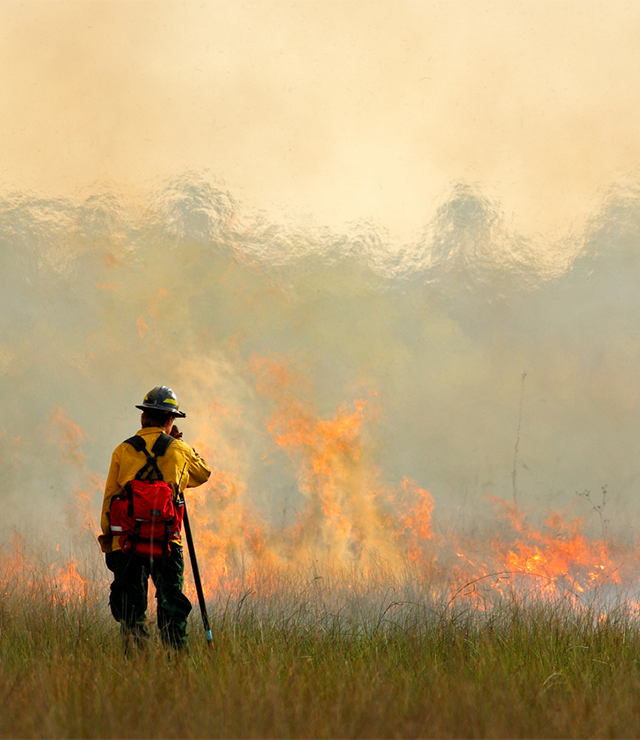
A firefighter combats a wildfire.

Winners of the Junior Academy Innovation Challenge Fall 2022: “Forestry for a Sustainable Future”

Published December 1, 2022

By Nicole Pope

Sponsored by Royal Swedish Academy of Engineering Sciences (IVA)

Prolonged droughts, caused by climate change, have amplified the risks of forest fires around the globe– making blazes bigger, more frequent, and more intense.

These fires devastate vast swathes of forests and often spread into residential areas, threatening lives and housing. Research by the University of Maryland suggests that fires cause forests to lose 3 million more hectares annually than in 2001. Furthermore, the UN Environment Program estimates that by 2100, the number of forest fires will increase by 50%.

The team Intelligent Forest — Chinmay R. (India, Team Lead), Rohan S. (India), and Soumik P. (India) — worked under the guidance of their mentor Malarvizhi Arulraj (United States) to tackle this critical issue as part of the “Forestry for a Sustainable Future” Fall 2022 Junior Academy Challenge, sponsored by the Royal Swedish Academy of Engineering Sciences (IVA). Intelligent Forest bested the field among 175 competitors. Their innovative method to predict the risk of fire helped them to win.

“It was great taking on real world problems and using our intellect to solve them. I learned various things throughout the course of the challenge such as AI, weather patterns, machine learning applications and much more,” says Rohan. “We worked hard as a team and came up with a solution in the end together.”

Understanding Forest Fires

Forest fires can be triggered by natural factors, such as lightning, or by human factors, such as the careless dropping of a cigarette or the lighting of an unnecessary fire in severe drought conditions. Crown fires burn the entire length of the trees while surface fires only scorch dried leaves and grass.

In some cases, fire can rage under the ground. As the team discovered over the course of their research, climatic conditions play a critical role– the hotter and drier the weather, the more destructive the fire is likely to be.

Finding ways to mitigate the impact of these now-frequent infernos required hard work, but the team members worked collaboratively to achieve results.

“There were times when I was uncertain as to whether we would even reach the end, but here we are,” says Soumik. “It was a fun experience working with my team members, and I had the opportunity to add and develop my skills. My main contribution was helping with the research side of things and suggesting ideas and edits.”

Utilizing Artificial Intelligence

With support from their mentor, the students decided to focus on harnessing the power of Artificial Intelligence (AI) to analyze forest and temperature data, in the hope that it would be possible to predict the risk of fires.

“I was impressed by the plans and ideas the team put together and was absolutely delighted to mentor the team,” says their mentor, Malarvizhi. “They chose a problem and approach that was hard and challenging. Especially, finding the best dataset and creating working machine-learning algorithms needs a lot of effort.”

Using data on fire alerts and meteorological information (minimal and maximal temperatures, rainfall, solar radiation and daily evaporation) collected in the Brisbane area in Australia between 2012 and 2022, the team tested two different AI approaches: Decision Tree and Random Forest.

The Results

The goal was to create four categories: no risk, low risk, medium risk or high risk of fire. The results provided the proof-of-concept the team expected. With the Decision Tree approach, they were able to predict fire risk with 70% accuracy, while the accuracy was 79% using the Random Forest approach.

These findings demonstrated that with the help of AI, it is possible to predict the risk of forest fires with 70–80% accuracy, which, in turn, allows for increased preparedness and limited impact.

“The project was a great learning experience for me,” says Team Lead Chinmay. “I had taken Artificial Intelligence as a subject in high school and this project taught me how I could apply what I had learned in a real-life situation.”

Meeting Electricity Needs in the Philippines

A shot of planet Earth taken from space.

Winners of the Junior Academy Innovation Challenge Spring 2022: “Flexible Use of Electricity”

Published July 1, 2022

By Roger Torda

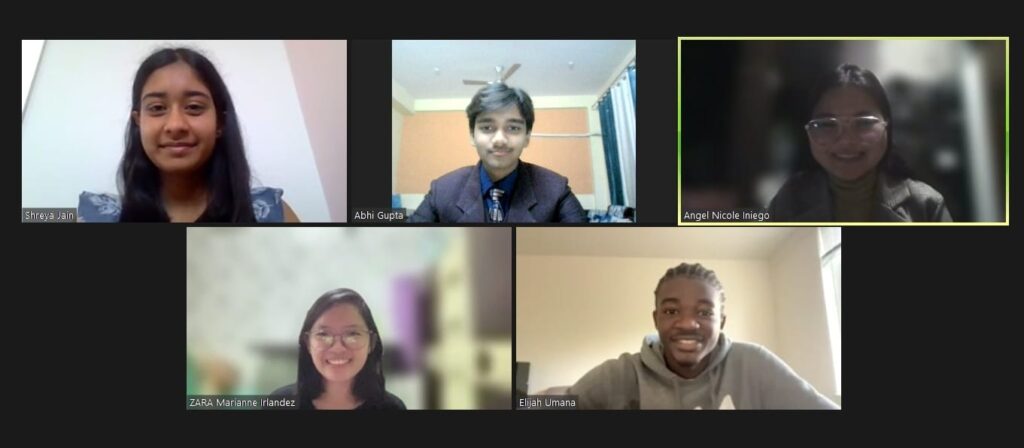
Team Members: Abhi G. (Team Lead) (India), Marianne I. (Philippines), Shreya J. (Canada), Angel I. (Philippines), Elijah U. (Nigeria)

Mentor: Muhammad Mahad Malik (Pakistan)

For this Junior Academy challenge on Flexible Use of Electricity, the five Power On team members chose to address a thorny issue: the energy deficit in the Philippines, where electricity demand is growing rapidly, and supply falls short of demand– leaving close to 30% of the population without electricity or facing significant fluctuations in electricity supply known as brownouts. Constraints on access to power are especially acute in rural areas and on the country’s numerous islands.

“The flexible electricity challenge is one of the most complex research projects I’ve ever worked on as it took quite a while for me to decipher the exact problems that needed to be tackled,” explains Elijah. “However, this pushed me to engage more in extensive readings, and actively be a part of reaching out to and interviewing numerous experts.”

After conducting a survey in nine countries, consulting their mentor and experts, and brainstorming through the Academy’s Launchpad platform, the team members narrowed down potential solutions to focus on three approaches.

“Asking questions and making sure that we understood the concepts fueled me to keep on collecting more knowledge,” says Marianne. “Interviewing different experts from different fields gave us new perspectives when we dealt with this challenge. Because a problem has deep roots, it is important to look at it from different angles.”

Raising Public Awareness

First, based on the results of their survey, the students determined it was important to raise public awareness of electricity issues such as peaks/non-peaks, flexible use of electricity, and supply, storage and distribution. They’ve addressed this need for awareness with an entertaining game designed to educate consumers.

“I had to meet experts from around the globe to hear their perspectives on flexible electricity,” explains Angel. “It made me realize that people may have different geographies and have various living standards, but what we have in common is that we face similar problems, such as balancing the demand and supply of electricity.”

The second pillar of the students’ project is Demaflex, an app to forecast demand and improve the response. The app would analyze data to predict times of high demand and encourage consumers to reduce the pressure on the power grid by scheduling their use of various appliances (such as dishwashers or washing machines) during off-peak periods. By sending recommendations to power users, the app would promote flexible use of electricity.

Finally, the team focused on developing Electrade, an app-based, decentralized, user-friendly energy trading platform that would allow people to buy energy and sell excess electricity back to the grid. The enterprising students will be working with the Department of Science and Technology (DOST) and the Philippine Council for Industry, Energy, and Emerging Technology Research and Development (PCIEERD), which have created a partnership program to grant startup funding towards commercializing their solutions.

An Eye-Opening Experience

Seeing their project take shape has given the team members a great sense of achievement.

“Electricity, in particular, always seemed like an intimidating challenge to tackle, but now, I’ve learned so much,” says Shreya. “I’m proud of the solution that we created and the work we’ve done to create, test, innovate, and communicate our project to the world.”

Participating in the Junior Academy challenge has been an intense learning experience and the students are delighted that their hard work has paid off– winning the challenge is merely the icing on the cake.

“The Flexible Electricity Challenge, for me personally, was quite an eye-opener. From all the research done by everyone on the team, I’ve learned quite a few things about the grid, electricity supply, and the demand response system,” says Team Lead Abhi. “The late nights and the sheer amount of work each and every one put in on our project is something I’ll always remember and be grateful for.”

Advancing Science for the Public Good thru Nursing

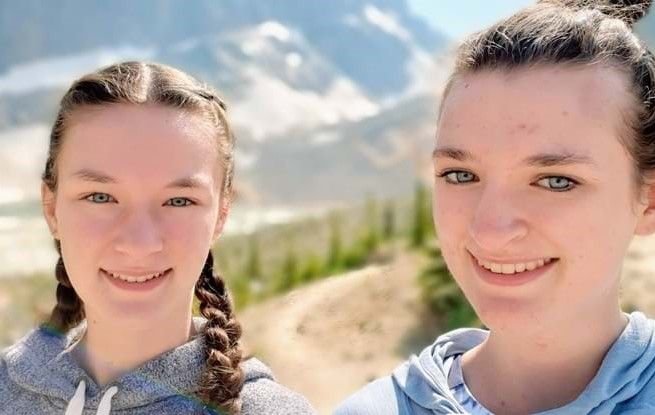
Two sisters pose together outside with mountains in the background.

A young Canadian pays tribute to her older sibling, a nursing student who exemplifies STEM in service to others during the uncertainty of the COVID-19 pandemic.

Published February 28, 2022

By Roger Torda

Kelsey and Kaitlyn Holmquist

Sometimes superheroes can be found close to home. For Kelsey Holmquist, the best example of a Super Hero of STEM is her older sister, who “was a first year nursing student when the world began to fall apart at the start of 2020.”

Kelsey, a Canadian high school student, submitted the story of her sister, Kaitlyn, in the “Super Heroes of STEM” essay competition, sponsored by Johnson & Johnson and The New York Academy of Sciences. Kelsey’s entry, one of 74 from around the world, came in first place.

Kelsey wrote that her sister is her superhero because, in the midst of the COVID-19 pandemic, nurses “are the ones ensuring that victims of COVID-19 are given dignity in their recovery or final moments; they are the ones ensuring that humanity is not lost when patients are regarded as little more than a statistic.”

Kelsey is now in grade 12 in Edmonton, Alberta. She’s been accepted into a Bachelor of Commerce program at MacEwan University in Edmonton, the same university where her sister is studying nursing. Kelsey plans to major in legal studies and then pursue a law degree. “I am not entirely sure which specific branch of law I will pursue,” Kelsey told us. “But as of right now I am very interested in exploring the way law applies to those with mental illness, and how we can ensure it is applied justly.”

“The Unnoticed Hero”

Kelsey tells a compelling story in her essay, “The Unnoticed Hero,” about her sister’s decision to study nursing while pressured to become a doctor instead. She had excelled in math and sciences throughout high school, and she faced “backlash from teachers and peers alike aimed to guilt her into choosing a stereotypically more challenging and professionally esteemed program….”

But as Kelsey points out, registered nurses perform important – if sometimes unacknowledged – work, exercising independent thinking, catching errors in physicians’ instructions, and carrying out “life saving measures for the critical first two minutes before a code team can arrive.” Kelsey also writes that nurses are also scientists:

The image of a scientist has expanded throughout the years to include women, but it still remains entrenched in the idea that it must involve a dedicated laboratory and research team. Nurses defy this stereotype. With each patient Holmquist interacts with, she must identify the best approach. Similar to a high stakes hypothesis, she must quickly formulate a plan of action well supported by evidence and research.

Kelsey adds about her sister’s work as a health care aide during her first year in nursing school:

With each and every interaction Holmquist has been involved in, an impact has been made. One smile can make the difference in having an elderly patient get out of bed, which is one step closer to walking, and one step closer to playing with one’s grandchildren. There are no limits to the ripple effect of conviviality.

Also read: Inspired by Science to Cure Her Own Disease

Assessing Fire Risk and Preparedness

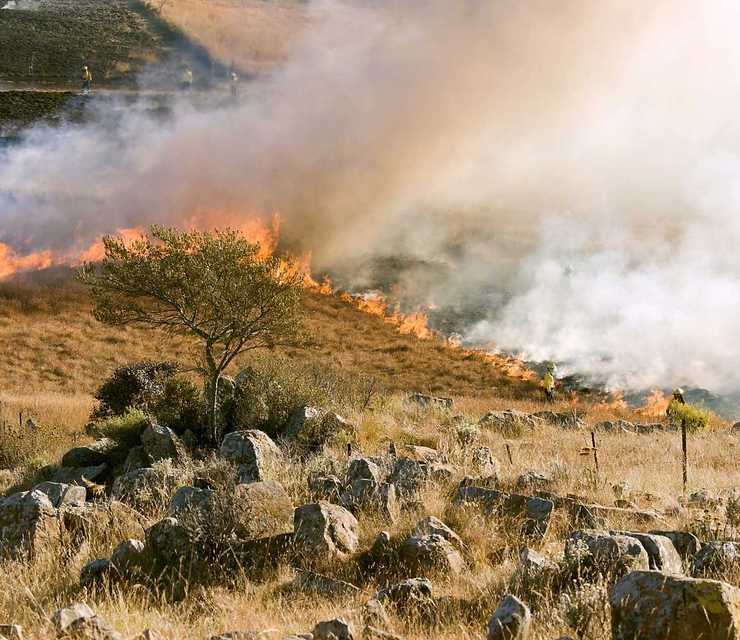
A wildfire blazes on dry grasses, while firefighters combat the flames.

We’ve faced unimaginable difficulties in public health since 2020, but the pandemic isn’t the only crisis confronting communities across the globe.

Published January 11, 2022

By ISR Staff

Although wildfires have been ravaging countries around the world for the last decade, many have recently seen their worst blazes in generations.

In 2020, Colorado and California made global headlines for recording their largest wildfires in history, collectively burning through almost 5 million acres of land. In a report from the National Interagency Coordination Center, the amount of land burned by wildfires in the western U.S reached 8.8 million acres—an area larger than the entire state of Maryland. Unfortunately, these disasters are not just occurring in the U.S.

Climate change exacerbates conditions that are favorable for wildfires, including hotter temperatures, longer droughts, and drier vegetation. Today, we’re experiencing these conditions in real-time as record high temperatures now occur twice as often as record lows across the United States.

As wildfires continue to increase in frequency and severity, we must be prepared for the next crisis that threatens to devastate lives.

Scientists are a crucial component of any large-scale response to a global emergency, and the current procedures around wildfire preparedness and prevention are not sufficient enough to successfully mitigate the issue. 

Over the last decade, federal investments in wildfire research have been disproportionately lower than the amount spent on wildfire suppression. For example, the U.S. Forest Service spent nearly $2 billion towards putting out wildfires in 2016, yet only received $27 million to fund their National Fire Plan Research and Development Program that same year. More recently, the ongoing health crisis has led to researchers getting reduced financial support from federal and state government agencies to help address the magnitude of fire risk and preparedness.

Outside of the need for increased research investments,  there is also a lack of cohesion between industry, academia, and government when it comes to wildfire prevention. Last year’s COVID-19 High-Performance Computing Consortium, an innovative public-private body that provided more than 600 petaflops of free computing power to the COVID-19 research effort, successfully proved that harnessing the power of industry and academia is the best way to flexibly address a future crisis.

This is why we’re recruiting scientists to join the International Science Reserve (ISR), a global network of experts working to accelerate solutions that will help mitigate global crises like wildfires. While there are existing organizations dedicated to crisis response, the ISR is specifically focused on mobilizing scientists to augment existing response organizations. This creates an engaged ‘crisis community’ which regularly participates in preparedness exercises and contributes to a better understanding of the role of science in crisis mitigation. In the long term, this could influence future policy regarding the role of science in crisis preparation and response.

The International Science Reserve will bring together an esteemed network of scientists to accelerate solutions to prepare for — and help mitigate — the impact of wildfires. 

To help slow the rapid spread of wildfires, scientists in the International Science Reserve (ISR) will address the issue with a multitude of actions. These actions may include:

  • Integrating long-term climate modelling into scenario planning so national and international organizations can better prepare for when and where wildfires are likely to be a danger. 
  • Collaborating with international scientists to examine long-term climate trends as well as organizations involved in short- and medium-term weather forecasting, such as the U.S. National Oceanic and Atmospheric Administration.
  • Partnering with the World Meteorological Organization to ensure that accessible and timely data are made available to determine impacts of smoke and air pollution stemming from the fires.
  • Conducting in-depth analyses of the responses of various organizations to wildfires, as well as highlighting best practices for actions which are known to be effective to help with future prevention.

If you or your organization are interested in learning more about the International Science Reserve and how you can get involved, please contact us at ISR@nyas.org. We need your partnership in this mission.

Also read: The International Science Reserve – An Ambitious Future-Proofing Initiative for the Public Good

Raising Awareness about Water Quality in Ukraine

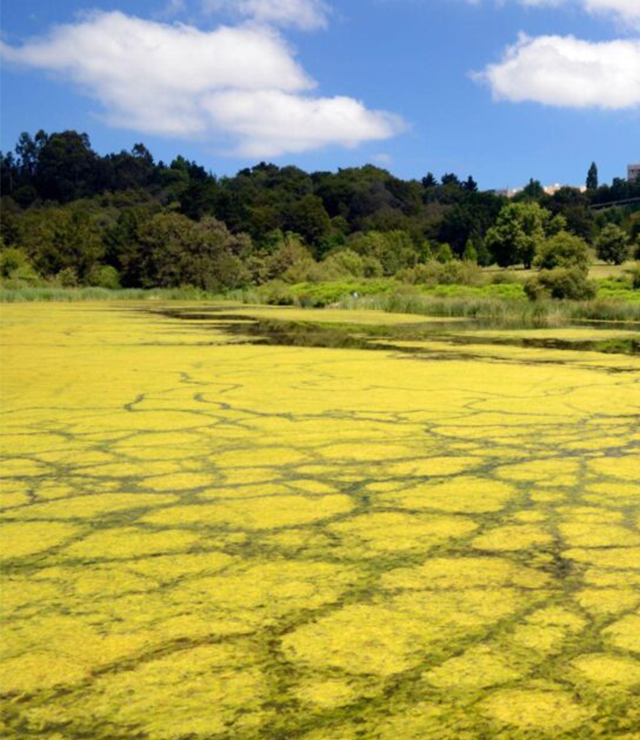
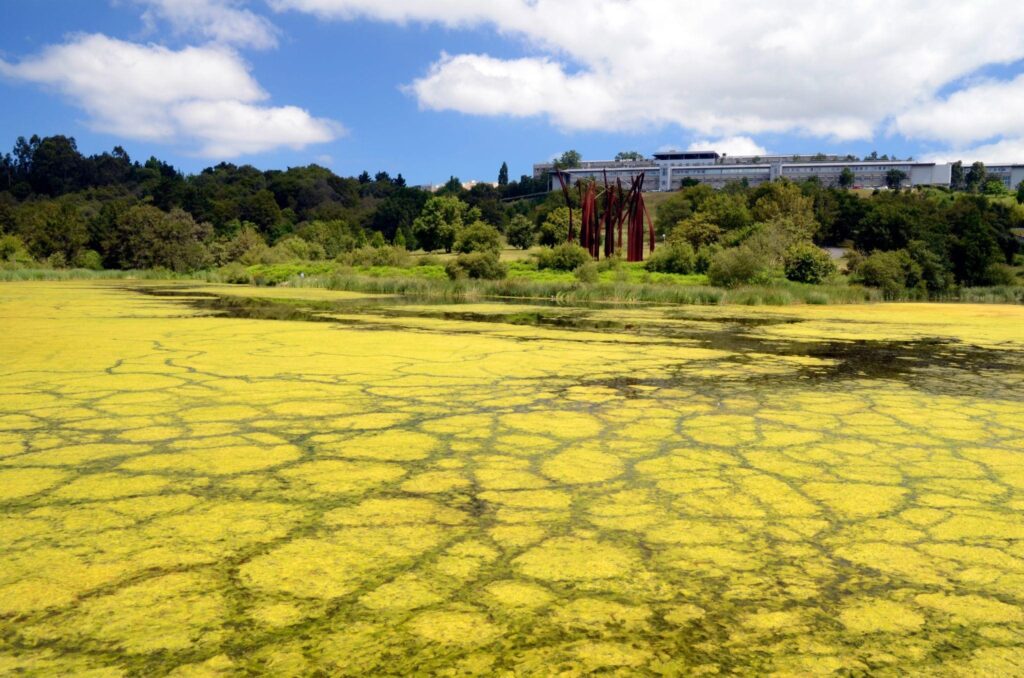
A photo of a polluted body of water.

Meet Sea Saviors, the winning team of the Fall 2021 Junior Academy Challenge “Restoration of Aquatic Ecosystems.”

Published December 15, 2021

By Roger Torda

In the fall of 2021, six budding scientists entered the Junior Academy Challenge and teamed up online to address eutrophication in the Black Sea area and the Dnieper River that runs across Ukraine. Team members were Anzhelika-Mariia H. (Team Lead) (Ukraine), Kusum S. (Nepal), Aman Kumar F. (India), Manan P. (India), Ksheerja S. (India), and Viktoriia L. (Ukraine); the team worked under the mentorship of Pratibha Gupta (India).

Eutrophication is a naturally-occurring process that affects the chemical composition of water bodies. When this process is accelerated by human factors like industrial waste, sewage and fertilizers from farms, it causes excessive growth of algae and phytoplankton, oxygen deficiency, and dead zones – thus threatening ecosystems, biodiversity, and public health.

As a first step, the Challenge participants conducted research to better understand the root causes of the problem in the Dnieper River basin.

“I got tons of insights on eutrophication and how it is destroying our planet’s life,” explains Aman Kumar.

Encouraged by their mentor Pratibha (a.k.a. “Power Girl”), the students also looked at existing solutions before brainstorming new approaches that could improve the aquatic environment.

“Our mentor’s enlightening advice and expertise showed me just how vital the role of mentor is,” says Manan. “Hopefully, some day, I can become a Junior Academy mentor!”

Focusing Ecological Ditches

The team eventually opted to focus on ecological ditches, a traditional drainage system that developed in Ukraine in the 1960s, when the country was still part of the Soviet Union. Located at the edge of fields, eco-ditches allow excess rainwater to be carried away. In their conventional form, the drainage channels are inefficient at filtering unwanted fertilizer or nutrients and the team sought ways to improve them with better engineering.

“The diversity of our group, not only geographical, but also the unique personality that each of us carried added immense value to our work,” says Kusum.

The students identified a potential solution of adding plants with strong filtration capacity to eco-ditches, and looked at hydraulic flow rate control.

“I met hardworking individuals who helped me improve my own skills and taught me many valuable lessons in teamwork and analytical thinking,” says Ksheerja.

Eco-ditches require regular maintenance to remove sediments. While polluting industries can be easily identified, farms are harder to locate – yet farms release nitrogen and phosphorus fertilizers that affect the delicate chemical balance of water bodies. The students saw a potential path to a sustainable solution: by mapping agricultural farms and existing canals, they could be linked into common drainage systems that could be monitored.

Raising Awareness Through Gaming

Raising awareness of the threats posed by eutrophication is also crucial. The Sea Saviors designed a web-based computer game aimed at children aged 8-13 to sensitize them to environmental issues.

“My role was to be a game designer and developer. Because of the Junior Academy, I found out about different ways of creating the video game and practiced one more game developing engine,” says Viktoriia.

In the two-level game, a friendly sea monster tries to make the aquatic environment more habitable for his fish buddies. In the process, Bob the Monster introduces young players to ecological ditches and the cultivation of oyster shells as ways of regulating the aquatic ecosystem.

“My team was tenacious and industrious from the beginning,” says Pratibha, thrilled with her mentees’ achievements. “Each member had faith in the other one to work diligently.”

For the winning team members, the project has been a stimulating learning experience that allowed them to form strong bonds.

“Working on this project boosted my motivation to continue my studies in the hope of becoming a scientist one day,” said Anzhelika-Mariia.

Promoting the Magic of Compost Worms

A man smiles for the camera.

Sashti Balasundaram is a soil expert and worm lover who strives to grow better plants, vegetables, and flowers. The educator and entrepreneur shares his stories about composting and microorganisms.

Published December 8, 2021

By Roger Torda

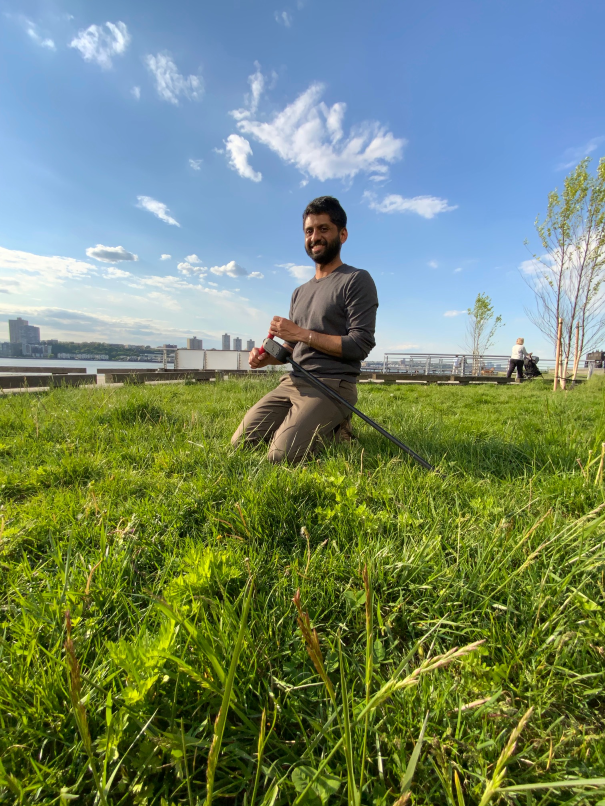
Sashti Balasundaram at work in Manhattan’s Riverside Park.

“It was magical when I saw food scraps break down in a worm bin,” recalls Sashti Balasundaram. “I thought to myself, worms are amazing.”

Sashti is a Master Composter, which means he is an expert at turning organic matter–like banana peels and apple cores and table scraps–into nutrient-rich compost. Mixed into soil, compost improves plant growth, enhances soil fertility, and reduces soil erosion. Results include healthy vegetables and flowers.

Sashti was amazed by worms when he worked in India with an organization that supports recycling. That fascination led to a passion for soil, and the microorganisms that are at the heart of composting. Now he heads an organization called WeRadiate that uses data and technology to improve soil health. He helps others learn how to create great compost, working with community gardens, schools, and urban farms.

The Importance of Compost

Sashti is just one of many experts in science and technology who share their stories in the Chat with a Scientist series of webinars, hosted by The New York Academy of Sciences’ Global STEM Alliance. In the 60 minute programs, scientists share their passion, explain how they got where they are, and take questions from curious students.

Sashti has taught at the Brooklyn Urban Garden School (known, of course, as “BUGS”), helped community gardeners across all five boroughs, and even helped the United Nations start composting at its General Assembly Building in Manhattan.

What does Sashti want kids to know about the importance of compost? “All the nutrients, the vitamins, and minerals that your family, your friends, and all humans consume each day come from soil,” he says. And there’s something else: “The environmental benefit is massive!” Compost helps soil capture carbon from the air and reduces the need for the transportation of organic waste. Composting also creates local jobs and saves communities the cost of moving garbage somewhere else.

There are many different ways to work toward a career in soil science, gardening, or agriculture. Sashti’s route was very indirect, with a background in biology, ecology, and public health. But it is easy to get started. Sashti says there are plenty of volunteer opportunities at botanical and community gardens.

Learn more about the Academy’s educational programming.

Empowering Girls in STEM, Improving Futures for All

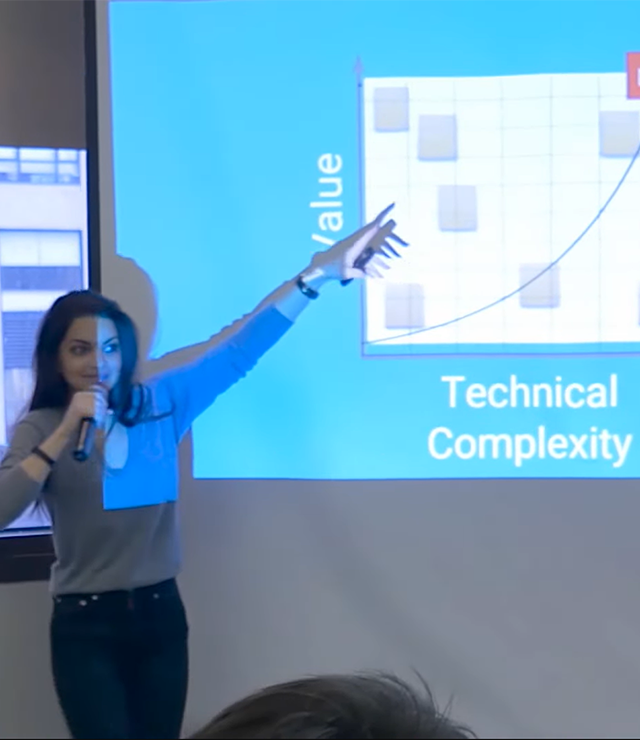
An engineering from Google gives a presentation.

The New York Academy of Sciences empowers young women to pursue STEM-related careers.

Published November 10, 2020

By Roger Torda

The New York Academy of Sciences and its Global STEM Alliance partners want to grow the STEM pipeline, and engage and retain more young women in STEM-related careers. Our programs connect motivated, enthusiastic female mentors with smart, STEM-focused high school girls from around the world to help them develop essential 21st century skills.

In this video meet some of the amazing girls in the 1000 Girls, 1000 Futures program committed to a future in STEM.

Seeking a Sustainable Plant-based Meat Source

Researchers are coming up with creative new ways to make plant-based meat alternatives more appealing to consumers, but what will it take for the public to embrace this seemingly unknown food source?

Published June 1, 2020

By Sara Donnelly, PhD

Image courtesy of barmalini via stock.adobe.com.

Vegetarianism and even veganism are not new ideas — in fact one of the first mentions of vegetarianism comes from Pythagoras in 500 BCE. Buddhists and other religious groups have long advocated the practice for humane reasons.

The term vegan was coined more recently in 1944, to distinguish those who do not eat any animal-derived products from those who still consume dairy and eggs. Veganism has long been viewed as an extreme lifestyle choice, however, in recent years, the popularity of plant-based diets has been on the rise.

In 2017, six percent of U.S. consumers identified as vegan. While this is still a tiny percentage of the population, it represents a 600 percent increase over the previous three years.

People may choose not to eat meat due to health reasons or concern over animal welfare, but growing awareness of the contribution of food production to climate change has begun to expand the conversation around the need for the broader adoption of a plant-based diet.

According to the Food and Agriculture Organization of the United Nations, food production is responsible for 14.5 percent of worldwide greenhouse gas emissions. It is estimated that if everyone in the U.S. were to give up eating meat and dairy, it would reduce the country’s carbon emissions by 70 percent.

Reducing the prevalence of meat and animal products in the American diet will not be easy, as ideas and preferences about food are deeply rooted in cultural and societal norms. Even with greater understanding of the health and environmental implications, many people struggle with the idea of replacing their Thanksgiving turkey, or their celebratory steak, with a plant-based alternative.

Meat Diets Associated with Higher Standards of Living

Eating meat is also associated with increasing wealth, and as the standard of living has increased over the last 50 years in countries such as China, so too has their meat consumption, despite government policies advocating for lower intake.

A number of new plant-based meat alternatives have recently been developed that aim to ease the transition for those who want to make the switch. Several of these products have garnered significant media attention, but why all the hype? What makes the Impossible Burger “impossible?” and why would you want to go “Beyond Meat”?

While they take different approaches, companies such as Impossible Foods and Beyond Meat aim to create plant-based products that are almost indistinguishable from the real thing, which they believe will lure even the most die-hard meat eaters away from animal-derived products.

According to Principal Scientist, Dr. Laura Kliman, of Impossible Foods, “You can’t just tell people to stop eating meat, so at Impossible we’re not redesigning the product. We’re just redesigning the process to make it, and we’re delivering all the deliciousness, the nutrition, the versatility, that people expect out of meat but we’re making it from plants, which is inherently more sustainable.”

Impossible has a lofty mission to “replace the need for animal farming by the year 2035”. To do that, they take a rigorous scientific approach to replicate the taste and texture of meat. As Kliman says “taste is only a small part of it, flavor is mostly aroma.” In order to identify and recreate the aroma of meat, she uses the Gas Chromatography-Olfactometry technique, in which beef is broken down into its component chemicals and each of those is associated with a particular smell.

Finding Plant-Based Compounds

The scientists then turn their attention to the plant world to find plant-based compounds with the same characteristics. For Impossible this means they now have a “technology platform, or pipeline” that allows them to do the same for other meat products — for example the recently released Impossible Pork. A similar pipeline approach is used to replicate the texture of meat.

For Impossible, their “secret sauce”, what Kliman says provides the “explosion of meaty flavor” is heme, a chemical found in all plants and animals. In humans, it forms part of hemoglobin, the protein complex that carries oxygen around the body in the bloodstream. To replicate the taste of animal heme, Impossible scientists turned to leghemoglobin, a variant that naturally occurs in soy. They then devised a way to produce it in genetically modified yeast, in order to meet production demands and minimize its environmental impact. According to the company, their process uses 87 percent less water, 96 percent less land, and emits 89 percent less greenhouse gases than it takes to produce traditional beef burgers.

Plant-based alternatives to meat are produced from soy, potato, rice, mung bean, or pea protein and also contain fats to give them the appealing sizzle as they hit the pan. While eating a plant-based diet is often viewed as the healthier option, it is important to realize that eating “Beyond Meat” or an “Impossible Burger” is not necessarily beneficial for health.

Less Cholesterol, More Fiber and Sodium

These products have a similar fat content to beef burgers, and while they have less cholesterol and more fiber than a typical meat patty of the same weight, they do contain more sodium. Professor Kent Kirshenbaum is an organic chemist at New York University, and former scientific advisor to Beyond Meat, who is currently on the board of the Good Food Institute, a non-profit that promotes alternatives to animal food products.

“There is no easy way to answer this question,” he says. “Is it potentially beneficial to move to plant-based sources of food rather than animals? Yes, and I could spend a lot of time telling you why, especially moving away from red meat. However, for those people who are concerned about ultra-processed foods as potentially having deleterious health consequences, they’re absolutely right, this could turn out to be a problem. We don’t know what it is about processed foods that gives rise to health problems, so we really don’t know what the long-term effect is going to be.”

At a Restaurant Near You

From restaurants like David Chang’s Nishi, to Burger King and Dunkin’ Donuts, the Impossible Burger and Beyond Meat products are widely available, and Taco Bell recently announced it will offer plant-based fare within a year. However, not all restauranteurs are so enthusiastic. Chef Silvia Barban, former “Top Chef” competitor and current proprietor of LaRina in Brooklyn, N.Y., offers many vegetarian options on her menu, but none of them contain plant-based meat alternatives. Barban prefers to use her culinary skills to turn locally sourced vegetables into a delicious meal. “I want to sustain the local farmers. I want to try to make great dishes with everything that we have around”, says Barban.

However, in her personal life she finds these plant-based products an easy substitute in dishes like tacos or ramen, when she needs a quick and tasty lunch or late meal after work. While Barban thinks that plant-based meat alternatives are a great addition to fast food, or fast casual restaurant menus, she has no plans to incorporate them in her own menu: “I just use vegetables and I treat them the right way and make it super flavorful. For example, I like to do a beet tartar. It’s vegetarian. It looks like meat, but it’s not — it’s beets and it’s delicious!”

Rethinking How We Eat and Produce Food

It is clear that for our health and the environment, we need to rethink what we eat and how we produce our food. A recent report from EAT-Lancet Commission states that achieving a sustainable and healthy diet worldwide is possible by 2050, but will require a dramatic shift in our approach to eating and agriculture as well as require significant effort and investment from all sectors.

While the report suggests that meat consumption should actually increase in parts of the world where malnutrition is prevalent, in North America, there needs to be a substantial decrease in the amount of meat and dairy consumed. Thus, solutions to the problems of developing a sustainable global food supply chain will take many forms. In western nations, hi-tech plant-based meat alternatives, will almost certainly play a major part in this revolution.

“This is here to stay. Even if part of what’s going on is some element of hype, we don’t have any choice but to drastically reform our food systems, it has to happen,” says Kirshenbaum. “The population is just growing too quickly. Economies around the world are expanding and people are becoming wealthier, which has generally been associated with greater consumption of meat. Just from a global sustainability standpoint, this has to happen.”

Also read: Challenges in Food and Nutrition Science