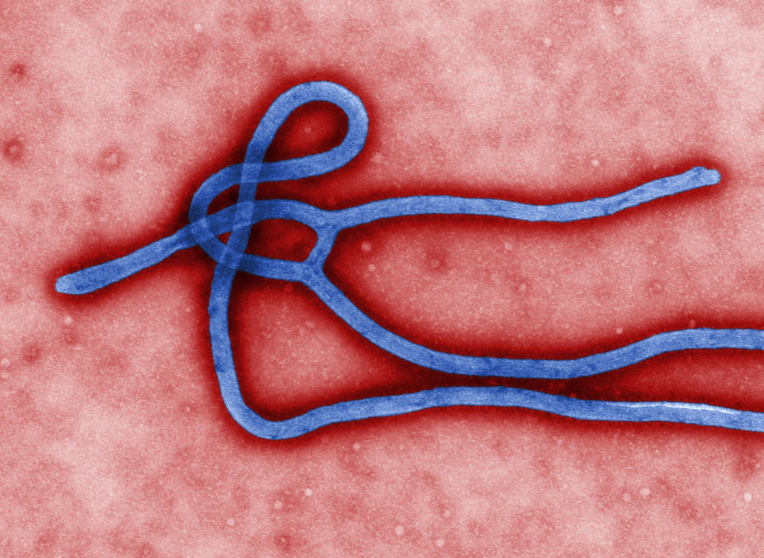
For the general public in the United States, the risk currently remains low. There are no reported cases in the United States tied to this outbreak, and Ebola does not spread through the air like measles or COVID-19. It spreads through direct contact with the body fluids of a person who is sick with or has died from Ebola disease.
But “low risk here” should never be mistaken for “low concern.” Having supported Ebola response efforts during the 2014–2016 outbreak and related U.S. domestic preparedness and response activities, I know that clear, accurate communication is essential. This outbreak has several features that deserve close attention from public health leaders, healthcare systems, travelers, and policymakers.
1. This is not the Ebola strain most people know.
The current outbreak is caused by Bundibugyo virus, a species of Ebola virus that has caused only a small number of known outbreaks. This matters because the tools we often associate with Ebola response are not all interchangeable. The U.S.-licensed Ebola vaccine, ERVEBO, is indicated for prevention of Ebola disease caused by Zaire ebolavirus, not Bundibugyo virus. There are currently no FDA-licensed or authorized vaccine and no FDA-approved or authorized treatment specifically for Bundibugyo virus disease.
2. The outbreak appears to have been detected late.
CDC’s May 19 Health Alert Network advisory reported that, as of May 16, DRC had 246 suspected cases and 80 deaths, with Bundibugyo virus infection confirmed in samples from clusters in Ituri Province. Uganda has also reported associated cases linked to travel from DRC, including cases identified in Kampala; one patient reportedly died while receiving care. More recent reporting from May 19 described more than 500 suspected cases and more than 130 suspected deaths, underscoring how quickly the situation is evolving. Late detection means public health teams are not starting at the beginning of a transmission chain. Instead, they are trying to reconstruct weeks of exposures, missed diagnoses, unsafe burials, healthcare contacts, cross-border movement, and community spread after the fact. That makes contact tracing harder, isolation more difficult, and containment more urgent.
3. Healthcare worker infections are a flashing red warning light.
Ebola is often called a disease of caregiving because the highest-risk exposures frequently occur among those providing hands-on care: family members, burial workers, and healthcare personnel. CDC notes that healthcare providers and family members caring for someone with Ebola disease without proper infection control are among those at highest risk. Reports of healthcare worker deaths or infections are especially concerning because they can signal gaps in infection prevention, delayed recognition, inadequate PPE, overwhelmed facilities, or all of the above. When healthcare workers become infected, health systems lose trusted responders at the very moment they are most needed.
4. The location makes containment much harder.
The outbreak is centered in northeastern DRC, including Ituri Province, an area affected by insecurity, population displacement, mining-related movement, and frequent cross-border travel. CDC specifically identifies these factors as conditions that may increase the risk of further transmission. This is not just a virology problem, it is a logistics, trust, conflict, and mobility problem. Public health response depends on safe access to communities, reliable laboratory testing, rapid isolation, contact tracing, and community cooperation. Each of those becomes harder in a setting marked by insecurity and displacement.
5. A PHEIC is a global alarm bell, not a reason to panic.
WHO declared this outbreak a Public Health Emergency of International Concern (PHEIC) on May 17, 2026. WHO defines a PHEIC as an extraordinary event that poses a public health risk to other countries through international spread and may require a coordinated international response. In plain language: a PHEIC is a call to mobilize money, personnel, supplies, surveillance, laboratory capacity, and cross-border coordination.
6. The Title 42 order is extraordinary and should be understood carefully.
According to the outbreak information shared, the U.S. federal response includes enhanced travel screening, entry restrictions, and a Title 42 order beginning May 18: a 30-day restriction on entry for foreign travelers who have been in DRC, Uganda, or South Sudan in the prior 21 days, with exemptions for U.S. citizens and permanent residents. That is a major federal action. Travel restrictions may reduce some travel volume and buy time, but they are not a substitute for outbreak control at the source. They can also create unintended consequences, including stigma, disincentives to disclose travel history, and disruption of response logistics. The core work remains surveillance, testing, isolation, infection prevention, safe burials, community engagement, and support for affected countries.
7. The World Cup changes the preparedness conversation.
The U.S., Canada, and Mexico are hosting the 2026 FIFA World Cup from June 11 to July 19, and the New York/New Jersey region will host eight matches, including the final on July 19. Ebola is not easy to transmit in casual public settings and the current risk to U.S. residents remains low. But mass gatherings bring large volumes of international travel, crowded venues, and heightened demands on emergency departments, urgent care, public health hotlines, and airport screening systems. The lesson is not to alarm fans, it is to ensure frontline healthcare and public health systems are ready to ask the right travel questions, identify compatible symptoms, isolate quickly, and inform public health authorities without delay.
8. The public health message must be precise: low U.S. risk, high global stakes.
For the U.S. public, the practical takeaway is straightforward: risk remains very low unless someone has recently been in an affected area or had direct contact with a symptomatic or deceased person with Ebola disease. Ebola is not airborne, and people are not considered contagious before symptoms appear. For healthcare systems, the message is equally clear: travel screening matters, PPE training matters, and “identify, isolate, inform” remains the backbone of preparedness.
This is an evolving story. Updates may be added as the World Health Organization (WHO) releases more information.
Hantavirus is not the kind of virus typically associated with cruise ship outbreaks, which is what makes the reported cluster aboard the MV Hondius so unusual.
Published May 4, 2026 [Updated May 5, 2026]
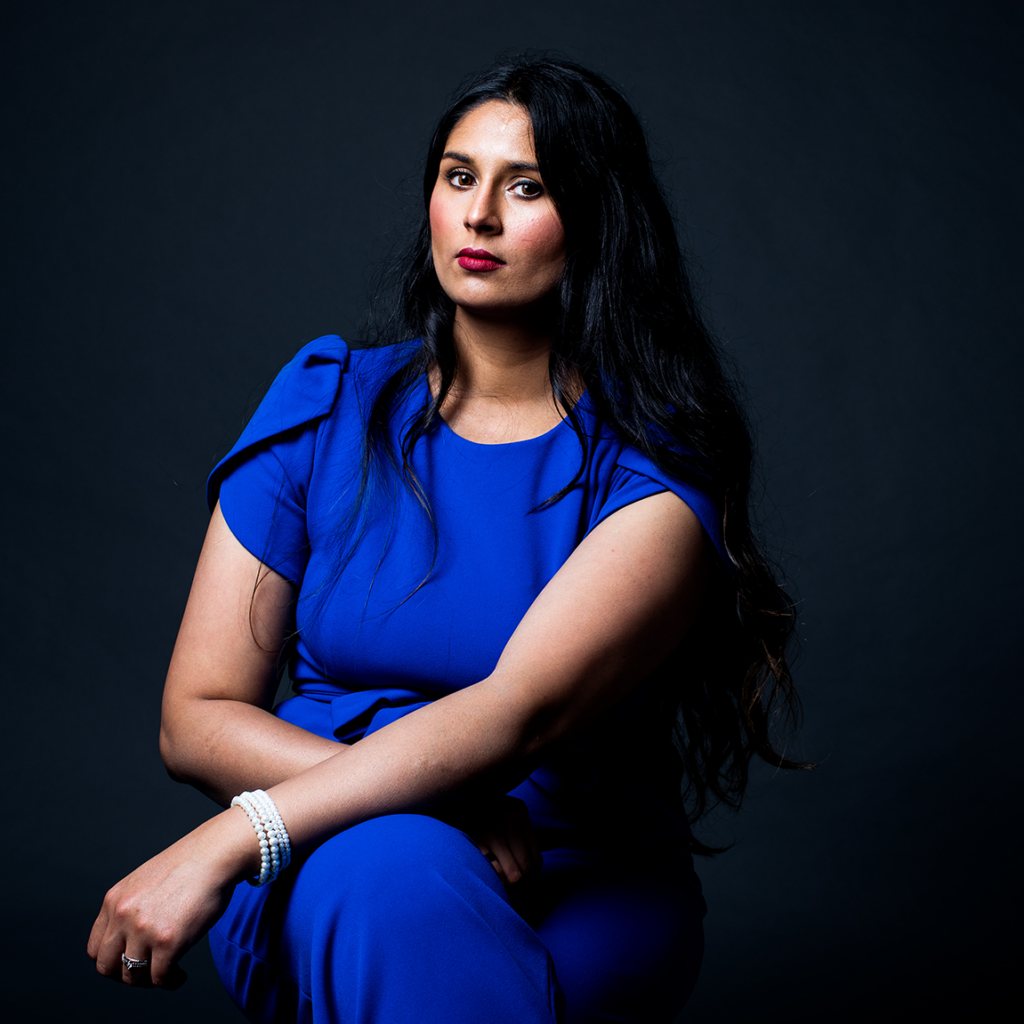
By Syra Madad, D.H.Sc., M.Sc., MCP, CHEP
The World Health Organization (WHO) now reports seven cases linked to the cruise ship: two laboratory-confirmed hantavirus infections and five suspected cases, including three deaths, one critically ill patient and three people with mild symptoms. The ship, carrying 147 passengers and crew from 23 nationalities, is moored off Cabo Verde while investigations continue.
Three people aboard the Atlantic expedition cruise have died in a suspected hantavirus cluster. As of May 4, two cases have now been laboratory-confirmed, with five others classified as suspected cases. Illness onset occurred between April 6 and April 28, with symptoms including fever, gastrointestinal illness, pneumonia, acute respiratory distress syndrome and shock.
Unlike norovirus or many respiratory viruses that can spread quickly in close quarters, hantaviruses are usually rodent-borne. People are most often infected after exposure to virus-contaminated rodent urine, droppings, saliva or dust, not through routine contact with other travelers.
That distinction matters. Investigators will need to determine where exposure occurred: on the ship, during a shore stop, through contaminated supplies or cargo, or through another route still under investigation. WHO says the vessel departed Ushuaia, Argentina, on April 1 and traveled through remote South Atlantic locations including Antarctica, South Georgia, Nightingale Island, Tristan da Cunha, Saint Helena and Ascension Island. The extent of contact with local wildlife, or any exposure before boarding, remains undetermined. Andes virus, found in South America, is especially important to assess because it has been linked to person-to-person transmission in some circumstances.
Here are 3 things to know about hantavirus:
1. Hantavirus is rare, but it can be severe.
In the United States, 890 laboratory-confirmed hantavirus cases were reported from 1993 through the end of 2023. Hantavirus pulmonary syndrome, the severe lung illness caused by some hantaviruses, is fatal in nearly 4 in 10 infected people. Globally, hantavirus infections remain relatively uncommon, but the burden varies by region: an estimated 10,000 to more than 100,000 infections occur each year worldwide, with the largest burden in Asia and Europe. Case-fatality rates range from less than 1% to 15% in Asia and Europe and can reach up to 50% in the Americas. Early supportive care and rapid transfer to a facility with intensive-care capacity can improve survival.
2. Most hantaviruses do not spread from person to person.
Hantaviruses are mainly spread by rodents. People can become infected when fresh or dried rodent urine, droppings or saliva are disturbed and virus-containing particles are inhaled. Most hantaviruses are not transmitted between people; Andes virus, found in parts of South America, is the key exception with documented person-to-person spread. WHO currently assesses the risk to the global population from this event as low, but says the possibility of human-to-human transmission should be considered where Andes and potentially other South American hantaviruses are endemic.
3. Prevention is practical: reduce rodent exposure.
Hantavirus prevention starts with keeping rodents out of homes, cabins, ships and workspaces, and avoiding contact with areas they may have contaminated. The virus can spread when particles from infected rodent urine, droppings or nesting materials become airborne and are inhaled, especially during cleaning or disturbance of enclosed spaces.
Hantavirus may be rare, but it has long produced unusual and instructive cases in the United States. The disease was first recognized in the U.S. after a 1993 outbreak in the Four Corners region, where investigators linked severe respiratory illness to a newly identified hantavirus later named Sin Nombre virus. More recently, the CDC reported a Louisiana case of Bayou hantavirus cardiopulmonary syndrome, a reminder that hantavirus risk is not confined to the rural West. And in 2017 on Long Island, researchers documented infection with New York orthohantavirus in a woman with kidney and bleeding complications, showing that hantaviruses can surface in places many people would not associate with the disease. New York State also notes that while most U.S. cases occur west of the Mississippi River, sporadic cases have been reported in eastern states, including New York.
These cases underscore the central point: hantavirus is rare, but it can emerge in unexpected places when people encounter rodent-contaminated environments.
The priority now is straightforward: find the source, identify the virus, protect those at risk and communicate clearly without fueling alarm. That work is now underway through a coordinated international response involving WHO and authorities in Cabo Verde, the Netherlands, South Africa, Spain, the United Kingdom and Argentina, with case isolation, medical evacuation, contact tracing, laboratory testing, sequencing and metagenomic analysis ongoing.
This is an evolving story. Updates may be added as the World Health Organization (WHO) releases more information.
In public health, we are trained to read the curve, trace the chain of transmission, and update guidance as evidence evolves. But the public rarely experiences an outbreak that way.
Published May 4, 2026
By Syra Madad, D.H.Sc., M.Sc., MCP, CHEP
Syra Madad, D.H.Sc., M.Sc., MCP, CHEP
People experience crises as stories.
They ask: Who caused this? Who failed us? Who is telling the truth? Who will protect us?
That was the central theme of “Public Health Characters: Heroes, Villains, and Why Narratives Break Policy,” a fireside chat I hosted with students featuring Billy Kimball, a writer, producer, and executive with more than 35 years of experience shaping stories for television, film, and digital media. His credits include Veep, The Simpsons, Waiting for Superman, and the Oscars telecast, and his work has earned multiple Primetime Emmy and Writers Guild Awards.
Our conversation explored how public health crises are often reduced to familiar storylines: heroes, villains, victims, scapegoats, and simple moral arcs. Those narratives can be powerful, but they can also distort how people understand risk, policy, compliance, and trust.
That concern has followed me through multiple outbreaks I have responded to, including Ebola, Zika, mpox, measles, and COVID-19. Again and again, I have seen outbreaks flattened into stories about blame when what we actually need are narratives that can hold uncertainty, systems, access, trust, and collective action.
This is not an abstract communications challenge for me.
When the Netflix documentary series I was part of, Pandemic: How to Prevent an Outbreak, was released in January 2020, I suddenly found myself speaking to the public in a way I had never been formally trained to do. The series had been filmed before COVID-19 reshaped daily life, but it came out just as the world was beginning to confront the very kind of crisis it warned about.
Explaining Complex Science in Plain Language
Since then, I have appeared in three additional documentaries and done more media interviews than I can count, often during rapidly evolving global health emergencies. I had to learn, quickly and imperfectly, how to explain complex science in plain language, how to answer questions when the answer was still changing, and how to communicate uncertainty without sounding uncertain. In many ways, I had to teach myself science communication in real time.
That experience changed how I think about public health leadership. Expertise is not enough if people cannot hear it, trust it, or use it. We do not lose public trust only because people lack facts. We lose trust when facts arrive without meaning, without empathy, and without a story people can carry with them.
COVID-19 made that painfully clear. Guidance changed because evidence changed, but too often we failed to explain that change as learning. In the absence of that explanation, others filled the vacuum with betrayal narratives: “They lied.” “They covered it up.” “They don’t know what they’re doing.”
Billy put it plainly in our conversation: the public rarely rewards leaders for saying, “I used to think this, but I learned a little more.” Yet that is exactly what evidence-based practice requires.
The Challenges of Emergency Communication
One of the hardest parts of emergency communication is that the pressure to say something quickly and the responsibility to say something true are often in tension. Wait too long, and rumor fills the vacuum. Speak too soon, and evolving evidence may later make the message appear inconsistent. That is not a failure of science. It is the nature of science. But if we do not narrate that process clearly, others will narrate it for us.
This is not an argument for simplifying science until it becomes inaccurate. It is an argument for making accuracy usable. Storytelling is not a substitute for timeliness, accuracy, credibility, empathy, or respect. It is one of the ways we make those principles memorable.
Billy’s examples were especially useful because he understands both the power and the danger of narrative. He noted that narrative is not naturally optimized for communicating facts. A single vivid anecdote can overpower a statistic. Tell someone shark attacks are rare, and they may still answer with the unforgettable image of the person attacked last week. The statistic may be correct, but the story wins.
That is the problem public health faces every day: risk is mathematical, but fear is narrative.
The same dynamic helps explain why conspiracy theories are so difficult to counter. Billy described them as “terrific narratives,” not because they are true, but because they are emotionally compelling. They offer villains, hidden motives, secret plots, and a sense of revelation. By the time public health says, “That is not accurate,” the false story has already given people a world to inhabit.
Public health cannot respond to that with data alone. We have to offer stories that are more honest, more humane, and more useful.
Consider Measles
The facts matter: cases rise when vaccination coverage falls, and community protection depends on maintaining high immunization rates. But the story cannot simply be “irresponsible parents” versus “public health.” That is too easy, and often counterproductive. The better story is about immunity gaps, access, trust, misinformation, and the infants and immunocompromised people who rely on community protection.
The same lesson applies to mpox. During the 2022 outbreak, public health leaders had to communicate risk without reinforcing stigma. That required a very specific kind of storytelling: one that named behaviors and exposure pathways clearly while protecting dignity and avoiding blame. The wrong story could have driven people away from testing, vaccination, and care. The right story could help people protect themselves and one another.
We also discussed the crisis of expertise. During COVID-19, everyone suddenly seemed to become an epidemiologist. Before the pandemic, people often confused epidemiologists with dermatologists. Then, almost overnight, self-proclaimed experts were building large audiences online, often with little training or experience.
Billy captured the problem with a striking image: anti-vaccine voices can gather a small number of doctors on the steps of the Capitol, photograph them, and present that image as authority, even when the overwhelming consensus of the medical and public health community says the opposite. The issue is not only misinformation. It is the packaging of credibility.
That means public health has to get better at packaging truth without cheapening it. We need faster, clearer, more visible ways to show what real expertise looks like. Not one isolated voice. Not a single press release. But a chorus of trusted professionals who can speak plainly, answer hard questions, and demonstrate that consensus is not the same thing as groupthink.
Understanding the Media Environment
The media environment makes this even harder. Billy reminded us that media incentives are not always aligned with public health needs. Public health wants proportion, accuracy, calm, and action. Media often rewards conflict, fear, novelty, and speed.
That does not mean public health should avoid the media. It means we need to understand the stage we are stepping onto. Every interview is not just a transfer of information. It is a narrative encounter.
I learned that lesson many times during COVID-19. On one live television segment, while discussing the virus, an anchor asked me whether someone could get COVID-19 by eating Chinese food. It would have been easy to dismiss the question. But when you are speaking to millions of people, there is no such thing as a throwaway moment.
I answered calmly: no, you cannot get COVID that way, but let me explain how you can get it.
That exchange later made its way into an episode of John Oliver’s show because the question captured so much of what public health communicators were up against at the time: fear, stigma, confusion, and misinformation all tangled together. But that is the work. You take the fear or stigma embedded in the question and redirect it toward accurate transmission, prevention, and protection.
One of Billy’s most hopeful observations was that expertise can still be self-validating if people are given enough time and space to hear from real experts. People can recognize sincerity, competence, and care through human cues. Public health should not confuse short attention spans with a lack of public capacity. People will watch a long explanation if it is clear, compelling, and worth their time.
The Complexity of Storytelling
During the audience Q&A, one student asked whether repeated exposure to television and movie narratives trains us to look for blame: the hero, the villain, the person who failed. That question gets to the heart of why this matters. If entertainment teaches us how to see a crisis, public health has to understand the grammar of those stories.
The hero’s journey may be satisfying, but outbreaks are rarely solved by one heroic outsider. They are managed by teams, systems, institutions, and communities: exactly the kinds of protagonists that are harder to dramatize but essential to public health.
Another student asked Billy where writers and producers find inspiration for storylines. His answer was wonderfully practical. Television writing requires ideas “in bulk,” because no one has enough personal experience to generate every storyline alone. He described a practice used by Succession creator Jesse Armstrong: every Monday, Armstrong would ask everyone in the writers’ room what they did that weekend. People would not simply say they went to a restaurant. They would begin telling stories about why they went, what went wrong, who they were trying to please, what they had to pretend, and what unexpected thing happened next. Before long, the raw material of life became the beginning of a story.
That stayed with me because public health is full of those moments, too. We often think the story is the outbreak, the pathogen, or the policy decision. But the real story may be the parent weighing whether to vaccinate, the nurse explaining isolation precautions for the hundredth time, the epidemiologist revising guidance as new evidence emerges, or the community leader trying to rebuild trust after years of neglect.
Effective Storytelling without Losing the Science
That is what made me think of Grey’s Anatomy and its “secret sauce.” Now in its 22nd season and renewed for a 23rd, it holds the record as the longest-running primetime medical drama in television history. Obviously, the show is not simply “healthcare.” It is dramatized through romance, heartbreak, conflict, humor, ambition, betrayal, and high-stakes personal relationships.
But that is why it works. It gives audiences an emotional entry point into medicine. It helps people understand hospitals as places of expertise, urgency, teamwork, grief, recovery, and complicated trust. Billy immediately connected that point to what people expect when they enter a hospital and how those expectations tie back to expertise.
Public health rarely gets that kind of narrative treatment, but it should. Our work is not short on human drama. We just have to tell those stories without losing the science.
Billy’s Veep example offered the opposite lesson. When an audience member asked whether the show had “predicted” real political movements, Billy recalled a joke in which a character campaigning in Pennsylvania says the state has “the second highest unvaccinated population in the United States,” and that “if I’m elected, we will become number one.” It was written as absurd satire, but as Billy noted, current events eventually overtook the absurdity. Reality became harder to exaggerate. The boundary between satire and public life became harder to maintain.
Public health faces a similar challenge. Misinformation is no longer fringe background noise. It is often the competing plotline. And if the competing plotline is simpler, angrier, funnier, or more emotionally satisfying than the truth, then the truth needs more than a fact sheet. It needs a narrative strategy.
So what should healthcare and public health leaders do before the next emergency?
Five Keys
First, we must stop treating communication as the final step after the “real work” is done. Communication is part of the response. A vaccine clinic, an isolation protocol, a hospital surge plan, and a press briefing are all interventions.
Second, we need better protagonists. The hero of an outbreak story is not one person at a podium. It is the nurse explaining isolation precautions, the epidemiologist revising a risk assessment, the local health worker answering the same question for the hundredth time, the communications lead who turns uncertainty into plain language without turning it into false certainty, and the community member who helps others make sense of what is happening.
Third, we need to show expertise, not merely assert it. Public health should create more opportunities for people to hear directly from the scientists, clinicians, nurses, laboratorians, emergency managers, and community leaders doing the work. Trust is not built by credentials alone. It is built when people can see competence, humility, and care.
Fourth, we need metaphors before misinformation arrives. Billy described the difficulty of countering simplistic claims about masks and virus size without drowning people in technical explanations about physics. The “hero” of that story, he suggested, is the communicator who can find the analogy that makes the science understandable. That is why the Swiss cheese model worked so well once it emerged: it helped people understand that masks, vaccines, ventilation, distancing, and staying home when sick are imperfect alone but stronger when layered together.
Finally, we must tell stories that make room for change. “Here is what we know. Here is what we do not know. Here is what we are doing to find out. Here is what you can do today.” That should be one of the most practiced scripts in healthcare and public health.
Better Stories, Better Outcomes
But facts without narrative often fail to move people toward protection. If we want better outcomes in the next emergency, we need more than better data.
We need better stories: stories that resist blame, preserve complexity, protect dignity, and help communities see themselves not as passive audiences, but as part of the response.
Even the most accomplished people can feel like frauds.
In competitive environments, success is often parceled with pressure. Even the people we admire most can quietly question whether they truly belong, despite clear evidence of their abilities.
This pattern is popularly called Imposter Syndrome. And it is far more common than we may realize.
Understanding Imposter Syndrome and Why It Persists
Psychologists Pauline Clance and Suzanne Imes coined the term “imposter phenomenon” in 1978 to describe feelings of inadequacy brought on by self-doubt, even when presented with clear evidence of the talents behind success. Despite not being medically classified as a “disorder” or “syndrome,” this behavior is now commonly known as Imposter Syndrome. Today, up to 82% of individuals experience feelings of Imposter Syndrome, exerting reverberating effects on their lives.
At its core, Imposter Syndrome is a disconnect between achievement and self-perception. It is rooted in what Clance and Imes called the “imposter cycle,” where an individual is given a task and then either overprepares or procrastinates in response to anxiety and self-doubt. They eventually complete the task, but attribute their feat to luck, timing, or external help rather than their own competence. Any positive feedback they receive is dismissed. Essentially, there is a failure to internalize success because it is thought of as a product of either working harder than everyone else because of a deficiency or last-minute lucky decisions. Over time, this mindset erodes confidence and distorts how success is interpreted.
Why STEM Environments Amplify Self-Doubt
Highly competitive environments like STEM fields can intensify Imposter Syndrome. They include consistent evaluation and reward excellence but often lack clear benchmarks for success. This uncertainty fuels comparison, causing individuals to measure themselves against equally high-achieving peers, leading to feelings of inadequacy.
In STEM environments, access to opportunities may depend on institutional prestige, networks, or resources. This culture of gatekeeping exacerbates feelings of Imposter Syndrome, where someone may doubt their credentials by comparing them to what a field may deem as the most desirable.
The result is that many individuals privately doubt themselves but assume others feel confident. This phenomenon, known as pluralistic ignorance, creates a false perception of isolation. However, in reality, many people share the same internal struggles.
Who Experiences Imposter Syndrome?
Since Imposter Syndrome is a product of highly competitive environments, the phenomenon is especially prevalent amongst high-achieving individuals who often strongly identify with their professional roles. When our expertise grows and we become more cognizant of what we do not know, this awareness can fuel self-doubt. Imposter syndrome is actually less common in people who are genuinely unskilled, because they lack the insight to doubt themselves.
Individuals from backgrounds underrepresented in STEM are also more likely to experience feelings of Imposter Syndrome. Clance and Imes first coined the term and observed the “imposter phenomenon” amongst women in STEM, who are still underrepresented within these fields in the United States. When someone does not see people who look like them or share their formative experiences, it reinforces the perception they do not belong.
In sum, competence and confidence do not always align.
The Consequences of Imposter Syndrome
Unchecked, Imposter Syndrome can have serious consequences. It affects both individuals and the broader STEM ecosystem.
What often begins as stress and anxiety can snowball into feelings that have a tremendous impact on mental health and well-being. Self-doubt can limit career growth – individuals may avoid applying for grants, promotions, or leadership roles because they feel they are not worthy of or ready for these opportunities. Relationships can also suffer because perfectionism and overwork reduces time and energy for connection.
The result is cognitive overload – and ultimately, burnout. When someone obsessively self-monitors, they are draining valuable mental resources that could otherwise be spent on more beneficial pursuits. And with burnout, when talented individuals disengage or leave STEM altogether, the field loses valuable perspectives. Since Imposter Syndrome is especially common amongst individuals from underrepresented groups, we risk losing out on perspectives that have a particular propensity to fuel innovation.
Addressing Imposter Syndrome: Transforming Self-Doubt into Self-Trust
Addressing Imposter Syndrome begins with awareness. Naming the experience helps normalize it and combats feelings of isolation. Structured reflection tools, such as the Clance Imposter Phenomenon Scale, can help individuals recognize and assess their experiences. In addition, open conversations amongst trusted community members and colleagues can reduce stigma and foster connection. Similarly, trusted advisors or mentors can help individuals interpret challenges more accurately and healthily. These actions support reframing thoughts of self-doubt into phrases that acknowledge and then negate the feeling of fraudulence.
Shifting from perfectionism to a growth mindset is equally important. This can be especially challenging for scientists, who are rewarded for rigor and polish. However, mistakes are part of learning, not evidence of failure. They allow us to improve and recognize progress. This concept is actually foundational to the scientific method, where structured trial and error allow researchers to strategically explore the most complex questions.
Setting realistic goals based on a growth mindset supports sustainable progress. And celebrating milestones, even modest ones, builds confidence over time.
Owning Success as a Practice and Building a Stronger STEM Community
Imposter Syndrome may not disappear entirely. However, it can be managed.
Confidence is not a fixed trait. It is a practice built through reflection, community, and action. By recognizing achievements and challenging self-doubt, individuals can reshape how they see themselves.
Addressing Imposter Syndrome is not just about self-help – it is a catalyst for building a more compassionate, inclusive, and stronger STEM community. When scientists own their success, they expand what is possible for themselves and others. And in doing so, they help build a more resilient, innovative, and inclusive STEM community, scaling knowledge and building confidence in our ability to harness STEM for the public good.
Interested in learning more? Join us at The New York Academy of Sciences for the workshop, Own Your Success: Understanding and Overcoming Imposter Syndrome. Learn more and register here.
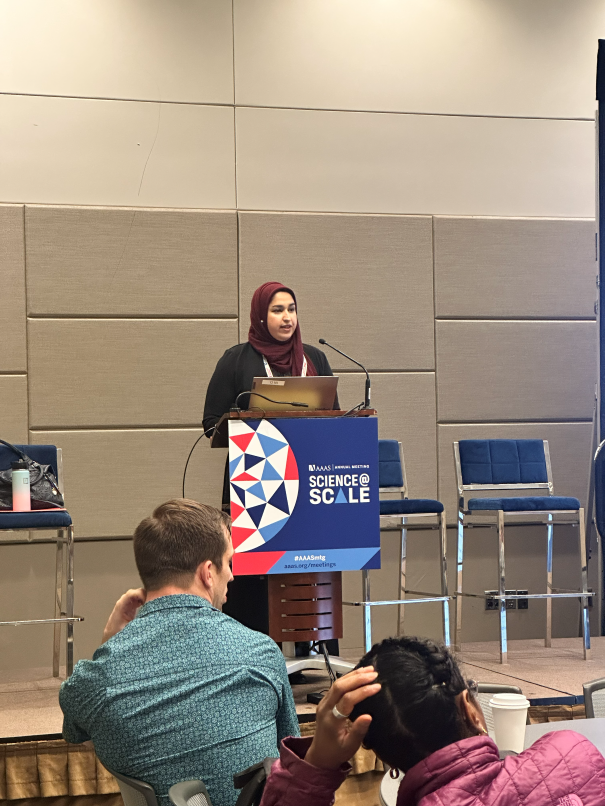
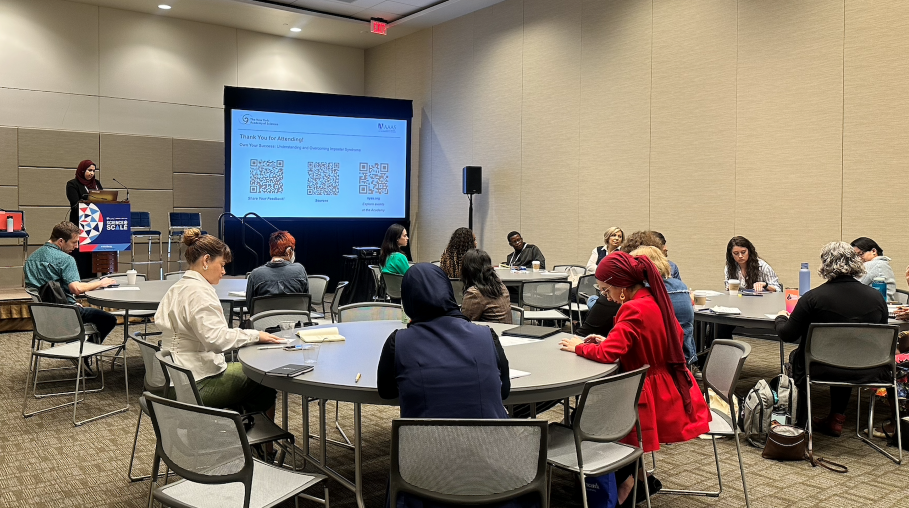
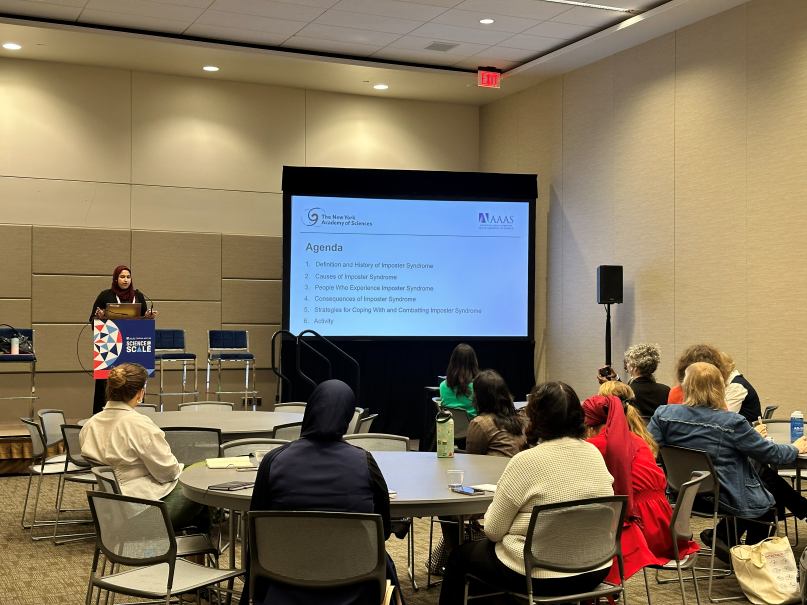
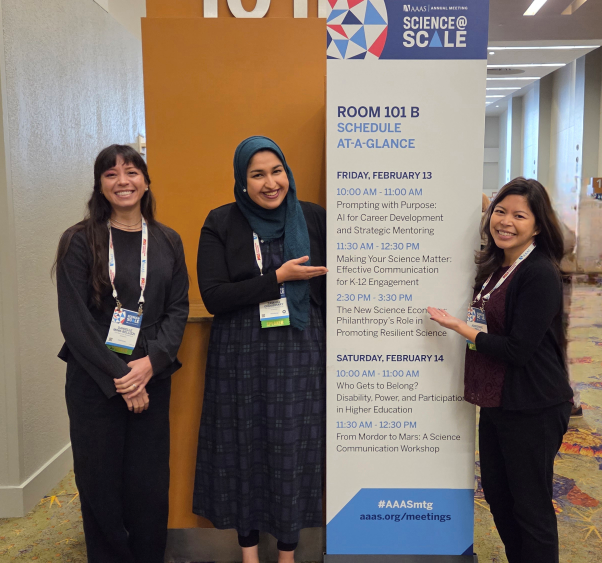
Scientific literacy begins with curiosity. At the American Association for the Advancement of Science Annual Meeting, educators from The New York Academy of Sciences showed scientists how hands-on experiences can bring complex research to life for K–12 students.
Published March 13, 2026
By Zamara Choudhary, Adrienne Umali, and Danielle Mink-Bellizzi
Making science matter starts with making it matter to young people.
In Making Your Science Matter: Effective Communication for K–12 Engagement, we invited scientists to rethink how they share their work beyond the lab and university classroom. At a time of mounting misinformation, declining public trust, and uneven access to quality STEM education, the session underscored a simple but urgent truth: scientists themselves are powerful catalysts for building scientific literacy.
The Academy engages more than 16,000 K–12 students annually through mentorship and hands-on programming. Yet, nearly half of young people lack a clear understanding of what STEM careers look like. Furthermore, 79% of students entering Academy programs report never having met a scientist before. That first interaction between student and scientist can be transformative.
We began the workshop by grounding it in why scientist engagement with K-12 students is of utmost importance. We explained the “opportunity gap” in STEM is not about ability, but access. By equipping scientists to engage effectively with diverse K–12 audiences, we aim to multiply points of contact between young people and scientists of various backgrounds. Representation matters. When students see scientists who remind them of themselves, understanding scientific concepts and pursuing a career in STEM become more approachable and attainable.
Scientists also stand to benefit immensely from interacting with K-12 students. Communicating science to young audiences strengthens public engagement skills and provides concrete teaching experience—an increasingly important asset in a competitive and evolving job market. As more researchers consider roles in education, policy, and community engagement, the ability to translate complex ideas into accessible, meaningful experiences is no longer optional.
The Proven Impact of Hands-on Engagement
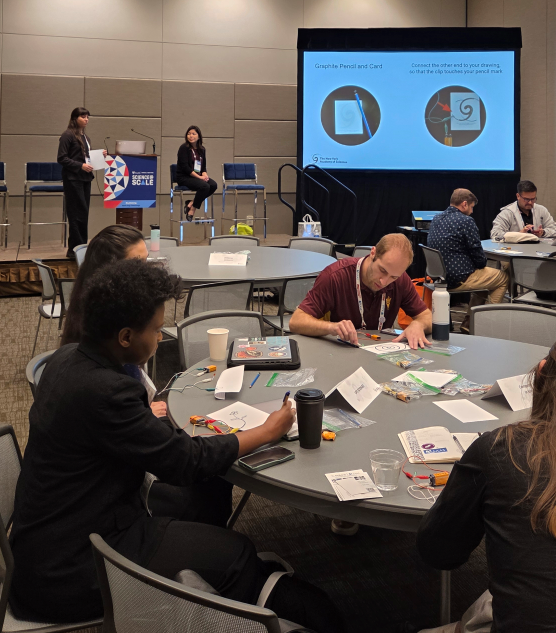
We then guided participants through an interactive activity that illustrated key principles necessary for turning complex ideas into discovery-driven experiences. Participants built simple circuits using a battery, an LED, and their own graphite drawing. When they saw the LED flicker to life through their drawing, the excitement in the room was palpable. Simple activities like these spark curiosity. Through trial and error, participants learned that failure is data. Failure, reframed as information, then becomes a powerful teaching tool.
The workshop culminated with a design challenge, where participants worked together in discipline-based groups to create a physical model explaining a scientific concept to a specific age category. They were asked to consider: what must a student understand before the model makes sense? How can I connect that idea to something they already know? Each group then presented their model to other groups, who took on the role of students in that specific age category. A final discussion prompted participants to reflect on what they learned throughout the workshop and how they might apply activity-based learning to cultivating curiosity of and knowledge of science with young people.
Data from the Academy’s programs reinforce what participants experienced firsthand: sustained, hands-on engagement with scientists increases students’ understanding of what scientists do and how science affects everyday life. By helping researchers design experiences that spark curiosity and belonging, workshops like this one remind us that effective science communication is not about simplifying facts or “dumbing down” information. It is about building bridges—across ages, disciplines, and communities—so that the next generation is ready to ask, and answer, the questions that matter most.
Interested in learning more about the Academy’s Education programs and applying these strategies to your own work? Learn more here.
As an epidemiologist and mother, I never imagined we would be weighing the risk of measles in America again.
Published March 10, 2026
By Syra Madad, D.H.Sc., M.Sc., MCP, CHEP
My fourth child will turn 1 soon. She is healthy, curious and full of the spark that makes early childhood feel so wondrous. But unlike my older children, she entered infancy at a moment when measles, a disease the United States eliminated in 2000, feels uncomfortably close again.
What makes this especially painful is that measles is not some mysterious new threat. It is a vaccine-preventable disease. The United States declared measles eliminated in 2000, meaning endemic transmission had been stopped. We still officially retain that status. But elimination does not mean the virus is gone forever. It means cases are usually imported from elsewhere and do not sustain continuous transmission here for 12 months or more. That protection depends on high vaccination coverage and fast public health response. Both are now under strain.
Flirting with Disaster
When my daughter was 6 months old, I made the decision to give her an early dose of the measles, mumps and rubella vaccine. Now, as she approaches her first birthday, I am profoundly relieved that she will soon be eligible for the routine dose that counts as the first in her standard series. That relief says as much about the state of public health in America as it does about my instincts as a mother.
The numbers are sobering. As of March 6, the Centers for Disease Control and Prevention had recorded 1,281 confirmed measles cases in the United States in 2026. That is just the first three months of the year. For comparison, the country recorded 2,281 confirmed cases in all of 2025 and 285 in all of 2024. In other words, by early March, this year had already seen nearly four times as many measles cases as the entire year before last. CDC says 90% of confirmed U.S. measles cases this year are outbreak-associated, including outbreaks that began in 2025 and are still spilling into 2026.
The stakes are no longer theoretical. A formal review of the United States’ measles elimination status, originally expected this spring, has now been delayed until November. Whatever the reason for the delay, the fact that such a review is even necessary should alarm us. A country that eliminated measles a quarter-century ago should not be flirting with the possibility of losing that hard-earned distinction.
The Unraveling of the Social Contract
A recent modeling study projected that if vaccination rates continue to decline, the United States could see millions of measles cases over the next 25 years and face the return of endemic spread. Another finding was more hopeful: a modest 5 percentage-point increase in MMR vaccination could dramatically reduce future measles burden. Prevention still works, if we choose it.
As an infectious disease epidemiologist, I have spent the last two decades studying emerging outbreaks and public health preparedness. Measles, one of the most contagious viruses known, is not a mild childhood illness. It can cause pneumonia, brain swelling, blindness and death. Even after recovery, children can suffer immune suppression that leaves them more vulnerable to other infections.
For babies like mine, especially under 1 year old, the threat is even more serious. Their immune systems are still developing, and they are too young to be fully protected by the standard two-dose vaccine schedule. Infants carry maternal antibodies that help protect them during the first months of life. But those antibodies fade, leaving babies in a gray zone: no longer protected from measles, but still carrying enough maternal antibodies to reduce how well a vaccine works. That is one reason routine MMR vaccination begins at 12 months in lower-risk settings, even though earlier doses are recommended during travel and some outbreaks. For years, we relied on herd immunity to shield them. That social contract is now unraveling.
Striving for 95%
CDC notes that preventing measles outbreaks generally requires about 95% vaccination coverage. National MMR coverage among kindergartners has fallen from 95.2% in the 2019-2020 school year to 92.5% in 2024-2025, leaving roughly 286,000 kindergartners without documentation of complete MMR vaccination. National averages also hide something even more dangerous: local pockets where coverage is far lower. In Idaho, for example, kindergarten MMR coverage was just 79.5% in the 2024–2025 school year. That is where outbreaks ignite. The overwhelming majority of recent measles cases are in people who are unvaccinated or whose vaccination status is unknown, 92% so far in 2026 and 93% in 2025.
When my daughter was 6 months old, the risk calculus had changed. CDC recommends that infants ages 6 through 11 months receive one dose of MMR before international travel, and public health officials may also recommend early vaccination in outbreak settings. Importantly, that early dose does not replace the routine series. Babies who receive MMR before their first birthday still need another dose at 12 through 15 months and a final dose later in childhood. So as my daughter turns 1, I am not thinking, thankfully, that she is done. I am thinking, thankfully, that she can now begin the part of the schedule that offers more durable protection.
As a mother, I am grateful we had that option. As an epidemiologist, I am troubled that so many families now need to consider it.
Trust, Science, Action
Parents should not have to weigh the risk of measles when planning a trip, boarding a plane or visiting relatives. They should not have to track outbreak maps to decide whether to attend a wedding or take a baby through an airport. This is not an abstract epidemiologic trend. It is the kind of threat that shapes how a parent thinks about a waiting room, an airport gate, a birthday gathering or a family trip.
I am often asked what we can do to stop this. The answer is not complicated. It is trust. It is science. And it is action.
We must rebuild public confidence in vaccines through transparent communication, engagement with local leaders and listening to parents’ concerns without judgment. That is far more difficult when some of the country’s most powerful health officials have spent years undermining vaccine trust. Health Secretary Robert F. Kennedy Jr. now says the MMR vaccine is the most effective way to prevent measles, but his broader vaccine agenda has sent the opposite signal: more doubt, more confusion and less confidence in the routine immunizations that protect children.
We must invest in the public health infrastructure that quietly protects us every day. And we must stop treating routine childhood vaccination as a political battleground.
My daughter is lucky. She got an early dose when she needed it, and now she is old enough to begin the routine schedule that offers stronger, longer-lasting protection. But babies should not need backup plans against a disease the United States eliminated a quarter-century ago.
Measles belongs in history, not in American childhood again.
In hospitals, measles is not a memory, it is an airborne alarm bell.
Published January 20, 2026
By Syra Madad, D.H.Sc., M.Sc., MCP, CHEP
The virus can linger in a room for up to two hours after an infected person leaves, silently exposing newborns, chemotherapy patients and anyone else who cannot be vaccinated. It is among the most contagious pathogens humans face: a widely cited systematic review estimates measles’ basic reproduction number (R₀) at 12–18 in a fully susceptible population. In practical terms, if one person has measles, up to nine in ten nearby people who are not immune will become infected.
Against that biology, the United States is now perilously close to losing something it earned with decades of public health work: measles elimination.
As of January 13, 2026, the CDC had confirmed 171 measles cases so far this year across nine states and 96% of them are tied to outbreaks that began in 2025. Last year, the U.S. logged 2,242 confirmed cases, the highest annual total since 1992 and by far the most since measles was declared eliminated in 2000; 93% of those cases occurred in people who were unvaccinated or of unknown vaccination status.
“Elimination” is a technical, time-based designation, not a moral one. Under the Pan American Health Organization (PAHO) framework, a country loses elimination status if there is continuous transmission of the same measles virus lineage for 12 months or more in the presence of adequate surveillance. That is why the calendar matters so much right now.
The Clock Could Run Out in Two Different Ways
First, if PAHO determines that recent outbreaks are all part of a single, continuous chain of transmission stretching back to January 2025, the U.S. would cross the 12-month threshold this winter. There was a massive outbreak in Texas in January 2025 with more than 760 cases; infections have since subsided there, but large outbreaks are now actively growing in South Carolina and remain ongoing in Utah and Arizona. So far, however, CDC leadership has said there is no epidemiological evidence that the Texas, Utah/Arizona and Spartanburg (South Carolina) outbreaks are one continuous chain of transmission. That distinction may determine whether elimination is formally lost or narrowly preserved.
Second, even if PAHO judges these outbreaks to be separate, the persistence of 2025 outbreaks into early 2026 still edges the country closer to reestablishing endemic transmission. Elimination depends not just on case counts, but on whether spread can be interrupted quickly and consistently and right now, it is not.
South Carolina illustrates why. The Spartanburg-centered outbreak has already surpassed 550 cases and is still accelerating. Public health officials have documented exposures in churches, restaurants and multiple health care settings, and hundreds of children have been quarantined. Overall student vaccination in Spartanburg County is about 90%, below the 95% level needed for measles herd immunity. Nonmedical exemptions there have risen to roughly 8%, up from about 3% in 2020.
This is Not an Isolated Problem
A recent county-level analysis in JAMA found that nonmedical vaccine exemptions have risen in more than half of U.S. counties since the COVID-19 pandemic, creating geographic pockets where measles can burn unchecked even when statewide averages look reassuring . Nationally, MMR coverage among kindergartners has fallen from 95.2% in 2019–2020 to 92.5% in 2024–2025, leaving roughly 286,000 children at risk.
Why does this matter? Because measles is not benign. In 2025, 11% of U.S. cases required hospitalization. Complications can include pneumonia, encephalitis and death, with young children and immunocompromised people at greatest risk.
We know what works. Two doses of MMR are about 97% effective at preventing measles, and decades of evidence have found no link between MMR vaccination and autism. What we lack is consistent political and policy commitment: eliminating nonmedical exemptions, closing local immunity gaps, and making vaccination easy, routine and expected again.
Whether the U.S. loses its elimination status in January or narrowly avoids it may hinge on viral genetics and epidemiological lineages. But the larger verdict is already clear. If we allow preventable outbreaks to become normal, we will have squandered a historic public health achievement not because measles got stronger, but because our collective resolve got weaker.
New York State is in a record-breaking stretch of seasonal influenza. Here’s why and what you can do to protect yourself and those around you.
Published January 6, 2026
By Syra Madad, D.H.Sc., M.Sc., MCP, CHEP
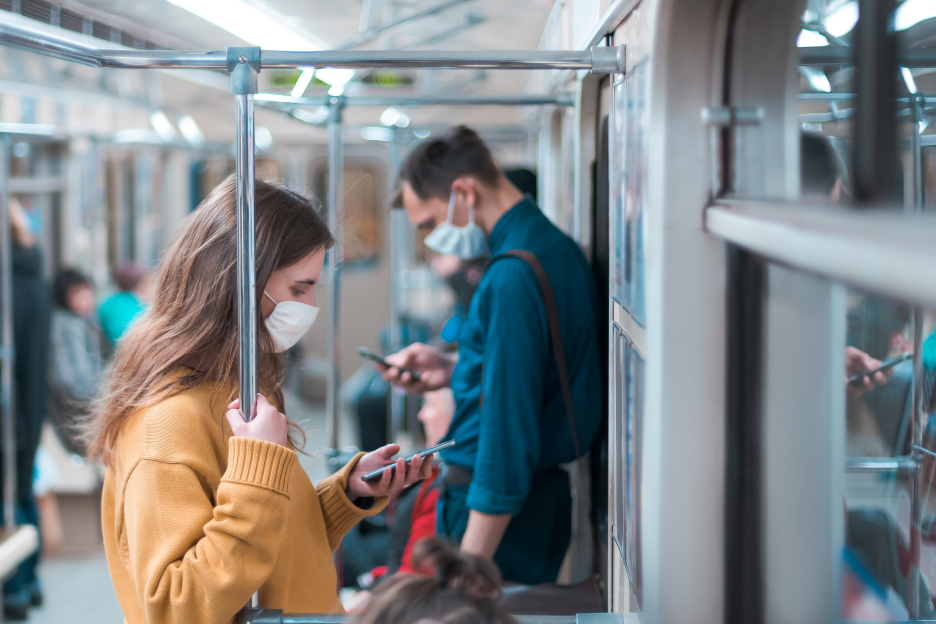
Mask-wearing passengers on a subway train.
Two weeks ago, the State Department of Health reported 71,123 lab-confirmed flu cases in a single week, the highest weekly total since the state began tracking comparable data in 2004.
A week later, reported cases fell by 32% to about 49,000 yet flu hospitalizations rose to up by 24% to 4,546. Hospitalizations are a downstream signal, people often get sick, try to recover at home, and often seek emergency care days later if symptoms worsen. Case counts, in contrast, depend on who tests, where they test, and reporting delays, patterns that can change sharply around holidays.
It is also too early to declare we are past the peak. In the U.S., flu activity most often peaks between December and February (most commonly February), and substantial activity can continue beyond that.
New York City shows a similar pattern: high respiratory-illness activity, a modest easing in visits, and steady pressure on hospital admissions. For the week ending Dec. 27, respiratory-illness diagnoses made up 22.22% of emergency-department visits (down from 23.75%), while respiratory-illness hospitalizations from the ED were essentially flat at 14.66%.
A National Trend
Nationally, this is not just a New York story. Flu activity remains elevated in nearly every part of the country, with 48 jurisdictions now reporting high or very high levels of influenza-like illness. So far this season, an estimated 7.5 million Americans have been infected, leading to 81,000 hospitalizations and more than 3,000 deaths, including eight pediatric deaths.
This surge comes amid declining vaccination coverage, particularly among children. Only about 42% of U.S. children have received the flu vaccine so far this season, down from roughly 53% at the same point in 2019–2020. At the same time, federal health officials have just announced revising the childhood immunization schedule so that seasonal flu vaccination would fall under “shared clinical decision-making,” meaning families would be encouraged to make the choice after a consultation with a clinician rather than through a straightforward, routine recommendation. I worry that adding this extra step could reduce uptake by introducing delays and access barriers, let alone confuse parents, an especially consequential risk during a severe flu year.
The concern is not theoretical: the 2024–2025 flu season recorded 280 pediatric deaths, the highest since national reporting began in 2004 (excluding the 2009 pandemic). Nearly 9 in 10 of those children were not fully vaccinated, underscoring how vaccination gaps translate into preventable loss.
Three Things You Should Know:
Why is New York seeing so much flu? This season is being driven largely by influenza A(H3N2), which has historically been harder on older adults and can be more challenging for vaccines to match perfectly. Add winter reality, crowded indoor time in schools, transit, workplaces, and holiday gatherings, and you get faster spread. New York has also been hit early, before some other states, which makes the surge feel abrupt.
What is “subclade K”? Subclade K is a genetic branch of influenza A(H3N2) that accounts for a substantial share of the H3N2 viruses CDC has characterized this season. For the public, the key point is that subclade K has changes in immune “target” sites that can reduce how well prior immunity whether from past infection or vaccination, recognizes it, leaving more people susceptible. What we cannot conclude from that is that it is inherently a “super flu” or universally more lethal. A more accurate interpretation is that greater susceptibility can drive higher case counts and, in turn, more hospitalizations and deaths, even if the virus is not intrinsically more virulent.
Does the flu shot prevent flu and is it “matched” this year? The scientific answer is: sometimes, but not always. Flu vaccines reduce the risk of infection, but effectiveness varies by year and subtype. In a year with viral “drift,” protection against getting infected and spreading toothers can drop. But the core public-health goal remains: prevent severe disease. Even in mismatch years, vaccination is associated with meaningful protection against hospitalization and death.
What to Do Now
Get vaccinated if you haven’t. Flu activity is still high.
Reduce spread: stay home when sick, improve ventilation for gatherings, and consider a well-fitting mask in crowded indoor settings.
If you’re sick and high-risk (young children, adults 65+, pregnancy, chronic conditions) or getting worse, seek care early. Prescription antivirals work best when started as soon as possible.
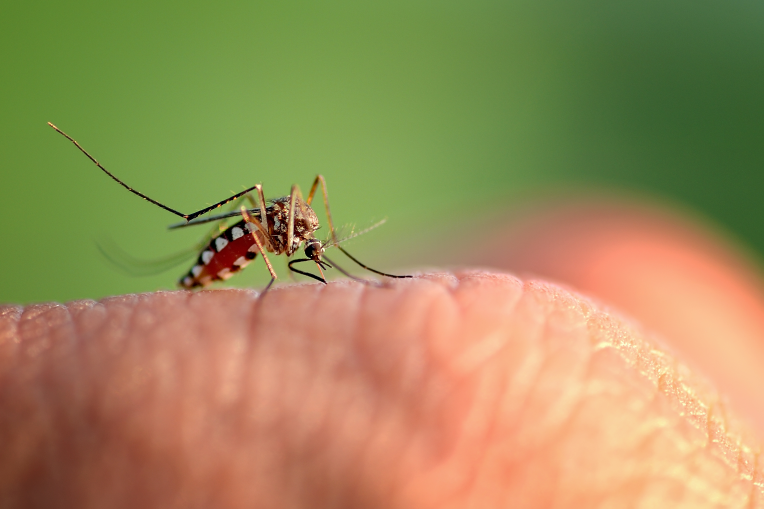
Mosquito habitats are rapidly expanding in the United States due to climate and environmental changes, exotic species, and urbanization. This raises new concerns about malaria’s re-emergence.
The United States is experiencing a swift expansion of mosquito habitats. Contributing factors include; invasive species, urbanization, climate change, and man-made changes to the environment. Warmer weather, shifting rainfall patterns, and less severe winters allow the Anopheles mosquito to breed and live in more places, and for longer periods of time. This problem becomes more serious as cities expand.
Because mosquito larvae thrive in standing water, which can be found in plenty in urban areas near construction sites, stormwater systems, and containers, mosquitoes are able to plague even the most densely populated urban areas. Another concerning issue is the discovery of a new invasive urban-adapted malaria vector, Anopheles stephensi, in the U.S. Their ability to survive in artificial water sources raises the risk of malaria transmission in previously low-risk areas.
Recent U.S. Malaria Cases Signal a Changing Landscape
In the summer of 2023, there were reports of ten cases of malaria that were locally acquired in the U.S. These were the first cases like this in 20 years and the largest cluster in 35 years. Seven of them happened in Sarasota County, and Florida, indicating focal transmission by local Anopheles mosquitoes. The last three cases were found in Texas, Maryland, and Arkansas. This shows that transmission can happen in places that are far apart when the right conditions are met.
The U.S. records about 2,000 cases of malaria each year, mostly among international travelers and recent immigrants from areas where the disease is common. The ten states that have been hit the hardest are New York, Maryland, California, Texas, New Jersey, Georgia, Virginia, Florida, Massachusetts, and Pennsylvania. The risk of local spread is higher in the summer because more people travel internationally, which is when mosquitoes are most common.
A Changing Climate Reshapes Disease Risk
Climate change makes the planet warmer and changes ecosystems. These changes affect how mosquitoes reproduce, live, and spread diseases. Since 1951, malaria has been eradicated in the United States. But because of rising temperatures and changing rainfall patterns, competent mosquito vectors now have improved chances to thrive. Recent reports of malaria cases in the United States that were acquired locally remind us that getting rid of the disease doesn’t mean we will be safe from it in the future.
Why Temperature Matters for Malaria Transmission
Mosquitoes need warm places to breed. As temperatures rise, Anopheles mosquitoes, which are the main carriers of malaria, can now live in more parts of the country. In the U.S., the number of days with conditions favorable for mosquito activity has increased over the years by an average of 16 days. These changes let mosquitoes live in places that were once too cold for their entire life cycle, which raises the risk of malaria. The Plasmodium parasite needs heat to grow during the mosquito stage of its life cycle. Even small increases in temperature can speed up the growth of parasites in mosquitoes, increasing the likelihood of transmission.
Could Malaria Re-Establish in the U.S.?
In the U.S., malaria can still be spread by mosquitoes, especially when cases brought in from other countries are met with favorable environmental conditions. For re-establishment to happen, there must be three things: competent mosquito vectors, favorable climate, and people who are infected with malaria. The U.S. has strong protective systems, such as constant monitoring, quick case detection, vector control programs, and easy access to healthcare. These systems make it less likely that the country will become a malaria-endemic country. But even with these protections, it’s still important to be careful. To stop a resurgence, there needs to be sustained surveillance and rapid public health action.
Climate Change Makes Global Health Everyone’s Business
Changes in climate are changing how diseases spread around the world. Health risks that used to be limited to tropical areas are now spreading to new places. This change impacts how countries, communities, and people must get ready. The U.S. can’t ignore the signs that malaria might come back, even though it probably won’t come back as bad as it did a hundred years ago. Warmer weather, mosquitoes spreading to new areas, and occasional local cases show that we still need to be careful. Acting on climate change protects public health, ecosystems, and infrastructure. Taking climate change seriously is important for many reasons, including protecting communities from diseases spread by mosquitoes.
In public health, most victories arrive quietly. No headlines mark the measles case that never happened, or the child spared from polio paralysis. But a landmark analysis released 50 years after the Expanded Programme on Immunization gives voice to those silent triumphs: since 1974, routine immunization has saved 154 million lives and added 10 billion years of human life, making vaccines the single biggest driver of infant survival in the modern era.
For those of us who have worked through outbreaks the study confirms what we already knew: vaccines are the closest thing we have to a time machine. They don’t just prevent death in the present – they create futures, unlocking on average 66 additional years of health.
Courting Amnesia
As a public health and healthcare leader, I’m moved by the evidence. As a mother of four, I’m grounded by something simpler: peace of mind. My kids are up to date on every recommended shot. That doesn’t make our family special; it makes us fortunate to live in a place and time where protection is possible.
And yet we are courting amnesia.
Just a couple months ago, Florida announced plans to become the first state to ban all vaccine requirements, including for schoolchildren. Earlier this year, the United States formally withdrew from the World Health Organization (WHO). In June, it pulled back funding from Gavi, the Vaccine Alliance that helped vaccinate a generation of children and built outbreak stockpiles for cholera, yellow fever, meningitis and Ebola. These reversals, paired with rhetoric that clouds evidence-based policy at home, are eroding the infrastructure that protects vulnerable families abroad. When the U.S. steps away, the ripple effects are felt immediately: in last-mile clinics, health workers are left to decide whether limited cold boxes hold lifesaving measles doses or nothing at all.
The Impact of Preventative Services
As a board member of Project HOPE, which operates in many of these communities abroad, I’ve seen the consequences firsthand. When routine immunization falters, measles resurges first, then polio eradication gets harder and already strained health systems lose the “tugboat” that pulls in preventive services. Vaccines create the scaffolding on which stronger health systems are built, expanding capacity to tackle everything from cancer care to ensuring safe deliveries. Remove that foundation, and decades of progress can collapse almost overnight.
This is not an abstract budget debate. Gavi’s most recent replenishment fell short of its goal. Without U.S. support, an estimated 75 million children will miss out on routine vaccinations and 1.2 million children in low- and middle-income countries will die over the next five years.
I welcome counterarguments so long as we follow where the data leads. The world’s most comprehensive modeling shows vaccines save lives at scale across continents and generations. Since the introduction of polio vaccines in 1955, worldwide cases have dropped by over 99% – from an estimated 350,000 cases in 1988 to just 6 reported in 2021. This massive reduction has saved millions of lives and spared countless children from lifelong paralysis.
Rigorous economic analyses demonstrate that immunization pays for itself. In low- and middle-income countries, returns on investment range from roughly 16:1 to more than 26:1, depending on how you count the benefits, a yield greater than any other health intervention.
A Call to Action
So here is the call, from a public health leader, a humanitarian, and a mom:
Congress should restore sustained U.S. support for Gavi and codify predictable funding for outbreak stockpiles. This is low-cost insurance against pandemics we’d prefer never to fight.
The Administration should reverse course on WHO. Walking away from the body that coordinates global monitoring, and response doesn’t make Americans safer; it makes us blind.
States should align with evidence-based recommendations and invest in trusted messengers to rebuild vaccination confidence.
The CDC must be insulated from politics and provide public health guidance anchored in science, communicated with clarity, and humility. If Americans lose trust in our own health agencies, compliance will erode, inequities will widen, and we’ll be more vulnerable when the next crisis strikes.
Fifty years into the immunization era, the proof is irrefutable: vaccines are time restored, measured in millions of children reaching birthdays they would have otherwise missed. My kids’ protected tomorrows are no more precious than those in Kinshasa, Karachi, or Kansas City. For decades, U.S. support helped eradicate smallpox, drive polio to the brink of extinction, and buildthe global vaccine architecture that made those tomorrows possible. We should not be the ones to dismantle it home or abroad.
*The views and opinions expressed in this article are those of the author and do not necessarily reflect the views or opinions of The New York Academy of Sciences.*