Clinical trials to evaluate new drugs are typically built around one design, the randomized controlled trial, but this method has come under scrutiny in recent years for being expensive, lengthy, and cumbersome. In this podcast you’ll hear from experts asking if alternative designs would be better for determining the safety and efficacy of new therapies.
This podcast was produced following a conference on this topic held in partnership between the NYU School of Medicine and The New York Academy of Sciences. It was made possible with support from Johnson & Johnson.
The technological advances of the past few decades have triggered a conversation about the future of higher education.
Published October 1, 2017
By Nancy L. Zimpher
The technological advances of the past few decades have ushered in an era of distance-learning capability that has triggered a conversation about what, exactly, the future of higher education will look like.
Speculation ranges across the extremes: On the one hand, that the ability to earn entire credentials online, from certificates to PhDs, will inevitably force the extinction of brick-and-mortar campuses, to the other, in which critics argue that courses taken online are so much less rich than the traditional campus and classroom experience that they are “junk degrees.”
The truth, of course, lies somewhere in between. Importantly though, the determination of higher ed’s future is not an exercise in theory but rather a practical one with real-world outcomes that affect millions of people.
Every university and college leader today must be wide awake to this fact and accept the responsibility eagerly with both hands. In doing so they must do two things simultaneously: they need to know exactly who their students are and never take their eyes off the changing, fast-emerging needs of the world and workforce. With both of these things in sight, heads of colleges and universities need to create institutions or systems that can respond to the needs of students and sectors.
Closing the Gap
It will come as no surprise to this publication’s readership that today about 65 percent of jobs in the United States require a degree beyond high school.1 Moreover, the jobs that earn a middle-class living or better almost certainly, increasingly, require advanced education. New York State is even more competitive than average: nearly 70 percent of jobs will soon require a college degree, but right now only 46 percent of adult New Yorkers have one. This wide gap between the current reality and the projected need for educated, skilled citizens has created a fault line upon which we cannot expect to build stable, competitive, thriving economy and communities.
To close the gap we need to know who today’s students are. Unlike eras past, in which the picture of the typical college student was a young, white, male student living on campus and attending classes full time, today’s student profile is very different.2 Forty percent of college students are age 25 or older. Fifty-six percent are female. Twenty-eight percent are raising families while they earn their degree. Sixty-three percent of students are enrolled full-time, and 36 percent of students work part-time while taking classes and another 26 percent work full-time.
Today, 41 percent of students live on campus. The remainder, owing to their life obligations — juggling jobs, families, and expenses — commute. Fifty-eight percent of college students today are white; 17 percent are Hispanic and 15 percent are black — the fastest growing segments of the U.S. population and also the most underserved.
Expanding Options
The world has changed, and higher education needs to not only change with it but stay ahead of the curve, ready to receive the students who come to us. The future of higher education is flexibility.
This means expanding our operations so that we can meet students where they are, on their time. It means providing an array of avenues by which to earn a degree and support to ensure they complete. High-quality online learning opportunities are a critical piece of this.
One out of three New Yorkers who earn a college degree do it at The State University of New York. In the last three years, more than 320,000 of our students have taken online classes, and 8,000 have received a SUNY degree by taking the majority of their classes online. Our online learning platform, launched in 2014, is the largest in the world. But for SUNY it is not enough to be the biggest, we need to be the best. This is our commitment to New York: to prepare students by any and every high-quality means possible to earn a college degree and to build their best life.
About the Author
Nancy L. Zimpher served as the twelfth chancellor of The State University of New York from 2009 to 2017, during which time she was also chair of the New York Academy of Sciences Board of Governors from 2011 to 2016. In January 2018 Dr. Zimpher will become a senior fellow at the Rockefeller Institute of Government, where she will also be the founding director of the nation’s first Center for Education Pipeline Systems Change.
Among many, The Bill & Melinda Gates Foundation has done excellent work compiling college student demographics, including information that can be found here.
As the Academy approaches its third century, we asked our members about the scientific discoveries they think might be made in the next 100 years.
Published October 1, 2017
By Marie Gentile and Robert Birchard
As The New York Academy of Sciences approaches its third century, we started thinking about the scientific discoveries that might be made in the next 100 years.
So, we invited some of our most extraordinary young and senior scientist members, to offer their thoughts about what they believe could be the next generation of discoveries or the greatest challenge that science or technology must solve in the decades to come. The following is a selection of the many responses we received. They have been edited to fit space restrictions. All opinions cited are those of the authors named and do not necessarily reflect those of the editorial or scientific staff of The New York Academy of Sciences. We thank all those who contributed content and hope you enjoy reading these “imaginings.”
Cures, Holograms and World Peace
I imagine we will find vaccines to prevent the onset of diseases, allowing us to extend the average human lifespan by at least 20 years. We will be able to reverse global warming and secure the future of the planet. New modes of terrestrial transportation will be invented that will allow us to travel many times the speeds we are currently accustomed to.
People and companies will produce their own electricity using reusable energy sources, making power plants and the use of fossil fuels obsolete. Space travel will become a common mode of transport, allowing us to travel to places such as colonies on solar planets, and planetary moons. Quantum computing will make computers so powerful and network connectivity so fast that a small data center will be enough to serve the needs of all humanity. Television and phones will become obsolete and holography will replace them. Sense of touch and smell will further complement this technology, making it as real as the physical world.
“Lyf-Fi”
We can’t imagine being without “Wi-Fi connectivity” — our need for information, communication and entertainment makes us dependent on the internet and the technology to access it. We also need plants to promote life. Imagine how incredibly accessible and lush our world would be if we could manage to genetically engineer each of the millions of plant species to give off Wi-Fi. The economic and technological advancements would be huge. Regardless of the scientific credibility of this idea, I strongly believe that our future generations will embrace this innovation.
A Physical Internet and the Fifth Mode of Transport
Pipenet is a project started 15 years ago by researchers at CIRIAF-University of Perugia (Italy) proposing an innovative vision of a new transportation system. It consists of a low-cost, environmentally sustainable network of pipes with linear electrical frictionless engines powered by renewable energy sources where encapsulated goods are transported at a velocity >1500 km/h with a transportation capability equal to 1 ton/sec (see ciriaf.it/pipenet). This creates a physical internet consisting of a real network where products can be quickly transported from one location to another in real time. The last km of delivery can be implemented by drones.
Several Possible Futures
George Church
Humans are possibly the only species that can comprehend events 13.8 billion years ago and 100 trillion years from now — and successfully execute multi-century plans. Since my group works on transformative technologies (genome reading and writing, aging reversal, mirror life, molecular computing, synthetic neurobiology and immunology), we might be able to see possible futures (emphatically plural) a bit earlier than most people — and hence have a responsibility to discuss, far in advance, potential extreme outcomes (mixtures of positive and negative).
Next-generation sequencing arrived in six years, not the Moore’s law estimate of six decades. If all transtechs above are similarly super-exponential, and if trends toward non-violence and caring continue, then we may see an end to poverty, physical and mental disease and significantly augmented thought and compassion. Like our recently vast spectrum of physical and cultural artifacts, neural diversity may expand — de-pathologized and embraced — far exceeding current imagination. If the universe beyond earth seems uninhabited, we may seek sufficient practical understanding of our divergent goals, dignities and ethics, that we can send these as compact physical packages at relativistic speeds to other star systems (and capable of replication and phoning home).
This may be our Darwinian response to existence crises that could destroy all life on earth. We may experiment with small, intentionally isolated and self-sufficient colonies on earth — in stark contrast to our growing economic and cultural interdependence. Instead of issues of population explosion or excess-leisure, we may be collectively tackling the greatest challenge ever — survival — at a cosmic scale of time and space.
Creating Yonger Versions of Ourselves
William Haseltine
Our lives began with the first living form that arose 4 billion years ago, a single celled microorganism that appeared when our planet was still being shaped by bombardment from the heavens. Inheritance is a fundamental characteristic of life. The DNA molecule in that primordial organism has been replicating itself with variation for more than 3.5 billion years. As we look to the future, a central question persists: can we tie the transient existence of our individual lives to the immortality of the DNA molecule that defines us?
The promise of regenerative medicine is developing more slowly than I had hoped 18 years ago when I first coined the term. We know there are substances in a fertilized egg that can turn back the genetic clock. Additionally, we know how to take newly created embryo like cells and develop them into adult tissues.
We are close to producing cells that can restore muscle function to damaged hearts and create neurons that can replace parts of the brain. What we lack is the medical science that allows these fresh cells to be systematically implanted into our tissues. An enormous amount of work remains to be done to understand the signals that direct a specific tissue to become what it is. In this we are underinvested.
The most powerful medicine is a younger form of oneself. Any country could become a world leader in this field, with proper investment in the fusion of cell biology and transplantation medicine. Whether it happens in my lifetime, or my children’s lifetime, or my grandchildren’s lifetime, this is a promise science can fulfill. When it does, it will be a gift to the future of mankind.
Space Elevators, Thought to Text and Energy-based Paint
With recent interest in space tourism, I think it’s worth speculating about the creation of “space elevators” — structures that will allow rockets to launch at the edge of the atmosphere, rather than from the surface. While the concept may seem far-fetched, rapid developments in space-based civil and mechanical engineering, have sparked numerous innovations.
I’m also excited about brain-computer interfacing, especially noninvasive devices that allow users to accurately detect activity within their brain. Companies like Neurolink and Facebook have been investing in research to enhance the speed of translating thought to text, and while the technology is developing, research is already being done such as OpenBCI’s open-sourced toolkit and the Muse headband.
Finally, the development of new renewable energy sources — from paint-on solar cells to microgrids — are soon going to provide a democratization of energy to all corners of the world. It’s incredibly exciting to be living in a generation where we’ll have the opportunity to contribute to such innovative research!
Shaking Hands Across a Virtual Divide
Humfrey Kimanya
In the next century there will be unimaginable advancements in communication to link people all over the world. For example, video conferences where we can actually communicate tangibly. A person in Tanzania in an online meeting will be able to shake hands with another person in Belgium!
Now, the questions are: “Is it really possible? How does this happen? Won’t that violate the laws of physics and nature?” Currently by wearing special gadgets we can simulate the feeling of shaking hands with another person through a computer, much like video game technology.
But in the future, people will be able to put their hands through the computer screen to shake hands with someone. This will mean that the relativity theory of Einstein, and others, will have to be rephrased or at least obeyed in the technological sense. It is also possible that, by then, people will not only physically communicate with each other using computers but also travel in computers! In simple terms, teleportation, a puzzle that researchers can surely solve in this century.
Greater Human Collaboration with Other Species
Forecasting across 100 years becomes more manageable when seen in stages of successive possibilities. I imagine three such stages of development:
By 2050: Each person will be able to scientifically understand himself/herself from a unique attribute mix point of view. Individuals will use available analytical tools and personal knowledge, to determine the meaning of their respective combinations of facts. Data used in determining this meaning will include the personal genome (a recent entity), the Myers-Briggs Type Indicator (MBTI, a 100-year-old instrument based on a theory of Carl Jung), and unlimited other measures. People will also sometimes interpret data for their dependents to help make needed decisions in health and other fields.
By 2085: This Personal Science-based information and activities opens the door for individuals to begin to understand members of other species in terms of their own defining attributes and to move toward collaborative behavior where appropriate. This will be the Age of Interspecies Personal Encounter and will engender greater compassion toward other species. We don’t need aliens arriving or communicating with us in order to experience a interspecies moment.
By 2120: This experience will lead researchers to raise a fundamental question — can the chemistry and behavior of animals in the wild be altered so that animals will not eat other animals and yet thrive and reach their Aristotelian actualization? Experiments will be done on a small scale and begin to influence general thinking.
Early Mars Settlers May Not Necessarily Be Human
Sir Martin Rees
Robotic and AI advances are eroding the need for humans to venture into space. Nonetheless, I hope people will follow the robots, though it will be as risk-seeking adventurers rather than for practical goals. The most promising developments are spearheaded by private companies: they can tolerate higher risks than a western government could impose on publicly-funded civilian astronauts, at a lower cost than NASA or ESA.
By 2100 thrill-seekers in the mold of (say) Felix Baumgartner, who broke the sound barrier in free fall from a high-altitude balloon, may establish “bases” on Mars, or maybe on asteroids. Elon Musk of Space-X has said he wants to die on Mars, but not on impact. But don’t expect a mass emigration from Earth. It’s a delusion to think that space offers an escape from Earth’s problems. Nowhere in our Solar System offers an environment even as clement as the Antarctic or the top of Everest. There’s no “Planet B” for ordinary risk-averse people.
But we (and our terrestrial progeny) should cheer on the brave space adventurers. Precisely because space is an inherently hostile environment for humans, these pioneers will have far more incentive than us on Earth to re-design themselves. They’ll harness the super-powerful genetic and cyborg technology that will be developed in coming decades. These techniques will be heavily regulated on Earth, but the Martians will be far beyond the clutches of the regulators.
So it’s these robotic spacefarers, not those of us comfortably adapted to life on Earth, who will spearhead the post-human era. Moreover, if post-humans make the transition to fully inorganic intelligences, they won’t need an atmosphere. And they may prefer zero g — especially for constructing massive artifacts. So it’s in deep space that non-biological “brains” may develop powers that humans can’t even imagine.
Uncovering the Depths of Earth’s Final Frontier
Emily Lau
Humankind has traveled through treacherous currents, the driest deserts, howling winds and precarious storms to explore our world. However, there is one significant portion yet to be fully explored — the deep sea. The oceans house mystically magical organisms: bioluminescent organisms, venomous snails, shocking jellyfish, brilliantly colored fish, large mammals and clever cephalopods to name a few.
Organisms in the depths of the ocean are subjected to extreme conditions such as intense pressure and frigid temperatures. Deep sea ecological research explains how organisms have adapted to these extremes and has many implications in the improvement of conservation biology and the understanding of evolutionary biology.
Current scientific advancements and production of deep-sea vessels have allowed for limited deep sea exploration. It would be wonderful, in the upcoming years, for both scientists and the public to gain knowledge about the biodiversity housed thousands of meters below the Earth’s surface. The advancement of deep sea exploration relays the passion and natural curiosity of humans in the preservation of our wondrous planet.
More Women in STEM
Sarah Olson
At this year’s New York Academy of Sciences’ Global STEM Alliance Summit 2017, attendees witnessed the future STEM workforce — bright young women working with their peers to engineer solutions for some of the world’s biggest problems, including clean water and sustainable energy. These young women are part of the next generation of scientists, who will change the world with their research.
Developments in technology are enabling us to make discoveries in previously inaccessible places, from the depths of the ocean to the furthest reaches of space. While we cannot predict that we will find life on other planets or how many species are still left to discover, there is one thing that we do know: that women in STEM will continue to change the world through their research.
Broccoli by Bach, Melons by Mozart, and Apricots by Abba
How and why plants communicate bio-acoustically is not well understood nor documented, however it is known that they do so to relay information about the conditions of their environment (such as drought and predator threat) to each other. My work utilizes the research of evolutionary biologist Monica Gagliano, at the University of Western Australia, who studies their communication and records and analyzes both the sounds they make and their responses to sounds they hear or feel through vibrations. Scientific studies have documented that plants grow and bend specifically toward 220 hz sound, which can also be used in agriculture as a virtual fertilizer.
I plan to create a 3D animated interactive art installation incorporating holographic flower imagery, a bio-acoustic soundscape (using a laser doppler vibrometer or acoustic camera) and dancers (who become the flowers and ‘vibrate’ in tune with each other), with enhanced viewing via Microsoft’s wearable holographic headsets. I imagine that this blending of music and the arts with botanical science will enable greater yields of food sources that we will need to feed a hungry world as well as creating a whole new art form!
The Coming Revolution in Smart Electric Power
Yu Zhang
The way we generate and consume electricity in the early 22nd century will look a lot different than the way we do it in the early 21st century. Advanced sensor capabilities and smart internet-capable devices along with high-penetration renewable energy will transform the nation’s aging power infrastructure. This is starting to happen with power companies hooking up their networks to the burgeoning “internet of things.”
But that is just a precursor to a vastly more energy-efficient smart grid, where it will be common to find homes that generate much of their own power. Individual houses will have photovoltaic devices and small storage units so every home becomes an energy “prosumer,” producing electricity and selling it back to the grid. Those carbon-free and zero-energy homes will form networked microgrids, which feature a higher level of resilience if there’s ever a blackout in the main grid, they’ll be unaffected.
Power systems will be interconnected via the internet to allow consumers to optimize their electricity consumption. Dishwashers, refrigerators and electric vehicles will be automatically adjusted to real-time pricing signals. This will not only reduce energy bills, but also will significantly improve the efficiency and reliability of the whole grid.
You can be among this group of changemakers. Get involved with The New York Academy of Sciences today!
Together with The New York Academy of Sciences, NYSERDA is supporting visionary early-stage startups through proof-of-concept centers that foster the growth and development of clean tech businesses. The two centers, PowerBridgeNY and Nexus-NY, have provided critical financial support, mentorship, and guidance for dozens of startups that are shaping the future of clean energy. Two companies, Allied Microbiota and Dimensional Energy, are tackling waste remediation and reuse with novel techniques that are being tested and proven today.
Tackling Toxic Waste with Nature’s Warriors
Amid some of the most expensive real estate in the world, on the waterfronts of Manhattan and Brooklyn, lay the remnants of disaster.
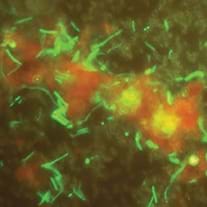
Epifluorescent photomicrograph of bacteria (green rods) on soil (orange-red particles). Particles were stained with a fluorescent dye.
The waters of the East River, Newtown Creek and the Gowanus Canal are among the local sites where benzene and oil residues mingle with persistent pollutants, such as polychlorinated biphenyls (PCBs), to form a stubbornly toxic soup that resists remediation. For environmental microbiologist Ray Sambrotto, Lamont Associate Professor at the Lamont–Doherty Earth Observatory at Columbia University, the solution for cleaning up such sites may be as simple as a common soil bacterium isolated from a compost pile in the 1990s.
Allied Microbiota, the company Sambrotto and a cohort of Columbia colleagues founded in 2017, is commercializing the use of this bacterial strain, aiming to reclaim polluted areas by simply allowing the microbes to do what they do best: break down environmental contaminants. The scientific community has long been aware that common microbes can degrade some pollutants — indeed, dozens of bacterial species are credited with dispatching of much of the oil dumped into the Gulf of Mexico during the Deepwater Horizon explosion.
The class of contaminants that includes PCBs, polyaromatic hydrocarbons and dioxins are less susceptible to natural attenuation, however, and these so-called recalcitrant pollutants require expensive, logistically challenging remediation techniques.
“The idea of using bacteria for bioremediation of recalcitrant pollutants isn’t a new one,” said Sambrotto, noting that research interest has waxed and waned over several decades.
Advances in Biotechnology
As advances in biotechnology have moved into the environmental field, the notion of deploying nature’s soldiers against a decidedly unnatural group of pollutants has gained momentum. Sambrotto and his Allied Microbiota co-founder Frana James describe their approach as “augmentation,” as it uses specialized bacteria to amplify the work of native microbes, a process they believe can be done safely and at low cost.
“Our bacteria are thermophiles, and they only reproduce when conditions are ideal,” Sambrotto said, adding that if temperatures drop below 40 degrees Celsius, the bacteria enter a dormant state.
When active, they are powerhouses of bioremediation, eliminating recalcitrant pollutants at breakneck speeds relative to other bacterial breakdown methods. Sambrotto credits this speed to the fact that the microbes are aerobic, rather than anaerobic, like most strains used in remediation.
“Aerobic enzymes have much more rapid degradation rates,” he said. “Oxygen is just a better hammer to hit these things with.”
Testing Their Technique
With support from PowerBridgeNY, a proof-of-concept center that commercializes cleantech spinning out of universities, Sambrotto and James are pilot testing their technique on polluted soil and sediment samples from the Hudson River and other sites.
“People are more than happy to send us samples, and they’re especially interested in hearing about the speed of remediation, as that’s what drives costs,” he said. Experiments on samples containing a mix of PCBs and chlorobenzene reveal breakdown rates of 25–40 percent per day under optimal conditions, versus 1 percent with anaerobic bioremediation. “When we hit that sweet spot to maintain optimum growth of the organism, breakdown rates are orders of magnitude faster than anything we’ve seen,” said Sambrotto.
While more pilot tests are needed — and the company is on the lookout for such projects — the promising early results have inspired the team to think about the future. Sambrotto described his vision of eliminating the financial barriers to remediating desirable but toxic spots along the Hudson River and restoring their utility.
“Hopefully, we can bring the cost down enough to address these areas,” he said. “Rather than digging up sediments and moving them elsewhere for treatment, I can envision a portable system that allows us to bring bacteria to the site and treat it right there. It’s incredible to think that we could reclaim properties that have been fallow for decades.”
Turning Carbon Dioxide Emissions into Tomorrow’s Fuels
Most people don’t often think about combustion — the fundamental chemical reaction that converts a fuel source into energy, leaving water and carbon dioxide as waste products. Jason Salfi is the opposite. As CEO and co-founder of Dimensional Energy, along with David Erickson, Tobias Hanrath and Clayton Poppe, he spends his days talking about ways to reverse combustion, which may sound like a tall order, “but it’s what plants do all the time,” Salfi said, describing the process his company is working to commercialize: a form of artificial photosynthesis that uses sunlight, water and waste carbon dioxide to create fuel.
Dimensional Energy was born from serendipity, when Erickson and Hanrath, two faculty scientists from Cornell University, unknowingly submitted complimentary applications to NEXUS-NY, a clean energy business accelerator for which Salfi serves as an advisor. Noting the ties between the professors’ technologies, which tapped sunlight and catalytic materials to convert waste carbon dioxide (CO2) into hydrocarbon fuels, the NEXUS-NY team played matchmaker, suggesting the two join forces with Salfi to form a company.
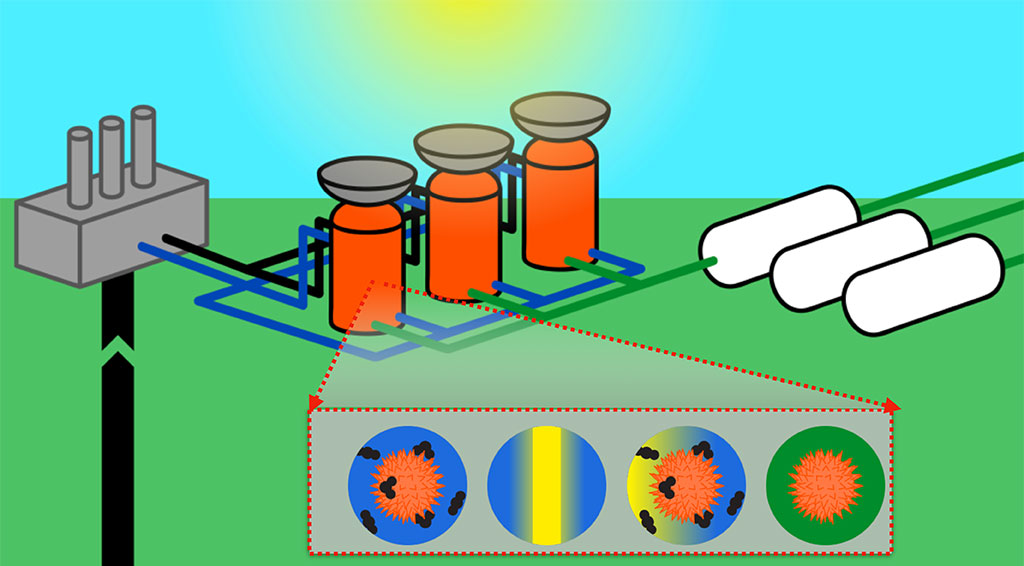
Since 2016, the team has refined their core technology and begun laying plans for an industrial partnership to test their capabilities at increasingly larger scales. Although the technology is still in its early stages, the team envisions a scalable reactor that uses sunlight as an energy source, along with novel nanocatalysts and fiber optic waveguides developed in Hanrath and Erickson’s labs, to convert waste CO2 into methanol or syngas for use in a broad range of industrial processes.
“We’re not just sequestering carbon dioxide, we’re creating something useful,” said Erickson.
The Dimensional Energy technology is “plug-in” compatible with established carbon capture systems. The schematic illustrates how waveguide and catalyst concepts are integrated to enhance light exposure to the surface of nanostructured catalysts.
Carbon Conversion Technologies
As a semi-finalist in the Carbon X-PRIZE, a $20 million competition accelerating the development of carbon conversion technologies, the Dimensional Energy team is testing the feasibility of situating their reactor at point sources of CO2 emissions, such as natural gas or coal-fired power plants, although Salfi says such co-location isn’t crucial for the system to be successful at scale.
“Ultimately, it’s up to the industrial customer whether we capture the carbon on site or use sequestered carbon,” he said. “For now, we’re just aiming to create a reactor that fits within the current industrial infrastructure, with a few novel modifications.”
This level of attention to design schemes that work well in industrial settings is a distinguishing factor of Dimensional Energy’s approach to tackling what is, by all measures, a challenging end goal. Carbon conversion technologies are viewed as a critical component of efforts to rebalance the carbon landscape, but the field is still relatively new and most technologies are early-stage.
CO2 Sequestration and Transportation
At present, the cost of sequestering and transporting CO2 makes many potential applications cost-prohibitive at scale, and new sequestration technologies, including those that capture CO2 directly from the air, are not fully commercialized. Erickson believes the company’s pragmatic approach to design and functionality will ease the process toward scalability.
“We’re pursuing traditional methods of building small prototypes and learning how to optimize and grow,” said Erickson, “But since day one we have looked at major chemical plants to understand what works in that setting, and we’ve modeled our reactors on proven designs that we know can scale.”
Salfi and his team are realistic about the timeline for carbon conversion to have a measurable impact — easily 30 years by many estimates — but they, like most others working in the renewable energy field, are undeterred by the long time horizon.
“This is hard work, and I can tell you that there are easier ways to make money,” Salfi said. “But there are so many pioneers and passionate people excited to build businesses around these technologies, and our mission to make a difference drives what we’re doing and how we approach the challenges we face.”
From interconnected devices like cars and thermostats, to better detection and treatment for everything from Alzheimer’s to Hepatitis, new-age science technologies hold massive potential in improving our daily lives.
When The New York Academy of Sciences (the Academy) marked its centennial in 1917, just eight percent of homes had landline telephones, and it took a full five days to travel from New York to London.
Albert Einstein would introduce the idea of stimulated radiation emission that year with the publication of On the Quantum Theory of Radiation. However, it wasn’t until mid-century that researchers were able to apply his insights to build the maser, and then the laser.
In a speech he gave in 1917, inventor and Academy Honorary Member, Alexander Graham Bell offered several prescient predictions about things like industrialization and the prospects for commercial aviation 100 years later. Yet even the most clairvoyant observers at the time would not have foreseen the transformations wrought by science and technology in the world of 2017. But what about 2117? What can we expect in the coming century given our understanding of the trajectory of scientific and technological advances? We put that question to Academy Members in a number of different disciplines, and here’s what they said.
No Knowledge Ever Gets Left Behind Again
Ryan Rose, Customer Experience and Product Design Cisco Systems.
A century into the future, predictive analytics and machine learning systems will be in a position to anticipate what human beings need to know, according to Ryan Rose, who leads Customer Experience and Product Design for a new social learning platform at Cisco.
“Right now, we’re just trying to leverage data to give us better ideas,” said Rose. “But if we project 100 years ahead, computer systems won’t just be making recommendations to people, they will make the decisions. Machine learning won’t be just about finding a way to get that information to a human. It will make the leap in logic to actually say, ‘This customer needs this system to be this way’ and then make that happen.”
With machines poring through disparate bits of information, systems will be able to connect the dots to register what Rose describes as “instant adaptation.”
“That’s going to be huge. You will see innovation occurring as quickly as the machine thinks it and asks, ‘Why don’t we try this?’ You can still have all of the human touch points, but the speed at which this happens will be much faster simply because we will not be waiting on someone to say, ‘I think that these things are related.’”
More Digitalization
Rose also expects a future in which no knowledge gets left behind as information is captured and retained digitally.
“Now, when we want to review knowledge from yesteryear, it’s archived in a movie or maybe some type of audio recording that we cannot interact with. But think about a society with access to the great experts or just the everyday experiences of people from any time. We’ll have all this information about individuals, their knowledge and expertise, and it will be stored so that someone in the future can ‘speak’ with any individual. Your descendants will be able to get a better understanding, even if it is just a digital understanding, of what you felt or thought.”
“The interaction could be something as simple as a 3D projector or augmented reality, but you’ll be able to talk back and forth through natural language processing. I think there is a great future where the wealth of information about humanity is preserved and being able to interact with those moments in perpetuity.”
Imagining a Pain-Free World
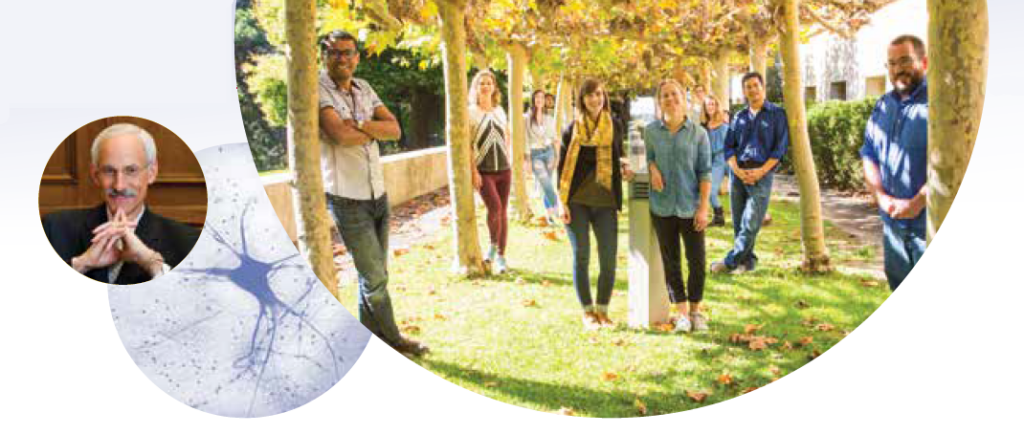
Left: William K. Schmidt, PhD, President, NorthStar Consulting, LLC. Right: Department of Environmental Science, Policy & Management at the University of California, Berkley. From left: Jan Buellesbach, Maria Tonione, Kelsey Scheckel, John Lau, Elizabeth I. Cash, Rebecca Sandidge, Brian Whyte, Jenna Florio, Neil Tsutsui (Principal Investigator) and Joshua D. Gibson. Photo credit: Elizabeth I. Cash.
William Schmidt, a pharmacologist and the President of North-Star Consulting, LLC, is optimistic that pain treatments in the next century will no longer carry high risks of addictive side effects.
“Within the next 100 years, we will have additional analgesics to prescribe along with opioids so that we can use lower dosages, replace opioids altogether, or (perhaps) have safer opioid analgesics that are less likely to show an addictive profile,” he said.
That would be a welcome development. An epidemic of opioid abuse has led to one of the worst drug crises in American history. Indeed, the Centers for Disease Control estimates that 91 Americans die every day from an opioid overdose.
Genetic Mechanisms for Controlling Pain
Schmidt, one of the world’s leading researchers into the discovery and development of novel analgesic and narcotic antagonist drugs, also expects developmental breakthroughs in the products that doctors can prescribe to deal with pain.
“I expect we will have analgesic products that are unlikely to cause respiratory depression, either acutely or chronically, were someone to take a higher dose. I also expect we will also have—not only medicines to treat inflammation and pain directly—but genetic mechanisms for controlling some types of pain or pain signaling pathways that we can exploit to reduce the impact of pain within the body,” he said. “We are already finding that we are able to treat things like rheumatoid arthritis in ways that are far more effective than what I learned when I was taking pharmacology in medical training.”
It also would mark a veritable revolution in pain treatment, a field whose limitations Schmidt learned about through personal experience as a five-year-old when he broke his arm. Back then, doctors were afraid to use opioids to relieve his excruciating pain. “I now recognize the medication they used hadn’t a chance of working because they were afraid to use more effective medications in children,” Schmidt recalled. “But that was the best that doctors knew how to do back then.” A century from now, Schmidt says, no one may ever have to suffer that sort of trauma.
The Countdown to a Big Bio-Ethics Debate
When evolutionary biologists like UC Berkeley’s Jan Buellesbachlook at the trajectory of recent advances in genetics and molecular biology, they see a future laden with untold scientific potential. “The field is developing so quickl —especially in genomics,” said Buellesbach. “It’s unbelievable when you think how expensive and cumbersome it used to be to sequence a genome. Now, they almost come at a rate of a dime a dozen…and we’re just scratching the surface.”
One example of that new technical prowess is CRISPR, a gene editing technology that scientists are now using to develop treatment therapies for a range of diseases, including cancer. Researchers have already successfully used gene editing to repair a disease-causing mutation in a human embryo.
But access to that kind of capability has also fueled debate about the ethics of using technology to alter human genes. In the world of 2117, Buellesbach expects genomics breakthroughs will give society the theoretical ability to selectively eradicate the genetic conditions that lead to diseases, or any traits that might be considered detrimental. It also means society will need to navigate an ethical minefield where so-called designer babies are no longer a theoretical possibility.
No Longer a Sci-Fi Scenario
“With computational power getting exponentially faster and cheaper all the time, it’s not such a sci-fi scenario anymore,” he said. “I think we are likely heading towards a future where there will be research on how to perfect Homo sapiens in certain ways, especially if we start to manipulate our own genomes.”
Before then, he noted that more cautious naturalists who don’t believe we should interfere with human nature are likely to argue that just because science can do something doesn’t mean it’s wise to put theory into practice.
“What would be considered genetic perfection?” pondered Buellesbach. “I would find that very troubling. Who is to say what trait can be considered universally negative? Even 100 years from now, I don’t think we’ll have a unified view about that. There’s no question that this would entail too much power. We know from history that this…can be very dangerous, and decisions about that shouldn’t be left in the hands of the few people in positions of authority.
Genomics Will Revolutionize Medicine
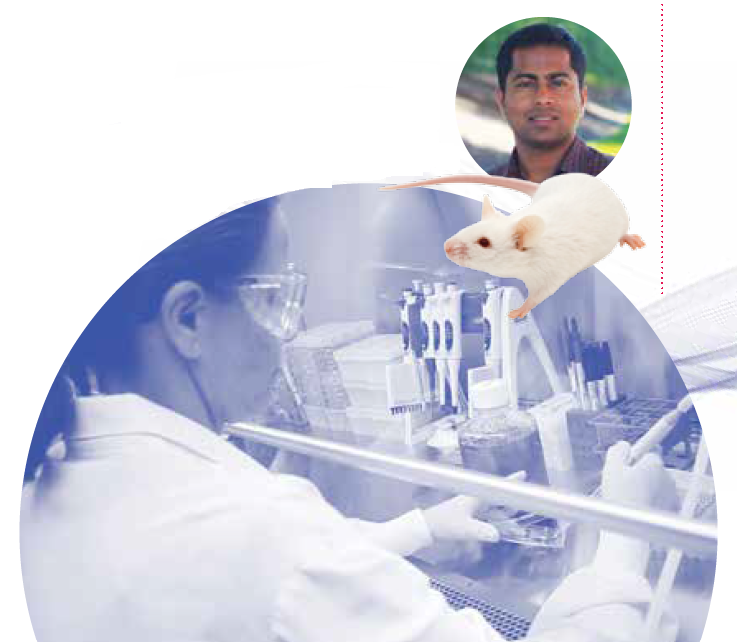
Above: Subhro Das, PhD, Research Scientist, Computational Health Behavior and Decision Sciences IBM T. J. Watson Research Center. Below: RIGHT: Laboratory technician culturing cell specimens from precision-designed mouse models for experimental analysis at the UC Davis Mouse Biology Program.
Doctors nowadays choose among myriad treatments to help patients suffering from heart disease and other ailments. By the time 2117 rolls around, however, trial-and-error will have been relegated to the history books. Genomics advances will pave the way for the right treatments for the right diseases for the right patients and at the right times, according to Kent Lloyd, a professor in the Department of Surgery at UC Davis.
In the future, Lloyd says doctors will have the kinds of drugs that don’t just target the protein product—the end result of genes gone bad—but actually fixes them without needing to worry about having the drug go after the protein product.
“Also, if we have enough knowledge and can predict with great certainty that someone will develop a disease—why not try to prevent the disease from progressing or even starting?” he said. “That’s where the future is—not only more precise treatments for diseases when they happen, but further down the road, more precise preventive measures for individuals you can predict are highly likely to contract the disease,” he added.
These breakthroughs are predicated on research now underway to uncover deeper understanding of basic gene functions and how they impact human health.
A Huge Impact Around the World
“When we scan a person’s genome, we might find a variant in gene X, another variant in gene Y, and another variant in gene Z. If we didn’t know what those genes do, we wouldn’t know which of those are more related to the cardiovascular disease that a patient might have,” he said.
“We can test therapies in mice with that mutated gene to assess whether that therapy might be good or bad, what the effect might be and whether it might cause other things that we wouldn’t want it to cause,” Lloyd said. “This new knowledge will greatly catalyze and accelerate the implementation and practice of precision medicine. I think this will have a huge impact on health…around the world.”
Lloyd also sees potential in harnessing new genome editing technologies. In the future, he expects doctors to be able to change gene variants that create mutant proteins. The patient’s system would then produce the normal protein, potentially reducing symptoms or relieving prospective diseases.
“We definitely need to improve on extant technologies and develop newer and more precise (or targeted) ones than today, no question about that,” Lloyd said. “And we have the scientific power to be able to do it. If we put a little bit of effort in now…the return on investment will be enormous.”
Engineering a Stress-Free Life
Ongoing advances in engineering and computer science are transforming the global healthcare system, raising the prospect of breakthroughs in various areas of personal health, according to Subhro Das, a computer engineering researcher at the IBM T. J. Watson Research Center.
“Life expectancy will go beyond what we might imagine,” said Das, part of an interdisciplinary team at IBM working on developing new computational approaches for improving health behaviors. “We might be able to find cures for diseases like cancer, and to find more effective ways of preventing things like type 2 diabetes.”
That’s the long-term view. More short-term, Das also expects intelligent systems will be able to analyze real-time data collected from body sensors and other mobile technologies that trigger commands to other connected devices to address signs of stress, including elevated blood pressure or cortisol levels.
“For instance, I might be having a hard day at work. But my laptop, my phone, my house thermostat and my car—they are all going to be connected and sharing data among themselves,” he said. “My car would get a signal from my laptop and put it in a mode so that when I’m driving home, soothing music would come on. Also, my house thermostat now knows that I was having a bad day at the office, so it will be able to adjust the temperature of my house to make me feel more comfortable.”
More broadly, Das said that the continuing improvement in machine learning and data mining will enable more “smart buildings” to be equipped with sensors that can alert medical teams when somebody needs assistance. If there are people living inside who have medical conditions like Alzheimer’s disease, or suffer a fall, those sensors are going to be communicating among themselves and will be able to get help quickly.
Winning the Battle to Beat Brain Pathologies
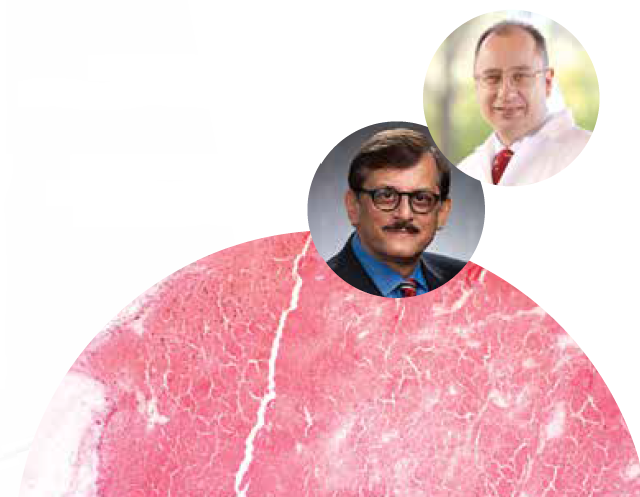
Above: Dr. Björn LDM Brücher, Professor of Surgery and a Distinguished Fellow New Westminster College, British Columbia. Below: Ijaz S. Jamall, PhD, DABT, President & Principal Scientist Risk-Based Decisions, Inc.
While the study of the brain presents dauntingly complex challenges, Dr. Marcie Zinn, a cognitive neuroscientist at DePaul University believes medical practitioners will one day be able to reverse the process of brain degeneration.
One hundred years from now, Zinn expects new technologies will transform our understanding of the functioning of the central nervous system. Armed with new tools, future researchers will be equipped to gain new insights into brain pathologies and uncover more effective ways to diagnose, treat, prevent, and even cure disorders.
“There has been a lot of excellent research telling us why brain degeneration occurs. Take, for example, ALS (a progressive neurodegenerative disease of the central nervous system.) Currently, there is no cure for ALS. The degeneration takes place rather quickly without impediment. I think the first thing that anyone wants is to figure out how to slow down the process.”
The brain poses obvious challenges for cognitive neuroscientists because it is continually changing itself on a millisecond basis. But the study of neurologically impaired people has been aided by recent imaging advances, such as visualization tools, which allow researchers to more accurately understand neural networks.
Looking over the horizon, though, Zinn expects more breakthroughs thanks to the increasing intersection of biochemistry and technology that might lead to new treatments for many neurological impairments, including the regrowth of brain cells.
“Formerly, science thought that new brain cells did not grow or regrow throughout the lifespan,” she said, “but we now know that brain cells do regenerate under the right conditions.”
Slow But Steady: Closing in on a World Without Cancer
Roughly $300 billion has been spent since 1971, when President Nixon declared the nation’s “war on cancer” but as new technologies give researchers deeper understandings of genes and molecular pathways, it’s also possible to imagine a future world free of cancer. Just don’t bet on bolt-from-the-blue breakthrough announcements.
To be sure, the history of medicine is replete with serendipitous, sometimes world-changing observations, such as the 1928 discovery of penicillin by bacteriologist Alexander Fleming. That discovery resulted in the development of antibiotics that have saved millions of lives. In contrast, the field of cancer treatment has been marked by steady improvements in technology and better patient care.
Indeed, Academy Members Ijaz S. Jamall, a toxicologist and Principal Scientist with the biomedical consultancy, Risk-Based Decisions Inc., working in conjunction with Dr. Björn LDM Brücher, a surgical oncologist in Germany, noted that while cancer biology “has increased by leaps and bounds during the last 50 years,” it’s wise not to get too carried away.
“We should try to avoid using terms such as landmark, hallmark, breakthroughs or war against cancer, etc.,” he said. “Such terms imply a lot more than can be delivered.”
Still, slow but steady advances offer encouragement about the future. Jamall pointed to the deployment of new immunotherapy and nanotechnology techniques that help doctors diagnose and treat cancers earlier than ever before. Also, researchers now benefit from increased computer and data processing power as well as more precise 3D imaging tools. In addition, Jamall said, some vaccines are proving effective in preventing cancers caused by pathogens like HPV (human papillomavirus), HCV (the Hepatitis C virus), and HBV (the Hepatitis B virus), a development that he predicted will influence future therapies worldwide.
Diseases of Inconvenience
Even more progress is possible in the future with the development of nanobots and nano-drug delivery tools that improve the diagnosis and treatment of cancers by targeting features specific to cancer cells or malignant tissue without damaging nearby healthy cells and tissues.
Jamall said that nanotechnology can further improve the earlier detection of cancers by homing in on particular features of early cancers such as inflammation that currently slip below the radar of existing imaging and blood tests (biomarkers) of cancer. In the meantime, he said, science is on the right path with the development of more effective vaccines and immunotherapies that will become better over time. But just as critical to the future, said Jamall, is a re-thinking of diseases and their treatments with an eye toward developing new and relevant approaches.
“One goal is interdicting the multi-sequence steps leading up to carcinogenesis,” he said. “This would be a giant leap forward in cancer prevention.” In conjunction with early screening and more effective treatments, he said science would advance closer toward the goal of making the majority of cancers (approximately 80 percent) “diseases of inconvenience” such as diabetes or arthritis.
The New York Academy of Sciences supports the United Nations’ Sustainable Development Goals, focused on issues like poverty, human rights and sustainability.
Published May 1, 2017
By Hallie Kapner
United Nations Secretary General Ban Ki-moon gives the opening remarks at the Sustainable Development Goals Summit
As Ban Ki-moon stepped up to a podium at the New York Academy of Sciences Summit on Science and Technology Enablement for the Sustainable Development Goals on November 29, he joked that back in school, science had never been his strong point.
But as the UN Secretary General kicked off a day-long deep dive into how innovation could transform life for billions across the globe, Ban’s admiration for those in the sciences was clearly evident. Indeed, he was there to ask scientists and representatives from industry, UN agencies, NGOs and intergovernmental organizations for their help in achieving the most ambitious to-do list ever created by humans for the sake of humankind—the United Nations Sustainable Development Goals (SDGs).
Jumpstarting an Unprecedented Collaboration
The Goals are a monumental undertaking, calling for unprecedented collaboration. To jump start the necessary teamwork, UN Deputy Secretary-General Jan Eliasson and Academy President Ellis Rubinstein came up with the idea to convene this first gathering of representatives from the science and technology communities at the Academy headquarters, in hopes of spurring action and innovation on behalf of the SDGs.
“The Academy has brought people together to address global issues since the beginning of our 200-year history,” Rubinstein told the packed auditorium. “There is no task more global than the work of fulfilling the Sustainable Development Goals. We felt it right to host this important meeting.”
Focused on Poverty, Human Rights, Sustainability and Peace
David Nabarro, UN Special Adviser on the 2030 Agenda for Sustainable Development and Climate Change
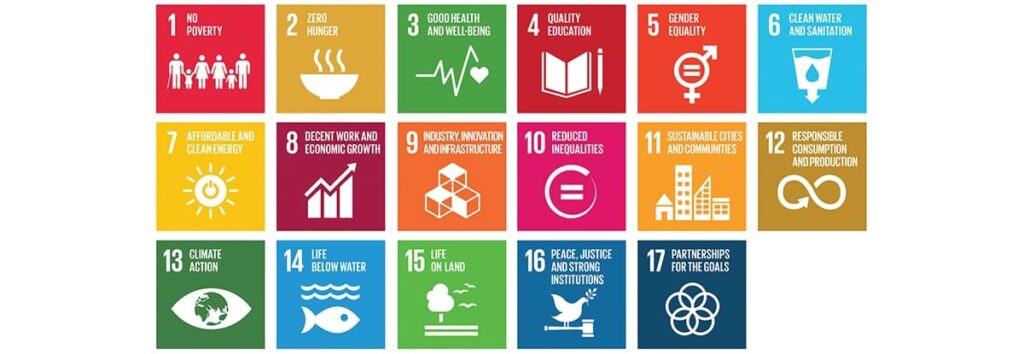
Adopted by the UN’s 193 member states in 2015 as the centerpiece of the 2030 Agenda for Sustainable Development, the 17 SDGs are a plan of action for the planet, comprising 169 targets for eradicating poverty and hunger, realizing human rights for all, embracing sustainability to protect the planet and fostering peaceful societies. Building on the framework established over the past 15 years by the Millennium Development Goals, which mostly focused on developing countries, the SDGs aim for global engagement and global cooperation.
As the declaration announcing the Agenda stated, the SDGs are “universal goals and targets which involve…developed and developing countries alike. They are integrated and indivisible, and balance the three dimensions of sustainable development: the economic, social and environmental.” “The SDG’s are universal goals…and balance the three dimensions of sustainable development: the economic, social and environmental.”
When the SDGs were adopted, UN officials realized it was crucial to “mobilize the scientists,” Ban said, remarking on how that community has long paved the way for global transformation.
“You aren’t daunted by ambition, and you’re quite at home with big goals and new ways of thinking,” he told the Academy audience.
Developing a “Common Language” Among Scientists
Further, he noted that the common language of scientists is a powerful diplomatic asset in times when cooperation among nations is critical. History supports this assertion, as recently as 2015, when scientists aided in the negotiations that led to the Iran nuclear deal, and as far back as the famous U.S.–Soviet “handshake in space” in 1975, scientists have succeeded where others have struggled.
“When extremist groups and politicians strive to push people into groups of ‘us’ and ‘them,’ the scientific community is an example of problem-solving across lines that may otherwise divide us,” Ban said.
One Summit, Four Streams
Jeffrey Sachs, Special Advisor to United Nations Secretary-General Ban Ki-moon on the Sustainable Development Goals
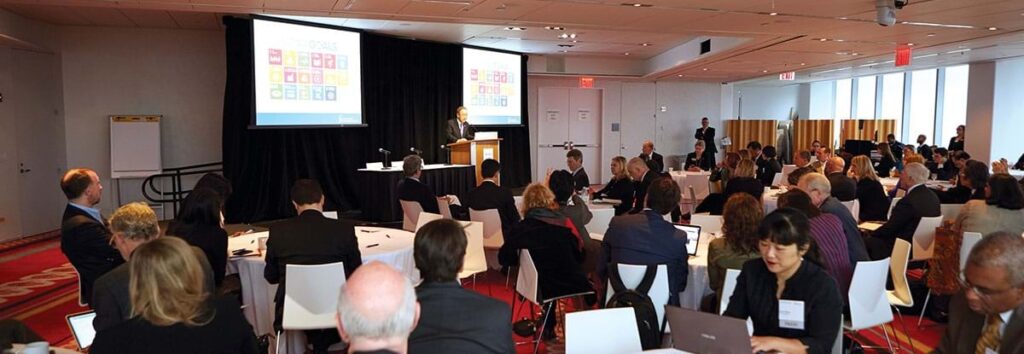
A crowd of over 100 VIPs filled the Academy’s auditorium in lower Manhattan for the Academy Summit. Surrounded by panoramic views of one of the world’s great cities, participants came together from the United Kingdom, China, Japan, Korea, India, Africa and states across the United States to join one of four working groups, or “streams” tasked with plotting a roadmap to advance the SDGs through science and technology.
The four streams—Early Childhood Development, People in Crisis, Sustainable Consumption and Production and Urbanization—were designed to encompass several SDGs.
For example, in Urbanization, participants explored interlinked concepts of resilient infrastructure, sustainable cities and clean energy, while Early Childhood Development brought together goals advocating good health and well-being, quality education and gender equality. In this way, the stream approach encouraged participants to think holistically, and to identify problems and potential solutions capable of satisfying multiple goals.
Developing a Framework for Achieving Goals
To ensure the feasibility of these solutions, each group began by listing the key research and data gaps that must be filled in order to lay out a framework for achieving the SDGs, before brainstorming potential partnerships—particularly between the public and private sectors—required for financing, implementation and monitoring. They were then encouraged to discuss proofs of concept within their fields that could be brought to scale in service of the SDGs.
Throughout the day, speakers presented brief case studies of partnerships that are utilizing existing technologies in new ways in the fields of health, education, disease management and nutrition. Jeffrey Sachs, Special Advisor to the United Nations Secretary-General on the Sustainable Development Goals, offered particularly salient advice for tapping promising but underdeveloped technologies, and described how the progression from basic idea to mass uptake of a new technology is often stymied not by a lack of need, but by a lack of planning.
“When extremist groups and politicians strive to push people into groups of ‘us’ and ‘them,’ the scientific community is an example of problem-solving across lines that may otherwise divide us,” Ban said.
“We have to plan for the whole value chain, and that means planning for diffusion,” he said, noting that the SDGs 15-year timeline calls for quick mobilization. “Otherwise, we have wonderful technologies sitting on the shelf, not deployed.”
To help achieve the SDGs, the scientific community will be relied upon to think about innovations that can be globally implemented by the year 2030. Sachs reminded the groups of the seemingly impossible tasks humans have tackled throughout history.
“We didn’t go to the moon because it was easy, we did it because it was hard. This too is hard, but it couldn’t be more exciting,” said Sachs, recalling John F. Kennedy’s famous “moonshot” remarks.
More than 100 leaders from industry, academia, government and philanthropy participated in a series of discussions on how best to achieve the Sustainable Development Goals.
The Hope Factors
After a day of brainstorming, debate and discussion, the working groups presented their first set of recommendations to the Summit at large. Ideas ran the gamut, from rough sketches of how to use mobile apps to collect data on early childhood development interventions to suggestions for making cities more sustainable as well as more livable through technology. But a common thread emerged from all four groups: the desire to meet again, to continue the conversation and to collectively commit to the work ahead.
Many attendees echoed the sentiments of David Nabarro, UN Special Adviser on the 2030 Agenda for Sustainable Development and Climate Change, who described the Summit as a “landmark day” and hoped that the activism sparked would drive change over the next 15 years.
Along the way, “in every Goal, science has a role to play,” said Jan Eliasson, UN Deputy Secretary-General, as he offered the Summit’s closing remarks.
He explained that even before the SDGs were finalized, the Science Advisory Board of the UN Secretary-General advocated an integrated, scientific approach to achieving them, noting the universality of science and its reliance on empirical facts as a force to broker the kind of global cooperation on which the SDGs depend.
“To solve problems in real life, you need a cross-cutting approach that helps coalesce people around a problem—the scientific community has perfected that model,” Eliasson said. Acknowledging the titanic scope of the SDGs and the dire circumstances of the people the Goals seek to aid, he emphasized the vast potential to create a brighter, healthier future. “The people in this room lift our hopes,” he said. “The future depends on women, youth and science—these are the hope factors.”
Patients with life-threatening illnesses face challenges in accessing potential therapies at the cutting-edge of research and development, which have not yet been proven in a clinical trial. Some pharmaceutical companies produce and provide medicines on a case-by-case basis through expanded access or “compassionate use” programs. The tension among principles of fairness, equity, and compassion are explored in this podcast through a case study about a social media campaign led to an expedited clinical trial for an investigative antiviral medicine. Guests will explore the provocative and emotional stories of patients, family members, advocates, researchers, physicians, and the regulators charged with keeping medicines in the marketplace safe and effective.
This podcast was a collaboration between The Division of Medical Ethics at NYU School of Medicine and The New York Academy of Sciences.
Interdisciplinarity is a word à la mode, as shown by the contributions in Nature’s special issue on the topic (September 2015). However, the collection of articles and the statistics they present confirm that interdisciplinary science is still not mainstream: it is still rarely supported by funders of scientific research despite the increasing number of calls for interdisciplinary projects, it is still rarely taught in higher education curricula, and it is still not recognized by many academic institutions. Indeed, interdisciplinary research is considered by many to be contradictory to the basic principles of the production of scientific knowledge.
Despite these challenges, the volume of interdisciplinary research has increased in recent decades, especially since 2000. In addition, the diversity and scope of collaborations between disciplines has increased. However, the number of collaborations between “near neighbor disciplines”—for example between researchers in social sciences—exceeds by far the number of collaborations between “distant disciplines,” such as biophysical sciences and social sciences. Examples abound.
For instance, the United Nations Intergovernmental Panel on Climate Change (IPCC) includes over 1,000 biophysical scientists but only a small number of researchers from the humanities and social sciences. The cultural, ethical, psychological, and spiritual dimensions of climate change should be part of a much-needed humane conceptual framework that could improve our understanding of that extremely complex subject and how societies can tackle it.
Geophysical and Biochemical Dimensions
The biophysical sciences are committed to improving our understanding of the geophysical and biochemical dimensions of climate change at global, regional, and local levels; we must also understand the individual, group, and societal attitudes, perceptions, motivations, reasoning, and values concerning climate change at each of these levels before considering which behavioral, financial, political, and technological tools to implement in specific situations.
Global climate change is not just a complex ecological challenge but indeed a societal one that concerns sustaining human life and guaranteeing health in diverse climatic, cultural, geographical, and political contexts. Tackling climate change will require a fundamental rethinking of the role and responsibility of human agency in the state of the planet.
Interdisciplinary contributions to climate change (and other components of global change) extend beyond common research questions about the occurrence and magnitude of change to address other equally important questions, such as how change is experienced by different groups or populations, why some countries have failed to acknowledge climate change in national policy agendas, and how adaptation and mitigation could become more effective.
No Prescribed Research Protocol
There is no prescribed research protocol for interdisciplinary research into complex questions. Such research is more than simply effective teamwork, and integration cannot be taken for granted. According to Swiss developmental psychologist Jean Piaget (1896–1980), who had a doctorate in biology, there are at least three modes of interdisciplinary collaboration. The first results from the willingness of researchers from two or more disciplines to collaborate and exchange ideas and information.
The second is the transfer of concepts from one discipline, sub-discipline, or field to another for reuse in a different line of inquiry; a recent example of this is the transfer of the concept of resilience from physics to the biological, ecological, and social sciences.
The third mode is the development of new concepts, such as planetary health, as described by Whitmee et al. in The Lancet (2015).
The either/or dichotomy of the current debate on disciplinary versus interdisciplinary research discussed in the special issue of Nature needs to be surpassed. It’s time to admit that disciplinary and interdisciplinary research can and should coexist, because the co-benefits of interdisciplinary research for individuals, research groups, and research institutions in the public and private sectors can lead to added value for society.
Academy Member Roderick J. Lawrence is a visiting professor at the United Nations University’s International Institute for Global Health, and holds several roles at the University of Geneva, including emeritus professor at the Geneva School of Social Sciences and director of the Global Environmental Policy Program. He is also an adjunct professor at the National University of Malaysia.
Modern physics and its leading theories have been remarkably successful in describing the history of our universe, and large-scale experiments, such as the Large Hadron Collider, are continuously producing new data that extend our knowledge of the world. Nevertheless, our understanding of some physical concepts that seek to explain our universe—dark matter and dark energy, quantum gravity, supersymmetry, and the cosmological constant—remain unresolved. Featuring cosmologist Neil Weiner, string theorist Eva Silverstein, and physicist Vijay Balasubramanian, with moderation from philosopher of science Jill North, this podcast explores what the future holds for physics.
This podcast was made possible through the support of a grant from the John Templeton Foundation. The opinions expressed in this podcast are those of the speaker(s) and do not necessarily reflect the views of the John Templeton Foundation.
Mobile technology is emerging as a powerful tool for transforming the way clinical research is conducted now and in the future. Acquisition of real-time biometric data though the use of wireless medical sensors will allow for around-the-clock patient monitoring, reduce costly clinic visits, and streamline inefficient administrative processes. With the promise of this technology also comes challenges including digital data privacy concerns, patient compliance issues, and practical considerations such as continuous powering of these devices.
This podcast provides an illuminating examination of both the promises and challenges that underpin the implementation of mobile technology into the clinical realm.