“The study of tumor viruses and their oncogenes really led to a revolution in our understanding of cancer.”
Published May 7, 2026
By Alan Dove, PhD
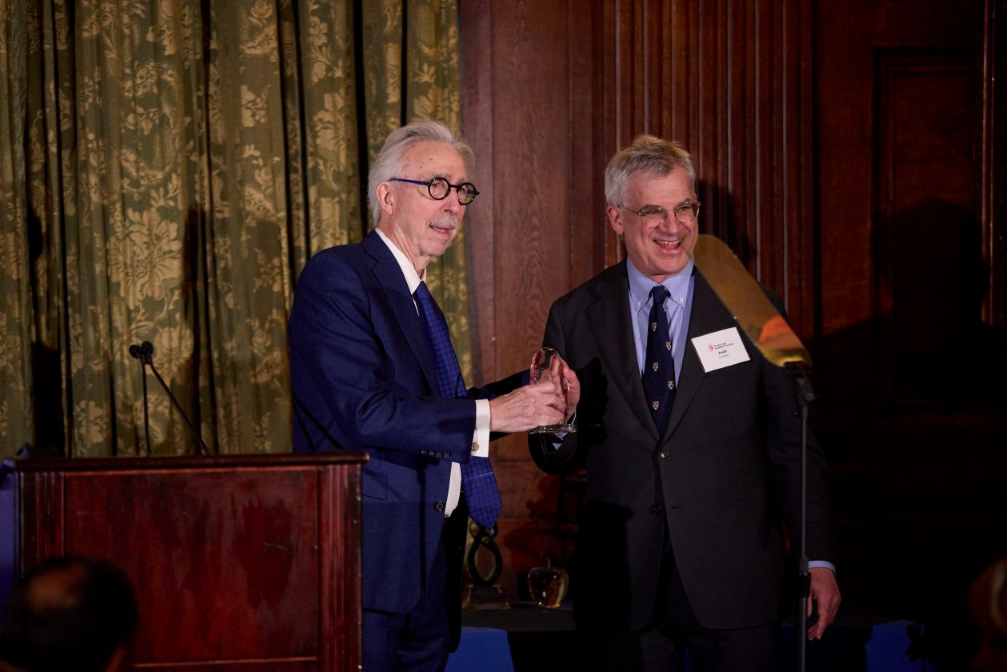
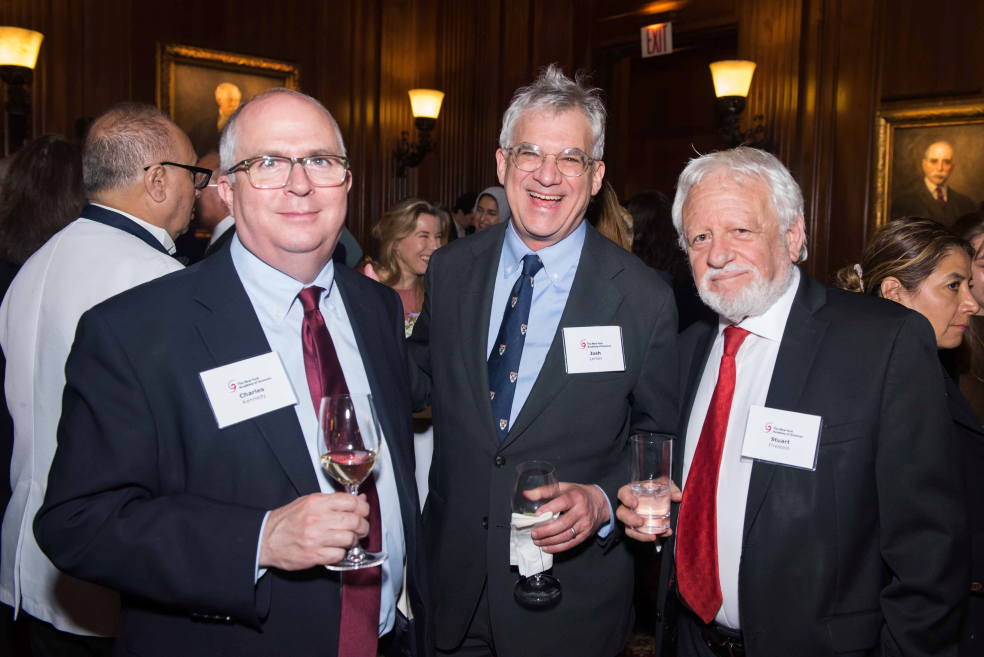
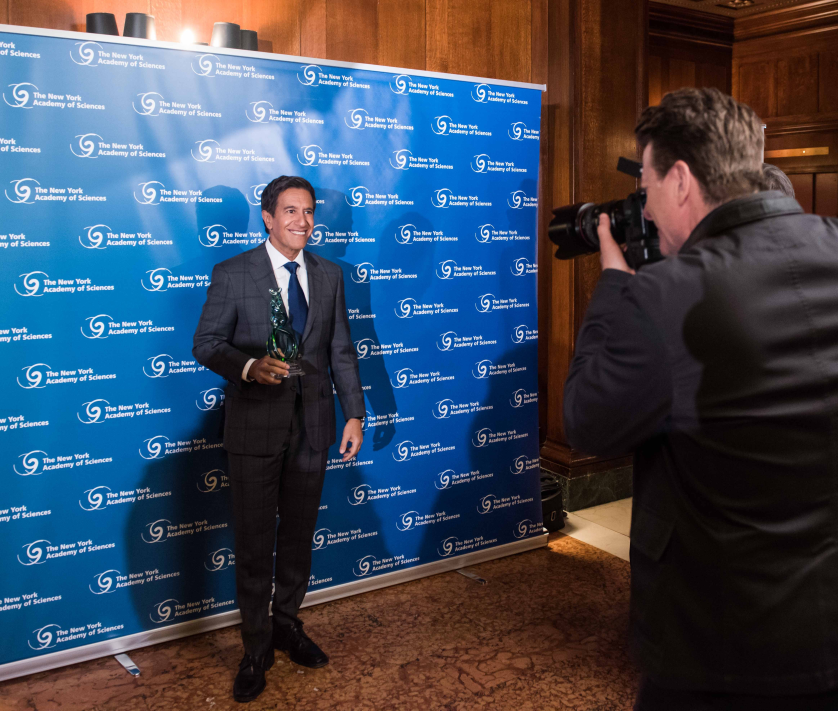
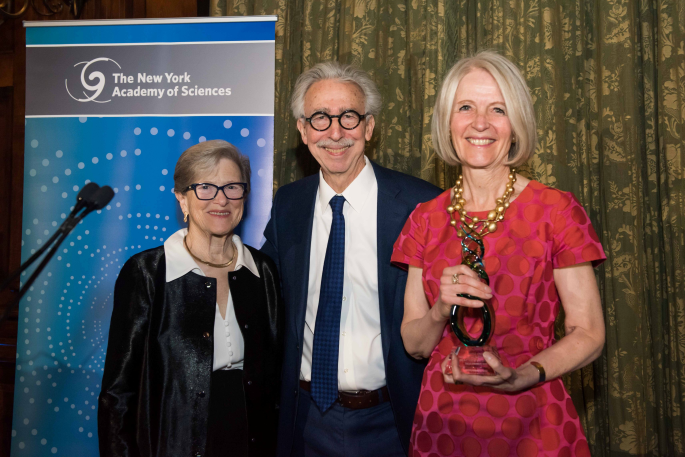
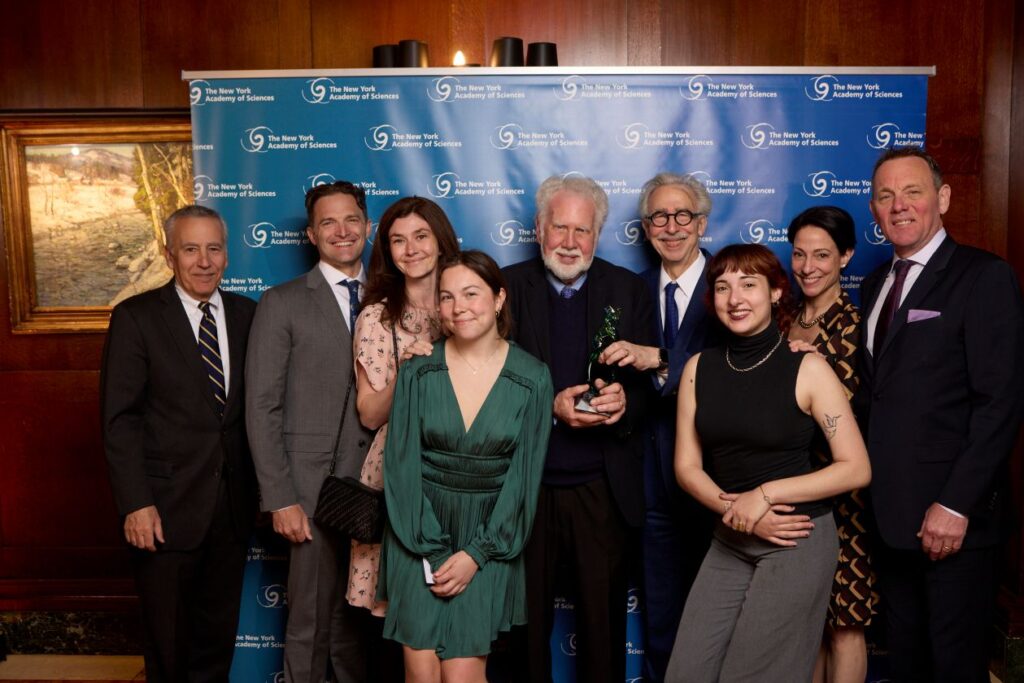
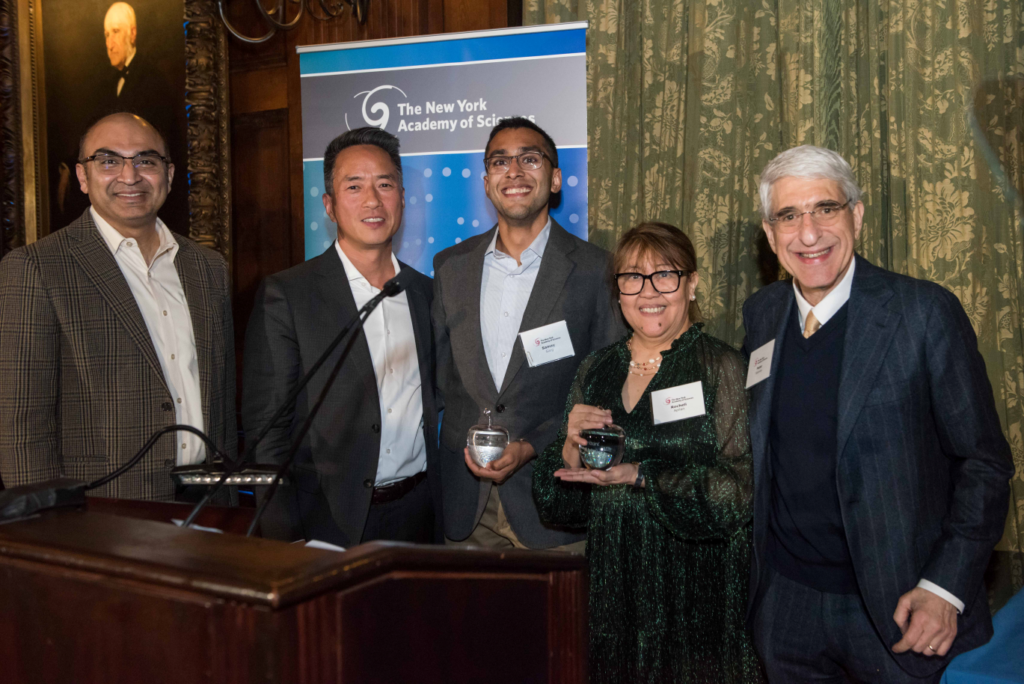
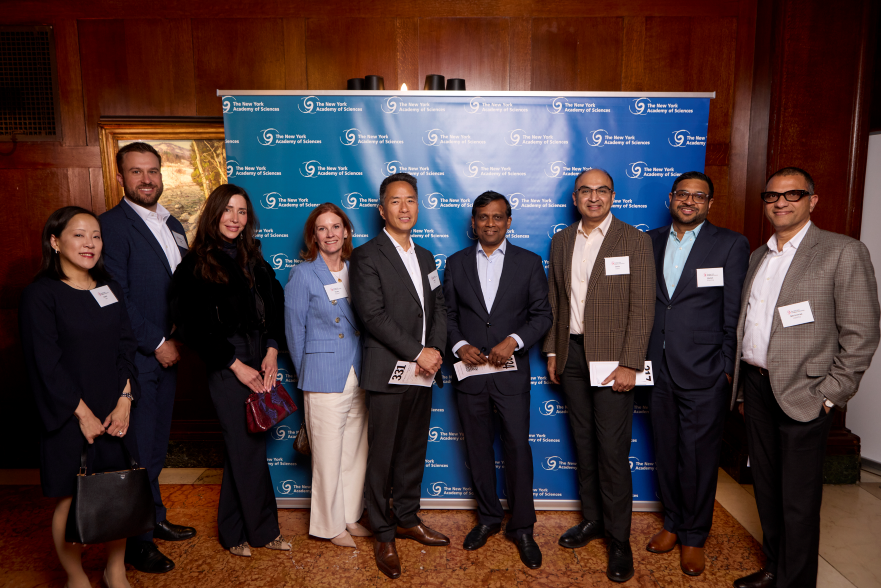
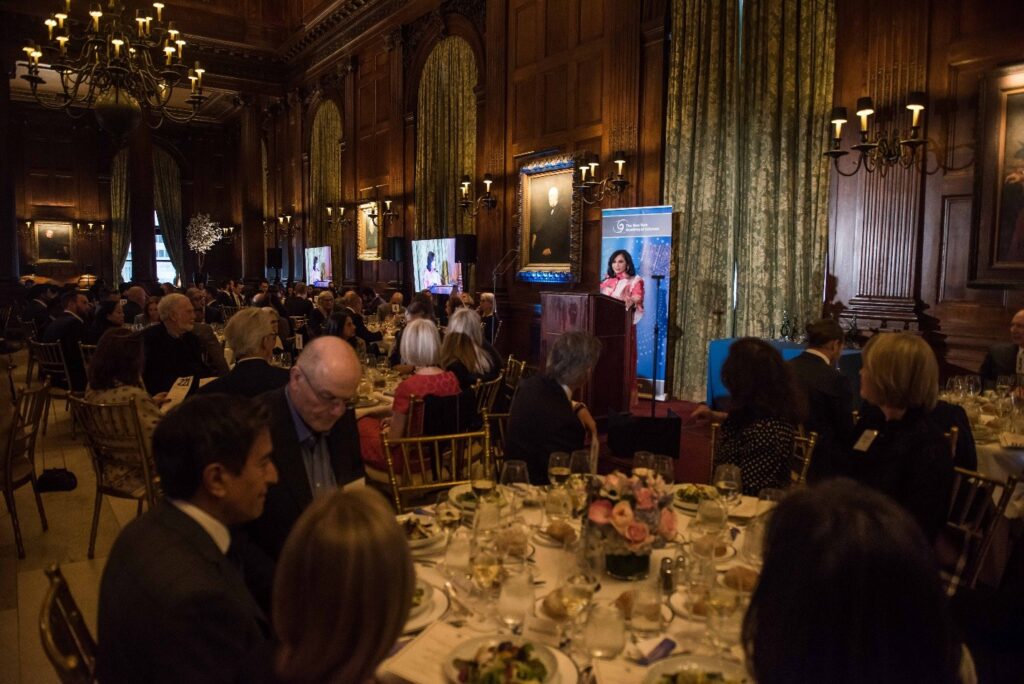
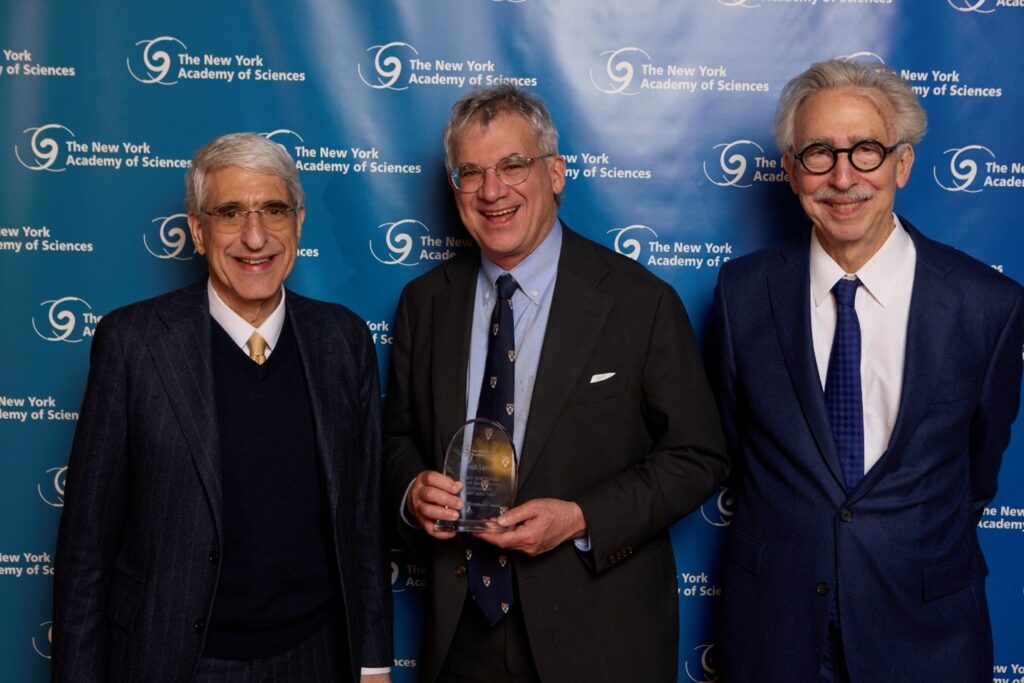
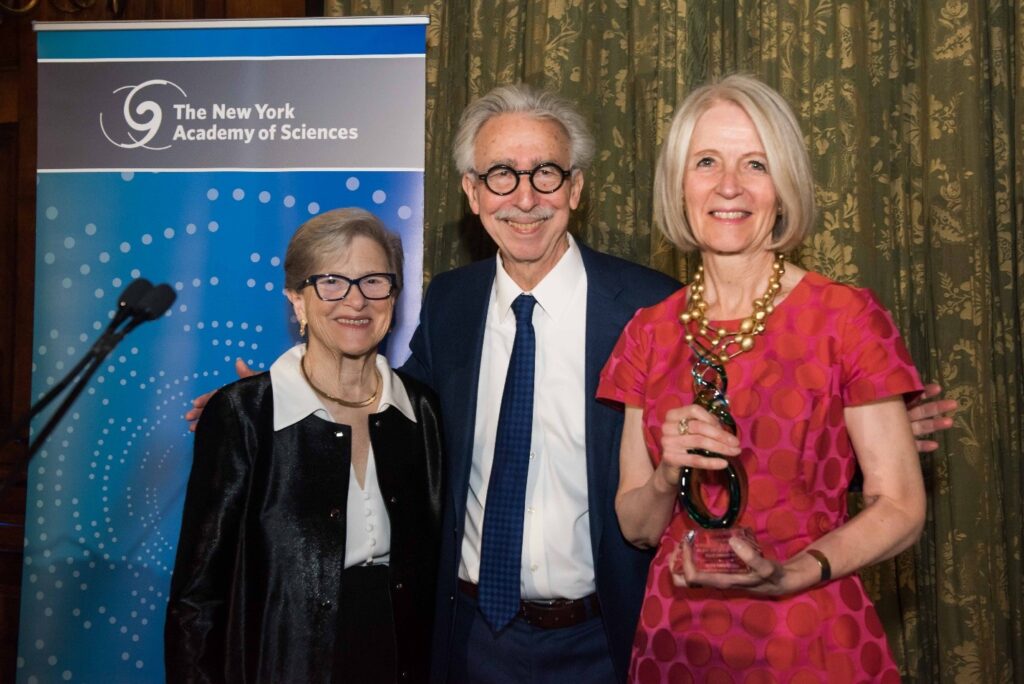
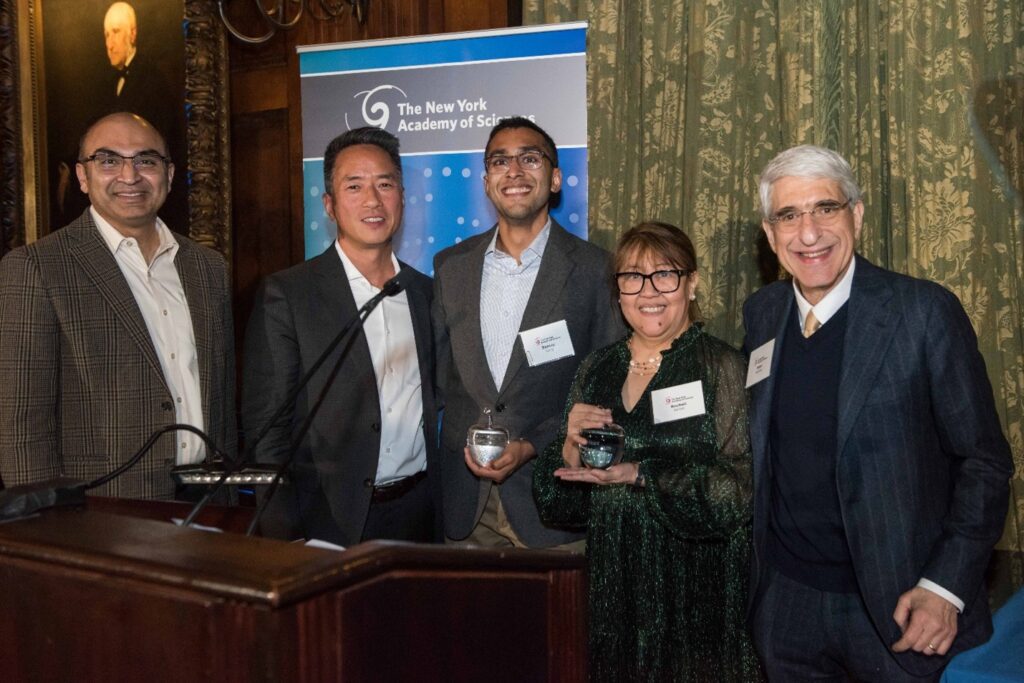
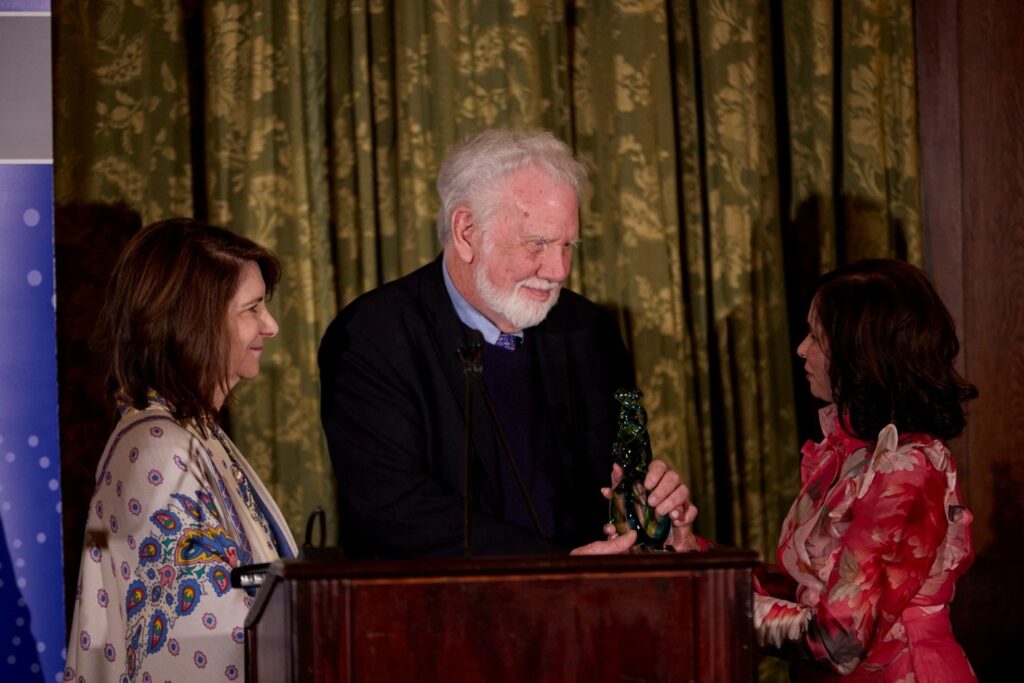
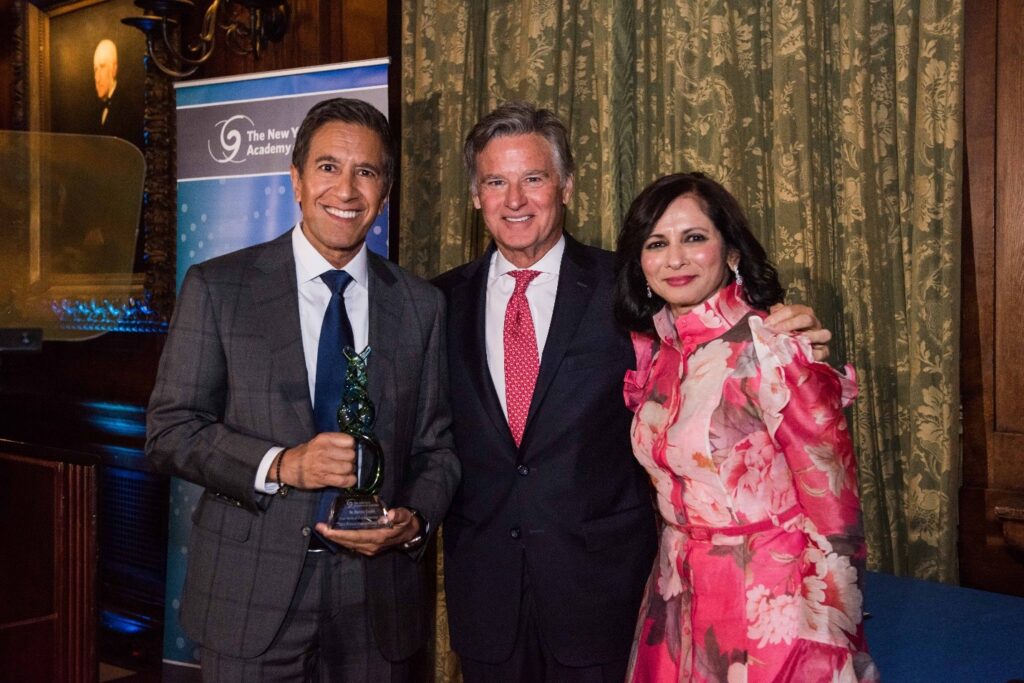
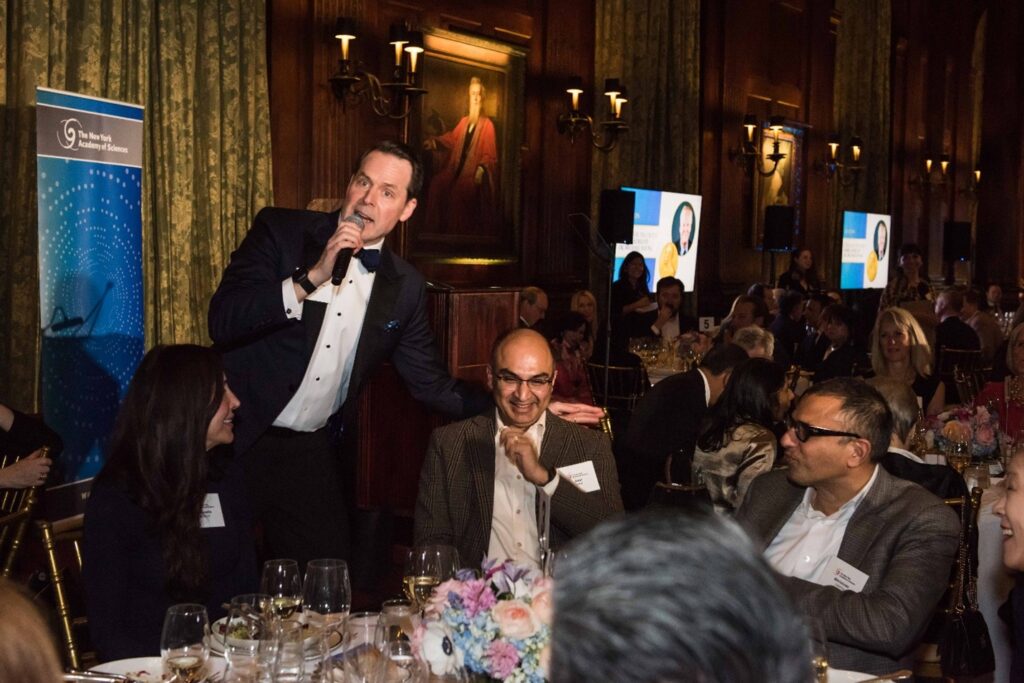
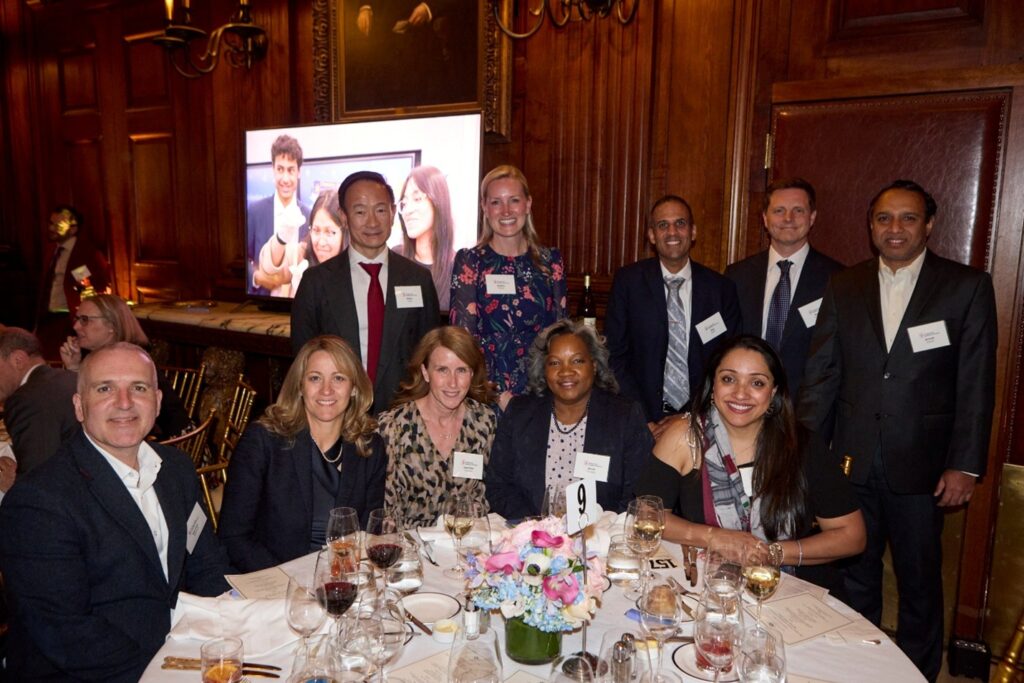
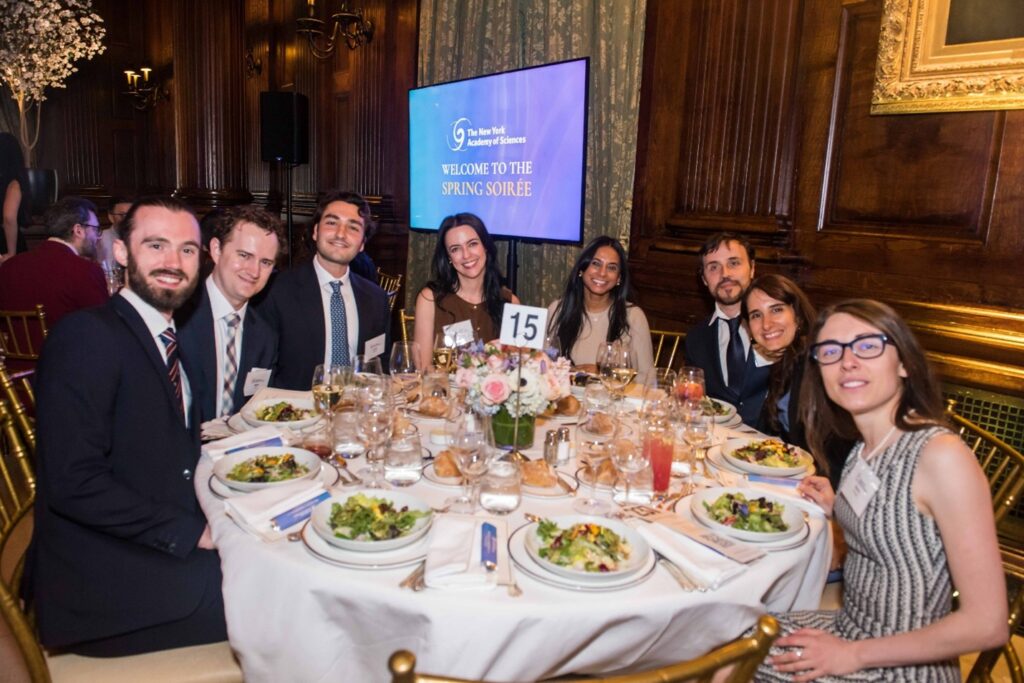
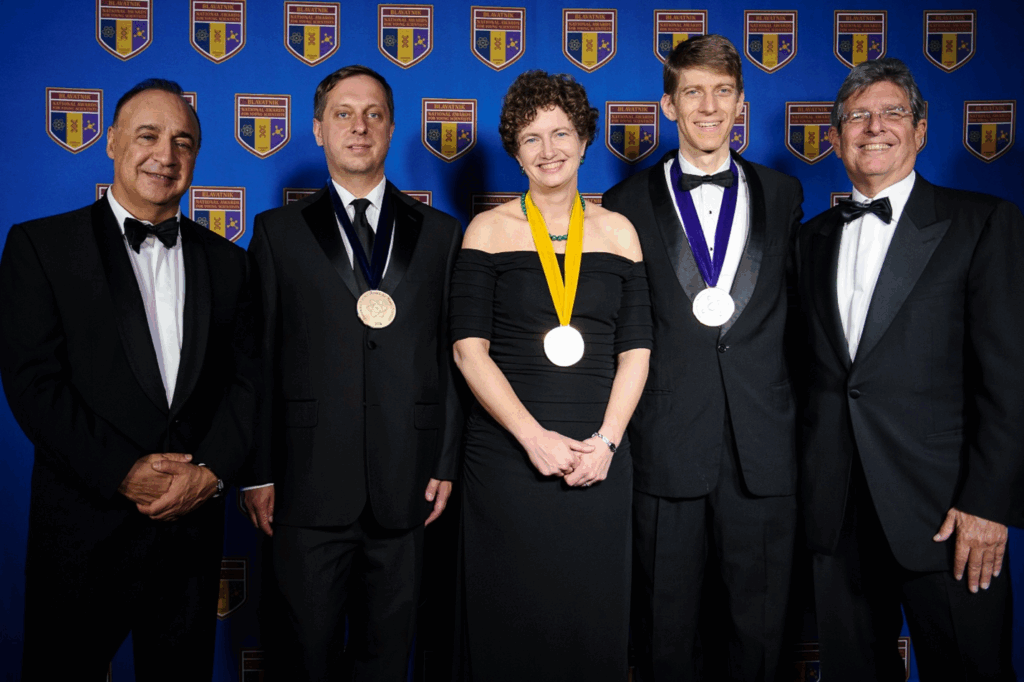
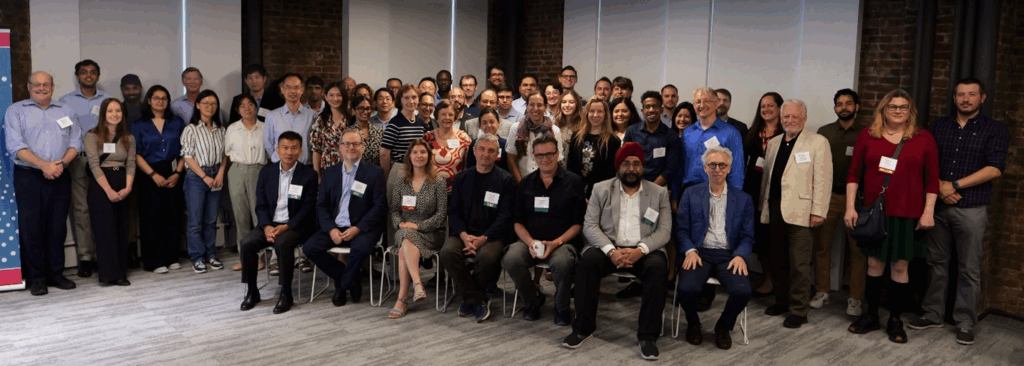
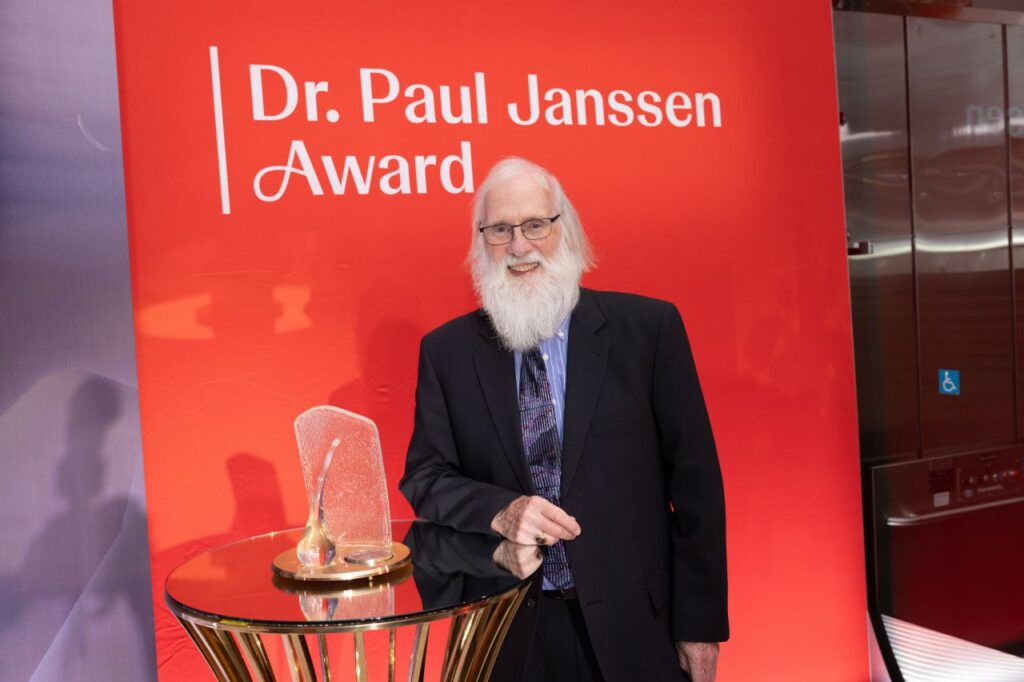
On March 2, 2026, The New York Academy of Sciences hosted a symposium honoring Tony Hunter, PhD, the recipient of the 2025 Dr. Paul Janssen Award for Biomedical Research. Bringing together leading scientists, clinicians, and patients, the event celebrated not only Hunter’s seminal 1979 discovery of tyrosine kinases, but also the lifetime of other breakthroughs he made afterward, work that has fundamentally transformed modern cancer treatment.
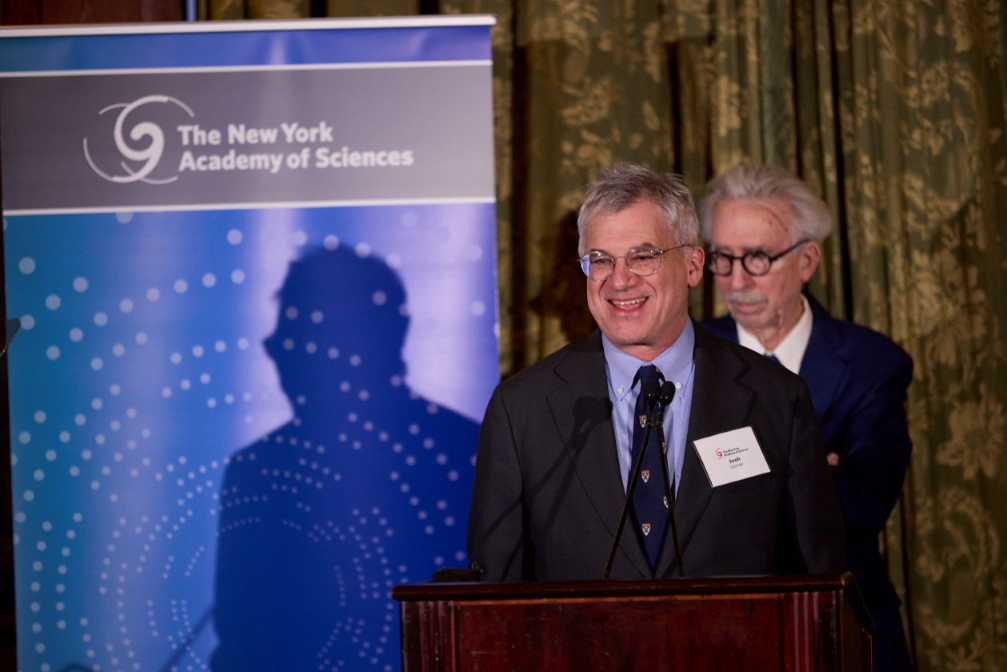
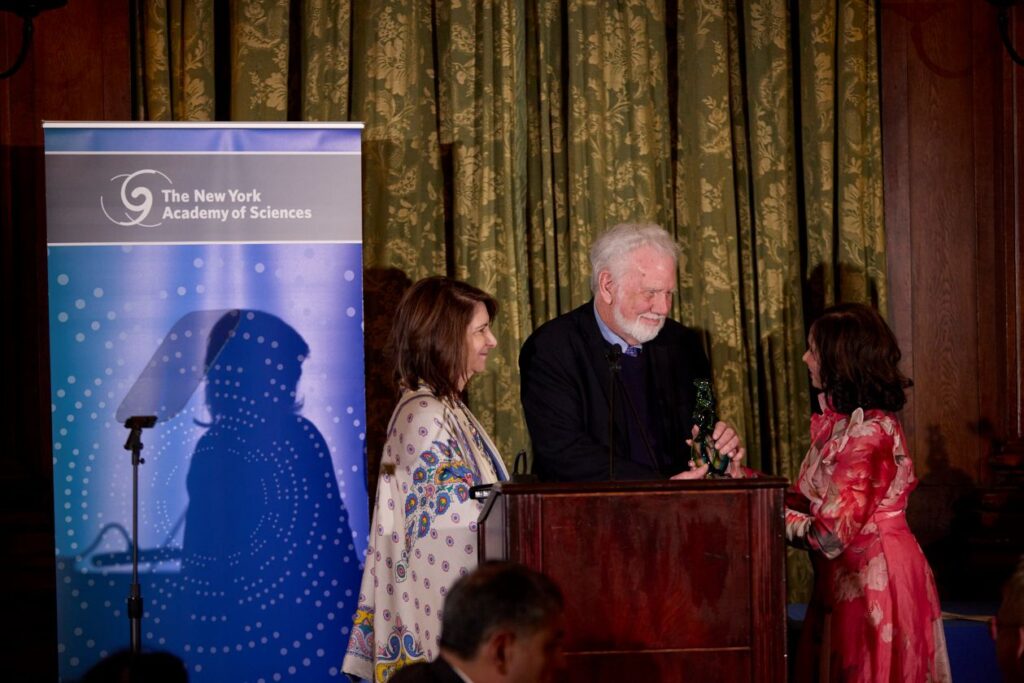
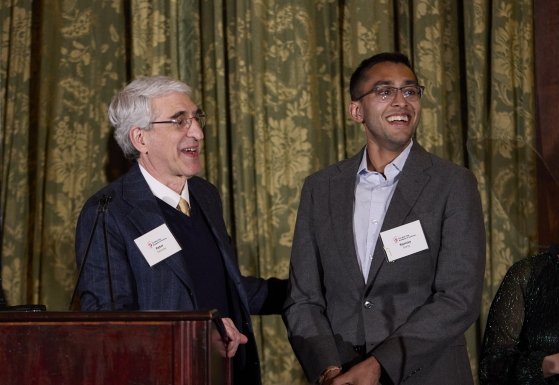
Created in 2004 and named after an exceptionally gifted scientist who revolutionized modern medicine, the Dr. Paul Janssen Award recognizes passion and creativity in biomedical research. Prof. Hunter is an excellent choice for the honor, having discovered tyrosine phosphorylation of proteins, a modification central to regulating cell division. In the 47 years since that finding, work on the phenomenon by Prof. Hunter and others has revolutionized cancer treatment. Introducing him, John Reed, MD, PhD, Executive Vice President of Innovative Medicine and R&D at Johnson & Johnson, said “Tony is a pioneer who is passionate, collaborative, and forever curious, and that curiosity led to a discovery that became a cornerstone of modern cancer biology.”
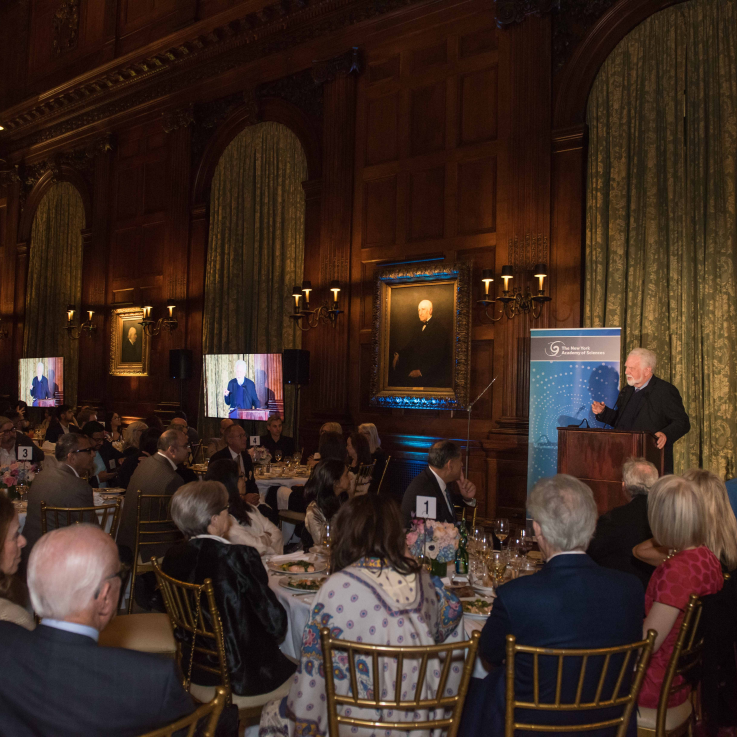
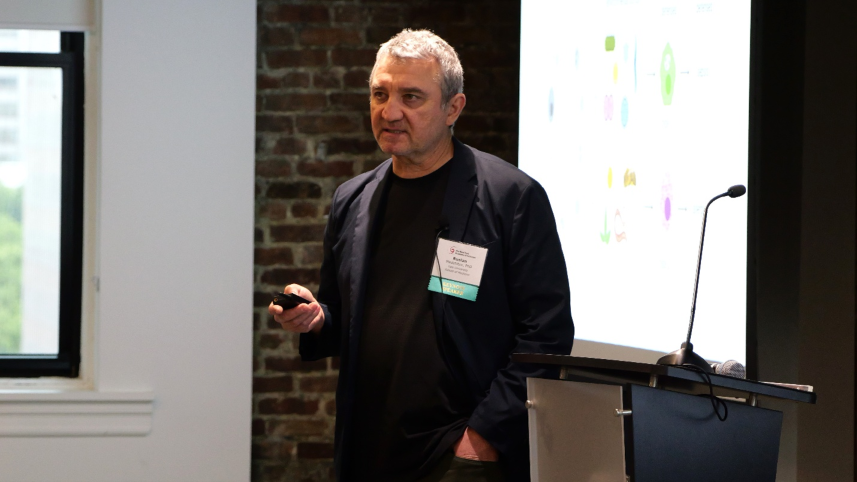
After the formal award presentation, Prof. Hunter told the story of his initial 1979 discovery. Having moved from the UK to become an assistant professor at the Salk Institute in La Jolla, Calif, he set about studying the middle T antigen protein of polyomaviruses. Previous work had shown that this protein alone could make cells become cancerous, but nobody knew how it worked. Suspecting that the protein was a kinase, capable of adding phosphate molecules to other proteins, Prof. Hunter used the latest biochemical techniques in 1979 to label and separate middle T antigens from different strains of the virus.
A Strong Affinity for Phosphorous
The wild-type virus showed a strong affinity for phosphorous, while mutant strains incapable of causing cancer transformation did not, “suggesting that this phosphorylation activity could be important for cell transformation,” said Prof. Hunter. He adds that “I knew that one of the questions we would [then] have to answer is which of the 20 natural amino acids is getting phosphorylated?”
Other researchers had found kinases that phosphorylated serine and threonine, but when Prof. Hunter and his colleagues analyzed middle T antigen’s activity, it seemed to be phosphorylating something in between the sizes of those two amino acids, producing a dark spot on the assay that they labeled “X.” “Because of my biochemical training in Cambridge, I knew there was another hydroxyamino acid that might be phosphorylated, namely tyrosine,” said Prof. Hunter. After developing a new assay for phosphorylated tyrosine, Prof. Hunter was able to confirm his hypothesis.
In the years that followed, Prof. Hunter’s lab and others have identified hundreds of tyrosine kinases in viruses and cells, and found that these enzymes are central to the regulation of cell growth and division. Indeed, aberrant tyrosine phosphorylation is a hallmark of many forms of cancer. Because tyrosine kinases are enzymes, they have also been excellent drug targets. Today, almost 90 tyrosine kinase inhibitors have been approved by regulatory agencies as cancer therapies.
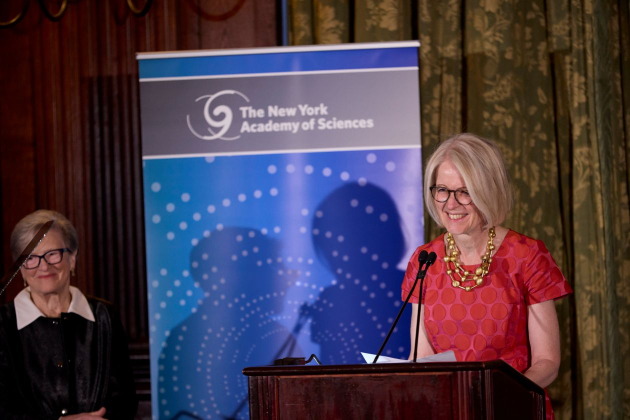
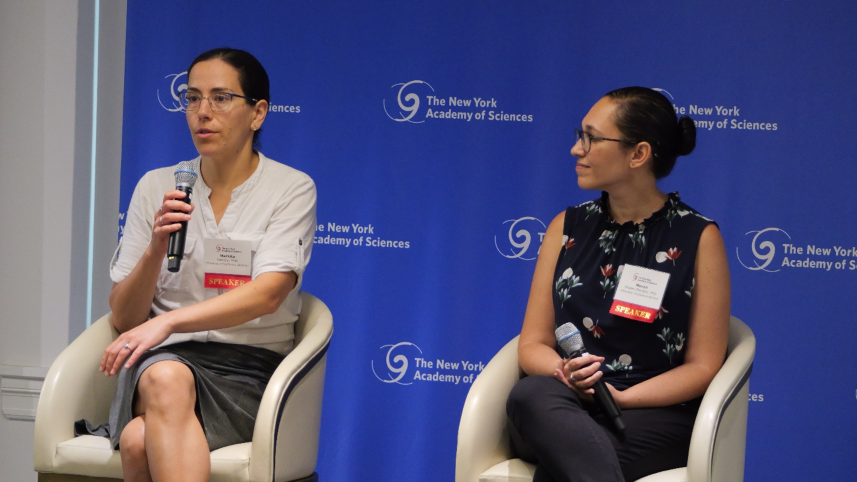
Following his presentation, Prof. Hunter sat down for a discussion with Penny Heaton, MD, Global Head of the Office of the Chief Medical Officer at Johnson & Johnson. Opening the discussion, Heaton reflected on the parallels between Dr. Paul and Prof. Hunter: “Dr. Paul was guided by a deep commitment to improving patients’ lives. Dr. Hunter, that same spirit is evident in your work, which continues to profoundly influence your colleagues, the field of oncology, and countless patients who have benefited from your discovery.”
A Focus on Basic Research
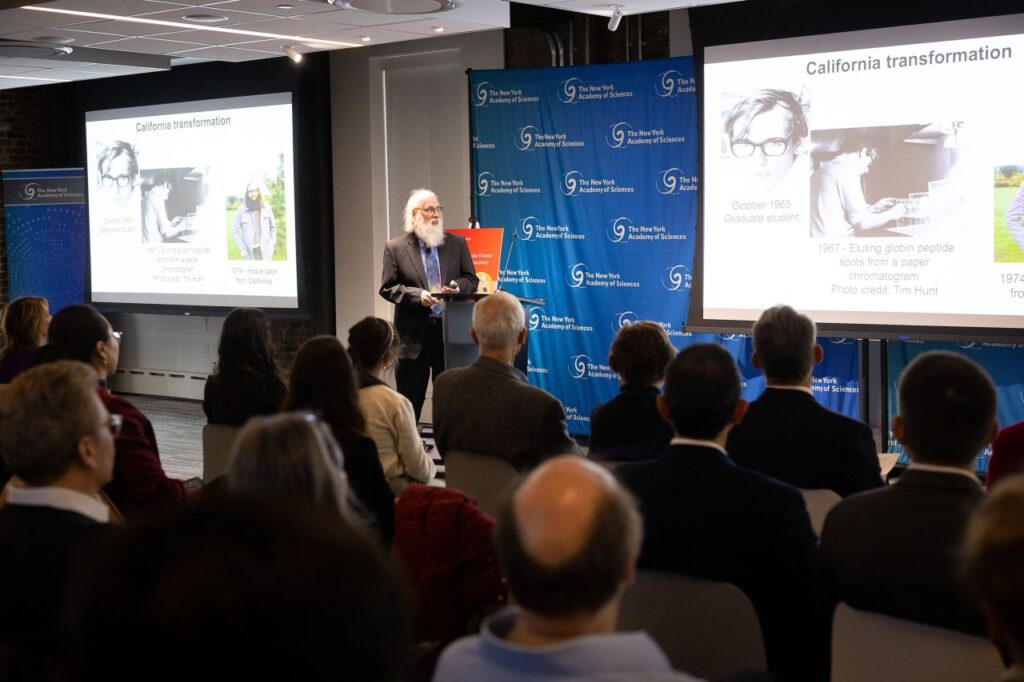
The conversation ranged across Prof. Hunter’s long career path. One recurring theme was his longstanding focus on basic research. “I didn’t have a burning ambition to cure cancer, I was a protein biochemist, and it turned out that my training was useful in studying these transforming proteins,” said Prof. Hunter.
He also emphasized that without curiosity-driven research like his 1979 experiments, the next generation of lifesaving therapies won’t exist. “In the current climate, getting funding to work on a chicken virus might not have been given a very high priority,” said Prof. Hunter, adding that “we need to do a better job of communicating with the public…how science is done.”
From an anomalous spot on a novel assay, Prof. Hunter’s discovery has yielded a deluge of modern cancer therapies, and the symposium next heard from one of the beneficiaries of that pipeline. In 2005, Brian Koffman, MDCM, DCFP, FCFP, DABFP, MSEd, who is now Director of the Chronic Lymphocytic Leukemia (CLL) Society, was enjoying his life. “We’d gotten our kids off to college, we were empty nesters for the first time and looking forward to our oldest getting married in a few months,” said Dr. Koffman. Then a routine blood test upended his world. “I got this diagnosis that I had this incurable and, in my case, very aggressive form of CLL,” he said.
A Grim Prognosis
The prognosis was grim. At the time, there were no approved therapies for his form of the disease that had even been shown to prolong life; he only had a one in 20 chance of surviving another five years. “It was the sense of not being able to meet my grandkids, not being able to enjoy the time with my wife, all of those things, seeing them disappear, [it was] an extraordinarily difficult time in my life,” said Dr. Koffman.
His condition deteriorated fast. After a failed bone marrow transplant and multiple hospitalizations, he found a clinical trial for an experimental drug now called ibrutinib. The small molecule works by binding irreversibly to a cellular protein called Bruton’s tyrosine kinase, inhibiting the B cell proliferation that defines CLL. The drug’s development grew directly from Prof. Hunter’s discovery of the centrality of tyrosine phosphorylation in cancer.
“I was hoping for a cure, I was hoping this would be it, [that] this drug would knock out and control the disease,” said Dr. Koffman. Indeed, the day after receiving his first dose of ibrutinib, he noticed that the swollen lymph nodes on his neck seemed to be getting smaller. “Three days later they felt softer, and by a week later they were unequivocally smaller. It almost tears me up with joy now to think of [that moment], it’s like ‘oh my God, I’ve got a chance I could actually live,’” he said.
Discoveries From the Field of Tyrosine Kinase Inhibition
Koffman’s disease did eventually return, but by then researchers and pharmaceutical companies had developed newer generations of tyrosine kinase inhibitors, allowing him to live a mostly normal life. “The greatest joy is holding your new grandkids; it’s incredible to be able to see your grandkids and…now to play a part in their lives as they’re growing up,” he said.
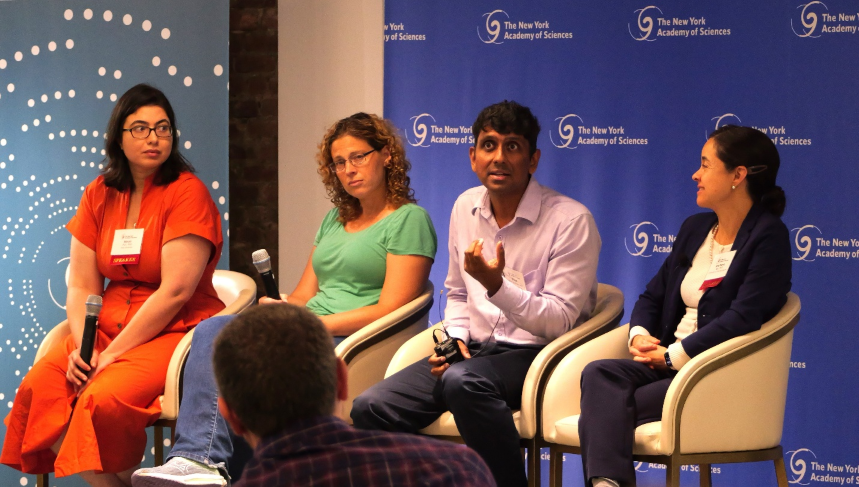
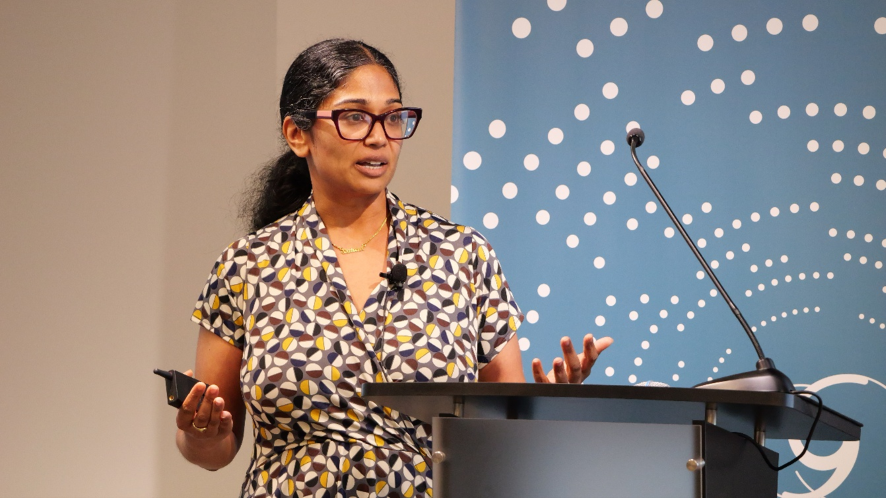
To keep those kinds of breakthroughs coming, researchers continue to mine a rich vein of discoveries from the field of tyrosine kinase inhibition, which now extends beyond cancer. David Kuter, MD, DPhil, Distinguished Physician at Massachusetts General Hospital and a Professor of Medicine at Harvard Medical School, led the audience through a summary of his own work on autoimmune cytopenias. In these diseases, an aberrant response by a patient’s B cells causes them to destroy the stem cells that give rise to different components of blood.
These conditions can cause everything from bleeding disorders to cognitive dysfunction, and there were no effective treatments for them. Because ibrutinib inhibits B cell proliferation, Dr. Kuter and his colleagues reasoned that it could work against autoimmune cytopenias. Their clinical results have validated that idea in one form of the disease, and they’re now evaluating it against others. “This has been a terrific new molecule to treat these disorders,” said Kuter.
A Revolution in Our Understanding of Cancer
Jennifer Brown, MD, PhD, Director of the CLL Center of the Division of Hematologic Malignancies at Dana-Farber Cancer Institute, returned the subject to CLL, starting with her involvement in Brian Koffman’s treatment. “We were the physicians who Brian called to say his lymph nodes were shrinking before his eyes,” said Dr. Brown.
She also discovered that while the patients were undergoing dramatic recoveries in their symptoms, their blood tests revealed that the disease had not gone away. “They’re mostly partial responses, there are still cells [cancerous B cells] circulating in the blood, they’re not completely eradicated yet,” she said. Fortunately, research in her lab and elsewhere has continued to identify novel ways to target tyrosine kinase inhibitors, allowing patients to keep their disease under control for decades.
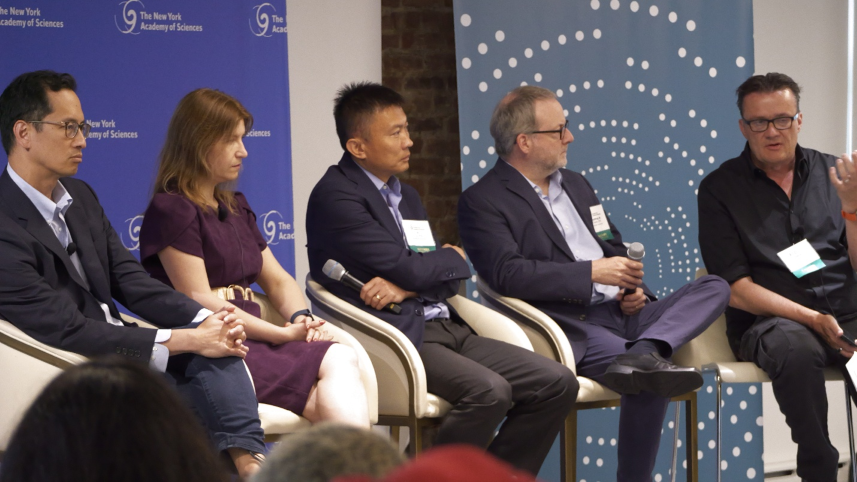
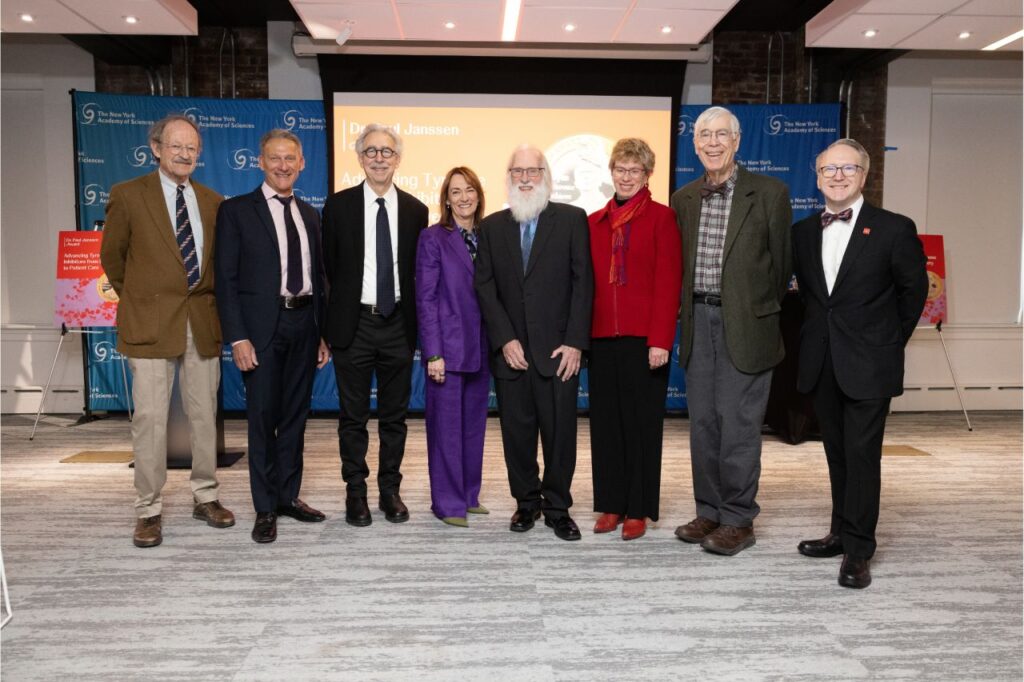
The meeting concluded with Heaton and Prof. Hunter returning to the stage, along with Nobel laureate Harold Varmus, MD, for a wide-ranging discussion on the legacy of Prof. Hunter’s work and the importance of basic research. “The basic science enterprise to me is one of the most important things we need to be doing right now,” said Dr. Varmus, adding that “it’s so important to…not only the nation’s future, but the world’s future.”
Indeed, Prof. Hunter’s own work illustrates that principle powerfully. Driven by pure scientific curiosity, he investigated a puzzling dark spot on a biochemical assay, and discovered how an obscure viral protein functioned. That finding, and subsequent work by his lab and others, opened an entirely new field of research that has now launched dozens of targeted therapies for cancer and other diseases, saving many years of life that might otherwise have been lost. “The study of tumor viruses and their oncogenes really led to a revolution in our understanding of cancer,” said Prof. Hunter.