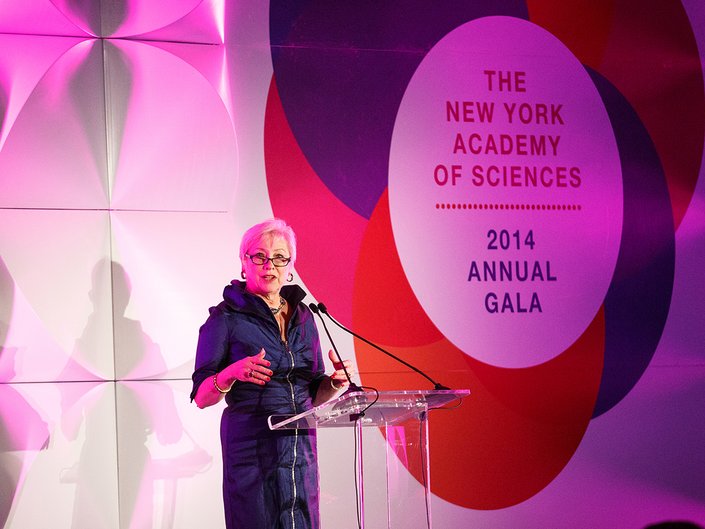
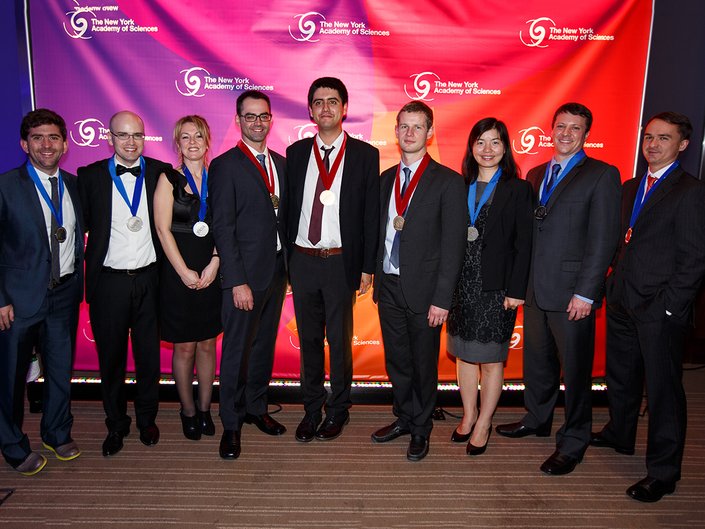
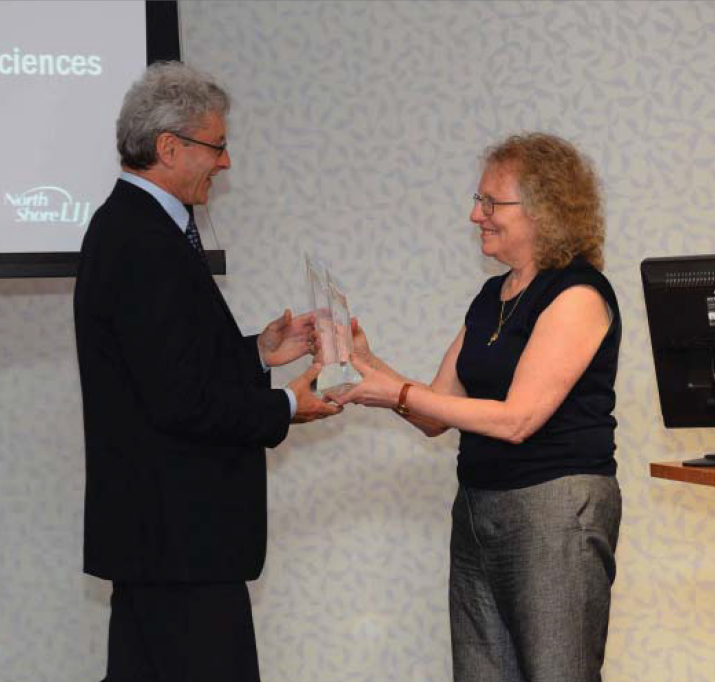
On Monday November 10th, the New York Academy of Sciences and the Blavatnik Family Foundation honored the three winners and six finalists of the 2014 Blavatnik Regional Awards for Young Scientists during the Academy’s annual Gala.
Published November 10, 2014
By Diana Friedman
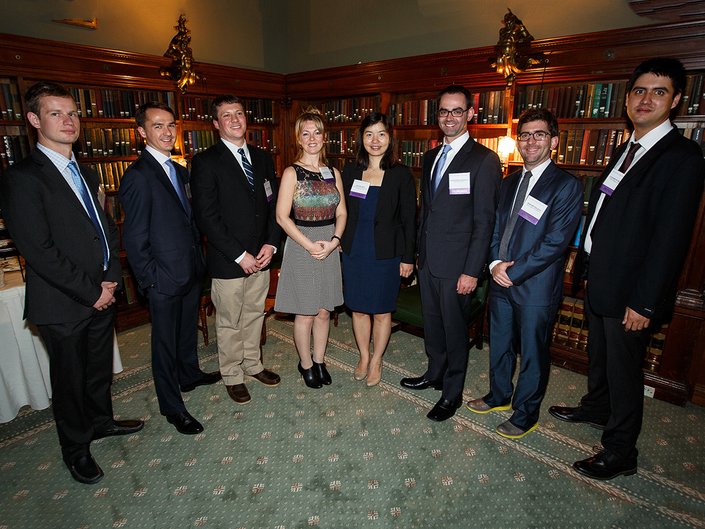
2014 Blavatnik Regional Award honorees
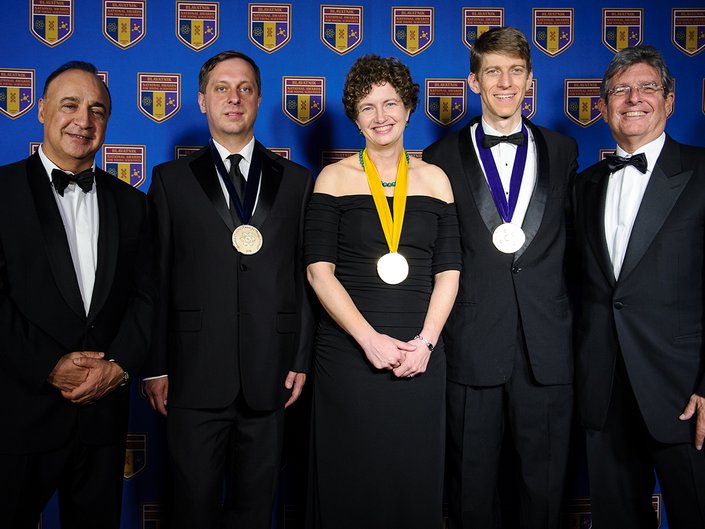
The 2014 Blavatnik Regional Awards honorees were selected for their exceptional research from a pool of over 220 outstanding nominations from 32 institutions across New York, New Jersey, and Connecticut. Winners and finalists received unrestricted cash prizes and were presented with medals.
Regional honorees awarded in the Chemistry category were introduced by Dr. Laurie Glimcher, Dean at Weill Cornell Medical College; Dr. Paul Horn, Sr. Vice Provost for Research and Sr. Vice Dean for Strategic Initiatives and Entrepreneurship at the NYU Polytechnic School of Engineering introduced the winners and finalists in the Physical Sciences & Engineering category; and Dr. Marc Tessier-Lavigne, President of The Rockefeller University introduced honorees in the Life Sciences category. All were presented with their medals by Peter Thoren from the Blavatnik Family Foundation and each of the three winners gave a brief presentation about their award-winning work.
This year’s Gala themed “The Beautiful Mind: New York Neuroscience Burns Bright” brought together the best and brightest in neuroscience research from across New York, Academy supporters from industry, philanthropy, and government, Blavatnik Awards alumni, members of the Regional Jury, and members of the Blavatnik Awards Scientific Advisory Council.
“On behalf of the Blavatnik Family Foundation, I would like to thank the judges for all of the hard work they put in over the past year, and to congratulate this evening’s honorees as well as the honorees from previous years. I would also like to thank our partners at the Academy who, over the past few years, have put together this wonderful program. We look forward to many future years of discovery and celebration,” said Peter Thoren, Representative of the Blavatnik Family Foundation and Executive Vice President of Access Industries.
The evening before the Gala, on November 9th, the Blavatnik Family Foundation hosted a cocktail reception in honor of this year’s regional winners and finalists and regional judges. The event was attended by the Blavatnik Awards alumni and supporters of the Awards.
To learn more about the Blavatnik Awards for Young Scientists, visit blavatnikawards.org.
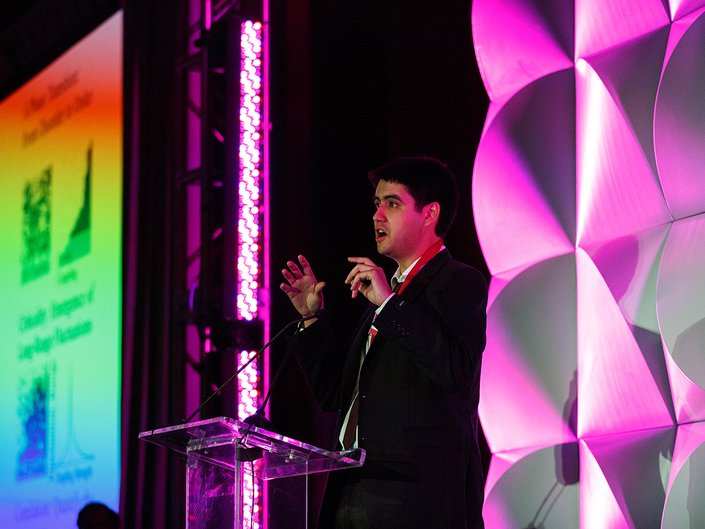
2014 Blavatnik Regional Award honoreesClément Hongler, 2014 Blavatnik Regional Award WinnerNancy Zimpher, Chancellor, The State University of New York
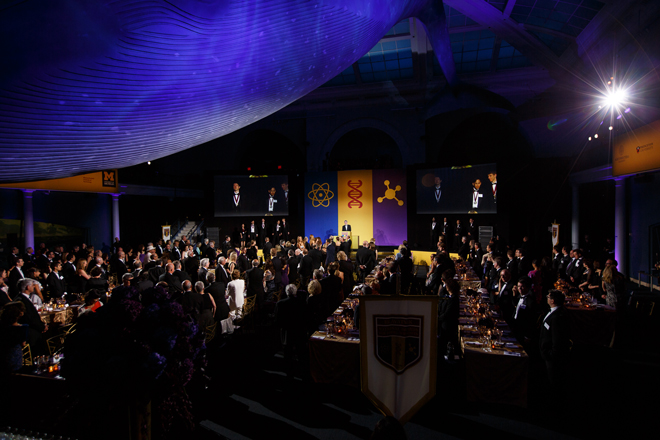
This event gathered over 200 guests, including members of academia, business, and media. The guests, in black tie, were treated to an elegant evening at one of the most celebrated museums in the world, the American Museum of Natural History.
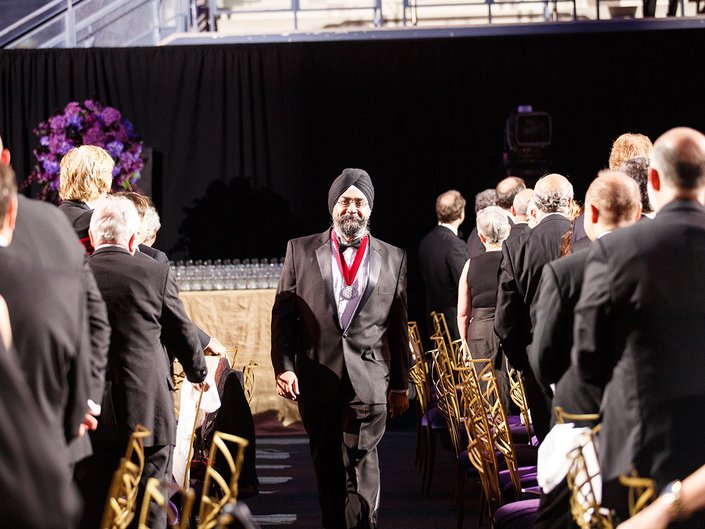
The evening formally began as the brass ensemble of the renowned Juilliard School played a processional of Fanfare for the Common Man and New York City high school students with a passion for science served as flag holders for the grand entrance of the Finalists and Laureates into the museum’s famed Milstein Hall of Ocean Life.
Ellis Rubinstein, President and Chief Executive Officer of The New York Academy of Sciences opened the evening with the introduction of the National Finalists and later spoke about the history of the Awards and the long-term partnership between the Academy and the Blavatnik Family Foundation. Mr. Rubinstein then proceeded with the formal introduction of the master of ceremonies, Dr. Eric Lander, Founding Director of the Broad Institute and member of the Blavatnik Awards Scientific Advisory Council.
The three National Laureates: Dr. Rachel Wilson, Dr. Marin Soljačić, and Dr. Adam Cohen were introduced during the evening by Dr. Cornelia Bargmann, Dr. Robbert Dijkgraaf, and Nobel Prize Laureate, Dr. Martin Chalfie, respectively. Each Laureate received a gold-plated custom medal from Len Blavatnik and followed with a presentation about their award-winning work.
“I am extremely happy with the success of the Blavatnik Awards for Young Scientists. We have created the support system and the selection process to recognize the best and brightest. My hope is that the awards and the Blavatnik National Laureates will make a huge impact on our society and the life of everyone in the 21st century,” said Len Blavatnik, Founder and Chairman of Access Industries and head of the Blavatnik Family Foundation.
The audience was also treated to two surprise announcements: the new Soljačić Prize for Gifted Croatian Children, established with a donation of prize money from Physical Sciences & Engineering Laureate Dr. Marin Soljačić; and a donation of prize money from Chemistry Laureate Adam Cohen to his alma mater Hunter College High School to support math and science activities.
The event was attended by Blavatnik Awards winners and finalists from previous years, members of the National Jury, and members of the Blavatnik Awards Scientific Advisory Council including Drs. Ron Breslow, Ruslan Medzhitov, and Marc Tessier-Lavigne. Other notable guests included Edgar Bronfman Jr.; Stephen Cooper, CEO of Warner Music Group; Dr. Joseph Goldstein, Nobel Prize Laureate; Ron Prosor, Israel’s Permanent Representative to the United Nations; Dr. Bruce Stillman, President and CEO of Cold Spring Harbor Laboratory; Dr. Craig Thompson, President of Memorial Sloan-Kettering Cancer Center; Dr. Jan Vilcek, Founder and President of the Vilcek Foundation, and Jeff Zucker, President of CNN.
To learn more about the Blavatnik Awards for Young Scientists, visit blavatnikawards.org.
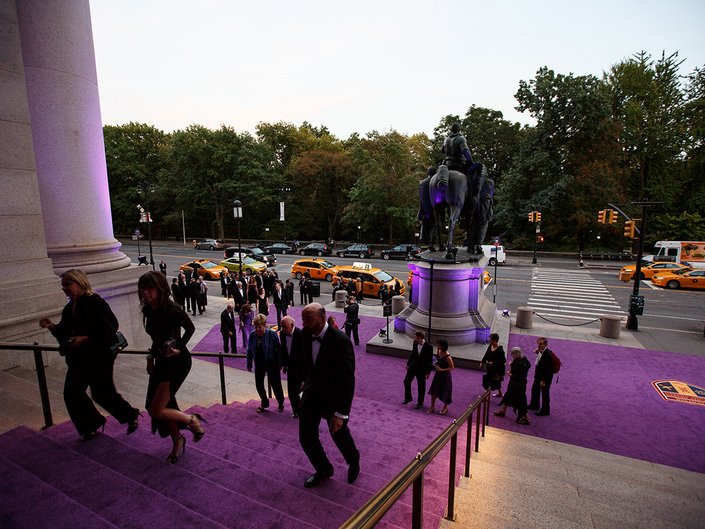
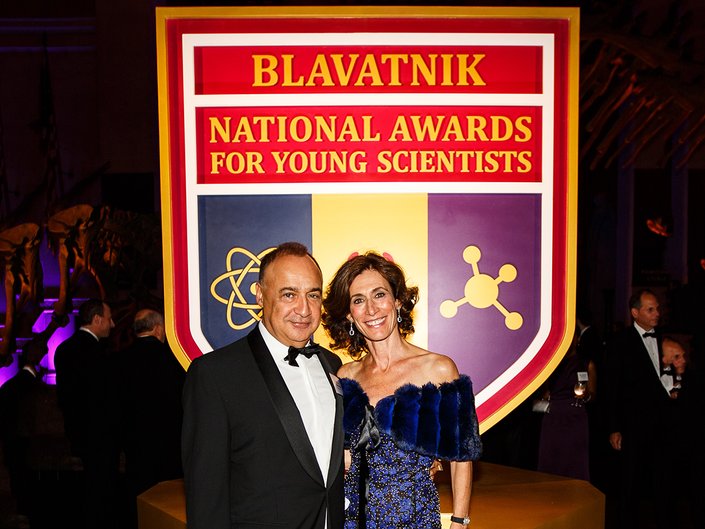
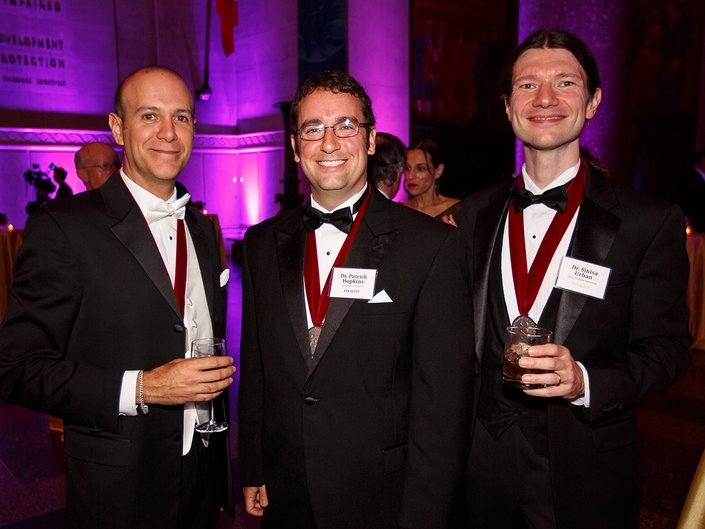
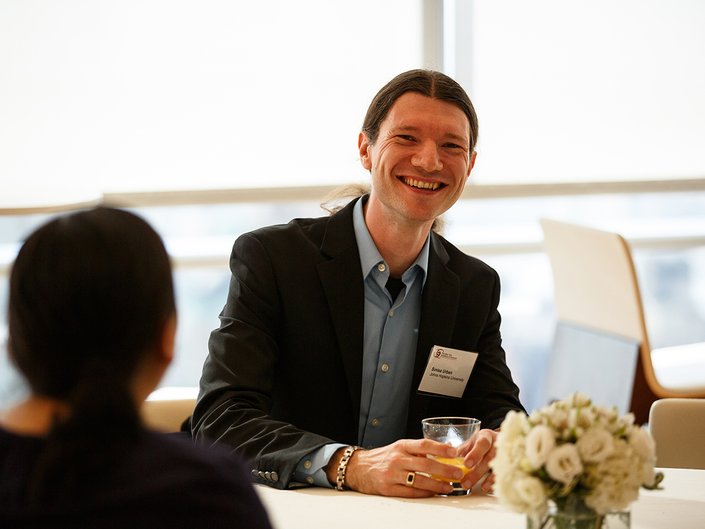
Inside the American Museum of Natural History2014 National Finalist Harmit MalikOutside the American Museum of Natural HistoryLen Blavatnik and Ellis Rubinstein with 2014 National Laureates Adam Cohen, Rachel Wilson and Marin SoljačićMr. and Mrs. Blavatnik2014 National Finalists Ruben Gonzalez, Patrick Hopkins and Sinisa Urban
In the eight years since its launch, the Blavatnik Awards for Young Scientists has built an exceptional collection of past and current honorees, who together represent one of the most dynamic, innovative, cross-disciplinary networks in the world – the Blavatnik Science Scholars Community.
Published July 9, 2014
By Diana Friedman
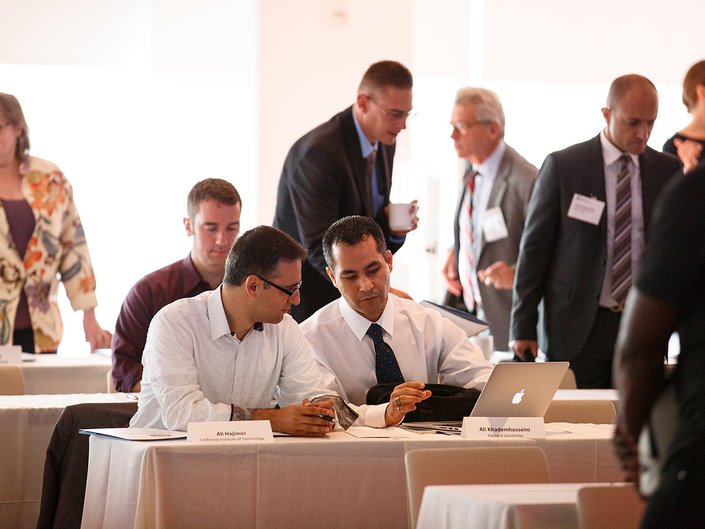
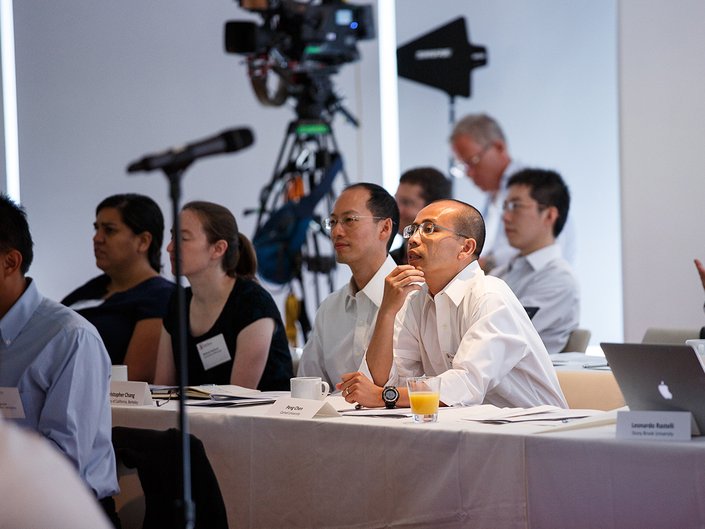
In response to Blavatnik Awards honorees interested in meeting and interacting with each other, and to showcase the high caliber of research of the Community members, the Blavatnik Family Foundation and The New York Academy of Sciences hosted the first annual Blavatnik Science Symposium to encourage networking, exchanging of ideas, and potential collaborations.
The inaugural event began with a dinner on July 8th featuring keynote speaker Dr. Marcia McNutt and was followed by a full day of presentations on July 9th. The Symposium gathered nearly 50 members of the Blavatnik Regional Awards alumni and this year’s National Finalists. The event was attended by Len Blavatnik and other representatives of the Blavatnik Family Foundation, scientific luminaries, and representatives of the press.
Below are some of the comments from the Blavatnik Science Scholars who attended the event:
“It was inspirational to learn about the breakthroughs undergoing in leading labs around the US spanning physics, chemistry biology and medicine, going from malaria to black holes, from novel technologies in energy storage and microscopes in a cell phone, to the secret codes in the cell.” —Antonio Giraldez, 2007 Blavatnik Regional Award Finalist, Professor of Genetics at Yale University.
“As a young scientist, we are often too busy trying to ‘survive’ the academic life to be able to meet and discuss science with other young scientists from different fields. In fact, such cross-fertilization of disciplines is where major discoveries are made. The event has enabled me to discuss new collaborative projects with other attendees, which will generate new directions of research.” —Ali Khademhosseini, 2014 Blavatnik National Award Finalist, Associate Professor at the Harvard-MIT Division of Health Sciences & Technology, Harvard University.
“The event was an inspiring display of scientific talent exploring some of the most important questions in the natural sciences, and a very unique opportunity to interact with peers, colleagues at the Academy, and the Blavatnik team.” —Sarkis Mazmanian, 2014 Blavatnik National Award Finalist, Professor of Microbiology at the California Institute of Technology
“Arriving at this stage of my scientific career, travel days to attend scientific conferences are a precious commodity, which are mostly spent interacting with colleagues in my own field, or even sub-field. I would never get an opportunity to spend a whole day listening to amazing talks on topics as diverse as black holes, DNA bricks and origami, materials science that is pushing limits of technology, and new frontiers of biomedicine. Being at the science symposium and interacting with colleagues I would otherwise never interact with, was like being a young science geek all over again, which is why I got into this business in the first place. I feel recharged.” —Harmit Malik, 2014 Blavatnik National Award Finalist, Member, Basic Sciences, Fred Hutchinson Cancer Research Center.
“This unique Symposium brought together an incredible constellation of top young scientists with expertise ranging from black holes to human genome. Before the meeting started, the only connection between the participants was the Blavatnik Awards. By the end of the Symposium one couldn’t help but feel to be a part of a scientific family. For me personally, it was a humbling experience to be surrounded by so much talent.” —Ruslan Medzhitov, 2007 Blavatnik Regional Award Winner, Professor of Immunobiology at Yale University
“The symposium was inspiring in terms of the depth and breadth of the presentations as well as the focus on young scientists. I was thrilled and humbled to be among such a distinguished crowd of researchers and scientists.” —Aydogan Ozcan, 2014 Blavatnik National Award Finalist, Chancellor’s Professor in the Electrical Engineering Department & Bioengineering Department at the University of California, Los Angeles.
“I attended the Symposium to meet the Blavatnik Awards finalists and to learn about the new developments in life sciences – a field which is outside of my general research area. The reason for my interest as a physicist and mathematician in life sciences is that having progress in certain problems in this field may require combining scientific knowledge from various disciplines such as quantum mechanics, chemistry, mathematics, and biology. The symposium was most valuable because, besides the fact that all presenters were selected among most talented researchers in the field, the requirement for all was to present their results in a way that is understandable for scientists working outside of their normal domain. This goal was fully achieved.” —Alexander Pechen, 2009 Blavatnik Regional Award Winner, Academic Secretary and Leading Researcher at Steklov Mathematical Institute of Russian Academy of Sciences.
“It was very stimulating to see so many creative and accomplished young scientists from so many different disciplines!” —Michael Rape, 2014 Blavatnik National Award Finalist, Professor of Cell and Developmental Biology at the University of California, Berkeley.
“The Blavatnik Symposium was one of the most intellectually stimulating gatherings I have attended in some time. It was amazing fertile ground for the cross pollination of ideas. I really enjoyed it.” —Michael Strano, 2014 Blavatnik National Award Finalist, Professor of Chemical Engineering at the Massachusetts Institute of Technology.
To learn more about the Blavatnik Awards for Young Scientists, visit blavatnikawards.org.
John O’Shea turned his passion for clinical care into a successful research career focusing on understanding the molecular basis of cytokine action, with the aim of providing better treatment options for patients.
Published June 1, 2014
By Diana Friedman
John O’Shea, MD, Director, National Institute of Arthritis and Musculoskeletal and Skin Diseases Intramural Research Program, NIH, has pushed the frontiers of molecular medicine during his career through research that has led to new treatments for immune diseases. He was named the 2014 winner of The Ross Prize in Molecular Medicine, which honors researchers whose discoveries change the way medicine is practiced.
How did you get involved in studying immunology?
I was drawn to immunology after admitting a veteran to the hospital, who had vasculitis and, sadly, died of this illness. At the time, the NIH was the center for research on vasculitis, so that’s what ultimately led me to join the NIH for training beyond internal medicine.
I initially worked on complement receptors and then the T cell receptor in my postdoctoral training at the NIH. When I set up my own lab, the importance of tyrosine phosphorylation as a first step in signal transduction was becoming increasingly apparent. We therefore set out to find kinases expressed in lymphocytes and cloned one of the Janus kinases, right around the time it was becoming clear that this family of kinases was critical for cytokines.
Why are cytokines so exciting as a research focus?
Cytokine signaling is of particular interest to me because it is a very basic problem: how cells respond to external cues. What is exciting is that the pathway is an evolutionarily ancient one employed by Dictyostelium and everything from insects to mammals. Advances from all these diverse organisms and models are valuable in understanding the basic problem. Equally, though, these insights often are directly relevant to patients with immune-mediated disease.
What questions are you currently trying to answer?
We remain very interested in how cytokine signals cause cells to grow and differentiate. What that means to us now is how external cues impact epigenetic changes and how this relates to control of gene expression. Of course, “genes” means more than just classical protein coding genes, so we are also interested how microRNAs, lncRNAs, and eRNA are all regulated by cytokines.
We are also interested in how Jak inhibitors do or do not work in patients with autoimmune disease. Will second generation selective inhibitors be as effective and be safer or not? What is the best way to use these new drugs, and for which diseases?
How has the field of molecular immunology changed since you started—and how will it continue to change?
What is most different about doing science now versus a decade or two ago is that today many experiments are set up in a way that the denominator is often the entire genome or products of the entire genome. More and more this will be the case, and as such the analysis of the data becomes increasingly complex. We will be perturbing cells in many of the same ways, but the analysis will be vastly more complex and comprehensive. We will also use single cells and not heterogenous populations of cells, adding yet more complexity to the analysis.
But the basic question we are still trying to answer—how cell behavior is changed by external cues—is not so different from the one we began asking decades ago. What is astonishing is how these questions can now be answered.
How important is collaboration in the field of molecular medicine?
I have had very edifying interactions with industry scientists over the last 20 years with the outcome that patients with rheumatoid arthritis have a new treatment option. These people are experts in making treatments a reality and they are essential to moving the field forward.
Additionally, the NIH has been an extraordinary place to work. From my first experiences, the support from so many colleagues has been astonishing. One really feels like the only limitation to discovery is one’s creativity and ability. It is troubling at a time when so much could be done to really understand basic biological processes and mechanisms of human disease that funding is limited. This is a loss on many levels, but most of all a loss for patients with debilitating diseases.
The other big plus of place like the NIH is the ability to move from very basic problems directly to the bedside and back again. This was a common occurrence during my training—physicianscientists moved from one realm to the other.
Do you think that medical education currently has enough of an emphasis on research?
I worry that at a time like this, when there is so much opportunity, that we are not doing everything we can to foster the development of physician-scientists and translational basic researchers. At the same time, physicians-in-training have so much to learn these days—the amount of knowledge that students in medical school have access to now, and need to absorb, is just astronomical compared to what it was in my day; not to mention there is also the technology they have had to become proficient in using, and complex societal changes that have taken place. So working as a team, with people with different specialties and knowledge sets becomes increasingly important.
What does winning The Ross Prize mean to you?
Being that the prize is focused on molecular medicine, it is very gratifying—this is exactly how I think about myself in terms of my career focus. It’s very humbling, but also very exciting because that’s sort of what I was hoping to accomplish from the start —to make discoveries that are important scientifically, but also directly help people. For me, it doesn’t really get any better than that.
About The Ross Prize in Molecular Medicine
The Ross Prize in Molecular Medicine was established in conjunction with the Feinstein Institute for Medical Research and Molecular Medicine. The Ross Prize recognizes biomedical scientists whose discoveries have changed the way medicine is practiced. The prize is awarded to midcareer scientists who have made a significant impact in the understanding of human disease pathogenesis and/or treatment and who hold significant promise for making even greater contributions to the general field of molecular medicine.
On November 18th, The New York Academy of Sciences celebrated regional institutions and individuals who have made New York the newest, most vibrant international hub for groundbreaking science and technology, and honored the seven winners and five finalists of the 2013 Blavatnik Awards for Young Scientists.
Published November 18, 2013
By Diana Friedman
The 2013 Blavatnik Awards honorees were selected for their exceptional research from a pool of over 160 nominations submitted by 43 research institutions in New York, New Jersey, and Connecticut. Winners and finalists received unrestricted cash prizes and were awarded with medals.
During the Academy’s Science & the City Gala, where the Awards ceremony was held, Richard Roberts, winner of the Nobel Prize in Physiology or Medicine (1993), Chief Scientific Officer of the New England Biolabs, and Blavatnik Awards judge announced the national expansion of the Blavatnik Awards. Dr. Roberts spoke about the importance of recognizing and supporting young scientists.
“I am a great believer in and advocate for young people. In the current funding situation at NIH they often have a difficult time getting a grant to pursue independent research until they are past their prime. This is a great tragedy and one we need to correct. I hope the Blavatnik Awards will help young scientists get funding since it is a mark of their excellence that they otherwise wouldn’t have,” says Dr. Roberts.
Check out these photos from the gala:
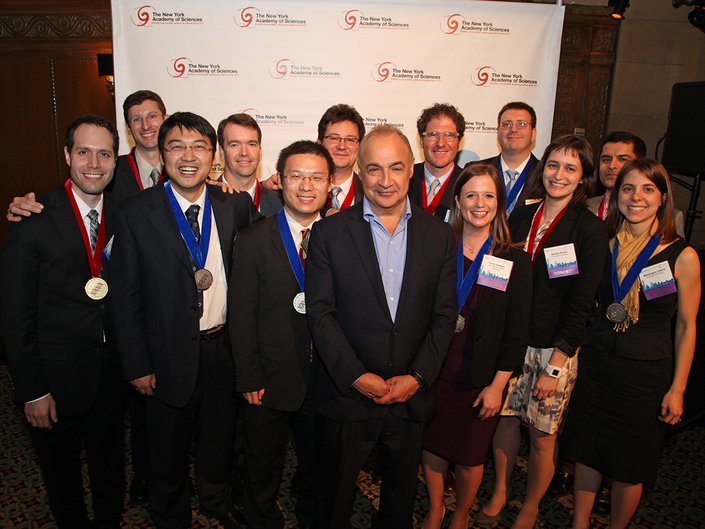
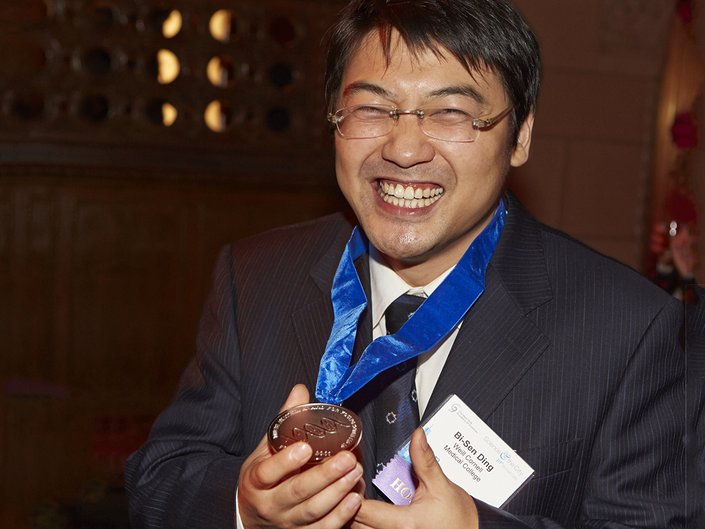
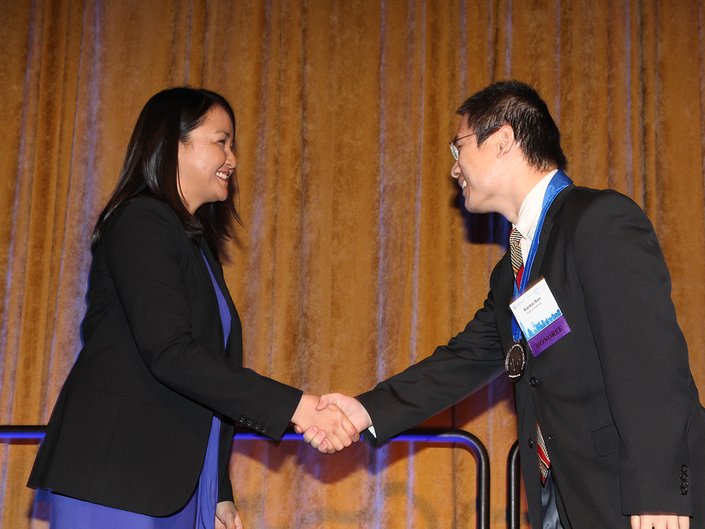
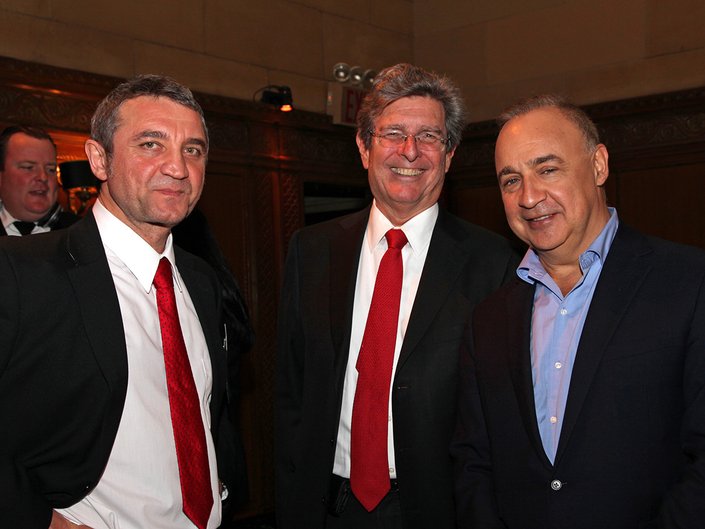
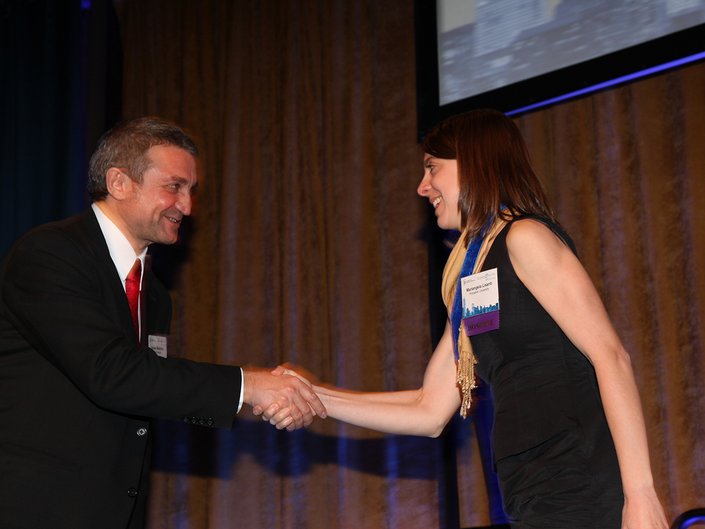
2013 Blavatnik Awards honoree Bi-Sen Ding receiving his awardLen Blavatnik, head of the Blavatnik Family Foundation, with the 2013 Blavatnik Awards honoreesMercedes Gorre, Executive Director of the Blavatnik Awards, congratulating 2013 honoree Xiankai SunRuslan Medzhitov, Professor of Immunobiology at Yale University; Ellis Rubinstein, President & CEO at the New York Academy of Sciences; and Len Blavatnik, head of the Blavatnik Family FoundationRuslan Medzhitov, winner of the 2007 Blavatnik Awards and member of the Scientific Advisory Council, congratulating 2013 honoree Mariangela Lisanti
On Sunday evening, November 17th, the Blavatnik Family Foundation hosted a cocktail reception in honor of the winners and finalists (past and present), and judges of the Blavatnik Awards at The Metropolitan Club.
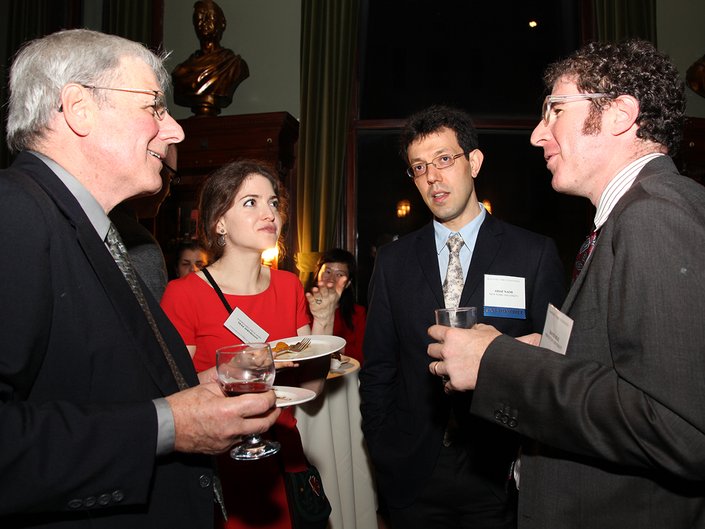
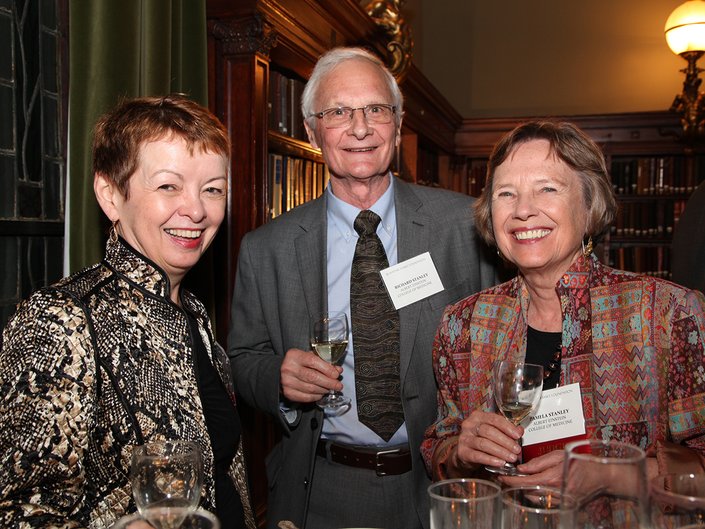
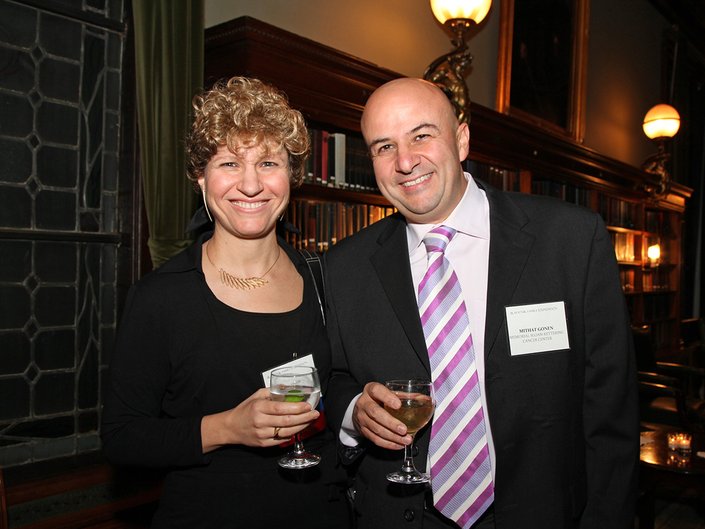
Check out these photos from the reception:
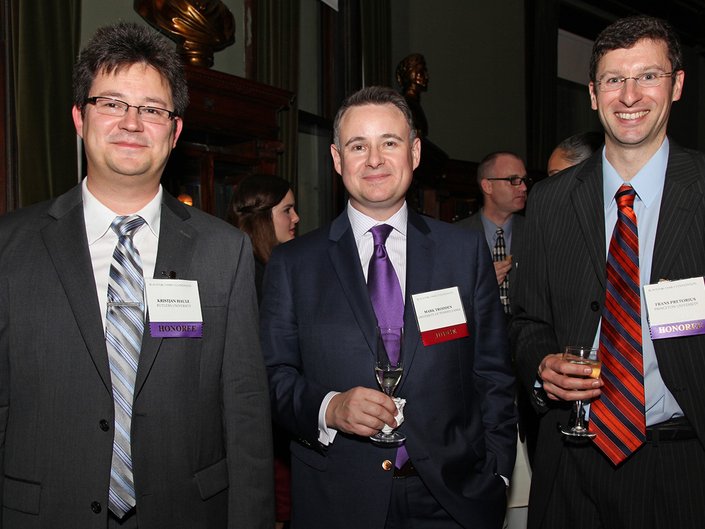
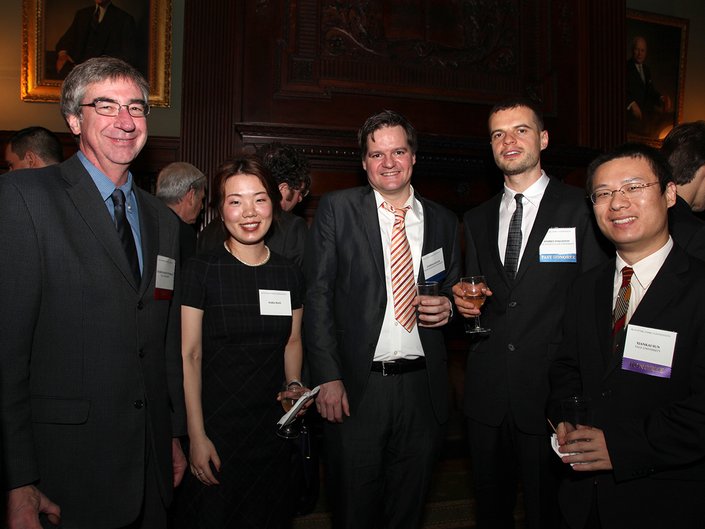
(From left to right) 2013 Blavatnik Awards honorees Kristjan Haule and Frans Pretorius with judge Mark Trodden(From left to right) Blavatnik Awards judge Charles Schmuttenmaer, Dara Mao, and Blavatnik Awards honorees Andreas Keller (2008), Andrey Feklistov (2012), and Xiankai Sun (2013)(From left to right) Ron Blei, Ann Marie Perl, with 2013 Blavatnik Awards honorees Assaf Naor (2012) and David Blei (2013)Blavatnik Awards judges Dixie Goss and Pamela Stanley with Richard StanleyElza Erkip, 2010 Blavatnik Awards honoree and judge, with husband Mithat Gohen
To learn more about the Blavatnik Awards for Young Scientists, visit blavatnikawards.org.
Following his new award, renowned immunologist Dan Littman, MD, PhD, explains his fascination with the immune system, as well as his hopes for the future of molecular medicine.
Published June 1, 2013
By Diana Friedman
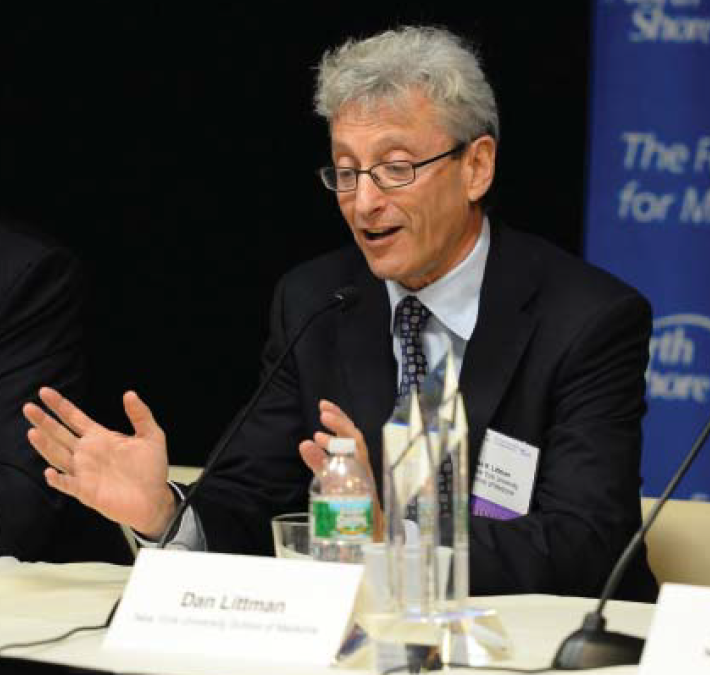
Dan Littman, MD, PhD, received the Inaugural Ross Prize in Molecular Medicine from Betty Diamond, MD, a member of the Ross Prize Committee, and investigator & head, Center for Autoimmune and Musculoskeletal Diseases, The Feinstein Institute for Medical Research.
According to the committee for the Ross Prize in Molecular Medicine, Littman is an active investigator who produces innovative, paradigm-shifting research. He was recognized for his early discoveries, as well as his ongoing research to better understand viral, immune, and inflammatory diseases.
Below, Dr. Littman discusses his research, as well as his predictions and aspirations for the field of molecular medicine.
What drew you to the field of molecular biology?
I grew up during a time when molecular biology was in its infancy. I was interested in biology in general and I became interested in studying the immune system in college where we had a fantastic course that exposed us to new ideas in this area. We didn’t know, at the time, about T cell antigen receptors, and how they specified. So it was around that time that these really fascinating questions that could be addressed by molecular biology techniques started cropping up. In the late ‘70s and ‘80s the progress in molecular biology techniques started leading to breakthroughs in many fields, including immunology and virology.
How did you get involved in studying the molecular mechanisms of HIV infection?
I got interested in it because of a molecule called CD4 that I discovered in my postdoc. It became clear that it was a receptor for HIV, so we wished to understand how it is exploited by the virus to enter the cell and whether it might be possible to block its function to prevent infection and viral spread. We discovered that CD4 is not sufficient for the virus to enter the cell, but that a second molecule, CCR5, is also required on the cell surface for virus infection.
A drug that binds to CCR5 and blocks HIV infection has been developed. It’s not widely used today because it’s not the most effective therapy, but it can be used for those patients whose infection is refractory to the commonly used anti- retroviral drugs.
Our interest has shifted over the years as we try to understand how the virus depletes the cells of the immune system. Most people with HIV can mount an anti-viral immune response, but it’s not sufficient to eradicate the virus. Even people who are controlled with medication have a residual reservoir of HIV-infected cells. That reservoir often becomes reactivated once people go off therapy. The question is whether we could get rid of the reservoir, thereby curing patients of HIV.
Can there be a protective vaccine?
We are still interested in contributing to this important goal, and our work has been focused recently on trying to understand how the virus evades a branch of the immune system called the innate immune response. The virus does have an Achilles heel, but this Achilles heel is very well concealed as far as it is recognized by the innate immune system. We want to understand how to uncover it in people who are already infected with the virus or are given a prophylactic vaccine. If we can do that, we may be able to elicit much stronger anti-viral immunity.
What is your current research focus?
Dan Littman participates in a press briefing following his reception of the Ross Prize in Molecular Medicine.
The problems that are energizing me the most have to do with how the immune system is shaped to be able to deal with various environmental stresses and microbial challenges. We are trying to understand how the different branches of the immune system are kept in a homeostatic state in which they are ready to handle any kind of environmental threat, but at the same time, avoid being overly activated— as occurs in autoimmunity or inflammation.
The way we got to this is through our research of T lymphocytes, which are needed for establishing an adaptive microbial response to pathogens. We discovered a particular type of T cell in the intestine, where there is an enormous number of microbes that are required for these cells to appear. We have co-evolved with this commensal microbiota, which provides many benefits to us. There must be a balance where there is no threat to the host or to the microbiota. This evolutionary pas de deux is what we are interested in, from the point of view of the immune system.
What did your research on T cells teach you about autoimmune diseases and their relation to the microbiota?
In the process of studying T lymphocytes we found that there is a particular type that can be especially inflammatory and can cause tissue damage. These T cells are involved in autoimmune diseases, like rheumatoid arthritis (RA), multiple sclerosis (MS), and inflammatory bowel diseases like Crohn’s disease, but they are also important for protecting the mucosal barrier. It’s important that these T cells be kept in balance. If there is a shift in the microbiota, called dysbiosis, it can result in these T cells becoming harmful to the host.
This theory has been fully established in animal models, and now there’s some evidence in humans. We now have some hints that RA is associated with dysbiosis and that there may be particular bacteria that may be responsible for eliciting T cells that attack our own cells (within the joints, in RA). We think that there is a good possibility that this is precipitated by an imbalance in the intestinal microbiota.
How could further research on the microbiota impact disease treatment?
Right now, we’re at a very early stage. We have over 1,000 different types of bacteria that compose our intestinal microbiota and we know the functions of only a handful of them. Is it possible to rebalance the microbiota? Interventions like fecal transplantation do so, and are actually a highly effective way of treating certain types of infection and may also be effective in treating inflammatory diseases.
The hope is that in the future we will have a much better definition of the components of the microbiota and how they interact with the epithelial barrier and the immune system. This would allow us to essentially create and deliver a formula of specific bacteria to target certain diseases.
We think of the impact of this on classical autoimmune diseases, like MS and type 1 diabetes, but it’s very likely that this extends much further to other diseases that can be impacted by inflammatory processes, like Alzheimer’s disease, atherosclerosis, and possibly even behavioral disorders. We think that this type of research could have far-reaching implications.
What pressing question has yet to be answered in the field of molecular biology?
We still don’t understand fundamentally how the development of an organism occurs. Stem cell research is a huge exciting field these days, and it pertains to how an entire organism can be derived from a single cell (a zygote). The mechanisms by which organisms regulate their size and their function throughout a lifetime are things we don’t yet have a great grasp on.
One of the interests in our lab, and to biologists in general, is how interaction with the environment affects developmental and physiological processes, such as the onset of chronic diseases that can be precipitated by infection or induced stress. We want to know how the environment changes the expression of genes.
The big advances in the past 30 years have come from cell biology and understanding how genes work, but whole organism physiology has taken a backseat, and for good reason—we haven’t yet had the tools to study it in the ways that we can study cell biology.
Where do you see the field of molecular medicine in 20 years?
I think the technology is moving forward very fast with regard to genomics and detecting and identifying molecules relevant to disease processes. There will be much more rapid and precise molecular diagnosis, through both genetic approaches (identifying genetic lesions) and metabolomics, and hopefully better interventions as we better understand how these relate to disease.
The recipients of the 2009 Heinz R. Pagels Human Rights of Scientists Award are a widely acclaimed brother duo known for their successful HIV/AIDS prevention and treatment work.
Two Iranian physicians, brothers long involved in fighting HIV/AIDS in that country and tried and sentenced to prison in January 2009, have been named recipients of the 2009 Heinz R. Pagels Human Rights of Scientists Award from The New York Academy of Sciences (the Academy).
Drs. Arash and Kamiar Alaei “have worked tirelessly and selflessly for the prevention and treatment of HIV/AIDS in Iran over a period of many years,” the Academy’s Board of Governors Committee on Human Rights of Scientists said in issuing the award.
“Their work has been successful in diminishing the spread of this serious illness in Iran and in publicizing concrete and specific ways to move forward in the struggle to achieve this goal…They have persisted against opposition within Iran at great personal cost.”
The Alaeis’ work “has been recognized by major international organizations, including the 2008 report by the UNAIDS organization, which referred to their activities as a model for other developing nations,” the committee said.
The award was presented this evening at the Academy’s 191st Annual Meeting by Henry Greenberg, chair of the Human Rights of Scientists Committee. Ladan Alomar, Executive Director of the Centro Civico of Amsterdam, Inc., accepted the award on behalf of the doctors.
Dr. Arash Alaei is the former Director of the International Education and Research Cooperation of the Iranian National Research Institute of Tuberculosis and Lung Disease. His brother, Kamiar, is a Fellow of the Asia Society and doctoral candidate at the SUNY Albany School of Public Health.
Helping the Ostracized and Stigmatized
In addition to their work in Iran, the Alaeis have held training courses for Afghan and Tajik medical workers. Their work with drug addicts and prostitutes in Tehran was featured in a 2004 BBC television documentary, Mohammed and the Matchmaker, in which Kamiar Alaei said: “We face a huge potential HIV problem in Iran, and in order to start to confront it we need to talk about the root causes…Many people are still afraid to talk about it. Some people with HIV are ostracized and stigmatized, and they are often very isolated.”
Despite the Alaeis’ success – Iran’s response to HIV/AIDS has won international acclaim and World Health Organization recognition as a model of best practice – the government of President Mahmoud Ahmadinejad has not been supportive.
Arash Alaei was arrested by Iranian security forces in June 2008, his brother the next day. Iranian authorities accused the two, and two other defendants, of “communications with an enemy government” and of seeking to overthrow the Iranian government. The brothers, who have no history of political activism, were tried, convicted and sentenced to prison in January 2009.
The Alaeis’ imprisonment has drawn protests from numerous international human rights groups, including Physicians for Human Rights, Human Rights Watch, and the International Campaign for Human Rights in Iran. The American Medical Association has lent its support as well, including sending a letter to Secretary of State Hillary Clinton in which it strongly urged “that discussions of human rights, justice and respect for the medical profession (and the Alaei brothers specifically) must be a part of any opening dialogue with Iran.”
An imprisoned Cuban physician and a Guatemalan forensic scientist have been awarded The New York Academy of Sciences Heinz R. Pagels Human Rights of Scientists Award for 2008.
The Academy’s Human Rights Committee bestowed the awards on Oscar Elias Biscet, MD, and Fredy Peccerelli. The presentation took place during the Academy’s September 18 Annual Meeting. Dr. Angel Garrido of the Lawton Foundation for Human Rights, of which Dr. Biscet is president, accepted the award on his colleague’s behalf.
Dr. Biscet, a 46-year-old community organizer and human rights advocate, is a widely known Cuban political prisoner who began serving a 25-year term in 2002. He is the founder of the Lawton Foundation, a human rights organization that peacefully promotes the rights of Cubans through nonviolent civil disobedience. In 1998, Dr. Biscet and his wife, Elsa Morejon, a nurse, were both fired from the Havana Municipal Hospital for his open criticism of the Cuban government. In 2007, President George W. Bush awarded Dr. Biscet the Medal of Freedom, one of many honors he has received for his human rights work.
Peccerelli is a founding member of the Guatemalan Forensic Anthropology Foundation. Since 1992 his Foundation has carried out exhumations of unmarked mass graves containing the remains of individuals murdered during that country’s 36-year armed conflict. Despite repeated threats against him and his family, Peccerelli has continued to carry out their work. This work has provided forensic investigation teams with crucial scientific evidence in the few cases where perpetrators of human rights abuses have been convicted in Guatemala.
About the Award
The Pagels Awards were conferred on the two honorees by Henry Greenberg, chair of the Human Rights Committee. Greenberg, associate director of cardiology at St. Luke’s Roosevelt Hospital and associate professor of clinical medicine at the Columbia University College of Physicians and Surgeons, says the committee has been aware of the work of the two honorees for several years and selected them for the award this year based to recognize their heroism and “to raise the noise level in their support.”
First presented in 1979 to Russian physicist Andrei Sakharov, the award has gone to such imminent scientists as Chinese dissident Fang Li-Zhi, Russian Nuclear Engineer Alexander Nikitin, and Cuban Economist Martha Beatriz Roque Cabello. The 2005 Pagels awards went to Zafra Lerman, distinguished professor of Science and Public Policy and head of the Institute for Science Education and Science Communication, Columbia College, Chicago; and Herman Winick, assistant director and professor emeritus of the Stanford Synchrotron Radiation Laboratory, Stanford University.
Dr. Nguyen Dan Que, a Vietnamese doctor who won The New York Academy of Sciences’ 2004 Heinz R. Pagels Human Rights of Scientists Award for his efforts to improve the lives of his fellow citizens, has been released from prison by the Vietnamese government following a campaign by a coalition of individuals and organizations, including the Academy.
In a letter to the Academy from Dr. Que’s brother, Dr. Quan Nguyen wrote about his brother’s release: “It is wonderful news and you’ve made it happen. On behalf of Dr. Que and my family, I thank you for all that you’ve done for Dr. Que and other dissidents around the world.”
Dr. Nguyen accepted the Pagels prize on behalf of his brother in ceremonies at the Academy in September, 2004. Awarded annually in recognition of services on behalf of the human rights of scientists, the Pagels award was given to Dr. Que “in recognition of his courage and singular moral responsibility as a medical doctor committed to the welfare and health care of the Vietnamese people and for peacefully promoting human rights in Vietnam.”
The Academy’s first human rights award was given in 1979 to Russian physicist Andrei Sakharov. Renamed in 1988 in honor of former Academy president Heinz R. Pagels, the award has been bestowed on such imminent scientists as Chinese dissident Fang Li-Zhi, Russian Nuclear Engineer Alexander Nikitin, and Cuban Economist Martha Beatriz Roque Cabello.
Long-imprisoned Vietnamese doctor is named recipient of Human Rights Award from The New York Academy of Sciences for his commitment to healthcare, bettering humankind.
Dr. Nguyen Dan Que, a 61-year old Vietnamese medical doctor who has dedicated his life to improving the lives of the Vietnamese people and who has spent nearly 25 years in prison or under house arrest, has been named the recipient of the 2004 Heinz R. Pagels Human Rights of Scientists Award by the New York Academy of Sciences.
The Pagels prize, awarded annually in recognition of services on behalf of the human rights of scientists, will be bestowed at the Academy’s Annual Meeting on Monday, September 13, 2004. Dr. Que will be cited “in recognition of his courage and singular moral responsibility as a medical doctor committed to the welfare and healthcare of the Vietnamese people and for peacefully promoting human rights in Vietnam.”
Joseph L. Birman, chair of the Academy’s human rights committee, said that Dr. Que was chosen because of his “unwavering efforts to improve the daily lives of people in Vietnam and to promote a peaceful transition to democracy and freedom there.” Prof Birman added that Dr. Que, who is the founder of the Vietnamese Non-Violent Movement for Human Rights, was rearrested in March 2003 and has been held incommunicado since then.
Clinic for the Poor
Dr. Que has been committed to providing medical care for the poor since graduating from medical school in 1966, including a free clinic he founded and staffed with volunteer doctors, nurses, and medical students. One of the first of many examples of his civil courage was his willingness to treat students and others who were injured during demonstrations against the government.
After further medical studies in Europe under a scholarship from the World Health Organization, Dr. Que returned to Vietnam to join the Saigon University Faculty of Medicine and, later, became director of the Medical Department at Cho Ray Hospital. He also resumed his work at the free medical clinic, where he became well know for his efforts on behalf of the poor, especially from rural areas. In the late 1970s, he challenged the government’s health care policies and was subsequently arrested and imprisoned for 10 years without charge or trial.
Even after his release in an amnesty in 1988, he continued to speak out for basic human rights in Vietnam and demanded the government invest in the welfare of the people and reductions in the military. Charged with “activities aimed at overthrowing the People’s government,” he was rearrested in 1990. During his imprisonment under harsh conditions, Dr. Que did whatever he could to improve the health care of his fellow inmates, even performing minor surgery with homemade instruments.
Refused to Leave Vietnam
Released again under a presidential amnesty in August 1998, Dr. Que’s health had worsened considerably and he was unable to walk without assistance. Refusing to leave the country, he was held under house arrest for over four years but continued to promote respect for human rights. For example, in addition to appealing to the government to improve prison conditions, he wrote articles calling for democracy and for better treatment of indigenous minorities.
Harassment of Dr. Que intensified, including 24-hour surveillance, disconnection of his telephone and Internet service, and interrogation of visitors. After writing an article criticizing recent Vietnamese government claims that there is freedom of information in Vietnam, he was arrested once more in March 2003.
“Repeated requests to visit Dr. Que of even just speak to him by telephone by his family, as well as international diplomats, have all been denied,” said Prof. Birman. “Given his current isolation and the fact that he was denied medical care during his previous incarcerations, it is feared that he may not be receiving any medical attention for his grave ill health.”
Pagels Award
The Academy’s first human rights award was given in 1979 to Russian physicist Andrei Sakharov. Renamed in 1988 in honor of former Academy president Heinz R. Pagels, the award has been bestowed on such imminent scientists as Chinese dissident Fang Li-Zhi, Russian Nuclear Engineer Alexander Nikitin, and Cuban Economist Martha Beatriz Roque Cabello.
“In his fight for human rights and freedom of speech, Dr. Que exemplifies the virtues demonstrated by our first award winner, Andre Sakharov,” said Nobel Laureate Torsten Wiesel, chair of the Academy’s Board of Governors. “The Academy is proud to have Dr. Que join the list of more than 25 exemplary citizens of the world who have been honored with this award.”