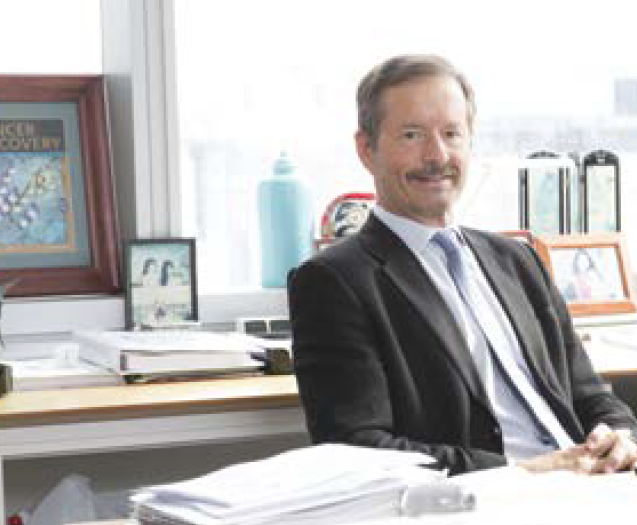
Nine outstanding scientists from six U.K. academic institutions receive a total of $480,000.
Published December 8, 2017
By Marie Gentile and Richard Birchard
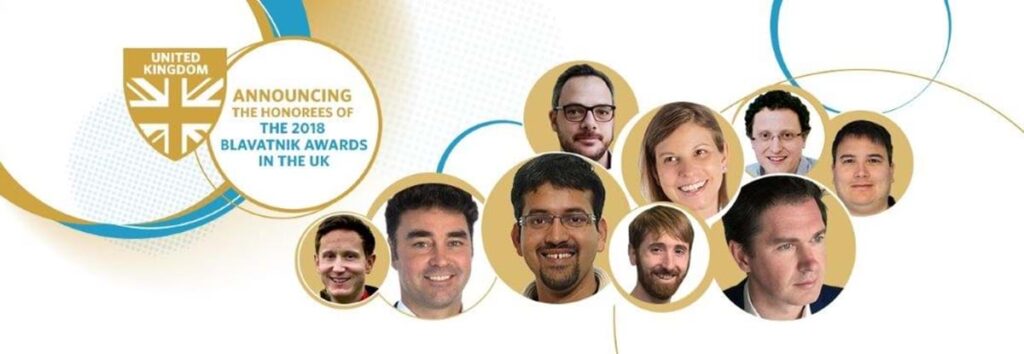
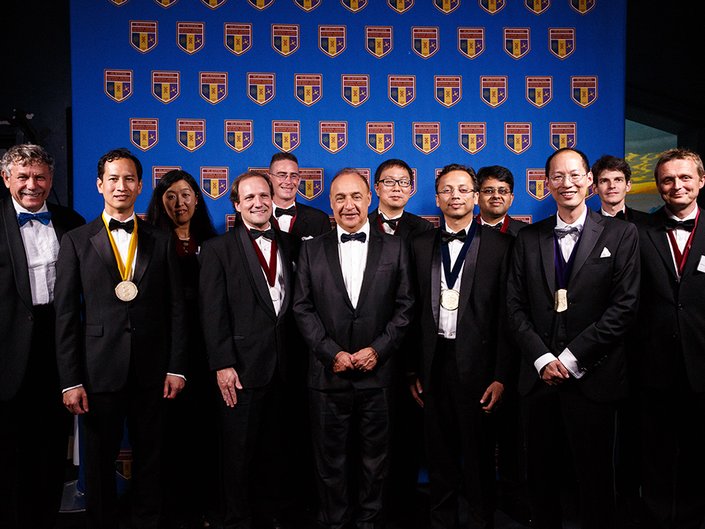
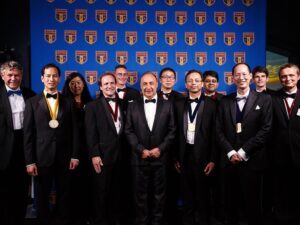
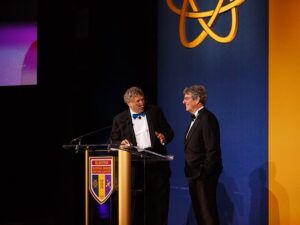
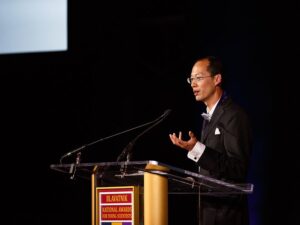
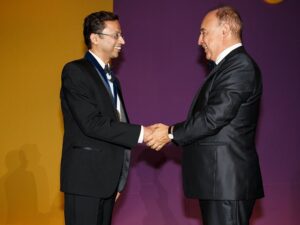
The New York Academy of Sciences and the Blavatnik Family Foundation announced the first Honorees of the Blavatnik Awards in the United Kingdom.
Three Laureates, in the categories of Life Sciences, Physical Sciences & Engineering, and Chemistry, will each receive an unrestricted prize of $100,000. In addition, two Finalists in each category will each receive an unrestricted prize of $30,000. To date, the Blavatnik Awards in the U.K. are the largest unrestricted cash awards available exclusively to young scientists.
The Blavatnik Awards, administered by the New York Academy of Sciences, were established by the Blavatnik Family Foundation in 2007. The awards honor and support exceptional early-career scientists and engineers under the age of 42 across the United States. In 2017, the Awards were launched in the U.K. and Israel. This recognized the first cohort of international Blavatnik Award recipients. To date, the Blavatnik Awards have conferred prizes totaling U.S. $5 million, honoring 220 outstanding young scientists and engineers.
In this inaugural year of the Blavatnik Awards in the U.K., 124 nominations were received from 67 academic and research institutions across England, Scotland, Wales, and Northern Ireland. A distinguished jury of leading senior scientists and engineers selected the Laureates and Finalists. The 2018 Laureates are:
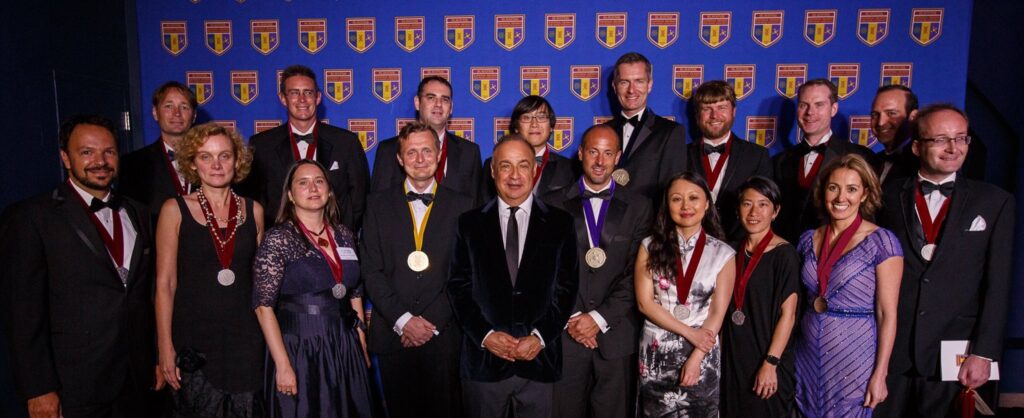
These inaugural Blavatnik Awards Laureates and Finalists in the U.K. will be honored at a gala dinner and ceremony at London’s Victoria and Albert Museum on March 7, 2018. In addition, the Award recipients will be invited to attend the annual Blavatnik Science Symposium at the New York Academy of Sciences this summer, which is an opportunity for former and current Blavatnik Awardees to exchange ideas and build cross-disciplinary research collaborations.
The Blavatnik U.K. honorees will become members of the Blavatnik Science Scholars community, currently comprising over 220 Blavatnik Award honorees from the decade-old U.S. program and three inaugural 2018 Laureates from Israel. Honorees will also receive Membership to The New York Academy of Sciences.
The 2017 Blavatnik Awards for Young Scientists Laureates exemplify the kind of fearless thinking that can make revolutionary ideas become reality.
Published October 1, 2017
By Hallie Kapner
As physicist Niels Bohr (among others) has said: “Prediction is very difficult, especially if it’s about the future.”
Just ten years ago, it would have been a stretch for even the most optimistic prognosticator to predict that the iPhone, then a newborn technology, would be in one billion hands or that the human genome could be sequenced affordably in 24 hours. These examples of the dizzying pace of progress are good reminders that while attempts to peer into the future of science and technology are essential for growth and inspiration, reality sometimes exceeds the wildest visions.
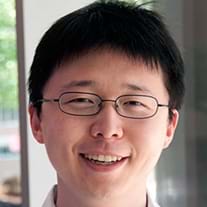
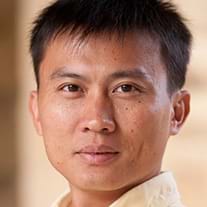
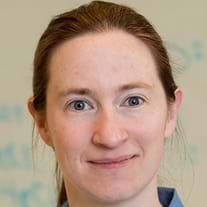
The 2017 winners of the Blavatnik National Awards for Young Scientists, materials scientist Yi Cui, chemist Melanie Sanford, and bioengineer Feng Zhang, are no strangers to vision. Chosen from a pool of more than 300 nominees from universities around the country, this year’s Laureates exemplify the kind of fearless thinking that upends norms and breaks boundaries, ultimately bringing revolutionary ideas and advances into reality.
Asking any of them to discuss their day-to-day research would provide a fascinating peek into some of the most cutting-edge work in their respective fields, yet just as intriguing are their thoughts on the future. When asked to fast-forward ten or twenty years to discuss what’s next in their fields, each readily dove headlong into the world to come, shedding light on achievements that are both probable and possible, then reaching further to describe potential advances that seem far-fetched today, but may be the ultimate achievements of tomorrow.
Deleting Disease
Feng Zhang
Ten years is a long time for Feng Zhang, as he recalls that the technology he helped pioneer, CRISPR-Cas9, didn’t exist a decade ago.
As Zhang, a Core Member of the Broad Institute at MIT and Harvard, talks excitedly about the rapid pace of advancement in the field of genome editing, he highlights that there’s still plenty of room for growth. Zhang was among the first to conceive of using CRISPR, an adaptive immune function native to bacteria, as a DNA-editing tool, a breakthrough that has turned the ability to quickly, cheaply, and precisely edit the genomes of plants and animals from science-fiction into an everyday occurrence.
From Zhang’s point of view, developing the tools was just the beginning — the work of the future is in refining and applying those tools to alleviate suffering and disease.
The advent of rapid, affordable genome sequencing has allowed researchers to identify many of the mutations that cause disease, which fall into two categories: monogenetic diseases, such as Huntington’s, caused by a single mutation, and polygenetic diseases, which comprise the majority of illnesses, wherein multiple mutations are implicated.
Today, most of the work being done with CRISPR targets monogenetic diseases. Even in those cases, a fix is far more complex than simply cutting and replacing.
“The major issue is that we don’t know how to repair the mutation efficiently, nor what exactly needs to be done to have a therapeutic consequence,” said Zhang. “I think we’ll develop techniques for delivering gene therapy to the right tissues, which is still a big challenge.”
Advancing CRISPR technologies
Zhang also projects a future where CRISPR technologies can be adapted to treat patients with diseases so rare that they are often overlooked by the therapeutic pipeline.
“The economics don’t work for drug companies to focus on rare diseases, but as gene editing becomes more mature, we could feasibly create individualized therapies that would circumvent the typical drug development process,” he explained.
But the ultimate CRISPR application — editing multiple genes to treat complex polygenetic diseases — remains the stuff of fantasy. Two decades from now, Zhang expects we’ll be much closer.
“Even if we have the technology to make multiple genetic changes, we don’t know enough about how multiple genes interact in disease at this point,” he said, noting that the interplay of different gene variations can produce effects we don’t fully understand. “There are variations known to protect people from HIV, but they increase susceptibility to West Nile Virus,” he said. “That’s just one example — we need a much better understanding of these connections in order to achieve these bigger goals.”
Big Ideas from the Smallest Structures
Yi Cui
For Yi Cui, professor of materials science and engineering at Stanford University, the buzzword of the future is energy.
Specifically, inexpensive, widely-available clean energy, along with new battery technologies that will transform cars and other consumer products as well as the electrical grid itself. Cui, whose research focuses on using nanoscale materials to tackle environmental and energy issues, has several breakthrough technologies to his credit — including a water filtration technology that uses electrified silver nanostructures to puncture viral and bacterial membranes, purifying water faster and more cheaply than chemical treatments, and designs for ultra-long life, low-cost batteries that may pave the way for what Cui sees as the major potential achievement of the next two decades: grid-scale energy storage.
Solar cells have become more efficient and renewable energy costs are dropping, yet energy storage remains the major hurdle for scientists, who recognize both the economic and environmental advantages of a future dominated by clean power. Continual improvements in the energy density of today’s batteries will yield rewards in the relatively near term, says Cui, who sides with experts who predict mass adoption of electric vehicles over the next 10-15 years.
“I wouldn’t be surprised if we’re seeing cars that can run 400 miles on a single charge,” he said, but the greatest gains in clean energy won’t be achieved until batteries can store enough energy to allow for the integration of solar, wind and other renewable power sources into the mainstream electrical grid. “Energy storage is the missing link,” Cui said, “and if we can solve that, it will be the most extraordinary achievement we can hope to have in this field in the next 20 or 30 years.”
The potential for nanomaterials to help mitigate the impacts of environmental pollution also looms large for Cui. As the global population grows and resource needs increase, he predicts a starring role for nanoscale structures in efforts to purify water and remediate soil pollution, and is developing a nano-driven “desalination battery,” which removes salt from seawater using less energy than reverse-osmosis, as well as air and water purification technologies that use nanostructures to capture particulates and pollutants with remarkable speed and efficiency.
The Best Molecule for the Job
Melanie Sanford
In a future envisioned by Melanie Sanford, there will be no compromise to designing molecules for some of the most important chemical tasks in the world, namely medical imaging, drug development, energy production and fields where the characteristics of a chemical reaction, or the process by which a molecule is made or utilized, can mean the difference between mediocre performance and excellence.
Sanford is making this vision a reality, developing customized approaches for the goals of various industries.
“Depending on the target for the reaction we’re developing, the dreams for the future are different,” she said.
The pharmaceutical and medical industries are two areas where Sanford believes that astonishing advances will be realized in the coming decade. Among them, the ability to customize the tracer molecules that are crucial to obtaining quality images in positron emission tomography, or PET, scans used in cancer, cardiac and brain diagnostics.
“Right now, the tracers used aren’t the best or the most appropriate, they’re the ones we can make with the limited set of reactions we have for adding a radioactive tag to a molecule,” said Sanford. “Ten or twenty years from now, the only constraint will be our imaginations — the reactions and catalysts in development now will allow us to ask, ‘What molecule do I want to make to get the best result for this application?’ and then be able to make it.”
Customization plays an equally important role in another field Sanford sees poised for transformation through the design of novel reactions — agricultural chemicals. Using reactions that yield the desired result, but do so using readily available materials with minimal energy consumption or waste production, would represent significant improvement and a major sustainability overhaul of some of the largest-scale chemical processing activities on earth.
“These syntheses are being performed at such a massive scale that waste really matters,” said Sanford.
The ability to make the best molecule for the job will be key to making Cui’s grid-scale energy storage a reality through new battery technologies. Sanford animatedly described the potential for developing new molecules to store energy, as well as tools for understanding and predicting the behavior and characteristics of those molecules.
“It’s going to be very exciting to both develop molecules with huge storage capability, but also to be able to use them to balance various needs and parameters — high storage capacity with high solubility — so we can really understand how to modify structures to yield the best performance for an application,” she said.
Zhang, Cui and Sanford harbor no delusions of ease when it comes to the dreams they’ve set forth. Rather, they greet the challenges ahead with equal measures of determination and hope.
“We have an enormous amount of work to do in the coming decades,” said Cui. “But everything we’re working towards is so important for the sustainable growth of the world and for the health and future of our children. I’m confident we can do it.”
On Monday, September 25, 2017, the Blavatnik Family Foundation hosted its fourth annual celebration of the Blavatnik National Awards for Young Scientists, honoring the scientific excellence and innovation of the three National Laureates and 27 National Finalists.
Published September 26, 2017
By Diana Friedman
This year’s black tie event, held at the American Museum of Natural History in New York City, gathered over 200 distinguished guests, including members of academia, business, and media.
The evening formally began as the brass ensemble of the renowned Juilliard School played a processional of Brandenburg Concerto No. 3 in G Major, BWV 1048: 1. Allegro and New York City high school students with a passion for science served as flag holders for the grand entrance of the Finalists and Laureates into the Museum’s famed Milstein Hall of Ocean Life.
The evening’s master of ceremonies, Dr. Peter Salovey, President of Yale University and the Chris Argyris Professor of Psychology, opened the evening with the introduction of the National Laureates and Finalists and welcomed them to the Blavatnik Science Scholars alumni community. Following, Ellis Rubinstein, President and Chief Executive Officer of The New York Academy of Sciences acknowledged the international expansion of the Blavatnik Awards to Israel and the United Kingdom, as well as the continuing support of the exceptional judges and Blavatnik Awards Scientific Advisory Council that help make the Awards possible. Mr. Len Blavatnik was presented as the newest Honorary Member of The New York Academy of Sciences.
Luminaries from Science and Education
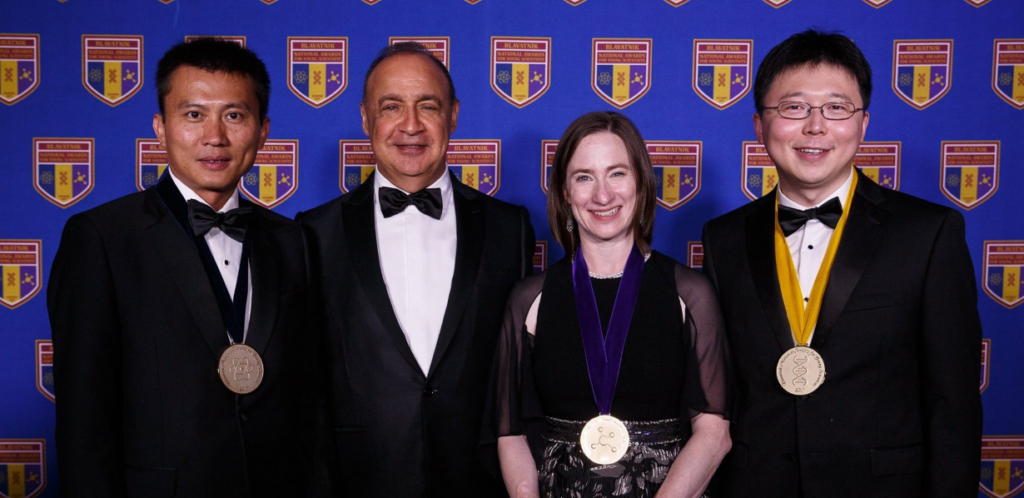
2017 Blavatnik National Laureates: Dr. Melanie Sanford, Dr. Yi Cui, and Dr. Feng Zhang were introduced during the evening by their mentors Dr. Robert H. Crabtree, Dr. Steven Chu, and Dr. Eric S. Lander, respectively. Each Laureate received a custom gold-plated medal from Len Blavatnik and followed with a presentation about their award-winning work. Special guest Walter Isaacson, President and CEO of the Aspen Institute, former Chairman and CEO of CNN, and Editor of TIME Magazine, presented the keynote speech for the evening.
The event was attended by Blavatnik Awards winners and finalists from previous years, members of the National Jury, and members of the Blavatnik Awards Scientific Advisory Council including Dr. Ruslan Medzhitov and Nobel Laureate Dr. Roger Kornberg. Other notable guests included:
President Nili Cohen of the Israel Academy of Sciences and Humanities
Dr. George Q. Daley, Dean of Harvard Medical School
Dr. Andrew Hamilton, President of New York University
Dr. Siddhartha Mukherjee of Columbia University and Pulitzer Prize-winning author of The Emperor of All Maladies: A Biography of Cancer
Danny Danon, Israel’s Permanent Representative to the United Nations
Kenneth Bialkin, Secretary of the Carnegie Hall Corporation
Stephen Cooper, CEO of Warner Music Group
Dr. Bruce Stillman, President and CEO of Cold Spring Harbor Laboratory
Blavatnik Awardees advance the breakthroughs in science and technology that will define how our world will look tomorrow.
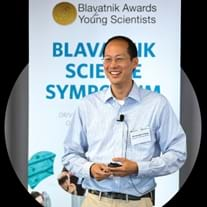
Chris Chang presents at the Blavatnik Science Symposium
Published May 1, 2017
By Victoria Cleave, PhD
The scientific equivalent of magic can happen when you put outstanding researchers together in a room. At the 2016 Blavatnik Science Symposium, a neuroscientist met a physicist, and they realized that the tool the neuroscientist needed to further his work was being developed within the physicist’s lab. Both were Blavatnik honorees, and they might never have met had it not been for the Blavatnik Awards for Young Scientists.
The Blavatnik Science Symposium is just one aspect of this distinctive awards program, established with the vision of Len Blavatnik, founder and Chairman of Access Industries and head of the Blavatnik Family Foundation, now celebrating its tenth anniversary.
The New York Academy of Sciences has administered the Awards since their inception, when they focused on the New York, New Jersey and Connecticut tri-state area. The basic tenets of the awards are simple: find brilliant researchers age 42 or under in chemistry, physical sciences and engineering, and life sciences, and award them financial support and exposure for their work.
“The Future of Scientific Thought”
Len Blavatnik explained the significance of that vision, “Young scientists represent the future of scientific thought. By honoring these young individuals and their achievements we are helping to promote the breakthroughs in science and technology that will define how our world will look in 20, 50, 100 years.”
In 2014, the Foundation supported the expansion from a regional to a national program, recognizing academic researchers across the United States every year with awards of $250,000, one of the largest unrestricted prizes ever created for researchers under the age of 42.
After seeing the success of the current Awards the Foundation was keen to support even more young innovators, so the program will expand with two new sets of Awards in the United Kingdom and Israel in early 2017. The Academy is delighted to be partnering with the Israel Academy of Sciences and Humanities to manage the Awards in Israel. Nominations for both new Awards will open in May 2017 and the first Blavatnik UK and Israel laureates will be honored in early 2018.
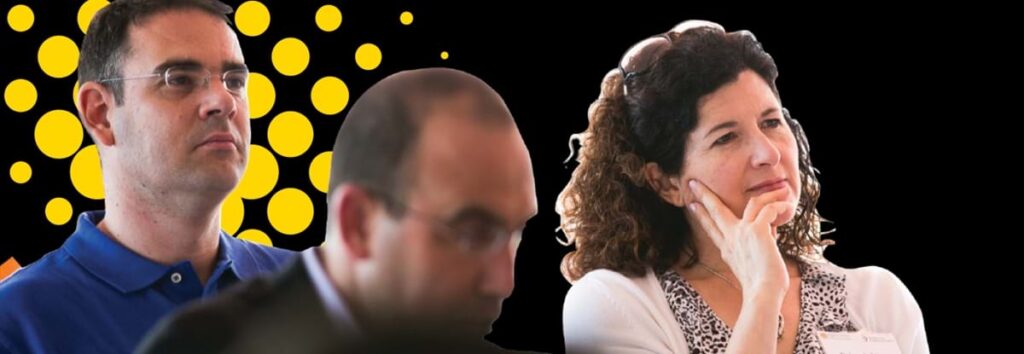
Amit Singer and Deborah Silver listen to a presentation during the 2016 Blavatnik Science Symposium
“World-Changing Discoveries”
“We know that this kind of recognition is particularly important because of the focus on scientists at the crucial juncture of their career when they are transitioning from trainee to independent researcher,” said Ellis Rubinstein, President and Chief Executive Officer at The New York Academy of Sciences. “Such recognition not only rewards past successes, it directly enables continued research—the kind of research that leads to world-changing discoveries.”
During the Awards’ first decade, more than 2,000 scientists and engineers were nominated from more than 200 institutions, with prizes totaling more than $4 million.
Michal Lipson, 2010 Blavatnik Awards Faculty winner and Given Foundation Professor at Cornell University, explained: “There are a few awards for young scientists, but almost all of them are based on proposals that you submit, and not on the actual work that you do as a young scientist. The Blavatnik Awards program is true recognition of the work of young scientists; it is unique in that sense. There is no equivalent.”
But it is the honorees themselves that are the most remarkable part of the Blavatnik Awards for Young Scientists. Chosen for both their achievements to date and the potential of what’s yet to come in their careers, the Awards aim to recognize truly outstanding scientists and engineers forging creative paths in research.
Trailblazing Science
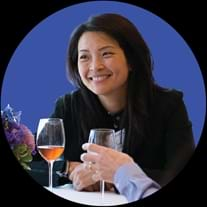
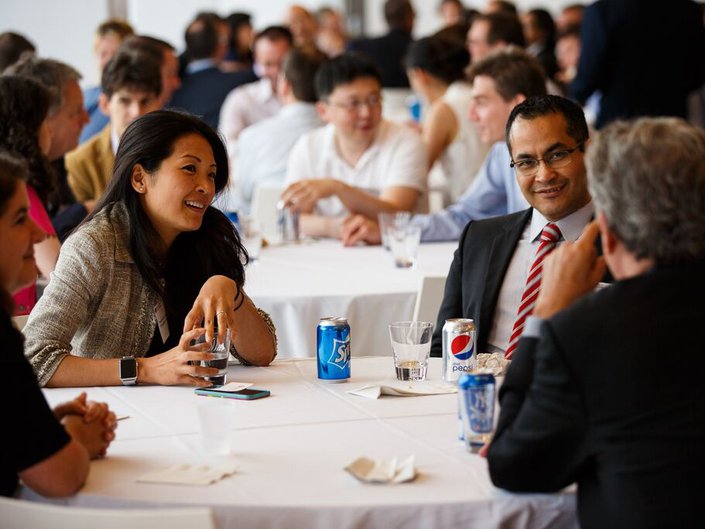
Yueh Lynn Loo enjoying a networking break at the 2016 Blavatnik Science Symposium
Beyond accolades, these brilliant young men and women carry out their trailblazing science across the breadth of the Awards categories. From deciphering how memories are formed and stored in the brain, to targeting genetic mutations that drive the growth of aggressive cancers. They have probed the complex physics of dark matter pulling galaxies apart, and designed nano-devices that can purify water or detect disease in low-resource settings.
The downstream impact of supporting such exceptional honorees is clear. As Anthony Guiseppi-Elie, Professor and Division Director at Texas A&M University, who serves on the jury for the Awards, said, “We are, in fact, just touching the lives of a few, but those few have the capacity to influence whole new vistas of enquiry, and so the ripple effect is quite substantial.”
Indeed, some immediate effects of the awards have arisen thanks to the generosity of two of the inaugural Blavatnik National Awards Laureates, who chose to donate part of their prize winnings to support even younger scientists: Adam Cohen and Marin Soljačić have established prizes of their own for talented students at Hunter College and high-schoolers in Croatia, respectively.
An Environment for Ideas and Collaborations
And of course, the Blavatnik Science Symposium has proven to be a fertile environment for ideas and collaborations, with almost 200 scientists and engineers in the Blavatnik community, and many nationalities represented.
“There are too few opportunities for scientists to actually come together and share the really big ideas. One of the really great things that we get out of the annual Blavatnik Symposium is that you have this community of young scientists that come together in many different fields,” said David Charbonneau, 2016 Blavatnik National Laureate and Professor of Astronomy at Harvard University.
“The best scientific research is collaborative and we want our Blavatnik Scholars to be able to tap into the best talent around the world,” said Len Blavatnik. “I look forward to the next ten years of finding and supporting exceptional young researchers and helping to promote transformative scientific discoveries.
The third annual Blavatnik Science Symposium took place on July 18 and 19, 2016 at The New York Academy of Sciences.
Published January 24, 2017
By Diana Friedman
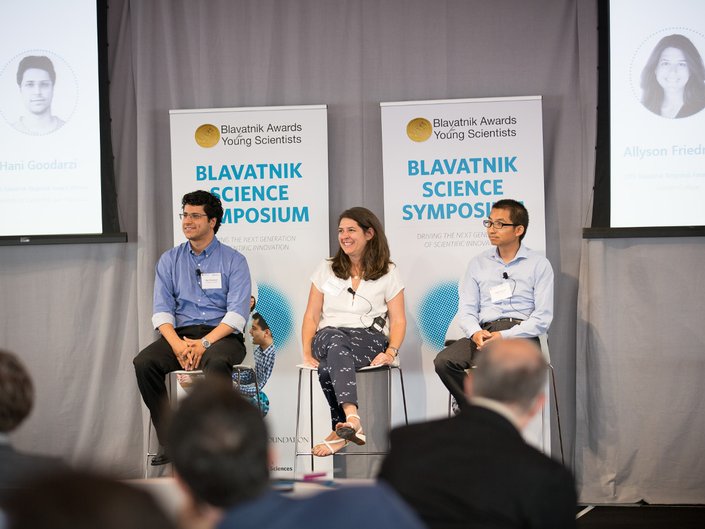
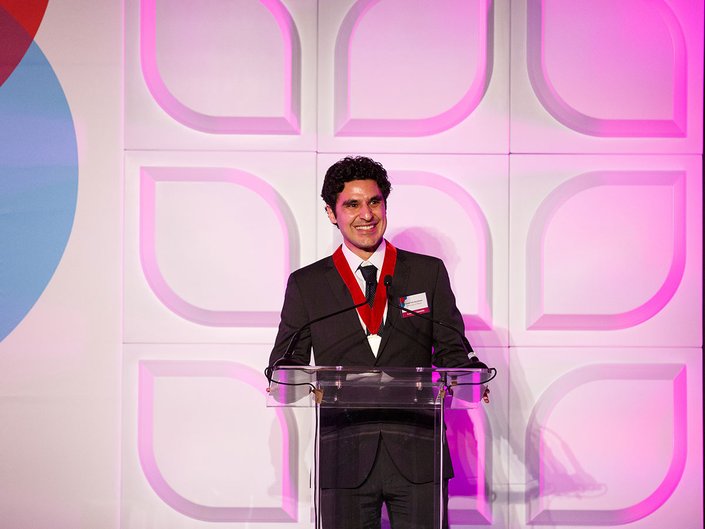
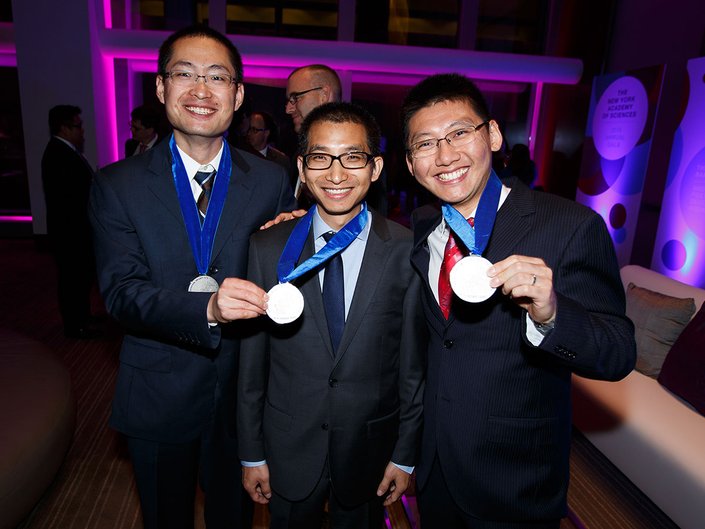
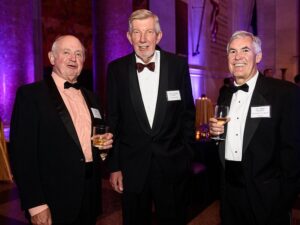
From Left 2015 Regional Award Winner Dr. Hani Goodarzi, 2015 Regional Award Finalist Dr. Allyson Friedman, 2015 Regional Award Finalist Dr. Jinzhong Lin
This unique two-day event was hosted by the Blavatnik Family Foundation and the Academy and convened more than 50 past Blavatnik Awards honorees and the 2016 National Finalists. The Symposium was attended by representatives of the Blavatnik Family Foundation, scientific luminaries, and members of the press.
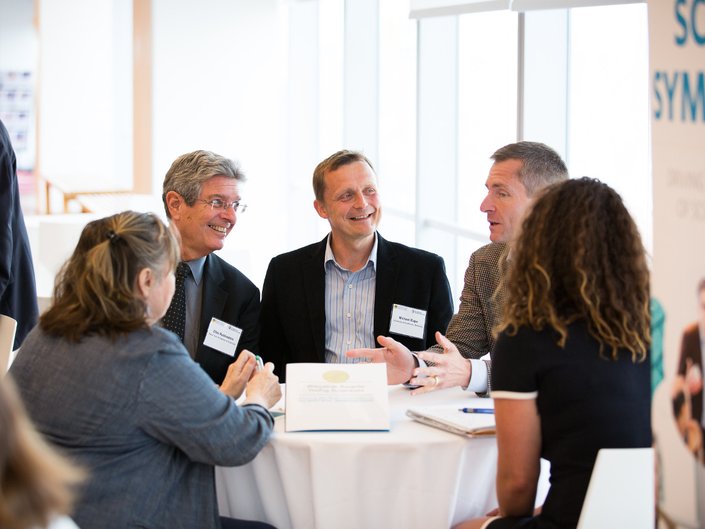
The Blavatnik Science Symposium has become a key event in the calendar for the highly interdisciplinary Blavatnik Awards community, bringing winners and finalists together for two days of research updates, panel discussions and networking. The Symposium enables outstanding scientists from diverse subject areas to come together and share ideas, and has resulted in some unexpected but highly productive collaborations between participants in previous years.
Ellis Rubinstein, President and CEO of the Academy, and Brooke Grindlinger, Chief Scientific Officer for Scientific Programs and Awards, began day one of the event with their welcoming remarks. They were followed with an alumni keynote address from 2015 Blavatnik National Award chemistry Laureate Christopher Chang, from the University of California, Berkeley, who spoke about his work on the unique properties of transition metals in relation to human brain research. The second keynote, on day two, focused on the human speech cortex, and was given by 2015 Blavatnik National Award life sciences Laureate Edward Chang, from the University of California, San Francisco.
Learning from Failure
Attendees had ample opportunity to network with each other and present their work in front of their peers. A number of participants gave brief talks highlighting their most recent research accomplishments in a broad variety of subject areas across all three disciplines of the Blavatnik Awards Program. A special session featured 2015 Blavatnik Regional Award honorees, who, having been recognized for their stellar postdoctoral work, have received faculty appointments in leading universities and labs in the US and Europe.
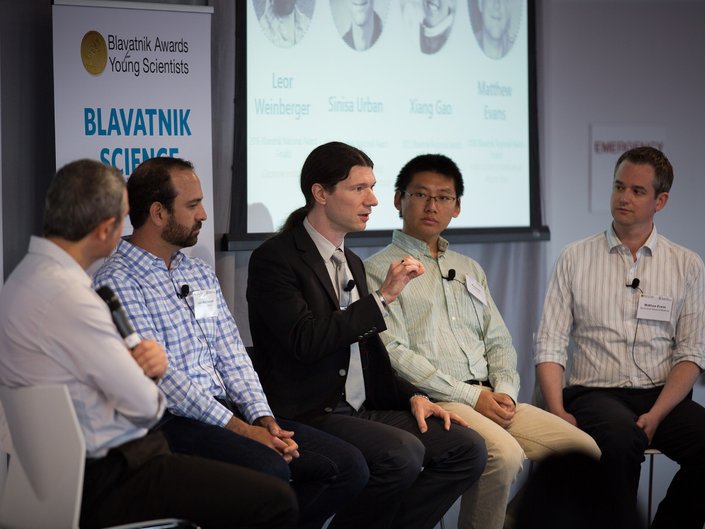
Several panel discussions featuring Blavatnik scholars focused on the most exciting and topical developments in science of the last year, including “100 Years In the Making: Gravitational Waves Discovered” moderated by Blavatnik Award Program Manager Louisa Bokacheva, with participation from Szabolcs Marka (Columbia University), Frans Pretorius (Princeton University), and David Spergel (Princeton University); “Combatting Infectious Dieseases,” moderated by Ruslan Medzhitov, with participation from Leor Weinberger (Gladstone Institutes), Sinisa Urban (Johns Hopkins University), Xiang Gao (Yale University), and Matthew Evans (Mount Sinai Health System); and “Nanotechnology” moderated by Yueh-Lin Loo (Princeton University), with participation from Kenneth Shepard (Columbia University), George Malliaras (Ecole Des Mines de Saint-Etienne), and Sergei Kalinin (Oak Ridge National Laboratory).
Stuart Firestein of Columbia University delivered the dinner keynote address of the symposium, entitled “Ignorance, Failure, Doubt and Uncertainty: Why Science Is So Successful”, a topic related to that on which he has also given an extremely well-received TED talk. At the symposium keynote, he discussed the importance of failure to scientific inquiry and discovery, as well as the interesting phenomenon of scientists being more accessible when talking about what they don’t know, as opposed to what they have already discovered.
To learn more about the Blavatnik Awards for Young Scientists, visit blavatnikawards.org.
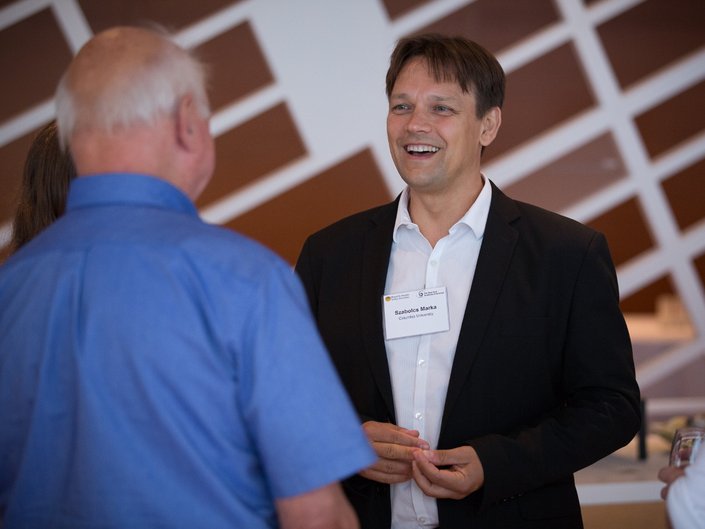
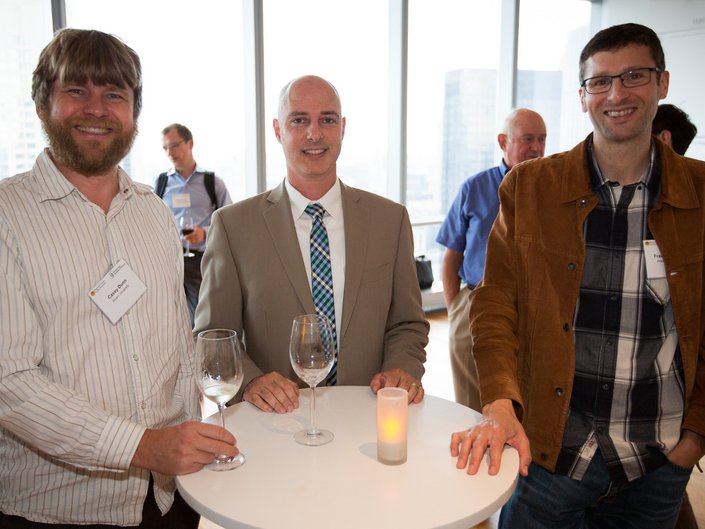
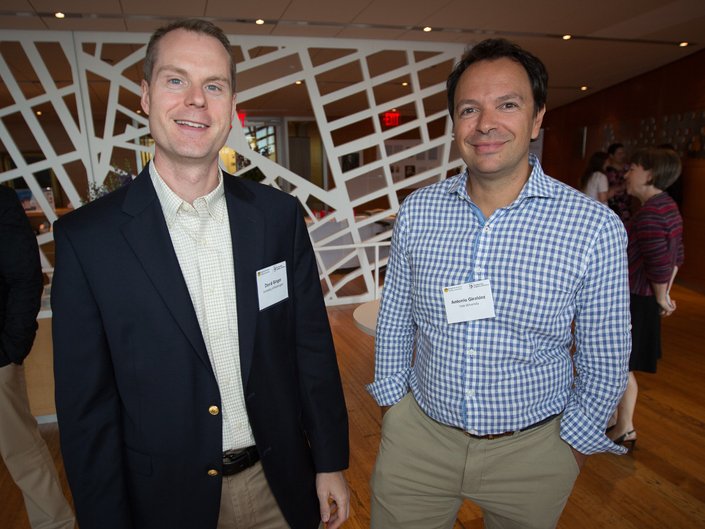
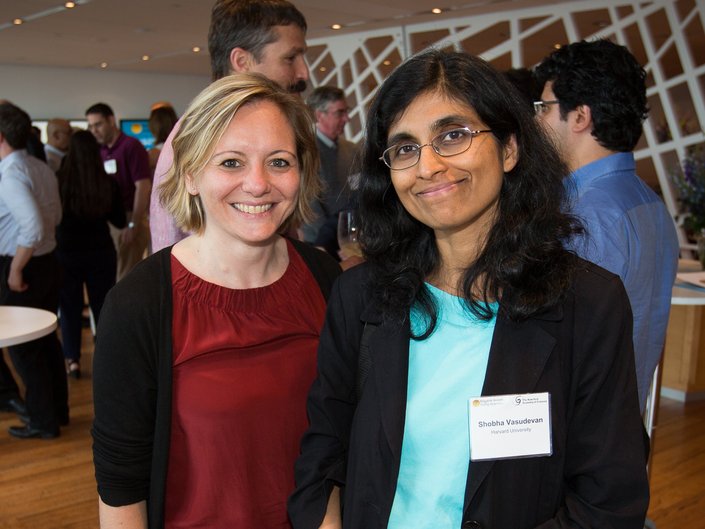
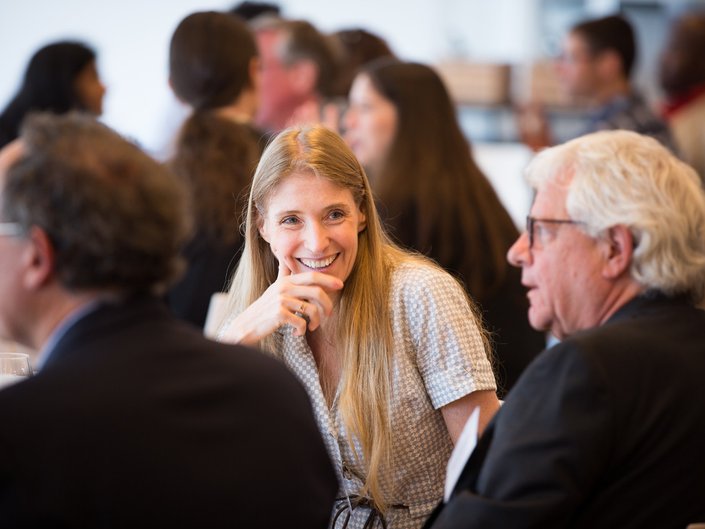
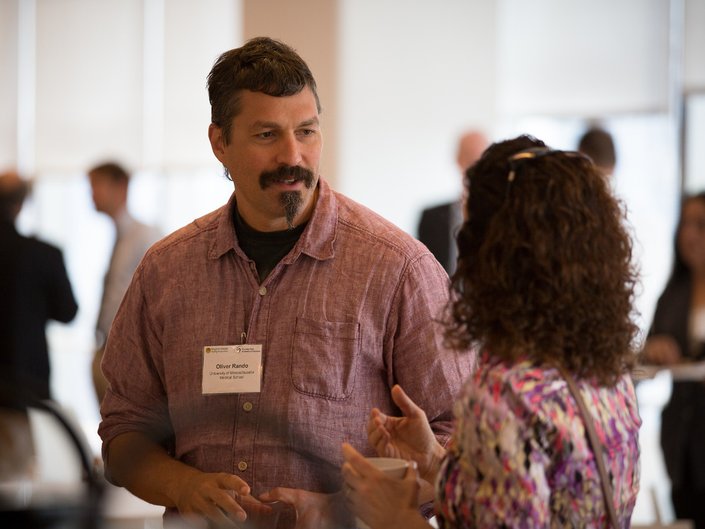
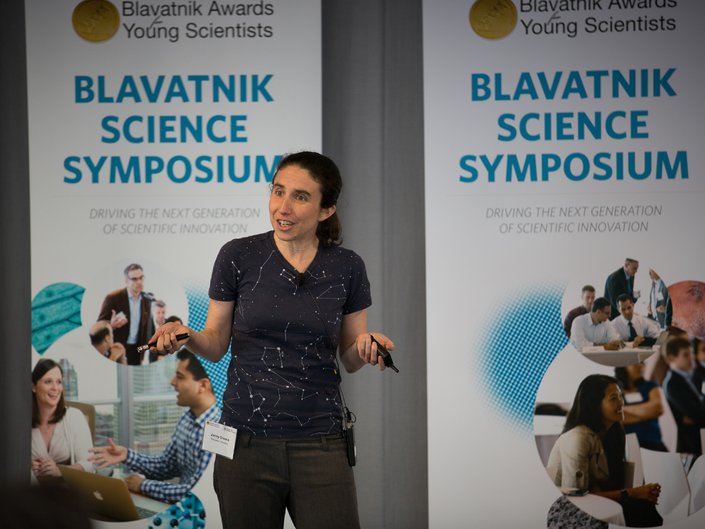
2011 Regional Award Winner Dr. Szabolcs MárkaDr. Casey Dunn, 2011 Regional Award Finalist Dr. Robert Anderson, 2013 Regional Award Winner Dr. Frans PretoriusDr. David Ginger and 2007 Regional Award Finalist Antonio Giraldez2012 Regional Award Winner Dr. Elisa Oricchio and Dr. Shoba VasudevanFrom Left: 2007 Regional Award Winner Ruslan Medzhitov, Dr. Leor Weinberger, Dr. Sinisa Urban, 2015 Regional Award Finalist Xiang Gao, and 2008 Regional Award Finalist Matthew Evans2010 Regional Award Winner Daniella Schiller2016 National Finalist Dr. Oliver RandoDr. Jenny GreenePresident and CEO of NYAS Ellis Rubinstien, 2016 National Award Winner Dr. Michael Rape, 2016 National Award Winner Dr. David Charbonneau
This year’s black-tie event, held at the American Museum of Natural History in New York City, gathered over 200 distinguished guests, including members of academia, business, and media.
Published September 12, 2016
By Diana Friedman
On Monday, September 12, 2016, the Blavatnik Family Foundation hosted its second annual celebration of the Blavatnik National Awards for Young Scientists, honoring the scientific excellence and innovation of the 3 National Laureates and 28 National Finalists.
The evening formally began as the brass ensemble of the renowned Juilliard School played a processional of Triumphal March from Aida by G. Verdi and New York City high school students with a passion for science served as flag holders for the grand entrance of the Finalists and Laureates into the museum’s famed Milstein Hall of Ocean Life.
Ellis Rubinstein, President and Chief Executive Officer of The New York Academy of Sciences opened the evening with the introduction of the National Laureates and Finalists and welcomed them to the Blavatnik Science Scholars alumni community. He acknowledged the Blavatnik Awards for Young Scientists celebrating its 10–year anniversary, as well as the continuing support of the exceptional judges and Blavatnik Awards Scientific Advisory Council that help make the Awards possible. The remainder of the event was presented by the evening’s master of ceremonies, Dr. Andrew Hamilton, President of New York University.
An Impressive List of Notable Guests
2016 Blavatnik National Laureates: Dr. David Charbonneau, Dr. Phil Baran, and Dr. Michael Rape were introduced during the evening by their mentors Dr. Sara Seager, Dr. Ronald Breslow, and Dr. Marc Kirschner, respectively. Each Laureate received a custom gold-plated medal from Len Blavatnik and followed with a presentation about their award-winning work.
The event was attended by Blavatnik Awards winners and finalists from previous years, members of the National Jury, and members of the Blavatnik Awards Scientific Advisory Council, including Dr. Ruslan Medzhitov. Other notable guests included:
Dr. George Q. Daley, Dean of Harvard Medical School
Kenneth Bialkin, Secretary of the Carnegie Hall Corporation
Stephen Cooper, CEO of Warner Music Group
Richard Plepler, CEO of HBO
Julie Greenwald, Chairman and COO of Atlantic Records Group
Alan Dershowitz, Professor of Law at Harvard Law School
Peter Schultz, CEO of The Scripps Research Institute
Dr. Joseph Klafter, President of Tel Aviv University
C. L. Max Nikias, President of the University of Southern California
Lindsey Graham, US Senator of South Carolina
Robert Darnell, Founding Director of New York Genome Center
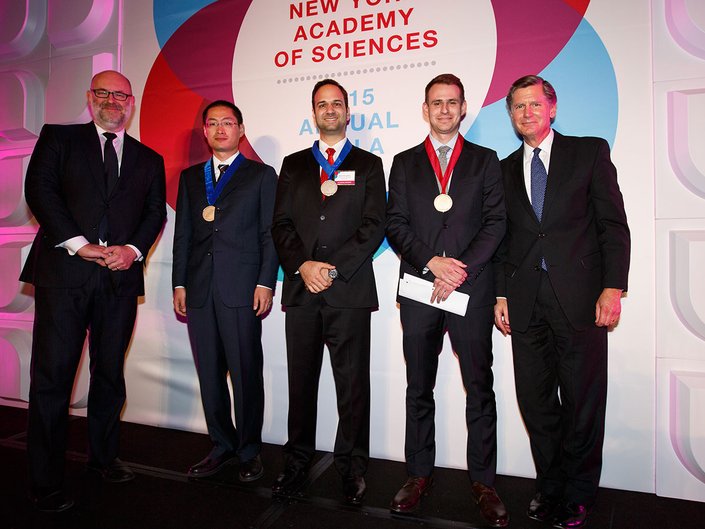
On Monday November 9th, The New York Academy of Sciences and the Blavatnik Family Foundation honored the three winners and six finalists of the 2015 Blavatnik Regional Awards for Young Scientists during the Academy’s 12th Annual Gala.
Published December 4, 2015
By Diana Friedman
The 2015 Blavatnik Regional Awards received 130 outstanding nominations from 24 academic and research institutions in the New York tri-state area. Winners and finalists were selected by a distinguished jury of senior scientists and engineers.
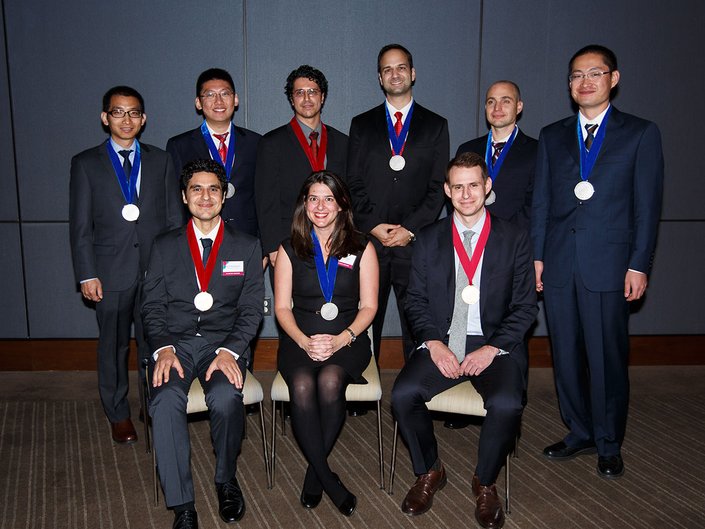
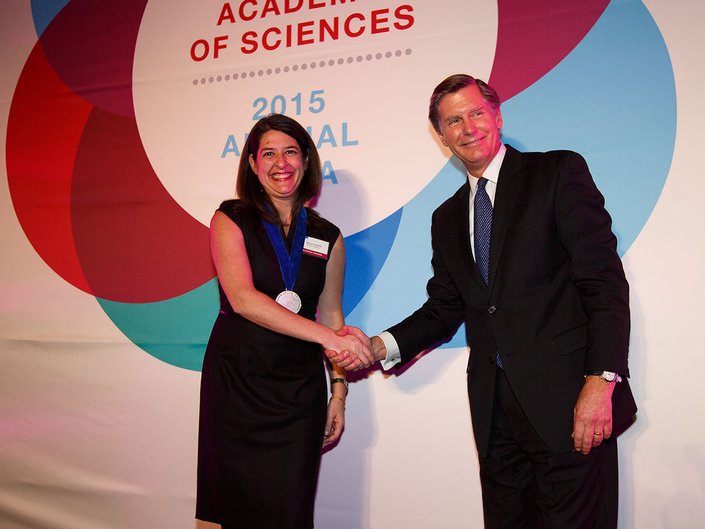
During the ceremony, Blavatnik Regional honorees awarded in the Chemistry category were introduced by Mr. Pablo Legorreta, Founder and CEO of Royalty Pharma; Dr. Paul Walker, Co-Head of the Technology Division in Goldman Sachs introduced the winners and finalists in the Physical Sciences & Engineering category; and Dr. Nancy Cantor, Chancellor of Rutgers University in Newark introduced honorees in the Life Sciences category. All were presented with their medals by Peter Thoren from the Blavatnik Family Foundation and each of the three winners gave a brief presentation about their award-winning work.
The evening before the Gala, on November 8th, the Blavatnik Family Foundation hosted a cocktail reception in honor of this year’s regional winners and finalists and regional judges. The event was attended by the Blavatnik Awards alumni, members of the Blavatnik Awards Regional jury, and supporters of the Awards.
To learn more about the Blavatnik Awards for Young Scientists, visit blavatnikawards.org.
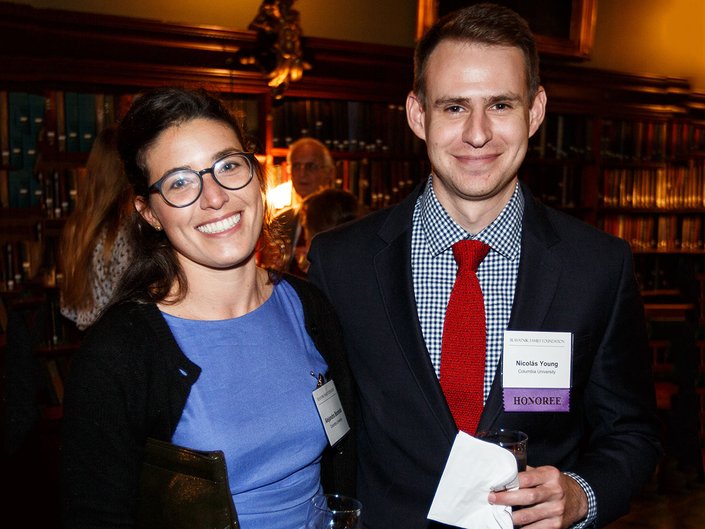
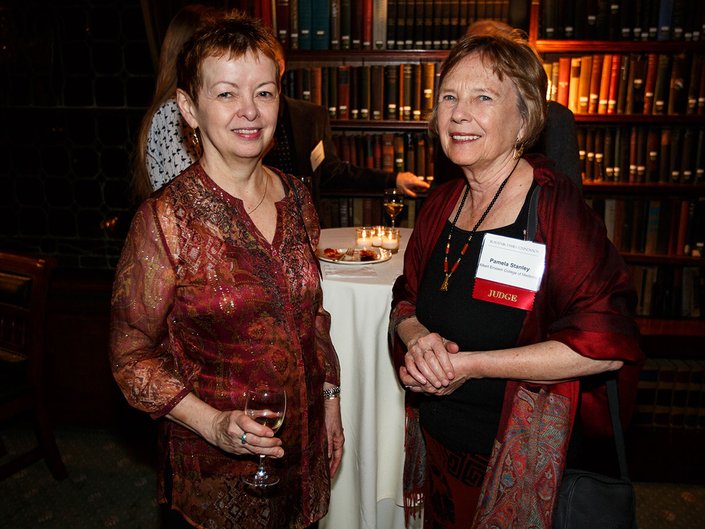
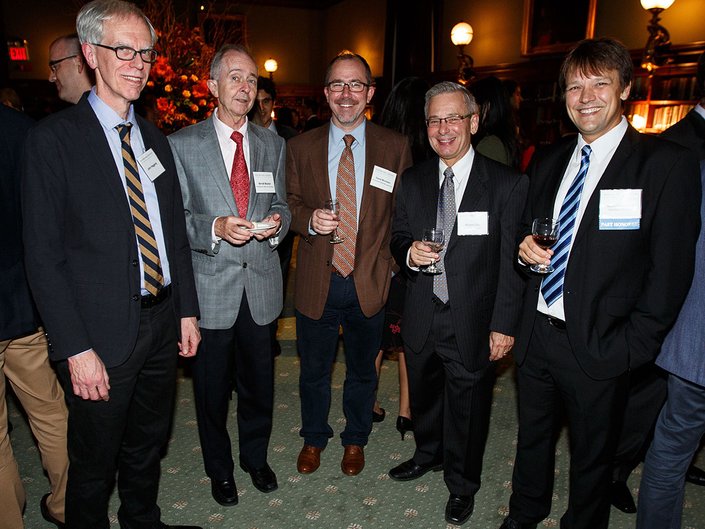
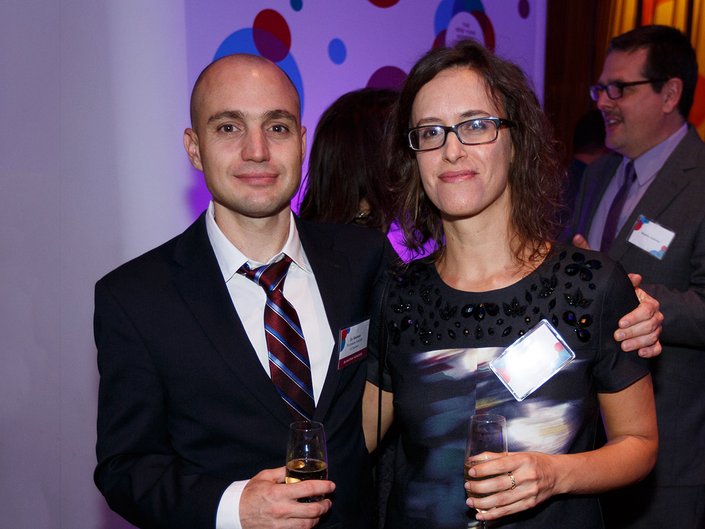
2015 Blavatnik Regional Winner Nicolás Young and Alejandra BorundaBlavatnik judges Dixie Goss and Pamela StanleyJohn Haggerty; Berndt Mueller; David Morrison; William Zajc; and Blavatnik honoree Szabolcs Márka2015 Blavatnik Regional Finalist Ziv Shulman with wife Sivan Ben Avraham Shulman2015 Blavatnik Regional Finalist Allyson Friedman and Peter Thoren2015 Blavatnik Regional Winner Arash NikoubashmanPaul Walker and Peter Thoren with 2015 Blavatnik Regional honorees Yang Liu, Dennis Perepelitsa, and Nicolás Young2015 Blavatnik Regional honorees Yang Liu, Jinzhong Lin, and Xiang Gao
On Monday, September 28, 2015, the Blavatnik Family Foundation hosted its second annual celebration of the Blavatnik National Awards for Young Scientists, honoring the scientific excellence and innovation of the 3 National Laureates and 29 National Finalists.
Published September 28, 2015
By Diana Friedman
This year’s black-tie event, held at the American Museum of Natural History in New York City, gathered over 200 distinguished guests, including members of academia, business, media, and film.
2015 National Finalists and Laureates with Len Blavatnik and Eric Lander
The evening formally began as the brass ensemble of the renowned Juilliard School played a processional of Fanfare for the Common Man and New York City high school students with a passion for science served as flag holders for the grand entrance of the Finalists and Laureates into the museum’s famed Milstein Hall of Ocean Life.
Ellis Rubinstein, President and Chief Executive Officer of The New York Academy of Sciences, opened the evening with the introduction of the National Laureates and Finalists and welcomed them to the Blavatnik Science Scholars alumni community.
He then introduced the evening’s master of ceremonies, Dr. Eric Lander, Founding Director of the Broad Institute and member of the Blavatnik Awards Scientific Advisory Council.
2015 Blavatnik National Laureates: Dr. Edward Chang, Dr. Syed Jafar, and Dr. Christopher Chang were introduced during the evening by their mentors Dr. Stephen Lisberger, Dr. Andrea Goldsmith, and Dr. Stephen Lippard, respectively. Each Laureate received a custom gold-plated medal from Len Blavatnik and followed with a presentation about their award-winning work.
The event was attended by Blavatnik Awards winners and finalists from previous years, members of the National Jury, and members of the Blavatnik Awards Scientific Advisory Council including Drs. Szabolcs Márka, Ruslan Medzhitov, and Marc Tessier-Lavigne. Other notable guests included:
Kenneth Bialkin, Secretary of the Carnegie Hall Corporation;
Stephen Cooper, CEO of Warner Music Group;
Dr. Brian Greene, Chairman of the World Science Festival;
Dr. Yann LeCun, Director of Facebook Artificial Intelligence Research;
Ron Prosor, Israel’s Permanent Representative to the United Nations;
Dr. Richard Roberts, CSO of New England Biolabs;
Dr. Bruce Stillman, President and CEO of Cold Spring Harbor Laboratory;
Dr. Harold Varmus, Nobel Prize Laureate;
Dr. Jan Vilcek, Founder and President of the Vilcek Foundation;
Andrew Lloyd Webber, Baron Lloyd-Webber; and
Dr. Nancy Zimpher, Chancellor of the State University of New York.
To learn more about the Blavatnik Awards for Young Scientists, visit blavatnikawards.org.
Eric Lander with Ellis Rubinstein2015 National Laureate Christopher Chang2015 National Laureate Syed Jafar with Len Blavatnik2007 Blavatnik honoree Antonio Giraldez with wife Valentina Greco2015 National Laureate Edward Chang with wife Michele Arnold2015 National Laureates Edward Chang, Christopher Chang, and Syed JafarBlavatnik National Judge Elaine Fuchs with Keith YamamotoBlavatnik National Judges Stew Smith and James Broach with Michael PurdyLen Blavatnik
The second annual Blavatnik Science Symposium was a celebration of scientific excellence and achievement in the United States.
Published August 6, 2015
By Diana Friedman
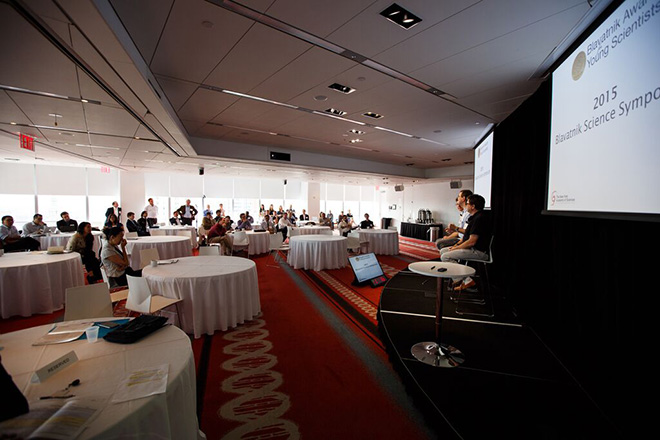
The 2015 Blavatnik Science Symposium hosted at The New York Academy of Sciences.
The second annual Blavatnik Science Symposium took place on August 5th and 6th 2015 at The New York Academy of Sciences (the Academy). This two-day event was hosted by the Blavatnik Family Foundation and the Academy and convened more than 50 past Blavatnik Awards honorees and 2015 National Finalists. The Symposium was attended by Len Blavatnik and other representatives of the Blavatnik Family Foundation, scientific luminaries, representatives of the Blavatnik Biomedical Accelerator and the Blavatnik Fellowship in Life Science Entrepreneurship program from Harvard University, and members of the press.
Building on the success of the inaugural 2014 Blavatnik Science Symposium, this year’s event was expanded to a two-day program to accommodate the growing Blavatnik Science Scholars Community of past and current honorees. Ellis Rubinstein, President and CEO of the Academy, and Dr. Mercedes Gorre, Executive Director of the Blavatnik Awards, opened the event with their welcoming remarks and were followed by a keynote address by 2010 Blavatnik Regional Award winner Michal Lipson, professor of Electrical Engineering at Columbia University, who spoke about the latest advances in nanophotonics.
Networking, Panel Discussions, and More
Blavatnik Awards honorees and 2015 National Finalists had the opportunity to network and present their work in front of their peers. A number of participants gave brief talks highlighting their research accomplishments in a broad variety of areas ranging from genomics to quantum materials to devices for portable diagnostics. A special session featured 2014 Blavatnik Regional Award honorees, who, having been recognized for their stellar postdoctoral work, have received faculty appointments in leading universities in the US and Europe.
Several panel discussions took place around topics of particular interest to the Blavatnik Science Scholars, including:
“Reinvention, Building Cross-Disciplinary and Multi-Faceted Research Programs” moderated by New York Times columnist Carl Zimmer
“Latest Developments and Top Unsolved Problems in Artificial Intelligence & Machine Learning” with participation by Yann LeCun (Director of AI Research, Facebook/NYU), 2007 Blavatnik Regional Award winner Léon Bottou (Facebook), and 2013 Blavatnik Regional Award winner David Blei (Columbia University)
“Commercialization and Entrepreneurship in the Blavatnik Science Scholars Community,” moderated by Ellis Rubinstein;
And a special presentation by 2014/2015 National Finalist Rob Knight (UCSD) and 2011 Blavatnik Regional Award winner Szabolcs Márka (Columbia University) on collaboration between their groups that had emerged from their meeting at a Blavatnik Science Scholars event.
On the evening of the first day, Carl Zimmer delivered his keynote address: “Cross-Talk: Telling Stories about Science” where he shared with the guests his rich experience of successfully communicating scientific research to diverse audiences via a variety of media channels.
To learn more about the Blavatnik Awards for Young Scientists, visit blavatnikawards.org.
2010 honoree Michal Lipson.Len Blavatnik at 2015 Symposium.National Finalists Yueh-Lin Loo and Ali Khademhosseini.2015 National Finalist Yueh Lin Loo.Panel on Building cross disciplinary research programs.
Lewis Cantley’s discoveries in the laboratory are changing the way we think about and treat cancer.
Published June 1, 2015
By Siobhan Addie, PhD
Lewis C. Cantley, PhD
The 2015 Ross Prize in Molecular Medicine was awarded to Lewis C. Cantley, PhD, who serves as the Margaret and Herman Sokol Professor in Oncology Research and the Meyer Director of the Sandra and Edward Meyer Cancer Center at Weill Cornell Medical College and New York-Presbyterian Hospital. Dr. Cantley received the award at a scientific symposium held at the Academy on June 8, 2015, in his honor.
Early in his career, Dr. Cantley discovered phosphatidylinositol-3-kinase (PI-3K), an enzyme that is important for cell growth, insulin signaling, and immune cell function. Dr. Cantley’s discovery has led to one of the most promising avenues for the development of personalized medicine. Currently, Dr. Cantley’s lab is investigating new treatments for diseases that result from defects in PI-3K and other genes in this important metabolic pathway. He shared his thoughts on this prestigious award as well as the past, present, and future of cancer treatment.
What is the current focus of your laboratory?
My laboratory is trying to understand why cancer cells have altered metabolism and take up significantly more glucose than normal cells. I initially became interested in this area following our discovery of phosphoinositide-3-kinase (PI-3K), an enzyme that is important for cell growth. We came to the realization that when PI-3K is activated, cells consume glucose at significantly higher rates, which is consistent with the Warburg Effect, first described decades earlier by Otto Heinrich Warburg. [The Warburg Effect is the observation that cancer cells produce the majority of their energy by glycolysis and lactic acid fermentation, as opposed to oxidation of pyruvate in mitochondria, as is observed in healthy cells.]
Mutations in PI-3K and other metabolic genes can cause cancer cells to take up increased amounts of glucose, and understanding this process will hopefully reveal new targets for cancer therapies. Together with Craig Thompson and Tak Mak, I co-founded a company called Agios Pharmaceuticals to further explore this concept. Independent of Agios Pharmaceuticals, my lab continues to investigate the mechanisms of altered cancer cell metabolism, and it is our goal to develop cancer drugs for the targets that we discover.
Who were your role models in science and how did they inspire you?
Harold Varmus and Michael Bishop were two of my major role models because of their elegant studies on how viruses cause cancer. It was this work that led to the realization that cancer is caused by mutations in human genes. It was paradigm-shifting science because it made us understand that cancer is driven by sporadic mutations in DNA and that the changes in metabolism that Otto Warburg originally observed were a consequence of mutations in genes (like PI-3K) that control metabolism through complex signaling networks.
What led to your discovery of PI-3K?
The discovery of the Warburg Effect made scientists examine changes in cancer cell metabolism. Much of the 20th century was spent trying to understand how cancers change their metabolism, specifically how they perform anabolic processes at a higher rate. In the late 1970s and early 1980s, work from a number of labs led to the discovery of important oncogenes. In our early work we used viral oncogenes to discover PI-3K.
By immunoprecipitating oncoproteins we were able to isolate PI-3K, and at first we believed PI-3K was producing the well-known lipids, PI(4,5)P2 or PI(4)P. However, once we characterized the product, we found out it was chemically distinct from the two well-known phospholipid forms in that the phosphate was on the 3 position of the inositol ring rather than the 4 or 5 position. We were extremely excited since this species had never previously been described.
Upon your discovery of PI-3K, did you realize how complex the signaling cascades were?
Our work revealed that PI-3K phosphorylates the 3 position of phosphatidylinositol; however, after that initial discovery we realized that many other phosphorylation combinations could be generated by PI-3K. Sure enough, in subsequent years, a whole new group of lipids was discovered, including PI(3)P, PI(3,4)P2, PI(3,5)P2 and PI(3,4,5)P3, although at the time it was not clear what they were doing. Now we know that many of these lipids are important in cells for controlling protein kinase cascades and actin rearrangement, which is critical for cell movement.
I was extremely excited by the importance of PI-3K for human disease. Initially our team was mainly focused on insulin signaling rather than on cancer, but soon we realized that there were commonalities between insulin signaling and the evolution of cancers. The story of PI-3K has certainly turned into a bigger story than I could have ever anticipated.
PI-3K inhibitors work quite well in blood cancers, but show more variable results in solid tumors. Why do you think that is?
The PI-3K gene that is mutated in solid tumors (PIK3CA) encodes the same enzyme that insulin activates so inhibitors of this enzyme cause insulin resistance resulting in hyperglycemia, which limits the dose of drug that can be used for therapy. In contrast the PI-3K inhibitor that was approved for treating B cell lymphomas, idelalisib, targets the enzyme encoded by PIK3CD, which does not mediate insulin responses. Thus there is less toxicity and higher doses of drug can be achieved, allowing more effective killing of tumor cells.
I also think that the total number of cancer cells in the body at the time a patient goes on therapy has a major role in explaining resistance to therapy. We now know that there is tremendous heterogeneity in the mutational events in most solid tumors and the more cells present, the more likely that a few cells in the tumor will be resistant to the therapy. That is why we are exploring the usefulness of neo-adjuvant therapy, the delivery of an anticancer drug prior to surgery. Another option for improving patient outcome is adjuvant therapy, the delivery of an anticancer drug immediately following surgery, even before recurrence is detected.
Generally, when metastatic cancer is diagnosed, the total number of cells in the body can be massive. Bert Vogelstein aptly pointed out that every time a cell divides there is a chance for an error in DNA replication, resulting in genetic aberrations, and the more times that happens the greater the diversity of mutations in the tumor and the lower the probability that a single agent will kill all cells in the tumor. Initial clinical trials in solid tumors are typically done in patients who have metastatic disease and have failed multiple therapies—it’s a high bar to achieve complete responses in this setting.
Why do certain cancer drugs look quite promising in pre-clinical models yet do not perform as well in humans?
New cancer drugs are often tested in mice that have a single, small tumor. Since the tumors in mice contain relatively few cells, the odds that we can kill all those cells are rather good. The clinical setting with human patients is far more challenging and complex because, as I indicated before, human cancer cells have greater genetic diversity and there are at least 100 times more cells than in a mouse tumor.
That is not to say that mouse models are bad, but we need to pay better attention to the mathematics. In normal preclinical studies we give seven mice the experimental drug and seven mice receive the placebo. As pointed out by Bert Vogelstein, these numbers are far too low. We need to increase the number of animals used in preclinical studies and focus on therapies that cure all the mice, then we are far more likely to find drugs or drug combinations that are also effective in humans.
If you had a crystal ball that showed you the future of cancer research and treatment, what would you like to know right now?
That’s a tough question! One of the things I would like to know is whether we will have technologies available in the future to detect circulating mutant DNA at very early stages of disease. I think it would be great to have a test that would allow us to intervene with therapies potentially even before a tumor can be felt by a patient or detected by standard imaging techniques.
A test like this would have to be extremely sensitive so that we could detect extremely low levels of circulating mutant DNA. We know that we can pick up circulating mutant DNA in the case of metastatic disease, but it would be fantastic to do this for very early stages of cancer.
Your clinical test sounds like a fantastic idea—what are the pros and cons?
If we were able to develop a test like this and it were cost-effective, it could very well become a routine clinical procedure that takes place during the annual physical every year after the age of 50. If people are at high risk for cancer, they could have the test done starting at age 30. These test results could potentially tell you that you have circulating copies of oncogenic mutant DNA. I believe that if clinicians administered targeted cancer therapy at these early stages of disease, we would have a much higher likelihood of a cure.
The success of this whole plan depends on the development of targeted cancer drugs that are safe and have few off-target effects. Developing these drugs and testing their safety could take as long as 5–10 years. Most of the drugs we currently use for cancer therapy would not be acceptable to use in this setting since they could cause more harm than good and even cause new cancers to occur.
Another caveat to this blood test is the possibility of false positive results, where patients may show the mutant DNA but never actually progress to full-blown disease. I think that personalized medicine is the future. If we truly want to cure cancer, we need to target the cancer cells more effectively and hit them earlier with safe, non-toxic drugs.
PI-3K is at the interface of insulin signaling and cancer; what is the relationship between these two?
Many types of cancer cells express higher levels of insulin receptor (IR) or insulin-like growth factor 1 receptor (IGF1R) than the tissue from which they evolved. If a patient with this type of cancer becomes insulin-resistant, as could happen from a high-sugar, high-carbohydrate diet, there will be high levels of circulating insulin and IGF1in the blood.
his is a very dangerous situation because if the tumor expresses IR or IGF1R, it will be getting a strong signal for activating PI-3K all the time, even if PI-3K is not mutated. This will drive tumor growth and may render the tumor less vulnerable to chemotherapy. If I had a cancer that expressed high levels of IR or IGF1R I would go on a low-carbohydrate diet the very next day.
High levels of dietary sugar can cause insulin-resistance, which results in near-constant elevation of circulating insulin. We know that insulin activates PI-3K, which is almost certainly driving a large fraction of cancer growth. In the United States there is a very high fraction of people who are insulin-resistant, but many of them are undiagnosed. It is a frightening possibility that we will retrospectively regret making sugar cheap and broadly added to foods the same way we now regret making cigarettes cheap and broadly available 70 years ago.
What does winning the Ross Prize in Molecular Medicine mean to you?
I am tremendously honored and excited to win the Ross Prize. I am particularly grateful for this award because it is not given for a single discovery, but rather a body of work where a discovery has been translated into a clinical outcome. That is difficult to do; but I certainly did not do that alone. Hundreds of people collaborated with me at various stages—from the mouse models, to the biochemistry, all the way to carrying out a clinical trial. I have been very fortunate in my career to work closely with passionate people who are focused on a common goal of identifying new cellular targets for cancer drugs.
About the Ross Prize in Molecular Medicine
The annual Ross Prize in Molecular Medicine was established in conjunction with the Feinstein Institute for Medical Research and Molecular Medicine. The winner is an active investigator who has produced innovative, paradigm-shifting research that is worthy of significant and broad attention in the field of molecular medicine. This individual is expected to continue to garner recognition in future years, and their current accomplishments reflect a rapidly rising career trajectory of discovery and invention. The winner receives an honorarium of $50,000.