The Role of Glial Cells in Alzheimer’s, Parkinson’s

Innovators in Science Award

The Innovators in Science Award Honorees are Breaking New Ground in Neuroscience: Dr. Ben Barres inspired many with his continued efforts, in the face of his own battle with pancreatic cancer.

Published May 1, 2018

By Anni Griswold

Albert Einstein reportedly once said, “Not everything that can be counted counts, and not everything that counts can be counted.” Though the 2017 honorees of the Innovators in Science Award have plenty of countable achievements, their stories reveal a common thread — creative approaches to their work and the development of disruptive tools that transformed scientific understanding in their discipline.

Uncovering a New Role for Glia Cells: Shaping the Neural Communication Network

Ben Barres

Before Ben Barres, MD, PhD, began studying glia — cells that safeguard and anchor neurons — they were thought to play a relatively minor role in the nervous system. But Barres’ work revealed that glial cells, which far outnumber neurons, serve a more important function.

“Ben pioneered the idea that glia play a central role in sculpting the wiring diagram of our brain and are integral for maintaining circuit function throughout our lives,” said Thomas Clandinin, PhD, and professor of neurobiology at Stanford in a university press release. Clandinin was a colleague of Barres, who passed away in December 2017.

Dr. Barres inspired many with his continued efforts, in the face of his own battle with pancreatic cancer, to advance therapies for neurodegenerative disease. His obituary outlines more about his accomplished life and career.

Barres, a Senior Scientist Finalist and former Chair of Neurobiology at Stanford, began his career as a clinical neurologist. He eventually became disillusioned by the medical field’s poor understanding of neural degeneration. While reviewing pathology slides, he found that degenerating brain tissue was often surrounded by a high density of unusually shaped glial cells.

He pursued a PhD and eventually characterized three types of glial cells, revealing how they shape electrical signal transmission. He shared the tools and reagents for cloning these cells, sparking widespread interest in glial function.

Barres’ most recent work showed that rogue glial cells drive neurodegenerative disorders such as Alzheimer’s and Parkinson’s diseases, a finding he described as “the most important discovery my lab has ever made.”


Read more about Innovators in Science Award Honorees:

A Molecular Approach to New Pain Drugs

Innovators in Science Award

The Innovators in Science Award Honorees are Breaking New Ground in Neuroscience: Dr. David Julius takes a molecular approach to explore compound structures.

Published May 1, 2018

By Anni Griswold

Albert Einstein reportedly once said, “Not everything that can be counted counts, and not everything that counts can be counted.” Though the 2017 honorees of the Innovators in Science Award have plenty of countable achievements, their stories reveal a common thread — creative approaches to their work and the development of disruptive tools that transformed scientific understanding in their discipline.

Pain Relief Begins with Basic Science

David Julius

In a field as urgent and divisive as pain control, the race to market new drugs often overshadows a slower yet essential expedition: curiosity-driven science. But in David Julius’ lab at the University of California, San Francisco, curiosity has always been king.

As a graduate student in the early 1980s, Julius, a Senior Scientist Finalist, became fascinated with neurotransmitter systems. He read every paper he could find about the effects of psychoactive drugs on the nervous system. This included works by Timothy Leary and Sol Snyder. Eventually his curiosity led him to clone the serotonin receptor, a groundbreaking feat that introduced molecular biology into the field of pain research, long dominated by physiologists, pharmacologists and psychologists.

In the years since, he has taken a molecular approach to explore how plant-derived products such as capsaicin from chili peppers and menthol from mint leaves “tickle the pain pathway.” His findings have shed light on various pain receptors in the brain and uncovered ion channels that regulate sensory neurons in response to thermal or chemical stimuli.

“If any of these lead to a new pain drug, I’ll be incredibly gratified by that,” says Julius, PhD, a professor of physiology. “But in the end, these [new drugs] arise from asking basic questions about somatosensation and pain. It’s important to keep that in mind, because you never know when a basic discovery will transform an area.”


Read more about Innovators in Science Award Honorees:

New Blavatnik Awards Advance Science in the UK

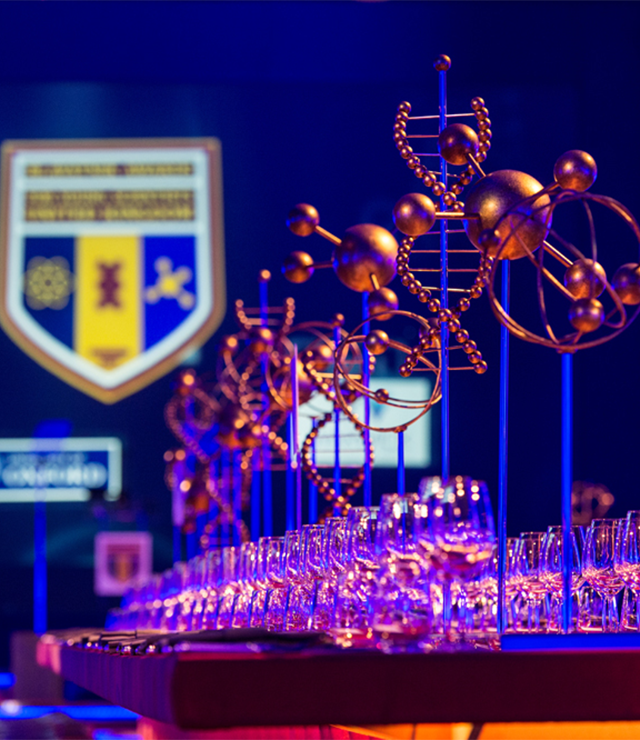
At shot from the Blakatnik Awards ceremony in the UK.

The Blavatnik Family Foundation Hosts the UK’s First Blavatnik Awards Ceremony at London’s Victoria and Albert Museum in Collaboration with The New York Academy of Sciences

Published March 7, 2018

By Marie Gentile, Mandy Carr, and Richard Birchard

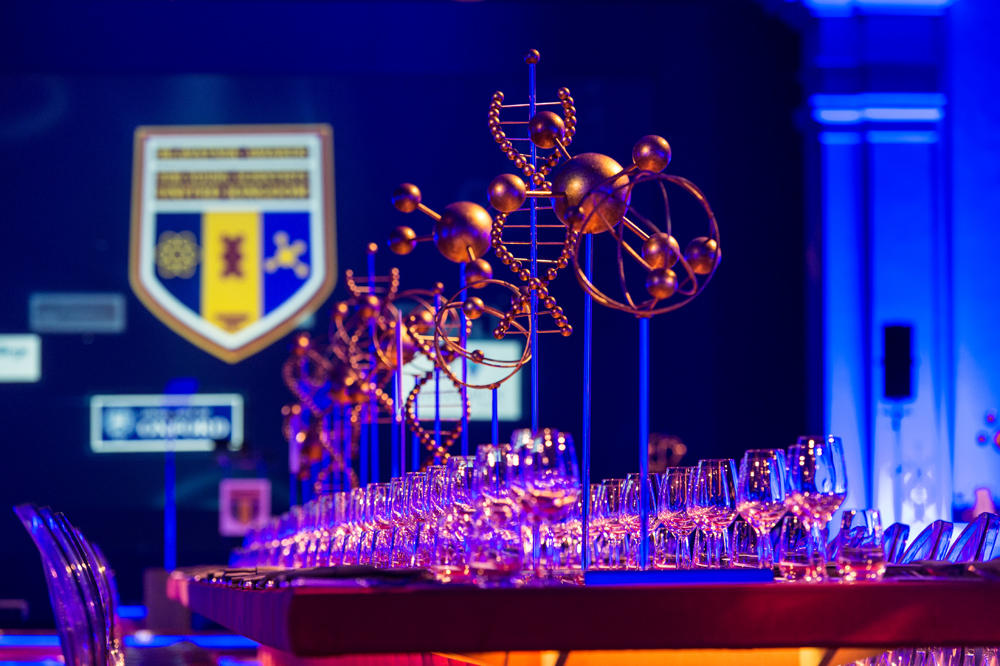
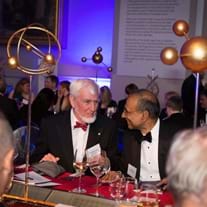
A gala evening celebrating the UK’s most promising young faculty-level scientists, the 2018 Blavatnik Awards for Young Scientists in the United Kingdom, was held on March 7, 2018 at the Victoria and Albert Museum in London. The evening was a glamorous event attended by the UK’s top leaders in science, business, and philanthropy.

The Blavatnik Awards, established by the Blavatnik Family Foundation in the United States in 2007 and administered by The New York Academy of Sciences, celebrate the past accomplishments and future potential of young faculty researchers, aged 42 years and younger. 

These awards recognize scientists working in three disciplinary categories of science: Life Sciences, Chemistry, Physical Sciences & Engineering.  

This occasion marked the inaugural year of the Awards in the UK.

Distinguished guests that attended the ceremony included Chief Medical Officer for England, Prof. Dame Sally Davies; ethologist and author, Richard Dawkins; Chief Executive of the British Association for the Advancement of Science, Ms. Katherine Mathieson; 2014 Nobel Laureate Prof. John O’Keefe, 2017 Nobel Laureate Prof. Richard Henderson.

Ellis Rubinstein, President and CEO of The New York Academy of Sciences served as Master of Ceremonies for the Blavatnik Awards Ceremony and provided opening remarks.  A processional of students from the SouthBank International School carried flags representing the honorees’ academic and research institutions into the ceremony.

In each category, two Finalists were awarded medals plus a prize of $30,000 and one Laureate in each category was awarded a medal and a prize of $100,000. Sir Leonard Blavatnik presented medals to the three Laureates and six finalists:

Chemistry

  • Clare Gray, of the University of Cambridge, introduced 2018 Blavatnik Awards UK Laureate in Chemistry Prof. Andrew L. Goodwin of University of Oxford and his work on ground-breaking research in theoretical and applied studies of disorder and flexibility in materials.

Physical Sciences & Engineering

  • Sir Richard Friend, from the University of Cambridge, introduced 2018 Blavatnik Awards UK Laureate in Physical Sciences & Engineering, Prof. Henry Snaith, also of University of Oxford, and highlighted his research in developing new, low-cost and high-efficiency solar cells based on metal halide perovskite materials.

Life Sciences

  • Veronica van Heyningen, Honorary Professor at University College London and University of Edinburgh, introduced 2018 Blavatnik Awards UK Laureate in Life Sciences, Dr. M. Madan Babu of the Medical Research Council (MRC) Laboratory of Molecular Biology, with the award for his insights into the structural biology and molecular logic of key proteins and protein motifs, including GPCRs [G-protein Coupled Receptors] and intrinsically-disordered protein regions.

The evening concluded with 2009 Nobel Laureate and President of the Royal Society Professor Sir Venki Ramakrishnan giving the keynote speech on elevating science through scientific awards and the importance of honoring scientists early in their career versus lifetime achievement awards.

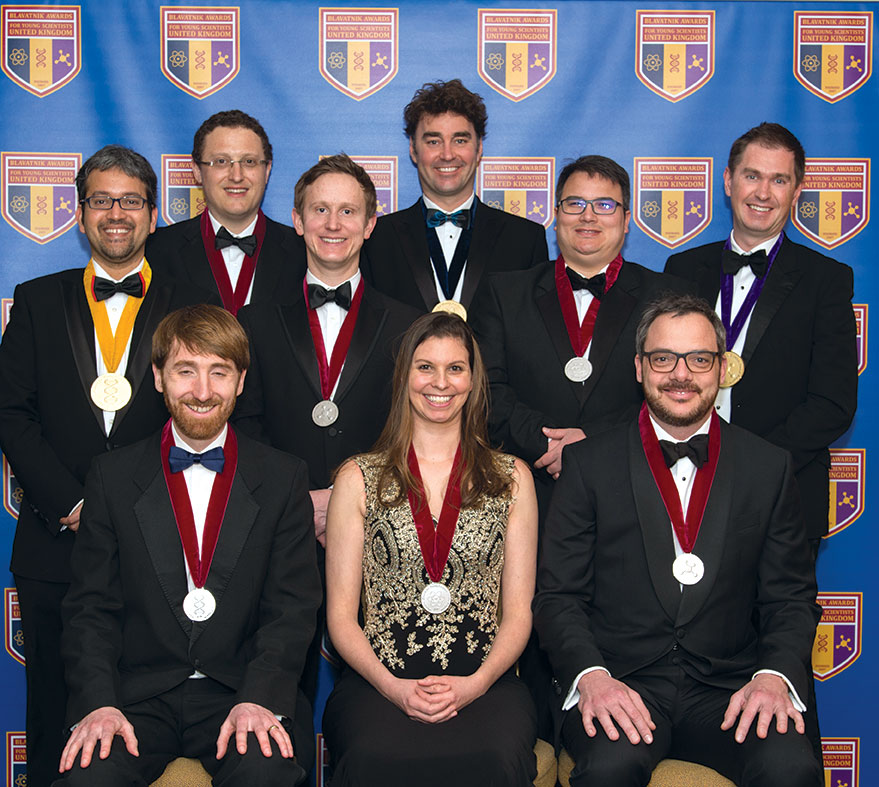
The 2018 Blavatnik Awards for Young Scientists in the UK

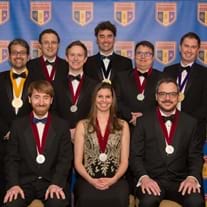
Award winners pose together.

Meet the rising scientific stars taking center stage this year as part of the 2018 cohort for the Blavatnik Awards for Young Scientists in the United Kingdom.

Published January 16, 2018

By Kamala Murthy

Physical Sciences & Engineering Laureate

Henry Snaith, PhD
Professor of Physics, University of Oxford

Prof. Snaith has striven to develop new photovoltaic technologies based on simply processed materials, which have promised to deliver solar energy at a fraction of the cost of incumbent silicon modules.

Through a series of key discoveries, he found that metal halide perovskite materials, which had been overlooked for decades because of their very low photovoltaic energy efficiency, can be employed in highly efficient solar cells. He has developed a low-cost synthesis method for the perovskite solar cells, and significantly raised their energy efficiency from 10.9 percent in his first publication to over 22 percent in a single junction perovskite solar cell, and more recently to 25 percent by combining perovskites with silicon solar cells.

Currently, he is pushing the perovskite-on-silicon tandem cells to surpass the 30 percent efficiency mark, making them very promising for industrial applications. He has also significantly improved long-term stability of perovskite solar cells and discovered numerous key fundamental aspects of the perovskite semiconductors, which helped broaden the application range of these materials to include light emission, radiation detection, memory and sensing.

Prof. Snaith’s work toward a significant cost reduction in photovoltaic solar power could help propel society to a sustainable future.

Physical Sciences & Engineering Finalists

Claudia de Rham, PhD
Reader in Theoretical Physics, Imperial College London

Dr. de Rham has revitalized massive gravity theory, which is one way of modifying General Relativity to solve the open puzzles of cosmology. The early versions of massive gravity theory had been known for their dangerous pathologies, including a ghost mode and a discontinuity with General Relativity in the limit where the mass of a graviton goes to zero.

In 2010, Dr. de Rham solved such problems by constructing a nonlinear theory of massive gravity, which is ghost free and theoretically consistent. Since this breakthrough, Dr. de Rham has further established the effective quantum theory of massive gravity to describe the accelerated expansion of the universe as a purely gravitational effect, with the role of dark energy being played by massive gravitons.

Her work has continued to define the field beyond Einstein’s theories of gravity and cosmology, and revolutionized our understanding of the fundamental evolution of the universe and the quantum nature of gravity.

Andrew Levan, PhD
Professor of Astronomy, University of Warwick

Prof. Levan works on the observation of gamma-ray bursts (GRBs), which are the most luminous and energetic explosions in the universe. He has achieved a new understanding of the rich relativistic physics behind GRBs, and has deployed such phenomena as powerful probes that act as lighthouses to the distant universe.

For instance, a new type of GRB he discovered opened an entirely new window onto the properties of black holes at the center of galaxies. Most recently, Prof. Levan has also played a major role in the characterization of the first electromagnetic counterpart to a gravitational wave source, GW170817. This included the identification of the infrared counterpart and leading the first observations of this counterpart with the Hubble Space Telescope.

These events provide the astrophysics community with a completely new way to study the Universe, and explore new information from deep inside extreme events, places that cannot be seen with normal light.

Chemistry Laureate

Andrew Goodwin, PhD
Professor of Materials Chemistry, University of Oxford

Prof. Goodwin is a world leader in the study of the dual roles of mechanical flexibility and structural disorder in the chemistry and physics of functional materials.

Examples of materials that rely on localized disorder to enhance functionality include semiconductors and glass.  Goodwin’s laboratory utilizes advanced diffraction and modelling techniques to probe disordered materials and subsequently produce new, tailored materials that display unique properties. Most materials expand upon heating and shrink when compressed; however, Goodwin has discovered that by careful control of the disorder within the structure of a substance, the opposite can occur — materials will shrink upon heating (negative thermal expansion) and expand when compressed (negative linear compressibility).

These counterintuitive processes are useful in the design of heat-resistant materials, advanced pressure sensors, artificial muscles and even body armor. Goodwin has also played a key role in the structural analysis of amorphous materials using total scattering methods, which, in the case of amorphous calcium carbonate, the key structural component in bones and shell, led to a complete understanding of the ability of organisms to nucleate different crystalline structures from the same biomineral precursor.

Chemistry Finalists

Philipp Kukura, PhD
Professor of Chemistry, University of Oxford

Prof. Kukura develops and applies novel spectroscopic and microscopic imaging techniques with the aim of visualizing and thereby studying biomolecular structure and dynamics.

Of particular importance are Prof. Kukura’s recent breakthroughs in scattering-based optical microscopy, where his group was the first to demonstrate nanometer-precise tracking of small scattering labels with sub-millisecond temporal resolution, which enables highly accurate measurements and mechanistic insight into the structural dynamics of biomolecules such as molecular motors and DNA. His group was also able to develop ultrasensitive label-free imaging and sensing in solution, down to the single molecule level, which has the potential to revolutionize our ability to study molecular interactions and self-assembly.

The Kukura group continues to challenge what we believe we can measure and quantify with light and use it to improve our understanding of biomolecular function. Ultimately, this technology has the potential to enable a variety of universally applicable and quantitative methods to probe molecular interactions at the sub-cellular level.

Robert Hilton, PhD
Reader, Department of Geography, Durham University

Dr. Hilton’s research has provided new insights on Earth’s long-term carbon cycle and the natural processes that transfer carbon dioxide (CO2) between the atmosphere and rocks. His research has uncovered how erosion of land in the form of geomorphic events (earthquakes and resulting landslides), weathering of organic carbon in rocks, and the export of carbon by rivers can impact atmospheric CO2 concentration. Dr. Hilton and colleagues have developed geochemical and river sampling methods which allow this to be done.

The release of CO2 into the atmosphere through the actions of humans burning fossil fuels has become a concern in recent decades.  Dr. Hilton’s research highlights that the natural rates of this process (by weathering and breakdown of rocks) is much, much slower. The planet is currently undergoing dramatic changes with respect to global climate, and it is crucially important to consider whether these aspects of the carbon cycle may amplify human impacts.

Life Sciences Laureate

M. Madan Babu, PhD
Programme Leader, MRC Laboratory of Molecular Biology

Dr. Babu’s multi-disciplinary work employs techniques from data science, genomics and structural biology to analyze biological systems. Using this innovative approach, Dr. Babu has made important discoveries about proteins called G-protein-coupled receptors (GPCRs). These proteins are implicated in numerous human disorders, and drugs targeting GPCRs represent nearly 30 percent of all drug sales.

Dr. Babu has shown that many GPCRs targeted by common drugs can differ significantly from one person to another, so patients with different versions of the same GPCR are likely to have different responses to the same drug. These findings will begin to identify problematic treatments, and could potentially revolutionize personalized medicine. In a parallel body of work, Dr. Babu has also made fundamental discoveries in the role of so-called “disordered” proteins. About 40 percent of human proteins have a region where the protein becomes more flexible, less structured — these floppy, flexible parts of proteins have puzzled structural biologists for decades.

Dr. Babu and his team have helped to establish the roles of disordered proteins in health and disease. Together, these studies shed light on key types of proteins that are integral to human health.

Life Sciences Finalists

John Briggs, DPhil
Programme Leader, MRC Laboratory of Molecular Biology

Dr. Briggs uses and develops state-of-the-art techniques in electron microscopy to understand the structure and functions of biological molecules. He pioneered a technique called cryo-electron tomography (cryo-ET), which allows visualization of biological specimens at near-atomic resolution.

He has combined this technique with other types of microscopy to identify and image rare and dynamic cellular events. Dr. Briggs was the first to achieve pseudo-atomic resolution for visualization of a biological structure using cryo-ET by imaging the capsid domains of HIV. This remarkable achievement revealed the network of protein interactions governing the assembly of HIV particles, and provides new insights into viral function.

Dr. Briggs is at the forefront of structural biology, leading the search for higher resolution visualizations of cellular processes directly within their native environments. By turning these techniques to important biological questions, his work stands to have broad impact on our understanding of the biology of cells and viruses.

Timothy Behrens, DPhil
Professor of Computational Neuroscience, Nuffield Department of Clinical Neurosciences
Deputy Director, FMRIB Centre, University of Oxford
Honorary Lecturer, Wellcome Centre for Imaging Neuroscience, University College London

Prof. Behrens uses mathematical models, behavioral experiments and neural recordings to dissect the biological computations that underlie human behavior. He has uncovered key aspects of how we represent the world around us, make decisions and guide our behavior.

His group has shown that the neural structures used to represent physical space are also used to represent abstract concepts — the brain uses a similar mechanism to encode “maps” of abstract ideas. Such findings have impact on neural network computing and artificial intelligence, but also on our understanding of cognition and mental health. Prof. Behrens has also worked to map the precise anatomy of the human brain, and is leading a large-scale collaboration to map networks of neurons important for cognition.

Few fields are more intimately related to our sense of what it means to be human — and Prof. Behrens and his team are at the forefront of this understanding.
Talent Showcase: 2018 Blavatnik Awards for Young Scientists in Israel

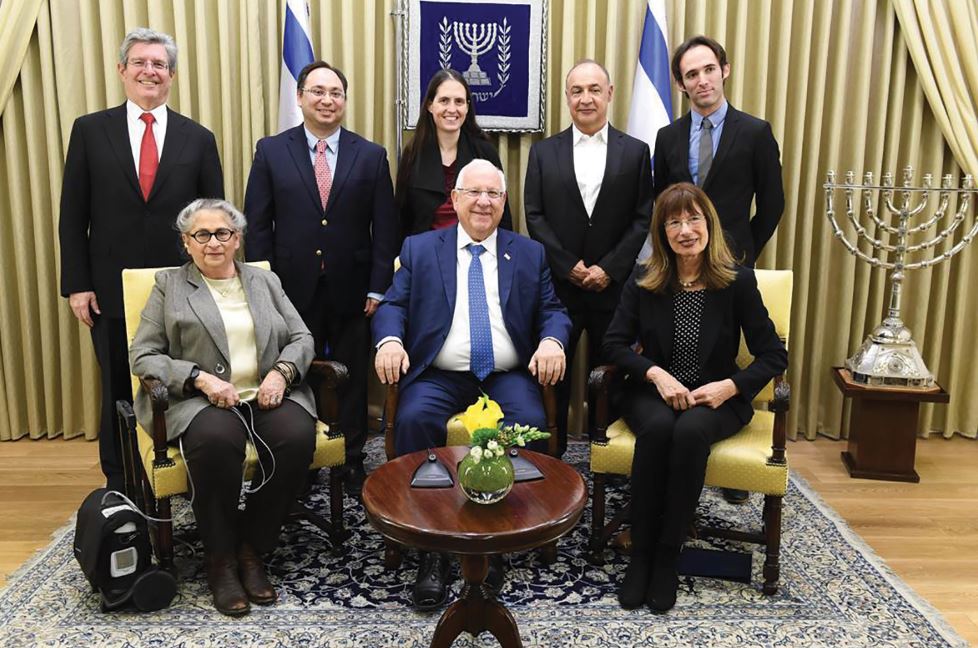
A group of researchers and executives pose together.

Meet the rising scientific stars taking center stage this year as part of the 2018 cohort for the Blavatnik Awards for Young Scientists in Israel.

Published May 1, 2018

By Kamala Murthy

Life Sciences Laureate

Oded Rechavi, PhD, Senior Lecturer, Department of Neurobiology, Tel Aviv University

Dr. Rechavi’s research upends the traditional laws of inheritance. The notion that traits acquired over the course of a lifetime could influence heredity was heresy until recently, when Dr. Rechavi showed how environmental conditions can imprint “molecular memories” that govern the passage of acquired traits to future generations.

DNA vs Small RNAs

Rechavi’s work in C. elegans, a species of small worms, illustrates how various stressors can induce heritable changes mediated not by DNA, but by small RNAs. By transferring small RNAs from the regular cells of the body that are impacted by the stressor, to the “germline” cells (eggs and sperm) that pass on traits to the next generation, the experiences of one generation can produce long-lasting impacts on gene regulation in multiple subsequent generations.

Rechavi’s lab published the first proofs of this effect, showing that exposing the parent worms to a virus confers immunity on the offspring through the transfer of small RNAs. He later showed that a similar mechanism allows the offspring of starved worms to live longer and to better survive periods of starvation. His group has identified the genes and determined the rules that govern which changes are heritable, as well as the potential duration of that inheritance.

Rechavi has hypothesized that similar mechanisms of small-RNA-based inheritance exist in mammals, including humans. Encompassing genetics, evolutionary biology and developmental biology, Rechavi’s research is fundamental to advancing understanding of the heritability of complex traits and diseases.

Chemistry Laureate

Charles Diesendruck, PhD, Assistant Professor of Chemistry, Technion — Israel Institute of Technology

Dr. Diesendruck works at the intersection of chemistry, physics and materials science, in the recently resurgent field of mechanochemistry. Diesendruck and his collaborators are using mechanically driven reactions to create novel molecules and new materials capable of responding to both physical and chemical stimuli.

As polymers and fiber-composites have become ubiquitous, the tendency of these materials to break, split or otherwise degrade under pressure have limited their application, especially in high-strain environments such as aircraft and automobiles. Diesendruck’s research seeks to better understand how mechanical forces can change molecular bonds and alter the properties of materials, using this knowledge to design resilient, responsive macromolecules for next-generation polymers.

Developing “Smart” Materials

In Diesendruck’s vision, these “smart” materials will be customized with specific stress conduction characteristics, respond productively to mechanical strain, and be able to detect and reinforce or repair structural damage. Diesendruck was among the research team that created the first autonomously “self-healing” fiber-composites, a key step toward producing materials that maximize the benefits of composites, including strength and weight, while minimizing the risks from damage and increasing the longevity of these materials in transportation and other applications.

Diesendruck’s group is also engaged in exploratory research probing difficult or previously inaccessible chemical transformations that may lead to new reactions and reactants.

Physical Sciences & Engineering Laureate

Anat Levin, PhD, Associate Professor, The Andrew & Erna Viterbi Faculty of Electrical Engineering, Technion — Israel Institute of Technology

Prof. Levin is a leader in the emerging field of computational photography, which blends computing with traditional imaging techniques to transcend the limitations of even the most advanced cameras, producing novel imaging results and capabilities. Levin’s work is rooted in discovering mathematical foundations and applying them to solve real-world challenges in imaging and optics.

She is the creator of a prototype computational camera specialized to capture moving objects and scenes, which introduces a constant, quantifiable degree of motion blur during exposure to allow for streamlined blur removal in post-processing. Prof. Levin has also worked to optimize the process of colorizing grayscale images and videos, simplifying a historically time-consuming and expensive process using a method that automatically propagates color among pixels based on the intensity of neighboring pixels.

Using Light Scatter to Study Chemical Composition

Advances in computational photography will have implications that extend well beyond digital photography, including improving medical, microscope and telescope imaging, and ultimately transforming videography. More recently, Levin has published methods for utilizing patterns of light scatter to determine the chemical composition of a material, a technique that could have implications for fields as diverse as ultrasound imaging and air quality assessment.

She has also developed dynamic digital displays that instantly adapt to changes in light and viewing angle, and prototype displays that may ultimately enable large-scale, glasses-free 3D movie viewing.

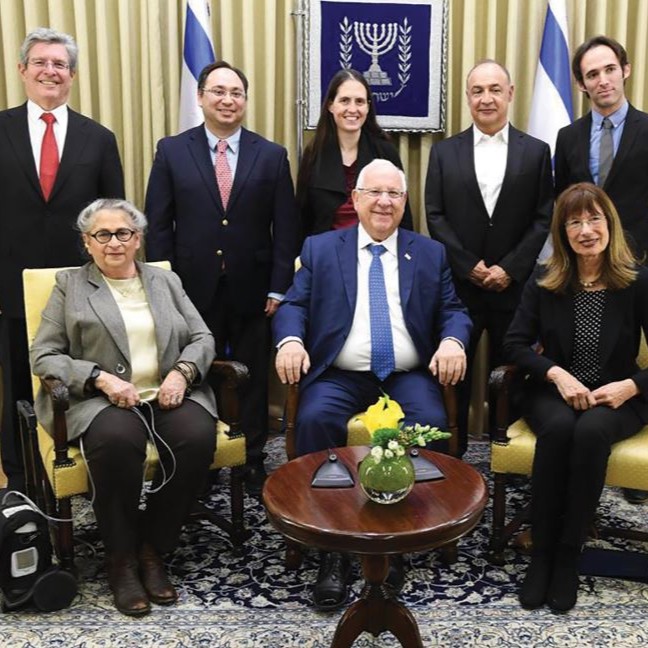
(Back Row L to R) Ellis Rubinstein, President and CEO, New York Academy of Sciences, Dr. Charles Diesendruck, Technion-Israel Institute of Technology, Prof. Anat Levin, Technion-Israel Institute of Technology, Len Blavatnik, Chairman, Access Industries/Blavatnik Family Foundation, Dr. Oded Rechavi, Tel Aviv University. (Front Row L to R) Nechama Rivlin, First Lady of Israel, Reuven Rivlin, President of Israel, Prof. Nili Cohen, President, Israel Academy of Sciences and Humanities.

Announcing the Honorees of the Inaugural Blavatnik Awards for Young Scientists in the United Kingdom

The shield for the Blavatnik Awards for Young Scientists.

Nine outstanding scientists from six U.K. academic institutions receive a total of $480,000.

Published December 8, 2017

By Marie Gentile and Richard Birchard

The New York Academy of Sciences and the Blavatnik Family Foundation announced the first Honorees of the Blavatnik Awards in the United Kingdom.

Three Laureates, in the categories of Life Sciences, Physical Sciences & Engineering, and Chemistry, will each receive an unrestricted prize of $100,000. In addition, two Finalists in each category will each receive an unrestricted prize of $30,000. To date, the Blavatnik Awards in the U.K. are the largest unrestricted cash awards available exclusively to young scientists.

The Blavatnik Awards, administered by the New York Academy of Sciences, were established by the Blavatnik Family Foundation in 2007. The awards honor and support exceptional early-career scientists and engineers under the age of 42 across the United States. In 2017, the Awards were launched in the U.K. and Israel. This recognized the first cohort of international Blavatnik Award recipients. To date, the Blavatnik Awards have conferred prizes totaling U.S. $5 million, honoring 220 outstanding young scientists and engineers.

In this inaugural year of the Blavatnik Awards in the U.K., 124 nominations were received from 67 academic and research institutions across England, Scotland, Wales, and Northern Ireland. A distinguished jury of leading senior scientists and engineers selected the Laureates and Finalists. The 2018 Laureates are:

The Finalists for the 2018 Blavatnik Awards in the U.K. are:

Life Sciences

Chemistry

Physical Sciences & Engineering

These inaugural Blavatnik Awards Laureates and Finalists in the U.K. will be honored at a gala dinner and ceremony at London’s Victoria and Albert Museum on March 7, 2018. In addition, the Award recipients will be invited to attend the annual Blavatnik Science Symposium at the New York Academy of Sciences this summer, which is an opportunity for former and current Blavatnik Awardees to exchange ideas and build cross-disciplinary research collaborations.

The Blavatnik U.K. honorees will become members of the Blavatnik Science Scholars community, currently comprising over 220 Blavatnik Award honorees from the decade-old U.S. program and three inaugural 2018 Laureates from Israel. Honorees will also receive Membership to The New York Academy of Sciences. 

Innovative Ideas for a Better Tomorrow Today

The shield for the Blavatnik Awards for Young Scientists.

The 2017 Blavatnik Awards for Young Scientists Laureates exemplify the kind of fearless thinking that can make revolutionary ideas become reality.

Published October 1, 2017

By Hallie Kapner

As physicist Niels Bohr (among others) has said: “Prediction is very difficult, especially if it’s about the future.”

Just ten years ago, it would have been a stretch for even the most optimistic prognosticator to predict that the iPhone, then a newborn technology, would be in one billion hands or that the human genome could be sequenced affordably in 24 hours. These examples of the dizzying pace of progress are good reminders that while attempts to peer into the future of science and technology are essential for growth and inspiration, reality sometimes exceeds the wildest visions.

The 2017 winners of the Blavatnik National Awards for Young Scientists, materials scientist Yi Cui, chemist Melanie Sanford, and bioengineer Feng Zhang, are no strangers to vision. Chosen from a pool of more than 300 nominees from universities around the country, this year’s Laureates exemplify the kind of fearless thinking that upends norms and breaks boundaries, ultimately bringing revolutionary ideas and advances into reality.

Asking any of them to discuss their day-to-day research would provide a fascinating peek into some of the most cutting-edge work in their respective fields, yet just as intriguing are their thoughts on the future. When asked to fast-forward ten or twenty years to discuss what’s next in their fields, each readily dove headlong into the world to come, shedding light on achievements that are both probable and possible, then reaching further to describe potential advances that seem far-fetched today, but may be the ultimate achievements of tomorrow.

Deleting Disease

Feng Zhang

Ten years is a long time for Feng Zhang, as he recalls that the technology he helped pioneer, CRISPR-Cas9, didn’t exist a decade ago.

As Zhang, a Core Member of the Broad Institute at MIT and Harvard, talks excitedly about the rapid pace of advancement in the field of genome editing, he highlights that there’s still plenty of room for growth. Zhang was among the first to conceive of using CRISPR, an adaptive immune function native to bacteria, as a DNA-editing tool, a breakthrough that has turned the ability to quickly, cheaply, and precisely edit the genomes of plants and animals from science-fiction into an everyday occurrence.

From Zhang’s point of view, developing the tools was just the beginning — the work of the future is in refining and applying those tools to alleviate suffering and disease.

The advent of rapid, affordable genome sequencing has allowed researchers to identify many of the mutations that cause disease, which fall into two categories: monogenetic diseases, such as Huntington’s, caused by a single mutation, and polygenetic diseases, which comprise the majority of illnesses, wherein multiple mutations are implicated.

Today, most of the work being done with CRISPR targets monogenetic diseases. Even in those cases, a fix is far more complex than simply cutting and replacing.

“The major issue is that we don’t know how to repair the mutation efficiently, nor what exactly needs to be done to have a therapeutic consequence,” said Zhang. “I think we’ll develop techniques for delivering gene therapy to the right tissues, which is still a big challenge.”

Advancing CRISPR technologies

Zhang also projects a future where CRISPR technologies can be adapted to treat patients with diseases so rare that they are often overlooked by the therapeutic pipeline.

“The economics don’t work for drug companies to focus on rare diseases, but as gene editing becomes more mature, we could feasibly create individualized therapies that would circumvent the typical drug development process,” he explained.

But the ultimate CRISPR application — editing multiple genes to treat complex polygenetic diseases — remains the stuff of fantasy. Two decades from now, Zhang expects we’ll be much closer.

“Even if we have the technology to make multiple genetic changes, we don’t know enough about how multiple genes interact in disease at this point,” he said, noting that the interplay of different gene variations can produce effects we don’t fully understand. “There are variations known to protect people from HIV, but they increase susceptibility to West Nile Virus,” he said. “That’s just one example — we need a much better understanding of these connections in order to achieve these bigger goals.”

Big Ideas from the Smallest Structures

Yi Cui

For Yi Cui, professor of materials science and engineering at Stanford University, the buzzword of the future is energy.

Specifically, inexpensive, widely-available clean energy, along with new battery technologies that will transform cars and other consumer products as well as the electrical grid itself. Cui, whose research focuses on using nanoscale materials to tackle environmental and energy issues, has several breakthrough technologies to his credit — including a water filtration technology that uses electrified silver nanostructures to puncture viral and bacterial membranes, purifying water faster and more cheaply than chemical treatments, and designs for ultra-long life, low-cost batteries that may pave the way for what Cui sees as the major potential achievement of the next two decades: grid-scale energy storage.

Solar cells have become more efficient and renewable energy costs are dropping, yet energy storage remains the major hurdle for scientists, who recognize both the economic and environmental advantages of a future dominated by clean power. Continual improvements in the energy density of today’s batteries will yield rewards in the relatively near term, says Cui, who sides with experts who predict mass adoption of electric vehicles over the next 10-15 years.

“I wouldn’t be surprised if we’re seeing cars that can run 400 miles on a single charge,” he said, but the greatest gains in clean energy won’t be achieved until batteries can store enough energy to allow for the integration of solar, wind and other renewable power sources into the mainstream electrical grid. “Energy storage is the missing link,” Cui said, “and if we can solve that, it will be the most extraordinary achievement we can hope to have in this field in the next 20 or 30 years.”

The potential for nanomaterials to help mitigate the impacts of environmental pollution also looms large for Cui. As the global population grows and resource needs increase, he predicts a starring role for nanoscale structures in efforts to purify water and remediate soil pollution, and is developing a nano-driven “desalination battery,” which removes salt from seawater using less energy than reverse-osmosis, as well as air and water purification technologies that use nanostructures to capture particulates and pollutants with remarkable speed and efficiency.

The Best Molecule for the Job

Melanie Sanford

In a future envisioned by Melanie Sanford, there will be no compromise to designing molecules for some of the most important chemical tasks in the world, namely medical imaging, drug development, energy production and fields where the characteristics of a chemical reaction, or the process by which a molecule is made or utilized, can mean the difference between mediocre performance and excellence.

Sanford is making this vision a reality, developing customized approaches for the goals of various industries.

“Depending on the target for the reaction we’re developing, the dreams for the future are different,” she said.

The pharmaceutical and medical industries are two areas where Sanford believes that astonishing advances will be realized in the coming decade. Among them, the ability to customize the tracer molecules that are crucial to obtaining quality images in positron emission tomography, or PET, scans used in cancer, cardiac and brain diagnostics.

“Right now, the tracers used aren’t the best or the most appropriate, they’re the ones we can make with the limited set of reactions we have for adding a radioactive tag to a molecule,” said Sanford. “Ten or twenty years from now, the only constraint will be our imaginations — the reactions and catalysts in development now will allow us to ask, ‘What molecule do I want to make to get the best result for this application?’ and then be able to make it.”

Customization plays an equally important role in another field Sanford sees poised for transformation through the design of novel reactions — agricultural chemicals. Using reactions that yield the desired result, but do so using readily available materials with minimal energy consumption or waste production, would represent significant improvement and a major sustainability overhaul of some of the largest-scale chemical processing activities on earth.

“These syntheses are being performed at such a massive scale that waste really matters,” said Sanford.

The ability to make the best molecule for the job will be key to making Cui’s grid-scale energy storage a reality through new battery technologies. Sanford animatedly described the potential for developing new molecules to store energy, as well as tools for understanding and predicting the behavior and characteristics of those molecules.

“It’s going to be very exciting to both develop molecules with huge storage capability, but also to be able to use them to balance various needs and parameters — high storage capacity with high solubility — so we can really understand how to modify structures to yield the best performance for an application,” she said.

Zhang, Cui and Sanford harbor no delusions of ease when it comes to the dreams they’ve set forth. Rather, they greet the challenges ahead with equal measures of determination and hope.

“We have an enormous amount of work to do in the coming decades,” said Cui. “But everything we’re working towards is so important for the sustainable growth of the world and for the health and future of our children. I’m confident we can do it.”

2017 Blavatnik National Awards Ceremony

Honorees pose together.

On Monday, September 25, 2017, the Blavatnik Family Foundation hosted its fourth annual celebration of the Blavatnik National Awards for Young Scientists, honoring the scientific excellence and innovation of the three National Laureates and 27 National Finalists.

Published September 26, 2017

By Diana Friedman

This year’s black tie event, held at the American Museum of Natural History in New York City, gathered over 200 distinguished guests, including members of academia, business, and media.

The evening formally began as the brass ensemble of the renowned Juilliard School played a processional of Brandenburg Concerto No. 3 in G Major, BWV 1048: 1. Allegro and New York City high school students with a passion for science served as flag holders for the grand entrance of the Finalists and Laureates into the Museum’s famed Milstein Hall of Ocean Life.

The evening’s master of ceremonies, Dr. Peter Salovey, President of Yale University and the Chris Argyris Professor of Psychology, opened the evening with the introduction of the National Laureates and Finalists and welcomed them to the Blavatnik Science Scholars alumni community. Following, Ellis Rubinstein, President and Chief Executive Officer of The New York Academy of Sciences acknowledged the international expansion of the Blavatnik Awards to Israel and the United Kingdom, as well as the continuing support of the exceptional judges and Blavatnik Awards Scientific Advisory Council that help make the Awards possible. Mr. Len Blavatnik was presented as the newest Honorary Member of The New York Academy of Sciences.

Luminaries from Science and Education

2017 Blavatnik National Laureates: Dr. Melanie Sanford, Dr. Yi Cui, and Dr. Feng Zhang were introduced during the evening by their mentors Dr. Robert H. Crabtree, Dr. Steven Chu, and Dr. Eric S. Lander, respectively. Each Laureate received a custom gold-plated medal from Len Blavatnik and followed with a presentation about their award-winning work. Special guest Walter Isaacson, President and CEO of the Aspen Institute, former Chairman and CEO of CNN, and Editor of TIME Magazine, presented the keynote speech for the evening.

The event was attended by Blavatnik Awards winners and finalists from previous years, members of the National Jury, and members of the Blavatnik Awards Scientific Advisory Council including Dr. Ruslan Medzhitov and Nobel Laureate Dr. Roger Kornberg. Other notable guests included:

  • President Nili Cohen of the Israel Academy of Sciences and Humanities
  • Dr. George Q. Daley, Dean of Harvard Medical School
  • Dr. Andrew Hamilton, President of New York University
  • Dr. Siddhartha Mukherjee of Columbia University and Pulitzer Prize-winning author of The Emperor of All Maladies: A Biography of Cancer
  • Danny Danon, Israel’s Permanent Representative to the United Nations
  • Kenneth Bialkin, Secretary of the Carnegie Hall Corporation
  • Stephen Cooper, CEO of Warner Music Group
  • Dr. Bruce Stillman, President and CEO of Cold Spring Harbor Laboratory
  • Dr. Harold Varmus, Nobel Prize Laureate.

View the photos from the event.

To learn more about the Blavatnik Awards for Young Scientists, visit blavatnikawards.org.

Celebrating 10 Years of the Blavatnik Awards

The shield for the Blavatnik Awards for Young Scientists.

Blavatnik Awardees advance the breakthroughs in science and technology that will define how our world will look tomorrow.

Chris Chang presents at the Blavatnik Science Symposium

Published May 1, 2017

By Victoria Cleave, PhD

The scientific equivalent of magic can happen when you put outstanding researchers together in a room. At the 2016 Blavatnik Science Symposium, a neuroscientist met a physicist, and they realized that the tool the neuroscientist needed to further his work was being developed within the physicist’s lab. Both were Blavatnik honorees, and they might never have met had it not been for the Blavatnik Awards for Young Scientists.

The Blavatnik Science Symposium is just one aspect of this distinctive awards program, established with the vision of Len Blavatnik, founder and Chairman of Access Industries and head of the Blavatnik Family Foundation, now celebrating its tenth anniversary.

The New York Academy of Sciences has administered the Awards since their inception, when they focused on the New York, New Jersey and Connecticut tri-state area. The basic tenets of the awards are simple: find brilliant researchers age 42 or under in chemistry, physical sciences and engineering, and life sciences, and award them financial support and exposure for their work.

“The Future of Scientific Thought”

Len Blavatnik explained the significance of that vision, “Young scientists represent the future of scientific thought. By honoring these young individuals and their achievements we are helping to promote the breakthroughs in science and technology that will define how our world will look in 20, 50, 100 years.”

In 2014, the Foundation supported the expansion from a regional to a national program, recognizing academic researchers across the United States every year with awards of $250,000, one of the largest unrestricted prizes ever created for researchers under the age of 42.

After seeing the success of the current Awards the Foundation was keen to support even more young innovators, so the program will expand with two new sets of Awards in the United Kingdom and Israel in early 2017. The Academy is delighted to be partnering with the Israel Academy of Sciences and Humanities to manage the Awards in Israel. Nominations for both new Awards will open in May 2017 and the first Blavatnik UK and Israel laureates will be honored in early 2018.

Amit Singer and Deborah Silver listen to a presentation during the 2016 Blavatnik Science Symposium

“World-Changing Discoveries”

“We know that this kind of recognition is particularly important because of the focus on scientists at the crucial juncture of their career when they are transitioning from trainee to independent researcher,” said Ellis Rubinstein, President and Chief Executive Officer at The New York Academy of Sciences. “Such recognition not only rewards past successes, it directly enables continued research—the kind of research that leads to world-changing discoveries.”

During the Awards’ first decade, more than 2,000 scientists and engineers were nominated from more than 200 institutions, with prizes totaling more than $4 million.

Michal Lipson, 2010 Blavatnik Awards Faculty winner and Given Foundation Professor at Cornell University, explained: “There are a few awards for young scientists, but almost all of them are based on proposals that you submit, and not on the actual work that you do as a young scientist. The Blavatnik Awards program is true recognition of the work of young scientists; it is unique in that sense. There is no equivalent.”

But it is the honorees themselves that are the most remarkable part of the Blavatnik Awards for Young Scientists. Chosen for both their achievements to date and the potential of what’s yet to come in their careers, the Awards aim to recognize truly outstanding scientists and engineers forging creative paths in research.

Trailblazing Science

Yueh Lynn Loo enjoying a networking break at the 2016 Blavatnik Science Symposium

Beyond accolades, these brilliant young men and women carry out their trailblazing science across the breadth of the Awards categories. From deciphering how memories are formed and stored in the brain, to targeting genetic mutations that drive the growth of aggressive cancers. They have probed the complex physics of dark matter pulling galaxies apart, and designed nano-devices that can purify water or detect disease in low-resource settings.

The downstream impact of supporting such exceptional honorees is clear. As Anthony Guiseppi-Elie, Professor and Division Director at Texas A&M University, who serves on the jury for the Awards, said, “We are, in fact, just touching the lives of a few, but those few have the capacity to influence whole new vistas of enquiry, and so the ripple effect is quite substantial.”

Indeed, some immediate effects of the awards have arisen thanks to the generosity of two of the inaugural Blavatnik National Awards Laureates, who chose to donate part of their prize winnings to support even younger scientists: Adam Cohen and Marin Soljačić have established prizes of their own for talented students at Hunter College and high-schoolers in Croatia, respectively.

An Environment for Ideas and Collaborations

And of course, the Blavatnik Science Symposium has proven to be a fertile environment for ideas and collaborations, with almost 200 scientists and engineers in the Blavatnik community, and many nationalities represented.

“There are too few opportunities for scientists to actually come together and share the really big ideas. One of the really great things that we get out of the annual Blavatnik Symposium is that you have this community of young scientists that come together in many different fields,” said David Charbonneau, 2016 Blavatnik National Laureate and Professor of Astronomy at Harvard University.

“The best scientific research is collaborative and we want our Blavatnik Scholars to be able to tap into the best talent around the world,” said Len Blavatnik. “I look forward to the next ten years of finding and supporting exceptional young researchers and helping to promote transformative scientific discoveries.

2016 Blavatnik Science Symposium

A three-person panel discussion during the symposium.

The third annual Blavatnik Science Symposium took place on July 18 and 19, 2016 at The New York Academy of Sciences.

Published January 24, 2017

By Diana Friedman

From Left 2015 Regional Award Winner Dr. Hani Goodarzi, 2015 Regional Award Finalist Dr. Allyson Friedman, 2015 Regional Award Finalist Dr. Jinzhong Lin

This unique two-day event was hosted by the Blavatnik Family Foundation and the Academy and convened more than 50 past Blavatnik Awards honorees and the 2016 National Finalists. The Symposium was attended by representatives of the Blavatnik Family Foundation, scientific luminaries, and members of the press.

The Blavatnik Science Symposium has become a key event in the calendar for the highly interdisciplinary Blavatnik Awards community, bringing winners and finalists together for two days of research updates, panel discussions and networking. The Symposium enables outstanding scientists from diverse subject areas to come together and share ideas, and has resulted in some unexpected but highly productive collaborations between participants in previous years.

Ellis Rubinstein, President and CEO of the Academy, and Brooke Grindlinger, Chief Scientific Officer for Scientific Programs and Awards, began day one of the event with their welcoming remarks. They were followed with an alumni keynote address from 2015 Blavatnik National Award chemistry Laureate Christopher Chang, from the University of California, Berkeley, who spoke about his work on the unique properties of transition metals in relation to human brain research. The second keynote, on day two, focused on the human speech cortex, and was given by 2015 Blavatnik National Award life sciences Laureate Edward Chang, from the University of California, San Francisco.

Learning from Failure

Attendees had ample opportunity to network with each other and present their work in front of their peers. A number of participants gave brief talks highlighting their most recent research accomplishments in a broad variety of subject areas across all three disciplines of the Blavatnik Awards Program. A special session featured 2015 Blavatnik Regional Award honorees, who, having been recognized for their stellar postdoctoral work, have received faculty appointments in leading universities and labs in the US and Europe.

Several panel discussions featuring Blavatnik scholars focused on the most exciting and topical developments in science of the last year, including “100 Years In the Making: Gravitational Waves Discovered” moderated by Blavatnik Award Program Manager Louisa Bokacheva, with participation from Szabolcs Marka (Columbia University), Frans Pretorius (Princeton University), and David Spergel (Princeton University); “Combatting Infectious Dieseases,” moderated by Ruslan Medzhitov, with participation from Leor Weinberger (Gladstone Institutes), Sinisa Urban (Johns Hopkins University), Xiang Gao (Yale University), and Matthew Evans (Mount Sinai Health System); and “Nanotechnology” moderated by Yueh-Lin Loo (Princeton University), with participation from Kenneth Shepard (Columbia University), George Malliaras (Ecole Des Mines de Saint-Etienne), and Sergei Kalinin (Oak Ridge National Laboratory).

Stuart Firestein of Columbia University delivered the dinner keynote address of the symposium, entitled “Ignorance, Failure, Doubt and Uncertainty: Why Science Is So Successful”, a topic related to that on which he has also given an extremely well-received TED talk. At the symposium keynote, he discussed the importance of failure to scientific inquiry and discovery, as well as the interesting phenomenon of scientists being more accessible when talking about what they don’t know, as opposed to what they have already discovered.

To learn more about the Blavatnik Awards for Young Scientists, visit blavatnikawards.org.