Sustainable Development for a Better Tomorrow

The logo for the UN.

The New York Academy of Sciences supports the United Nations’ Sustainable Development Goals, focused on issues like poverty, human rights and sustainability.

Published May 1, 2017

By Hallie Kapner

United Nations Secretary General Ban Ki-moon gives the opening remarks at the Sustainable Development Goals Summit

As Ban Ki-moon stepped up to a podium at the New York Academy of Sciences Summit on Science and Technology Enablement for the Sustainable Development Goals on November 29, he joked that back in school, science had never been his strong point.

But as the UN Secretary General kicked off a day-long deep dive into how innovation could transform life for billions across the globe, Ban’s admiration for those in the sciences was clearly evident. Indeed, he was there to ask scientists and representatives from industry, UN agencies, NGOs and intergovernmental organizations for their help in achieving the most ambitious to-do list ever created by humans for the sake of humankind—the United Nations Sustainable Development Goals (SDGs).

Jumpstarting an Unprecedented Collaboration

The Goals are a monumental undertaking, calling for unprecedented collaboration. To jump start the necessary teamwork, UN Deputy Secretary-General Jan Eliasson and Academy President Ellis Rubinstein came up with the idea to convene this first gathering of representatives from the science and technology communities at the Academy headquarters, in hopes of spurring action and innovation on behalf of the SDGs.

“The Academy has brought people together to address global issues since the beginning of our 200-year history,” Rubinstein told the packed auditorium. “There is no task more global than the work of fulfilling the Sustainable Development Goals. We felt it right to host this important meeting.”

Focused on Poverty, Human Rights, Sustainability and Peace

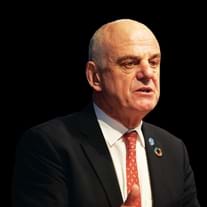
David Nabarro, UN Special Adviser on the 2030 Agenda for Sustainable Development and Climate Change

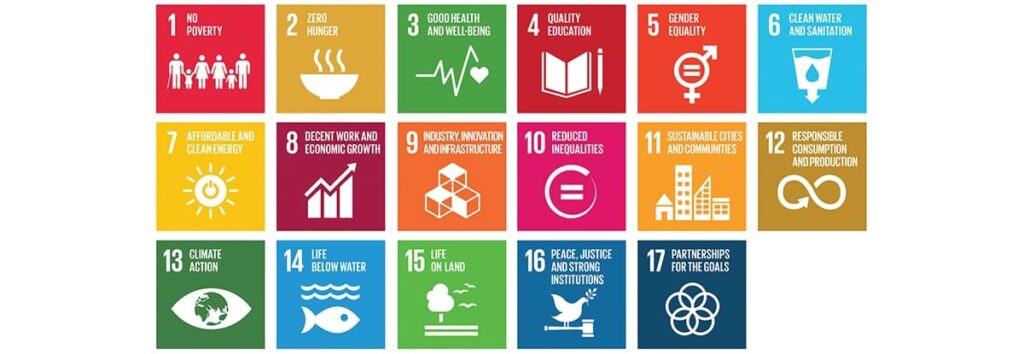
Adopted by the UN’s 193 member states in 2015 as the centerpiece of the 2030 Agenda for Sustainable Development, the 17 SDGs are a plan of action for the planet, comprising 169 targets for eradicating poverty and hunger, realizing human rights for all, embracing sustainability to protect the planet and fostering peaceful societies. Building on the framework established over the past 15 years by the Millennium Development Goals, which mostly focused on developing countries, the SDGs aim for global engagement and global cooperation.

As the declaration announcing the Agenda stated, the SDGs are “universal goals and targets which involve…developed and developing countries alike. They are integrated and indivisible, and balance the three dimensions of sustainable development: the economic, social and environmental.” “The SDG’s are universal goals…and balance the three dimensions of sustainable development: the economic, social and environmental.”

When the SDGs were adopted, UN officials realized it was crucial to “mobilize the scientists,” Ban said, remarking on how that community has long paved the way for global transformation.

“You aren’t daunted by ambition, and you’re quite at home with big goals and new ways of thinking,” he told the Academy audience.

Developing a “Common Language” Among Scientists

Further, he noted that the common language of scientists is a powerful diplomatic asset in times when cooperation among nations is critical. History supports this assertion, as recently as 2015, when scientists aided in the negotiations that led to the Iran nuclear deal, and as far back as the famous U.S.–Soviet “handshake in space” in 1975, scientists have succeeded where others have struggled.

“When extremist groups and politicians strive to push people into groups of ‘us’ and ‘them,’ the scientific community is an example of problem-solving across lines that may otherwise divide us,” Ban said.

One Summit, Four Streams

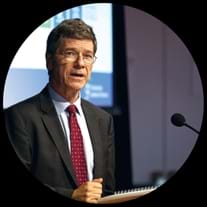
Jeffrey Sachs, Special Advisor to United Nations Secretary-General Ban Ki-moon on the Sustainable Development Goals

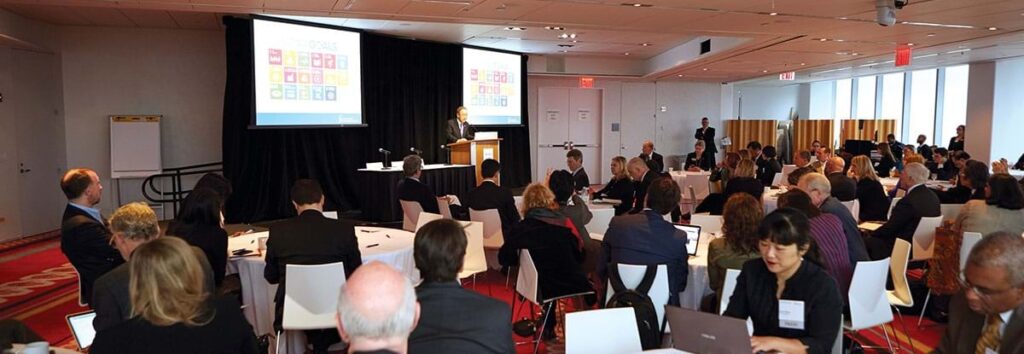
A crowd of over 100 VIPs filled the Academy’s auditorium in lower Manhattan for the Academy Summit. Surrounded by panoramic views of one of the world’s great cities, participants came together from the United Kingdom, China, Japan, Korea, India, Africa and states across the United States to join one of four working groups, or “streams” tasked with plotting a roadmap to advance the SDGs through science and technology.

The four streams—Early Childhood Development, People in Crisis, Sustainable Consumption and Production and Urbanization—were designed to encompass several SDGs.

For example, in Urbanization, participants explored interlinked concepts of resilient infrastructure, sustainable cities and clean energy, while Early Childhood Development brought together goals advocating good health and well-being, quality education and gender equality. In this way, the stream approach encouraged participants to think holistically, and to identify problems and potential solutions capable of satisfying multiple goals.

Developing a Framework for Achieving Goals

To ensure the feasibility of these solutions, each group began by listing the key research and data gaps that must be filled in order to lay out a framework for achieving the SDGs, before brainstorming potential partnerships—particularly between the public and private sectors—required for financing, implementation and monitoring. They were then encouraged to discuss proofs of concept within their fields that could be brought to scale in service of the SDGs.

Throughout the day, speakers presented brief case studies of partnerships that are utilizing existing technologies in new ways in the fields of health, education, disease management and nutrition. Jeffrey Sachs, Special Advisor to the United Nations Secretary-General on the Sustainable Development Goals, offered particularly salient advice for tapping promising but underdeveloped technologies, and described how the progression from basic idea to mass uptake of a new technology is often stymied not by a lack of need, but by a lack of planning.

“When extremist groups and politicians strive to push people into groups of ‘us’ and ‘them,’ the scientific community is an example of problem-solving across lines that may otherwise divide us,” Ban said.

“We have to plan for the whole value chain, and that means planning for diffusion,” he said, noting that the SDGs 15-year timeline calls for quick mobilization. “Otherwise, we have wonderful technologies sitting on the shelf, not deployed.”

To help achieve the SDGs, the scientific community will be relied upon to think about innovations that can be globally implemented by the year 2030. Sachs reminded the groups of the seemingly impossible tasks humans have tackled throughout history.

“We didn’t go to the moon because it was easy, we did it because it was hard. This too is hard, but it couldn’t be more exciting,” said Sachs, recalling John F. Kennedy’s famous “moonshot” remarks.

More than 100 leaders from industry, academia, government and philanthropy participated in a series of discussions on how best to achieve the Sustainable Development Goals.

The Hope Factors

After a day of brainstorming, debate and discussion, the working groups presented their first set of recommendations to the Summit at large. Ideas ran the gamut, from rough sketches of how to use mobile apps to collect data on early childhood development interventions to suggestions for making cities more sustainable as well as more livable through technology. But a common thread emerged from all four groups: the desire to meet again, to continue the conversation and to collectively commit to the work ahead.

Many attendees echoed the sentiments of David Nabarro, UN Special Adviser on the 2030 Agenda for Sustainable Development and Climate Change, who described the Summit as a “landmark day” and hoped that the activism sparked would drive change over the next 15 years.

Along the way, “in every Goal, science has a role to play,” said Jan Eliasson, UN Deputy Secretary-General, as he offered the Summit’s closing remarks.

He explained that even before the SDGs were finalized, the Science Advisory Board of the UN Secretary-General advocated an integrated, scientific approach to achieving them, noting the universality of science and its reliance on empirical facts as a force to broker the kind of global cooperation on which the SDGs depend.

“To solve problems in real life, you need a cross-cutting approach that helps coalesce people around a problem—the scientific community has perfected that model,” Eliasson said. Acknowledging the titanic scope of the SDGs and the dire circumstances of the people the Goals seek to aid, he emphasized the vast potential to create a brighter, healthier future. “The people in this room lift our hopes,” he said. “The future depends on women, youth and science—these are the hope factors.”

Out of the Lab and Onto the Market

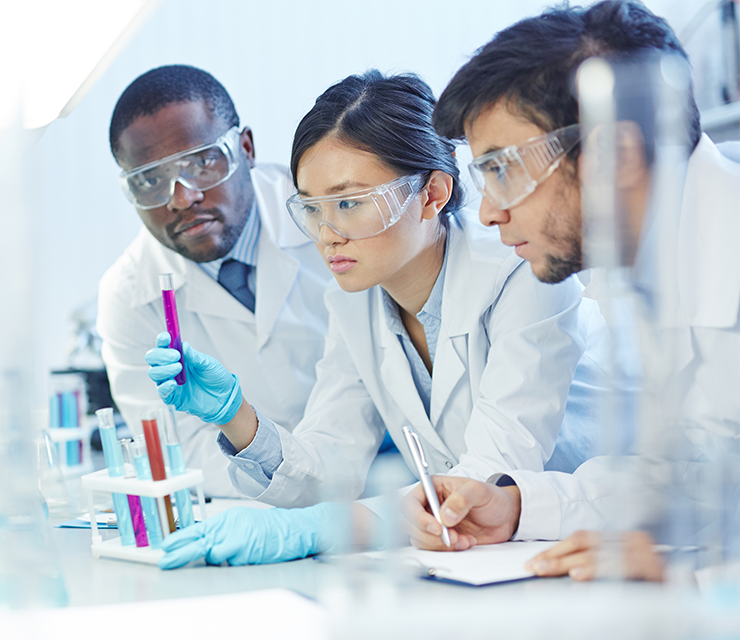
Researchers peer at a test tube inside a science lab.

A look inside an innovative program that encourages new business start-ups.

Published May 1, 2017

By Carina Storrs, PhD

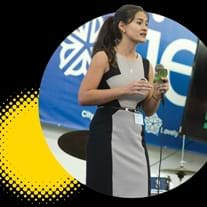
Jessica Akemi of Cornell presents on plans to commercialize CO2 conversion technologies at the NEXUS-NY demo day in Rochester, NY. Photo courtesy of doerrphoto.com

New York State policy makers and business leaders looking to encourage new business start-ups should take a look at an innovative program developed by New York State Energy Research & Development Authority (NYSERDA), an Academy program partner for nearly a decade.

NYSERDA’s mission is to identify next generation clean energy technology, and bring the best of those ideas out of the lab and into the marketplace through Proof of Concept Centers (POCC). POCCs work with research teams that have promising ideas, inventions and intellectual property. The teams gain access to business expertise that provides a market validation process to determine whether they are ready to create a viable business model.

Jeff Peterson, NYSERDA’s Program Manager, sees this as a viable way to encourage new business start-ups.

“Visualize a funnel. At the wide end of the funnel you have a lot of people with interesting ideas for prospective business enterprises. At the small end of the funnel you have a commercially viable scalable business,” he said. “The POCC programs are designed to help entrepreneurs with ideas around clean energy technology negotiate the funnel to success.”

Establishing Proof of Concept Centers

Four years ago, NYSERDA selected three outstanding groups and awarded them funding to start POCCs: a Columbia University-led group that includes Cornell Tech, Stony Brook University and Brookhaven National Laboratory; a joint NYU and CUNY group; and High Tech Rochester, a nonprofit business incubator.

The first two groups operate as a single POCC known as PowerBridgeNY (PBNY), while the High Tech Rochester POCC is called NEXUS-NY. The inclusion of NEXUS-NY helps cast an even wider net in the search for potentially game changing ideas. Although POCCs tend to focus on academic research Peterson said, “you hate to shut the door on people when they have an interesting idea, so that’s where the NEXUS-NY program came into play.”​

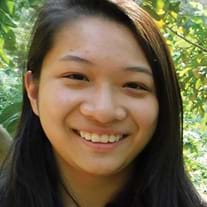
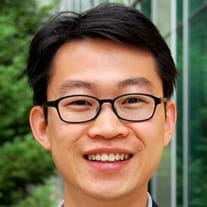
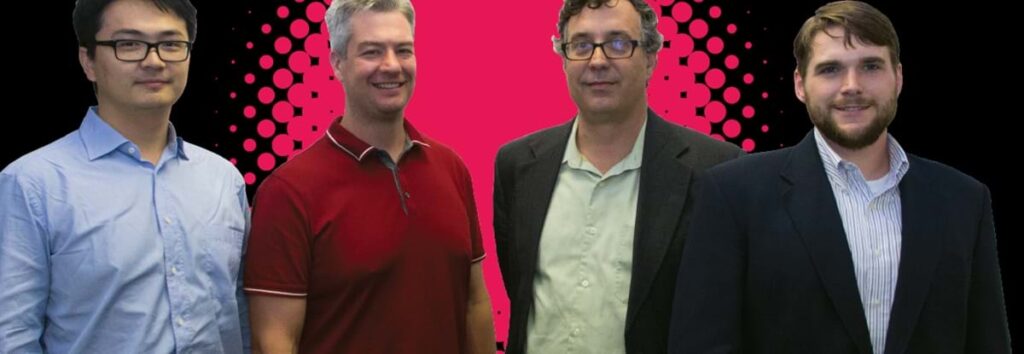
From left to right: Xiaozheng, Co-Principal Investigator Scott Banta, Co-Principal Investigator Alan West, Entrepreneurial Lead Tim Kernan

An Enviable Network of Innovation

Research universities have always been at the center of new technologies and New York State has one of the most enviable networks of innovation centers in the country. POCCs have been centers of innovations for several years. Similar to PBNY and NEXUS-NY, their aim has been to fund groups with promising early-stage research and advice about how to develop their research for commercialization. All of these efforts support Governor Andrew M. Cuomo’s energy goals to have 50 percent of the state’s energy come from renewable resources by 2030.

“Unlike the NYSERDA POCCs, many of these centers promote a range of technologies rather than focusing specifically on clean energy. However, clean energy technology, as compared with software technology for example, is particularly poised to benefit from the POCC model,” Peterson said.

For one, it is relatively capital inefficient to build and test multiple iterations of complex clean energy hardware, such as a transformer or wind turbine, requiring both more upfront market research and funding. In addition, the market for clean energy technology is constantly evolving so it may be more difficult to project the demand for a certain type of product.

To date, 52 teams have participated in the first three cycles of the program. These teams have gone on to start nearly 30 companies between them, many of which have also attracted private investment as well as grant funding from competitive state and federal programs.

Potential for Commercialization

During their time in the POCC, the teams tap into myriad business resources that many academic groups and groups conducting early-stage research, find critical for commercialization. As part of the application process for PBNY, teams participate in a two-day boot camp, during which they hear about lessons learned from previous PBNY classes.

They pitch their idea to a panel of judges from industry who provide guidance and feedback. Once teams are accepted into PBNY, they meet regularly with an assigned industry mentor, who helps them prepare to talk with potential customers, many of whom they connect with through PBNY networking events. In addition, the teams have monthly meetings with PBNY leadership to determine how well they are meeting the business and technical milestones they established at the beginning of the program.

A Two-Phase Process

The NEXUS-NY program involves two phases: In the first 12-week phase, teams make the case to the POCC leadership that their technology lends itself to creating a startup. If they advance, they spend the rest of the program working to demonstrate that their technology works in a way that is useful to potential customers, such as through building prototypes and developing investor presentations. Throughout the program, participants meet weekly with teaching teams, either virtually or in person, which help train them to have conversations with potential customers. The mentor network at NEXUS-NY is invaluable for introducing teams to key industry players.

Both NEXUS-NY and PBNY award research money to teams accepted into their program, but by the time they finish the program, teams usually say the most helpful part was everything else.

Christopher Schauerman, co-director of the Battery Prototyping Center at Rochester Institute of Technology, is part of a NEXUS-NY team that formed a company, called Cellec, for its technology, which involves using nanomaterials to build smaller and more energy dense batteries. The batteries have potential applications in drones and satellites and the Cellec team, which graduated last year, already has contracts lined up with customers in the aerospace and defense community.

“Through the NEXUS-NY program, we were able to talk to enough customers and get enough customer feedback that motivated us to form a company,” Schauerman said.

The Impact of the Program

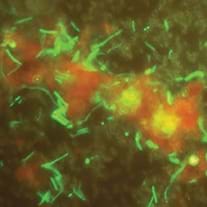
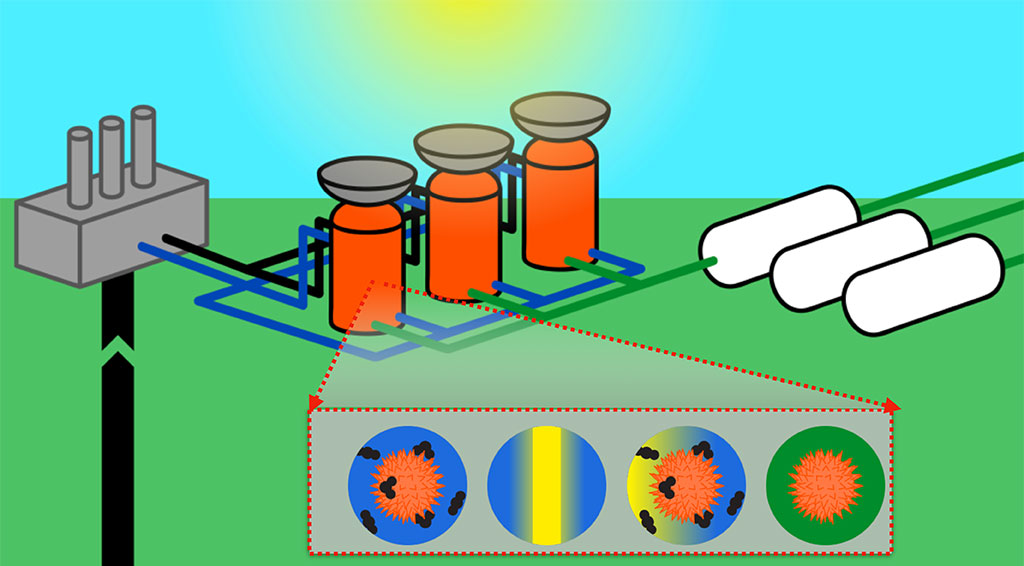
For some teams, feedback from potential investors led them to substantially pivot their plan. Tim Kernan, GM of Ironic Chemicals and his partners at Columbia University were accepted into the first cohort of PBNY with the plan to use their genetically engineered bacteria to convert solar energy to liquid fuel. The negative response from investors, who questioned the need for this technology because fuel was so cheap, combined with input from a PBNY business mentor, led the team to instead develop the bacteria to break down sulfide waste from copper mining.

“Academics are not always experienced or familiar with the commercialization process,” Kernan said about the company he and his partners formed based on their technology. “Up until the existence of PBNY and similar types of centers, there was no support, you had to figure it out on your own or be lucky enough to have a technology that a company already wanted to buy. But with clean energy you’re creating technology that doesn’t have a market yet,” Kernan said.

Ironic Chemicals currently has a partner in the mining industry and a federal small business grant that will hopefully allow them to start testing bacterial tank reactors at a mining site by early 2018.

A Strong Advisory Board

Another important component to the program is the advisory board organized by the Academy. National thought leaders from academia, government and industry meet regularly to provide strategic advice to the POCC leadership.

“After a relatively short time, there have been many interesting success stories. Many companies have been formed. Some have raised private capital. A few have sold products. Even more have been awarded additional grant funding,” Peterson said. “The truly exciting part of the program, however, is that many of the research teams have become excited about entrepreneurship. NYSERDA committed to funding the POCCs for a five-year term. The hope is that the program will gain enough momentum and interest that grant and investment money will step in and NYSERDA and state funds would not be necessary at the scale they are at now.”

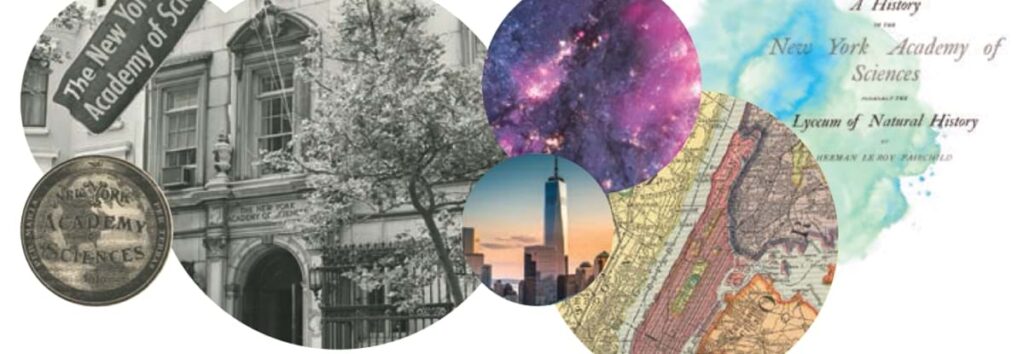
The New York Academy of Sciences – A Concise History

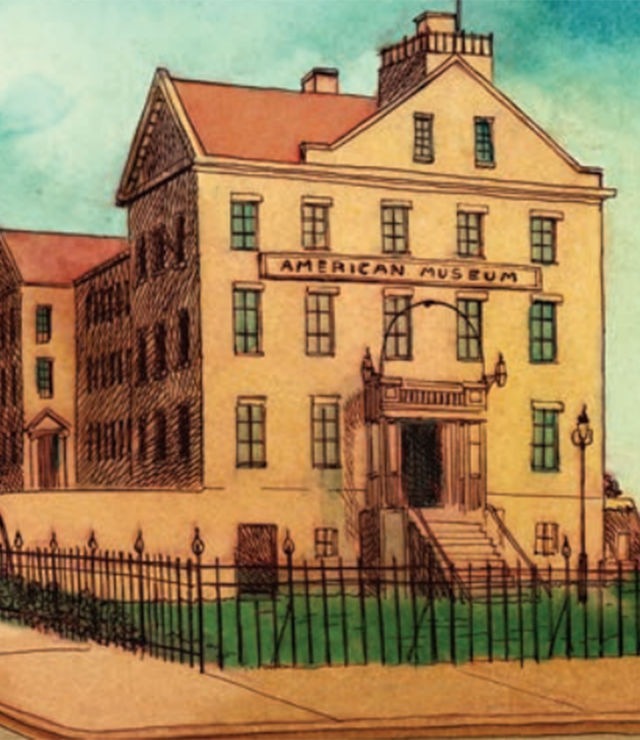
An illustration of the Academy's original home in 1817.

Published May 1, 2017

By Douglas Braaten, PhD

Founded in 1817 as the “Lyceum of Natural History in the City of New York,” by a small group of science enthusiasts, led by Samuel Latham Mitchill, a polymath and prominent politician who represented New York in the U.S. Congress, determined to create an organization that anyone interested in natural science could join in order to learn from experts, and that provided a venue for public consumption of scientific ideas and advances of the time.

For the next 100 years, the trials and tribulations of the Academy were in many respects the trials and tribulations of progress of science in New York and other states of the new American republic. In March 1817, James Monroe became the fifth American president. That same year he was elected an honorary member of the Lyceum, along with the third American president, Thomas Jefferson.

The intentionally anti-patrician nature of the Lyceum not only distinguished it from other institutions of the day, it served as the basis for a new type of democratic institution that later was instrumental in the progress of science, especially in the New York City area, though this was also felt throughout New York State and beyond.

On the national scene, Philadelphia, originally owing to its centrality as the first American capital and birthplace of major figures in politics and science—e.g., Benjamin Franklin—was home to the first science societies in the nascent country, although with the exception of Franklin’s Academy of Natural History the societies were aristocratic and elitist. They were institutions largely, if not exclusively, for men of wealth who were not themselves scientists; nor probably even much interested in science. Membership was a symbol of status, indicating, among other things, that a person had the financial means to support these 19th century social clubs.

Even by name—Lyceum: an institution for popular education providing discussions, lectures, concerts, etc.—the first incarnation of the Academy was fundamentally different from other societies. Its raison d’être was not social climbing and show, but the dissemination of science, and bringing people who were keenly interested in science, together.

This fundamental democratic principle determined the course of the Academy’s history, and with it the development of key institutions of science and learning in New York City today, including Central Park, the American Museum of Natural History, the New York Botanical Garden and New York University. It was by inclusion of people on the basis of only their interest in science that the Academy could bring together so many different stakeholders—indeed so many key individuals at just the right moments—to influence, if not forge the development of many New York City institutions.

The founding meeting of the Academy, then the Lyceum, occurred on January 29, 1817. To tell the history of the Academy’s accomplishments since then is to tell the history of science in New York State and America, and beyond. It is the history of an institution, but more importantly of the tens of thousands of individuals who have been Academy Members since 1817, from around the globe and from many diverse institutions, cultures and walks of life.

Indeed the history of the Academy would not have been possible without the devotion, energy and creativity of its Members. This collective engagement—today we refer to this as the Academy’s network—has enabled and driven fundamental changes in the landscape of science and science-based institutions in New York City and throughout the world. This is history worth telling, and re-telling.

Two centuries later, on January 29 2017, the Academy unveiled a permanent 200th Anniversary Exhibition in the lobby of its headquarters at 7 World Trade Center in New York City (see photos below). The folded timeline insert in this issue of the magazine provides a concise history of key Academy events, members and accomplishments since 1817. A prominent feature of the physical exhibition is a 17-foot-long timeline with images and text that tells the story of some of the enormous challenges and successes over the Academy’s 200 years.

In addition, as part of the 200th anniversary celebration, the Academy is publishing a revised edition of a critically acclaimed history of the Academy and of science in New York City and the early United States, Knowledge, Culture, and Science in the Metropolis: The New York Academy of Sciences, 1817–2017 by historian and professor Simon Baatz (John Jay College).

Originally published as special issue of Annals (Ann NY Acad Sci 584: 1–269) in 1990, professor Baatz’s book provides an, “engrossing account of the role of the sciences within the great American metropolis”… “this masterly account of science in its social context will be of the greatest interest to everyone who cares about New York, about the growth of knowledge, and about the importance of voluntary associations in our national life.” The revised edition, published in January 2017, contains a new chapter on the Academy’s history from 1970 to 2017.

An even earlier account, A History of the New York Academy of Sciences, formerly the Lyceum of Natural History, published in 1887 by Herman Le Roy Fairchild, is also available in electronic form by contacting the Academy at annals@nyas.org. Fairchild’s account is a detailed discussion of many facets of the Lyceum’s early days, including biographical sketches of many of the important founders, lists of all of the first Lyceum officers and administrators, dates and addresses of locations of the Academy during its early peripatetic days, copies of the original constitution, by-laws and other legal documents.

Finally, a very brief history, “The Founding of the Lyceum of Nature History,” by historian Kenneth R. Nodyne, was published in 1970 (Ann NY Acad Sci 172: 141–149).

Some Prominent Members of the Academy

From its inception, the Academy has been a member-driven organization. And while it was a democratic organization that welcomed anyone, the Academy, for its first 100 years or so, proposed and voted on bestowing memberships.

As specified in the original constitution of 1817, admittance to the Lyceum was by three categories of membership. Resident members were from NYC and “its immediate vicinity” and thus could take part in Academy meetings, while Corresponding members, largely on account of travel times in the early 19th century—it took a day and a half to travel to Boston!—were less involved; Honorary members were selected on the basis of “attainment in Natural History,” no matter where they resided.

Categories of membership changed over the years. In the 1980s there were eight: Active, Life, Student, Junior, Institutional, Certificate, Honorary Life and Fellows. The total number of members had reached its highest, 48,000 from all 50 states and over 80 countries around the world. This membership apogee was in large part the result of two factors. One was the enormous influence of the Academy’s executive director from 1935 to 1965, Eunice Miner, whose zeal and “stubbornness” increased membership from 750 in 1938 to over 25,000 by 1967! The other influence was a membership policy in the 1980s of mailing out membership certificates to people worldwide.

Today’s Academy membership of 20,000 is composed of Professional, Student and Postdoctoral, Supporting and Patron, and—continuing a long tradition—Honorary Members. Over the course of our history there have been well over 200 Honorary Members, including 110 Nobel Laureates. Below are profiles of just a few of the Honorary Members.

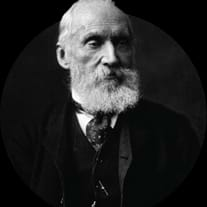
Lord Kelvin (1824–1907)
Elected Honorary Member 1876

William Thomson, 1st Baron Kelvin, a Scots-Irish mathematical physicist and engineer who did important work on electricity and thermodynamics. Absolute temperatures are stated in units of Kelvin in his honor.

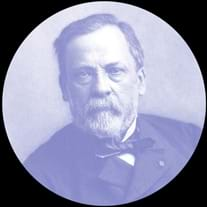
Louis Pasteur (1822–1895)
Elected Honorary Member 1889

A French chemist and microbiologist known worldwide for his work on understanding vaccination, microbial fermentation, and pasteurization. He was director of the Pasteur Institute, established in 1887, until his death. He was made a Chevalier of the Legion of Honour in 1853, promoted to Commander in 1868, to Grand Officer in 1878 and made a Grand Cross of the Legion of Honor—one of only 75 in all of France.

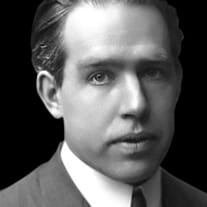
Niels Bohr (1885–1962)
Elected Honorary Member 1958

A Danish physicist who won the Nobel Prize in Physics in 1922 for making fundamental contributions to the studies of atomic structure and quantum theory. He spent much of his life and worked in Denmark, where he founded the Institute of Theoretical Physics at the University of Copenhagen.

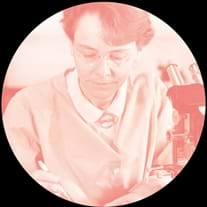
Barbara McClintock (1902–1992)
Elected Honorary Member 1985

An American cytogeneticist who won the Nobel Prize in Physiology or Medicine in 1983 for her discovery of genetic transposition. Her work concentrated on studies of maize, for which she developed techniques for visualizing the chromosomes; she produced the first genetic map for maize and demonstrated the important roles of telomeres and centromeres. McClintock spent her entire professional career in her own laboratory at Cold Spring Harbor Laboratory.

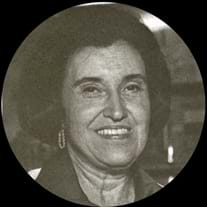
Rosalyn S. Yalow (1921–2011)
Elected Honorary Member 2006

Born in New York City, Yalow was a medical physicist and co-winner of the Nobel Prize in Physiology or Medicine for the development of the radioimmunoassay (RIA), an in vitro technique used to measure concentrations of immune proteins called antigens. This revolutionary technique helped to marshal in the modern era of immunological research. Yalow also won the prestigious Albert Lasker Award for Basic Medical Research (1976) and the National Medal of Science (1988).

How a Small Redesign Can Lead to Big Savings

A photo with solar panels in the foreground, wind turbines in the middle ground, and the sun in the background.

With the help of PowerBridgeNY, the HIGHEST Transformers company aims for cleaner, safer electrical technology that could save billions of dollars a year.

Published March 29, 2017

By Marie Gentile and Robert Birchard

What if one component of the electrical grid could be redesigned to be safer and more environmentally-friendly, plus save the United States billions of dollars each year?

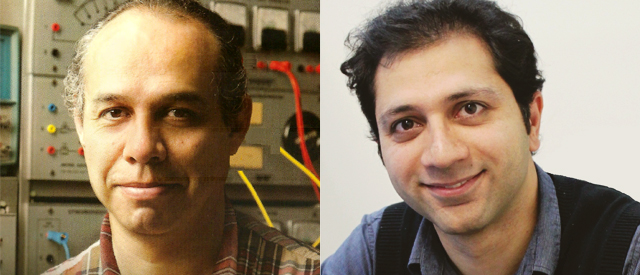
Engineers-turned-entrepreneurs Saeed Jazebi, PhD, and Francisco de Leon, PhD, from the New York University Tandon School of Engineering, are bringing their clean-tech to the marketplace to accomplish exactly this task. The product, HIGH Efficiency Shielded Toroidal (HIGHEST) Transformers, is designed to be a reliable and cost-efficient clean-energy alternative to traditional transformers for use by electric utilities. With new energy efficiency standards from the U.S. Department of Energy that went into effect in January 2016, the timing is deal for HIGHEST Transformers to enter the field of electrical engineering with a unique green technology.

Jazebi and de Leon honed their product and started their company as part of a proof-of-concept center program called PowerBridgeNY, which provides early-stage investments and services to help inventors and scientists turn their high-tech, clean-energy ideas into successful businesses. The POCC, for which the Academy serves in an advisory capacity, is funded through a grant from the New York State Energy Research and Development Authority (NYSERDA).

Typically, transformers transfer electrical energy between two or more circuits via electromagnetic induction; because it’s not efficient to transmit electricity at a low voltage across long distances, transformers increase or decrease the alternating voltages in electric power applications. Ideally these transformers would operate at 100% efficiency, but energy losses linked to transformer inefficiencies are estimated at 60-80 billion kilowatt hours (kWh), carrying a cost of approximately $4 billion per year.

Developing Environmentally Friendly, Safe Transformers

In addition, the coils of toroidal transformers are often insulated and cooled with mineral oil that can have a risk of leaking, or even exploding. As part of their work with PowerBridgeNY, Jazebi and de Leon set out to develop a more reliable dry (non-oil) toroidal transformer that is environmentally friendly and has a lower risk of explosions.

With the technology developed during their participation in the POCC program, HIGHEST Transformers are capable of significantly reducing energy losses and thus cutting energy costs.

“HIGHEST Transformers are comprised of a continuous steel strip that is wound into a doughnut shape (toroidal iron core) and then wrapped entirely in coils. The core has a gapless construction with extremely low no-load losses,” Jazebi explains.

A specialty designed electrostatic shield, new winding strategy, and amorphous iron cores allow the smaller transformers to be comparable in price and efficiency to larger transformers that use oil.

Built with Business Expertise

PowerBridgeNY also helped to provide HIGHEST Transformers with the business expertise and knowledge that is extremely beneficial-but not always accessible-to startups.

“The resources that they provide such as workshops and hourly meetings with lawyers and accountants are invaluable for startup companies,” Jazebi emphasized. “The conferences and networking events assisted us in connecting with national labs, large manufacturing companies, and electric utilities to test the product as well as understand the market.”

With this aid, HIGHEST Transformers achieved two extremely valuable milestones:  the company became an incorporated business, and received a National Science Foundation Small Business Technology Transfer Research grant to further develop their ideas and research.

Innovation for the Next Generation

Next steps for HIGHEST Transformers include manufacturing up to five prototypes to be tested according to the Institute of Electrical and Electronics Engineers Standards Association standard test codes and then implement pilot programs with utility companies and work with large transformer manufacturers or venture capitalists. Because of the new energy efficiency standards are poised to save 3.63 quadrillion BTUs of energy for equipment sold over the next 30 years, it is an ideal time for HIGHEST Transformers to enter the marketplace since there will be a greater demand than ever for this cleantech.

More than anything, the potential impact of this technology drives the research and development of HIGHEST Transformers.

“We owe the environment to future generations; we have to maintain it. This is the prime factor of our progress,” stated Jazebi. “Providing U.S. residents a better place to live with innovative engineering and design motivates us to innovate on this path.”


Learn more about NYSERDA‘s energy-focused Proof of Concept Centers in this podcast from the Academy.

A New Approach to Alternative Therapies

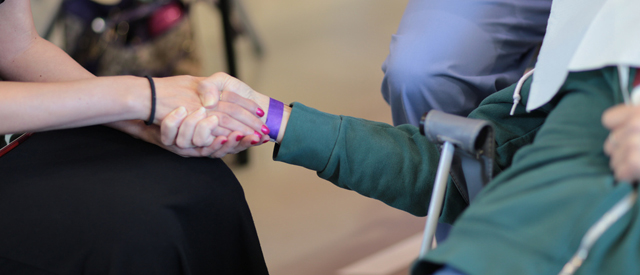
A healthcare works comforts an elderly patient.

Two publications from The New York Academy of Sciences examine pre-approval access to investigational drugs from a range of stakeholders and perspectives.

Published March 29, 2017

By Marie Gentile and Robert Birchard

The Food and Drug Administration (FDA) has granted the use of investigational drugs outside of clinical trials for decades, but in the past several years this practice has attracted significant attention in the news and on social media.

Under expanded access (also called compassionate use), patients who suffer from serious or immediately life-threatening diseases for whom no comparable or satisfactory alternative therapy is available can access drugs and medical devices that are not approved by the FDA and are currently being tested in clinical trials. A total of 29 states have also passed “right-to-try” laws allowing terminally ill patients to access experimental therapies, but there are many questions about the safety and efficacy of such treatments that are not FDA-approved.

Recently the FDA announced significant changes to shorten and simplify the application process used by physicians to request expanded access to investigational drugs for individual patients. Some are predicting that the FDA may not approve a drug to treat Duchenne muscular dystrophy that is currently under review, but will allow compassionate use while additional studies are conducted.

Regardless of the FDA decision, the debate over compassionate use will continue and evolve as additional treatments are brought to the forefront of experimental medicine and research.

Podcast

Bioethics Meets R&D: The Ethics of Pre-approval Access

June 2, 2016
Patients with life-threatening illnesses face challenges in accessing potential therapies at the cutting-edge of R&D which have not yet been proven in a clinical trial. This podcast will explore the provocative and emotional stories of patients, family members, advocates, researchers, physicians, and the regulators charged with keeping medicines in the marketplace safe and effective.

A Pioneer in Inflammation Resolution Research

a 3D illustration as seen in a medical journal.

Charles Serhan’s groundbreaking research is changing the way we view inflammation and the strategies for its therapeutic resolution.

Published October 1, 2016

By Daniel Radiloff

The 2016 Ross Prize in Molecular Medicine was awarded to Charles N. Serhan, PhD, DSc, who serves as the Simon Gelman Professor of Anesthesia, Perioperative and Pain Medicine at Harvard Medical School and Professor of Oral Medicine, Infection and Immunity at Harvard School of Dental Medicine.

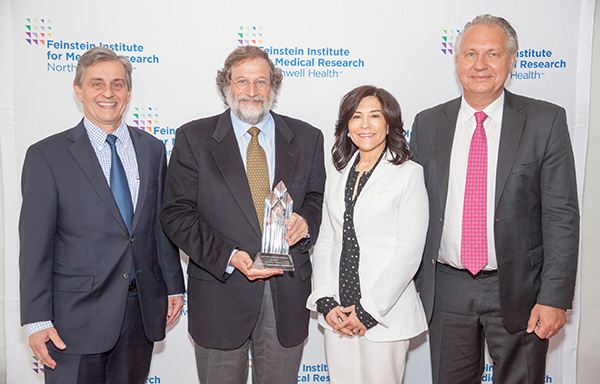
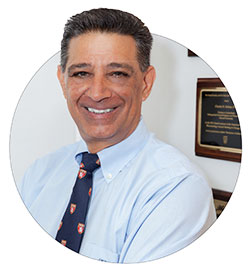
Dr. Serhan received the Award, which is conferred by the Feinstein Institute for Medical Research and Molecular Medicine, at a scientific symposium held at the Academy on June 13, 2016, in his honor. A pioneer in the field of inflammation resolution research, Dr. Serhan was the first researcher to identify anti-inflammatory cellular mediators, including resolvins and lipoxins, which are critical in regulating the pro-inflammatory pathway. These discoveries have paved the way for increased understanding of how the resolution of inflammation can be translated into therapies for a variety of human diseases.

We sat down with Dr. Serhan to discuss the award, the scope and impact of his research, and the importance of mentorship in developing the next generation of scientists.

What is the current research focus of your laboratory?

The main research focus of the lab is the elucidation of the mechanisms involved in the resolution of inflammation and structural elucidation of the mediators in order to understand organ protection and collateral tissue damage, as this is the basis of many diseases and the collateral stress and damage for surgical interventions.

How did you choose mediators of the inflammatory response as the basis of your work?

I have always been interested in chemistry and biochemistry. The notion of chemical mediators orchestrating the immune response intrigued me from learning about things like histamines and the early prostaglandin research. You could say I have stuck with this research through my entire career, as there were enough questions to ask to go deeper and deeper which led to resolution, which no one had really studied before in a mechanistic fashion.

What was the “eureka” moment, when you realized that your research on these pathway could be used for therapeutic purposes?

It has been a steady progression. I have to say that at one point I did have an epiphany about the whole system—that it was a straight line that has yet to be fully realized, and we could use each one of the mediators we have identified to serve as a backbone for therapeutics. I would say another moment was rewriting the errors in the biochemistry textbooks on how essential fatty acids were actually regulating inflammatory responses. Overall, it has been an incremental process and a lot of slow, hard work—more than one moment.

What will be the next injury whose treatment will be influenced by your and others’ research in the inflammation field?

The stress of surgery is well recognized among surgeons as an acute inflammatory response, as is reflow injury, when blood reflows to tissue. These are two areas we can have a big impact on. Demonstrations are currently underway at a clinical trial level focused on ocular dry eye inflammation using a resolvin E1 mimetic. This work is based on a company I was involved in starting in 2000, but I am no longer actively involved in this venture.

Additionally, an orphan disease of great public health importance focused on by my lab is periodontal disease, which is inflammation-induced bone loss around the peridontium. We were able to go from a mouse model to a rabbit model thanks to NIH funding and have been able to develop a GMP-synthesis and pro-resolving mouth rinse.

A trial is on, with more than sixty people enrolled at the Forsyth Institute, to see if we can stimulate resolution of inflammation in the early stages of periodontal disease. This is being done in collaboration with Tom Van Dyke and his colleagues at the Forsyth Institute, with support from NIH/NIDCR. So I have a focus in my lab on periodontal disease, thinking that if we control local inflammation, what would be the impact on systemic inflammation. There is evidence in a lot of papers showing links to all sorts of systemic diseases resulting from periodontal disease.

What do you hope will be the long-term impact of your research from a global perspective?

One aspect we haven’t really touched on, but which is really important, is having a better education about the role of nutrition in an appropriate innate immune response. Some of our work underscores how important fatty acid nutrition is—a different side of our work that is still very important.

Did you always envision yourself as a scientist, or did you dream of being something else as a youth?

As you know, no one really sees themselves as a geek growing up. I really enjoyed chemistry when I was younger, tinkering around with chemistry sets and microscopes, but as I got older really wanted to be a musician. I even spent time on the road touring with bands, but I had a very swift change of heart and went back to my roots, deciding to study biochemistry at Stony Brook, and had a great experience as an undergraduate. Today, I still don’t really see myself as a scientist but rather a biomedical investigator. I always have seen scientists as people who work on rocket ships.

Do you think your musical training has had any influence on how you approach scientific research?

Yes, most definitely, it does play a role in science. The way I organize the laboratory projects is analogous to orchestration of music. Also, I would compare developing patience, skill and rigor in the scientific process to developing musical skills through continual practice. The more proficient you become mastering scales and rudiments in music, the more confident you become in your skills, and I see scientific research the same way.

Were there any individuals in your life that steered you towards science or played an important role in you becoming a scientist?

Yes, I had great science teachers in elementary school and absolutely loved them and loved science. When I was at graduate school at NYU I frequently visited high school science classes and told them how exciting scientific research was.

Were there any major challenges you had to overcome in your career to becoming a successful scientist?

Oh yeah, trying to remain continually funded is a real challenge. Other than that, overall, I have been very lucky, having great mentors and a supportive family. I’ve also had great trainees over the years, with about 90% of them successfully moving on to the next steps in their career.

Speaking of mentors, what is the most valuable lesson that you have learned from your mentors over the course of your career?

Anyone that does reasonably well in science has to have not only one mentor but a half a dozen mentors. I was lucky enough to work with the Lasker Award Winner Michael Heidelberger, the father of immunochemistry, when I started graduate school at NYU, who was retired at the time and in his 80s.

I learned two things from him that made a large impact on me: 1. You have to work on something you love to get you through the difficult times, and 2. You have to write everything down and make observations, because you will get distracted and forget things. To this day, I make people in my lab have two notebooks—an electronic one for detailing their experiments and one for writing down their ideas.

What do you hope that your mentees will pass along to their own mentees one day?

Of course, almost everyone would say the passion for experiments, but I would say steadfastness, commitment, and rigor are the key, because there are many things that can lead you astray these days.

What does winning the 2016 Ross Prize in Molecular Medicine mean to you?

I can’t even find the words to express it, I am so humbled and makes me very proud. On a personal level it’s nice for the people in my lab as they can see something to aspire to.

As the Academy approaches its bicentennial, we’re reaching out to top minds in emerging fields to get their opinions on the future of the sciences. What emerging fields do you think are the most exciting?

That’s a hard one. There are a lot of emerging areas of science that are exciting. Science drives technology and technology drives science. Lately, I have been working on tissue regeneration, and am interested in nanotechnology and local drug delivery systems, and I believe these approaches will revolutionize medical treatment and improve life. Also, from my perspective, I would say personal metabolomics is another emerging field, which may help us to understand collective health and behavior as well as personalized medicine.

About the Ross Prize in Molecular Medicine

The annual Ross Prize in Molecular Medicine was established in 2013 in conjunction with the Feinstein Institute for Medical Research and Molecular Medicine. The winner is an active investigator who has produced innovative, paradigm-shifting research that is worthy of significant and broad attention in the field of molecular medicine.

This individual is expected to continue to garner recognition in future years, and their current accomplishments reflect a rapidly rising career trajectory of discovery and invention. The winner receives an honorarium of $50,000. Previous Award winners include: Lewis C. Cantley, PhD, Weill Cornell Medical College (2015); John O’Shea, MD, National Institute of Arthritis and Musculoskeletal and Skin Diseases (NIAMS), National Institutes of Health (2014); and Dan Littman, MD, PhD, New York University (2013).

For more information, please send an email to rossprize@molmed.org.

This 2016 Ross Prize and Symposium were made possible by the generosity of Jack and Robin Ross with support from

Read more about the Ross Prize and past awardees:

Better Batteries for Electric Cars

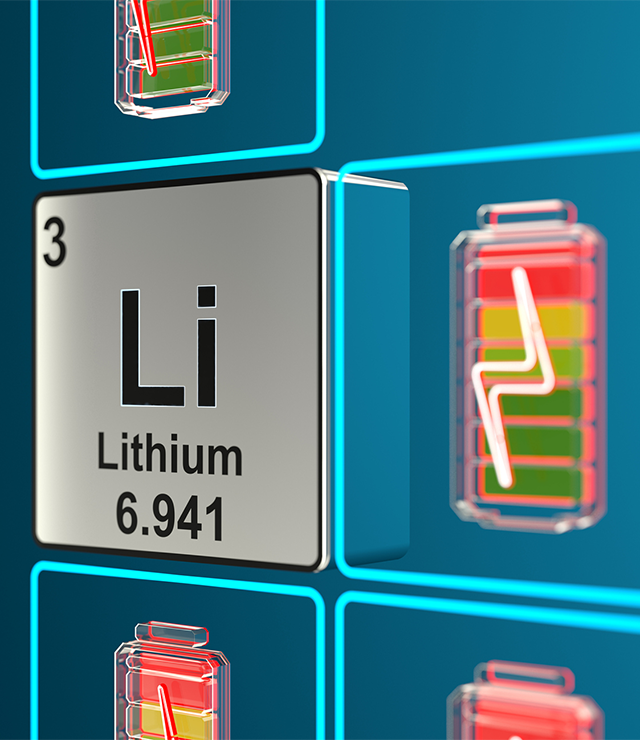
A graphic illustration of a battery.

Thomas Edison struggled with creating an electric car battery that would provide energy over time. With assistance from PowerBridgeNY, a startup may have solved this dilemma.

Published July 14, 2016

By Diana Friedman

We may think of the technology behind electric cars as a relatively new innovation, but at the turn of the 20th century battery-powered vehicles accounted for approximately one in every three automobiles on the road.

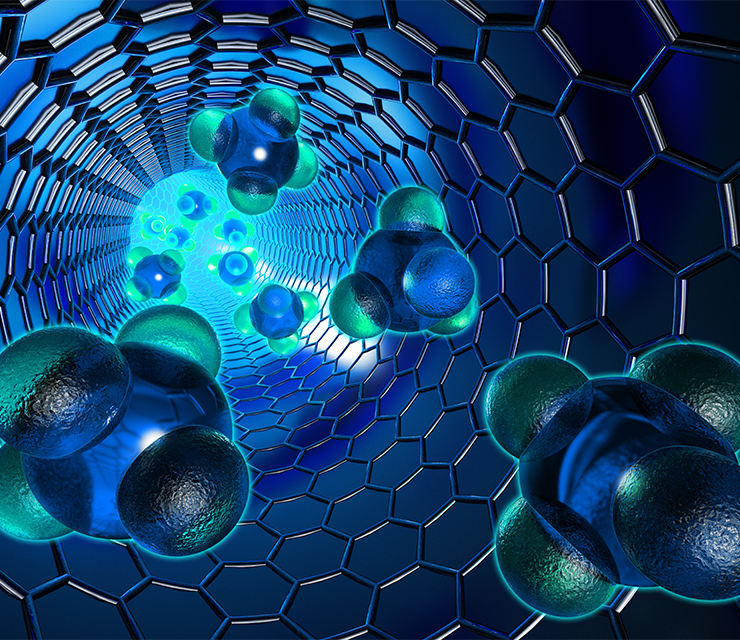
Luminaries like Henry Ford and Thomas Edison were keen on improving electric cars and car batteries, but encountered setbacks still seen today-namely, how to design a battery that can provide more energy over longer periods of time, and at a lower cost. Ford and Edison weren’t able to solve this problem, but with assistance from PowerBridgeNY, a proof-of-concept center funded by The New York State Energy Research and Development Authority (NYSERDA), the startup company Lionano is working to improve lithium-ion batteries and pave the way for greener electric cars.

The Challenge of Energy Density

According to Lionano co-founder Alex Yu, PhD, a significant problem with implementing lithium-ion battery technology in electric cars is due to the energy density necessary to power a vehicle over longer distances.

“The current Chevy Volt can only run about 53 miles on a battery alone, while the Nissan Leaf is up to 107 miles on a battery alone,” Yu explained. “This may not be enough energy to power a vehicle for commuters who travel longer distances to work.”

Newer automotive manufacturers like Tesla Motors have greater efficiency when it comes to mileage range on a single battery charge, but cost significantly more than other makes and models. There is also the issue of the life cycle of lithium-ion batteries for use in cars, which degrade over time.

“Think about your cell phone-if you charge it every single day, it will last through about 1,000 charging cycles or three years. At that point, you’re likely to buy a new phone. That’s fine for cell phones, but most people don’t buy a new car every three years,” Yu noted.

A Boot Camp for Clean Energy Technology

While completing his doctoral studies in chemistry at Cornell University, Yu learned about the PowerBridgeNY program that functions as a boot camp of sorts to help scientists and researchers transition their clean technology innovations from the laboratory to the marketplace.

In 2014 Yu and his team, including members Siyu Huang and Héctor D. Abruña, were awarded a Cycle One grant from the proof-of-concept center to validate and market lithium-ion batteries that were more efficient and longer-lasting than other models available in consumer and commercial products. The end result is a proprietary nano-engineered material for lithium-ion batteries with twice the energy density and 2-3 times the cycle life of comparable batteries, at half the cost.

According to Yu, the support that PowerBridgeNY provided to the Lionano team by connecting them to customers for feedback on the industry overall and the specific product was particularly illuminating and invaluable to the process. Thanks to this funding and guidance, Lionano has passed both the technology validation and prototype stages, and is actively seeking investment capital and licensing agreements to increase production.

Going forward, Yu believes that transportation will becoming truly “electrified” as the technology becomes more viable for a wider audience.

“Because of environmental issues like congestion and pollution, electric transportation (as cleantech) is likely to be hugely popular,” he stated. “I believe that this car is the future.”


Learn more:

Bioethics Meets R&D: The Ethics of Pre-approval Access

Patients with life-threatening illnesses face challenges in accessing potential therapies at the cutting-edge of research and development, which have not yet been proven in a clinical trial. Some pharmaceutical companies produce and provide medicines on a case-by-case basis through expanded access or “compassionate use” programs. The tension among principles of fairness, equity, and compassion are explored in this podcast through a case study about a social media campaign led to an expedited clinical trial for an investigative antiviral medicine. Guests will explore the provocative and emotional stories of patients, family members, advocates, researchers, physicians, and the regulators charged with keeping medicines in the marketplace safe and effective. 

This podcast was a collaboration between The Division of Medical Ethics at NYU School of Medicine and The New York Academy of Sciences. 

Is There a Limit to Human Knowledge?

Modern physics and its leading theories have been remarkably successful in describing the history of our universe, and large-scale experiments, such as the Large Hadron Collider, are continuously producing new data that extend our knowledge of the world. Nevertheless, our understanding of some physical concepts that seek to explain our universe—dark matter and dark energy, quantum gravity, supersymmetry, and the cosmological constant—remain unresolved. Featuring cosmologist Neil Weiner, string theorist Eva Silverstein, and physicist Vijay Balasubramanian, with moderation from philosopher of science Jill North, this podcast explores what the future holds for physics. 

This podcast was made possible through the support of a grant from the John Templeton Foundation. The opinions expressed in this podcast are those of the speaker(s) and do not necessarily reflect the views of the John Templeton Foundation. 

Improving Survival Rates of Neuroblastoma

A man with his arms folded poses for the camera.

How John Maris, MD, got to the heart of the (genetic) matter through his research.

Published February 27, 2016

By Diana Friedman

Persistence paid off for John Maris, MD. Fifteen years after he began searching for genetic abnormalities linked to neuroblastoma during his post-doctoral fellowship, his research team discovered that mutations of the anaplastic lymphoma kinase (ALK) gene are associated with many neuroblastomas. Today, Maris’s work at The Children’s Hospital of Philadelphia (CHOP) continues to strive to translate basic and clinical research into improved therapies for patients.

Currently, neuroblastoma is the most common extracranial solid tumor in childhood, with an incidence rate of about 10.54 cases per 1 million per year in children younger than 15 years. Although overall incidence of pediatric cancer has declined since 1975, survival rates for children with neuroblastoma vary significantly based on age of diagnosis and risk classification. The five-year survival rates for patients range from 90% for those younger than 1 year to 66% for those age 10- 14 years; children in the low-risk group have a five-year survival rate at more than 95%, but the survival rates for children in the high-risk group are between 40- 50%.

Influenced to Study Neuroblastoma

These statistics, plus a research opportunity prior to attending medical school, played a significant role in shaping Maris’ career path in medicine. Working in the laboratories of noted pediatric oncologist Audrey Evans and biophysicist Britton Chance prior to attending the University of Pennsylvania School of Medicine, influenced his decision to study neuroblastoma.

“I was introduced to the disease, including patients and families, while a technician before medical school,” Maris told us. “I had great mentors and have stuck ever since to trying to solve the many enigmas associated with the disease.”

During his postdoctoral fellowship, Maris’s research was focused on determining genetic mutations associated with familial neuroblastoma—he didn’t discover it then, but fifteen years later his team found that the primary cause of familial neuroblastoma is a germline mutation in the ALK gene. Yael Mossé, MD was the post-doctoral trainee who made the actual discovery, and now she is an internationally recognized expert in translating ALK inhibition strategies to patients.

A Multifaceted Approach

For Maris, improving survival rates of neuroblastoma is promising when a multifaceted approach is applied.

Bridging the fields of genomics and immunotherapy together is our greatest hope,” he noted. “We will be increasingly individualizing therapy based on the unique features of the patients and their heritable genome and the evolving cancer genome/proteome. The road to translating research findings into novel therapies is long, but we’re working on it.”

Also read: The Quest to Find a Cure for Pediatric Cancer