What Near-Death and Psychedelic Experiences Reveal about Human Consciousness

A colorful illustration meant to depict something psychedelic.

A recent Academy event explored near-death experiences and the medical application of psychedelic remedies, combining elements of science and philosophy.

Published June 9, 2023

By David Freeman

What is the nature of consciousness? What happens to it at the brink of death—and beyond? In what ways can the scientific study of near-death experiences and the medicinal use of psychedelic compounds boost our understanding of the human condition and our ability to ease emotional suffering?

These and related questions were the focus of an Academy conference held on June 8, 2023, in New York City. The one-day event included presentations by psychologists, neurologists, biomedical researchers and a religious scholar. Additionally, there was a gripping first-person account of a near-death experience from renowned journalist and author Sebastian Junger.

What are Near-Death Experiences?

Near-death experiences, or NDE’s, are deeply affecting, often mystical episodes. Experts call them periods of “disconnected consciousness.” They affect some people who are close to death or in situations of grave physical or emotional danger. They are commonly marked by feelings of floating outside one’s body and the sensation of moving toward a bright light, as well with as encounters with dead relatives.

NDE’s have been documented across many different cultures and have been known since ancient times. “We’re talking about something that could be hundreds of thousands of years old,” said Brian C. Muraresku. He is the author of the 2020 book “The Immortality Key.” His book examines scientific evidence for the ritual use of psychedelics in classical antiquity. He was also one of the speakers at the conference.

There’s something about that kind of experience—near-death, psychedelic, mystical, whatever it is—that holds the entire human race together.

Brian C. Muraresku, author “The Immortality Key”

NDE’s are now known to be remarkably common. In recent research, 15 percent of intensive care unit patients reported having one. As did up to 23 percent of survivors of cardiac arrest. This is according to neuropsychologist Helena Cassol, Ph.D. Dr. Cassol is the scientific coordinator of Neurological Rehabilitation Center of the University Hospital of Liege in Belgium and also presented at the conference.

“More people have survived cardiac arrest and other situations and could recall those experiences” as a result of improved resuscitation techniques that have become available in recent years, she explained. She added that NDE’s now represent an emerging field of scientific research.

NDE’s can be personally transformative. Some people report a reduced fear of death in the wake of an NDE. Others report enhanced feelings of compassion or purpose. But some are saddled with a pattern of persistent intrusive thoughts or dreams or other negative after-effects. Given these possibilities, “I think it is important for people to be able to talk about these experiences and be heard in a nonjudgmental way,” Dr. Cassol said.

The Evolution of Near-Death Experiences

There may be an evolutionary basis for NDE’s. Daniel Kondziella, M.D., Ph.D., is a neurologist at Copenhagen University Hospital and an associate professor at the University of Copenhagen in Denmark. During his conference presnetation he described research linking the episodes to thanatosis. That’s the well-documented and remarkably consistent phenomenon in which animals—even insects—feign death in order to avoid being killed by predators.

The research suggests that the evolution of language in humans gave us the unique ability to transform this stereotyped behavior into the rich narratives used to describe the mysterious sensations and perceptions commonly seen in near-death experiences, Dr. Kondziella said. Not everyone is convinced by such research.

“Evolutionary explanations are just-so stories,” said Christof Koch, Ph.D. Dr. Koch is chief scientist and president of the Allen Institute for Brain Science, and also presented at the conference. “They may be true. They made be false. It just doesn’t matter. But the fact that we do have experiences—that is the remarkable thing.”

Studies of the neurological underpinnings of NDE’s suggest that the phenomenon arises amid a sort of blending of conscious states: waking, rapid-eye movement (REM) sleep and non-REM sleep.

“The physiological balance between conscious states is disrupted during the conditions of near-death, leading the brainstem arousal system controlling conscious states to blend waking and rapid eye movement consciousness into a hybrid state” known as REM intrusion,” said Kevin R. Nelson, M.D., a University of Kentucky neurologist and another speaker at the conference. “REM intrusion leads to many key features of near-death, including lying still, visual activation, out-of-body, and the experience’s narrative qualities.”

Most individuals who experience near-death are physiologically predisposed to REM intrusion, according to Dr. Nelson.

Psychedelics as Medical Treatment

As some scientists work to gain a better understanding of NDE’s, others are pursuing clinical trials of psychedelic compounds, which have been shown to trigger an altered state of awareness similar to that seen in people experiencing an NDE. A growing body of evidence suggests that these compounds—given under expert supervision and in carefully controlled settings—can ease emotional distress in terminally ill people quite profoundly.

One landmark 2016 study by researchers including Anthony P. Bossis, Ph.D., clinical assistant professor of psychiatry at NYU Grossman School of Medicine and another speaker at the conference, showed that a single treatment with psilocybin—a psychoactive compound found in some mushroom species that humans have consumed for thousands of years—brought rapid reductions in depression, anxiety, and hopelessness in people with terminal cancer.

The benefits of psilocybin treatment were greatest among individuals who reported strong mystical experiences during the sessions, according to Dr. Bossis. “The more robust that mystical experience, the greater the outcome in terms of reduction of depression,” he said. “These aren’t NDE’s,” he added, “but they’re deathlike experiences with a similar phenomenology.”

Recent research shows that psilocybin is just one of many drugs that can induce NDE-like such experiences and suggests that those induced by ketamine, an anesthetic with hallucinogenic effects, show greater similarity to NDE’s than those induced by psilocybin. But “we only studied the phenomenological similarity between subjective experiences” and didn’t assess the extent to which any of the drugs might be effective treatments for depression, said Charlotte Martial, Ph.D., a neuropsychologist at the University of Liege in Belgium and another conference speaker.

Junger’s Brush with Death

Sebastian Junger’s brush with death came three years ago, following the rupture of an aneurysm in his pancreatic artery. As doctors rushed to stanch the bleeding that threatened his survival, he recalled, he encountered an “infinitely dark” pit that threatened to pull him in but also the welcoming “essence” of his beloved, long-dead father. “It wasn’t quite a vision. It was halfway between a vision and a feeling,” he said.

A self-described atheist whose father was a physicist, Junger said the experience nonetheless led him to reconsider his ideas not only about life and death but about the nature of the universe.

“I wish I could say I believe in an afterlife. I don’t. But I definitely have lost the certitude of my rationality,” he said, adding that he now believes it was possible that “some kind of energy or quantum phenomena” interacts with reality in ways we don’t understand.

If some see NDE’s as possible evidence of the supernatural or a phenomenon beyond the scope of scientific knowledge, others are convinced that they are simply the result of physiological processes—such as the oxygen starvation to the brain that can result from cardiac arrest.

There is a “perfectly natural explanation for NDE’s,” said Dr. Kondziella. “No need to postulate any supernatural events.”

But Raymond A. Moody, Jr., M.D., Ph.D., the keynote speaker whose remarks set the stage for the conference, expressed uncertainty over what near-death experiences actually represent.

Science? Or philosophy?

“I really just don’t know,” he said. “I think the questions that we are dealing with—a lot of them are not yet scientific questions,” he added. “They are philosophical questions.”

Dr. Moody is the author of the 1975 book “Life after Life” that sparked interest in near-death experiences. He has been documenting NDE’s for many years and is credited with coining the term near-death experience.

Uncertainty about life’s transcendent questions is inevitable, according to Karen Armstrong, a London-based author of numerous books on religious affairs and the other keynote speaker at the conference.

“Neither religion nor science can really respond. Ultimately, we are all in a ‘Cloud of Unknowing,’” she said in a reference to an anonymous 14th Century text on spirituality and Christian mysticism. “We are all just trying to find some meaning in it all,” she added, “without which we humans fall very easily into despair.”

For Brian C. Muraresku, the strange perceptions and complex emotions seen in near-death and similar visionary experiences are central to the human experience. “There’s something about that kind of experience—near-death, psychedelic, mystical, whatever it is—that holds the entire human race together.”

Also read: Music on the Mind: A Neurologist’s Take
Collaboration is Key for 2023 Ross Prize Awardees

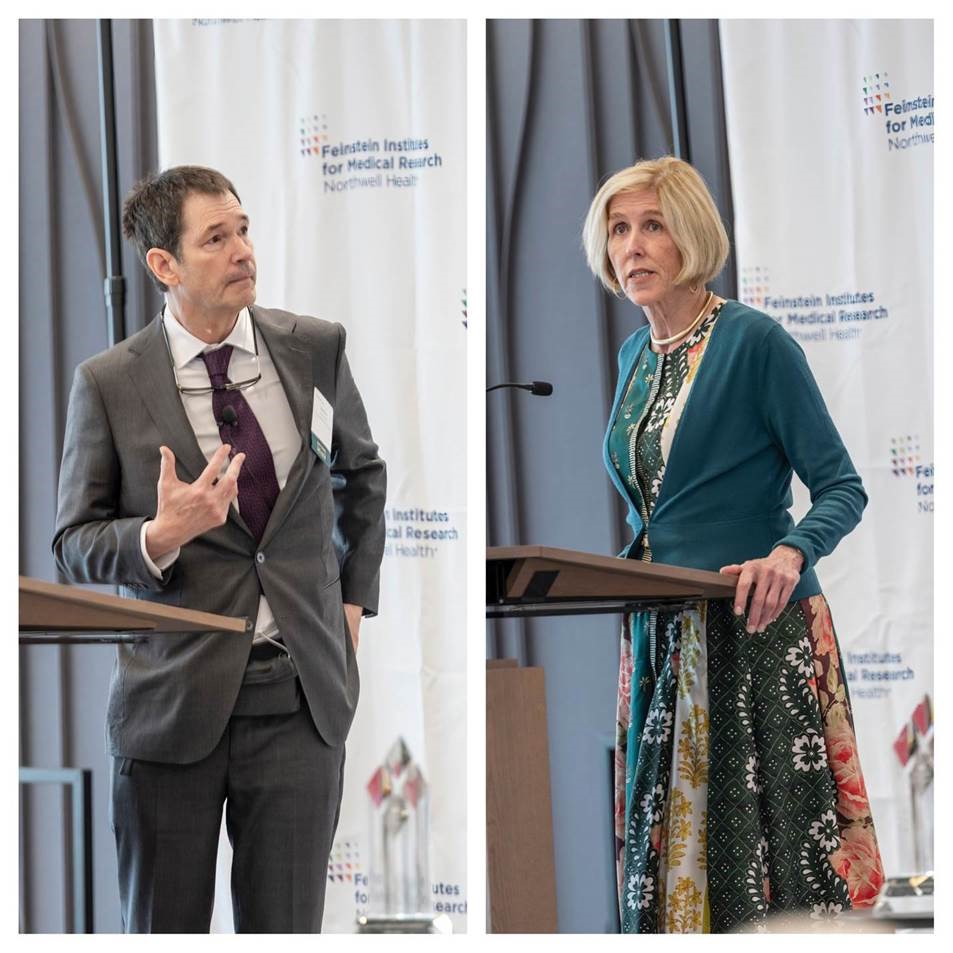
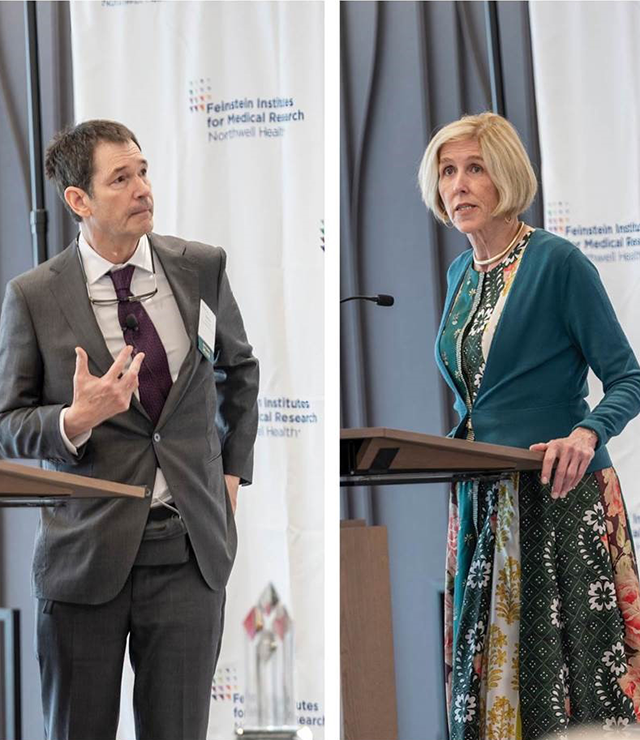
Two researchers stand at podiums and address a crowd.

Ask Helen Hobbs, M.D. and Jonathan Cohen, Ph.D. about the secret of their research success, and it will come down to one core element: their partnership.

Published May 31, 2023

By David Freeman

The pair were recently awarded the 2023 Ross Prize in Molecular Medicine by the Feinstein Institutes for Medical Research and the journal Molecular Medicine for their pioneering and collaborative work in defining the genetic risk factors for dyslipidemias and metabolic liver disease that have led to the rational design of new therapies.

Hobbs trained as a physician and a human geneticist, while Cohen trained as a bench scientist and a physiologist. But they also recognize how the different perspectives they bring to their work contributes to its success.

“Helen’s got a very good feel for the big picture in terms of the scientific direction pathway areas to choose and which observations we should follow up…she is far more selectively curious than I am,” says Cohen of their research styles, “(while) I tend to pay attention to experimental details.”

Their complementary differences can also be seen in their personalities, “Helen is ‘s very exuberant and very extroverted, and I tend to be more introverted and certainly more self-contained,” says Cohen.

Hobbs adds, “Jonathan is very easy to work with… he’s got a very level disposition. We both need each other to balance each other out.”

In addition to their strengths both also cite good mentors as pivotal guides in their careers.

“A lot of people want to look for a lab that’s doing the latest technique or, you know, papers in Science and Nature,” says Cohen, “I think having somebody who’s a good first-rate mentor is a number one priority.”

Where it All Started

Cohen was fortunate to connect to Weiland Gevers, chair of biochemistry at the University of Cape Town in South Africa while he was still in high school. A similar relationship with Scott Grundy, head of the Center of Human Nutrition at the University of Texas Southwestern Medical Center, made it possible for Cohen to relocate to Dallas.

There, he soon would meet Hobbs, who moved to UT Southwestern in 1983. A trained physician, she was encouraged by Donald Selden, M.D., head of internal medicine at UT Southwestern to join Nobel Laureates Michael S. Brown and Joseph L Goldstein’s lab whose work in the regulation of cholesterol metabolism, laid the foundation for Hobbs’ own study of the genes that caused severe hypercholesterolemia.

In 1999 Hobbs was asked to help design an epidemiological study for a large grant that scaled from genes to populations. She knew she needed the right partner if she was going to take on the challenge.
“I was used to working with families, not populations,” recalls Hobbs. “I knew immediately if I was going to do this, … that I really needed a partner who had more quantitative skills than I did.”

She started talking to Cohen, and in just six weeks they launched the foundation for the Dallas Heart Study, a large multi-ethnic population study.

“We spent nights up in our labs writing this study, talking to each other, thinking about it, and getting advice from epidemiologists.”

Looking at Gene Variations

While most researchers in the field at the time were operating under the assumption that gene variations found frequently in the population were the cause of common diseases (like hypertension), Cohen and Hobbs took a different approach – they looked for gene variations that were rare but were more likely to cause disease if a person had that variant.

The multi-ethnic nature of the Dallas Heart Study, made up of 50% African-Americans, the most genetically diverse population in Dallas, and including Hispanic and European participants, led them to quickly zero in on mutations in a gene called PCSK9 that were associated with reduced plasma levels of low-density lipoprotein (LDL) cholesterol and decreased risk of heart disease.

This revolutionary discovery meant that new drug development could be targeted at PCSK9 to lower cholesterol levels in patients, and two therapies have since been FDA-approved to do just that. Despite the opportunities such a discovery could yield, the pair are more focused on how their work solves problems, rather than profiting from their foundational work.

“I am really thinking about solving a problem in a lab and answering a question, and the thrill I get is in getting that answer,” says Hobbs.

Doing What They Love

Ultimately, the two are happy to be in a lab doing what they love.

“I like the whole package of being an academic scientist,” says Hobbs. “I love the research, and I like the teaching, the mentoring. There’s just so many aspects of our job that I enjoy, and I just didn’t want to be distracted from them.”

Cohen can’t picture himself as anything other than a scientist, “I can’t imagine…doing anything other than what I do.”

Today, The Hobbs-Cohen Lab continues to use human genetics to identify new therapeutic targets to treat cardiovascular and metabolic disorders and to define key pathways in lipid metabolism. More recently, they discovered the first genetic cause of fatty liver disease in humans. They also continue to employ their dynamic partnership in the way they run their lab.

“There’s always somebody in the lab for the students and post-doctoral fellows to talk with. I think that if you were to talk to the people in our lab, they would see this as a very good thing,” says Hobbs. “But one thing’s always true. Nobody can split us.”

“To have our work recognized by such an honor (as the Ross Prize) is incredibly gratifying, especially for us to be honored together…there’s just no way any of it could have been done without the other,” said Hobbs.

Cohen agrees. “I was just going to say the same thing.”


Read more about the Ross Prize and past awardees:

The New Wave of AI in Healthcare

In the healthcare field, artificial intelligence has the potential to improve everything from workflow efficiency to patient outcomes.

Published May 25, 2023

By Stephen Treffinger

Image Credit: Agne Sopyte
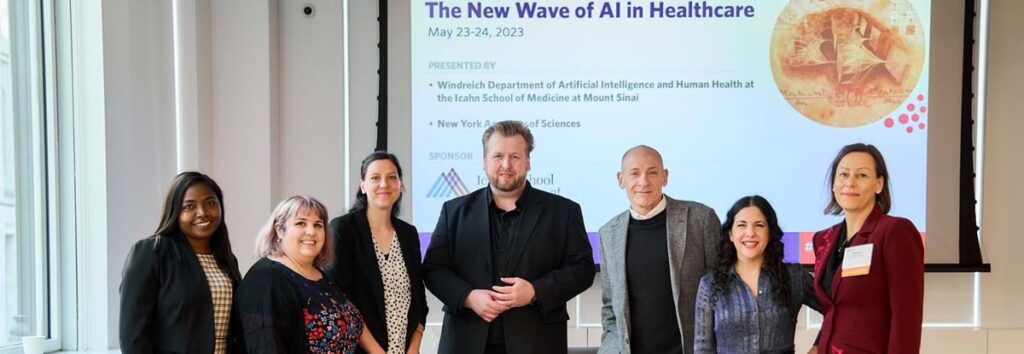
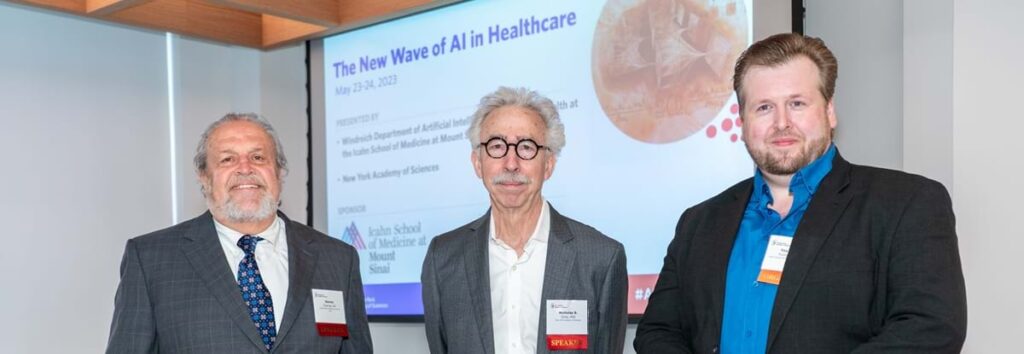
Members of the Organizing Committee. (From left to right) Affiliated with the Mount Sinai Health System: Christina Virgo, Esq., Sara Roncero-Menendez, Silke Muehlstedt, PhD, Thomas Fuchs, Dr. sc., Marc Kaplan; Affiliated with The New York Academy of Sciences: Melanie Brickman Borchard, PhD, MSc, Barbara Knappmeyer, PhD

Appearing on the front page of news outlets nearly every day, artificial intelligence (AI) is already transforming the world. And it’s doing so at a staggering pace. In the healthcare field, it has the potential to improve everything from workflow efficiency to patient outcomes. But sifting through the hype can be a tremendous challenge.

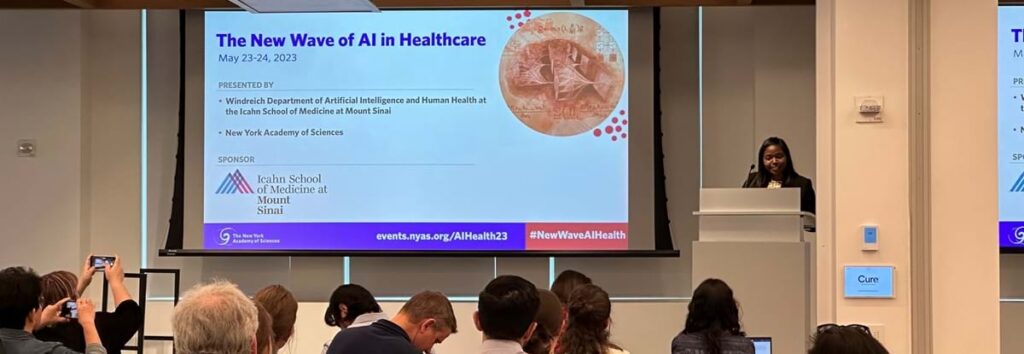
The Windreich Department of Artificial Intelligence and Human Health at the Icahn School of Medicine at Mount Sinai and the New York Academy of Sciences hosted the ‘New Wave of AI in Healthcare’ symposium as a “call to action.” This brought together experts and leaders across the field to tackle this challenge through innovation, exchange, and collaboration.

The symposium took place over the course of two days: May 23 and 24, 2023. Researchers, academics, and industry leaders presented and discussed innovative research. They also focused on clinical solutions with the potential to advance the capabilities of AI. The goal is to better serve patients and clinicians from diagnostics to long-term care.

Opening remarks were delivered by, Nicholas Dirks, President and CEO of The New York Academy of Sciences, and Dr. Dennis Charney, Dean of the Icahn School of Medicine and President for Academic Affairs for the Mount Sinai Health System. They challenged attendees to identify ways to utilize the enormous amounts of health data available. If utilized properly, this can help predict, prevent, and develop more robust treatments for disease.

Advancing the Capabilities of AI

The two-day symposium featured sessions on foundational models that revolutionize diagnostics processes, infrastructural challenges to facilitate large-scale models and innovative deep learning solutions to deal with the petabytes of data generated in healthcare. Also, the symposium addressed ethical considerations for AI research in healthcare to eliminate bias and ensure its application is equitable as well as impactful.

“Today, patients are dying not because of AI, but because of the lack of it,” stated Thomas J. Fuchs, Dr. Sc, Dean for AI and Human Health at Mount Sinai, lead member of the scientific organizing committee in opening the symposium, Dr. Fuchs further emphasized that although machine learning has already led to significant achievements across the field of healthcare, we are only at the beginning of an AI revolution in healthcare.

Image Credit: Monika Graff
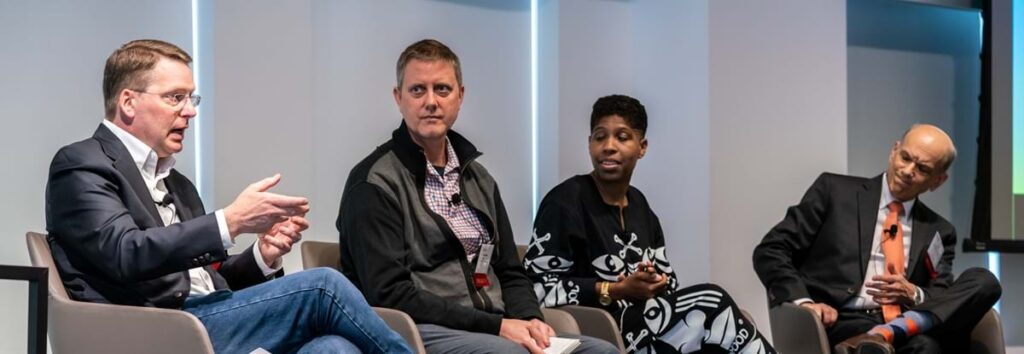
(From left to right) Panelists: Eric Lium, PhD, Mount Sinai Health System, Brandon D. Gallas, PhD, U.S. Food and Drug Administration, Emma Benn, DrPH, Mount Sinai Health System, Moderator: Eric Nestler, MD, PhD, Icahn School of Medicine at Mount Sinai

AI Fundamentals – Facts, Fictions, and Possibilities

Despite the immense hype around AI (as Dr. Fuchs remarked, “If you haven’t talked about ChatGPT, you’re probably living under a rock.”) and excitement in the start-up scene (including 14,000 healthcare startups in the AI realm), the reality is not quite as dramatic. There are only a few AI applications that practitioners currently use in the clinical setting to benefit patients. “While the FDA cleared hundreds of systems in radiology, in pathology, for example, there’s one single system that has proven to be safe and effective.”

Dr. Fuchs stated that AI gives us the possibility to truly democratize access to healthcare for the first time in history. “The AI we’re developing here and you’re developing at your fabulous institutions can be used in community clinics throughout the U.S. and throughout the world.”

A Deep Crisis in Healthcare

The fact that clinicians are burned out and leaving practices has, according to several of the speakers, resulted in a deep crisis in healthcare. But AI is able to help combat this trend by automating workflows. One of the keynote speakers at the symposium was David C. Rhew, MD, Global Chief Medical Officer and VP of Healthcare at Microsoft. He presented developments in Ambient Clinical Intelligence. This system can, among other things, capture clinician-patient conversations and bring the information into the medical record.

“We have an ability now to pull data about individuals from every aspect. We can look at the perspective of what EHR [Electronic Health Record] data we have, what genomics data we have, and real-time data collection through remote monitoring.” This creates a 360-degree view of a person and one that changes as they evolve. “Now imagine having that at a population level,” he says. “That’s where the real power comes.”

Image Credit: Monika Graff
(From left to right) Dennis S. Charney, MD, Anne and Joel Ehrenkranz Dean of the Icahn School of Medicine at Mount Sinai, President for Academic Affairs, Mount Sinai Health System
Nicholas B. Dirks, PhD, President and Chief Executive Officer, The New York Academy of Sciences
Thomas J. Fuchs, Dr.sc., Co-Director of the Hasso Plattner Institute for Digital Health at Mount Sinai, Dean of Artificial Intelligence and Human Health, and Professor of Computational Pathology and Computer Science at the Icahn School of Medicine at Mount Sinai

AI for Healthcare and Life Sciences – Accelerated Discovery

Will more data and data-driven models yield better patient outcomes? This was a central theme throughout the symposium. Speakers utilizing foundational models in research and clinical diagnostic support tools to create deep learning models. Researchers develop these across heterogenous data modalities to improve patient outcomes.

The conference’s second keynote was delivered by Jianying Hu, PhD, from IBM Research. Dr. Hu is also an adjunct professor at the Icahn School of Medicine at Mount Sinai. In addition to IBM’s use of AI to drive accelerated discovery, she discussed what it means to go beyond large language models to apply foundational models to healthcare and life sciences research.

“In our view, [it’s] really all about enabling the journey from data to impact. AI can be used to help with the development of new molecular entities through novel generative methods, as well as computational screening tools [that] can be used to also identify new indications for drugs that are already approved,” says Dr. Hu. In addition to drug repurposing, AI is critical, she says, for being able to identify multimodal biomarkers.

From the Laboratory to Practice: Clinical Applications of AI

Moving from the theoretical to the practical and harnessing the full power of AI will require a change in approach, especially as it pertains to data: how much of it is required, how it needs to be treated, and how to maximize its effects. Abundant medical data is playing an important role, as precision medicine tries to determine the right treatment for the right patient at the right time.

“When we think about precision medicine and AI in medicine, we think about the health state of a patient and how we can model that health state of a patient,” says Gunnar Rätsch, PhD, ETH Zürich, who is currently conducting research as a visiting scientist within Mount Sinai’s AI Department.

Evidence of the health state comes from heterogeneous data modalities such as EHRs, pathology images, genomic profiles, drugs, and mobile health data. Integrating this data into computational representation enables practitioners to access a patient’s health state. This requires new advances in AI approaches to exploit the specifics in the medical data, which requires genuine partnership between clinicians and machine learning/AI researchers.

Image Credit: Yovanna A. Roa, LMSW
Christina Virgo, Esq., Director of Operations Hasso Plattner Institute for Digital Health at Mount Sinai

The Impact of the New Era of Large-scale Deep Learning Models

Increasing the speed by which researchers can process and analyze vast amounts of data is an ongoing challenge in AI. The exponential growth of healthcare data, genomics, electronic records, and imaging can overload systems and slow the path to progress.

But processing capacity and speed aren’t the only issues. Another challenge is to better merge clinical medicine and data science, the two being mutually beneficial. Anthony Chang, MD, from the Children’s Hospital of Orange County, thinks this is an essential—albeit largely absent—duality. Few people understand both sides of the equation.

Dr. Chang also sees the need for a shift to a new paradigm of databases, i.e. graph databases. “These are more three-dimensional and much more accommodating of the complexities of healthcare data. […] I can’t imagine we’re going to get a lot more dividends using deep learning healthcare without a change in how we look at databases, which is relational databases.”

In the detection of breast cancer, to cite one example, having very large scan sizes is advantageous, but dealing with these enormous images efficiently can be problematic due to the amount of memory in the GPU and other factors. Krysztof J. Geras, PhD, NYU Langone Health, discussed the particulars of multiple instance learning. “We have this ability to indicate those parts of the image that are important. We can actually look at this image with greater detail with a higher capacity network, but just at a certain region of it, and then we can fuse this information. And that works amazingly well.”

AI at Mount Sinai

The Mount Sinai Health System is dedicated to leading an AI-driven transformation of healthcare. This is done through innovative research, pioneering clinical care, and personalization for each patient. The aim is to have a wide-reaching impact on human health. In 2021, Mount Sinai established the Windreich Department of Artificial Intelligence and Human Health. This is the first department focused on AI and Human Health in any medical school in the United States.

As a leader in the AI in healthcare space, researchers at Mount Sinai are building an “intelligent fabric” of AI that will underpin all interdisciplinary efforts. They are combining AI, computer science, machine learning, and data science across the Health System to support every individual who comes through the hospital doors for care. It will also support nurses, physicians, scientists, hospital operations and leadership,

Several Mount Sinai researchers presented their AI-integrated research during the symposium. They highlighted the various ways in which this new technology can benefit researchers, clinicians, and patients. This ranges from diagnosis to treatment, as they are developing some of the most exciting advances in the field.

Highlights include:

  • Ipek Ensari, PhD, who works with AI and machine learning combined with statistics in the field of women’s health, noted the possible link between indicators in the female reproductive system to diseases such as coronary artery disease, and stroke.
  • Hayit Greenspan, PhD, focuses on AI in the medical imaging space. “We are developing a platform that provides tools for collection of the data, support of annotation of the data, and support of modeling that can be done to extract information that is useful from the imagery data.”
  • Xiaosi Gu, PhD, focuses on the fast-growing sub-sector of mental health in health tech. “We need to both achieve a mechanistic understanding of the brain and of the mind at the algorithmic level and to use brain-related data to try to create predictive models.”
  • John F. Crary, MD-PhD, is a neuropathologist and runs a research lab in neurodegenerative diseases. “Alzheimer’s is a monumental public health crisis. It’s really important […] to get […] tissues digitized, organized, and made available to scientists and computational people.”
  • Bruce J. Darrow, MD-PhD, who leads Mount Sinai’s AI ethics committee, often works on creating spaces and treatments that are not only safe and effective, but also equitable, being tested across the right demographics and taking into account factors such as insurance coverage, income, and zip code.
  • Robert Freeman, RN, MSN, NE-BC, is working on moving from the reactive to the predictive and preventative AI. In practice, this would lead to shorter patient time in the hospital and improved overall 30-day mortality.
Image Credit: Monika Graff
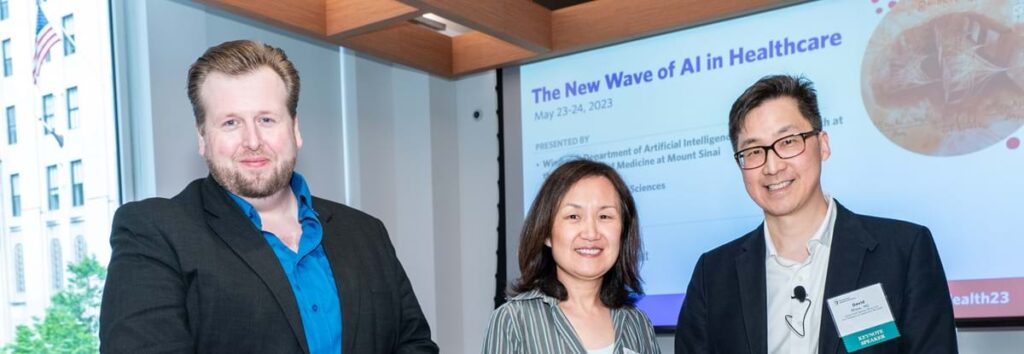
(From left to right) Thomas J. Fuchs, Dr.sc., Mount Sinai Health System, Keynote Speakers: Jianying Hu, PhD, IBM Fellow, Director, HCLS Research, Global Science Leader, AI for Healthcare at IBM Research, David Rhew, MD, Global Chief Medical Officer, Vice-President of Healthcare, Microsoft

Governance and Ethics for the Use of Large Healthcare Datasets for AI

The use of massive amounts of patient data for AI naturally raises key governance and ethics issues. This includes data privacy, transparency, regulatory compliance, and bias screening to ensure fair representation. These issues and more were covered in a panel discussion moderated by Dean Eric Nestler, MD, PhD, Icahn School of Medicine at Mount Sinai.

The role of bias in large healthcare data models can take many forms. This is especially thru when it comes to populations of color and members of underrepresented communities. One of the panelists, Emma Benn, DrPH, is a biostatistician at Mount Sinai, applies her training to health equity research. She addressed the governance and ethics of the topic. In terms of race, she posed the question of whether the algorithms and technology are just describing racial and ethnic differences versus being able to operationalize race in a way that gets closer to identifying mutable targets for intervention.

“If we’re not operationalizing things correctly, we’re not going to be able to use AI to reduce health inequalities,” says Benn.

The Importance of Data Privacy

Another panelist, Dr. Erik Lium, PhD, discussed the importance of data privacy. Dr. Lium is the Chief Commercial Innovation Officer for the Mount Sinai Health System and the President of Mount Sinai Innovation Partners. One question posed by the audience was which processes a hospital uses to protect a patient’s personal health data. The answer depends on who is going to use said data, be it internally for research or with an external partner. Internally, an institutional review board decides acceptable usage. For use with external partners, it involves legal agreements with copious protections. These protections bar anyone from taking, for instance, de-identified data and attempting to re-identify the data.

“You can use the data for a stated purpose that we think is ultimately beneficial to patients. If you go outside of that purpose, then you’re doing something that’s inappropriate,” says Dr. Lium.

Keynote speaker Dr. David Rhew ended his address on a key philosophical and ethics-focused note. He brought up the idea of AI taking a pause to prevent potentially harmful aspects like the spreading of misinformation. “If the good actors pause on this, that doesn’t mean that the bad actors are going to pause.”

In Conclusion

Throughout the symposium, speakers were able to address successes, challenges, and future initiatives. This is needed to further the development of new AI technology in the field and how it can be implemented to better patient outcomes. Some of the key takeaways from the symposium’s sessions include:

  • Increasing cooperation between institutions.
  • Figuring out how to obtain and efficiently process ever larger data sets.
  • Using AI to enhance patient experience and outcomes.

Finally, these developments will need to be carefully and continuously filtered through the lenses of equitability and security to ensure that every patient receives the highest level of care no matter the setting. The ‘New Wave of AI in Healthcare’ symposium was an important step towards this equitable, AI-integrated future, with more advancements and discussions to come.

Ethics in Pediatric Research

Recent progress in the understanding of human disease has led to an explosion in the number of new medicines and therapeutics available for adults — however, significantly fewer drugs are developed and evaluated specifically for children due to complex ethical and logistical issues. Listen to this podcast addressing topics on how to provide children with evidence-based treatments while protecting them from inappropriate research. 

This podcast highlights discussions from the Ethical Considerations in Research for Pediatric Populations symposium presented by The New York Academy of Sciences and NYU Grossman School of Medicine and is made available thanks to funding provided by Johnson & Johnson. 

Big Questions for Our Journey to Mars

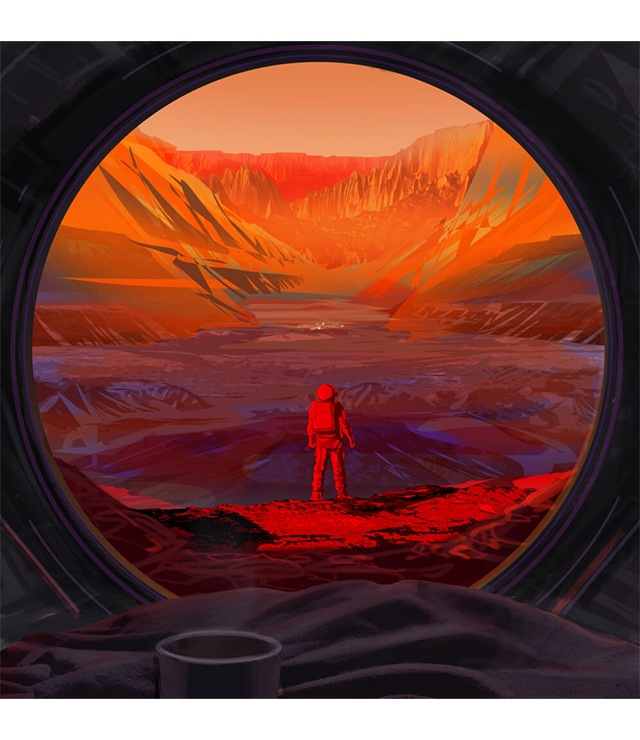
A graphic illustration of an astronaut on Mars.

Travel to Mars — and successful habitation there — will take more than good science, technology and engineering. It will require solutions to challenges in politics, ethics and law.

Published April 15, 2022

By Brooke Grindlinger, PhD

At this year’s South by Southwest Festival, I had the pleasure of asking a panel of experts some big questions about travel to Mars. The journey will push limits of the human body and may take us to the edge of ethical behavior – or beyond. Here are my top 10 questions and takeaways from the conversation.

1. The effects of space travel on the human body may not be reversible.

Two hazards astronauts will face during a trip to Mars—and a stay there—are DNA-breaking radiation and the effects of weightlessness and microgravity.

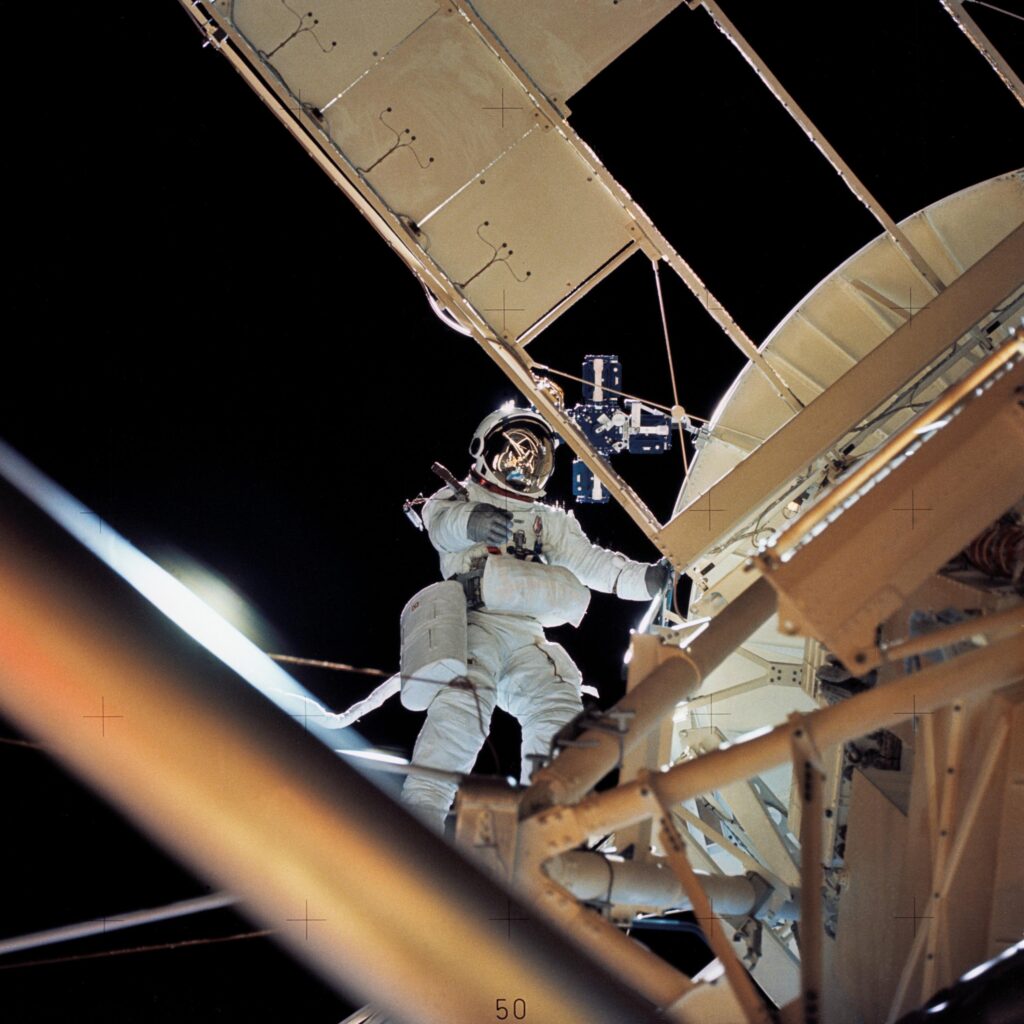
Astronauts have been exposed to the hazards of weightlessness and radiation in space since 1968. Here Owen Garriott retrieves an experiment outside Skylab in 1973.

“Imagine you’re lying off the side of your bed when you’re a kid, and all the blood is rushing to your head. In microgravity, the result of increased pressure that builds up in the head, pressing against the brain and against the eyes, can cause changes in vision—Spaceflight Associated Neuro-Ocular Syndrome,” explained Eliah Overbey, PhD, a NASA space biology postdoctoral fellow and postdoctoral associate in computational biomedicine of physiology and biophysics at Weill Cornell Medicine. “Over 50% of astronauts will experience some sort of vision change when they’re in space. Some of that does reverse when they return to Earth and some of it does not, some of it persists.”

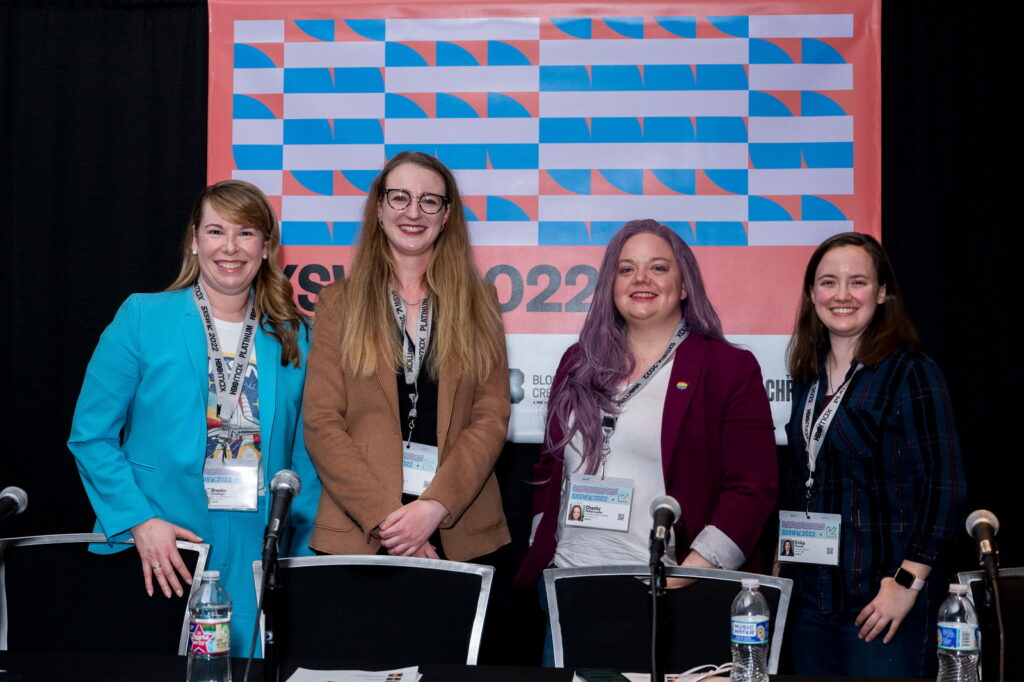
From left to right: Brooke Grindlinger, Eliah Overbey, Charity Phillips-Lander, and Erika Nesvold at South by Southwest panel Alienating Mars: Challenges of Space Colonization. Photo: Ana Karotkin, ©NYAS

2. The jury is still out on whether there is—or ever was—life on Mars.

“Right now, it looks like Mars’ surface is probably pretty inhospitable to microbes. So, the evidence that we’re looking for at the surface is really focused more on past life, life in the geologic record. But it’s a completely different story in the subsurface,” reported Charity Phillips-Lander, PhD, a senior research scientist in astrobiology at the Southwest Research Institute who studies the habitability and possible bio-signatures of planetary bodies.

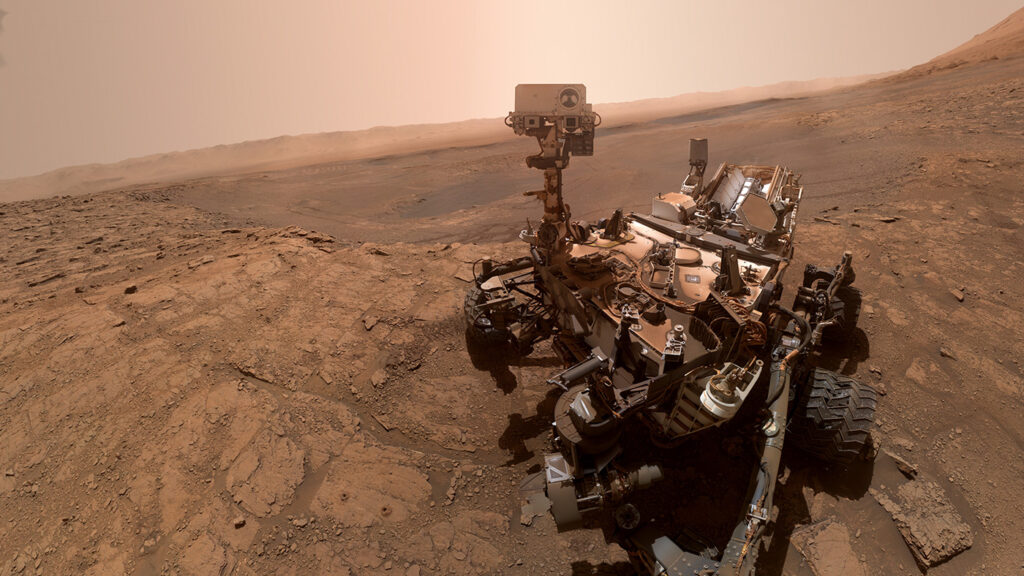
Floor of Gale Crater is seen toward the top of this photo, taken from Curiosity Mars Rover

“We see manganese oxides—what you would call ‘desert varnish’—that show up in some of the rocks in Hale Crater on Mars and also on Earth. Those are typically precipitated by microorganisms. Jezero Crater and Gale Crater show really low carbon isotopic values that might be indicative of methanotrophs—microbes that eat methane for a living. We’ve seen methane in Mars’ atmosphere.” That’s possible evidence, Phillips-Lander said, of evidence of life on Mars in the past. “But we need more evidence, and that’s what Perseverance is rolling around looking for right now,” she added, referring to the robot that is now roaming the planet.

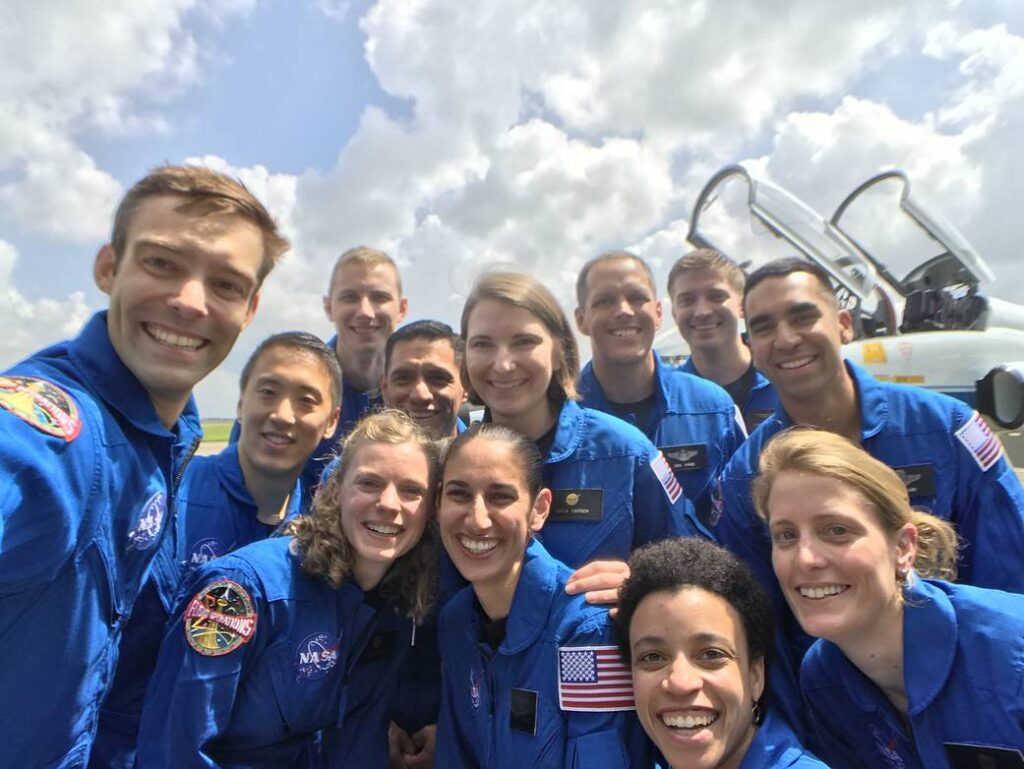
Candidate astronauts selfie

3. Who gets to go? It is not too soon to call for disability inclusion in space exploration.

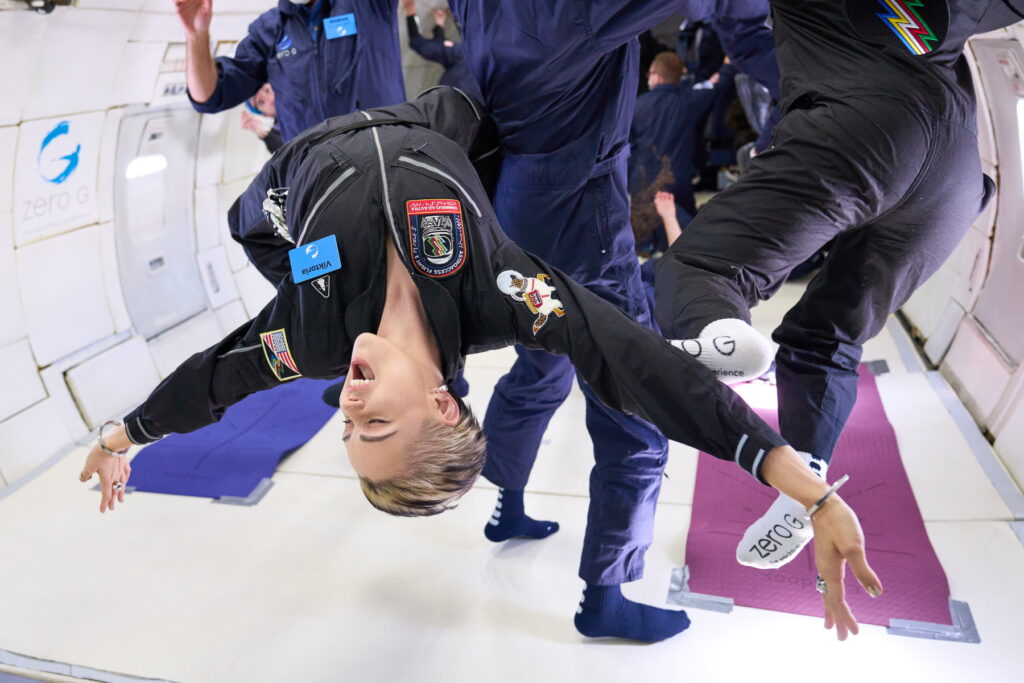
“Deciding who among the 8 billion of us gets to go up into space, and even go to Mars, is a tough question,” said Erika Nesvold, PhD, a co-founder of the JustSpace Alliance, which advocates for a more ethical, inclusive future in space. “Until now, the people who are able to go to space were the people selected by agencies like NASA, or more recently, people who have been able to afford space tourism flights. If you wanted to go to space, you need to be able to pass the astronaut selection, including a really strict health screening. This means that the people who have gone to space so far have primarily been very healthy, able-bodied people, which leaves out a huge portion of our population who are disabled. Why don’t we have disabled astronauts? What would it look like to redesign our space technology, to make it more accessible to people with disabilities?” Nesvold highlighted projects such as AstroAccess, which has just started launching disabled scientists, veterans, athletes, students, and artists on parabolic flights to experience weightlessness and low gravity conditions. A key goal is to investigate how space vehicles can be modified so that all astronauts and explorers—regardless of disability on Earth—can thrive in space.

Pop artist Viktoria floats upside down in zero gravity on board AstroAccess Flight 1 in October, 2021. Photo: AI Powers for Zero Gravity Corporation

4. Space immigration: let’s not repeat the mistakes we’ve made on Earth.

NASA is hoping to put astronauts on Mars by 2035. It’s not difficult to conceive that, in the years to follow, others may arrive on Mars as migrants or as refugees. “Even now, we can see the huge human rights issues that come up when one group of people moves to a new place, especially if there are already people in that place,” reflected Nesvold. “Suppose we manage to get a population of humans living on Mars and then a second group wants to go there too. How will the original inhabitants feel about that immigration?” Nesvold said the response might vary, for example, depending on whether the new arrivals are fleeing strife, or if they have something to offer economically. “It’s worth getting some historians in the room… [How can we] learn from what’s happened here on Earth, to protect all of those groups in the future?”

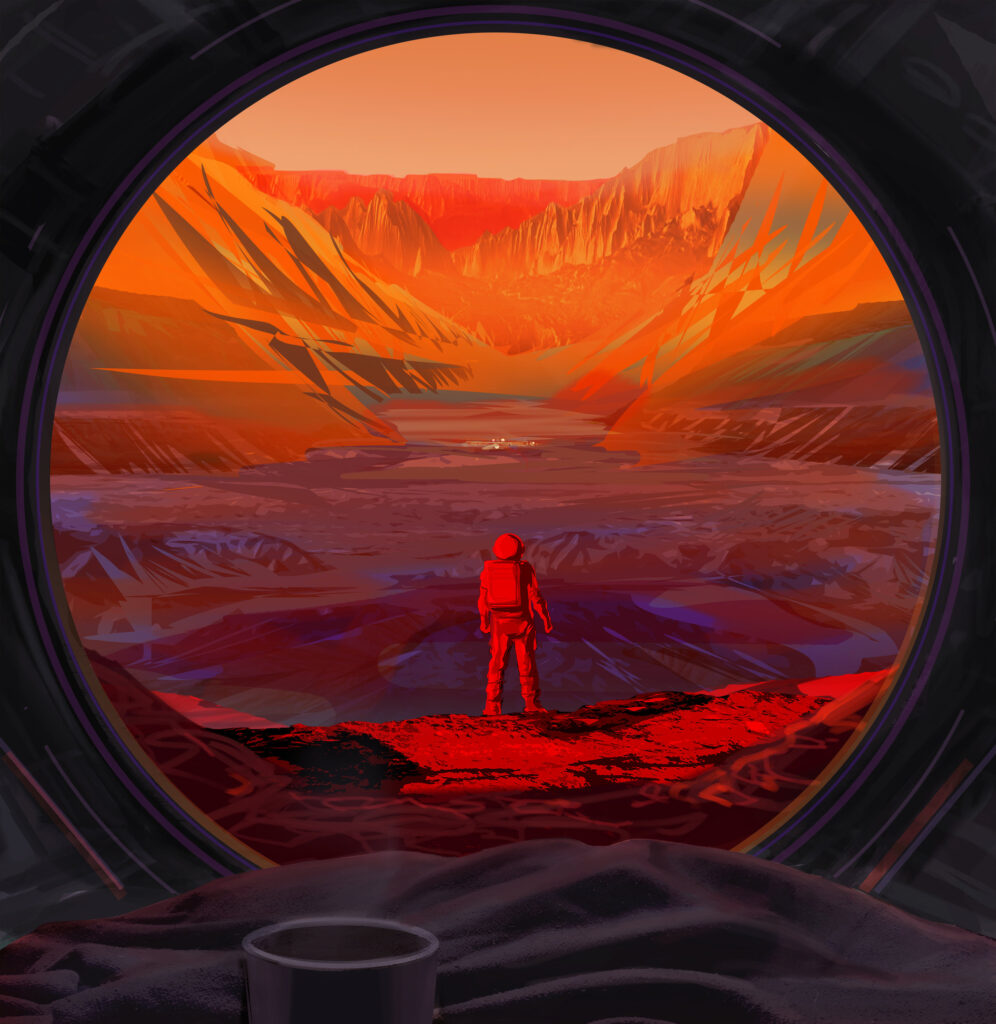
NASA illustration of an astronaut on Mars

5. Survival hacks have to be sustainable.

“One of the things that we need to focus on is sustainability, because for every ounce of material you take with you, you also have to provide fuel to get it there,” Phillips-Lander pointed out. “Through NASA’s biological and physical science programs, we’re experimenting with things like growing food on the moon. How do we do that, and how do we assess and prospect for the resources we might need? How do we print bricks, because we’re going to need to build a habitat? Can we create bioregenerative habitats that take CO2 and turn it back into oxygen, either through plants or microbes? We’re also looking at developing synthetic microbes that can carry out specific processes that might be beneficial to humans.”

6. Ethical quandaries abound if we engineer a “better human” for space travel.

Opportunities to protect and prepare the human body in advance of space travel, and for longer-term survival on Mars, are now on the horizon with bioengineering technologies like CRISPR gene editing and immunotherapy. “Is there some way that we can engineer astronauts to be more radiation-resistant or to overcome the fluid shifts that are going to cause different sorts of cognitive effects?” asked Overbey. “There’s an ethical question, really under debate on Earth: how much should we be editing the genome? Should you be editing cells that are going to pass on to your children? Can we justify gene editing in these contexts to overcome some of these limitations? Are we actually now morally obligated to do genetic engineering in order to adapt to those environments?” Overbey continued, “If we’re changing our genetic code, making permanent changes, are we changing how we define humans as a species, and making changes to genomes that will affect future generations?” Nesvold expanded on these ethical conundrums: “If we want to have self-sustaining human settlements in space, we have to figure out whether human reproduction is possible in space, with all the weightlessness and the radiation. At some point, even if you’ve done studies on animals, we’re going to have to try it, and that involves experimenting on pregnant people and fetuses… It’s a big ethical barrier to getting to the point of having self-sustaining human populations in space.”

The SXSW panelists doing their best to demonstrate microgravity on Mars. Photo: Ana Karotkin, ©NYAS

7. Terraforming Mars: Could we? Should we?

Might we terraform Mars, turning it from a red planet to a green one, or a blue one like Earth, in an effort to make it more hospitable? “If we just go in and whole-scale terraform Mars right off the bat, then we defeat one of the scientific goals of human exploration, which is to figure out if there was life on Mars, or if there is life on Mars today,” warned Phillips-Lander. “So, initial missions are going to focus on minimizing the risk of contamination. We’ve established areas of Mars that are categorized as special regions because they have the highest potential for life. And so those areas are mostly off limits,” Nesvold said, referring to policies developed by the Committee on Space Research of the International Council for Science. She added: “The problem is that any terraforming we do to make Mars more like Earth, makes Mars less like Mars.” She paraphrased a question of scientific ethics raised in the film Jurassic Park: “We need to work really hard to make sure that no one eventually says about us, that we were so busy thinking about whether we could, that we didn’t think about whether we should.”

NASA Concept illustration, human settlement on Mars

8. How do we protect the rights of Mars amid an alien invasion?

Before we become too wrapped up in our own self-preservation as a species, we should remember an alien invasion is about to take place. But this time, we will be the aliens. The Outer Space Treaty of 1967 outlines a series of planetary protections that govern space and space travel, but many questions remain about the scope and enforceability of the treaty. “For every planetary mission that we undertake, part of the evaluation process for mission selection is planetary protection,” explained Phillips-Lander. She said mission planners must develop “a viable burden limit”—a maximum number of organisms that a spacecraft is allowed to carry. “For a special region like a lava tube on Mars that might be a habitable environment for life, that’s basically zero, which is really challenging to achieve,” she said. “We have a whole suite of clean rooms on Earth that are designed for that, and back planetary protection, so that we’re not bringing novel organisms back to Earth and releasing them, because that would obviously be potentially bad. We’re trying to do it both ways.” Nesvold took the conversation on the protection of Mars astrobiology further: “What rights do the microbes have to not be exterminated if we want to move up there with our Earth microbes and potentially wipe them out? We all use Lysol, and we’re all really trying to kill a certain virus right now. But this would be a really unusual population of microbes. Are they special because they come from another planet? And there are people who argue that even an environment that has no life in it has some kind of intrinsic rights to its own integrity.”

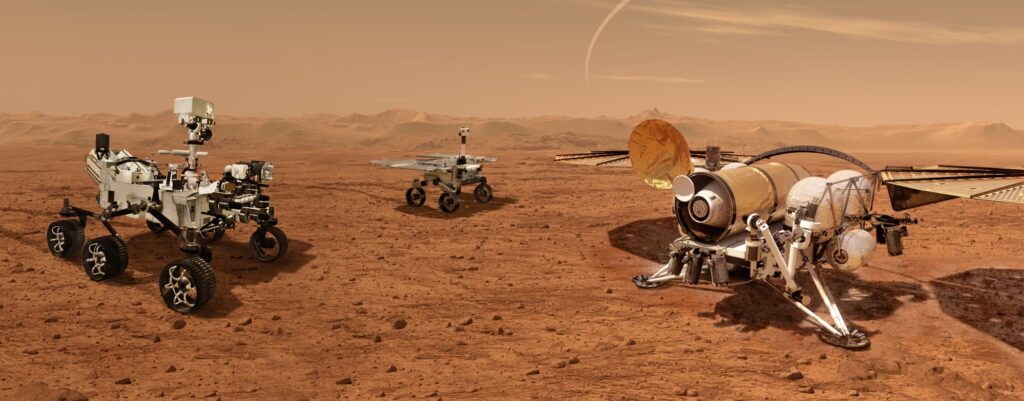
Mars Curiosity rover after drilling rock samples with Gale Crater in the background

9. How can we live together on Mars?

Numerous ethical, sociological, and even psychological questions must be considered for space travel. “As we’re trying to figure out how we will live in this space environment, we also have to figure out how we’ll live with each other in the space environment, because sometimes the other humans in your group are your biggest problem or your most important asset as you’re facing a really extreme environment,” Nesvold said. “We’re going to have to figure out how to self-organize and have some self-governance, the way that small groups have throughout history. We’ll need to be able to answer questions like: How do we handle conflicts between people living in space or between the people living in space and the ones back on Earth? What happens if you move to Mars to take a job and then you lose that job—do you have to pay for water, food, and air in space? Do you get a free ticket back to Earth or are you just on your own in a deadly environment? We’re certainly capable of bringing our inequalities with us into space, and I’m very confident we’re capable of inventing new ones in space. We need to be deliberate about this and think about what kind of future we want for ourselves, wherever it is, and make sure that we’re taking steps to protect that future for our descendants in space.”

10. Space capitalism: will its innovations be our salvation?

Why should we be spending so much money to explore Mars? Will the benefit warrant the costs?

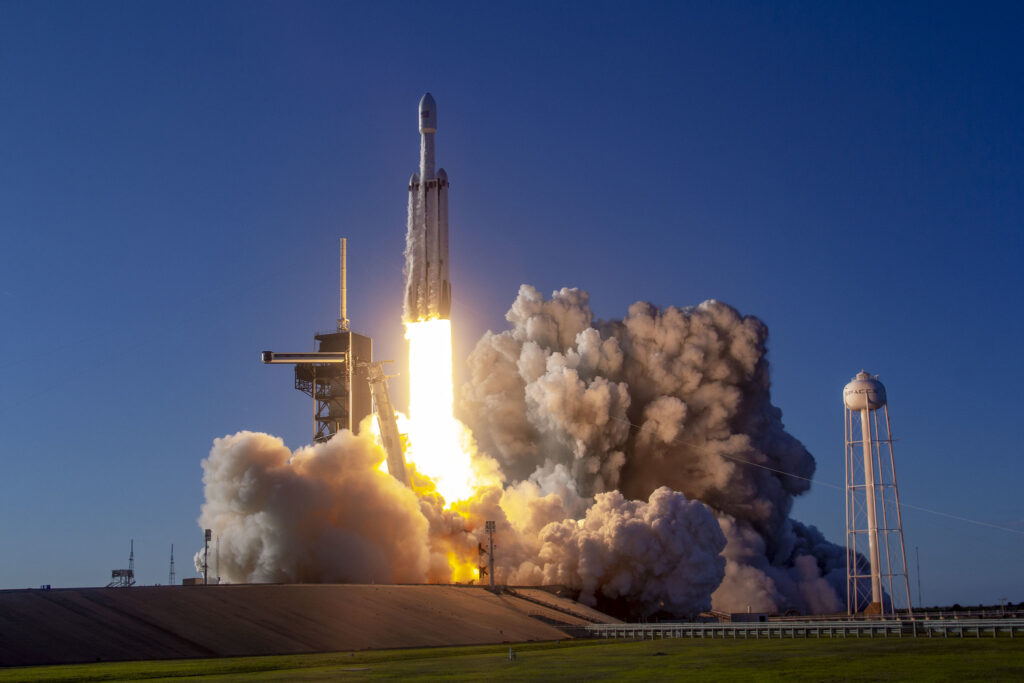
Falcon 9 liftoff; photo: SpaceX

“The return on investment is worth it because we’re going to get new technologies or access to resources that you don’t have here on Earth,” posited Nesvold. “But you have to make sure that those benefits are actually being distributed equitably.” When asked to comment on the billionaire-driven space ecosystem that we see flourishing today, Nesvold responded: “A big issue with the space program since its creation has been that it had to survive off of taxpayer money. If you can make the space sector profitable it becomes self-sustaining…. Profit-seeking is a big part of what’s supporting this industry and helping it move forward. Capitalism brings innovation, and innovation is what we need for space. The problem is that capitalism also roots a lot of misery and inequality. The trick is figure out how to get the innovation without increasing inequality and environmental destruction.”

One partial solution, Overbey said, are public-private partnerships that establish “guardrails” against out-of-control self-interest in space exploration. In her closing remarks, she described one big-picture view of why we should take on the challenge of space exploration: “We may think the Earth will end at some point, maybe millions, billions of years in the future. Or there’s always the threat that something could go horribly wrong on Earth within our lifetimes. Right now, where we’re at, we don’t have the science with our technology to sustain ourselves in space or on another planet indefinitely. So, when we think about return on investment, is it numbers and dollar signs for medicine, for a new technology?” Or, Oberbey asked, “What is the cost of [saving] the human race?”


Minor edits have been made to quotes for clarity.

Photos and illustrations courtesy NASA, unless noted otherwise.

The Exciting, Unchartered World of Nanomaterials

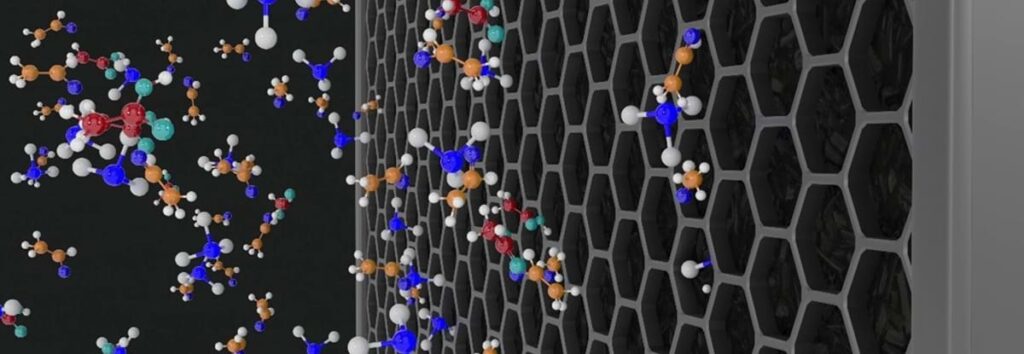
Crystalline nanomaterials viewed under a microscope.

Imagine if we could detect health problems before they become life-threatening.

Published June 04, 2021

By Benjamin Schroeder, PhD

Imagine if we could charge our cell phones by plugging them into our backpack, or if we could build a biocompatible probe that could interface with our cells and detect health problems before they become life-threatening.

Working at nanoscale, scientists are now capable of assembling molecules and atoms into structures that have exactly the desired properties they want a new material to possess. The prefix “nano” is used in the metric system to describe 10-9 parts of a whole, or 0.000000001—an exceedingly small number. But the term is also used to define an entire field of new and exciting research at a very, very, tiny scale.

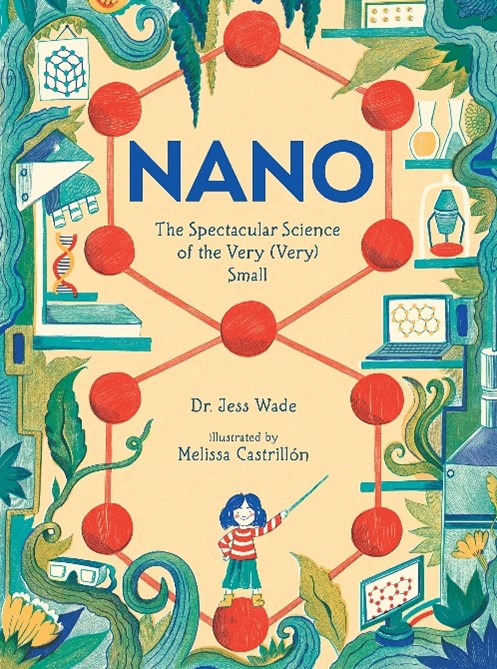
We recently interviewed Jess Wade, PhD, a Research Fellow at Imperial College London, about all things nano. Her research is focused on new materials for optoelectronic devices, with a particular emphasis on chiral organic semiconductors. She has also recently written a children’s book entitled Nano: The Spectacular Science of the Very (Very) Small,  illustrated by Melissa Castrillon and published by Candlewick.

This interview has been condensed and edited for clarity.

Many researchers in your field of materials science are drawing inspiration from nature to design new nanomaterials with novel shapes and functions. Why is that such an important consideration?

Because nature has been nailing this for a really long time. We look around and see naturally occurring structures that are super-strong, super-efficient, and in some cases capable of generating clean energy from the sun. I think we—as physicists, chemists, and materials scientists—can learn a lot from looking at natural, biological forms and trying to recreate their desirable properties in our labs.

Nature has evolved to be as efficient and streamlined as it can be, and we’re learning from that and applying it in areas like renewable energy and electronic display research. It is important for us to study those systems because nature has been getting it right for much longer than we have!

Crystalline nanomaterials viewed under a microscope. Photo Credit: Dr. Jess Wade

If nature has perfected processes like photosynthesis and cellular respiration, is it really possible to improve on nature’s design when creating new nanomaterials?

Molecules like proteins and peptides and similar compounds are essential in biological processes, but often have very strict operating requirements: they don’t behave normally when they get too hot or when they get very, very cold or when we put them in electromagnetic fields. So we can look at biological systems, examine what gives rise to their important properties, and ask, for example, “how can we design more resilient materials for technological purposes?”

I think even though nature has really perfected certain materials and processes, it has only really done so for a specific function.  We can still improve these natural materials by tailoring them to what we want.

In terms of discoveries that will potentially have a major influence on our daily lives, what are some of the breakthroughs in nano that you anticipate seeing in the next 15-20 years?

In 15-20 years more of us will have solar technologies that result from manipulation of the nanoscale properties of materials. For example, take materials like perovskites: hybrid organic/inorganic crystals that are incredibly efficient at generating electricity when they absorb light from the sun. Once scientists have optimized their nanostructures and fabrication protocols, perovskites will allow us to have flexible, integrated power supplies that can be incorporated into our clothing, our backpacks, and any surface that might be beneficial. I think there will also be a more concerted effort for scientists to work closely with designers to create wearable devices and other technologies that combine aesthetics with cutting-edge science.

You’ve just published a beautifully-illustrated children’s book entitled, Nano: The Spectacular Science of the Very (Very) Small.  What was your inspiration to write such a book, and can we expect to see additional children’s books from you covering different topics in science?

I find the science that you’re covering in the upcoming webinar “Finding Inspiration for Functional Nanomaterials from Nature,” and the nanoscience that I get to do in my day job extraordinarily exciting. Parents, students, and teachers don’t get quite as excited about it as they could because it’s not on their radar, and they get intimidated by jargon and buzzwords they do not really understand.

I wanted to write a book that young people read and then think, “chemistry is really cool! materials science is awesome! we can solve the global challenges by thinking from the atom up!,” but also a book that their parents read and think, “hey, maybe I was wrong to hate that so much when I was in school.”

I would absolutely love to create additional children’s books. There are a lot more areas of science that could have kid’s books. Dinosaurs are covered, space is covered, but there could be more and better coverage in physics and other areas, and I am excited about the possibilities.

Making STEM Education Accessible for All

Two young students participate in a simple science experiment.

STEM education is more important than ever. In our ever-changing, technology-driven world, students must be equipped with the knowledge and skills afforded by STEM learning—problem solving, critical thinking, curiosity, and persistence, among many others. STEM expertise is also desperately needed to address the many challenges facing our world, particularly those identified by the UN Sustainable Development Goals. Yet in many places throughout the world—in developed and developing countries alike—students lack access to meaningful STEM learning.

On February 23, 2021, The New York Academy of Sciences hosted a discussion between Chief Learning Officer Hank Nourse and Mmantsetsa Marope, Executive Director of the World Heritage Group. They explored the impacts of STEM education on individual, national, and global development.

In this eBriefing, you will learn:

  • What high-quality STEM education looks like
  • How STEM learning benefits individuals
  • The importance of STEM education to national and global development
  • How we might ensure equitable access to STEM learning, particularly in the face of growing inequities exacerbated by the COVID-19 pandemic

Advancing STEM Education for All

Speakers

Mmantsetsa Marope
World Heritage Group

Hank Nourse
The New York Academy of Sciences

Mmantsetsa Marope, PhD
World Heritage Group

Mmantsetsa Marope is widely regarded as a thought leader on education, the future of education and work, and learning systems capable of preparing students for rapidly changing and unpredictable futures. She is Executive Director of the World Heritage Group, an organization dedicated to building resilient, agile, and future-forward education systems. She is Honorary President of the Indian Ocean Comparative and International Education Societies and Lead Global Advisor for China’s Education and Innovation for Development EXPO.

Prior to founding the World Heritage Group, Dr. Marope spent four decades in the civil service and the nonprofit sectors, including senior roles at the World Bank and, most recently, UNESCO, where she served as Director of the International Bureau of Education. Dr. Marope holds a PhD in education from the University of Chicago, an MEd from Penn State University, and BA and CDE degrees from the University of Botswana and Swaziland.

Hank Nourse
The New York Academy of Sciences

Hank Nourse leads the Academy’s Global STEM Alliance (GSA), a bold initiative to advance science, technology, engineering, and mathematics education worldwide. With hundreds of partners, and reaching participants in over 100 countries, the GSA directly engages tens of thousands of students and teachers annually, providing mentorship, skill building, and professional development spanning K-12 and higher education.

Prior to joining the Academy in 2015, Hank spent more than 15 years developing online learning and assessment programs for the K–12 market, primarily at Scholastic, a global children’s publishing and media company. He holds a Master’s degree in International Educational Development from Teachers College, Columbia University, and a Bachelor’s degree from Gonzaga University.

Promising Immunotherapies over Toxic Chemotherapies

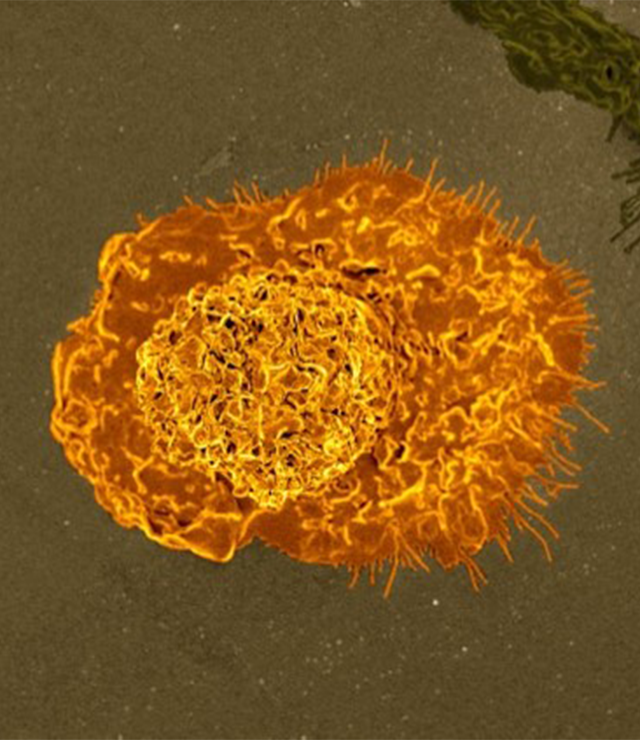
Macrophages can eat leukemia cancer cells when the cells are exposed to anti-CD47 antibodies.

Cancer immunotherapies utilize an individual’s immune system, providing alternatives to toxic chemotherapies.

Published April 22, 2021

By Ben Ragen, PhD

Cancer immunotherapies utilize an individual’s immune system to fight off or even prevent cancers— shifting the paradigm for cancer treatment and providing alternatives to toxic chemotherapies. Since the first immunotherapy cancer treatment was approved by the US Food and Drug Administration in the mid-1980s, scientists have continued to explore the potential of drugs and other biomedical technologies to manipulate cytokines, neoantigens, immune cells, and stem cells to treat and even vaccinate against cancer.

Irving Weissman, MD, is a Virginia & D.K. Ludwig Professor of Clinical Investigation in Cancer Research at Stanford University and the Director of the Stanford Institute for Stem Cell Biology and Regenerative Medicine. He has been studying cancer since 1957 and is a leader in the field of stem cell biology. Dr. Weissman will give the Keynote address at the upcoming 8th annual Frontiers in Cancer Immunotherapy conference, to be held by The New York Academy of Sciences on May 12-14, 2021.

The Academy recently spoke with Dr. Weissman about his entrance into the field of cancer immunotherapy and the advances he has made in treating leukemia by utilizing his groundbreaking findings of the link between cancer and the CD47 protein.

This interview has been condensed and edited for clarity.

You have been researching stem cells and cancer for decades. What was your introduction to these fields?

I actually started in high school in a pathology laboratory in Montana where I was learning about immunogenetics in the context of normal tissue transplants and tumor transplants. So, from the age of 16 on, I’ve been thinking about the field.

My interest in stem cell biology came out of the idea that if you had immune rejection of a transplant, it turned out that it was the thymus, and T cells derived from the thymus, that were the main effectors of rejection.

My interest then shifted from T cells to bone marrow. I set up several experiments to find cells within the bone marrow and was able to isolate blood-forming stem cells from mice. Within two years of starting SyStemix, Inc., a company which I co-founded, we isolated the human blood-forming stem cell.

How did your stem cell research lead you to study cancer?

By 1996 we were treating cancer patients by giving them lethal doses of a combination chemotherapy and were then saving them by rejuvenating their blood-forming system with their own cancer-free stem cells. These treatments were done in women with metastatic breast cancer, which made me think more and more about cancer and how we could understand which cells might become malignant in acute myelogenous leukemia.

We had gotten samples from the Hiroshima Hospital Atomic Bomb Casualty Commission, which has frozen banks of live bone marrow cells belonging to people who developed leukemia after the atomic bomb. Reseachers found we could isolate the human leukemia stem cell from those samples.

We could then look at the gene expression differences between two types of purified cells: the leukemia stem cells and then either the same stage cells from normal bone marrow or from hematopoietic stem cells. It wasn’t until we had completed all of that work that we could say, for the first time, which genes leukemia stem cells were overexpressed and which ones were underexpressed.

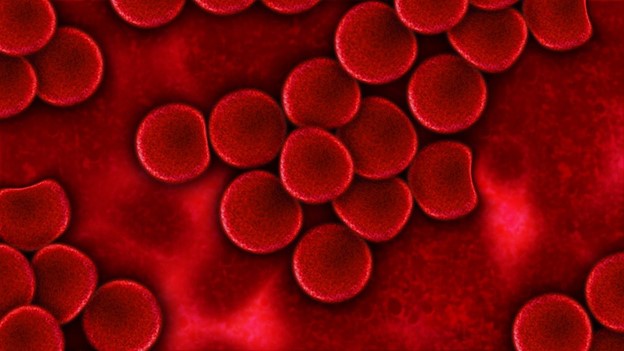
Red blood cells express CD47 on their surface to prevent macrophages from eating them.

Were there any specific genes that warranted further investigation?

One of the first genes we observed was called CD47. So, I looked it up in the literature, and it said that CD47 was an integrin-associated protein. But CD47 is not only associated with integrin in the cell membrane. When another research group knocked out the Cd47 gene in mice, they could keep the mice alive, but when they looked at their red blood cells and transfused the red cells into healthy animals of the same antigenic type, those red blood cells had a two-hour lifespan instead of having a normal two- to three-week lifespan. This discovery showed that immune cells—called macrophages—found in the bone marrow, the spleen, and liver were “eating”, or destroying, these red cells prematurely.

How did the discovery of CD47 and its role in red blood cell lifespan extend to your research on cancer?

CD47 is a “don’t eat me” signal on red blood cells—that’s how it extends red blood cell lifespan—but when the expression of CD47 normally fades, then the red blood cells can be eaten. So, we said, “well, if it is a ‘don’t eat me’ signal for red blood cells by blocking macrophages from eating them, why does every mouse leukemia and every human leukemia that we study have upregulated expression levels of CD47?”

So, we obtained and then made anti-CD47 antibodies. We showed that we could incubate the anti-CD47 antibodies with the human patient leukemia stem cells that we had isolated, along with human macrophages. The anti-CD47 antibodies relieved the blockade, and the macrophages started to eat.

Within two hours, each macrophage that ate was stuffed full of five to ten leukemia cells; you let it go two days, and there’s no leukemia cells left on the dish. So, it was pretty clear that we were dealing with a system of macrophage recognition and that we had developed an immunotherapy.

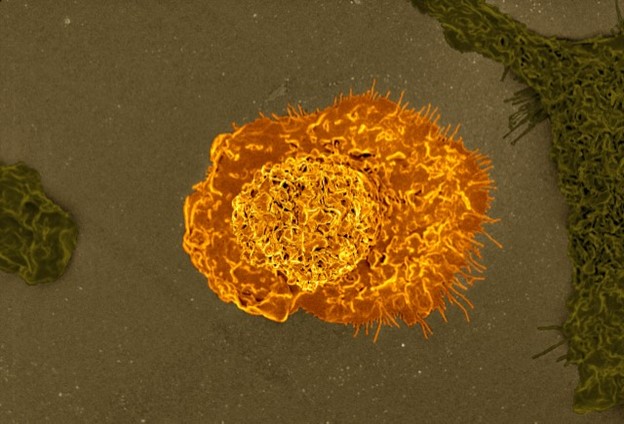
Macrophages can eat leukemia cancer cells when the cells are exposed to anti-CD47 antibodies.

How close are we to seeing anti-CD47 antibodies as an available cancer treatment?

We have finished a Phase 1 and a late Phase 2 trial for acute myelogenous leukemia and myelodysplastic syndrome, which is a disease that will often turn into acute myelogenous leukemia. We found that the anti-CD47 antibody alone didn’t eliminate the tumor.

When we added azacytidine—the drug used to hold myelodysplastic syndrome and some acute myelogenous leukemias at bay for a short time—we found that tumors regress in nearly 100% of patients with elderly-onset acute myelogenous leukemia and high-risk myelodysplastic syndrome. So far, we see over 50% complete regression, and it’s been two years.

Also read: Advancing Vaccines and Cancer Immunotherapy.

The Challenge of Quantum Error Correction

An illustrated graphic of a computer chip, or a similar piece of electronic equipment.

Shruti Puri, PhD, helps explain the challenges and the potential computational power this exciting new technology may bring about.

Published March 22, 2021

By Liang Dong, PhD

Shruti Puri, PhD, Yale University

Quantum computing is a radically new way to store and process information based on the principles of quantum mechanics. While conventional computers store information in binary “bits” that are either 0s or 1s, quantum computers store information in quantum bits, or qubits. A qubit can be both 0 and 1 at the same time, and a series of qubits together remember many different things simultaneously.

Everyone agrees on the huge computational power this technology may bring about, but why are we still not there yet? To understand the challenges in this field and its potential solutions, we recently interviewed Shruti Puri, PhD, who works at the frontier of this exciting field. Puri is an Assistant Professor in the Department of Applied Physics at Yale University, and a Physical Sciences & Engineering Finalist of the 2020 Blavatnik Regional Awards for Young Scientists, recognized for her remarkable theoretical discoveries in quantum error correction that may pave the way for robust quantum computing technologies.

What is the main challenge you are addressing in quantum computing?

Thanks to recent advances in research and development, there are already small to mid-sized quantum computers made available by big companies. But these quantum computers have not been able to implement any practical applications such as drug and materials discovery. The reason is that quantum computers at this moment are extremely fragile, and even very small noise from their working environment can very quickly destroy the delicate quantum states. As it is almost impossible to completely isolate the quantum states from the environment, we need a way to correct quantum states before they are destroyed.

At a first glance, quantum error correction seems impossible. Due to the measurement principle of quantum mechanics, we cannot directly probe a quantum state to check if there was an error in it or not, because such operations will destroy the quantum state itself.

Fortunately, in the 1990s, people found indirect ways to faithfully detect and correct errors in quantum states. They are, however, at a cost of large resource overheads. If one qubit is affected by noise, we have to use at least five additional qubits to correct this error. The more errors we want to correct, the larger number of additional qubits it will consume. A lot of research efforts, including my own, are devoted to improving quantum error correction techniques.

What is your discovery? How will this discovery help solve the challenge you mention above?

In recent years, I have been interested in new qubit designs that have some in-built protection against noise. In particular, I developed the “Kerr-cat” qubit, in which one type of quantum error is automatically suppressed by design. This reduces the total number of quantum errors by half! So, quantum computers that adopt Kerr-cat require far fewer physical qubits for error correction than the other quantum computers.

Kerr-cat is not the only qubit with this property, but what makes the Kerr-cat special is that it is possible to maintain this protection while a user tries to modify the quantum state in a certain non-trivial way. As a comparison, for ordinary qubits, the act of the user modifying the state automatically destroys the protection. Since its discovery, the Kerr-cat has generated a lot of interest in the community and opened up a new direction for quantum error correction.

As a theoretician, do you collaborate with experimentalists? How are these synergized efforts helping you?

Yes, I do collaborate quite closely with experimentalists. The synergy between experiments and theory is crucial for solving the practical challenges facing quantum information science. Sometimes an experimental observation or breakthrough will provide a new tool for a theorist with which they can explore or model new quantum effects. Other times, a new theoretical prediction will drive experimental progress.

At Yale, I have the privilege to work next to the theoretical group of Steve Girvin and the experimental groups of Michel Devoret and Rob Schoelkopf, who are world leaders in superconducting quantum information processing. The theoretical development of the Kerr-cat qubit was actually a result of trying to undo a bug in the experiment. Members of Michel’s group also contributed to the development of this theory. What is more, Michel’s group first experimentally demonstrated the Kerr-cat qubit. It was just an amazing feeling to see this theory come to life in the lab!

Are there any other experimental developments that you are excited about?

I am very excited about a new generation of qubits that are being developed in several other academic groups, which have some inherent protection against noise. Kerr-cat is one of them, along with Gottesman-Kitaev-Preskill qubit, cat-codes, binomial codes, 0−π qubit, etc. Several of these designs were developed by theorists in the early 2000s, and were not considered to be practical. But with experimental progress, these have now been demonstrated and are serious contenders for practical quantum information processing.  In the coming years, the field of quantum error correction is going to be strongly influenced by the capabilities that will be enabled by these new qubit designs. So, I really look forward to learning how the experiments progress.

A New Approach to Sustainable Plastics and Polymers

Sunset over petrochemical plants in Lake Charles, Louisiana

Adrienne Hollis, PhD, JD, the Senior Climate Justice and Health Scientist at the Union of Concerned Scientists, explains the role scientists must play in mitigating the harm caused by plastic waste and pollution from polymer production.

Published March 4, 2021

By Stephen D. Albright, PhD

Sunset over petrochemical plants in Lake Charles, Louisiana. (David Wilson from Oak Park, Illinois, USA, CC BY 2.0, via Wikimedia Commons)

New scientific discoveries often have profound impacts beyond what researchers can initially imagine. Polymers, and plastics derived from them, are an instructive example: the plastics that were once heralded as cheap, durable, and functional have also created an environmental crisis. Plastic waste and pollution from polymer production are significant hazards for communities around the world.

Adrienne Hollis, PhD, JD, the Senior Climate Justice and Health Scientist at the Union of Concerned Scientists (UCS), recently answered some questions about the impact of plastics and the role scientists have in mitigating their harms. Before joining UCS, Dr. Hollis served as a section chief at the Agency for Toxic Substances and Disease Registry, an agency within United States Department of Health and Human Services, and as an Associate Professor at the Florida A&M University Institute of Public Health.

How would you define environmental justice and why should basic science researchers care about it?

Hollis: To me, basic science research focuses on gaining a fundamental understanding of the natural environment and how natural resources are transformed. Environmental justice talks about the adverse effects on communities from exposure to the unnatural transformation of the natural environment, through actions like air or water pollution. A specific focus of environmental justice is the disproportionate impact of exposure on disadvantaged areas and communities of color. But I would defer to communities and community organizations for their definition. That is what matters.

Outside of moral and ethical considerations of fairness, researchers are urged to follow the Precautionary Principle, based on the concept of “Do No Harm” in the medical profession. It states that if anything has a suspected risk of harm, to either the public or the environment, scientists should immediately engage in actions to prevent harm, even in the absence of complete scientific data identifying risk. These actions are at the core of environmental justice, and should apply across all areas of basic science research.

One of the most striking examples of communities of color and/or low socioeconomic status being disproportionally affected by environmental hazards is a stretch of Louisiana along the Mississippi River. Called by many “Cancer Alley,” it is home to a high density of oil refineries and petrochemical plants, key steps of polymer and plastic production. What have been some of the hazards and illnesses documented in this region?

Hollis: I would first state that community members would be the best source of information on health effects because of their historic knowledge and community data on this issue. What I can say is that high rates of many health conditions—miscarriages, cancer, heart problems, respiratory problems like asthma and chronic obstructive pulmonary disease (COPD), and others—are present and well-documented in this region.

A perfect example of a hazard is the 2020 fire at a Lake Charles, Louisiana chlorine plant after Hurricane Laura. During and after the fire, residents were ordered to shelter in place, close all windows, and not operate air conditioners to prevent chlorine exposure. Amidst a pandemic and summer heat, the situation could have been so much more devastating—widespread COVID-19, heat stroke, or chlorine poisoning were all real possibilities. And yet, facilities keep coming!

Nick Fewings, via Unsplash

Researchers in polymer chemistry are working towards developing polymers and plastics that can be more sustainably produced and disposed of. What kinds of changes to a polymer’s life cycle would be most impactful for communities hit hardest by industrial pollution?

Hollis: People living in places like Cancer Alley deal with facilities that release traditional air pollution as well as greenhouse gases while making plastics. Changes that would be impactful include ceasing the extraction of fossil fuels for polymer production and changing the plastic production processes that generate pollutants like ethylene oxide, styrene, and benzene. Processes that exclude the use of these chemicals would be optimal.

But the most impactful step would be to get rid of those facilities. Hopefully, as new processes are developed to improve plastic recycling and reuse, there will be decreased demand for facilities that produce virgin plastics. In the meantime, research and development of alternatives to biopolymers and petroleum-based products—both of which lead to adverse health effects—would also be a great intermediate step.

What actions could scientists and engineers take during the research process to mitigate and prevent adverse impacts when their research translates into products? What should research practices that incorporate environmental justice look like?

Hollis: In my opinion, it is not really about making production better and safer. It is about the Precautionary Principle, which all scientists should adhere to: do no harm. This means taking preventive action when you suspect harm could occur and most importantly, increasing public participation in decision making. Scientists and engineers must, at the outset, identify the communities that may be impacted, work with those communities early and often to identify concerns, and move forward together. Scientists and engineers must ask themselves if they would want to live in a place that produces these products, and whether the processes they are developing to mitigate and prevent harm are good enough for them or their families.

Also read: Avoiding Bias and Conflict of Interest in Science