Avoiding Bias and Conflict of Interest in Science

A dramtically lit gold justice scale backlit an a dark background - 3D render

“[C]onflict of interest is about more than money….it can come from political pressures and ideological pressures.”

Published February 18, 2021

By Melanie Brickman Borchard, PhD, MSc

Arthur Caplan, PhD
Professor, NYU Grossman School of Medicine

Arthur Caplan, PhD, says scientists, physicians, and their employers, must be on guard to ensure that quality research and good patient care remain front-and-center in a healthcare system rife with rewards for bias. Dr. Caplan is a professor of medical ethics at the NYU Grossman School of Medicine. He advises presidents, government agencies, patient groups, and international organizations on bioethics.

He is a prolific researcher and author. We spoke with Dr. Caplan recently, and he shared five things doctors and medical researchers should keep in mind to help guard against bias in their work.

1) Demand transparency and be transparent.

As an employer or administrator, there are steps you can take to guard against bias in members of your staff. You can reward behavior that reduces opportunities for conflicts of interest.

There are a number of things we can do to manage conflict of interest. One is to demand transparency. Make sure that people tell us what their jobs are, what their responsibilities are, so you can assess whether they’re overworked or not doing enough of what they’re supposed to be doing. Many schools require those disclosures. Some prohibit taking a second job, some don’t let doctors moonlight, because they think it makes them too tired or it distracts them from their primary responsibilities.

In other situations, you can simply rule out certain relationships and say, ‘look, if you have a relationship with a company or a startup, and you think you’re making a useful medicine or vaccine, then you shouldn’t study whether it works or not. Farm that out to a third party.’ The process will be more independent and objective. If possible, you shouldn’t study what you own.

2) Recognize that transparency about ties to industry is important, now more than ever.

You can’t do anything with vaccines unless you’re talking to industry. They have the manufacturing capabilities. Plus, most of the basic science gets done in areas like vaccines with industry support, not through public or academic grants, or the work of academic institutions. So, in some sectors, there is no escaping the industry tie. You have to be transparent about that. You have to teach people how to manage that. You have to make sure that scientists and doctors understand they are going to be evaluated on the legitimacy of their work, not telling happy news to their funders. I think also we need more oversight. There should be more systematic review and challenging questioning by administrators, for more accountability. And you’ve got to beef up peer review. It is your best weapon against subtle, unconscious bias or deliberately fudging things to make them look good for increasing your salary or enhancing equity.

3) And speaking about peer review…. strengthening it must be a priority.

We need to bolster peer review. Peer review is getting weak. People don’t spend enough time teaching junior academics how to do it. The amount of resources and reward that come from doing peer review is somewhere between non-existent and nothing. But peer review is biomedicine and science’s best protection in looking at whether studies, evidence and information can be trusted. But if it’s just done pro forma, or people pass it off to ill prepared, overworked graduate students, or no one actually rewards you in terms of promotion for getting involved with it, then the best protection we have to verify evidence and verify that claims being made are true, is weakened significantly. And I do worry that the peer review system is not doing the job anymore to control for bias because it’s under-resourced.

4) Be cognizant of small favors, and factors other than money. As a doctor or scientist, don’t kid yourself about susceptibility to bias resulting from small incentives. And be aware that conflict is not always about money.

You have situations where doctors are prescribing medicine, and they say, ‘well, I prescribe the best medicine. I don’t believe that just because people take me to lunch, I’m going to start prescribing their medicine.’ But in fact, study after study shows that, subtly, small gifts, free lunches, free gas, and tickets to sporting or cultural events, have influence that really drive behavior. So, we may deny that small gifts can influence us, but time and again, psychology and behavioral science proves that they do.

Also, conflict of interest is about more than money. I know we ‘follow the money’ in thinking about conflict of interest and we tend to see people saying, ‘well, it’s money that generates conflict of interest problems.’ But I think it can come from other forces, too. I think it can come from political pressures and ideological pressures. I think we can see conflicts generated in the drive to succeed, the drive to be first, the drive for fame and honors. These things can create conflicts, too. So, in managing conflict of interest, it isn’t just figuring out where the money’s going, although that’s probably 85% of it. There are other forces we need to pay attention to as well.

5) Help the public understand how science works, with better science communication and with better teaching.

I think people will be more alert for conflicts of interest if they understand how science works. They won’t necessarily just say, ‘okay, I trust what you were telling me.’ They may want to get more than one opinion. They may want to go to more independent and trustworthy sources, and not just accept the views of somebody who’s trying to sell them a particular potion or nostrum.

There needs to be more effort made in the medical and scientific communities to train people to be communicators, and if you are good at it, you should be encouraged and make that part of your career. And we’ve got to get better science teaching into our schools. We need elementary and secondary school teachers who can communicate effectively about science. The public is not going to make good decisions about how to weigh opinion and evidence if we don’t have good communicators in the classroom.


Read more about Dr. Caplan’s work: The Need to Accelerate Therapeutic Development: Must Randomized Controlled Trials Give Way?
Strong Vaccine Science Advances COVID-19 Research

A shot of a syringe and dose of COVID vaccine.

Anthony Fauci says vaccine developers can build on many years of research to stay ahead of SARS-CoV-2 variants

Published February 02, 2021

By Alan Dove, PhD

Coronavirus Covid-19 Protection and Vaccine. Doctor drawing up solution from vaccine bottle and filling syringe injection for patient vaccination in medical clinic, Coronavirus in background
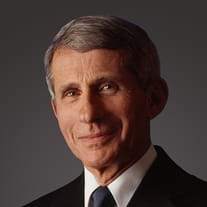
Anthony Fauci, MD
Dir., National Institute of Allergy and Infectious Diseases

As concerns swirl around the emergence of novel variants of the SARS-CoV-2 coronavirus, Anthony Fauci, Director of the National Institutes of Allergy and Infectious Diseases, points to reassuring results from both clinical and laboratory tests, and underscored the ability of scientists to adapt rapidly to the evolving pandemic.

The new variants, one first isolated in the UK and one in South Africa, carry mutations in the gene encoding the spike protein that all of the currently approved and candidate vaccines target. Preliminary experiments have shown that some of the antibodies patients raise in their bodies against the spike protein don’t bind as well to the variant forms.

Speaking at a New York Academy of Sciences symposium, The Quest for COVID-19 Vaccines, Fauci explained that “the diminution [in binding] is about five or six fold,” but remains within the range expected to be protective. He added that real-world clinical trial data backs that up, with the latest results from Johnson & Johnson’s COVID-19 vaccine showing 85% efficacy in preventing severe disease even in a South African cohort where most of the cases involved one of the feared variants.

Building Upon Decades of Previous Research

At the same time, decades of prior work have positioned vaccinologists well to respond quickly if the virus does evolve to circumvent vaccine-mediated immunity. Indeed, the COVID-19 vaccine development effort to date has already illustrated how fast that response can happen. Less than a year after the first genome sequence of the SARS-CoV-2 coronavirus was published, millions of people around the world were receiving highly effective vaccines, a result Fauci calls an “extraordinary historic accomplishment.”

Putting this astonishing achievement in perspective, Fauci compared it to previous vaccine efforts. “Even as we developed more technologies, measles, for example, took ten years, hepatitis B took sixteen years, but…COVID-19 took 11 months,” said Fauci. The new pandemic vaccines were in fact decades in the making, building on a scientific legacy that is also helping researchers prepare to address new viral variants.

Tracing the history of the current crop of COVID-19 vaccines back to work on HIV vaccines in the 1990s, Fauci described the basic and applied science that built a system spring-loaded to respond to a pandemic. “Then along came SARS-CoV-2, and again, [through] that same work that dates back years, the marriage between vaccinology and structure-based vaccine design” quickly revealed the most promising antigen target for COVID-19 vaccines.

Structure-Based Design

In structure-based design, scientists begin with the atomic structure of an antigen, and predict how modifications to it could enhance its potency. For SARS-CoV-2, that process identified a specially modified version of the virus’s spike protein as the best antigen; that antigen is now the basis for nearly all currently approved and candidate COVID-19 vaccines. A parallel body of work had shown the capabilities of modern vaccine platforms such as messenger RNA, recombinant proteins, and genetically engineered viral vectors.

As the new vaccines finished preclinical trials early in 2020, their developers already had access to an established network of clinical trial sites.

“The extraordinary investments that were made decades ago in putting together the HIV clinical trial network was immediately adapted, by using many of these sites [as] part of the COVID-19 Prevention Network,” said Fauci, adding that the first phase 1 clinical trial began just over 60 days after the release of the SARS-CoV-2 genome sequence, a head-snapping speed for clinical development.

Effectively Combatting New Variants

Turning to the new variants originally seen in the UK and South Africa, now known as B.1.1.7 and B.1.351 respectively, Fauci added that the nature of the new vaccines’ underlying technologies will also make them relatively straightforward to update if necessary.

“Multiple companies…are now doing an upgraded version of their vaccines, which would likely serve as a boost,” said Fauci.

Regulatory authorities are already pondering how to handle such booster vaccines, but they may be able to accept an abbreviated approval process similar to the one used for seasonal flu shots. In that approach, the new boosts “would be considered by the FDA as literally a strain change,” subject to only two phases of safety and immunogenicity tests instead of full-scale phase 3 trials, said Fauci.

Efficacy versus Effectiveness

The vaccine effort also now faces obstacles that are harder to address through science and technology. Fauci contrasted the ideas of efficacy and effectiveness of a vaccine. While the former can be calculated from clinical trial data, the latter stems from how widely a community adopts the vaccine; a highly efficacious vaccine that few people get will fail to curb the virus’s spread.

“One of the challenges that we are facing [is apparent] if you look at the intent to get COVID-19 vaccines,” said Fauci, pointing to surveys that show that significant numbers of Americans remain hesitant about vaccination. “We need to respect that, but we need to try and convince them of the importance, for their own safety and the safety of their family and the American public, to get vaccinated,” he added.

Though he has made a preliminary estimate that “herd immunity,” or overall protection of the population, could require vaccination of 70-85% of the population, Fauci cautioned that those figures are just an educated guess; only long-term monitoring of infection rates will reveal when the country is effectively protected.

Also read: The COVID-19 Pandemic at Year Four: The Imperative for Global Health Solidarity

Krainer Recognized for Pioneering Work in Anti-Sense Therapy

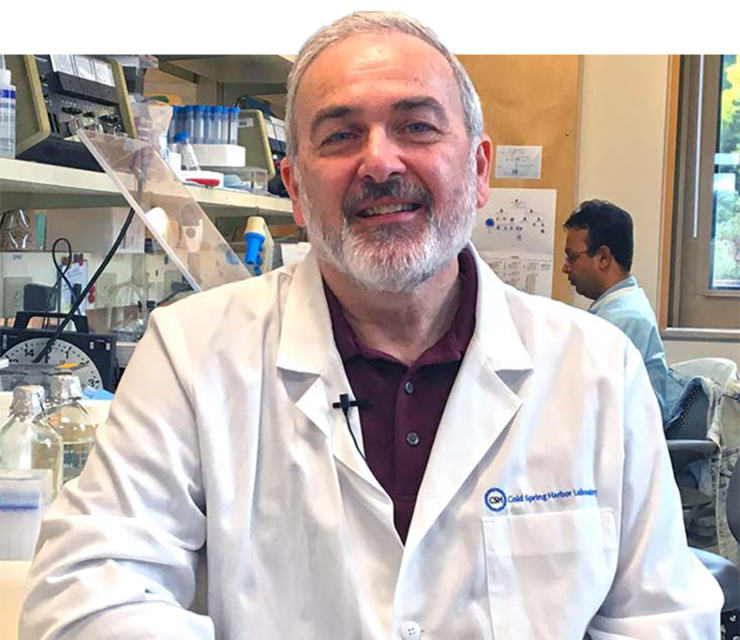
Dr. Adrian Krainer smiles for the camera inside his research lab.

Dr. Krainer’s research examines anti-sense therapy and its application to spinal muscular atrophy.

Published December 15, 2020

By Melanie Brickman Borchard, PhD, MSc

Adrian R. Krainer, Ph.D.,
St. Giles Foundation Professor
at Cold Spring Harbor Laboratory
Photo credit: Cold Spring Harbor Laboratory

Adrian R. Krainer, PhD, St. Giles Foundation Professor at Cold Spring Harbor Laboratory, was awarded the 2020 Ross Prize in Molecular Medicine by the Feinstein Institutes for Medical Research and Molecular Medicine for his pioneering work in introducing anti-sense therapy into clinical use and for its successful application to spinal muscular atrophy (SMA), an illness that has been the leading genetic cause of infant death.

“I was surprised to win the Ross Prize and really appreciate it,” remarked Krainer. “I view it as recognition of not just what I have done but of my whole team, which is the people currently in the lab and the ones that preceded them, plus our collaborators. It’s been a collective effort.”

Krainer emigrated from his native Uruguay to the United States in the late 1970s. He studied biochemistry and genetics at Columbia University. Later, during his graduate studies at Harvard, he became excited by a cutting-edge area of research—RNA splicing, a process that removes introns from precursor messenger RNA and joins the exons to enable translation of mRNA into a protein.

After working on the biochemistry of human RNA splicing, he was recruited to the Cold Spring Harbor Fellows Program upon graduation, where he focused on addressing basic mechanisms and regulation of splicing, what he referred to as, “curiosity-driven research, where we were just trying to learn something about how this process works and its natural regulation.”

Advancing Research on Spinal Muscular Atrophy

After spending fifteen years leading studies on the basic mechanisms and regulation of RNA splicing, in 1999 Krainer attended an invitation-only NIH symposium focused on SMA. This symposium was the catalyst for a revolutionary shift in the direction of his work. There, Krainer saw an opportunity to further elucidate the mechanisms he was already working on. He wanted to use this knowledge to find a potential therapy for SMA patients.

“Meetings are hugely important. Because of that meeting a little light bulb went off [related to the intersection of my work and SMA]. Not that I knew how we would solve the problem, but there was a realization that this problem fits really well with things we have been doing and is very worthwhile,” said Krainer.

A year later Krainer made a commitment to study SMA and by 2004 he entered into a partnership with Ionis Pharmaceuticals to focus on the development of Spinraza (generic name Nusinersen), the first FDA-approved drug to treat SMA associated with mutations in the SMN1 gene (approved in 2016). Since then, more than 11,000 people have been treated with this groundbreaking therapy.

“This is the best one can hope for as a researcher. It is really a dream come true that the basic research is translated into an actual drug that saves lives and is changing the quality of life for so many patients and families.”

Krainer added that the success of Spinraza has the potential to spiral outwards.

“It transcends this one disease, because it’s an example of what can be done with the antisense platform, now it can be used again and again for other neurological diseases and beyond.”

Reflecting on His Work

Today, Krainer continues to pursue the basic science aspects of splicing in his lab. Additionally, he seeks to refine the understanding of the complex machinery used for this process. Among other activities, his lab also focuses on antisense technology to develop therapies for other diseases caused by splicing defects and on understanding how splicing factors and dysregulated alternative splicing promote cancer progression.

Krainer sees being a scientist as a “privilege” and very much a collaborative effort wherein “everyone is doing something that they love.” Even so, he recognizes there are many bumps in the road for scientific discovery.

“One has to be very persistent,” he said. “I think that failure along the way comes with the territory. There’s a lot of troubleshooting and persistence required. If something doesn’t work, you try again or try in a different way. So, it’s a constant challenge and that’s part of the fun of the whole thing.”


The Ross Prize in Molecular Medicine was established in conjunction with the Feinstein Institutes for Medical Research and the Springer Nature journal Molecular Medicine.


Read more about the Ross Prize and past awardees:

Teaming Up to Advance Brain Research

An illustrated graphic of two brains working together.

The New York Academy of Sciences and Aspen Brain Institute celebrate a decade of collaboration.

Published May 1, 2020

By Melanie Brickman Borchard, PhD, MSc

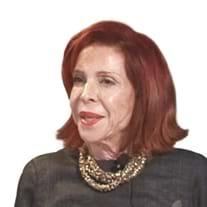
Glenda Greenwald President and Founder, Aspen Brain Institute

Bringing together some of the world’s greatest thinkers is no small accomplishment. But a decade ago, a seemingly chance meeting in Aspen led to a partnership that would bring some of the world’s leading figures from science, politics and entertainment to landmark events in the field of neuroscience, early childhood development and STEM education.

Such innovators as Edward Boyden (MIT), George Church (Harvard), Christof Koch (Allen Institute for Brain Science), Philip Low (NeuroVigil), Helen Mayberg (Emory University), Andrew Schwartz (University of Pittsburgh), Nora Volkow (NIH) as well as former Secretary of State Hillary Rodham Clinton, former Congressman Patrick Kennedy, First Lady of New York City Chirlane McCray, and iconic film star Goldie Hawn, Founder, The Goldie Hawn Foundation, have all been guest speakers at programs developed by the New York Academy of Sciences and the Aspen Brain Institute.

Teaming Up to Advance Brain Research

The partnership began when President Emeritus of the New York Academy of Sciences, Mr. Ellis Rubinstein, attended a dinner hosted by Aspen Brain Institute Founder and President, Glenda Greenwald at her Aspen home in the spring of 2009. They quickly discovered their mutual passion for bringing scientific knowledge to the wider community, so when Mrs. Greenwald asked President Rubinstein if he would like to partner on a global brain research conference, he promptly said yes and a partnership was born.

Since that meeting the New York Academy of Sciences and Aspen Brain Institute have brought together the most innovative, important and inspiring individuals together to discuss topics on the cutting edge of science.

“The seeds were planted between the Aspen Brain Institute (ABI) and the New York Academy of Sciences at that dinner,” said Glenda Greenwald, “and the partnership is still very much blossoming and bearing fruit.”

The Most Important Advancements in Science

In the years that followed, the two organizations developed scores of scientific symposia, public programs, podcasts, and e-Briefing multimedia reports that highlighted the most important advancements in science.

“Thanks to Glenda Greenwald’s personal participation as well as the generous support of the Aspen Brain Institute, we jointly convened a number of significant conferences that engaged some of the greatest innovators in science today,” said Ellis Rubinstein.

These joint symposia have focused on such notable topics as:

  • Cracking the Neural Code: Exploring how the activity of individual neurons and neuronal circuits gives rise to higher order cognition and behavior, with talks on areas like mapping neural networks;
  • Accelerating Translational Neurotechnology: Exploring innovative scientific, clinical, and organizational models for advancing the translation of neuroscience research into technologies for neurological and psychiatric disease;
  • Shaping the Developing Brain: Exploring the latest discoveries from cognitive neuroscience and experimental psychology regarding typical and atypical development of human learning and memory, emotion, and social behavior in early life; and
  • The Enhanced Human — Risks and Opportunities: Exploring existing and emerging enhancement technologies, with a focus on gene editing and artificial intelligence as examples of technologies with broad capabilities and ethical concerns.

“These conferences and public programs were not only scientifically outstanding, but also often awe-inspiring,” Rubinstein commented. “For me, the most moving moment was in the Bionic Skeletons and Beyond program. Watching Amanda Boxtel — a long-time paraplegic — walk across the stage thanks to a wearable bionic exoskeleton, was truly remarkable.”

Part of the Academy’s Global STEM Alliance

In 2017 the ABI began supporting the Academy’s Global STEM Alliance (GSA), a coalition of more than 250 organizations united in their commitment to increase the number and diversity of students in the STEM pipeline. For two years, the ABI sponsored a Social Impact Challenge for young, high-achieving STEM students from around the world.

“I fell in love with the GSA concept of a global, online peer network of high school students collaborating on solving world problems,” said Greenwald. “The global aspect, the STEM aspect, and the brilliant innovation of the kids were all phenomenal.”

“In working with The New York Academy of Sciences, I have appreciated their wide open vision — the ability of the organization to stay topical and timely so that we could highlight the most current and exciting research, as well as bring in the highest level scientists at our conferences,” said Greenwald.

Both organizations anticipate that their decade-long partnership will extend well into the future, with many more years of progressive and collaborative programs to come.

Good Mentors are Key to Student Interest in STEM

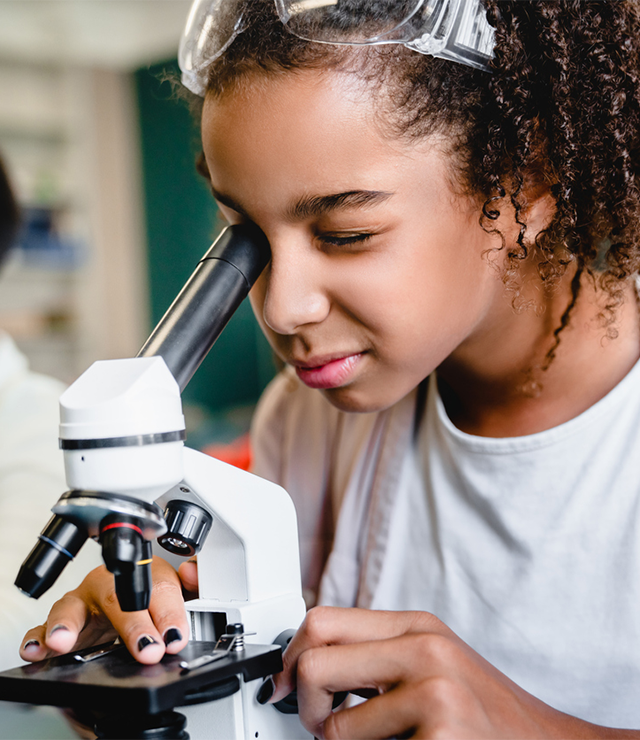
A young woman examines a specimen under a microscope.

The Academy’s Scientists in Residence initiative aims to jumpstart student interest in STEM.

Published May 1, 2020

By Adrienne Umali, M.S.B.S., M.S.Ed.

Kathrin Schilling, Ph.D.
Associate Research Scientist Geochemistry, Columbia University

Regardless of the field you’re in, it is likely that if you looked back at your career path, you could identify at least one person who has helped guide you to where you are today. Whether this person was a teacher, family member, coach, or supervisor, mentorship has always been an incredibly important part of not only exposing individuals to new ideas and opportunities, but in encouraging them to their full potential.

When the 2018 Program for International Student Assessment (PISA) scores in math and science showed the United States ranked 13th, behind several Asian and European nations, it was once again demonstrated that the U.S. needs to raise its investment in science, technology, engineering and math (STEM) to remain globally competitive. These fields are core to almost every industry, but a 2017 poll found that only 38 percent of middle and high school teachers see their students as being “naturally interested” in STEM.

Cultivating a Love of STEM

Most students rarely have the opportunity to meet a working scientist, so developing programs that expose students to science professionals is proving to be a critical way to cultivate a love of STEM in the next generation. It’s what brought Emily Bohonos, a middle school science teacher in Brooklyn, N.Y., to join The New York Academy of Science’s Scientist-in-Residence (SiR) program.

SiR brings together scientists and NYC middle and high school teachers for a year-long collaboration that aims to jumpstart student interest in STEM through real-world projects and the opportunity to “humanize” a scientist.

Emily Bohonos
Science Teacher, Elijah Stroud Middle School, Brooklyn, N.Y.

Bohonos along with her partner Kathrin Schilling, Ph.D., an associate research scientist of Geochemistry from Columbia University, have spent the last few months creating a project focused on something that most students already have an interest in: food. Building off of Schillings’ expertise — she has degrees in geology, soil science and microbiology — the two are challenging students to research diet variations around the world and create experiments that explore the effects of different conditions on plant growth. Their project pushes students to practice thinking critically, creatively, and globally.

Thinking Outside the Box

Schilling loves sharing her passion for science with students and is thrilled when she sees them thinking outside of the box. The benefits of programs like this, however, are not limited to added content expertise — they also provide tangible examples of people who have found success in STEM.

In fact, Schilling notes that many of the questions she gets are far removed from her area of expertise. With the title of “Dr.“, the students see her as an expert in all science-related fields, a factor she recognizes may be one of the reasons that science can seem inaccessible to some students. “It feels like you have to be a genius in every field [to be a scientist] and we are definitely not.” Schilling admits that she herself wasn’t a great student until she was able to start specializing in her post-secondary education.

To this end, Bohonos creates time during each lesson to allow students to interact one-on-one with their Resident Scientist and get to know her on a personal level. In this way, students can hopefully begin to see STEM as a career path not just limited to those who have already been labeled as “smart”. Fostering this type of environment is particularly critical at schools like Bohonos’, where students of color make up almost 90 percent of the student body, a group which still remains significantly underrepresented in the number of individuals receiving undergraduate STEM degrees.

Mentoring takes time and it comes with its own challenges, but despite this, Schilling remains optimistic about her role in fostering a positive outlook regarding STEM. “Even if I can change the mind of just a few [students] it’s more than before the program.

New Age Therapeutics: Cannabis and CBD

CBD has become the ingredient driving a billion-plus dollar market of consumer products — researchers are sorting the hype from the hope.

Published May 1, 2020

By Sonya Dougal, PhD

Image courtesy of Gelpi via stock.adobe.com.

Enter any drugstore, vitamin chain, big box store, e-commerce site, gas-station convenience store or street corner bodega and you’ll find CBD products — in shampoos, oils, vapes, gummies and even treats for people and pets. Many of these products come with creative claims of the therapeutic benefits of CBD, true or not.

Such mass market hype and wishful thinking aside, Epidiolex®, an FDA-approved breakthrough treatment for rare drug-resistant epilepsies, is currently the only CBD product (cannabidiol) demonstrated to be effective by controlled studies in people.

CBD was previously known as the non-intoxicating sibling of the psychoactive intoxicant THC (tetrahydrocannabinol) — both cannabinoids produced in the marijuana plant. Traditional medicines have used cannabis for millennia, yet the United States first placed legal restrictions on its use in the 1920s and 1930s. In 1970, marijuana became illegal under Schedule I of the U.S. Controlled Substances Act.

CBD, though, received an enormous boost when the Farm Act of 2018 allowed the legal growth and sale of hemp products which include CBD. However, THC remained illegal, along with CBD produced from marijuana. These changes have only added to the ambiguity of CBD’s status from the perspectives of both law and science.

Imagine You’re a Caveman: The Human Endocannabinoid System

In the 1980s and 1990s, researchers identified cannabinoid receptors in humans (CB1 for THC and CB2 for CBD). What they were uncovering was the human body’s own endocannabinoid system (ECS).

“It’s a system as ancient as our immune system and our central nervous system. They co-evolved and our endocannabinoid system acts as a bridge between the two,” says Yuval Cohen, CEO and Director of Corbus Pharmaceuticals. “It’s designed to help us recover from trauma and is absolutely essential to life.”

To illustrate his point, Cohen said: “Imagine you’re a caveman and you just got mauled by a saber-toothed tiger. You are injured, you’re bleeding, you’re going into shock, you’re scared, you’re in a ton of pain; the wound is swollen and tender. You’re a hot mess. And that is where your endocannabinoid system kicks in. Without it, you’re going to die in that cave. It’s that simple.”

He is describing what many CBD promoters claim as general benefits of CBD in any form: pain management, seizure control, physical and psychological trauma relief, and tissue healing. Cohen, himself, sees the endocannabinoid system as an increasingly more explored therapeutic target for new treatments of disease.

Corbus is rationally designing synthetic signaling molecules to target the human ECS receptor molecule CB2 more selectively than a plant molecule could. Corbus’ lead product candidate, lenabasum, is designed to resolve chronic inflammation and fibrotic processes without interfering with the central nervous system.

Patient-Driven Advances

Yuval Cohen, Ph.D.
CEO and Director, Corbus Pharmaceuticals, Inc.
Photo: Corbus Pharmaceuticals

Elizabeth Thiele, M.D., Ph.D., Director of the Pediatric Epilepsy Program at Massachusetts General Hospital, has firsthand experience with the pain and courage of parents who have exhausted existing medical options for treating extremely ill children. “I think what has really set this whole CBD story apart is that it was the patient community that drove the interest. It wasn’t big pharma saying ‘Here’s this drug we had in trials’,” she said.

Dr. Thiele has direct knowledge of a couple of related cases. One family moved from Maine to Colorado so they could access a CBD product for their daughter’s debilitating, treatment-resistant

epilepsy. A second family, from California, became interested in medical marijuana when their son had trouble with the restrictions of dietary therapy. But they encountered the same difficulty many experience with extracts: consistency of the product. Eventually, the California boy became patient one for Epidiolex in the United States.

“When I first got involved with this, one of my colleagues told me I was risking my career and another that I was wasting my time,” said Thiele. “But my approach has always been that I get parents who are desperate for treatments for their child and I need to support them.”

Still, Thiele firmly warns against trying CBD products whose contents you cannot confirm: “Right now, the only data we have is that purified CBD can be effective in helping children with refractory epilepsy. Parents should be very leery of claims of CBD curing or being good for everything.”

Above and Beyond Caveat Emptor

Margaret Haney, Ph.D.
Professor of Neurobiology at Columbia University Medical Center

When states legalize something, people assume it is safe. But experts at government agencies and university-affiliated research institutes continue to seek accurate data about potential health risks associated with cannabinoids, especially for people who may be more vulnerable because of age, neurological development, pregnancy, or interactions with other medications.

THC can affect fetal and adolescent neurological development, but CBD’s effects are still being determined. Data  collected during studies of Epidiolex, for example, revealed that CBD affected availability levels of the antiepileptic clobazam, requiring dosage adjustments.

Scientists are actively studying the therapeutic potential of CBD with the removal of hemp from Schedule I.

Among her responsibilities, Susan Weiss, Ph.D., National Institute on Drug Abuse, Director, Division of Extramural Research, represents NIDA in talks on cannabis, marijuana and CBD. “Our goal is to get a better understanding, to get more knowledge and to be able to present evidence in an unbiased fashion,” she said. “We are also interested in developing therapeutics for cannabis use disorder.”

The Legal Hurdles

But NIDA research is not immune to legal ambiguity, jurisdictional conflicts, and their consequential impact on science. “Our researchers can’t actually purchase products from dispensaries because they would be in violation of federal law,” Weiss said. “As a result, NIDA must depend on people self-reporting what they’re using. But we don’t have access to those products to get a good sense of their dangers.”

Margaret Haney, Ph.D., Professor of Neurobiology, Columbia University Medical Center, is a leading researcher on cannabis use disorder but also explores the science behind specific areas of therapeutic value for THC and CBD. “I feel like there’s an anti-science moment right now where people are just believing,” she said. “They’re distrustful of pharma but not of the person selling them CBD at the farmer’s market. People aren’t aware that it’s just snake oil all over again.”

According to Haney, what most stands in the way of large-scale rigorous clinical studies is the DEA Schedule I status for cannabis and cannabinoids, which essentially shuts down the ability to conduct these studies. “If scientists could treat cannabis and its constituents as Schedule II, that would open things up tremendously,” she said.

The Entourage Effect

Ziva Cooper, Ph.D., Research Director of the UCLA Cannabis Research Initiative and Associate Professor in the Jane and Terry Semel Institute for Neuroscience and Human Behavior, understands the strong arguments for the purity, precision and predictability that synthesized THC or CBD molecules can provide in a rationalized drug design approach. But as a pharmacologist she wonders if potential benefits may be lost the further away a drug molecule moves from the whole plant.

“You want to know what the individual constituents do, but then there is this idea that the whole plant can offer greater therapeutic potential because it has all these different chemical components — some call this the entourage effect,” said Cooper.

“This hypothesis hasn’t really been tested in the clinic yet. We’re hoping to begin studying that very soon to determine if these different molecules in the plant work together to improve the potential therapeutic effects of cannabis. Will the combination of these chemicals be effective? What can we expect it will do? What are the risks we should be aware of? I’m confident that over the next 10 to 15 years we’ll actually be able to answer some of these questions,” said Cooper.

Dan Zenowich, a freelance health writer, contributed to this story.

Also read: What Near-Death and Psychedelic Experiences Reveal about Human Consciousness

A Professional Case for Effective Networking

An illustration of a woman networking with people on the computer.

Networking is a skill that needs to be practiced. Here’s how to overcome the self-imposed barriers that may be standing in the way of becoming good at it.

Published May 1, 2020

By Srikant Iyer, PhD

Srikant Iyer, Ph.D.

No one knows who first coined the popular saying “It’s not what you know that counts so much as who you know …” although there is some evidence it was first used in 1914 in The Electrical Worker, a publication of the International Brotherhood of Electrical Workers union. Origins aside, there is a good deal of truth behind these words, and most career guidance experts will agree that the most effective way to advance one’s career is by leveraging a network of contacts.

Networking helps cultivate relationships that pave the path for our future. However, many STEM professionals just starting out find the idea of networking daunting. Thoughts like “I don’t feel comfortable asking for help”, “I don’t want to bother people”, “My research is very niche and I can’t dumb it down” become self-imposed barriers towards shaping one’s career journey and often prevent individuals from exploring new career opportunities and connecting to potential colleagues.

Make It Easy for People to Remember You

Networking is defined as the exchange of information and ideas among people with a common profession or special interest, usually in an informal social setting. Shruti Sharma, Program Manager at Stony Brook University moved from India to the U.S. for her Ph.D.

“In the U.S. the culture of being a self-promoter felt foreign to me,” she said. “I was raised in a culture where one’s work is supposed to speak for itself.”

She identified networks like the Academy’s Science Alliance Leadership Training (SALT) where she found the safe space to navigate the cultural differences.

“I realized that for my work to speak, I needed to communicate my skills and achievements to build a community of allies and advocates,” adds Sharma. This helped her leverage both the individualistic and community-based cultures to her advantage.

Satish Rajaram (SALT Alum), Engineer and Scientist at TRI Austin, says, “It is important to articulate your story for your personality to show, and to separate yourself from others with similar backgrounds.” As a Graduate Writing Consultant and mentor to undergraduate students, Rajaram recommends the value of being specific about one’s experience — it provides context to conversations and makes you more marketable — an important trait when applying for a job.

Success Takes Time and Effort

Effective networking requires strategic preparation and being mindful of leveraging assertive ways to succeed when building relationships. Arthee Jahangir, Assistant Director, Postdoctoral Affairs at New York University School of Medicine, believed that by being a consistent high performer the merit based system would reward her, and her gender would not be a hindrance. But despite being a lead entrepreneur, Jahangir, like many women in science, experienced systemic barriers of being overlooked in favor of her male colleagues at networking events and pitches.

“I started to become [aware of] unconscious bias and micro-aggression that permeated the bubble I lived in, and learned strategies to counteract it by controlling my own narrative,” says Jahangir.

Getting others to talk about their own career path facilitates conversations and builds relationships. Monika Buczek (SALT Alum), Business Development Manager and Scientific Project Leader at Champions Oncology Inc., used the “identify common ground approach” to connect with, and cold contact, individuals on LinkedIn. In her informational conversations Monika would ask such questions as: “If you could change anything about your path what would you change?” and “What would you tell yourself at the beginning of your journey?” to cultivate relationships.

Networking is a skill that needs to be practiced. Regardless if you are an introvert or an extrovert, practicing talking to your immediate circle, e.g. friends, colleagues, supervisors and even vendors, is a first step to building your network.

Join professional associations and attend conferences to build a portfolio of people you’d like to meet. Cultivate your narrative to feel confident about approaching people. Email leaders in your field you admire and request a meeting. You may not always get a positive response, but it’s a “no” if you don’t ask!

A Promising Yield: Seeds Banks and Field Stations

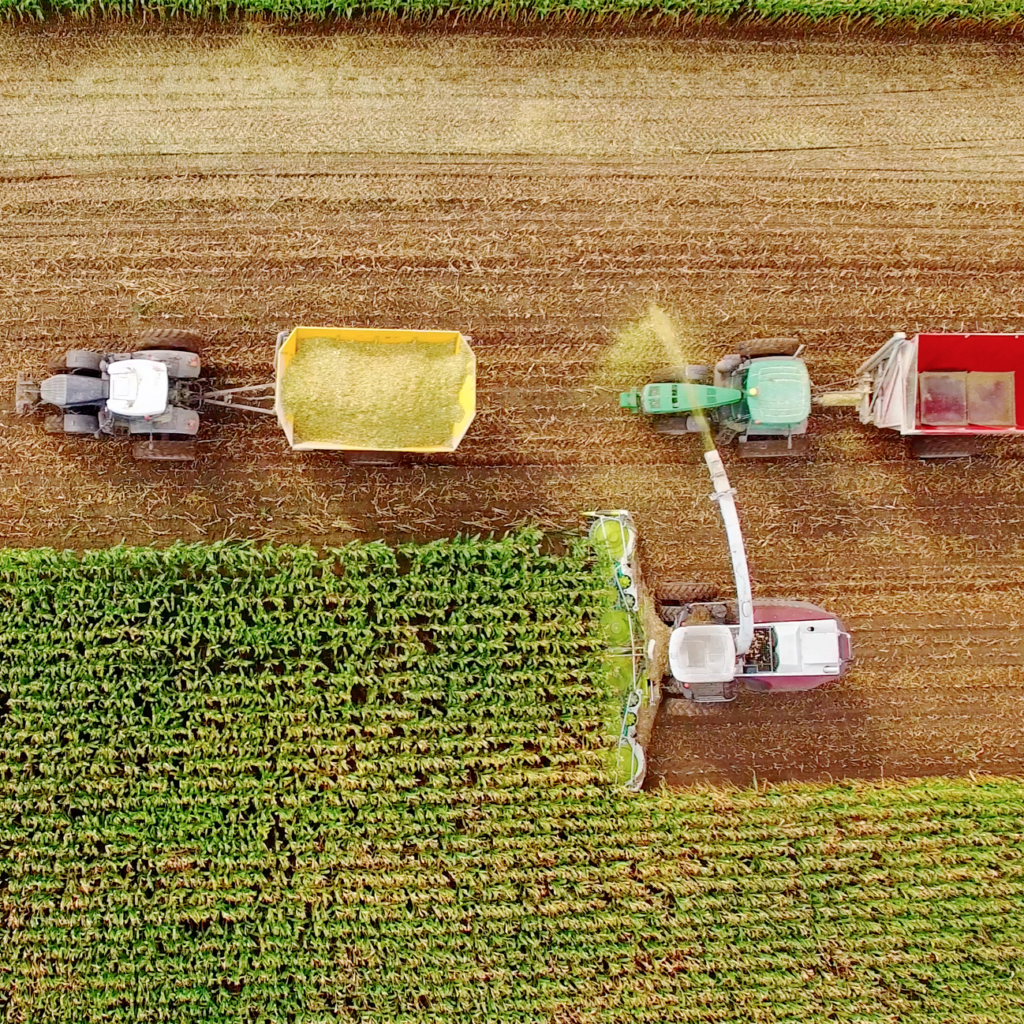
A bird's eye view of tractors and combines working in a farm field.

Researchers are improving crop traits by conserving their undomesticated relatives.

Published May 1, 2020

By Carina Storrs, PhD

In the 1960s, some wild beans were collected from the sides of roads and other patches of wild land in Mexico and stored in aluminum pouches in freezers at one of the seed banks maintained by the United States Department of Agriculture (USDA), in Pullman, Wash. There they stayed for the next four decades until 2012 when Paul Gepts, Ph.D., a professor of plant sciences who had just taken over the grain legume breeding program at the University of California, Davis, exhumed them.

Gepts reasoned that the archival beans, originating from plants growing in dry regions, might be more drought tolerant than their domestic cousins, an important trait considering that most of the farmed beans in the world face drought stress. After growing the seedlings in a greenhouse in the dead of winter to simulate the long nights where the plants grow in Mexico — and crossing the wild plants with domestic varieties — Gepts and his colleagues hit upon a new line that thrived and produced high levels of seed even under the stingiest of irrigation conditions.

An “Insurance” Policy

It’s just one example of the desirable traits that food crops we depend on can derive from the wild relatives they descended from. But much depends on collecting and properly preserving those wild relatives in one of the nearly 2,000 seed banks around the world. “I call it insurance. You don’t know when you are going to need [a crop wild relative], but once you have it you are pretty glad,” says Gepts.

Paul Gepts, Ph.D., in the greenhouse at UC Davis. 

In another example, during the 1980’s, scientists at CIAT, a research organization in Colombia that also maintains a seed bank, realized that wild beans collected from a different part of Mexico in the 1960s, harbored resistance to weevils, a serious pest that can decimate dried bean seeds. “When you put these kinds of stories together … it paints a picture of diversity that is still present in the wild types, but that has been left behind in the domesticated types,” Gepts says.

Farmers have been selecting plants for qualities such as high crop yield for thousands of years. Exactly what kind of diversity a wild relative has is impossible to know until researchers working with the seed banks start growing it, and examining such traits as crop yield, drought resistance or taste. Increasingly in recent decades, researchers have also been studying the seeds using single nucleotide polymorphism (SNP) analysis.

Deposits to the Seed Bank

To bring more diversity into those seed banks, the USDA and governments of many countries with high agricultural production, as well as international groups, fund trips to collect crop wild relatives, often targeting parts of the world that have not been well explored. In many cases, they are racing to get there before plant habitat is lost to development and climate change related threats.

Although collection trips have been widespread since the 1960s, researchers have typically focused on locating wild ancestors and taking a few individual specimens from accessible areas — hence the popularity of roadside collections. In the early 1990s, Gepts participated in a USDA-sponsored trip to collect wild beans in Bolivia, but the team was forced to leave some terrain un-sampled because it was too difficult to traverse. “In many parts of the world, researchers need to return to the same locations repeatedly to do more thorough collections of plant tissue as well as study the impact of local environments upon the plants,” said Gepts.

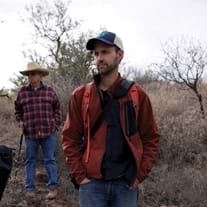
Colin Khoury, Ph.D., participates in a trip to document wild chile peppers in southern Arizona.
Photo: The Lexicon and the Global Crop Diversity Trust

Researchers have put some rough numbers on how well crop wild relatives are represented in seed banks, and generally they support the assertion that we need to collect more. Out of the approximately 1,000 taxa, or broad categories, of wild ancestors in the world, an estimated 30 percent of relatives of a total of 63 crops cannot be found in any of the plant repositories; another 24 percent are only represented by samples from fewer than 10 different populations.

An Unexpected Silver Lining

An unexpected silver lining of the research, however, is the finding that crop wild relatives might be a bit better conserved in nature than in seed banks because much of their habitat is within national parks and other protected areas. “[But] a plant being in a protected area does not actually mean that a particular type of plant is all that protected. [Unless these plants are managed], people not paying attention to them, might think they are weeds [and] try to eradicate them,” says Colin Khoury, Ph.D., who studies crop diversity for CIAT, (International Center for Tropical Agriculture) part of an international agriculture research network called CGIAR, (Consultative Group for International Agricultural Research).

Khoury was involved in studies estimating conservation of crop ancestors. Along with stepping up efforts to collect and store plant materials in seed banks, Khoury says that we need active management programs to ensure conservation of crop wild relatives in protected areas.

Fewer Farmers Growing Fewer Crops

Another source of crop diversity is the crops themselves, both the commonly farmed varieties that acquire mutations as they grow and the so-called landraces, or ancestral varieties of domesticated crops that some farmers still cultivate. Unlike their wild relatives, many of these varieties have been stored in seed banks by researchers and farmers, as their importance for breeding crops with new traits has long been recognized, whereas the traits that wild relatives can lend crops is comparatively unchartered territory.

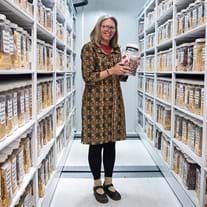
Denise Costich, Ph.D., in the CIMMYT vault where they store the corn seeds.
Photo: Teake Zuidema

Although it might seem reasonable that farmers could handle conservation of these crops just by growing them in the field season after season, seed banks play an important role because there are “fewer farmers growing a smaller number of plants,” says Denise Costich, Ph.D., a senior scientist and head of the maize collection at the germplasm bank, which archives seeds and other plant tissue, at International Maize and Wheat Improvement Center (CIMMYT), a Mexico-based CGIAR center.

Research by Costich and her colleagues found that many farmers in Morelos, a state in central Mexico, stopped cultivating landrace varieties of corn over the last half century in favor of hybrid varieties, which are less genetically diverse but often produce higher yield and have other economically advantageous traits. In addition to conserving germplasm, CIMMYT and the other CGIAR seed banks, as well as certain government-operated seed banks including the USDA system, share plant materials internationally with academic researchers and private companies working to breed varieties with new traits.

The Need for Seed Banks and Experimental Field Stations

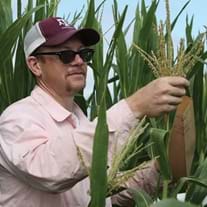
Seth Murray, Ph.D., harvests new inbred lines of maize with his undergraduate and graduate student researchers. These inbred lines have been selected directly from corn varieties from South and Central America (tropical varieties) and from crosses with germplasm from elite varieties from the Midwestern U.S. (temperate varieties).
Credit: Texas A&M AgriLife Research.
Photo: Beth Ann Luedeker

As important as it is to collect germplasm from crops and their wild relatives and maintain them in seed banks, it is only half the story. It is critical to grow these seeds in experimental field stations and characterize them so researchers know which ones have desirable traits and have them at the ready to breed with crops, in case of an emergency such as southern corn leaf blight, which wiped out much of the U.S. corn in 1970, says Seth Murray, Ph.D., professor of soil and crop sciences at Texas A&M University.

“Otherwise it’s just like having a library where nobody is reading the books,” he says. These efforts are happening to some extent. For instance, Costich’s team at CIMMYT has characterized most of the corn samples they have added to the germplasm bank vault in the last decade. The USDA does some characterization, but “given the value of agriculture and crop diversity, there is definitely not enough money spent on that,” Murray says.

Computer Algorithms to Study Corn

The work of trying to breed new varieties can quickly grow to an unmanageable scale. In his applied breeding program, Murray crosses U.S. corn varieties with crops that were collected in Mexico and South America, but then has to test their progeny in many different field conditions over several years to understand how they behave under different environments before they are ready for farmers.

In research that earned him the recognition of Finalist for the 2019 Blavatnik National Awards for Young Scientists, Murray and his collaborators have been using drones to photograph plants as they grow, and developing computer algorithms to analyze the images to make predictions about the crop’s yield and other properties. According to Gepts, who has also turned to drone surveillance to monitor bean plant traits, it is not enough to have an ever-expanding font of crop genetic diversity to scour for new traits.

“The other trend is making breeding more efficient whether it is through the use of drones or different ways of phenotyping progenies,” he says.

Also see: Better Data Mean Betters Food

Finding New, Sustainable Uses for Food Waste

A "super flour" product displayed on a table.

According to the EPA, organic waste is the largest component of landfills. Researchers are working with businesses to develop innovative ways to reduce this problem.

Published May 1, 2020

By Charles Ward

Bertha Jimenez wasn’t a beer drinker when she came across spent grain for the first time.

A mechanical engineer by training and now the CEO of Rise Products, Jimenez recounted her tour of Brooklyn Brewery, a craft beer brewery located in the Williamsburg section of Brooklyn, N.Y.

“I’m interested in how waste from one industrial activity is usable in another,” she said. “So as we walked around the plant, I wanted to know what happened to the source grains after the beer was made.”

Within a year, Jimenez founded Rise, a start-up that converts spent grain into specialty flours sold directly to bakeries. Rise developed a proprietary conversion process, slogged through prototypes and proof-of-concepts, and learned about food safety standards. She built a regional B2B customer base, secured grants, raised private capital, and signed a Service Provider Agreement with Anheuser-Busch.

“People like to feel like they’re doing something sustainable, something good,” she said. “But at the end of the day we don’t eat ideology, you know?”

The Challenge of Food Waste

Jimenez is just one example of the way the scientific community has deeply engaged with the challenge of food waste: as entrepreneurs, researchers, academics, regulatory policy specialists, or NGO advisors.

The U.S. Department of Agriculture (USDA) estimates 31 percent of food produced in the U.S. is loss, with an annual economic value of $161.6 billion. Globally, the U.N. Food and Agricultural Organization (FAO) estimates 1.3 billion tons of food are lost every year in agricultural production, post-harvest storage, processing and distribution, and consumption.

New policy priorities reflect an emerging consensus among food production experts that these are unacceptable numbers for a global food system already stressed by a growing population and climate change. Goal number 12 of the U.N.’s Sustainable Development Agenda is to “ensure sustainable food consumption and production patterns.” Targets include cutting per-capita global food waste in half at the retail and consumer level by 2030, and reducing food loss from production and supply chains. The U.S. Environmental Protection Agency (EPA) and USDA share a similar goal, to cut food loss and waste in half, also by 2030.

Multiple Missions

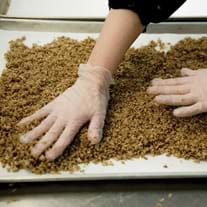
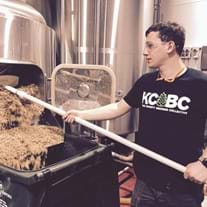
Upcycling spent grain from breweries.
Photo credit: Rise Products, Inc

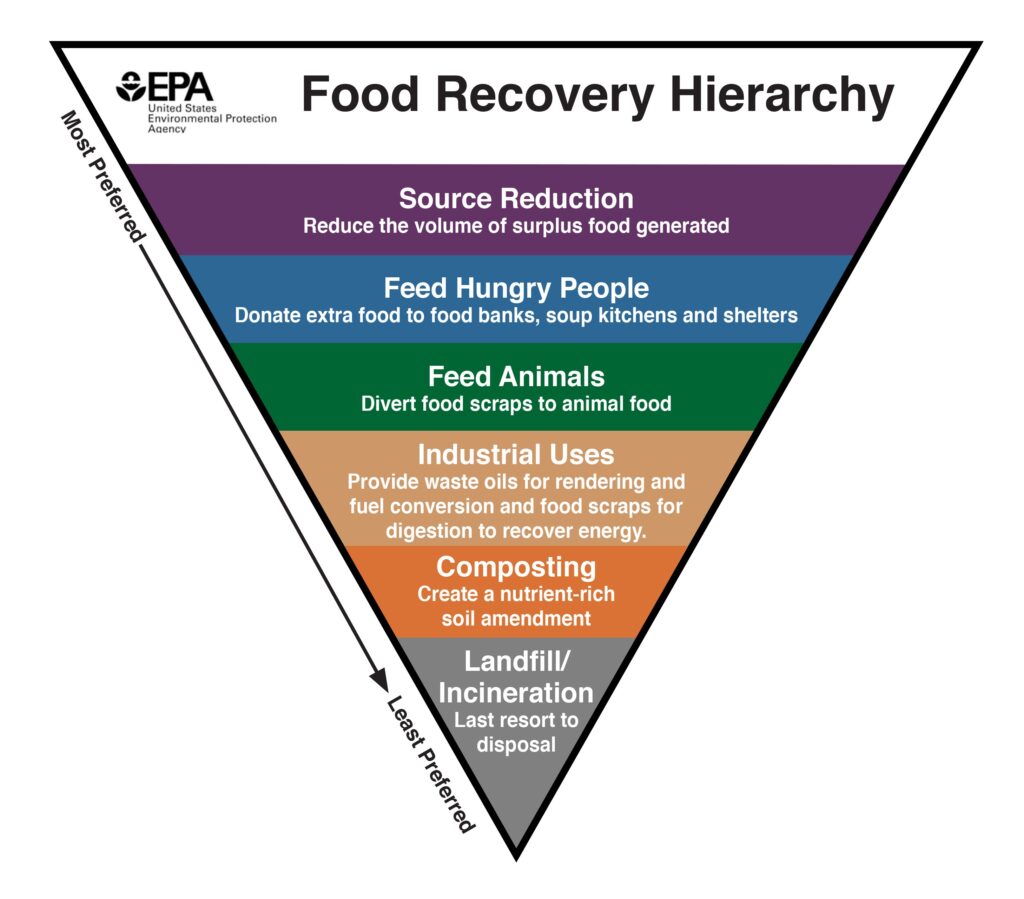
For Elise Golan, Ph.D., Director of Sustainable Development for the USDA, food waste is a resource efficiency challenge. She works closely with colleagues at the EPA, and references the EPA’s well-known “Food Recovery Hierarchy” inverted pyramid, which visually represents the flow of food from “upstream” agriculture source to “downstream” table, and the parallel opportunities to conserve resources at every stage of the chain.

“We look at reasons for waste, and ask if there are cost-effective ways to reduce it,” she explained. “If we’re producing food that is wasted, [by reducing it] we can conserve the land, water, chemical- and non-chemical inputs that go into that food.”

The USDA’s more active food recovery interventions, Golan notes, are prompted by opportunities to create efficiency all along the value chain. As one relatively upstream example, she points to a pilot collaboration between the USDA’s Agricultural Research Service and The Wonderful Company, a California-based producer of pistachios. The project has the potential to turn mountains of discarded pistachio shells into “carbon black” for use in plastics as an alternative to petroleum-based compounds.

“They’ve done it in a very cost-effective, energy saving way,” said Golan. “It is really is a big win for the environment.”

Food Waste as an Economic Catalyst

If the USDA is working on food waste from the top down, Juan Guzman, Ph.D., is working from the bottom up. Guzman is the head of Capro X, a Cornell University spin-off that uses bioconversion technology to turn the acid whey left over from Greek yogurt production into specialty chemicals. In commercial terms, Capro X is what is classically called a “category creator.”

Guzman thinks of himself first as an entrepreneur, and speaks in terms of business cases: return-on-investments, stakeholder buy-in, and use of science-based innovation to create entirely new markets. When he started Capro X, the commercial imperatives were self-evident: New York yogurt manufacturers needed cheaper ways to get rid of large quantities of acid whey, which they had to truck long-distance for waste-water treatment.

Alternative Sourcing for Industrial Products

At the same time, dairy farmers, generally, were under pressure to develop new products as milk consumption declined. And global agribusiness giants, like Nestlé, Archer Daniels Midland and Cargill, are always seeking alternative sourcing for industrial products, like commercially farmed palm oil, which Capro X intends to produce.

“I just see so much opportunity in using biology to extract value out of things that people are willing to pay to get rid of,” said Guzman, pointing to the historic precedent of ethanol, which made the planting of corn on previously surplus or marginal farm acreage a hugely viable commercial proposition. “For yogurt manufacturers, we’re talking about waste streams measured in the millions of pounds, with one facility alone generating a quarter of a million pounds a day of pure lactose sugar for conversion,” Guzman continued. “And there are hundreds of plants in the U.S.“

For the market to scale, investor interests will have to see the opportunity, and put in capital. In the meantime, Guzman is building his new market one customer at a time. Capro X’s value proposition includes installing the acid whey treatment equipment at dairy farms. He keeps the specialty products, and farmers are spared the expense of trucking away waste. Guzman said he has learned that farmers like the idea of sustainable waste practices, but they are not necessarily willing to pay a price premium for them.

Identify, Measure, Attempt to Solve

Mary Muth, Ph.D., is an agricultural economist who serves as the Director of Food, Nutrition, and Obesity Policy Research at RTI, a not-for-profit organization dedicated to using science for good. Muth has conducted food waste research from every angle: malnutrition, resource efficiency, economic impact, and ethical imperative. She believes that scientific interest in the problem of food-waste is still cresting.

She also points out that that commercial application of food-waste research is still largely voluntary. Some companies see it as a reputation management opportunity, a way to promote corporate social responsibility. A few others have developed niche products. Seismic economic incentives for waste-aware practice don’t yet exist.

“It will probably take some significant disruption in the food supply to bring around big scale change,” Muth said.

Christine Beling, a project engineer and New England regional director of Brownfields and Sustainable Materials Management at the EPA, is as good a witness as any to what seems to be an incremental and steady advance towards reduced food waste. The EPA prefers composting as an alternative to landfills for food waste, and Beling says that a sign of progress is landfill bans of organic waste by four of the six New England states in her region. She notes that in 2015, the EPA calculated that just 5.3 percent of 39 million tons of food waste was diverted for composting; two years later, the figure was 6.3 percent.

“That’s a relatively big jump,” she observed. “If you go back to the late ’90s or early 2000s, it was one percent. I think you can see the trend.”

Entering the Mainstream Conversation

Beling points to a variety of legislative, academic, and NGO attention on food waste and recovery. In 1996, President Bill Clinton signed the Bill Emerson Good Samaritan Food Donation Act, which provides liability protections to nonprofit organizations when they donate food. In 2019, Harvard University launched its Food Law & Policy Clinic, which trains students in the use of legal and policy tools to address food system issues.

Beling also calls attention to the birth of new NGOs like ReFed, founded in 2015, to bring data- and economics-driven tools to help solve food waste problems. And in 2016, the Ad Council and the Natural Resources Defense Council co-sponsored the “Save the Food” national public service campaign.

“The emphasis may be different depending on what part of the world you’re in, but overall there’s a whole shift,” said Beling. “Ten years ago, people didn’t want to deal with food waste. Now, everybody’s dealing with it because it’s in the mainstream conversation.”


Read more:

What Science Tells Us About the New Coronavirus

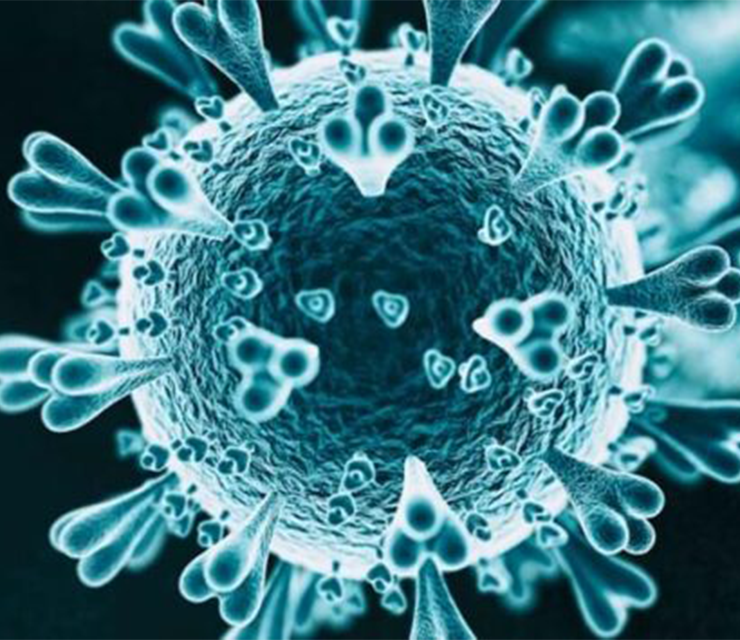
A graphic illustration of the COVID virus

It’s important to focus on evidence-based information about the disease, and their remedies.

Published March 19, 2020

By Roger Torda

As the new coronavirus continues its spread in the United States and worldwide, elected officials, healthcare providers, and private citizens are grappling with the wide-reaching implications of the pandemic. In uncertain times, it’s important to focus on evidence-based information about the disease, efforts to mitigate its spread, and prospects for a vaccine or treatments.

In an effort to provide a topline view of what the public needs to know about the virus, the Academy brought together Julie Gerberding, MD, MPH, Executive Vice President and Chief Patient Officer, Strategic Communications, Global Public Policy, and Population Health at Merck & Co. and former Director of the Centers for Disease Control and Prevention, and Michael Osterholm, PhD, MPH, Director of the Center for Infectious Disease Research and Policy at the University of Minnesota, to share insights from their extensive experience, as well as from the latest research.

In a webinar held on March 12, 2020, both Gerberding and Osterholm addressed the challenges ahead and the opportunities for action.

Perspective and Preparedness

Key Takeaways

  • The global health community has successfully addressed multiple pandemics over the past two decades, including the coronaviruses SARS and MERS, H1N1 influenza, and Zika virus.
  • The new coronavirus is highly transmissible and challenging to contain. Public health efforts are focused on slowing the spread within communities.
Julie Gerberding

Dr. Gerberding began the webinar with a reminder that while this strain of coronavirus is new, it is not the first disease to threaten the global population. “We have a lot to learn about how this virus spreads and how we can intervene in that process…but we have a foundation of experience in previous outbreaks,” Gerberding said. “Each time we have one of these new outbreaks, we learn things, our preparedness takes a step forward, and we need to…develop some confidence that we’re going to figure this one out too.”

Limits to Testing

While the new coronavirus was detected quickly in China and reported to global health authorities, limited access to testing, both in China and around the world—including in the United States—have hampered efforts to understand the scope of infections worldwide. Gerberding explained that China’s “extraordinary measures” to contain the virus limited spread within the country and delayed transmission to other countries.

Despite these containment efforts, the new coronavirus has spread to more than 110 countries in just three months, a fact Gerberding deems “unsurprising” given its high transmissibility.

With containment no longer a priority, countries and communities worldwide are enacting measures to slow the spread of the virus.

The New Coronavirus: Origin, Transmission, Vulnerable Populations

Key Takeaways

  • The new coronavirus spreads primarily through person-to-person contact.
  • Most cases are mild. Older individuals and those with underlying medical conditions are at greatest risk of developing serious complications.
  • Much remains unknown about the new coronavirus. The case fatality rate is likely to evolve as the disease spreads, and these numbers may vary by country.

Origin and Transmission

Coronaviruses, named for the characteristic “crown” of protein spikes that jut from the viral surface, commonly infect humans, causing mild cold symptoms. The new coronavirus strain, SARS-CoV2 (commonly referred to now as the “new coronavirus” or “COVID-19″), originated in bats, evolved to infect small mammals, and ultimately “spilled over” into the human population. Because the virus is not native to humans, “we have no reason to believe anyone is immune to this,” Gerberding said.

Michael Osterholm

The new coronavirus is highly transmissible. Dr. Osterholm explained that the reproduction number, or the R0, is estimated to be between 2 and 3—meaning that without precautionary measures, each infected person will pass the infection to at least two others. Comparatively, pandemic influenza has a R0 of about 1.2.

The new coronavirus spreads primarily from person-to-person through aerosolized droplets released when an infected person coughs or sneezes. Masks can help prevent spread when worn only by sick individuals, as can isolation and covering sneezes and coughs. Osterholm noted that “we have very little data” on the viability of the new coronavirus on surfaces.

“I don’t want to downplay the importance of handwashing…but surface contamination is not something people should be preoccupied with,” he said. [Update: According to a March 17, 2020, study by the NIH, “Scientists found that severe acute respiratory syndrome coronavirus 2 (SARS-CoV-2) was detectable in aerosols for up to three hours, up to four hours on copper, up to 24 hours on cardboard and up to two to three days on plastic and stainless steel.”]

Vulnerable Populations

Approximately 80 percent of coronavirus infections are mild, causing fever, dry cough, and fatigue that resolve with no complications. However, older patients, and those with pre-existing medical conditions including cardiovascular disease, diabetes, or lung disease are at higher risk of potentially severe complications. These include shortness of breath and pneumonia, which may require medical intervention and intensive respiratory support.

The World Health Organization (WHO) estimates the case fatality rate of the new coronavirus at 3.4 percent, although some studies found fatality rates between 1 and 2 percent. “That’s still 10 to 20 times higher than seasonal flu,” Osterholm said. He noted that case fatality varies among countries, a trend he anticipates will evolve as the disease spreads worldwide. Factors such as the overall age of the population, along with rates of cigarette smoking and comorbidities such as obesity, are likely to influence the fatality rate.

Slowing the Spread in Communities

Key Takeaways

  • Slowing the spread of the new coronavirus is critical for minimizing impacts on the healthcare system and protecting vulnerable populations.
  • Common sense measures can significantly impact community spread, including minimizing large group gatherings and staying home when ill.
  • Testing is critical for understanding the extent of community spread; prevalence of testing will increase in the coming weeks.

Drastic Action

Osterholm emphasized that coronavirus will be a concern for months, rather than days or weeks. “It’s very important that we understand what we’re talking about today is a long haul,” he said. He also cast doubt on the prospect that that the new coronavirus may decrease in prevalence as the weather warms, noting that the earlier coronavirus MERS emerged in the Middle East, in temperatures as high as 110°F. “Of the previous 10 pandemics, 2 started in the winter, 3 started in the spring, 2 started in the summer, and 3 started in the fall,” he said.

Widespread closures and social distancing measures enacted in China did help to slow disease spread, and other countries are enacting similar restrictions, such as cancelling large gatherings, limiting travel, closing schools and houses of worship, and encouraging telecommuting when possible. Although, Osterholm did note that little is known about the potential for the disease to resurface once restrictions are eased, and such measures are deeply disruptive to everyday life, often having downstream consequences for families, businesses, and essential services. Osterholm explained that while children appear to be largely unaffected by the new coronavirus, little is known about the role of children in spreading the illness.

Gerberding acknowledged the difficulties of balancing disease suppression efforts with maintenance of basic services. “We also have to concentrate on keeping our societies functioning—people need goods and services,” she said.

Reducing Healthcare Burden

Slowing disease spread is essential to reducing the burden on healthcare systems, which have neither space, staff, nor equipment to manage large numbers of critically ill patients. “If 100 cases of infection occur today, and they need high-intensity medical care, that’s a very stressful situation for any healthcare system,” Osterholm said. “If you are able to stretch them out, 10 new cases every week for 10 weeks…that may very well have a big impact on the overall outcome for patients.” Shortages of personal protective equipment, including respirator masks, contribute to the urgency surrounding moves to stanch spread of coronavirus.

Testing Availability

Gerberding addressed the lack of widespread testing in the United States, noting that in addition to large medical diagnostics companies, some medical institutions are also developing coronavirus tests. “Over the next few days, we’re no longer going to see testing as the bottleneck that it was in the early phase,” she said.

Increased testing access is likely to usher in a “catch-up period,” where, according to Gerberding, the public may “feel like the outbreak is moving faster than it really is.” Widespread testing is critical to “filling the gaps” in understanding both the prevalence of the virus in communities as well as the range of disease presentations. “The important thing…is that we get the broadest understanding of who is infected with disease, who is infected with mild symptoms, who is exposed and infected but not symptomatic, and who has been exposed but didn’t get sick,” Gerberding said.

Both Gerberding and Osterholm believe it’s likely that community spread is more prevalent than current testing has indicated, mainly because testing has focused on patients with severe disease. “We’re looking at the tip of an iceberg, but we really don’t know how big the iceberg is,” she said.

The Future: Vaccines and Treatment

Key Takeaways

  • More than 40 companies are working on a coronavirus vaccine and treatments.
  • Treatment options will likely emerge before a vaccine, which is expected to take 1-2 years.

A vaccine to prevent the new coronavirus is “the holy grail,” said Osterholm, but it’s a vision unlikely to be realized in the near term. Since the SARS outbreak in 2003, “biotech and biopharmaceutical capabilities have moved ahead by light years,” Gerberding said, and more than 40 companies are working to develop a coronavirus vaccine and treatments. Despite a strong start to the vaccine development process—Gerberding said there are “many more candidate vaccines than we’ve ever had at the beginning of a new infectious disease outbreak”—experts anticipate that development, testing, and widespread vaccine availability will take 1-2 years.

Treatment options are likely to emerge in the near-term, although Gerberding doesn’t expect “anything to miraculously come into the medicine chest” to impact the sickest patients. “Once people have pneumonia caused by this virus, what’s going on isn’t due to the virus per se… but to the inflammatory response and the damage that creates,” she said. Gerberding hopes to see treatments emerge that prevent severe complications in patients already exposed to the virus. Recovered patients, who are believed to have some immunity to the disease, may offer clues to guide the search for antibody-based coronavirus treatments.

Gerberding concluded with a note of hope and resilience. “It’s normal to be concerned and frightened about something this new and potentially this serious,” she said. “Concentrate on how you can protect yourself, how you can prepare yourself and your family, and convert that energy and concern into action, not panic. We can work together to slow down the spread of this virus and I’m confident, based on what I’ve seen through many outbreaks in the past, that we’re up to this as Americans and as global citizens.”