Celebrating Breakthrough Innovation: Highlights from the 2025 Tata Transformation Prize Ceremony in Mumbai
The Tata Transformation Prize celebrates scientific innovation for food security, sustainability, and healthcare in India.
Published December 17, 2025
By Kamala Murthy
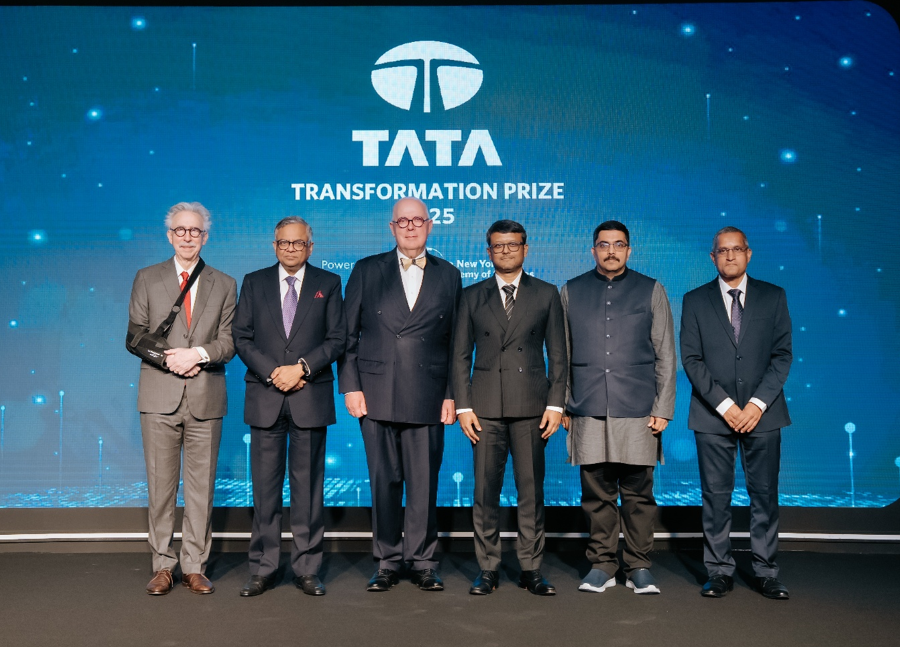
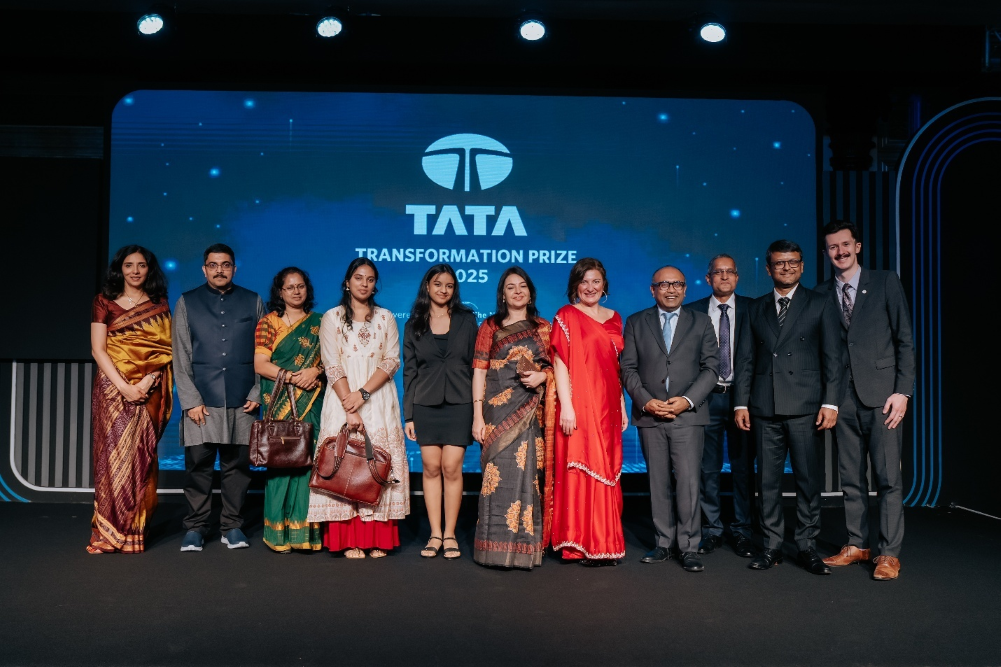
On December 5, 2025 the historic Taj Palace in Mumbai was the backdrop for an inspiring evening celebrating some of India’s most visionary scientists. The Tata Group and the Academy hosted the 2025 Tata Transformation Prize Ceremony, honoring innovators whose work has the potential to reshape India’s future and improve lives worldwide.
Launched in 2023, the Tata Transformation Prize recognizes and supports bold, high-impact scientific solutions in three critical areas for India: Food Security, Sustainability, and Healthcare. This year’s Winners were selected from more than 200 applications across 27 Indian states by an international jury of leading experts.
Meet the 2025 Prize Winners
Food Security: Prof. Padubidri V. Shivaprasad, National Centre for Biological Sciences
Prof. Shivaprasad is developing next-generation rice varieties that could transform agriculture for millions of farmers. By using advanced gene-regulation tools to fine-tune when certain genes turn “on” or “off,” his innovation boosts nutrition, enhances stress tolerance, and reduces the need for fertilizers and pesticides. The result: a more sustainable, resilient, and cost-effective staple crop and a breakthrough with significant global potential in a warming world.
Sustainability: Prof. Balasubramanian Gopal, Indian Institute of Science
Imagine producing essential chemicals for medicines, cosmetics, and agriculture without relying on polluting industrial processes. Prof. Gopal’s team has engineered E. coli bacteria to do just that. By combining artificial intelligence with laboratory experimentation, they design enzymes that enable bacteria to efficiently produce high-value chemicals without antibiotics or harmful additives. This green chemistry platform could significantly strengthen India’s domestic biomanufacturing ecosystem and pave the way for cleaner, climate-friendly production worldwide.
Healthcare: Prof. Ambarish Ghosh, Indian Institute of Science
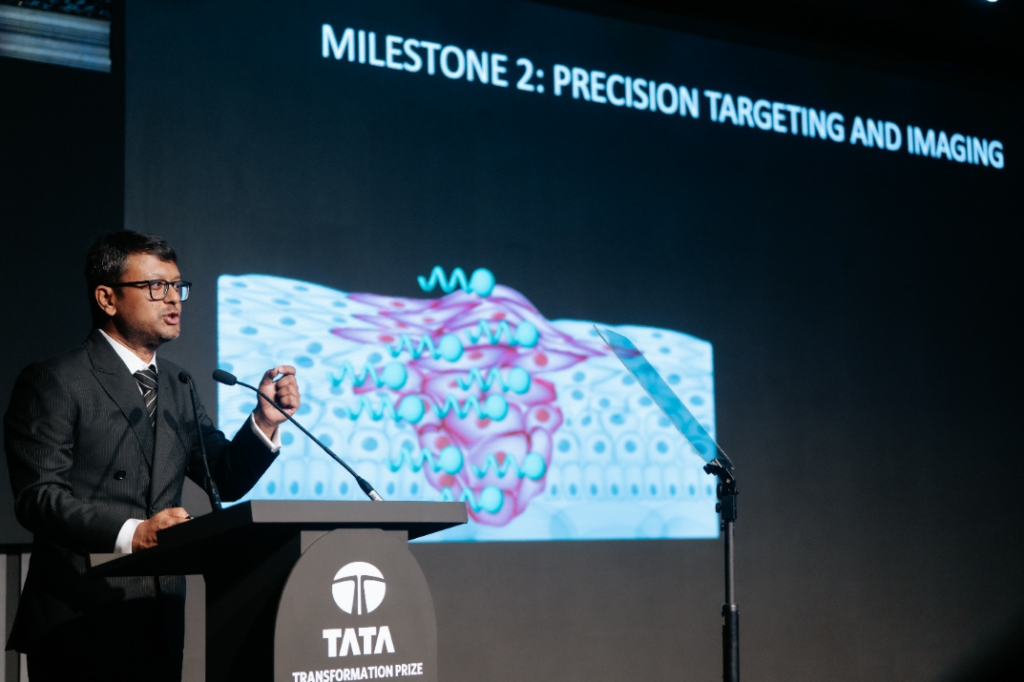
Prof. Ghosh is pioneering a future in which cancer treatment is more precise, less invasive, and more affordable. His team is developing magnetic nanorobots — tiny, screw-shaped devices that can move safely through the body to deliver drugs directly to tumors. These nanorobots can distinguish healthy cells from cancerous ones and navigate even complex tissues, potentially reducing side effects and expanding access to cutting-edge care in India and beyond.
A Night of Inspiration
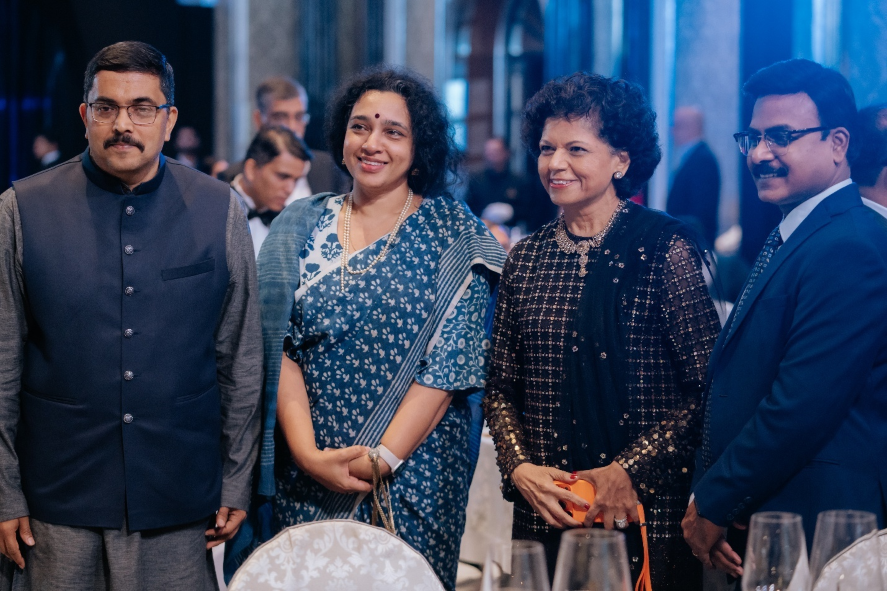
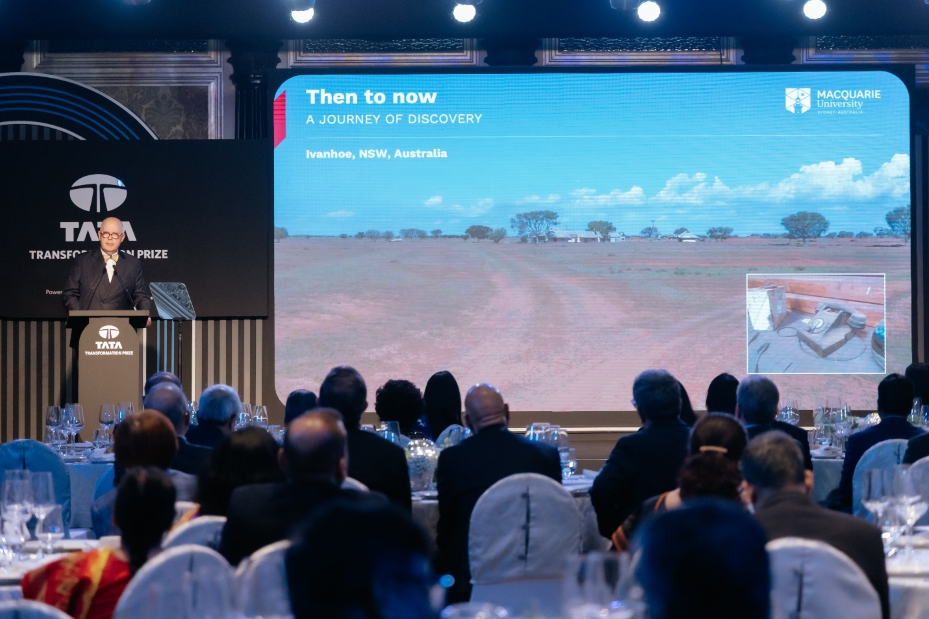
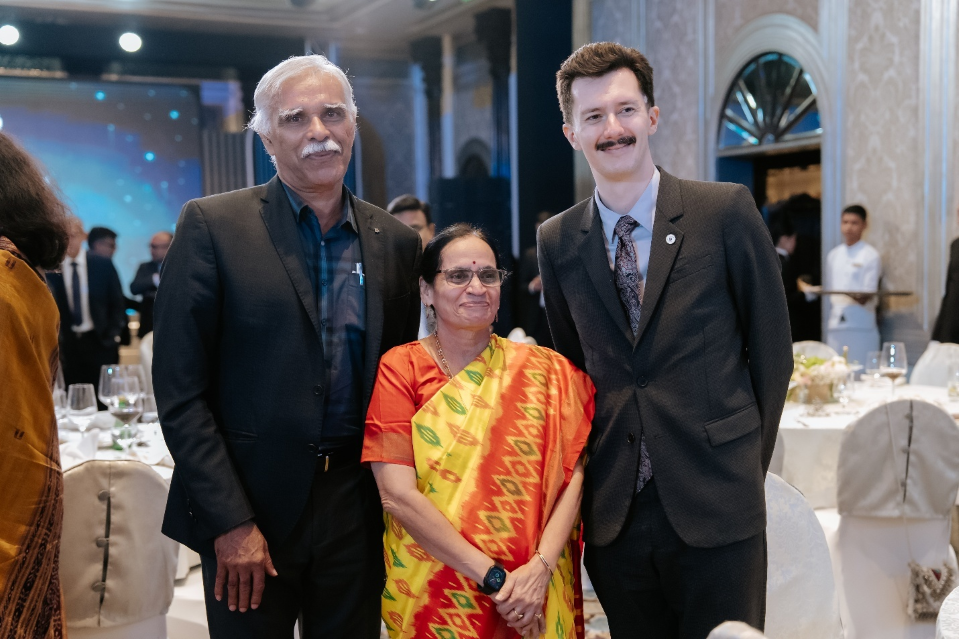
The event brought together leaders across science, academia, and industry. Harish Bhatt, former Brand Custodian, Tata Sons, served as the evening’s presenter, with Prof. S. Bruce Dowton, Vice-Chancellor of Macquarie University in Australia, delivering a keynote address on the power of innovation to transform society, drawing ties between India and Australia. Distinguished guests included eminent Indian scientists, technologists, and cultural leaders.
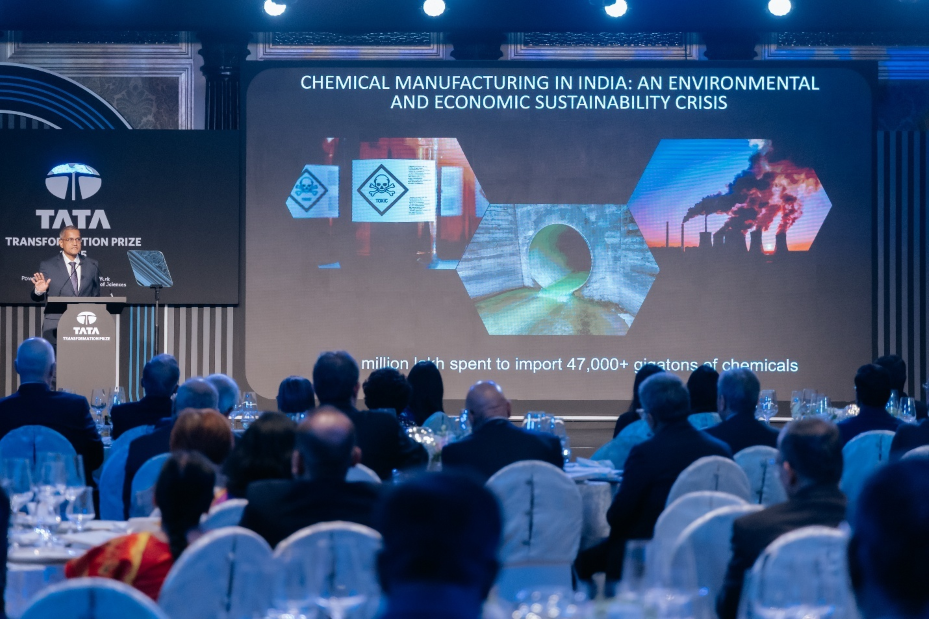
In his opening remarks, N. Chandrasekaran, Chairman, Tata Sons, emphasized the Group’s commitment to nurturing India’s next generation of scientific leaders. He applauded the Winners not only for their discoveries but for their determination to improve lives at scale.
Academy President and CEO, Nicholas B. Dirks, highlighted the Prize’s rapid growth and rising national visibility. He noted that past Winners have already begun gaining international recognition and award-winning opportunities to apply their innovations for societal benefit.
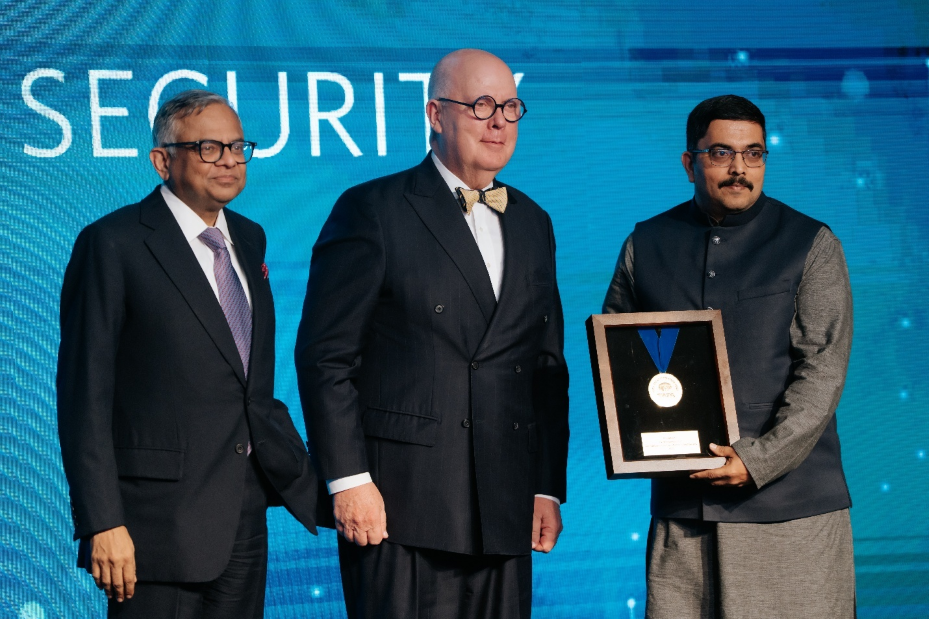
Each of this year’s Winners received ₹2 crores (approximately US$228,000) and a Tata Transformation Prize medal to support the advancement and implementation of their work.
Building on Momentum
The celebration followed a symposium at Tata Group’s headquarters, Bombay House, the previous day, where the 2024 Winners showcased their progress, new collaborations, and research advancements made over the past year.
Applications for the 2026 Tata Transformation Prize cycle will open in early 2026.
Also read: Academy Recognizes N. Chandrasekaran as Life Governor