From Cancer Research to the Mysteries of the Cosmos: The 2026 Blavatnik Awards in Israel
Highlights from the 2026 Blavatnik Awards for Young Scientists in Israel.
Published June 24, 2026
By Kamala Murthy
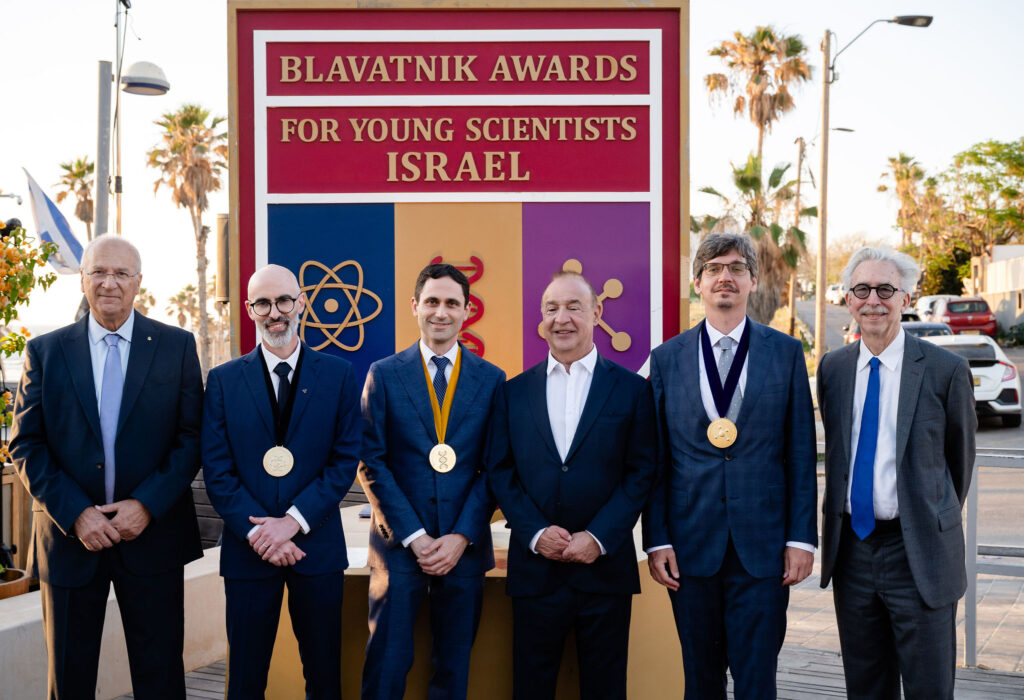
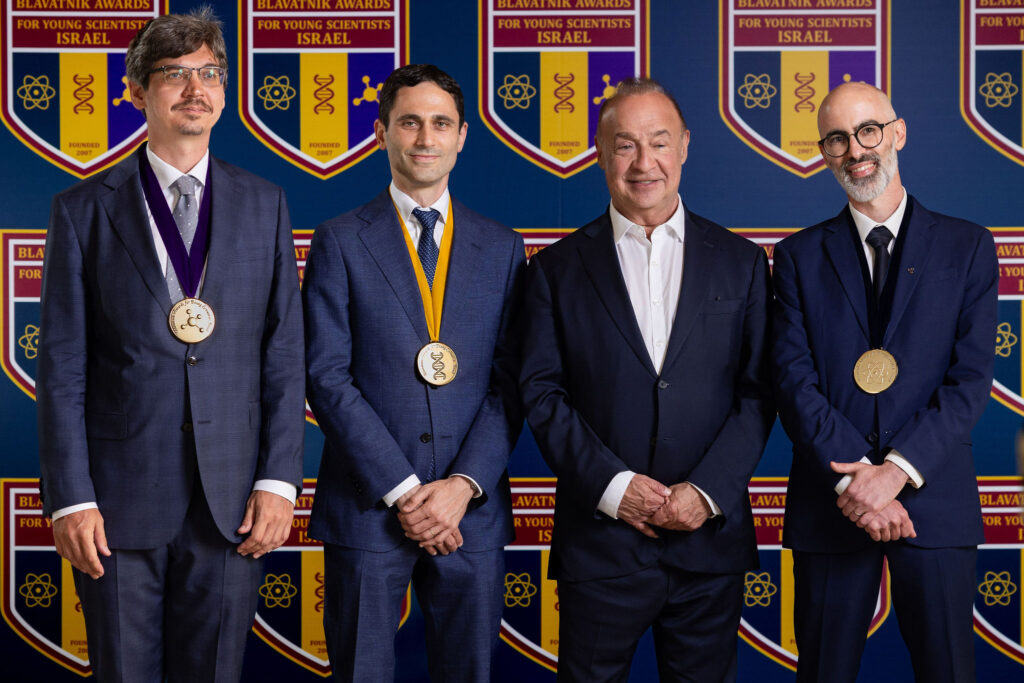
On June 2, leading scientists, academic leaders, philanthropists, business leaders, and politicians gathered on the terrace of the Peres Center for Peace and Innovation in Tel Aviv to attend the 2026 Blavatnik Awards for Young Scientists in Israel ceremony, the ninth year of the Awards program. Against the spectacular outdoor backdrop of sea and sunset, the evening celebrated three exceptional early-career researchers in Israel whose work advances our understanding of cancer biology, synthetic chemical systems, and the mysteries of the universe. The ceremony was hosted by the Blavatnik Family Foundation, The New York Academy of Sciences, and the Israel Academy of Sciences and Humanities.
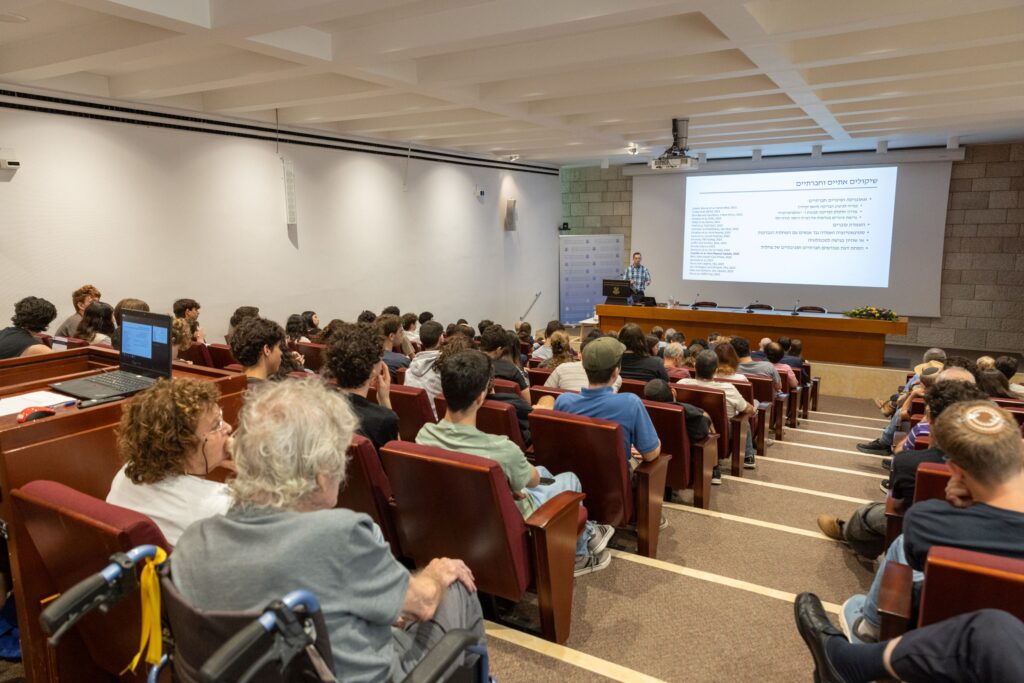
The ceremony followed the annual Blavatnik Awards Symposium, held on June 1 at the headquarters of the Israel Academy of Sciences and Humanities in Jerusalem, where the 2026 Laureates, along with the 2024 Life Sciences Laureate, Professor Shai Carmi of Hebrew University, presented scientific talks to Israeli high school students and local science enthusiasts.
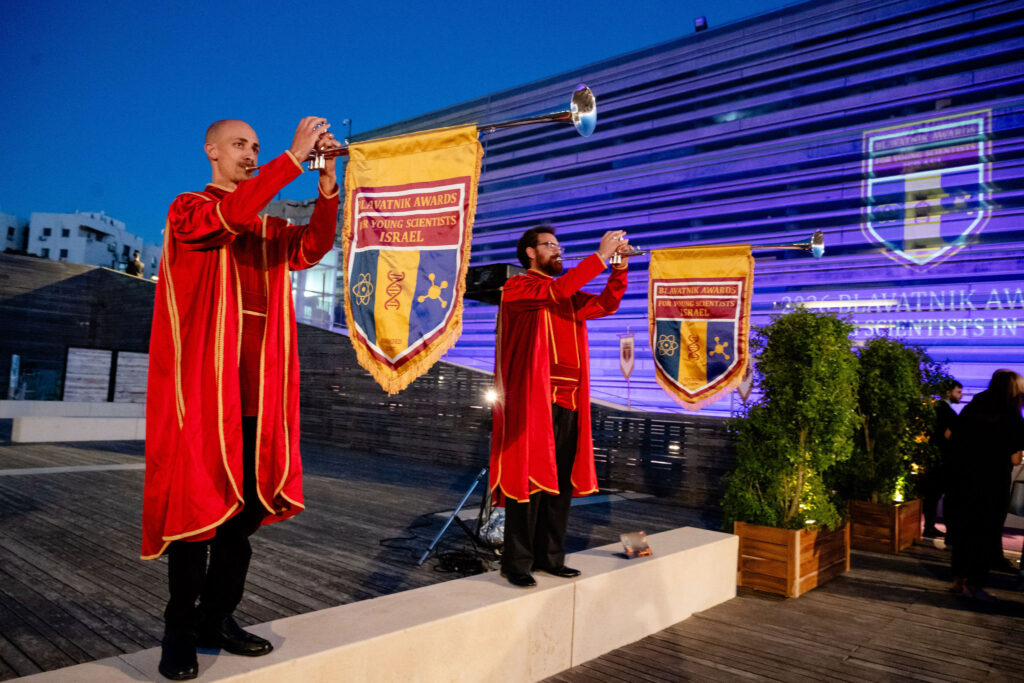
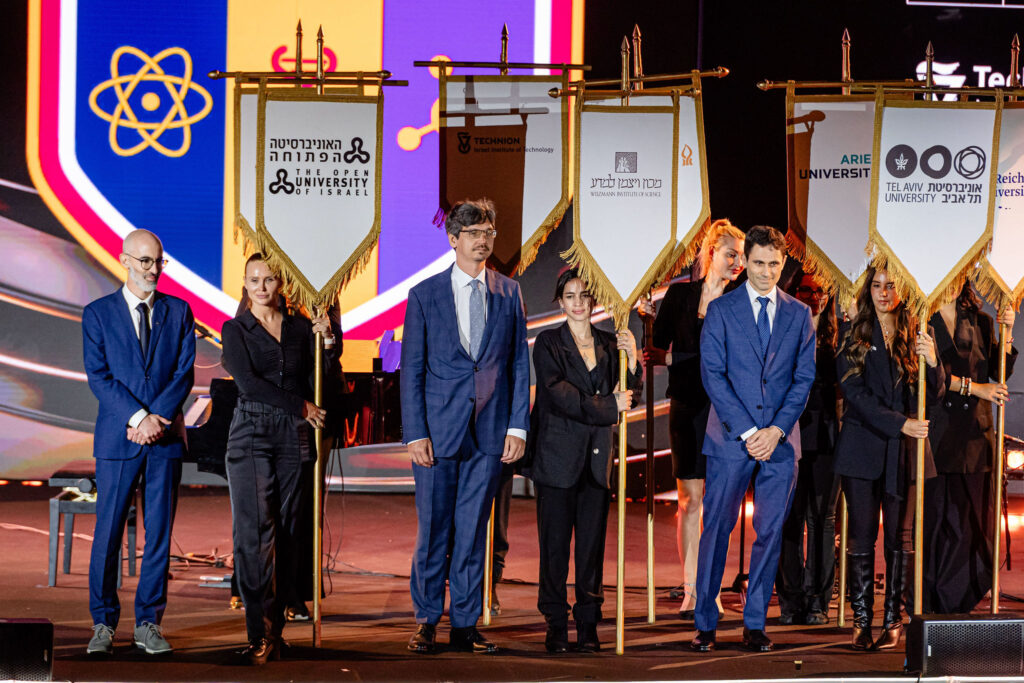
After trumpeters commenced the evening’s festivities, the ceremony opened with a flag procession honoring Israel’s ten eligible academic and research institutions, led by student flag-bearers and the three 2026 Laureates. Channel 13 television journalist, Yuna Leibzon, served as Master of Ceremonies, guiding guests through the evening’s scientific presentations, artistic performances, and reflections on the global enterprise of scientific research.
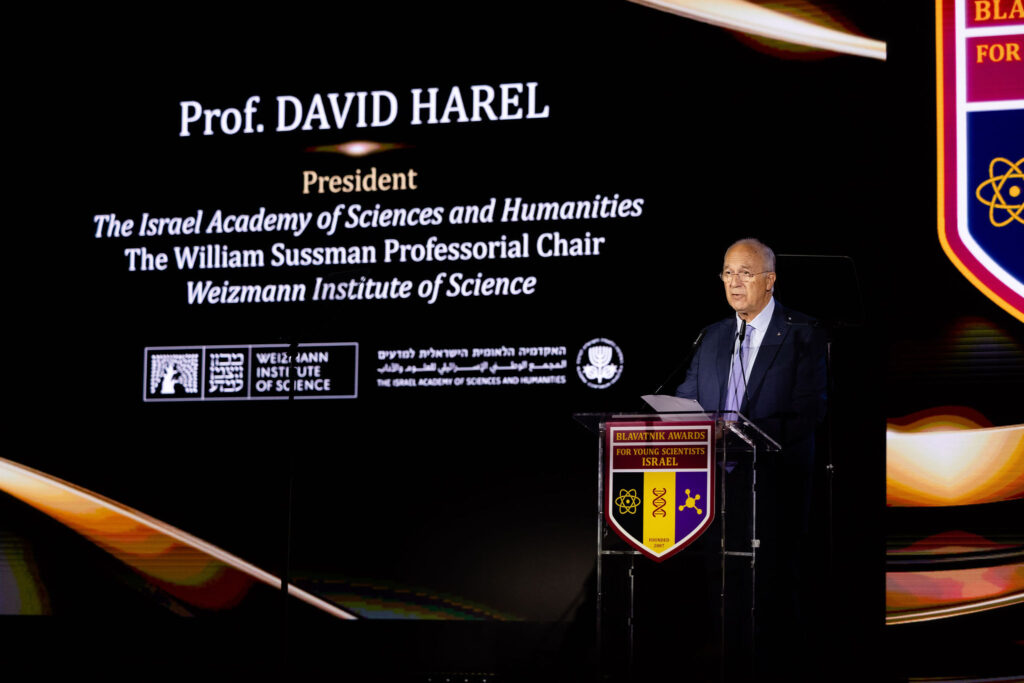
Professor David Harel, President of the Israel Academy of Sciences and Humanities, recognized the jury and the scientific advisory council for their participation in the Awards. He commended the resilience of Israel’s scientific community and the importance of preserving Israel’s culture of science, while advocating for the global institution of science, which relies on international collaboration.
Professor Nicholas Dirks, President and CEO of The New York Academy of Sciences, emphasized the unique role of the Blavatnik Awards in supporting scientists at a pivotal stage in their careers. “Unlike other awards that focus on a scientist’s lifetime contributions, the Blavatnik Awards identify exceptional promise at a pivotal moment in the career of a young scientist when funding, visibility, and encouragement can have a transformative impact,” Prof. Dirks said. He also reflected on the continued growth of the Awards program, which now spans the United States, the United Kingdom, and Israel. Since its launch, the Blavatnik Awards have recognized more than 500 scientists worldwide, awarding more than $20 million in prize money that have supported groundbreaking scientific advances and discoveries that have led to 52 companies (6 publicly traded), more than 900 patents, and a combined market capitalization of more than $30 billion.
Honoring the 2026 Laureates
The 2026 Blavatnik Awards in Israel ceremony highlighted the breadth of scientific innovation taking place across Israel’s research institutions, forging new frontiers in medicine, chemistry, and astrophysics.
Life Sciences: Professor Uri Ben-David
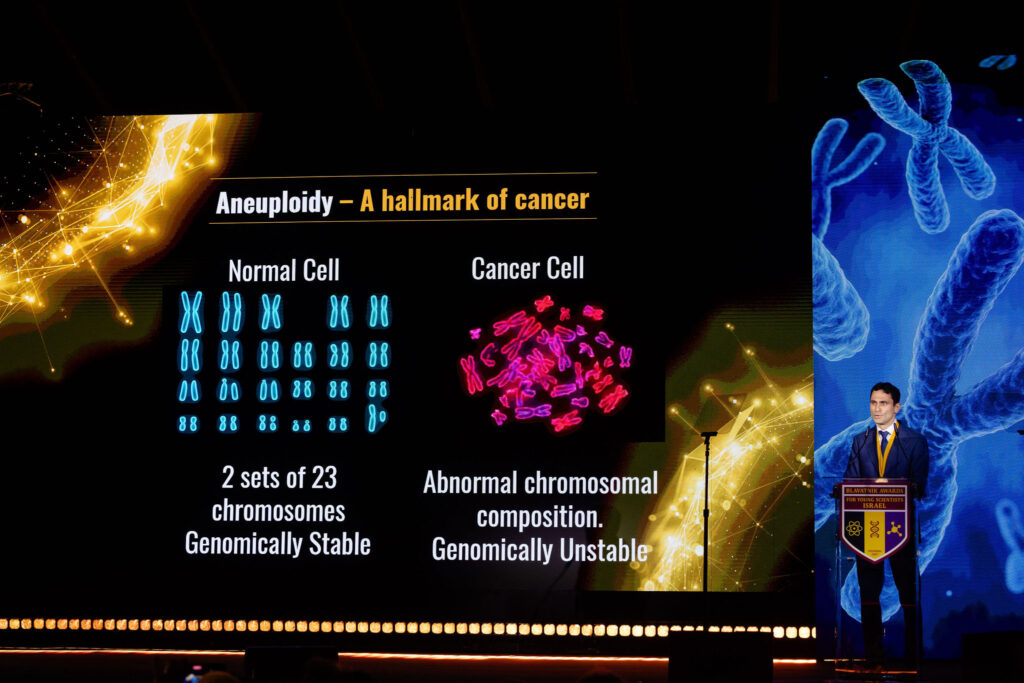
Uri Ben-David of Tel Aviv University received the 2026 Blavatnik Award in Israel in Life Sciences for his pioneering research into aneuploidy, the abnormal number of chromosomes found in many cancers. During his presentation, Ben-David described how his laboratory studies the “chromosomal chaos” that drives tumor evolution and treatment resistance. His team identified vulnerabilities unique to highly aneuploid cancer cells, including the molecular motor protein KIF18A, which may serve as a promising therapeutic target. “We are moving toward a future where we measure the ‘chromosomal chaos’ of a tumor and use that score to prescribe life-saving precision medicine,” he said.
Chemical Sciences: Dr. Sergey Semenov
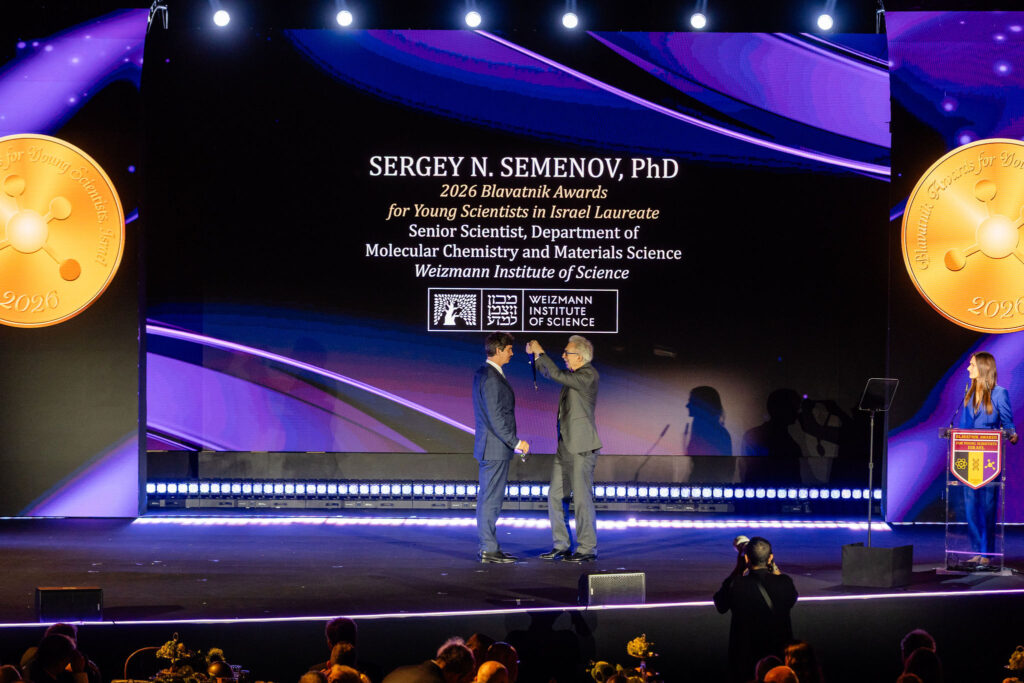
Sergey Semenov of the Weizmann Institute of Science was recognized with the Blavatnik Award in Chemical Sciences for his work designing dynamic chemical systems that mimic behaviors associated with living organisms. Semenov’s research explores how simple organic molecules can be programmed to create oscillations, traveling chemical waves, self-organizing patterns, and even motion in soft materials. “We have not synthesized life yet,” Semenov said during his remarks. “But we have built a toolbox of relatively simple organic chemistry that can produce several hallmark behaviors we associate with living matter.”
Physical Sciences & Engineering: Professor Paz Beniamini
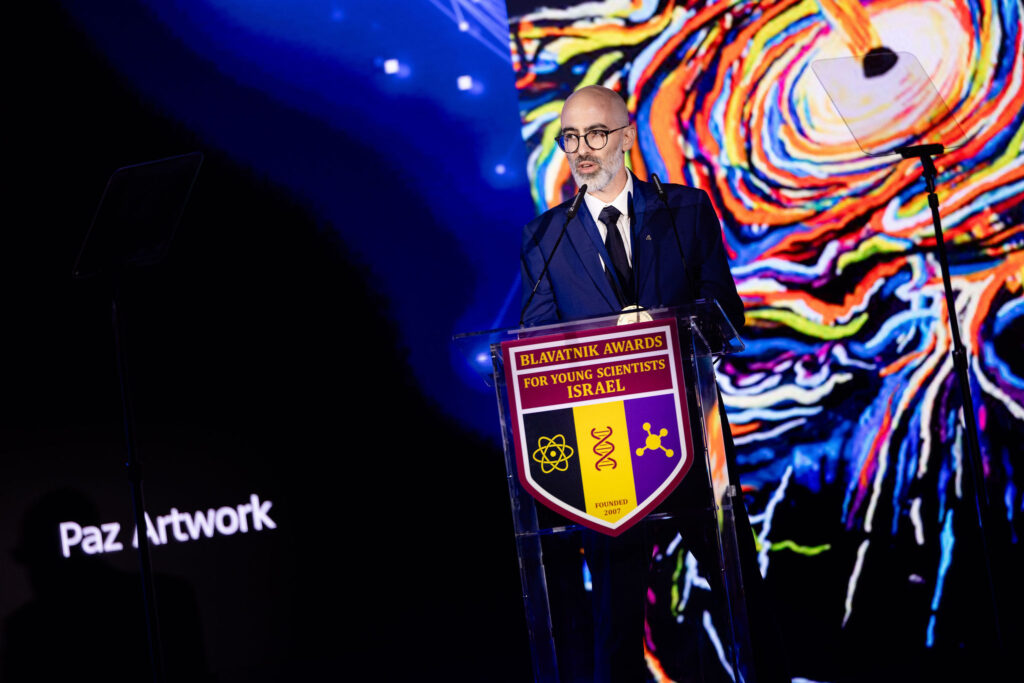
As the first Laureate from The Open University of Israel, Paz Beniamini received the Blavatnik Award in Physical Sciences & Engineering for his work in theoretical astrophysics, which explores some of the universe’s most extreme and energetic phenomena. In his remarks, Beniamini focused on fast radio bursts (FRBs), millisecond-long bursts of radio waves from distant galaxies that remain among the great mysteries in astrophysics. Using theoretical models and astronomical observations to probe environments with extreme gravity and magnetic fields, his research leverages scintillation, subtle fluctuations in radio signals caused by interstellar gas, to measure the size of an FRB source located more than 200 million light-years away. His technique achieved a level of resolution far beyond that of any human-made telescope, demonstrating how Beniamini’s methods can help scientists study distant, extreme environments that cannot be observed directly. “In a sense, we’re extracting picture-level information without actually taking a picture,” Beniamini said.
Artistic Performances
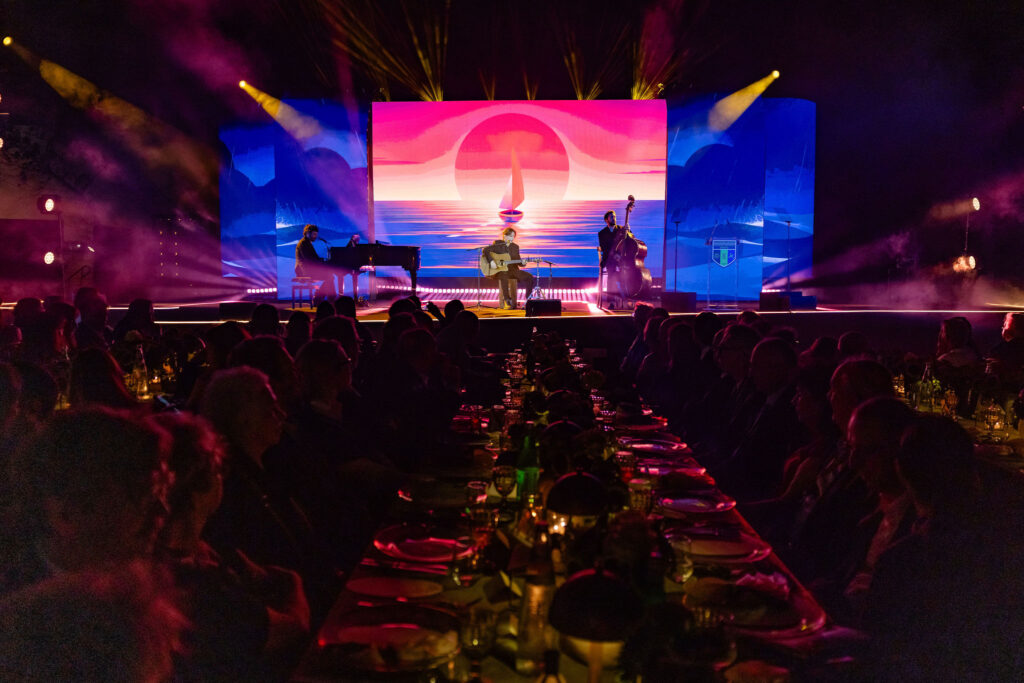
In line with the country’s strong support of art and culture, there were two performances during the evening. A musical performance by ICONIC, featuring musicians Lee Biran on guitar and Lauren Peled on keyboard, played a moving rendition of “Sailing” by Rod Stewart, likening the journey of science like a path towards truth. Later, a dance duet by choreographer Almog David and thirteen-year-old Ethan Oron performed a captivating modern dance piece against the backdrop of science-inspired art, representing the interconnection of science and art across generations.
A Celebration of Science and Community
Throughout the evening, science was interwoven with music and dance, reflecting the times and underscoring the ceremony’s themes of resilience, creativity, and innovation.
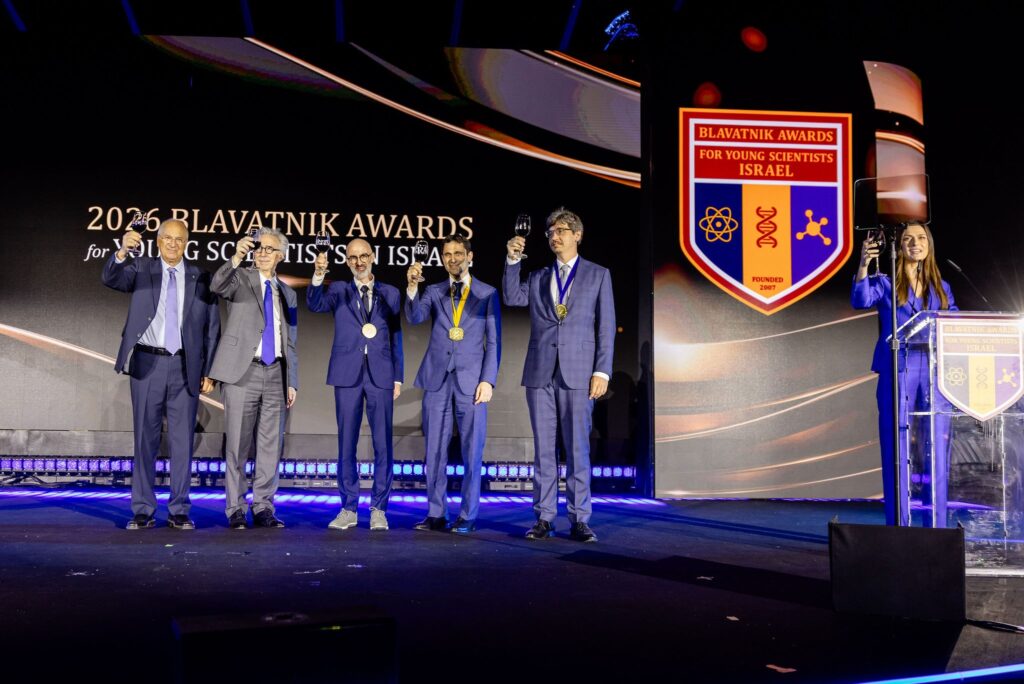
The Blavatnik Awards in Israel concluded with the traditional “L’Chaim! To Life! A Toast to Science,” led by Yuna Leizbion alongside Prof. David Harel and Prof. Nicholas Dirks, and the 2026 Laureates, as guests raised their glasses in celebration of scientific progress and international collaboration.
Nominations for the 2027 Blavatnik Awards in Israel are open until July 28, 2026. Learn more HERE.