This collection of papers stems from the 16th OESO World Conference on esophageal biology, function, and pathology. Invited articles by teams of investigators and clinicians provide overviews of topics that individual authors presented and discussed at the conference. A unique organization, the World Organization for Specialized Studies on Diseases of the Esophagus (OESO) has brought together specialists from all disciplines involved in the science of esophagology since 1978. This collection of papers follows on previous one published in Annals of the New York Academy of Sciences since 2010. Guest editor is OESO founder and deputy executive director Robert Giuli (Paris, France).
Blog Archives
A Case for Going to Bat for the Bats
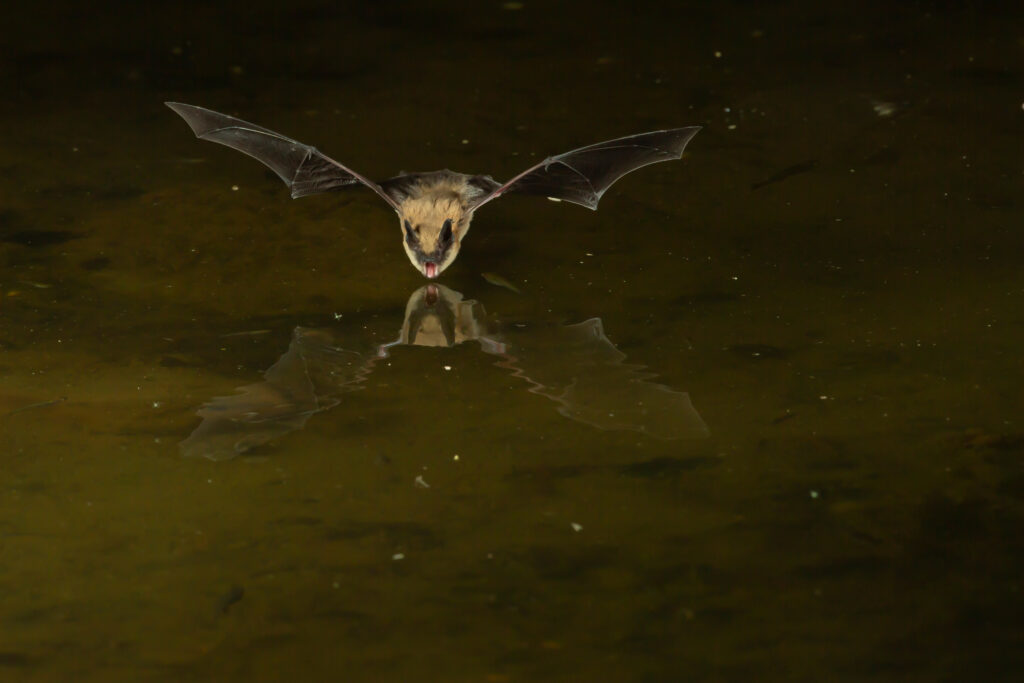
Bats play a vital role in ecosystems. But new research shows that if action isn’t taken, the future of these essential winged mammals in North America may be in jeopardy.
Published October 31, 2024
By Nick Fetty
More than half of North American bat species may face extinction in the next two decades, according to researchers from Canada, Mexico, and the United States.
Recent research, published 15 October 2024 in Annals of the New York Academy of Sciences (Annals) built upon findings from a 2023 report by the North American Bat Conservation Alliance. For the Annals paper, researchers assessed the status of 153 bat species. The paper identified several factors threatening these bats, ranging from climate change and energy production to agriculture and problematic species, particularly disease.
The Impact of These Threats
Bats are vital to ecosystems. They serve as pollinators and insect consumers, both of which help to advance agricultural production. Furthermore, sustainable guano harvesting and tourism around viewing bat behaviors, support some local economies.
Temperature fluctuations, exacerbated by climate change, are impacting hibernation behavior and foraging opportunities for bats. They also detrimentally impact the timing of insect availability—a source of subsistence for many bat species. Additionally, extreme weather events have contributed to bat die-offs.
While renewable energy can lessen the amount of carbon in the atmosphere, and mitigate the impact of climate change, gigantic wind turbines are proving to have harmful effects on bats. This is especially problematic in migratory regions where wind energy development has grown in recent years. According to the paper, turbines are responsible for hundreds of thousands of bat fatalities each year in North America.
While owls, hawks, and snakes are natural predators of bats, disease poses the greatest threat. White-nose syndrome (WNS), caused by the invasive fungus Pseudogymnoascus destructans (Pd), has been devastating for bat populations. First discovered in New York in 2007, WNS affects bats during hibernation and causes a “visible white fungal growth on infected bats’ muzzles and wings.”
Populations of the little brown bat (Myotis lucifugus), the Indiana bat (Myotis sodalis), and the northern long-eared bat (Myotis spetentronalis) have declined by more than 90% because of these contagious fungi. Arthuro Casadevall, MD, PhD, author of What if Fungi Win?, discussed this during his Authors at the Academy event in July (Dr. Casadevall was not among the authors of the Annals paper). He told attendees that “The losses in North American bats cannot be replaced very easily. It will probably take centuries.”
Mitigating the Threats
The international team of researchers for the Annals paper found that 53% of North American bat species are estimated to have moderate to very high risk of extinction or elimination in the next 15 years. An estimated 90% of species will see decreased or likely decreased populations during the same period. The researchers identified 18 bat species (12%) as “Imperiled” or “Critically Imperiled”.
While the threats to bat populations are increasingly clear, the paper’s authors provide various suggestions for how these issues can be mitigated. Governments in Canada, Mexico, and the United States have implemented federal protection status for the most vulnerable bat populations. Eight of the species identified as Imperiled or Critically Imperiled have protective status in all three countries.
Similarly, governments, and other sectors, can take action to mitigate the impacts of climate change, which, again, has been identified as one of the biggest threats against bats. By protecting, restoring, and creating wetlands and other water sources, it can lessen the biggest climate change threats facing bats. Adopting sustainable agricultural practices, such as utilizing native trees for shading, not only protects the bats, but can also help to conserve the productivity of the land.
To mitigate the threats caused by wind turbines, turbine operations can be curtailed at night during migratory periods. Further study of WNS can provide researchers with evidence to support the need for meaningful policy action. By lessening the knowledge gap in other applicable areas like ecology, distribution, and migratory behaviors, researchers can promptly act to mitigate some of the biggest threats facing bats.
Call to Action
Urgent action is necessary to ensure these threats don’t proliferate further decline in bat populations, according to the researchers. This includes better educating the public about the importance of bats to the overall environment and why people need to support legislation that can protect these creatures. When the pace of the research can’t keep up with the direness of the threat, governments can act in the form of federal endangered species declarations as a last line of defense. If properly executed, these actions can “yield far-reaching benefits for both biodiversity and humanity.”
“Research on bat biology can spark innovative ideas for effective conservation actions that reduce population decline, and these actions can bring complementary benefits to habitats that other taxa (species) also rely on,” the authors concluded. “With coordinated efforts to reduce threats, raise public awareness, protect and restore habitat, and monitor species status and trends, conservation efforts can improve the outlook for bat species across North America and globally.”
Do you have a research paper you’d like to submit for publication in Annals of the New York Academy of Sciences? Learn more about the journal’s criteria and submission process.
Loneliness
In 2023, the United States Surgeon General declared an epidemic of loneliness and isolation. Loneliness is a condition that leads to multiple psychological and physiological morbidities including depression, cardiovascular disease, and even early death. This collection of papers explores the topic of loneliness via a wide spectrum of perspectives including: theoretical concepts of loneliness; assessments and interventions of loneliness in geriatric, adolescent, and LGBTQ+ communities; neurobiological and physiological impacts of loneliness; and social media and artificial intelligence. The novel experimental findings, timely reviews, and unique perspectives will provide important contributions to combat the loneliness epidemic. The virtual issue is edited by Louise Hawkley (NORC at the University of Chicago).
Singing Lemurs Strike a Chord with Scientists
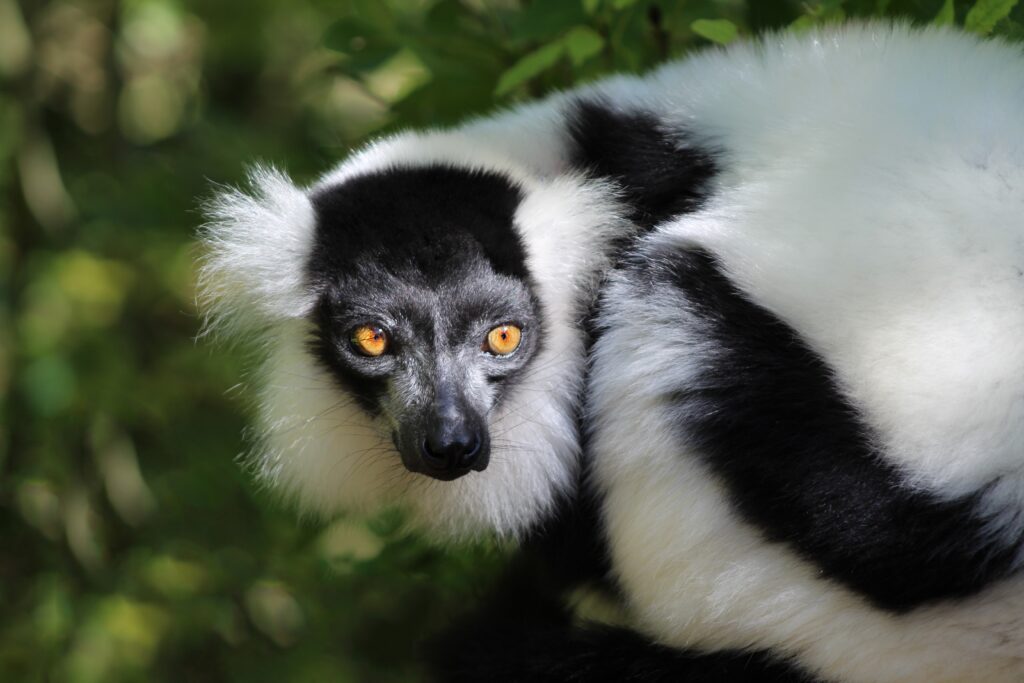
Do you like to sing in the shower or at karaoke? New research suggests a group of peculiar primates may have played an evolutionary role in your ability to do so.
Published August 9, 2024
By Nick Fetty
Before Beyoncé we had the Beatles. Before the Beatles we had Beethoven. And before Beethoven? Lemurs! …Lemurs???
A new study recently published in Annals of the New York Academy of Sciences reports that these primates frequently use music to communicate with one another, something they’ve likely been doing for generations. The study’s authors even suggest that small, furry tree-dwelling lemurs (Indri indri) may have played a role in how humans evolved to create music.
About the Indris Lemur
Singing lemurs, more formally called “Indris”, are endemic to the island of Madagascar where they generally congregate at mid-to-low elevations. They typically measure between 25 and 28 inches in length and can weigh up to 21 pounds. They subsist on fruits, seeds, flowers, and tree bark, and can live approximately 20 years in the wild.
Indris are classified as Critically Endangered on the International Union for Conservation of Nature’s Red List in large part because of the destruction of their natural habitat through agriculture, logging, and charcoal production. Poaching and political instability on the island have contributed to the threat. This is further complicated by the fact they do not reach reproductive maturity until roughly eight years old. Even then, they only give birth every two to three years. Efforts are being made to understand these cute creatures in order to better protect them.
Not Missing a Beat
Indris use song to communicate with one another, like birds and ocean creatures such as whales and dolphins. They also use rhythmic vocalizations to alert each other to potential threats, and to keep track of each other when they get lost in the thicket of the forest canopy. What was interesting to the scientists wasn’t the noises themselves (see video below) but that indris are rhythmic in their use of song and other vocalizations.
The researchers recorded songs and calls produced by 51 indris spread across five patches of rainforest over a 15-year period. They then analyzed graphs of the recordings for pitch, tempo, and duration between calls or songs.
The scientists observed that indris communications have isochrony—that is, “the time between sounds or notes are equal, creating a steady occurrence of events at regular intervals, resulting in a consistent rhythm or beat” — something like the consistent ticking of a clock, or the beat of a metronome.
Indris surpass other mammals and songbirds with their rhythmic abilities, and instead are more similar to humans.
“The findings highlight the evolutionary roots of musical rhythm, demonstrating that the foundational elements of human music can be traced back to early primate communication systems,” said Daria Valente, a co-author of the paper from the University of Turin.
The Rhythmic Organization of Singing Behavior
While the researchers believe their findings support the hypothesis about the musical connections between lemurs and humans, they also acknowledged some limitations.
“Mechanistic work on singing animals is, with a few notable exceptions (e.g., songbirds, singing mice), almost impossible. Indris are critically endangered and cannot be bred in captivity, so directly tapping the mechanisms behind their singing is unfeasible. This limits our understanding of primates’ song production and perception. Still, fine-grained behavioral studies can highlight factors regulating the rhythmic organization of singing behavior,” the researchers wrote in their conclusion.
This research was published in Annals of the New York Academy of Sciences in June 2024. The team included researchers from Italy, the United Kingdom, Madagascar, the Netherlands, and Denmark. Financial support for the project was provided by the Max Plank Society, the Danish National Research Foundation, and the European Research Council.
This article is open access and publically available because of funding from Projekt DEAL, now called the DEAL Consortium. The organization aims to “negotiate new contractual models with journal publishers that enable the open dissemination of research results from Germany.” Wiley, the publisher of Annals, is one of the partners in the DEAL Consortium.
“DEAL Consortium is one of many so-called Transformational Agreements that journal publishers have established with countries, institutions, and even individual U.S. states,” said Douglas Braaten, PhD, Chief Scientific Officer for The New York Academy of Sciences and Editor-in-Chief of Annals. “These agreements facilitate and ensure Open Access for papers that might otherwise not be available without a subscription. Annals is working towards being fully Open Access—a goal we hope to achieve in the next two to five years.”
Exogenous Hormone Therapy
This collection of papers explores the benefits and risks of exogenous hormone therapies to treat a wide range of medical conditions. Hormones such as kisspeptin, testosterone, gonadotropins, and oxytocin are discussed as well as their potential use for menopause, hypogonadism, bone health, and neurodevelopmental disorders. The novel experimental findings, timely reviews, and unique perspectives will provide important contributions to advance our mechanistic and practical understanding of hormone therapies and their use in healthcare settings. The virtual issue is edited by Andrew Dwyer (Boston College) and Richard Quinton (Imperial College London).
Benefits and Costs of Bouillon Fortification in West Africa
In this special issue, tools to predict the impacts, costs, and cost-effectiveness of micronutrient intervention programs, with a focus on low- and middle-income countries, are applied to address policy questions related to micronutrient fortification of bouillon in West African countries, a common seasoning used there and novel candidate for multi-micronutrient fortification. Using national survey data from several countries in West Africa, the papers analyze (1) potential impacts of bouillon fortification on dietary adequacy of women and young children, and on functional outcomes such as child lives saved; (2) the costs of these new programs; and (3) cost-effectiveness of fortified bouillon for achieving various nutrition and health outcomes. These analyses are applied to inform the design of potential bouillon fortification standards, as well as to consider how bouillon compares with other micronutrient intervention programs (which may be implemented well or poorly, depending on the program and country). Stephen A. Vosti, Katherine P. Adams, and Reina Engle-Stone (all from University of California, Davis) are guest editors.
Extreme Animal Physiology and Implications for Human Health
This collection of papers explores how the understanding of animals with unique and extreme physiologies can provide insight into human health, such as tissue regeneration, psychological distress, metabolism, and hypoxia. Animals that are explored include prairie voles, dwarf lemurs, axolotl salamanders, and more. The novel experimental findings, timely reviews, and unique perspectives will not only further our understanding of animal physiology but also have the potential to advance human healthcare. This virtual issue is edited by Elena Gracheva (Yale University) and Slav Bagriantsev (Yale University).
Neural Representation—Perspectives from Neuroscience
On September 15-16, 2023, the Autonomous University of Barcelona hosted a workshop on the topic of neural representation. The conference comprised talks by keynote speakers followed by short talks by guest discussants. Contributions from the speakers and discussants were invited for submission to this special virtual issue. Guest editor for the issue is Oscar Vilarroya, Department of Psychiatry, Autonomous University of Barcelona, Barcelona, Spain.
The Academy’s Role in Asbestos Abatement
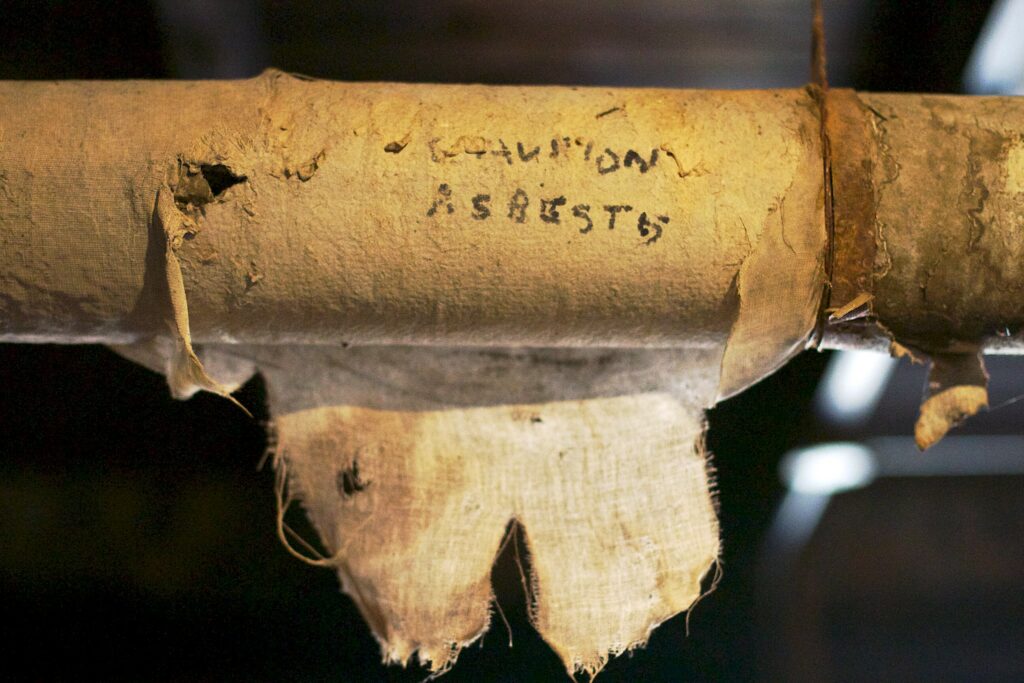
While the United States recently took formal action to ban the use of chrysotile asbestos, experts with The New York Academy of Sciences have voiced concern about this dangerous carcinogen for more than half a century.
Published April 5, 2024
By Nick Fetty
Image courtesy of Alan Levine/Flickr.
In March 2024, the U.S. Environmental Protection Agency issued a regulation prohibiting “the use, manufacture and import of chrysotile asbestos,” a source of mesothelioma and the last known raw form of asbestos used in the United States.
While banning this dangerous substance has been a work in progress for more than half a century, The New York Academy of Sciences was one of the first organizations to voice concerns by expert scientists.
What is Asbestos?
Asbestos is a mineral fiber naturally occurring in rock and soil. Use of asbestos in the United States dates back more than two centuries, though it was during the Industrial Revolution (around the middle of the 19th century) that asbestos imports began taking off.
Throughout much of the 20th century, asbestos was used in different ways, but it wasn’t until around the 1930s that it began commonly being used in the construction of homes and buildings. Asbestos was used in an array of construction materials from insulation and pipe wraps to flooring and roofing. The first instances of asbestos-related diseases were reported in the 1920s and 1930s, though it would take nearly another half century before the U.S. government would begin regulating the use of the substance.
The Academy’s Involvement
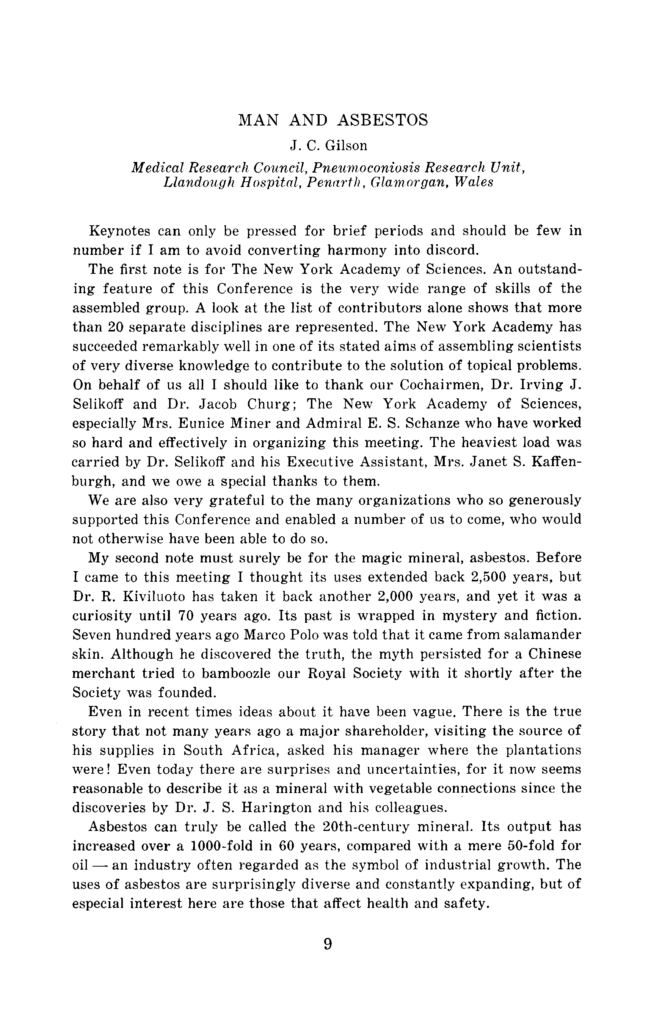
It was during the annual meeting of the American Public Health Association convened at The New York Academy of Sciences in 1964 (then headquartered on the Upper East Side) where researchers began to engage in a serious dialogue about the negative public health effects associated with asbestos.
These researchers pointed to a study in Africa, in which there were 33 reported cases of mesothelioma in a particular region where asbestos is mined. Another study in New York City, examining workers exposed to asbestos during construction, found that of the nearly 307 construction trade union member deaths between 1943 and 1964, 10 were linked to mesothelioma. The report stated this was “an extraordinary high incidence for a tumor generally so rare.”
While researchers at the time admitted they did not have direct evidence, they were noticing linkages between occupational asbestos exposure and increased rates of cancers like mesothelioma. Another troubling aspect, as noted by the researchers, was that it can take a worker a latent period of 20 years or more between the time they are initially exposed to when they are diagnosed with cancer.
“It would appear that mesothelioma must be added to the neoplastic (cancer) risks of asbestos inhalation and joins lung cancer (53 out of 307 deaths) and probably cancer of the stomach and colon (34 out of 307 deaths) as a significant complication of such industrial exposure in the United States,” the Associated Press reported.
Regulating Asbestos
The first asbestos restrictions in the United States occurred in 1973, followed by other concerted efforts throughout the 1970s. The EPA attempted a complete ban on asbestos in 1989; however this effort was overturned by the First Circuit Court of Appeals in 1991. A 2022 rule by EPA was aimed at overturning this decision.
In March 2024, the Biden administration finalized the ban on chrysotile or white asbestos, the last remaining type of asbestos used in the United States. Companies will have up to 12 years to phase out the use of asbestos in their manufacturing processes.
The December 1965 issue of Annals that first reported these findings remains one of the most “sought and referenced” today, according to Douglas Braaten, PhD, Chief Scientific Officer for the Academy and Editor-in-Chief of Annals of the New York Academy of Sciences. A subsequent Annals issue published in 1979 extended the reporting of hazards associated with asbestos exposure.
WHO Integrated Management of Obesity in Children and Adolescents
As part of a WHO project to develop guidelines, experts on different aspects and mechanisms related to management of obesity in children and adolescents were invited to present review articles on key issues. Edited by Maria Nieves Garcia-Casal, PhD (scientist at WHO).